The ministry confirmed that there are currently no Ebola cases in Rwanda, but said the measures are part of ongoing efforts to enhance preparedness, early detection, and rapid response capacity to prevent any possible importation of the disease.
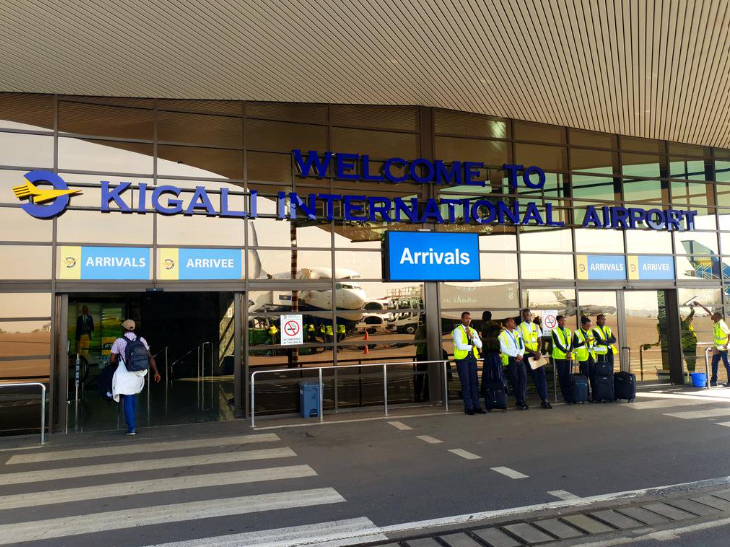
As part of the updated precautions, Rwanda has reinforced health screening and surveillance at all land points of entry along the border with the DRC. Additional entry control measures are also being implemented at Kigali International Airport for all inbound travellers.
Recent measures taken by the government this week include heightened surveillance at key transit points in Rubavu and Rusizi districts. These measures cover major crossing points such as the high-traffic Petite Barrière, Grande Barrière, and Kabuhanga posts adjacent to Goma, as well as Rusizi I and Rusizi II crossings bordering Bukavu.
Under the new rules, effective immediately, all foreign nationals who have travelled to or transited through the DRC within the last 30 days prior to their intended travel to Rwanda will be denied entry into the country.
Rwandan nationals and foreign residents holding valid proof of residency in Rwanda will still be allowed entry. However, those who have visited or transited through the DRC within the same 30-day period will be subject to mandatory quarantine in line with established public health protocols.
The Ministry of Health noted that it has already engaged with international partners, including the World Health Organisation (WHO) Rwanda, briefing diplomatic missions and international organisations on the country’s preparedness measures and current health security protocols.
Authorities emphasised that despite the enhanced controls, all activities in Rwanda continue as normal, including conferences, tourism, business operations, events, and domestic travel.
“Rwanda remains open, safe and prepared,” the ministry stated, urging visitors, residents, and event participants to continue their activities while observing standard hygiene practices and following official health guidance.
The Ministry of Health, in collaboration with other government institutions and international partners, said it will continue to closely monitor the situation and strengthen response measures to safeguard public health.
Members of the public have been encouraged to seek health information or report symptoms through the Rwanda Biomedical Centre hotline 114.
Ebola cases surge in DRC
The outbreak, initially reported in Ituri Province, has now affected North Kivu and South Kivu, while two confirmed cases have also been reported in the neighbouring country of Uganda.
According to the figures released Thursday by DRC Health Minister Roger Kamba, 626 suspected cases and 159 probable deaths have been recorded since the country declared its 17th outbreak on May 15.
The situation continues to evolve rapidly following WHO’s emergency declaration on May 16, 2026. Given that this outbreak involves the rare Bundibugyo strain, for which there is currently no approved vaccine or specific targeted treatment, containment efforts and epidemiological tracking rely heavily on distinguishing laboratory-confirmed cases from the significantly larger pool of suspected cases under investigation.
Rwanda continues to closely monitor the Ebola outbreak reported in the DRC.
There are no Ebola cases in Rwanda, and precautionary measures are in place to reinforce prevention and early detection.
New entry control measures are in effect for travellers from the DRC. pic.twitter.com/FdU57AYFYu— Ministry of Health | Rwanda (@RwandaHealth) May 22, 2026
Leave a Reply