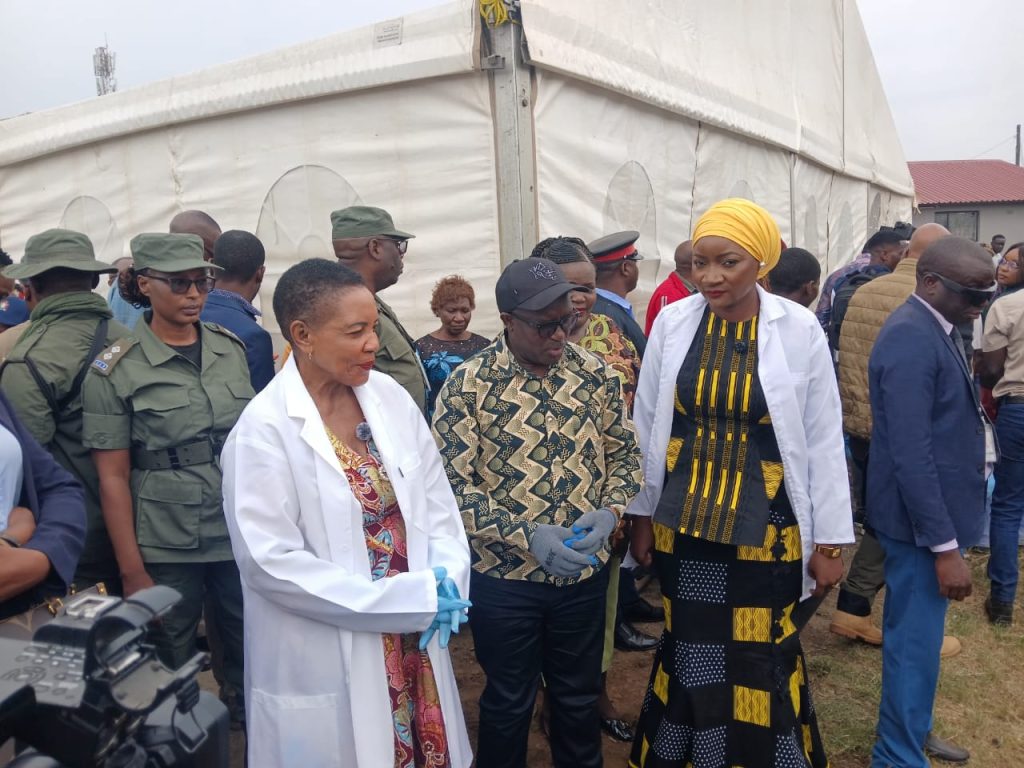
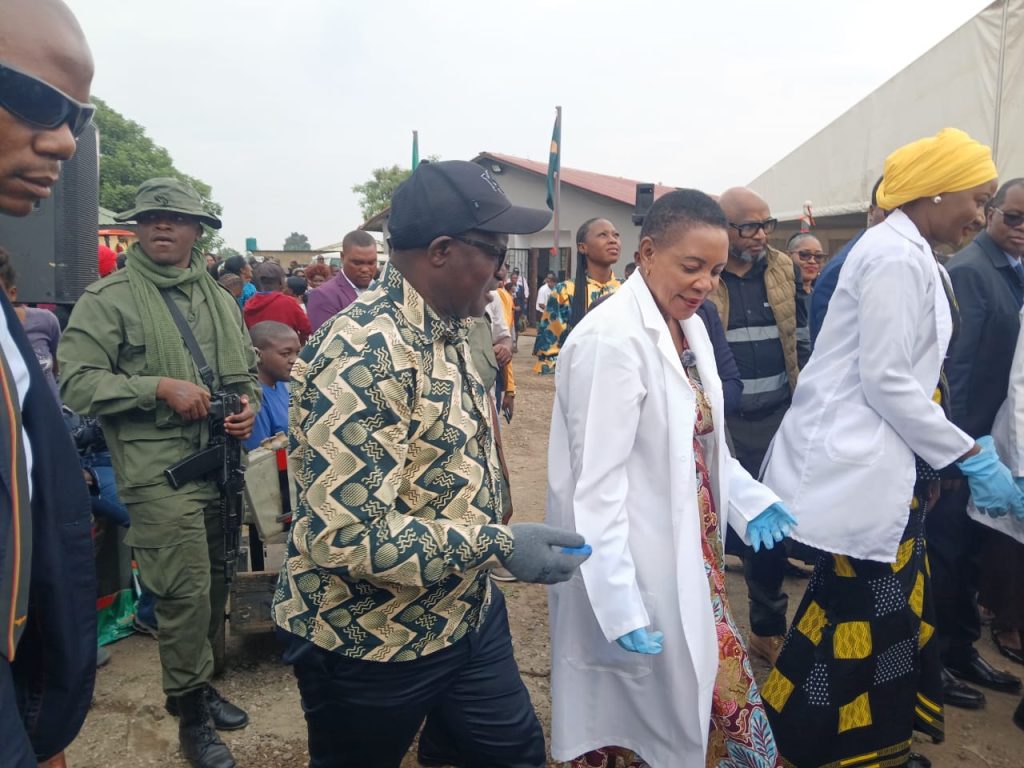
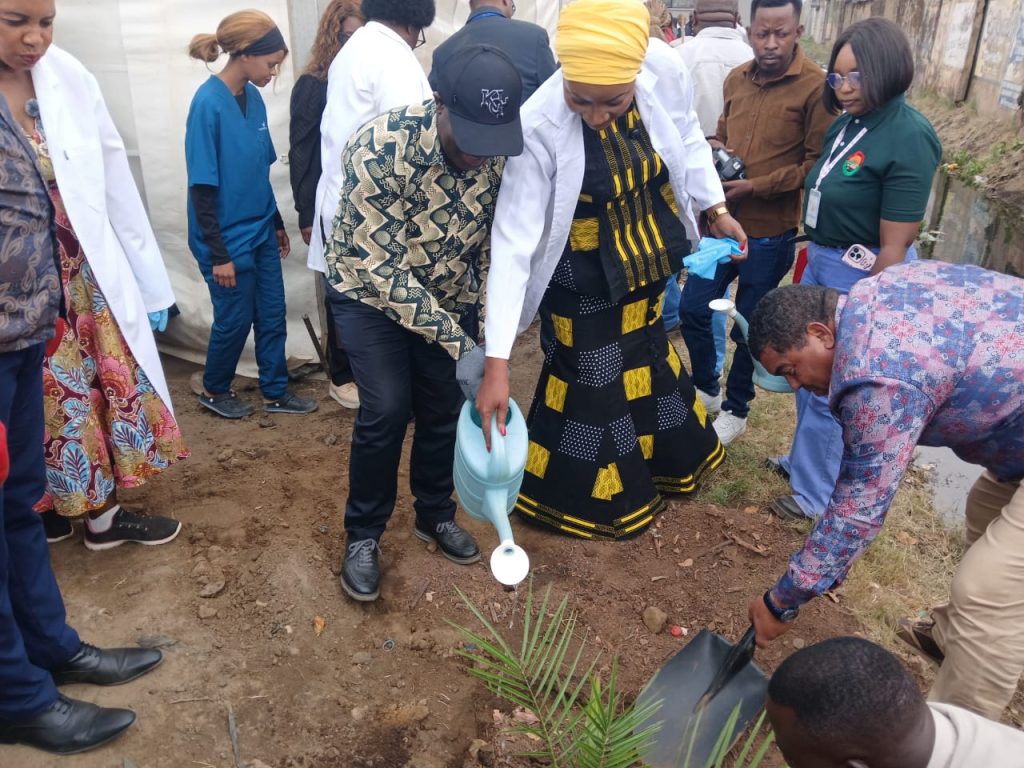
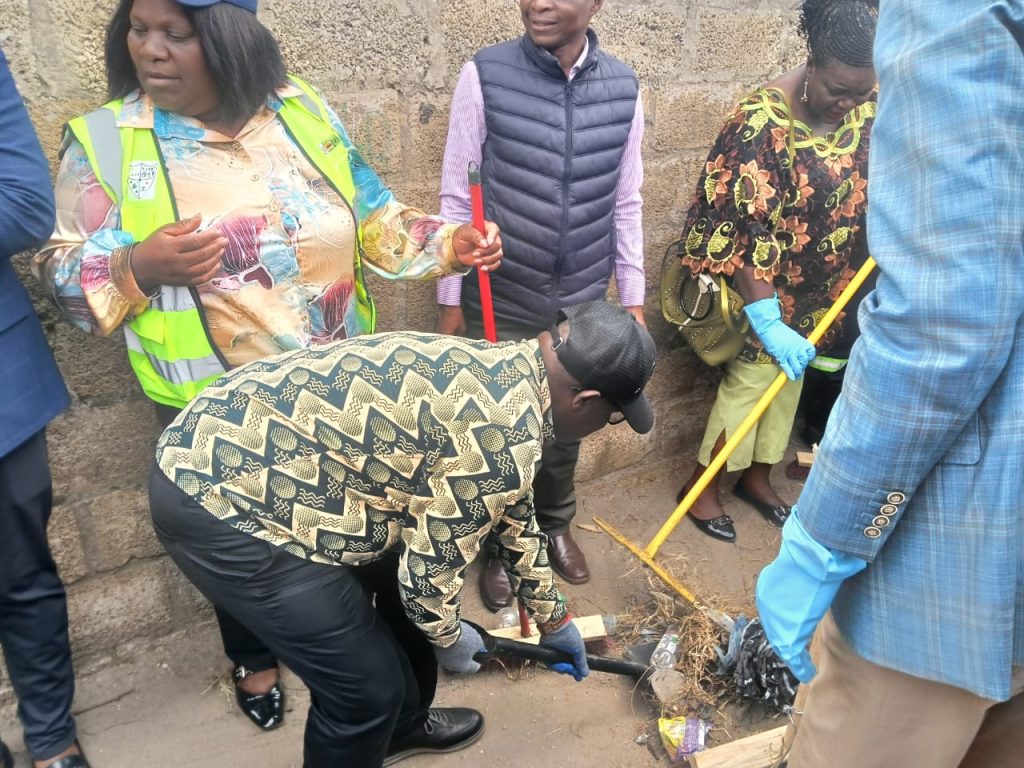
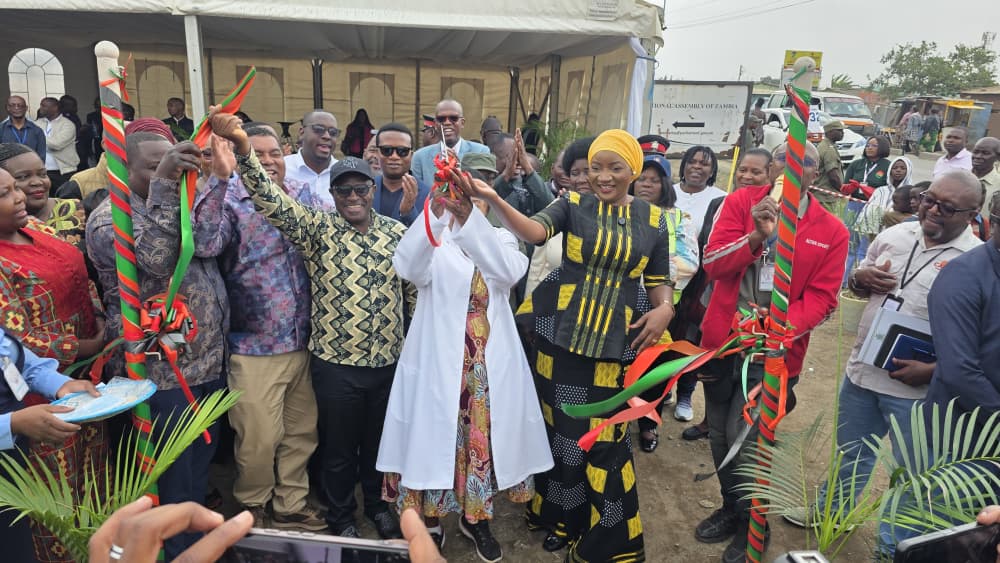
The campaign, dubbed ‘Keep Parliament Clean’, was launched by Speaker of the National Assembly Nelly B.K. Mutti in Kanyama Constituency, Lusaka, on November 9, 2026.
Rwanda’s High Commissioner to Zambia, Emmanuel Bugingo, was invited to share Rwanda’s experience in mobilising communities to address environmental and socioeconomic challenges.
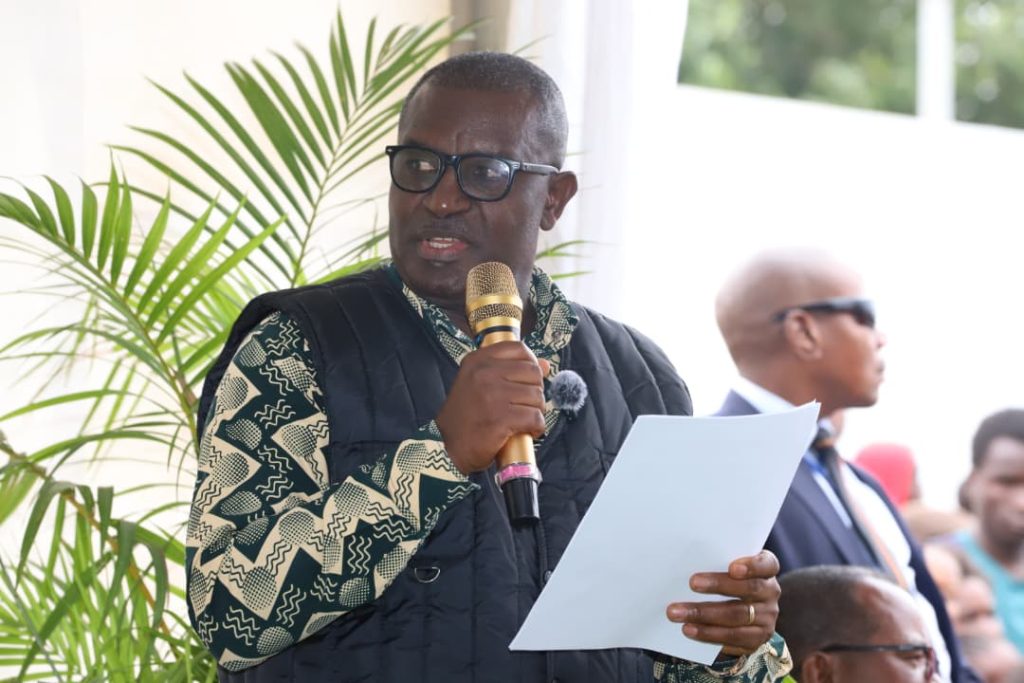
Mutti said the initiative goes beyond sweeping and collecting waste, emphasising the need to change attitudes towards cleanliness.
“We want every member of parliament, every member of staff, every visitor, and every constituency office to understand that a clean environment is a productive environment,” she said.
Mutti noted that collective efforts replicate what has worked in countries like Rwanda, citing the Umuganda as a shining example and inspiration for mindset change in Zambia.
She urged parliamentarians to make cleanliness a habit and encouraged families to teach children not to litter, describing responsible waste disposal as an expression of patriotism.
To sustain the campaign, she introduced the Nelly Mutti Trophy, which will recognise the best-performing constituency.
Parliament will also collaborate with local authorities, the Zambia Environmental Management Authority (ZEMA) and other stakeholders to promote environmental awareness and community participation.
Bugingo welcomed the initiative, describing it as similar to Rwanda’s Umuganda, a longstanding community tradition revitalised after the 1994 Genocide against the Tutsi as one of the country’s home-grown solutions.
He explained that Umuganda traditionally involved families working together to address community needs, including building homes for vulnerable people, farming for those unable to work and helping patients access medical facilities.
In Rwanda, Umuganda is held on the last Saturday of each month, when citizens aged 18 to 65 participate in community work from 8 a.m. to 11 a.m.
Beyond environmental cleanliness, Bugingo said, the programme contributes to socioeconomic development, unity and social cohesion.
Lusaka Province Minister Obvious Mwaliteta said rapid urbanisation and population growth were putting pressure on waste collection services, exposing the city to public health risks, including cholera.
He urged parliamentarians to use Constituency Development Funds to support clean-up activities where permitted by the guidelines.
Leave a Reply