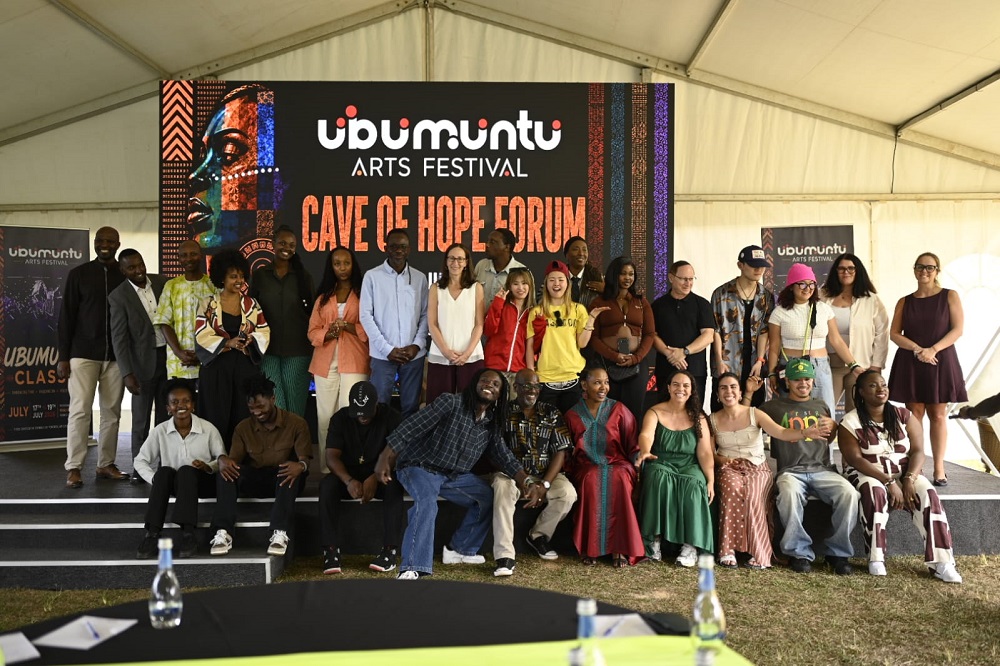
This sentiment was the cornerstone of The Cave of Hope Forum: An UnConference on Business, Sustainability & Cultural Diplomacy, held on Wednesday, 15 July 2026, at MÖVENPICK Hotel Kigali.
Creatives need greater financial support, stronger business skills and closer collaboration with financial institutions if Rwanda’s creative economy is to realise its full potential, participants at the 12th Ubumuntu Arts Festival stressed.
The call was made during The Cave of Hope Forum: An UnConference on Business, Sustainability & Cultural Diplomacy, held on Wednesday, July 15, 2026, at MÖVENPICK Hotel Kigali. The forum formed part of the 12th Ubumuntu Arts Festival, which is being held under the theme “Embracing Time: Holding On. Holding Together.”
Bringing together leaders from finance, the arts and mental health, the forum explored how creativity can be transformed into a sustainable economic sector through stronger financial support, business development and cultural diplomacy.
A recurring message throughout the discussions was that creativity extends far beyond entertainment. Speakers argued that when artists have access to financial knowledge, investment and appropriate financial products, the sector can generate jobs, revenue and broader social impact.
Among those advocating for stronger support was Bank of Kigali, which reaffirmed its commitment to helping creatives formalise their businesses and build sustainable enterprises capable of contributing more significantly to the national economy.
Marcelin Dukuzimana, Certified Product Manager at Bank of Kigali, said the bank views the creative industry as a sector with substantial emotional, social and economic value.
“When you empower one creative, you know that you are empowering an entire generation and the society around them,” he said.
Dukuzimana observed that while many creatives are already earning an income, they often operate informally, limiting their access to financing and opportunities for growth.
“These creatives are making money, although informally. As a bank, we have the expertise to help them put things in order, arrange their businesses, and convert their passion into entrepreneurial concepts that generate revenues,” he said.
He identified limited financial management skills and a lack of trust between creatives and financial institutions as key barriers preventing many artists from accessing formal financial services.
To bridge that gap, Bank of Kigali plans to roll out financial literacy programmes covering budgeting, bookkeeping, financial record-keeping and business planning. The initiative will be implemented through cohort-based training targeting creatives from different disciplines.
The bank is partnering with the Ministry of Youth and Arts and expects to launch the first training cohort in August 2026.
“We are going to keep training them every year until we establish a creative community that has the basics in terms of financial literacy,” Dukuzimana said.
The discussions extended beyond finance to examine the links between creativity, mental well-being and sustainable development.
During a roundtable titled “Building Sustainable Creative Futures through Cultural Diplomacy,” speakers highlighted how artistic expression can foster healing while also driving innovation and economic resilience.
Moderated by Fola Folayan, the panel brought together Dukuzimana, architectural consultant Fatou Dieye and Emmanuel Karamira, a clinical psychologist at Solid Minds. Their discussion explored how financial stability, mental well-being and cultural diplomacy can collectively strengthen the creative ecosystem.
The event concluded with remarks from Canada’s High Commissioner to Rwanda, Ambassador Judy Crowley, who praised The Cave of Hope initiative for creating a platform that connects art, creativity, nature and society.
“The inspiration that the team brought here this afternoon through discovering The Cave of Hope project is such a diverse and honest sharing experience. It is absolutely unique,” she said.
Crowley added that the initiative’s holistic approach has the potential to inspire similar collaborations beyond Rwanda.
“It is beautiful, it is well thought through, and the fact that it is bringing together nature, society, creativity, and art is truly inspiring,” she said.
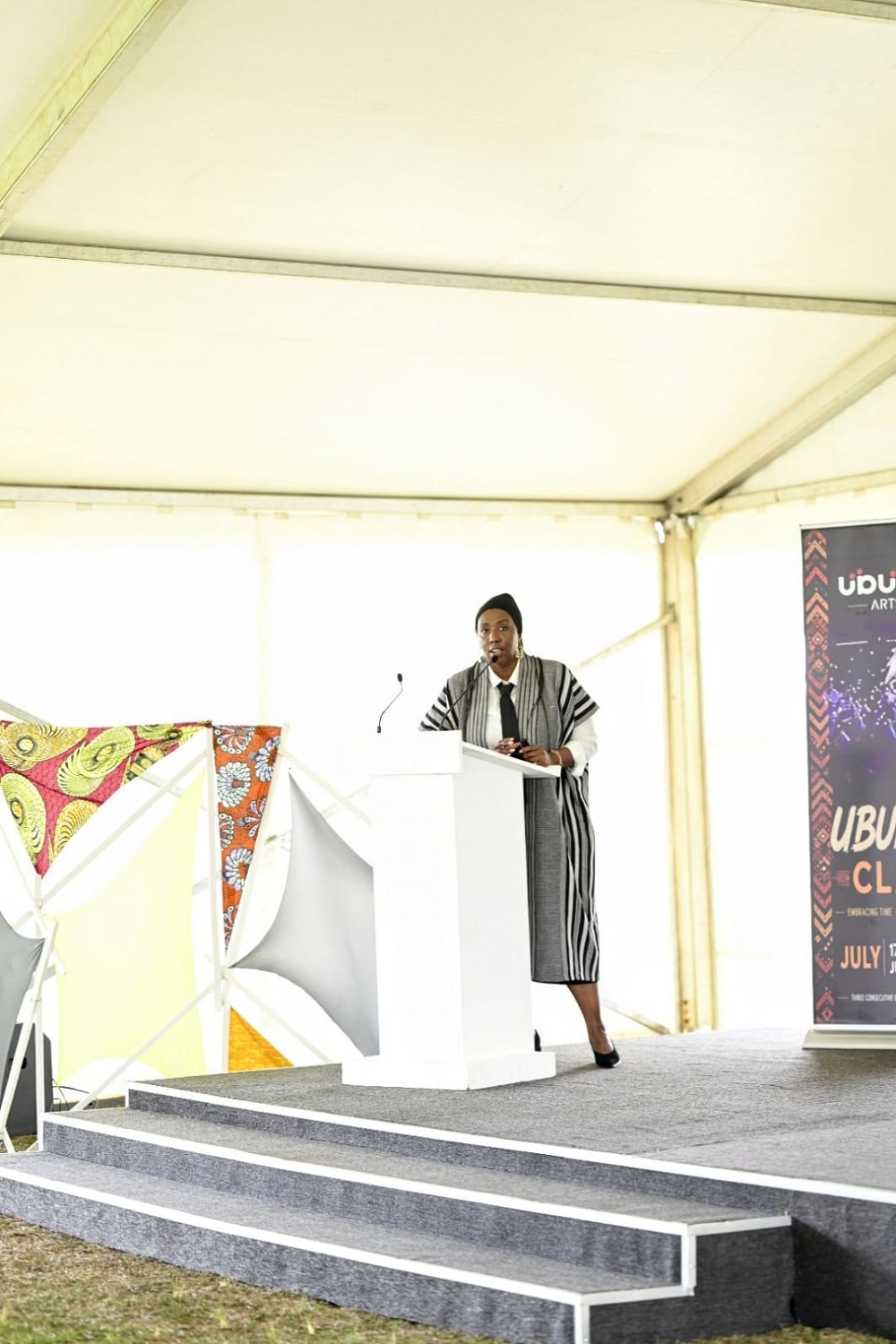
The forum began with participants touring The Cave of Hope Gallery before hearing opening remarks and a poetic reflection on hope by Hope Azeda. Fatou Dieye later presented The Cave of Hope concept, describing it as a space designed to encourage sustainable creative solutions, collaboration and innovation.
As discussions concluded, participants agreed that unlocking the full potential of Rwanda’s creative economy will require continued collaboration between artists, government, development partners and financial institutions.
The 12th Ubumuntu Arts Festival continues on Friday, July 17, with the Ubumuntu Classic performances at the Kigali Genocide Memorial amphitheatre, showcasing artists from around the world and reinforcing the festival’s commitment to promoting creativity, humanity and cultural exchange.


Leave a Reply