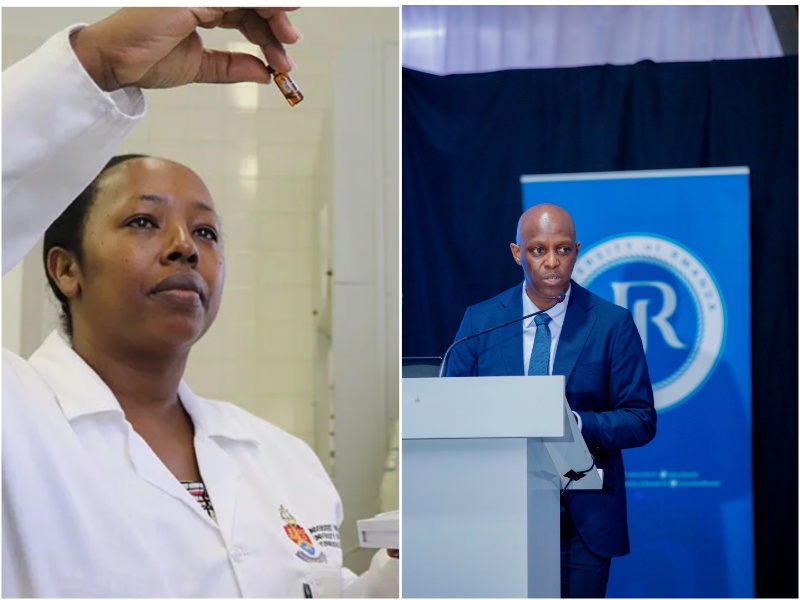
Prof. Léon Mutesa, a human genetics researcher at the University of Rwanda, and Prof. Eugénie Kayitesi, a food science and nutrition specialist at the University of Pretoria in South Africa, were among 87 scientists elected as regular Fellows on November 5, 2026.
Their election takes effect on January 1, 2027, expanding Rwanda’s representation in an academy whose membership has historically included relatively few researchers from the country.
The two academics work in different fields, but their research addresses challenges with direct relevance to Africa. Mutesa has helped establish Rwanda’s capacity in human genetics, while Kayitesi explores how indigenous crops can be better used to tackle food insecurity and malnutrition.
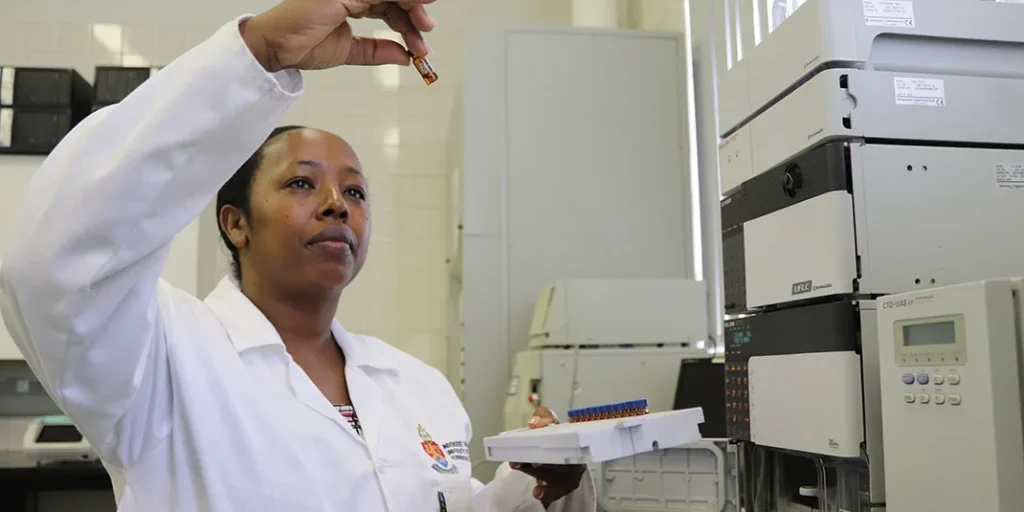
For Kayitesi, the recognition also carries a personal significance, given that her academic journey began in Rwanda.
“My election validates a core mission anchored in my Rwandan heritage, proving that indigenous knowledge combined with rigorous science can solve Africa’s most pressing food security and nutritional challenges,” she told The New Times.
Kayitesi is an Associate Professor at the University of Pretoria, where her research focuses on food science and technology, particularly food chemistry, biochemistry and processing.
She investigates ways of transforming underutilised indigenous African crops into nutritious products that can serve as alternatives to expensive imported staples.
Her work uses techniques including fermentation, malting and infrared heating to improve nutrient absorption, reduce harmful substances in food and develop products that address protein-energy malnutrition and micronutrient deficiencies.
Beyond improving nutrition, processing locally available and drought-tolerant crops could extend their shelf life, reduce post-harvest losses and create markets for smallholder farmers and food businesses.
Kayitesi obtained her bachelor’s degree in Food Science and Technology from the University of Rwanda, formerly the Kigali Institute of Science and Technology. She is also an Honorary Visiting Professor at the university’s College of Agriculture, Animal Sciences and Veterinary Medicine.
Her previous recognitions include the 2023 OWSD-Elsevier Foundation Award and the 2022 Rwanda Women in Science Award. She is a member of the African Academy of Sciences and the Pan-African Scientific Research Council.
Building Rwanda’s human genetics capacity
Mutesa’s election recognises his contributions to human genetics and the development of research capacity in Rwanda.
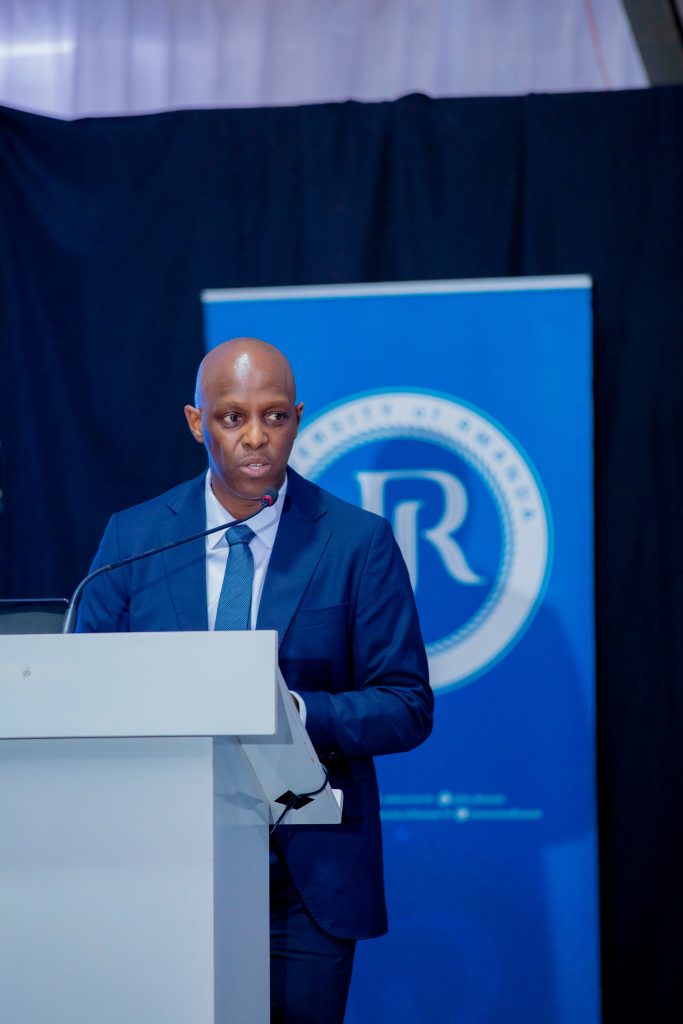
In 2006, he spearheaded the establishment of Rwanda’s reference centre for human genetics, the only facility of its kind in East Africa.
His research examines how genetic and epigenetic changes can be transmitted across generations, including the effects of traumatic experiences. He has particularly investigated the intergenerational impact of trauma linked to the 1994 Genocide against the Tutsi, including post-traumatic stress disorder among women survivors and their children.
Mutesa is a Professor of Human Genetics and Director of the Centre for Human Genetics and Genomics at the University of Rwanda’s College of Medicine and Health Sciences.
He obtained his medical degree from the University of Rwanda in 2003 and a PhD from the University of Liège in Belgium in 2009. He later undertook postdoctoral research at the University of Erlangen in Germany.
He previously served as Director General of the Medical Research Centre at the Rwanda Biomedical Centre. His scientific contributions have earned him several distinctions, including the Human Genome Organisation (HUGO) African Prize in 2024. He is also a Fellow of the African Academy of Sciences.
The two elections bring the number of Rwandan scientists who have become TWAS Fellows to four. Physicist and former Minister of Education Prof. Romain Murenzi was elected in 2005, while paediatrician and former Minister of Health Prof. Agnès Binagwaho joined the academy in 2021.
Rwanda’s representation in global science
The latest election brings together 87 scientists, including 29 women, with 77 coming from countries in the Global South.
Rwanda is among 15 countries identified by TWAS as science- and technology-lagging countries represented in the new intake. The group also includes Bangladesh, Bolivia, Ethiopia, Ghana, Kenya, Nepal, Senegal and Zimbabwe.
The academy has separately identified Rwanda among countries historically underrepresented in its membership.
China recorded the highest number of newly elected Fellows, with 13, followed by India with eight, Brazil with seven and South Africa with six.
The new members will bring TWAS’s total membership to 1,510 Fellows across 10 scientific divisions covering fields such as agriculture, nutrition, health, engineering, environmental sciences and physics.
Leave a Reply