At least 54 ships transited the Strait of Hormuz between May 11 and 17, compared with only 25 during the previous week, the British shipping industry daily reported, citing vessel-tracking data.
The report said the increase came amid a surge in Iran-related trade activity. It also highlighted that a liquefied natural gas carrier owned by Abu Dhabi National Oil Company entered Gulf waters while operating with its automatic identification system switched off.
Data from London-headquartered maritime analytics company Windward showed that 19 vessels passed through the Strait of Hormuz on Monday, including nine inbound and 10 outbound ships.
Inbound traffic mainly consisted of cargo vessels flying the flags of countries including India and Sri Lanka. Outbound traffic included one tanker and nine cargo ships, five of which were flying the Iranian flag.
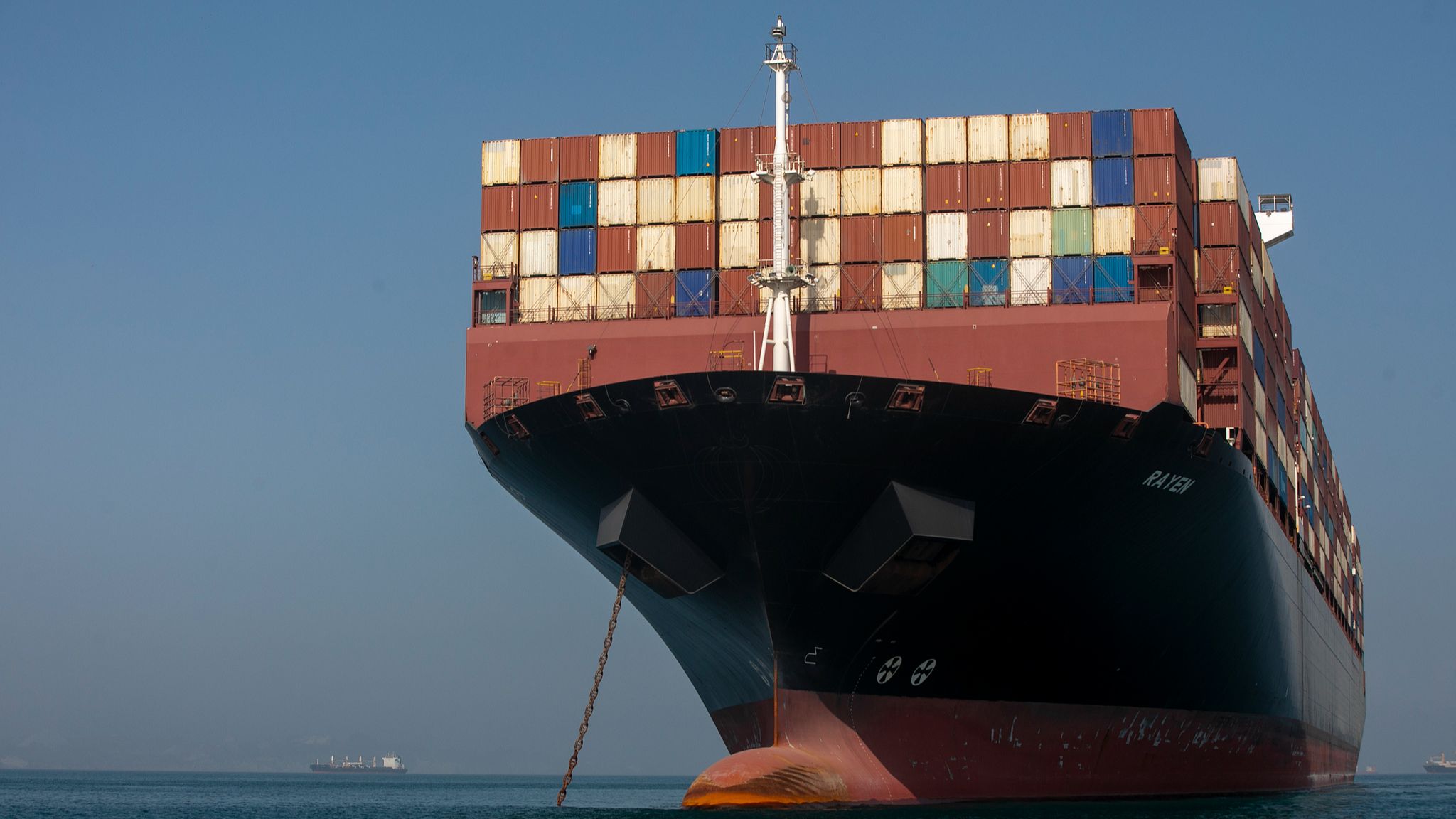
An Iranian-flagged cargo vessel Rayen is anchored on May 16, 2026 in the Strait of Hormuz near Larak Island, Iran. /VCG
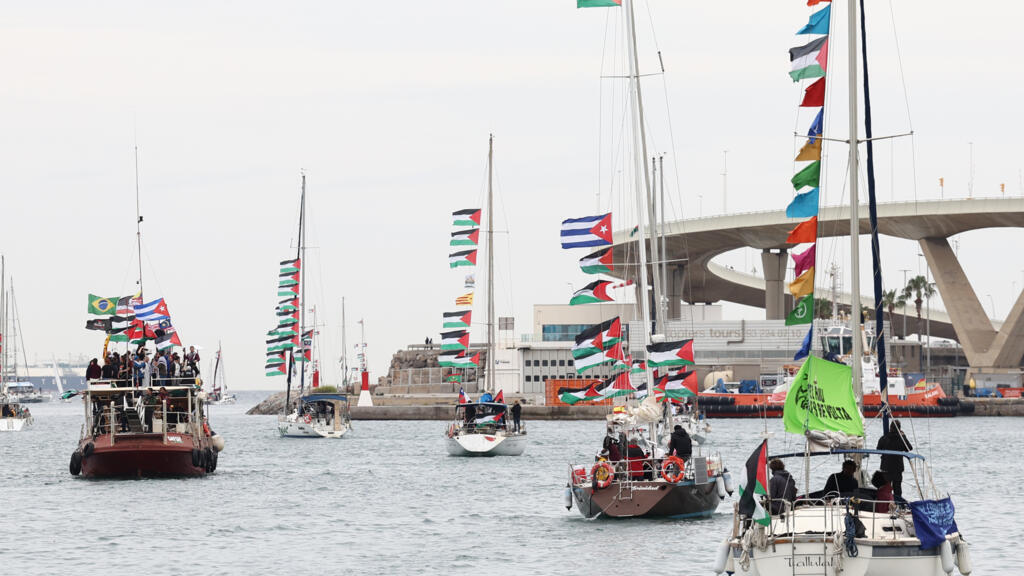
Organizers of the Global Sumud Flotilla said on their website that all boats in their humanitarian convoy were intercepted after Israeli naval vessels surrounded them in international waters, about 250 nautical miles from the coast of Gaza. They said that 428 activists were “kidnapped” by Israel.
Israel began intercepting the ships on Monday morning.
Around midnight Tuesday, the Israeli Foreign Ministry said in a statement that the activists “have been transferred to Israeli vessels and are making their way to Israel,” adding that they would be allowed to meet their consular representatives.
The ministry said Israel would not allow any breach of what it called the “lawful” naval blockade of Gaza. It described the flotilla as “a PR stunt at the service of Hamas.”
The flotilla set sail from Türkiye’s Marmaris coast Thursday in a third attempt to break Israel’s blockade of Gaza and deliver aid to Palestinians in the war-devastated enclave.
A previous flotilla, comprising about 20 boats and 175 activists, was intercepted by Israeli forces on April 30 near the southern Greek island of Crete. Two of the activists were detained for days before being released. Dozens of activists said they were mistreated, abused and beaten by Israeli forces.
The flotilla, carrying aid and medical staff, says it aims to draw international attention to dire conditions in Gaza, where much of the enclave lies in ruins. More than 72,000 people have been killed by Israeli fire and over 172,000 injured since October 2023, according to Gaza health authorities.
Israel began intercepting the ships on Monday morning.
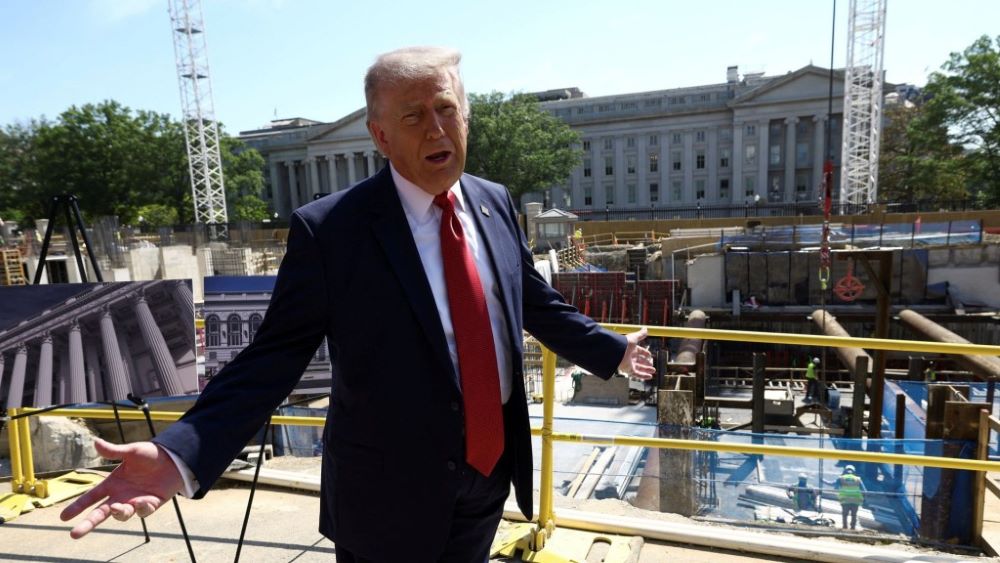
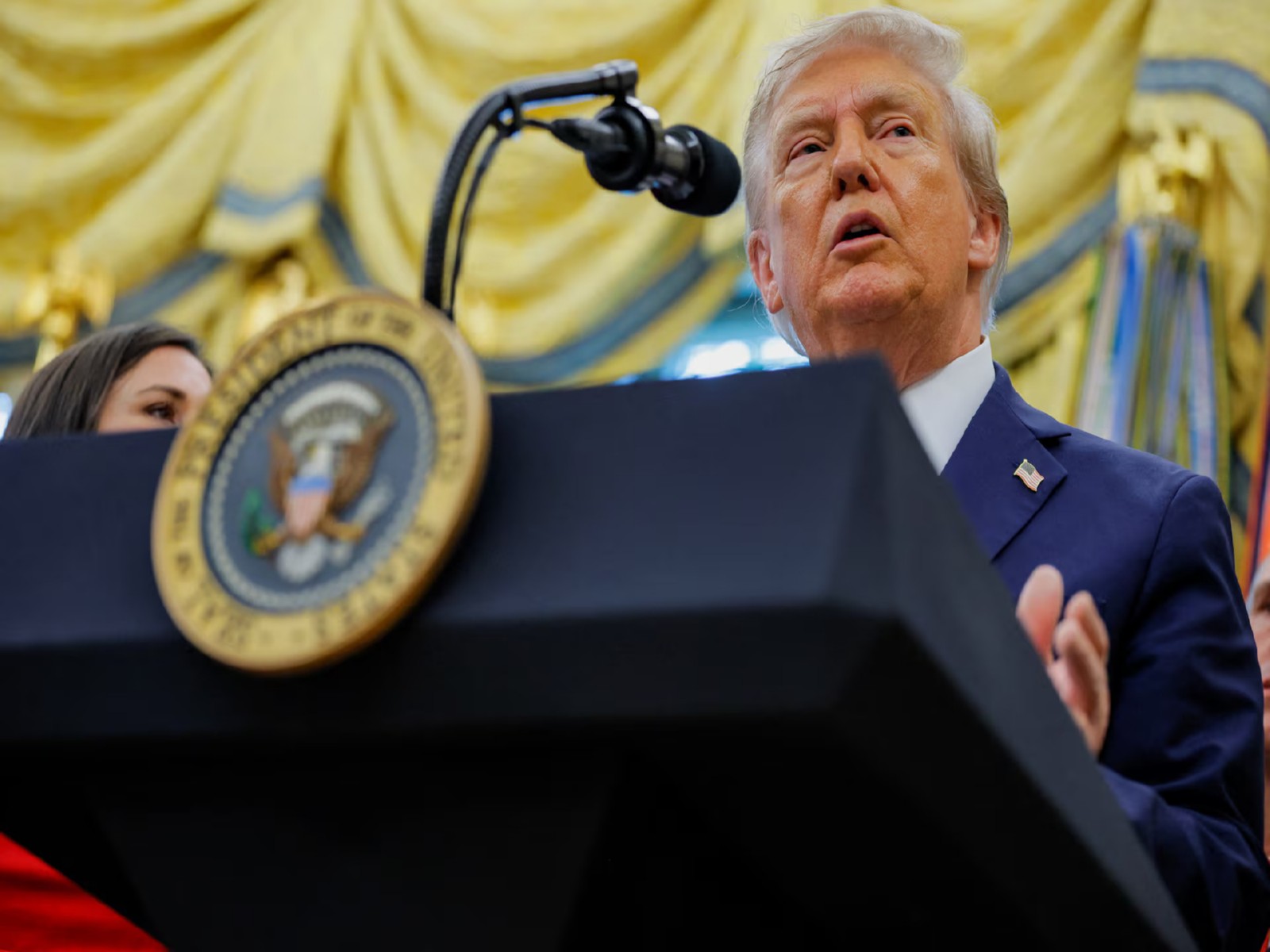
Speaking at the White House, Trump said Iran’s leaders were “begging” to make a deal, but warned that a new U.S. attack could take place in the coming days if no agreement is reached.
He said the timeline could be Friday, the weekend or early next week, stressing that Washington “can’t let them have a new nuclear weapon.”
Trump said several Gulf allies had told him there was progress in negotiations brokered by Pakistan toward a peace deal so he would allow a “limited period of time” — two or three days, at least — for talks to continue.
The president said on Monday that this time was “a little bit different” from previously stalled talks in which Washington thought a deal was close.
“We’ve had periods of time where we had, we thought, pretty much getting close to making a deal, and it didn’t work out. But this is a little bit different,” Trump told reporters one day earlier.
In an interview with Fox News on Monday, White House deputy press secretary Anna Kelly also said “Iran must renounce their nuclear ambitions for good.”
Iran will “open new fronts” against the United States if the latter resumes attacks, Iran’s ISNA news agency reported, citing Iran’s army spokesperson Mohammad Akraminia.
“If the enemy acts foolishly, falls into the Israeli trap and commits another aggression, we will open new fronts against them with new methods,” Akraminia was quoted as saying by ISNA on social media platform X.
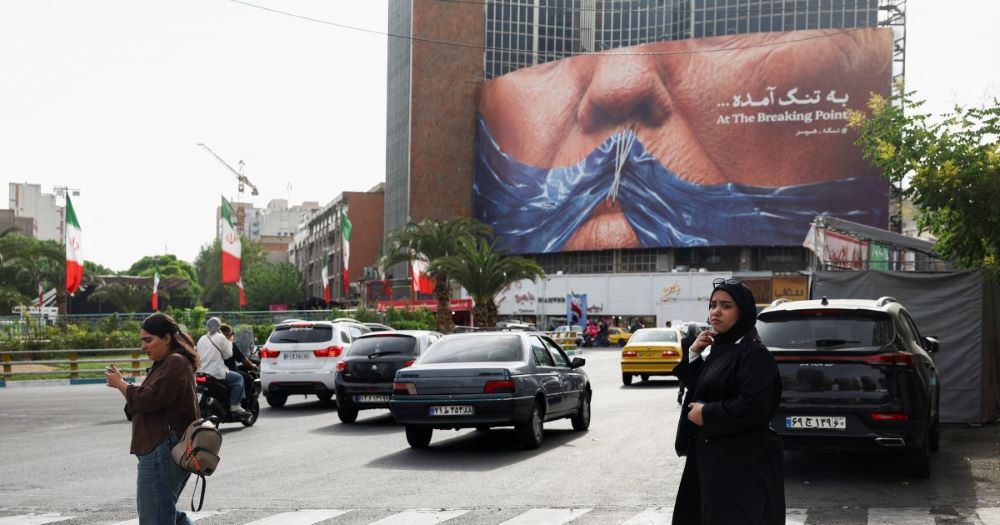
Speaking at the White House, Trump said Iran’s leaders were “begging” to make a deal, but warned that a new U.S. attack could take place in the coming days if no agreement is reached.A woman walks past an anti-US billboard depicting US President Donald Trump and the Strait of Hormuz, in Tehran, Iran on May 17. PHOTO: Reuters
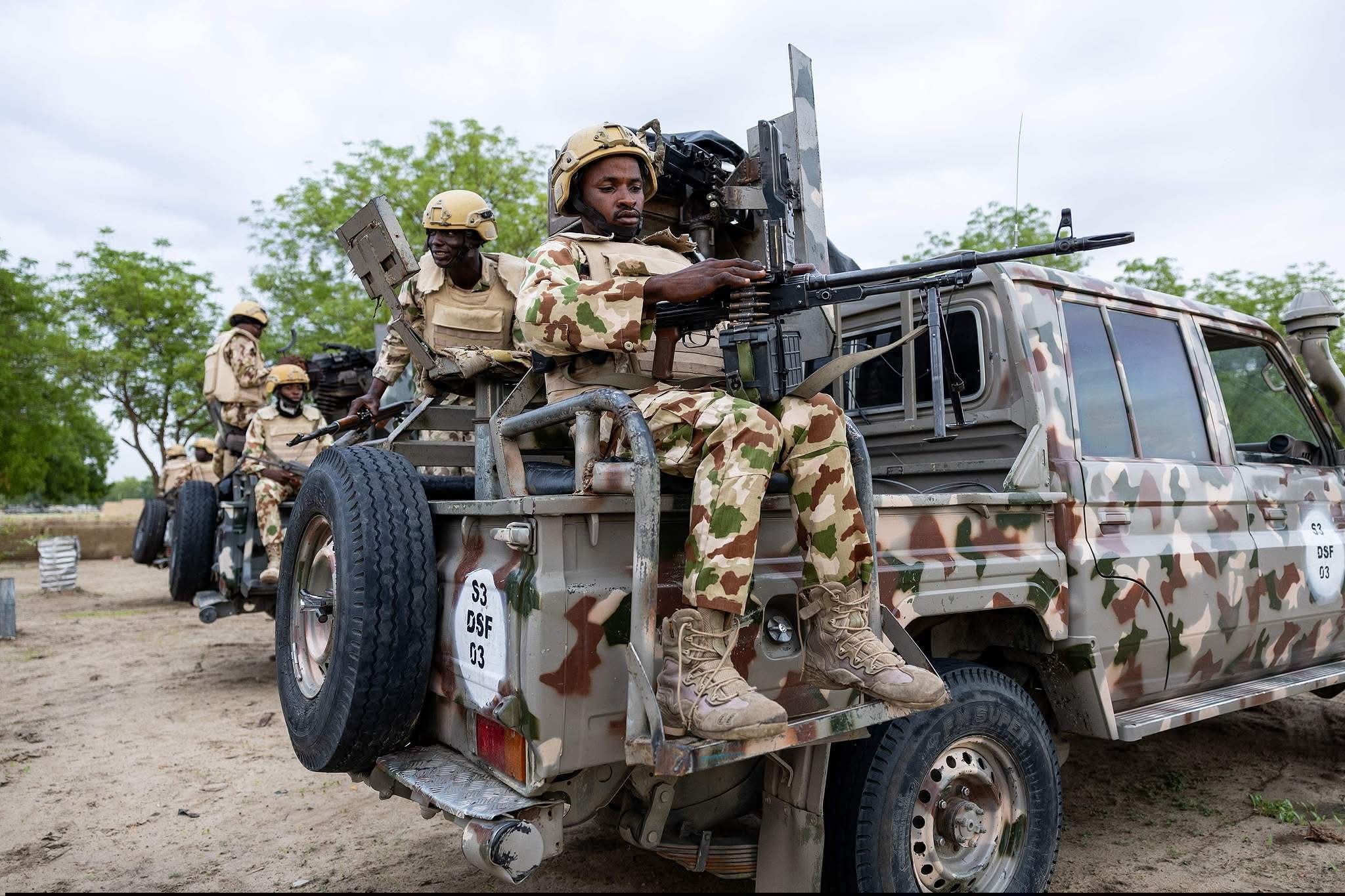
In a statement, military spokesperson Samaila Uba said the operation was carried out in the Metele area of Borno as part of ongoing counter-terrorism efforts in the region.
Uba said the strikes came after the killing of Abu-Bilal al-Minuki, whom the military described as the global second-in-command of IS.
According to the statement, the operation was conducted under a recently established counter-terrorism and intelligence-sharing partnership between Nigeria and the United States aimed at dismantling terrorist networks operating in the region.
The military said the strikes were launched after surveillance detected the gathering and movement of suspected militants, adding that ongoing operations were intended to weaken terrorist networks and deny armed groups safe havens within Nigeria.
The U.S. Africa Command confirmed on Monday that U.S. forces, in coordination with the Nigerian government, conducted additional strikes against IS militants in northeastern Nigeria.
In a statement, the U.S. Africa Command said intelligence had confirmed the targets were IS militants, adding that no U.S. or Nigerian personnel were hurt during the operation, while further assessments were underway.
Nigeria’s military spokesperson, Samaila Uba, said the operation was carried out in the Metele area of Borno as part of ongoing counter-terrorism efforts in the region.
One of the festival’s major attractions was screenings of SHENZHOU 13, China’s first 8K movie filmed in space. Based on the six-month orbital mission of the Shenzhou-13 astronauts aboard China’s space station, the film showcased panoramic views of Earth and intimate scenes of life in orbit.
The project was filmed using fully domestically developed 8K ultra-high-definition cameras, marking a milestone in China’s space-based filmmaking capabilities.
China’s participation in the festival also extended to advanced medical technology.
In a keynote lecture titled “Intelligent Hybrid Operating Room,” Wang Lei from the Shenzhen Institutes of Advanced Technology under the Chinese Academy of Sciences introduced Bulgarian audiences to international innovations in artificial intelligence-assisted surgical and interventional operating rooms. He also presented the latest Chinese research integrating operating room systems, robotics and surgeon information technologies.
Speaking at the event on Saturday, Chinese Ambassador to Bulgaria Dai Qingli highlighted the expanding scientific and technological cooperation between China and Bulgaria in recent years.
“From the vastness of space to the frigid Antarctic, from frontier sectors such as quantum information and artificial intelligence to areas close to people’s daily lives such as agriculture and health, scientists and engineers from China and Bulgaria are joining hands in an increasingly wide range of fields,” she said.
According to the organizer, the Beautiful Science Foundation, the festival aims to promote science and technology through discussions, demonstrations, workshops and interdisciplinary events connecting science and art, while bringing together leading Bulgarian and international researchers.
A humanoid robot poses during a permanent exhibition at the Zhongguancun Exhibition Center in Beijing, capital of China, March 28, 2025. (Xinhua/Ju Huanzong)
The announcement was made by Hamas spokesperson Hazem Qassem in a video posted on Facebook.
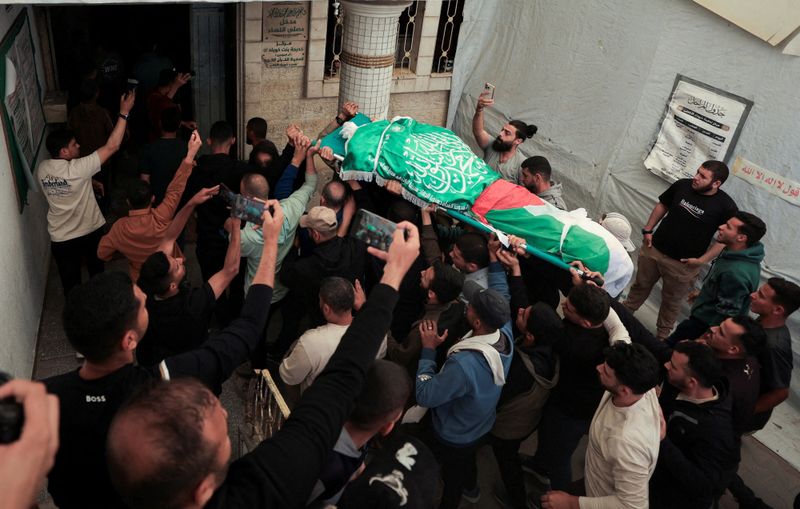
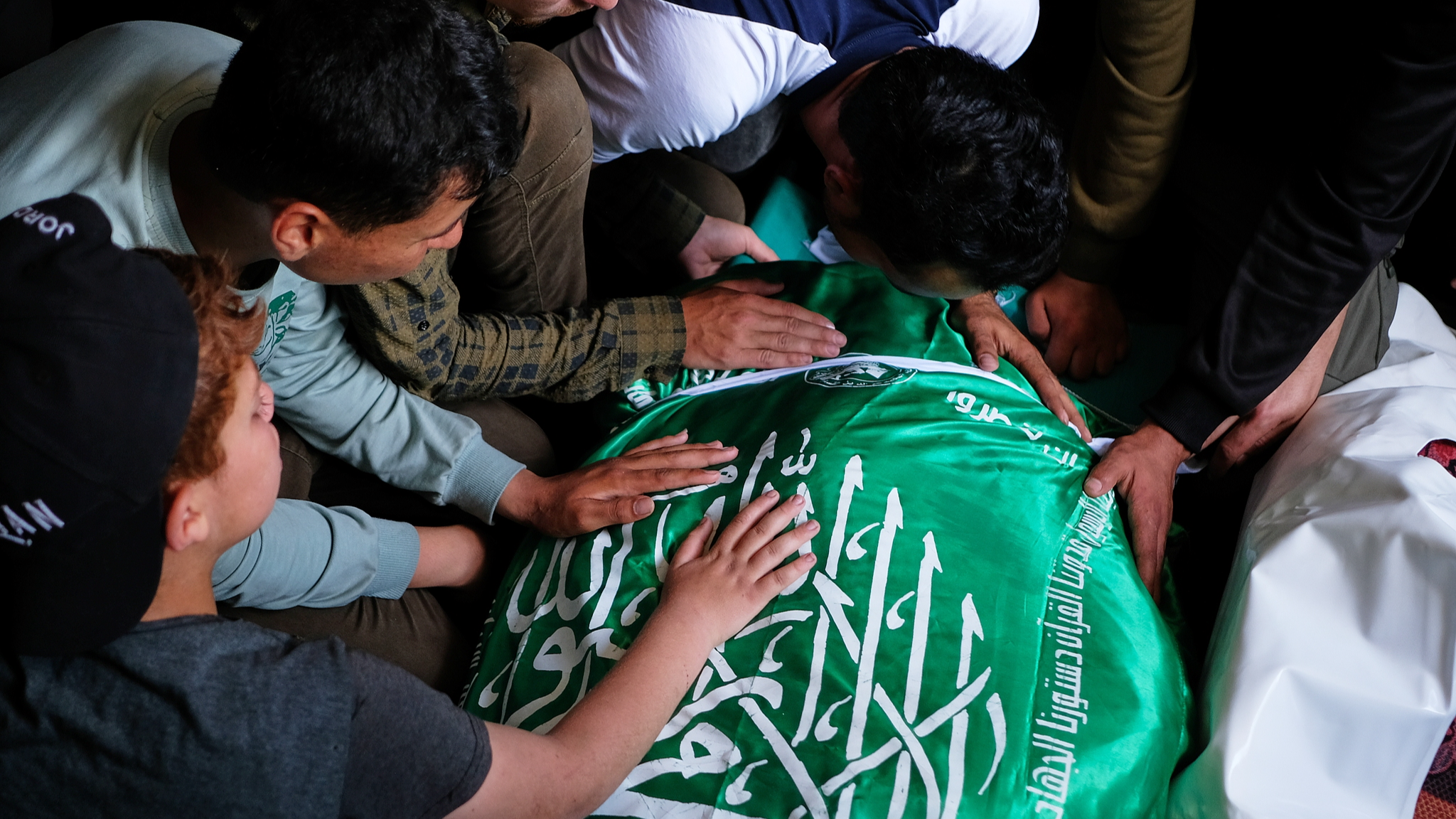
According to Palestinian sources, hundreds of Palestinians attended al-Haddad’s funeral on Saturday, with the procession starting from the Al-Aqsa Martyrs Mosque in central Gaza City. Participants carried the bodies of al-Haddad, his wife and daughter through the streets, and chanted slogans denouncing the Israeli airstrike.
Earlier on Saturday, the Israeli military and the domestic security agency Shin Bet confirmed in a joint statement that al-Haddad was killed in the Israeli airstrike on Gaza City on Friday.
They said al-Haddad was one of the planners of the Hamas attack on southern Israel on October 7, 2023.
In a separate statement, Israeli military chief Eyal Zamir said the military will continue to “hold accountable everyone who took part” in the 2023 Hamas attack. “We will not relent until we reach them all,” he said.
On Friday, Palestinian medical sources reported that at least 10 people were killed and at least 50 others injured in an Israeli airstrike on an apartment building and a vehicle in Gaza City.
Al-Haddad, known by the nickname “Ghost of al-Qassam,” was considered by Israel to be one of the most wanted figures. He had survived several previous assassination attempts, according to Israeli media.
Gaza-based Palestinian political analyst Ahed Ferwana told Xinhua that al-Haddad’s death could have an operational impact on the group’s field command.
Meanwhile, Ferwana suggested that the timing of the Israeli airstrike could be linked to domestic political considerations in Israel, as Israeli Prime Minister Benjamin Netanyahu “is attempting to bolster his standing” before a possible Knesset dissolution and in upcoming parliamentary elections.
Palestinians place their hands on the body of Izz al-Din al-Haddad, commander-in-chief of Hamas’ armed wing the al-Qassam Brigades, during his funeral in Gaza City, May 16, 2026.
Sheikha Fatima affirmed the humanitarian approach of the Founding Father, the late Sheikh Zayed bin Sultan Al Nahyan, and his commitment to the values of giving and development.
This is a hallmark of the UAE community and is carried forward by President Sheikh Mohamed bin Zayed Al Nahyan, whose inspiring vision for development, prosperity, and the preservation of heritage drives the country’s aid ecosystem. An integral part of that vision is the preservation of Arab heritage and Islamic culture.
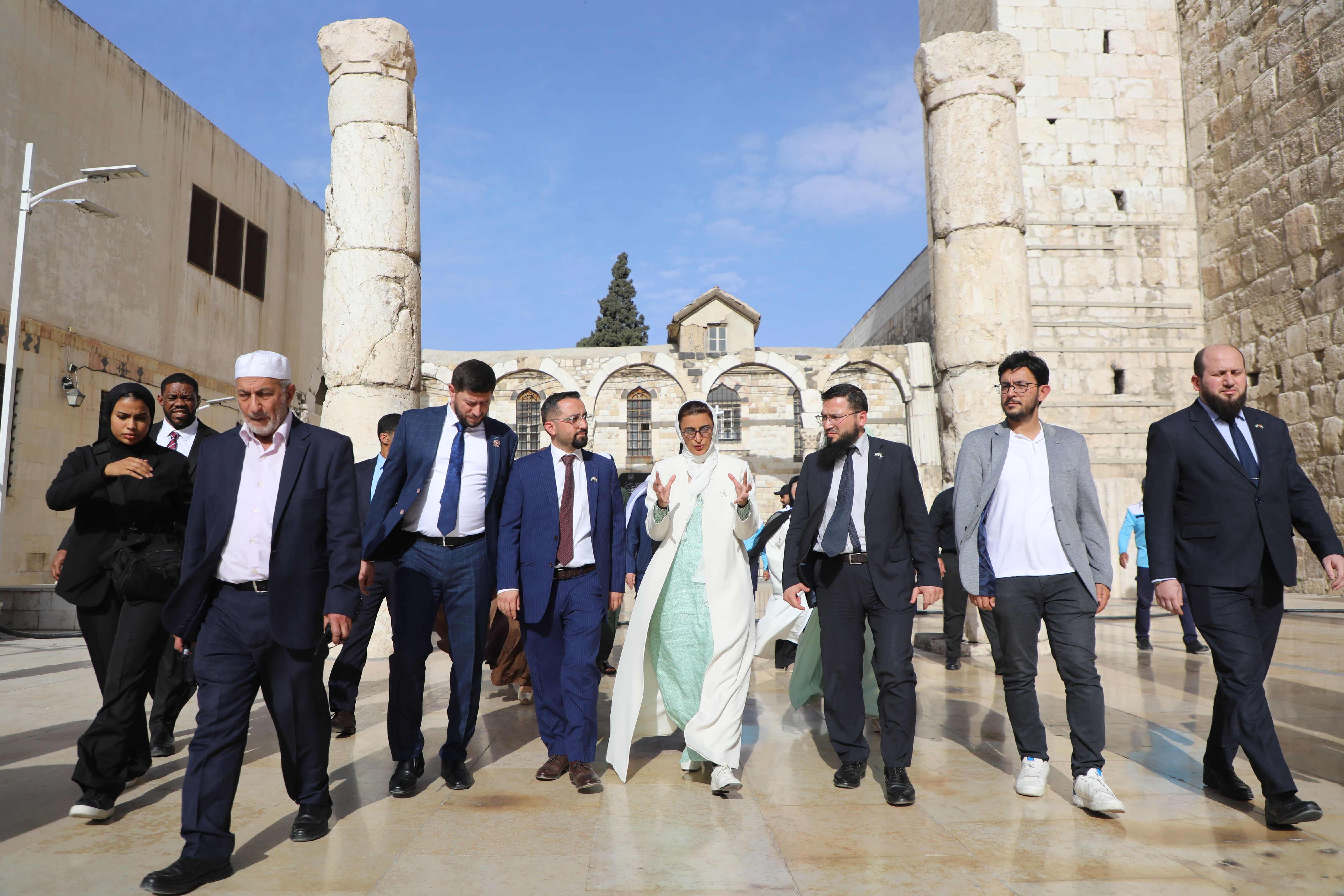
The UAE announcement of restoration of the Umayyad Mosque came during a visit by Noura bint Mohammed Al Kaabi, Minister of State, to the Umayyad Mosque in Damascus, Syria.
Al Kaabi stated, “Syria occupies a unique place at the heart of Arab and Islamic civilisation, and the Umayyad Mosque is one of its most prominent historical landmarks and enduring cultural symbols. The UAE’s announcement of the restoration of this mosque, with the generous support of H.H. Sheikha Fatima bint Mubarak, the ‘Mother of the Nation,’ reflects the importance of our shared heritage and culture, and the UAE’s unwavering support for the Syrian people.”
She emphasised the UAE’s commitment to preserving history and heritage, which is evident in the launch of cultural initiatives aimed at safeguarding Arab and Islamic heritage on the one hand, and rehabilitating cultural heritage in the Arab region on the other. This is part of the UAE’s leading global role and its distinguished record in cultural diplomacy and humanitarian work.
She explained that the initiative to restore the Umayyad Mosque in Damascus will include the structural and architectural rehabilitation of the mosque, as well as the broader revitalisation of the surrounding historical area, in a manner that aligns with the Syrian identity and the economic, cultural, and social fabric of the country.
UAE is set to restore Umayyad Mosque in Damascus with support from Sheikha Fatima
“Abu-Bilal al-Minuki, second in command of ISIS globally, thought he could hide in Africa, but little did he know we had sources who kept us informed on what he was doing,” Trump said in a post on Truth Social.
“He will no longer terrorize the people of Africa, or help plan operations to target Americans,” Trump said. “With his removal, ISIS’s global operation is greatly diminished.”
Trump thanked the Nigerian government for its “partnership” in the operation.
U.S. President Donald Trump said on Friday that Abu-Bilal al-Minuki, second-in-command of ISIS globally, was eliminated by U.S. and Nigerian forces.
Iran proposed a two-stage negotiation process, the paper said.
The first stage aims to end the war on all fronts, and if Iran’s conditions are met, the second stage of negotiations, concerning the nuclear issue, would commence, the paper added.
Earlier this month, Iran submitted a 14-point counterproposal to the United States, calling for a permanent end to hostilities and a full withdrawal of U.S. forces from the region.
The plan was delivered through Pakistani intermediaries in response to a nine-point U.S. proposal.
While Washington’s plan calls for a two-month ceasefire, Tehran requested a 30-day timeline to resolve key issues, insisting that talks focus on “ending the war” rather than a temporary truce.
The team of Min Joong-ki, an independent counsel who led investigations into corruption allegations involving the former presidential couple, demanded that the Seoul Central District Court sentence Kim to seven and a half years in prison for selling public offices in exchange for high-priced jewelry, a painting and a designer bag.
Kim was accused of receiving a necklace, a brooch and earrings from a businessman between March and May 2022 in return for the appointment of his eldest son-in-law to a government post.
She was charged with receiving a gold turtle from a former head of the national education commission in exchange for an appointment request in April 2022 along with a wristwatch from a robot dog entrepreneur in September of the year in return for business favors.
Charges also included receiving a designer bag from a pastor between June and September 2022 and a painting from a former prosecutor in February 2023 in return for a nomination request.
Kim, who was indicted under detention in August 2025, became the first wife of a former South Korean president to be tried under detention.
Yoon was sentenced to life in jail in February for insurrection stemming from his martial law declaration in December 2024.
He was indicted under detention in January 2025 as a suspected ringleader of the insurrection, becoming the first sitting president to be arrested and indicted.
South Korea’s former first lady Kim Keon Hee, wife of former president Yoon Suk Yeol, arrives at a court to attend a hearing to review her arrest warrant requested by special prosecutors, in Seoul, South Korea, on Aug. 12, 2025. (Jung Yeon-je/Pool Photo via AP, File)