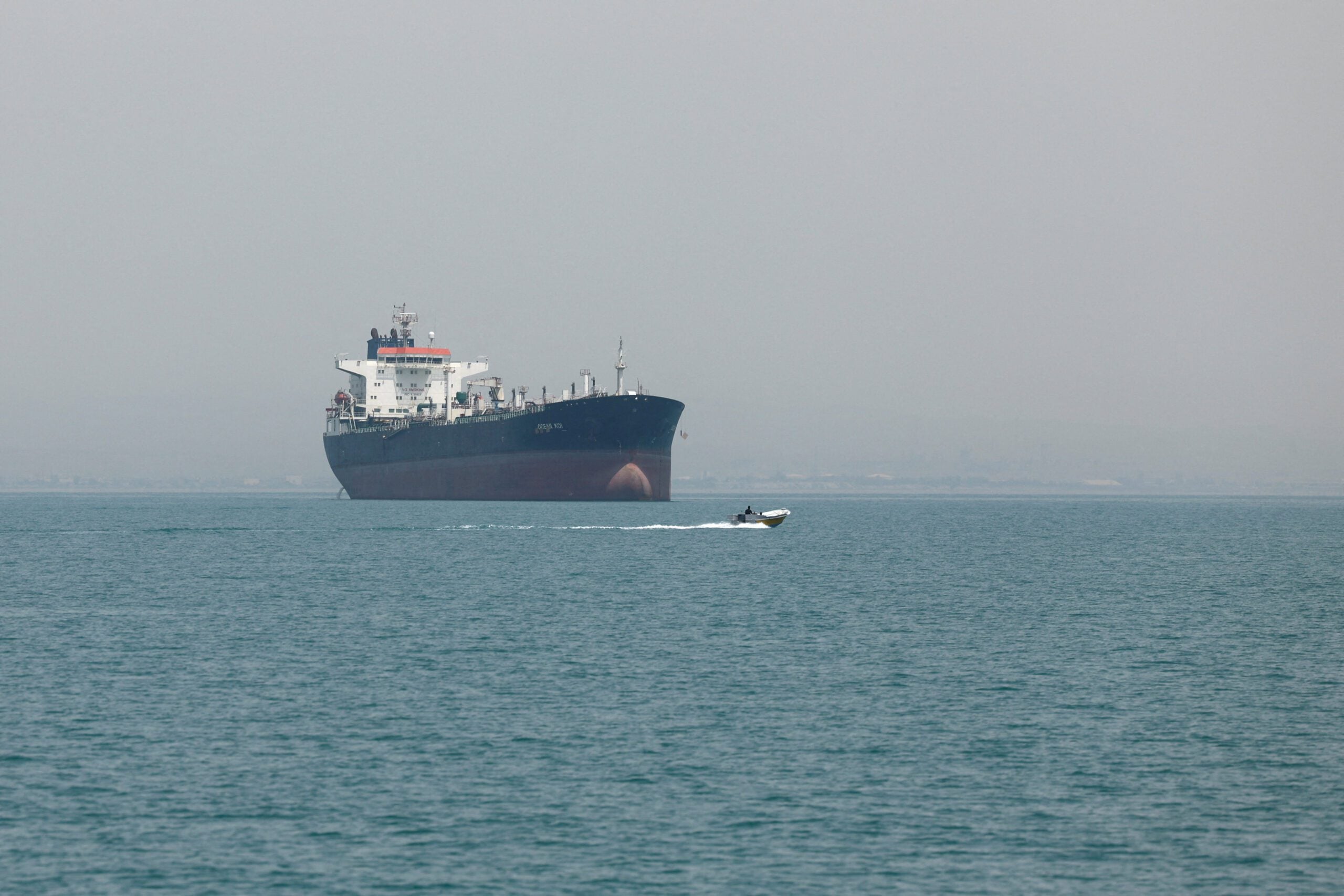
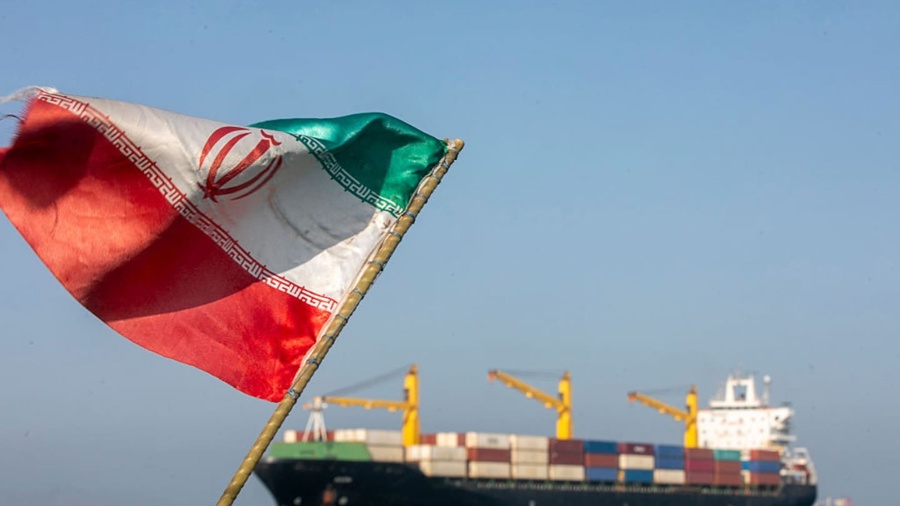
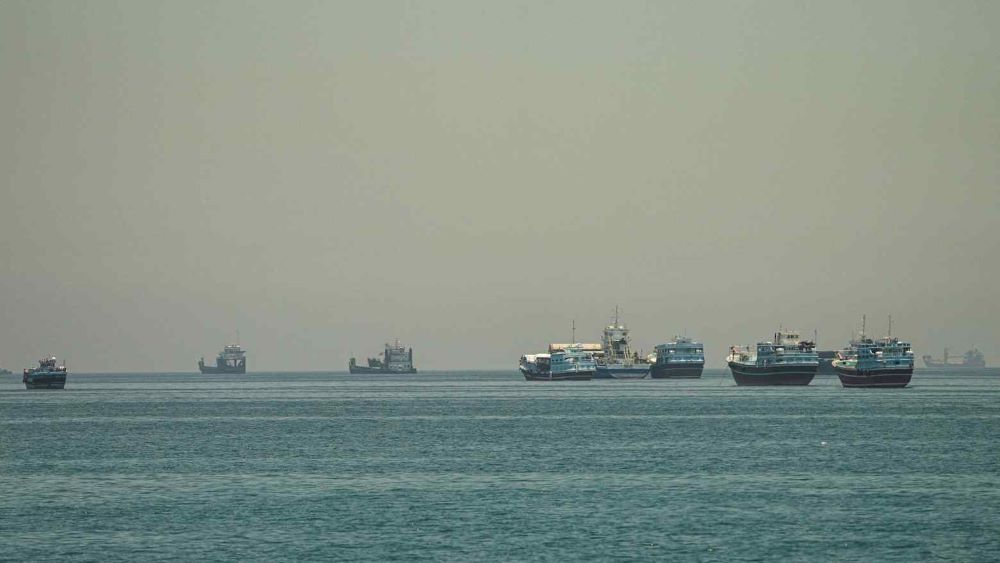
In a press release posted on its website on Wednesday, the department’s Office of Foreign Assets Control claimed the strait authority sought to impose illegitimate tolls on commercial traffic and force vessels to follow Iranian direction in return for safe passage.
It also warned that anyone cooperating with the authority may be exposed to sanctions risk.
“The Iranian military’s latest attempt to extort global maritime trade is proof that Economic Fury has left the regime desperate for cash,” said U.S. Secretary of the Treasury Scott Bessent.
On May 18, Iran launched the Persian Gulf Strait Authority, a new body to manage the Strait of Hormuz. In a statement posted on X on May 20, the authority defined its supervisory jurisdiction over the strait, noting that vessels transiting the area through the Strait of Hormuz are required to coordinate with Iranian authorities and obtain authorization.
Rift Valley Regional Police Commander Samuel Ndanyi said the inferno broke out at around 1:00 a.m. (2200 GMT Wednesday) in a student dormitory.
“At least 10 students are confirmed dead, and the injured have been rushed to the hospital,” Ndanyi said, noting that firefighters were deployed to the scene to contain the blaze and evacuate students from the affected dormitory.
“Some students remain missing, and counting is underway to establish the exact number,” he added.
The cause of the blaze remains unclear, and criminal investigators and forensic experts are at the scene.
The Kenya Red Cross Society confirmed that the fire was reported at around 3:30 a.m. (0030 GMT), prompting an immediate rescue deployment.
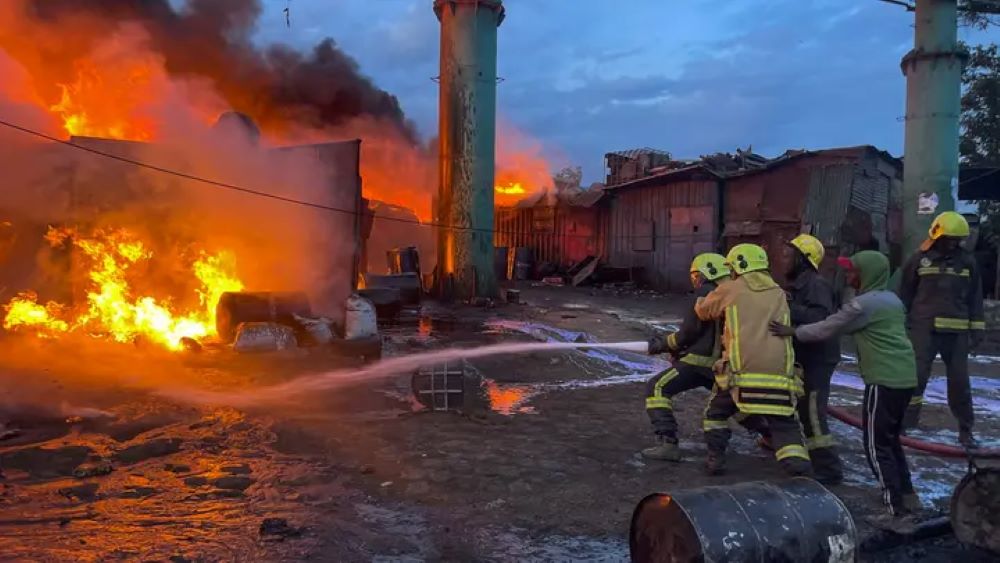
Firefighters attempot to extinguish fire at a commercial depot used for oil barrels and flammable drums near Muthurwa settlement in Nairobi, on January 30, 2024. Photo by Reuters
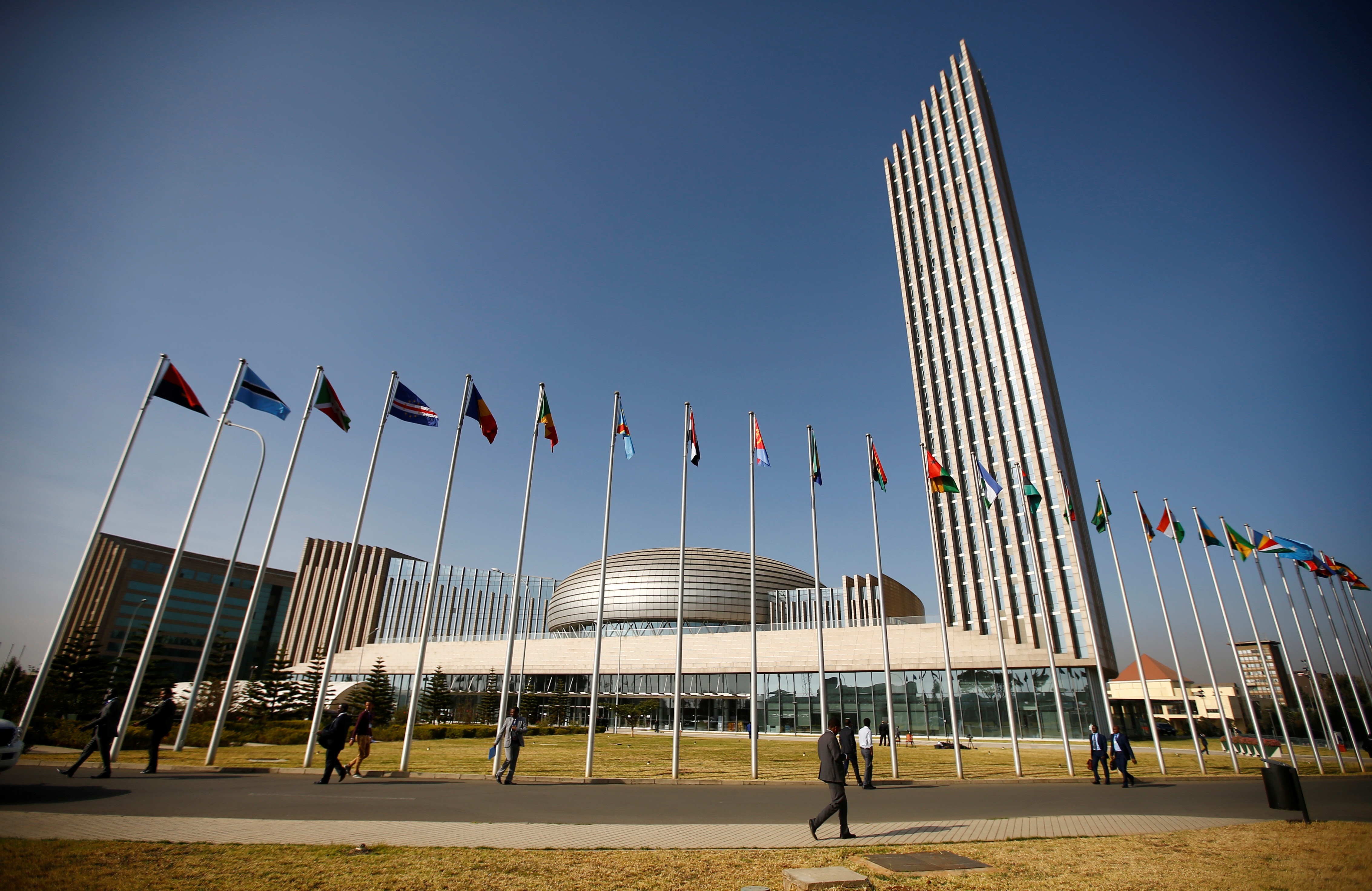
Led by the former Kenyan President Uhuru Kenyatta, the 73-member AU Election Observation Mission (AUEOM) to Ethiopia was deployed at the invitation of the East African country’s government, the AU said in its statement issued Tuesday.
The mission, drawn from 37 African countries, comprised representatives from African envoys accredited to the AU, officials of election management bodies, members of civil society organizations, election experts, human rights specialists, gender and media experts, as well as representatives of youth organizations, it was noted.
The AU observers will be deployed across various regions of Ethiopia to observe election-day procedures, including the opening of polls, voting, closing, and counting and tabulation at polling stations, the statement said.
The AUEOM is expected to release its preliminary statement on its findings and assessment of the conduct of the election a few days after the general election, while a final and comprehensive report will be published within two months after the election, it said.
In the leadup to the election, the AU observers are expected to meet with Ethiopian authorities, including the National Election Board of Ethiopia, representatives of political parties, candidates, civil society organizations, and other election observation missions, among others.
Ethiopia is scheduled to hold its seventh general election on June 1, with voters primarily electing their representatives for the Ethiopian House of Peoples’ Representatives (HoPR), the lower chamber of parliament, as well as members for regional state councils.
In line with the Ethiopian constitution, the political party or coalition that secures the majority of seats in the HoPR forms a government and selects the prime minister, who holds the highest executive power in the country.
The Canadian government said on Tuesday that residents from the three countries will be barred from entering Canada for 90 days beginning Wednesday. Officials said the measure is intended to reduce the risk of Ebola entering and spreading within the country.
In a separate statement, the Bahamian government announced that its restrictions would take immediate effect and remain in force for 30 days, subject to review by the country’s health ministry.
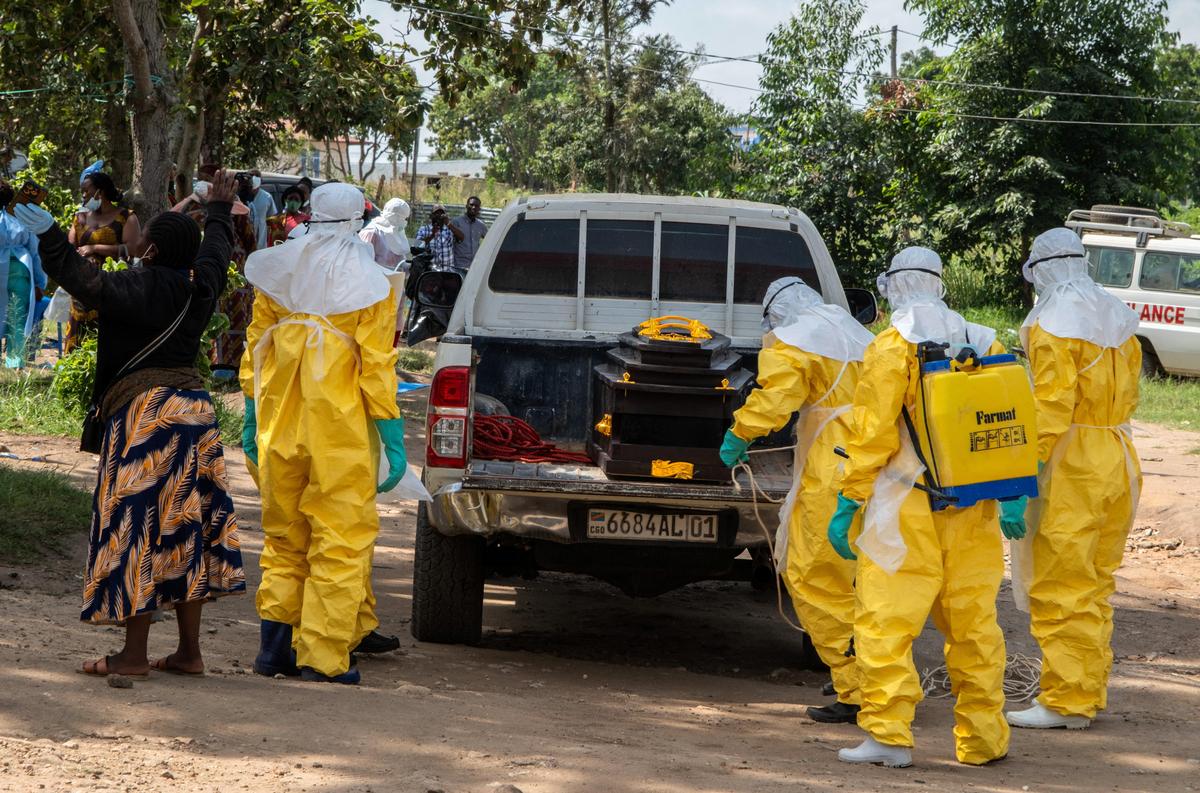
The move comes amid growing international concern over the latest Ebola outbreak in Central and East Africa. Last week, the World Health Organization (WHO) raised the risk level of the Bundibugyo strain of Ebola becoming a national outbreak in the DRC to “very high” and declared the outbreak in the DRC and Uganda a public health emergency of international concern.
In the DRC, 105 cases have been confirmed, with at least 223 deaths reported, while more than 900 other cases are suspected. In Uganda, seven cases have been confirmed.
Rwanda, which borders both the DRC and Uganda, has also heightened preventive measures, barring foreigners who have been in the DRC within the last 30 days from entering the country. Foreign residents with proof of residence in Rwanda who have been in the DRC within the past 30 days will be allowed entry but will be subjected to mandatory quarantine.
“Rwanda remains open, safe and prepared,” the Ministry of Health said in a statement last week, urging visitors, residents, and event participants to continue their activities while observing standard hygiene practices and following official health guidance.
The United States also tightened its border measures last week, barring non-citizens who had recently travelled to the DRC, Uganda or South Sudan from entering the country.
Canada’s public health agency said Canadian citizens, permanent residents and other foreign nationals who have recently been in affected areas but do not show symptoms will still be allowed entry, though they will be required to quarantine for 21 days starting May 30.
The Bahamas said it would also introduce enhanced health screenings and possible quarantine measures for travellers who had been present in the DRC, Uganda or South Sudan within 30 days before arriving in the Caribbean nation.
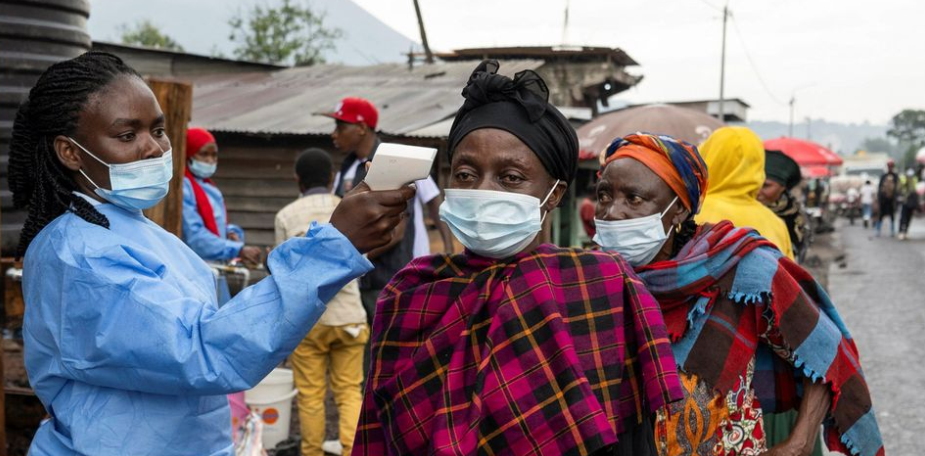
A health worker screens travellers at the Kanyaruchinya checkpoint in Goma, DRC, amid efforts to contain the Bundibugyo Ebola outbreak on May 20, 2026.
Israeli Defense Minister Israel Katz said in a statement that Odeh, whom he described as Hamas’ fourth-ranking official, had been killed. “We promised that Hamas will not have military or civilian control over Gaza, and so it will be,” Katz said.
Hamas did not immediately confirm or comment on the report. Palestinian media reported that Odeh was killed along with his wife, two sons and daughter in a strike in western Gaza City.
Israeli Prime Minister Benjamin Netanyahu said on Tuesday night that Israeli forces had attempted to assassinate Odeh in a strike carried out under his and Katz’s direction, but gave no details on the outcome.
Odeh was appointed about a week ago to succeed Izz al-Din al-Haddad, who was killed in an Israeli strike on May 15.
Awda recently replaced senior Hamas commander Izz al-Din al-Haddad, who was killed in an Israeli airstrike in Gaza City on May 15.
The ministry’s statement came one day after the U.S. Central Command (CENTCOM) claimed that its forces had struck missile launch sites and mine-laying boats in southern Iran on Monday.
The ministry said that the truce violation committed in Iran’s Hormozgan province within the past 48 hours, concurrent with the ongoing Pakistani-mediated diplomatic process between Tehran and Washington, once again revealed the U.S. government’s “viciousness and non-commitment to its promises.”
The statement added that the U.S. action also demonstrated that Iran’s “deep” distrust of the U.S. government is based on a logic and “profound” understanding of its “criminal and despiteful” nature and conduct towards the Iranian people.
The ministry condemned the “aggressive” action and stressed that the U.S. government would bear full responsibility for the consequences.
In a statement on Monday, CENTCOM spokesperson Tim Hawkins said U.S. forces conducted “self-defense” strikes in the Bandar Abbas area, which hosts Iran’s main naval base, destroying two vessels of Iran’s Islamic Revolution Guard Corps (IRGC) and hitting a surface-to-air missile site.
On Tuesday, the IRGC said that its air defense forces had shot down a U.S. MQ-9 Reaper drone and fired at two other U.S. aircraft, namely an RQ-4 Global Hawk surveillance aircraft and an invading F-35 fighter jet, in Iranian airspace.
In a statement published on its official news outlet Sepah News, the IRGC warned that it reserves the “legitimate and definitive” right to respond to any further U.S. ceasefire violations.
The developments came as a diplomatic process was initiated, mediated by Pakistan, between Tehran and Washington following the April 8 ceasefire to end the war. The two sides are reportedly working to finalize a peace memorandum of understanding.
Citing an informed source close to Iran’s negotiating team, Tasnim said that according to the text of a potential 14-point memorandum of understanding (MoU) being finalized between Tehran and Washington, Iran’s frozen assets must be released during peace talks.
Iran insists that half of the amount must be made available upon the announcement of the MoU and the rest transferred within 60 days, the source added.
According to the source, the Monday visit by Iran’s Parliament Speaker Mohammad Baqer Qalibaf to Qatar was aimed at reaching an understanding on the implementation of Iran’s demand and ways to provide the country with access to 12 billion U.S. dollars worth of its frozen assets in the first step and remove obstacles to that end.
The source described the outcomes of the visit as “favorable,” adding that talks during the trip were generally “good and led to progress in the overall negotiations.”
However, the source warned that, given the United States’ record of breaking promises, Iran is proceeding with great caution. Noting the country’s previous experience with the United States regarding the release of frozen assets in South Korea and Qatar, the source said Tehran insists on carefully managing the implementation stages to avoid a repeat of similar issues.
Meanwhile, Iran’s semi-official Fars news agency quoted another source close to the Iranian negotiating team as saying that Iran has refused to hold any negotiation unless its preconditions are met, including the release of frozen assets.
Fars reported that the last serious disagreement between Iran and the United States over the initiation of negotiations has been the method of Tehran’s access to its blocked assets, which is being resolved with Qatar’s mediation and initiative.
It said that following consultations between Iranian and Qatari officials in Doha, progress has been made toward resolving the issue.
On Monday, a high-level Iranian delegation, including Qalibaf, Foreign Minister Seyed Abbas Araghchi, and Central Bank Governor Abdolnaser Hemmati, visited Doha for talks with Qatari officials on a possible peace agreement with the United States, according to Iran’s semi-official Mehr News Agency.
On Saturday, Iranian Foreign Ministry spokesman Esmaeil Baghaei told state-run IRIB TV that Iran and the United States are working to finalize an MoU on ending the war.
“Our intention has been to firstly agree on an MoU consisting of 14 clauses,” Baghaei said, noting that “within a period of 30 to 60 days,” Tehran and Washington would “reach a final agreement,” covering issues such as the cessation of U.S. maritime attacks and the release of Iranian frozen assets.
Iran, the United States, and Israel reached a ceasefire on April 8 after 40 days of fighting. Following the truce, Iranian and U.S. delegations held one round of peace talks in Islamabad on April 11 and 12, which failed to yield an agreement.
Over the past weeks, the two sides have reportedly exchanged several proposed plans outlining conditions for ending the conflict through Pakistani mediation.
Iran has demanded the release of its frozen assets worth 24 billion U.S. dollars during the negotiations with the United States on ending the war, Iran’s semi-official Tasnim news agency reported on Tuesday.
“U.S. forces conducted self-defense strikes in southern Iran today to protect our troops from threats posed by Iranian forces,” Tim Hawkins, spokesperson for the command, said in a statement.
“Targets included missile launch sites and Iranian boats attempting to emplace mines. U.S. Central Command continues to defend our forces while using restraint during the ongoing ceasefire,” he said.
The strikes were carried out in the Bandar Abbas area which hosts Iran’s main naval base, destroying two vessels of Iran’s Islamic Revolution Guard Corps and hitting a surface-to-air missile site, said Hawkins.
Four people were killed in the attack, while the total number of casualties remained unclear, Fars News Agency reported, citing Iranian state television.
Fox News reported that two Iranian boats were spotted laying mines in the Strait of Hormuz, and a missile site targeted U.S. warplanes. As a response, U.S. forces struck back.
The U.S. strikes were “over for now,” said the report, citing a senior U.S. official on Monday.
The strikes do not indicate the weeks-long U.S. ceasefire with Iran is over, two sources were quoted as saying.
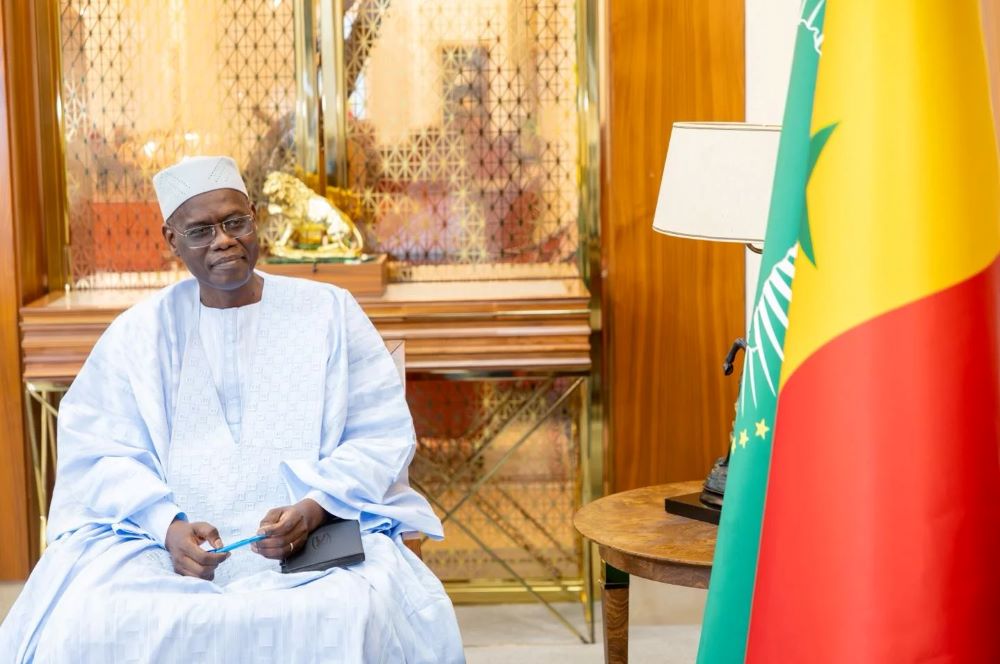
Lo previously served as a minister attached to the president in charge of monitoring, steering and evaluating Senegal’s national transformation agenda, “Senegal 2050.” He has also served as the minister-secretary-general of the government and as the national director of the Central Bank of West African States for Senegal.
Faye dismissed former Prime Minister Ousmane Sonko and dissolved the government on Friday, according to a presidential statement.
Veteran central banker Ahmadou Alhaminou Mohamed Lo has appointed as Senegal’s new prime minister.
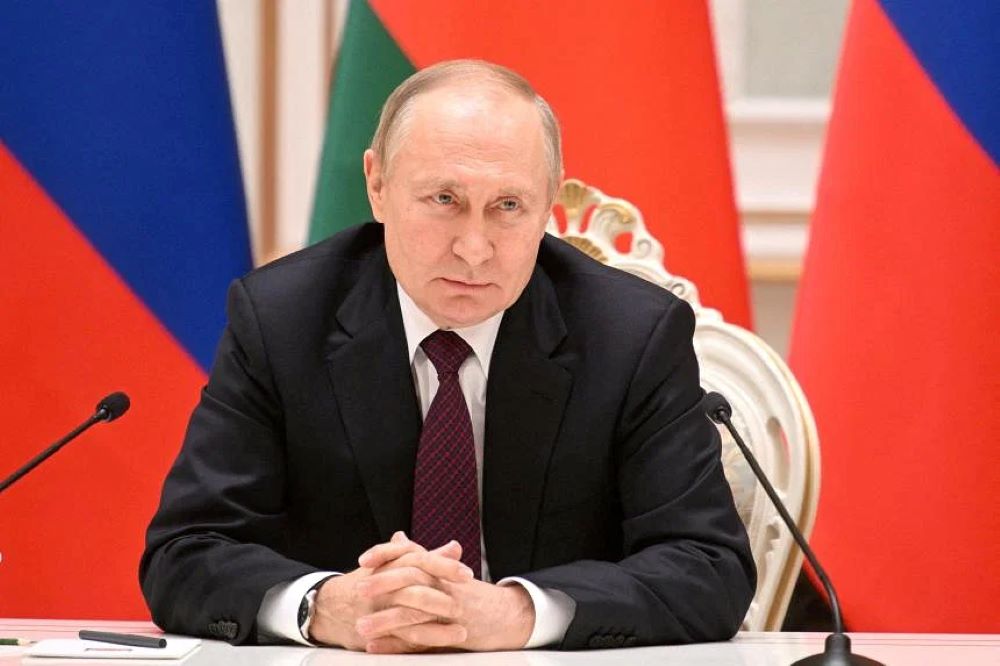
In a message addressed to African heads of state and government to mark Africa Day, Putin described the occasion as a symbol of “the triumph of the peoples of your continent over colonialism and their quest for freedom, peace, and prosperity.”
He said African nations have achieved “impressive progress in economic and social spheres” and are playing an increasingly important role in addressing global issues.
Putin also commended the work of the African Union and regional blocs, saying they are expanding cooperation and developing mechanisms to deal with conflicts and crises across the continent.
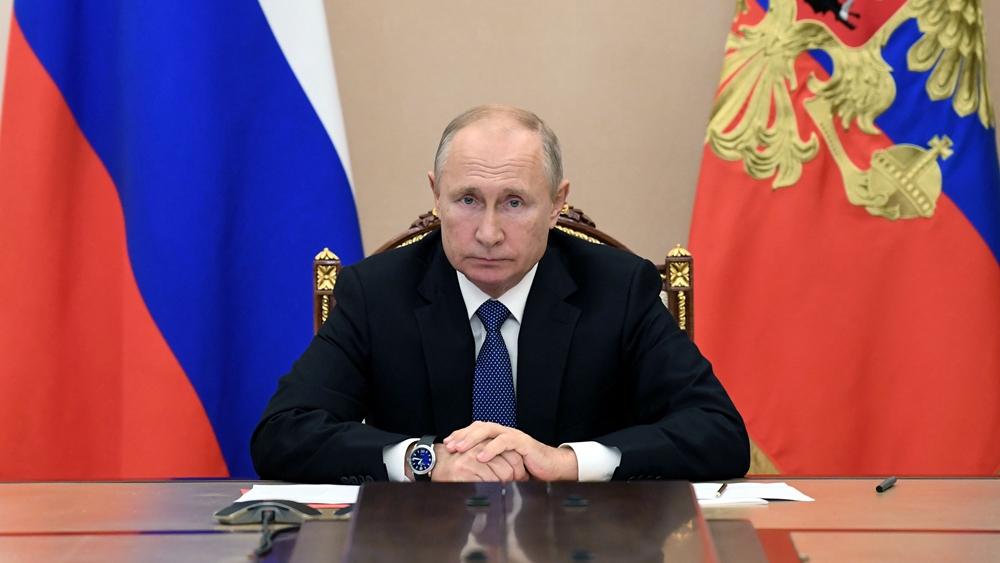
“The Russian Federation accords great importance to strengthening traditionally friendly ties with African states,” Putin said in the statement issued from the Moscow on May 24, 2026.
He added that Russia and African countries are united in the pursuit of “a just multipolar world order founded on genuine equality, supremacy of international law and freedom from all forms of discrimination and diktat.”
Putin expressed confidence that the Third Russia–Africa Summit, scheduled for October in Moscow, would open “new prospects for developing mutually beneficial cooperation” between Russia and African countries in several sectors.
The Russian leader said he looked forward to welcoming African leaders to Moscow and wished them “peace and prosperity” for their citizens.
Observed annually on May 25, Africa Day commemorates the creation of the Organization of African Unity (OAU) in 1963, which later became the African Union (AU) in 2002.
The day symbolizes African nations’ aspirations for unity, liberation and socio-economic development while celebrating the continent’s cultural heritage and diversity.
Africa is the world’s second-largest and second-most populous continent, made up of 54 countries and thousands of languages.
The annual celebration is widely seen as an opportunity to recognize Africa’s historical contributions, cultural richness and growing influence in global affairs.
Russian President Vladimir Putin has described ‘Africa Day’ as a symbol of ‘the triumph of the peoples of the continent over colonialism’.