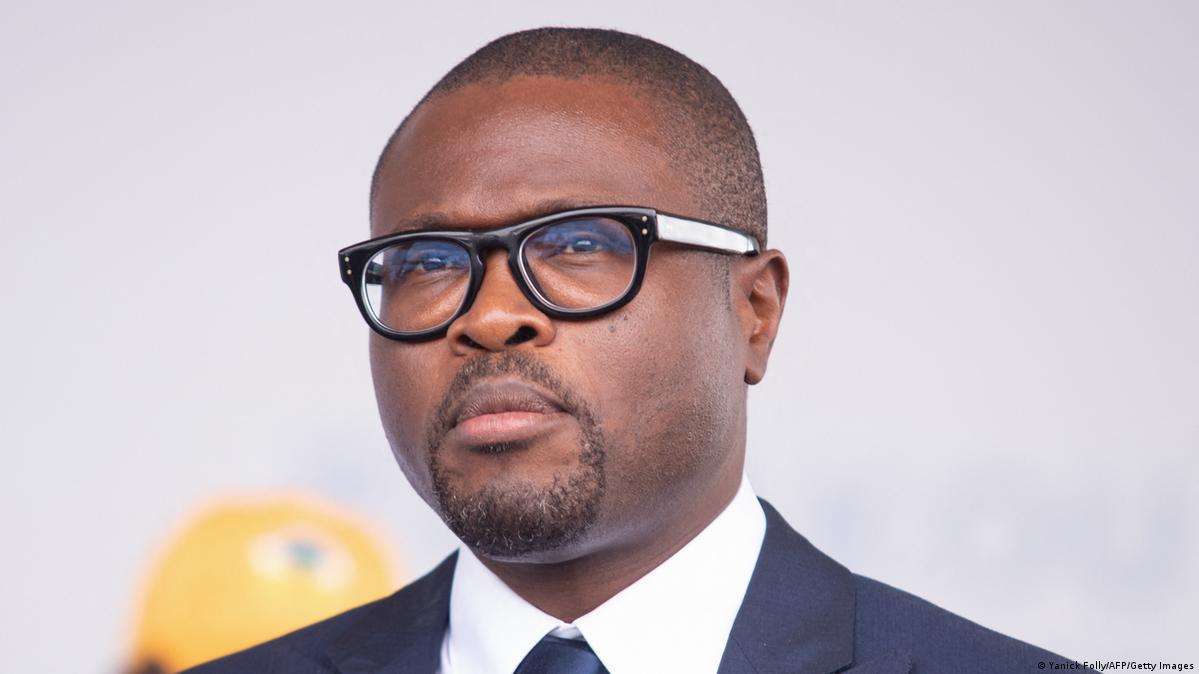
According to the decree, the new government consists of 19 ministers and 5 minister-delegates. Among the new appointments, Corinne Amori Brunet, former Beninese Ambassador to France, has been named as foreign minister. Aristide Medenou has been appointed as minister of economy and finance.
Wadagni pledged to focus on job creation, access to basic services and social protection.
Wadagni was sworn in on Sunday morning in Cotonou, Benin’s economic capital. Under the Beninese Constitution, the president holds executive power, serves as the head of government and exercises administrative regulatory authority.
Beninese President Romuald Wadagni signed a decree on late Sunday announcing the lineup of the new government.
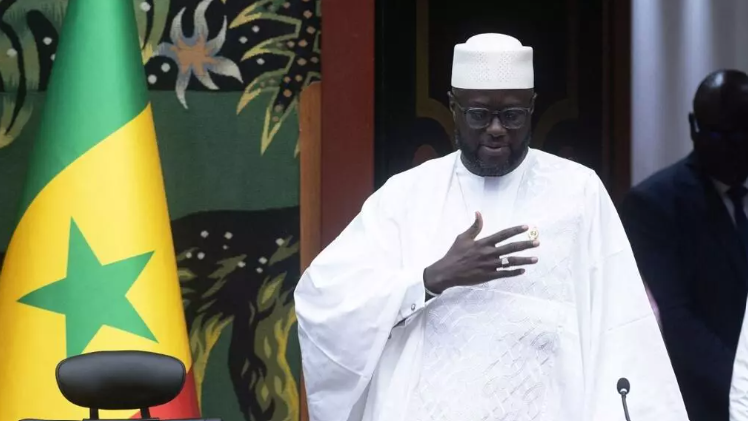
Ndiaye announced his resignation on Sunday, less than 48 hours after President Bassirou Diomaye Faye fired Sonko amid escalating tensions between the two longtime political allies.
In a message posted on social media, Ndiaye said his decision came “after deep reflection” and was driven by “a personal choice, guided above all by my understanding of institutions, public responsibility and the supreme interest of the Nation.”
The resignation is widely seen as a move by Sonko’s camp as divisions widen within the ruling Pastef party, which swept to power in the 2024 elections on promises of sweeping reforms, anti-corruption measures and economic recovery.
Ndiaye, a close ally of Sonko, leaves behind a powerful position that could now pave the way for the ousted prime minister to seek leadership of parliament, where Pastef holds an overwhelming majority with 130 of the National Assembly’s 165 seats.
Senegal’s National Assembly is expected to examine Sonko’s possible return to parliament on Tuesday, when lawmakers are also due to appoint Ndiaye’s successor. If elected speaker, Sonko would become the country’s second-highest state official, potentially intensifying tensions between the legislative and executive branches.
The fallout marks a dramatic turn for Faye and Sonko, whose alliance dominated Senegalese politics over the past two years. Faye’s rise to the presidency in 2024 was largely credited to Sonko’s backing after the former prime minister was barred from contesting the election because of a defamation conviction.
Both men, former tax inspectors turned opposition figures, were jailed ahead of the election under the administration of former President Macky Sall before being released days before the vote. Faye later won the presidency with 54 percent of the vote.
The political uncertainty comes at a delicate time for Senegal’s economy, as the government seeks to revive negotiations with the International Monetary Fund (IMF) after the lender suspended a $1.8 billion support programme following revelations of hidden debt under the previous administration.
Before Sonko’s dismissal on Friday, Finance Minister Cheikh Diba had told parliament that Senegal hoped to resume talks with the IMF in June and secure an agreement on key issues by the end of the month.
Sonko, who has largely remained silent since his dismissal, is expected to address supporters during Pastef’s national congress scheduled for June 6, where he could outline his next political move.
Malick Ndiaye announced his resignation on Sunday, less than 48 hours after President Bassirou Diomaye Faye fired Sonko amid escalating tensions between the two longtime political allies.
“The Blockade will remain in full force and effect until an agreement is reached, certified, and signed,” he said in a post on Truth Social. He added: “Both sides must take their time and get it right.”
The president reiterated that Iran will not be allowed to develop or procure a nuclear weapon.
He also said the “negotiations are proceeding in an orderly and constructive manner.”
An Israeli government source said on Sunday that Trump has told Israeli Prime Minister Benjamin Netanyahu that he would not sign a final deal with Iran unless Tehran dismantled its nuclear program and removed all enriched uranium from its territory.
Iranian Foreign Ministry spokesman Esmaeil Baghaei said Saturday that Iran and the United States are working to finalize a memorandum of understanding on ending the war.
Trump has reiterated that Iran will not be allowed to develop or procure a nuclear weapon.
According to the ministry, the strike was in retaliation for Ukraine’s “attacks against civilian targets on Russian territory.” Russia’s attacks involved Oreshnik ballistic missiles, Iskander air-launched ballistic missiles, Kinzhal hypersonic air-launched ballistic missiles, Tsirkon cruise missiles, as well as air-, sea-, and ground-based cruise missiles and attack drones. It hit command sites, airbases and defense-industrial enterprises.
The Russian Emergencies Ministry said 21 people died in a Ukrainian drone attack on a college dormitory in the Luhansk region on Friday. Kiev denied responsibility, saying its forces strike only military facilities and objects used for military purposes in accordance with international humanitarian law.
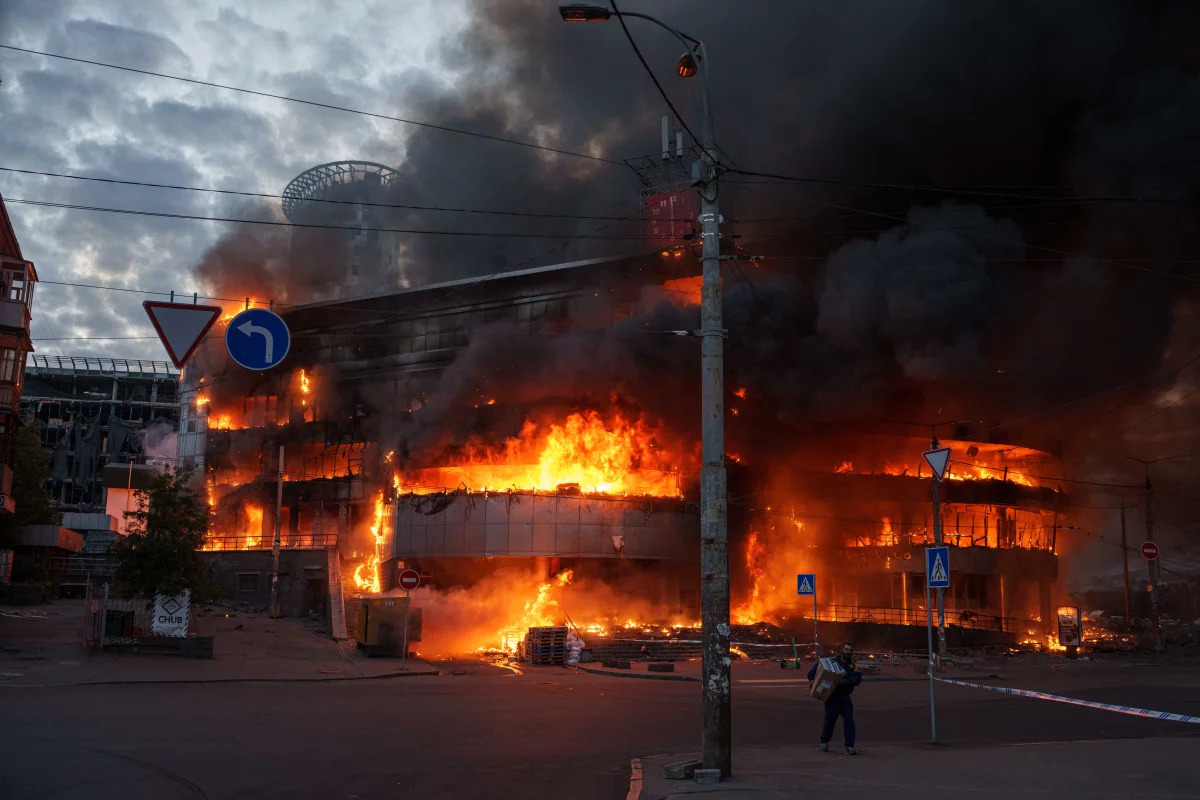
Russia launched 600 drones and 90 missiles in the overnight attack, primarily targeting Kiev, Ukrainian President Volodymyr Zelensky said in a Telegram post on Sunday.
Ukrainian authorities said four people were killed and at least 83 people were injured in the attack, while residential buildings, shops, educational institutions and medical facilities were damaged. However, the Russian Defense Ministry said on Telegram later that no strikes were planned or carried out against civilian infrastructure.
A man carries a box from a burning trade center after a Russian strike on Kyiv, Ukraine, on Sunday, May 24, 2026.
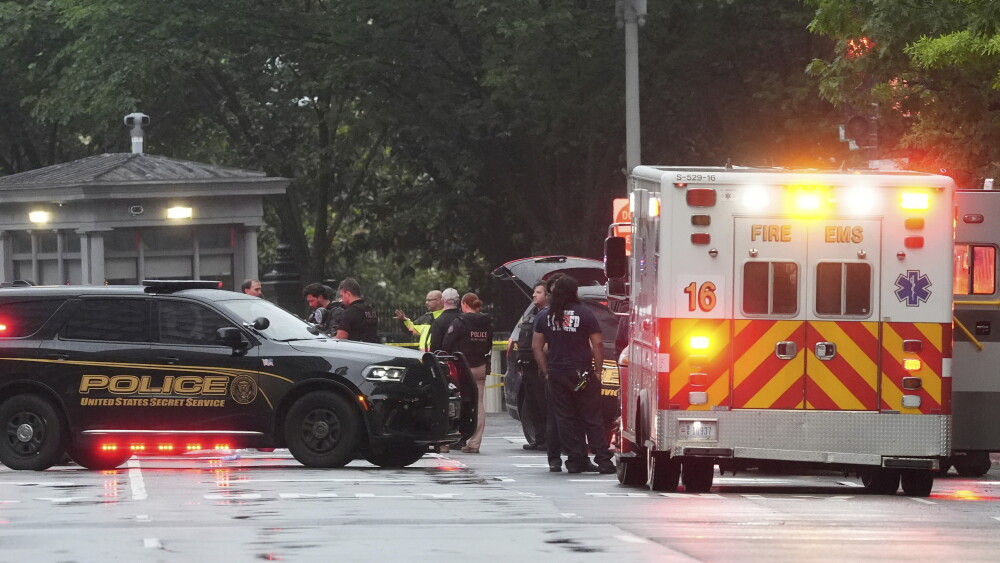
Officials confirmed that the suspect was killed following an exchange of gunfire with officers stationed near the complex. A bystander was also injured during the shooting, though authorities have not released further details on their condition. No Secret Service personnel were harmed.
The suspect has been identified by US media as 21-year-old Nasire Best, a Maryland resident who was known to law enforcement and the Secret Service. According to reports, he had a documented history of mental health conditions and previous encounters with authorities, including incidents involving threats and attempts to access restricted areas.
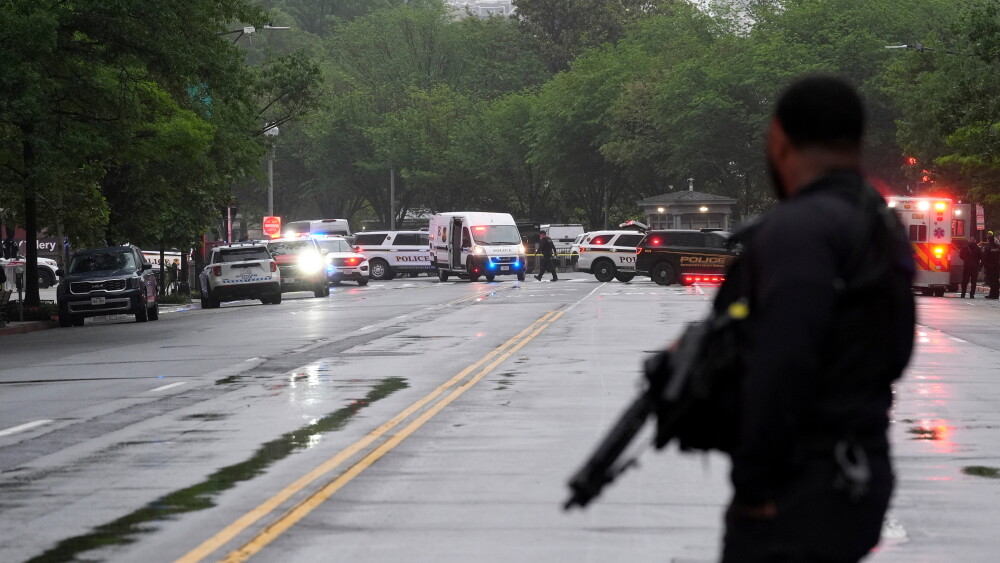
Police and members of the Secret Service block streets around the White House on Saturday, May 23, 2026, in Washington.
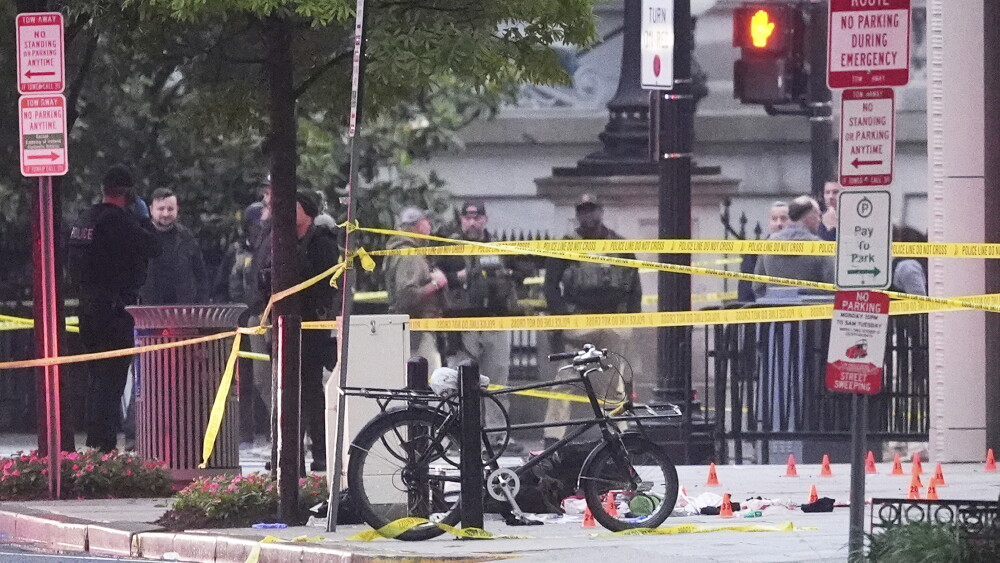
The shooting occurred shortly before 18:00 local time near the intersection of 17th Street and Pennsylvania Avenue NW, close to the Eisenhower Executive Office Building. Police said the man pulled a firearm from his bag and began firing at a White House checkpoint, prompting agents to return fire.
Best was struck during the exchange and transported to hospital, where he was later pronounced dead.
The White House confirmed that President Donald Trump was inside the building at the time of the incident. Officials said “no protectees or operations were impacted.”
In a statement on social media, Trump praised the Secret Service response, calling it “swift and professional action” and referring to the suspect as having a “violent history and possible obsession” with the White House.
The shooting occurred shortly before 18:00 local time near the intersection of 17th Street and Pennsylvania Avenue NW, close to the Eisenhower Executive Office Building.
The incident led to immediate security restrictions and road closures around the White House, which are expected to remain in place while the investigation continues.
It comes just weeks after another shooting disrupted a White House-related event, raising renewed concerns over security in the area.
Eyewitnesses described scenes of confusion as shots rang out. Reporters on the White House grounds were quickly moved into secure areas, with some recalling being instructed to run to the press briefing room as gunfire echoed nearby. Several journalists reported hearing multiple bursts of shots and seeing law enforcement rushing across the complex.
One reporter said those present were placed under lockdown for around 30 minutes before being allowed to assess the situation. Emergency vehicles were later seen near the perimeter.
Law enforcement sources told the media that the suspect had previously been known to both the Secret Service and the Metropolitan Police Department. One source said he had attempted to enter White House grounds earlier in 2025 and was subsequently arrested nearby, later spending time in a psychiatric facility.
The FBI is assisting the Secret Service with the ongoing investigation into the shooting, which remains active. Officials have not yet confirmed a motive.
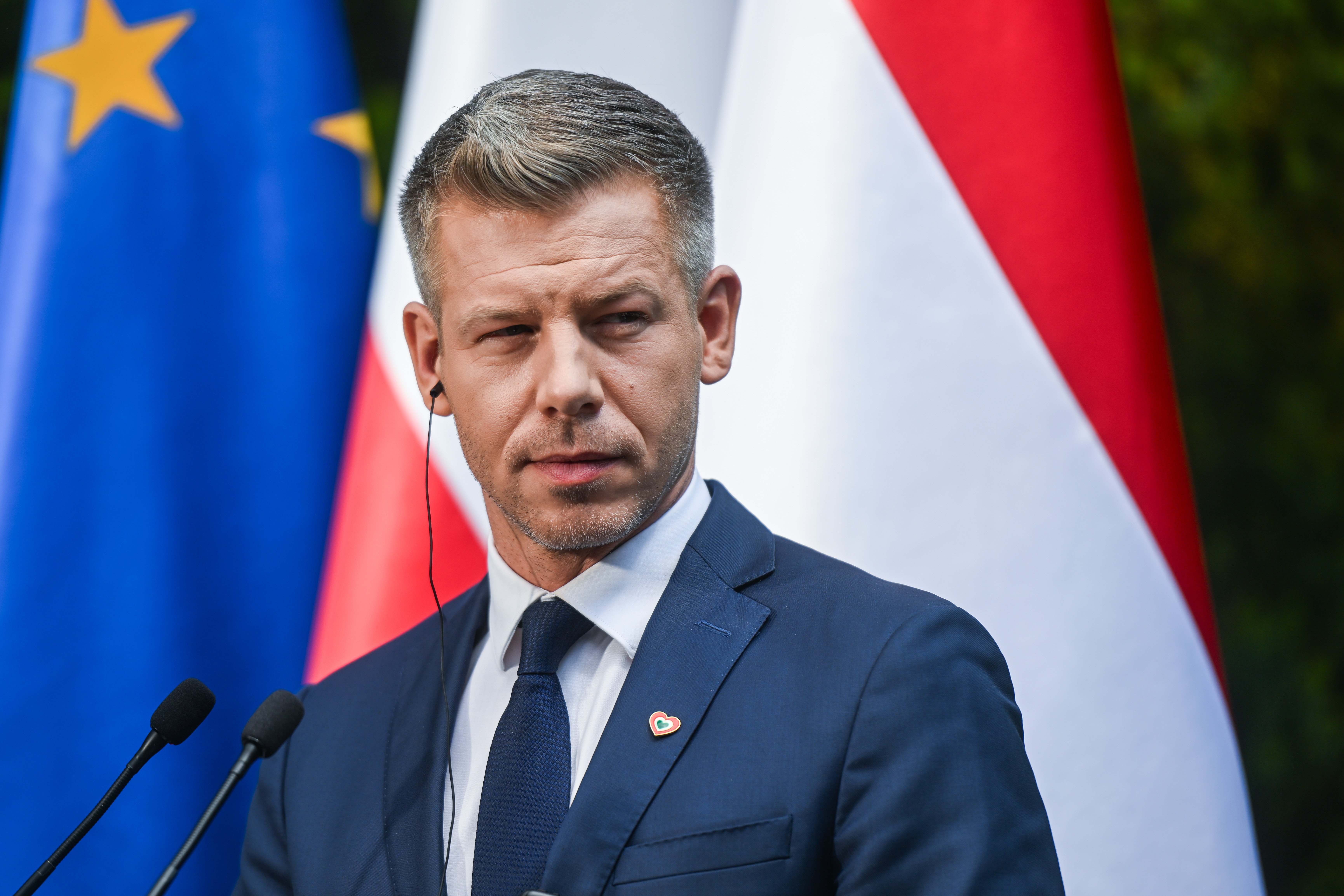
“The government withdraws Hungary’s intention to leave the International Criminal Court and bans the import of agricultural products from Ukraine,” Magyar wrote in a post on the social media platform X.
According to a government decree published in the official gazette on Friday, Hungary is banning imports of a broad range of Ukrainian products, including meat, eggs, honey, vegetables, grain crops, flour, sunflower seeds, cooking oil and wine.
Szabolcs Bona, minister of agriculture and food economy, wrote on social media Thursday that the government “will not allow imports from Ukraine or other countries to threaten the livelihoods of Hungarian farmers or the supply of safe food to Hungarian consumers.”
Hungary had previously moved toward withdrawing from the ICC. In April 2025, Gergely Gulyas, then head of the Prime Minister’s Office, said the government would initiate the withdrawal process, citing concerns over the court’s politicization. The Hungarian National Assembly later approved the withdrawal.
Hungary signed the ICC’s Rome Statute in 1999 and ratified it in 2001.
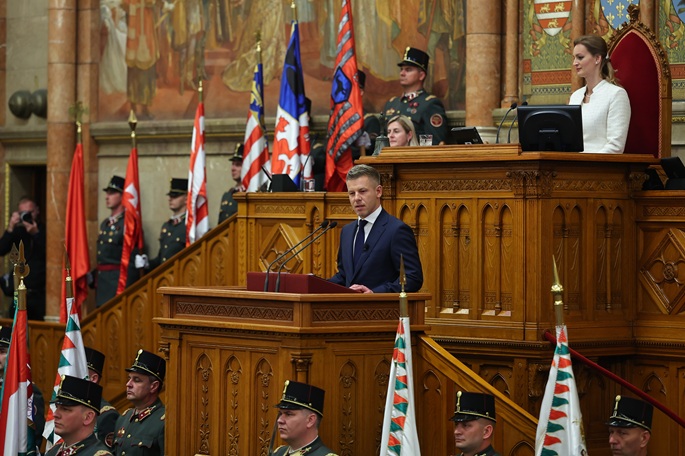
Hungary’s Prime Minister, Péter Magyar announced the ban of imports from Ukraine
The announcement was made late Friday by government secretary general Oumar Samba Ba, who confirmed that Sonko’s dismissal also resulted in the resignation and dissolution of the entire government.
The two leaders rose to power together under the Patriotes Africains du Sénégal pour le Travail, l’Éthique et la Fraternité (Pastef) party after defeating Senegal’s former ruling coalition in the March 2024 elections.
Their victory followed a strong opposition campaign against the Alliance pour la République, the party previously led by former President Macky Sall.
At the time, critics had accused Sall of seeking to extend his stay in power through constitutional changes introduced in 2016, allegations that fueled public debate and political tensions across the country.
Sonko’s removal now marks a major political shift within the ruling camp, ending months of visible disagreements between the country’s top two leaders.
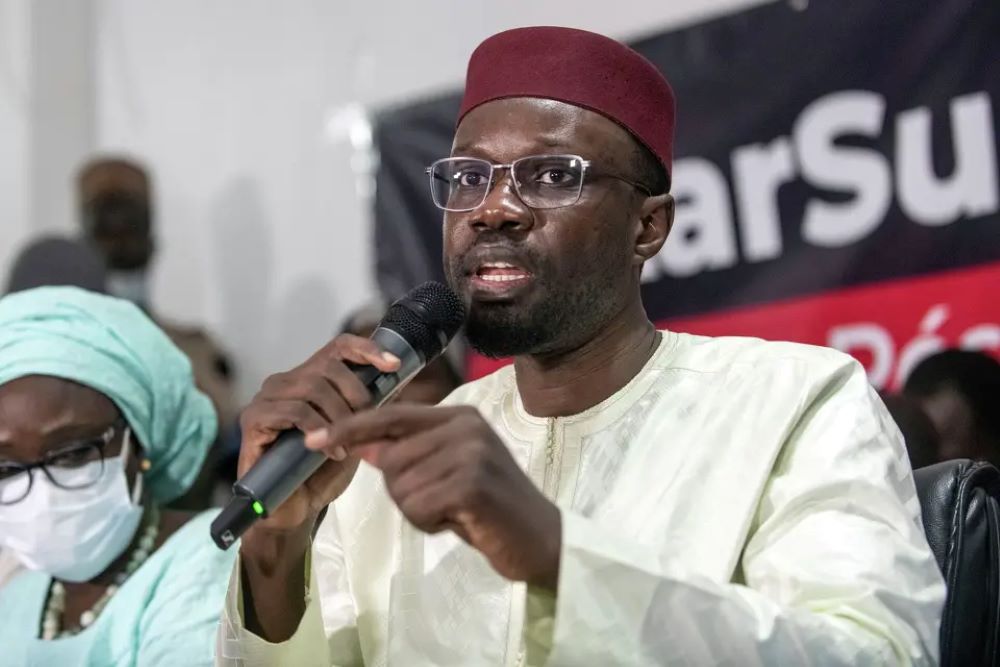
Senegalese Prime Minister Ousmane Sonko has been sacked following months of tensions President Diomaye.
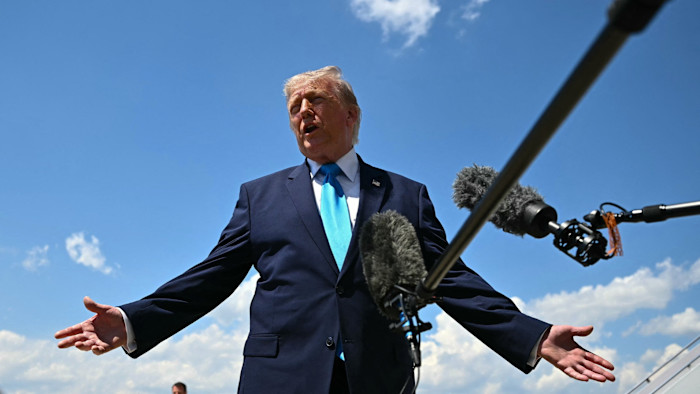
“There won’t be escalation. I don’t think there needs to be,” Trump told reporters. He also reiterated what he said before that the United States is “freeing up Cuba.”
Trump’s remarks also came after the U.S. Southern Command announced that the Nimitz Carrier Strike Group, which includes the aircraft carrier, its carrier air wing, and at least one guided-missile destroyer, has arrived in the Caribbean.
“The aircraft carrier USS Nimitz (CVN 68), the embarked Carrier Air Wing 17 (CVW-17), USS Gridley (DDG 101) and USNS Patuxent (T-AO 201) are the epitome of readiness and presence, unmatched reach and lethality, and strategic advantage,” the command said in a post on X Wednesday.
Earlier on Wednesday, a grand jury from the U.S. District Court for the Southern District of Florida indicted Raul Castro for his alleged role in ordering the striking down of two planes operated by a Cuban exile group in the United States named “Brothers to the Rescue” in 1996. Castro, born in June 1931, served as Cuba’s minister of the Revolutionary Armed Forces at the time of the incident.
Analysts here in the United States view the indictment as potentially laying the groundwork for a U.S. military intervention in Cuba, pointing to the capture of Venezuelan President Nicolas Maduro, who had already been indicted before U.S. forces raided Caracas and brought him to New York by force to stand trial.
The Trump administration has intensified sanctions on Cuba following the Jan. 3 capture of Maduro, restricting the island’s access to imported fuel as Cuba grapples with a worsening humanitarian and energy crisis marked by severe fuel shortages and prolonged nationwide blackouts.
Also, Trump has hinted recently that the next target of the U.S. military operations would be Cuba after the Iran war is over.
Responding to the U.S. indictment against Raul Castro, Cuban President Miguel Diaz-Canel said Wednesday that the U.S. charges are just a “political maneuver” with “no legal basis whatsoever.”
Any U.S. military attack on Cuba would cause “a bloodbath with incalculable consequences” and a devastating impact on peace and stability in Latin America and the Caribbean, he warned Monday.
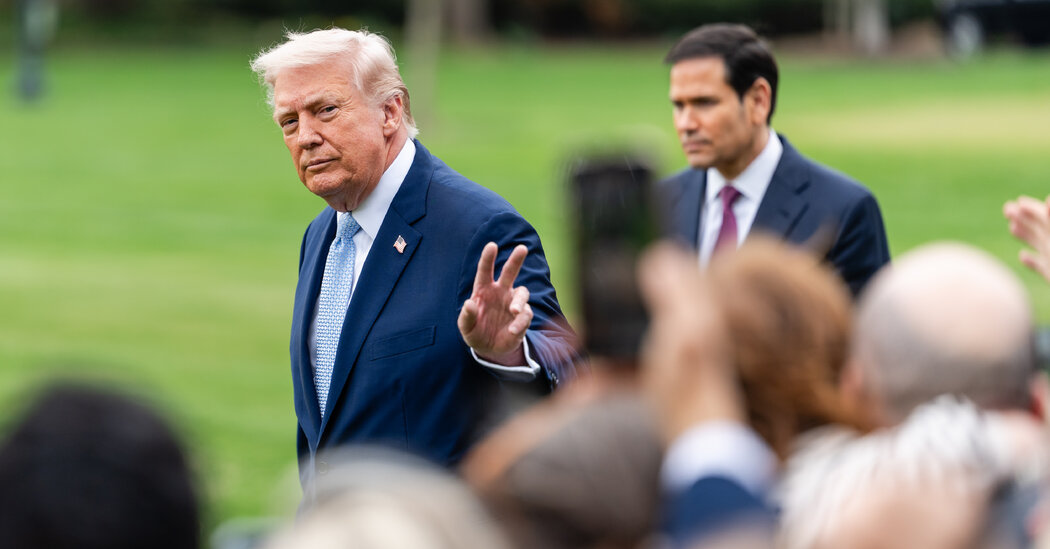
U.S. President Donald Trump said Wednesday that there “won’t be escalation” against Cuba, after U.S. federal prosecutors indicted Cuban Revolution leader Raul Castro and a U.S. aircraft carrier arrived in the Caribbean.
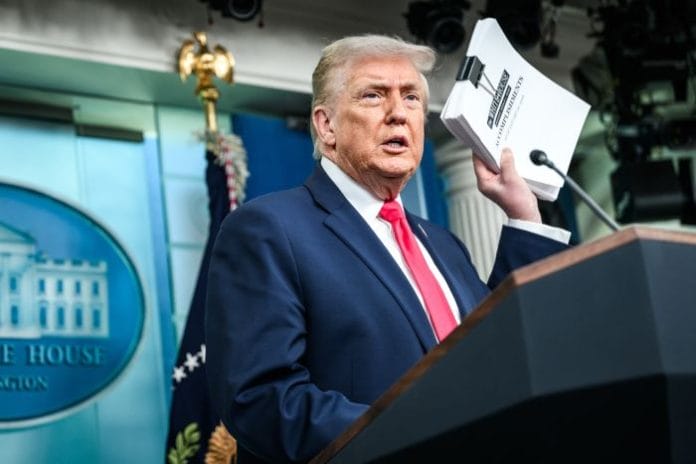
“We’re in the final stages of Iran,” Trump told reporters. “We’ll see what happens.”
“We’ll either have a deal or we’re going to do some things that are a little bit nasty. But hopefully that won’t happen,” he added.
The president claimed he is in “no hurry” to finalize a peace agreement with Iran, suggesting that he would not consider making a “limited deal” only focused on reopening the Strait of Hormuz.
“We’re going to give this one shot,” Trump said of a potential deal, ruling out the idea of a partial compromise.
“I’m in no hurry. You never think, ‘Oh, the midterms, I’m in a hurry.’ I’m in no hurry,” Trump said.
The president added that he had a “very good” phone call with Turkish President Recep Tayyip Erdogan earlier on Wednesday. Türkiye is seen as one of key mediators during U.S.-Iran negotiations.
Iran’s Islamic Revolution Guard Corps on Wednesday warned that if the U.S. and Israeli aggression against the country is repeated, the war will extend beyond the West Asia region.
On the same day, Iranian Foreign Minister Seyed Abbas Araghchi warned in a post on X that returning to war with Iran will have many more surprises for the United States, citing a recent report by the U.S. Congress that acknowledged the loss of dozens of aircraft.
On Feb. 28, the United States and Israel launched joint attacks on Tehran and several other Iranian cities, killing Iran’s then Supreme Leader Ali Khamenei, along with senior military commanders and civilians. Iran responded by launching waves of missile and drone strikes targeting Israeli and U.S. bases and assets in the Middle East.
A ceasefire was reached between the warring parties on April 8, followed by one round of peace talks in Pakistan’s capital Islamabad on April 11 and 12, which failed to yield an agreement.
U.S. and Israeli officials have escalated threats of repeating military attacks against Iran over the past few days. Trump on Tuesday claimed Iran’s leaders were “begging” to make a deal, warning that a new U.S. attack could take place in the coming days if no agreement is reached.
The president claimed he is in “no hurry” to finalize a peace agreement with Iran, suggesting that he would not consider making a “limited deal” only focused on reopening the Strait of Hormuz.
The strikes hit several towns in the South and Nabatieh governorates, targeting residential neighborhoods, areas near a government hospital, and a motorcycle on a road, the NNA said.
The deadliest bombardment struck a town in the Tyre district of South Governorate, near the Israeli border, killing 12 people, including a Syrian national, it reported.
Meanwhile, Hezbollah said its fighters clashed with Israeli forces near the southern Lebanese town of Haddatha and targeted Israeli troop gatherings in southern Lebanon.
Israeli forces also carried out a large demolition operation between the border villages of Blida and Mays al-Jabal, triggering a powerful blast.
Lebanese Prime Minister Nawaf Salam said negotiations remain the only way to end the conflict and stressed that weapons should be under the exclusive control of state forces.
Lebanon’s Health Ministry said Israeli attacks since March 2 have killed 3,073 people and wounded 9,362 others.
A ceasefire between Israel and Lebanon took effect in April and has been extended several times, but both sides have continued exchanging attacks.
Speaking Wednesday at the World Health Assembly in Geneva, Lebanese Health Minister Rakan Nasreddine said ongoing Israeli attacks had severely damaged Lebanon’s health sector.
He said 116 healthcare workers had been killed, 16 hospitals damaged, 147 ambulances attacked, and 45 healthcare centers forced to close since March 2.
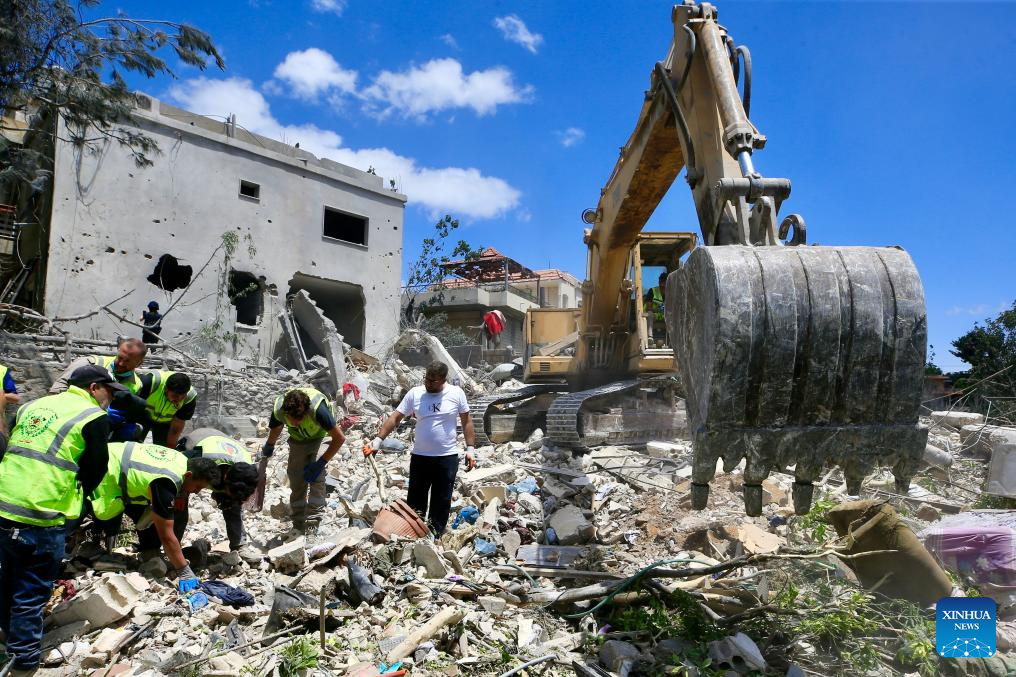
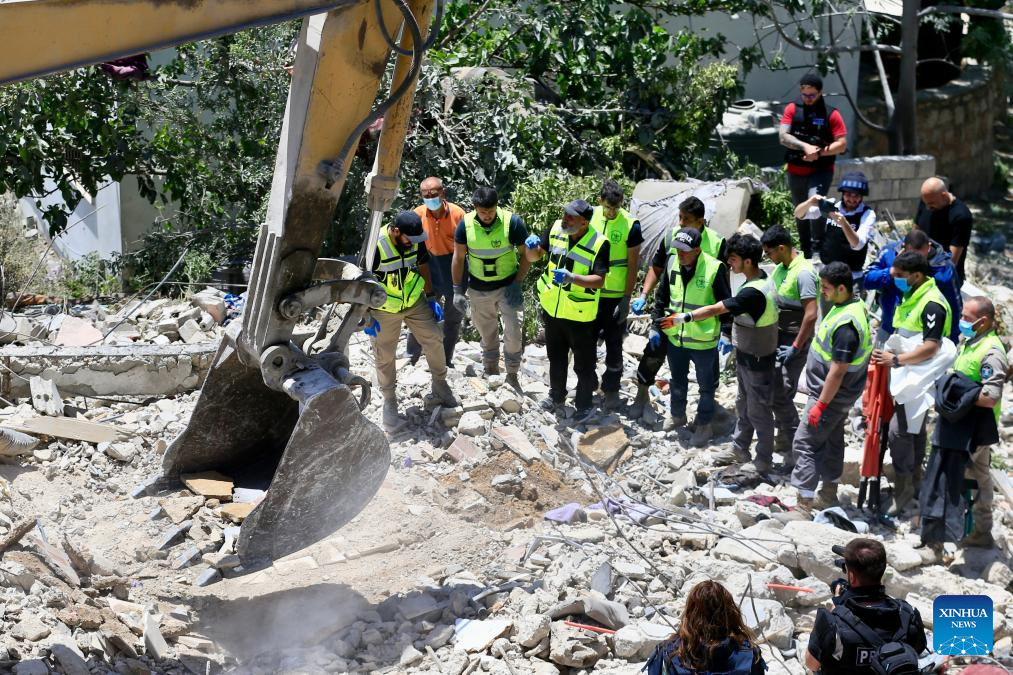
Rescuers search through the rubble for three people reported missing at the scene of an Israeli airstrike in Deir Qanoun En Nahr, near the southern Lebanese city of Tyre, on May 20, 2026. Israeli airstrikes across southern Lebanon overnight into Wednesday killed at least 29 people, including women and children, and wounded dozens more, according to the state-run National News Agency (NNA). (Photo by Ali Hashisho/Xinhua)