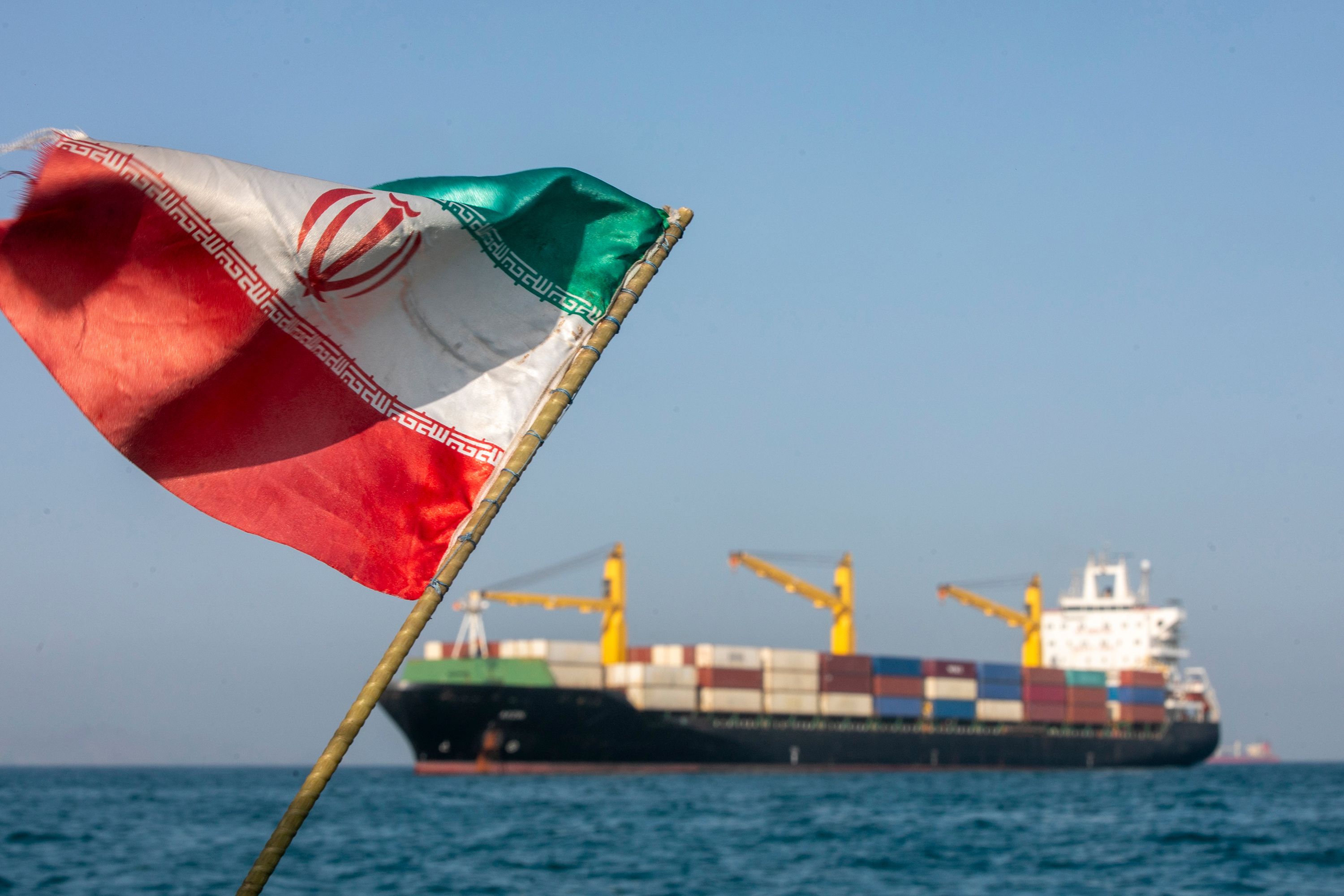
“The Russian Embassy in France has demanded that Paris provide full details of the circumstances surrounding the detention and is taking comprehensive steps to protect the Russian nationals among the crew,” she said, calling the detention another example of European legal nihilism and the rewriting of international legal norms to suit themselves.
The French authorities misinterpreted Article 110 of the 1982 United Nations Convention on the Law of the Sea, which allows a warship to inspect a foreign ship in international waters if it is stateless, but does not authorize its escort to the port of the warship’s state, she said.
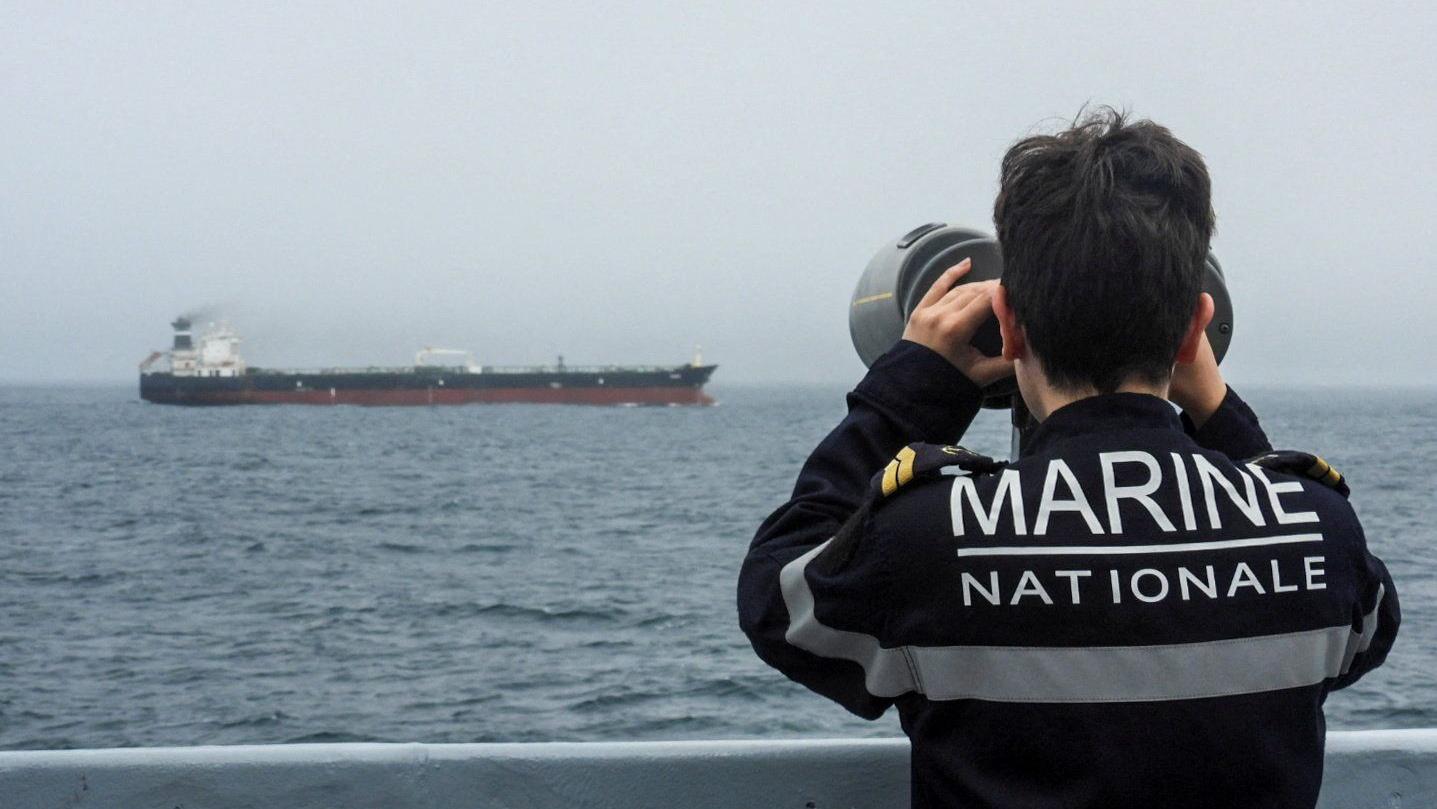
On May 31, a French warship stopped Tagor 400 km from the French coastline in international waters, alleging that the vessel was sailing from Russia’s Murmansk under a false flag.
France’s actions in detaining the Russian vessel Tagor violate international law, and Moscow demands that Paris provide full information about its move, Russian Foreign Ministry spokeswoman Maria Zakharova said on Tuesday.
Concluding on Sunday, the four-day expo brought together more than 700 exhibitors, showcasing cutting-edge technologies, products and application scenarios in the field of artificial intelligence (AI).
Industry insiders at the venue said AI is accelerating its integration into education, public services, manufacturing and daily life, improving efficiency in traditional industries while creating new business models and growth opportunities.
At the booth of iFLYTEK Co., Ltd., a leading Chinese AI company specializing in intelligent speech and AI technologies, a smart blackboard named iFLYTEK AI Board drew widespread attention.
Combining a traditional chalkboard with an electronic display, the device digitizes handwritten equations the moment they are written, turning abstract mathematical concepts into vivid visual representations.
Similar AI-powered applications are already making their way into classrooms.
During a physical education class at Tianjin Second Xinhua High School, students squat, jump and land in response to instructions from an electronic announcer. Their jump distances are instantly broadcast by a voice system and uploaded in real time to the teacher’s device, enabling immediate analysis of physical performance and fitness indicators.
“AI is transforming education in unprecedented ways,” said Dong Bin, deputy general manager of the brand marketing center at iFLYTEK.
“It frees teachers from repetitive tasks so they can focus on educational research, while helping students spend less time on excessive drills and concentrate on meaningful self-improvement.”
According to the company, iFLYTEK has provided smart education products and solutions to more than 50,000 schools across China, benefiting over 130 million teachers and students.
In the expo’s embodied intelligence zone, robots of various types demonstrated their capabilities in real-life scenarios, including cooking, massage services, vehicle refueling and musical performances.
Among them was the Aimoga Smart Police Robot, a wheeled traffic-police robot that waved its arms with the precision of a seasoned officer while demonstrating its ability to direct traffic in real-world conditions.
The robot has already been deployed in several Chinese cities, including Hefei, Wuhu and Changzhou, serving as an intelligent assistant to traffic police officers.
“Equipped with lidar and 360-degree cameras, the robot is capable of autonomous navigation, environmental perception and human-machine interaction,” said Chen Gaoyuan, a staff member at AiMOGA Robotics Technology Co., Ltd.
“It can assist with traffic direction and road patrols, and help discourage traffic violations, while also taking on repetitive and labor-intensive tasks during major events and holiday traffic peaks,” Chen added.
Focusing on the development and commercial application of embodied intelligent robots, the company is accelerating the transition of robotics from technology demonstrations to real-world deployment.
Its humanoid robots, traffic-police robots and medical-service robots have been exported to more than 50 countries and regions, finding applications in automobile dealerships, exhibition halls, public-service venues, hospitals and traffic management.
Such popularity is also evident at the nearby booth of PaXini Technology. Specializing in multidimensional tactile-sensing technology and humanoid robot development, the company has already deployed its products on a large scale in precision manufacturing, automotive production lines and medical rehabilitation.
Its TORA-series humanoid robots can perform a wide range of tasks, including food preparation and delivery, coffee making, table cleaning, household tasks and other service functions, said Lin Tong, a senior executive at PaXini Technology (Tianjin) Co., Ltd.
Lin added that the company has established partnerships with several leading international firms, with its products and solutions serving markets across North America, Europe and Asia-Pacific.
“China’s embodied intelligence industry enjoys clear advantages in deployment speed, scenario diversity and supply-chain coordination,” Lin said.
“With the world’s richest manufacturing scenarios, comprehensive supply chains and extensive robot application environments, China provides a natural real-world training ground for embodied intelligence,” Lin added.
Behind these increasingly rich application scenarios lies sustained policy support.
China issued a new generation AI development plan as early as 2017, and unveiled guidelines on further implementing the “AI Plus” initiative last year. The country’s 15th Five-Year Plan (2026-2030) also calls for fully implementing the initiative to foster AI-driven development, fueling the burgeoning growth of its AI innovations.
According to the National Data Administration, China has become the world’s largest holder of AI patents, accounting for about 60 percent of the global total, while the scale of its core AI industry has exceeded 1.2 trillion yuan (about 176 billion U.S. dollars).
“AI is accelerating its deep integration with a wide range of industries, upgrading traditional sectors, and driving breakthroughs in productivity and efficiency,” said Chen Jiachang, vice minister of China’s Ministry of Science and Technology.
Chen expects technologies such as embodied intelligence, brain-inspired AI and brain-computer interfaces to create new growth areas and business models, heralding China’s leap toward an AI powerhouse.
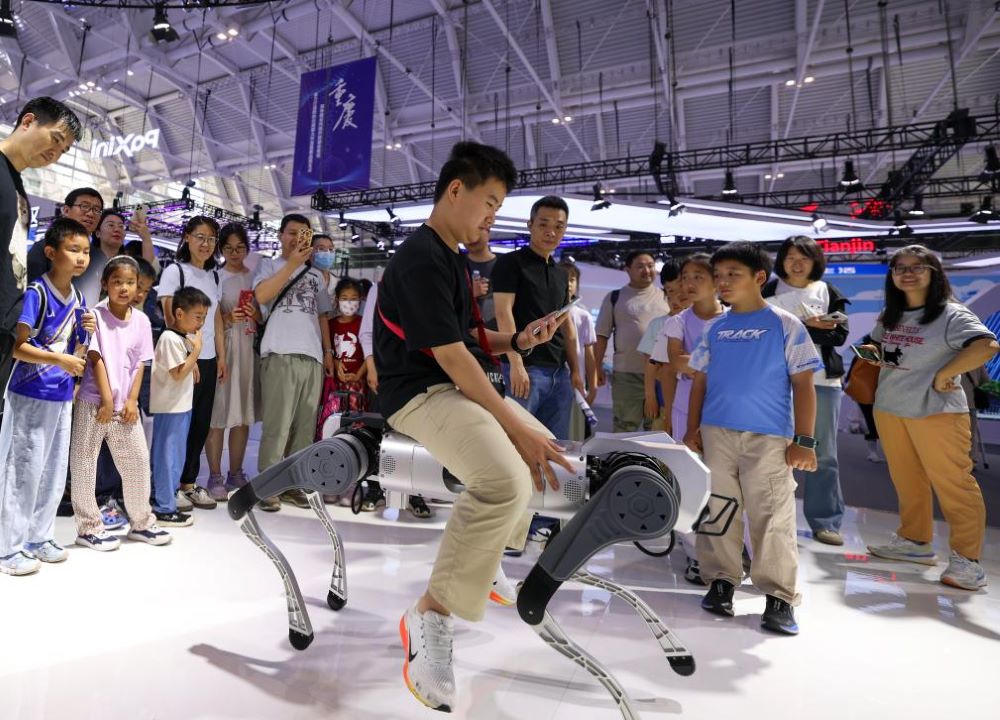
A visitor tries the load-bearing capability of a quadruped robot at the World Intelligence Expo 2026 in Tianjin, north China, May 30, 2026. (Xinhua/Sun Fanyue)
Macron said on social media that he has spoken with Saudi Arabia’s Crown Prince and Prime Minister Mohammed bin Salman bin Abdulaziz Al Saud, Oman’s Sultan Haitham bin Tariq, United Arab Emirates President Sheikh Mohamed bin Zayed Al Nahyan and Egyptian President Abdel-Fattah al-Sisi.
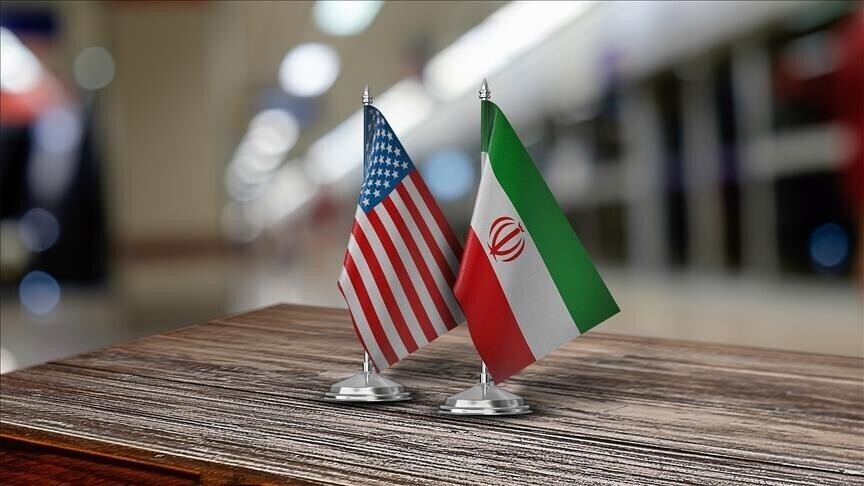
He said he delivers the same message to all these leaders, stressing that it is essential for the United States and Iran to reach an agreement quickly.
According to Macron, the priority is to secure a ceasefire and reopen the Strait of Hormuz without any conditions and in accordance with international law. Discussions should then continue with a view to reaching a comprehensive and robust agreement on other issues, particularly Iran’s nuclear and ballistic missile programs and regional stability.
Macron said France stands ready to play its part, including through a multinational initiative jointly led with Britain to help safeguard maritime traffic through the Strait of Hormuz.
Macron said regional stability must begin with Lebanon and called on all parties to cease hostilities. He added that France will continue supporting Lebanon’s efforts to restore state sovereignty and territorial integrity.
According to Lebanon’s Public Health Emergency Operations Center, an Israeli airstrike on Sunday struck an area adjacent to Hiram Hospital in the southern city of Tyre, injuring 13 hospital staff members and causing extensive damage to the facility.
Macron said regional stability must begin with Lebanon and called on all parties to cease hostilities. He added that France will continue supporting Lebanon’s efforts to restore state sovereignty and territorial integrity.
Reacting to Saturday U.S. media reports that the United States amended elements of the draft agreement and sent it back to Tehran, Tasnim quoted an informed source as saying that Iran will also make its own amendments to the draft deal, and “nothing is final yet.”
The source said Iran will only accept a draft it agrees to, and the amendments made by the United States do not imply Tehran’s approval.
U.S. media, citing officials, said U.S. President Donald Trump raised concerns over parts of the draft, including the release of Iran’s frozen assets, and wanted tougher terms in the MoU, especially on Iran’s nuclear material.
Iran and the United States are reportedly working to finalize an MoU on ending the war that started on Feb. 28 with joint attacks by the United States and Israel against Iran.
The two sides reached a temporary ceasefire on April 8. Over the past weeks, they have exchanged several proposed plans outlining conditions for ending the conflict through Pakistani mediation.
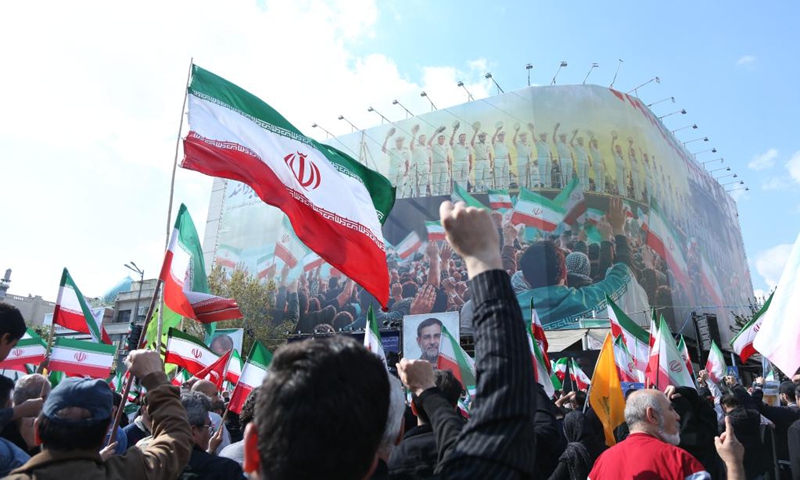
People attend a funeral ceremony for Alireza Tangsiri, chief commander of the Navy of the Islamic Revolution Guards Corps (IRGC), and other armed forces personnel killed in U.S. and Israeli strikes, in Tehran, Iran, on April 1, 2026. (Xinhua/Shadati)
Farmers in Western Australia and South Australia have reported plague-like mouse populations since March, with rodents destroying wheat, canola and barley crops by feeding on freshly planted seeds and grain stored on farms.
The outbreak comes at a difficult time for the agricultural sector, with farmers also facing increased fuel and fertiliser costs linked to ongoing global geopolitical tensions involving the United States, Israel and Iran.
Many producers say they have been forced to spend hundreds of thousands of dollars replanting crops and purchasing bait in an effort to control the growing rodent population. Despite these efforts, losses continue as mice consume newly sown seeds overnight.
Western Australian farmer Geoff Cosgrove described the current outbreak as the worst he has experienced in his 25 years of farming. He said mice have invaded his home, running through ceilings and air-conditioning systems and creating constant noise and unpleasant odours.
Agronomist Belinda Eastough said some affected areas are recording between 8,000 and 10,000 mice per hectare, far above the level typically associated with a mouse plague. Researchers from Australia’s national science agency, CSIRO, define a mouse plague as approximately 800 mice per hectare.
Experts say favourable conditions created by strong harvests and summer rainfall provided abundant food and ideal breeding environments for the rodents. Mice can begin reproducing at just six weeks of age and produce multiple litters within short periods, allowing populations to explode rapidly.
Beyond the economic damage, farmers are also reporting significant psychological strain. The constant presence of mice in homes, sheds and machinery has disrupted sleep and increased stress levels across affected communities.
Authorities recently approved stronger bait products following weeks of pressure from farmers. While some producers have reported early signs that cooler winter temperatures may be slowing mouse activity, many say the damage has already been severe.
Farmers remain hopeful that winter conditions will help bring the outbreak under control, but for many, recovery from the losses may take much longer.
Farmers in Western Australia and South Australia have reported plague-like mouse populations since March, with rodents destroying wheat, canola and barley crops by feeding on freshly planted seeds and grain stored on farms.
Paris Saint-Germain secured the title after a dramatic final against Arsenal in Budapest, where the French side triumphed in a penalty shootout following a tightly contested match that ended level after normal time. The victory sealed PSG’s second Champions League crown and sparked celebrations across France.
According to the French interior ministry, a total of 416 people were detained nationwide on Saturday night, including 283 in Paris, as tens of thousands of supporters flooded streets to mark PSG’s dramatic win.
Interior Minister Laurent Nunez described the unrest as “absolutely unacceptable,” confirming that seven police officers were wounded during clashes that broke out in several parts of the capital. Six vehicles and two businesses were also damaged.
Police scrambled to contain the large crowd at the iconic Champs-Elysees avenue.
A heavy police presence of around 22,000 officers was deployed across France, including 8,000 in Paris, amid fears of a repeat of last year’s disorder. Authorities moved to shut down tram lines, close metro stations and restrict bus services in central Paris in an effort to contain crowds.
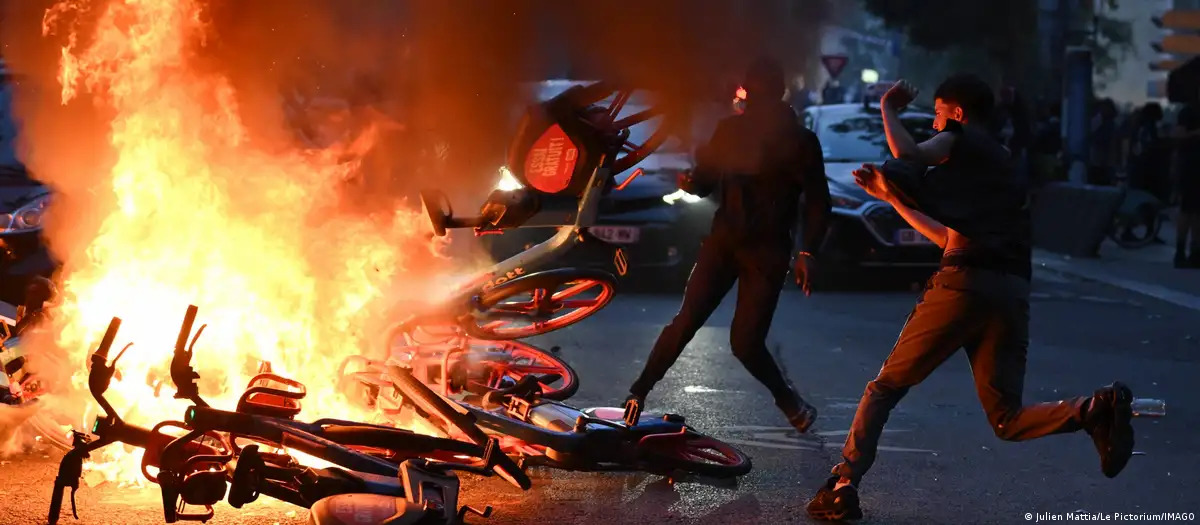
Despite the measures, around 20,000 fans gathered on the Champs-Élysées, where flares were lit and traffic was disrupted. Police said two dozen flares and around 100 fireworks were seized, while a bus shelter near the avenue was destroyed.
Smaller groups of supporters also caused disturbances near PSG’s Parc des Princes stadium, where tens of thousands had gathered to watch the match on big screens. Between 4,000 and 5,000 people outside the stadium were involved in confrontations with police, with projectiles thrown at officers. Tear gas was used after fireworks were launched in their direction.
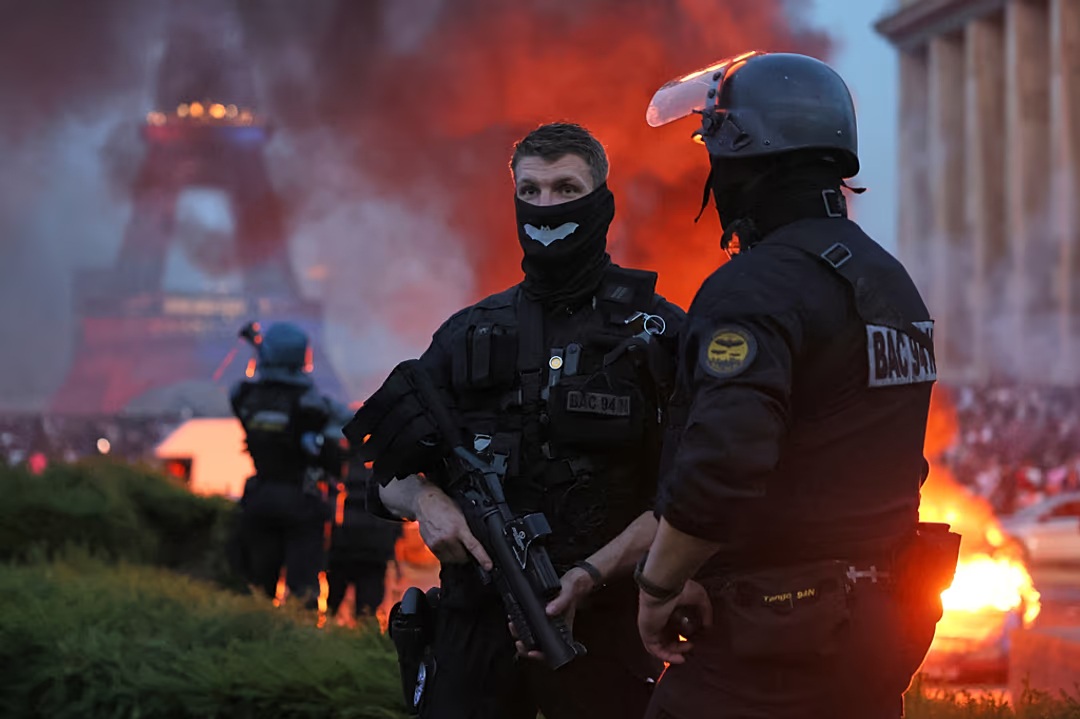
A car burns and fireworks explode as police watch PSG supporters celebrate in Paris, Saturday, May 30, 2026 after Champions League final soccer match between PSG and Arsenal.
Police said about 150 individuals attempted to force entry through one of the stadium gates, while others tried to build barricades using rental bicycles, which were later dismantled.
In central Paris, a group briefly blocked the ring road, the périphérique, while scattered incidents of vandalism were reported, including damage to a bakery and restaurant. Authorities also said some individuals attempted to storm a police station in the 8th arrondissement before being dispersed.
The unrest came as celebrations across the city coincided with other major events, including concerts and the French Open tennis tournament, adding pressure on security services.
Far-right political figures criticised the violence, with Marine Le Pen claiming on social media that “only in France does a football club’s victory spark riots.”
Despite the clashes, city officials confirmed that PSG players are expected to hold a victory parade on Sunday at the Champ de Mars near the Eiffel Tower, with an estimated 100,000 people expected to attend before a reception at the Élysée Palace hosted by President Emmanuel Macron.
Paris Saint-Germain secured the title after a dramatic final against Arsenal in Budapest, where the French side triumphed in a penalty shootout following a tightly contested match that ended level after normal time.
“Cases of conflict-related sexual violence verified by the United Nations in 2025 rose sharply from 2024, marked by extreme brutality, and overwhelmingly targeted women and girls,” said the annual report of the UN secretary-general.
A total of 9,788 cases of conflict-related sexual violence were documented in 2025, more than doubling the figure from 2024 (with 4,617 cases), according to the report, which was submitted to the Security Council on Thursday and was made available to the press on Friday.
The report notes that the cases of conflict-related sexual violence should be understood not as the full picture, as violations remained largely unseen and underreported when ongoing conflict, insecurity, and restrictions on humanitarian access increasingly obstructed reporting and documentation, which was further undermined by mission drawdowns and budget cuts in which specialized capacity on gender and women’s protection were often the first to be reduced.
A total of 77 parties, including state and non-state actors, are listed for cases of conflict-related sexual violence in this 17th annual report, which covers 21 conflict-affected countries for which information verified by the United Nations was available.
Two new state actors are listed: the Israeli armed and security forces, and the Russian armed and security forces. Three new non-state actors operating in the Democratic Republic of the Congo are listed in this report.
The report says that in 2025, documented cases of sexual violence as a tactic of war, torture, terrorism and political repression surged, while multiple and overlapping political, security and humanitarian crises worsened. Civilians were targeted with rape, gang rape, abductions and sexual slavery by state and non-state actors.
Sexual violence and exploitation in the context of abduction and trafficking in persons continued to be observed as a tactic of terrorism. Displaced, refugee and migrant women and girls faced elevated risks of sexual violence. Sexual violence was perpetrated in detention in multiple settings, such as in Israel and the State of Palestine, Russia and Ukraine, according to the report.
Impunity for conflict-related sexual violence persisted in 2025. Overall, the level of compliance by parties to conflict with applicable international norms remained low. Over 65 percent of the parties listed in the annex to the present report are persistent perpetrators, appearing in the annex for five or more years without taking remedial or corrective action, according to the report.
Conflict-related sexual violence continues to be used as a weapon of war.
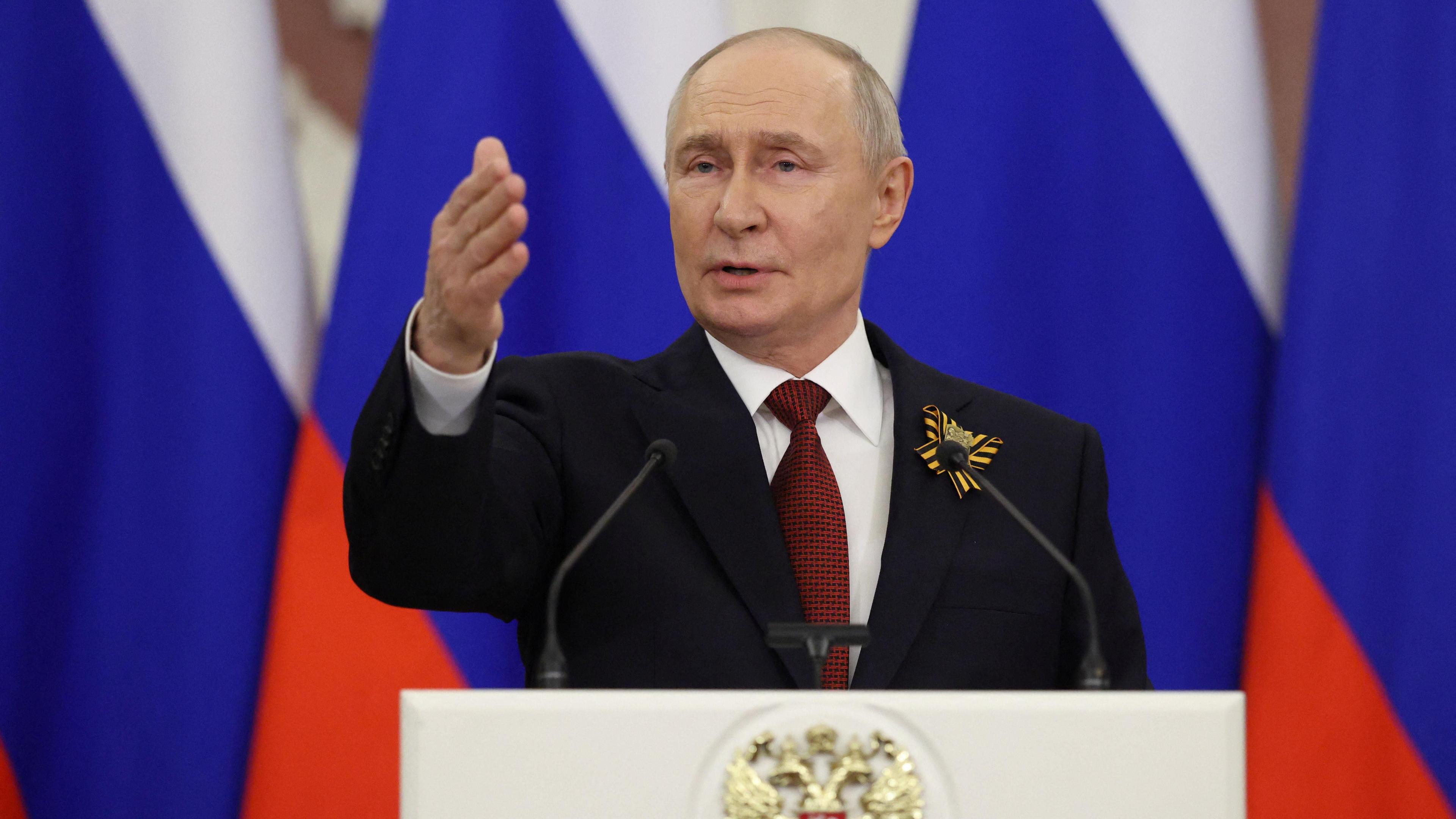
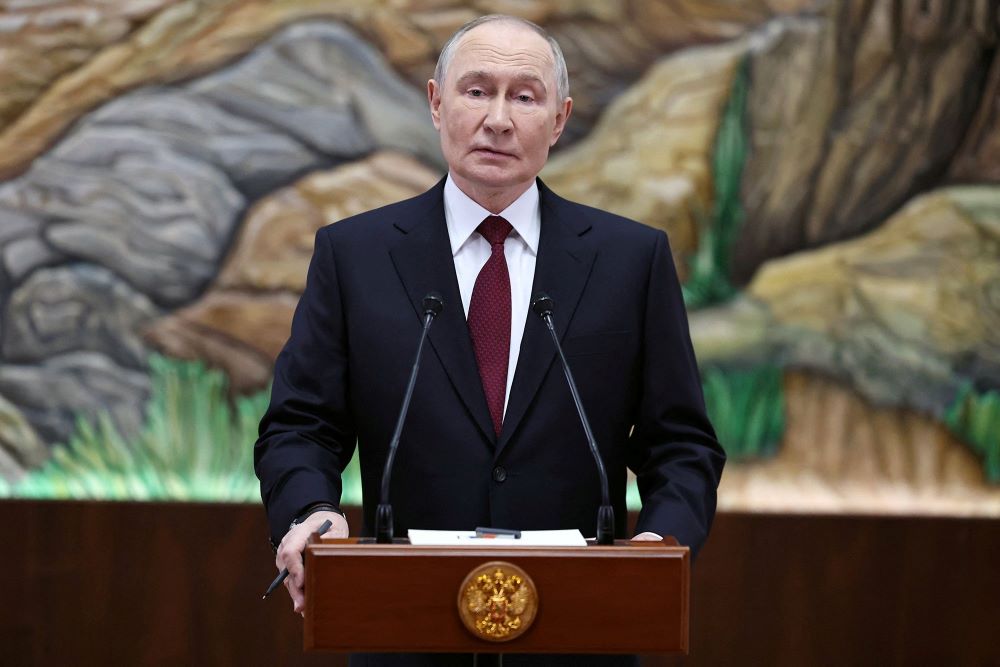
Putin made the remarks at a press conference following the conclusion of his state visit to Kazakhstan, RIA Novosti reported Friday.
He said Russia’s strikes on Kiev were carried out in response to Ukrainian attacks on the Lugansk region, adding that Russian forces are conducting offensives along the entire frontline of the special military operation zone.
Putin also described statements by some European politicians about preparing for war with Russia as “nonsense,” saying Russia has neither threatened European countries in the past nor does so now, but any location posing a direct military threat to Russia would be regarded as a “legitimate target.”
Russian President Vladimir Putin attends the Collective Security Treaty Organization (CSTO) summit in Bishkek, Kyrgyzstan, on Thursday, November 27. Alexander Kazakov/Reuters
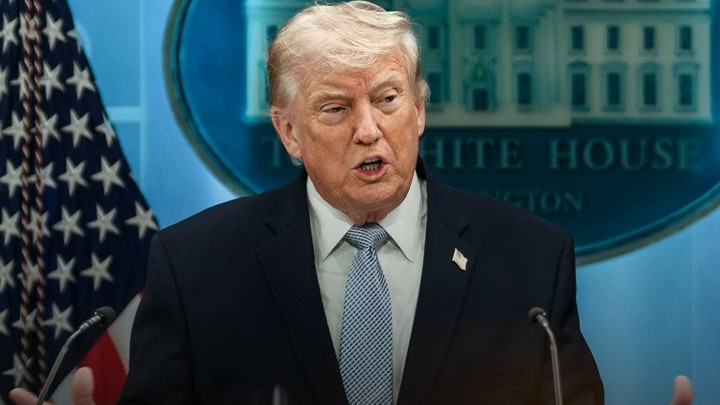
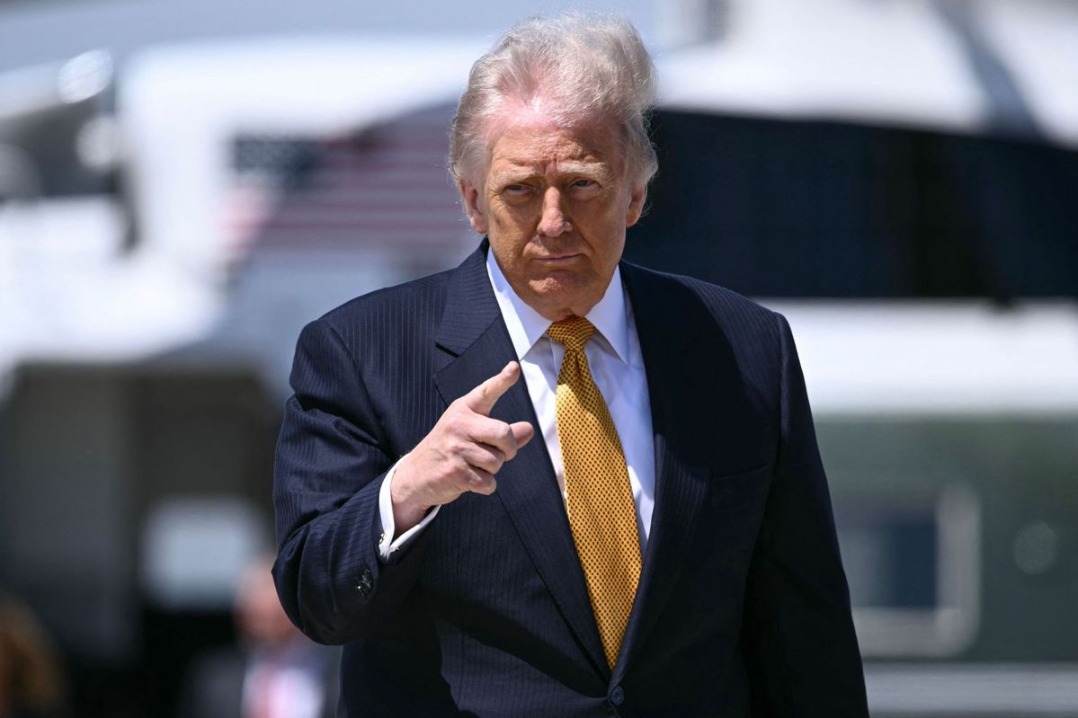
“The Situation Room meeting has concluded and lasted approximately two hours. President Trump will only make a deal that is good for America and satisfies his redlines. Iran can never possess a nuclear weapon,” a White House official said in a statement.
It was not immediately clear why Trump did not reach a decision.
Earlier on Friday, Trump outlined conditions for a deal with Iran in a post on Truth Social, claiming he will be meeting his national security team “to make a final determination” on the day.
Among the U.S. key demands are the elimination of Iran’s enriched nuclear materials, reopening the Hormuz Strait with no tolls and removing water mines left.
“Iran must agree that they will never have a Nuclear Weapon or Bomb. The Hormuz Strait must be immediately open, no tolls, for unrestricted shipping traffic, in both directions. All water mines (bombs), if any, will be terminated,” Trump wrote.
The U.S. Naval blockade “will now be lifted,” said Trump.
Iran’s enriched nuclear material, the so-called “nuclear dust” which has been buried deep underground due to U.S. bombing in June last year, will be unearthed by the United States in close coordination and conjunction with Iran and the International Atomic Energy Agency and destroyed, said Trump.
Iranian Foreign Ministry spokesperson Esmail Baghaei said in a phone interview with Iranian state media on Friday that current negotiations were limited in scope and did not include “the nuclear issue.”
Earlier on Friday, Trump outlined conditions for a deal with Iran in a post on Truth Social, claiming he will be meeting his national security team “to make a final determination” on the day.
The source told Tasnim that reports suggesting the text was merely awaiting formal announcement by the two sides were “not consistent with the facts,” adding that the document “has not yet been finalized.”
Earlier on Thursday, U.S. media Axios reported, citing U.S. officials and a regional source, that U.S. and Iranian negotiators have reached an agreement on an MoU to extend the ceasefire by 60 days and launch talks on Iran’s nuclear program, but U.S. President Donald Trump has yet to give his final approval.
According to the report, the proposed 60-day MoU would state that shipping through the Strait of Hormuz would be “unrestricted.” A U.S. official was quoted as saying this would entail no tolls or harassment, and that Iran would be required to remove all mines from the strait within 30 days.
The MoU would reportedly include an Iranian commitment not to pursue nuclear weapons. It would also state that the first issues to be negotiated during the 60-day window will be how to dispose of Iran’s highly enriched uranium and how to address Iranian enrichment.
The White House would, according to the report, commit to discussing sanctions relief and the release of frozen Iranian assets as part of the talks. It would also consider establishing a mechanism to facilitate Iranian access to goods and humanitarian supplies.
The Iranian source, rejecting the Axios account, stressed that if an agreement text is ultimately finalized, Iran will formally notify Pakistani mediators and make the matter public.
Until then, any Western reports claiming the agreement has already been completed “lack credibility,” the source added.
Speaking on Thursday evening, U.S. Vice President JD Vance said negotiators were “going back and forth on a couple of language points,” including the “question of enrichment.”
“We’re not there yet, but we’re very close and we’re going to keep on working at it,” he told reporters, adding that the United States believed the Iranians were negotiating in “good faith.”
Also on Thursday evening, the U.S. Central Command rejected Iranian media reports that an “invading” U.S. drone had been destroyed by Iran’s air defense.
“No U.S. aircraft were shot down. All U.S. air assets are accounted for,” the command said on X.
Tasnim news agency, citing a military source, said Iran’s air defenses were activated Thursday evening local time and intercepted the drone near Bushehr using missiles.
Since the initial ceasefire between the United States and Iran took effect on April 8, Trump has repeatedly said the two sides are close to a deal and that talks are making progress.
On Wednesday, the U.S. president said that Washington was not yet satisfied with the terms under discussion and remained prepared to resume military action if its demands were not met.
“We’re not satisfied with it, but we will be,” Trump said. “Either that or we’ll have to just finish the job.”