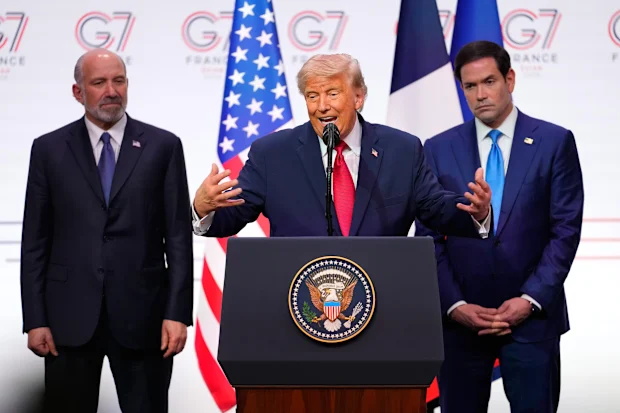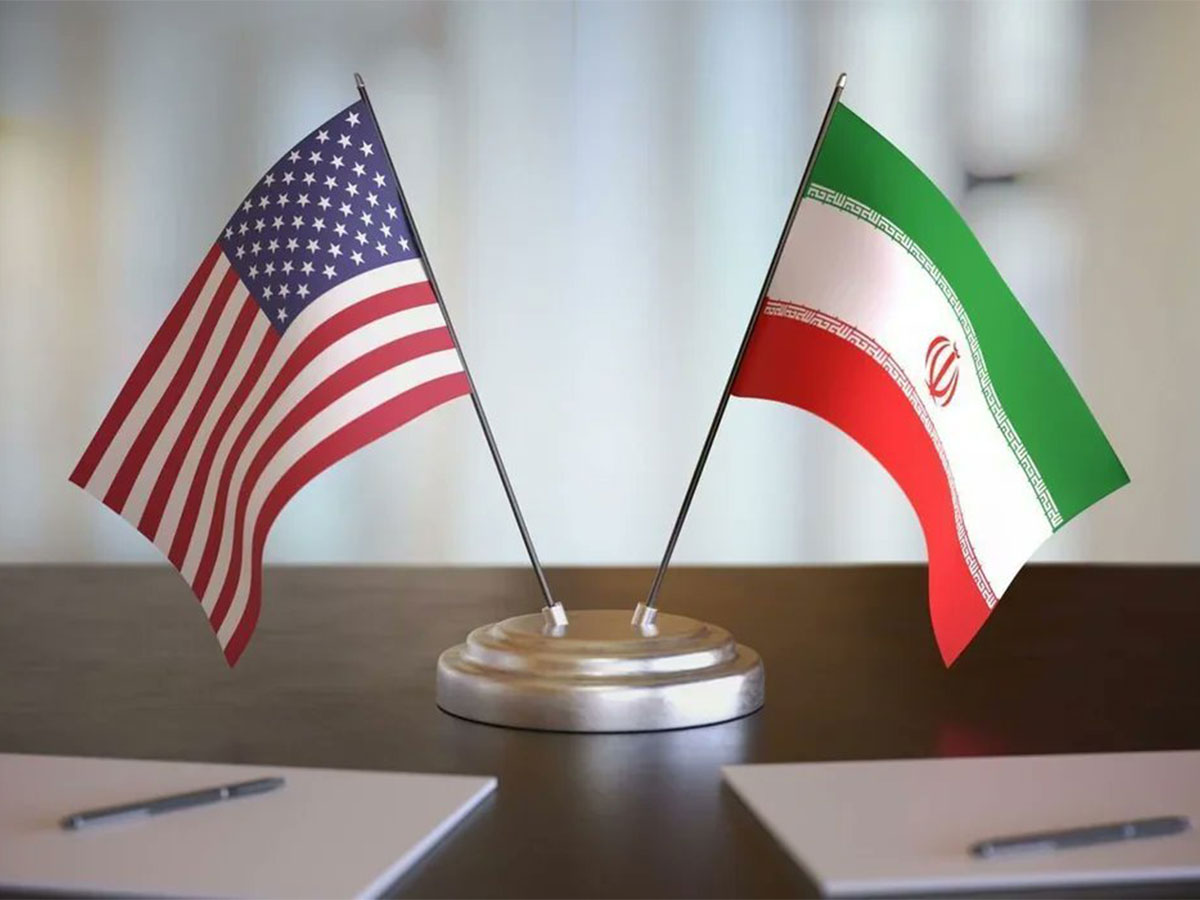
“You just said it is a little excursion and you said it is a war. So, which one is it?” Trump was asked by one of the reporters traveling with him in the U.S. state of Ohio.
“Well, it’s both,” Trump answered. “It’s an excursion that will keep us out of a war, and the war is going to be, I mean for them it’s a war.”
Addressing House Republicans on Monday, Trump described the military operation against Iran as a “short-term excursion” while later vowing to “go forward more determined than ever to achieve ultimate victory.” He has also demanded Iran’s “unconditional surrender.”
Though Trump said earlier on Wednesday that the U.S.-Israeli war with Iran will end “soon” because there is “practically nothing left to target,” Axios reported.
U.S. and Israeli officials said that they are preparing for at least two more weeks of strikes in Iran, and that there has been no internal directive on when such strikes might stop, according to the report.
More than 1,300 civilians have been killed and 9,669 civilian sites destroyed in Iran in U.S.-Israeli strikes since Feb. 28, Amir Saeid Iravani, Iran’s ambassador and permanent representative to the United Nations, said Tuesday.
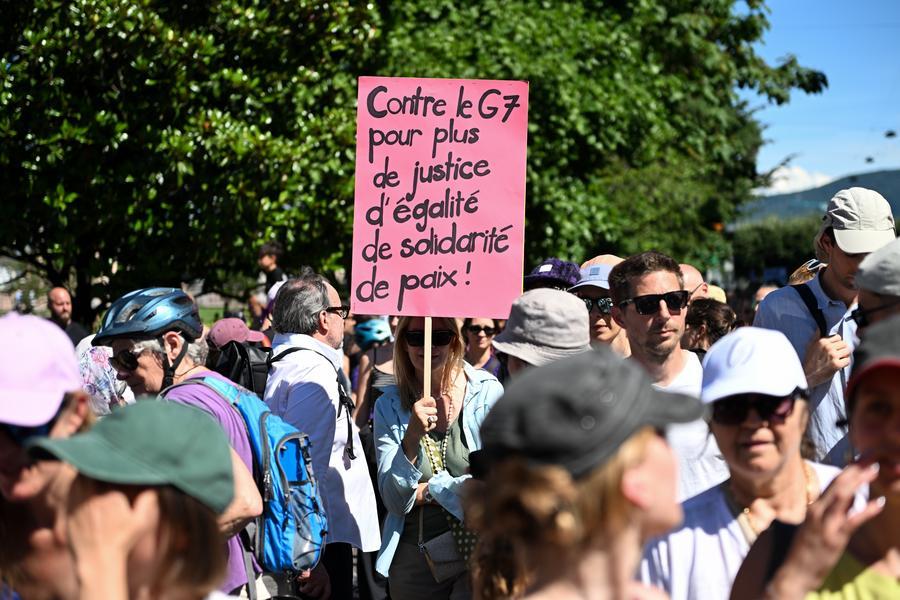
People attend a protest against U.S.-Israeli strikes on Iran in San Francisco, the United States, Feb. 28, 2026.
Using 3D facial analysis, researchers are able to detect three major causes of road accidents simultaneously: blood alcohol concentration, fatigue, and expressions such as anger, said a statement from Australia’s Edith Cowan University (ECU) on Wednesday.
The system, developed by ECU researchers, uses a single deep learning model to identify blood alcohol concentration with nearly 90 percent accuracy and drowsiness with 95 percent accuracy, the statement said.
The technology can also determine the level of intoxication, classifying alcohol impairment into three categories — sober, moderate and severe, it said.
Lead researcher, ECU PhD candidate Abdullah Tariq, said the system automatically captures diverse facial dynamics, including eye blinking, subtle facial movements, and progressive facial feature changes that are critical for distinguishing between different states.
Unlike breathalysers, the method allows continuous, real-time monitoring without driver cooperation, the researchers said.
A companion study demonstrated that combining infrared and color video improves detection in low-light conditions, they said, adding the research could lead to an innovative, non-invasive way to help combat drink driving.
Using 3D facial analysis, researchers are able to detect three major causes of road accidents simultaneously:
Infantino said on social media that he met Trump on Tuesday evening to discuss preparations for the upcoming World Cup, which will be co-hosted by the United States, Canada and Mexico from June to July.
“This evening, I met with the President of the United States, Donald Trump to discuss the status of preparations for the upcoming FIFA World Cup, and the growing excitement as we are set to kick off in just 93 days,” Infantino wrote.
He added that the two also discussed the current situation in Iran and the fact that the Iranian team has already qualified for the tournament.
“During the discussions, President Trump reiterated that the Iranian team is, of course, welcome to compete in the tournament in the United States,” Infantino said. “We all need an event like FIFA World Cup to bring people together now more than ever.”
Tensions in the Middle East have escalated after military strikes by the United States and Israel on Iran, raising uncertainty over Iran’s participation in the tournament.
Mehdi Taj, president of Iran’s Football Federation, had said last week that Iran could not be optimistic about participating in the World Cup under the current circumstances.
According to the draw, Iran is placed in Group G alongside Belgium, New Zealand and Egypt, with all three of its group-stage matches scheduled to be played in the United States.
Iran have qualified for their fourth consecutive World Cup
The civilian sites included 7,943 residential homes, 1,617 commercial and service centers, 32 medical and pharmaceutical facilities, 65 schools and educational institutions, 13 Red Crescent buildings, and several energy supply facilities, Iravani told the press in a statement.
“They are deliberately and indiscriminately targeting civilians and civilian infrastructure across my country. They show no respect for international law and no restraint in committing these crimes,” he said.
“Densely populated residential areas and critical civilian infrastructure are deliberately targeted,” he said, adding that the figures continue to rise as the U.S.-Israeli military attacks continue.
Iravani listed several instances in which civilian targets were attacked, including heavy strikes on fuel storage facilities in Tehran and other cities on Saturday night, releasing large quantities of hazardous and toxic pollutants into the atmosphere.
The explosions caused severe air pollution and serious health risks for civilians, especially children, women, the elderly, and those with critical health conditions, he said, citing the Iranian Red Crescent Society.
“These heinous attacks also violate international environmental obligations, including those under the United Nations Framework Convention on Climate Change and the Convention on Biological Diversity,” he said.
Iravani noted that other instances included attacks on Mehrabad Airport in Tehran early Saturday morning, destroying or severely damaging several civilian aircraft and airport facilities, and attacks on a freshwater desalination plant on Qeshm Island in Hormozgan province, disrupting water supplies to 30 villages.
He also said that in the early hours of Sunday, Israel carried out “a deliberate terrorist attack” against the Ramada Hotel in Beirut, Lebanon, killing four Iranian diplomats. “The targeted killing of diplomats on the territory of another sovereign State is a grave terrorist act, a war crime, and a flagrant violation of international law.”
“The international community must act now to stop this bloody war against the Iranian people. We will take all necessary measures to defend our people, our territory, and our independence,” he said.
Iran has sadi that more than 1,300 civilians have been killed and 9,669 civilian sites destroyed in Iran in the military strikes launched by the United States and Israel since February 28.
The conflict has triggered large-scale displacement across the country. About 759,300 people have been registered as displaced, according to government data.
Authorities said 122,600 displaced people are currently staying in 580 shelters set up across various regions to house families forced to flee their homes amid the continuing hostilities.
Meanwhile, Israel carried out three airstrikes on Beirut’s southern suburbs on Tuesday afternoon, Lebanon’s National News Agency reported, and continued strikes on several areas in southern Lebanon.
Hezbollah said it launched rockets from Lebanon toward Israel early on March 2 for the first time since a ceasefire was declared on Nov. 27, 2024. The move prompted the Lebanese government to ban the group’s security and military activities, limiting it to political work and requiring it to hand over its weapons.
The Israeli military said it had launched what it described as an “offensive military campaign” against Hezbollah, carrying out heavy airstrikes across multiple Lebanese areas and conducting ground incursions near the border. It also warned residents to evacuate areas south of the Litani River and Beirut’s southern suburbs.
Smoke rises following an Israeli airstrike in Beirut’s southern suburbs, Lebanon, on March 10, 2026. The death toll from ongoing Israeli attacks on Lebanon has risen to 570, with 1,444 others wounded since the escalation began on March 2, figures released on Tuesday by the Disaster Risk Management Unit at the Lebanese Council of Ministers showed. Smoke rises following an Israeli airstrike in Beirut’s southern suburbs, Lebanon, on March 10, 2026. The death toll from ongoing Israeli attacks on Lebanon has risen to 570, with 1,444 others wounded since the escalation began on March 2, figures released on Tuesday by the Disaster Risk Management Unit at the Lebanese Council of Ministers showed.
The Israeli military said in a statement that air defense systems are working to intercept the missiles.
Sirens were heard in the northern cities of Metula and Haifa, the southern city of Ashkelon, as well as in Jerusalem and several settlements in the occupied West Bank.
Debris fell in the Umm Al Faham area in southern Israel, causing damage. There were no immediate reports of injuries, the country’s Magen David Adom rescue service said.
The development came as the deadly regional conflict entered its 11th day. On February 28, Israel and the United States launched joint attacks on Tehran and several other Iranian cities, killing Iran’s Supreme Leader Ali Khamenei, along with senior military commanders and civilians. Iran responded by launching waves of missile and drone strikes targeting Israeli and U.S. assets in the Middle East.
Earlier on Tuesday, the Israeli military said it had begun a new series of airstrikes against Iranian government targets in Tehran, whereas Iran’s Foreign Minister Seyed Abbas Araghchi said Iran is well-prepared to continue missile attacks against Israel and U.S. bases in the West Asia region for as long as needed.
The chairperson said in a statement that he is closely following developments in the region, which are marked by “concerning incidents that are escalating tensions and undermining regional stability.”
He expressed deep concern over recent attacks on critical infrastructure, including energy and transport facilities, which further heightened tensions and is threatening regional and global economic stability.
Highlighting that such actions are disrupting vital supply chains and have far-reaching implications for international trade and energy markets, he condemned any violation of international law, including infringements on the sovereignty and territorial integrity of states.
He called on all related parties to exercise maximum restraint, prioritize dialogue and diplomacy, and work toward a swift de-escalation of the situation, in accordance with the principles and purposes of the Charter of the United Nations.
“Rising oil prices and disruptions in trade routes are already affecting markets, including the export of perishables from Africa, while disruptions to airspace are impacting African airlines and travel connectivity,” Youssouf said.
He reiterated the 55-member continental organization’s commitment to international law, the peaceful resolution of disputes, and the preservation of international peace and security.
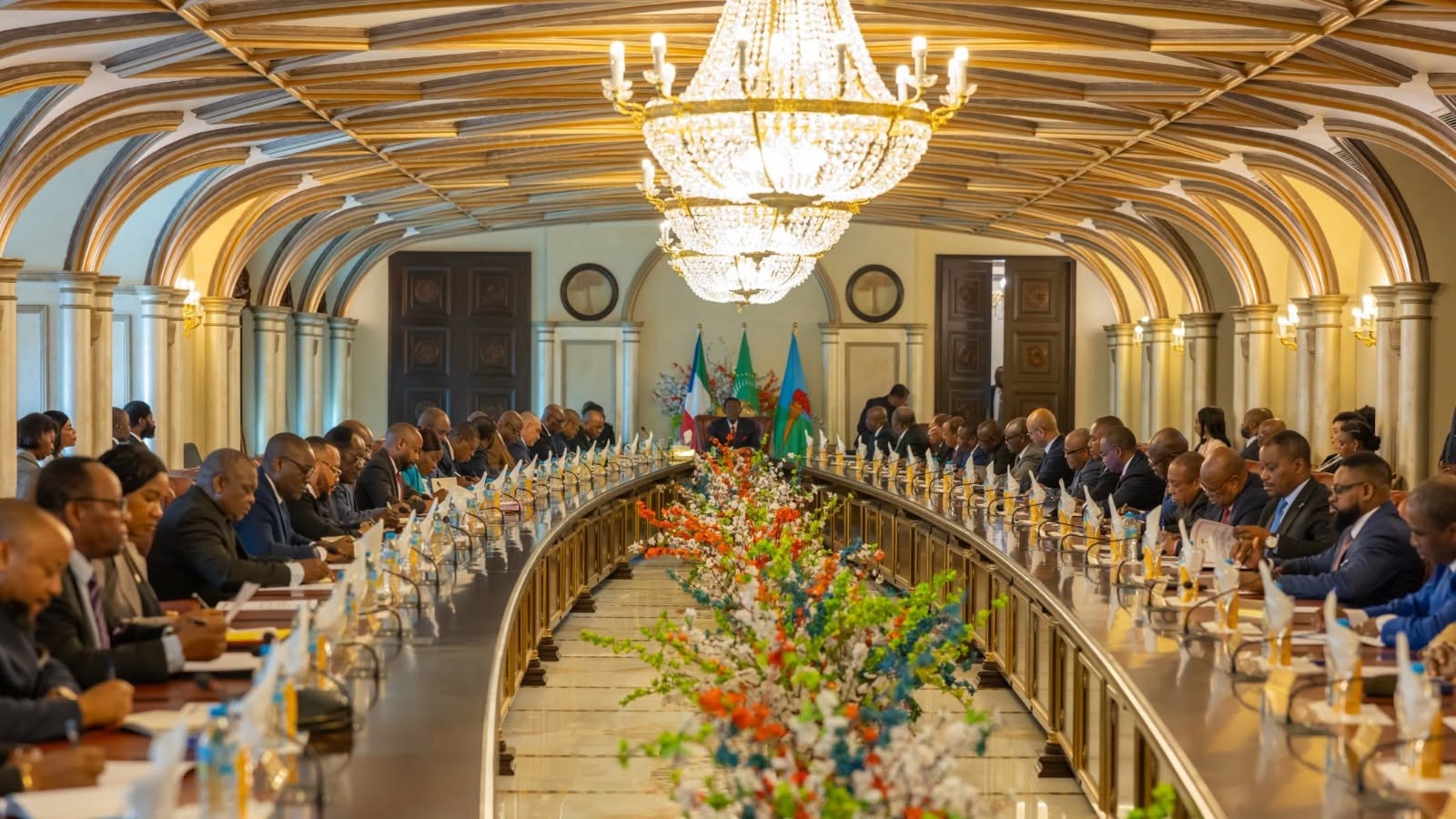
African Union Commission Chairperson Mahmoud Ali Youssouf has warned that military escalation in the Persian Gulf threatens regional and global economic stability.
Speaking to PBS News, Araghchi warned that Iran had no intention of slowing its military response. “The firings continues, and we are prepared. We are well prepared to continue attacking them with our missiles as long as needed and as long as it takes,” he said.
He also ruled out diplomatic talks with Washington, citing past experiences during earlier negotiations. “I don’t think talking with Americans anymore would be on our agenda,” Araghchi said, adding that Tehran had “a very bitter experience of talking with Americans.”
Trump, however, suggested the conflict might not last long. Speaking at a news conference in Florida, he said: “It’s going to end soon and if it starts up again, they’ll be hit even harder.” The president had earlier described the campaign as a “short term excursion.”
The remarks came as tensions escalated across the Middle East. Iran, now led by newly appointed supreme leader Mojtaba Khamenei, launched a new wave of missile and drone attacks targeting Saudi Arabia, Bahrain, Qatar, the United Arab Emirates and Israel. Another missile was fired toward Turkey but was intercepted by NATO air defenses before reaching its target.
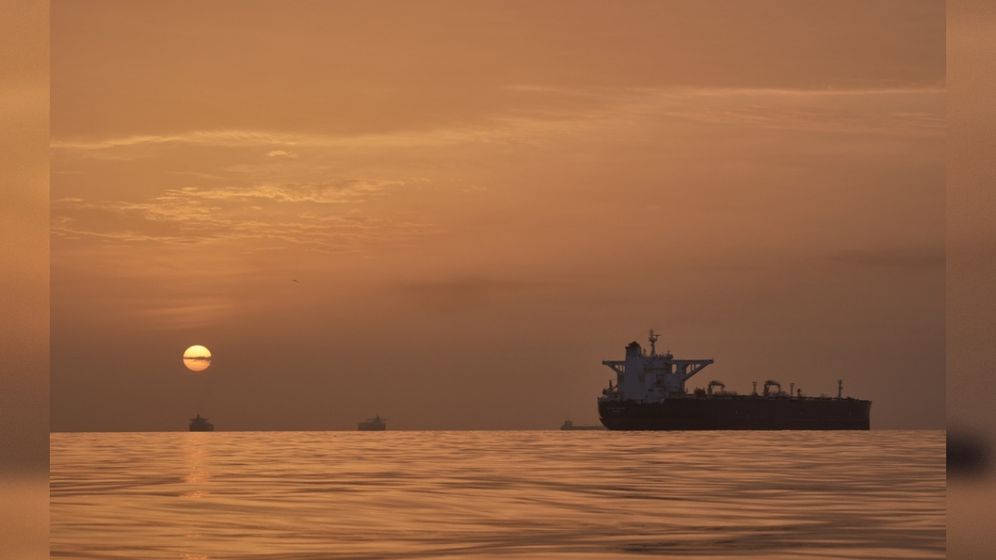
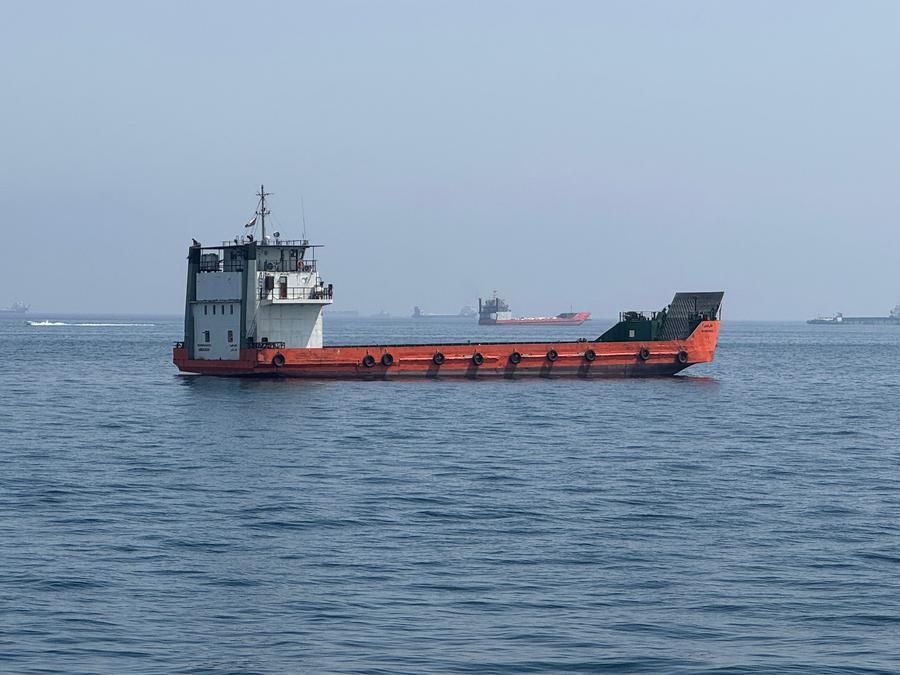
Meanwhile, the conflict has rattled global markets and energy supplies. The closure of the strategic Strait of Hormuz, through which about 20% of the world’s crude oil passes, sent oil prices above $100 a barrel before they later dropped.
French President Emmanuel Macron said France and its allies were considering a “purely defensive” naval mission to help reopen the waterway once the most intense phase of the fighting subsides.
As fighting spreads across several fronts, oil traders, policymakers and governments worldwide are closely watching the region, fearing further disruption to global energy supplies and shipping routes.
In this photo released by the Iranian Presidency Office, President Masoud Pezeshkian speaks during a rally commemorating anniversary of 1979 Islamic Revolution that toppled the late pro-U.S. Shah Mohammad Reza Pahlavi and brought Islamic clerics to power, in Tehran, Iran, Monday, Feb. 10, 2025. (Iranian Presidency Office via AP, file)
Speaking after a cabinet meeting in Ankara, Erdogan said all relevant institutions are working in coordination and remain on alert in response to the evolving security environment. He added that the government’s primary objective is to shield the country from the ongoing turmoil in the region.
His remarks came after a missile launched from Iran was intercepted over Türkiye’s southeastern province of Gaziantep earlier on Monday. The ballistic munition, which had entered Turkish airspace, was neutralized by NATO air and missile defence assets deployed in the Eastern Mediterranean. The ministry confirmed that there were no casualties or injuries.
“We are closely monitoring all developments with our experienced teams. We are not letting our guard down. Our goal is to keep our country away from this fire,” he said.
The president stated that Türkiye had delivered the necessary warnings to Iran, but “wrong steps” continued to be taken despite those warnings.
“Despite our warnings, wrong and provocative steps that could strain Türkiye’s friendship continue to be taken,” he said. “No one should pursue a course of action that would cast a shadow over our thousand-year-old neighborly and brotherly ties and leave deep wounds in the hearts and minds of our nation.”
“In the context of today’s incident, I once again remind that there should be no insistence or stubbornness in persisting in mistakes,” Erdogan said.
He added that Türkiye’s airspace was being monitored around the clock against potential threats. “Our F-16s, airborne early warning aircraft and tanker planes are observing our airspace 24/7 against possible threats,” he said.
Turkish President Recep Tayyip Erdogan speaks at a press conference following a cabinet meeting in Ankara, Türkiye, on March 9, 2026. Erdogan said on Monday that Türkiye is maintaining a high level of vigilance amid escalating regional tensions, warning that “provocative steps” could strain Ankara’s relations with Tehran.
“The President of the Republic informs that, in accordance with the implementation of the Constitution, the government has ceased its functions and that he will soon proceed with the appointment of a new prime minister, in line with the provisions stipulated by the Constitution,” the communique said.
According to the communique, the secretaries-general of each ministry will handle routine affairs until a new prime minister is appointed and a new government is formed.
No specific date has yet been announced for the appointment of the next head of government.
The dissolved government, formed on Oct. 28, 2025, followed the appointment of Herintsalama Rajaonarivelo as prime minister on Oct. 20, 2025, three days after Randrianirina was officially sworn in as Madagascar’s head of state.
Madagascar’s President Michael Randrianirina has dissolved the government.