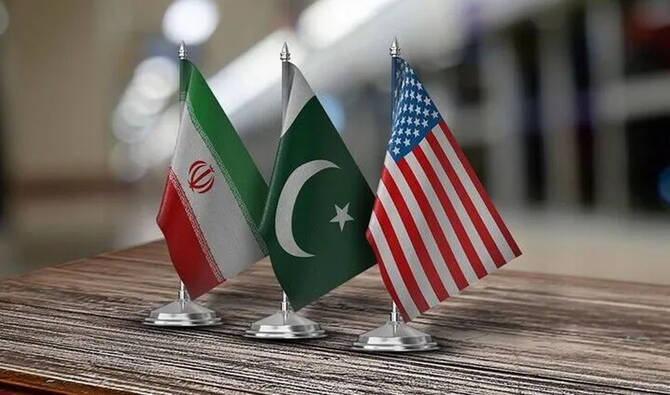
Citing unnamed sources, the report said the upcoming round will focus on U.S. sanctions on Iran, Iranian frozen assets, and the Iranian nuclear file.
It added that the level of representation of the Iranian delegation will be decided after the funeral of late Iranian Supreme Leader Ayatollah Ali Khamenei.
On June 18, Iran and the United States signed a memorandum of understanding (MoU) on ending the war in the region on all fronts, including Lebanon.
On June 22, technical negotiations between Iran and the United States were held in Switzerland following high-level consultations between Iranian and U.S. delegations the previous day with the mediation of Pakistan and Qatar.
On Wednesday, Qatari Foreign Ministry spokesperson Majed Al-Ansari confirmed that Qatari and Pakistani mediators had concluded separate meetings with U.S. and Iranian negotiators, making positive progress on issues related to the MoU.
He said the parties agreed to continue discussions in the coming period, with the next meeting to be scheduled at the earliest possible time.
In a brief statement, the army said the attempted attacks targeted the military positions in Aguelhok, Anefis, Gao, Sevare and Kenioroba.
“The situation is being monitored,” the army said, without immediately providing details about the suspected attackers, the circumstances surrounding the incidents or any possible casualties.
Mali has faced a volatile security situation for years, with attacks by armed groups occurring frequently, particularly in the northern and central parts of the country.
In April, the country’s Defense Minister Sadio Camara was killed in an attack on his residence in the town of Kati, near the capital Bamako, carried out by armed terrorist groups.
The Malian Armed Forces said the attempted attacks targeted the military positions in Aguelhok, Anefis, Gao, Sevare and Kenioroba.
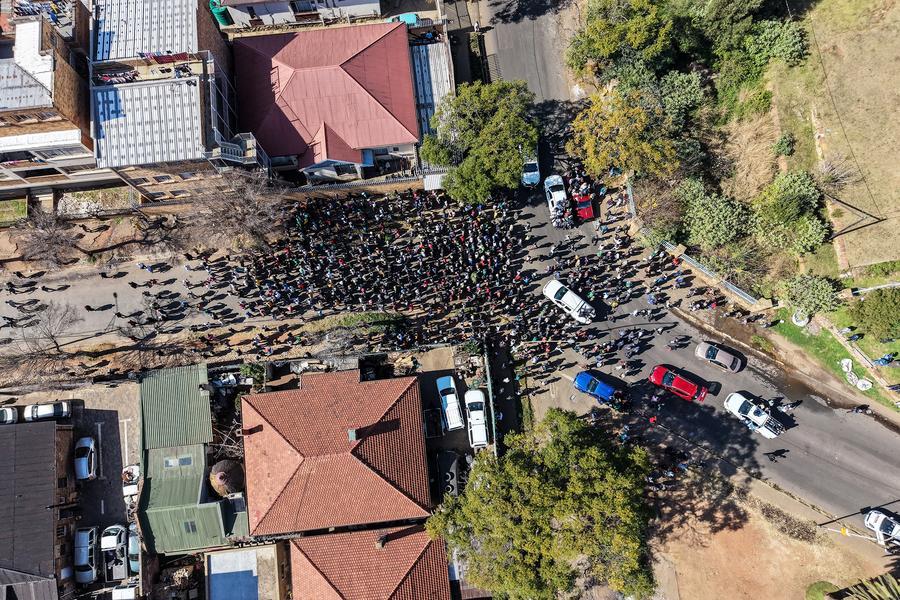
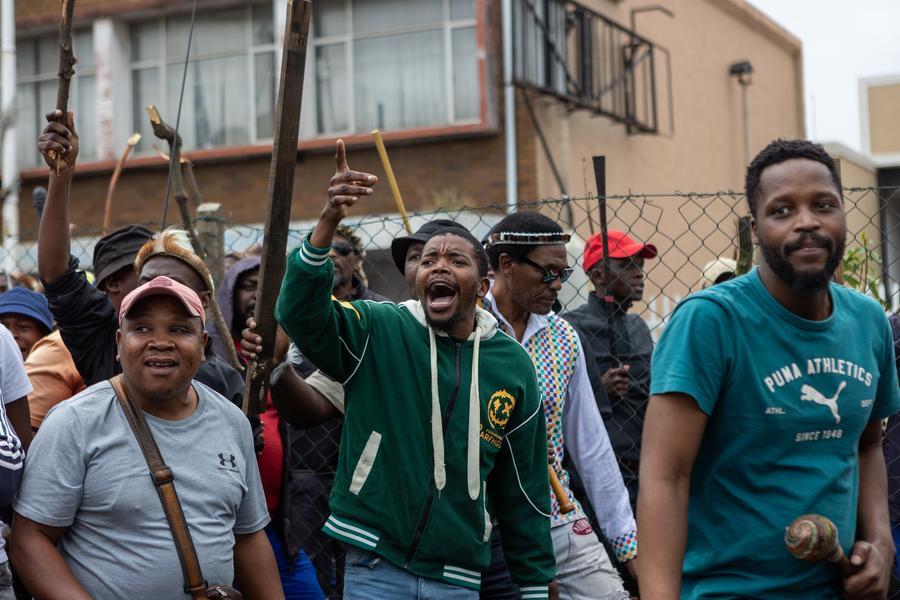
Addressing a media briefing, Deputy National Police Commissioner Tebello Mosikili, who also serves as co-chairperson of the National Joint Operational and Intelligence Structure, said 120 protest marches were held across the country on Tuesday, with 108 proceeding peacefully while 12 required intervention by law enforcement following incidents of unrest.
An aerial drone photo taken on June 30, 2026 shows protesters marching during a massive demonstration against illegal immigration in Johannesburg, South Africa.
“Some were arrested for public violence, some for harboring illegal immigrants, and business robbery at spaza shops,” Mosikili said.
Three suspects were arrested after allegedly opening fire on protesters in Johannesburg’s Hillbrow on Tuesday, injuring two people, including a 17-year-old, she said, adding that police seized two licensed firearms believed to have been used in the shooting, and the suspects are expected to face attempted murder charges.
Police also reported incidents of looting and arson targeting foreign-owned businesses in Alexandra township, north of Johannesburg, on Tuesday night. One person was killed during the unrest, and investigations are ongoing.
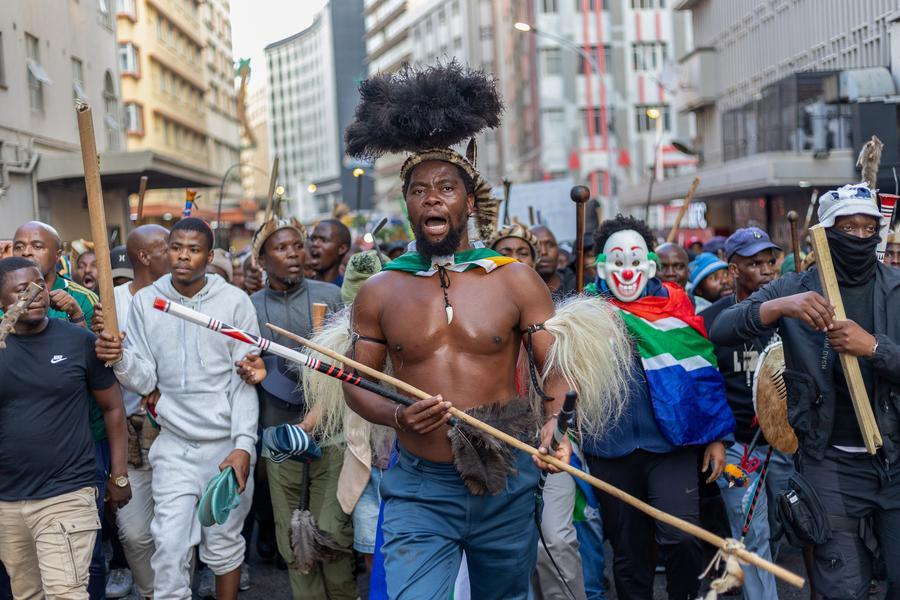
Protesters march during a demonstration against illegal immigration in Durban, South Africa, June 30, 2026.
The demonstrations were organized by anti-immigration groups, including March and March, which had declared June 30 as a deadline for undocumented migrants to leave South Africa.
The protests followed months of heightened tensions over illegal immigration, prompting authorities to deploy thousands of police officers nationwide to maintain public order.
An estimated 185,000 children were adopted in England and Wales between 1949 and 1976, when pregnancy outside marriage carried a strong social stigma. Many mothers, some of them still teenagers, were pressured or coerced into giving up children they wanted to keep.
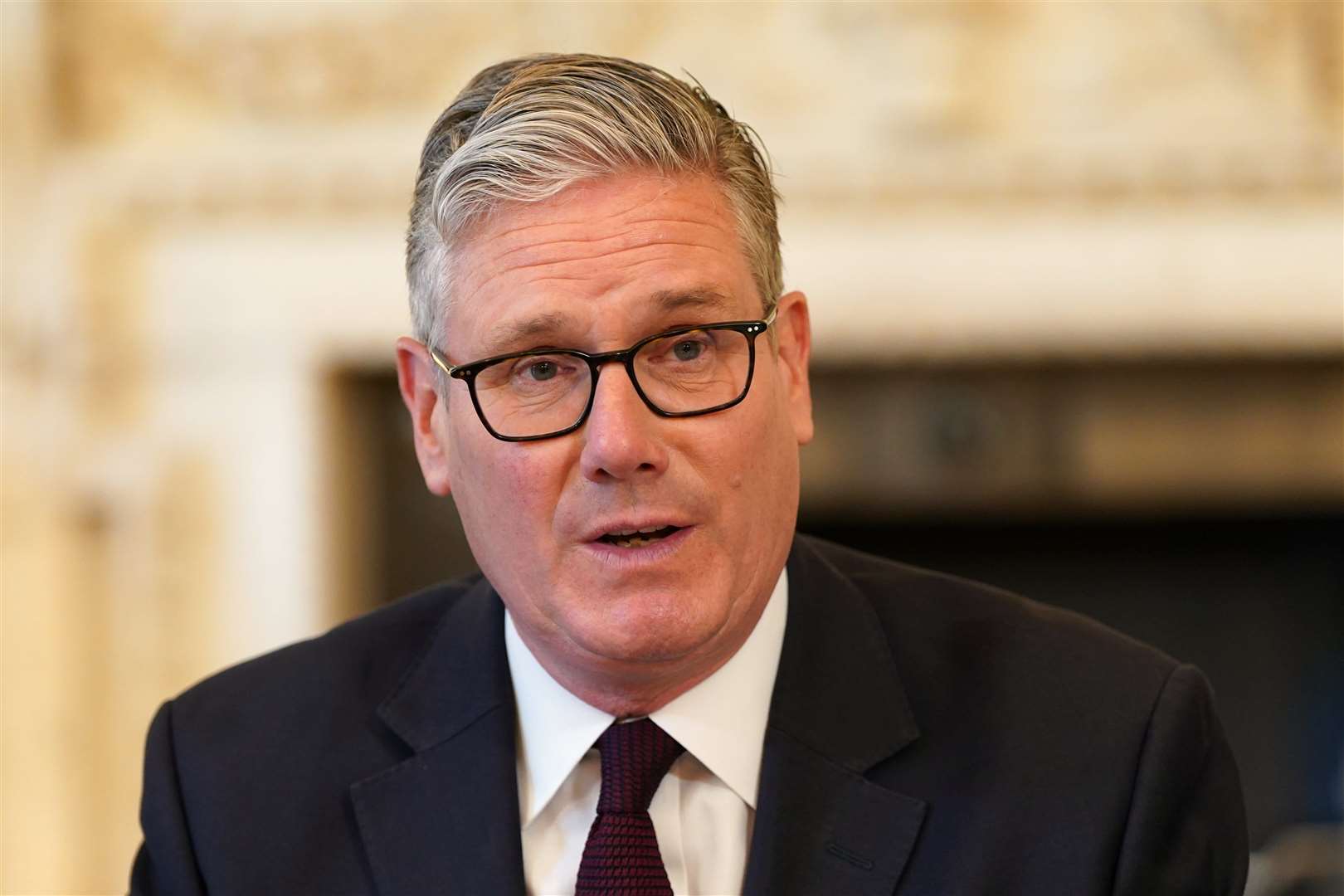
“What happened to them, and to tens of thousands of mothers, children and families, should never have happened. It is a stain on our history,” Starmer told parliament.
He said the practices were neither isolated nor accidental, but were embedded in systems involving local authorities, voluntary and faith-based organizations, and health and social care services, including parts of what later became the National Health Service.
The government acknowledged that successive administrations had funded, enabled and relied on systems that were not properly overseen. The state had failed to prevent the harm from continuing and had not done enough to protect mothers, children and families, Starmer said.
“On behalf of the whole country, I say it to every single person impacted: we are deeply and profoundly sorry,” he said.
Starmer said the shame belonged not to the mothers or their children, but to the state and the institutions responsible. Some adopted people had grown up believing they had been unwanted, while many mothers had carried feelings of loss, guilt and shame for decades.
He also acknowledged the difficulties many adopted people still face when trying to obtain records or trace their biological families. Some records have been lost, altered or remain difficult to access, while requests can take months or even years to process.
In 2022, UK Parliament’s Joint Committee on Human Rights called on the government to issue a formal apology, concluding that it bore “ultimate responsibility for the pain and suffering caused by public institutions and state employees that railroaded mothers into unwanted adoptions.”
Outgoing British Prime Minister Keir Starmer on Thursday formally apologized for the state’s role in historic forced adoptions that separated unmarried mothers from their babies.
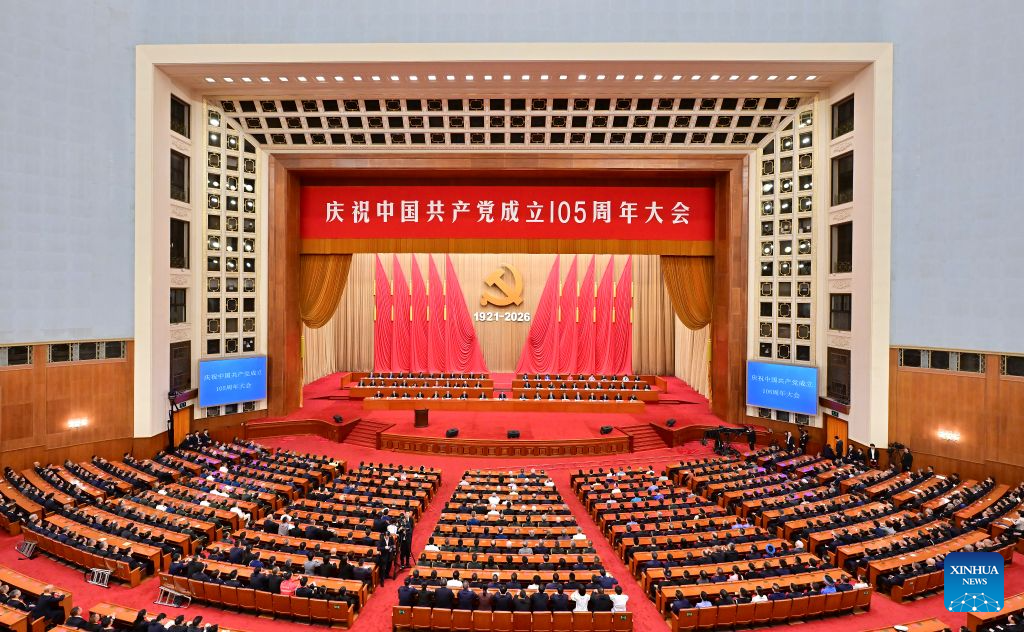
Chinese President Xi Jinping on Wednesday hailed the 105-year history of the Communist Party of China (CPC) as the “most magnificent epic” of the Chinese nation and urged the Party to press ahead to build China into a modern socialist country on schedule.
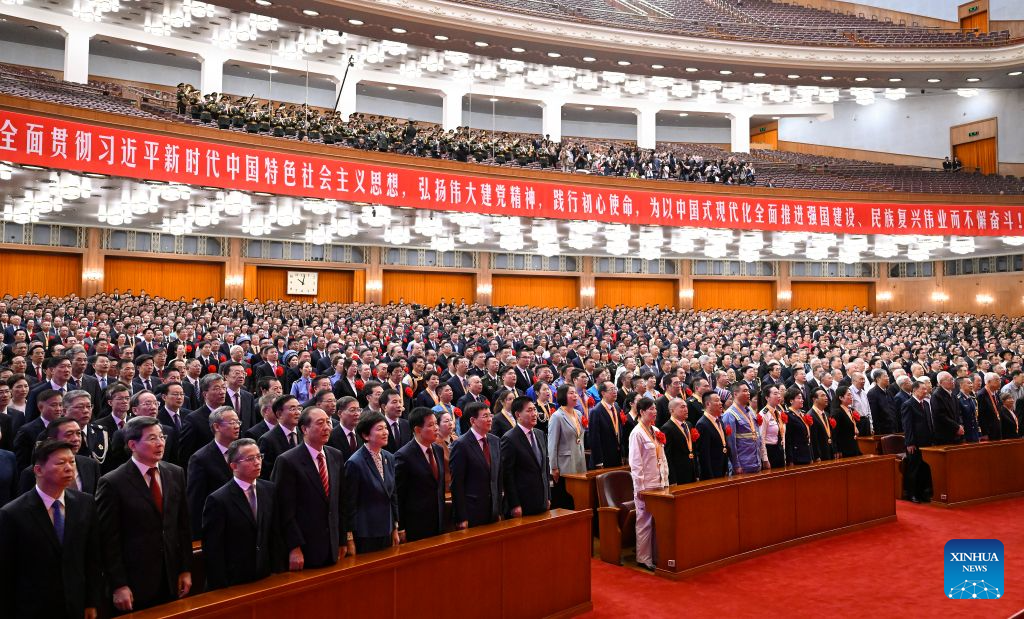
Addressing a gathering marking the CPC’s 105th founding anniversary, Xi, also general secretary of the CPC Central Committee and chairman of the Central Military Commission, called on Party members to remain steadfast in their convictions and work tirelessly to fulfill the Party’s missions in the new era and on the new journey.
Founded in 1921 against the backdrop of a weak China plagued by foreign humiliation and poverty, the CPC has grown from a small group of just over 50 members into the world’s largest governing party with tremendous global influence.
Xi underscored the importance of meeting the goal of fully realizing socialist modernization by the middle of the century.
“Time stops for no one, and neither does history,” he said.
The whole Party must adhere to its basic theory, basic line and basic policy to “remain undaunted by passing clouds and stay on course through wind and waves,” Xi said.
Stressing that the Party must rely closely on the people to create new historical feats, Xi urged Party members to “further reinvigorate the enterprising spirit for getting things done.”
He also called on the whole Party to actively respond to risks and challenges on the path ahead.
“China’s development is now in a period where strategic opportunities coexist with risks and challenges, and where uncertain and unpredictable factors are on the rise. We must always be prepared to withstand major tests of high winds and raging waves, and even violent storms,” he warned.
As profound changes unseen in a century accelerate, the world has entered a new period of turbulence and transformation, with humanity once again standing at a crossroads of choice, Xi said.
“We must continuously promote the building of a community with a shared future for humanity,” he said.
Xi also stressed advancing full and rigorous Party self-governance with sustained efforts to win “the tough, protracted and all-out battle against corruption.”
“It is imperative that all of us in the Party never forget our original aspiration and founding mission, that we always stay modest, prudent, and hard-working, and that we have the courage and ability to carry on our fight,” he added.
According to the latest census, the CPC now has nearly 101.29 million members and over 5.43 million primary-level Party organizations.
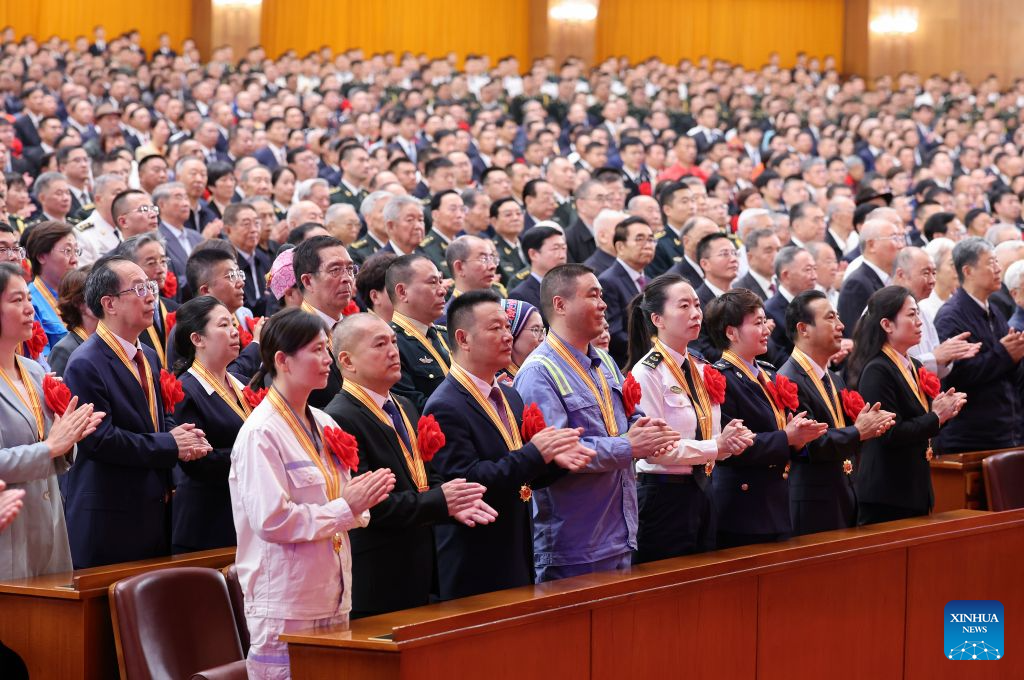
At the gathering, Xi conferred the July 1 Medal, the Party’s highest honor, on model CPC members.
A gathering in celebration of the 105th founding anniversary of the Communist Party of China (CPC) is held at the Great Hall of the People in Beijing, capital of China, July 1, 2026. (Xinhua/Yao Dawei)A gathering in celebration of the 105th founding anniversary of the Communist Party of China (CPC) is held at the Great Hall of the People in Beijing, capital of China, July 1, 2026. (Xinhua/Shen Hong)A gathering in celebration of the 105th founding anniversary of the Communist Party of China (CPC) is held at the Great Hall of the People in Beijing, capital of China, July 1, 2026. (Xinhua/Zhai Jianlan)
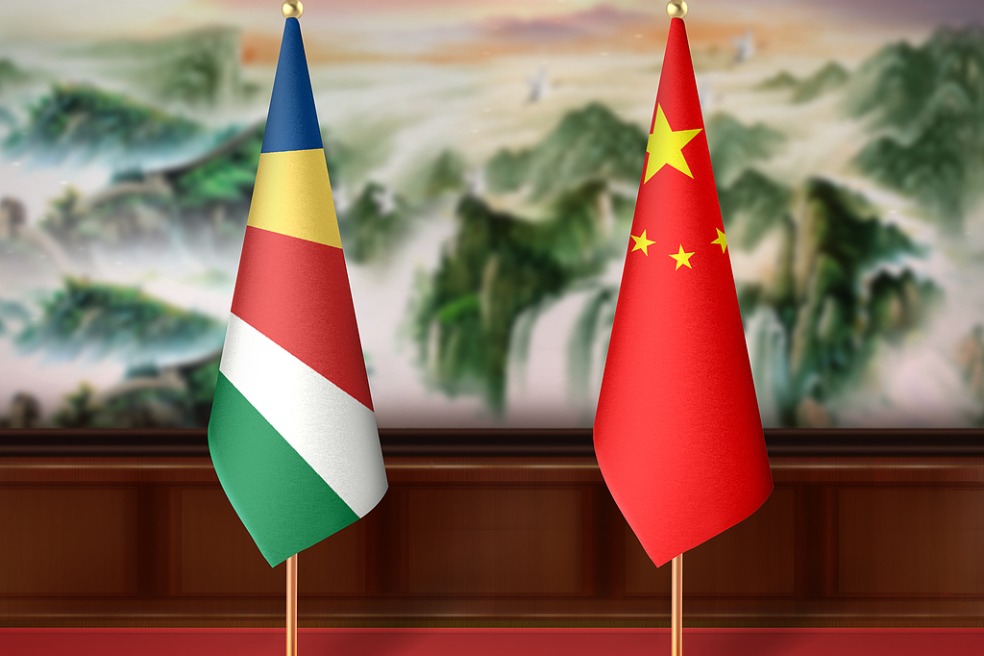
In a message, Xi said that over the past 50 years since the establishment of diplomatic relations, China and Seychelles have consistently trusted each other, and firmly supported each other regardless of changes in the international landscape, with the friendship between the two countries remaining rock solid.
Xi said he firmly believes that as long as both sides uphold the original aspiration behind the establishment of diplomatic relations and move forward side by side, the path of China-Seychelles ties will grow even broader and the prospects for bilateral cooperation become even brighter.
Noting that he attaches great importance to the development of China-Seychelles relations, Xi said he is willing to work with Herminie to take the 50th anniversary of diplomatic relations as a new starting point to carry forward the traditional friendship.
Xi also pledged joint efforts with Herminie to deepen mutually beneficial cooperation within the frameworks of high-quality Belt and Road cooperation and the Forum on China-Africa Cooperation (FOCAC), and promote common development, so as to elevate the China-Seychelles strategic partnership to higher levels, and bring greater benefits to both peoples.
Herminie, in his message, said that over the 50 years since the establishment of diplomatic ties, Seychelles-China relations have steadily developed on the basis of mutual respect, mutual trust and common development.
China has always been a valuable partner for Seychelles, providing extensive support to improve the well-being of its people and achieve the country’s national development goals, he added.
Herminie said Seychelles firmly adheres to the one-China principle and stays ready to strengthen cooperation within the frameworks of the Belt and Road cooperation and the FOCAC to continuously deepen bilateral relations.
Iran’s priority is reaching an agreement with Oman on relevant arrangements in the strait, but Iran would advance the issue alone if Oman, for any reason, is not interested, Gharibabadi told Iran’s state-run IRIB TV.
Oman also believes that it has sovereignty over the strait, that arrangements for administering the strait must not revert to past practices, and that services provided must not be free of charge, he said.
Meanwhile, Gharibabadi wrote on social media platform X that demining the strait is done solely by Iran and not any other country, adding, “We fundamentally do not let any such thing.”
The post was a response to French President Emmanuel Macron’s remarks earlier in the day saying France had decided to “work jointly” with its partners on mine clearance in the strait.
Gharibabadi said the situation is “sensitive and complex,” adding, “We strongly advise France not to complicate it further with its provocations.”
On Wednesday, Oman and Iran issued a joint statement reaffirming their commitment to ensuring safe passage through the strait in accordance with international law.
They also agreed to continue discussions through a joint working group between their foreign ministries to reach an understanding on the future management of navigation and related maritime services.
Earlier on Monday, the two sides held the first meeting of their Joint Committee on the Strait of Hormuz in Muscat to exchange views on the future management of the strait and related maritime issues, according to Oman’s Foreign Ministry.
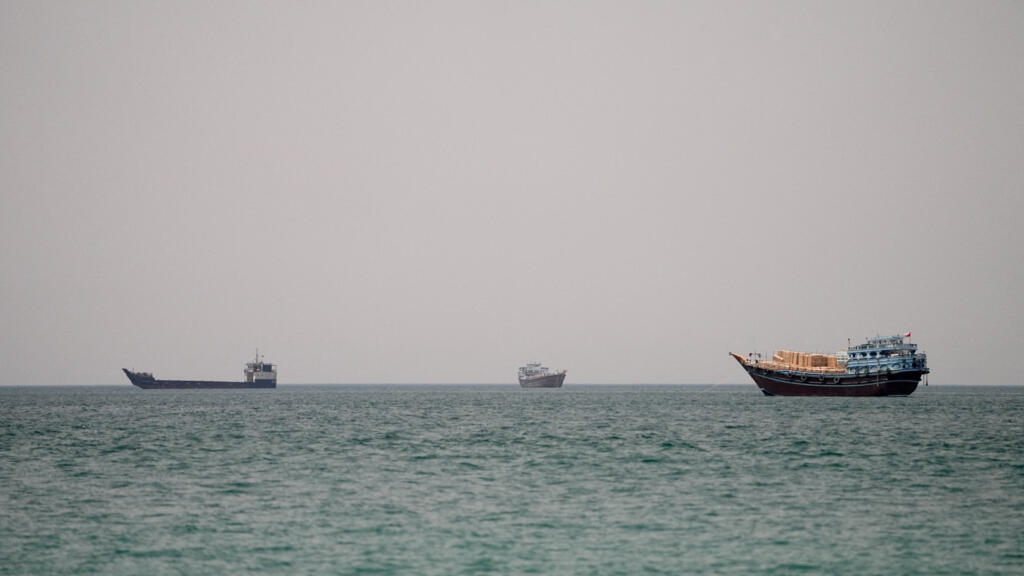
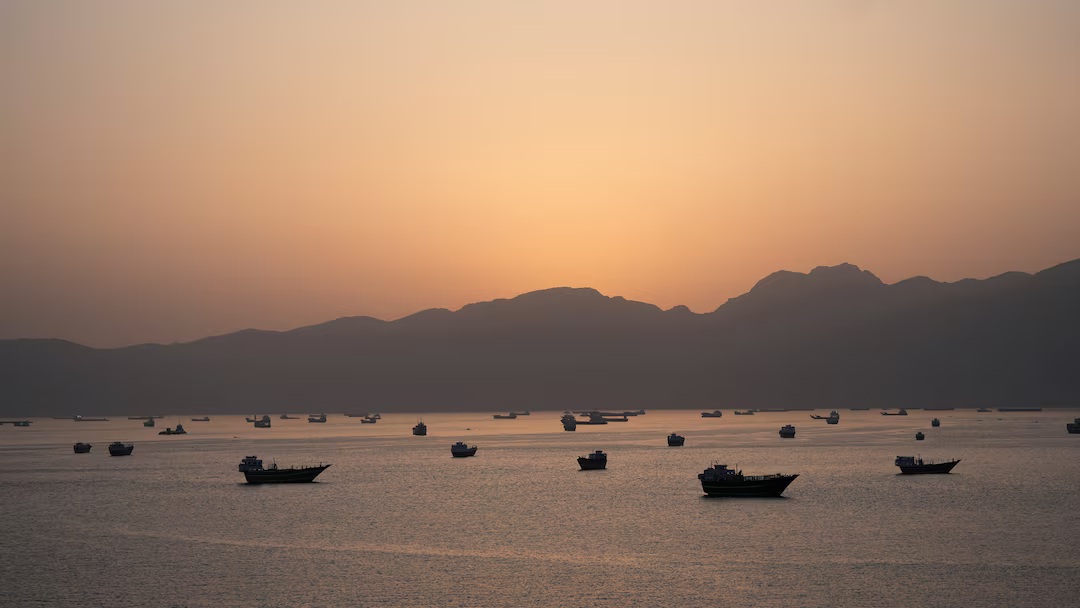
Vessels at the Strait of Hormuz, as seen from Musandam, Oman, June 29, 2026. REUTERS
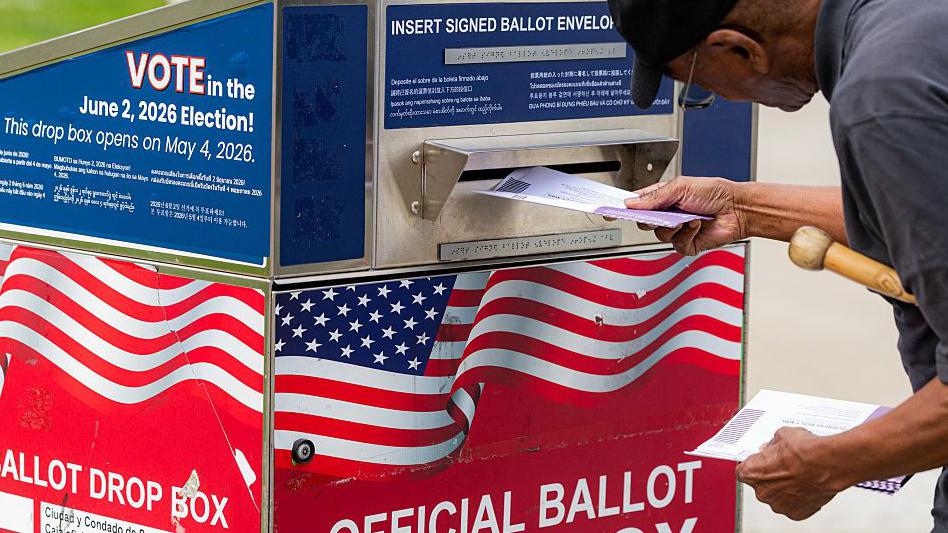
“The Framers recognized the difficulty of crafting election laws ‘applicable to every probable change in the situation of the country,’” so they decided that “a discretionary power over elections” needed to be lodged “somewhere,” according to the opinion, authored by Justice Amy Coney Barrett, a conservative judge appointed by U.S. President Donald Trump during his first term.
“The election-day statutes say nothing about ballot receipt, and we cannot add to the words Congress chose,” said the ruling, which was joined by Chief Justice John Roberts and the court’s three liberal justices.
The latest ruling from the highest court in the nation means that the Mississippi law and similar measures in other states will remain in effect ahead of November’s midterm elections. Major states across the political spectrum, including California, New York, and Texas, are among those with such laws.
Trump swiftly voiced his frustration, calling the ruling a “tremendous loss in the Supreme Court,” escalating his pressure on Congress to pass the SAVE America Act, which would require all voters to show a valid ID and proof of citizenship, and it would also ban mail-in ballots except in certain cases.
“The House of Representatives has approved this vital Act, THREE TIMES. The United States Senate seems unable to do so,” Trump wrote in a post on Truth Social.
Senate Majority Leader John Thune, the top Republican in the upper chamber, recently said that his conference does not have enough votes to bypass the filibuster to pass the act.
Senate Minority Leader Chuck Schumer praised the ruling on Monday, saying in a statement on X that the Supreme Court “upheld this bedrock American principle: if you cast your ballot on time, your vote will count.”
“As the midterm elections approach, Trump and his allies are working overtime to silence Americans’ votes,” Schumer said.
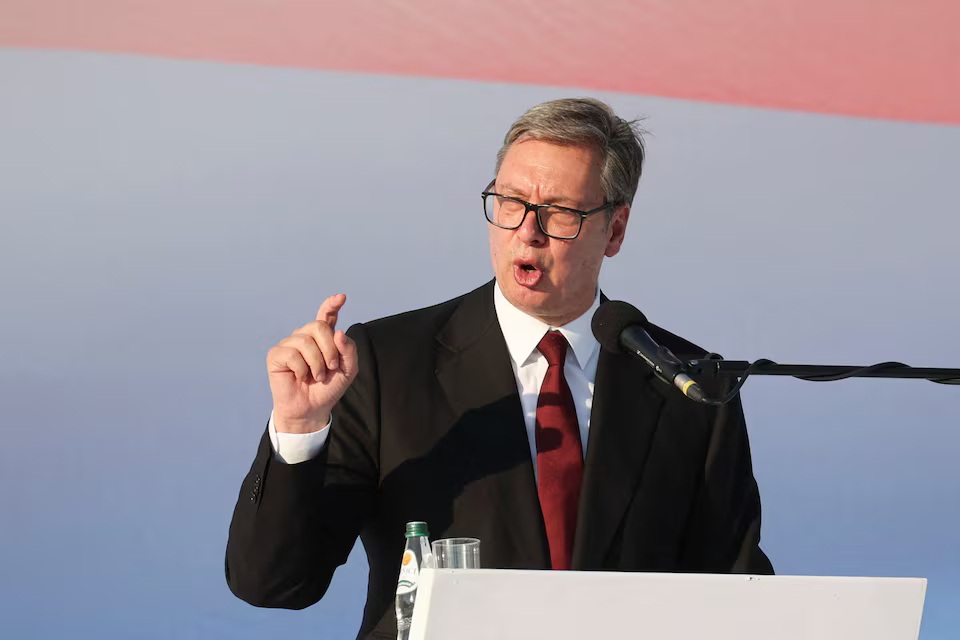
Speaking outside the National Assembly at a massive pro-government rally themed “Serbia, One Family,” Vučić delivered what he called his final speech before a major crowd as head of state.
The rally, held on Vidovdan, a highly significant national and religious holiday, is widely viewed as the launch of an early election campaign and a direct response to a powerful, 19-month-old anti-government protest movement.
The announcement follows sustained political pressure from student-led demonstrations that have gripped the country since November 2024. The massive public outcry was originally triggered by a tragic infrastructure failure: the collapse of a newly renovated concrete canopy at a railway station in the northern city of Novi Sad, which killed 16 people.
Protesters, university student groups, and opposition factions blame the disaster on rampant government corruption, systemic negligence, and lack of oversight in state construction projects.
The protest movement, which recently held a demonstration drawing an estimated 180,000 people to central Belgrade, has spent months demanding early elections. Recent polling indicates a candidate list backed by the student movement is surging, securing nearly 31% of voter support against the ruling party’s 47%.
During the rally, the ruling Serbian Progressive Party (SNS) even featured an exhibition titled “Blockaders’ Serbia: 19 Months of Violence, Harassment, Insults, Threats and Rejection of Dialogue” to actively discredit the student movement. Vučić used his address to accuse unnamed foreign actors of manipulating the youth and attempting to destabilize the country over the past year and a half.
While Vučić did not specify an exact date for when he would dissolve parliament, he called for national unity and stated he would help lead the ruling coalition under a newly proposed nationalist electoral list named “United Serbia.”
Vučić argued that the snap elections are necessary to maintain political stability and social cohesion during a critical stage of development. To counter domestic anger over corruption, he pledged continuous efforts to boost living standards, aiming to raise average monthly salaries to 1,400 euros ($1,594 USD) and pensions to 650 euros ($740 USD) in the coming years.
On foreign policy, Vučić reiterated his signature balancing act, promising to accelerate Serbia’s path toward European Union membership while maintaining strict “military neutrality” and preserving traditional partnerships with China and Russia. He also struck a firm nationalist note on the disputed territory of Kosovo, declaring its status strictly non-negotiable under the Serbian constitution.
The pro-government rally was attended by over 200,000 people.
Vučić’s second five-year presidential term was originally set to end in May 2027, which marks the constitutional limit for consecutive terms. By resigning early, Vučić can legally step down from the ceremonial presidency and directly campaign to return to the office of Prime Minister, which holds no term limits.
[1/3] Serbian President Aleksandar Vucic speaks during a rally in Belgrade, Serbia, June 27, 2026.
The weekend operation marks the second consecutive day of U.S. military action and the sharpest deterioration in relations since Washington and Tehran signed a landmark memorandum of understanding (MoU) on June 18 designed to end months of hostilities.
According to U.S. Central Command (CENTCOM), the latest strikes were ordered directly by President Donald Trump following a maritime attack early Saturday morning.
At approximately 4:30 a.m. local time, an Iranian one-way attack drone struck the M/T Kiku, a Panama-flagged oil tanker carrying more than two million barrels of crude oil from Qatar to the United Arab Emirates.
While the UK Maritime Trade Operations (UKMTO) reported that the M/T Kiku sustained damage to its bridge, all crew members were reported safe.
“Iran was given a chance to honour the ceasefire agreement but elected not to,” CENTCOM said in an official statement, framing the subsequent operation as a direct response to continued aggression against commercial shipping in the vital energy corridor.
U.S. targets and Trump’s ultimatum
U.S. military aircraft targeted a broad array of assets, primarily focused along Iran’s southern coastal regions and Qeshm Island. The precision strikes took aim at military surveillance infrastructure and coastal radar sites, command-and-control communication systems, air defence sites, drone and missile storage facilities, and minelayer capabilities used to disrupt commercial shipping.
Shortly after the operation concluded, President Trump issued a severe warning to Tehran on Truth Social, signaling that further non-compliance could lead to total conflict.
“United States aircraft just struck Iranian missile and drone storage locations… for violating the Cease Fire Agreement, AGAIN!” Trump wrote. “There may come a point when we are no longer able to be reasonable, and will be forced to militarily complete the job that we very successfully started. If that happens, the Islamic Republic of Iran will no longer exist!”
Vice President JD Vance echoed the firm stance on social media, writing, “Iran signed a ceasefire agreement. We have honoured it… But violence will be met with violence.”
Iran retaliates against U.S. bases
The escalation quickly triggered a regional chain reaction. The Islamic Revolutionary Guard Corps (IRGC) announced it had launched a joint missile and drone operation targeting eight U.S. military sites across Kuwait and Bahrain.
In Bahrain, home to the U.S. Navy’s 5th Fleet, officials strongly condemned a “flagrant violation” of their sovereignty after several Iranian drones crossed into their airspace. A U.S. defence official confirmed that two one-way attack drones were detected approaching the Navy base; one was intercepted by ground defences, while the other landed harmlessly in a remote airfield area. No U.S. casualties or major structural damage were reported.
Meanwhile, Iranian state television reported that the IRGC had fired “warning shots” at merchant vessels attempting to pass through unauthorised channels, asserting that ships must now seek Iranian permits to traverse the Strait.
Mohsen Rezaei, a senior advisor to Iran’s Supreme Leader, publicly accused Washington of violating the peace MoU by continuing to stoke tensions and supporting proxy actions.
The rapid back-and-forth has raised the maritime security threat level in the region to “substantial.” The 14-point peace deal reached earlier in June had initially brought down global oil prices and mapped out a 60-day window for technical negotiations. With both sides now trading direct military blows, diplomatic processes appear to be on the verge of a total halt.
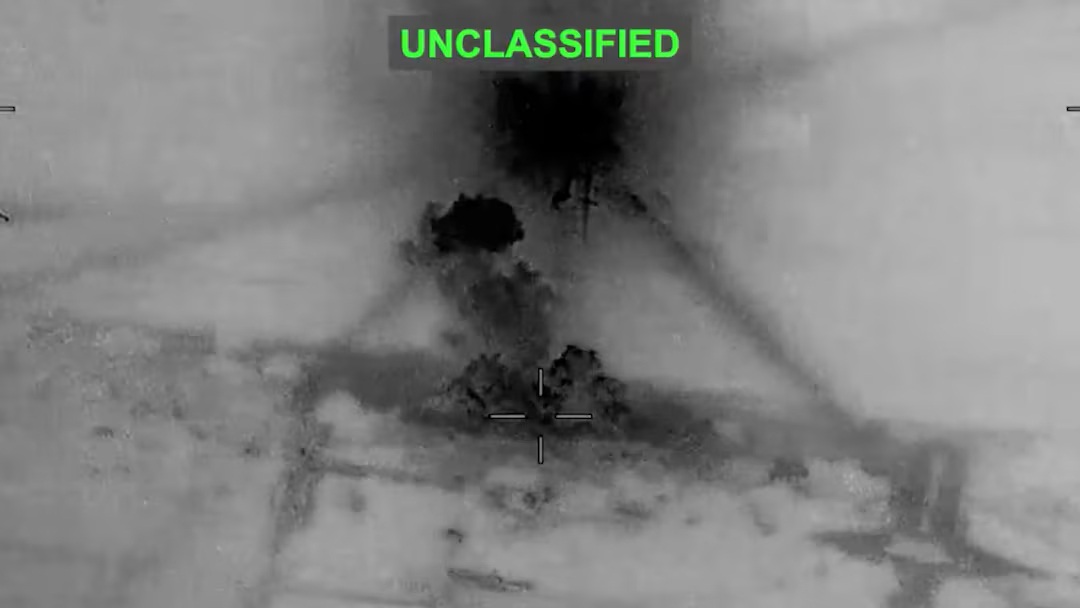
Smoke rises from explosions at an unknown location following U.S. Central Command (CENTCOM) strikes on Iran in response to an Iranian drone attack on a cargo ship in the Strait of Hormuz, in this screen grab from video released June 26, 2026.