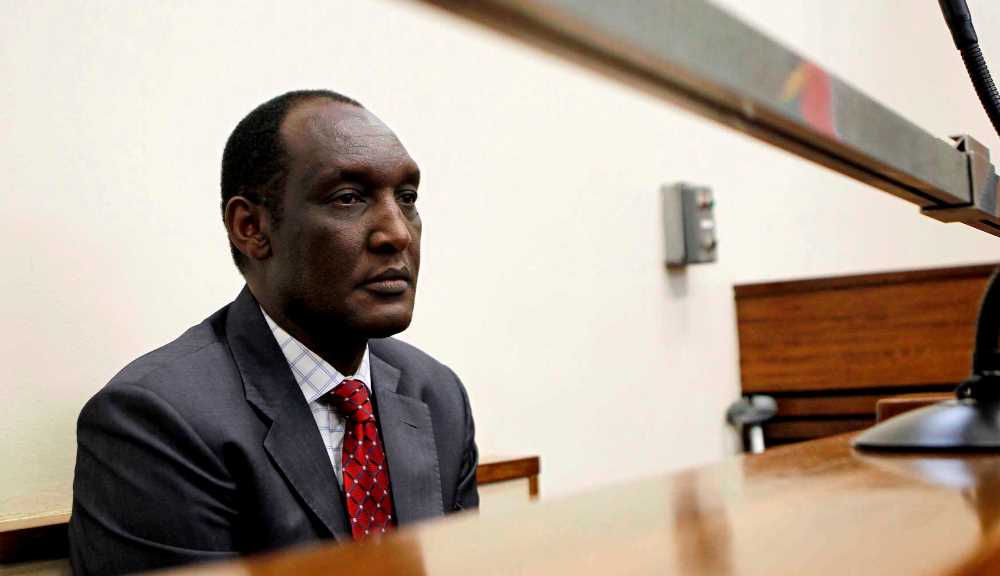
Relasss died on the morning of Tuesday, June 16, while awaiting trial at the High Court in Abuja in connection with a financial-related case.
He had been held in pre-trial detention since 2023 after a court denied him bail, citing concerns that, as a foreign national without Nigerian citizenship, he could abscond if released.
According to local media reports, correctional authorities convened an emergency management meeting following his death to establish the circumstances surrounding the incident. The meeting reportedly also reviewed the state of healthcare services available to other ill inmates.
Sources cited by Sahara TV alleged that inmates are required to pay for basic sanitary supplies for sick prisoners instead of having such essentials provided by the correctional service. The reports claim that inmates are asked to contribute 15,000 Nigerian naira (about $11) for hygiene materials.
The same sources further alleged that prisoners must also cover the cost of being transferred to hospitals outside the correctional facility for specialized treatment, a practice they claim contributed to Relasss’ death after he was unable to access medical care in time.
The allegations have not been independently verified.
The Nigerian Correctional Service has not publicly commented on the claims or the circumstances surrounding Relasss’ death. Sahara TV reported that the agency’s spokesperson, CSC Jane Osuji, did not respond to requests for comment.
The investigation is expected to determine the circumstances of the Rwandan national’s death and examine broader concerns over access to healthcare for inmates within Nigeria’s correctional facilities.
Nigeria’s National Correctional Service (NCS) has launched an investigation into the death of a Rwandan national, Benjamin Relasss, who died while in custody at Kuje Correctional Centre, amid allegations that he was denied timely medical care.
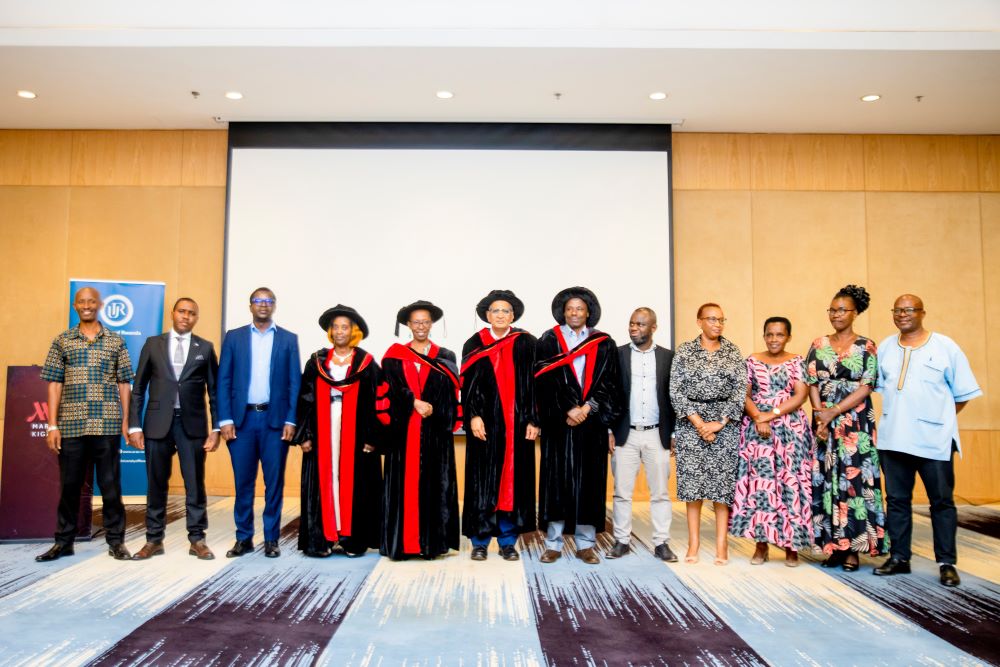
The proposal was presented during a high-level symposium held in Kigali on June 19, where government officials, fashion industry stakeholders, and university representatives toured the future campus facilities.
The institution is currently undergoing accreditation in Rwanda and the United States before launching degree programmes in fashion design and fashion merchandising.
Officials said the initiative aims to bridge the gap between creativity and business by training students in design, merchandising, branding, and fashion marketing. They noted that while Africa’s creative economy is valued at more than $58 billion, the continent remains underrepresented in the global fashion industry, currently worth about $1.8 trillion and projected to reach $2.3 trillion by 2030.
The proposed school is intended to help address shortages in specialized training, infrastructure, and industry support that have limited Africa’s participation in the sector.
Speaking at the event, Minister of Trade and Industry Antoine Kajangwe said the project aligns with Rwanda’s ambition to develop a competitive textile and garment industry capable of serving regional and global markets.
“As we continue our industrialization drive, skills development will be a very important component of that process,” Kajangwe said, adding that the programmes will help develop strong Made-in-Rwanda fashion brands.
Kent State University’s Vice President for Global Education, Marcello Fantoni, said Rwanda was selected after extensive research across Africa because of its strong investment in education and human capital development.
“We are not coming here to teach Rwandans how to do fashion. Rather, we are here to help Rwandans teach the world how they do fashion,” Fantoni said.
The proposed university also plans to incorporate African textile history and trade routes into its curriculum while maintaining international academic standards.
According to officials, graduates will receive qualifications equivalent to those awarded by Kent State University in the United States. Discussions are also underway with Rwanda’s Ministry of Education to facilitate sponsorship opportunities and preferential tuition arrangements for eligible students.
The university says the project is expected to support job creation, entrepreneurship, sustainability, and talent development while positioning Rwanda as an emerging hub for fashion, textiles, and the broader creative economy.
The proposal was announced during a high-level symposium held in Kigali on June 19, where government officials, fashion industry stakeholders, and university representatives toured the future campus facilities.
According to UK media reports, Starmer has come under increasing internal pressure following weeks of political uncertainty, with senior figures in the Labour Party urging him to make way for a new leader. Greater Manchester Mayor Andy Burnham has emerged as a leading contender to replace him, with supporters claiming he could command majority backing within the parliamentary party.
Speaking on Sunday, Business Secretary Peter Kyle acknowledged the growing political tension, saying the Prime Minister was “aware of the political realities” and would act in the national interest. However, he declined to confirm any final decision, describing the situation as fluid and uncertain.
The reported resignation plan would mark a dramatic turn in UK politics, just two years after Labour’s sweeping general election victory brought Starmer to power with a large parliamentary majority. Since then, his leadership has faced criticism over policy U-turns, declining poll numbers, and internal party divisions.
Starmer’s allies have insisted he would resist any leadership challenge, but pressure has intensified following Burnham’s strong political showing in recent contests, which has energised calls for a transition at the top of government.
If confirmed, Starmer’s departure would make him one of several UK prime ministers to leave office in rapid succession, reflecting ongoing instability in British politics and growing voter dissatisfaction with mainstream parties.
In Rwanda, his legacy is defined by scrapping the ‘Rwanda migration deal’ on his first day in office, as well as his failure to curb illegal Channel crossings and the resulting damage to voter confidence. The Rwanda scheme was first announced in April 2022 by the government of former Prime Minister Boris Johnson, following a deal with the Rwandan government.
Analysts say the potential leadership change could further reshape the Labour Party’s direction, particularly on immigration, public spending, and foreign policy, as it seeks to consolidate power ahead of the next general election.
Starmer has not yet made a formal public statement confirming his resignation, but government insiders suggest an announcement could come within days as pressure from within his party reaches a critical point.
UK Prime Minister Keir Starmer is expected to resign on Monday after weeks of mounting pressure from Labour MPs calling for a leadership overhaul.
Twenty-three new confirmed cases, including two deaths, were reported Friday in the provinces of Ituri and North Kivu. Ituri remains the epicenter of the outbreak, with 874 confirmed cases and 201 deaths, accounting for more than 91 percent of the country’s confirmed cases.
A total of 92 patients have recovered, while 361 patients were in isolation or hospitalized.
The report also said 162 suspected cases were identified during the day, while the contact-tracing rate stood at 69.3 percent, below the 95-percent target set by health authorities.
At a press briefing Friday evening, DRC Health Minister Roger Kamba said the outbreak remained in an upward phase, with more confirmed cases expected as response teams expanded active case-finding and moved deeper into affected communities.
Kamba added that the authorities will only be able to say that the outbreak has reached its peak, plateaued, or begun to decline once the weekly figures have stabilized or begun to fall. For now, he said, efforts to detect cases, isolate and treat patients, and strengthen community engagement must continue.
The outbreak, caused by the Bundibugyo Ebola virus, was declared by the DRC authorities on May 15.
Red Cross workers bury an Ebola victim at the Rwampara Cemetery, in Rwampara, Congo, Saturday, May 23, 2026. (AP Photo/Moses Sawasawa) CORRECTION: City corrected to Rwampara, instead of Bunia
Published in Nature Health, the study was conducted by a multidisciplinary team of experts, including Dr. Menelas Nkeshimana, the Head of the Health Workforce Development Department at the Ministry of Health, alongside researchers from the Rwanda Biomedical Centre (RBC), the University of Rwanda, King Faisal Hospital, and other institutions.
While filoviruses such as Ebola and Marburg were already known to persist in certain body fluids after recovery, sexual transmission of Marburg had not been clearly documented in previous outbreaks across Africa. The new findings therefore, add important evidence to the understanding of viral persistence and post-recovery transmission risks.
Confirmed post-recovery transmission events
The study describes two separate transmission events in which recovered male patients, later confirmed to have viral remnants in semen, transmitted the infection to female partners through unprotected sexual contact.
Both men had previously been treated for Marburg and discharged after meeting clinical recovery criteria, including two consecutive negative blood tests taken 24 to 48 hours apart. No semen testing had been conducted at the time of discharge.
Shortly after discharge, both individuals engaged in unprotected sexual intercourse, after which both female partners developed symptoms consistent with Marburg infection and later tested positive.
Case A1 and Case A2
The first case involved a 25-year-old man (Case A1) who was infected between 8 and 15 September 2024 and developed symptoms on September 25, including fever, vomiting, nausea, diarrhoea, fatigue, and muscle and joint pain.
He was admitted to hospital on September 27 and tested positive for Marburg on September 28. He received treatment, including remdesivir, and was discharged on October 10, 2024, after clinical recovery and two negative blood tests.
Nine days after discharge, on October 19, 2024, he had unprotected sexual intercourse with a 21-year-old woman (Case A2). The woman developed symptoms on October 24 and was admitted to hospital on October 27. She tested positive for Marburg on October 29 and received treatment before being discharged on November 8, 2024.
Investigators found no alternative exposure to the virus apart from the post-discharge sexual contact.
Case B1 and Case B2
The second transmission event involved a 29-year-old man (Case B1) infected on September 23, 2024, who developed symptoms on September 30 and was admitted to hospital on 1 October after testing positive for Marburg.
He received treatment with remdesivir and showed clinical improvement. He was discharged on 15 October 2024 after two consecutive negative blood tests.
On October 19, 2024, he had unprotected sexual intercourse with a 29-year-old woman (Case B2). She developed symptoms on October 23, was admitted on October 25, and tested positive for Marburg on October 26. She was treated and discharged on November 5, 2024.
As with the first cluster, investigators did not identify any other plausible exposure route, making post-recovery sexual transmission the most likely explanation.
Laboratory and genomic findings
The research team conducted epidemiological investigations alongside partial genomic sequencing of viral samples. Although full genome recovery was not possible, sufficient genetic material was obtained to support outbreak linkage.
In Case A1, 71% of the viral genome was recovered, while in Case B2, 76% was recovered. The sequences were classified within Marburg clade B and showed close relation to strains previously identified in the Democratic Republic of Congo (1999–2000) and Uganda (2007–2009).
The sequences were labeled PZ112888 and PZ112889, and comparison with other outbreak data from Rwanda indicated strong genetic similarity, supporting a linked transmission chain.
Study limitations and public health implications
The researchers noted several limitations, including the inability to perform full viral sequencing and the lack of virus culture from semen samples due to limited laboratory capacity.
Importantly, no semen testing was performed before hospital discharge under earlier protocols, which relied solely on blood tests confirming the absence of detectable virus.
The researchers noted that these findings alter our understanding of post-recovery risks, stating: “While the persistence of filoviruses in immune-privileged sites like the testes has been documented, these findings provide definitive genomic and epidemiological confirmation of Marburg virus sexual transmission from recovered individuals. This underscores an urgent need to re-evaluate global discharge criteria…”
Following these findings, Rwanda revised its post-recovery monitoring guidelines for Marburg. New protocols now include testing of semen and other body fluids at defined intervals after recovery, as well as extended follow-up of survivors to better assess viral persistence and transmission risk.
Rwanda’s first-ever Marburg Virus Disease (MVD) outbreak was officially declared on September 27, 2024. Epidemiological investigations traced the origin of the outbreak to a zoonotic spillover event at a mining cave inhabited by Egyptian fruit bats (Rousettus aegyptiacus).
The index case, a 27-year-old miner who worked at the site, was subsequently admitted to King Faisal Hospital in Kigali, where the highly contagious virus quickly spread to healthcare workers.
Ultimately, approximately 78% of all confirmed cases involved clinical staff across two medical facilities in Kigali. While infections were detected in seven of Rwanda’s 30 districts, the highest concentration remained heavily localised within the three districts of Kigali City: Gasabo, Kicukiro, and Nyarugenge.
The outbreak resulted in 66 confirmed cases, 15 deaths, and 51 recoveries. In adherence to World Health Organisation (WHO) guidelines, the Government of Rwanda officially declared the end of the outbreak on December 20, 2024, marking 42 consecutive days, representing two full incubation periods, with zero new confirmed cases.
The Head of the Health Workforce Development Department at the Ministry of Health, Dr. Menelas Nkeshimana (first from the left), is among the medical professionals who responded to the Marburg outbreak and contributed to this study.
The launch brought together government representatives, healthcare professionals, development partners, academics, civil society actors, and private sector stakeholders, all underscoring the growing importance of accessible and reliable health information in improving public health outcomes.
Speaking at the launch, Dr. Marie Chantal Umunyana, Founder and CEO of Umubyeyi Elevate, said the initiative was driven by the urgent need to close persistent gaps in access to trusted health information.
“Today is a significant day not just for Umubyeyi Elevate, but for every family in Rwanda that has ever faced a health decision without guidance, without answers, and without someone to say: you deserve to know,” she said.
Dr. Umunyana emphasized that despite advances in healthcare systems, preventable maternal deaths remain a global concern, often linked not only to medical challenges but also to delayed access to information and care.
“A woman dies every two minutes from preventable causes related to pregnancy and childbirth,” she said. “Many of these deaths happen not because we lack healthcare professionals or medical knowledge, but because information arrives too late, warning signs are not recognized, and care is sought too late.”
She further highlighted findings from Umubyeyi Elevate research, which revealed significant gaps in health literacy. More than 40 percent of respondents reported difficulties accessing timely health information, over 60 percent demonstrated gaps in reproductive and maternal health knowledge, and more than 90 percent relied on online sources for health information without certainty about its accuracy.
To address these challenges, Umubyeyi Elevate developed The Mama Guide as a structured set of eight guides covering preconception care, antenatal care, pregnancy, labor and delivery, postpartum care, breastfeeding and infant care, family planning, and menopause.
Dr. Umunyana explained that the publication was the result of years of consultation, clinical review, community engagement, and collaboration with healthcare professionals, researchers, and institutional partners.
“We believe that informed families make healthier decisions, healthier decisions strengthen households, and stronger households build resilient communities,” she said. “Health literacy is not a luxury, it is a right.”
The event also featured a panel discussion focusing on health literacy, maternal wellbeing, self-care, innovation, and partnerships in strengthening public health systems. Participants emphasized that improving health outcomes requires not only healthcare services but also empowered communities equipped with accurate knowledge.
The guest of honor was Ms Jeanne Umuhire, Deputy Director General of the Rwanda Biomedical Centre (RBC), who underscored the central role of health information in improving wellbeing and shaping healthier societies.
“We often say that health begins at home, but for health to truly begin at home, girls and women must have access not only to healthcare services, but also to information they can trust, understand, and act upon,” she said.
Ms Umuhire noted that knowledge plays a decisive role in shaping health behaviours, including when families seek care, how they prevent illness, and how they respond to health challenges.
“Knowledge shapes decisions. It influences when mothers seek care, how families prevent illness, how communities respond to challenges, and ultimately, how nations improve health outcomes,” she said.
She further highlighted Rwanda’s continued investment in strengthening its healthcare system through workforce development, infrastructure expansion, and universal health coverage, while stressing that collaboration across sectors remains essential.
“No single sector or institution, no matter how capable, can address every health challenge alone,” she noted. “When mothers are empowered, families are strengthened. And when families are strengthened, communities and nations thrive.”
Ms Umuhire also commended initiatives such as The Mama Guide, noting that they complement national efforts in preventive healthcare, maternal and child health, and community empowerment by improving access to reliable information.
As The Mama Guide begins its rollout across homes, schools, universities, workplaces, and health facilities, stakeholders expressed optimism that it will serve as a trusted companion for families and contribute meaningfully to improved health literacy and better health outcomes across Rwanda.
Umubyeyi Elevate officially launched The Mama Guide on June 19, 2026, at the Kigali Convention Centre (KCC).The guide unveils a comprehensive health education resource designed to strengthen health literacy and support families in making informed decisions on maternal, reproductive, and family health.The launch brought together government representatives, healthcare professionals, development partners, academics, civil society actors, and private sector stakeholdersDr. Marie Chantal Umunyana, Founder and CEO of Umubyeyi Elevate, said the initiative was driven by the urgent need to close persistent gaps in access to trusted health information.The guest of honor was Ms Jeanne Umuhire, Deputy Director General of the Rwanda Biomedical Centre (RBC).Ms Umuhire underscored the central role of health information in improving wellbeing and shaping healthier societies.Einat Weiss, Israel’s Ambassador to Rwanda, was among the high-profile guests at the event.
The appeal was made by the Minister of Foreign Affairs and International Cooperation, Olivier Nduhungirehe, at the Africa Energy Forum (AEF) 2026 in Cape Town, South Africa. During the forum, Rwanda officially launched the Rwanda Energy Compact, a targeted initiative designed to channel foreign and domestic private capital into the country’s fast-growing energy sector.
Nduhungirehe stressed that deeper private sector participation is vital to bridging the funding gap for the country’s utility ambitions.
“To achieve this, we need greater involvement from the private sector. Private-sector investment remains relatively low, and we need to increase it to about $1 billion to ensure that every Rwandan has access to electricity,” Nduhungirehe said.
The Minister emphasized that expanding the power grid is foundational to Rwanda’s broader macroeconomic goals, particularly localized industrialization.
“We understand that energy is not an end in itself; it is a tool for development. Rwanda is a developing country at the heart of Africa, and we need to industrialize. We must build a vibrant economy with strong industries that can produce locally made goods, helping to reduce our trade deficit,” he noted.
The Rwanda Energy Compact also serves as a framework to promote regional grid integration across East Africa. Nduhungirehe called for cohesive public-private frameworks that look beyond domestic borders.
“Ultimately, our goal is to ensure that Africa produces enough energy to sustain its industries and enable the continent to become the global economic powerhouse it has the potential to be,” he added.
A 30-year energy transformation
Rwanda’s energy landscape has undergone a dramatic shift over the past three decades, with domestic electricity access soaring from just 1% in 1994 to 86% today.
Under the Rwanda Energy Group’s (REG) 10-year strategic framework, the government aims to expand total installed capacity to 1,066 megawatts (MW). A robust pipeline of diverse energy projects is already underway to meet this target:
Key domestic projects include the 43.5 MW Nyabarongo II Hydropower Plant, the 9.7 MW Rukarara VI project (currently 26% complete), and the 0.91 MW Nyirahundwe plant (71% complete). Regionally, Rwanda is partnering with Burundi and the Democratic Republic of Congo on the 206 MW Rusizi III project, alongside ongoing feasibility studies for the expansion of the operational Ntaruka Hydropower Plant.
Unique extraction projects at Lake Kivu continue to anchor baseline power. The KivuWatt and Shema Power Lake Kivu facilities currently supply 82 MW, accounting for roughly 21% of national generation. The government plans to scale methane-based capacity to 100 MW.
Solar energy is poised to take a larger share of the national energy mix through upcoming projects, including the 30 MW Mpanga Solar PV plant in Kirehe District, a massive 200 MW Nyabarongo II Solar PV project, and the 4.13 MW Izuba CB Energy plant.
Overall, Rwanda estimates that a total of $3.2 billion will be required to fully implement its 10-year national energy strategy. The government plans to secure the remaining balance through a mix of concessional loans, green bonds, carbon credits, and climate-finance instruments.
Minister of Foreign Affairs and International Cooperation, Olivier Nduhungirehe, highlighted Rwanda’s energy ambitions at the Africa Energy Forum (AEF) 2026 in Cape Town, South Africa.
Dr. Jean Bosco Butera has been installed as the new President of the Rotary Club of Kigali Seniors, pledging to expand the club’s community service projects, strengthen partnerships and secure international funding to increase its impact across Rwanda.
Dr. Butera was installed during the club’s fifth presidential installation ceremony held on Friday, June 19, at Kigali Serena Hotel. The event also featured the recognition of the outgoing board for its service during the 2025/2026 Rotary year, honours for distinguished members, and a celebration attended by Rotarians, partners and guests from Rwanda and abroad.
A new board was also unveiled to steer the club in the 2026–2027 year.
Taking over from Ambassador Joy Mukanyange, who has led the club over the past year, Dr. Butera committed to building on the foundation laid by previous leaders while steering the club toward projects that create lasting impact.
“I pledge to be guided by our primary motto, Service Above Self, and to build on the strong foundation laid by the past leaders who preceded me,” he said.
Dr. Butera’s one-year leadership term, which begins on July 1, will be guided by Rotary International’s new annual theme, “Create Lasting Impact,” replacing this year’s theme, “Unite for Good.”
Scaling up successful projects
Rather than launching numerous new initiatives, Dr. Butera said his administration would focus on expanding projects that have already demonstrated measurable impact in communities.
Among his priorities is securing at least two Rotary Global Grants to support programmes in health, water and sanitation, and agriculture.
“We have already begun the groundwork. My goal is that we obtain at least two Global Grants during this coming year,” he said.
The club has so far financed its community projects largely through contributions from its members. Dr. Butera said one of his priorities will be to secure Rotary Global Grants to complement members’ contributions and enable the club to scale up its impact across Rwanda.
Dr. Butera noted that the club achieved another milestone during the outgoing year by making its first $5,000 contribution to Rotary International, a step that positions it to qualify for larger international grants.
Beyond fundraising, he pledged to continue expanding programmes supporting teenage mothers, women’s economic empowerment, peacebuilding and social cohesion.
He also announced plans to establish the Rotary Rwanda Association for Peace and Inclusive Development (RAPID), a platform intended to strengthen collaboration among Rotary clubs in promoting peace, inclusive development and national unity.
Celebrating a year of service
Outgoing President Ambassador Joy Mukanyange reflected on what she described as a successful year marked by projects addressing some of Rwanda’s pressing social and economic challenges.
She highlighted initiatives aimed at economic empowerment, food security, climate resilience, clean water access, maternal and child health, early childhood education and peacebuilding.
Among the club’s flagship projects were support for more than 60 women in a revolving income fund, an initiative designed to help beneficiaries generate sustainable incomes rather than rely on repeated assistance.
The club also reported reaching 1,792 children targeted for malnutrition rehabilitation, alongside efforts to improve child welfare in vulnerable communities.
In addition, more than 75 teenage mothers were reintegrated, while over 90 children were supported in early childhood education programmes, strengthening both family stability and early learning outcomes.
The club also collaborated with Gasabo District to combat malnutrition and stunting, supplied clean water tanks and purification systems to schools, and supported communities in Musha Cell, Rwamagana District, through an ongoing clean water project.
Mukanyange said the club also partnered with healthcare workers in Byumba to help teenage mothers acquire vocational skills and return to school where possible, enabling them to rebuild their lives.
She stressed that Rotary’s work extends beyond charity, focusing instead on empowering communities to become self-reliant.
“As the Rotary Club of Kigali Seniors, we believe there can be no peace without development, and there can be no development without the economic empowerment of the most disadvantaged groups in our community,” she remarked.
The club also invested in training Rotaractors in peacebuilding and conflict prevention while collaborating with international partners on projects ranging from food security to improving urology care in Rwanda.
Mukanyange further announced that the club met its target of expanding membership to 45 members during the 2025/2026 Rotary year and welcomed seven new Paul Harris Fellows, recognising members who have made significant contributions to The Rotary Foundation.
Banks urged to drive transformation
The ceremony’s Guest of Honour, Bank of Kigali Chief Executive Officer Dr. Diane Karusisi, challenged financial institutions to redefine their role by becoming active drivers of Rwanda’s long-term development.
Speaking on the theme “From Transaction to Transformation: Rethinking the Role of Banks in Society,” she said banks must move beyond facilitating financial transactions to financing national transformation.
Karusisi said the banking sector has a central role to play in delivering Rwanda’s Vision 2050 by supporting infrastructure, affordable housing, agriculture, digital connectivity and financial inclusion.
She noted that Bank of Kigali, whose balance sheet now exceeds Rwf 3 trillion, is positioning itself as a key private-sector partner in translating the country’s long-term development goals into reality.
“We must move beyond being mere facilitators of transactions to becoming active drivers of transformation,” she said.
She also expressed the bank’s readiness to partner with organisations such as Rotary in advancing sustainable development and improving livelihoods.
A night of recognition and fellowship
The installation ceremony also recognised members of the outgoing board for their contributions during the past Rotary year and honoured individuals who have demonstrated exceptional commitment to the organisation’s principle of Service Above Self.
Guests participated in a raffle draw that featured prizes including staycations at hospitality establishments and other giveaways.
Dr. Jean Bosco Butera was installed as the new President of the Rotary Club of Kigali Seniors on Friday.He takes over from Ambassador Joy Mukanyange, who has led the club over the past year.Dr. Butera was installed during the club’s fifth presidential installation ceremony held on Friday, June 19, at Kigali Serena Hotel. He pledged to expand the club’s community service projects, strengthen partnerships and secure international funding to increase its impact across Rwanda. The celebration attended by Rotarians, partners and guests from Rwanda and abroad. A new board was unveiled to steer the club in the 2026–2027 year.
Guests participated in a raffle draw that featured prizes including staycations at hospitality establishments and other giveaways.The ceremony’s Guest of Honour, Bank of Kigali Chief Executive Officer Dr. Diane Karusisi, challenged financial institutions to redefine their role by becoming active drivers of Rwanda’s long-term development.Ann-Marie offered a testimony on how she has benefited from the Rotary Club’s initiatives targeting women.
Guests were treated to soothing music.
The event also featured the recognition of the outgoing board for its service during the 2025/2026 Rotary year.Dr. Butera was installed during the club’s fifth presidential installation ceremony held on Friday, June 19, at Kigali Serena Hotel.
The digital learning platform is expected to equip banking professionals with the skills needed to integrate ESG principles into their operations as the sector responds to growing sustainability, regulatory and market expectations.
The platform provides continuous, accessible and locally relevant training through structured modules covering ESG fundamentals, climate risk management, sustainable finance, governance, ESG disclosure, financial inclusion, nature finance, and environmental and social risk management.
Speaking during the launch on Friday, Rwanda Bankers’ Association Chief Executive Officer, Tony Francis Ntore, said sustainability has become a core element of modern banking and financial risk management as climate change, social inequality and governance challenges continue to reshape the global financial landscape.
He noted that Rwanda has already laid a strong foundation through initiatives such as the Green Growth and Climate Resilience Strategy, Nationally Determined Contributions and the Green Taxonomy, prompting the banking sector to strengthen its own sustainability efforts.
Ntore revealed that the association’s journey began with the ESG Awareness Guidelines for Banks before evolving into an ESG Community of Practice that brings together banks, regulators and development partners to exchange knowledge and best practices.
“The platform’s value goes beyond training,” he stated. “It strengthens risk management, supports stronger Environmental and Social Management Systems, improves readiness for new regulations, and helps finance Rwanda’s sustainable development goals more effectively.”
The launch was officiated by the Minister of Environment, Dr. Bernadette Arakwiye, who underscored the critical role financial institutions play in financing Rwanda’s transition to a climate-resilient and low-carbon economy.
“Every day, banks make decisions that shape the future of our economy,” she remarked. “The projects you finance, the risks you assess and the clients you support can accelerate our transition to a greener and more competitive economy, or expose businesses and financial institutions to growing environmental and climate-related risks.”
She added that economic prosperity and environmental protection are mutually reinforcing, arguing that countries and businesses investing in sustainability and resilience are becoming more competitive, more attractive to investors and better prepared for future shocks.
Also speaking at the launch, IFC Resident Representative to Rwanda and Uganda, Jiyeon Janice Ryu, highlighted the importance of strengthening the banking sector’s capacity to identify, assess, and finance sustainable investments.
She said that as Rwanda advances its climate, development and economic transformation agenda, financial institutions will play an increasingly important role in directing capital towards projects that generate both financial returns and sustainability outcomes.
Ryu added that continued collaboration among banks, regulators, policymakers, development partners and the private sector will be essential to building a more resilient and sustainable economy.
The launch of the ESG e-learning platform marks another milestone in Rwanda’s sustainable finance journey, with the initiative expected to serve as a key resource for building the expertise needed to translate the country’s sustainability ambitions into practical action across the financial sector.
The Rwanda Bankers Association is the umbrella body for licensed banks operating in Rwanda and works to promote collaboration within the banking industry while advancing initiatives that support a stable, innovative and inclusive financial sector.
The Rwanda Bankers’ Association (RBA), in partnership with the International Finance Corporation (IFC), has launched a new ESG e-learning platform aimed at strengthening environmental, social and governance (ESG) knowledge and advancing sustainable banking practices across Rwanda’s financial sector.Tony Francis Ntore, said sustainability has become a core element of modern banking and financial risk management as climate change, social inequality and governance challenges continue to reshape the global financial landscape.The launch was officiated by the Minister of Environment, Dr. Bernadette Arakwiye.IFC Resident Representative to Rwanda and Uganda, Jiyeon Janice Ryu, highlighted the importance of strengthening the banking sector’s capacity to identify, assess, and finance sustainable investments.Teddy Mugabo, CEO Rwanda Green Fund, attended the launch.The digital learning platform is expected to equip banking professionals with the skills needed to integrate ESG principles into their operations as the sector responds to growing sustainability, regulatory and market expectations.Capital Markets Authority (CMA) Rwanda Chief Executive Officer Romeo Ngarambe (right) chats with IFC Resident Representative for Rwanda and Uganda, Jiyeon Janice Ryu (left), during the launch event.The launch was officiated by the Minister of Environment, Dr. Bernadette Arakwiye (fourth from left), seen here in a group photo with IFC Resident Representative for Rwanda and Uganda, Jiyeon Janice Ryu (immediately to her left), and Rwanda Bankers’ Association Chief Executive Officer Tony Francis Ntore (immediately to her right).
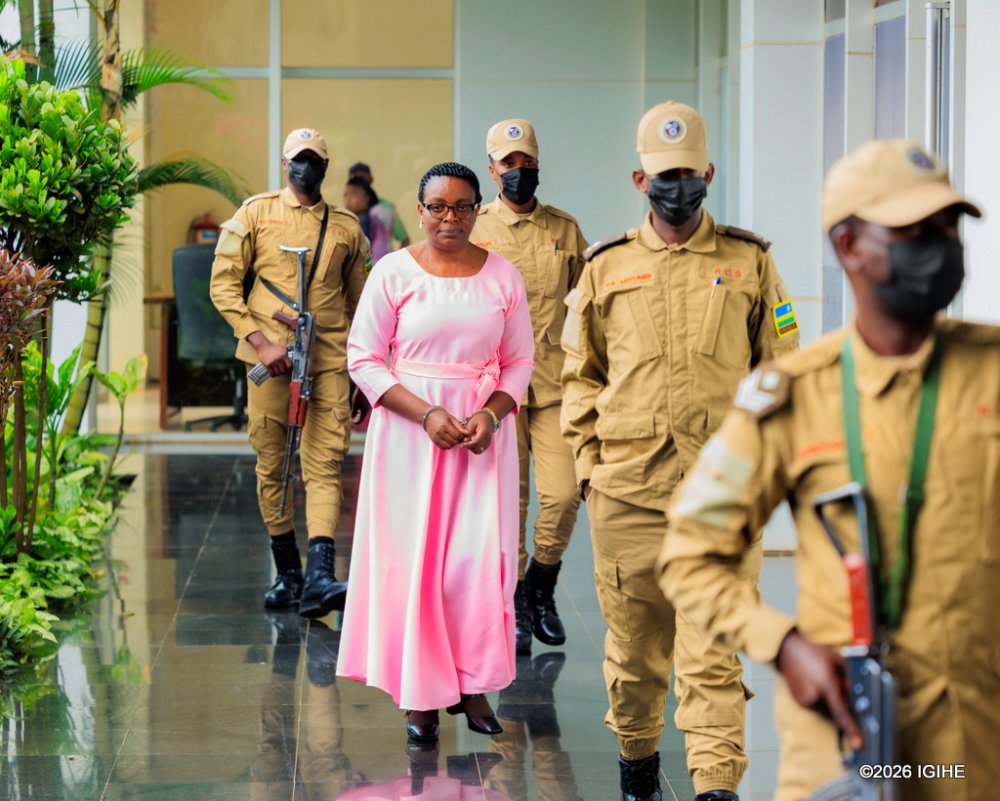
The decision, issued on June 19, confirms an earlier ruling by the Kicukiro Primary Court of May 26, 2026, which found that there are strong grounds to suspect the accused of committing multiple offenses.
The alleged offenses include human trafficking, complicity in human trafficking, unlawful arrest and detention, issuing threats, failure to report a serious crime, and forgery, alteration, and use of falsified documents.
Dr. Semwaga is separately charged with complicity in human trafficking, failure to report a serious crime, and forgery, alteration, and use of falsified documents.
Prosecutors say the case arises from a fertility arrangement set up by Nsabimana and his wife Mukahigiro, which connected infertile couples with women willing to carry pregnancies on their behalf. Authorities allege that the arrangement later became commercialized and involved illegal practices.
It is further alleged that women who agreed to carry pregnancies were promised medical and social support during pregnancy, but that these commitments were not fulfilled. Some of the women were also allegedly threatened when they raised concerns.
Investigators allege that Dr. Semwaga was involved in embryo transfer procedures for participating women. However, the prosecution maintains that the procedures were carried out outside approved legal and institutional frameworks, and without the knowledge of the hospital where he worked.
Dr. Semwaga had requested provisional release, arguing that he needed to continue providing medical follow-up for women who had undergone embryo transfers and were nearing delivery. He also offered bail of 20 million Rwandan francs, which the court rejected.
On May 28, the accused filed an appeal at the Nyarugenge High Court, which was registered on June 1, seeking to overturn the lower court’s decision to keep them in custody.
During a closed-door appeal hearing held last week, Dr. Semwaga reiterated his request for release, stating that the women involved still required his medical attention and continued to consult him from the Nyarugenge Correctional Facility for treatment guidance.
The co-accused also argued that they were not a flight risk and should be released pending trial. The court, however, dismissed all arguments and ordered that they remain in provisional detention pending the substantive hearing of the case.
Dr. Emmanuel Semwaga and his co-accused will remain in provisional detention.