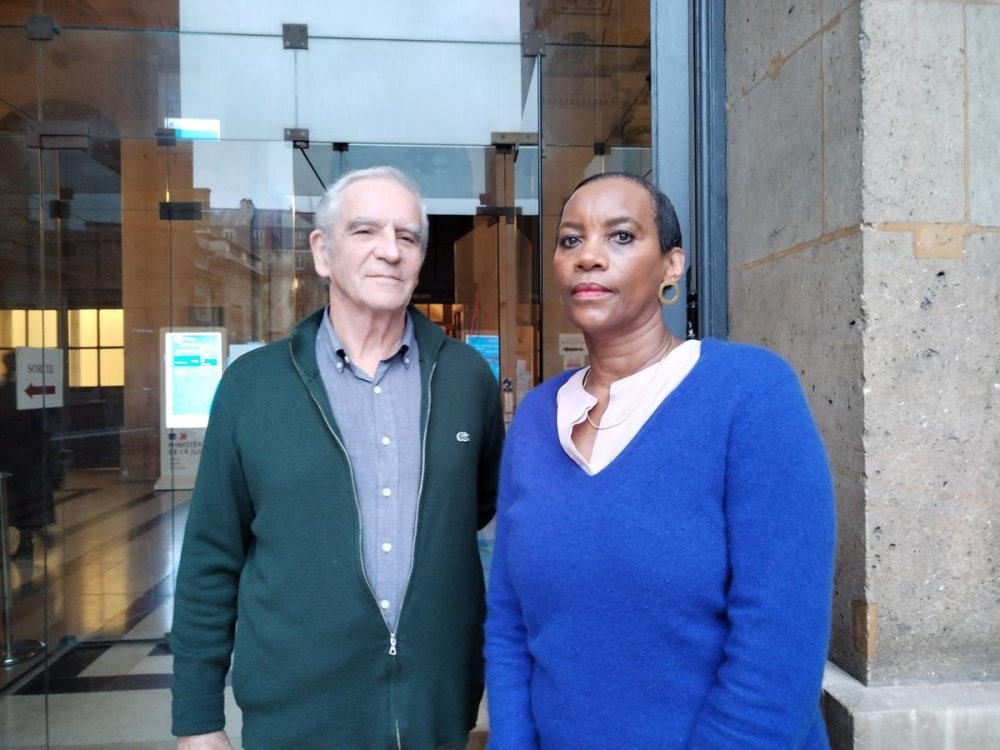
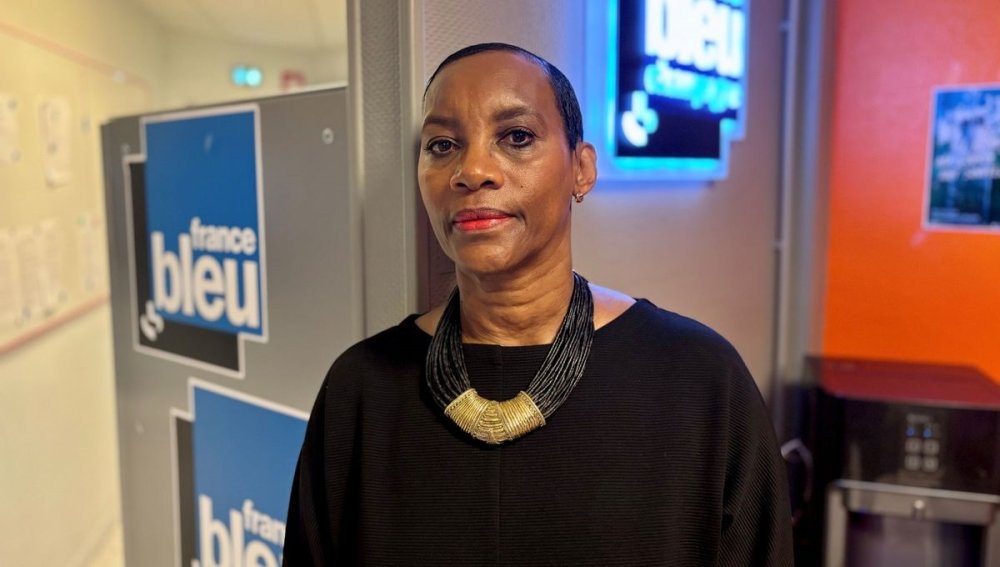
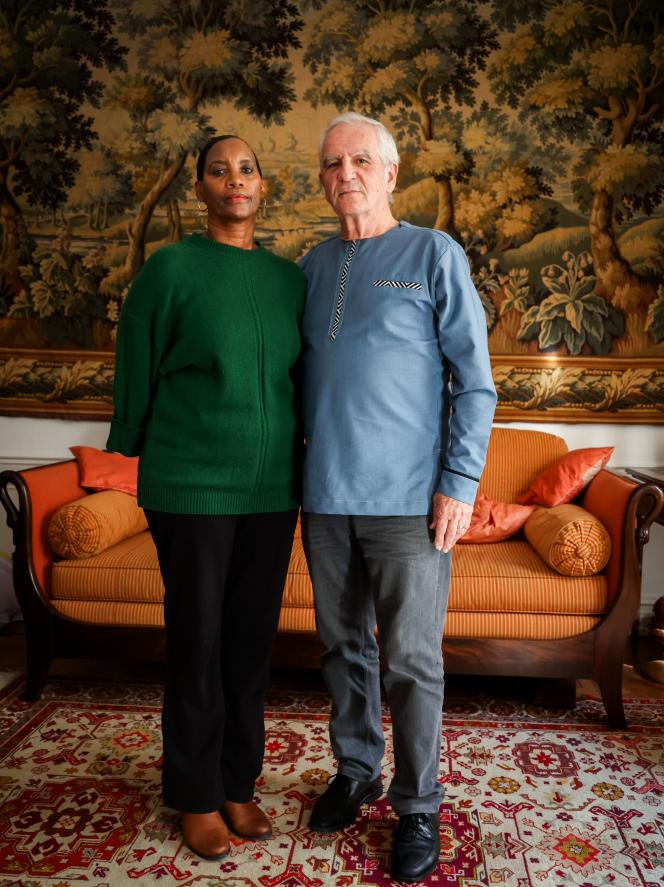
Dafroza was widely known for her efforts to seek justice for victims of the Genocide alongside her husband, Alain Gauthier. Together, they founded the Collectif des parties civiles pour le Rwanda (CPCR), an organisation that gathered evidence and testimonies used in efforts to prosecute Genocide suspects living in France.
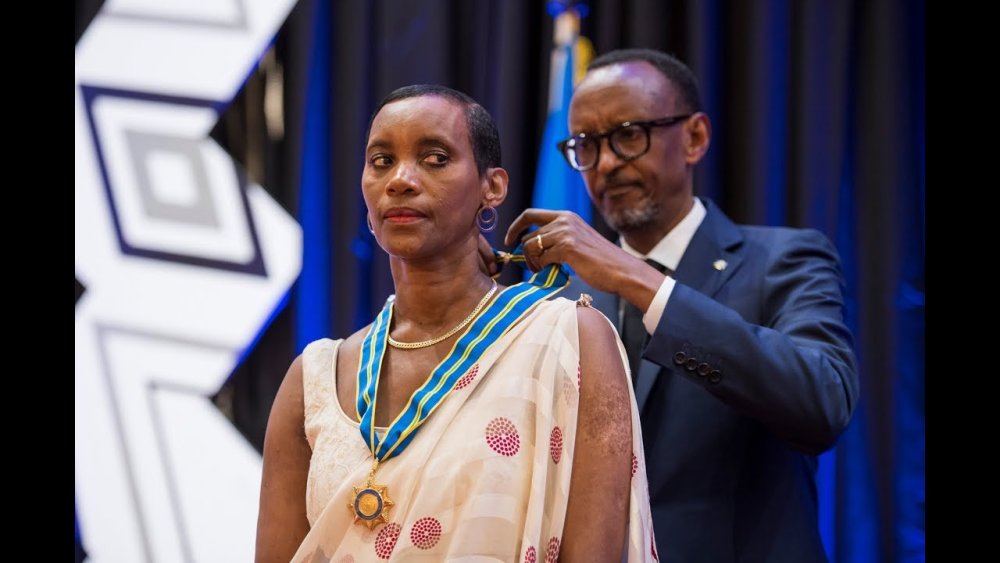
In recognition of their work, President Paul Kagame awarded the couple the Impeta y’Igihango medal ((National Order of Outstanding Friendship) on November 18, 2017.
The honour is given to individuals who have made outstanding contributions to strengthening friendship and cooperation between Rwanda and other countries, as well as promoting the dignity of Rwanda and Rwandans internationally.
Dafroza was born in Butare in 1954. She studied chemistry at university in France, where she met Alain Gauthier, a Frenchman who was then working as a teacher in Rwanda.
They later married and settled in France, where they were living when the Genocide against the Tutsi began. They had three children.
The Genocide claimed the lives of about 80 members of her family, leaving her with a profound personal loss.
In February 1994, Dafroza was in Kigali, but her mother urged her to return to France as the security situation continued to deteriorate. Dafroza tried to convince her relatives to leave Rwanda, but they were unable to do so. It was the last time she saw them.
After the Genocide, Dafroza and her husband committed themselves to ensuring that those suspected of involvement would not remain at large. They began their efforts to seek justice for Genocide victims in 1996 and founded CPCR in 2001.
Their work included tracing Genocide suspects living in France, travelling to Rwanda to gather evidence from places where crimes had been committed, speaking to survivors and detainees, and preparing case files for judicial authorities.
Dafroza also played an important role in translating Kinyarwanda documents into French for use in court proceedings. Her knowledge of Rwanda, its language and its history helped her collect and interpret evidence.
Their pursuit of justice came with significant personal sacrifices, including financial costs and time spent away from their children.
Beyond efforts to bring Genocide suspects to justice, Dafroza and her husband visited schools and universities to educate young people about the Genocide. They also contributed to efforts to preserve its history and counter Genocide denial.
Dafroza regarded justice as a way of restoring dignity to the victims of the Genocide. She argued that trials helped keep their names alive by showing who they were and what happened to them, rather than reducing them to statistics.
Her journey with her husband was documented in the 2023 book Rwanda, à la poursuite des génocidaires. The book was written by journalist Thomas Zribi in collaboration with illustrator Damien Roudeau, with a foreword by artist and writer Gaël Faye.
On November 18, 2017, President Paul Kagame awarded Dafroza for her contribution to bringing those responsible for the 1994 Genocide against the Tutsi to justice.Dafroza and Alain Gauthier have founded the Collectif des parties civiles pour le Rwanda (CPCR), which has helped gather evidence against Genocide suspects in France.Dafroza Gauthier has worked alongside her husband, Alain Gauthier, to pursue justice for Genocide victims in France.
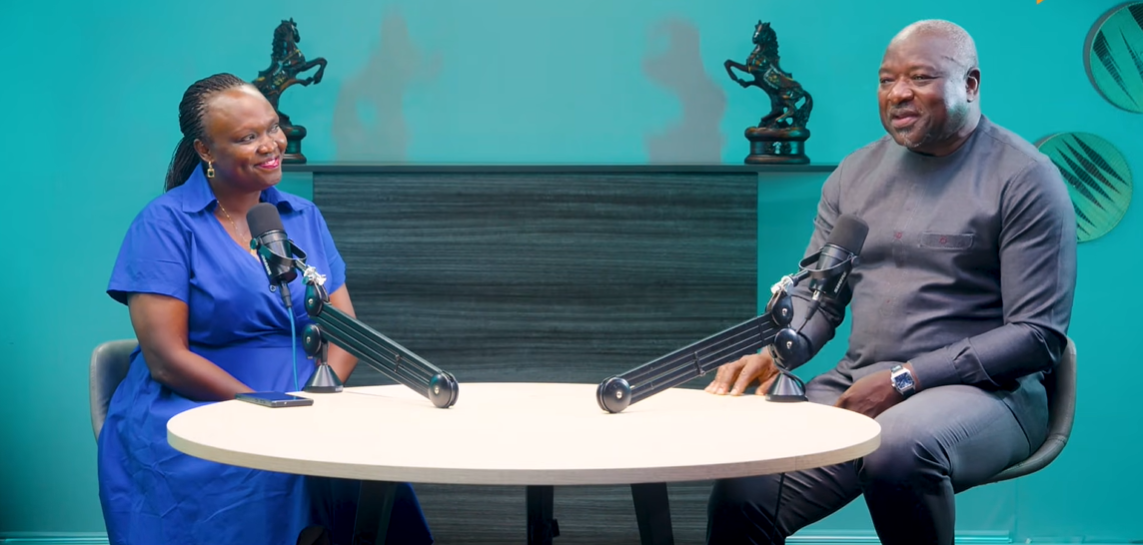
Dr. Lassina Zerbo, Chairman of the Rwanda Atomic Energy Board (RAEB), said Rwanda’s nuclear journey began about six or seven years ago with a decision to pursue small modular reactors (SMRs) while investing early in the human capacity needed to support the programme.
Speaking on the Dossier podcast, hosted by celebrated journalist Jackie Lumbasi, the chairperson described the approach as a deliberate effort to prepare Rwanda’s workforce before a nuclear power plant is built.
President Paul Kagame has said Rwanda remains on track to have nuclear energy operational by the early 2030s. In May 2026, he said the country’s completion of the International Atomic Energy Agency’s Phase I Integrated Nuclear Infrastructure Review confirmed that it was on course. Rwanda is targeting up to 1.5 gigawatts of nuclear generation capacity by 2050.
Rwanda is currently collaborating with the United States, Russia, and other private entities to develop small modular reactors and microreactors for its energy sector.
For Dr. Zerbo, the foundation of the programme is not the reactor itself, but the people who will eventually operate and regulate it.
“A month ago we had 26 Rwandan master’s degree graduates in nuclear science and technology,” he said, referring to graduates specialising in areas including safety, security and electrical engineering.
He said the graduates were expected to join RAEB, while Rwanda has also been sending students abroad to study nuclear science and technology.
The strategy, he argued, ensures that Rwanda does not wait until construction begins to start developing the expertise needed to support the industry.
“You don’t bring thousands of experts from the international world and then say, ‘Come to Rwanda, we want to build a plant,’” Dr. Zerbo said. “Do you have a certified welder or do you have a certified medical doctor or whatever? And then you say, ‘No, we don’t have.’”
Dr. Lassina Zerbo (right), Chairman of the Rwanda Atomic Energy Board, said Rwanda is pursuing small modular reactors while investing in nuclear expertise.
Building an African nuclear platform
Dr. Zerbo also sees Rwanda’s nuclear programme as part of a wider effort to give African countries a stronger role in determining how nuclear technology can contribute to the continent’s development.
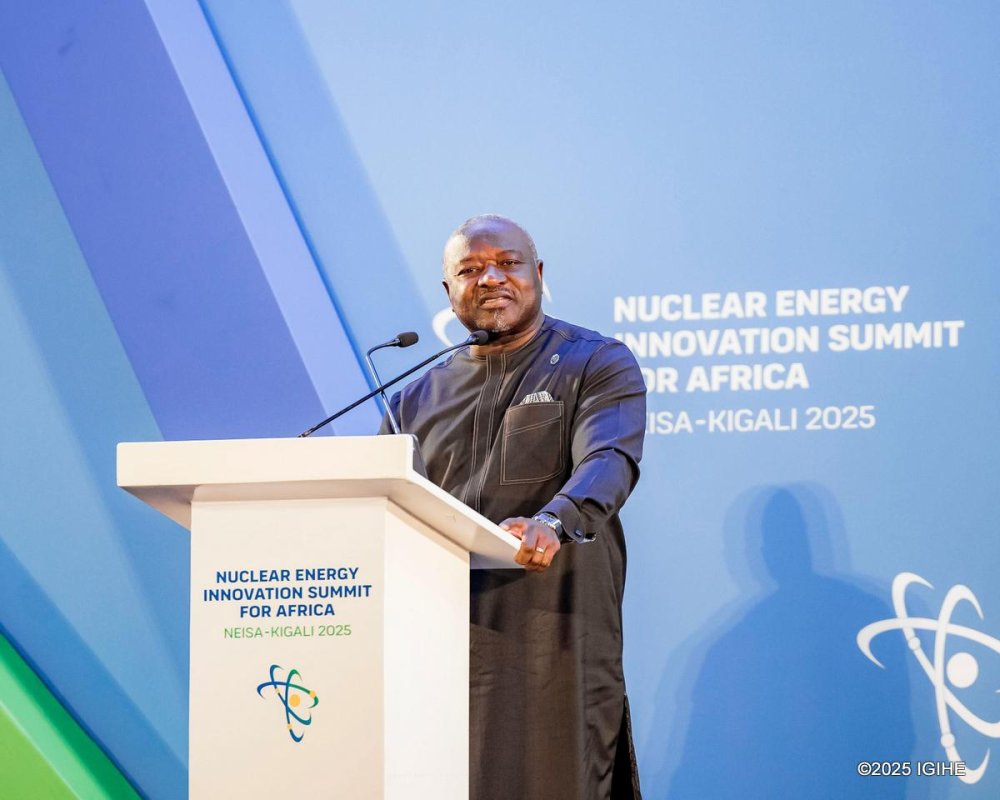
That thinking led to the creation of the Nuclear Energy Innovation Summit for Africa, which has been hosted in Rwanda for its first two editions.
The second edition attracted about 1,500 participants, according to Dr. Zerbo, bringing together African stakeholders, international institutions and companies from countries including France, Britain, Germany, Russia, China and the United States.
He said the platform was designed to allow Africans to discuss nuclear development together while working with international partners.
President Kagame has given the green light for the third edition to be held in Lomé, Togo, Dr. Zerbo said, in a move he said would make the initiative more inclusive across the continent.
The International Atomic Energy Agency has also been involved in Rwanda’s nuclear programme. Dr. Zerbo singled out IAEA Director General Rafael Mariano Grossi for supporting the summit and Rwanda’s wider efforts.
President Paul Kagame said in May that Rwanda remains on track to have nuclear energy operational by the early 2030s.
Why nuclear matters beyond electricity
The RAEB boss argues that the case for nuclear power in Africa goes beyond connecting households to electricity.
He sees reliable electricity as a prerequisite for industrialisation, agriculture and economic competitiveness, particularly at a time when African businesses face high energy costs and unreliable supply.
“If a farmer produces and processes, they need energy to process their products and keep them for longer so they can eventually export them,” he said.
For industries such as cement or glass manufacturing, Dr. Zerbo argues that intermittent power can make production difficult. Nuclear, he said, could provide the steady baseload electricity required by such industries, alongside renewable sources.
“Nuclear energy is not at the expense of, or in competition with, renewable energy,” he stressed. “We want to have an energy mix that provides a baseload and helps avoid the load-shedding that we are facing in many African countries today.”
He also pointed to nuclear technology’s applications beyond electricity, including cancer treatment, agriculture and food preservation.
The shift toward smaller reactors
A central part of Rwanda’s strategy is its interest in smaller nuclear technologies.
Dr. Zerbo described microreactors as a further evolution from conventional nuclear plants and small modular reactors. He said some concepts are being developed around units that could fit within a 40-foot container.
He gave the example of a one-megawatt microreactor potentially supplying about 3,000 families continuously for seven to 15 years without maintenance, while noting that the number of households served would vary depending on electricity consumption.
Developers are also working on higher-capacity microreactors that could supply facilities such as data centres, whose electricity requirements are growing alongside artificial intelligence.
For Rwanda, smaller reactors could potentially offer a more adaptable option for a country with a relatively small electricity system compared with the large grids of major industrial economies.
The chairperson also pointed to evolving reactor technologies that could reduce water requirements and potentially allow nuclear systems to operate in locations where conventional reactors would face greater cooling constraints.
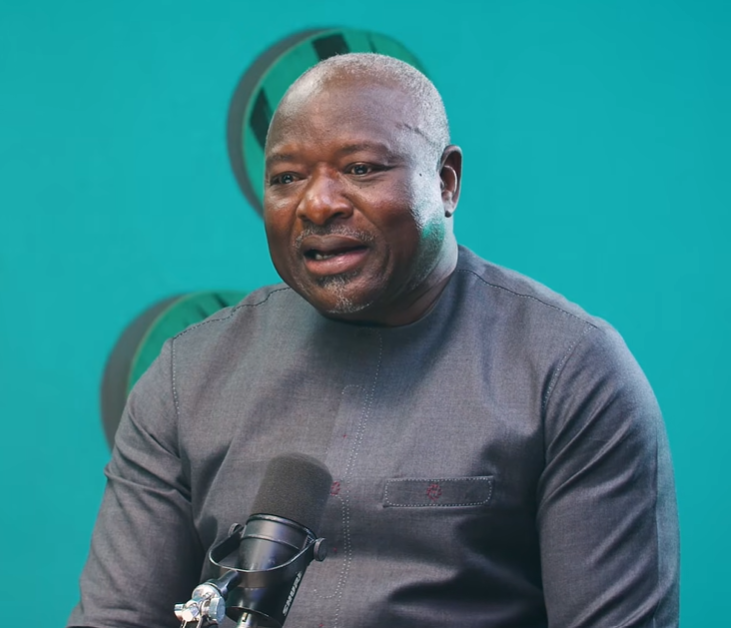
Dr. Zerbo sees Rwanda’s nuclear programme as part of efforts to give Africa a greater role in shaping nuclear technology for development.
Safety, waste and public trust
Nuclear safety remains one of the most important questions surrounding the technology.
Dr. Zerbo acknowledged that nuclear energy carries risks but argued that technological development has changed the nature of those risks, particularly with newer reactor designs.
He referenced the Fukushima disaster, noting that the Japanese nuclear accident followed a major tsunami, and argued that discussions about nuclear safety should consider the broader circumstances surrounding such events. His argument is not that nuclear technology is risk-free.
“I’m not trying to say that there’s no risk,” he remarked. “But I believe that with the evolution of science, technology, and the innovation that we are noticing today, the risk with the small modular reactors and the micro reactors is less than the conventional ones we know of so far.”
Waste management is another challenge. Dr. Zerbo said emerging technologies could eventually allow some nuclear waste to be reused as fuel in other reactor systems, potentially reducing the amount requiring long-term management.
The financing challenge
The cost of nuclear infrastructure remains a major hurdle for African countries. The RAEB chair said financing should be considered alongside the infrastructure that depends on reliable energy, rather than treating nuclear power as a standalone investment.
He pointed to the World Bank’s changing position on financing nuclear energy and said discussions were underway on how international financial institutions could support nuclear projects.
He argued that African institutions, including the African Development Bank, should also consider how nuclear energy fits into the continent’s infrastructure financing needs.
For countries that cannot independently finance a large reactor, the chairperson proposed another possibility: regional energy hubs.
Rather than every African country building its own large nuclear plant, countries could develop nuclear capacity that supplies neighbouring markets through existing regional electricity pools.
Rwanda could potentially become an energy hub if it develops a nuclear power plant, while coastal countries such as Tanzania could explore floating nuclear units, he said.
Dr. Lassina Zerbo, former Prime Minister of Burkina Faso, became Chairman of the Rwanda Atomic Energy Board on October 13, 2021, following his appointment by President Paul Kagame.
A long-term commitment
For the RAEB boss, nuclear development is ultimately a project that extends far beyond the political cycle.
A nuclear programme can involve commitments lasting decades, meaning countries must carefully consider technology providers, financing arrangements, regulation, safety and long-term partnerships.
“It’s like getting married,” he said of selecting a nuclear partner. “You don’t wake up in the morning and then say this is my partner. You think about it: I’m engaging my country, my population for 50 to 60 years.”
He believes Africa now has a growing pool of scientists and engineers capable of participating in that process.
“Now it’s different,” Dr. Zerbo said. “We have thousands of experts in nuclear science and technology across Africa, and more are coming. They will help make a difference for the continent.”
Watch the full conversation below as Dr. Lassina Zerbo delves into Rwanda’s nuclear ambitions, the push for small modular reactors, Africa’s growing nuclear expertise, energy security, financing, safety and what the future of nuclear power could mean for the continent.
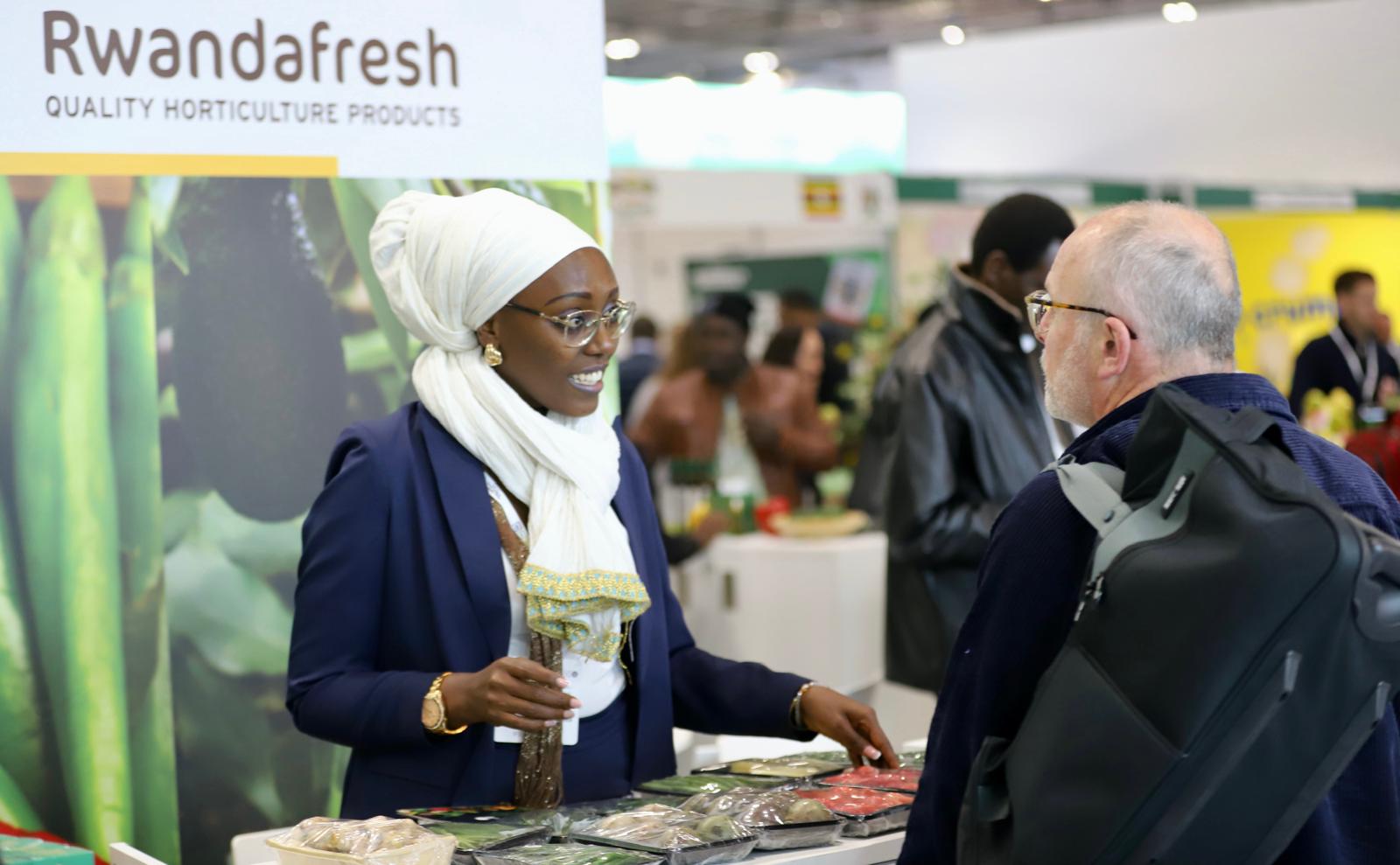
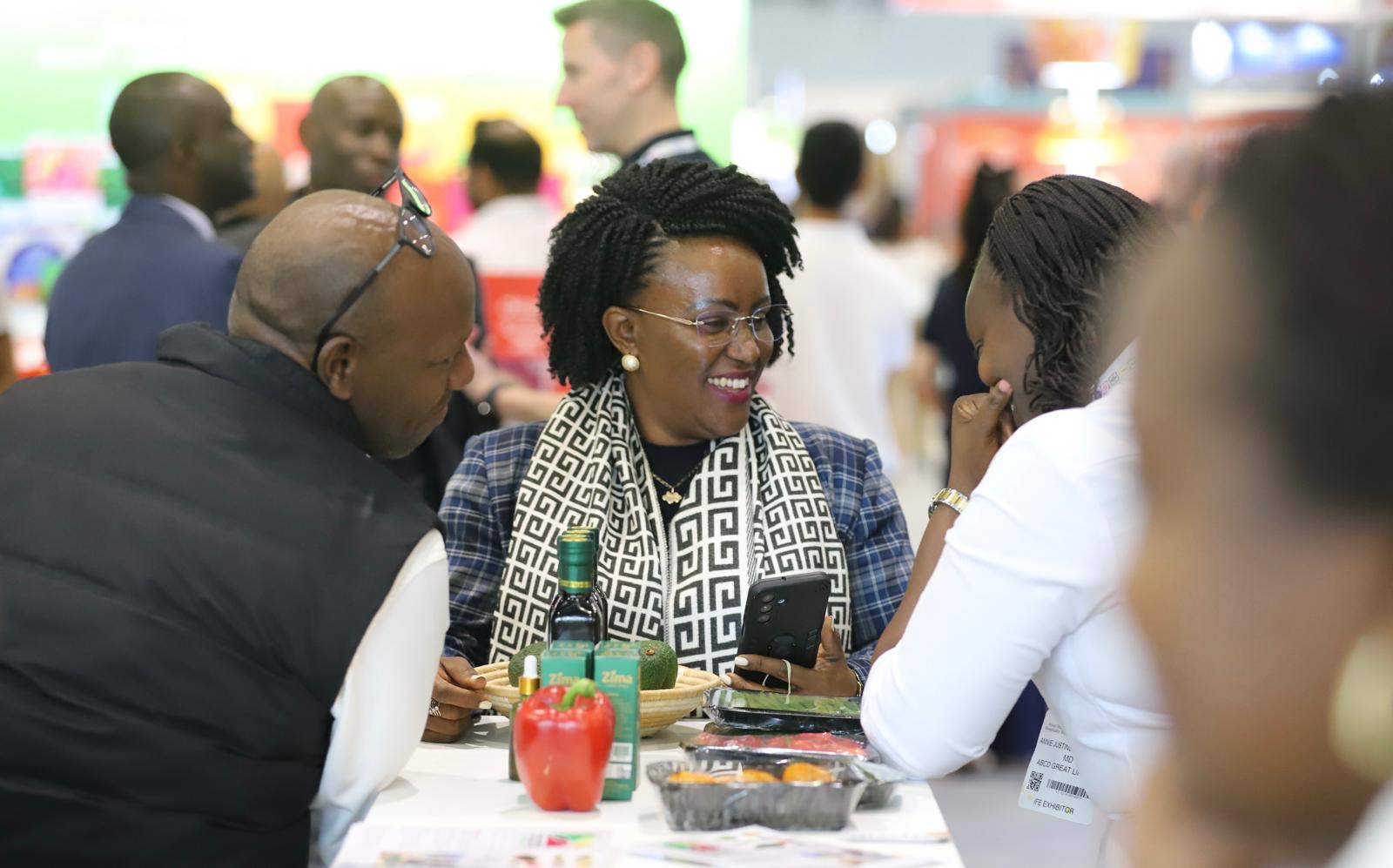
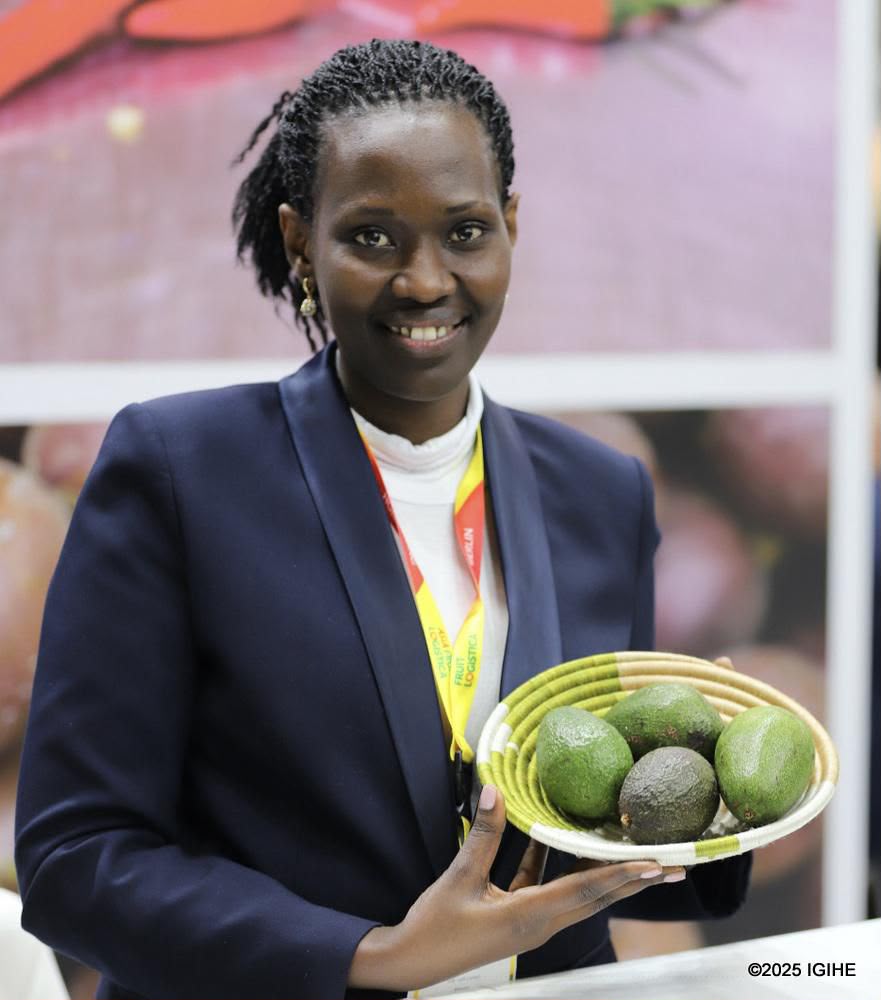
The country is represented by around a dozen companies coming directly from Rwanda, with the aim of showcasing their products and strengthening their presence in international markets. The International Trade Centre (ITC) is also present, highlighting its role and initiatives supporting business development and international trade.
From 6 to 8 October, Madrid becomes a major meeting point for professionals from across the global fruit and vegetable industry. Organised by IFEMA MADRID and FEPEX, Fruit Attraction 2026 brings together more than 2,400 companies and is expected to attract more than 121,000 professional visitors from 152 countries.
For Rwanda, participation in the trade fair provides an opportunity to showcase the potential of its agricultural sector and establish new connections with international buyers, importers, distributors and business partners.
Around a dozen Rwandan companies in Madrid
The Rwandan delegation is made up of around a dozen companies coming directly from Rwanda, taking part in the international event to showcase their products, establish business contacts and explore new export opportunities.
Their presence provides greater visibility for Rwandan agricultural products among international industry stakeholders gathered in Madrid.
Fruit Attraction also gives participating companies direct access to a broad professional network, including retailers, importers, wholesalers and distributors.
ITC supporting Rwandan businesses
The International Trade Centre (ITC) is also present in Madrid to highlight its role in promoting international trade and supporting businesses.
Through initiatives such as ITC SheTrades Rwanda, the organisation supports Rwandan women entrepreneurs in developing their businesses and accessing international markets. The programme particularly supports women-led businesses in the agricultural and horticultural sectors, helping them prepare for export and identify new commercial opportunities.
The ITC’s presence complements Rwanda’s participation at Fruit Attraction by highlighting the importance of business development, capacity building and access to international markets.
A trade fair focused on international markets
This year’s edition is held under the slogan “Donde la esencia del sector conecta con el mundo”, meaning “Where the essence of the industry connects with the world.”
The trade fair covers more than 78,000 square metres across ten halls at IFEMA MADRID. Visitors can discover products, new varieties and formats, technologies and innovations presented by participating companies.
The exhibition is organised around four specialised areas: Fresh Produce, Auxiliary Industry, Fresh Food Logistics and Innova&Tech.
This year, the potato is Fruit Attraction’s featured product.
Opportunities for Rwandan exporters
Rwanda’s participation comes as agricultural businesses seek to expand their markets beyond the region.
For the Rwandan companies attending the event, Fruit Attraction provides an opportunity to meet international buyers, showcase their products, identify new partners and gain a better understanding of the requirements of different export markets.
The International Buyers Programme, organised with the collaboration of Spain’s Ministry of Agriculture, Fisheries and Food, ICEX and FEPEX, is expected to bring 700 major buyers, retail purchasing managers, importers and wholesalers from more than 50 countries to Madrid.
China and the United Arab Emirates are also being highlighted this year under the Guest Importing Countries programme.
Rwanda seeks greater international visibility
Through the participation of around a dozen companies, Rwanda is seeking to strengthen the visibility of its agricultural sector on an international platform bringing together stakeholders from major global markets.
Beyond showcasing their products, the participation gives Rwandan companies an opportunity to develop business relationships and identify new opportunities in a sector where quality, traceability, innovation and sustainability are becoming increasingly important.
The presence of the ITC adds another dimension to Rwanda’s participation, with a focus on supporting businesses and helping them connect with international markets.
With more than 121,000 professional visitors expected, Fruit Attraction 2026 provides Rwanda with an important platform to showcase its agricultural products and strengthen connections with international markets.
Around a dozen Rwandan companies are set to participate in Fruit Attraction 2026, seeking to connect with international buyers and explore new export opportunities.Rwandan companies are set to showcase agricultural products at Fruit Attraction 2026 in Madrid, Spain, from October 6 to 8.The International Trade Centre (ITC) is set to support Rwanda’s participation in Fruit Attraction 2026, highlighting initiatives aimed at helping businesses access international markets.
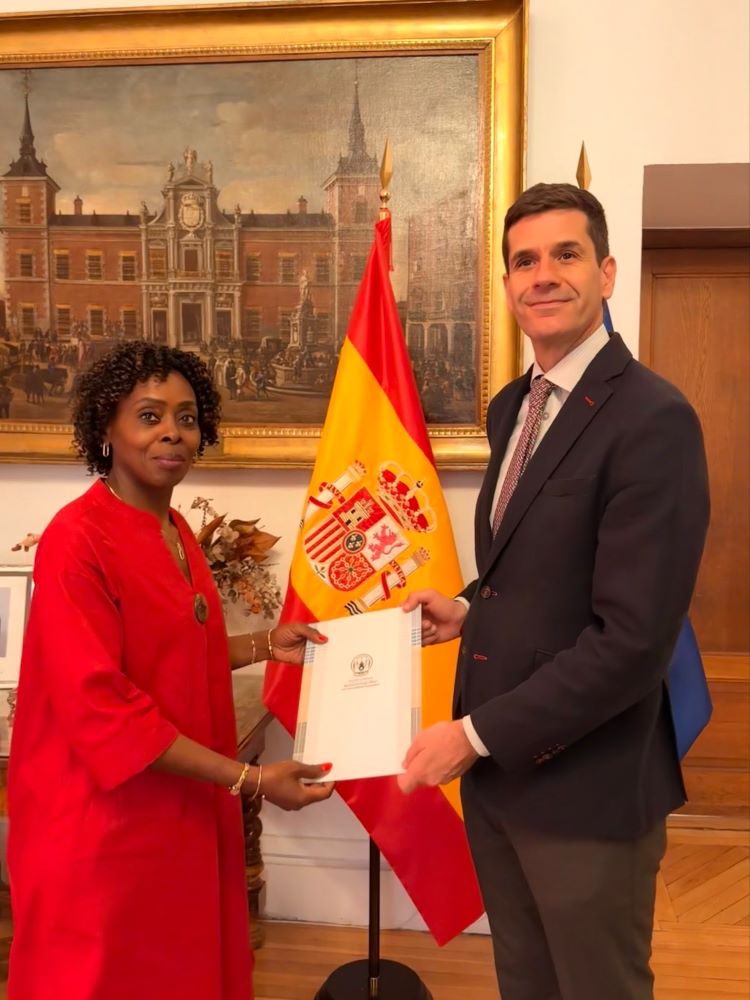
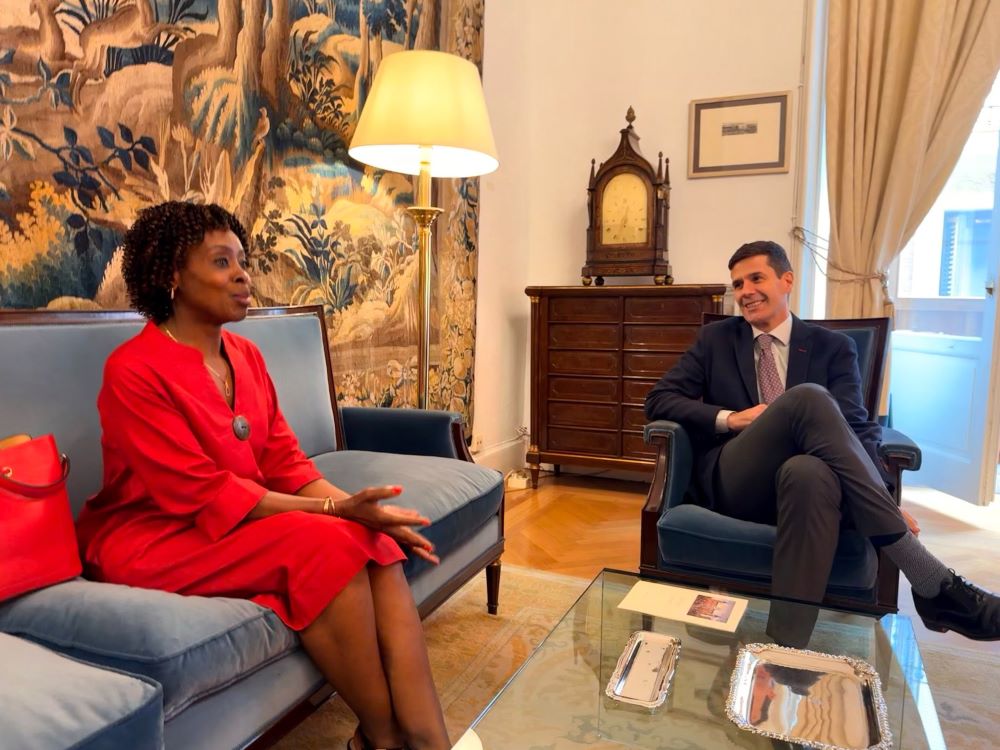
She presented the copies to Adrián Martín Couce, Director-General for Protocol at Spain’s Ministry of Foreign Affairs, European Union and Cooperation.
The ceremony held on Friday, precedes the formal presentation of her Letters of Credence to King Felipe VI of Spain, which is expected to take place in the coming days.
Ambassador Nkulikiyinka was appointed to the position on 10th June 2026.
This marks the first time in Rwanda’s history that the country has established an embassy in the Kingdom of Spain, further strengthening the strong bilateral relations between Rwanda and this European country.
Ambassador Christine Nkulikiyinka has presented copies of her Letters of Credence to Adrián Martín Couce, Director-General for Protocol at Spain’s Ministry of Foreign Affairs, European Union and Cooperation.
According to the 2026 GBS.World Buy-Side Demand Survey, 80% of global businesses are piloting generative AI initiatives, 61% are testing autonomous AI workflows within back-office operations, and 63% now require formal AI governance frameworks. Hybrid human-AI workforces are rapidly becoming the operational standard across global business services (GBS).
As enterprises accelerate their adoption of AI, cloud technologies and intelligent automation, the conversation is shifting beyond technology itself to focus on people.
Increasingly, competitive advantage will depend on the ability to access workforces that are digitally skilled, adaptable and capable of working confidently with, and alongside, AI.
Against this backdrop, Rwanda is implementing one of Africa’s most coordinated long-term digital workforce strategies. Through sustained investment in education, digital infrastructure, AI, industry partnerships and workforce development, the country is building the capabilities required to compete in the next generation of knowledge-based global services.
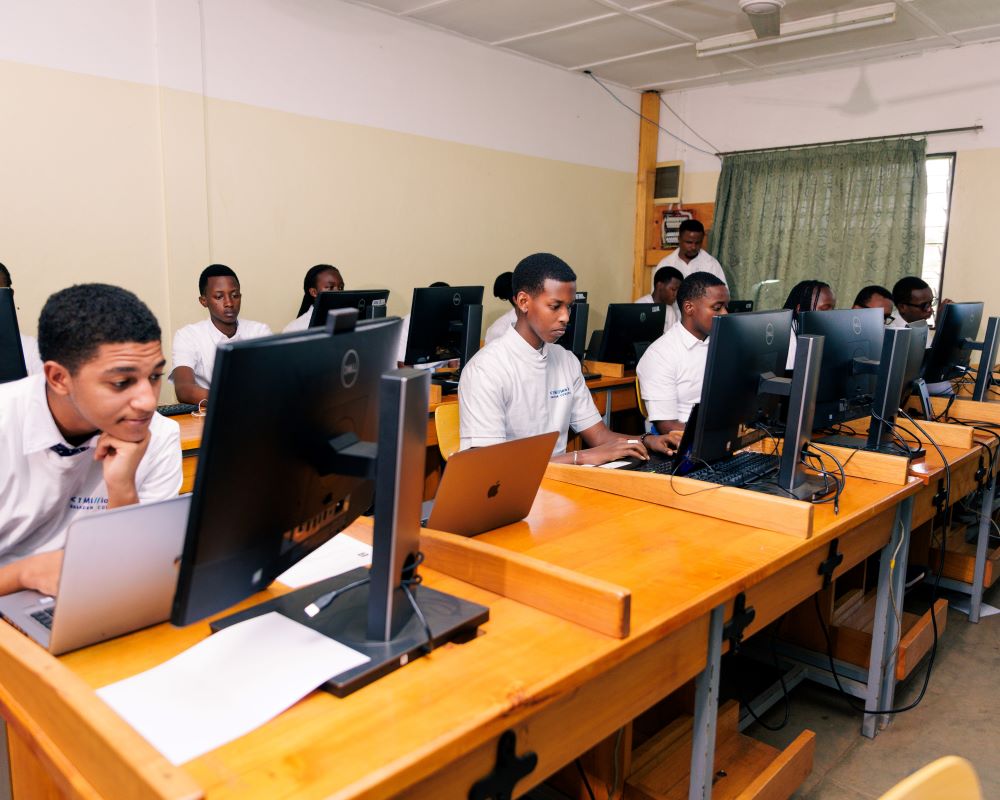
Over the past decade, Rwanda has embedded digital transformation at the centre of its national development agenda. National initiatives including the ICT Strategy, the National Artificial Intelligence Agency, National Artificial Intelligence Policy and the 1 Million Coders Programme are helping prepare a future-ready workforce, while broader ambitions to develop approximately 1.5 million digitally skilled citizens by 2029 demonstrate the country’s long-term commitment to digital competitiveness.
Rwanda’s digital talent strategy extends well beyond coding. Universities such as Carnegie Mellon University Africa, the University of Rwanda, the African Leadership University (ALU) and Kepler College, together with more than 110 Technical and Vocational Education and Training (TVET) institutions, coding academies and innovation hubs, are contributing to an expanding ecosystem that now supports approximately 345,000 ICT learners.
This coordinated approach is strengthening the country’s pipeline of AI-ready, cloud-enabled and digitally skilled professionals equipped for modern global service delivery.
This investment is already translating into employment and delivery capability. Rwanda’s GBS sector supported 4,705 jobs in Q2 2026, with 79.2% serving international markets. More than a quarter of the workforce (or 1,238 people) is employed in IT Outsourcing, including software development roles, alongside growing capabilities in data and analytics, testing and quality assurance, IT support, cybersecurity, cloud computing and AI engineering.
“Artificial intelligence is changing far more than technology; it is changing the capabilities businesses expect from their people. Rwanda recognised this shift early and has invested deliberately in building a workforce that can thrive alongside AI, automation and digital technologies.
“Our ambition is not simply to develop technical talent, but to create a globally competitive digital workforce that supports the future of global business services,” says Chantal Kayonga, Chief Executive Officer of the Rwanda GBS Growth Initiative.
International operators are already seeing the benefits of this investment. Rwanda’s growing technology and GBS ecosystem includes companies delivering software development, IT and technical support, data and analytics, cloud-enabled services, cybersecurity and other knowledge-intensive digital services to regional and global clients.
As these capabilities deepen, Rwanda has an opportunity to expand beyond traditional business process services and strengthen its position as an emerging regional technology and innovation hub.
“Our experience has shown that Rwanda’s greatest strength is not simply the availability of talent, but the quality of its people and their willingness to learn, adapt and embrace new technologies.
“As AI continues to reshape our industry, having access to a workforce that is developing alongside these technologies creates a significant competitive advantage,” says Aileen Allkins, CEO, TeKnowledge.
A second industry perspective reinforces this trend.
“ Rwanda has created an ecosystem where education, industry and government are working towards a common objective.
“That collaborative approach has enabled us to build capability, scale operations and develop highly skilled digital professionals who are supporting clients across international markets,” Yannick Kabayiza, CEO, Awesomity Lab, noted.
This connection between policy, skills development and employer demand is central to Rwanda’s approach.
National digital priorities, universities, TVETs and specialist training providers are increasingly being aligned with the changing skills requirements of technology employers, creating pathways from education into employment while supporting continuous reskilling as technologies evolve.
According to the Rwanda GBS Growth Initiative, the country’s long-term investment in digital skills, innovation and workforce development is increasingly aligning with the priorities of multinational businesses seeking resilient, future-ready global delivery locations.
As AI continues to transform global business services, Rwanda is positioning itself as an emerging African destination for higher-value, technology-enabled delivery.
By combining a young, bilingual workforce with strong digital infrastructure, progressive national policies and a demand-led skills ecosystem, the country is building capabilities across software development, cloud, cybersecurity, data, AI and other knowledge-intensive services that will increasingly shape the future of global delivery.
The Rwanda GBS Growth Initiative (GBS GI) is the national industry body with a mandate to promote and grow Rwanda’s Global Business Services sector.
Working closely with the Rwanda Development Board, the Ministry of ICT and Innovation and industry stakeholders, the GBS GI supports investment promotion, talent development, ecosystem collaboration and market intelligence to position Rwanda as one of Africa’s leading destinations for global business services.
1 Million Coders Programme is helping prepare a future-ready workforce
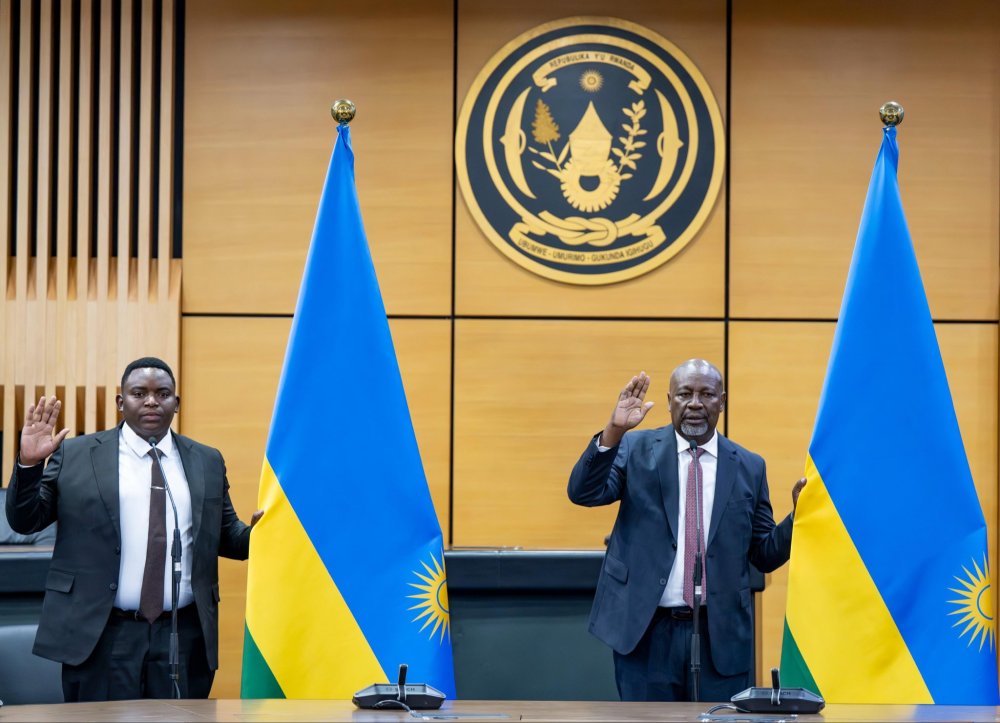
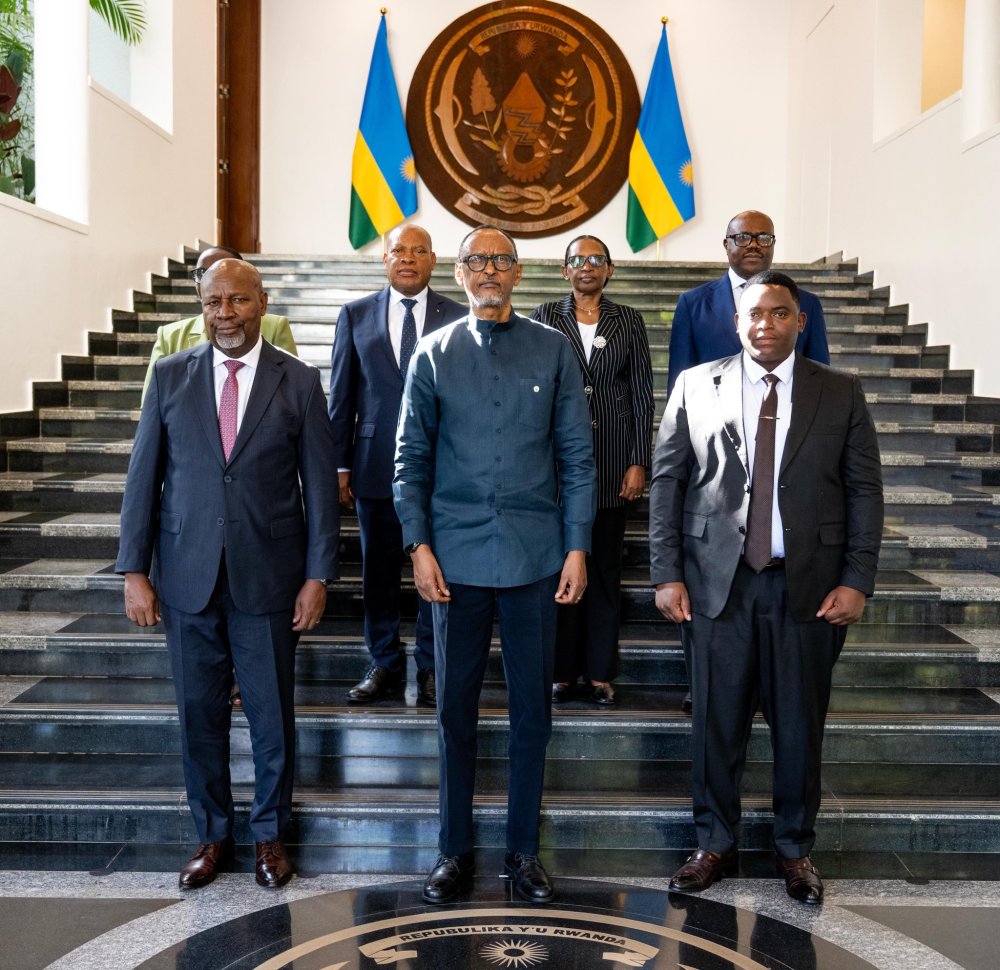
Gasamagera was selected by the Forum of Political Organisations legally operating in Rwanda to replace Donatille Mukabalisa, who died in July 2026.
Niyonshuti was elected to represent the youth, replacing Venuste Icyitegetse, who resigned from the position in June 2026 for personal reasons.
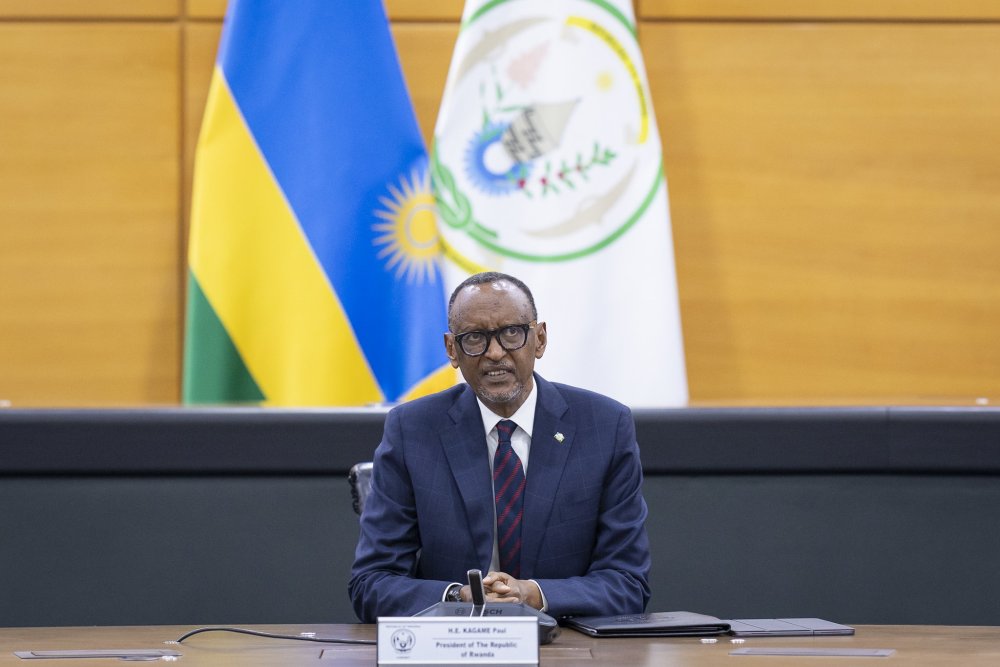
President Kagame said the swearing-in ceremony was important because it comes with responsibilities to serve the country, reminding the two officials that their work goes beyond matters of legislation.
“Members of Parliament oversee many things, including matters related to government activities, and their work also extends to other institutions. To fulfil these responsibilities properly, they need knowledge, understanding and the right conduct. It is not only about making laws,” he said.
Kagame told the lawmakers that Rwanda’s culture requires leaders to go beyond merely complying with laws, particularly when addressing problems that need to be resolved so that citizens do not continue carrying burdens that could be addressed.
“Problems that can be resolved should be removed from people’s way, difficult ones should continually be addressed through collaboration,” he said.
The President said resources are often available to enable leaders to address challenges facing the country, but where they are insufficient, leaders should start with what can be done while seeking additional resources to address what cannot immediately be handled.
He said the swearing-in of Gasamagera and Niyonshuti should also serve as a reminder to others currently holding public responsibilities, as well as those who will take up such responsibilities in the future, to carry out their duties properly.
Gasamagera holds a PhD from Monarch Business School in Switzerland and a Master’s degree in Public Administration from Université du Québec in Canada.
Between 1997 and 2001, he served as Prefect of the former Kigali Ngari Prefecture.
He has held various positions, including Rwanda’s Ambassador to Angola and São Tomé and Príncipe, Senator from 2003 to 2011, and Director General of the Rwanda Management Institute (RMI).
Gasamagera served as Secretary General of the RPF-Inkotanyi from 2023 until December 2025.
President Kagame presides over swearing-in of Senator Gasamagera, MP NiyonshutiSenator Gasamagera Wellars and MP Niyonshuti take oath of office
The company has established a presence in Rwanda through a strategic partnership with healthcare specialist Dr. Claude Sekabaraga and is seeking to work with the government, private healthcare providers and non-governmental organisations to expand deployment.
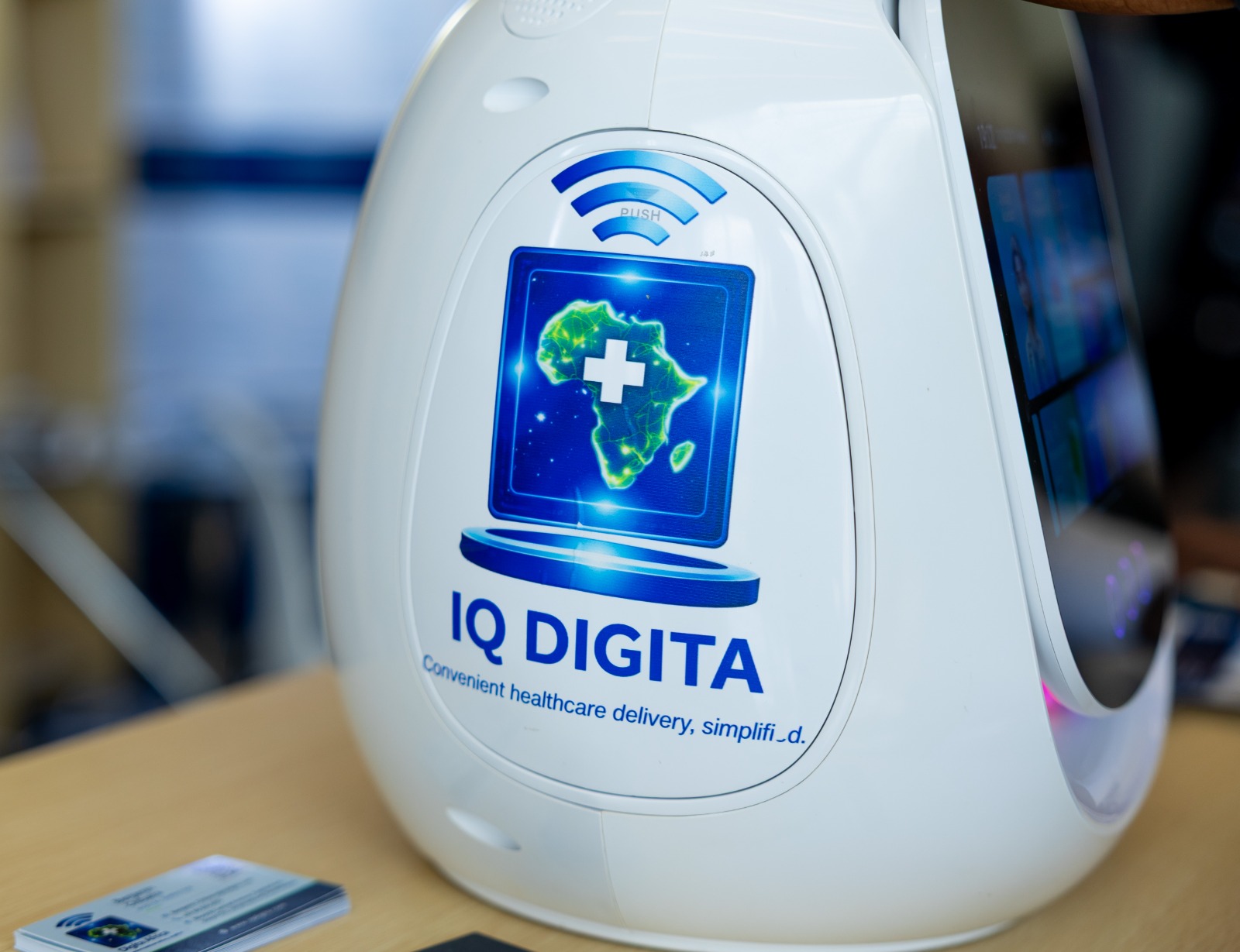
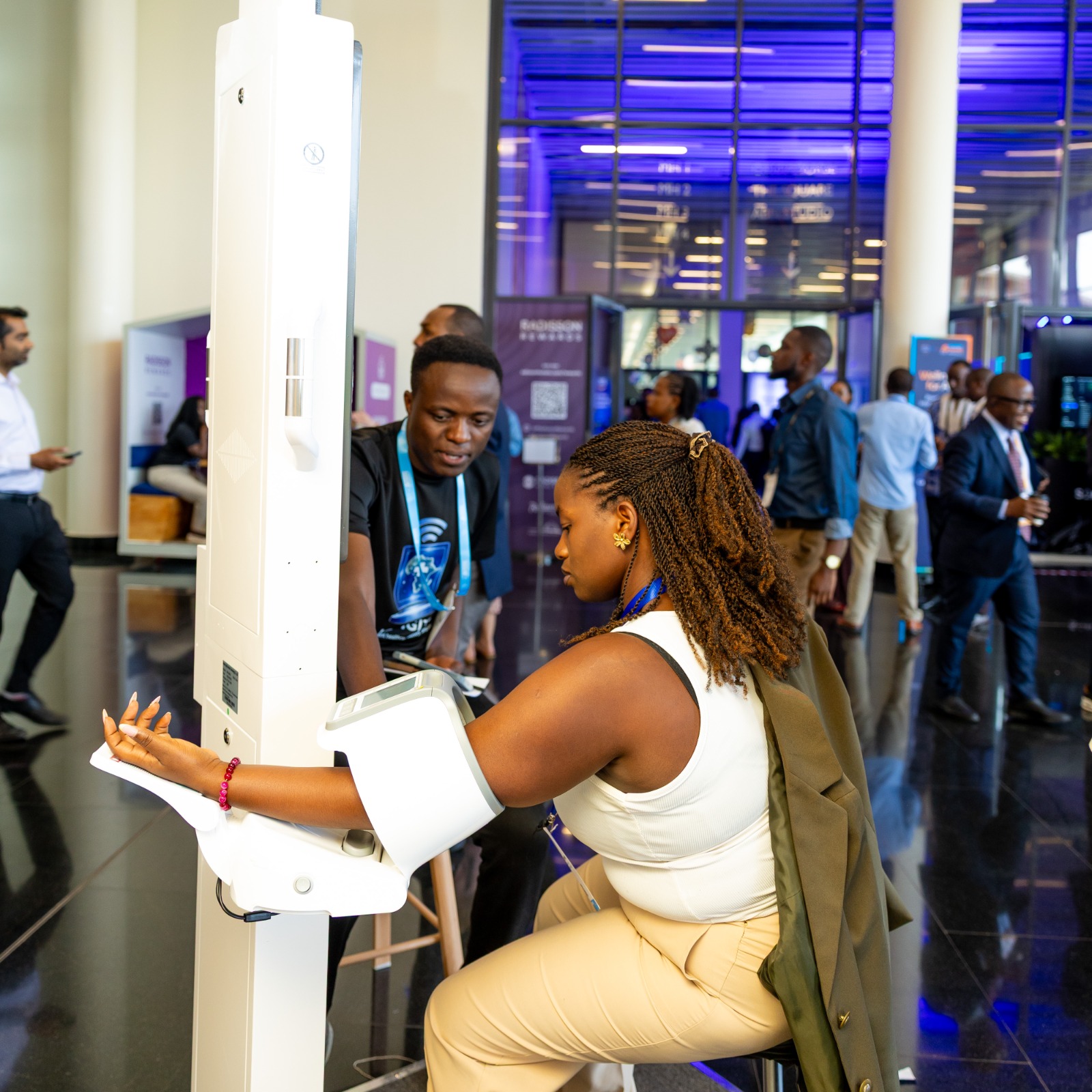
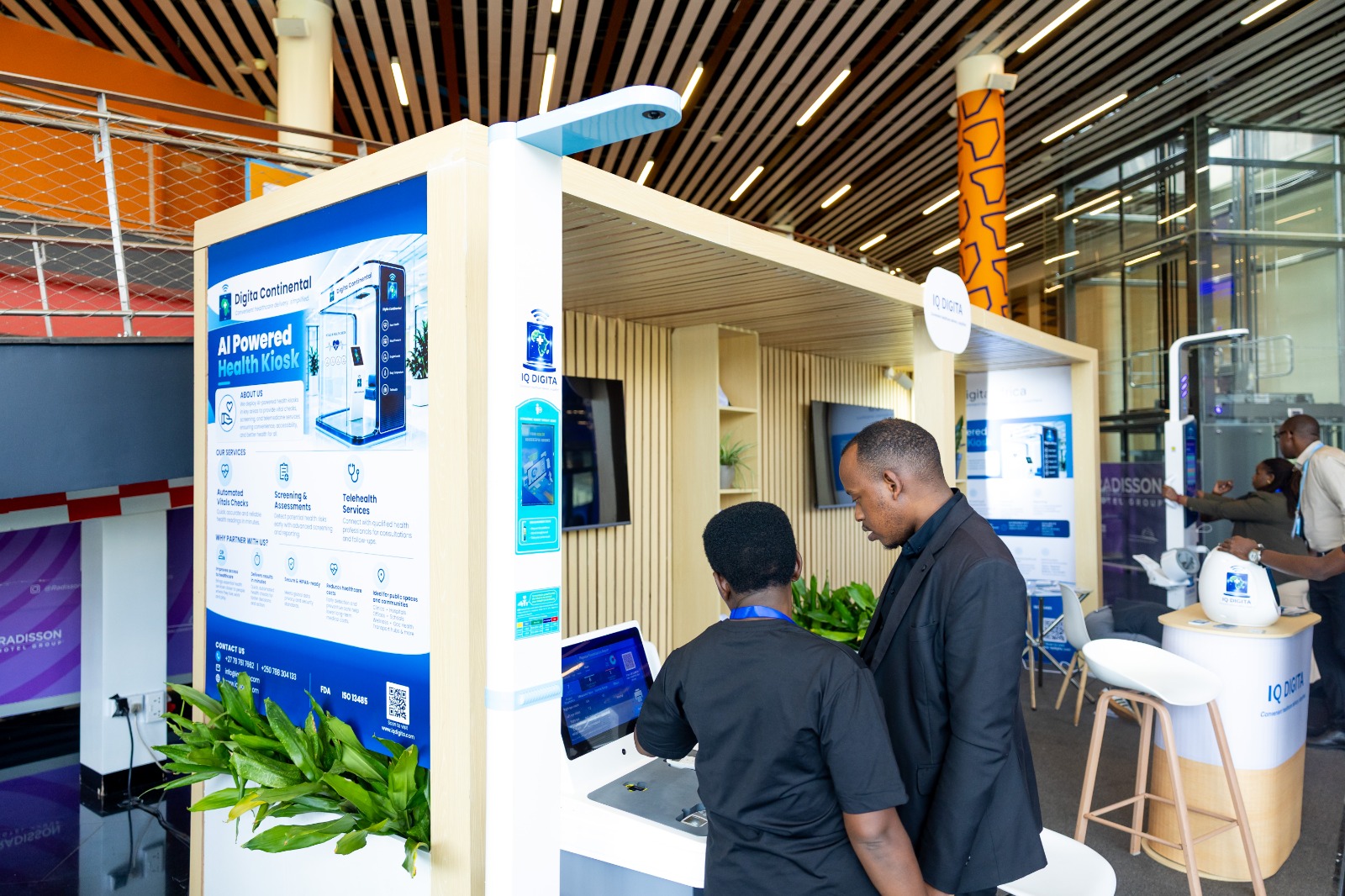
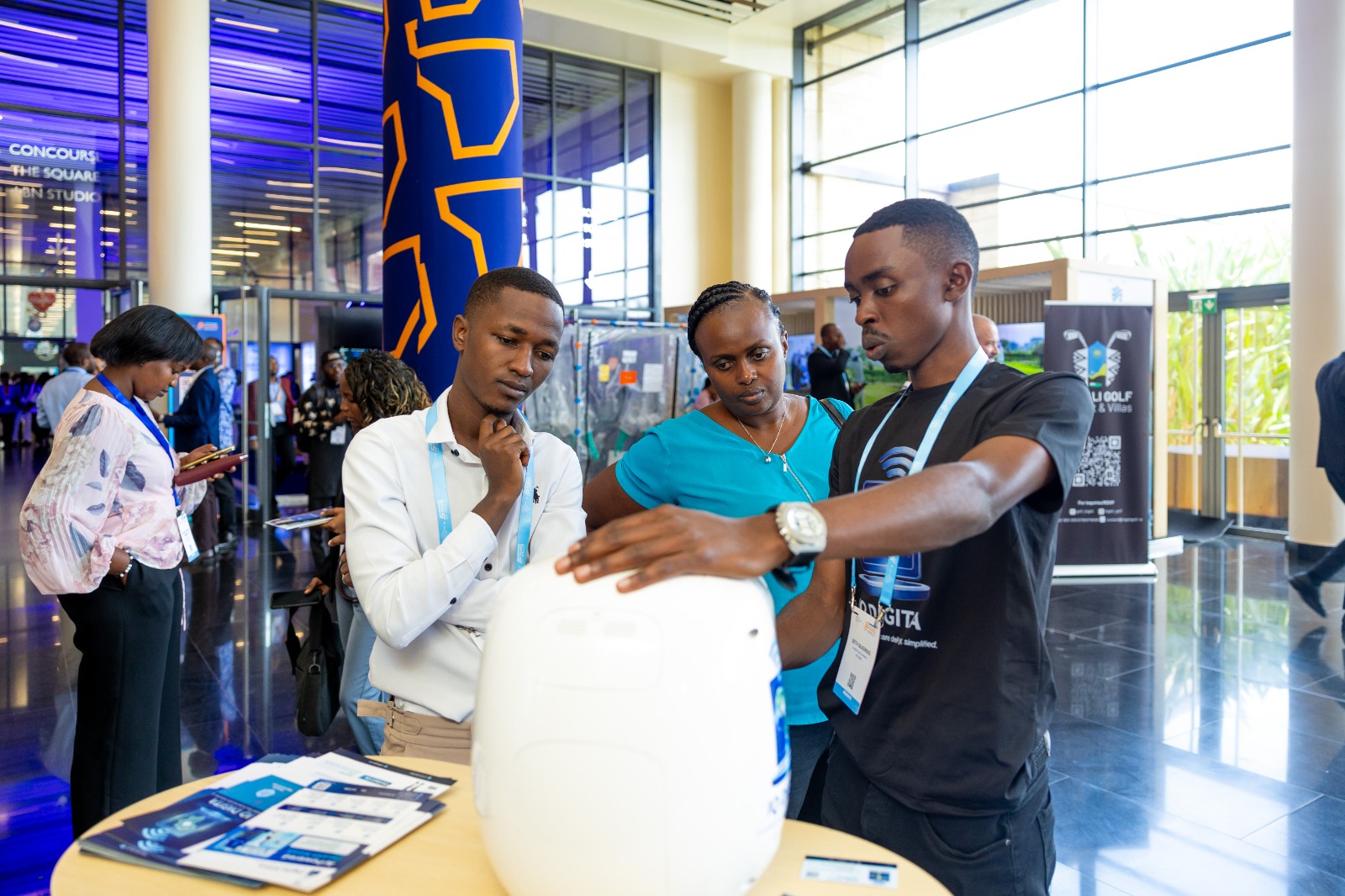
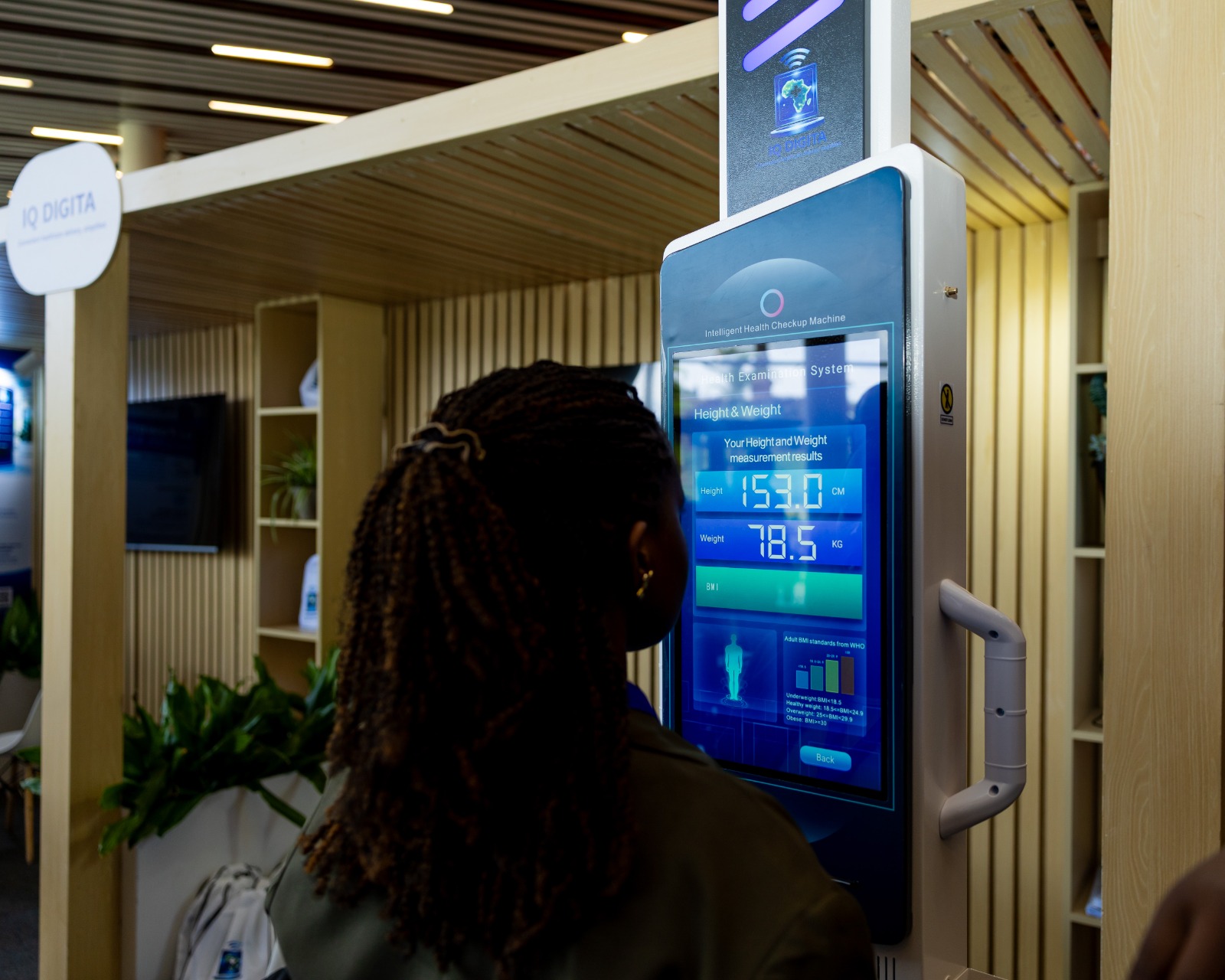
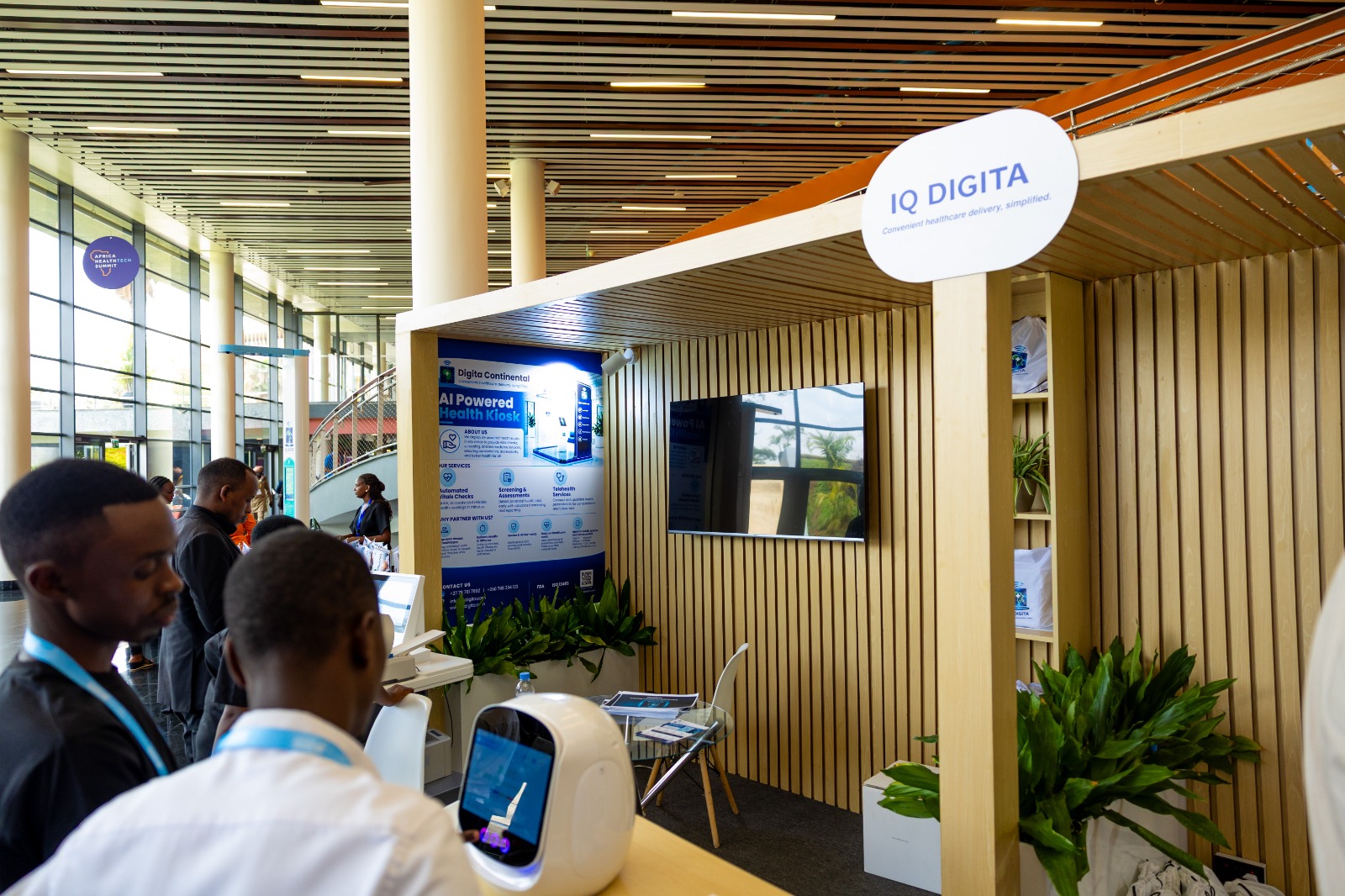
Its technology was showcased at the fifth Africa HealthTech Summit in Kigali, where hundreds of people had the opportunity to explore the company’s health kiosk during the three-day event.
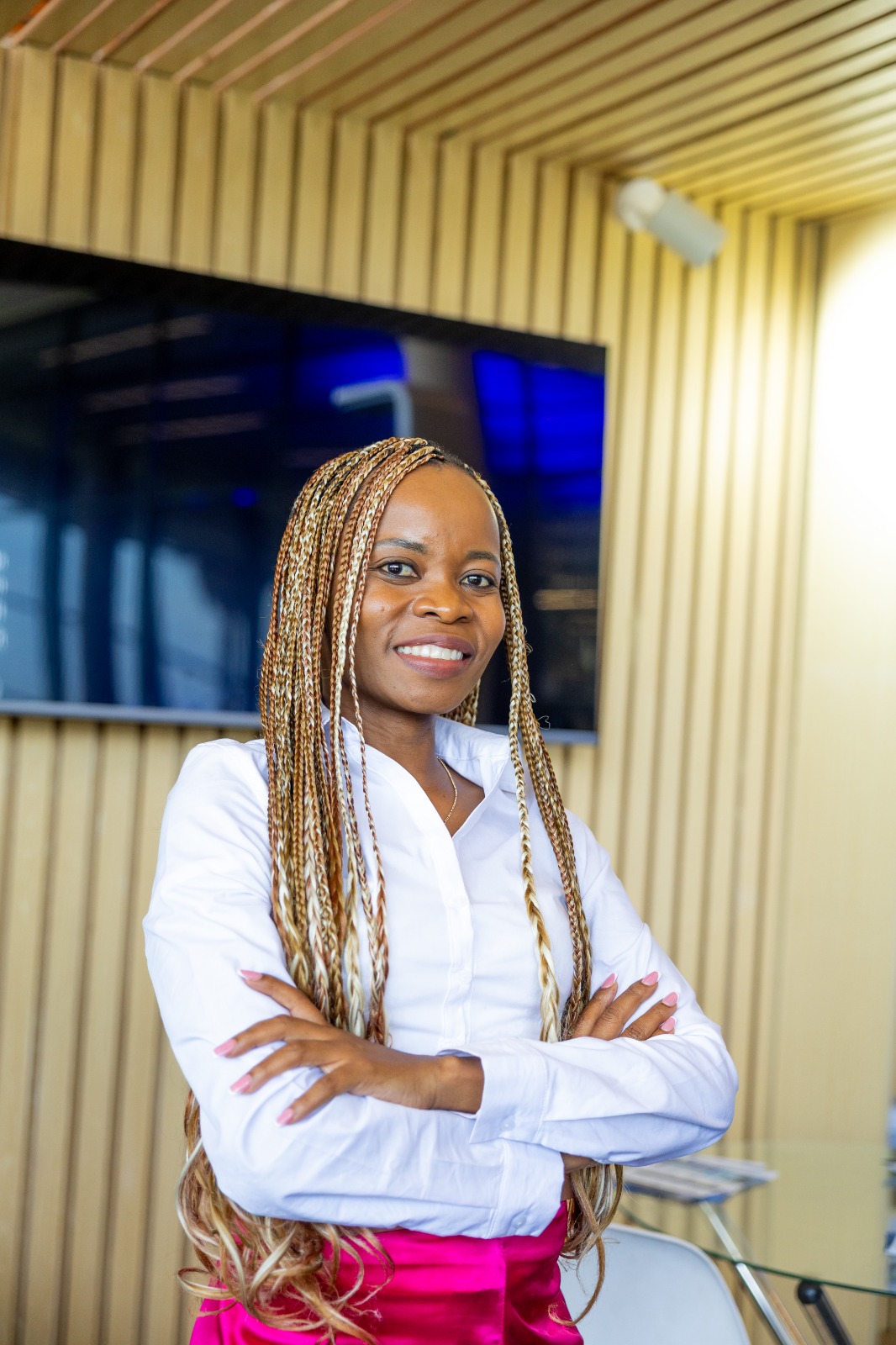
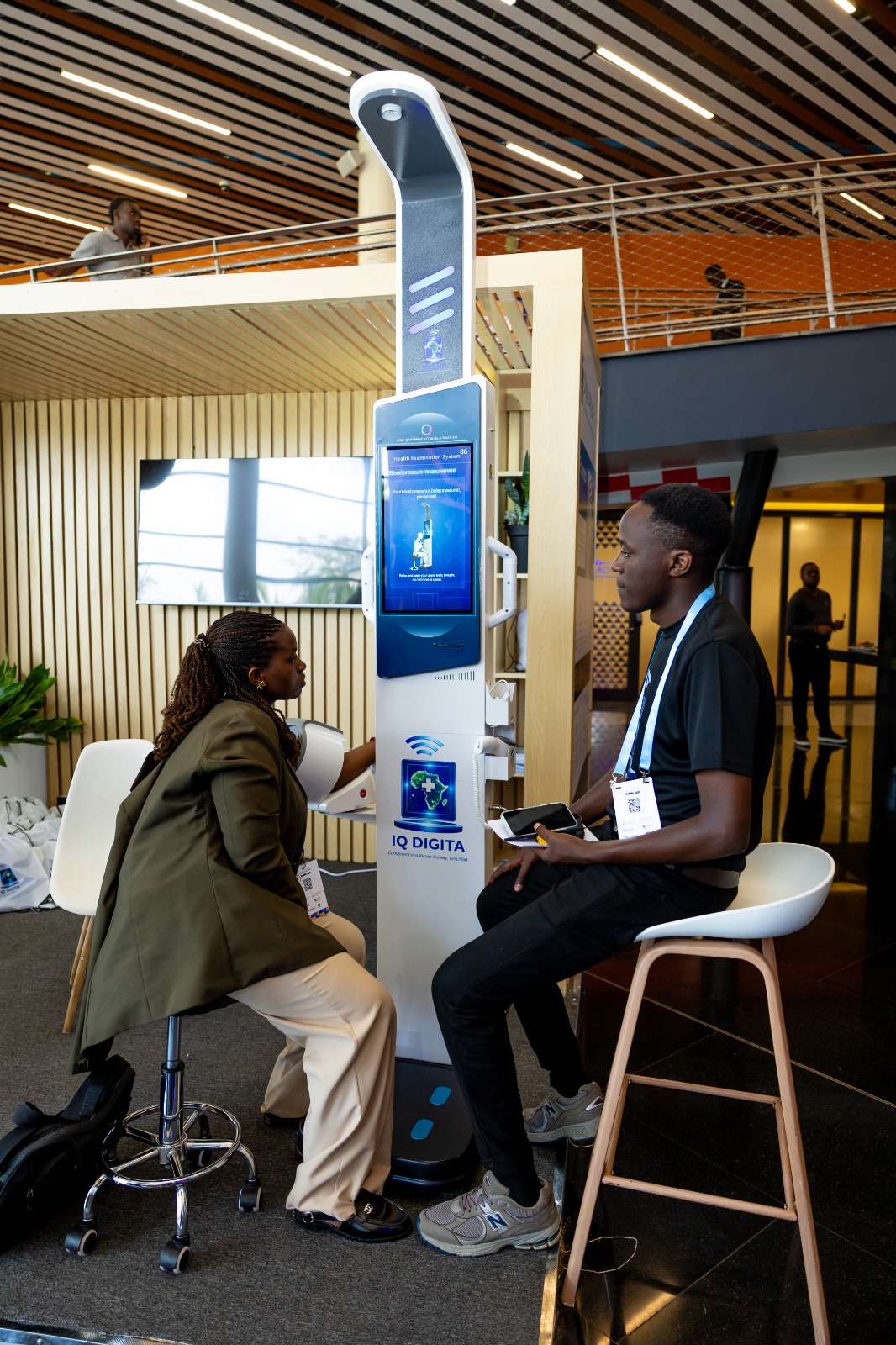
IQ Digita Managing Director Dr. Karabo Maleka explained that the company’s technology is designed to make screening more accessible by placing health kiosks in locations where people already spend time, including hospitals, clinics, community centres and shopping malls.
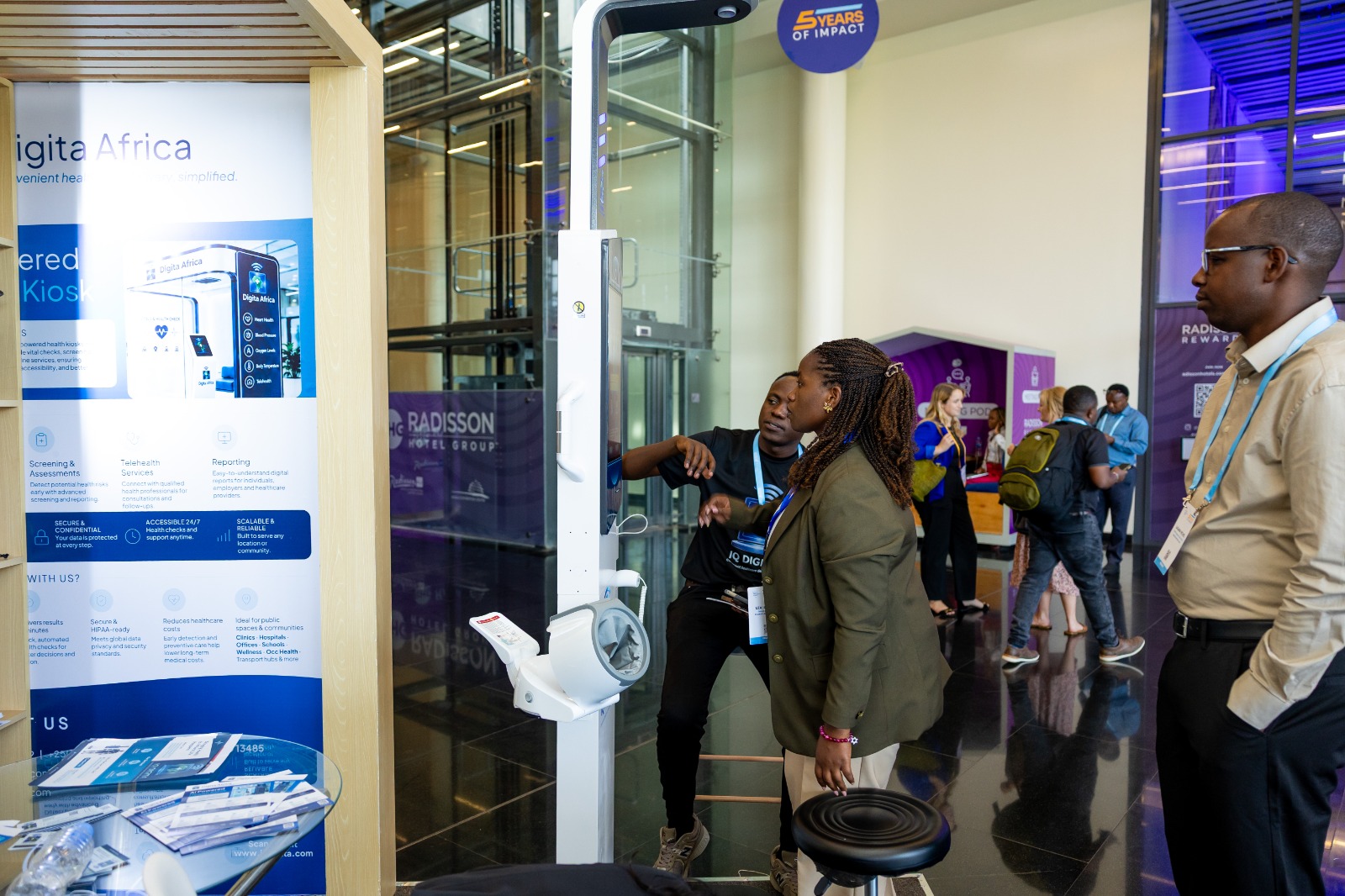
IQ Digita showcased its technology at the fifth Africa HealthTech Summit in Kigali, where delegates had the opportunity to explore its various services.
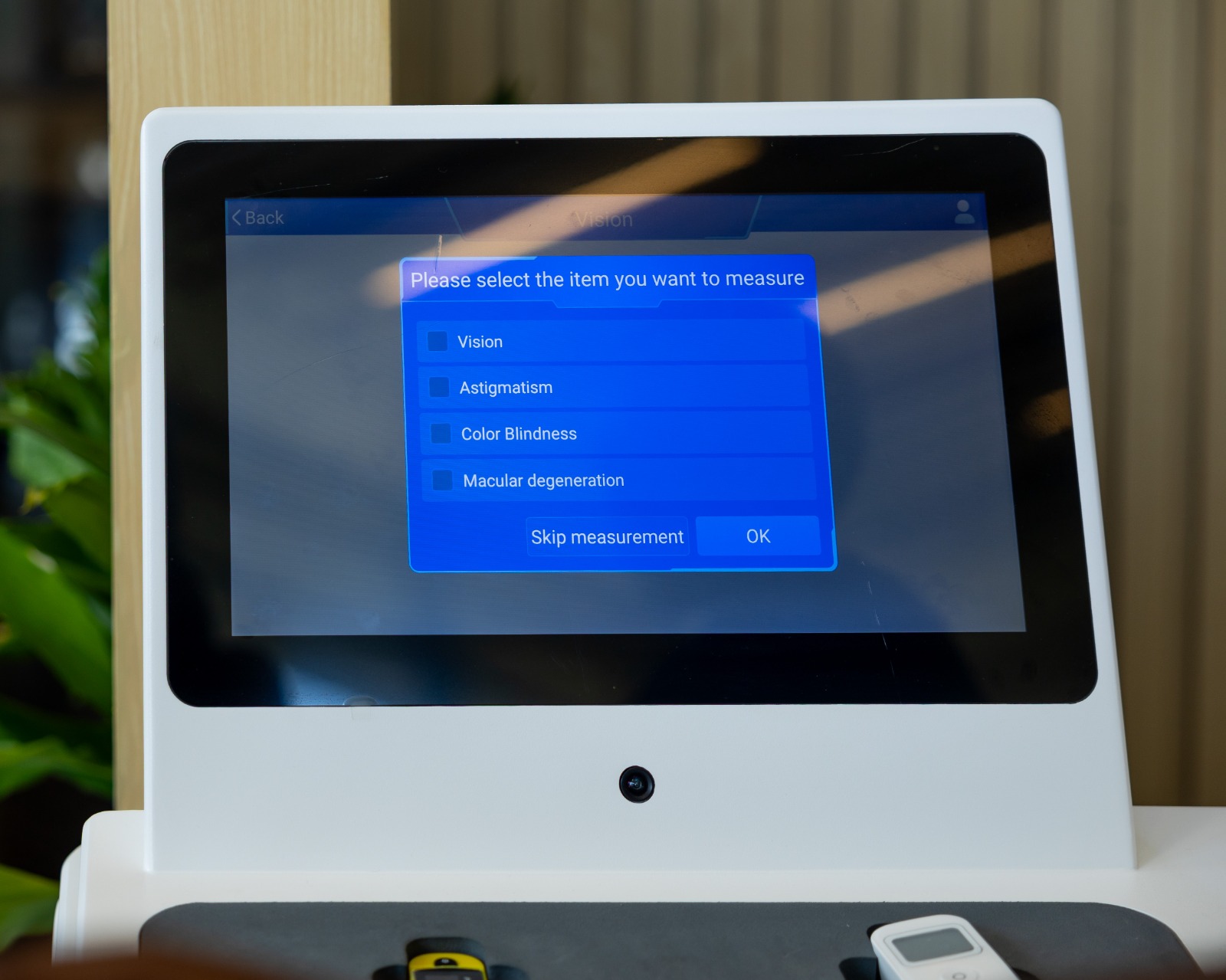
The kiosks can screen for a range of health indicators, including blood pressure, diabetes, body mass index, breast cancer and prostate cancer, depending on the needs of the facility where they are deployed.
The technology does not diagnose disease. Instead, it identifies people who may require further assessment by a qualified health professional.
“Screening is not definitive; it just says you need further attention from a medical doctor,” Maleka noted.
The company is also positioning the technology as a tool for improving how patients are prioritised in busy health facilities.
Its AI system categorises patients according to their level of need, with green indicating routine follow-up, yellow requiring medical attention but not immediate intervention, and red indicating a critical case requiring urgent attention.
For patients classified as red, the system can alert health facility staff and track how quickly they are attended to.
The company’s technology is designed to make screening more accessible by placing health kiosks in locations where people already spend time, including hospitals, clinics, community centres and shopping malls.
IQ Digita’s Clinical Head, Dr. James Mamobogo, described the approach as a shift from the conventional “first come, first served” model towards prioritising patients according to clinical need.
He gave the example of a patient arriving at a busy clinic with severely elevated blood pressure but remaining in the queue because their condition has not yet been identified.
With screening at the point of entry, such a patient could be identified as requiring urgent care and directed to the emergency department before their condition deteriorates.
Dr. Claude Sekabaraga, IQ Digita’s strategic partner for quality and equity healthcare in Rwanda, sees the same approach being applied beyond hospitals.
The technology can be deployed in community settings and connected to qualified health professionals through telemedicine, allowing people identified as higher-risk to receive further guidance or be referred for care.
“If anyone is willing to implement, let’s look at the long-term strategy whereby our people are not dying from non-communicable diseases,” Mamobogo added.
The technology can be deployed in community settings and connected to qualified health professionals through telemedicine, allowing people identified as higher-risk to receive further guidance or be referred for care.
From screening to follow-up
According to the officials, IQ Digita’s focus extends beyond identifying health risks.
The company has a telemedicine capability that allows users to connect with medical professionals who can explain screening results and advise them on the next steps. Maleka stressed that the system is intended to support healthcare workers rather than replace them.
The company has also developed safeguards around patient information. When its system is integrated with a health authority, data is transferred through encrypted connections, while patient information remains under the control of the relevant patient or health authority rather than IQ Digita.
Maleka also noted that screening parameters can be adapted to different settings. A kiosk deployed in a gym, for example, would not necessarily carry the same functions as one used in a hospital.
This flexibility is central to the company’s approach to affordability and accessibility in African markets.
An IQ Digital official takes delegates through the technology.
Building a local presence
IQ Digita has already begun building its local footprint.
Maleka revealed that the company has an office in Rwanda through its strategic partnership and has trained Rwandan operators to support its activities. Some of the operators are nursing students and others are studying in health-related fields.
“We didn’t bring any operators from South Africa, because we are here to also provide empowerment in Rwanda,” she explained.
IQ Digita is now looking to deepen its engagement with Rwanda’s health sector.
The company has invited the Ministry of Health to work with it on a model adapted to Rwanda’s healthcare needs and regulatory framework. It also sees potential for its technology to support Rwanda’s existing triage policy.
“We would like to work with the Rwandan government. We would like to work with private facilities. We would like to work with NGOs as well,” Maleka outlined.
According to the company, its devices have received approval from the US Food and Drug Administration, ISO certification and approval from South Africa’s Health Products Regulatory Authority. Maleka also confirmed that IQ Digita had received approval from the Rwanda FDA for its devices to be used in the country.
The company is also positioning the technology as a tool for improving how patients are prioritised in busy health facilities.
Expanding across Africa
IQ Digita began developing its technology about five years ago and started rolling it out in South Africa about a year ago. It has since expanded to Zimbabwe and Rwanda.
The company estimates that it has deployed about 1,000 health kiosks so far, with plans to increase that footprint across Africa.
For Rwanda, the immediate focus is on building partnerships and adapting the technology to local healthcare needs rather than simply importing a model developed elsewhere.
“We don’t want to come into a country thinking we know it all,” Maleka noted. “People are different, cultures are different, needs are different.”
The company says its long-term objective is to make screening more accessible while giving health facilities additional tools to identify patients who require urgent attention and connect them to appropriate care.
IQ Digita Managing Director Dr. Karabo Maleka said the company’s health kiosks are designed to make screening more accessible.The technology can be deployed in community settings and connected to qualified health professionals through telemedicine, allowing people identified as higher-risk to receive further guidance or be referred for care.
Prime Minister Dr. Justin Nsengiyumva told Parliament on October 2, 2026 that changing weather conditions and a livestock disease outbreak had contributed to a decline in milk production, particularly over the past two months.
He said the outbreak had been brought under control, allowing livestock markets to reopen, while prices of livestock products such as meat had started to decline. “We also expect milk to become available again because the rains have started,” Dr. Nsengiyumva said.
Milk shortages have been reported on the market for some time. In early September, an inspection of nine shops in Gishushu, Nyarutarama and Gisimenti found that only one had milk in stock. Inyange Industries had also attributed the decline in milk supplies to a prolonged dry spell that significantly reduced milk production.
Farmers in different parts of the country also reported that a lack of water and pasture had reduced milk production.
A farmer in Nyagatare said the amount of milk he sold each day had fallen from nearly 100 litres to less than 20 litres. Another farmer in Gicumbi said a cow that previously produced 10 litres of milk was producing about two litres.
Earlier last month, IGIHE visited Nyabugogo and found that the price of a carton of Inyange milk had reached Rwf19,000 in some places. Traders who were asked about the price said their purchase costs had increased.
One trader, who requested anonymity, said they normally sold a carton to customers for Rwf8,500, but prices had changed because of higher prices charged by their suppliers.
A survey of different markets in Kigali also found that Inyange milk was being sold at significantly higher prices in some ordinary shops, although it was still available at Rwf8,500 in some supermarkets.
The government expects milk shortages that have affected the market in recent months to ease after an outbreak that had affected livestock was brought under control.
Jean De Dieu Habimana, Senior Officer for Cancer Diseases at Rwanda Biomedical Centre, said breast and cervical cancers are among the most common cancers affecting women in the country.
He was speaking at the launch of activities marking Pink October, a month dedicated to raising awareness about breast cancer prevention, screening and treatment.
The World Health Organization (WHO) estimates that nearly 700,000 women die from breast cancer globally each year.
The Pink October activities were launched in Kicukiro District, where RBC, in partnership with the High Commission of Nigeria in Rwanda, also officially launched Labscroll Medicals, a Nigerian medical laboratory company that will provide diagnostic services, including cancer screening.
The event coincided with October 1, Nigeria’s Independence Day, which marks the country’s independence from British rule in 1960.
Labscroll Medicals has brought advanced laboratory equipment to Rwanda that will be used to screen for different types of cancer.
Habimana said early detection is one of the key measures that can increase the chances of successfully treating and managing cancer.
He said about 600 men in Rwanda are diagnosed with prostate cancer every year, accounting for approximately one in four cancer cases among men.
“We should not look at these figures as mere statistics. They include mothers, fathers, sisters and brothers,” he said.
Habimana said Rwanda is continuing to strengthen efforts to reduce cancer-related deaths by bringing screening services closer to communities and encouraging people to undergo regular screening.
He said countries with well-established screening programmes and greater awareness of the importance of early detection have recorded better survival rates, with about eight out of 10 women diagnosed with cancer surviving when the disease is detected early.
Ibrahim Zanna, Acting High Commissioner of Nigeria in Rwanda, said cancer is among the diseases causing growing concern globally and remains a particularly serious challenge in Africa.
He said late diagnosis among African patients is one of the factors contributing to low cancer survival rates on the continent.
“Together, we should work to overcome misconceptions about cancer screening. We need to overcome the fear and stigma that prevent many people from seeking screening,” Zanna said.
He noted that some people avoid cancer screening because they associate a positive diagnosis with imminent death.
Health professionals, however, emphasise that knowing whether one has cancer early is an important step towards accessing treatment and reducing the risk of dying from the disease.
Dr Paul Ogbole Peter, Managing Director of Labscroll Medicals, said the company aims to screen 200 women for breast and cervical cancer and 200 men for prostate cancer in Rwanda during the month.
About one million people globally were diagnosed with cancer in 2026, highlighting the need for stronger efforts to address the disease.
Peter called for greater investment in cancer prevention and control across Africa, saying the response requires the involvement of different stakeholders.
“These deaths are linked to limited awareness, inadequate screening programmes and delays in caring for people diagnosed with cancer. Other factors include consuming food crops treated with pesticides and processed foods that do not meet required quality standards,” he said.
Peter said Labscroll Medicals decided to establish operations in Rwanda after being impressed by efforts by the country’s health sector to improve healthcare services.
The company has brought its laboratory facilities to Rwanda to provide screening for various types of cancer.
Early detection is one of the key measures that can increase the chances of successfully treating and managing cancer.
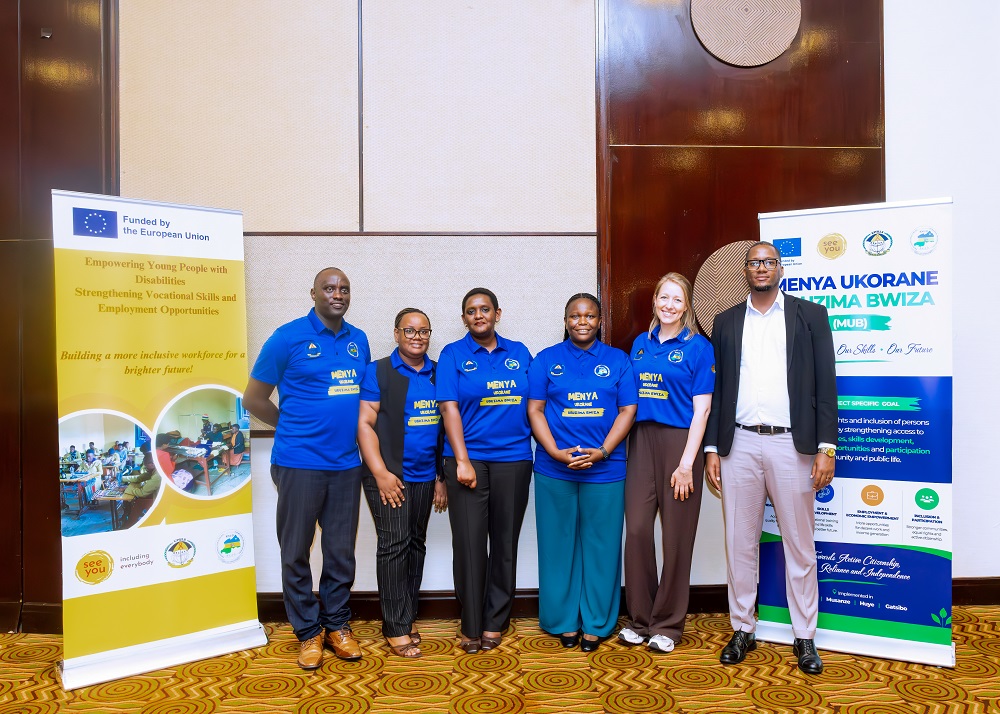
The achievements were highlighted on September 30, 2026, during the official closing of the three-year project, which was implemented in Rubavu, Musanze, Gatsibo and Huye districts.
The closing event brought together officials from line ministries, vice mayors in charge of social affairs from the four districts, representatives of the private sector, development partners and beneficiaries.
The project was implemented by UPHLS in partnership with the Rwanda National Union of the Deaf (RNUD) and Dutch organisation See You Foundation, with funding from the European Union (EU).
It aimed to strengthen the capacity of people with disabilities to engage in advocacy, equip young people with disabilities with vocational skills to improve their competitiveness in the labour market, and increase access to sexual and reproductive health information among women and girls with disabilities.
Beneficiaries from different districts said the project had helped them build confidence, recognise their abilities and contribute to the development of themselves, their families and the country.
They said the skills and knowledge acquired had helped them pursue income-generating activities, compete in the labour market and make informed decisions about their health.
MUB Project Manager Munezero Marie Médiatrice said one of the major challenges faced by people with disabilities was limited access to inclusive sexual and reproductive health information, alongside difficulties in accessing employment.
To address these challenges, MUB worked with health facilities, vocational training schools and other partners to train service providers on how to receive and serve people with disabilities in an inclusive manner, including through the use of sign language.
“We worked with health facilities to assess whether people with disabilities could access services in a way that was convenient for them. We first looked at the information they had and the challenges they faced, with the aim of jointly finding solutions,” Munezero said.
She said the project also sought to reach women and girls with disabilities and train some of them to become peer educators who could help others access sexual and reproductive health information.
UPHLS Executive Secretary Karangwa François Xavier said the priority after the three-year project was to sustain and expand the achievements to other districts.
“This meeting is aimed at discussing the achievements of the project on all fronts, particularly from the perspective of the people it was designed to serve. We are also thinking about how to sustain what has been achieved, build on it and extend it to other districts that we were unable to reach,” he said.
See You Foundation representative Niska Stoker thanked the people with disabilities who participated in the training for their commitment and encouraged them to put the knowledge they acquired to use.
“I have appreciated your commitment to the professions you are now pursuing, and I wish you success as you put the knowledge you have gained into practice, use your abilities, improve your lives and demonstrate change,” she said.
Project data shows that 37 percent of the people with disabilities reached by the project had secured jobs, mainly in private companies or through self-employment, while 7 percent remained unemployed.
People with different disabilities have attended the event to highlight some of the challenges they continue to face.MUB Project Manager Munezero Marie Médiatrice has highlighted that the project aimed to train people with disabilities on sexual and reproductive health.UPHLS Executive Secretary Karangwa François Xavier has said the organisation will explore ways to extend the project to other districts.See You Foundation representative in Rwanda, Niska Stoker, has thanked partners involved in the project for their commitment and dedication.Vincent Murenzi, who was involved in the project, has said the project has left 93% of its beneficiaries employed.