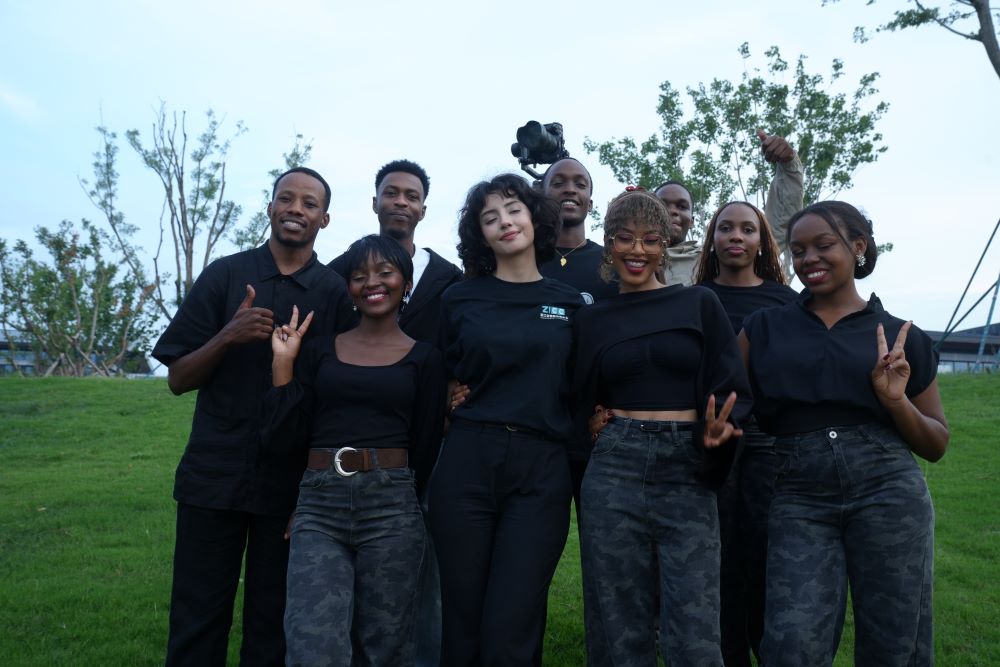
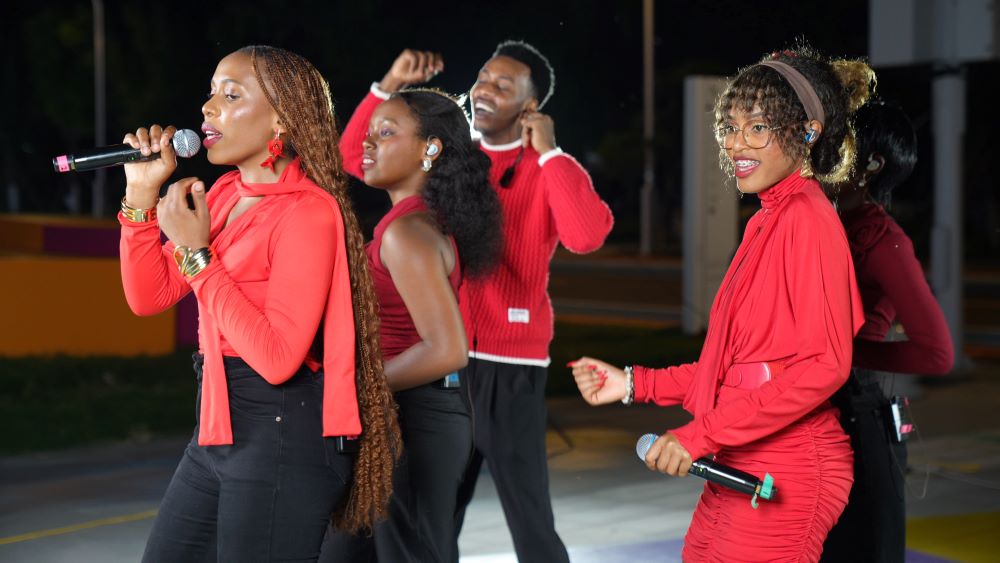
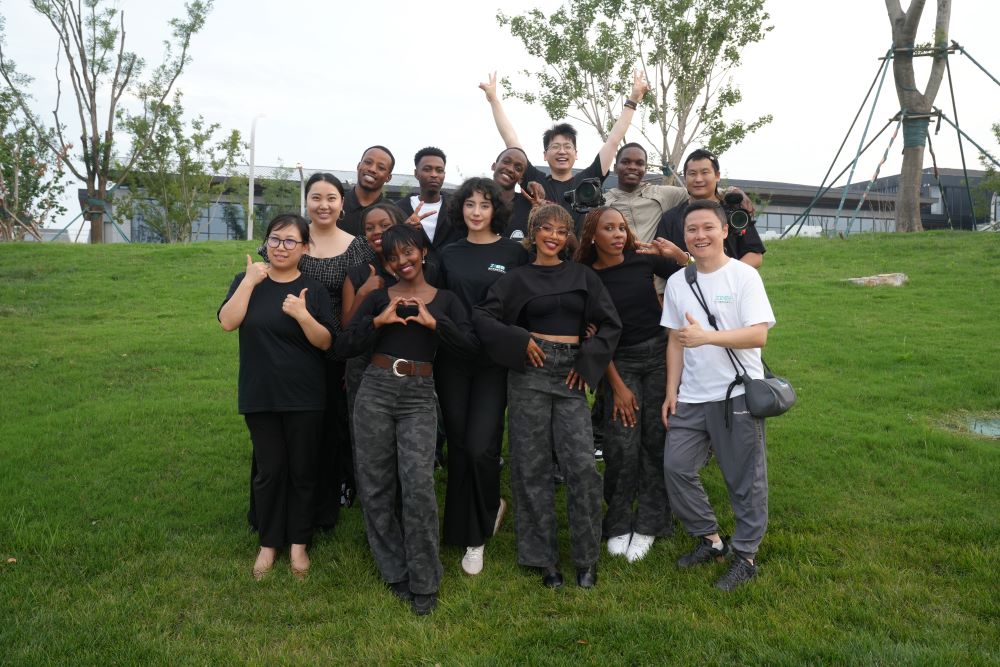
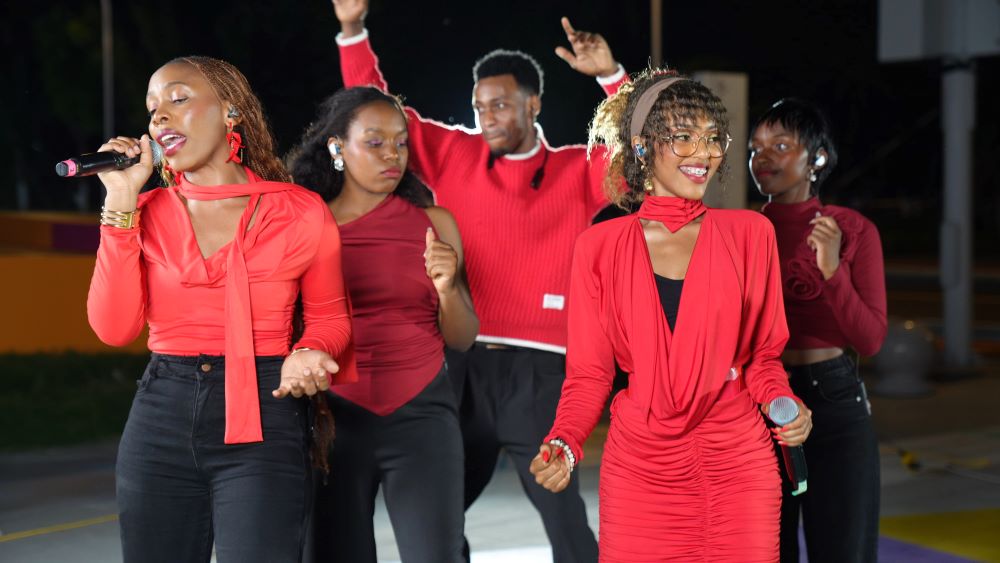
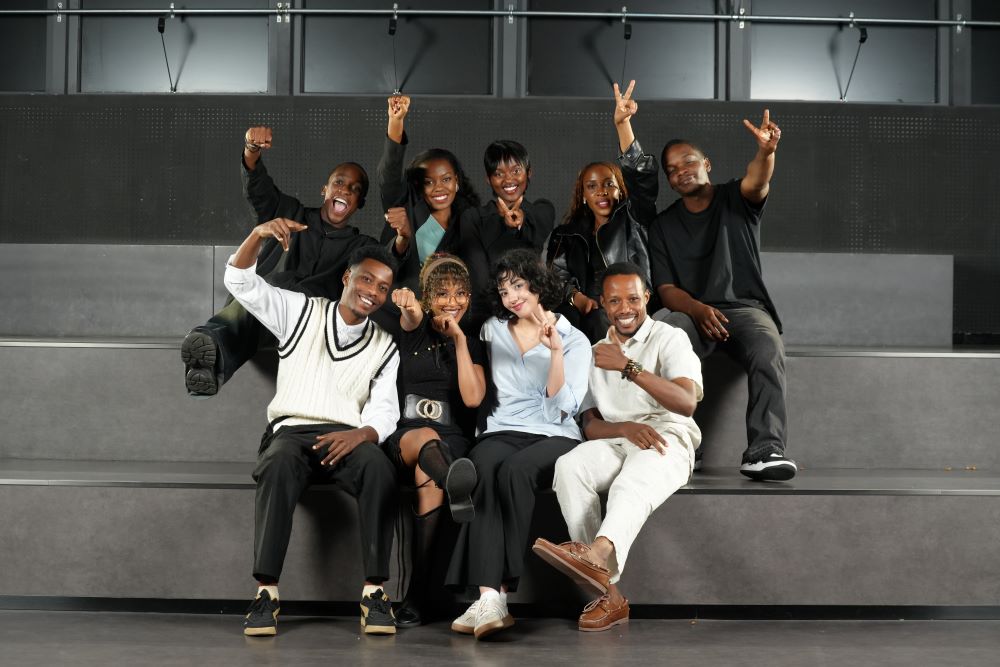
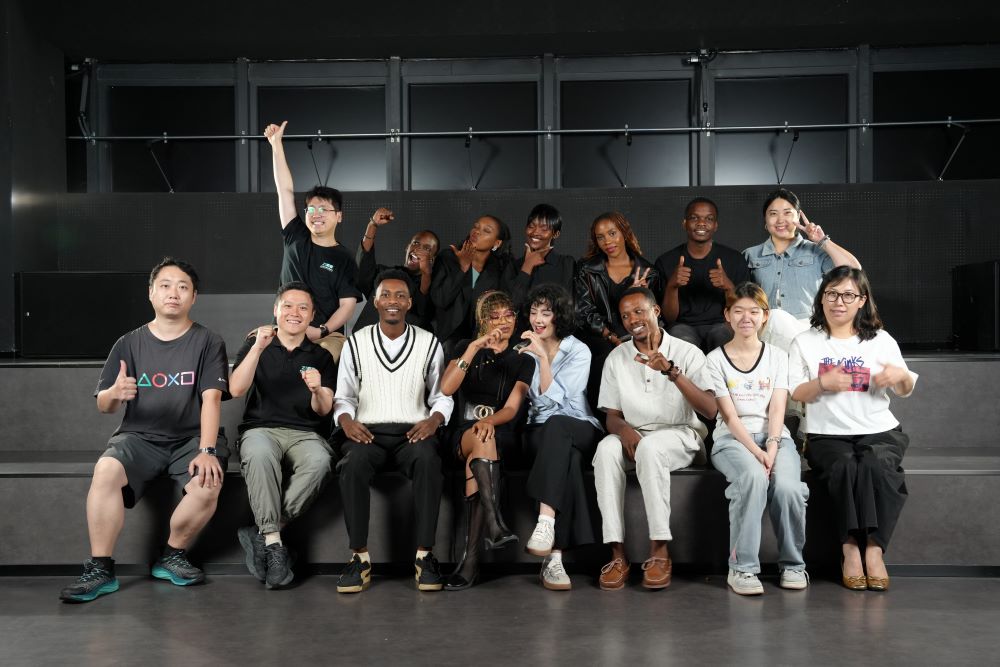
The response surprised them and what followed has turned their shared love of music into a journey connecting Rwanda and China, with more than 10 million followers now following their performances.
Before coming together, however, each had followed a different path.
Most had experience singing in church, while others were involved in different areas of music. Cyuzuzo Dany, for instance, worked as a taxi driver while also serving as a vocal coach, singing in church.
For Tesi Deborah, music had been part of life from an early age. After studying at Nyundo School of Art and Music; she performed at hotels, restaurants and weddings.
Despite their different backgrounds, music remained the common thread.
“We loved to sing; it was our life,” Tesi said.
Their interest in Chinese music grew from a desire to explore a different culture through song. Cyuzuzo first discovered Chinese music on YouTube and was surprised by the huge audiences some songs had attracted.
“I was like, ‘How?’ Because I didn’t even know that China had music like that,” he recalled.
Curiosity soon became fascination. The singers, known in China as the ‘Rwanda Youth Group,’ began listening to Chinese songs, learning them and posting short covers online.
For Habari Bora, another Nyundo School of Art and Music graduate, the inspiration also came from watching people sing Chinese songs online.
“I was very excited. I said, ‘Why not? I can try as well?’” she said.
The internet eventually brought the singers together. After Habari and another member posted their own videos, Cyuzuzo noticed their performances and contacted them, opening the door to collaboration and connections with Chinese audiences.
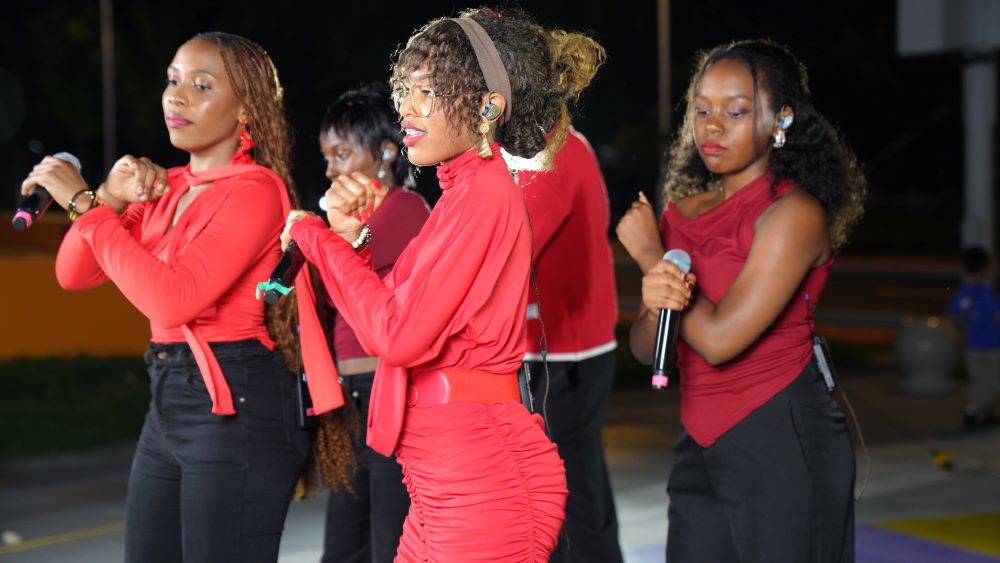
Learning Chinese through music
Performing Chinese songs has required patience, particularly because singing a song is different from speaking its language.
Their learning process begins with repeated listening. They first absorb the melody and emotion before studying the lyrics. They use pinyin (the official Latin alphabet system used to spell and pronounce Mandarin Chinese) rather than Chinese characters, often writing the lyrics down and repeatedly listening and singing along.
Noella Mugisha said the process can be surprisingly quick when they concentrate.
Yet the singers say they connected with Chinese music long before they could understand its words. As musicians, they respond first to melody, chords and vocal expression.
“First of all, we listen to the melody,” Noel Nshunguyase explained. “I cannot understand the language or know what they mean, but I can feel that the song is sad or happy because of the chords.”
For Cyuzuzo, some Chinese songs evoke memories of childhood, love, heartbreak and loss. Habari also discovered similarities between some Chinese musical techniques and those used in Rwanda.
“At first it started funny because of the language, but now I’m feeling the connection,” she said.
That connection has also shaped how Rwandan audiences view their music. Friends and former classmates were initially surprised to see them singing in Chinese, but their positive reactions became a source of motivation.
As their online following grew, so did opportunities and connections. For Tonia Niyongabo, music provides a powerful way for people from different cultures to understand one another.
“Globally, all of us human beings are united through music. We are one through music,” she said.
The emotional impact of their music has also reached individual fans. Cyuzuzo recalled one person who said their cover of a song reminded him of the loss of his mother and brought him to tears.
“That was very touching,” he recalled.
The singers say their music has also helped some Chinese people discover Rwanda. Cyuzuzo recalled meeting Chinese investors in Rwanda who said they knew about the country through their music and online presence.
For the group, however, more than 10 million followers represent people rather than just a number.
“It’s all love,” Cyuzuzo said, thanking fans for their likes, shares, comments and continued support.
The singers plan to keep learning Chinese songs, strengthening their connection with fans and using music to bring Rwandans and Chinese closer.
“Singing Chinese songs as Rwandans is our way of talking to Chinese fans, and conveying our message that we love them, respect them and we want to be friends with them,” Cyuzuzo said.
Zeng Guangyu, Director of the Confucius Institute at the University of Rwanda, described the Rwanda Youth Group as a striking example of cross-cultural communication, noting that their performances introduce Chinese audiences not only to Chinese music but also to Rwanda.
The Confucius Institute promotes Chinese language and culture through education and cultural exchange.
“I see the Rwanda Youth Group as a phenomenon of cross-cultural integration,” Zeng said. “While sharing Chinese songs, they also introduce audiences to Rwanda.”
He noted that by learning and performing Chinese songs, the singers have gained a deeper understanding of the emotions and stories conveyed through the music, while their short videos have allowed Chinese audiences thousands of kilometres away to discover more about Rwanda.
Zeng also praised the singers’ ambition and hard work, saying their journey demonstrates how young Rwandans can use creativity and music to build connections between cultures.