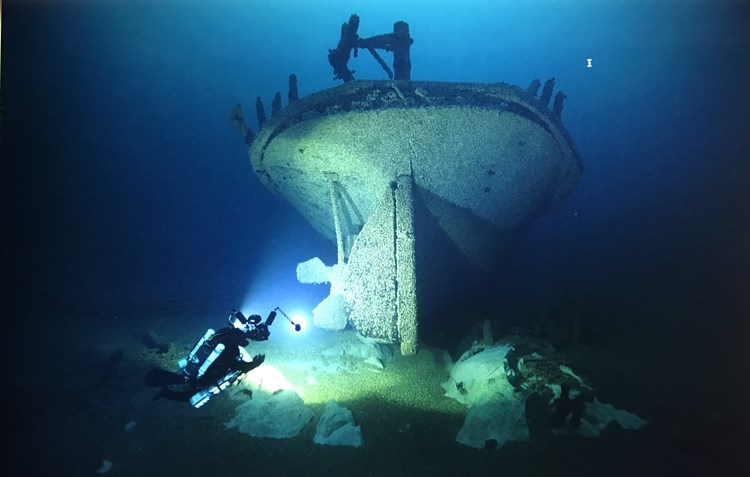
Paul Ehorn recently announced the discovery of the ‘Lac La Belle’, a 217-foot luxury passenger steamer that sank during a storm in October 1872. The vessel had departed from Milwaukee heading to Grand Haven, Michigan, when it was damaged in a gale just two hours into its journey.
Eight of the 53 people on board died after a lifeboat capsized, while the remaining passengers survived.
The Great Lakes are known for their dangerous maritime history. Historians estimate that more than 6,000 shipwrecks have been documented in the region, most occurring between 1840 and 1900 when heavy traffic and severe weather often collided.
In Lake Michigan alone, about 1,500 ships are believed to have sunk. According to Brendon Baillod, president of the Wisconsin Underwater Archaeology Association, many vessels were pushed ashore by storms, while fewer, like the ‘Lac La Belle’, sank in deeper waters.
At the time of its operation, the ‘Lac La Belle’ was considered a high-quality and fast vessel, reportedly about 30 percent faster than other steamers.
It featured elegant passenger spaces including parlours and a main salon decorated with chandeliers. Alongside its passengers, the ship also transported cargo such as barley, flour, pork and whiskey along an important commercial route connected to Michigan’s railroad network.
Ehorn’s fascination with shipwrecks began at age 15 when he started scuba diving. Since 1965, he has helped locate 15 shipwrecks, including the automobile carrier Senator in 2005. His breakthrough in the search for the ‘Lac La Belle’ came in 2022 after fellow shipwreck hunter Ross Richardson uncovered a key clue. Using side-scan sonar, Ehorn detected the ship’s outline on the lakebed.
Two years later, divers documented the wreck, which remains in surprisingly good condition. Ehorn plans to share footage of the discovery at the 2026 Ghost Ships Festival in Manitowoc, Wisconsin in the United States, while continuing his lifelong search for other lost vessels.
The stern of the Lac La Belle showing one of her propellers missing.This image of an original photo print provided by Brendon Baillod shows the Lac La Belle docked at Marquette, Mich., in 1866. (Brendon Baillod via AP)
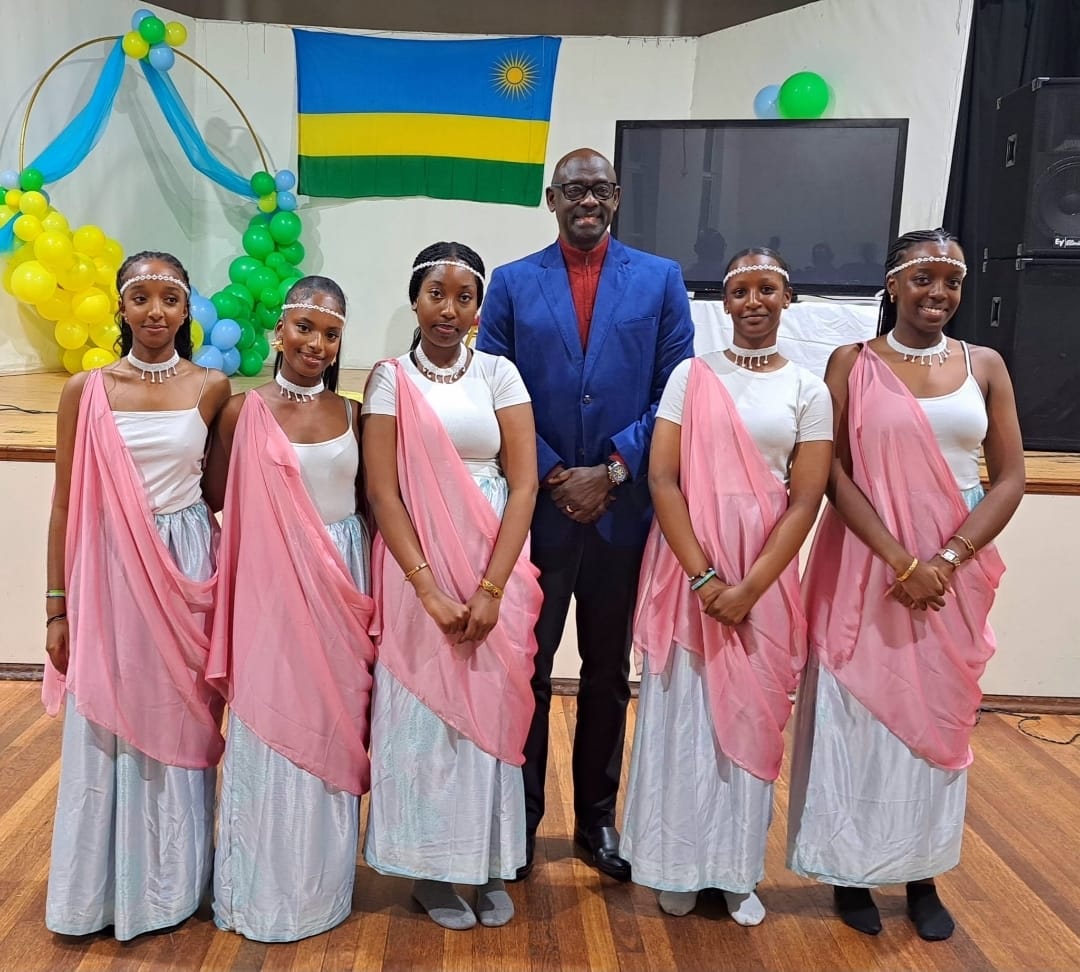
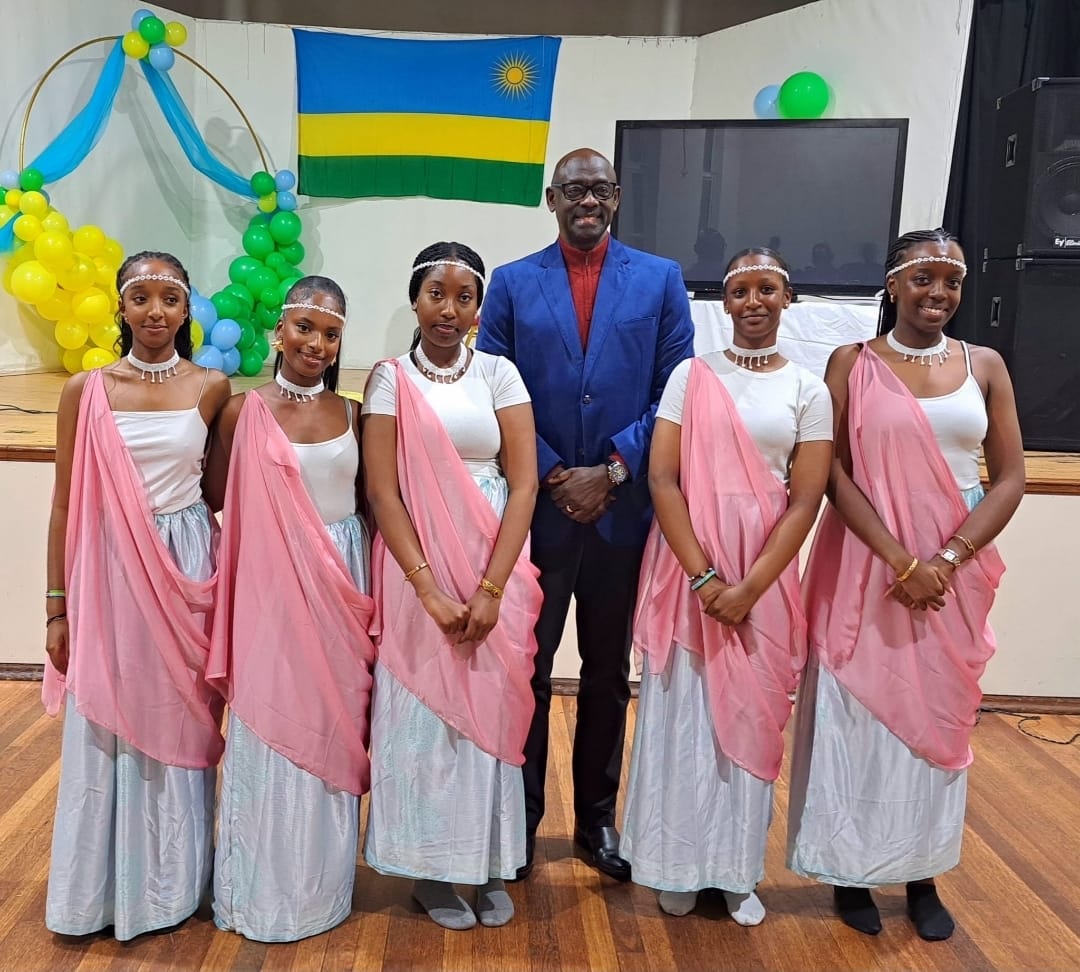
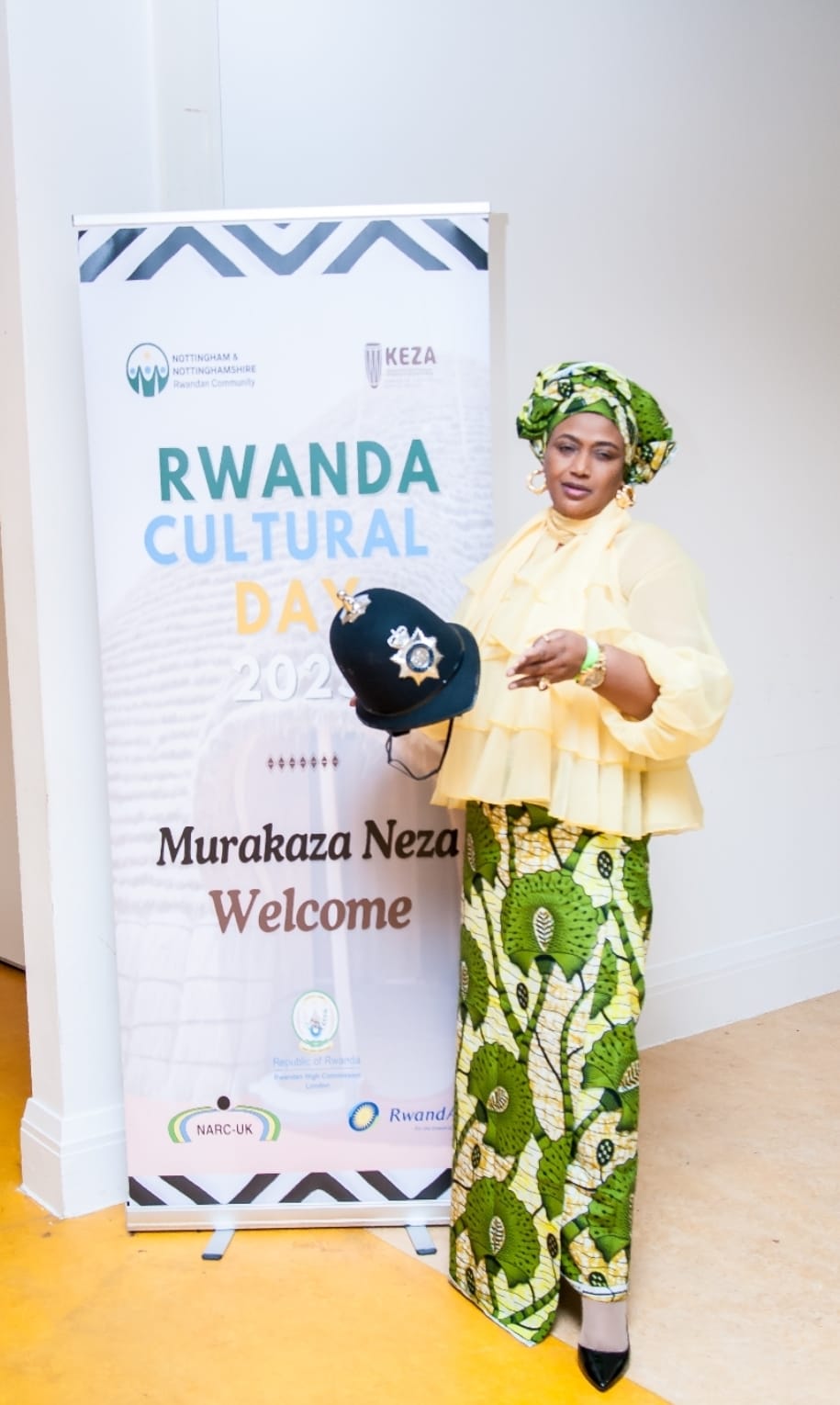
In an interview with IGIHE, Batamuriza Ange, one of the event organizers, explained that the initiative aims to strengthen ties within the diaspora while introducing the richness of Rwandan culture to a wider audience in the United Kingdom.
The event scheduled on March 21, 2026, in Coventry, West Midlands, was organized by the West Midland (Coventry) RCA. Activities will run from 3:00 PM to 10:00 PM.
Wibabara noted that “Rwanda Cultural Day” will feature a variety of activities highlighting the country’s cultural identity. The program will include traditional music and dance performances, opportunities for community interaction, and a chance to discover authentic Rwandan cuisine.
“Rwanda Cultural Day brings together the Rwandan community and friends of Rwanda to celebrate shared heritage, traditions, and values,” she said.
Beyond the festivities, the event will also serve as a platform for dialogue and connection, allowing members of the diaspora to strengthen community bonds and pass on Rwandan cultural values to younger generations growing up in the United Kingdom.
The Rwandan community warmly invites everyone interested to attend “Rwanda Cultural Day” and experience a day filled with culture, unity, and the celebration of Rwanda’s heritage.
Interested individuals can register using the link below for Rwanda Cultural Day
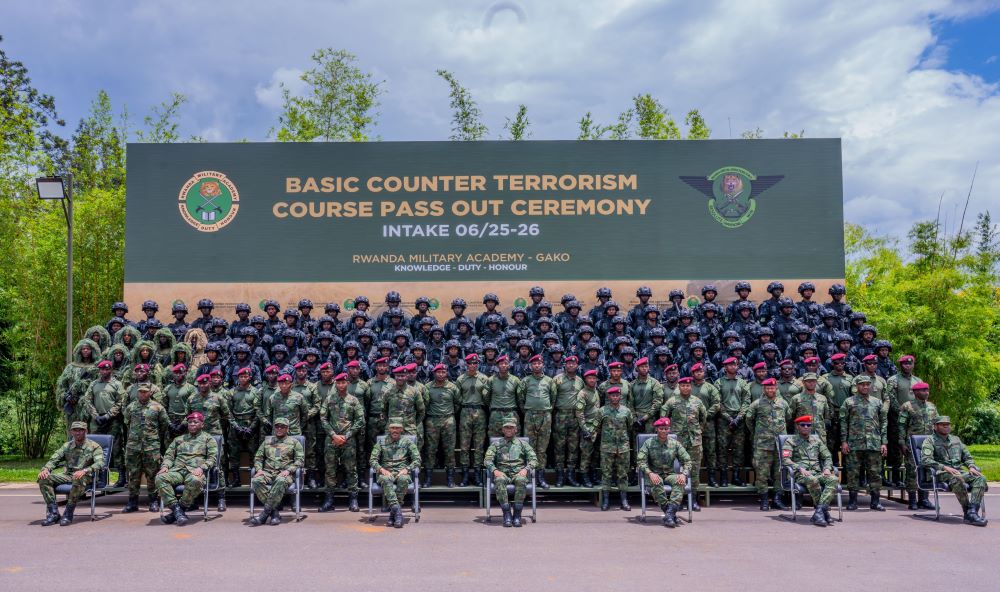
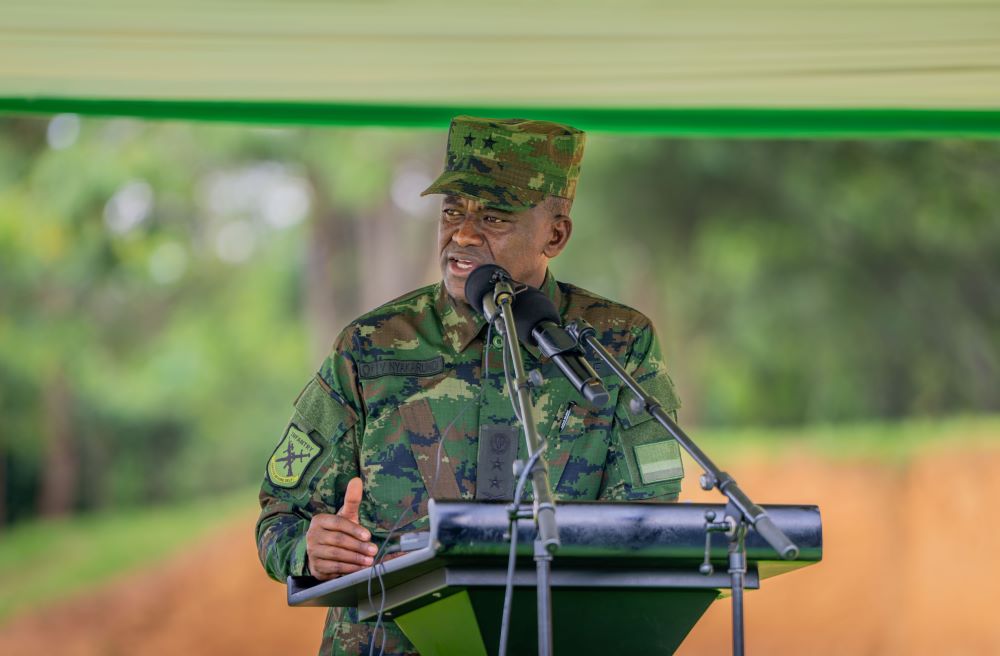
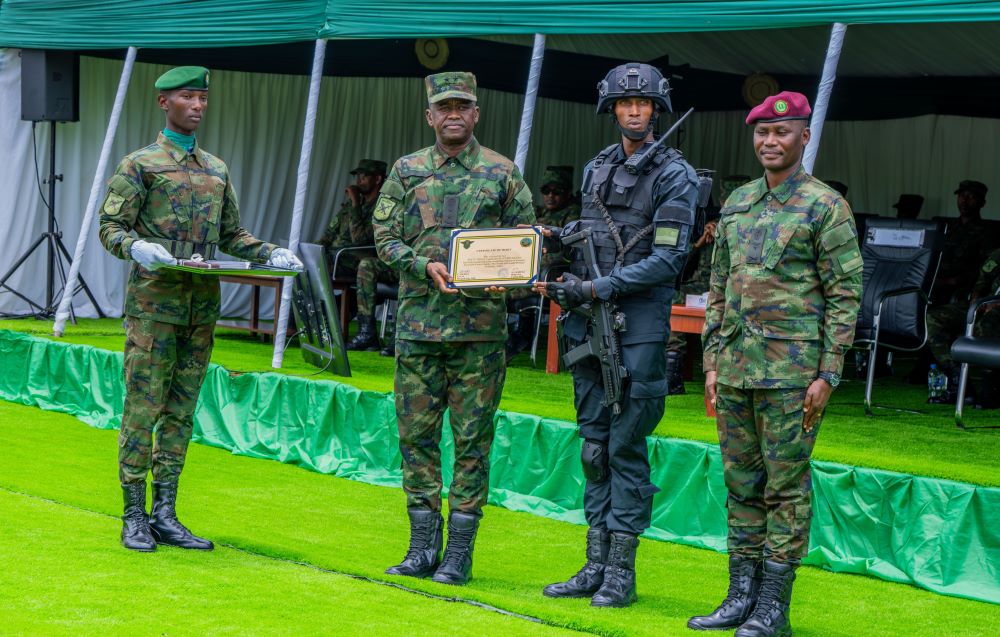
The graduation ceremony was presided over by the RDF Army Chief of Staff, Maj Gen Vincent Nyakarundi, on behalf of the Chief of Defence Staff, and was attended by RDF Generals and officers.
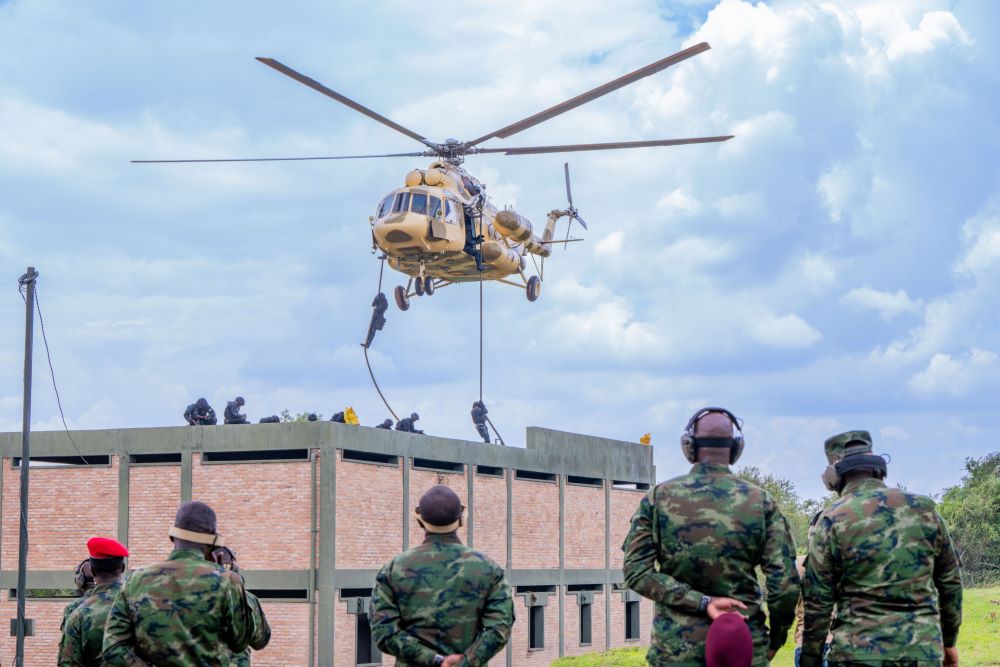
The course was designed to strengthen the operational readiness of RDF Special Operations personnel by equipping them with advanced tactical knowledge and practical skills needed to address emerging security threats. It also aimed to enhance their ability to effectively respond to terrorist incidents and conduct rescue operations for victims held by terrorist groups.
In his remarks, Maj Gen Nyakarundi commended the trainers for their dedication and professionalism in delivering high-quality instruction that strengthens the capabilities of RDF personnel. He further congratulated the graduates for their discipline and successfully completing the demanding training and acquiring valuable skills essential for future missions.
Maj Gen Nyakarundi commended the trainers for their dedication and professionalism in delivering high-quality instruction. Best performers were awarded at the ceremony.RDF officials followed final drills as trainees showcased acquired practical skills.
The gathering highlighted shared values of compassion, tolerance and mutual respect, with speakers emphasizing the role of faith communities in fostering harmony in society.
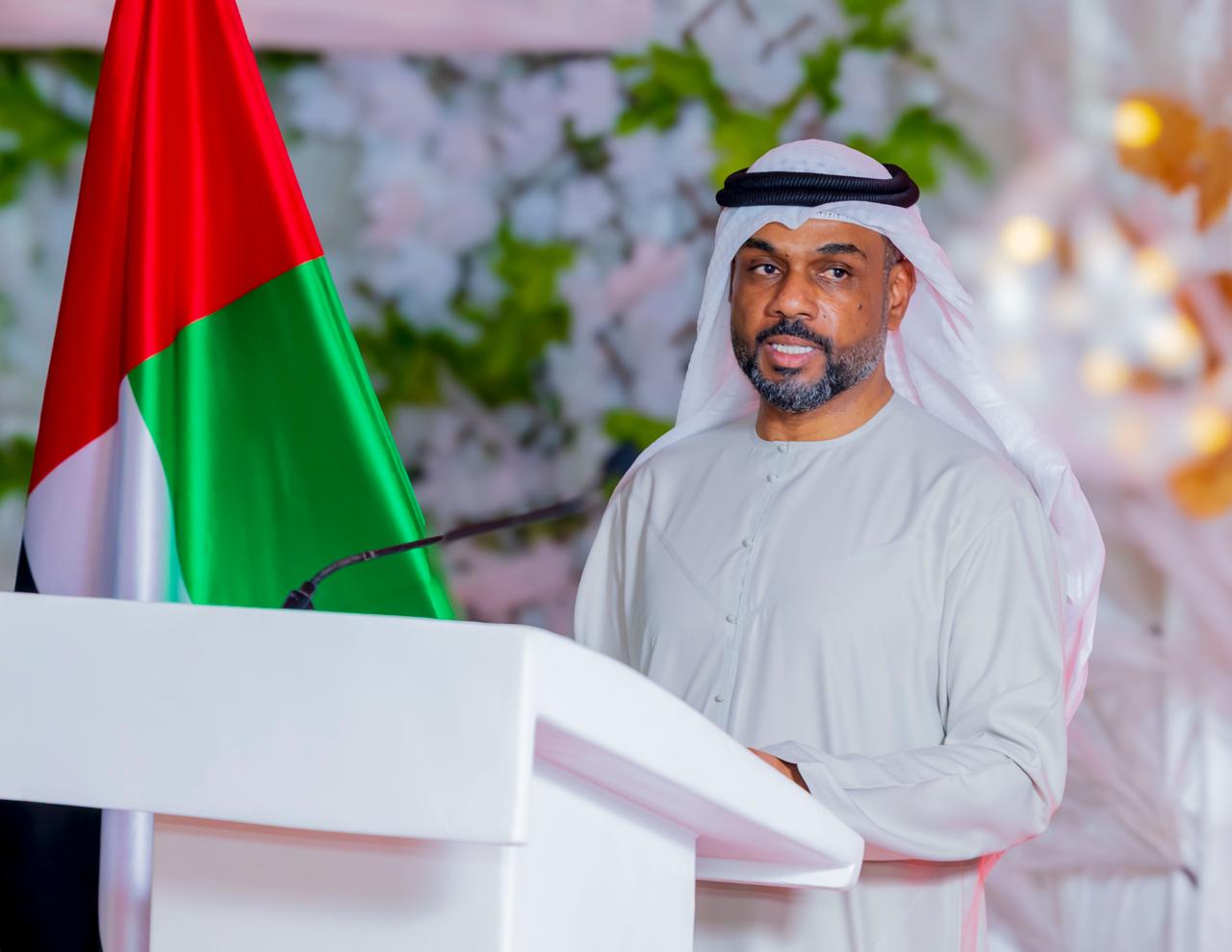
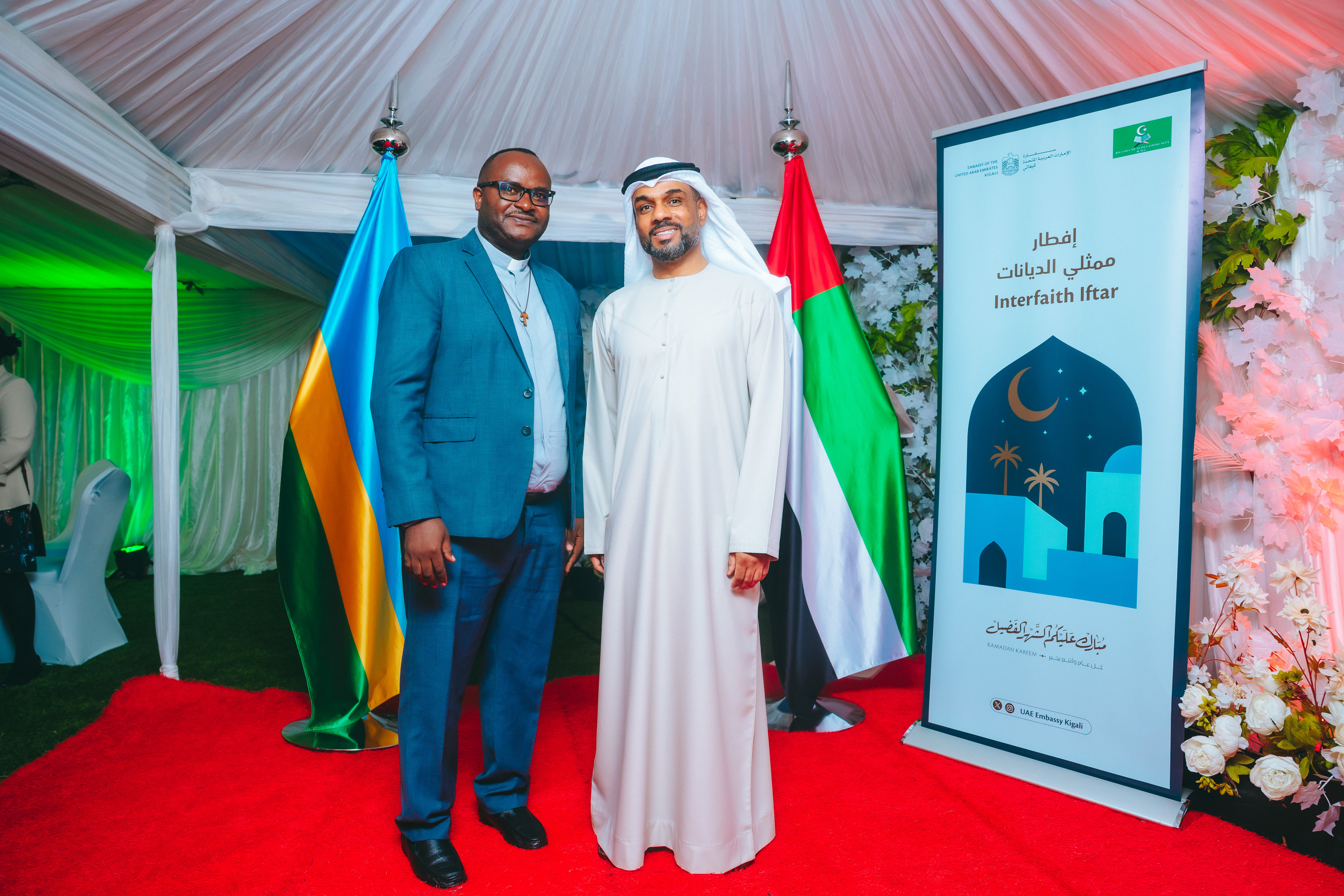
Speaking at the event, the UAE Embassy’s Chargé d’Affaires, Mohammed AlKaabi, said the interfaith Iftar was an opportunity to bring together people from diverse traditions in the spirit of friendship and shared humanity.
“Your presence honors us, and it also gives this gathering its true meaning: coming together across traditions and backgrounds in a spirit of respect, friendship and shared humanity,” he said.
The gathering held at the UAE ambassador’s residence highlighted shared values of compassion, tolerance and mutual respect.
AlKaabi noted that the United Arab Emirates places strong emphasis on tolerance, mutual respect and peaceful coexistence, values that shape its society and engagement with partners around the world.
“In the UAE, diversity is not simply acknowledged — it is embraced. People of many faiths and cultures live and work side by side, contributing to a society built on openness, compassion and unity,” the envoy noted.
He emphasized that Ramadan’s values of compassion, generosity, and reflection are especially important amid global uncertainties, and in light of recent tensions in the Middle East, he stressed the need for restraint and dialogue.
“Such times remind us how essential it is to protect human life, reject hatred and incitement, and uphold the principles of international law,” he added.
The diplomat also pointed to the growing relationship between the UAE and Rwanda, describing it as a partnership grounded in mutual respect and a shared commitment to progress and stability.
“We value Rwanda’s commitment to unity and resilience, and we look forward to further strengthening our cooperation in ways that benefit our peoples,” AlKaabi remarked.
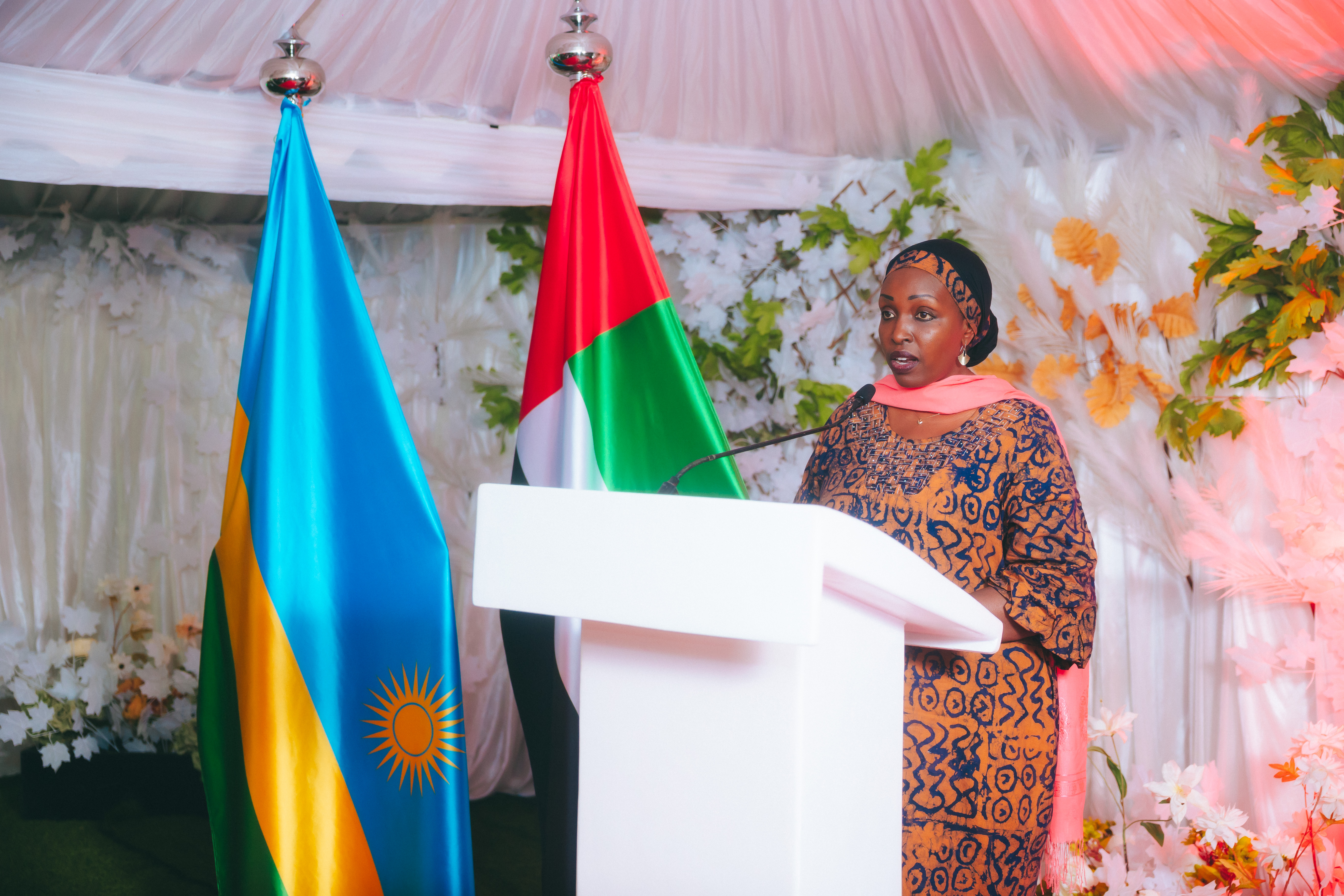
The Guest of Honor, Marie Grâce Nyinawumuntu, Director General for Europe, Americas and International Organizations at the Ministry of Foreign Affairs and International Cooperation, commended the initiative for bringing together people of different faiths.
Marie Grâce Nyinawumuntu, Director General for Europe, the Americas, and International Organizations at the Ministry of Foreign Affairs and International Cooperation, was the guest of honor.
She said Ramadan serves as a period of reflection, compassion and spiritual renewal, encouraging individuals to strengthen their faith and commitment to serving others.
“This evening is particularly meaningful because it brings together people of different faiths and backgrounds around one table,” she said.
Nyinawumuntu noted that Rwanda strongly values peaceful coexistence among religions, with different faith communities living side by side in mutual respect.
“This commitment to unity and reconciliation is rooted in our history and in our determination to ensure that faith becomes an instrument of peace, not division,” she added.
Marie Grâce Nyinawumuntu noted that Rwanda strongly values peaceful coexistence among religions.
She also recalled Rwanda’s recent engagement with the Muslim World League, including the visit of its Secretary-General Mohammed bin Abdulkarim Al-Issa from February 18 to 20, during which a scholarly seminar on peaceful coexistence highlighted Rwanda’s experience in unity and reconciliation.
Also addressing the gathering, the Mufti of Rwanda, Sheikh Musa Sindayigaya, emphasized that Ramadan is not only a time of fasting but also a period of spiritual reflection, self-discipline and compassion for others, particularly the vulnerable.
He said interfaith initiatives such as the Iftar reflect the true spirit of Ramadan by bringing together people from different religious traditions around shared values including respect for diversity and the pursuit of peace.
“As religious leaders, we carry a sacred responsibility to guide our communities toward harmony and tolerance rather than division and violence,” Sheikh Musa stated.
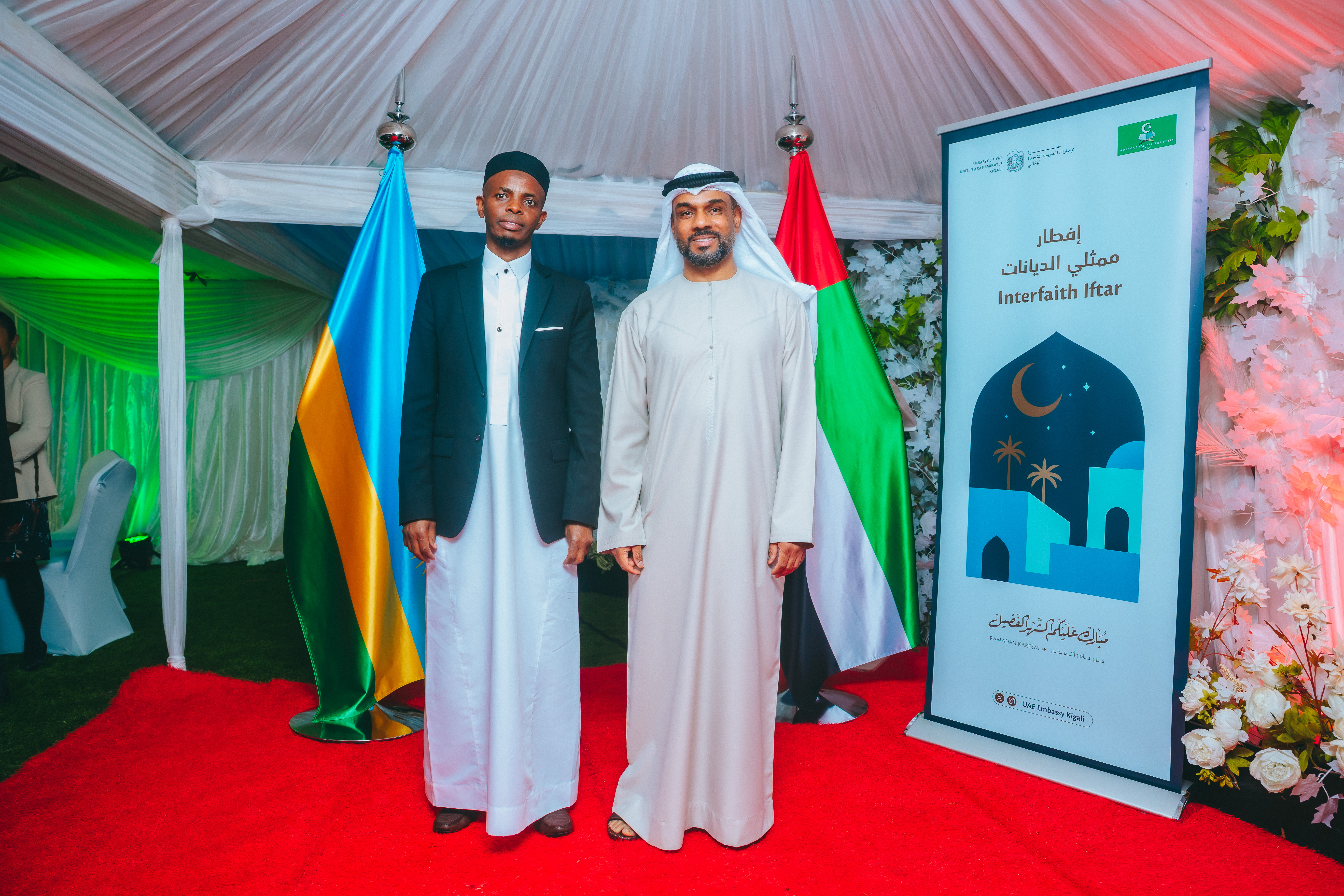
The Mufti of Rwanda, Sheikh Musa Sindayigaya said interfaith initiatives such as the Iftar reflect the true spirit of Ramadan.
He also commended the UAE for its global efforts to promote tolerance and interfaith dialogue, noting that such initiatives strengthen not only diplomatic relations between nations but also the bonds among their peoples.
Participants concluded the evening by breaking the fast together, symbolizing a shared commitment to dialogue, understanding and cooperation for the common good. The event formed part of broader Ramadan observances aimed at encouraging compassion, solidarity and peace among communities.
The event brought together government officials, diplomats, religious leaders and members of different faith communities.The gathering highlighted shared values of compassion, tolerance and mutual respect.
The announcement came in a statement released on March 5, 2026, by GAFCON Secretary-General Rt. Rev. Paul Donison, following the G26 Bishops Conference in Abuja, Nigeria.
In the communique titled “A Council to Lead the Communion,” Donison confirmed that the GAFCON Primates had dissolved the longstanding GAFCON Primates Council and replaced it with the Global Anglican Council, a conciliar structure including primates, bishops, clergy, and lay members with full voting privileges, to lead the Global Anglican Communion.
Archbishop Mbanda was elected Chairman, Archbishop Miguel Uchoa as Vice-Chairman, and Bishop Paul Donison as General Secretary, with terms concluding at GAFCON V in Athens in 2028.
This restructuring marks a decisive step in GAFCON’s efforts to reorder the Anglican Communion amid ongoing divisions.
GAFCON was founded in 2008 in response to concerns over liberal shifts in parts of the Anglican Communion, particularly decisions perceived as departing from biblical authority.
Tensions intensified with the January 2026 appointment of Bishop Sarah Mullally as Archbishop of Canterbury and events such as the 2025 election of Bishop Cherry Vann, who is in a same-sex marriage, in Wales.
Archbishop Mbanda had publicly voiced concerns that such developments reflected worldly pressures contrary to Scripture, and GAFCON has emphasized its role in representing the majority of Anglicans worldwide, especially through alignment with the Global South Fellowship of Anglican Churches (GSFA), claiming to encompass around 85% of global Anglicans.
The new council structure deliberately moves away from a single “primus inter pares” model, opting for shared leadership to better serve the needs of the majority of Anglicans.
Archbishop Mbanda, who has led GAFCON since April 21, 2023, continues in this pivotal role through the restructured framework.
Archbishop Mbanda holds advanced degrees in evangelism, Christian education, and theology from Trinity International University in the United States, following studies at Kenya Highlands Bible College.
He served as Bishop of the Diocese of Shyira from March 2010 before being elected Archbishop of the Anglican Church in Rwanda in January 2018.
Archbishop Mbanda was elected Chairman, Archbishop Miguel Uchoa as Vice-Chairman, and Bishop Paul Donison as General Secretary. Archbishop Laurent Mbanda has been elected Chairman of Global Anglican Council
Mugonero Hospital was established in 1931 by Seventh-day Adventist missionaries at the Ngoma Mission. Over the years, its responsibilities expanded, and it now serves around 150,000 people from Karongi and Nyamasheke districts.
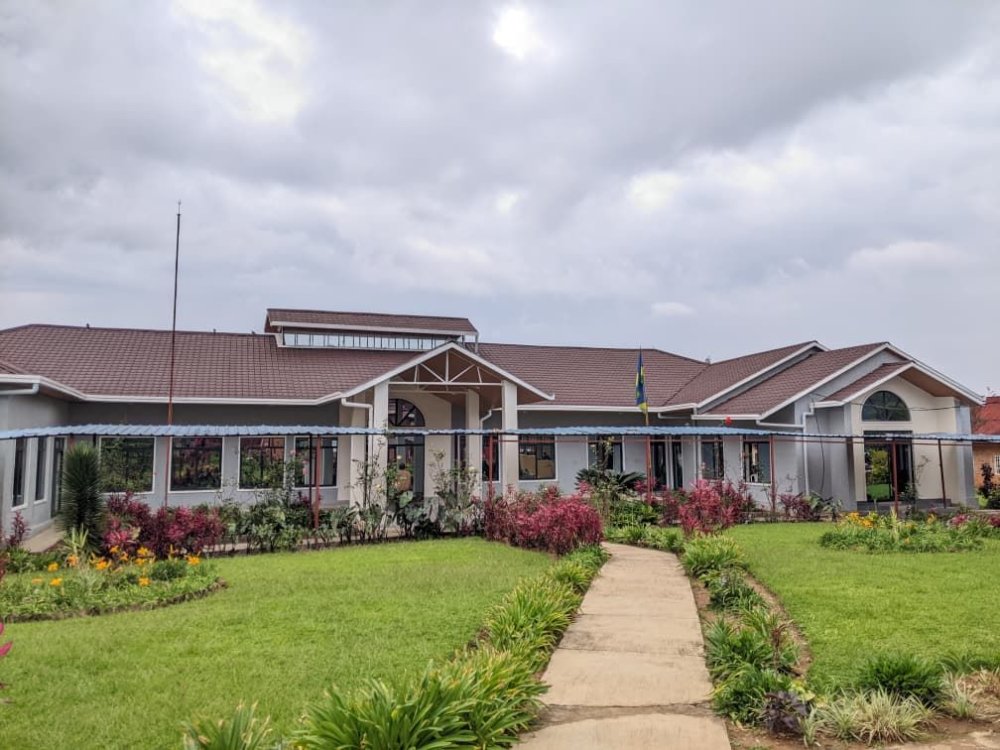
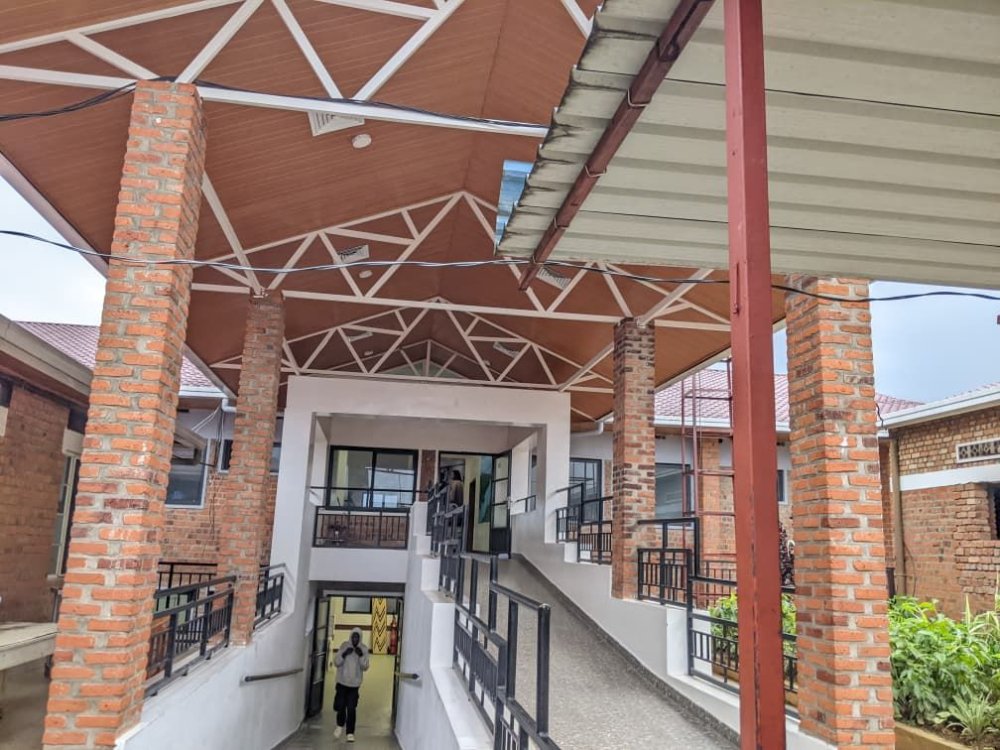
Many of the hospital buildings had become outdated, prompting the government, in partnership with the Adventist Church, to launch a phased renovation program. Renovated facilities include the children’s ward, maternity ward, and offices for staff and hospital management.
Mediatrice Umuhoza, a patient, told IGIHE that before the renovations, she worried about challenges associated with old buildings.
“During heavy rains, water would leak down the walls. Hospital beds were worn out and few, and with so many patients, it was a real challenge,” she said.
Jean Claude Mutuyimana, treated for bone-related illnesses, said receiving care had been difficult due to cramped and outdated facilities.
“Before the renovations, treatment here was challenging. We thank the government and partners for refurbishing the hospital. The main remaining challenge is the low number of doctors and nurses,” he said.
The Director General of the hospital, Mwumvaneza Mutagoma said more than Rwf 1 billion was spent on renovations, including Rwf 700 million for the maternity ward, Rwf 135 million for staff offices, and additional funds for the children’s ward.
“The remaining challenge is a shortage of medical staff, especially nurses and midwives. However, we are hopeful that more will be available soon, thanks to a program aimed at quadrupling the number of doctors over the next four years.
“We currently have six midwives out of the 19 needed, 41 nurses out of the 58 required, and no specialist doctors. The orthopedic doctor we had, a missionary, has left, and we are waiting for a replacement,” he explained.
Mugonero Hospital collaborates with nine health centers, seven in Karongi and two in Nyamasheke, and serves approximately 150,000 people.
The hospital has 130 beds and mainly treats patients for respiratory illnesses, bone diseases, infections caused by poor sanitation, and other common conditions.
Over Rwf 1 billion has been invested in the renovation of Mugonero HospitalMugonero Hospital was established in 1931 by Seventh-day Adventist missionaries at the Ngoma Mission.
In a statement issued on Friday, March 6, 2026, the embassy said it is coordinating with the national carrier, RwandAir, and other relevant entities to organise flights for citizens wishing to return home.
“All Rwandans wishing to be repatriated are therefore invited to register with the Embassy the soonest possible,” the statement said.
The embassy also urged Rwandan nationals in both countries to follow safety instructions issued by authorities in their host countries and to remain updated through official communication channels. It added that, so far, no Rwandan national has been harmed.
The advisory comes as the Middle East enters the seventh day of a rapidly escalating regional war triggered by joint military strikes by the United States and Israel on Iran that began on February 28.
The attacks, code-named Operation Roaring Lion by Israel and Operation Epic Fury by the United States, targeted Iranian nuclear facilities, missile infrastructure and senior leadership. The opening strikes reportedly killed Iran’s Supreme Leader, Ali Khamenei.
Iran later launched retaliatory strikes under Operation True Promise IV, involving waves of missiles and drones targeting U.S. military bases across Iraq, Jordan, Qatar, Kuwait, Bahrain and the United Arab Emirates, as well as Israeli cities including Tel Aviv and Jerusalem.
The widening conflict has disrupted international trade, forced the closure of several airspaces and triggered evacuations of foreign nationals from parts of the region, raising concerns about a growing humanitarian and economic crisis.
The Rwandan embassy said its diplomatic and consular team remains available to provide guidance and support to citizens during the ongoing situation.
Rwandans in need of assistance or wishing to register for repatriation have been encouraged to contact the embassy through emergency telephone numbers +971508242987 or +971504253218, or via email at ambaabudhabi@minaffet.gov.rw.
Swan succeeds Bintou Keita of Guinea-Conakry, who stepped down on November 30, 2025, shortly before the end of her term.
Swan is an experienced diplomat with a long career in African countries facing complex political and security transitions.
Most recently, since March 2025, he has served as Special Representative of the Secretary-General for Somalia and Head of the United Nations Transitional Assistance Mission in Somalia (UNTMIS), a role he previously held in an acting capacity from May 2024 until his appointment to the position.
Earlier he was also Special Representative and Head of the United Nations Mission in Somalia (UNSOM) from 2019 to 2022.
Prior to that, Swan had a 32-year career in the United States Government, with multiple assignments related to the Democratic Republic of the Congo, including as Ambassador (2013-2016), Deputy Chief of Mission (2001-2004) and Desk Officer (1996-1998).
During his bilateral career, Swan also served as Special Representative for Somalia (2011-2013), Ambassador to Djibouti (2008-2011), Deputy Assistant Secretary of State for African Affairs (2006-2008) and Director of African Analysis in the United States Department of State’s Bureau of Intelligence and Research (2005-2006).
Earlier assignments included the Republic of Congo, Somalia, Cameroon, Nicaragua and Haiti.
Swan holds a Bachelor of Science degree from Georgetown University’s School of Foreign Service, a Master of Arts from Johns Hopkins University’s School of Advanced International Studies and a Master of Arts in security studies from the National War College, all in the United States.
American Swan is an experienced diplomat with a long career in African countries facing complex political and security transitions.
Dr. Patrick Karangwa, Director General for Agriculture Modernization at the Ministry of Agriculture and Animal Resources, said the country no longer relies on imported seeds because local production has increased significantly.
He made the remarks on March 5, 2026, during a preparatory meeting for an international seed trade conference that Rwanda will host for the third time from July 20–21, 2026.
Karangwa noted that between five and seven years ago, Rwanda imported seeds costing over Rwf 5 billion annually. Today, all seeds are produced domestically.
“There are no longer seeds being imported because of the efforts invested in research, including cross-breeding varieties to produce high-quality seeds and scaling up local production,” he said. “Some producers have even begun exporting seeds.”
He added that the global seed market is valued at Rwf 60 trillion, while Africa accounts for only about 2 percent, underscoring the need to strengthen the continent’s role in seed trade.
“To boost Rwanda’s position in the seed trade, we have been collaborating with international bodies that assess seed quality to obtain certification confirming that our products meet global standards,” he explained.
Innocent Namuhoranye, Chairperson of the National Seed Association of Rwanda (NSAR), said the conference will be a platform to accelerate efforts to position Rwanda as a regional hub for seed trade.
“This event will lay the foundation for continued innovation and strategic approaches to advance seed trade across Africa,” he said.
The conference aims to highlight the role of the private sector in seed production while promoting reforms to strengthen the industry and expand access to quality seeds.
Alex Bizimana, Head of Agribusiness at Bank of Kigali, said the bank continues to support agriculture through financing and is already seeing strong results.
“Since 2023, agricultural lending by the bank has grown by 245 percent. Previously, it doubled annually, and now we aim to scale it even further,” he noted.
The third International Seed Trade Conference in Rwanda will attract more than 300 participants from Africa, Asia, Europe, and Australia.
Currently, Rwanda hosts about 30 companies involved in the multiplication of improved seeds.
Stakeholders in seed multiplication value chain attended the meeting. Dr. Patrick Karangwa, Director General for Agriculture Modernization at the Ministry of Agriculture and Animal Resources speaking at the event. Alex Bizimana, Head of Agribusiness at Bank of Kigali, said the bank continues to support agriculture through financing.
Kinyera died on March 3, 2026, at Mulago National Referral Hospital in Kampala, where he had been receiving treatment.
According to the ministry, the funeral service will be held on Thursday, March 12, 2026 from 10:00 a.m. to 12:00, at Our Lady of Africa Church in Mbuya, followed by a vigil in Naalya, Wakiso District from 3:00 p.m. onwards.
On Friday, March 13, 2026, his body will be transported to his birthplace in Amuru District, where a vigil will take place in the evening.
His burial is scheduled for Saturday, March 14, 2026, in Akurukwe, within the same district.
Santa Mary Laker Kinyera had served in the Ministry of Foreign Affairs of Uganda since 1994.
In addition to his posting in Rwanda, he held diplomatic positions in Uganda’s embassies in Denmark, the United States, and Turkey.
Former Ugandan Deputy High Commissioner to Rwanda Kinyera died on March 3, 2026, at Mulago Specialised National Referral Hospital in Kampala.