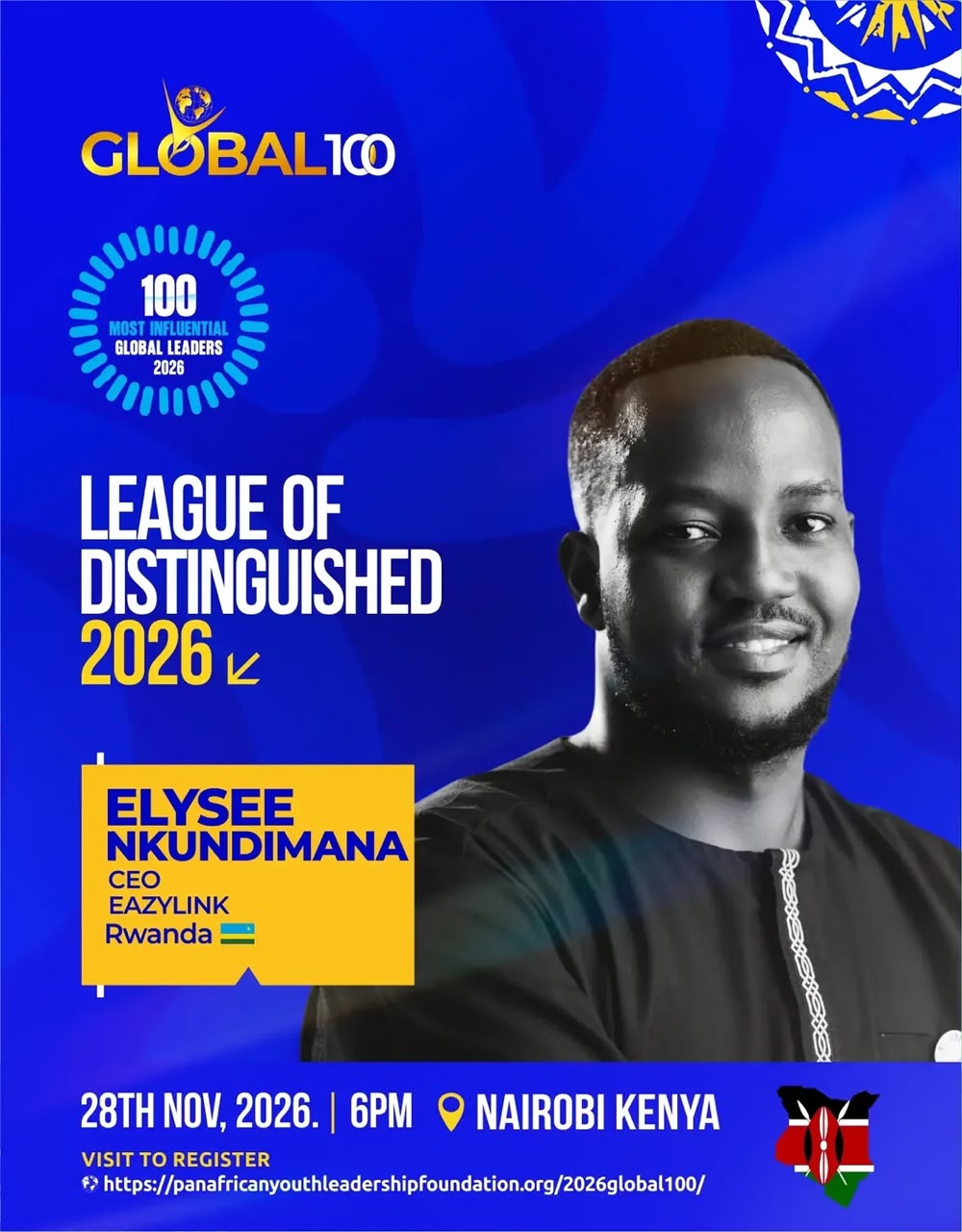
The list, titled the ‘100 Most Influential Global Leaders’, brings together entrepreneurs, business executives, innovators and other leaders whose work has contributed to positive change in society.
It was compiled by the Pan African Youth Leadership Foundation, an African organisation focused on youth leadership development. The initiative recognises Africans living on the continent and abroad for their contributions across the public and private sectors.
This is the third edition of the list. Nkundimana’s inclusion is based on his work in technology and innovation. The awards ceremony is scheduled to take place in Nairobi, Kenya, on November 28, 2026.
Speaking to IGIHE, Nkundimana said the recognition would encourage him to continue developing innovative technology solutions, particularly EazyLink’s digital business card.
“It is an honour for us to be on this list. It will motivate us to continue adding innovations because the card is still in its early stage, and there are more features we plan to introduce in the next phases,” he said.
Nkundimana founded EazyLink in 2022. The company develops NFC-enabled digital business cards that allow users to share their contact details and social media profiles by simply tapping the card against a smartphone.
About 80% of EazyLink’s users are based outside Rwanda. They include business leaders, investors and professionals seeking an easier way to exchange contact information.
EazyLink has also been showcased at international technology events including GITEX Africa and GITEX Global.
Nkundimana also chairs Elysee Brand Inc., a digital marketing agency that has worked with brands in Rwanda, including Exo Energy Drink and Moreup Cosmetics.
He was also recently recognised for his contribution to technology and innovation at an international conference focused on advancing human development.
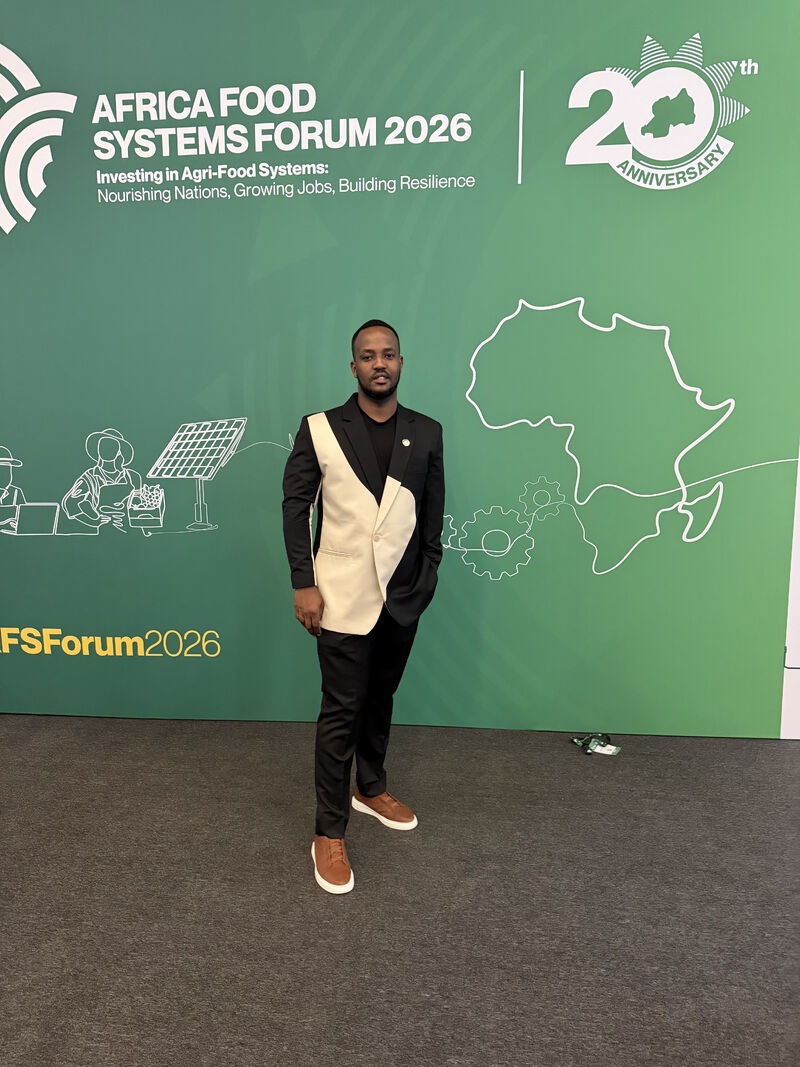
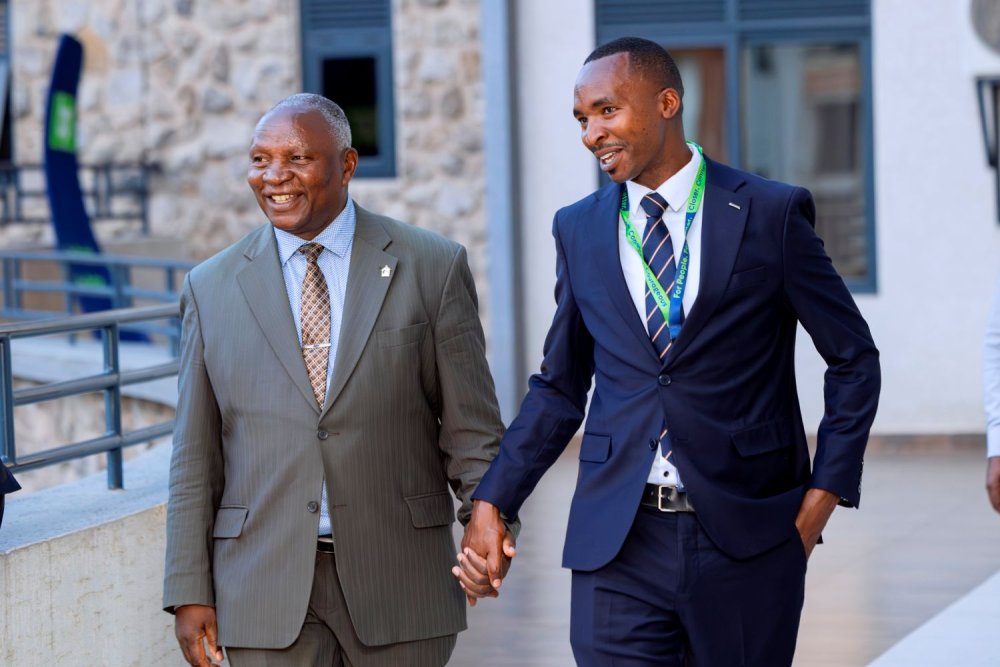
Nkundimana Elysée has been recognised among 100 influential African leaders for his work in technology and innovation.
On September 21, the prosecution said witness Gaston Munyabugingo, who previously worked with Ingabire, testified about alleged cooperation between FDU-Inkingi and other groups in a plan to overthrow the Rwandan government.
According to Munyabugingo’s testimony, P5, a coalition led by Kayumba Nyamwasa, had planned to stage a coup during a government leadership retreat held in Gabiro on February 15-16, 2020. Ingabire allegedly planned to organise demonstrations in support of the coup.
The prosecution said Ingabire was allegedly expected to mobilise about 5,000 people to take to the streets and support those who would have overthrown the government.
“In support of that operation, Ingabire Umuhoza Victoire allegedly had the responsibility of mobilising about 5,000 people who would take to the streets to demonstrate and support those who had already overthrown the government,” the prosecution said.
The prosecution further said that Ingabire asked Munyabugingo to accommodate her because she feared for her safety during the planned coup, while Munyabugingo also expressed concerns.
It said Ingabire had planned to move to Gicumbi but abandoned the plan following the arrest of singer Kizito Mihigo in February 2020 as he attempted to flee to Burundi.
After the plan to go to Gicumbi was abandoned, Munyabugingo allegedly hid Ingabire, who was disguised in Muslim clothing and was not wearing her glasses. She was reportedly accompanied by Leonille Gasengayire, a woman she lived with who served as a treasurer.
The prosecution said Munyabugingo also testified that Ingabire was in communication with Charlotte Mukankusi, who was responsible for diplomatic affairs within the Rwanda National Congress (RNC), a group founded by Nyamwasa.
Prosecutors further told the court that a document prepared by the RNC outlining how Rwanda would be governed after the alleged coup was found on Ingabire’s phone.
They said the document was accompanied by a chart containing the names of 79 people, including government and military officials, and allegedly proposed a system of appointments based on ethnic considerations, with Ingabire serving as president. Ingabire calls allegations ‘rumours’
During a hearing on October 1, 2026, Ingabire challenged the allegations, saying the prosecution had failed to demonstrate that the alleged coup ever took place.
She questioned the basis for accusing her of planning a coup based on Munyabugingo’s testimony.
“Did that coup happen? The prosecution has not demonstrated that it happened. If it did not happen, has it shown why it did not happen? People cannot discuss things in WhatsApp groups where people say that the RNC planned a coup, and then the prosecution says it planned a coup,” Ingabire said.
Regarding the allegation that she planned to mobilise 5,000 people to demonstrate in support of the coup, Ingabire questioned whether prosecutors had produced evidence of an agreement between her and the RNC to carry out the alleged operation.
“Have they demonstrated any agreement between me and the RNC to carry out a coup? The prosecution must move away from rumours and things circulating on social media and bring evidence,” she said.
Munyabugingo also testified that Ingabire later changed the purpose of the planned demonstrations to disrupting the Commonwealth Heads of Government Meeting (CHOGM), which was scheduled to take place in Kigali.
Ingabire, however, said her involvement during preparations for CHOGM was limited to hosting a group of foreign participants at her home.
The judge asked whether the visit was simply a social one.
Ingabire said they discussed politics, the Commonwealth and Rwanda’s membership of the organisation. She added that the visitors had helped her politically by contributing to her increased visibility.
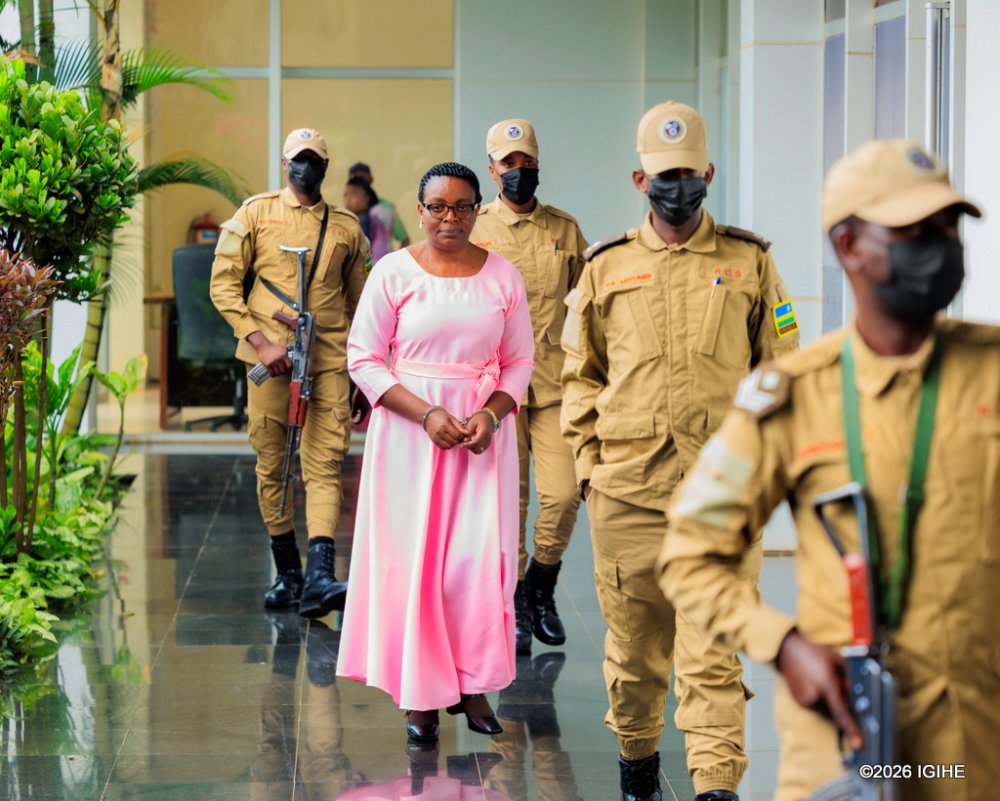
Ingabire Victoire has challenged coup allegations, calling them ‘WhatsApp rumours’
The report by UN Secretary-General Antonio Guterres on the UN mission in DR Congo (MONUSCO) documented at least 44 human rights abuses and protection incidents attributed to the FDLR between June 19 and September 18. The incidents affected 89 victims, including 15 victims of summary executions.
The abuses were concentrated in Rutshuru territory in North Kivu province, with additional incidents recorded in Masisi, Nyiragongo and Walikale territories.
“FDLR abuses of the civilian population remained concentrated in Rutshuru territory, but also Masisi, Nyiragongo and Walikale, primarily consisting of armed robbery, extortion, targeted killing and forced disappearances of community leaders and alleged collaborators,” the report said.
The UN also documented forced recruitment, conflict-related violence and kidnapping among abuses linked to the group.
The FDLR was formed by remnants of forces responsible for the 1994 Genocide against the Tutsi in Rwanda. Its members fled to then Zaire after the defeat of the genocidal forces and have maintained a presence in eastern DR Congo for three decades.
The latest findings come despite commitments made by DR Congo to neutralise the genocidal force, as outlined in the Washington Accords for Peace and Prosperity, signed by Presidents Paul Kagame and Félix Tshisekedi on December 4, 2025.
Rwanda has rejected a new voluntary dissolution protocol proposed by DR Congo for dealing with the FDLR. Rwanda maintains that the FDLR remains an active security threat and must be effectively and verifiably neutralised.
The new report also documented clashes between the FDLR and Wazalendo-affiliated armed groups in North Kivu. Fighting in Masisi and Walikale intensified in August and September, increasing risks for civilians.
Guterres also raised concern over the increased use of drones and indiscriminate strikes by state and non-state actors in several parts of eastern DR Congo.
He said the resumption of regular meetings under the Washington process and an agreed sequenced road map between Rwanda and DR Congo provided a basis for progress.
The UN chief urged the parties to maintain their engagement and implement their commitments, including obligations under international humanitarian and human rights law.
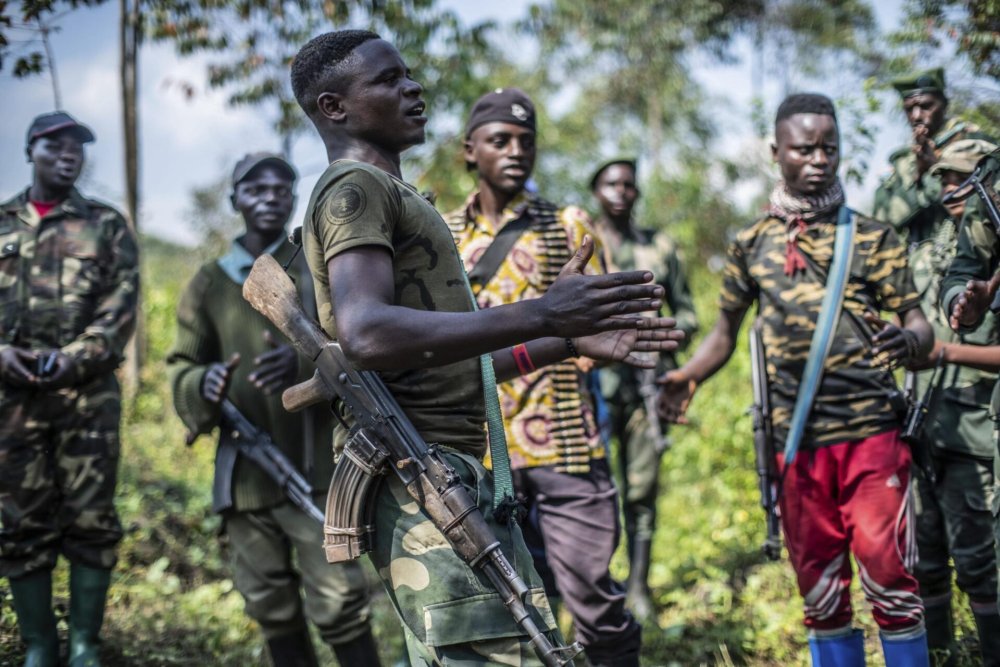
The FDLR militia group continued to commit serious abuses against civilians in eastern Democratic Republic of Congo (DR Congo), including killings, forced disappearances and extortion, according to a new United Nations report.
Rwanda arrive for the second leg with a 3-0 advantage from the first meeting in Kigali, but Rwanda Football Federation (FERWAFA) Commissioner Hakizimana Louis said the team was treating the tie as unfinished business.
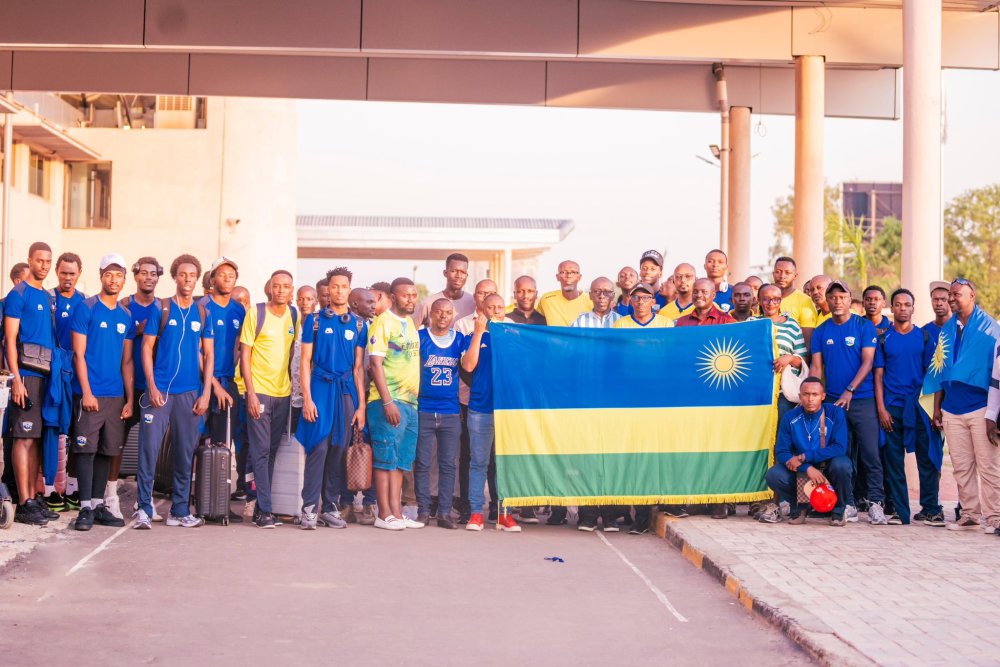
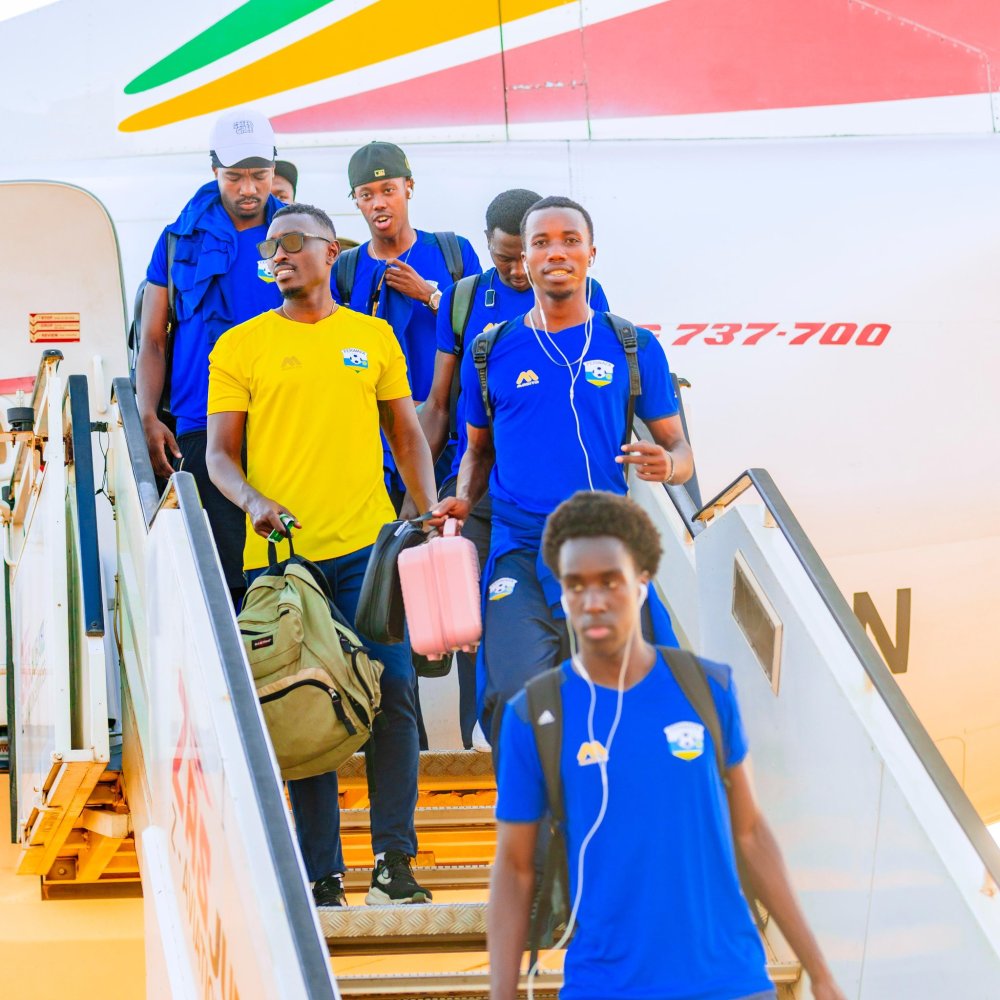
The Amavubi U23 delegation arrived in South Sudan on Saturday, October 3, ahead of Tuesday’s decisive encounter.
“The players are doing well and are ready for the match against Sudan. We thank Rwandans living in Juba because many of them came to welcome us, and we ask them to come in large numbers again on Tuesday,” Hakizimana told the media.
He said the first-leg victory should not lead the team to relax, describing Tuesday’s match as the second half of the tie.
“We played the first leg and won 3-0, but the second leg is what will give us the ticket. We consider the first match the first half, and the one here is the second half that we must win,” he said.
Hakizimana also urged the players to build on the renewed confidence surrounding the national team by pushing for another win rather than settling for a draw.
“Rwandans have started to have confidence in the Amavubi. We need to continue in that direction and win without a draw. We have asked the players to put in the effort from the first minute to the last,” he said.
Rwanda, coached by Nshimiyimana Eric, secured the first-leg victory through goals from Niyigena Abdul, Shingiro Honoré and Sindi Paul Jesus.
The winner on aggregate will face Cameroon U23 in the second round of the qualifiers.
The Amavubi U23 delegation arrived in South Sudan on Saturday, October 3, ahead of Tuesday’s decisive encounter.Rwanda U23 were warmly welcomed by Rwandans living in South Sudan.
The figures were presented by Prime Minister Dr Justin Nsengiyumva during a joint sitting of both chambers of Parliament on October 2, 2026, as he outlined government efforts to strengthen the financial sector.
The growth has been accompanied by changes in the structure of the sector, including consolidation among banks and microfinance institutions.
The number of banks fell from 15 in 2017 to 11 in 2025, while microfinance institutions declined from 473 to 70.
The reduction was largely driven by mergers and consolidation aimed at creating stronger institutions and improving the sector’s capacity to provide a wider range of financial services.
In the microfinance sector, the consolidation of 416 Umurenge SACCOs resulted in the creation of 30 district-level SACCOs.
Meanwhile, the number of insurance companies increased from 16 to 18, while pension institutions rose from one, the Rwanda Social Security Board (RSSB), to 12.
Capital market intermediaries also increased from 21 to 35 during the period.
Other non-bank financial institutions reached 448 in 2025, while the number of financial technology companies (FinTechs) increased from three in 2017 to 36.
“These figures demonstrate the expansion and growth of the sector, enabling citizens and businesses to access financial services,” Nsengiyumva said.
The increase in assets has also strengthened the sector’s contribution to the wider economy. Financial sector assets rose from the equivalent of 53% of GDP in 2017 to 68% in 2025.
Commercial banks accounted for nearly 67% of total financial sector assets in 2025, while the remaining 33% was held by other institutions, including microfinance institutions, insurers and pension funds.
Banks strengthen profitability and asset quality
Nsengiyumva said the expansion of the financial sector had been accompanied by measures to strengthen its stability and resilience.
The Capital Adequacy Ratio, which measures banks’ ability to absorb losses and is required to remain above 15%, stood at 21.9% in 2025, well above the regulatory minimum.
Bank profitability also improved during the period.
Return on assets increased from 2.2% in 2017 to 4.8% in 2025, while return on equity rose from 6.8% to 19.1%.
At the same time, the ratio of non-performing loans declined sharply from 7.6% in 2017 to 2.5% in 2025, indicating an improvement in the quality of banks’ loan portfolios.
Access to credit also expanded, with the number of borrowers increasing from more than 243,000 in 2017 to more than one million in 2025.
Rwanda’s financial sector has expanded significantly over the past eight years, with total assets quadrupling from Rwf4 trillion in 2017 to Rwf16 trillion in 2025, according to the government.
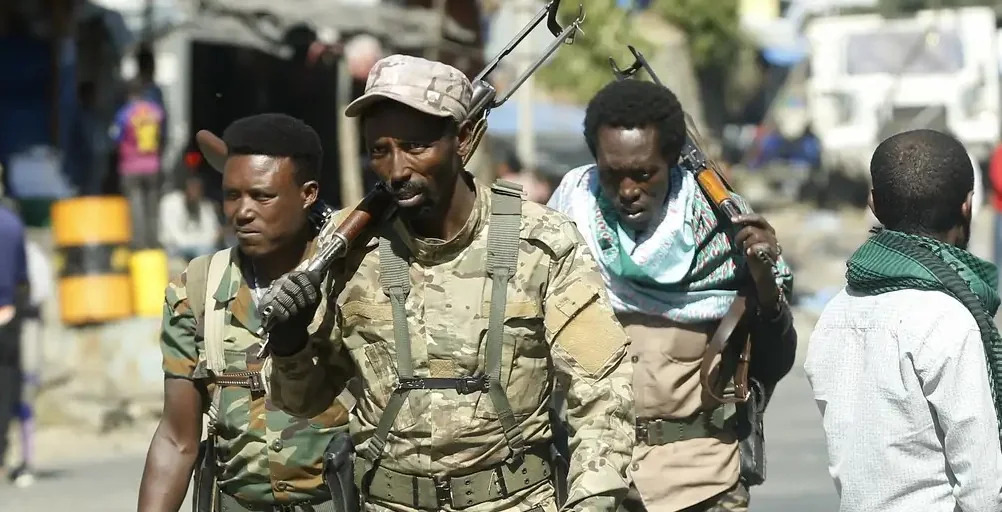
The Ethiopian National Defence Forces retook Alula Aba Nega Airport, about 10 kilometres from central Mekelle, on Saturday, according to people familiar with developments in the city and a humanitarian source.
A Mekelle resident, quoted by Reuters, also confirmed that government forces had taken control of the airport and reported hearing gunfire outside the city centre.
The resident said some Tigrayan Defence Force fighters had abandoned their positions and returned home, while government facilities in the city were being looted.
The reports could not be independently verified. Severe disruptions to internet and mobile phone networks have made it difficult to establish developments in Tigray, while neither the Ethiopian government nor the Tigray People’s Liberation Front (TPLF) had issued an immediate statement on the reported capture.
A source close to the TPLF told Reuters that Mekelle had been surrounded by government troops and allied militias.
The airport was among three airports in Tigray seized by opposition forces when the latest fighting began on September 23. Its recapture would represent a significant setback for the Tigrayan-led alliance, although analysts say it is unlikely to bring the conflict to an end.
It also remained unclear whether federal forces had regained control of Mekelle itself.
An Ethiopian general, speaking anonymously, told The Associated Press that the military was in full control of the airport. An AP contributor in Mekelle reported that residents were concerned about possible looting amid uncertainty over control of the city.
The latest clashes are the most serious escalation since Ethiopia’s 2020-2022 Tigray war, which killed large numbers of people and displaced millions.
The renewed fighting has raised fears that the conflict could expand beyond Ethiopia’s borders and draw in other countries in the Horn of Africa and the Gulf.
The United States has urged Ethiopia and Eritrea to exercise restraint and return to dialogue, warning that another military conflict and humanitarian crisis would have serious regional consequences.
“The Horn of Africa cannot sustain another military conflict and humanitarian crisis,” US State Department spokesman Tommy Pigott said.
Ethiopia severed diplomatic ties with Eritrea this week, accusing it of supporting the Tigrayan-led opposition alliance alongside Sudan and Egypt. The three countries have denied the allegations.
The dispute has added to concerns that the latest fighting could develop into a broader regional confrontation.
Mekelle was also a major battlefield in the previous Tigray war. Federal forces captured the city in the first month of that conflict in 2020, before the TPLF recaptured it seven months later.
The reported recapture of the airport therefore marks a significant shift in the latest fighting, but the wider battle for control of Tigray remains unresolved.
Ethiopian government forces on a past patrol. The Ethiopian National Defence Forces retook Alula Aba Nega Airport, about 10 kilometres from central Mekelle on Saturday.
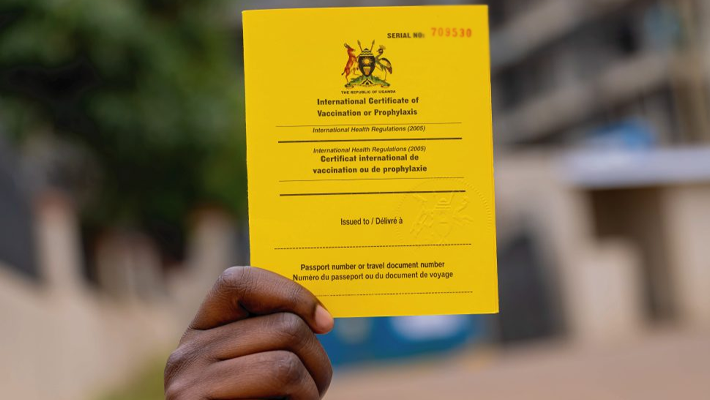
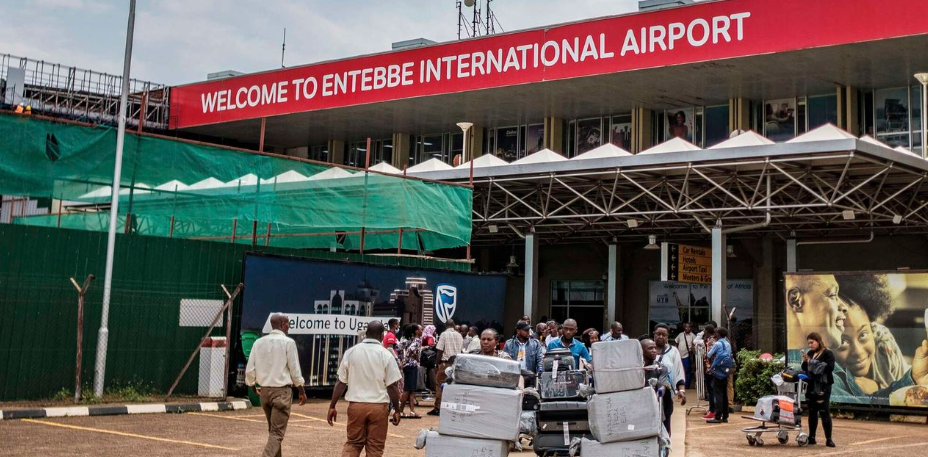
The Ministry of Internal Affairs, through the Directorate of Citizenship and Immigration Control, announced the change in a notice issued on Friday, saying travellers to Uganda no longer need to provide proof of yellow fever vaccination.
“Accordingly, travellers to Uganda do not require a Yellow Fever vaccination certificate for entry,” the ministry said.
The clarification followed a request from the Uganda Tourism Board seeking confirmation on whether travellers were still required to present the certificate at the border.
The ministry noted that the yellow fever vaccination certificate is also not listed among the requirements on Uganda’s e-visa application portal or the website of the National Citizenship and Immigration Control.
The change means international travellers, including those arriving from countries where yellow fever vaccination certificates had been required for travel to Uganda, can enter the country without the document.
Uganda introduced the mandatory yellow fever vaccination card requirement for travellers entering and leaving the country in May 2024. The measure was introduced amid efforts to increase vaccination coverage and address vaccine hesitancy.
At the time, the requirement was accompanied by a nationwide free yellow fever vaccination campaign targeting about 14 million people aged between one and 60 years.
Yellow fever is a viral disease transmitted by infected mosquitoes and can cause severe illness. Vaccination remains an important public health measure in countries where the disease poses a risk.
Travellers at Entebbe International Airport. Uganda introduced the mandatory yellow fever vaccination card requirement for travellers entering and leaving the country in May 2024.
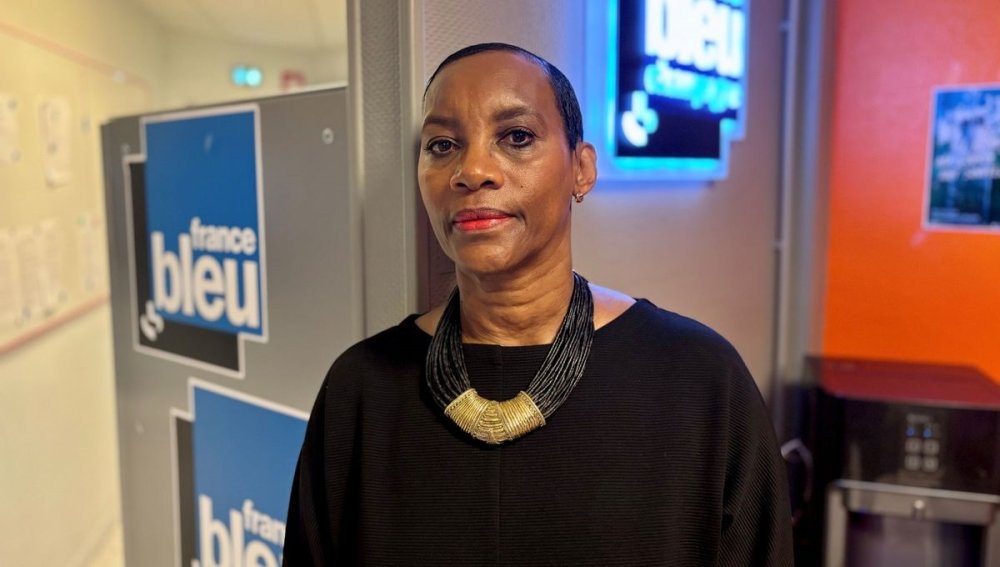
In a statement issued on Saturday, October 3, 2026, the Office of the Government Spokesperson described Gauthier’s work as a lasting contribution to memory, truth and justice.
“Today we mourn the passing of Dafroza Mukarumongi Gauthier, whose tireless work to bring to justice suspects of the 1994 Genocide against the Tutsi, earned her Rwanda’s Igihango National Order of Outstanding Friendship in 2017,” the statement said.
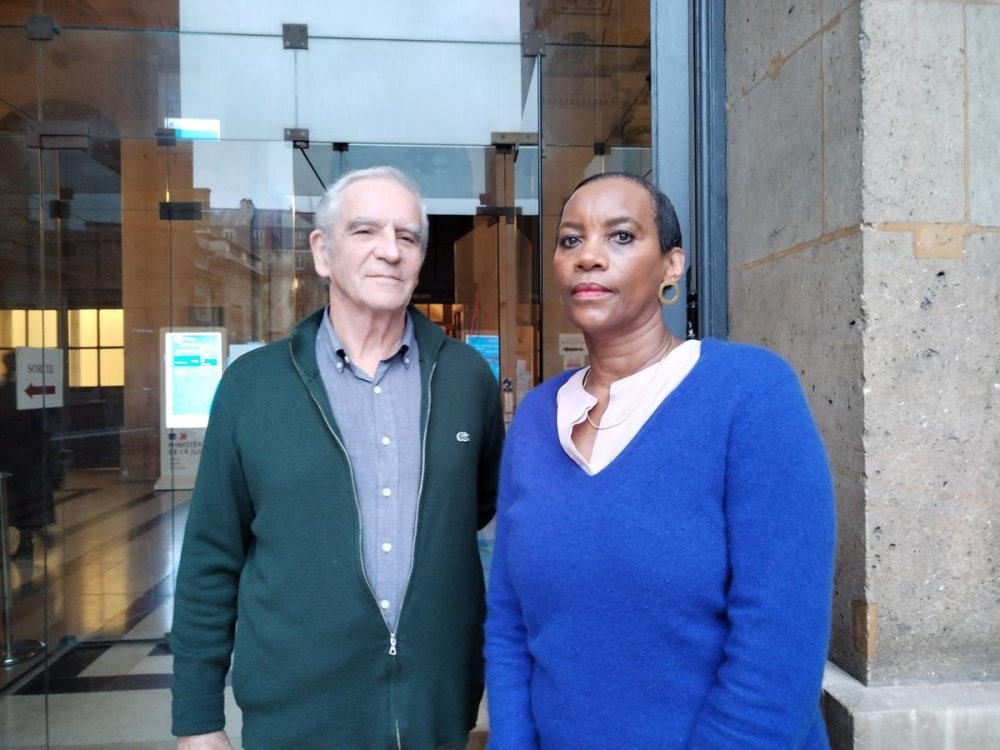
The government extended condolences to Gauthier’s husband, Alain Gauthier, her family and friends, as well as others whose lives she touched.
Gauthier spent decades working alongside her husband to pursue justice for victims of the Genocide against the Tutsi, particularly by helping efforts to prosecute suspects who had settled in France.
The couple founded the Collectif des parties civiles pour le Rwanda (CPCR) in 2001, an organisation that gathered evidence and testimonies for cases involving suspected Genocide perpetrators living in France.
Their work involved identifying suspects, collecting evidence in Rwanda, speaking with survivors and detainees, and preparing case files for judicial authorities. Gauthier also helped translate Kinyarwanda documents into French for use in court proceedings.
The couple founded the Collectif des parties civiles pour le Rwanda (CPCR) in 2001, an organisation that gathered evidence and testimonies for cases involving suspected Genocide perpetrators living in France.
Her work was deeply personal. Born in Butare in 1954, Gauthier was living in France with her husband when the Genocide against the Tutsi began in 1994. She had returned to Kigali in February that year, but her mother urged her to leave as the security situation deteriorated.
Gauthier tried to persuade relatives to leave Rwanda but was unable to convince them. About 80 members of her family were killed during the Genocide.
Following the Genocide, she and Alain began working to ensure that those suspected of involvement would face justice. Their efforts began in 1996 and continued for decades, despite the financial and personal costs involved.
Beyond legal cases, the couple visited schools and universities to educate young people about the Genocide and contributed to efforts to preserve its history and counter Genocide denial.
Gauthier regarded justice as an important way of restoring dignity to victims by ensuring that their identities and experiences were recognised rather than reduced to statistics.
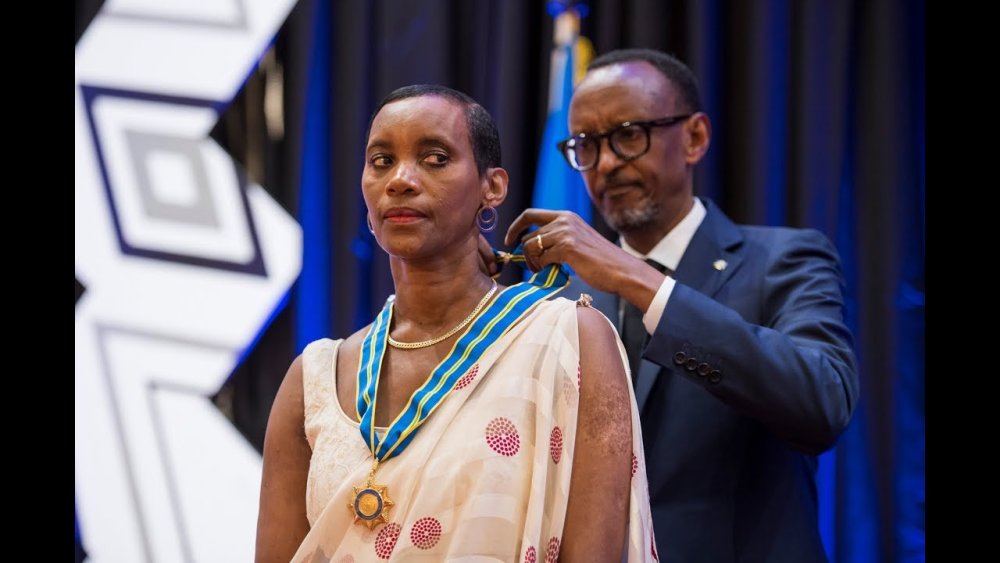
In recognition of their contribution, President Paul Kagame awarded Dafroza and Alain Gauthier the Impeta y’Igihango, Rwanda’s National Order of Outstanding Friendship, in November 2017.
The honour recognises individuals who make outstanding contributions to strengthening friendship and cooperation between Rwanda and other countries, as well as promoting the dignity of Rwanda and Rwandans internationally.
The couple’s decades-long pursuit of justice was documented in the 2023 book Rwanda, à la poursuite des génocidaires, written by journalist Thomas Zribi in collaboration with illustrator Damien Roudeau, with a foreword by artist and writer Gaël Faye.
The Government of Rwanda said Gauthier’s “courage and unwavering commitment to memory, truth and justice leave an enduring legacy.”
In recognition of their contribution, President Paul Kagame awarded Dafroza and Alain Gauthier the Impeta y’Igihango, Rwanda’s National Order of Outstanding Friendship, in November 2017.
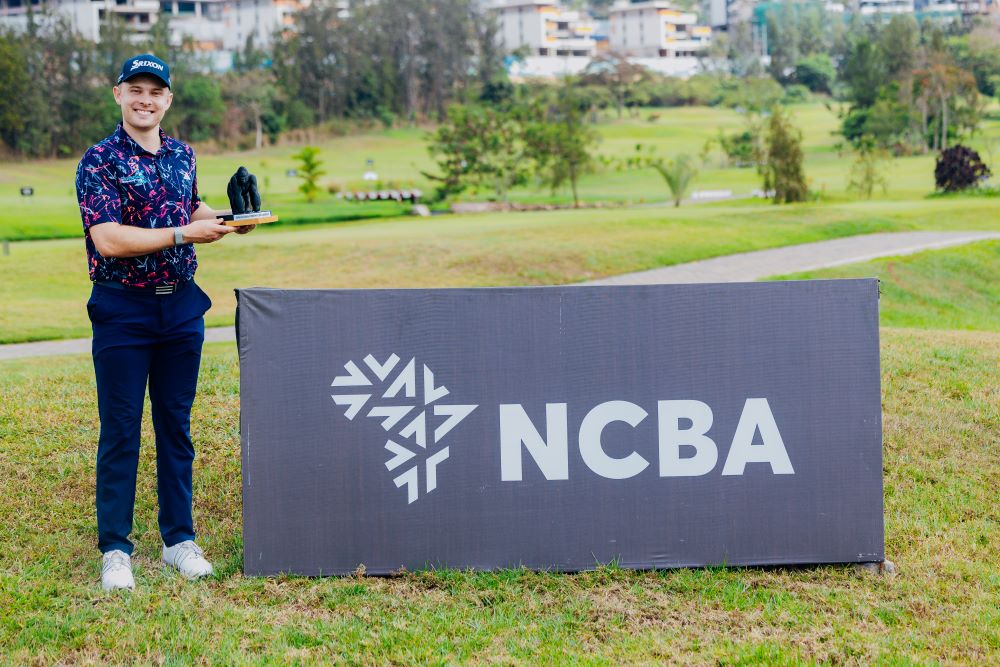
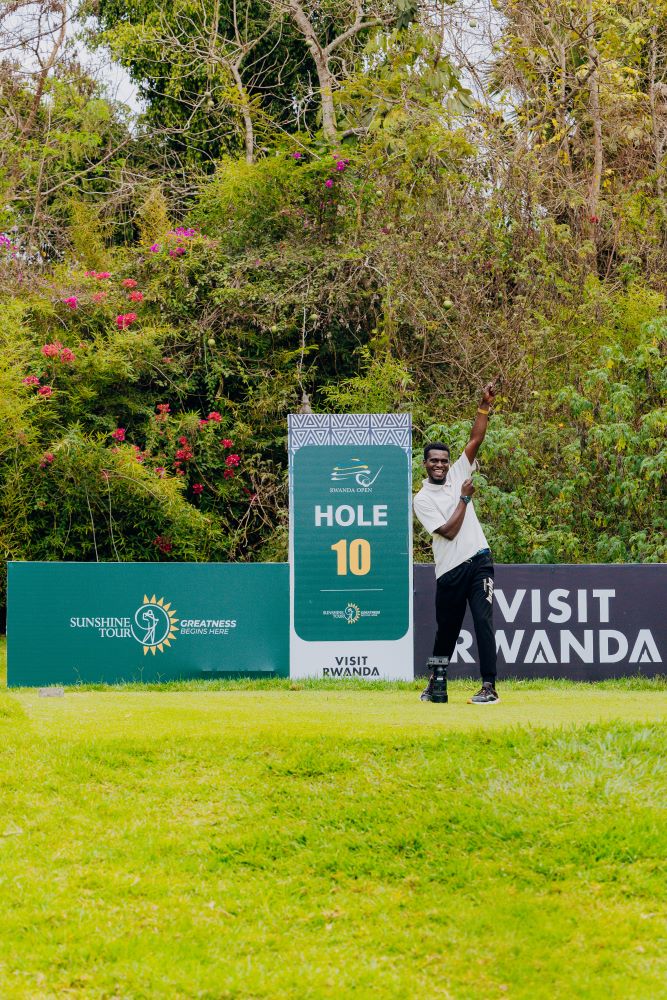
The international Sunshine Tour event, which was combined with the annual Rwanda Open, was held on Sunday, September 27, 2026, at Kigali Golf Resorts & Villas.
About 150 players from different countries took part in the tournament, which was won by South African golfer Kyle De Beer.
The tournament also provided an opportunity for Rwandan golfers to compete at an international level, with 13 players representing the country.
Permanent Secretary at the Ministry of Sports, Ngabo Brave Olivier, said Rwanda aims to increase the number of players competing in the tournament, both from Rwanda and abroad.
“The doors are open to everyone who wants to come to Rwanda. We want the number of players competing in the tournament to increase beyond 150, while also increasing the number of Rwandans to a level where we can eventually win the tournament,” he said.
The goal of increasing participation in golf is among the reasons NCBA Bank Rwanda has continued to support the tournament. The bank also supports Kenyan golfer Njoroge Kibugu, who has competed in several tournaments backed by the bank.
Since 2023, NCBA Bank Rwanda has joined its operations in Kenya, Uganda and Tanzania in supporting Rwandan golfers to access international competitions, including tournaments bringing together top players from across the region.
In 2024, the bank expanded its support to junior golfers through competitions such as the NCBA Junior Golf Series, which has reached about 4,000 children.
In 2026, NCBA invested more than Rwf683 million in over 160 golf tournaments across East Africa, including competitions organised in Kigali.
The bank’s continued involvement in golf is aimed at supporting the development of the sport while creating more opportunities for players, particularly young golfers, to gain competitive experience.
NCBA Bank Rwanda has expanded its support for golf by sponsoring the Rwanda Open 2026 at Kigali Golf Resorts & Villas.NCBA Bank Rwanda has continued to support Rwandan golfers seeking opportunities to compete in international tournaments.NCBA Bank Rwanda has supported junior golf through competitions that have reached about 4,000 children since 2024.NCBA Bank Rwanda has continued supporting golf in Rwanda through its sponsorship of the Rwanda Open 2026.About 150 golfers have competed in the Rwanda Open 2026, supported by NCBA Bank Rwanda.
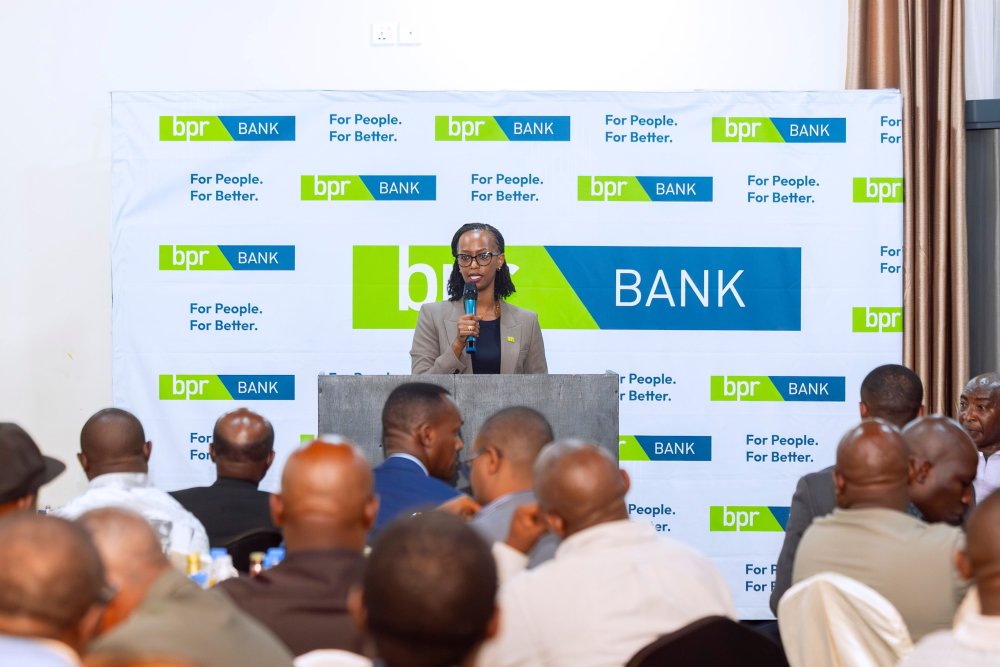
The bank highlighted its role during its annual engagement with customers in Musanze, where management and clients discussed progress made and challenges affecting access to financial services.
Private-sector representatives said BPR Bank has played a significant role in Musanze’s ongoing urban redevelopment, contributing to about 40% of more than 75 buildings completed so far.
Tugengwenayo Theonas, Chairperson of the Private Sector Federation in Northern Province and the Musanze City Redevelopment Committee, said improved access to larger loans and faster processing had made a difference.
“We appreciate the increase in the size of loans and the reduction in the time it takes for a businessperson to access them. We estimate that the bank has contributed about 40% to the more than 75 buildings that have been completed,” he said.
He said the third phase of the redevelopment programme includes 60 projects expected to be completed by 2029, calling for continued support from financial institutions.
Musanze is also seeking investment in modern private schools, entertainment facilities, agricultural projects and parking infrastructure. Business owners also welcomed a decline in reliance on informal high-interest lending.
BPR Bank Rwanda Executive Director of Commercial Businesses Shema Mugisha said the bank’s services are shaped by feedback from its customers.
“Our goal is that the customer comes first. We are celebrating what has been achieved while also listening to you so that you can advise us, because we cannot perform well without you,” he said.
Shema said the bank had also changed how it values property used as collateral following concerns raised by customers in Musanze.
“Last year, you told us that when we took land or other property here in Musanze as collateral, we valued it at a low rate. We have now corrected that, and it is valued at 70%, instead of the 30% that was previously used,” he said.
BPR Bank Rwanda Chief Executive Officer Mutesi Patience said the bank regards businesses as partners and has increased its lending capacity in response to their needs.
She said the maximum lending capacity for an individual has risen to Rwf52 billion from Rwf25 billion in 2023.
“We see ourselves as partners of members of the private sector in the development journey. Along this journey, you have given us many ideas that have helped us,” Mutesi said.
She said the bank would continue improving its services to shorten the time customers spend seeking financing, including through digital platforms that allow some customers to access lending services using their phones.
Musanze District Mayor Nsengimana Claudien urged businesses involved in the city’s redevelopment to work with financial institutions to secure the financing needed to complete their projects.
“No one has enough money in their pocket to immediately complete a modern building project. Improve your investment projects aimed at transforming the appearance of Musanze and approach the bank for support,” he said.
He also encouraged businesses to pursue complementary projects capable of creating jobs for local residents.
Northern Province Governor Mugabowagahunde Maurice commended BPR Bank for responding to concerns raised by its customers.
He said Musanze aims to strengthen its position as a tourism centre and agricultural hub while making better use of its land.
“We want Musanze to continue being a city of opportunity and a hub for tourism. We also want it to remain an agricultural hub that makes efficient use of limited land while enabling its residents to earn a living,” he said.
Mugabowagahunde also credited improved access to bank financing with reducing reliance on an informal form of high-interest borrowing that has previously exposed some residents to financial difficulties.
He said delays in accessing formal loans had previously pushed people with urgent financial needs towards such lenders.
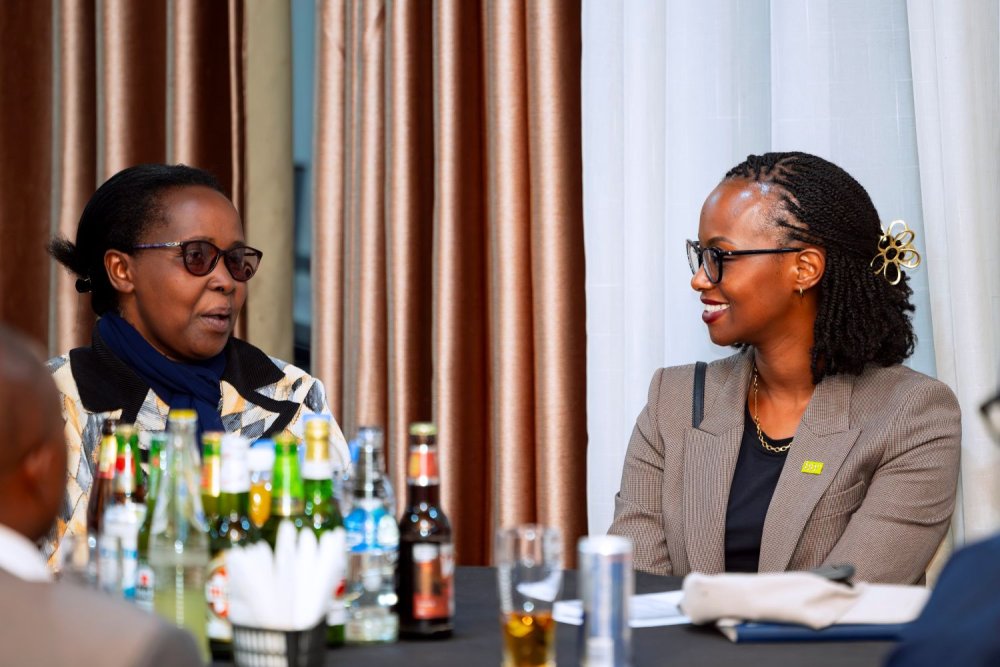
BPR Bank Rwanda says its regular engagement with customers enables it to identify challenges affecting them and improve its services in response.
BPR Bank Rwanda Chief Executive Officer Mutesi Patience has reminded Musanze business owners that the bank considers them partners and therefore engages with them to understand and respond to their needs.BPR Bank Rwanda Executive Director of Commercial Businesses Shema Mugisha has told customers in Musanze that the bank cannot succeed without their support and feedback.Governor Mugabowagahunde has credited BPR Bank with helping curb high-interest informal lending that had exposed residents to financial losses.BPR Bank Plc customers received a warm welcome at the event’s venue.