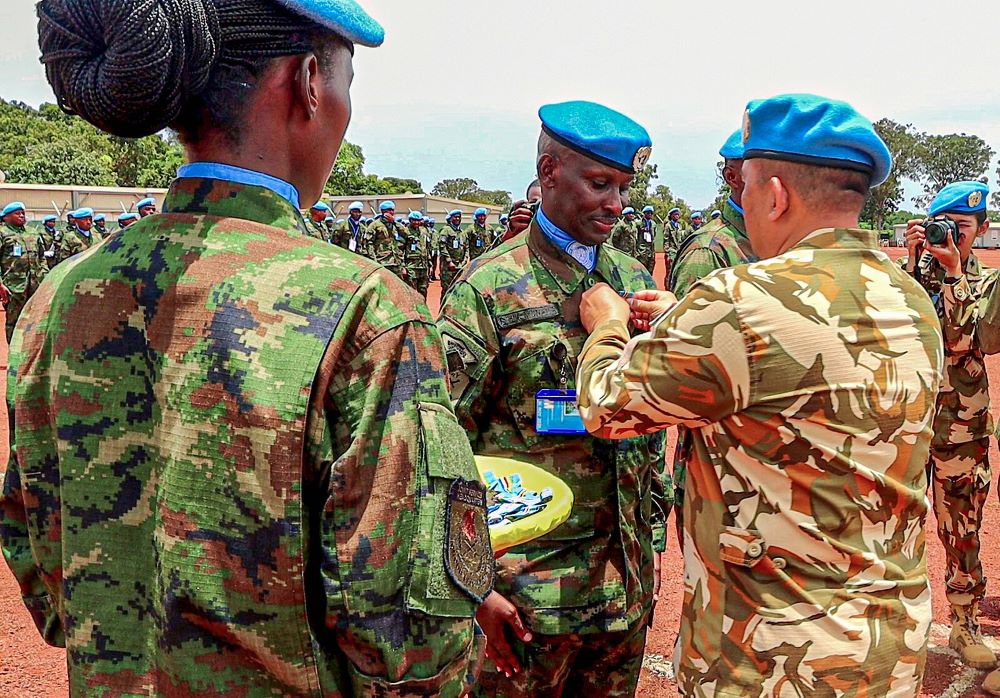
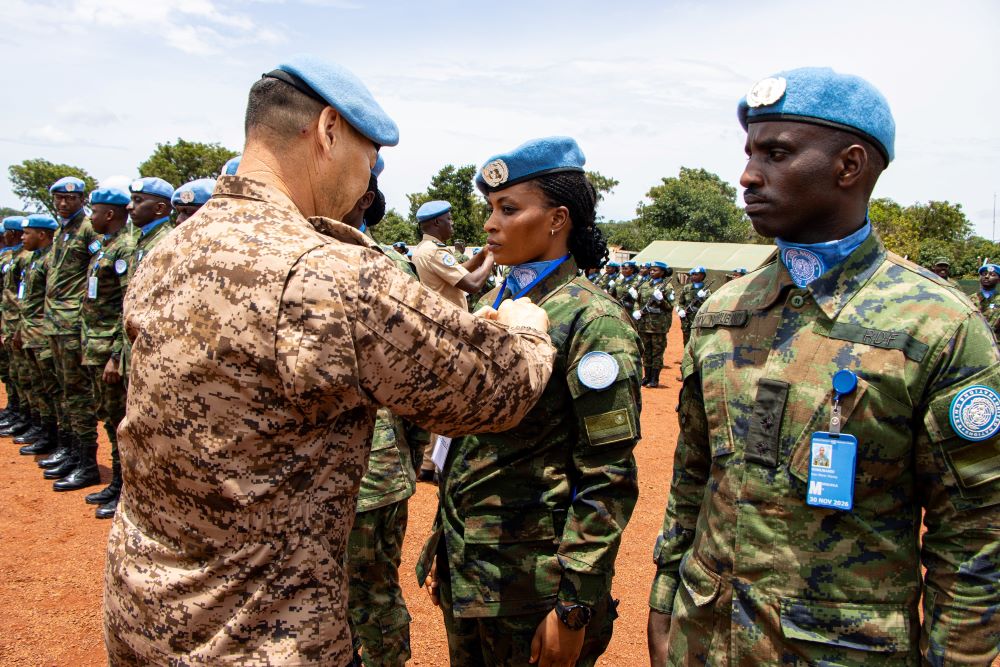
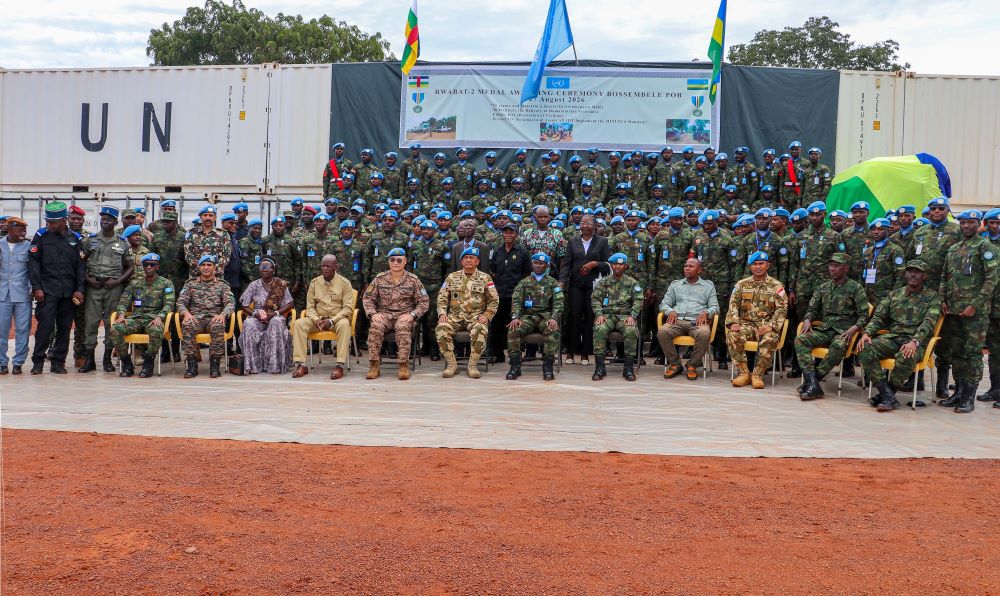
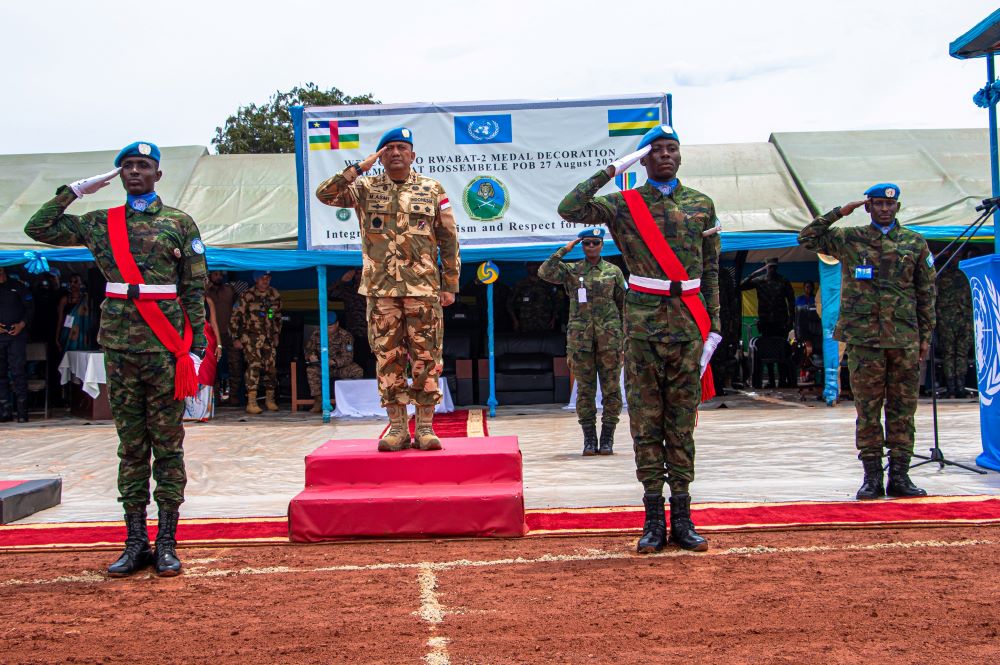
The medals were presented to members of RWANBATT-2 in recognition of their dedication, professionalism, and contribution to peace, security, and stability in the Central African Republic.
The ceremony held on August 27, 2026, was presided over by the MINUSCA Deputy Force Commander, Maj Gen Maychel Asmi. It was attended by the Governor of Ombella-M’Poko Region, Joseph Dokombo; MINUSCA Sector West Commander, Brig Gen Ganselem Lkhagvasuren; Commander of Joint Task Force Bangui, Brig Gen Franco Rutagengwa; Rwanda Defence Attaché to CAR, Col Alphonse Gahima; and members of the Rwandan community in CAR.
Addressing the peacekeepers, Maj Gen Asmi commended RWANBATT-2 for carrying out its duties with professionalism and determination in support of the MINUSCA mandate.
He emphasised that the UN medal represents both individual service and the international community’s commitment to peace and stability.
“Wear this medal with pride. It represents sacrifice, discipline, professionalism, and service to the people of the Central African Republic,” he stated.
Maj Gen Asmi also acknowledged RWANBATT-2’s role in contributing to the creation of a secure environment that has supported the return of internally displaced persons to their homes.
The RWANBATT-2 Contingent Commander, Col Laurent Kalisa Munana, said the peacekeepers remain committed to fully implementing the MINUSCA mandate and maintaining the reputation they have built through discipline, professionalism, and dedication.
“We remain determined to uphold the trust placed in us and to continue serving with the same commitment and professionalism until the completion of our mission,” Col Munana said.
Maj Gen Maychel Asmi commended RWANBATT-2 peacekeepers for their professionalism and determination in supporting the MINUSCA mandate.MINUSCA Deputy Force Commander Maj Gen Maychel Asmi presented United Nations Service Medals to members of RWANBATT-2 at Bossembele Camp.Members of RWANBATT-2 received UN medals for their service and contribution to creating a secure environment in the Central African Republic.Rwandan peacekeepers pose with their United Nations Service Medals following a ceremony recognising their dedication and professionalism in the Central African Republic.Rwandan peacekeepers serving with MINUSCA are recognised for their role in supporting peace, security and stability in the Central African Republic.
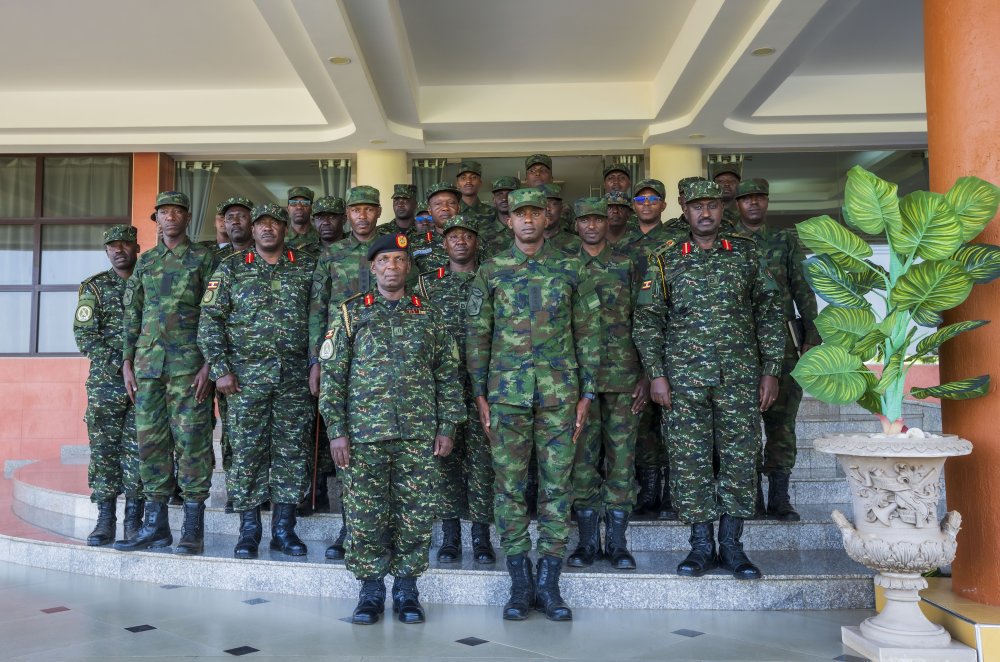
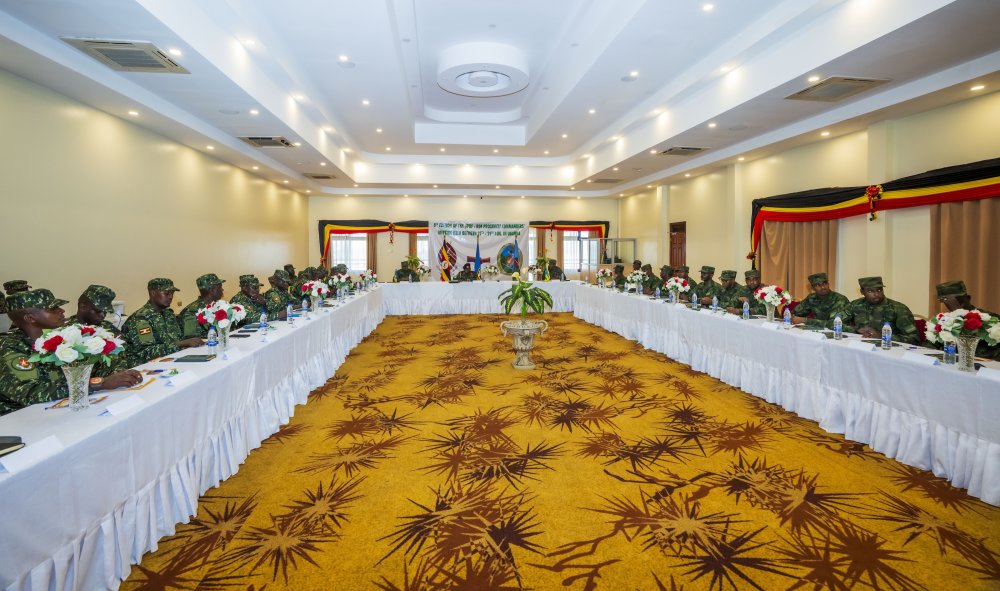
Upon arrival, the RDF delegation was received by the Uganda People’s Defence Forces (UPDF), 2 Infantry Division Commander, Maj Gen Paul Muhanguzi along with subordinate commanders and staff.
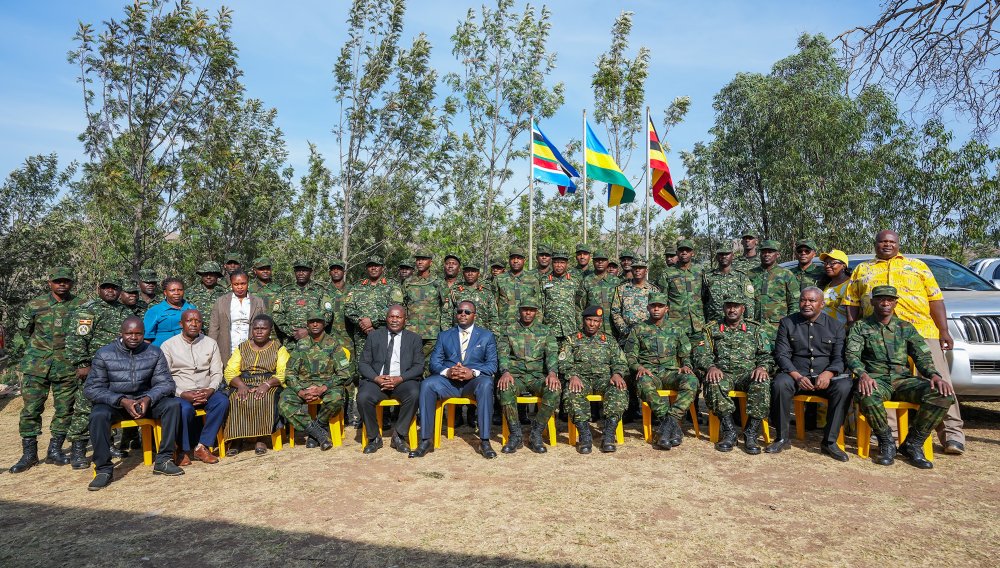
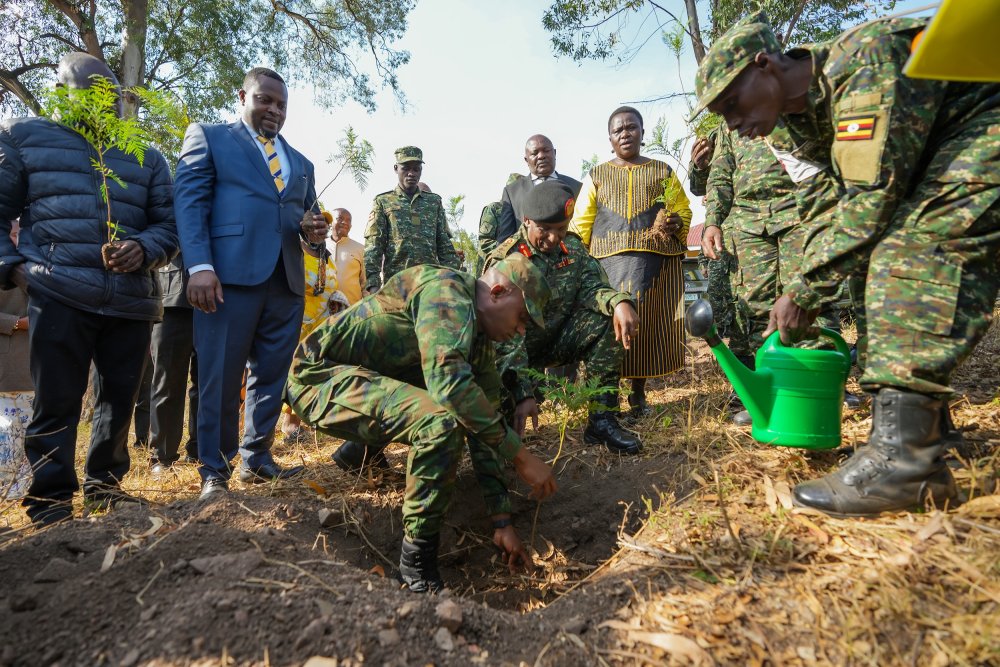
Prior to the meeting, the two delegations joined local leaders and community members in Kamwezi Sub-County, Rukiga District, for a joint tree-planting activity.
In his opening remarks, Maj Gen Paul Muhanguzi welcomed the RDF delegation and emphasized that Rwanda and Uganda share more than a physical border.
He stressed that peace in Rwanda contributes to peace in Uganda and vice versa, underscoring the importance of continued joint efforts to maintain security for communities on both sides of the border.
Maj Gen Muhanguzi concluded by expressing appreciation to the Commanders-in-Chief and Chiefs of Defence Staff of both countries for their visionary leadership and continued efforts to promote unity, cooperation, and good relations between Rwanda and Uganda.
His counterpart, Maj Gen Karusisi, thanked the hosts for the warm welcome. He emphasized that the common border should remain a space for peace, lawful movement, trade, and cooperation rather than a source of insecurity or misunderstanding.
He further noted that commanders have a responsibility to maintain open channels of communication, strengthen confidence between the two forces, and ensure that emerging issues are addressed through dialogue and appropriate coordination.
Maj Gen Karusisi highlighted that the strong relationship between Rwanda and Uganda provides a solid foundation for further cooperation at the military level.
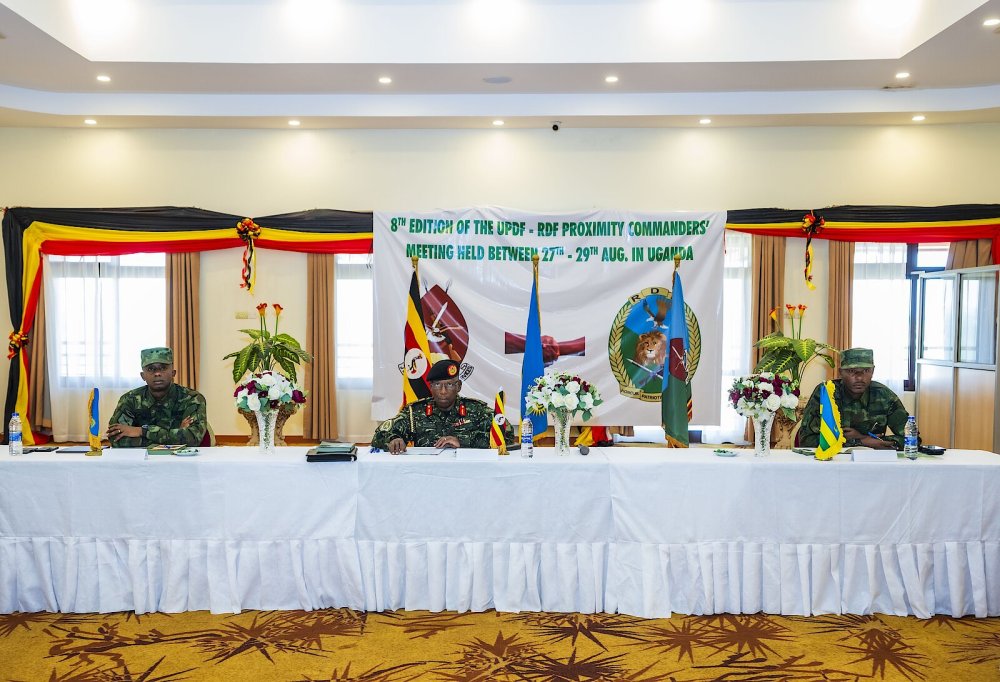
The meeting is part of a series of quarterly engagements that bring together RDF and UPDF commanders whose units are deployed along the Rwanda–Uganda border.
It aims to assess the security situation, address cross-border security challenges, strengthen coordination, and develop lasting solutions to issues affecting communities on both sides of the border.
Maj Gen Ruki Karusisi (left), Commander of the RDF 5 Infantry Division, led the Rwandan delegation at the 8th Proximity Commanders’ Meeting with the UPDF in Mbarara, Uganda.RDF and UPDF commanders joined local leaders and community members in Kamwezi Sub-County, Rukiga District, for a joint tree-planting activity ahead of their meeting.The 8th Proximity Commanders’ Meeting brought together RDF and UPDF commanders deployed along the Rwanda–Uganda border to strengthen communication, confidence and cooperation.RDF and UPDF commanders convened in Mbarara for their 8th Proximity Commanders’ Meeting to discuss security, cross-border challenges and coordination along the Rwanda–Uganda border.
“The secretary-general is concerned about any new measures, any additional rhetoric that we see that could lead to an escalation. And we’re continuing to see disruptions in the flow of energy, disruption in the flow of food,” Stephane Dujarric, the spokesperson, said in response to a question about whether Guterres had received a letter from Iranian Foreign Minister Seyed Abbas Araghchi regarding new U.S. sanctions against Iran.
Dujarric said the letter had been received and distributed to the Security Council and the General Assembly as requested.
This conflict, even in somewhat of a frozen kinetic phase, continues to do a lot of harm to the region and to the global economy, said the spokesperson.
The only way to reach a durable settlement is through dialogue, and the secretary-general is very much appreciative of the mediation efforts by Qatar, Egypt, Pakistan and others who are doing their best to try to lead to a political solution, said the spokesperson.
U.S. Treasury Secretary Scott Bessent on Monday threatened Iran with “an economic D-Day,” announcing a wave of new sanctions against the country.
Iranian President Masoud Pezeshkian said Wednesday that the United States will not achieve anything through its economic pressure on Iran.
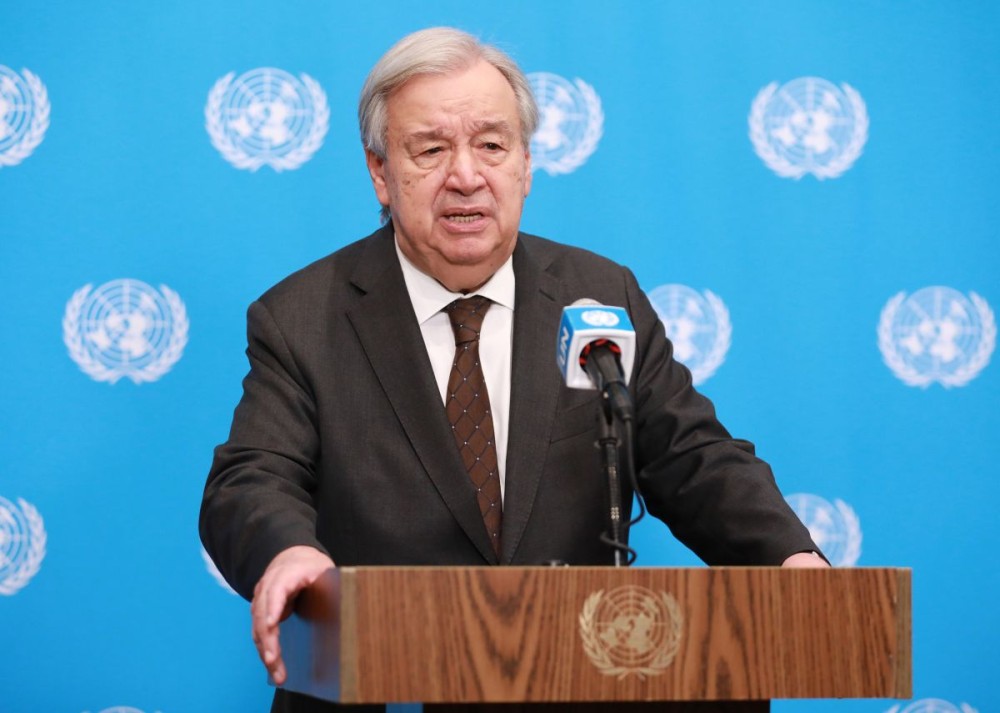
New York: UN Secretary-General Antonio Guterres speaks at a press encounter at the UN headquarters in New York on July 31, 2026. Guterres said Friday that fighting must stop on all fronts in the Middle East.
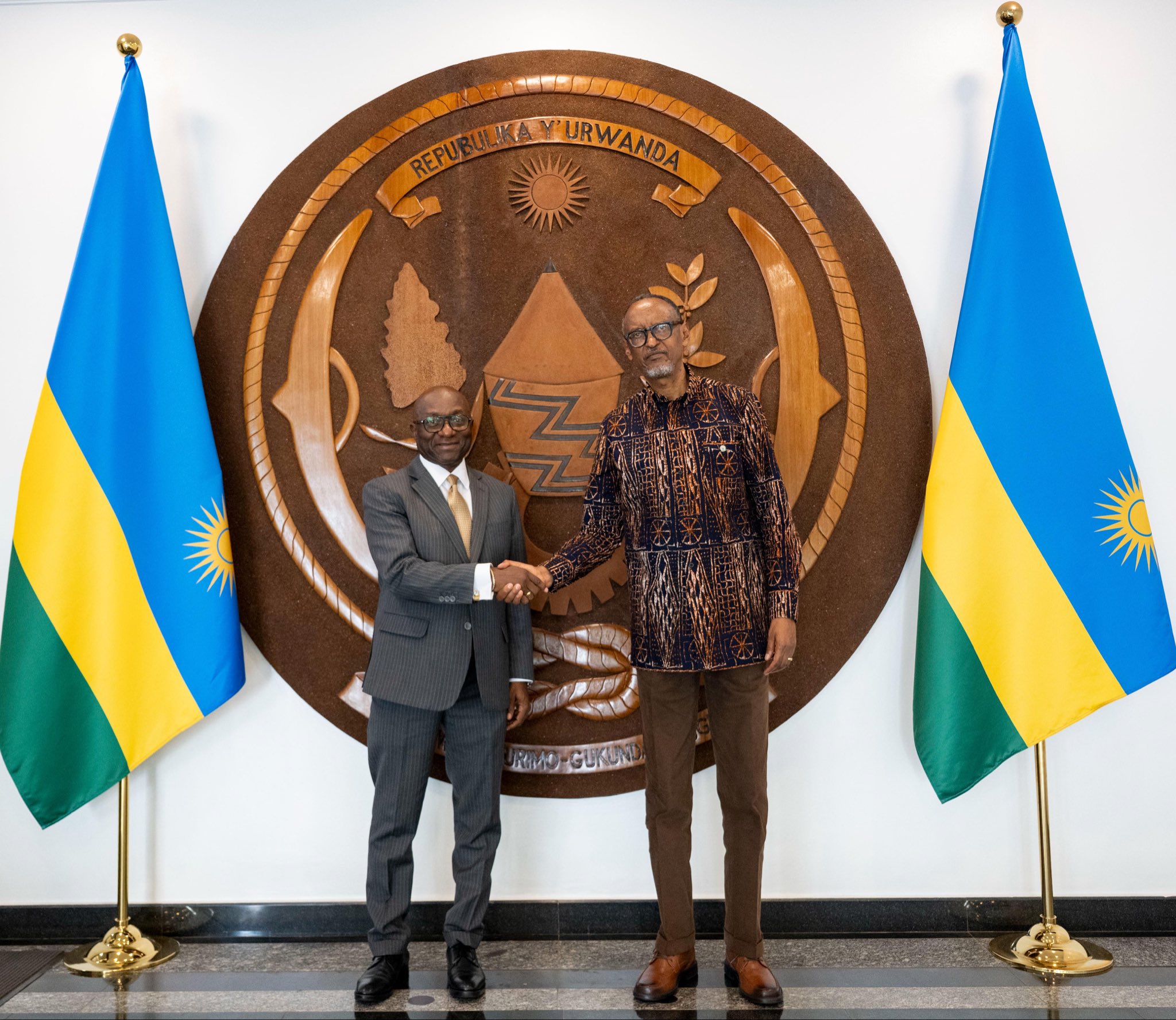
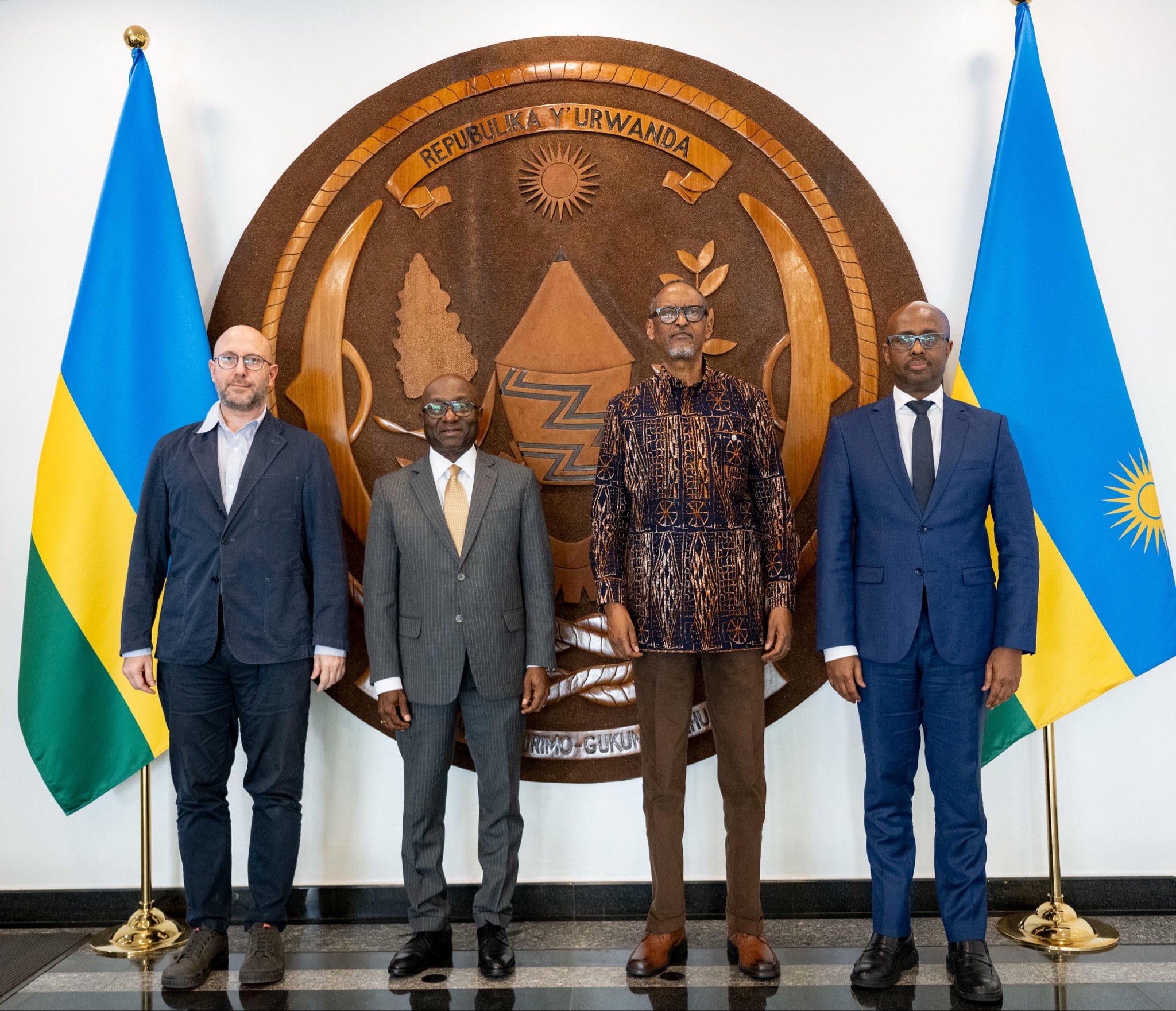
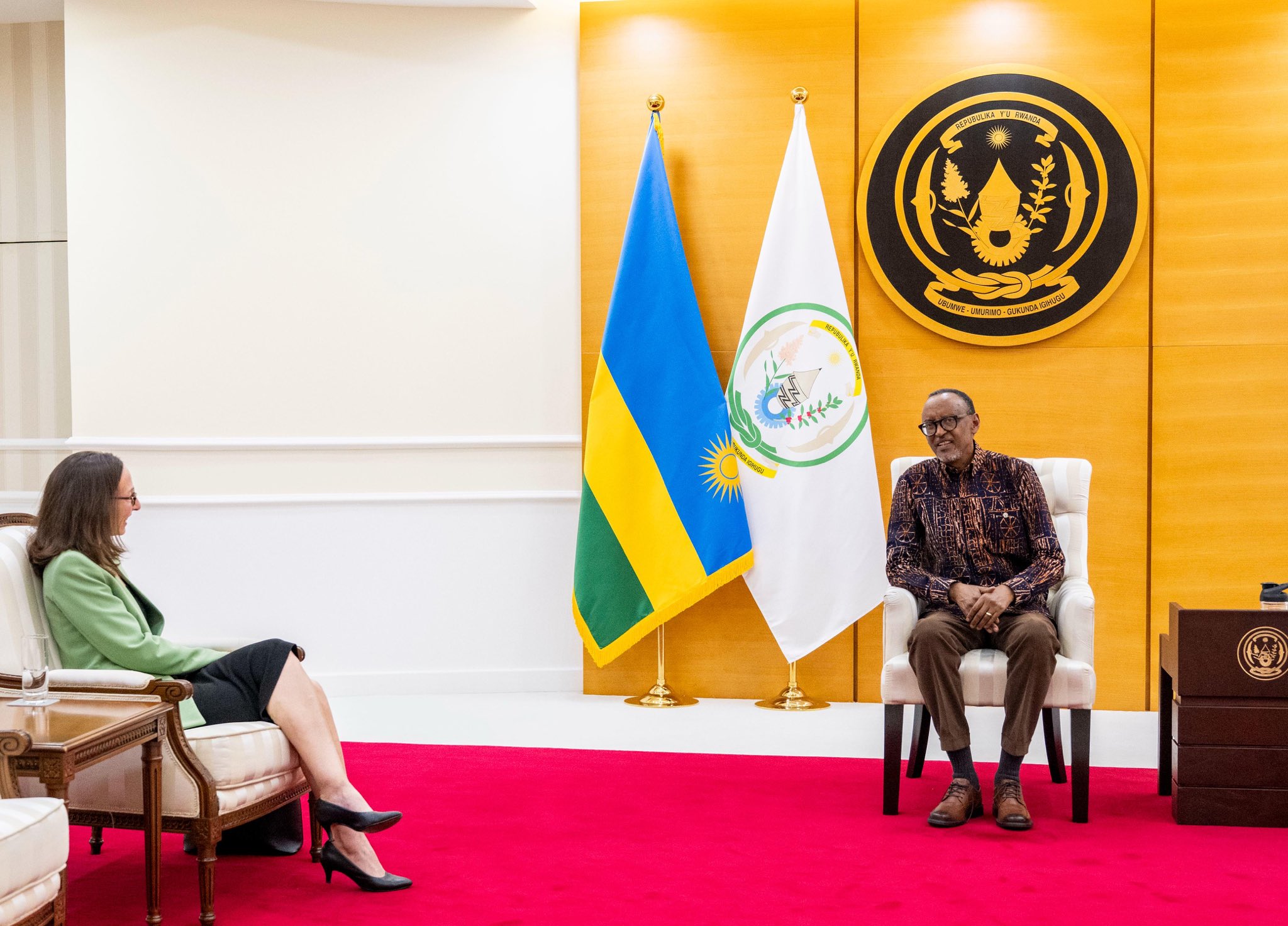
Kagame first met Sahr Kpundeh, the outgoing World Bank Country Manager for Rwanda, for a farewell meeting.
Their discussions focused on Rwanda’s longstanding partnership with the World Bank and continued collaboration in support of the country’s development priorities.
Kpundeh has served as the World Bank’s Country Manager for Rwanda, working with the government on development programmes and initiatives across various sectors.
Discussions with the outgoing World Bank representative focused on Rwanda’s longstanding partnership with the World Bank and continued collaboration in support of the country’s development priorities.
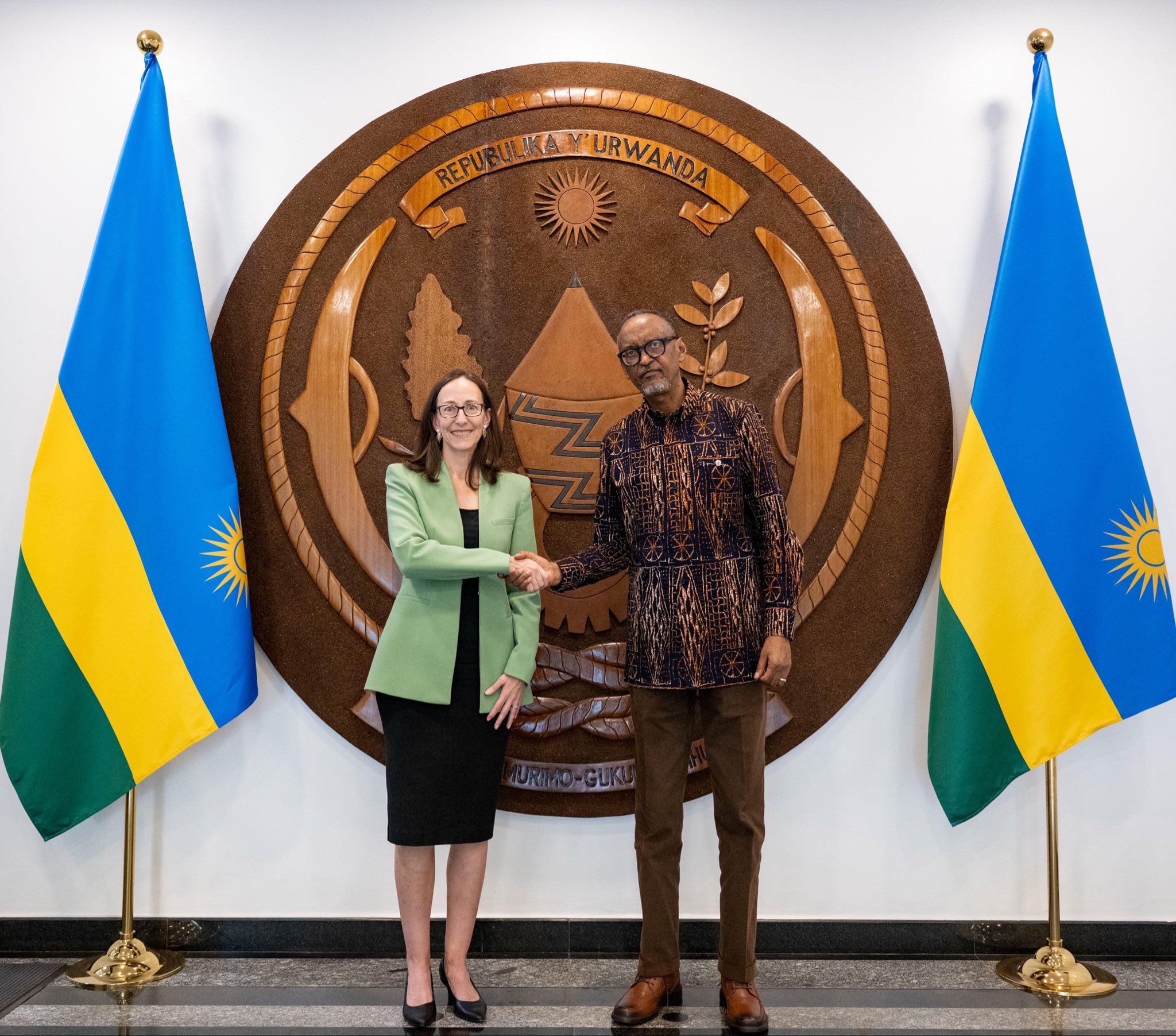
Later in the afternoon, Kagame received Julie Crowley, the outgoing High Commissioner of Canada to Rwanda, as she concludes her tour of duty.
The two discussed Rwanda-Canada relations and efforts to further strengthen bilateral cooperation in areas of mutual interest.
The meetings come as both Kpundeh and Crowley conclude their respective assignments in Rwanda, with Kagame reflecting on the partnerships between Rwanda and the institutions and countries they represented.
President Kagame also received Julie Crowley, the outgoing High Commissioner of Canada to Rwanda, as she concludes her tour of duty.The two discussed Rwanda-Canada relations and efforts to further strengthen bilateral cooperation in areas of mutual interest.
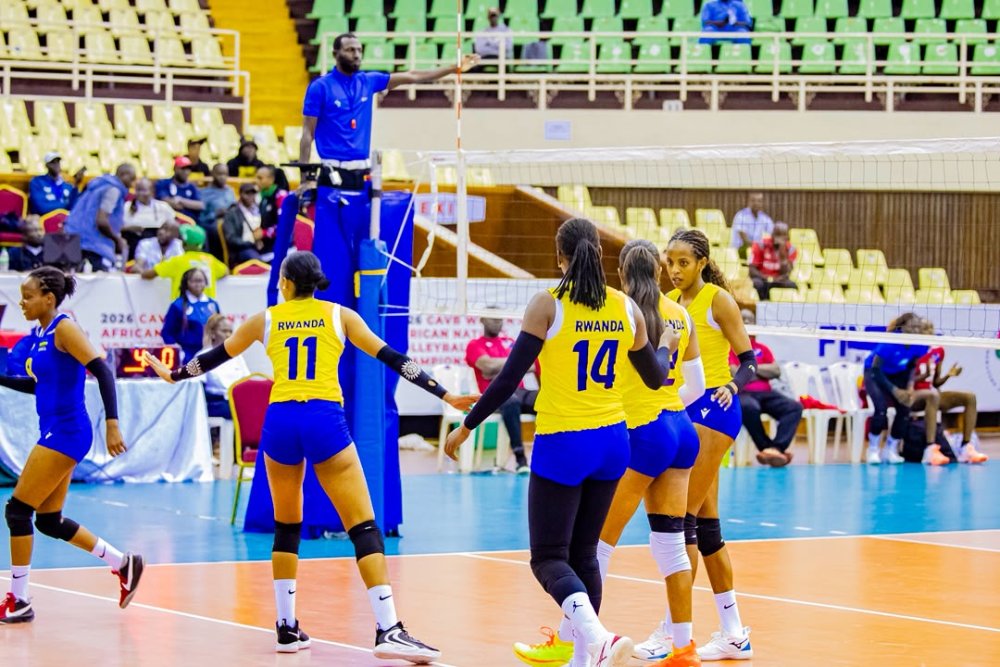
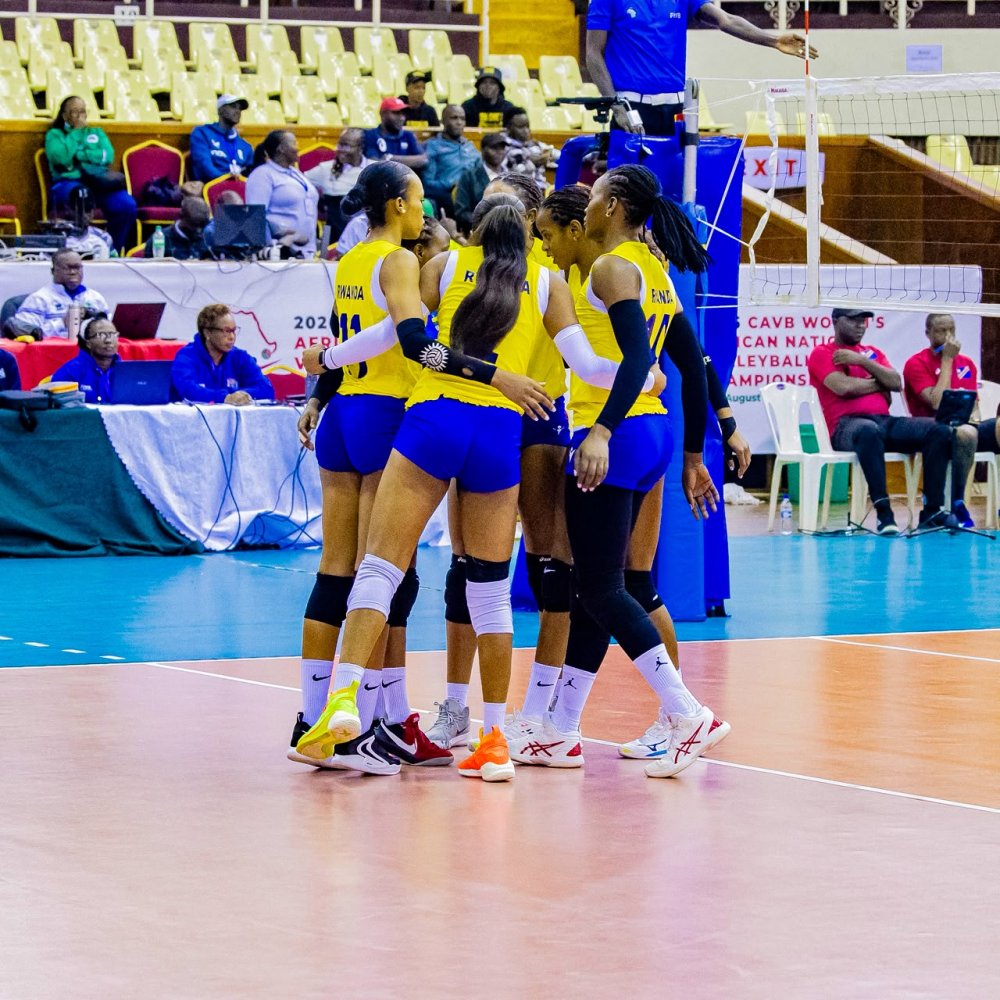
The match, played at Ulinzi Complex Hall in Nairobi, Kenya, saw Rwanda dominate from the opening set as they secured their third consecutive victory in Group D.
Rwanda raced to a 25-6 win in the first set before claiming the second 25-11. They completed the sweep with a 25-13 victory in the third set.
The first set lasted 18 minutes, while the second and third sets took 22 and 18 minutes, respectively.
The victory gave Rwanda a perfect nine points from three matches and secured their place at the top of Group D.
Rwanda had earlier defeated Algeria 3-0 before recording another straight-set victory over the Democratic Republic of Congo (DRC).
Rwanda will face the fourth-placed team from Group B in the round of 16. Senegal and Burkina Faso are among the teams in contention for that position.
Rwanda’s women’s national volleyball team finished the group stage of the 2026 African Volleyball Championship unbeaten after defeating Burundi 3-0 on Thursday.The match, played at Ulinzi Complex Hall in Nairobi, Kenya, saw Rwanda dominate from the opening set as they secured their third consecutive victory in Group D.
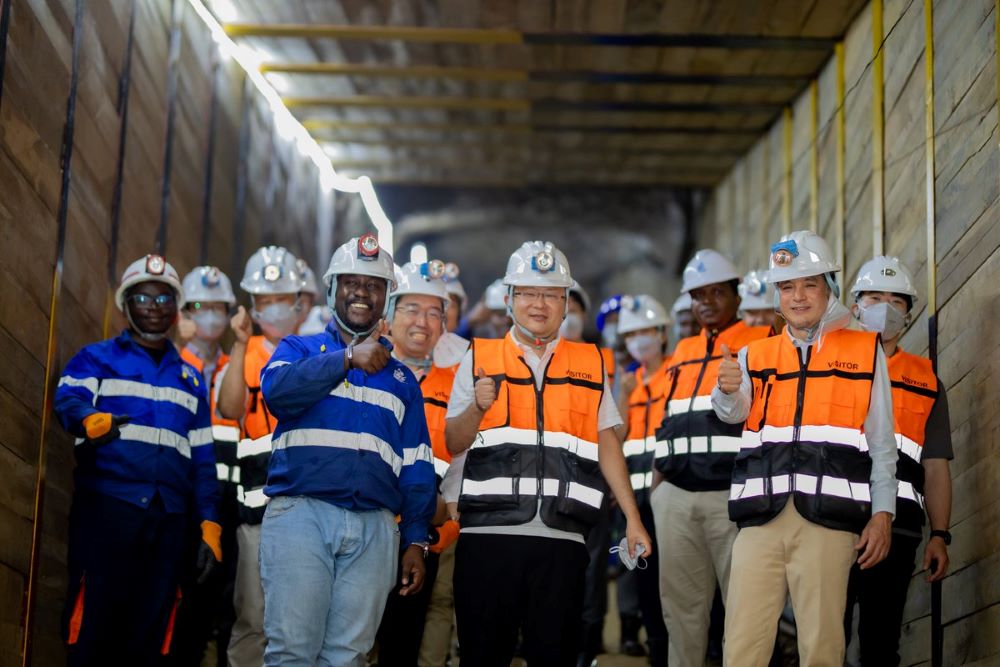
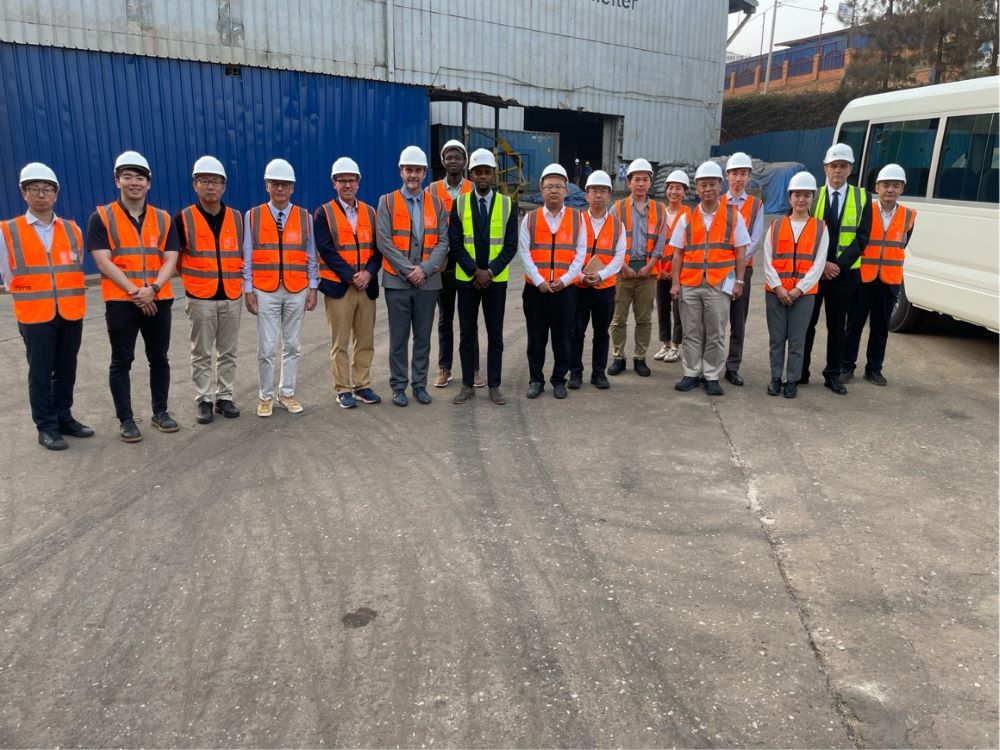
Hosted by the Embassy of Japan in Rwanda, the mission focused on investment opportunities, mineral processing and value addition, as well as responsible and traceable mineral supply chains.
During the visit, the delegation met with Rwanda Development Board (RDB) Chief Executive Officer Jean-Guy Afrika and Rwanda Mines, Petroleum and Gas Board (RMB) Chief Geo-Hazard Officer Barbara Akaliza.
The discussions provided an opportunity to examine Rwanda’s mining sector and potential areas for Japanese investment, particularly in mineral processing and value addition.
The delegation also held discussions with Minister of Trade and Industry Antoine Kajangwe and Virgile Rwanyagatare, Director General for Asia and the Pacific at the Ministry of Foreign Affairs and International Cooperation.
The meetings focused on strengthening economic relations between Japan and Rwanda and promoting cooperation in the mineral sector.
Welcoming the delegation, Akaliza said Rwanda was pleased to engage with Japanese partners on opportunities in the mining industry.
She highlighted Rwanda’s investment environment, opportunities in mineral processing and value addition, and its commitment to responsible and traceable mineral supply chains.
“We look forward to strengthening cooperation with Japanese partners in support of sustainable mineral development and shared economic growth,” she noted.
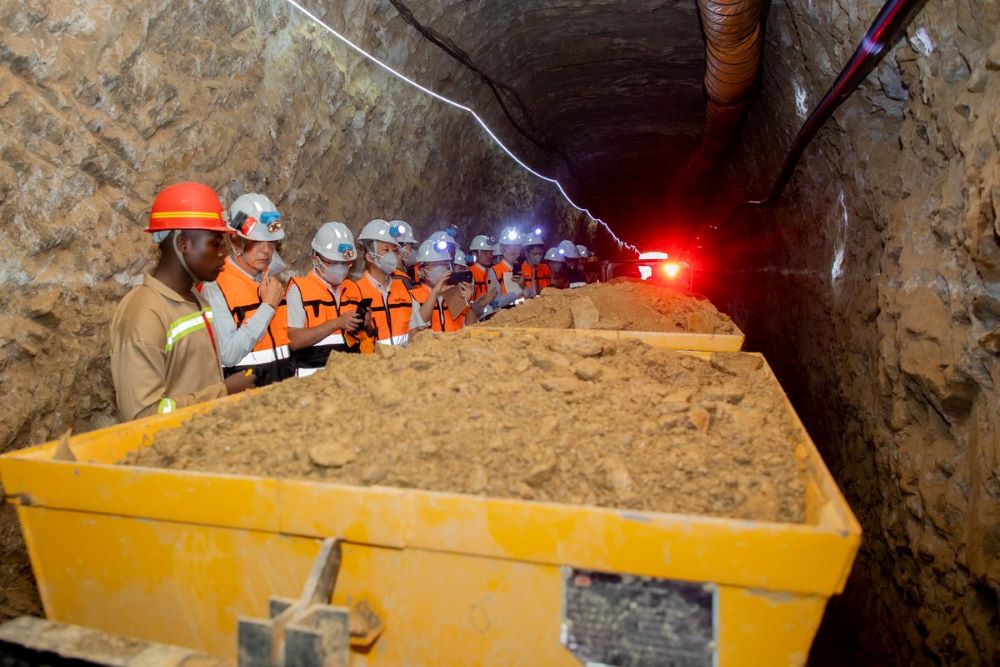
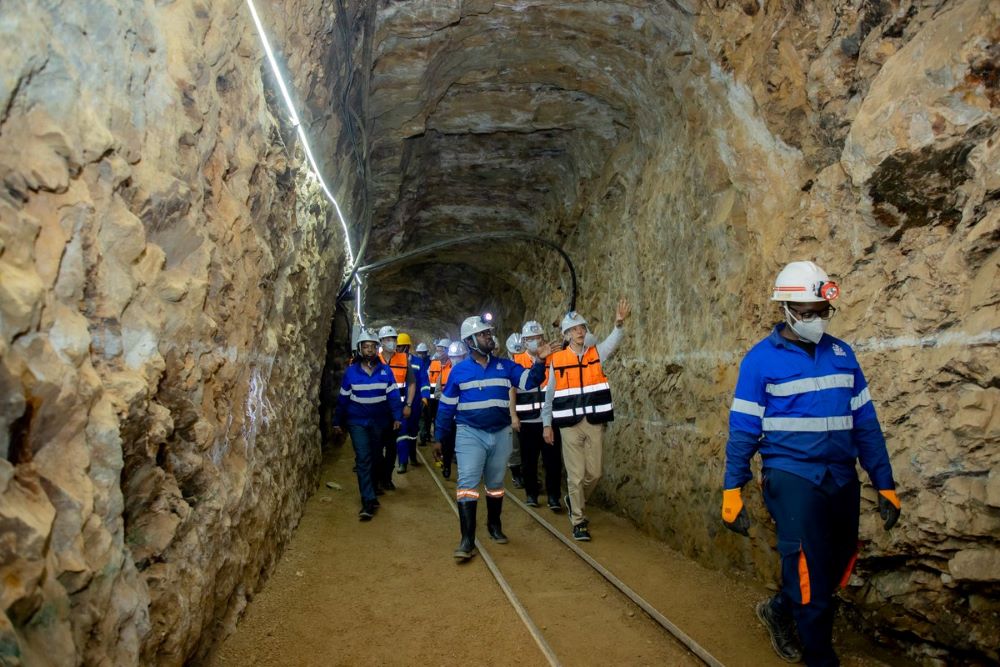
The delegation also visited several mining companies, mining sites and facilities, gaining first-hand insights into mining operations, mineral processing and the opportunities and challenges facing Rwanda’s mining industry.
The Embassy of Japan said the discussions and site visits allowed the delegation to explore potential areas for future investment and cooperation between Japanese and Rwandan stakeholders.
The embassy added it will continue supporting dialogue and cooperation between Japan and Rwanda in the mineral sector.
The Japanese mining delegation held discussions with Rwandan officials on mineral processing, value addition and responsible mineral supply chains.Japanese and Rwandan stakeholders explored potential areas for future investment and cooperation during the delegation’s three-day visit to Rwanda.The delegation visited mining companies and sites in Rwanda to gain first-hand insights into mining operations, mineral processing and the industry’s opportunities and challenges.Japanese companies and organisations specialising in mining visited Rwanda to explore investment and cooperation opportunities in the mineral sector.
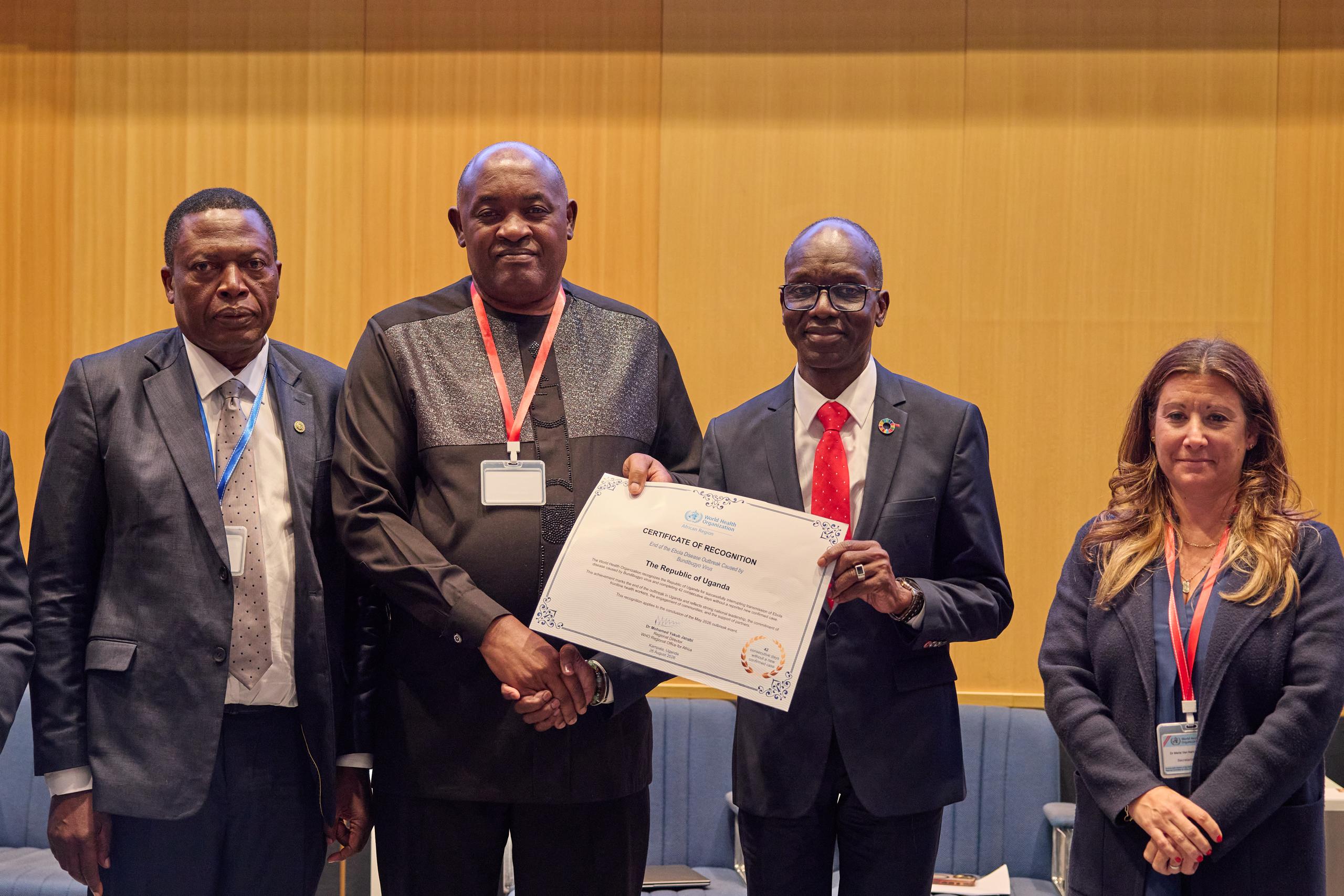
The milestone follows the discharge of Uganda’s last Ebola patient, an imported case, on July 16, 2026. The 42-day period is equivalent to twice the upper limit of Ebola’s incubation period and is the internationally established benchmark for confirming that transmission linked to an outbreak has ended.
Uganda declared the interruption of local transmission on July 28 after completing the 42-day period without a locally acquired case. Surveillance and other outbreak control measures continued following the discharge of the last patient.
“Uganda has demonstrated that with decisive action, Ebola outbreaks can be brought under control quickly,” WHO Director-General Dr Tedros Adhanom Ghebreyesus said in a statement released on Thursday.
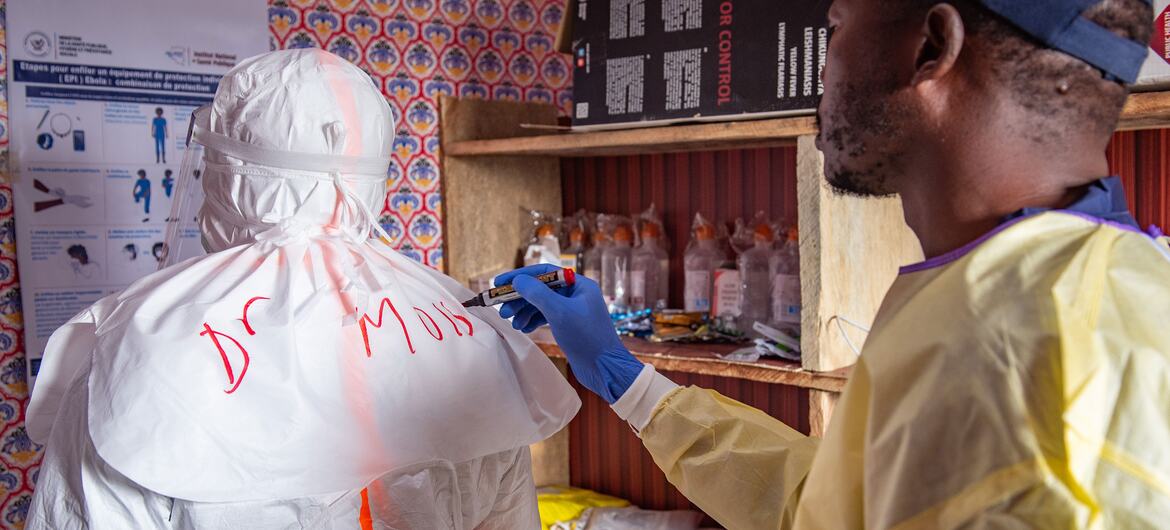
Uganda reported 20 confirmed Ebola cases caused by the Bundibugyo virus after declaring the outbreak on May 15. Of these, 15 were imported from the Democratic Republic of the Congo (DRC), while five were locally acquired among contacts and health workers linked to imported cases.
Uganda reported 20 confirmed Ebola cases caused by the Bundibugyo virus after declaring the outbreak on May 15.
Eighteen patients recovered while two died. More than 800 contacts were identified and monitored during the outbreak.
WHO and Africa CDC credited strong government leadership, early case detection, contact tracing, isolation and treatment, infection prevention and control, community engagement and strengthened surveillance at health facilities and points of entry for helping Uganda contain the outbreak.
Africa CDC Director-General Dr Jean Kaseya said Uganda had demonstrated that Ebola can be stopped when governments act decisively and public health systems respond quickly.
The declaration comes as the DRC continues to battle an Ebola outbreak, with 5,656 confirmed cases and 2,715 confirmed deaths reported as of August 24, according to the additional data provided.
WHO warned that Uganda and other neighbouring countries remain at risk of imported cases because of close social and economic ties, cross-border movement and trade.
The UN health agency said it does not recommend travel or trade restrictions in response to Ebola outbreaks, including suspending flights, closing borders or denying entry to travellers from affected countries.
Instead, countries are encouraged to maintain travel and trade while strengthening disease surveillance, testing, rapid investigation of alerts, infection prevention and control, community engagement and cross-border coordination.
“Ending an Ebola outbreak is an important milestone, but the lasting achievement is a stronger ability to protect people from future health threats,” said Dr Mohamed Janabi, WHO Regional Director for Africa.
WHO and Africa CDC said they will continue supporting Uganda and the DRC under a joint continental preparedness and response plan, with ending Ebola transmission in the DRC remaining a priority for protecting communities across the region.
The World Health Organization (WHO) and the Africa Centres for Disease Control and Prevention (Africa CDC) have declared the end of Uganda’s Ebola outbreak after the country went 42 consecutive days without recording a new confirmed case.
The plans are part of Kigali’s broader efforts to upgrade informal settlements while keeping residents connected to their existing communities.
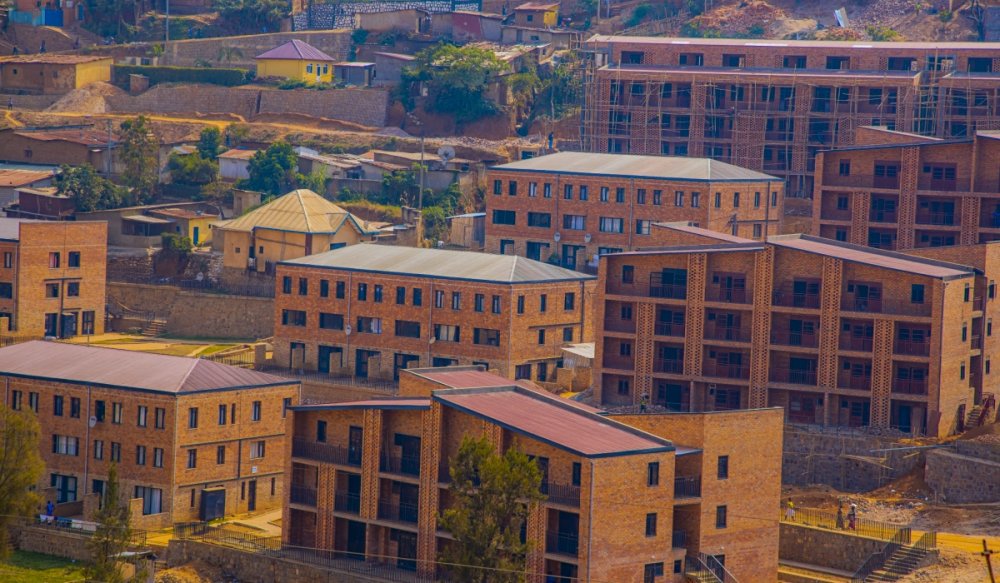
In a post shared on X, Kigali City spokesperson Ntirenganya Emma Claudine said 793 housing units had already been built at Mpazi, with more than 500 families settled there. Another 44 units are currently under construction.
“Mpazi is not ending there: the project will continue progressively, with about 4,106 housing units planned upon completion,” she wrote in the post on Thursday.
The same approach is being implemented at Nyabisindu-Nyagatovu, where construction is underway to deliver approximately 2,029 housing units.
The city’s informal settlement upgrading programme has also reached Kabuhunde Village in Kagugu Cell, Kinyinya Sector, Gasabo District, where 716 residents are expected to benefit from improved housing.
Ntirenganya said 85 households whose properties are required for the Kabuhunde project have already received rental support to ensure they have accommodation as construction progresses.
She noted that households that owned land or houses within the project area will receive and own new housing units once construction is completed, based on the assessed value of their existing properties and applicable expropriation arrangements.
She stressed that the approach is intended to improve living conditions without disconnecting residents from their communities.
“Families can remain close to their jobs and businesses. Children can continue attending familiar schools. Residents can continue using the same markets and maintain their neighbours and social networks,” she said.
The upgrading programme is expected to improve not only housing but also the surrounding infrastructure, including sanitation, roads, drainage, recreational spaces and neighbourhood organisation.
“For low- and middle-income residents, upgrading informal settlements should improve both the home and the life around it, not disconnect one from the other,” Ntirenganya stated.
She added that the approach will be progressively implemented in Kabuhunde, Mpazi, and Nyabisindu-Nyagatovu, as well as other parts of Kigali.
Kigali City plans to progressively expand the Mpazi Model Village housing project in Gitega Sector, Nyarugenge District, to about 4,106 housing units, the city spokesperson has said.
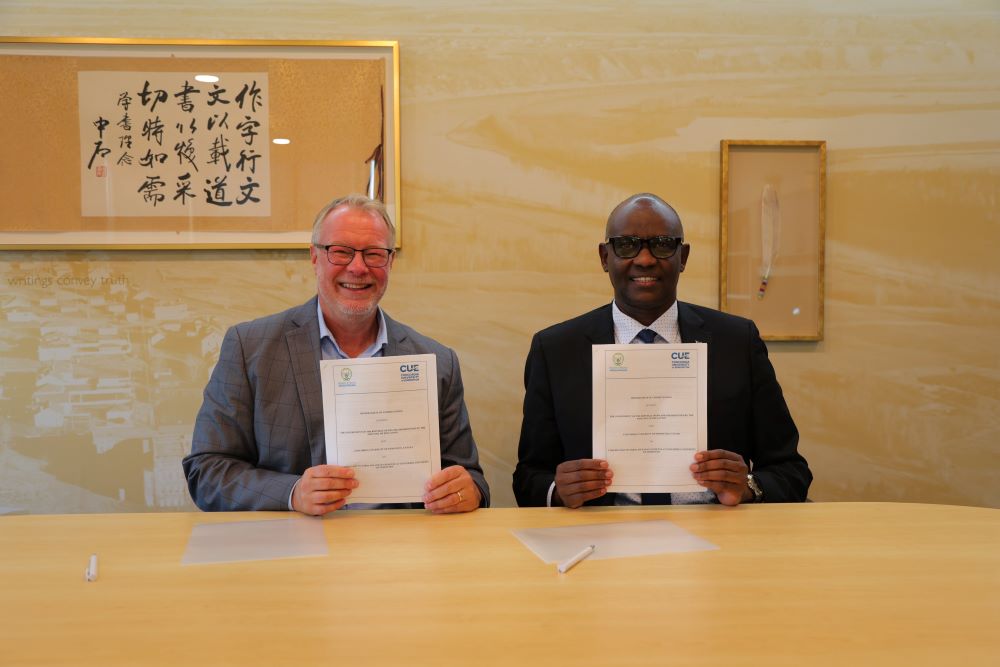
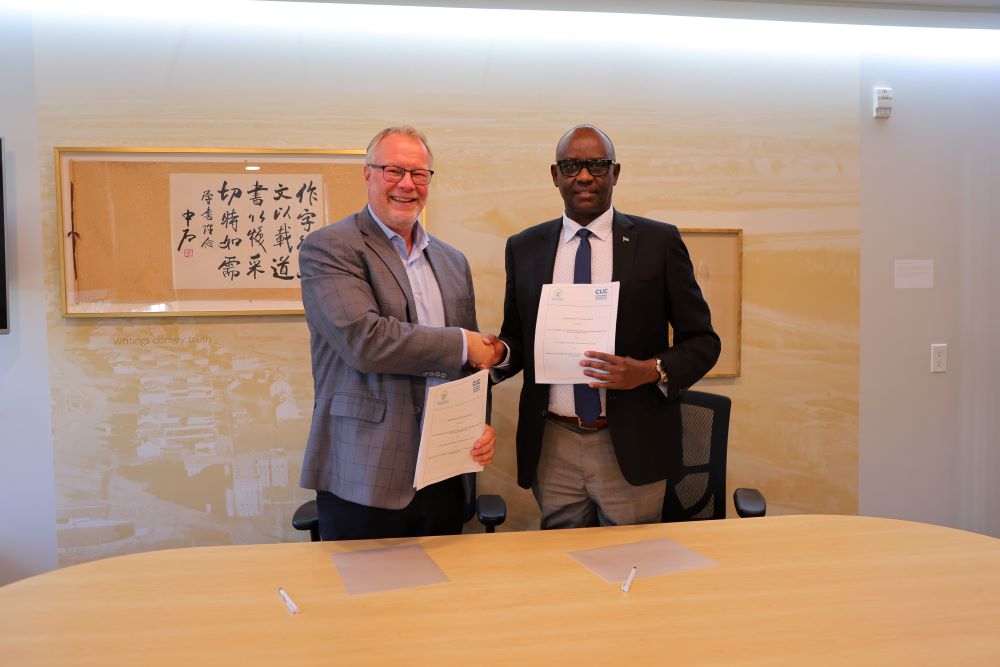
The agreement was signed by Rwanda’s High Commissioner to Canada, Prosper Higiro, on behalf of the Government of Rwanda through the Ministry of Education, and Dr. Tim Loreman, President and Vice-Chancellor of Concordia University of Edmonton.
The signing took place during Higiro’s visit to Alberta from August 21 to 23, 2026.
Under the agreement, Concordia University of Edmonton will consider applications from qualified Rwandan students seeking to study at the university, subject to its normal admission requirements and institutional capacity.
The two sides will also explore scholarship opportunities, tuition-support mechanisms and other arrangements that could help eligible Rwandan students access education.
The cooperation will also cover executive training programmes for Rwandan government officials, particularly in public policy, innovation and other areas to be agreed upon by both sides.
The MoU further provides opportunities for academic staff and researcher exchanges to strengthen academic collaboration, research, knowledge sharing and institutional links between Concordia University of Edmonton and higher education institutions in Rwanda.
Priority areas for cooperation include Education, Psychology, Management and Cybersecurity, Data and Artificial Intelligence applications, Health Sciences, Environmental Stewardship and Sustainability, Leadership and Innovation, as well as Social Sciences, Economics and Statistics.
The agreement also provides for discussions on broader academic and research collaboration in Rwanda, subject to institutional feasibility, necessary approvals and applicable regulatory requirements.
The signing was among the key engagements during Higiro’s visit to Alberta and forms part of efforts to build practical partnerships between Rwanda and institutions in Canada.
The agreement signed by Rwanda and Concordia University of Edmonton will explore opportunities for Rwandan students, academic staff and researchers in areas including education, cybersecurity, artificial intelligence and health sciences.The agreement to expand academic cooperation between Rwanda and the Canadian university was signed between Prosper Higiro, Rwanda’s High Commissioner to Canada, and Dr. Tim Loreman, President and Vice-Chancellor of Concordia University of Edmonton.
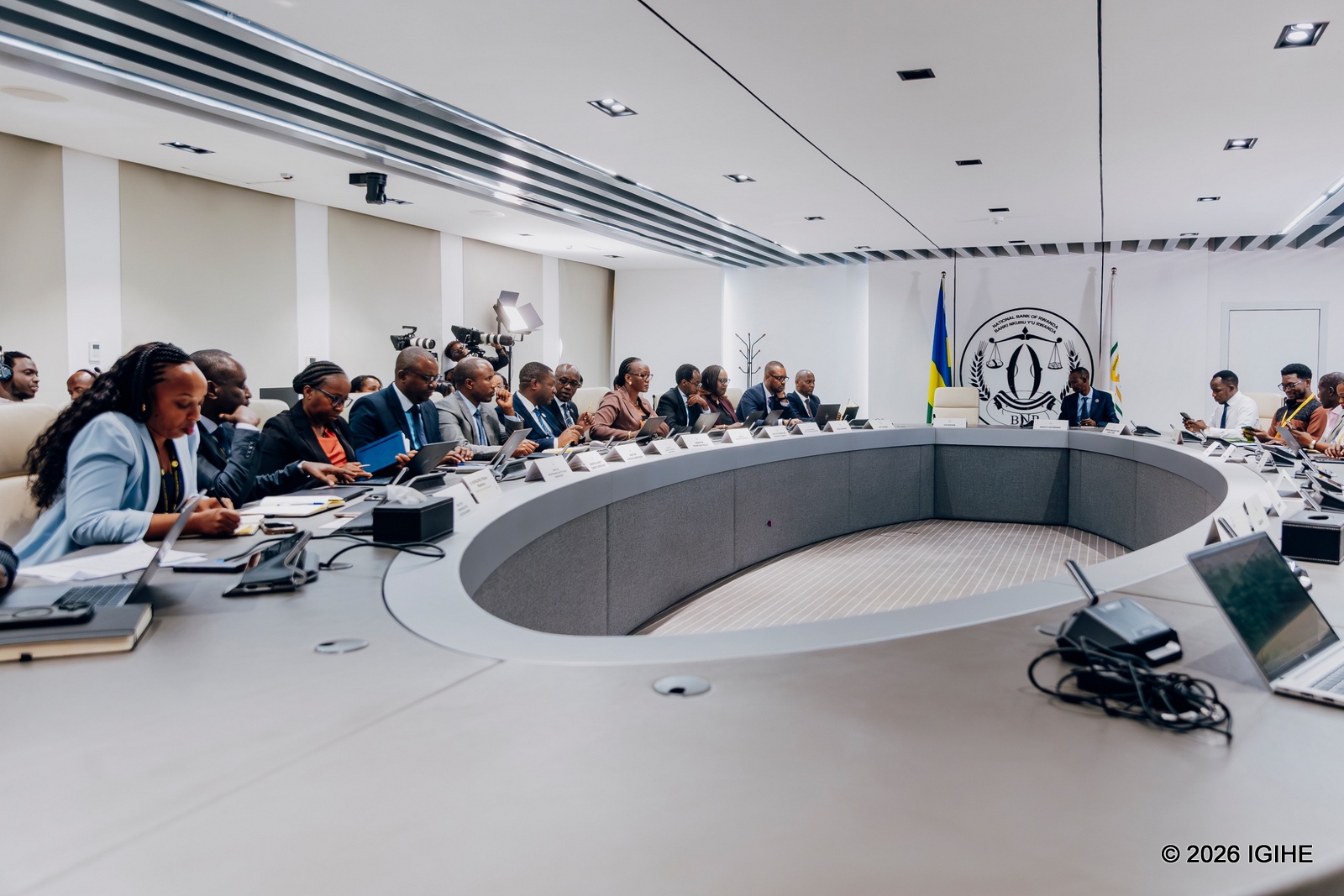
The Monetary Policy Committee (MPC), which met on August 26, increased the Central Bank Rate from 8.25 percent, citing persistent inflationary pressures and risks to the outlook.
Inflation rose from 9.1 percent in the first quarter of 2026 to 13.2 percent in the second quarter before reaching 14.5 percent in July, according to the National Bank of Rwanda (NBR). The rate is significantly above the central bank’s target range of 2 to 8 percent.
The latest increase follows rate hikes of 50 basis points in February and 100 basis points in May. Since November 2025, the central bank has raised the policy rate by a cumulative 175 basis points.
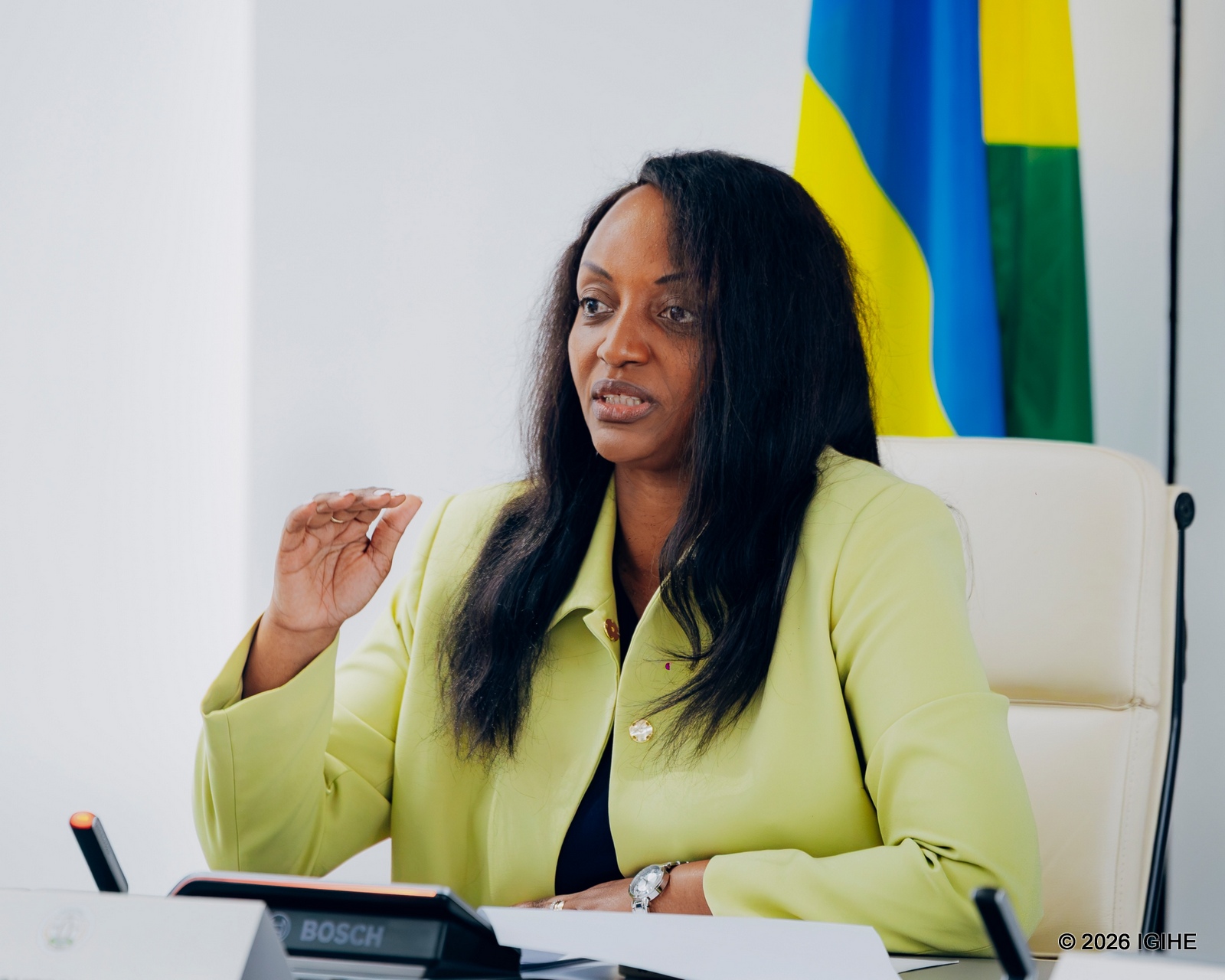
The NBR Governor Soraya Hakuziyaremye said the latest decision was intended to anchor inflation expectations, limit second-round effects and support the return of inflation to the target range in the second half of 2027.
“Inflation is currently elevated but expected to return to the target range in the second half of 2027,” the central bank boss told journalists during a press conference on Thursday.
Inflation is projected to average 13.1 percent in 2026, slightly lower than the previous forecast of 13.9 percent, before declining to 7.9 percent in 2027.
The central bank, however, warned that inflation could remain under pressure from external and domestic factors.
It identified the onset of the El Niño climate pattern as a key risk, saying droughts and heavy rainfall could affect food supplies and prices for commodities such as rice, cooking oil and sugar.
Continued tensions in the Middle East could also keep global commodity and oil prices elevated, potentially pushing up fuel, transport and import costs.
The NBR said core inflation rose to 12.3 percent in the second quarter from 9.3 percent, driven mainly by higher prices for transport, housing and food. Fresh food inflation increased to 7.3 percent from 5.2 percent, while energy inflation more than doubled to 45.7 percent from 21.1 percent.
Meat prices also came under pressure after supplies were temporarily affected by an outbreak of Rift Valley Fever, although the disease has gradually been contained.
Despite the inflationary pressures, Rwanda’s economy maintained strong momentum.
The economy grew by 10 percent year-on-year in the first quarter of 2026, while the Composite Index of Economic Activities increased by 10.9 percent year-on-year in the second quarter, indicating continued expansion despite heightened global uncertainty.
Merchandise exports also performed strongly, increasing by 51 percent in the second quarter, mainly due to higher mineral exports amid favorable international prices.
However, imports rose by 28 percent, driven by demand for essential food products, construction materials, medical equipment and information technology equipment. The trade deficit consequently widened by 13.8 percent to $821.9 million, from $722.3 million in the same period of 2025.
The Rwandan franc meanwhile remained relatively stable. It depreciated by 0.87 percent against the US dollar in the first half of 2026, compared with 2.96 percent during the same period in 2025.
International reserves stood at a level equivalent to 4.2 months of imports at the end of June, above the NBR’s four-month benchmark.
The latest rate increase has already been reflected in money market conditions. The interbank rate rose to 7.73 percent in the second quarter, from 6.30 percent in the corresponding period of 2025.
However, retail lending and deposit rates remained broadly stable, suggesting that previous policy rate increases have yet to be fully transmitted to consumers and businesses.
The average lending rate stood at 15.88 percent in the second quarter, compared with 15.96 percent a year earlier, while deposit rates increased marginally to 9.79 percent from 9.75 percent.
The NBR said it would continue monitoring economic conditions and remains prepared to take further measures to safeguard price stability.
Separately, the central bank’s Financial Stability Committee said Rwanda’s financial sector remained stable and resilient despite global uncertainty.
The sector’s total assets grew by 22.7 percent to Rwf17 trillion in the first half of 2026, while outstanding loans from credit institutions increased by 22.6 percent to Rwf6.9 trillion.
Banks accounted for 87 percent of outstanding credit, with lending increasing by 22 percent to Rwf6.1 trillion.
The NBR said banks continued to maintain strong capital and liquidity buffers, although the non-performing loan ratio increased to 3 percent in June 2026 from 2.6 percent a year earlier.
The central bank’s latest decision continues a tightening cycle aimed at bringing inflation back within its target range while maintaining economic and financial stability.
“The National Bank of Rwanda remains committed to safeguarding financial stability. The FSC will continue to closely monitor credit growth, liquidity and funding conditions, emerging risks in non-bank financial institutions, investment concentration as well as fraud, cyber risks and other operational vulnerabilities,” Governor Hakuziyaremye noted.
Addressing journalists on Thursday, the NBR Governor Soraya Hakuziyaremye said the latest decision was intended to anchor inflation expectations, limit second-round effects and support the return of inflation to the target range in the second half of 2027.