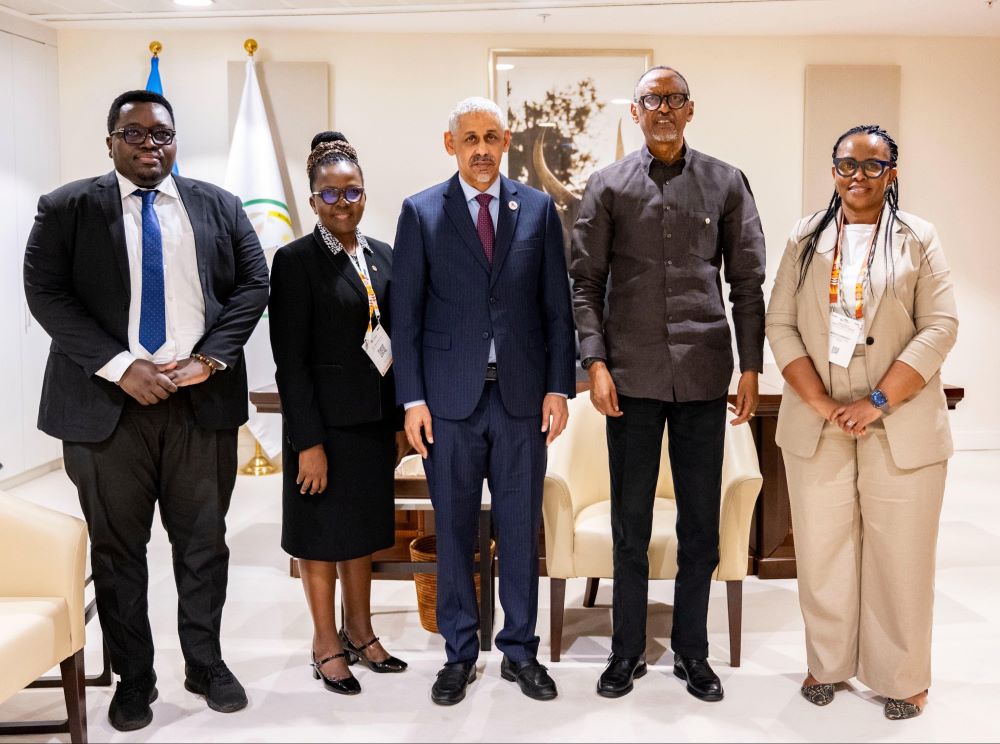
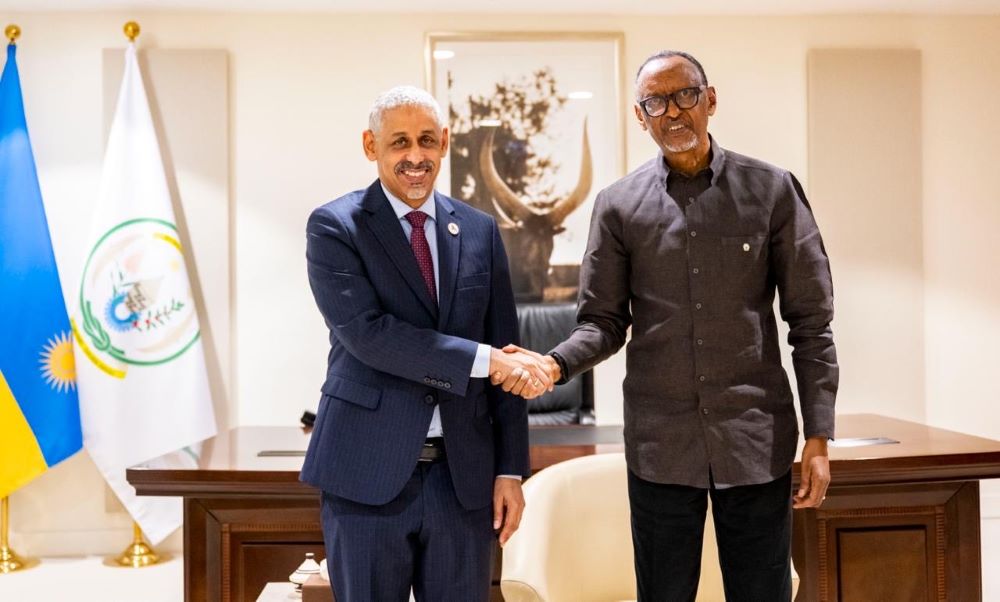
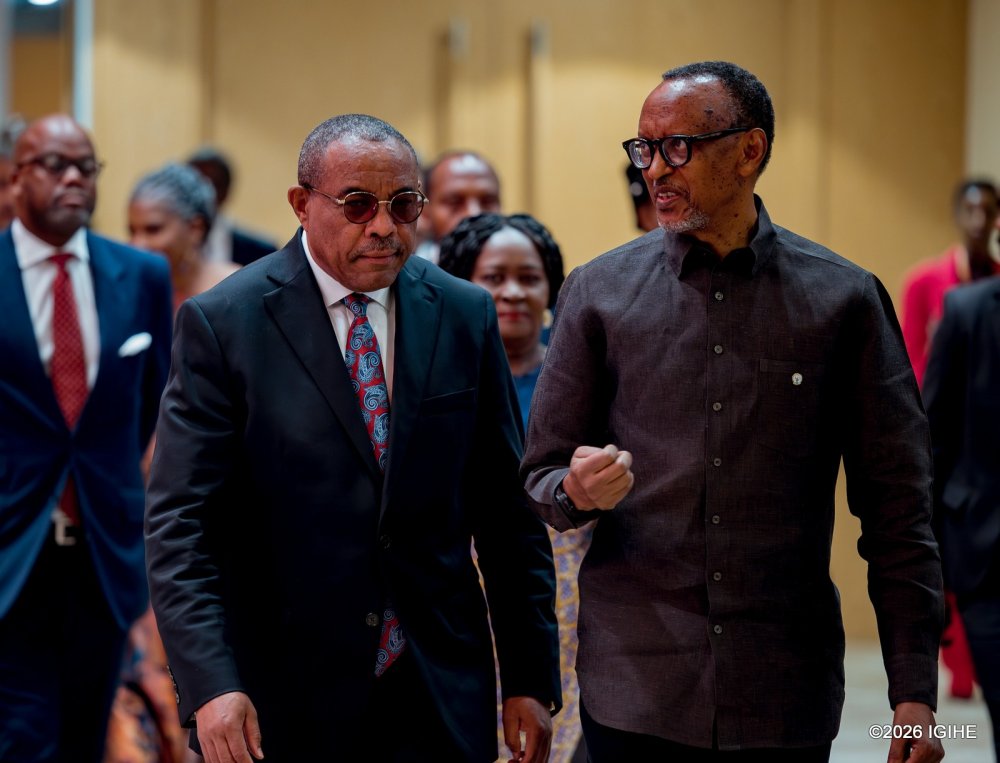
According to the Office of the President, the two discussed Rwanda’s partnership with the African Development Bank and exchanged priorities for accelerating investment, economic growth and Africa’s development.
The meeting came as the two-day Africa Mindset Reset Forum brought together African leaders, policymakers, young people and other participants in Kigali to discuss approaches to the continent’s development and leadership.
Speaking at the forum, Kagame said Africa has the people and resources needed to succeed but is held back by attitudes that Africans need to confront.
He urged Africans to recognise and support one another’s achievements instead of continually looking outside the continent for validation and inspiration.
The meeting with the AfDB president also comes against the backdrop of the Bank’s growing financial engagement with Rwanda.
The AfDB plans to invest more than $400 million, equivalent to about Rwf590 billion, in Rwanda’s agriculture sector over the next three years, according to its 2025 Country Portfolio Performance Review released on August 20.
The planned investment is part of efforts to rebalance the Bank’s Rwanda portfolio, which is currently dominated by infrastructure, accounting for 87% of total commitments.
The Bank’s active portfolio in Rwanda stood at $2.6 billion as of January 2026, covering 29 operations.
The agriculture sector currently represents a relatively small share of the portfolio, with agriculture, communications, social and urban development together accounting for 6% of its value.
A $348 million Climate Smart Agriculture Results-Based Financing programme is among the agriculture operations in the Bank’s pipeline.
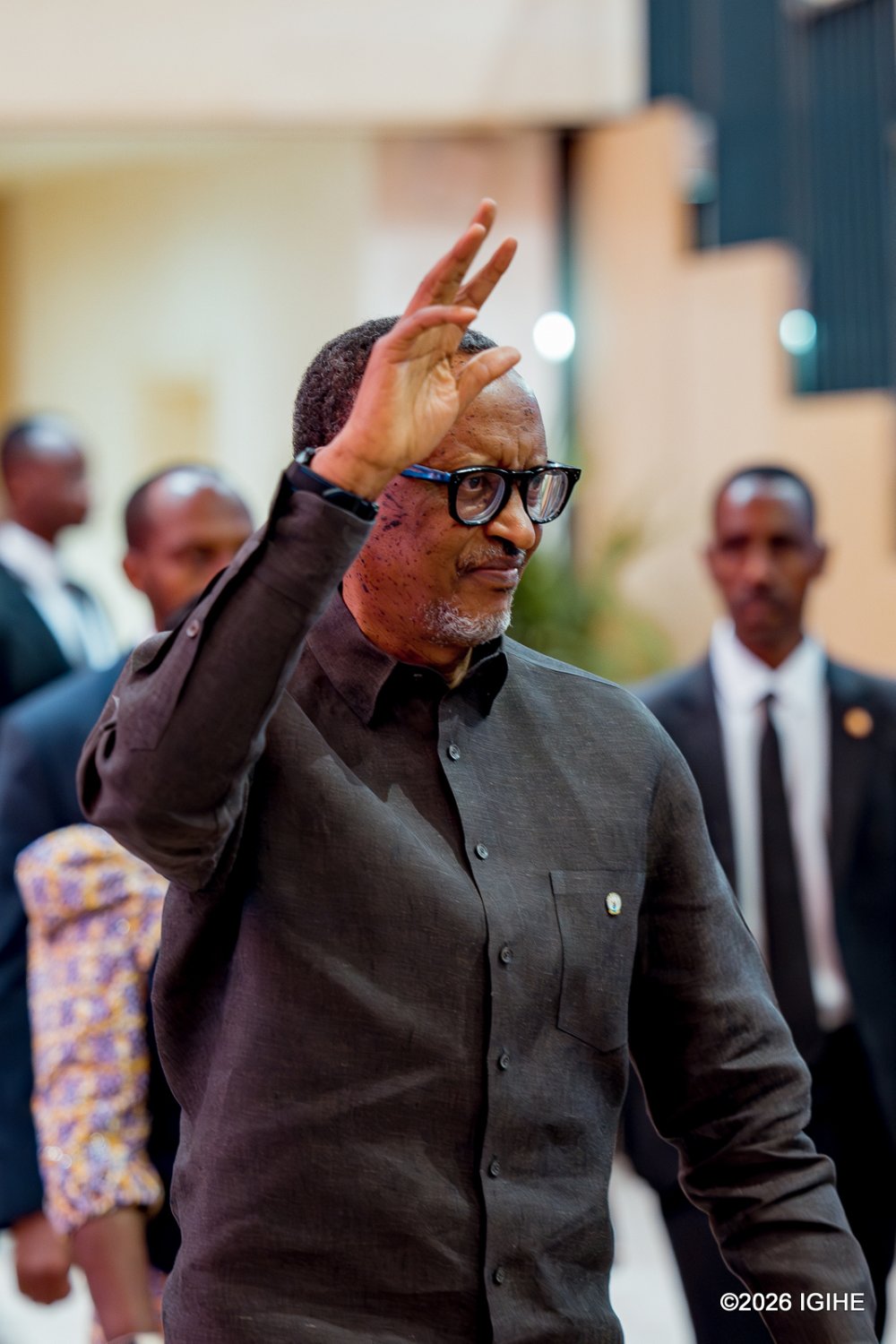
President Paul Kagame met Dr. Sidi Ould Tah on the sidelines of the inaugural Africa Mindset Reset Forum in Kigali.President Paul Kagame and AfDB Group President Dr. Sidi Ould Tah held talks on investment, economic growth and Africa’s development.
The other countries are Ghana, Guinea-Bissau and the Republic of Congo. The WHO Regional Office for Africa confirmed the closure of the outbreaks following independent technical assessments conducted between January and June 2026.
The assessments reviewed disease surveillance, laboratory and epidemiological data, vaccination coverage and the quality of outbreak response activities before determining that transmission had been interrupted in all five countries.
While confirming the closure of the outbreaks, WHO Regional Director for Africa Dr Mohamed Janabi cautioned against complacency, stressing that continued disease surveillance and high immunization coverage remain essential to prevent future outbreaks.
Uganda and Burundi make progress
In Uganda, health authorities intensified surveillance and outbreak response measures after poliovirus was detected in May 2024. The response involved coordination between national and subnational authorities, alongside efforts to strengthen the country’s capacity to identify and contain further transmission.
Uganda also upgraded its laboratory capacity earlier this year, improving its ability to detect poliovirus and respond rapidly to vaccine-preventable diseases.
In Burundi, a circulating poliovirus type 2 outbreak was declared in March 2023. Authorities subsequently strengthened routine immunisation, epidemiological investigations and environmental surveillance, supported by the Global Polio Eradication Initiative (GPEI).
Targeted vaccination campaigns were also used to close immunity gaps and protect children in communities at risk.
The WHO said the experience of the five countries demonstrates the importance of rapid detection, strong government leadership, sustained surveillance, community engagement and high-quality vaccination campaigns in stopping poliovirus transmission.
WHO noted that outbreak closure is a country-specific technical determination based on evidence showing that transmission linked to a particular outbreak has been interrupted. It does not mean that countries are permanently protected from future detections or importations.
“Every outbreak closed means more children protected from a disease that can cause lifelong paralysis,” said Mike McGovern, Chair of the GPEI Polio Oversight Board and Rotary International’s International PolioPlus Committee.
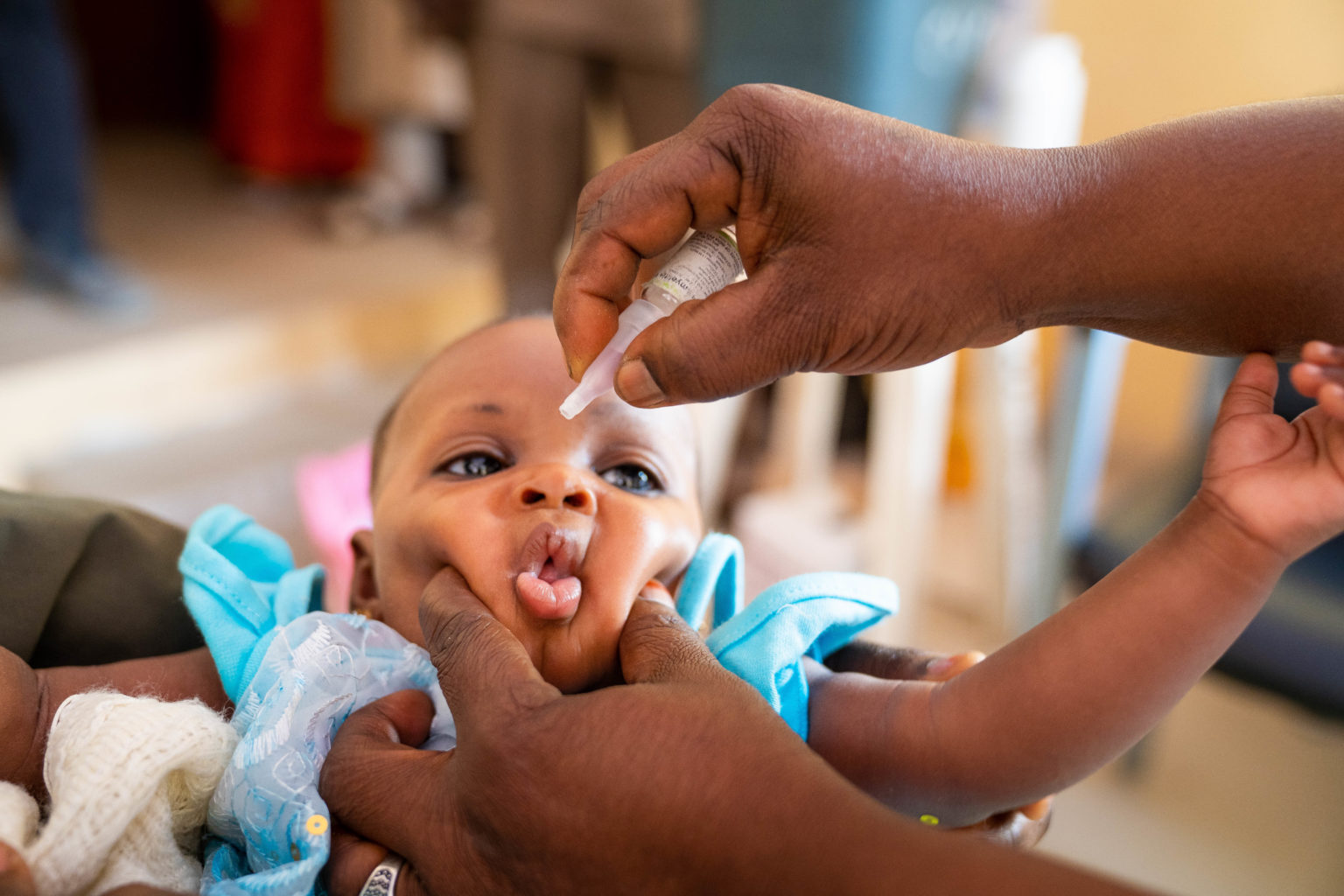
Polio is a highly infectious disease that can cause irreversible paralysis. There is no cure, but vaccination can prevent the disease.
Rwanda was declared polio-free in 2004 after reporting its last case of wild poliovirus in 1993.
Uganda and Burundi are among five African countries that have successfully stopped the transmission of poliovirus type 2, according to the World Health Organisation (WHO), marking a significant milestone in efforts to protect children from paralysis caused by the disease.
Nchimbi said on Tuesday, August 25, that he had written to President Samia Suluhu Hassan informing her of his decision to resign, effective September 4, 2026.
He said the resignation was made in accordance with Articles 50(2)(c) and 149(2) of Tanzania’s Constitution.
Nchimbi said his decision was also linked to a commitment he made to President Samia in August 2025, when he pledged to support her and the country with loyalty and said he would relinquish his position if she ever felt that another vice president was needed.
“I have satisfied myself, beyond doubt, that H.E. the President desires a change; therefore, I have decided to fulfill my promise,” Nchimbi said in a public notice.
He said he would continue serving as “a good citizen of Tanzania” after leaving public office.
His resignation comes amid media reports of a fallout between Nchimbi and President Samia, although neither side has publicly detailed the circumstances behind the reported differences.
Nchimbi was sworn in as vice president in November 2025 after serving as Samia’s running mate in the October 2025 presidential election.
Before becoming vice president, Nchimbi served as secretary-general of the ruling Chama Cha Mapinduzi (CCM). He previously held senior government positions, including minister of information and minister of home affairs, and later served as Tanzania’s ambassador to Brazil and Egypt.
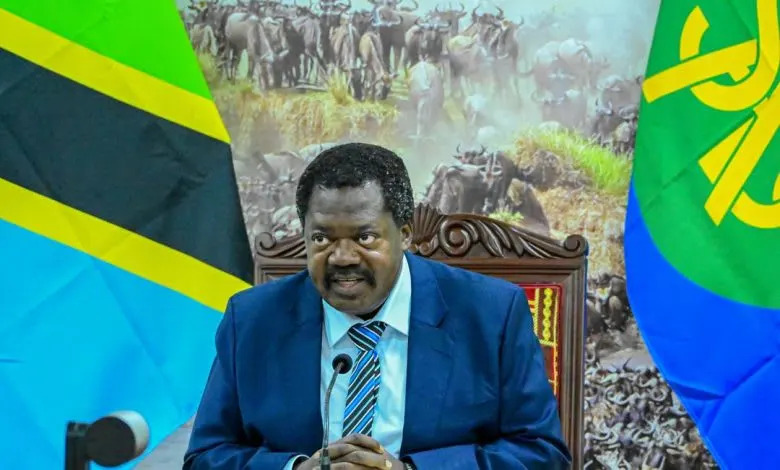
Tanzania’s Vice President Emmanuel Nchimbi has announced his resignation from the position and from public service, effective September 4, 2026.
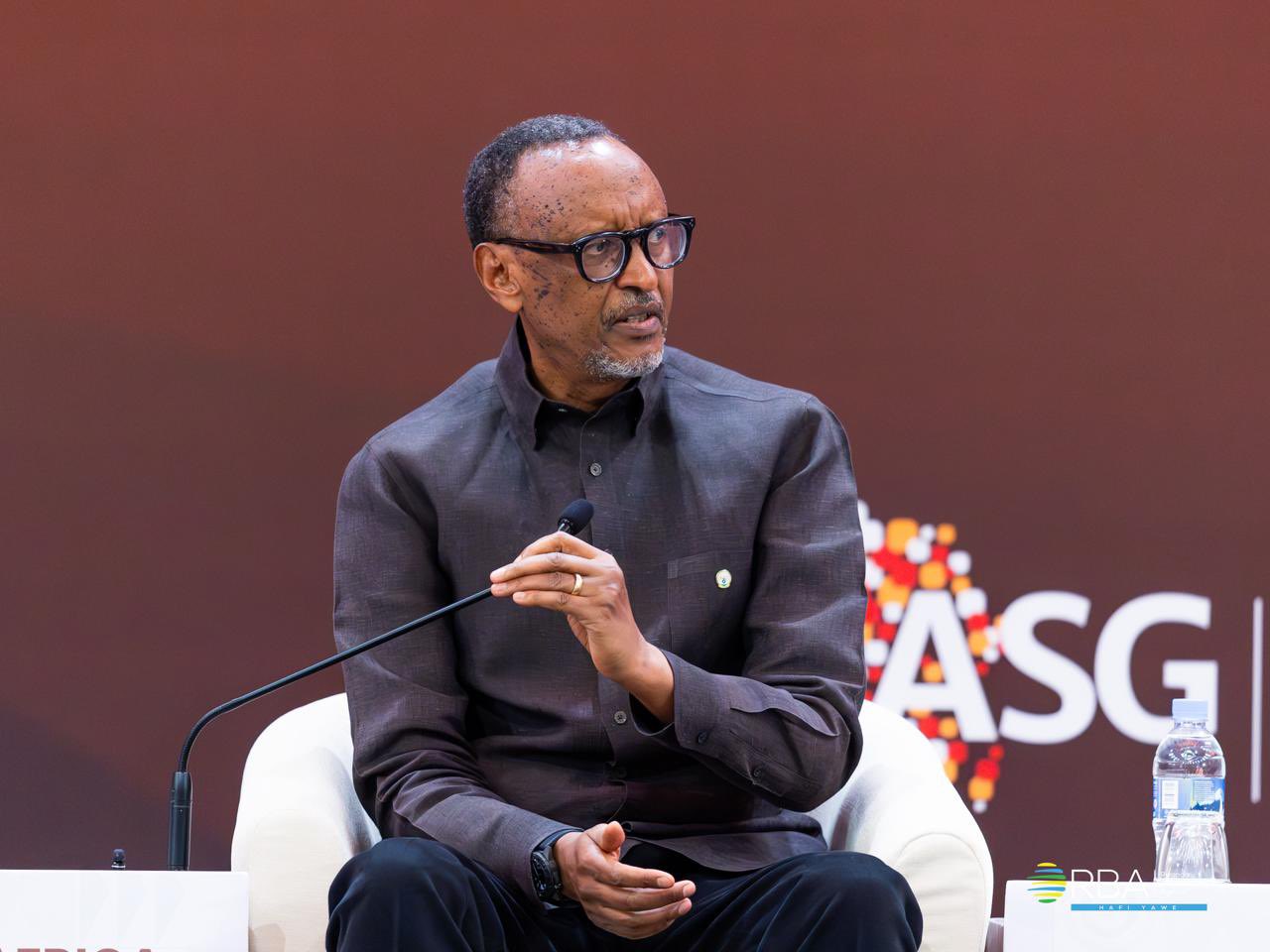
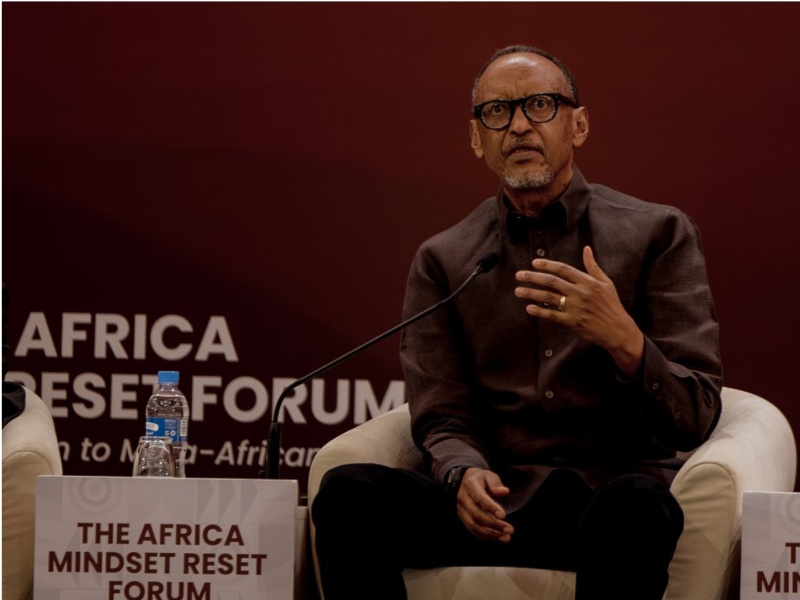
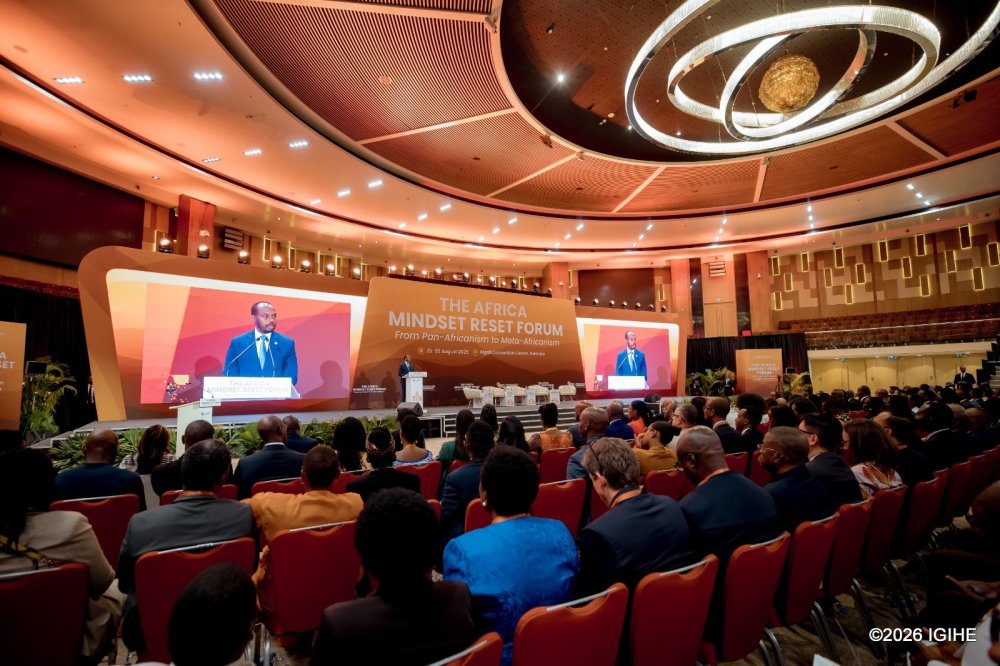
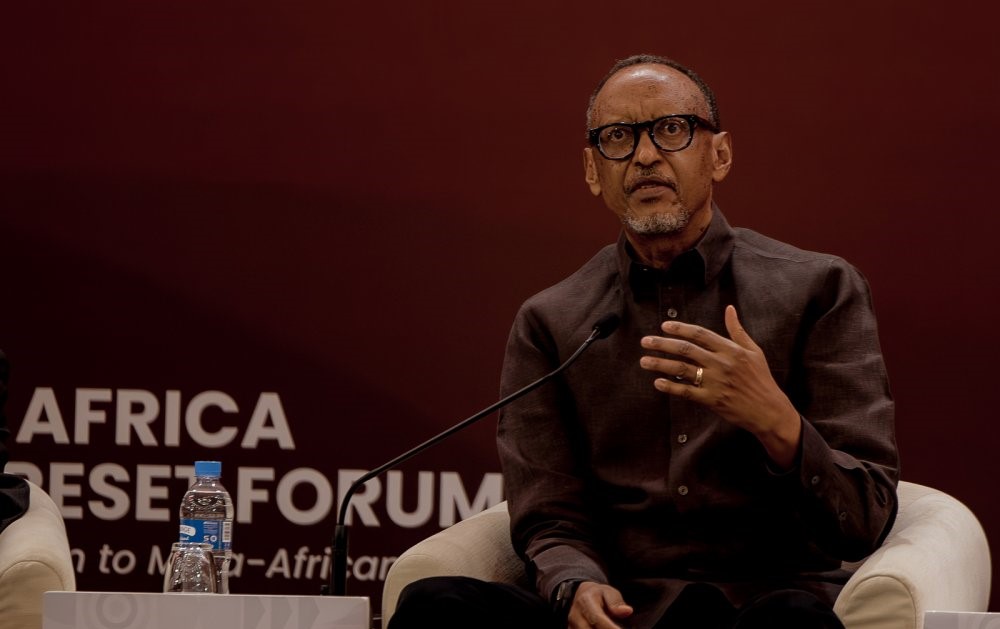
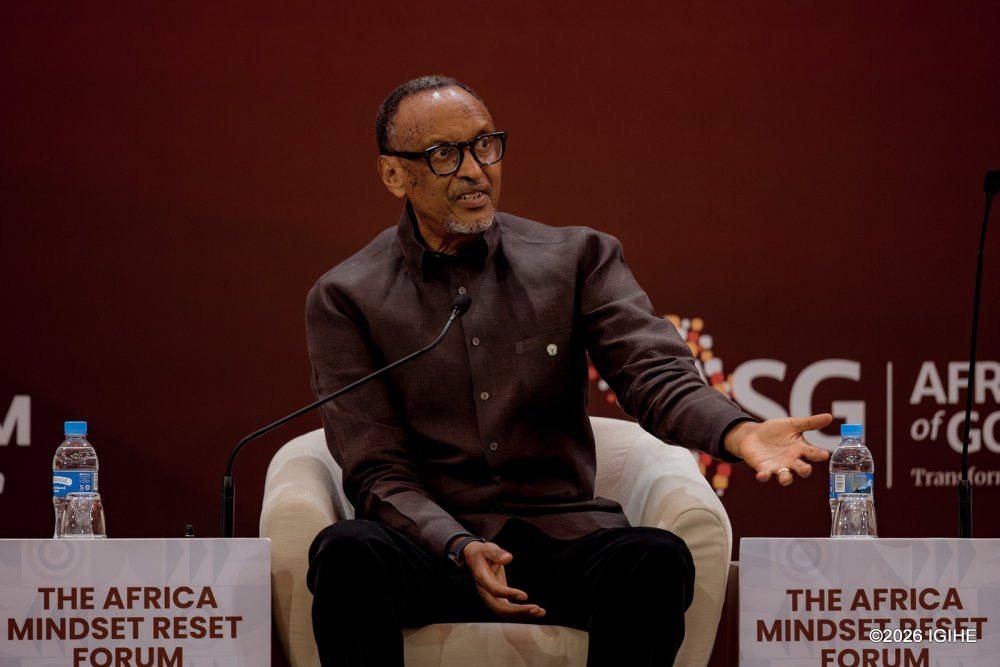
Speaking on a panel at the inaugural Africa Mindset Reset Forum, hosted by the African School of Governance (ASG) at the Kigali Convention Center, Kagame said Africa has “everything in place to succeed”: people, resources and lessons from its own history, yet keeps falling short because of attitudes Africans have not confronted.
He said the continent has been reduced to “simply admiring others,” pointing out that this often means admiring people and institutions outside Africa rather than fellow Africans doing good work at home. That habit, he argued, leaves the continent open to being dictated to by others, while Africans themselves lament and complain rather than act.
“Why don’t we do things so that we can actually admire each other?” Kagame asked, adding that there are capable people within Africa whom others on the continent should be joining and supporting, rather than looking elsewhere for inspiration.
The Head of State noted that Africa’s obstacles are less about missing resources or policy frameworks and more about a mindset that has not caught up with the continent’s ambitions. He said Africa cannot change without changing its own behaviour and attitudes, and that intentions must be matched with action and visible results.
Kagame co-founded the African School of Governance alongside former Ethiopian Prime Minister Hailemariam Desalegn. The school, officially inaugurated in January 2025, was created to train a new generation of African leaders grounded in homegrown solutions to the continent’s challenges.
Other leaders echo the call for accountability
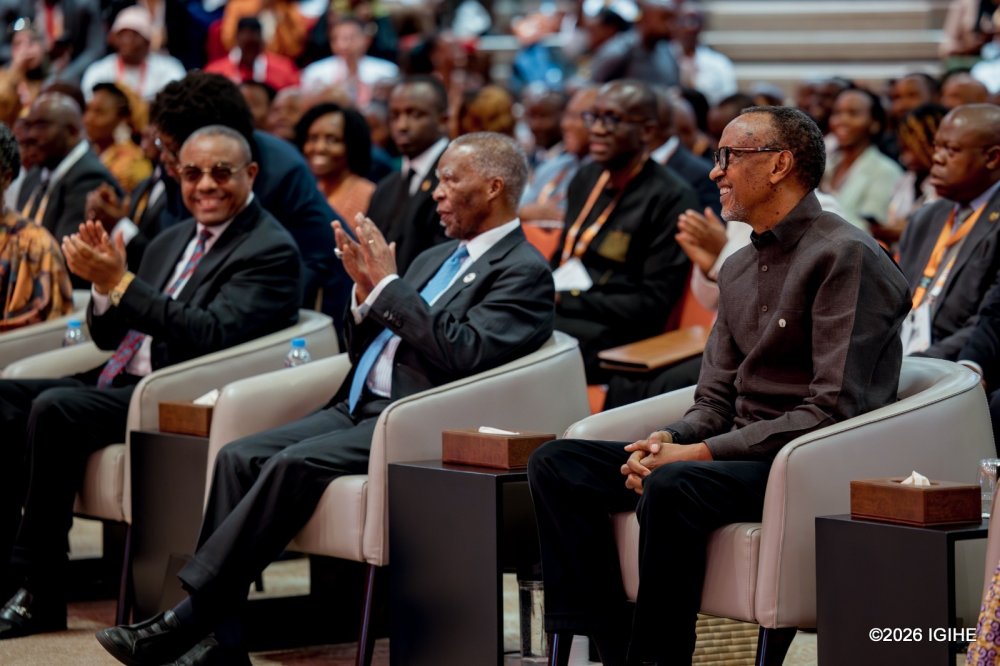
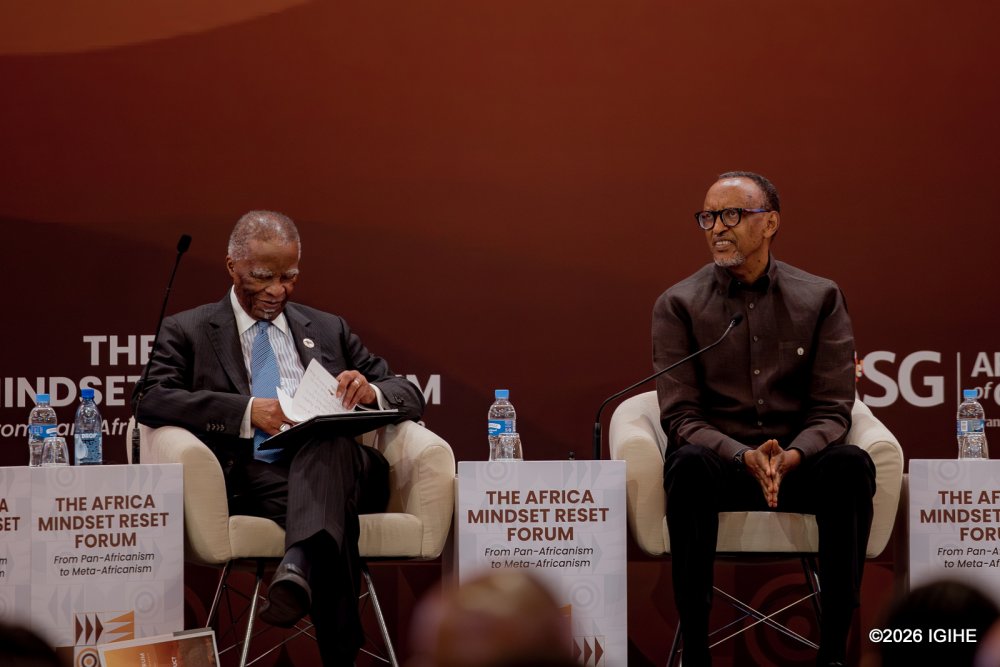
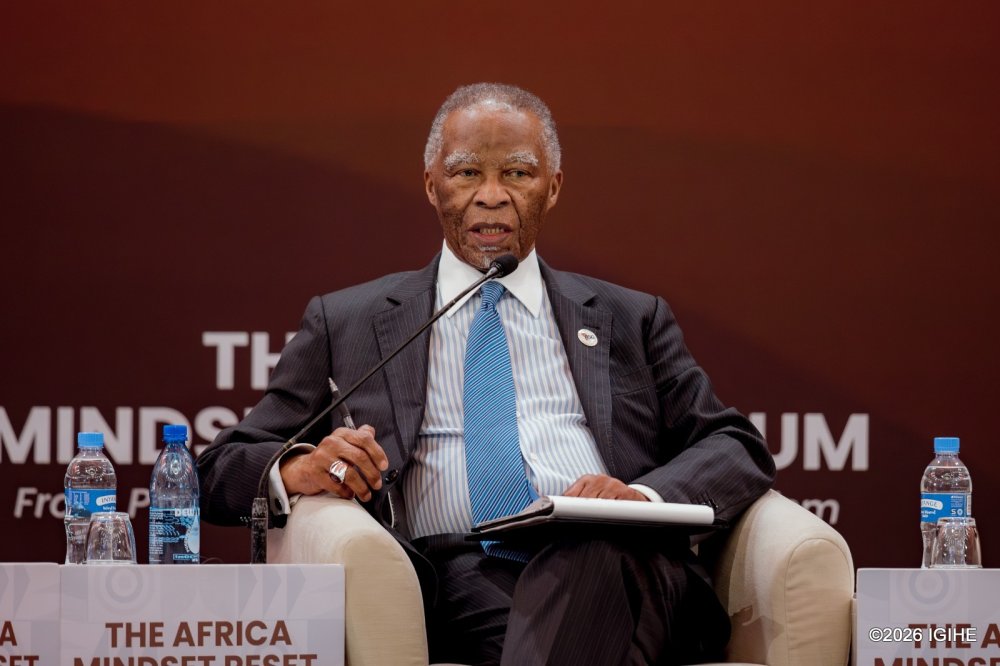
Former South African President Thabo Mbeki, sitting alongside Kagame on the panel, said none of Africa’s problems can be resolved without addressing the quality of its leadership. He argued that leaders on the continent owe each other honesty rather than diplomatic silence, saying failures in one country inevitably affect its neighbours.
Mbeki urged young Africans to stay committed to the cause “until the Africa we want does indeed emerge,” comparing the effort to running a marathon without dropping out.
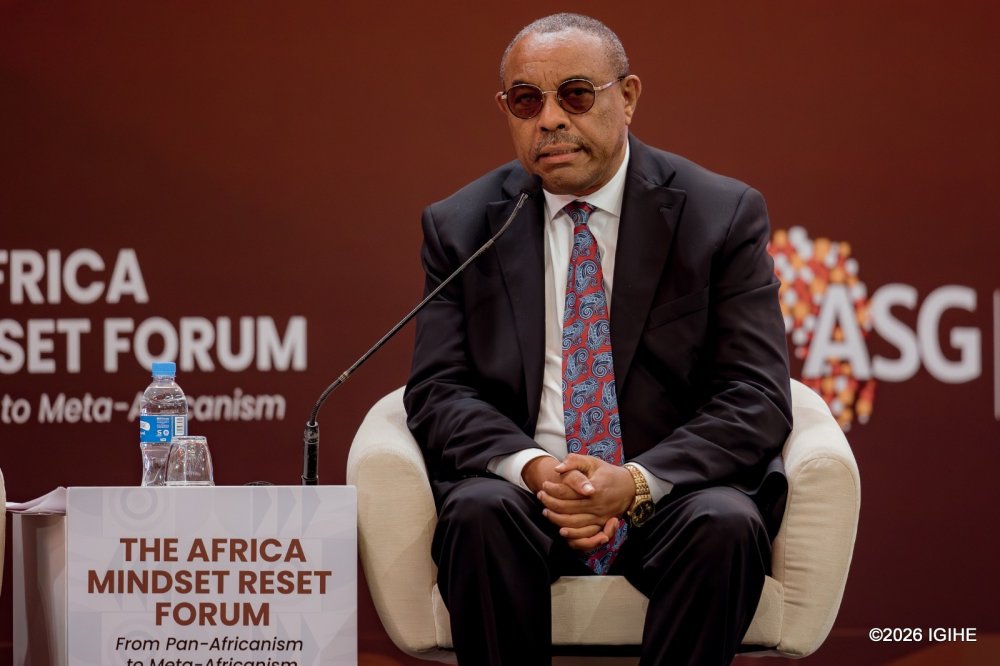
Former Ethiopian Prime Minister Hailemariam Desalegn, ASG’s co-founder and chairman, said the continent’s leadership has often been driven by a “rent-seeking” mindset rather than a developmental one. He pointed to Ethiopia’s own turnaround, from a country reliant on food aid in the 1970s to a grain surplus producer, as evidence that a deliberate mindset shift among ordinary farmers and officials can change a country’s trajectory within a generation.
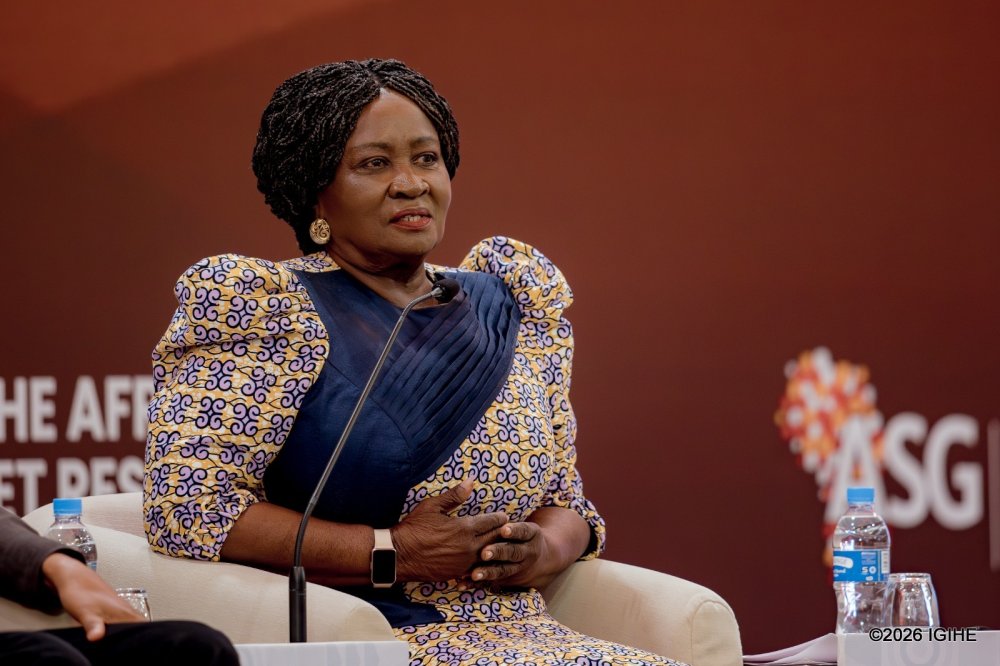
Ghana’s Vice President, Naana Jane Opoku-Agyemang, said Africa’s problem is not a shortage of policies or plans but a failure to take ownership of its own story and decisions. She called for capacity building that raises young Africans differently from previous generations, moving them from being “a victim of the circumstance to an active agent of change.”
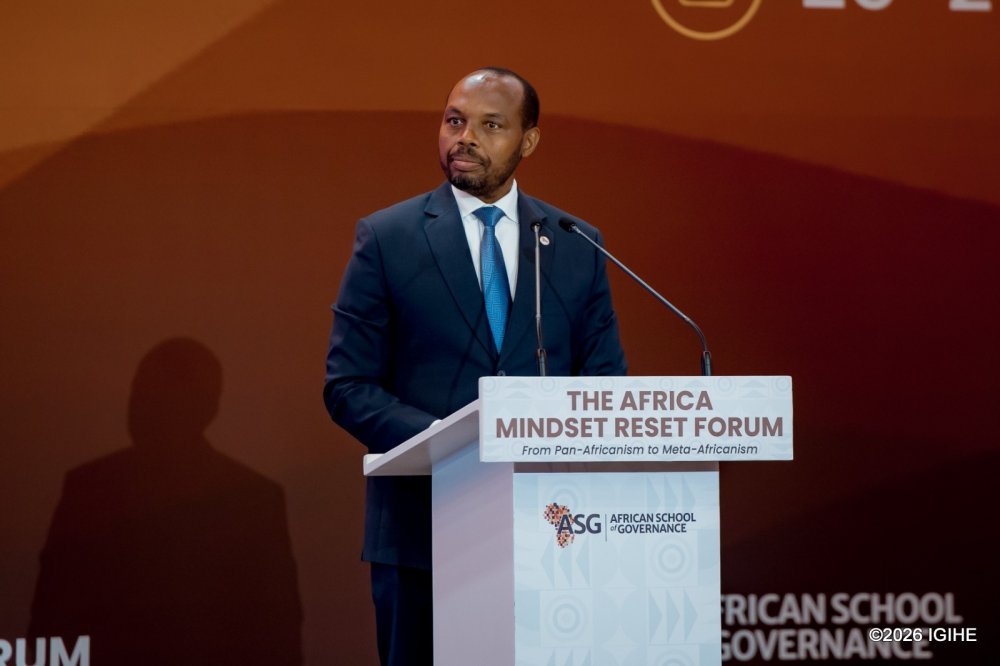
ASG President Francis Gatare, opening the forum, introduced “Meta Africanism” as what he called the next stage of Pan-Africanism, a shift from resistance and solidarity toward collective construction, agency and disciplined implementation of Africa’s own plans.
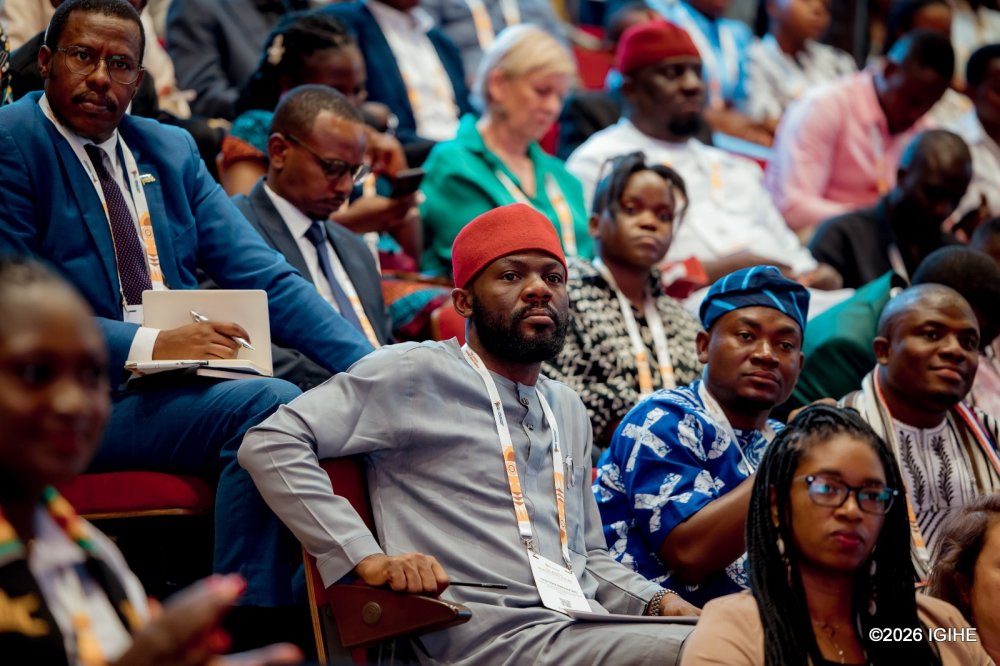
The forum, running from August 25 to 26 in Kigali, has drawn more than 2,500 participants in person and thousands more following online.
President Kagame was speaking on a panel at the inaugural Africa Mindset Reset Forum, hosted by the African School of Governance (ASG) at the Kigali Convention Center.Kagame said Africa has “everything in place to succeed”: people, resources and lessons from its own history, yet keeps falling short because of attitudes Africans have not confronted.
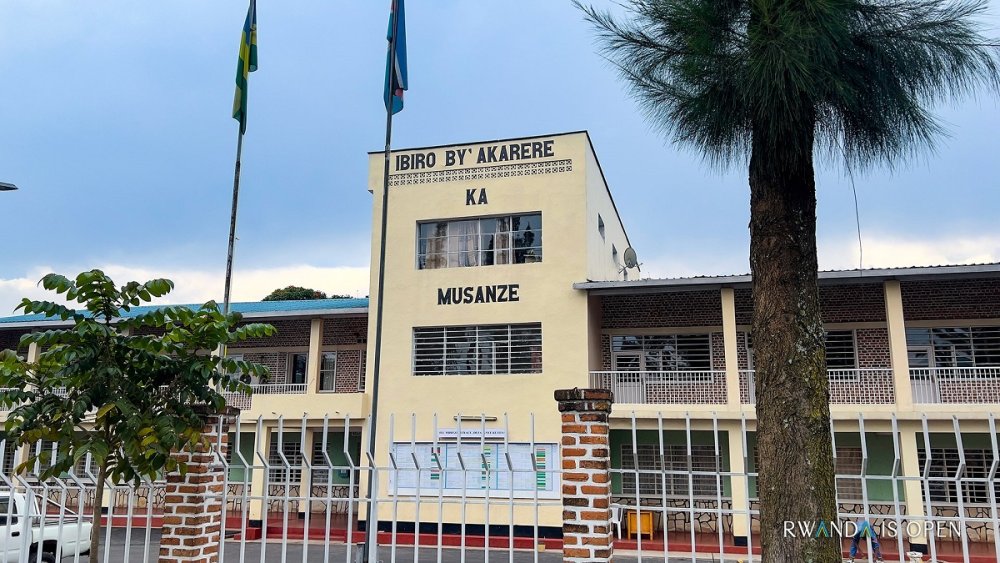
The incident occurred on August 25, 2026, in Rubindi Cell, Gataraga Sector, where the six women had gone to excavate soil used to make bricks.
Northern Province Police spokesperson CIP Ignace Ngirabakunzi confirmed the incident to IGIHE.
He said the excavation was being carried out illegally and that the site collapsed while the women were digging.
“The site was being used to illegally excavate soil for making bricks. It collapsed on six women, killing four and seriously injuring two others. It is suspected that they lacked the necessary knowledge of proper excavation and dug improperly, causing it to collapse,” he said.
Authorities and rescue teams arrived at the scene after the incident was reported. The two injured women were taken to Ruhengeri Hospital for treatment.
IGIHE has learned that the owner of the excavation site was arrested shortly after the incident and is currently being held at the Rwanda Investigation Bureau (RIB) station in Busogo.
CIP Ngirabakunzi urged residents to ensure that excavation activities are carried out safely, warning that improper practices can lead to accidents and loss of life.
He also urged residents to avoid illegal excavation activities and called on site owners to comply with regulations governing excavation and obtain the required insurance.
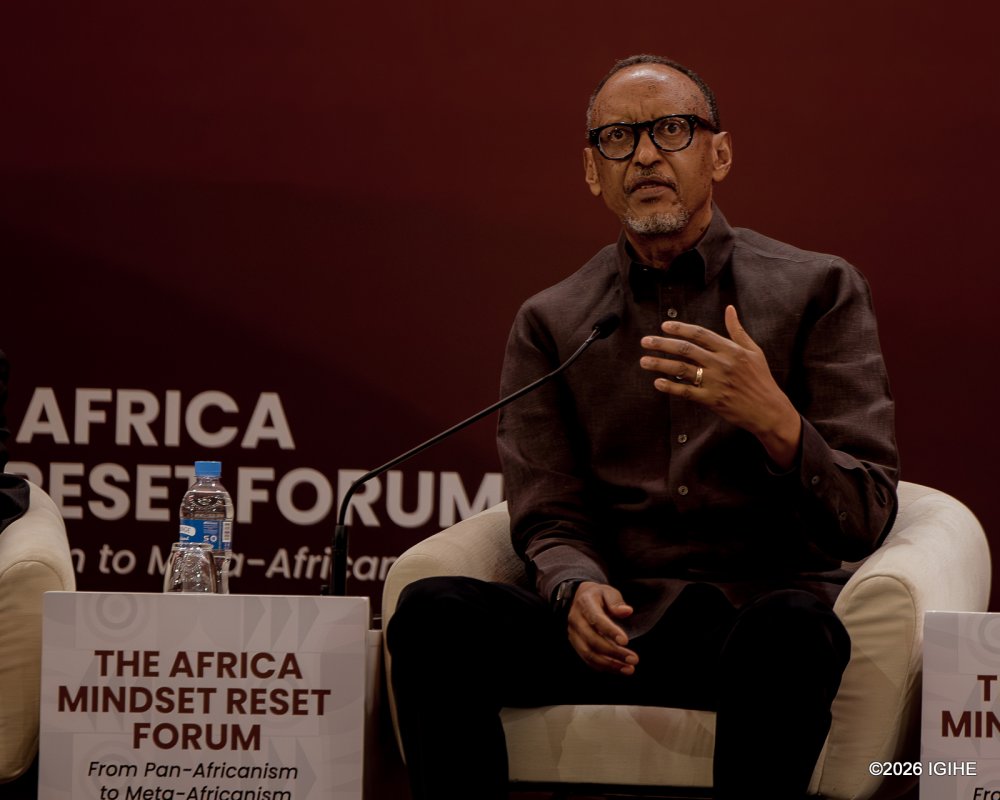
Speaking during a panel discussion at the Africa Mindset Reset Forum hosted by the African School of Governance (ASG) in Kigali on Tuesday, President Kagame said young people should not be driven into confrontation simply because they have the energy or ability to fight, but should first establish whether a cause is justified and worth the sacrifice it demands.
“You have to be selective. There has to be justification for a fight. Don’t just pick fights for the sake of it,” Kagame said.
“Don’t just pick a fight because you can fight. Choose a moment, choose what for. And it must be a just cause. And when you have been clear about it, you’ve done all the checks, then give it the fight it deserves. But be selective. Choose,” he stressed.
Kagame’s advice was rooted in his own experience as a Rwandan refugee. His family fled Rwanda amid persecution and violence in the early 1960s, and he spent much of his childhood and early life in Uganda as a refugee.
He told the forum that the hardships of life in exile shaped the determination among many Rwandans to reject a future of permanent displacement and seek a different life.
“We can’t live as refugees forever,” Kagame said, recalling the circumstances that pushed many Rwandans to make difficult choices about their future. He said some who had endured years of hardship reached a point where they felt they had to try to build “a life that is worth something” and one they could stand up and fight for.
In October 1990, the Rwandan Patriotic Front (RPF) launched an armed liberation struggle aimed at ending decades of exclusion and allowing refugees to return home. Kagame, who became commander of the RPF’s military forces, played a central role in the four-year struggle.
Reflecting on the decision to join the struggle, Kagame said it was a conscious choice made despite the enormous risks involved.
“When I was young, there were all kinds of problems that came with a silver lining, in the sense that they made a number of us who lived that life say, ‘We shouldn’t accept this,’” he recalled.
“Together with others, we made that choice, and we decided to shape the kind of life we wanted,” Kagame added, noting that those who took such decisions understood that the cost could be high.
The President said such choices also create a lasting sense of responsibility, particularly when they are made with the hope of improving the lives of others. Having taken risks to change their circumstances, he said, those who survive and succeed have an obligation to ensure that future generations do not experience the same hardships.
He urged young people to find a purpose that goes beyond themselves and to consider how their choices can affect the lives of others.
“It’s in your capacity, in your ability, in your every possibility to say, to give your life a purpose and to make a choice, a choice that you know, if you have made it, is not just going to be confined to your life, but it has impact on other people’s lives,” Kagame noted.
Former South African President Thabo Mbeki also reflected on his experience of joining the African National Congress Youth League at the age of 13, drawing lessons from South Africa’s long struggle against apartheid.
“The struggle hasn’t ended. So you stay with the struggle, you stay on course. The commitment you made as a 13-year-old, you stay with it,” he reflected.
He urged young Africans to persevere in the pursuit of “the Africa we want,” even when the journey becomes difficult, echoing Kagame’s call for young people to choose meaningful causes and commit themselves to them.
The discussion took place at the inaugural Africa Mindset Reset Forum, which seeks to encourage a shift in attitudes and approaches needed to accelerate Africa’s transformation, moving beyond identifying the continent’s challenges towards collective action and implementation.
The two-day forum is being hosted by the African School of Governance, a pan-African institution for leadership, public policy and management co-founded by Kagame and former Ethiopian Prime Minister Hailemariam Desalegn. The school was officially inaugurated in January 2025 after receiving accreditation from Rwanda’s Higher Education Council.
In his opening remarks, ASG President Francis Gatare said the school was founded on the conviction that Africa does not lack ambition, resources or talent, but needs the leadership mindset required to build strong institutions and deliver results. He said its mission is to help develop a new generation of ethical African leaders with a transformative mindset and a commitment to public service.
Gatare also welcomed the school’s new cohort, comprising 238 participants from 22 African countries, who are beginning programmes ranging from the Master of Public Administration to executive education and leadership programmes for young, emerging and senior leaders.
President Kagame was speaking during a panel discussion at the Africa Mindset Reset Forum hosted by the African School of Governance (ASG) in Kigali on Tuesday.President Kagame said young people should not be driven into confrontation simply because they have the energy or ability to fight, but should first establish whether a cause is justified and worth the sacrifice it demands.Former South African President Thabo Mbeki also reflected on his experience of joining the African National Congress Youth League at the age of 13, drawing lessons from South Africa’s long struggle against apartheid.Professor Jane Naana Opoku-Agyemang, the current Vice President of Ghana, was also a panellist at the forum.The African School of Governance was co-founded by Kagame and former Ethiopian Prime Minister Hailemariam Desalegn (pictured).ASG President Francis Gatare said the school was founded on the conviction that Africa does not lack ambition, resources or talent, but needs the leadership mindset required to build strong institutions and deliver results.
Researchers from Columbia University Vagelos College of Physicians and Surgeons found that the production of new neurons, a process known as neurogenesis, appears to stall in the hippocampus of adults with major depressive disorder.
The hippocampus is a region of the brain involved in memory and emotional responses. It is also one of the few areas of the adult brain where new neurons continue to develop.
The findings suggest that reduced production of these neurons could affect the brain’s ability to distinguish new experiences from memories of previous negative experiences.
This process, known as pattern separation, helps people recognize that similar situations are not necessarily the same.
For example, someone may have lunch with a friend who happens to be unusually quiet.
A healthy pattern separation process can help the person understand that the situation is different from previous experiences of rejection.
When pattern separation is impaired, however, the new experience may become mixed with painful memories, potentially leading to a more negative interpretation.
Researchers said newly formed neurons may help the brain create separate circuits for new memories, allowing people to respond to current experiences without automatically connecting them to previous negative events.
However, they stressed that the exact mechanism, particularly in humans, is not yet fully understood.
The study also found that depression affects more than the production of new neurons.
Researchers identified molecular changes across the hippocampal circuit, including genes involved in creating connections between brain cells, communication between neurons, energy production and the movement of materials inside cells.
The researchers also found signs of inflammation and cellular stress in the brain circuits involved in forming new emotional memories.
To investigate these changes, the team examined nearly half a million brain cells collected from people with depression and people without the condition shortly after their deaths.
Using advanced techniques, researchers analyzed gene activity in individual cells and examined changes in cellular proteins.
This allowed them to identify changes occurring in specific cells and locations within the hippocampus.
The researchers also found changes in genes previously associated with major depression, while some other changes appeared to involve epigenetic mechanisms.
Epigenetic changes can influence how strongly genes are switched on or off without changing the underlying DNA sequence. Researchers said these mechanisms can be affected by factors including stress, learning, ageing and environmental exposures.
According to the researchers, the wide range of biological changes observed could help explain why depression can affect people differently.
The findings could eventually contribute to new approaches to treating depression. Researchers are particularly interested in whether restoring neurogenesis could help some people by changing how the hippocampus processes memories.
However, the study does not mean that scientists have found a single cause of depression or that treatments capable of restoring neurogenesis are currently available.
Instead, researchers say the findings could help move the understanding of depression beyond the traditional focus on neurotransmitters such as serotonin and toward a more detailed understanding of the cellular and molecular changes involved.
The team also hopes that depression could eventually be classified according to its biological and molecular characteristics, potentially allowing treatments to be tailored to different forms of the disorder.
Scientists found changes in brain cell growth among people with depression.
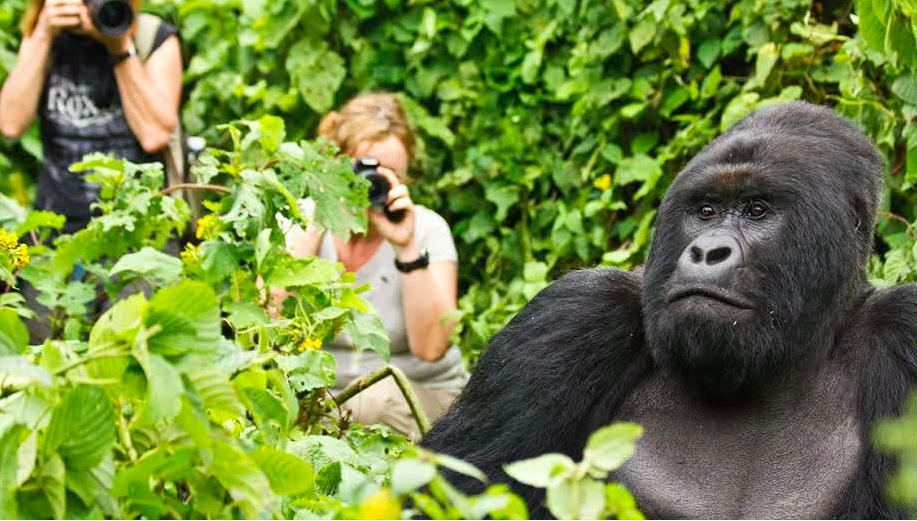
The connection between conservation and tourism is particularly evident in the country’s mountain gorilla tourism, which remains one of Rwanda’s most valuable tourism offerings.
According to the Rwanda Development Board’s (RDB) 2025 annual performance report, Rwanda’s tourism sector generated $685 million in revenue in 2025, nearly four times the $164 million recorded in 2021.
Tourism revenue rose to $455 million in 2022 as the sector recovered from the effects of the Covid-19 pandemic, before reaching $620 million in 2023 and $647 million in 2024.
In 2025, tourism revenue increased by 6% compared with the previous year, supported by growth in visitor numbers and air travel. Revenue from air travel rose by 9% to $594 million.
Gorilla tourism accounted for a significant share of those earnings, generating $248 million in 2025, an increase of 7%.
Rwanda received 1.49 million visitors during the year, up from 1.36 million in 2024, representing a 9% increase. Visitors arriving by air increased by 23%.
The growth illustrates how the conservation of a species once considered highly vulnerable has become closely intertwined with Rwanda’s tourism ambitions.
Rwanda received 1.49 million visitors during the year, up from 1.36 million in 2024, representing a 9% increase. Visitors arriving by air increased by 23%.
From 430 gorillas to more than 1,100
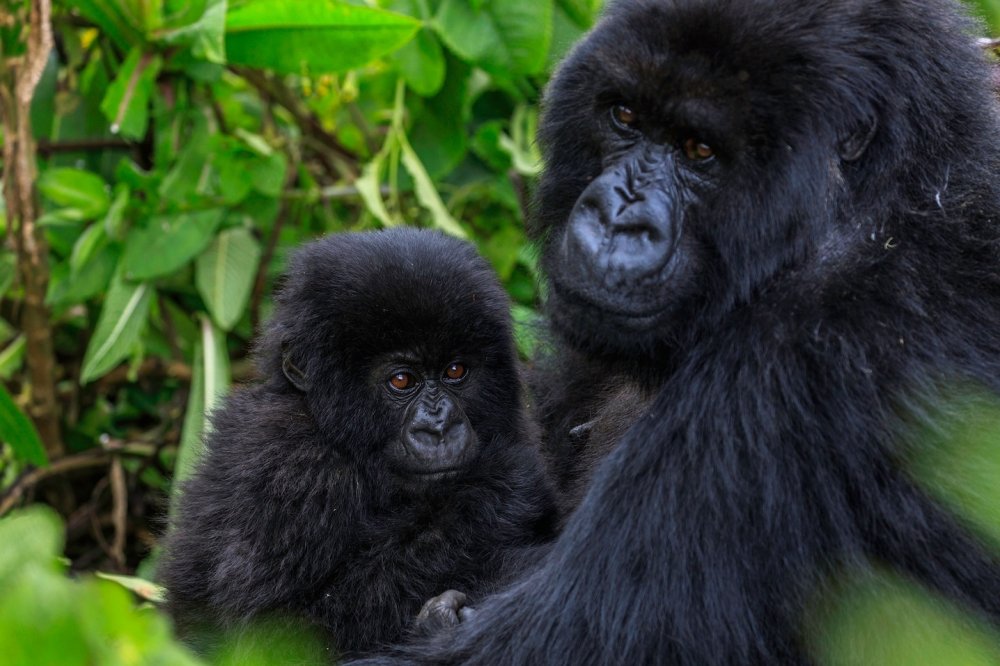
When Rwanda introduced Kwita Izina as an annual gorilla-naming ceremony in 2005, about 430 mountain gorillas were estimated to live in the Virunga Massif.
More than two decades later, the population has grown to more than 1,100 mountain gorillas across the Virunga Massif, which is shared by Rwanda, Uganda and the Democratic Republic of Congo.
The increase has followed years of conservation efforts involving governments, conservation organisations, researchers, veterinarians, park rangers and communities living around protected areas.
“Thanks to the leadership of Rwanda, the dedication of conservationists and the commitment of our communities, mountain gorillas have come back from the brink. Today, there are more than 1,000 mountain gorillas worldwide, including more than 600 in the Virunga Massif,” Prime Minister Dr. Justin Nsengiyumva remarked during last year’s 20th anniversary of the baby gorilla naming ceremony, reflecting on the species’ recovery.
For Rwanda, protecting the gorillas has gone beyond preserving an endangered species. It has created a tourism attraction that brings international visitors into the country and generates revenue that can in turn support conservation and communities.
Kwita Izina grows beyond gorilla naming
The story of this relationship is perhaps best captured by Kwita Izina.
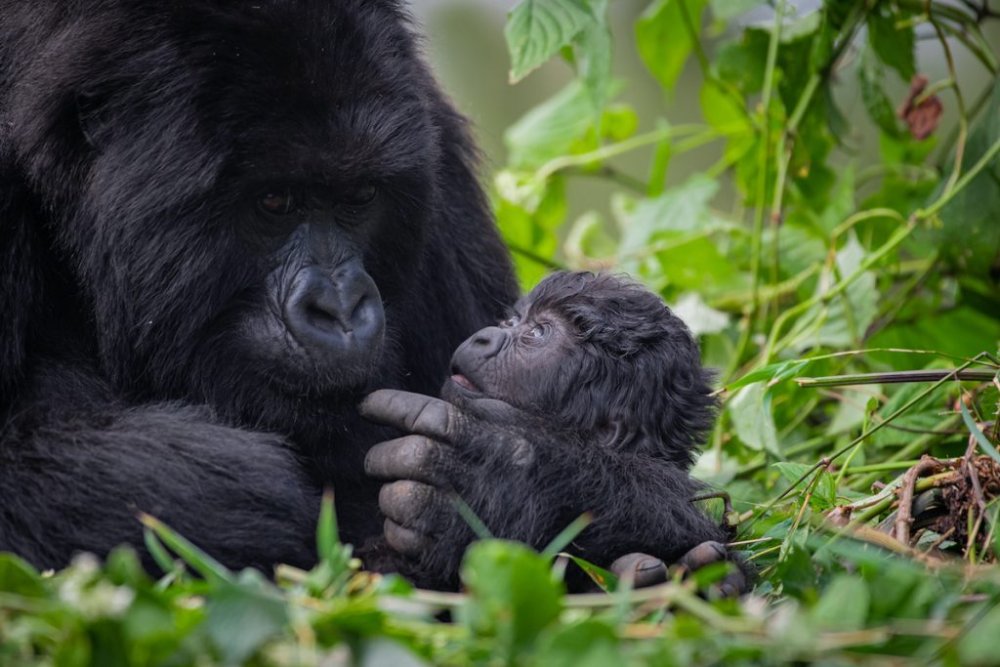
The 2026 ceremony will take place in Kinigi, Musanze District, on September 4, when 22 baby gorillas will be given names. Up through 2025, a total of 438 gorillas have been named since the event became an annual ceremony in 2005.
Over the years, Kwita Izina has evolved beyond the naming of gorillas. It has become a platform bringing together conservationists, researchers, government officials, business leaders and international visitors to discuss wildlife protection and the role of communities in conservation.
“For over two decades, Kwita Izina has showcased Rwanda’s belief that conservation is not simply about protecting wildlife. It is about creating opportunities for people, supporting communities, growing tourism and ensuring that future generations inherit a healthy and thriving natural environment,” RDB stated recently ahead of the 2026 edition.
The event has also become an important avenue for promoting Rwanda as a destination and highlighting the economic value of protecting its natural heritage.
Tourism growth beyond gorillas
While gorilla tourism remains an important source of revenue, Rwanda has continued to diversify its tourism products.
Visits to friends and relatives generated $180 million in 2025, an increase of 19%, while educational travel generated $64 million after growing by 17%. Business tourism contributed $112 million.
The diversification has helped broaden the sector while gorilla tourism continues to anchor Rwanda’s wildlife offering.
Bringing tourism benefits to communities
Rwanda has also sought to ensure that the economic value created by conservation reaches communities living near national parks.
Through its tourism revenue-sharing programme, 10% of tourism revenues is allocated to communities living around protected areas.
The funds are invested in projects such as schools, health centres, water infrastructure and other community facilities.
RDB says more than Rwf23 billion has been invested in nearly 1,300 community projects since the programme began.
The model is designed to strengthen the relationship between communities and conservation by ensuring that people living alongside protected areas benefit from the tourism economy generated by wildlife.
Expanding Volcanoes National Park
The next phase of Rwanda’s conservation efforts is also expected to expand the space available for wildlife.
Rwanda is implementing a $259 million, 10-year project to expand Volcanoes National Park by 3,740 hectares and establish an additional 6,620-hectare buffer zone.
The project includes the $30 million Smart Green Village in Rurembo, which is being developed for families relocated from areas designated for the park’s expansion.
The village will include water and electricity, schools, health facilities, farmland and livestock facilities.
The project is expected to improve the livelihoods of more than 17,000 people, including 547 households that will relocate to the village, while reducing human-wildlife conflict by 80%.
The expansion reflects the broader approach Rwanda has taken to conservation, combining the protection of natural habitats with efforts to address the needs of communities living around them.
As Rwanda prepares for another Kwita Izina ceremony, the annual event offers more than a celebration of newborn gorillas.
It represents a conservation journey that has helped Rwanda build one of its most recognisable tourism products, while creating a model in which wildlife protection, tourism revenue and community development are increasingly connected.
The 2026 ceremony will take place in Kinigi, Musanze District, on September 4, when 22 baby gorillas will be given names. Up through 2025, a total of 438 gorillas have been named since the event became an annual ceremony in 2005.
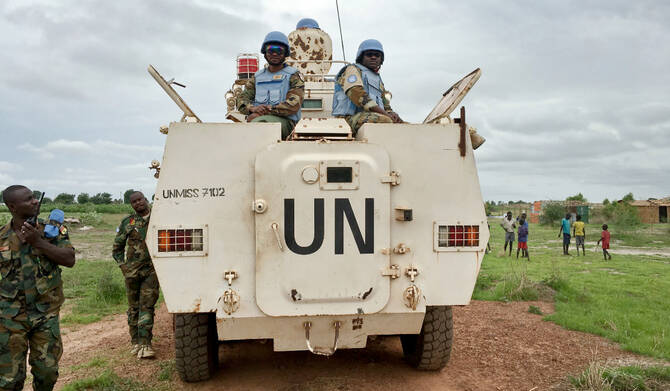
“The secretary-general condemns in the strongest possible terms Monday’s ambush by unidentified armed individuals on a United Nations Mission in South Sudan (UNMISS) patrol in Jonglei state in South Sudan,” said Stephane Dujarric, the spokesman, in a statement.
Two Ethiopian peacekeepers were killed in the attack, while seven others were injured — three Ethiopian blue helmets, two South Sudanese police personnel and two UNMISS civilian staff, said the spokesman.
“The secretary-general reminds that attacks against UN peacekeepers may constitute war crimes. All attacks on peacekeepers must be promptly investigated, and those responsible must be effectively prosecuted and held accountable,” said the spokesman.
Guterres expressed his deep condolences to the families of those killed and wished all those injured a swift and full recovery. He reaffirmed the United Nations’ commitment to stand with the victims and their families during this profoundly difficult time, said the spokesman.
In this Sunday, June 18, 2017 file photo, peacekeepers from the United Nations Mission in South Sudan (UNMISS) provide security during a visit of UNCHR High Commissioner Filippo Grandi to the U.N. Protection of Civilians camp in Bentiu, South Sudan. (AP)
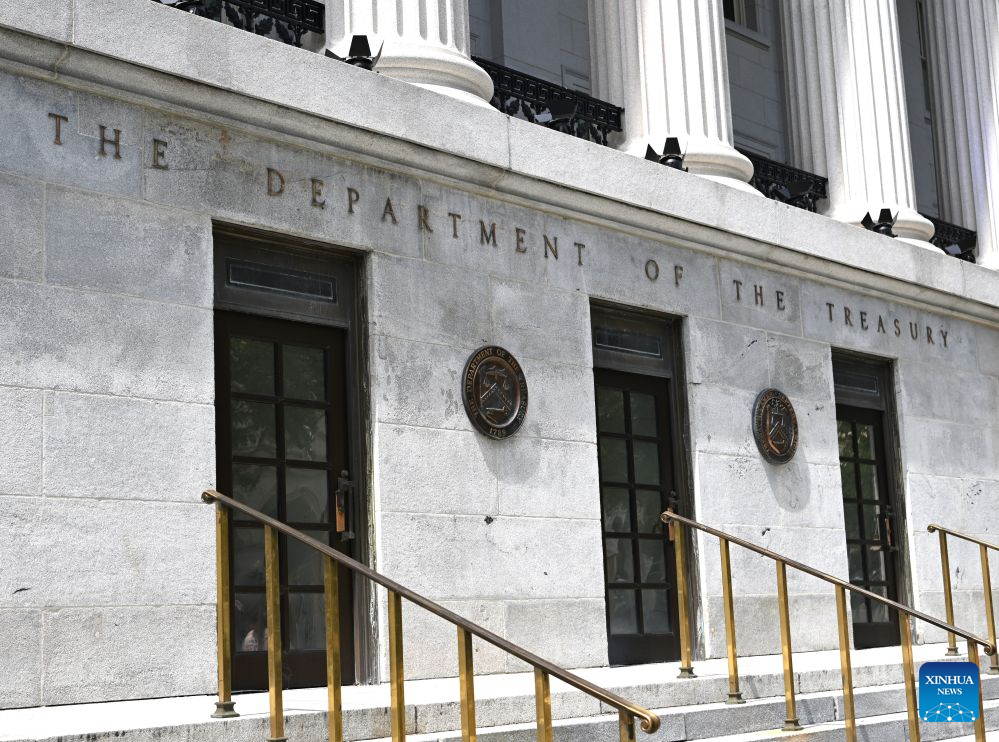
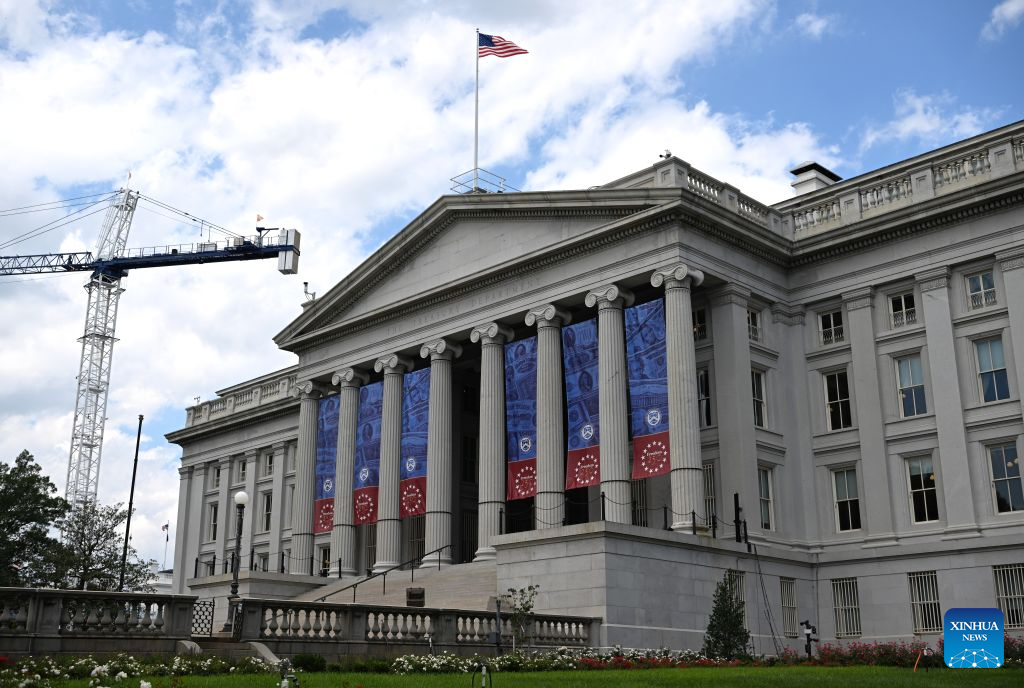
“We are launching an economic onslaught against Iran’s financial connections around the globe,” said Bessent at a press conference. “Our objective is to sever every economic lifeline” that sustains the country, he said.
The U.S. Treasury Department said in a press release that the new sectoral sanctions determinations target five critical sectors — digital assets, technology, gold, aviation and shipping — that the U.S. says Iran has relied on to prop up its economy.
The measures marked the beginning of “a sustained and systematic campaign to close every financial resource” that supports Iran, the department said. It added that “any entity that facilitates money laundering or sanctions evasion on behalf of Iran risks being cut off from the U.S. financial system.”
The department is expanding the categories of “Iran-related conduct” that the United States might sanction in the future, and said “every country will be given a defined timeline to shut down the Iran-related activity” the United States has identified.
Bessent disclosed that U.S. President Donald Trump has been calling world leaders with specific requests to cease their interactions with Iran.
Simultaneously, the department’s Office of Foreign Assets Control (OFAC) sanctioned nearly 60 entities, individuals, and vessels in multiple jurisdictions that enable Iran’s activities, including illicit nuclear and missile technology procurement, cyber operations, and oil-revenue generation networks.
OFAC also suspended several general licenses that previously authorized certain remittance payments to Iran and Iranian access to the U.S. cultural and academic system.
Additionally, the Treasury Department released additional guidance on the sanctions risks associated with complying with Iranian demands regarding shipping in the Strait of Hormuz.
In a post on X, Iranian Parliament Speaker Mohammad Baqer Qalibaf responded to U.S. economic threats against Tehran by saying that, “Iran’s trading partners, both in the media and through messages sent to us, have made it clear that they don’t take these statements into account anywhere.”
“They cannot cut off our financial lifelines,” Iran’s Minister of Economic Affairs and Finance Seyed Ali Madanizadeh said in another X post, adding that Tehran has been “planning for some time to counter the sanctions.”
This photo taken on Aug. 24, 2026 shows the U.S. Department of the Treasury in Washington, D.C., the United States. U.S. Treasury Secretary Scott Bessent on Monday threatened Iran with “an economic D-Day,” announcing a wave of new sanctions aimed at further isolating the country. (Xinhua/Li Rui)