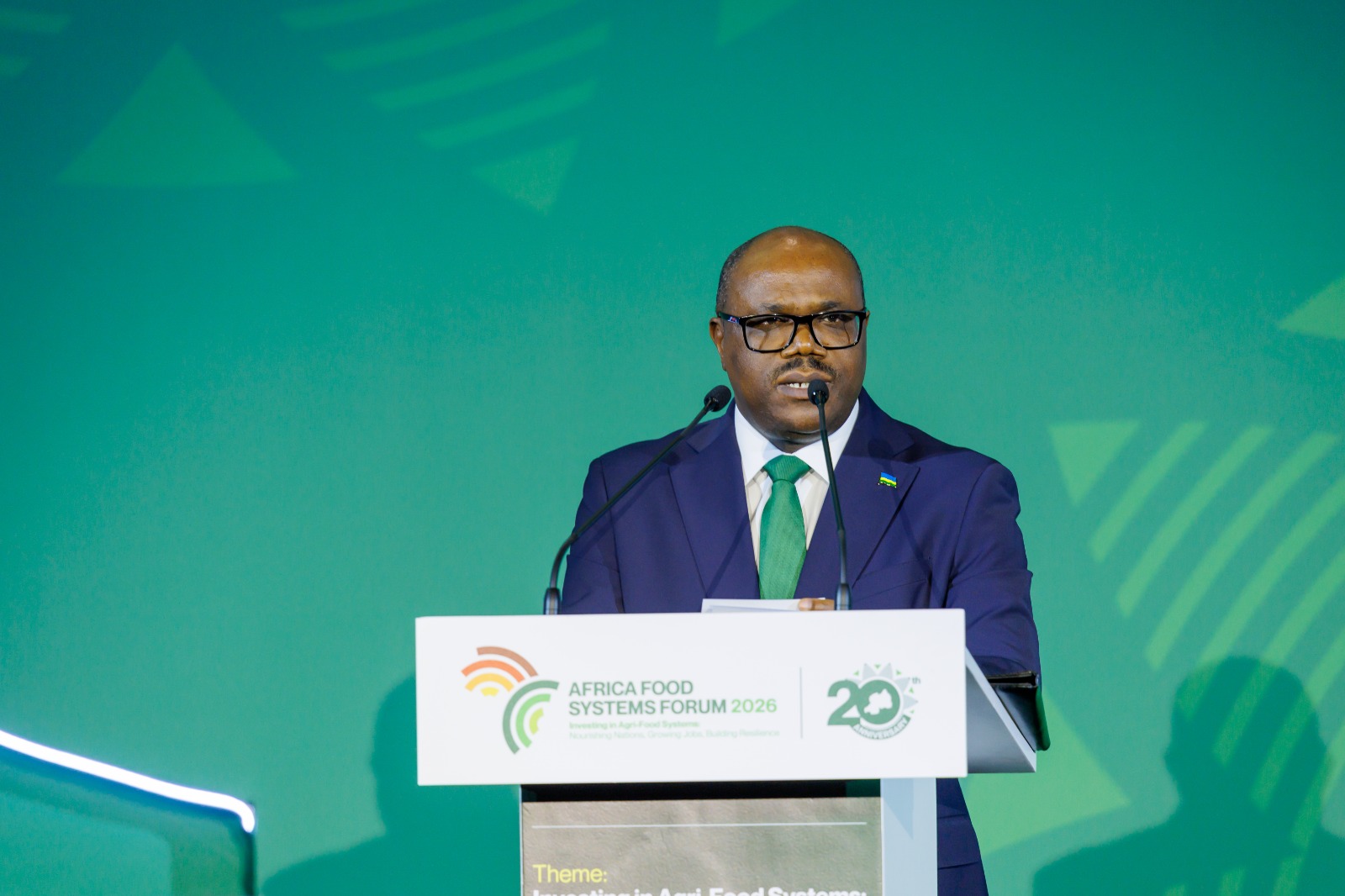
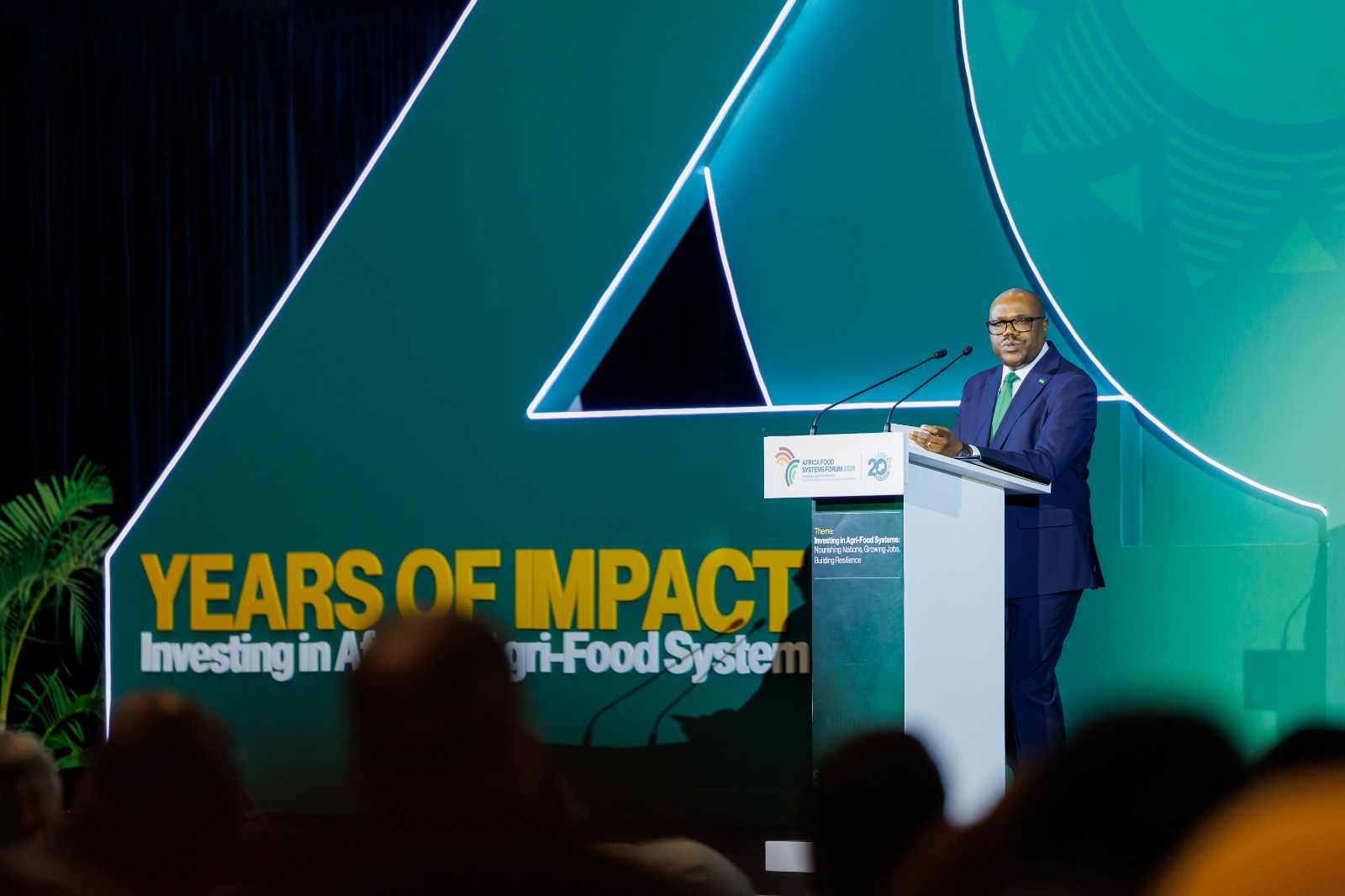
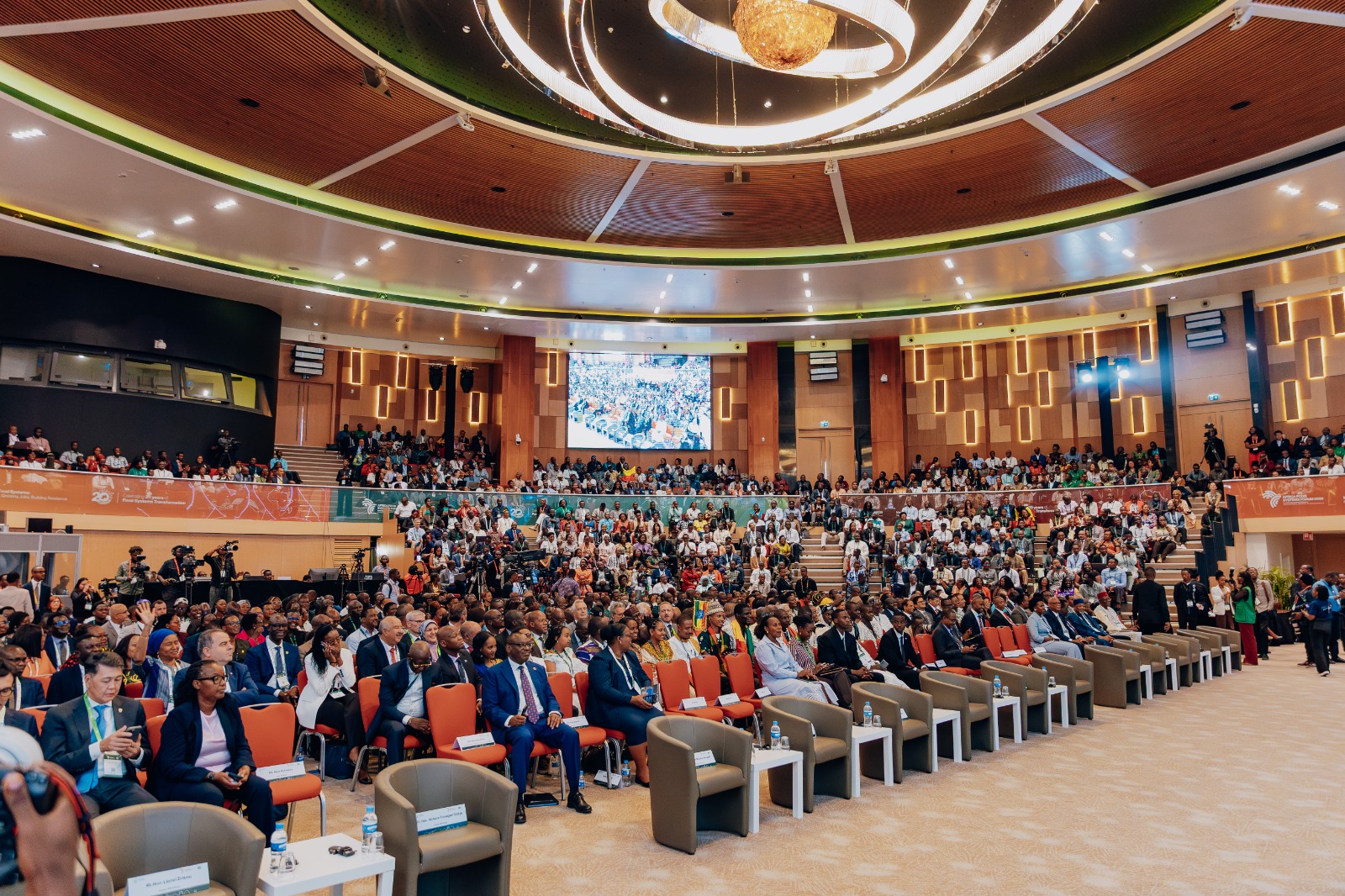
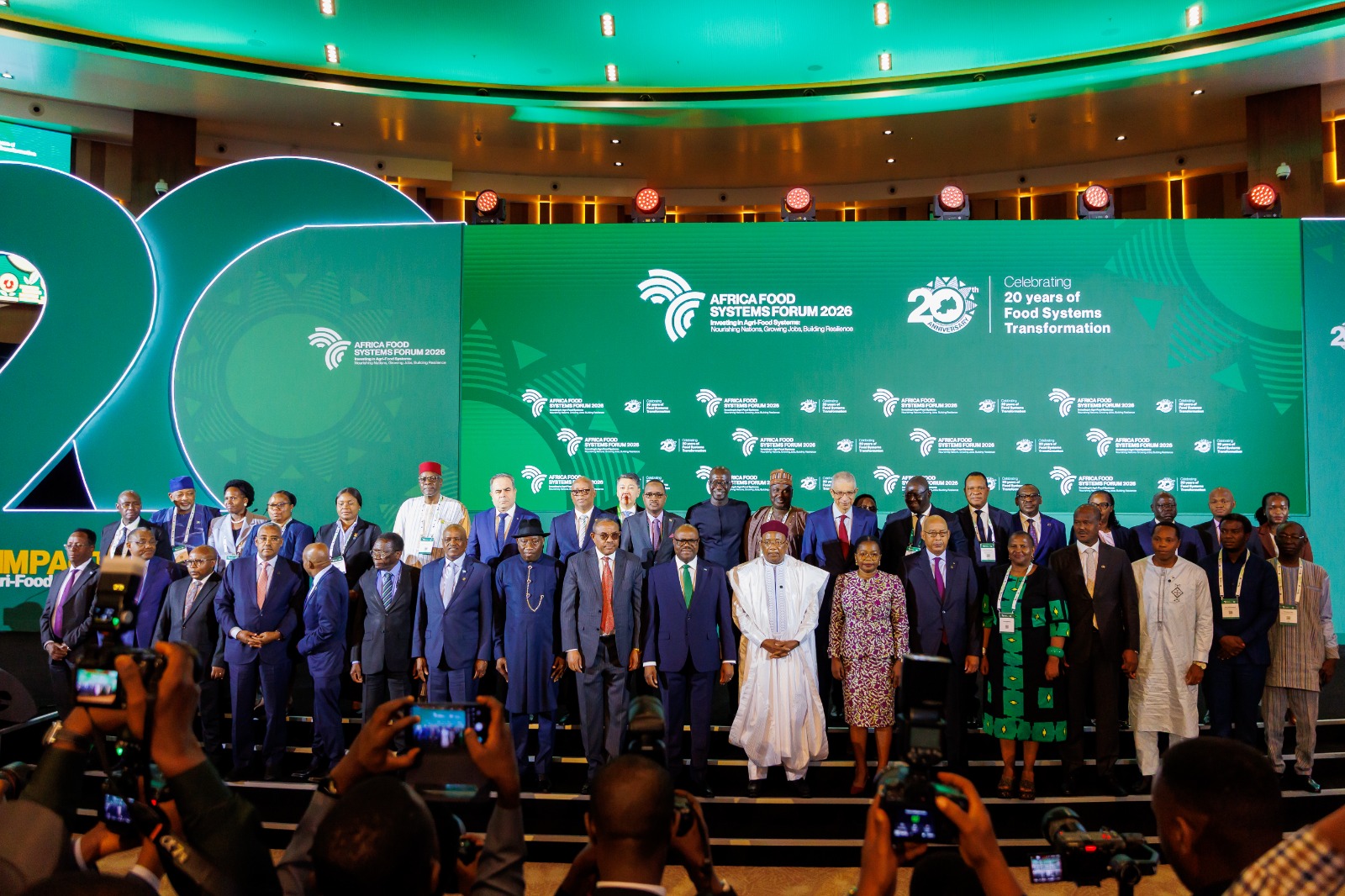
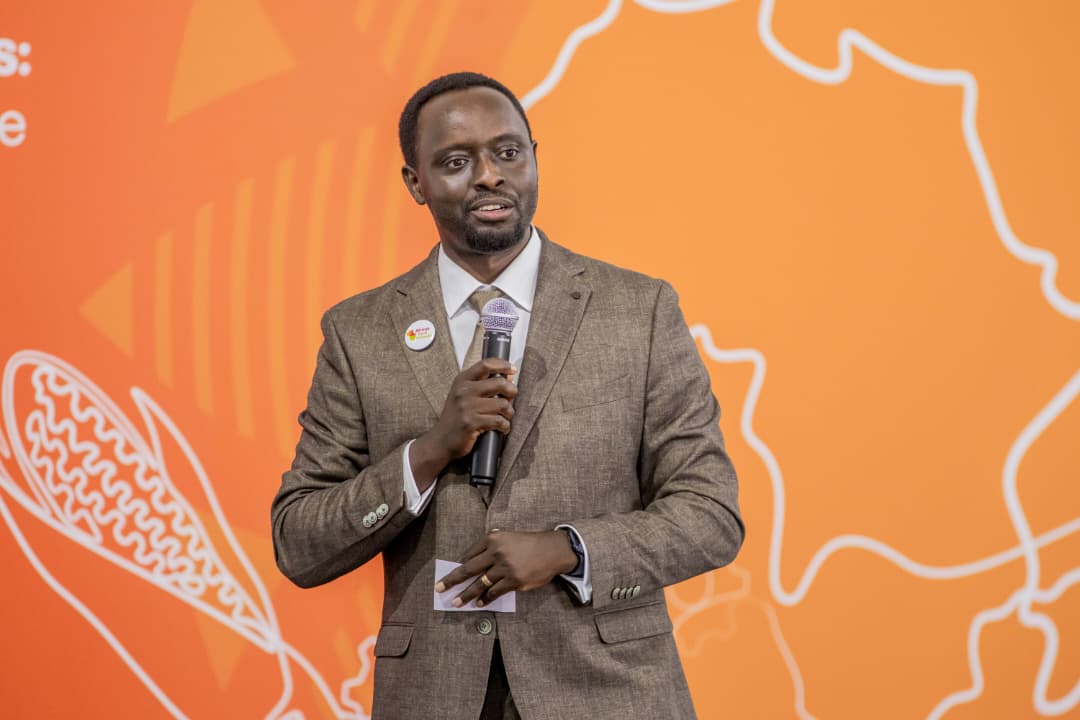
Nsengiyumva made the call on Wednesday, September 2, while opening the 2026 Africa Food Systems Forum (AFSF) in Kigali, where more than 5,000 stakeholders from over 50 countries are discussing investment in Africa’s food systems.
“Our youth should start seeing agriculture not as a sector of last resort, but as a modern and dynamic sector full of opportunities,” Nsengiyumva said.
He highlighted that opportunities extend beyond farming to areas such as irrigation, energy, mechanisation, digital services, insurance, processing and retail, urging the private sector to invest across the food value chain.
“The task before us is to build credible partnerships that connect capital to these opportunities,” he remarked.
Nsengiyumva made the call on Wednesday, September 2, while opening the 2026 Africa Food Systems Forum (AFSF) in Kigali.
Nsengiyumva also called for investments that ensure smallholder farmers, women and young people benefit from the growth of Africa’s food economy.
Africa has abundant land and water resources, sunshine and a young population, but continues to face food insecurity. Nsengiyumva said about 309 million Africans were affected by hunger in 2025, while about 57 percent experienced moderate or severe food insecurity.
“This contrast defines our task. We need to turn potential into productivity and we need to turn productivity into prosperity for all Africans,” he said.
The call for greater investment was reinforced by new financing initiatives announced at the forum.
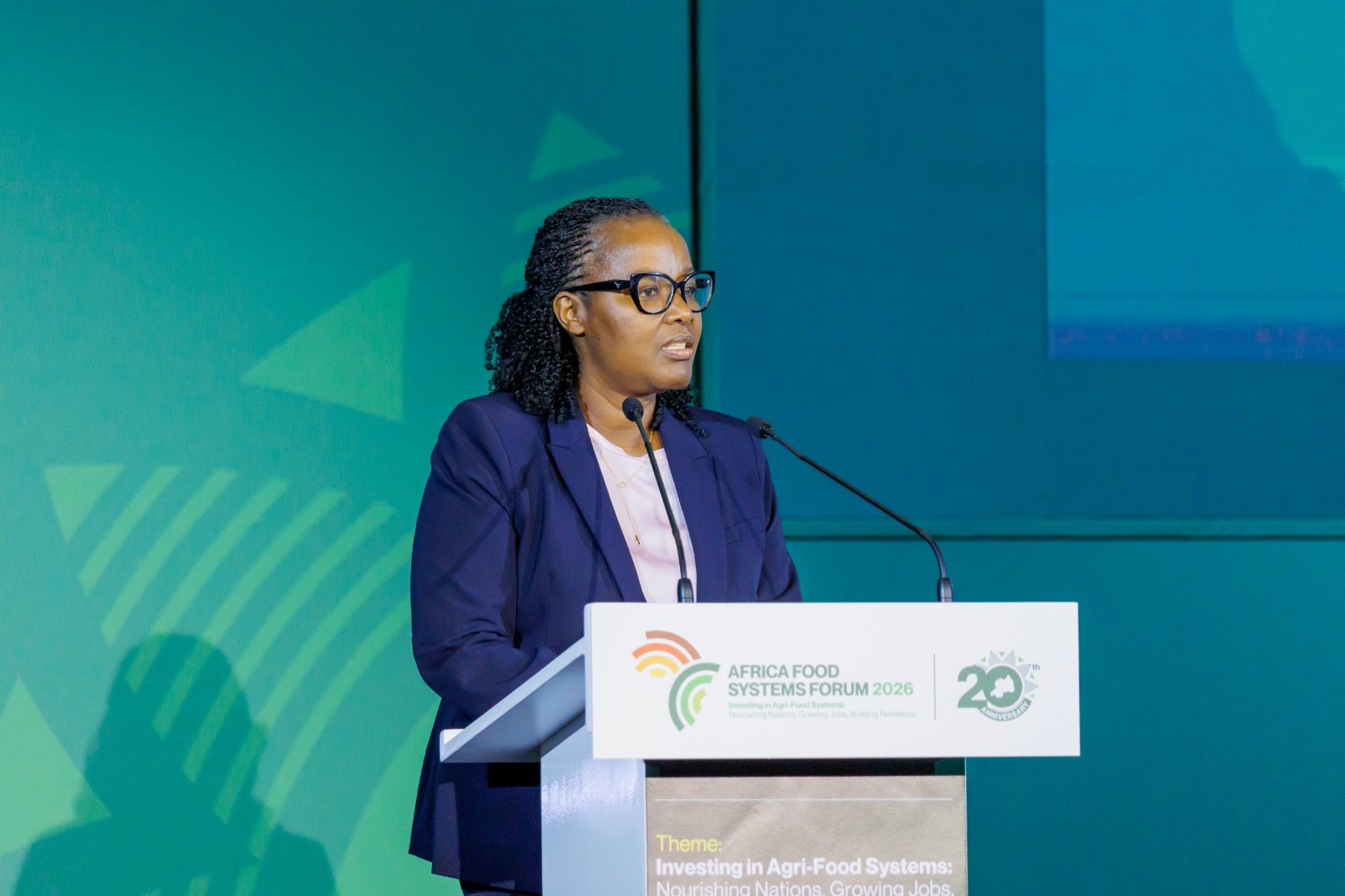
Dr. Gérardine Mukeshimana, Vice-President of the International Fund for Agricultural Development (IFAD), said IFAD and partners are launching a $200 million blended finance facility to expand climate adaptation financing for farmers in Rwanda, Kenya, Tanzania and Uganda.
Dr. Gérardine Mukeshimana, Vice-President of the International Fund for Agricultural Development (IFAD), addresses delegates at the Kigali Convention Centre.
IFAD is also launching a $10 million facility to support the growth of small agribusinesses, while it will partner with Bank of Kigali on a $21 million blended finance facility for farmers’ organisations later this week.
Mukeshimana said public financing alone cannot deliver the transformation Africa needs and should instead be used to reduce risks and unlock private capital.
She cited IFAD evidence showing that projects involving private-sector participation generate income gains of more than 64 percent, compared with projects without private-sector participation.
Former Ethiopian Prime Minister Hailemariam Desalegn, Chair of the Africa Food Systems Forum Partners Group and Board Chairperson of AGRA, follows proceedings during the 2026 Africa Food Systems Forum in Kigali.
From commitments to action
Nsengiyumva said Africa must also improve the way agricultural investments are planned and executed, calling for credible, investable projects backed by clear priorities, realistic financing, strong institutions and measurable targets.
He noted that investments should strengthen entire food systems rather than isolated parts.
“A productive farm cannot thrive without roads, energy, irrigation, storage, finance, logistics, processing and reliable markets,” he said.
The Prime Minister also urged African countries to scale successful agricultural innovations instead of leaving them as small pilot projects.
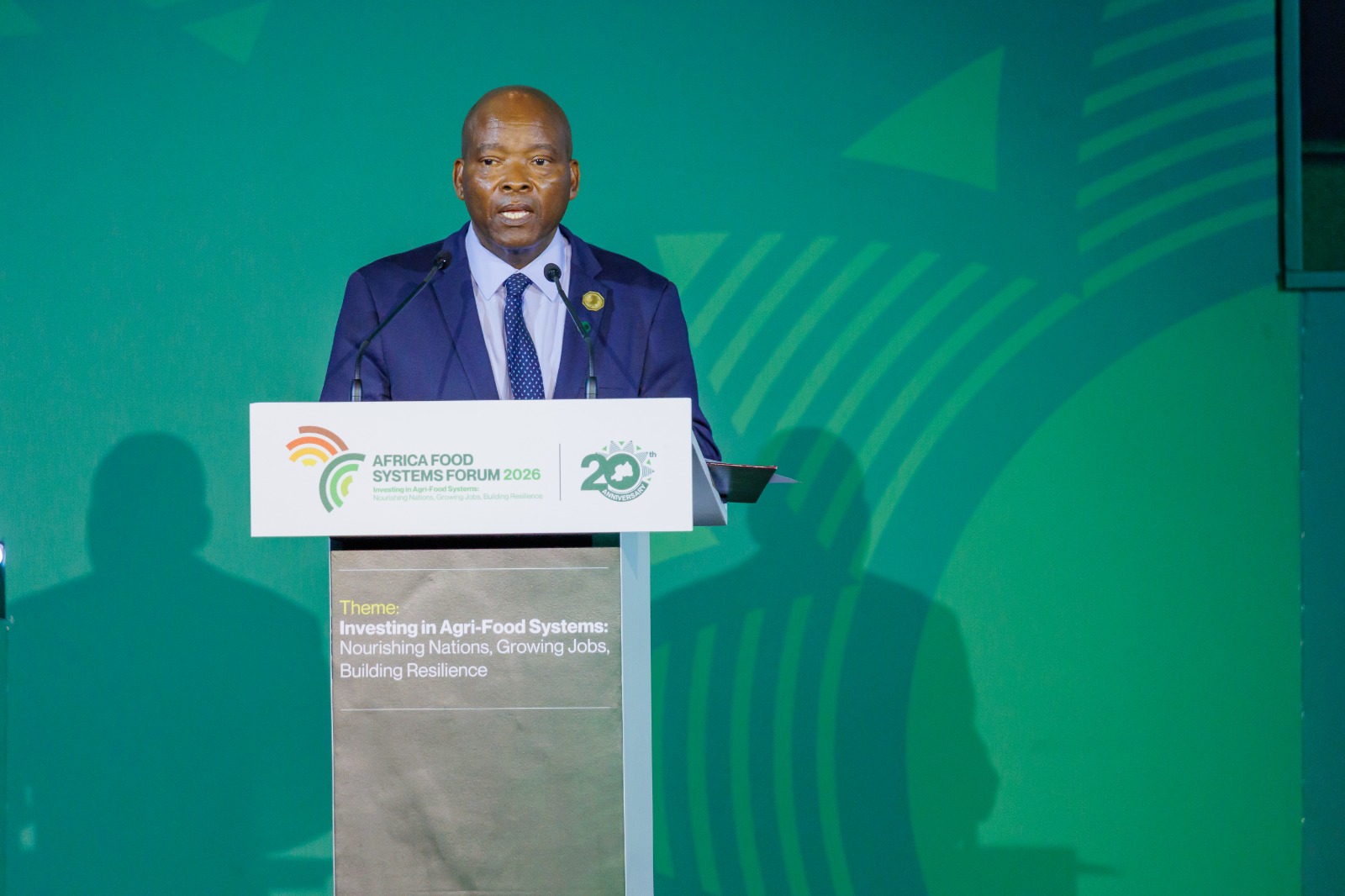
The call was echoed by African Union Commissioner for Agriculture Moses Vilakati, who said Africa’s challenge is no longer knowing what needs to be done, but having the political will, investment, partnerships and accountability to implement existing commitments.
Vilakati urged Africa to reduce its dependence on food imports and use local production to create jobs and business opportunities for young people.
He said the continent needs “a decade of implementation,” arguing that the success of the Africa Food Systems Forum should ultimately be measured by investments mobilised, jobs created and improvements in the lives of farmers and other food-system actors.
The 2026 AFS Forum marks 20 years of the platform and is being held under the theme “Investing in Africa’s Agri-Food Systems: Nourishing Nations, Growing Jobs, Building Resilience.”
Prime Minister Dr. Justin Nsengiyumva officially opened the 2026 Africa Food Systems Forum (AFSF) in Kigali on Wednesday, September 2. More than 5,000 stakeholders from over 50 countries have gathered in Kigali to discuss investment in Africa’s food systems.
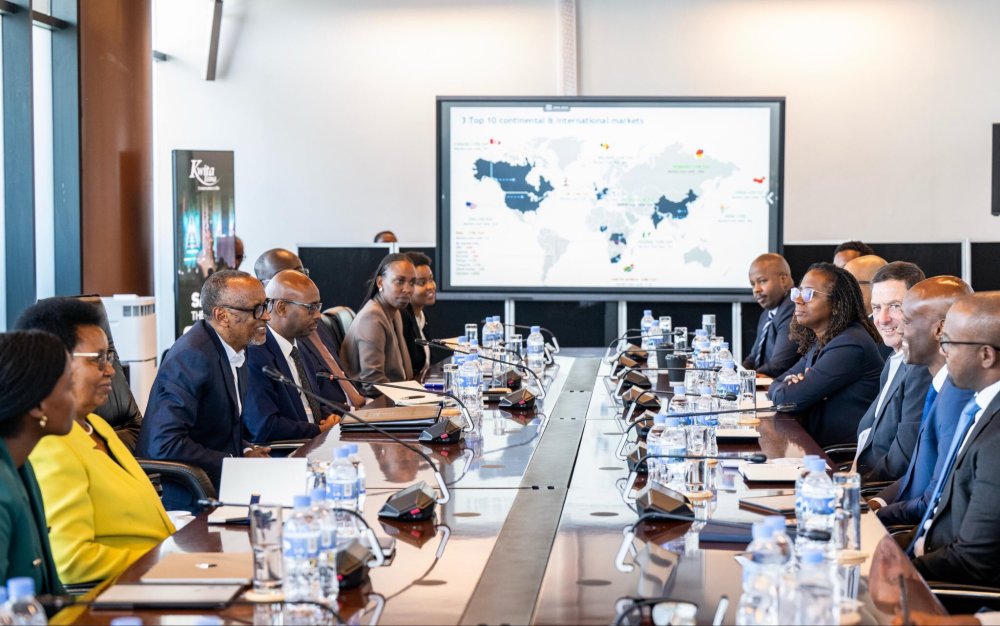
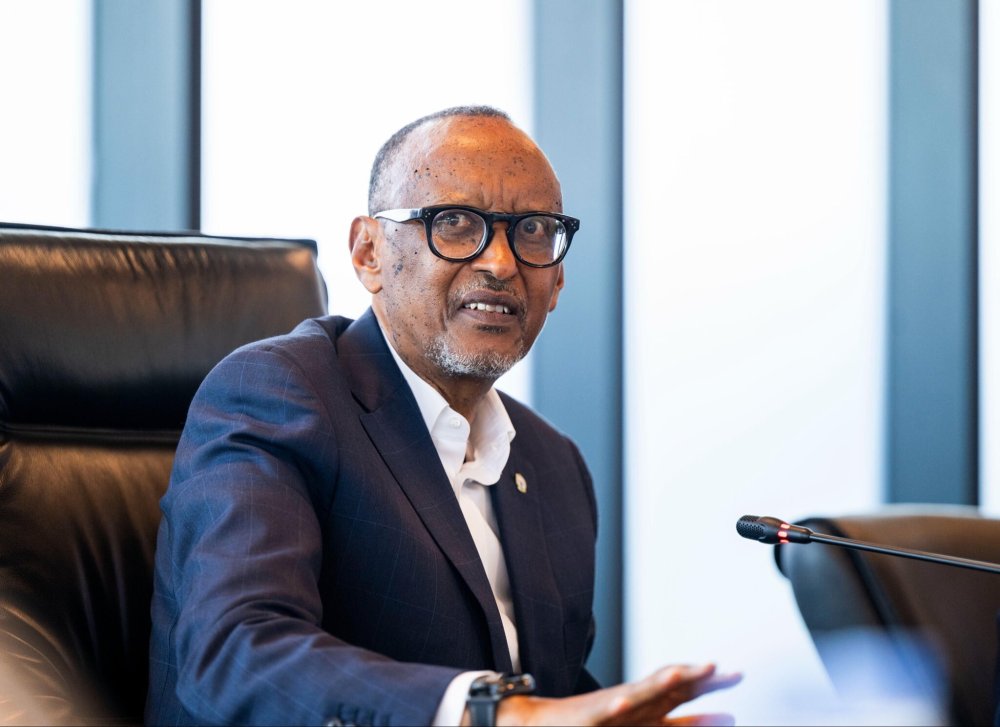
According to the Office of the President, the meeting reviewed RDB’s priorities and ongoing efforts to accelerate private sector development, attract and facilitate investment, promote exports and tourism, and strengthen Rwanda’s competitiveness.
Kagame emphasized the need for continued focus on delivery and accountability, while urging efforts to continuously improve the business environment to enable companies and investors to thrive.
The RDB Board of Directors is led by Itzhak Fisher, who serves as its Chairperson. The board also includes Evelyn Kamagaju as Vice Chairperson.
Other members are Alice Nkulikiyinka, Country Director of Business Professionals Network (BPN) Rwanda; Ivan Kagame, an investment and finance professional; Liban Soleman Abdi; Dr. Diane Karusisi, Chief Executive Officer of Bank of Kigali; Eric Kacou; and Kassahun Kebede.
The meeting was also attended by RDB Chief Executive Officer Jean Guy Afrika and his deputy, Juliana Kangeli Muganza.
The meeting comes as RDB continues to play a central role in promoting Rwanda as an investment and tourism destination, supporting businesses and facilitating investment across different sectors of the economy.
President Kagame stressed delivery, accountability and a stronger business environment for investors at RDB Board of Directors meeting. President Kagame joined the RDB Board of Directors meeting on Wednesday, September 2.
The ruling was delivered on September 2, 2026, after the prosecution requested 30 days of remand, arguing that there were substantial grounds to believe Shema committed the alleged offences and that he could abscond if released while investigations continued.
The case stems from a contract worth more than €1 million between Africa Medical Supplier Plc, a company owned by Shema that deals in medical equipment, and ABZL International General Trading LLC. The agreement, signed on January 23, 2024, was linked to World Bank procurement for the supply of medical equipment to the Democratic Republic of Congo.
Under the agreement, Africa Medical Supplier was required to pay ABZL within 60 days. The prosecution told the court that the company failed to meet the payment deadline and repeatedly delayed ABZL before eventually promising to settle the outstanding amount by email.
On August 5, 2025, Shema allegedly issued ABZL two cheques worth $400,000 and $200,000. The prosecution said the cheques were dishonoured because the company’s account did not have sufficient funds between August 1 and 10, 2025.
Shema denied the charges, saying ABZL was a financial services company based in the United Arab Emirates with which he had maintained business relations since 2017. He said their previous contracts had been successfully completed.
He told the court that Africa Medical Supplier had paid $400,000 in May 2024 and another $400,000 in December 2024, but that the second payment could not be completed because of an issue with ABZL’s account. He said the contract required ABZL to provide an alternative account in such circumstances.
Shema also said a dispute between ABZL shareholders led one of them to take the cheques, add payment instructions and request that the money be paid into a US bank account. He questioned why cheques originally intended for payment in Dubai would be redirected to the United States.
Shema maintained that he would not flee if released and told the court that he owns assets worth more than Rwf5 billion that could be used as security.
His defence counsel challenged the validity and handling of the cheques, arguing that the bank had cancelled them on July 16, 2025, before the alleged offence date of August 5. The lawyer also pointed to a change in the payment destination from the UAE to a US bank account on June 25, 2025.
The defence asked the court to grant Shema bail, arguing that the dispute arose from a commercial contract rather than a personal criminal matter.
The defence also said they submitted evidence of a $600,000 payment made through BK and a letter requesting assistance from the Rwanda Investigation Bureau (RIB) to transfer the funds to the designated account.
The court also noted discrepancies in the cheques, including the fact that both bore the same cheque number. The original did not have a date, while the copy presented to the court was dated either August 5 or August 8, 2025. Both documents bore Shema’s signature.
The prosecution, however, told the court that when RIB asked the bank whether the cheques were covered, the bank confirmed that they were not, noting that the Africa Medical Supplier account held just over $1,000.
After considering the submissions, the court remanded Shema in custody for 30 days as investigations continue.
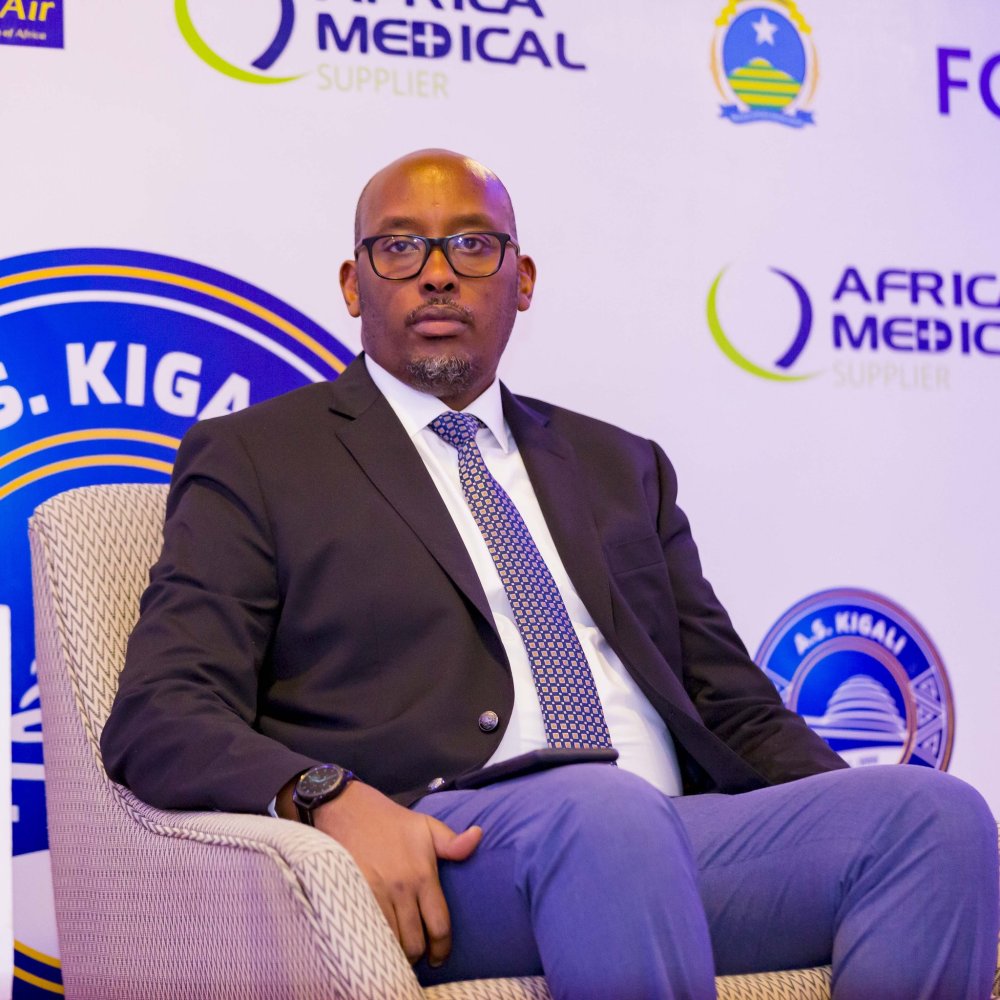
Nyarugenge Primary Court has remanded Shema Fabrice for 30 days
Amb. Nduhungirehe made the remarks in response to DRC Government Spokesperson and Minister of Information and Communication Patrick Muyaya, who welcomed the arrest of Denise Mukendi Dusauchoy in Tanzania and her transfer to Kinshasa on August 31, 2026.
Dusauchoy, who became widely known on social media platforms including TikTok, is accused of offences including spreading false information and inciting division among Congolese, in connection with messages she posted in support of AFC/M23.
Commenting on a statement by the DRC Ministry of Justice explaining Dusauchoy’s arrest, Muyaya said she was the first person on a long list of wanted individuals and that justice would reach them wherever they were.
“She is the first on a long list. Wherever you are in the world, justice will reach you. As an example, we have a responsibility to protect our children, and therefore the State will do what is necessary,” Muyaya said.
Amb. Nduhungirehe responded that several people in the DRC, including Major General Sylvain Ekenge, MP Justin Bitakwira, Martin Fayulu, Jean-Claude Mubenga, Gabriel Mokia, Chancella Tshala Balandi and Kalonji Kabamba wa Mulumba, have made statements promoting hatred and division but have not been prosecuted.
“Meanwhile, those who, on social media and on state television in Kinshasa, openly engage in hate speech and genocide ideology against Congolese Tutsi are clearly on no “list” and are therefore not being pursued by Congolese justice,” Amb. Nduhungirehe said.
He said some of the individuals were known in the DRC for referring to Congolese Tutsis as insects or as “cockroaches and a virus that must be eradicated,” while others had called on Congolese not to marry them or had made statements calling for their extermination in the country.
Amb. Nduhungirehe also reminded Muyaya that instead of being prosecuted, some of these individuals, including MP Bitakwira, had been received by DRC President Félix Tshisekedi and his wife, Denise Nyakeru, with whom they took a commemorative photograph.
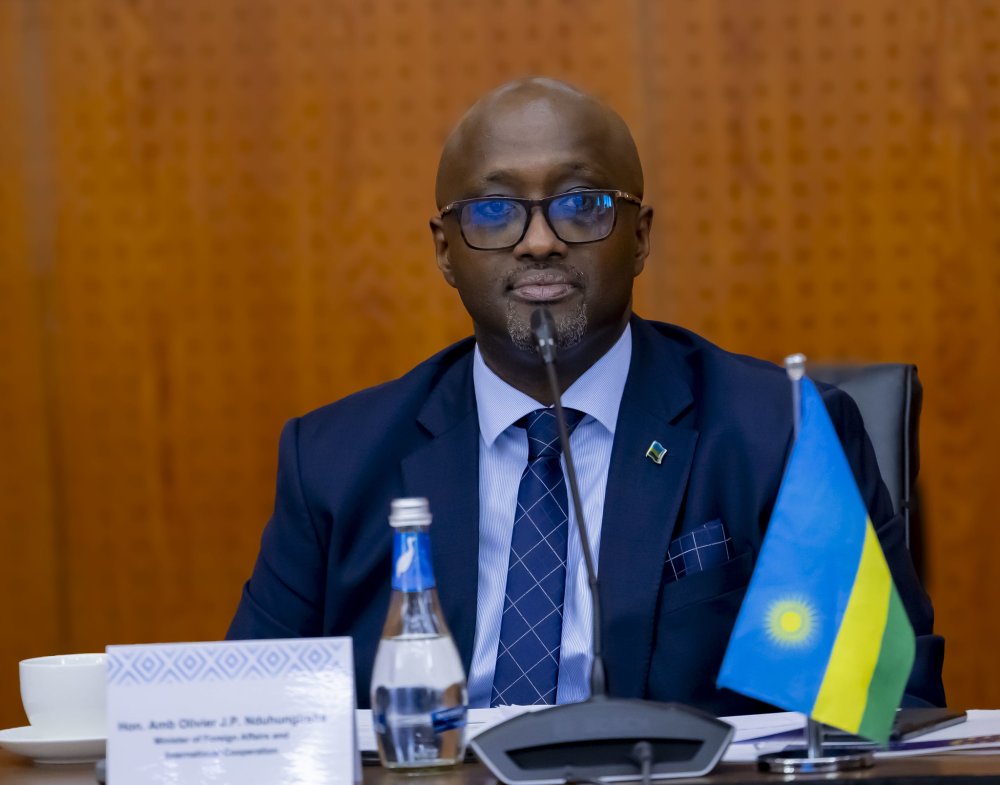
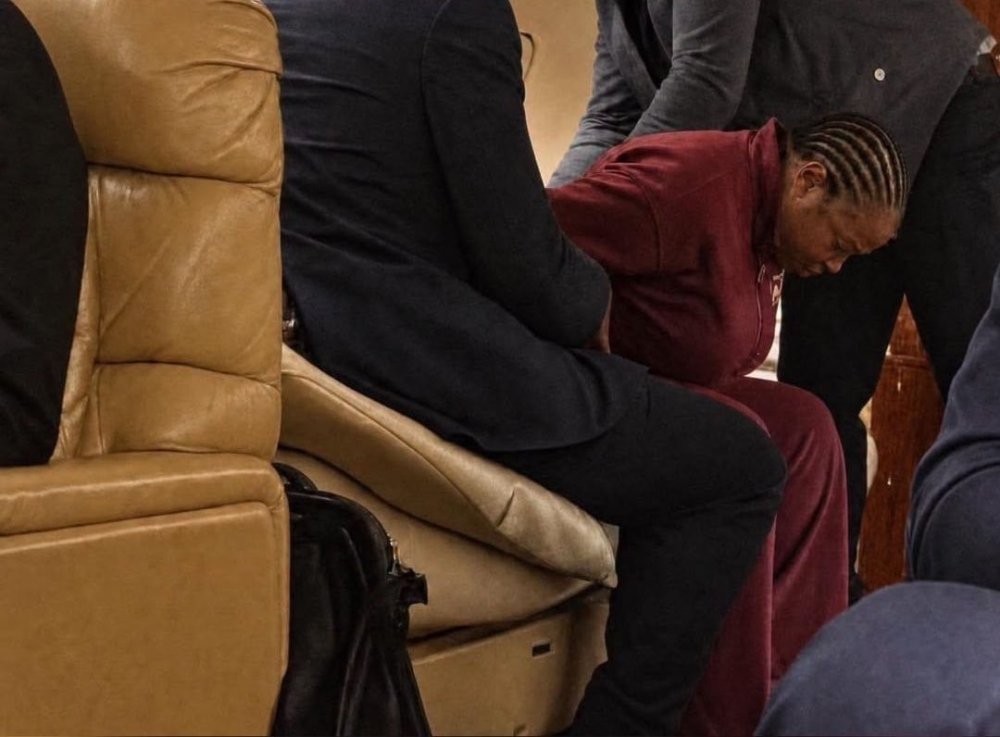
Denise Mukendi Dusauchoy was arrested in Tanzania and transferred to Kinshasa on August 31, 2026, where she faces allegations including spreading false information and inciting division among Congolese.Rwanda’s Foreign Affairs Minister Olivier Nduhungirehe has questioned the DRC’s response to hate speech, saying some individuals who have made inflammatory statements against Congolese Tutsi have not faced legal action.
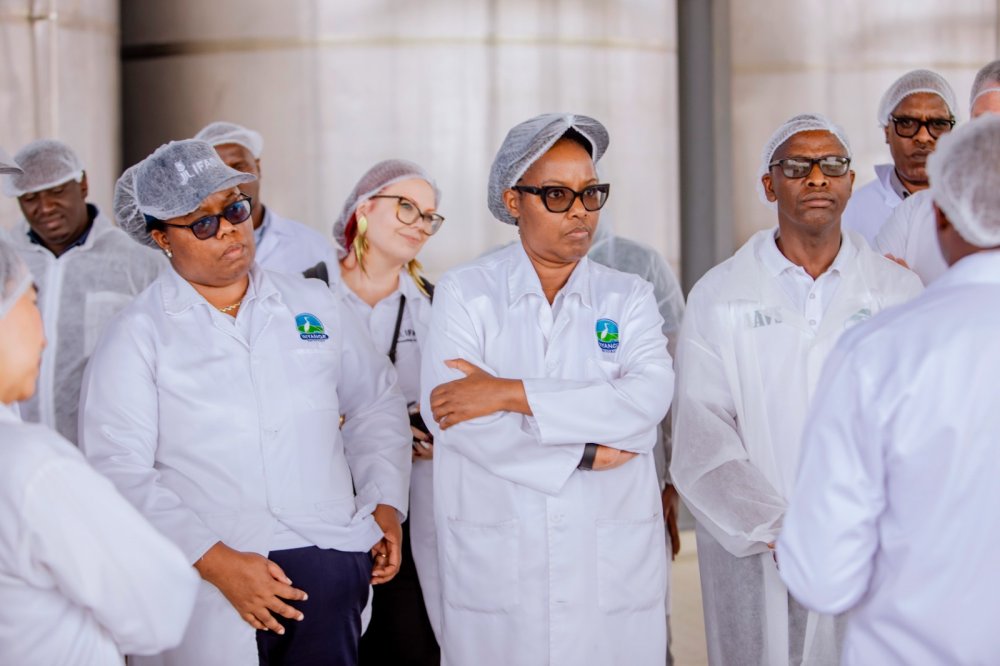
She made the remarks on Monday, August 31, 2026, during a visit by International Fund for Agricultural Development (IFAD) Vice President Dr. Gérardine Mukeshimana and senior officials from several countries to projects aimed at adding value to milk production in Nyagatare District.
The delegation visited Nyagatare Daily Marketing Cooperative, which is supported by the Rwanda Dairy Development Project Phase II (RDDP II), funded by IFAD. They also visited private veterinary practitioners operating in Nyagatare and the Inyange powdered milk processing plant.
Rugamba Sam, who collects about 100 litres of milk per day, said farmers still face challenges in accessing high-yielding dairy cattle that would enable them to operate commercially.
He said that although dairy farming is profitable, farmers have yet to gain sufficient access to cattle capable of producing large quantities of milk.
Mukansanga Cecile, who keeps eight cows, said they produce about 50 litres of milk per day. However, during the dry season, production drops significantly, with her four lactating cows producing only slightly more than 10 litres per day.
She called for support to help farmers access cattle with higher milk yields.
Uwituze said Rwanda is continuing to promote livestock farming based on market demand.
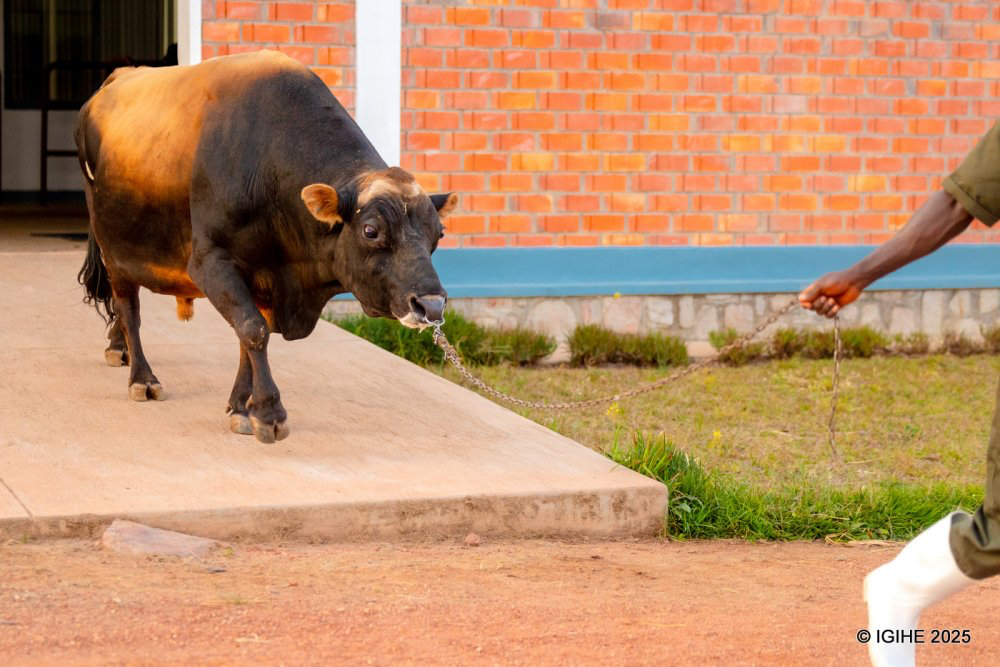
“We currently have 30 bulls. This year, we renewed our stock and brought in 30 new ones, which are now available at our Isonga Centre. We have three breeds of dairy cattle, as well as breeds of beef cattle. We brought them in to provide breeding material for beef cattle to farmers. They are now doing well.”
Dr. Uwituze said the semen from the bulls will be used to improve cattle breeds among farmers and increase the availability of animals suited for both dairy and beef production.
She also said the government is testing a system that could allow farmers to access sexed semen from next year, enabling them to know whether the resulting calf will be male or female.
“There are investors we are talking to so that they can come and support us. The discussions are already underway.”
Meanwhile, IFAD Vice President Dr. Gérardine Mukeshimana called for greater investment in smallholder farmers and livestock keepers to enable them to meet market demand.
She said 70 percent of agricultural and livestock production comes from smallholder farmers and called for efforts to build their capacity so they can increase production and better meet market needs.
State Minister for Agriculture and Animal Resources, Dr Solange Uwituze, said Rwanda has acquired 30 bulls from Switzerland, Finland and other countries, which are expected to provide new breeding stock.The disclosure was made on Monday, August 31, during a visit by IFAD Vice President Dr Gérardine Mukeshimana and other officials to milk production projects in Nyagatare.
Ndikuriyo had planned to travel to Kigali with Aigle Noir FC for its CAF Champions League qualifying match against Sudan’s Al-Hilal.
He revealed his plans to journalists on August 22, 2026, while discussing CNDD-FDD activities.
“Do you think I am afraid of Kigali? After all, I am an officer! Do you think there is an everlasting fire? The only thing is that I do not know how my work schedule will be because we plan things day by day. So, if the Eagles [Aigle] were going to Kigali to play football, would I miss going there to enjoy myself? Only work would prevent me from going there,” Ndikuriyo said.
Sources familiar with the matter said Ndikuriyo’s planned four-day visit raised concerns for President Évariste Ndayishimiye amid strained relations between Burundi and Rwanda.
According to the sources, Ndayishimiye questioned the CNDD-FDD Secretary General about why it was necessary for him to accompany his team to Rwanda and instructed him not to travel to Kigali.
Although the trip was presented as an effort to support Aigle Noir FC, analysts say Ndikuriyo’s political influence in Burundi made the planned visit more significant than an ordinary football trip.
Some CNDD-FDD members and opposition figures describe Ndikuriyo as one of the party’s influential figures with the political weight to challenge Ndayishimiye.
He is also said to have a strong following at the grassroots level of the ruling party, making his movements and activities a subject of close attention from the country’s top leadership.
Against this background, his planned stay in Kigali for several days was viewed by some as having political implications beyond football.
Burundi-Rwanda relations remain strained
The reported disagreement comes as relations between Burundi and Rwanda remain tense. Burundi closed its land borders with Rwanda after accusing Kigali of supporting the RED-Tabara rebel group, which opposes the government in Gitega. Rwanda has denied the allegations.
The strained relations have affected movement between the two countries, cross-border trade and other activities involving their citizens.
Analysts say the prospect of a senior CNDD-FDD official spending several days in Kigali may have been viewed through a political lens rather than as a routine sporting trip.
The episode also highlights how tensions between Burundi and Rwanda can extend beyond politics into areas such as sport and business.
In 2024, Burundi’s Dynamo BBC refused to wear jerseys bearing the “Visit Rwanda” logo after the country’s basketball federation, FEBABU, instructed the team not to display the sponsor’s branding amid worsening relations between the two countries.
Dynamo BBC was taking part in the Basketball Africa League (BAL) at the time. The team was forfeited after refusing to play in the sponsor-branded jerseys and was subsequently eliminated from the competition.
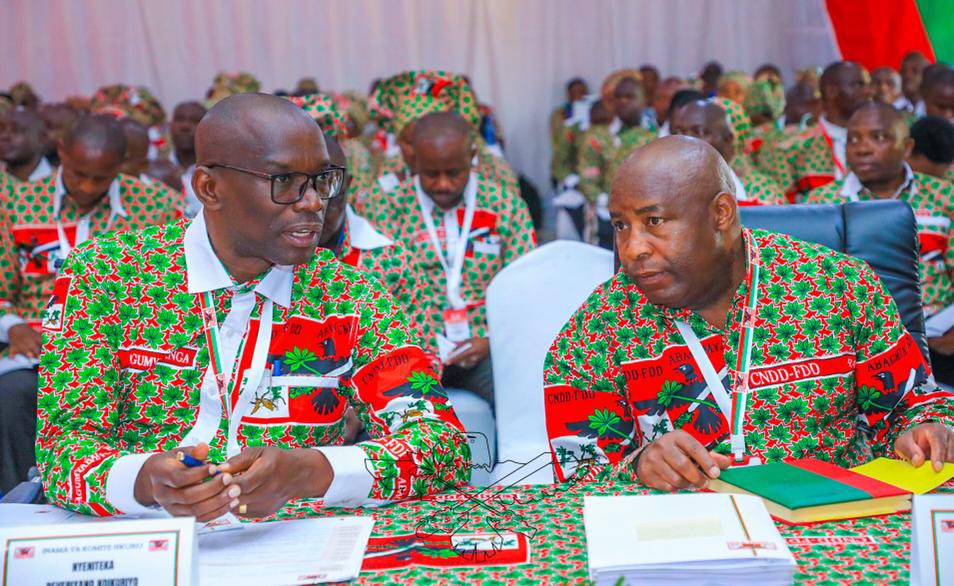
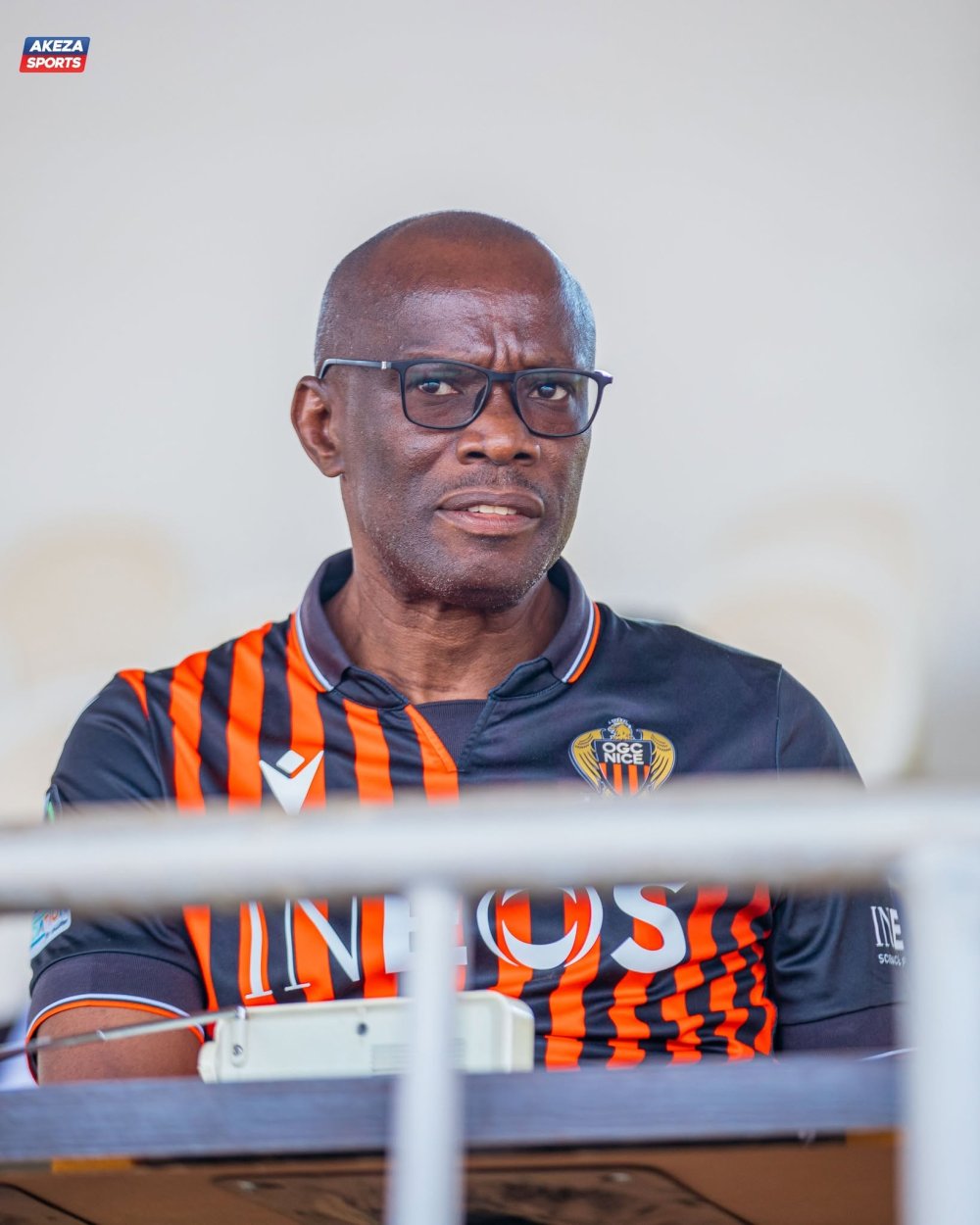
Révérien Ndikuriyo is the president of Aigle Noir FC and Secretary General of Burundi’s ruling CNDD-FDD party.Aigle Noir FC president and Secretary General of the ruling CNDD-FDD party Révérien Ndikuriyo (left) with Burundian President Ndayishimiye during a past public engagement in Burundi.
The discussions focused on the role of capital markets in mobilising long-term capital, attracting domestic and international investment, and broadening financing options for enterprises. They also considered the importance of deeper and more competitive capital markets in supporting private-sector growth and Rwanda’s wider economic priorities.
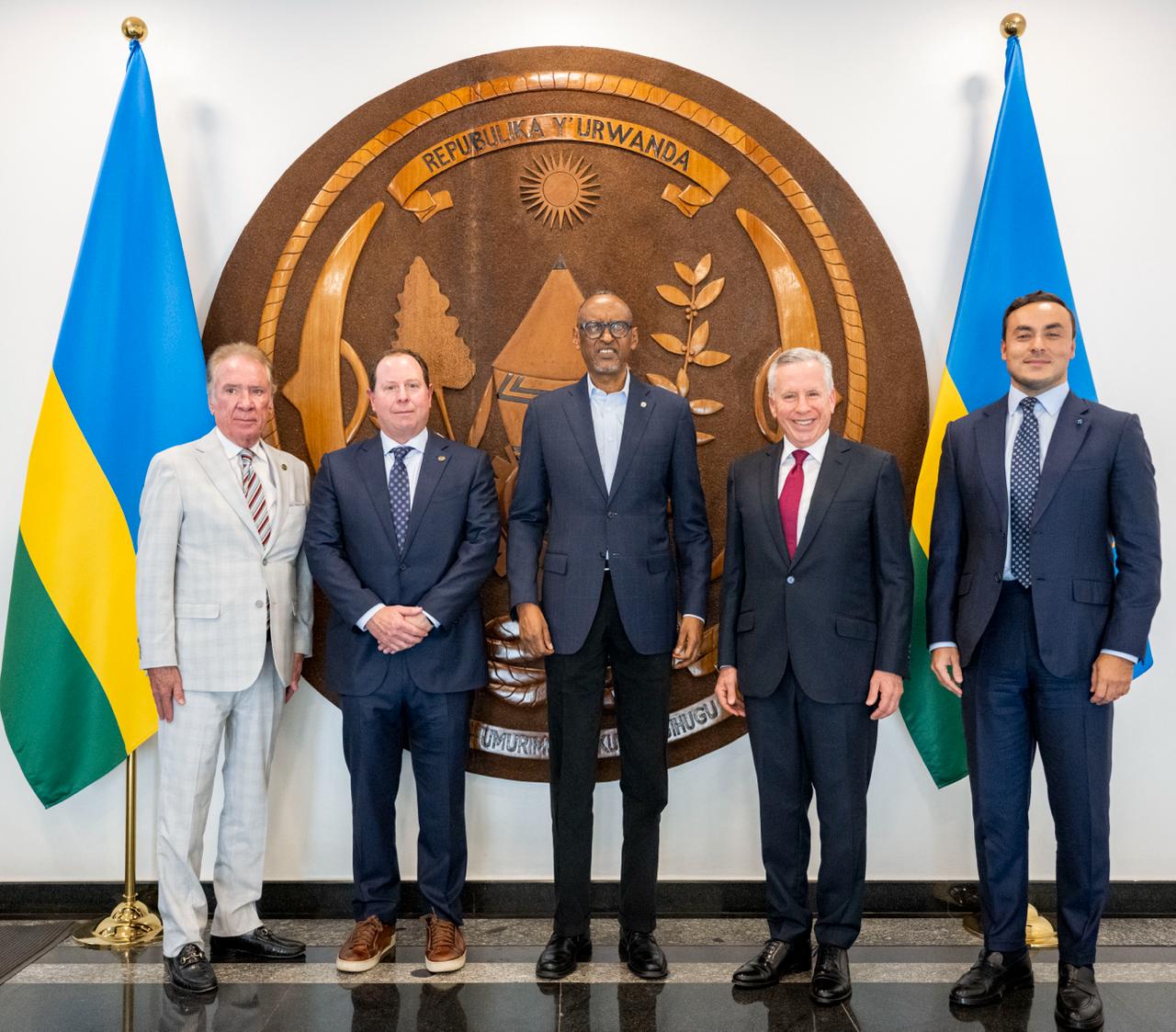
Chairperson Holtzman expressed his appreciation to President Kagame for his leadership and continued support for the development of Rwanda’s capital markets.
Chairperson Holtzman noted “Thank you, Your Excellency President Kagame for your visionary and inspirational leadership. Every day you motivate us to work harder and do better for our great country. Thank you for the opportunity to serve and to try to make a difference.”
He was joined by Blair Richardson, founder of Denver-based Bow River Capital, a US$7.5 billion private equity fund; Dan Green, CEO of JA Green Development, the largest operator of a logistics hub at America’s third-largest airport in Denver; and Korab Toplica, CEO of Mabetex Africa, a US$8 billion Swiss-based construction and development company.
Chairperson Holtzman also commended President Kagame for his support for Rwanda’s capital market development and the broader reform agenda that has strengthened the country’s investment environment.
He noted the importance of a sound policy and regulatory framework in attracting capital, widening access to finance and positioning the capital markets as a key source of long-term funding for Rwanda’s economy.
CMA’s Chairperson Marc Holtzman has met President Kagame on Rwanda’s Capital Markets Development
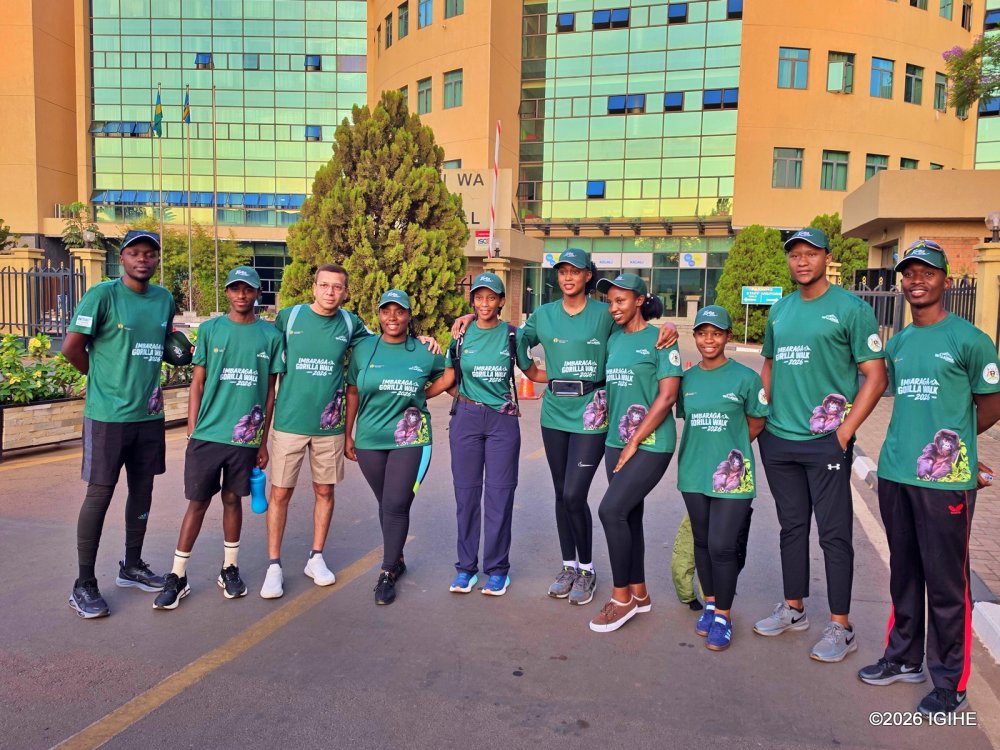
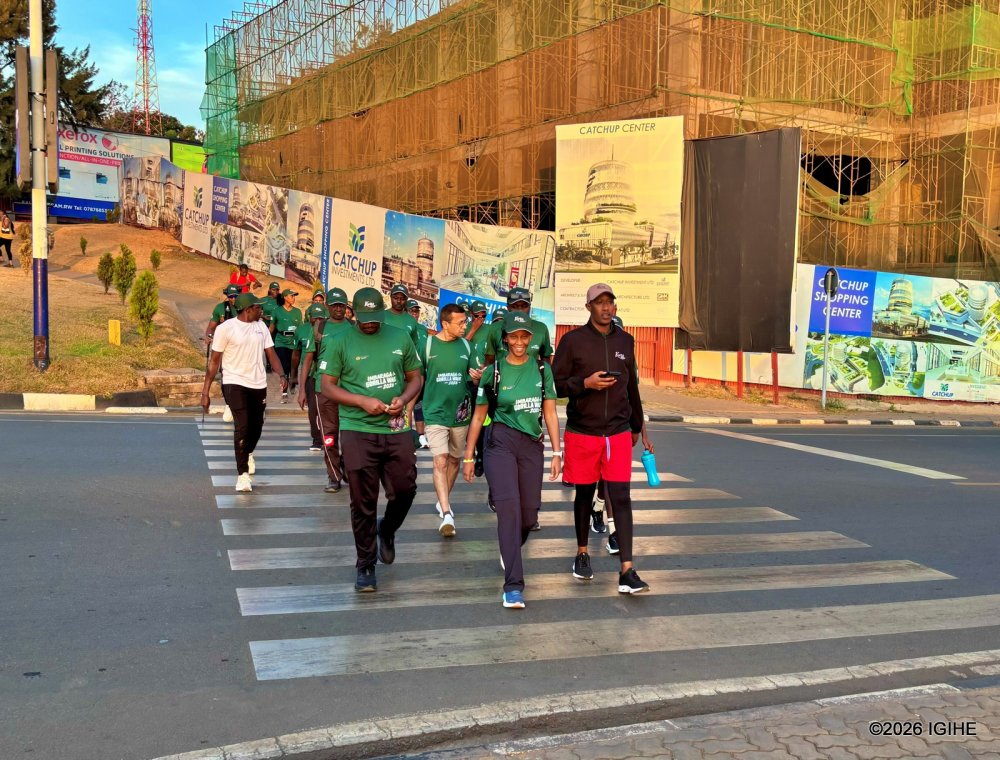
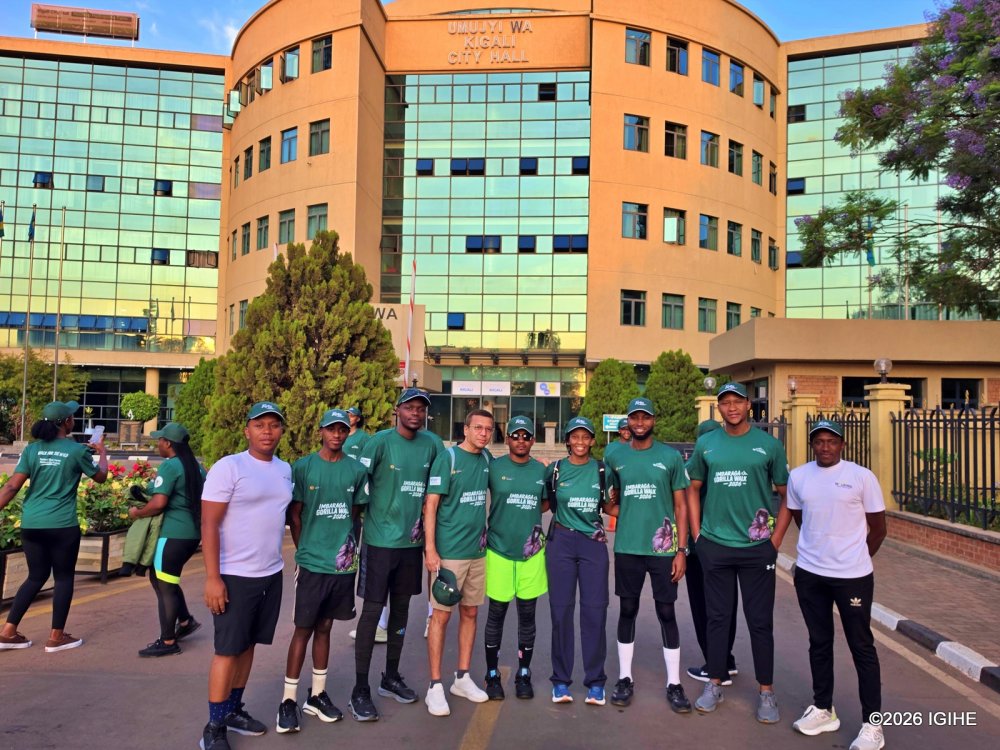
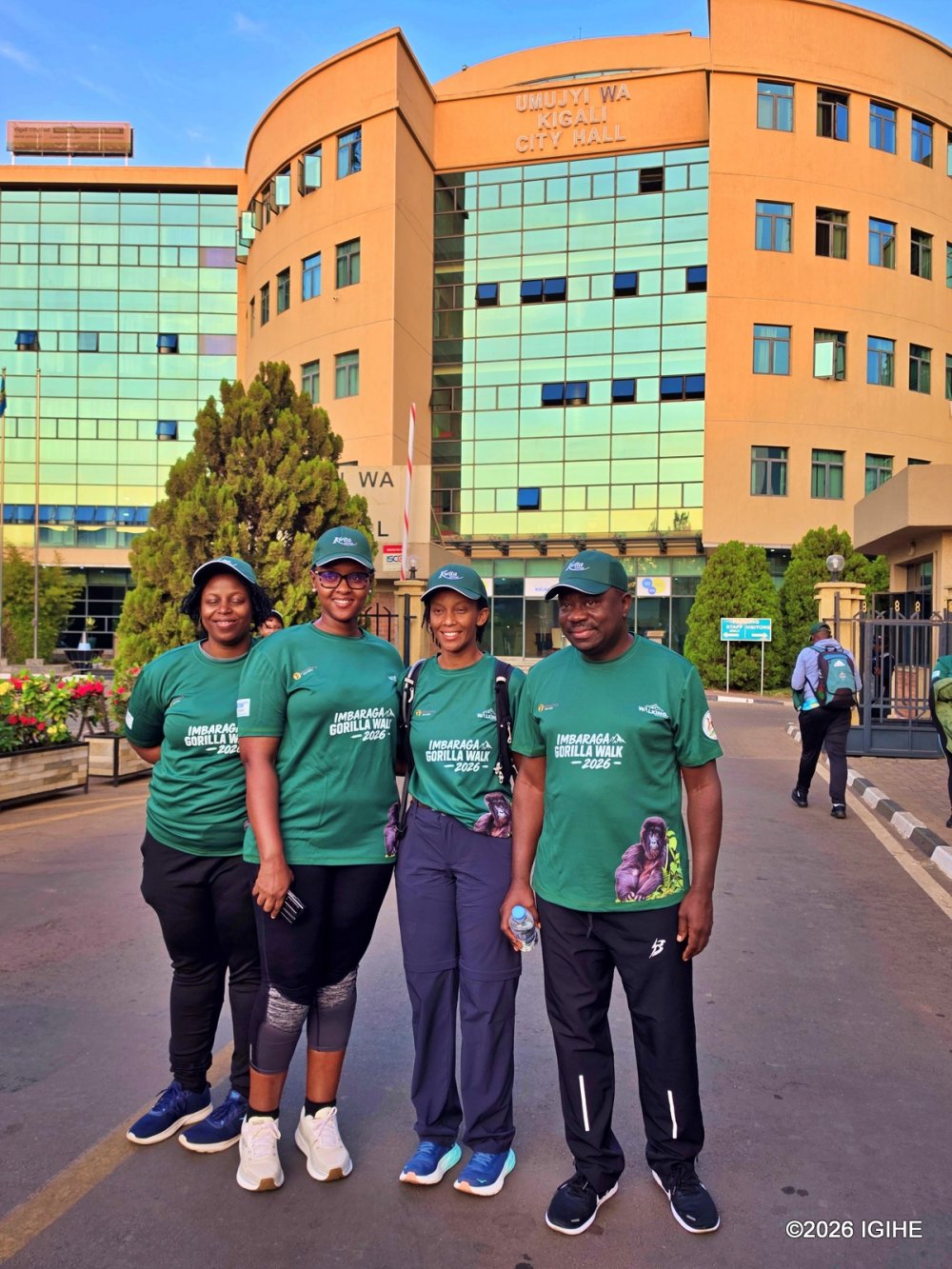
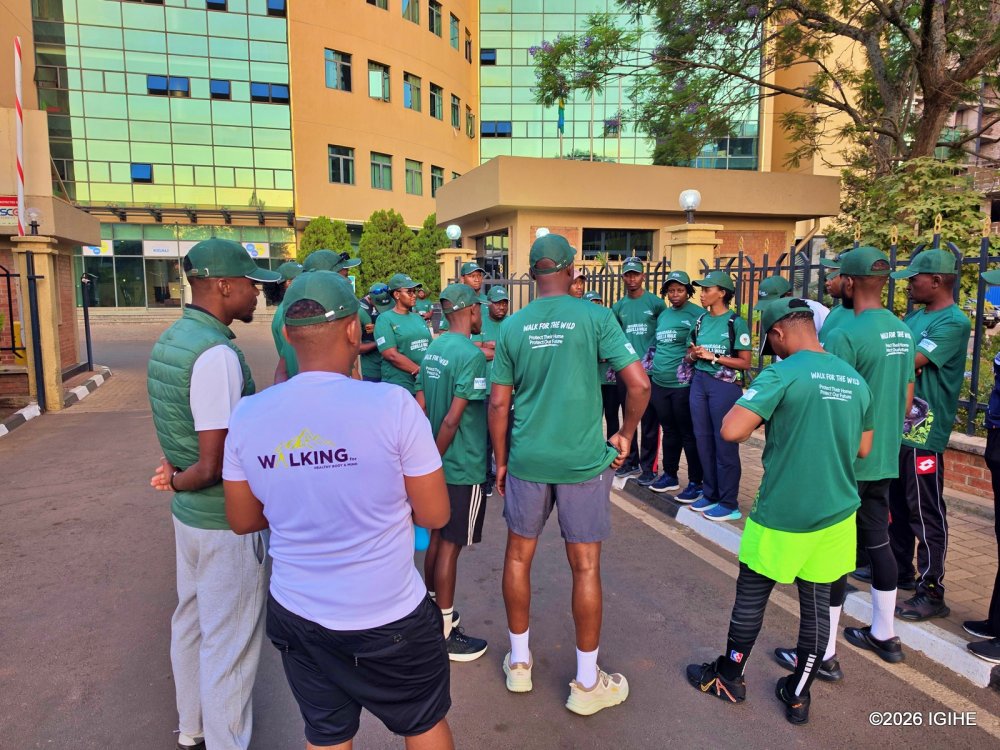
The group gathered at the Kigali City offices before beginning the journey to Musanze, where they are expected to arrive on September 3. On September 4, they will travel to Kinigi to attend Kwita Izina.
Speaking to IGIHE before their departure, Bazongere said the group would spend the first night at Nyirangarama before continuing to Musanze the following day.
“We will spend two days on the journey. Today, we will spend the night at Nyirangarama, and tomorrow, September 3, 2026, we will spend the night in Musanze,” she said.
Bazongere organised the journey, dubbed ‘Imbaraga Gorilla Walk’. She is passionate about sports and has previously organised various walking journeys to raise awareness about different causes.
She said the initiative is intended to use the journey as a way to promote environmental conservation and encourage people to take part in protecting Rwanda’s natural heritage.
“The goal is not simply to walk, but to use our journey as a way to promote healthy living, promote tourism in Rwanda and encourage people to play a role in conserving our natural heritage,” Bazongere said.
Bazongere said ‘Imbaraga Gorilla Walk 2026’ brings together sport, wellbeing, tourism and environmental conservation, while also promoting efforts to protect mountain gorillas and other wildlife.
The walk comes as Rwanda prepares to host the 2026 Kwita Izina ceremony in Kinigi on September 4, an annual event that celebrates the conservation of mountain gorillas and brings together local and international conservationists, tourists, officials and other stakeholders.
Members of the Imbaraga Gorilla Walk group begin their journey from Kigali to Musanze on September 2, 2026.Bazongere Rosine and other participants set off from Kigali as part of the Imbaraga Gorilla Walk 2026.More than 20 participants gather at the Kigali City offices before setting off on foot for Musanze.The group will walk along the Kigali-Musanze route during a two-day journey linked to Kwita Izina.Participants in the Imbaraga Gorilla Walk 2026 use the journey to promote healthy living, tourism and environmental conservation.
The firm-fixed-price contract has a maximum potential value of approximately 700 million U.S. dollars. Under the contract, Blue Origin will deliver a high-performance telecommunications orbiter for Mars to NASA no later than Dec. 31, 2028, according to NASA.
Blue Origin will design, develop, integrate, launch, and operate the network as part of NASA’s broader space communications and navigation infrastructure.
The network will include a high-performance telecommunications spacecraft orbiting Mars to transmit science data, imagery, navigation information, and critical mission communications for spacecraft operating on and around the planet.
The network, managed by NASA’s Space Communications and Navigation program, is expected to be operational at Mars by 2030 and will support both current and future missions to the Red Planet, according to NASA.
NASA said the contract award marks a milestone in its strategy to expand communications and navigation services beyond Earth and the Moon, laying the foundation for sustained exploration of Mars in the coming decades.
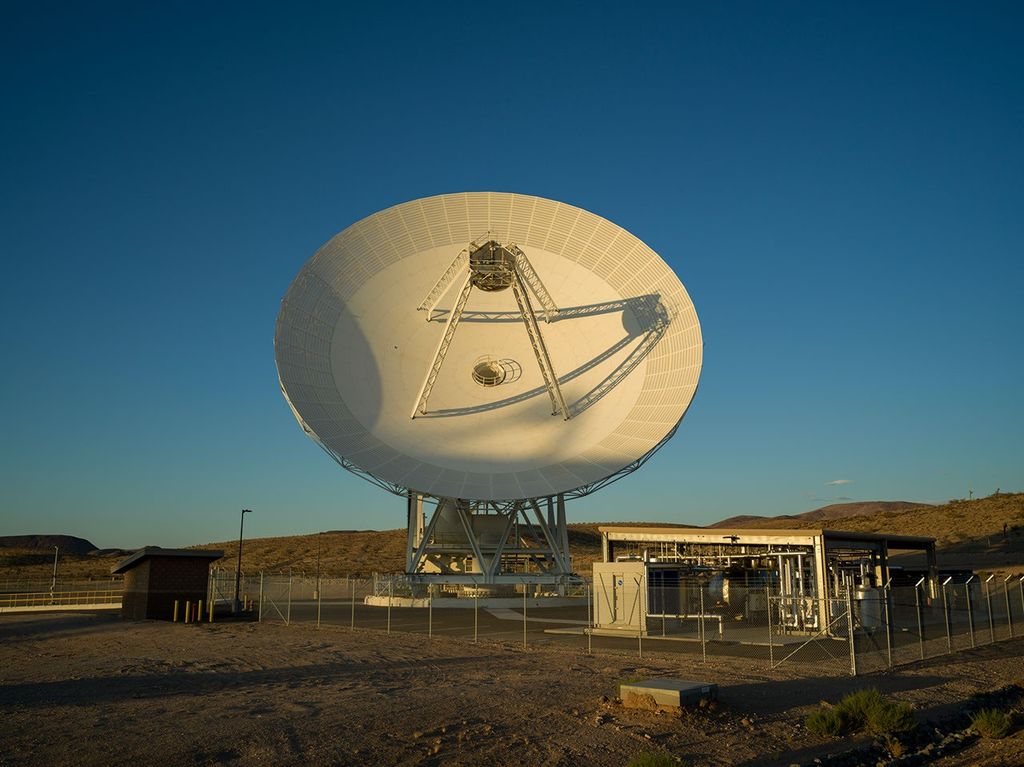
This illustration released on Sept 6, 2024, shows the twin spacecraft of NASA’s Escape and Plasma Acceleration and Dynamics Explorers entering Mars’ orbit. (PHOTO/ROCKET LAB USA)
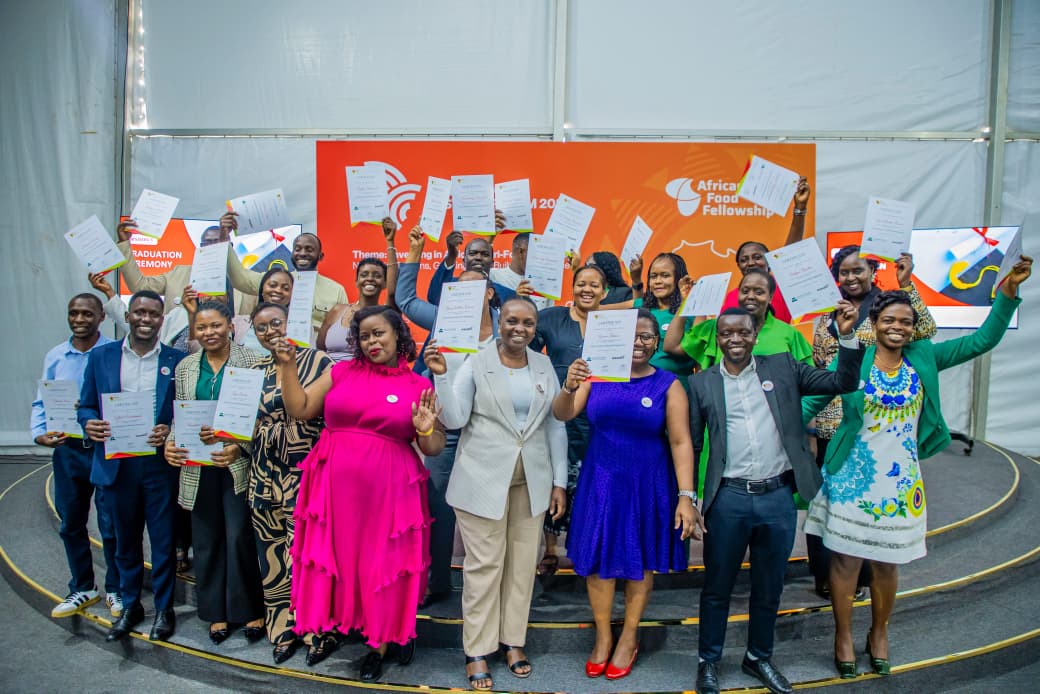
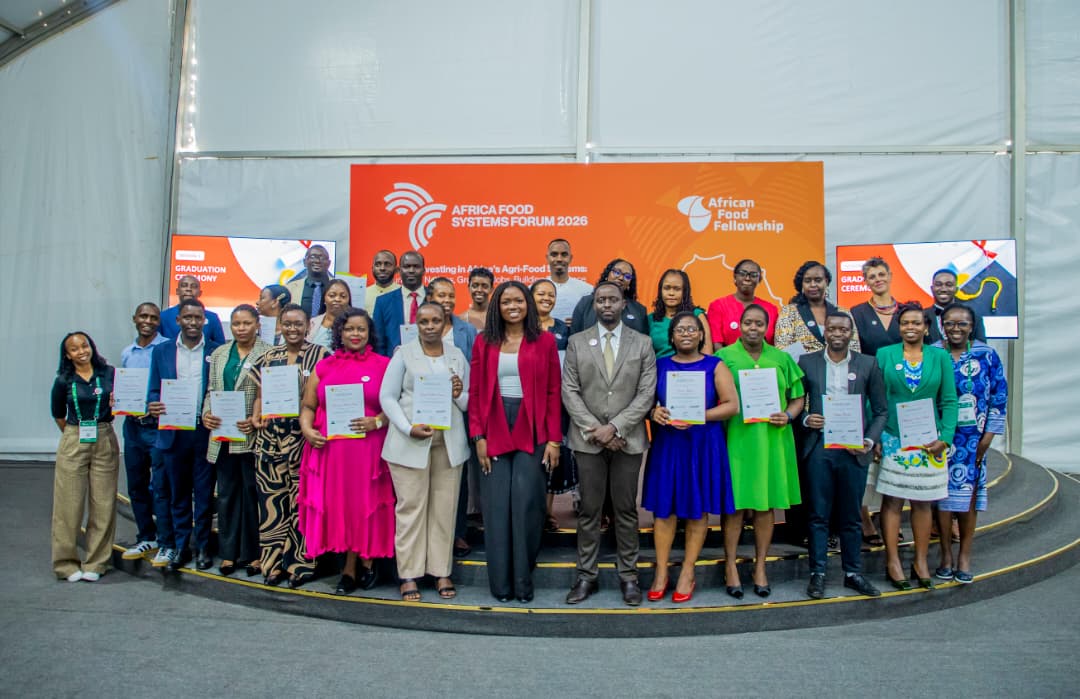
The latest graduates completed a 10-month programme focused on equipping leaders to address complex challenges facing Africa’s food systems, including food waste, food safety, market access, agricultural financing and climate-smart agriculture.
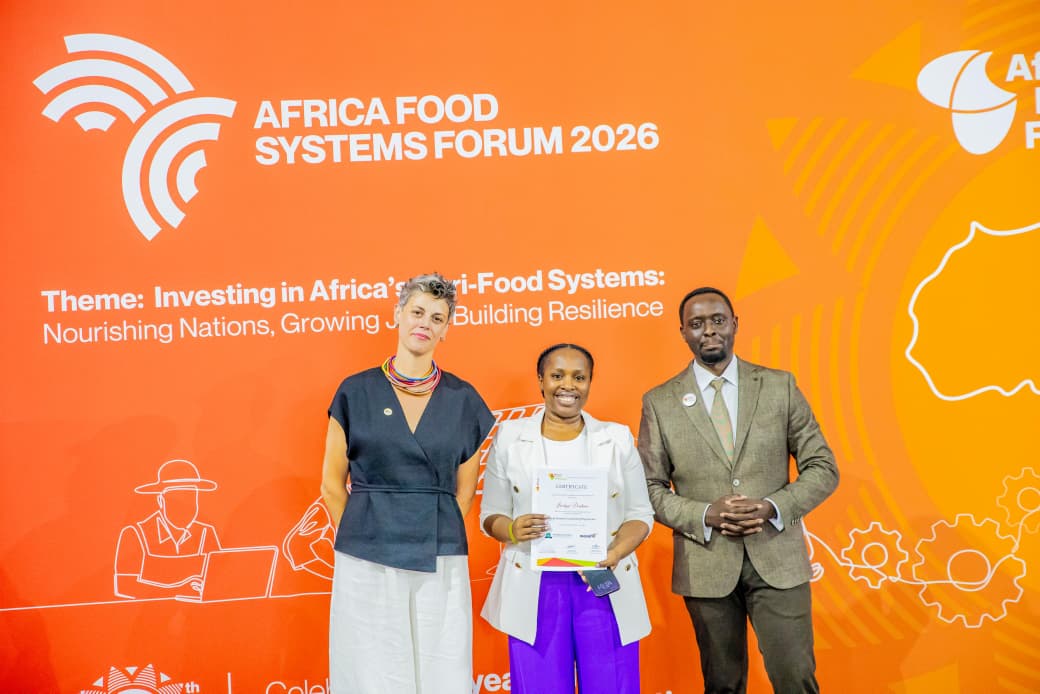
The graduation ceremony was held on Monday in Kigali as part of the launch of the Africa Food Festival, organised on the sidelines of the 2026 Africa Food Systems Forum.
The new graduates join a growing network of nearly 400 fellows from Rwanda, Kenya and Zambia, representing more than 200 organisations working across Africa’s food systems.
The latest graduates completed a 10-month programme focused on equipping leaders to address complex challenges facing Africa’s food systems.
Pascal Murasira, Executive Director of the African Food Fellowship, said the organisation plans to significantly expand the network over the next decade.
“Today we have about 400 fellows who come from 203 organisations in three countries. We are targeting that by 2035 we will be in 15 African countries and will be a network of 2,750 leaders,” he said.
Murasira said the fellowship’s next phase would focus on strengthening leadership and infrastructure while using technology and partnerships to expand its reach.
He highlighted that the programme had evolved from a leadership initiative launched in 2021 into a wider alumni network that is increasingly becoming a critical mass within food systems in the countries where it operates.
An evaluation published in July found that fellows reported improvements in their leadership skills and ability to act, although it also identified a gap in translating those gains into the next stage of impact.
Murasira said the fellowship would therefore place greater emphasis on leverage, including the use of technology to enable a small team and its partners to achieve more, as well as partnerships at national, continental and global levels.
“We are trying to achieve much more as a network,” he said.
Murasira said the fellowship’s next phase would focus on strengthening leadership and infrastructure while using technology and partnerships to expand its reach.
Turning leadership into action
Anysie Ishimwe, Lead of the African Food Fellowship in Rwanda, stressed that the programme was built on the belief that investing in leaders is critical to transforming complex food systems.
She said Africa’s food systems face problems that cannot be addressed by a single institution or programme because they often have multiple causes and require coordinated action among different actors.
Ishimwe pointed to childhood malnutrition as an example, noting that responsibility for the problem cuts across health, education, families, farmers, markets and other actors.
She highlighted that fellows are therefore trained in systems thinking, foresight and scenario planning to help them understand both current challenges and how food systems could evolve in the future.
“Every ecosystem leader eventually encounters a problem larger than themselves,” Ishimwe said, explaining that such challenges often exceed the capacity, budgets or expertise of individual organisations.
The fellowship seeks to bring leaders from different parts of the food system together so they can identify shared challenges and build partnerships rather than attempting to solve complex problems independently.
Ishimwe cited the experience of a fellow who had spent years promoting regenerative and conservation agriculture but struggled to increase adoption.
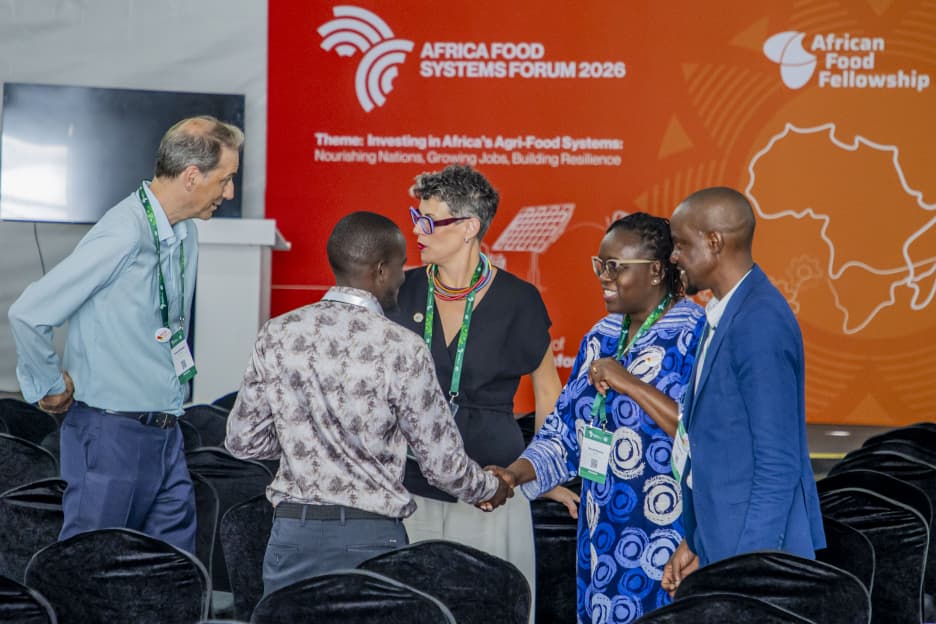
Fellowship brings food systems leaders together to tackle shared challenges and build partnerships.
The fellow later brought together 14 organisations into a coalition, which helped shape a national target to increase land under conservation agriculture from about 1,200 hectares to nearly 100,000 hectares by 2028–2029.
For Ishimwe, the example demonstrates the value of networks in turning individual ideas into broader action.
She said the fellowship is not intended to produce “brilliant individuals working alone” but to build a network that allows leaders to identify who they need to work with when tackling complex challenges.
From training to practical action
The fellows are also leaving the programme with projects targeting specific challenges across Rwanda’s food system.
Among the initiatives is Kamanzi Jean Pierre’s project to strengthen market access for smallholder farmers by linking them with agribusiness buyers and expanding contract farming in the chilli value chain.
The project targets more than 500 smallholders over two to five years, while its maize component has recorded an estimated 25–35% increase in farmer incomes and payments made two to four weeks faster.
Manasseh Manirakinga is developing a Poultry Centre of Excellence to equip secondary-school graduates with practical poultry production, business management and entrepreneurship skills.
The initiative aims to train more than 500 young people over two to five years and support the creation of youth-led poultry enterprises.
For Manirakinga, the fellowship has changed how he approaches food systems challenges.
“The FSA journey has been challenging but strengthened my systems-thinking approach, refined the Centre of Excellence concept, expanded my network, and increased my confidence in designing a scalable solution,” he said.
Other fellows are also tackling specific challenges. Joselyne Dushime is developing a hydroponic agriculture investment playbook to help investors, financial institutions and entrepreneurs evaluate and finance hydroponic projects in Rwanda. The project seeks to address gaps in local investment evidence, business models and risk assessment tools.
In nutrition, Pacifique Umuhire is developing NutriRwanda, a Kinyarwanda-first, offline-friendly nutrition application offering local meal ideas, voice tips and household guidance to help users make healthier food choices. The project aims to reach 200,000 users over two to five years.
The graduation ceremony was held on Monday in Kigali as part of the launch of the Africa Food Festival, organised on the sidelines of the 2026 Africa Food Systems Forum.
129 Rwandans have graduated
The latest cohort brings the total number of people who have graduated from the African Food Fellowship programme in Rwanda to 129.
The fifth Rwanda cohort is part of the fellowship’s broader network spanning Kenya, Rwanda and Zambia, with nearly 400 fellows representing more than 200 organisations.
Ishimwe urged the new graduates to take the knowledge and connections gained through the 10-month programme into their organisations and wider networks.
She said the transformation of Africa’s food system would require multiple leaders working across institutions rather than relying on a single organisation or intervention.
“The effect we mentioned, hopefully, will start to show the changes, because we all believe this: Africa’s food system will not be transformed by one institution, and definitely not by one innovative programme,” she said.
The fellowship now plans to use its growing network, technology and partnerships to scale its work beyond the three countries where it currently operates, with the long-term goal of reaching 15 African countries and 2,750 leaders by 2035.
The 2026 edition of the AFS Forum, which is also celebrating its 20th anniversary, has brought together more than 5,000 delegates from over 50 countries, including government leaders, investors, farmers, scientists and young entrepreneurs.