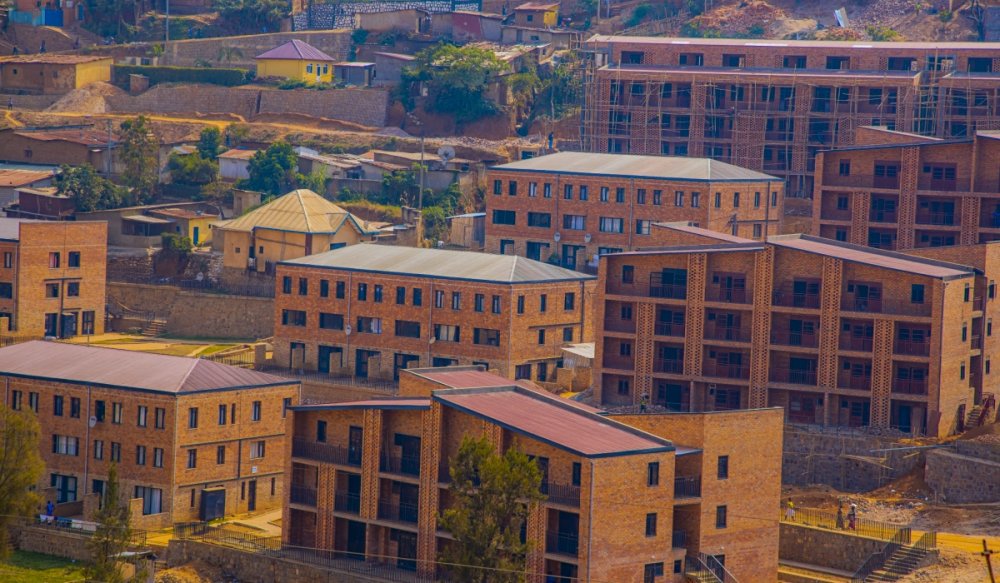
The plans are part of Kigali’s broader efforts to upgrade informal settlements while keeping residents connected to their existing communities.
In a post shared on X, Kigali City spokesperson Ntirenganya Emma Claudine said 793 housing units had already been built at Mpazi, with more than 500 families settled there. Another 44 units are currently under construction.
“Mpazi is not ending there: the project will continue progressively, with about 4,106 housing units planned upon completion,” she wrote in the post on Thursday.
The same approach is being implemented at Nyabisindu-Nyagatovu, where construction is underway to deliver approximately 2,029 housing units.
The city’s informal settlement upgrading programme has also reached Kabuhunde Village in Kagugu Cell, Kinyinya Sector, Gasabo District, where 716 residents are expected to benefit from improved housing.
Ntirenganya said 85 households whose properties are required for the Kabuhunde project have already received rental support to ensure they have accommodation as construction progresses.
She noted that households that owned land or houses within the project area will receive and own new housing units once construction is completed, based on the assessed value of their existing properties and applicable expropriation arrangements.
She stressed that the approach is intended to improve living conditions without disconnecting residents from their communities.
“Families can remain close to their jobs and businesses. Children can continue attending familiar schools. Residents can continue using the same markets and maintain their neighbours and social networks,” she said.
The upgrading programme is expected to improve not only housing but also the surrounding infrastructure, including sanitation, roads, drainage, recreational spaces and neighbourhood organisation.
“For low- and middle-income residents, upgrading informal settlements should improve both the home and the life around it, not disconnect one from the other,” Ntirenganya stated.
She added that the approach will be progressively implemented in Kabuhunde, Mpazi, and Nyabisindu-Nyagatovu, as well as other parts of Kigali.
Kigali City plans to progressively expand the Mpazi Model Village housing project in Gitega Sector, Nyarugenge District, to about 4,106 housing units, the city spokesperson has said.
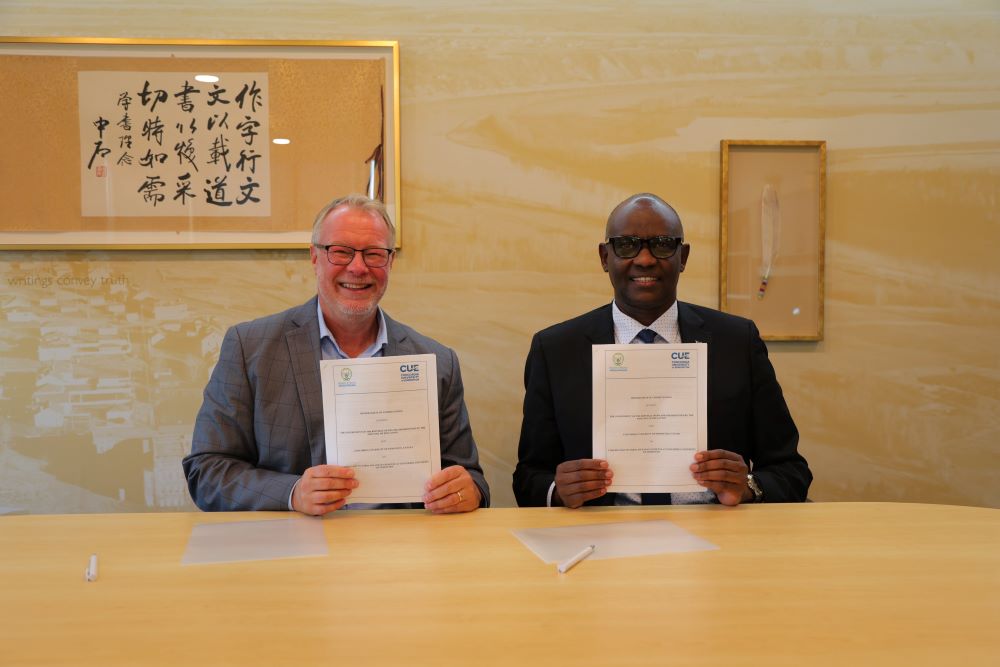
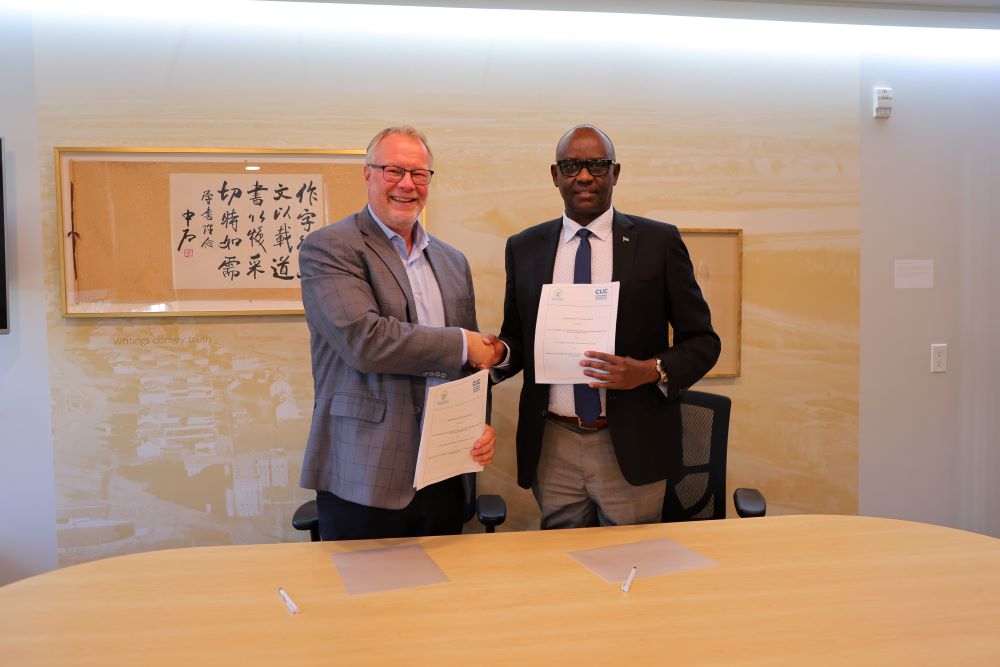
The agreement was signed by Rwanda’s High Commissioner to Canada, Prosper Higiro, on behalf of the Government of Rwanda through the Ministry of Education, and Dr. Tim Loreman, President and Vice-Chancellor of Concordia University of Edmonton.
The signing took place during Higiro’s visit to Alberta from August 21 to 23, 2026.
Under the agreement, Concordia University of Edmonton will consider applications from qualified Rwandan students seeking to study at the university, subject to its normal admission requirements and institutional capacity.
The two sides will also explore scholarship opportunities, tuition-support mechanisms and other arrangements that could help eligible Rwandan students access education.
The cooperation will also cover executive training programmes for Rwandan government officials, particularly in public policy, innovation and other areas to be agreed upon by both sides.
The MoU further provides opportunities for academic staff and researcher exchanges to strengthen academic collaboration, research, knowledge sharing and institutional links between Concordia University of Edmonton and higher education institutions in Rwanda.
Priority areas for cooperation include Education, Psychology, Management and Cybersecurity, Data and Artificial Intelligence applications, Health Sciences, Environmental Stewardship and Sustainability, Leadership and Innovation, as well as Social Sciences, Economics and Statistics.
The agreement also provides for discussions on broader academic and research collaboration in Rwanda, subject to institutional feasibility, necessary approvals and applicable regulatory requirements.
The signing was among the key engagements during Higiro’s visit to Alberta and forms part of efforts to build practical partnerships between Rwanda and institutions in Canada.
The agreement signed by Rwanda and Concordia University of Edmonton will explore opportunities for Rwandan students, academic staff and researchers in areas including education, cybersecurity, artificial intelligence and health sciences.The agreement to expand academic cooperation between Rwanda and the Canadian university was signed between Prosper Higiro, Rwanda’s High Commissioner to Canada, and Dr. Tim Loreman, President and Vice-Chancellor of Concordia University of Edmonton.
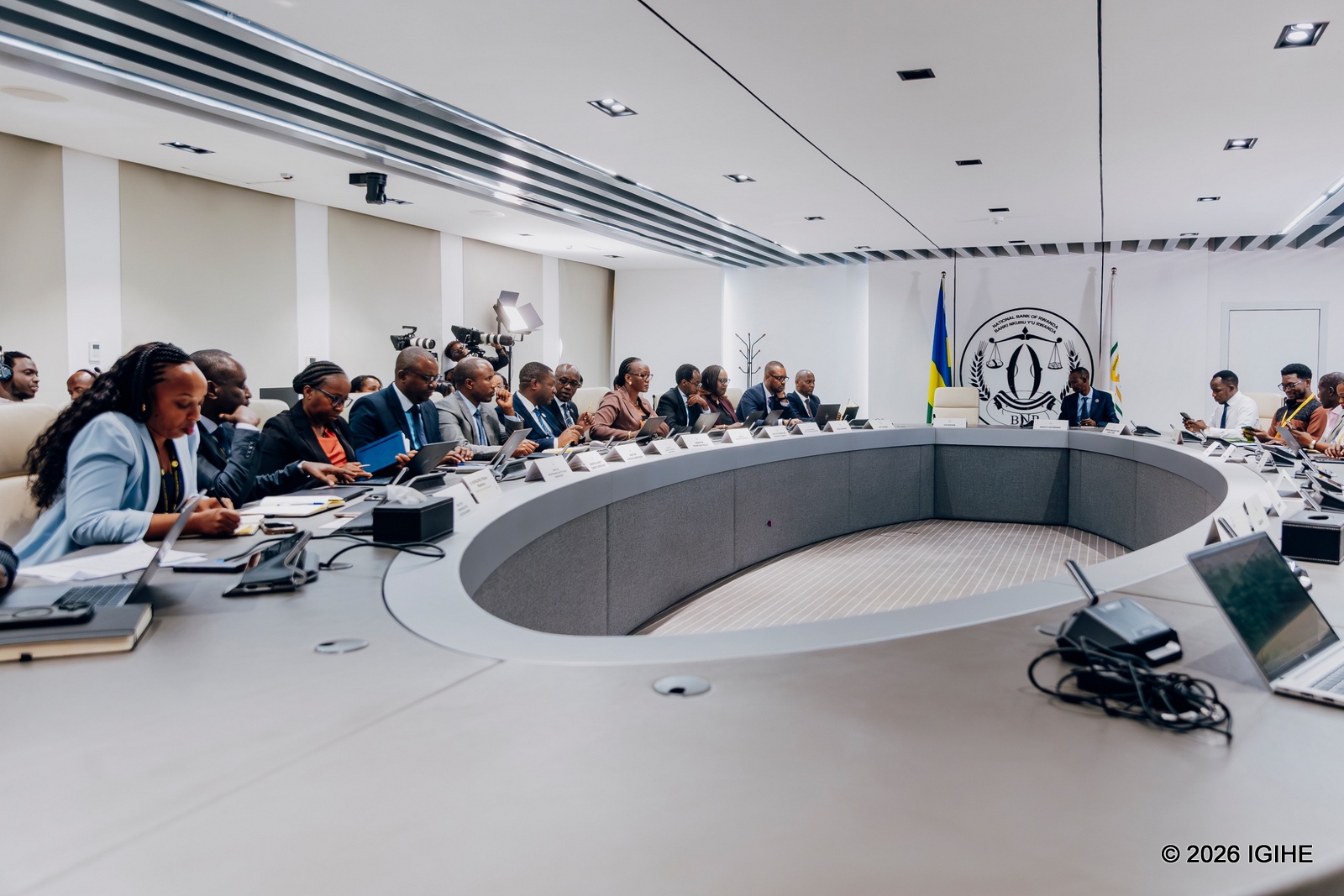
The Monetary Policy Committee (MPC), which met on August 26, increased the Central Bank Rate from 8.25 percent, citing persistent inflationary pressures and risks to the outlook.
Inflation rose from 9.1 percent in the first quarter of 2026 to 13.2 percent in the second quarter before reaching 14.5 percent in July, according to the National Bank of Rwanda (NBR). The rate is significantly above the central bank’s target range of 2 to 8 percent.
The latest increase follows rate hikes of 50 basis points in February and 100 basis points in May. Since November 2025, the central bank has raised the policy rate by a cumulative 175 basis points.
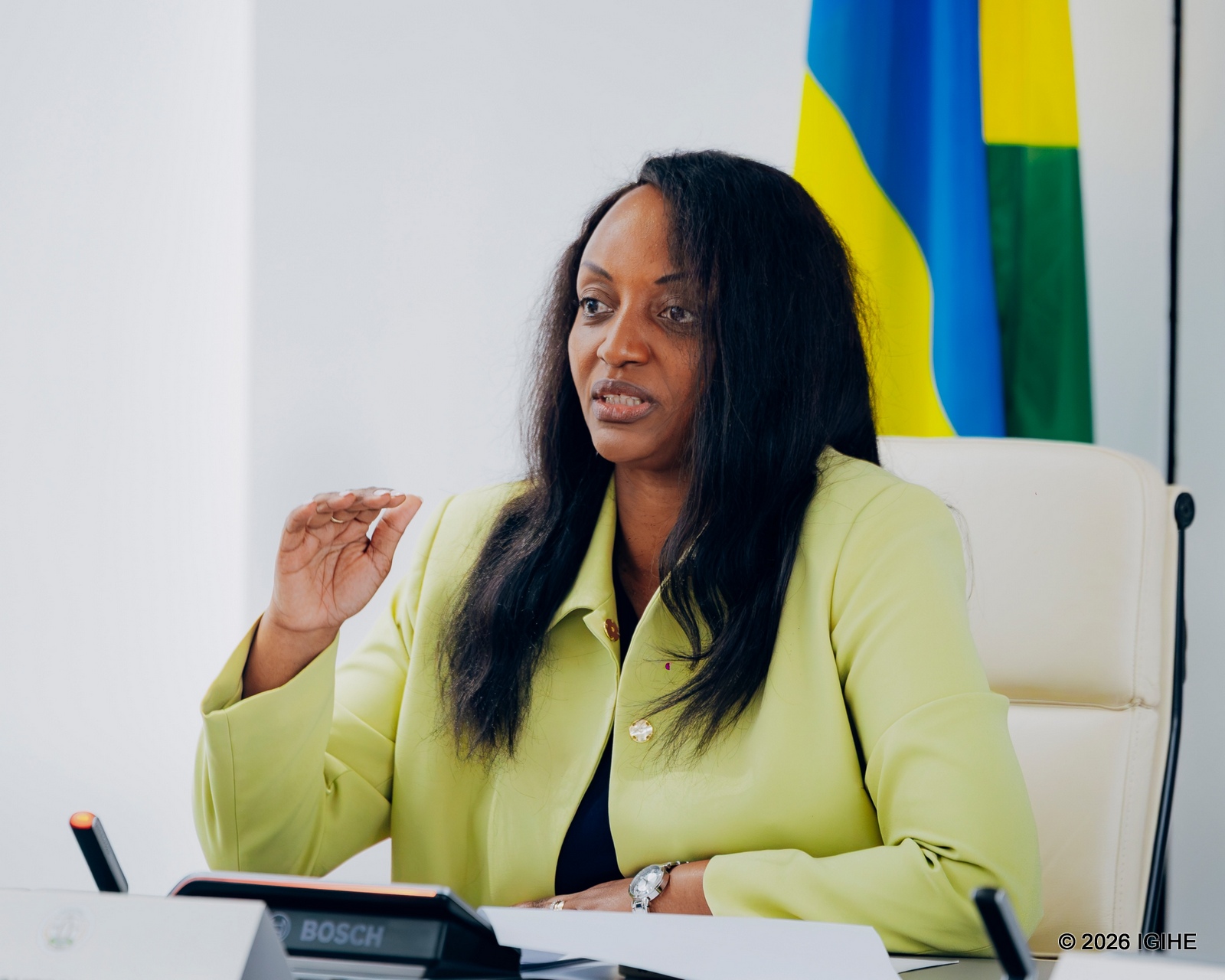
The NBR Governor Soraya Hakuziyaremye said the latest decision was intended to anchor inflation expectations, limit second-round effects and support the return of inflation to the target range in the second half of 2027.
“Inflation is currently elevated but expected to return to the target range in the second half of 2027,” the central bank boss told journalists during a press conference on Thursday.
Inflation is projected to average 13.1 percent in 2026, slightly lower than the previous forecast of 13.9 percent, before declining to 7.9 percent in 2027.
The central bank, however, warned that inflation could remain under pressure from external and domestic factors.
It identified the onset of the El Niño climate pattern as a key risk, saying droughts and heavy rainfall could affect food supplies and prices for commodities such as rice, cooking oil and sugar.
Continued tensions in the Middle East could also keep global commodity and oil prices elevated, potentially pushing up fuel, transport and import costs.
The NBR said core inflation rose to 12.3 percent in the second quarter from 9.3 percent, driven mainly by higher prices for transport, housing and food. Fresh food inflation increased to 7.3 percent from 5.2 percent, while energy inflation more than doubled to 45.7 percent from 21.1 percent.
Meat prices also came under pressure after supplies were temporarily affected by an outbreak of Rift Valley Fever, although the disease has gradually been contained.
Despite the inflationary pressures, Rwanda’s economy maintained strong momentum.
The economy grew by 10 percent year-on-year in the first quarter of 2026, while the Composite Index of Economic Activities increased by 10.9 percent year-on-year in the second quarter, indicating continued expansion despite heightened global uncertainty.
Merchandise exports also performed strongly, increasing by 51 percent in the second quarter, mainly due to higher mineral exports amid favorable international prices.
However, imports rose by 28 percent, driven by demand for essential food products, construction materials, medical equipment and information technology equipment. The trade deficit consequently widened by 13.8 percent to $821.9 million, from $722.3 million in the same period of 2025.
The Rwandan franc meanwhile remained relatively stable. It depreciated by 0.87 percent against the US dollar in the first half of 2026, compared with 2.96 percent during the same period in 2025.
International reserves stood at a level equivalent to 4.2 months of imports at the end of June, above the NBR’s four-month benchmark.
The latest rate increase has already been reflected in money market conditions. The interbank rate rose to 7.73 percent in the second quarter, from 6.30 percent in the corresponding period of 2025.
However, retail lending and deposit rates remained broadly stable, suggesting that previous policy rate increases have yet to be fully transmitted to consumers and businesses.
The average lending rate stood at 15.88 percent in the second quarter, compared with 15.96 percent a year earlier, while deposit rates increased marginally to 9.79 percent from 9.75 percent.
The NBR said it would continue monitoring economic conditions and remains prepared to take further measures to safeguard price stability.
Separately, the central bank’s Financial Stability Committee said Rwanda’s financial sector remained stable and resilient despite global uncertainty.
The sector’s total assets grew by 22.7 percent to Rwf17 trillion in the first half of 2026, while outstanding loans from credit institutions increased by 22.6 percent to Rwf6.9 trillion.
Banks accounted for 87 percent of outstanding credit, with lending increasing by 22 percent to Rwf6.1 trillion.
The NBR said banks continued to maintain strong capital and liquidity buffers, although the non-performing loan ratio increased to 3 percent in June 2026 from 2.6 percent a year earlier.
The central bank’s latest decision continues a tightening cycle aimed at bringing inflation back within its target range while maintaining economic and financial stability.
“The National Bank of Rwanda remains committed to safeguarding financial stability. The FSC will continue to closely monitor credit growth, liquidity and funding conditions, emerging risks in non-bank financial institutions, investment concentration as well as fraud, cyber risks and other operational vulnerabilities,” Governor Hakuziyaremye noted.
Addressing journalists on Thursday, the NBR Governor Soraya Hakuziyaremye said the latest decision was intended to anchor inflation expectations, limit second-round effects and support the return of inflation to the target range in the second half of 2027.
The decisions were reached on Wednesday, August 26, during an emergency meeting of CCM’s Central Committee in Dar es Salaam, a day after Nchimbi announced his resignation from the vice presidency and retirement from politics and public service.
Nchimbi’s resignation is due to take effect on September 4, 2026, and was accepted by President Samia Suluhu Hassan. The appointment of his successor will now follow the constitutional process.
Speaking to journalists after the party meetings, CCM Secretary-General Asha-Rose Migiro said the Central Committee had considered several issues, including disciplinary and ethical matters concerning Nchimbi, who was also a member of the committee.
“After considering all the available information, it was established that the Constitution of Chama Cha Mapinduzi and its regulations had been violated,” Migiro said.
She said the party’s National Executive Committee subsequently resolved unanimously to expel Nchimbi.
“We therefore wish to inform all CCM members and the public that, from this moment, he has been expelled from the party and is no longer a member,” she said.
The expulsion marks a dramatic development in Nchimbi’s political career, which has included senior positions within both the government and CCM.
Nchimbi previously served as CCM secretary-general before becoming Samia’s running mate in the October 2025 General Election. He was sworn in as Vice President on November 3, 2025.
In his resignation statement on Tuesday, Nchimbi said he had decided to leave office after becoming convinced that President Samia wanted a change of vice president.
“I am satisfied beyond doubt that Her Excellency the President wants change, so I have decided to fulfil my promise,” he said.
Nchimbi said his decision was also in line with a commitment he made to Samia in August 2025 to support her and the country with loyalty and step aside if she felt another person was needed as vice president.
Nchimbi’s proposed successor currently serves as Minister for Energy and is also CCM’s Member of Parliament for Chamwino. He has previously held several senior government positions.
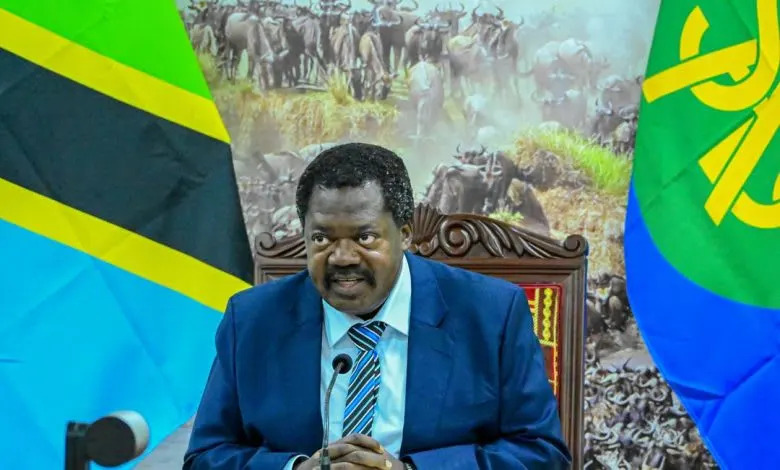
Tanzania’s ruling Chama Cha Mapinduzi (CCM) has expelled Vice President Emmanuel Nchimbi from the party and endorsed Energy Minister Deogratius Ndejembi as its nominee to succeed him as Vice President.
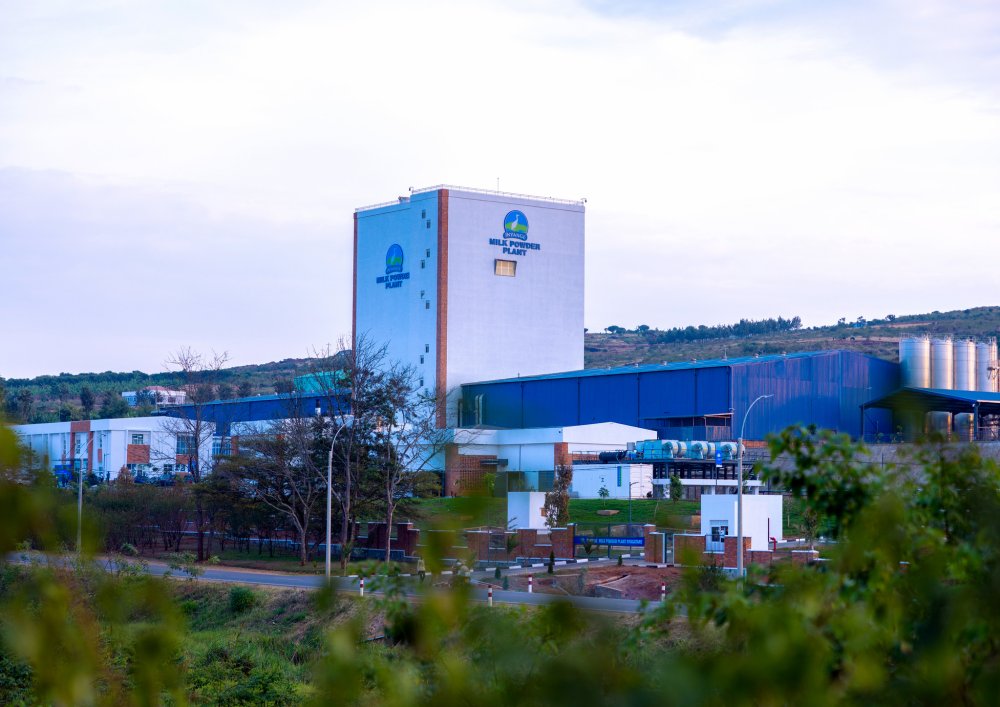
The acquisition, announced through a statement released on August 27, 2026, follows RSSB’s previous ownership of 40% in Inyange Industries and 50% in Ruliba Clays.
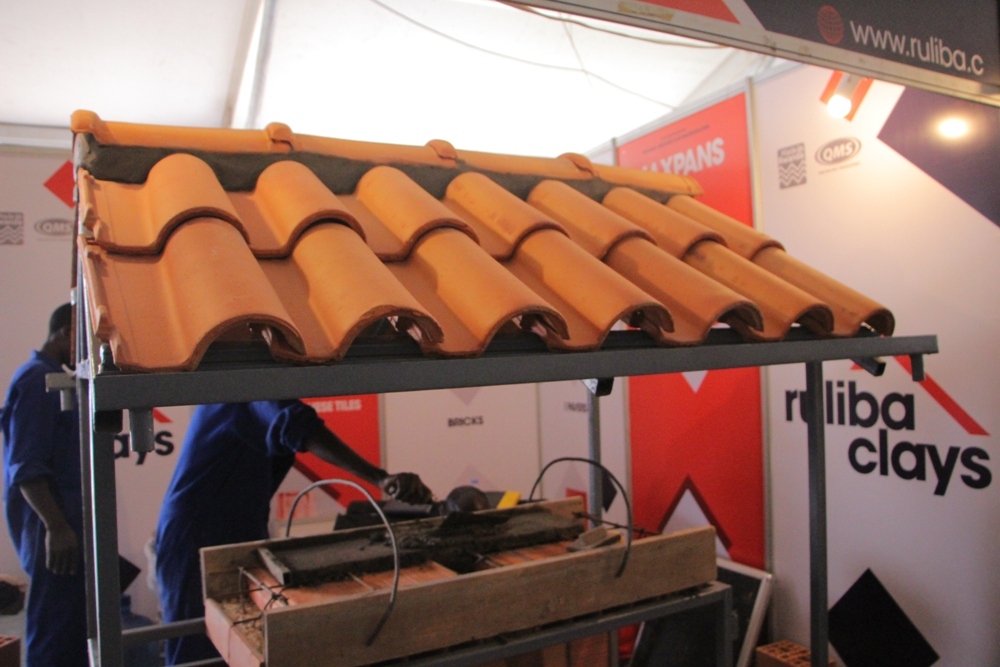
Inyange Industries is one of Rwanda’s major food and beverage processing companies, having built a strong reputation in both the local and regional markets. Meanwhile, Ruliba Clays plays an important role in the construction industry, particularly in the production of building materials.
RSSB said the move reflects its confidence in the long-term growth potential of the two companies and is in line with its mandate to protect and grow members’ funds through investments that can generate sustainable, risk-adjusted returns.
Inyange Industries has established a strong position in the market and continues to record business growth, according to RSSB.
Ruliba Clays, meanwhile, is entering a new phase of expansion following the completion of its second manufacturing plant, which has doubled its initial production capacity and positioned the company to meet growing demand in Rwanda and the region.
With full ownership, RSSB said it will support the companies’ next phase of development, focusing on stronger governance, operational performance, disciplined use of capital, regional expansion and sustainable profitability.
The pension fund also said it will explore strategic partnerships and capital-market opportunities over time, including the possible involvement of institutional investors or public listings where such moves can create long-term value for its members.
RSSB has co-invested with CVL in Inyange Industries since 2014 and in Ruliba Clays since 2009. The transaction is also consistent with CVL’s strategy of divesting from mature businesses after they reach an appropriate level of scale and stability.
RSSB Chief Executive Officer Regis Rugemanshuro said the acquisition demonstrates the institution’s confidence in the future of the two businesses.
“Moving to full ownership reflects our conviction in the long-term potential of these businesses,” Rugemanshuro said.
He added that RSSB’s ambition is to help build stronger, more competitive and profitable companies that can expand beyond their current markets, attract strategic partners and generate sustainable returns for members.
Beyond financial returns, RSSB said the continued growth of the two companies is expected to contribute to Rwanda’s industrial development through stronger domestic manufacturing, support for local value chains, job creation and improved competitiveness of Rwandan products in regional markets.
RSSB said it will continue to pursue prudent and active investment management aimed at protecting and growing members’ funds while supporting the long-term financial sustainability of the social security schemes it manages.
Inyange Industries has established a strong market position and continues to demonstrate robust business performance and growth.Ruliba Clays is entering a new phase of expansion after completing its second manufacturing plant, which has doubled its initial production capacity.RSSB has acquired the remaining shares in Inyange Industries and Ruliba Clays, bringing its ownership of both companies to 100%.
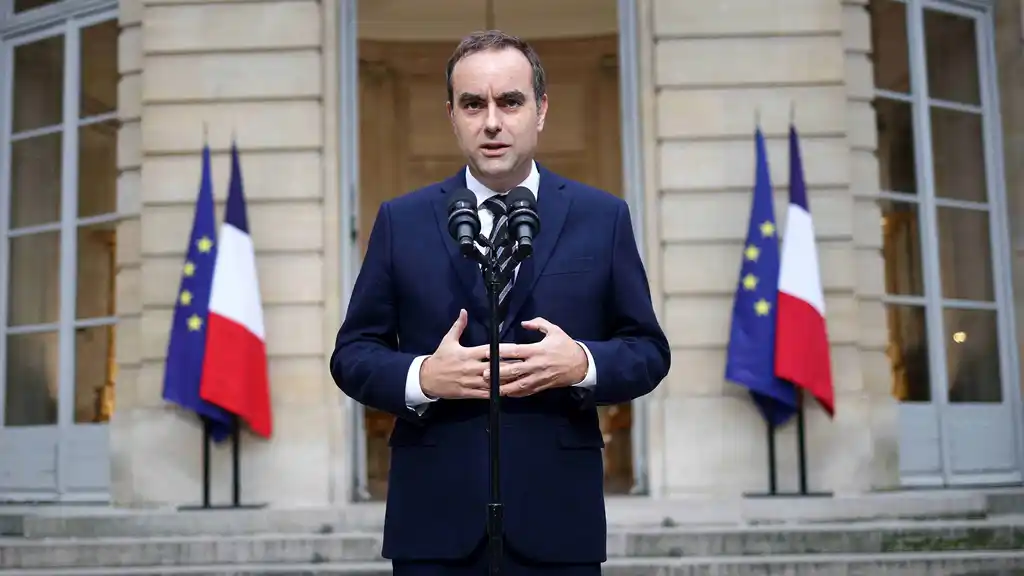
French Prime Minister Sébastien Lecornu announced the proposal on August 26, 2026, during a two-day visit to Mayotte, saying France intends to introduce a “bonus-malus” mechanism under which development aid would be tied to countries’ cooperation on migration-related issues.
The countries identified under the proposed framework are Rwanda, Burundi, Tanzania, the Democratic Republic of Congo, the Comoros, Somalia and Kenya.
Lecornu said he had asked France’s Ministry for Europe and Foreign Affairs to develop a framework for the initiative, with implementation expected to begin in 2026 and be strengthened in 2027.
Under the proposed system, countries demonstrating cooperation in tackling migration challenges, combating human trafficking networks and accepting the return of their nationals from Mayotte could receive increased development assistance.
“It is normal for a country to receive more when it plays a role in meeting our expectations regarding migration,” Lecornu said.
He stressed, however, that humanitarian assistance to countries from which migrants originate would not be affected, with the proposed mechanism focusing primarily on development aid.
Matthieu Paris, from CCFD-Terre Solidaire, a civil society organisation, said development assistance should serve as a tool for cooperation rather than a means of exerting pressure on other countries.
Mayotte, a French-administered island in the Indian Ocean, has for years faced challenges related to irregular migration, particularly from neighbouring countries and other parts of East Africa.
French Prime Minister Sébastien Lecornu announced the proposal on August 26, 2026, during a two-day visit to Mayotte, saying France intends to introduce a “bonus-malus” mechanism under which development aid would be tied to countries’ cooperation on migration-related issues.
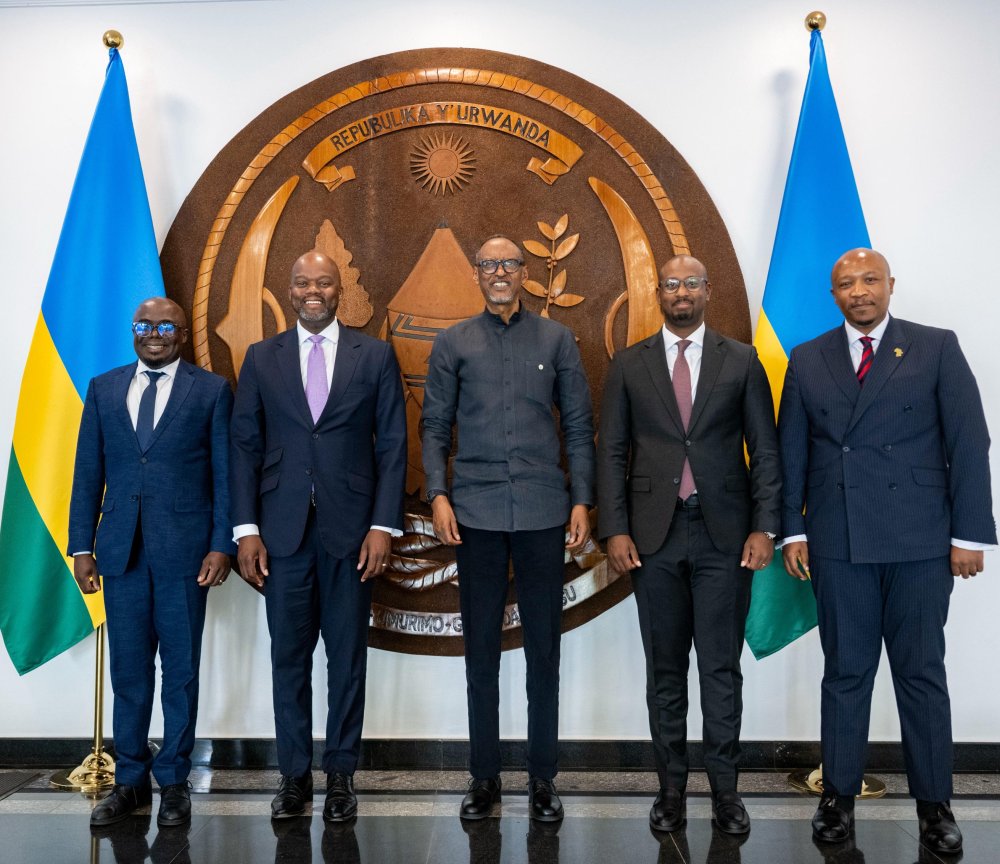
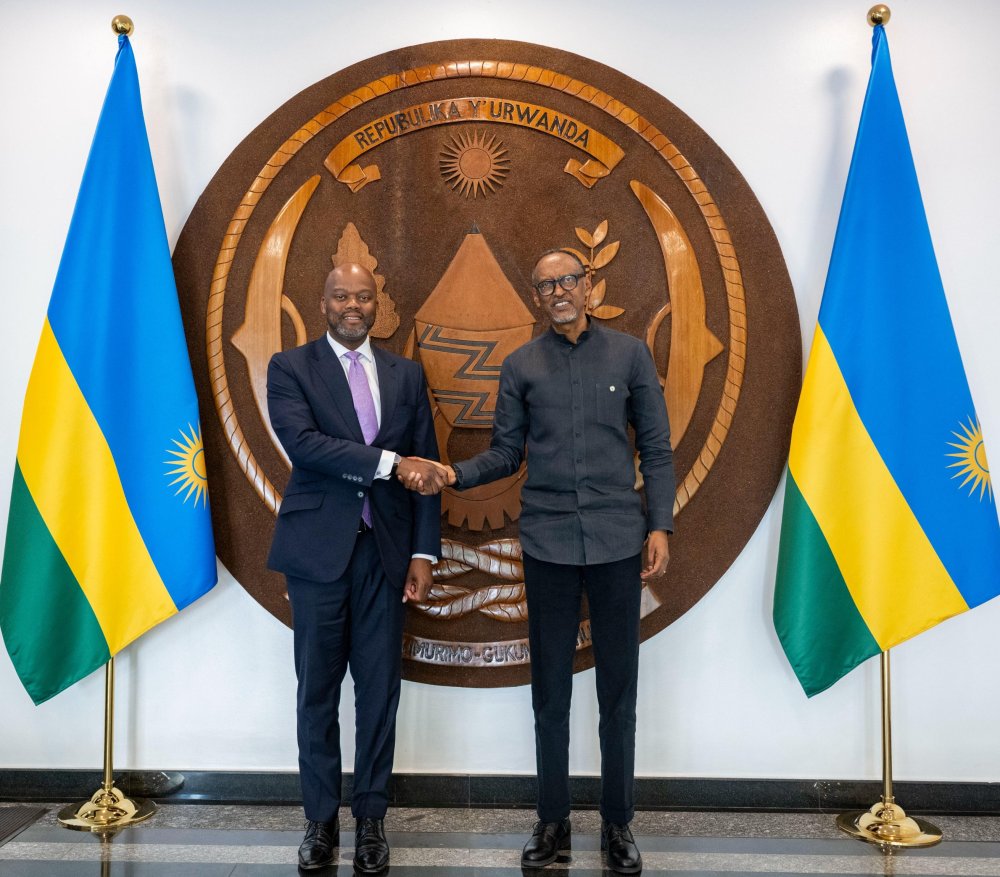
Kagame met Wamkele Mene, Secretary-General of the African Continental Free Trade Area (AfCFTA), at Urugwiro Village as Rwanda reiterated its commitment to implementing the continental trade agreement.
The discussions also highlighted the need for African countries to honour their commitments under AfCFTA if the continent is to achieve its ambition of expanding trade among member states.
The agreement establishing AfCFTA was signed in Kigali in March 2018 and entered into force in May 2019 after securing the required ratifications. It seeks to create a single African market by progressively removing trade barriers, including tariffs on 90% of goods traded across the continent. In 2024, intra-African trade was estimated at about $220 billion.
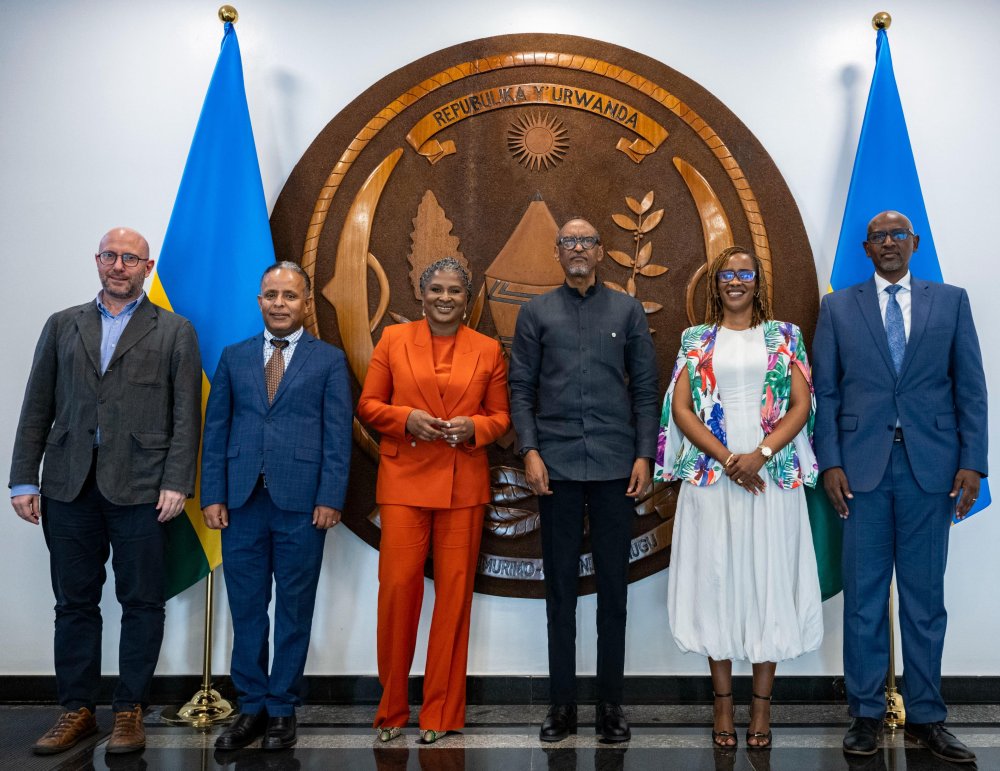
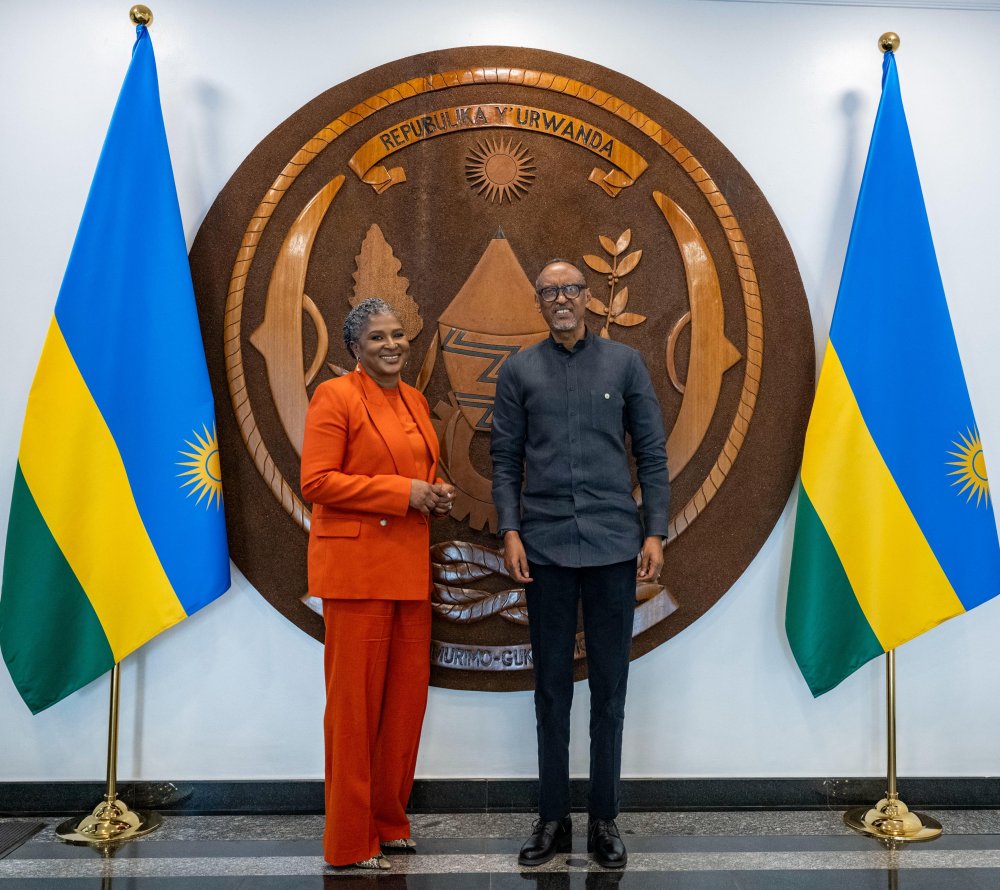
Kagame also received Monica Geingos, former First Lady of Namibia and Chancellor of Kepler College, who was in Kigali for the Africa Mindset Reset Forum.
Their discussions focused on education and access to opportunity in advancing youth empowerment in Rwanda and across the continent.
Geingos, who served as Namibia’s First Lady from 2015 until the death of her husband, former President Hage Geingob, in February 2024, has been involved in initiatives supporting youth and social development. She was appointed Chancellor of Kepler College in July 2024.
Kepler began in Rwanda in 2004 as Orphans of Rwanda before becoming Generation Rwanda and later developing into Kepler, an institution focused on expanding access to higher education and employment opportunities for young people from disadvantaged backgrounds.
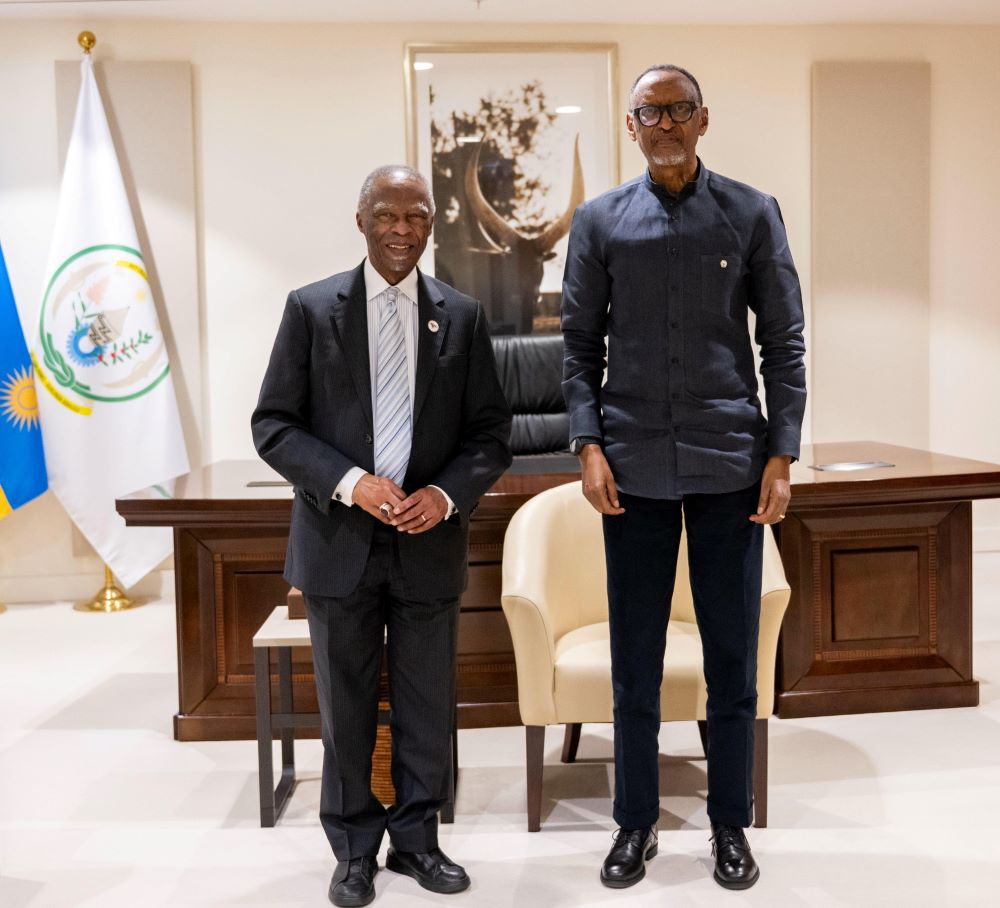
Kagame also met Mbeki, who was in Kigali for the Africa Mindset Reset Forum. Their discussions focused on the objectives of the forum and the need for good governance to support Africa’s mindset shift. Mbeki served as President of South Africa from 1999 to 2008.
The two-day Africa Mindset Reset Forum brought together African leaders, policymakers, young people and other participants in Kigali to discuss approaches to the continent’s development and leadership.
Speaking at the forum, Kagame said Africa has the people and resources needed to succeed but is held back by attitudes that Africans need to confront.
He urged Africans to recognise and support one another’s achievements instead of continually looking outside the continent for validation and inspiration.
President Paul Kagame and Thabo Mbeki discussed the objectives of the Africa Mindset Reset Forum and the need for good governance to support Africa’s mindset shift.President Paul Kagame met Wamkele Mene, Secretary-General of the African Continental Free Trade Area (AfCFTA), at Urugwiro Village on August 26, 2026.President Paul Kagame held talks with AfCFTA Secretary-General Wamkele Mene on Rwanda’s commitment to implementing the continental trade agreement.Monica Geingos, former First Lady of Namibia and Chancellor of Kepler College, met President Paul Kagame during her visit to Kigali for the Africa Mindset Reset Forum.President Paul Kagame and Monica Geingos discussed the importance of education and access to opportunities in advancing youth empowerment in Rwanda and across Africa.
Among confirmed her release in a message posted on X on August 26, expressing gratitude to Museveni and saying she looked forward to resuming her work as Bukedea Woman Member of Parliament.
“I take this opportunity to thank the Almighty God for the gift of life and freedom,” Among wrote. “My profound and heartfelt appreciation goes to His Excellency, President Yoweri Museveni, for his unmatched parental grace and decision to grant me mercy.”
She also thanked Chief of Defence Forces Gen. Muhoozi Kainerugaba, saying she appreciated his professionalism during the period of her restricted movement.
“As the Woman MP for Bukedea, I look forward to continuing my work for my constituents and standing firm with our revolutionary leadership,” she said.
Her release came a day after Gen. Muhoozi announced on X that President Museveni had instructed him to release the former Speaker and that she would not face prosecution.
“Mzee has also instructed me to release AAA from house arrest. We shall do that as well. We shall not prosecute AAA. She made mistakes but Mzee has decided to forgive her,” Gen. Muhoozi wrote on August 25.
The decision brings an end to more than 100 days of restricted movement for Among, who had been confined to her residence in Kampala’s Nakasero neighbourhood since mid-May as authorities investigated allegations of corruption, abuse of office, illicit enrichment and possible violations of Uganda’s Leadership Code.
The investigation had reportedly focused, among other issues, on the acquisition of a luxury Rolls-Royce Cullinan valued at billions of Ugandan shillings, which prompted complaints to the Inspectorate of Government over possible failures to fully declare assets.
Security agencies had also searched properties linked to Among and reportedly seized electronic devices as part of the wider investigation.
According to reports, Special Forces Command personnel deployed at her residence have since withdrawn, allowing her to resume her normal activities and legislative duties.
While the decision means Among is no longer expected to face prosecution over the allegations, several parliamentary staff and associates arrested during the wider investigation remain before the courts on separate charges related to alleged financial losses and money laundering.
Among’s release marks a dramatic turn in a political and legal saga that had placed one of Uganda’s most prominent political figures under intense scrutiny in the months following her tenure as Speaker of the 11th Parliament.
Among confirmed her release in a message posted on X on August 26, expressing gratitude to Museveni and saying she looked forward to resuming her work as Bukedea Woman Member of Parliament.
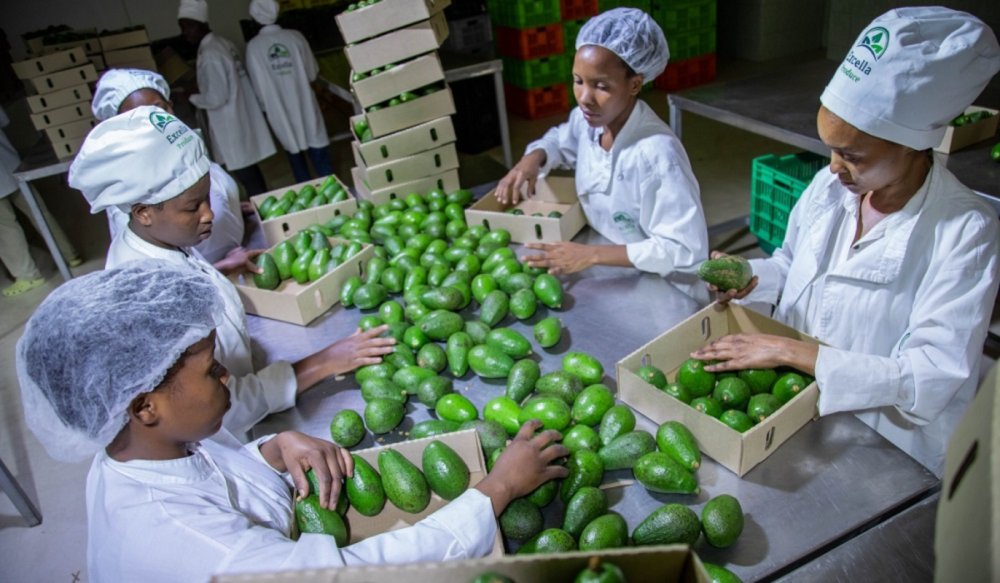
During the five-day period, the country exported 9,629 tonnes of agricultural and livestock products to international markets.
Coffee was the biggest contributor to export earnings, generating $4.94 million from 851 tonnes shipped abroad.
Tea exports generated more than $1.2 million from 426 tonnes. Rwanda also exported 657 tonnes of vegetables worth $497,200. The vegetables were sold in markets including the United Kingdom, the Netherlands, France and several African countries.
Fruit exports stood at 321 tonnes and generated $521,900. The produce was shipped to markets in the United Arab Emirates, Japan and Africa.
The country exported five tonnes of flowers worth $29,668, with the shipments going to the Netherlands and the United Kingdom.
Livestock products accounted for 300 tonnes and generated $515,200 in export revenue. These products were destined for markets across Africa.
Other agricultural products accounted for the largest export volume, with 7,069 tonnes generating more than $4.2 million. The shipments went to Bangladesh and various African markets.
Rwanda exported 9,629 tonnes of agricultural and livestock products to international markets within five days.
U.S. embassies in Israel, Lebanon, Saudi Arabia, Qatar, Jordan, Oman, Iraq and Kuwait are among the missions expected to increase staffing, the report said Tuesday, citing an internal U.S. State Department document and three U.S. officials.
According to the document obtained by the NYT, the first diplomats to return will be at the U.S. embassy in Lebanon, though the embassy would not reach full staffing under the plan.
Posts in the United Arab Emirates, Saudi Arabia, Qatar and Lebanon will initially cap staffing at 85 percent, and posts in Iraq, Kuwait and Bahrain at 75 percent.
In the six Gulf countries and Lebanon, the State Department will enforce restrictions on bringing family members, the document added.
The restaffing is set to proceed as the Trump administration threatens new economic sanctions on Iran after talks between Washington and Tehran floundered, suggesting that the United States does not expect an imminent renewal of full-scale conflict, said the report.
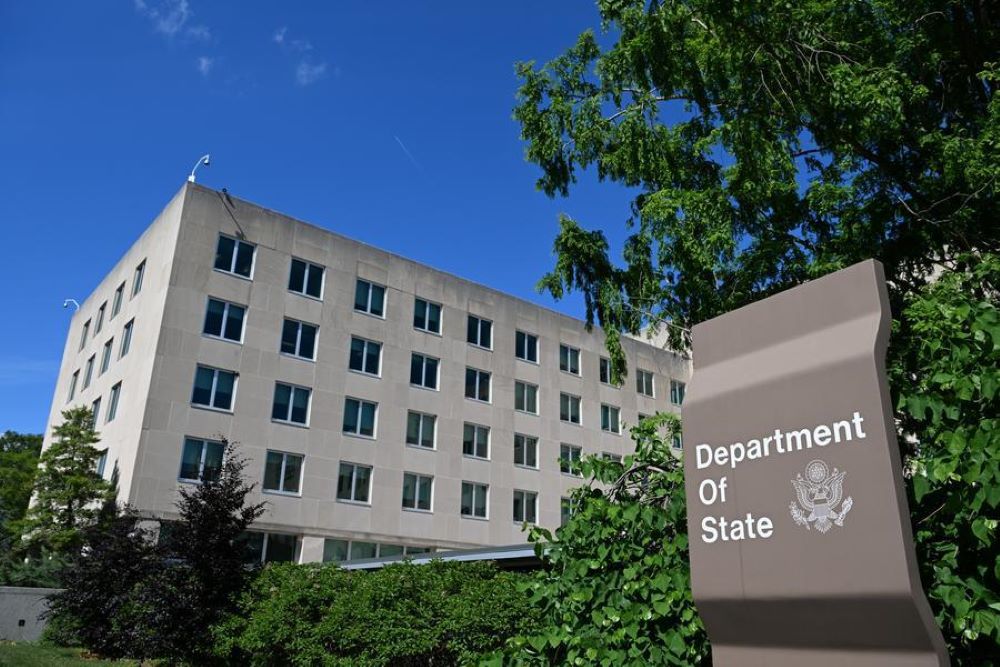
This photo taken on May 15, 2026 shows the U.S. Department of State building in Washington, D.C., the United States. (Xinhua/Li Rui)