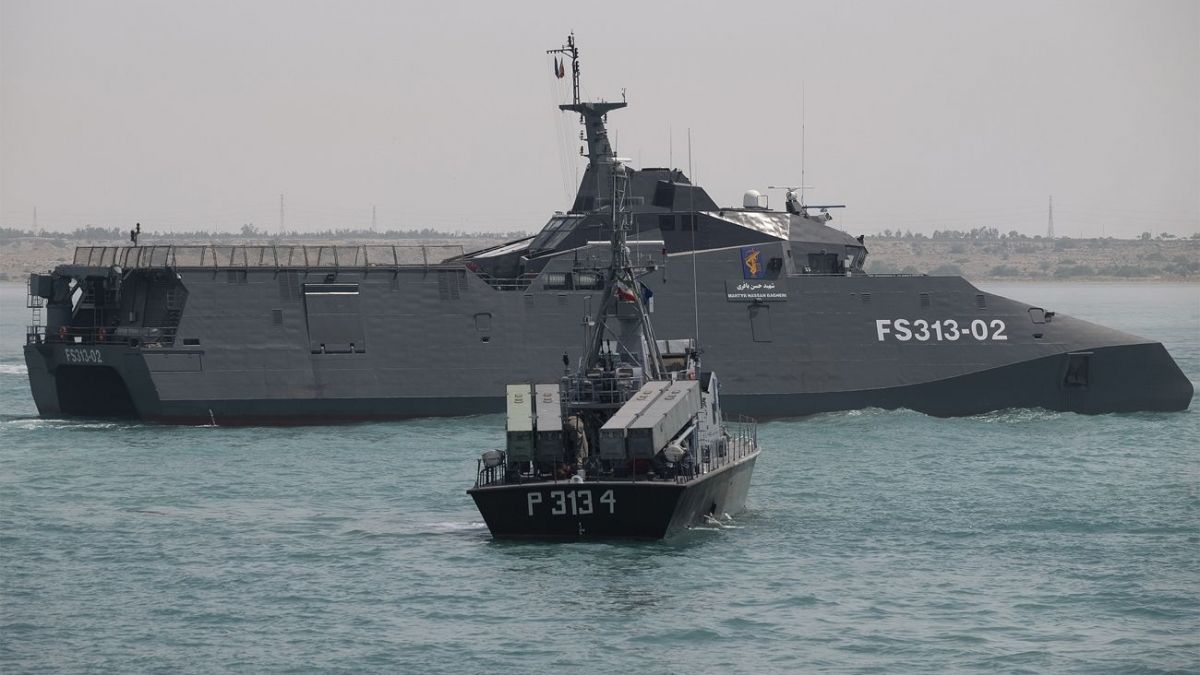
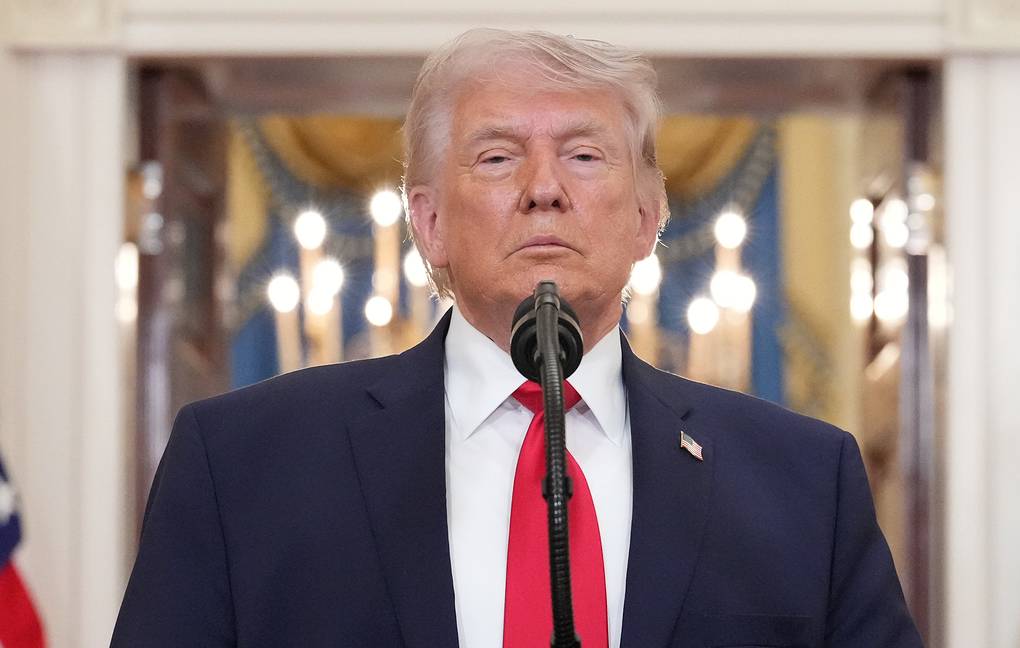
In recent meetings, including a Monday discussion with top security officials in the White House, Trump opted to continue squeezing Iran’s economy and oil exports by preventing shipping to and from its ports, said the report.
The president assessed that the blockade, “a high-risk bid” to compel Tehran’s nuclear capitulation, carries less risk than other options — resume bombing or walk away from the conflict, the officials were quoted as saying.
They told the newspaper that Trump isn’t currently willing to drop his demand that Iran, at a minimum, vows to suspend its nuclear enrichment for 20 years and accepts restrictions after that point.
Trump reportedly told aides that Iran’s three-step offer to reopen the Strait of Hormuz and leave nuclear talks for later negotiations proved Tehran wasn’t negotiating in good faith.
White House spokeswoman Anna Kelly said the United States has met its military objectives in the war with Iran and that “thanks to the successful blockade of Iranian ports, the United States has maximum leverage over the regime” during negotiations to prevent Tehran from acquiring a nuclear weapon.
Yet extending the blockade also prolongs a conflict that has driven up gas prices, hurt Trump’s poll numbers and further darkened Republicans’ prospects in the midterm elections, said the report. It has also caused the lowest number of transits through the Strait of Hormuz since the U.S. and Israel launched massive attacks on Iran on Feb. 28.
The lack of a clear, decisive pathway has led some U.S. officials to conclude that the eight-week conflict will likely end with neither a nuclear deal nor a resumption of the war, a sentiment first reported by U.S. online media outlet Axios.
U.S. President Donald Trump has instructed his administration to prepare for an extended blockade of Iran as the ceasefire remains in place amid stalled talks.
The call was made during the opening of the 12th session of the Africa Regional Forum on Sustainable Development in Addis Ababa, the capital of Ethiopia, under the theme “Turning the Tide: Transformative and Coordinated Actions for the 2030 Agenda and Agenda 2063.”
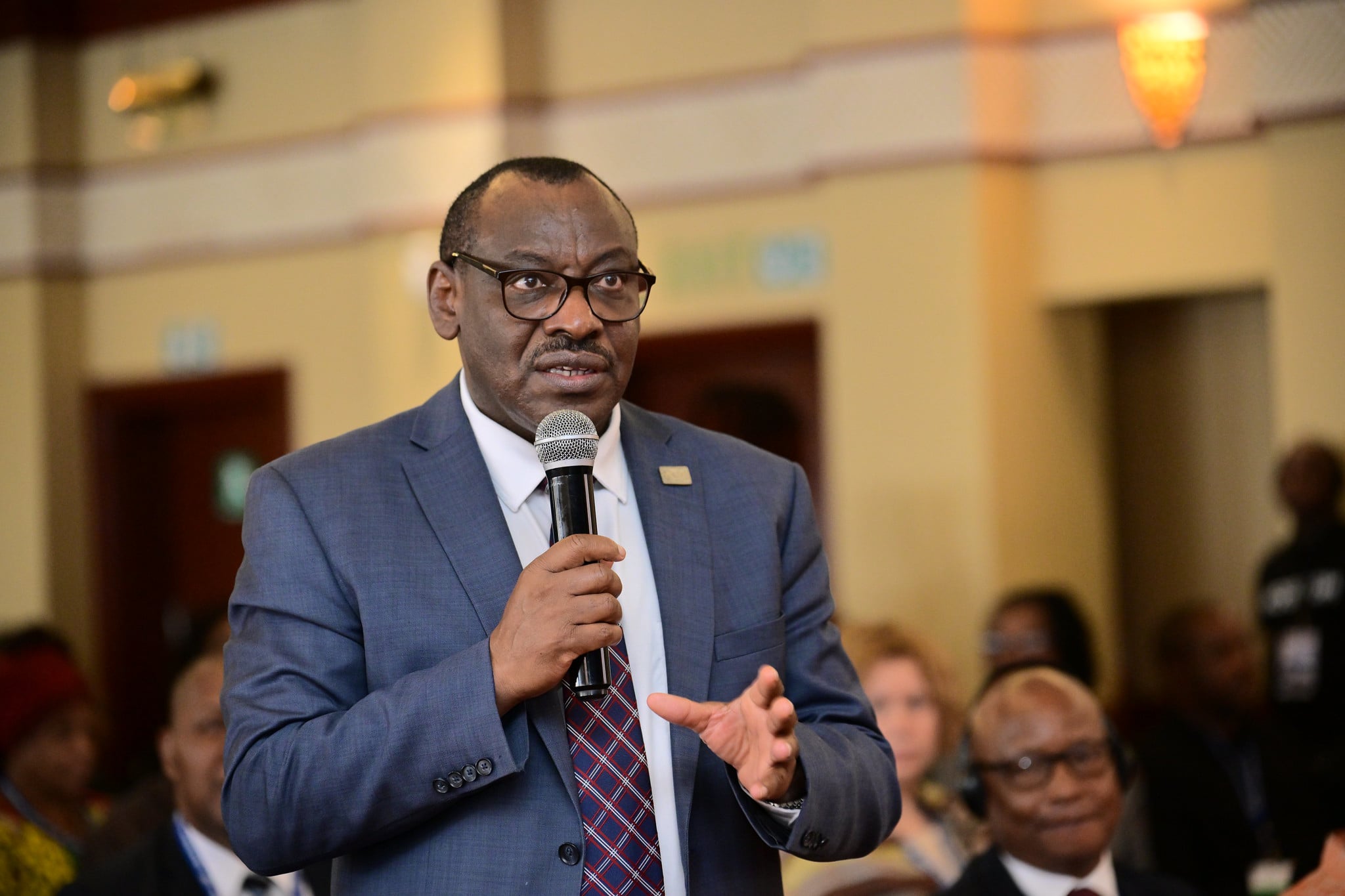
Speaking at the event, Claver Gatete, executive secretary of the UN Economic Commission for Africa, said Africa’s progress toward the implementation of the SDGs, especially in water and sanitation, energy, and infrastructure, is slow and continues to worsen inequality across the continent.
“Despite progress in expanding water access systems, lack of safety, reliability, and quality continues to constrain health, productivity, and economic transformation across the continent. Gains in energy and infrastructure sectors also are not creating enough jobs and improving competitiveness,” Gatete said.
He said that domestic resource mobilization must be complemented by targeted efforts to attract private investment in Africa as the continent strives to address its infrastructure development gap through partnerships.
Selma Malika Haddadi, deputy chairperson of the AU Commission, said Africa has recorded notable progress in areas such as infrastructure development, regional integration, and digital transformation, particularly under flagship initiatives such as the African Continental Free Trade Area.
Haddadi, however, said the continent is facing several challenges, especially in financing sustainable development, job creation, climate resilience, and addressing inequalities within and between countries.
“With less than five years remaining to achieve the Sustainable Development Goals, we must shift from incremental progress to transformational change. This requires stronger policy coherence between continental, regional, and national frameworks; increased investment in critical sectors such as water, energy, infrastructure, and sustainable cities; enhanced partnerships across governments, the private sector, civil society, and development partners,” she said.
Lok Bahadur Thapa, president of the UN Economic and Social Council, said that around 600 million people in Africa, which is nearly 43 percent of the population in the region, lack access to electricity, while many countries continue to face gaps in access to safe drinking water and other essential services.
“Africa faces a substantial financial gap of between 670 billion and 848 billion U.S. dollars annually, driven largely by rising debt vulnerabilities, fluctuations in foreign direct investment, low domestic resource mobilization, and sharply falling official development assistance,” he said, adding that Africa must focus on domestic resource mobilization to address its huge financing gap and achieve UN sustainable development agendas.
Claver Gatete, executive secretary of the UN Economic Commission for Africa, said Africa’s progress toward the implementation of the SDGs, especially in water and sanitation, energy, and infrastructure, is slow and continues to worsen inequality across the continent.
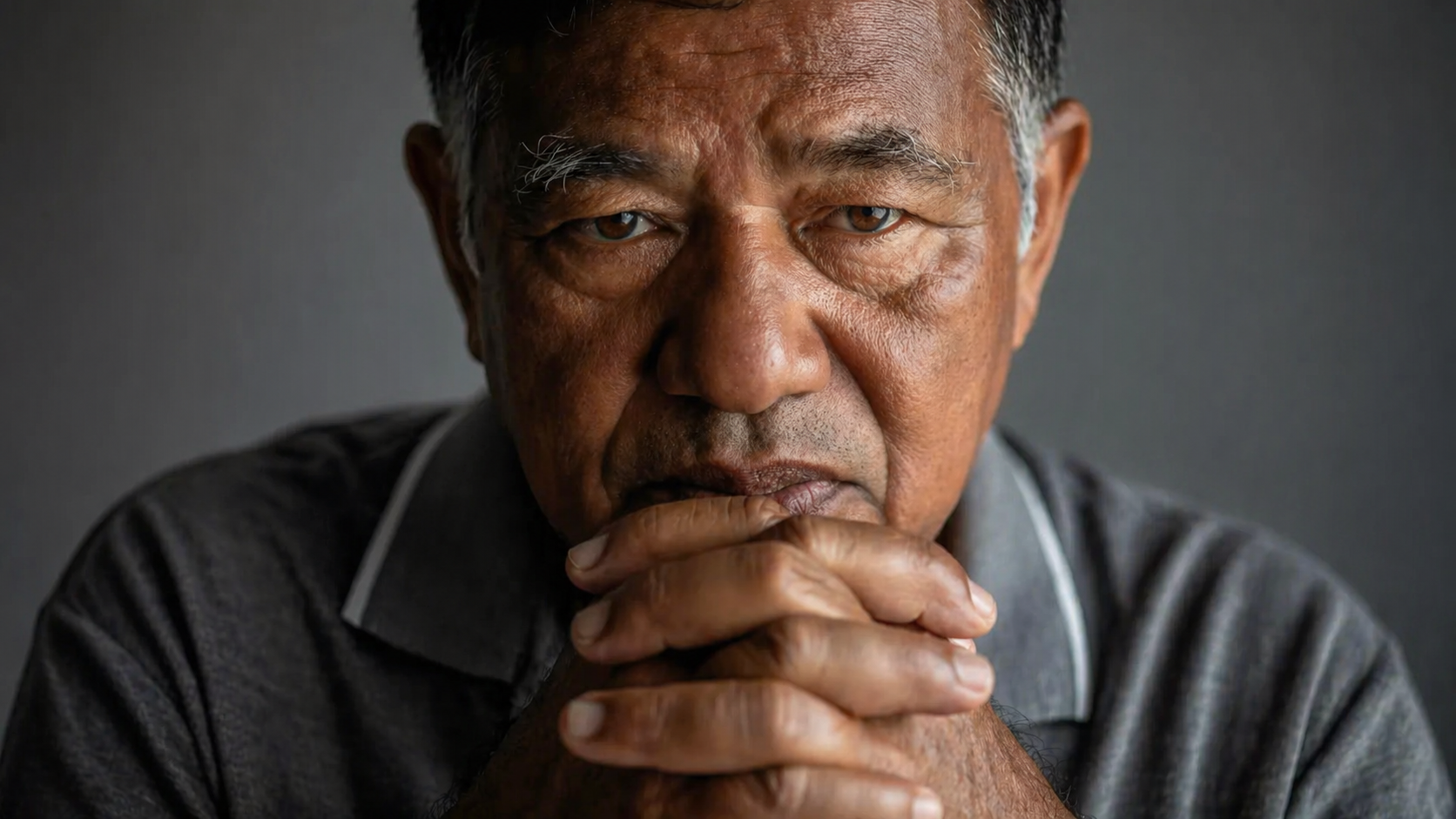
The research shows that internalised stress, particularly feelings of hopelessness and the habit of suppressing emotional struggles, may have a stronger effect on memory decline than many people realise.
Researchers discovered that when older adults tend to hold stress deep inside themselves, instead of sharing it or finding ways to cope, it may quietly weaken their memory over time. In other words, it is not just ageing itself that affects memory; the way people respond to stress also matters.
“Stress and hopelessness may go unnoticed in ageing populations, yet they play a critical role in how the brain ages,” said Chen, who is also an assistant professor of neurology at Rutgers Robert Wood Johnson Medical School.
“Because these feelings are modifiable, our goal is for this research to inform culturally sensitive stress-reduction interventions to mitigate these feelings in older adults.”
The study looked at more than 1,500 Chinese American adults over the age of 60 living in the Chicago area. This group was considered significant because older Asian Americans have been studied less in relation to brain ageing, despite their growing population.
Researchers found that people with high levels of internal stress, especially those experiencing hopelessness and a tendency to keep problems to themselves rather than discussing them, showed faster declines in memory over time.
This pattern appeared stronger than the influence of other social factors, such as feeling connected to a community or having support from neighbours.
The scientists believe that cultural pressures may also contribute to this issue. For example, stereotypes around always appearing strong, successful, and resilient can make some people feel they should not show weakness or ask for help.
Such expectations may cause emotional struggles to go unnoticed or be ignored, even when they have a serious impact on mental and cognitive health.
One of the most hopeful findings from the study is that internal stress is something that can be addressed. Since it is closely linked to feelings such as hopelessness, which can be treated, researchers say there is an opportunity to improve emotional well-being and protect brain health.
They recommend developing support programmes and care strategies that are sensitive to the cultural backgrounds and lived experiences of older adults.
This approach, they say, could help preserve memory, improve emotional resilience, and support healthier ageing.
Stress is not only something people feel emotionally; it can also shape how the brain functions over time. By understanding its impact better and helping older adults manage it in healthier ways, researchers believe memory problems could be reduced and ageing made easier for many people.
A new study by researchers at Rutgers University has found that older adults who keep stress bottled up instead of talking about it may face faster memory decline, highlighting how emotional health can quietly shape brain ageing.
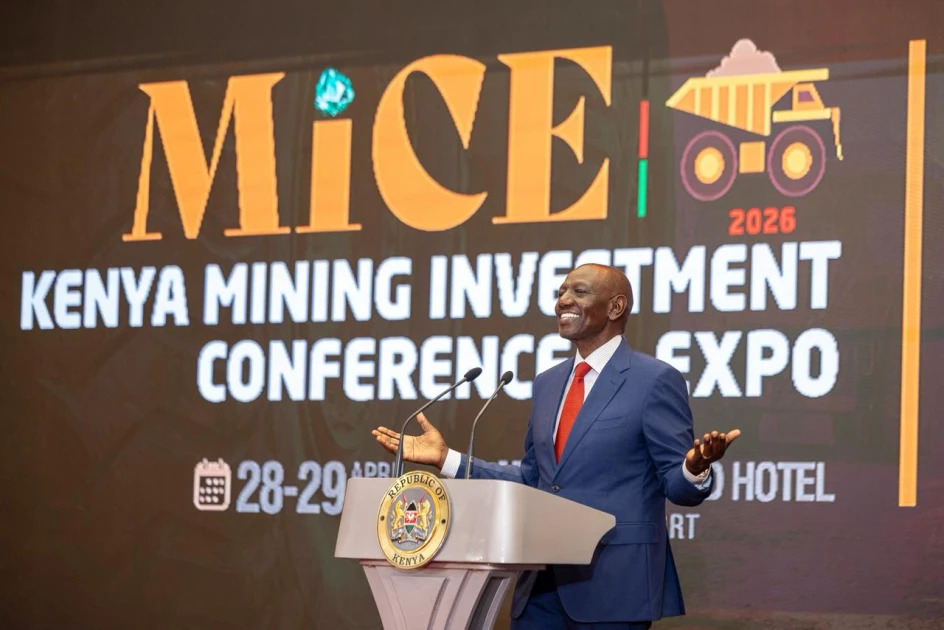
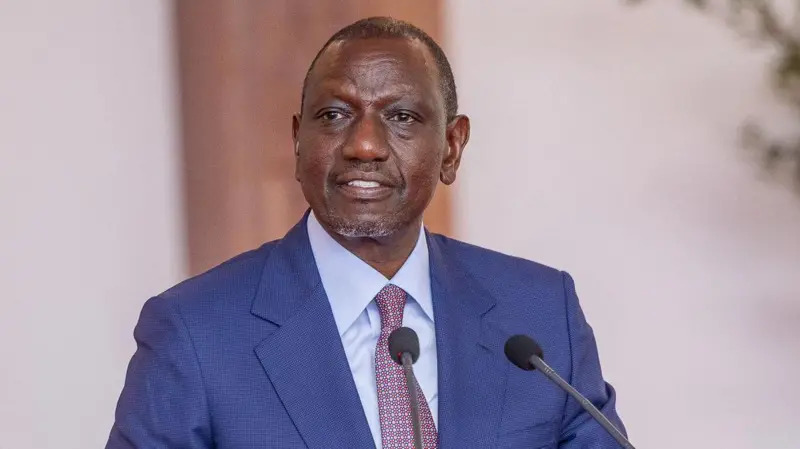
Speaking on Tuesday, April 28, during the Mining Investment Conference and Expo in Nairobi, the Kenyan Head of State said his comments were misrepresented and were never intended to demean any country.
“I was recorded when I was speaking to fellow citizens somewhere. It was supposed to be a private conversation, but someone decided that it should be public. But they also misrepresented the facts,” he said.
Ruto explained that his remarks were meant to highlight the proficiency of English across African countries, rather than compare or disparage nations.
“The facts are that I was talking about how we in Africa speak very good English. In fact, in some countries like Nigeria, if you don’t speak excellent English like the one we speak in Kenya, you may need a translator for you to understand the excellent English in Nigeria, so that was the comparison, but someone decided to take it out of context,” he said.
The President further expressed hope that the controversy would not affect relations between Kenya and Nigeria.
“My in-laws, I hope there will be no consequences for whatever was done,” he added, in reference to his family ties with Nigeria. Ruto’s daughter, June Ruto, is married to Nigerian national Alexander Ezenagu.
His clarification came moments after Nigeria’s Minister of Solid Minerals Development, Henry Dele Alake, addressed the matter in a light-hearted intervention during the same conference, saying Nigerians had “mandated” him to affirm their command of English.
“The people of Nigeria have mandated me to inform you and assure you that Nigerians speak good English,” Alake said, drawing laughter from delegates.
President Ruto had earlier sparked controversy on Monday, April 23, while addressing Kenyans living in Italy, when he praised Kenya’s education system and English proficiency, contrasting it with Nigeria’s accent.
“Our education is good. Our English is good. We speak some of the best English in the world. If you listen to a Nigerian speaking, you don’t know what they are saying. You need a translator even when they are speaking English,” he said.
Both Kenya and Nigeria use English as an official language, though each country has developed distinct accents shaped by local languages and cultural influences. Online exchanges between citizens of the two countries are often marked by humour, rivalry, and national pride.
President Ruto explained that his remarks were meant to highlight the proficiency of English across African countries, rather than compare or disparage nations.
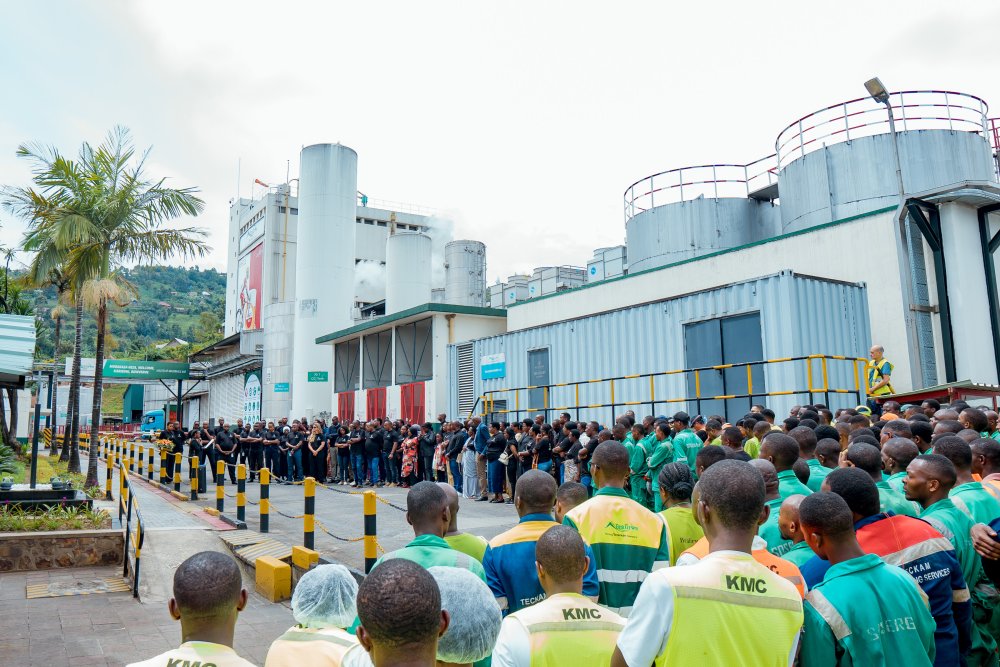
The remembrance activities brought together Bralirwa Plc management and staff, families of former employees who were killed during the genocide, as well as officials from various institutions.
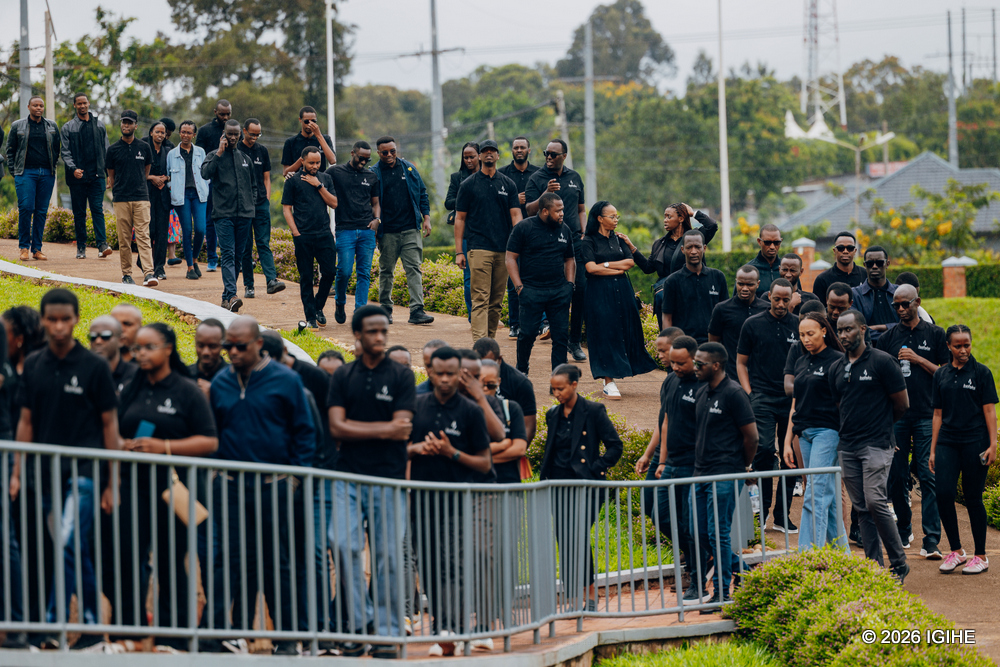
The commemoration began with remembrance walks, followed by tributes to the genocide victims.
During the commemoration at the Gisenyi Genocide Memorial in Rubavu District, the Mayor of Rubavu District, Prosper Mulindwa, emphasized that remembrance must be reflected in concrete actions and go hand in hand with a commitment to ensure that such atrocities never happen again.
He called on individuals and institutions to actively contribute to preventing divisions in society.
The mayor also commended Bralirwa Plc, stating that its involvement in remembrance activities is a valuable contribution to Rwanda’s efforts to preserve the memory of the Genocide against the Tutsi.
The Managing Director of Bralirwa Plc, Ethel Emma-Uche, expressed condolences to the families of former employees who were killed simply because of their identity.
“We remember our employees who were among those killed during the 1994 Genocide against the Tutsi. We honor their lives and extend our heartfelt condolences to their families and friends during this period of remembrance,” she said.
She added that Bralirwa Plc has now committed to promoting an inclusive workplace culture based on equality, respect, and care for all employees.
The Executive Director of the Memory and Genocide Prevention Department at the Ministry of National Unity and Civic Engagement, Veneranda Ingabire, highlighted that commemoration activities play a crucial role in healing the wounds of genocide, preventing its recurrence, and providing lessons for a better future.
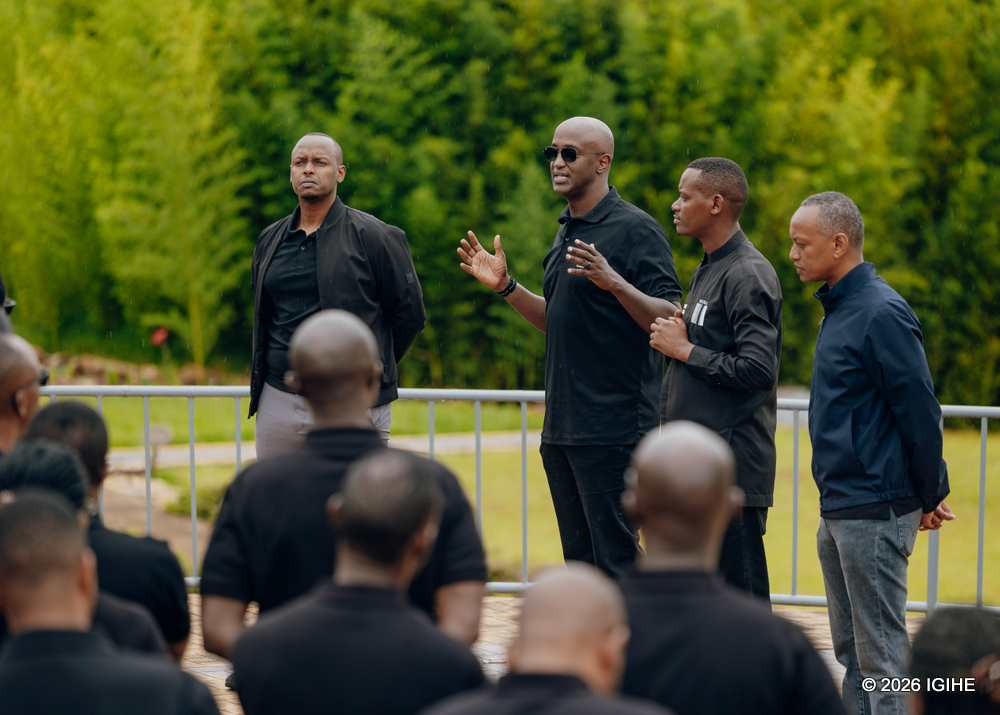
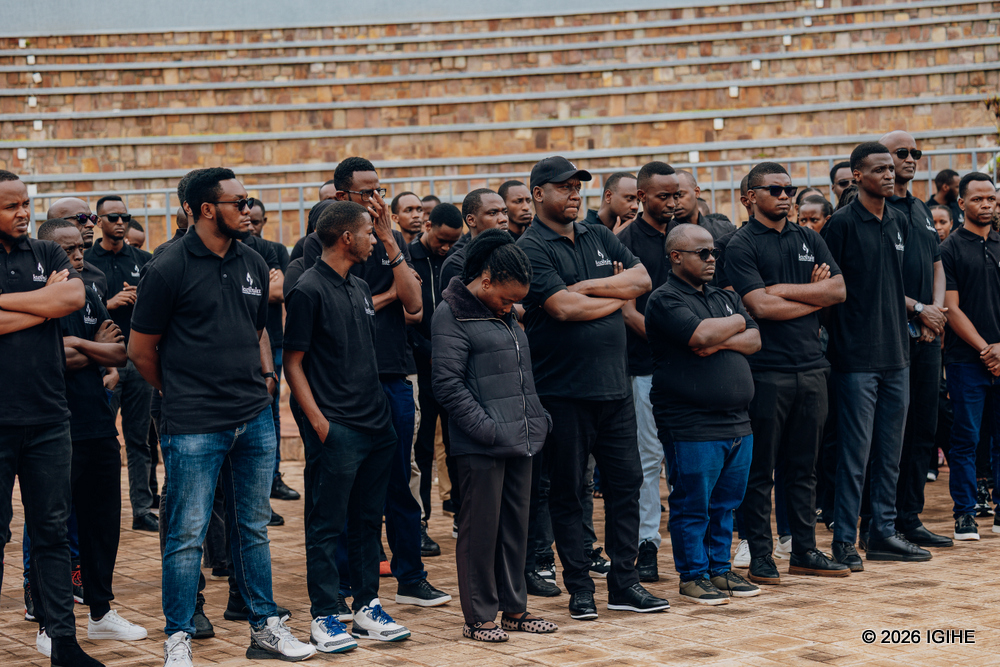
The Executive Director of the Memory and Genocide Prevention Department at the Ministry of National Unity and Civic Engagement, Veneranda Ingabire, noted that remembrance plays a key role in healing wounds.Rubavu District Mayor Prosper Mulindwa emphasized that remembrance must be accompanied by a commitment to ensure such atrocities never happen again.Ibuka Executive Secretary Ahishakiye Naphtal delivered a presentation during the commemoration event.Bralirwa Plc Managing Director Ethel Emma-Uche expressed condolences to families of former employees killed because of their identity.Bralirwa Plc leadership paid tribute to former employees who were killed during the Genocide against the Tutsi.Bralirwa management and staff visited the Nyanza Genocide Memorial in Kicukiro District.Bralirwa employees took part in a remembrance walk to honor victims of the Genocide against the Tutsi.
The RDB report published on Tuesday, April 28, indicates that the performance reflects resilient demand despite global uncertainties, supported by strong air travel activity and the continued diversification of tourism products.
Gorilla tourism remained the sector’s leading revenue contributor, increasing by 7 per cent to $248 million (Rwf 361.3 billion), further strengthening its position as Rwanda’s flagship high-value tourism product.
The visiting friends and relatives (VFR) segment recorded strong growth of 19 per cent, reaching $180 million (Rwf 262.2 billion), driven by increased regional travel and diaspora visits. Education-related travel also expanded by 17 per cent to $ 64 million (Rwf 93.2 billion), while business travel remained broadly stable at $112 million (Rwf 163.2 billion), the RDB report indicates.
Overall, tourism growth was largely underpinned by air travel revenues, which rose by 9 per cent to $594 million (Rwf 865.4 billion), reflecting improved connectivity and sustained international demand.
Visitor arrivals rise to 1.49 million
According to the RDB data, Rwanda welcomed 1.49 million visitors in 2025, up from 1.36 million in 2024, representing a 9 per cent increase in arrivals. The report attributes the growth mainly to air travel, with air arrivals rising by 23 per cent, while road arrivals increased by 5 per cent, highlighting Rwanda’s continued regional appeal.
Visitor inflows were led by East African Community (EAC) countries and the Democratic Republic of Congo, while arrivals from Europe, North America, Asia, and other African markets continued to expand. Business travel remained the largest segment of arrivals, alongside notable growth in health and education-related travel, reinforcing Rwanda’s positioning as a diversified, year-round destination.
National parks record growth and new attractions
RDB data shows that Rwanda’s national parks recorded 155,394 visits in 2025, a 3.2 per cent increase compared to 2024, supported by a 15 per cent rise in domestic visitation. Park revenues increased by 5.2 per cent to $40.8 million (Rwf 59.4 billion). Volcanoes National Park remained the leading revenue driver, generating $35.8 million (Rwf 52.2 billion), accounting for 87.7 per cent of total park revenues, the report states.
Nyungwe National Park recorded the fastest growth in visitation at 22.8 per cent, driven by new tourism products including a zipline and rope course, which attracted over 6,000 visitors within six months of launch, according to RDB.
Akagera National Park experienced a moderation in visitation following strong previous performance but continued to play a key role in Rwanda’s conservation and wildlife tourism offering, according to RDB.
Domestic tourism continues to expand
The new report indicates that domestic tourism revenues increased by 3.5 per cent to $821,093 (Rwf 1.2 billion) in 2025, while domestic park visits rose by 8.1 per cent to 59,270. Akagera National Park led domestic visitation with 32,932 visitors, followed by Nyungwe with 18,515 and Volcanoes National Park with 7,699 visitors. Gishwati–Mukura National Park continued to serve a niche domestic market.
On the revenue side, Volcanoes National Park generated the highest domestic tourism income at $306,263 (Rwf 446.2 million), followed by Akagera with $278,325 (Rwf 405.5 million) and Nyungwe with $234,337 (Rwf 341.4 million).
Rwanda also expanded its tourism offering through new investments, including Bisate Reserve in Volcanoes National Park, Magashi Peninsula in Akagera, and Munazi Eco Lodge in Nyungwe. Kigali’s hospitality sector also grew with new high-end hotels such as Mövenpick Hotel Kigali, The Pinnacle Kigali, and Zaria Court Kigali.
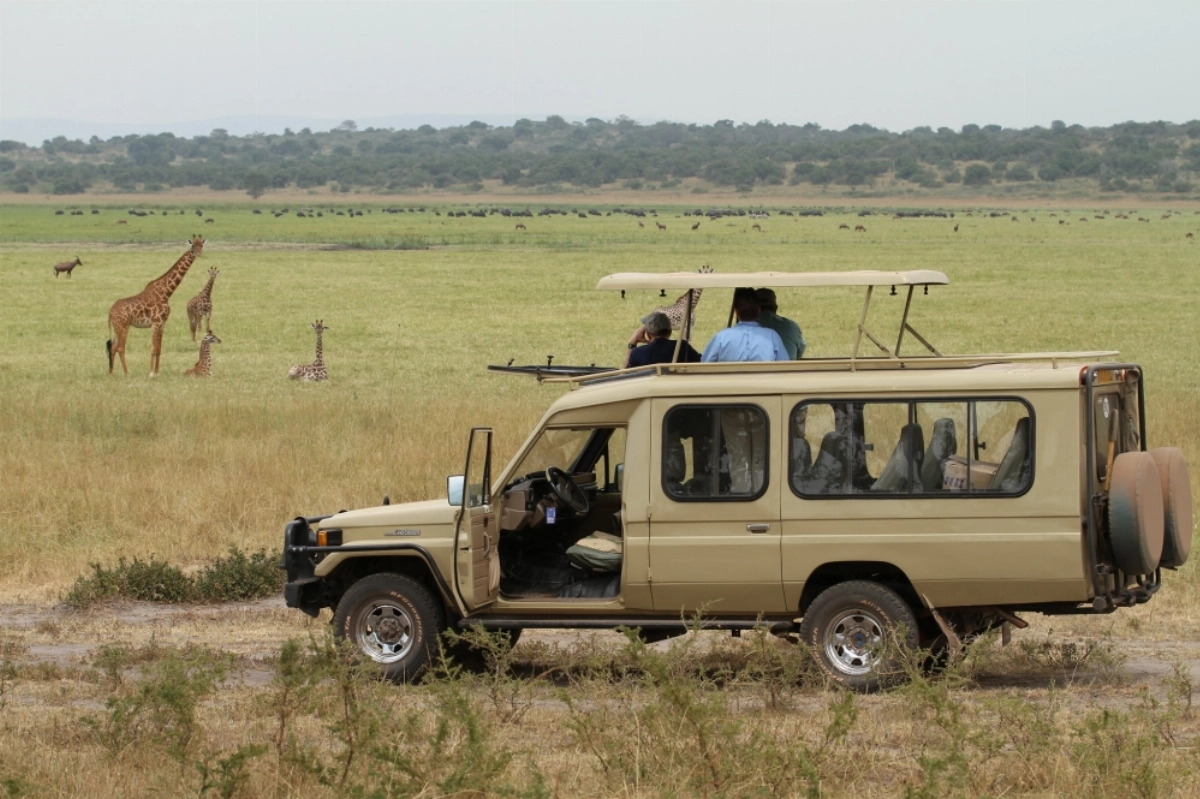
Tourists visit Akagera National Park. Rwanda’s tourism sector recorded steady growth in 2025, generating $685 million (about Rwf 997.9 billion) in revenue, a 6 per cent increase compared to 2024.Gorilla tourism remained the sector’s leading revenue contributor, increasing by 7 per cent to $248 million (Rwf 361.3 billion), further strengthening its position as Rwanda’s flagship high-value tourism product.
The commitment was made on April 17, 2026, during a visit to the Nyanza Genocide Memorial in Kicukiro, where the staff paid tribute to the victims of the 1994 Genocide against the Tutsi laid to rest at the site.
During the visit, employees were taken through the detailed history of the memorial, from the departure of Belgian peacekeepers at the former ETO Kicukiro site to the tragic events that led to the killing of civilians who had sought refuge there in Nyanza.
QT Holding Ltd is an IT solutions company that oversees two subsidiaries: QT Global Software Ltd, which develops software solutions, and RSwitch Ltd, which provides electronic financial transaction services.
The Chief Executive Officer of QT Holding Ltd, Robert Kainamura, said the visit served as a reminder of Rwanda’s painful history, the difficult role played by the Rwandan Patriotic Army in ending the genocide, and the country’s broader journey toward self-reliance.
He noted that the memorial highlights how Rwandans were abandoned by those who were supposed to protect them, stressing the importance of self-reliance and resilience.
“This memorial reminds us that our people were abandoned by those who were meant to protect them, despite having the capacity to stop the mass killings,” he said. “It teaches us the importance of self-reliance.”
He added that this lesson aligns with the company’s mission to develop homegrown technological solutions in areas such as healthcare systems, asset management, and cybersecurity, emphasizing that 99 percent of the company’s workforce is Rwandan.
Kainamura further stressed the importance of exposing young employees to the country’s history to ensure that the lessons of the past are preserved and that such atrocities never happen again.
An employee at RSwitch, Rebecca Uwamahoro, said the visit reinforced her responsibility as a young person to confront genocide denial and distortion, especially on social media platforms.
“As young people, it is our responsibility to come to memorial sites like this, learn and understand the history, and then actively challenge those who deny or distort the Genocide against the Tutsi using social media platforms,” she said. “We must speak the truth, present evidence, and help educate those who have not yet had the opportunity to visit such places.”
The management of RSwitch emphasized that the workforce is largely composed of young professionals, and encouraged them not to underestimate their role in shaping national discourse, noting that many members of the Rwandan Patriotic Army who ended the genocide were also young people.
As part of the commemoration, QT Holding staff also laid wreaths and paid respects at the mass graves at the Nyanza Genocide Memorial, where more than 105,000 victims are buried.
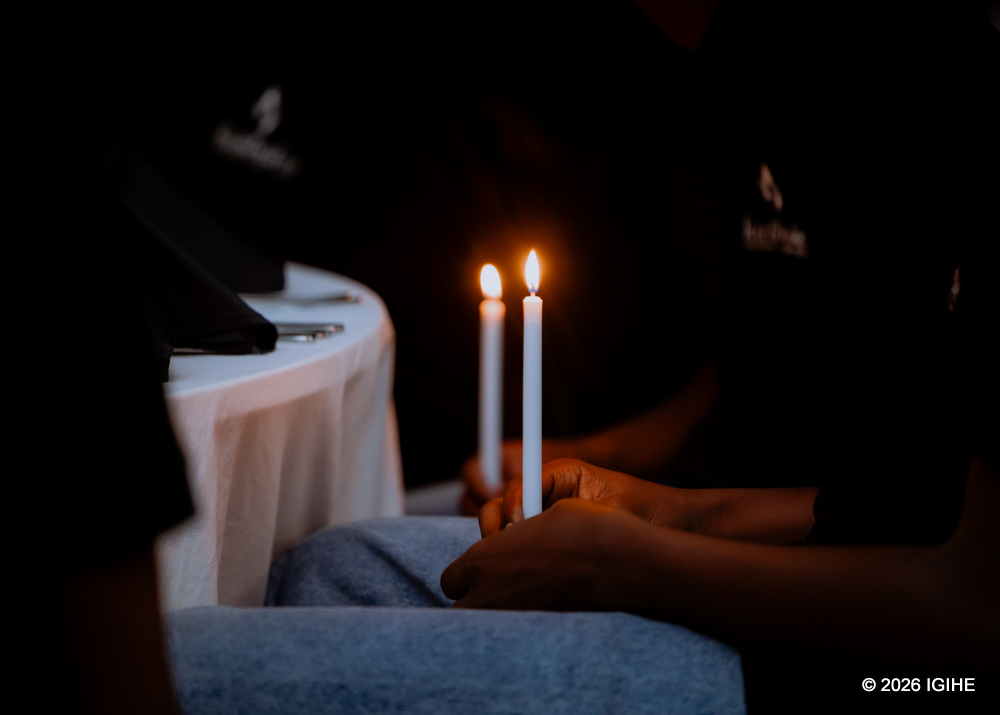
QT Holding Ltd CEO Robert Kainamura noted that the Nyanza Genocide Memorial reminds Rwandans of the importance of self-reliance.QT Holding Ltd staff paid tribute and laid wreaths at the mass graves of over 105,000 victims buried at the Nyanza Genocide Memorial.After visiting the Nyanza Genocide Memorial, QT Holding staff continued with commemoration talks and lit a flame of hope. After the memorial visit, participants held discussions reflecting on the purpose of the visit.QT Holding staff paid respects at the graves of more than 105,000 victims buried at the Nyanza Genocide Memorial.QT Holding staff learned about the history behind the Nyanza Genocide Memorial.
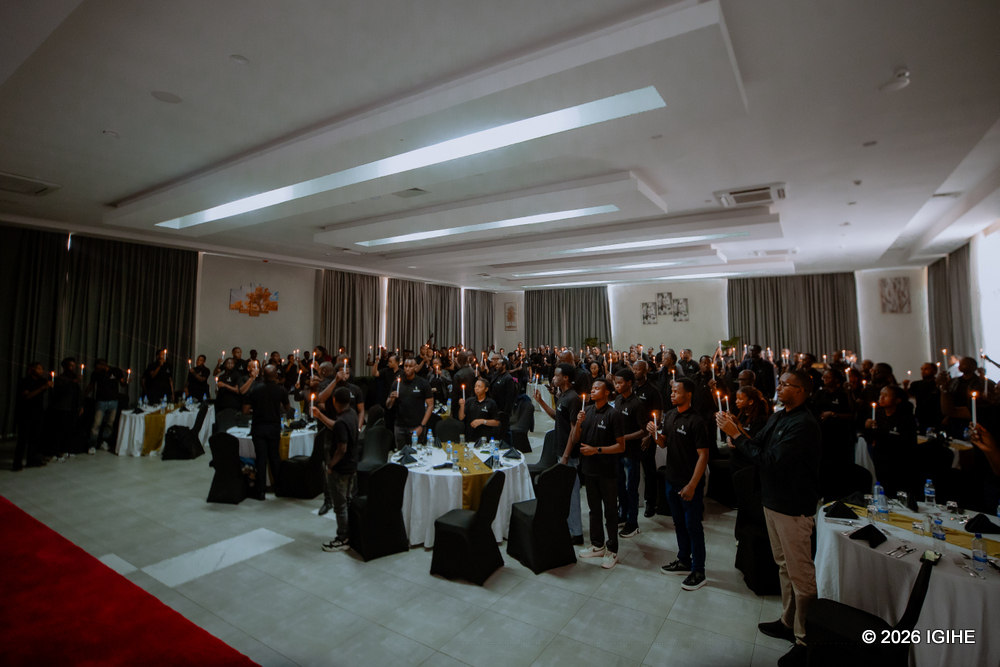
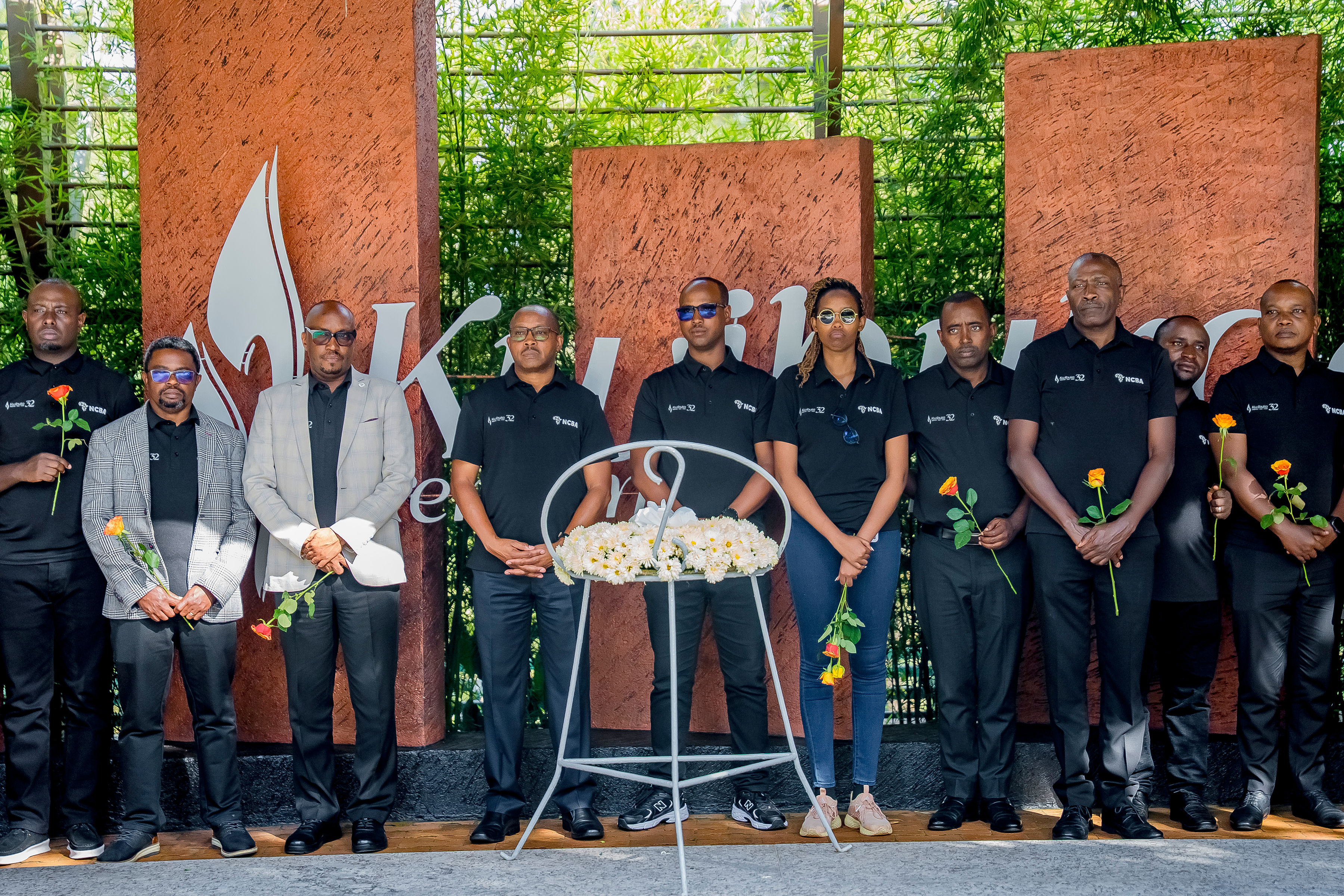
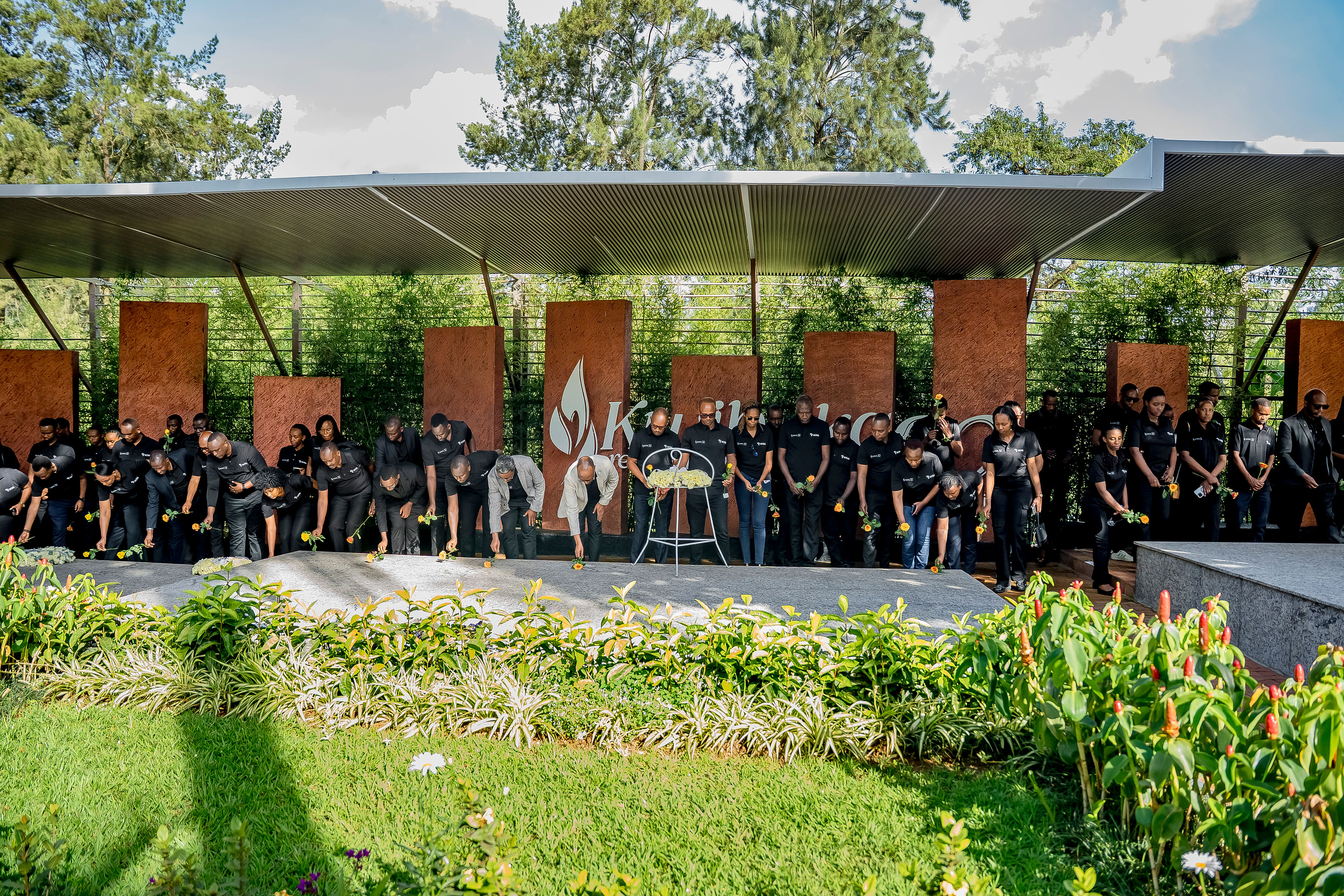
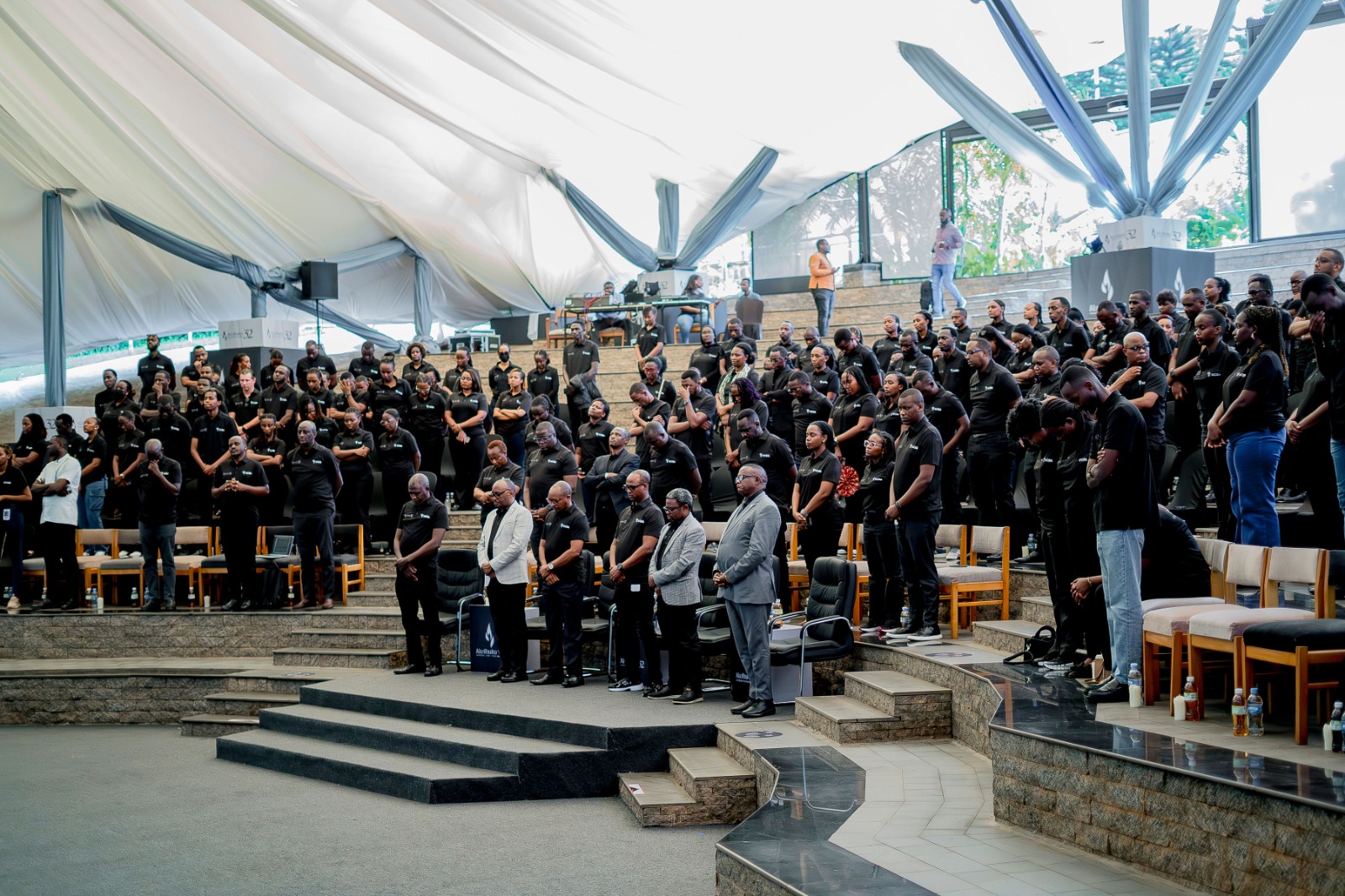
The commemoration brought together NCBA staff and leadership at the Kigali Genocide Memorial in Gisozi, where they paid tribute to more than 250,000 victims laid to rest at the site. Gisozi serves not only as a place of remembrance, but also as a centre for learning.
Staff were guided through the memorial, reflecting on the events that led to 1994, the devastating loss of over one million lives, and the country’s journey of rebuilding through unity, accountability, and resilience. They also listened to a deeply moving testimony from a survivor, alongside a detailed narration of the events before, during, and after the Genocide against the Tutsi.
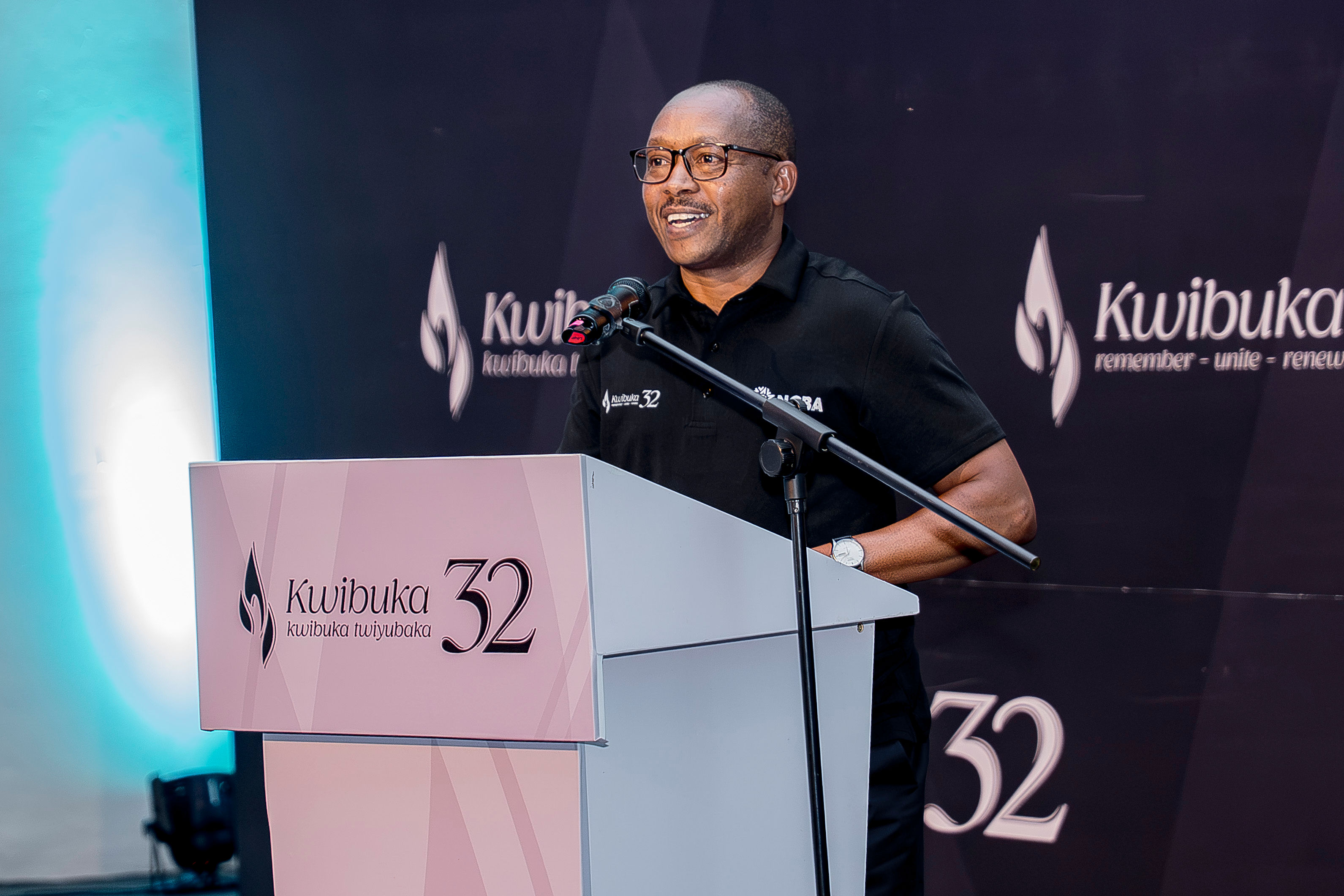
Speaking during the commemoration, Managing Director Maurice Toroitich emphasized the importance of remembrance as a shared responsibility across generations.
“We are part of a generation that must actively protect what this country has rebuilt—a generation that must reject division, not just in moments of crisis, but in the small, everyday interactions where respect, dignity, and unity are either upheld or eroded,” he said.
The history session was led by Maj (Rtd) Jean Marie Vianney Ruhamiriza, the bank’s Security Manager, who walked the team through Rwanda’s history—from the seeds of division sown before independence, to the organised planning and execution of the genocide, and the denial that persists even today.
“That is why ‘Never Again’ is not just a statement for today. It is a daily commitment to stand against anything or anyone that seeks to rewrite history, deny the genocide, or sow new seeds of division,” he noted.
Beyond the memorial visit, NCBA Bank Rwanda has committed to extending its commemoration through tangible support initiatives aimed at restoring dignity and strengthening resilience among survivors.
As in previous years, the bank will provide livestock to support sustainable livelihoods and economic independence for genocide survivors in Musanze and Rubavu.
Through continued support to survivors and a sustained commitment to unity, the NCBA remains dedicated to playing its part in safeguarding Rwanda’s progress and ensuring that the lessons of the past continue to guide the future.
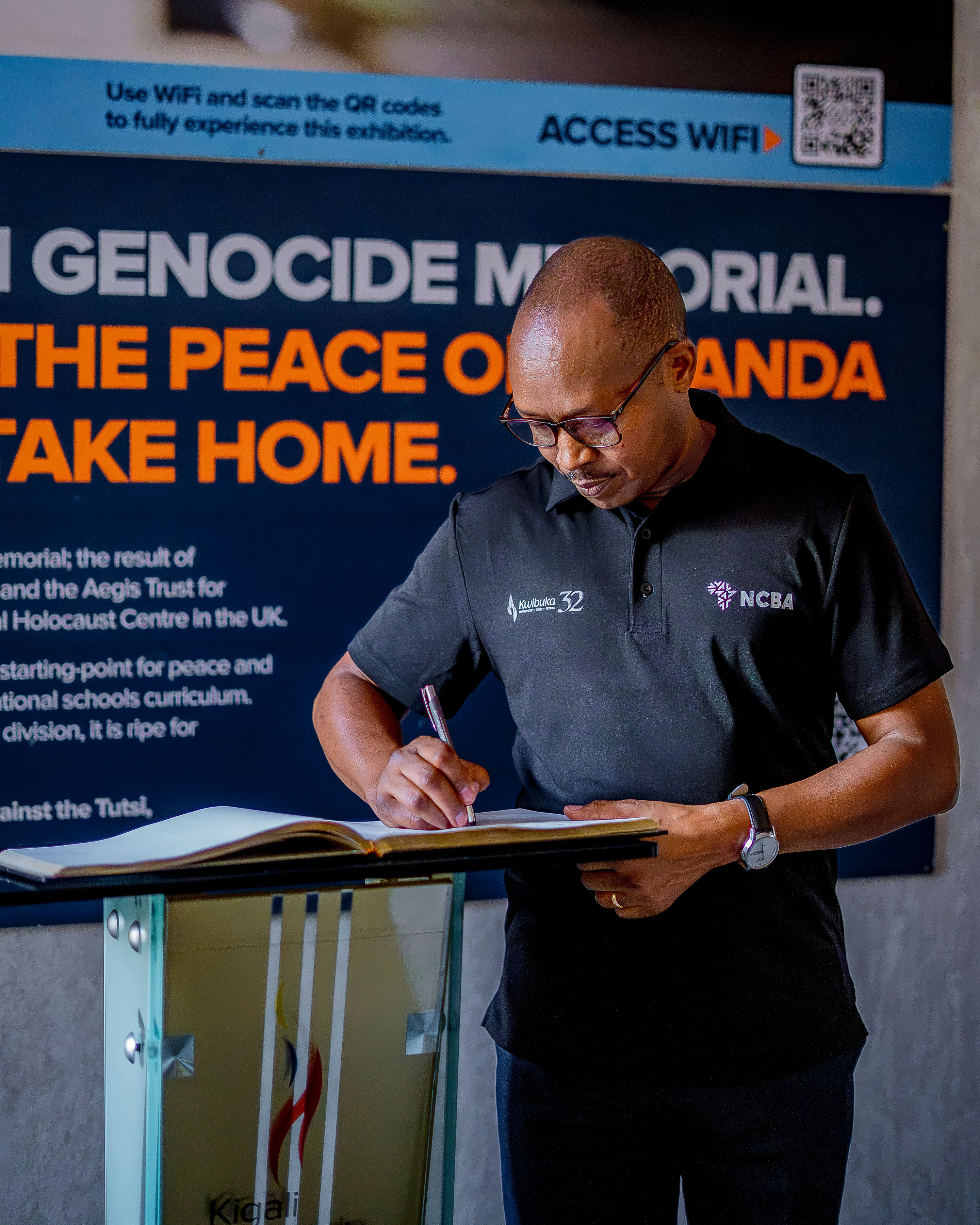
The institution reaffirmed its dedication to safeguarding Rwanda’s progress and preserving the lessons of history.Employees paid tribute to more than 250,000 victims laid to rest at the Kigali Genocide Memorial.Staff were guided through historical reflections on the events leading to and following the 1994 Genocide against the Tutsi.NCBA Managing Director Maurice Toroitich emphasized the importance of remembrance as a shared responsibility.NCBA Managing Director signing the guest book at Kigali Genocide Memorial.
The report, published on Tuesday, shows a significant increase from 612 projects recorded in 2024, with the new investments expected to generate more than 38,000 jobs. Real estate, manufacturing and mining accounted for the largest share of the registered investments, underlining continued investor confidence in Rwanda’s economic outlook.
Foreign private capital performance also remained strong. According to the 2025 Foreign Private Capital survey, Foreign Direct Investment inflows rose to $872.9 million (Rwf 1.27 trillion) in 2024, marking a 21.8 percent increase from $716.5 million (Rwf 1.04 trillion) recorded in 2023.
RDB said the combined performance demonstrates sustained confidence in Rwanda’s policy environment and its ability to support investors beyond promotion through implementation and service delivery.
Tourism remained one of the country’s strongest-performing sectors, with revenues reaching $685 million (Rwf 997.9 billion) in 2025, up from $647 million (Rwf 942.6 billion) in 2024, representing a 6 percent year-on-year increase.
Visitor arrivals also rose by 9 percent to 1.49 million, supported by Rwanda’s flagship gorilla trekking experiences and expanded tourism offerings across the country’s national parks.
The Meetings, Incentives, Conferences and Exhibitions (MICE) segment generated $94.7 million (Rwf 137.9 billion), up from $84.8 million (Rwf 123.5 billion) in 2024, reflecting an 11 percent increase. The growth was driven by 165 international and regional events hosted in Rwanda during the year.
Among the major events were the UCI Road World Championships held in September, the first time the global cycling championship was hosted in Africa, alongside Move Afrika Kigali featuring John Legend, the Mobile World Congress, and Season 5 of the Basketball Africa League.
RDB said these events played a major role in boosting visitor arrivals, raising Rwanda’s international profile, and strengthening the country’s MICE ecosystem.
Rwanda’s export sector also remained resilient, with total export receipts reaching $3.6 billion, supported by steady performance in mining, agriculture and horticulture. Services exports increased by 2.7 percent year-on-year, while air cargo volumes rose by 2.4 percent to 6,257 tonnes from 6,113 tonnes in 2024.
The country also continued to leverage global sports partnerships under the Visit Rwanda campaign to strengthen international visibility and attract high-value tourism and investment.
In 2025, Rwanda renewed its partnership with Paris Saint-Germain until 2028 and signed a new three-year deal with Atlético de Madrid running through 2028.
It also expanded long-term sponsorship agreements with the Los Angeles Clippers and the Los Angeles Rams, both extending through 2030.
These partnerships are expected to increase Rwanda’s global exposure, attract more high-value visitors and investors, and support further growth in tourism and the MICE segment.
The report also highlighted Rwanda’s strong performance in global rankings, including the World Bank B-READY Report, where the country achieved Africa’s highest score on regulatory framework performance.
Rwanda also maintained its position as one of Sub-Saharan Africa’s top performers in the World Justice Project Rule of Law Index.
To improve the business environment, RDB said it continued expanding the One Stop Centre and digitising services through a unified platform expected to provide more efficient and transparent access to over 400 services delivered by more than 20 institutions.
A real-time performance monitoring system was also introduced to improve service delivery in areas such as business registration and investment facilitation.
Additionally, Rwanda established the National Lottery and Gambling Commission under RDB’s mandate to regulate the gambling sector and strengthen governance, compliance and oversight.
Commenting on the results, RDB Chief Executive Officer Jean-Guy Afrika said the performance reflects continued progress in supporting Rwanda’s economic fundamentals.
“The 2025 performance reflects continued progress in supporting Rwanda’s economic fundamentals and delivering on our priorities across investment, exports, tourism and service delivery. We remain focused on building a predictable and competitive environment that enables private sector growth and long-term development,” he said.
RDB said it will continue implementing the Second National Strategy for Transformation (NST2) and its 2025–2030 strategy, with a focus on expanding investment, strengthening exports, promoting high-value tourism and advancing innovation.
Rwanda registered $2.62 billion (approximately Rwf 3.8 trillion) in investments across 799 projects in 2025, reflecting stronger economic momentum driven by growth in investment, tourism, exports and business reforms, according to the latest annual report released by the Rwanda Development Board (RDB).
The attack bore similarities to the Nyange school massacre of March 19, 1997. Passengers were ordered to separate themselves along ethnic lines—Hutu on one side and Tutsi on the other—but they refused, insisting that they were all Rwandans.
The assailants, armed with guns and traditional weapons, first shot at the bus tires, forcing it to stop. They then boarded and again demanded that passengers divide themselves. In unison, the victims responded, “We are Rwandans.”
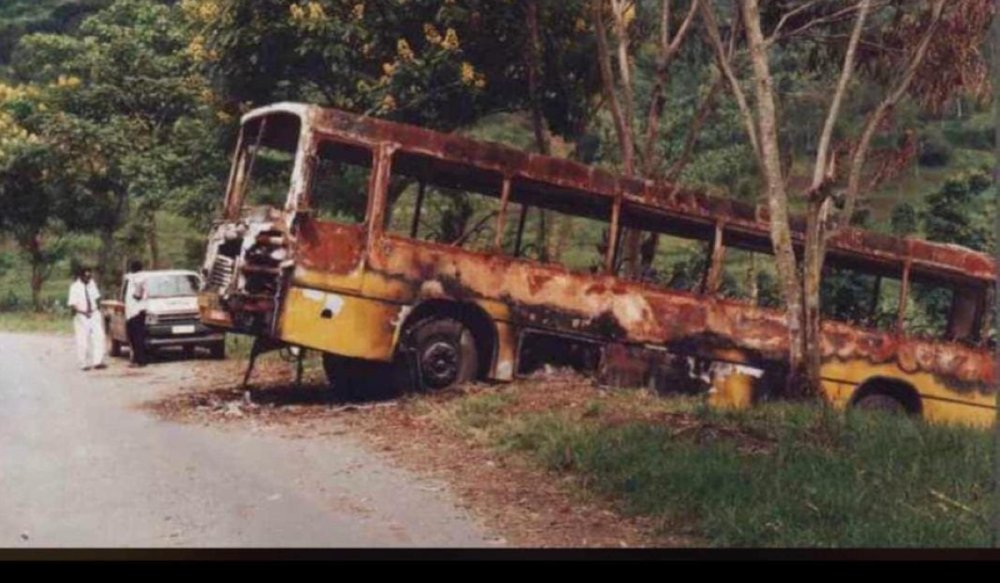
The attackers opened fire. Even after the shooting, they repeated their demand, but the response remained the same. Enraged, they poured petrol over the bus, which was carrying about 74 people, and set it ablaze. Some victims died inside the burning vehicle, while others who tried to escape were killed outside. Only a few survived.
The incident occurred in Gitsimbi, then part of Nyamyumba Commune, now Nyamyumba Sector in Rubavu District, early in the morning as workers were heading to their jobs.
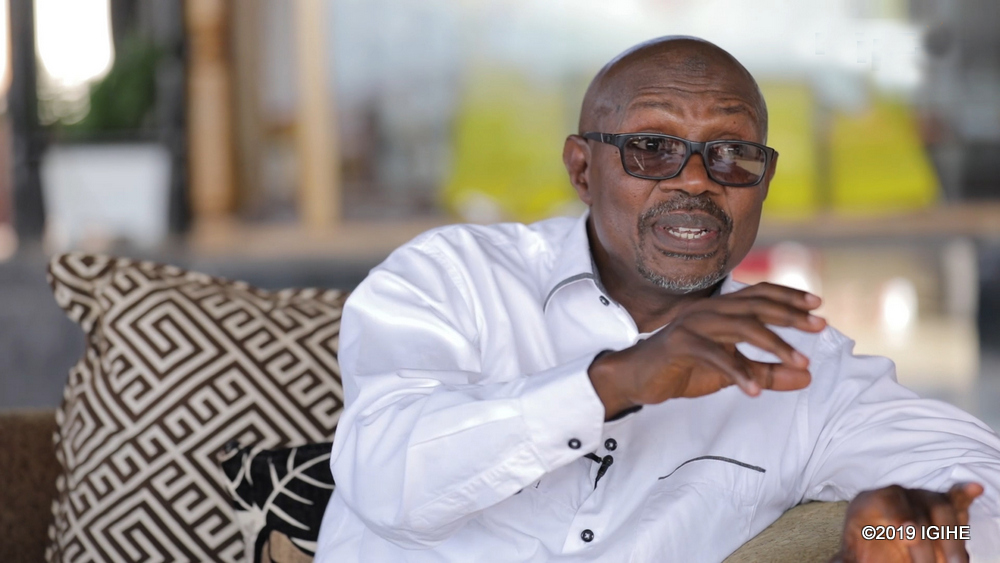
At the time, Rwanda’s current ambassador to Indonesia, Sheikh Abdul Karim Harerimana, was serving as Minister of Internal Security. In an interview with IGIHE, he recounted how he learned of the attack and the atmosphere it created in the former Gisenyi Prefecture.
He said he was informed of the attack that same morning by the then-prefect of Gisenyi. Shortly after gunfire was heard, Rwanda’s security forces were deployed to respond.
“The army was immediately alerted and intervened,” he recalled. “The prefect was on the ground and informed them. I set off to follow up on what had happened, assess the situation, and comfort the population.”
While on his way to the scene, he instructed the prefect to coordinate with the military to confront the attackers and assist victims.
At the time, infiltrator attacks were frequent in several regions, including Ruhengeri, Kigali Ngari, and Byumba, and occasionally reached Gitarama. Harerimana noted that although some planned attacks were thwarted thanks to intelligence, others occurred without prior warning.
He explained that in this particular case, authorities had no prior intelligence, partly because infiltrators from groups such as PALIR and ALIR had local collaborators, especially in Gisenyi, who provided them with information.
“We did not know about it in advance,” he said. “Had we known, we would have prevented it, as we often did. There were many collaborators in Gisenyi who worked closely with these groups and shared information about our forces.”
However, he noted that the brutality of the attack became a turning point. Residents who had previously cooperated with infiltrators were shocked by the violence and began to distance themselves, eventually providing information to authorities.
“People saw with their own eyes what had happened,” he said. “The victims were ordinary residents of Gisenyi. That is when people realized that those they had been hiding were actually the ones responsible for such atrocities.”
Following the attack, cooperation between citizens and security institutions improved, which contributed to efforts to dismantle infiltrator networks.
Harerimana described the scene upon arrival as tense and frightening. Fighting was still ongoing, with security forces exchanging fire with the attackers while some people tried to extinguish the burning bus.
Civilians watched in fear, some taking cover as the confrontation unfolded. He noted that several infiltrators were killed, some captured alive, while others managed to escape.
He recalled addressing residents afterward, reassuring them that the government’s responsibility was to protect them and condemning those responsible for the violence.
“We told them that those causing insecurity were known—the infiltrators,” he said. “We visited the site, the town, and hospitals, and also held a meeting in Gisenyi. Gradually, confidence began to return.”
He also revealed that before this shift, some residents used coded language and indirect communication to collaborate with infiltrators, making it difficult for authorities to gather intelligence.
According to Harerimana, the attack illustrated how extremist agendas could drive perpetrators to commit acts of violence without regard for human life, believing they could blame the government.
He explained that the attackers targeted known residents with the intention of spreading fear and undermining confidence in state protection, while also attempting to create the impression that the government was responsible.
He added that individuals captured during such operations were not mistreated. Instead, they were sensitized and, in some cases, reintegrated, with some later joining national security forces.
At the time, Paul Kagame — then Vice President and Minister of Defence —had instructed that captured fighters be treated humanely and not harmed, a directive that guided how they were handled after arrest.
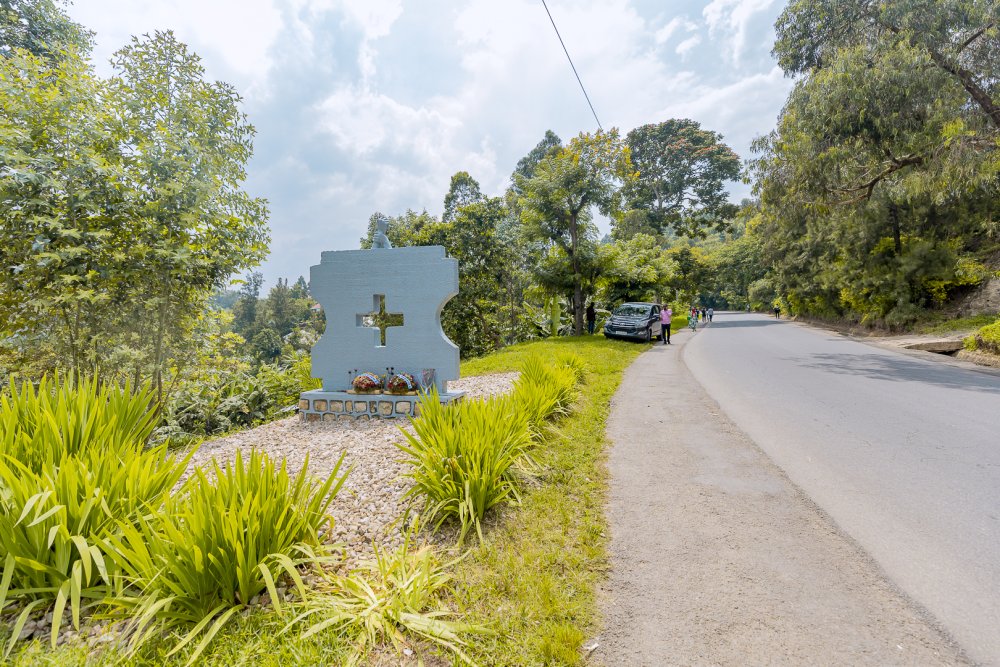
Sheikh Abdul Karim Harerimana was the Minister of Internal Security at the time of the attack.The infiltrators set fire to a bus carrying Bralirwa workers, burning it down and killing many passengers.A memorial has been established at the site where the attack took place.