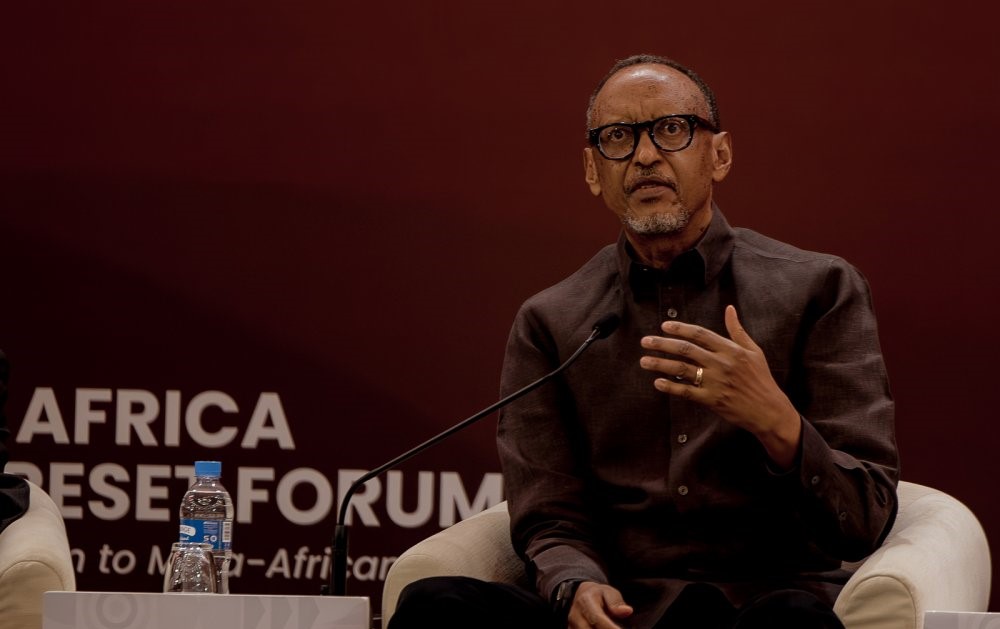
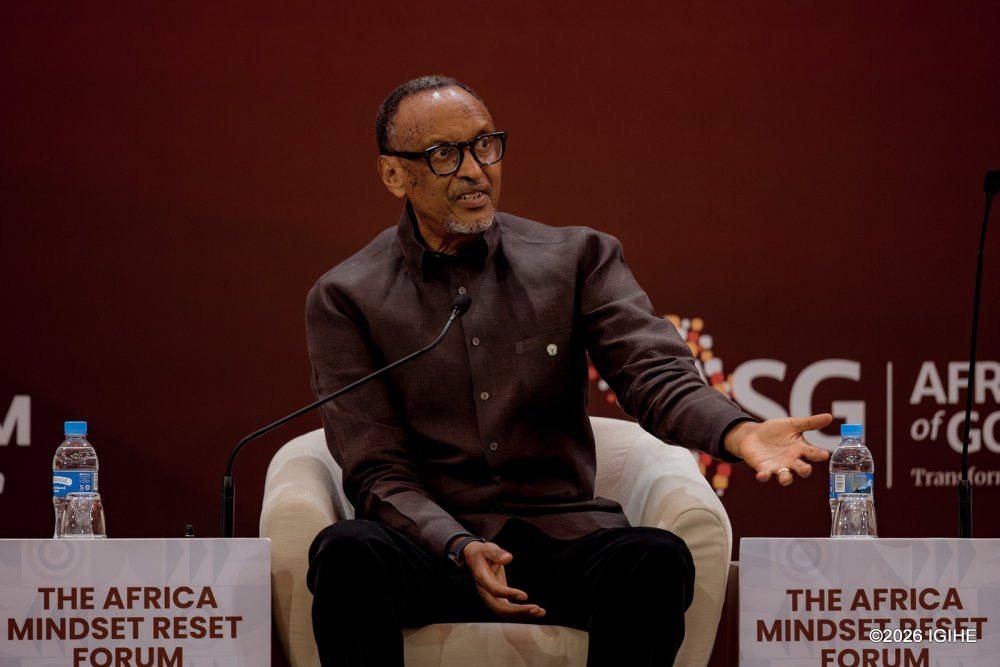
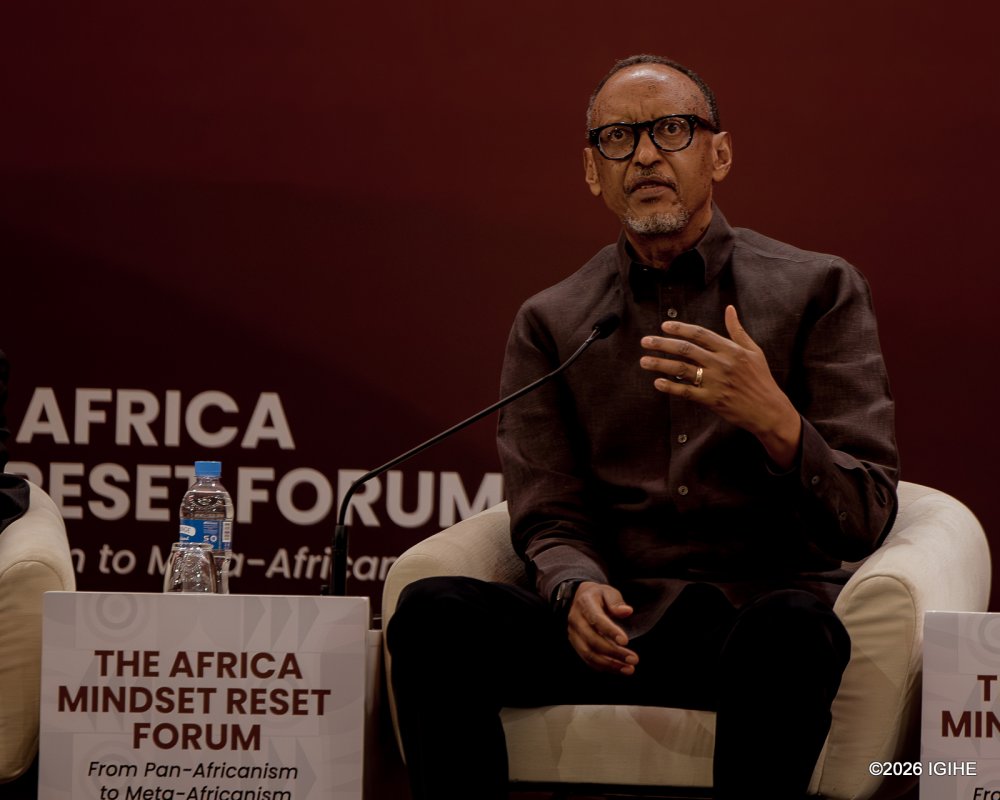
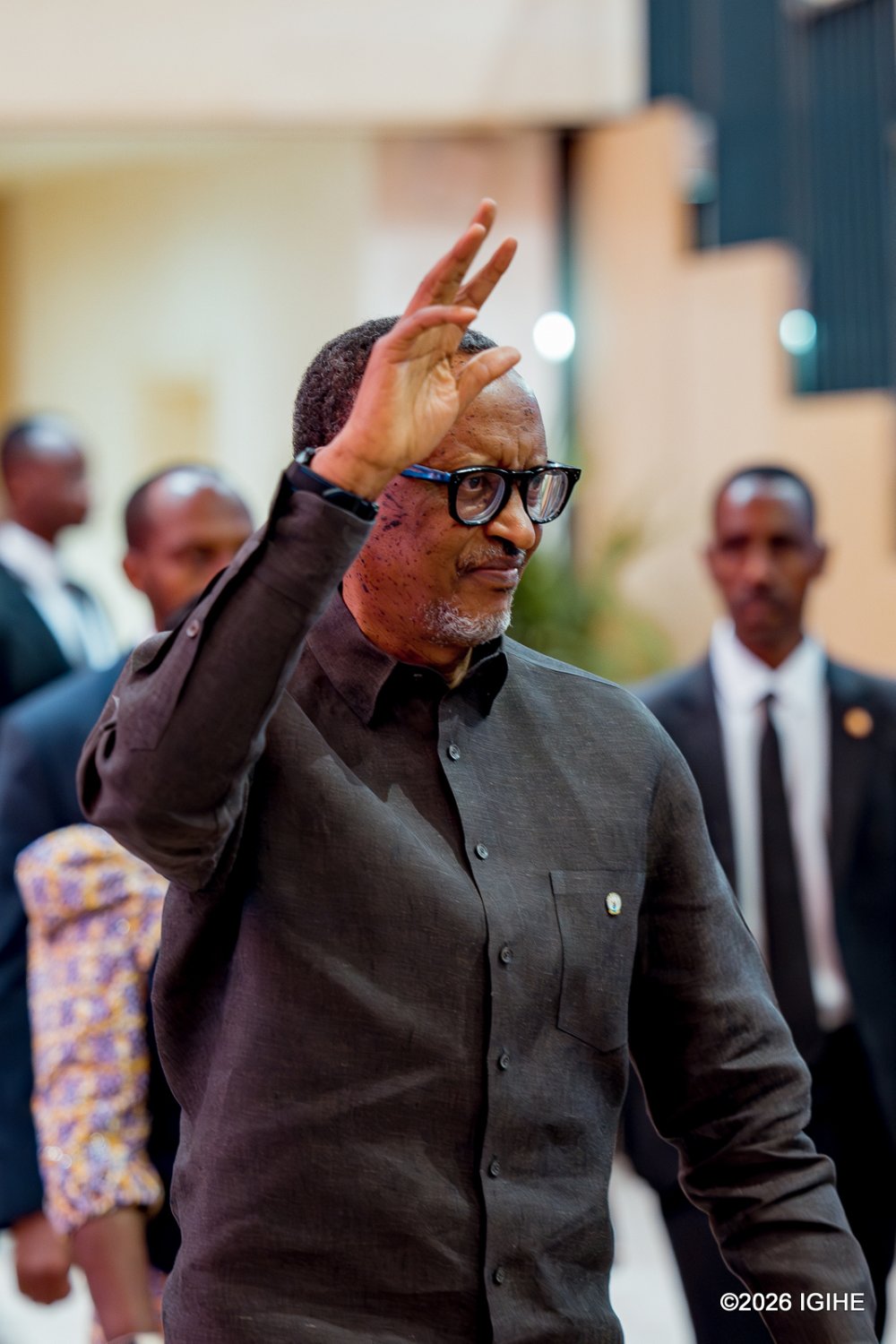
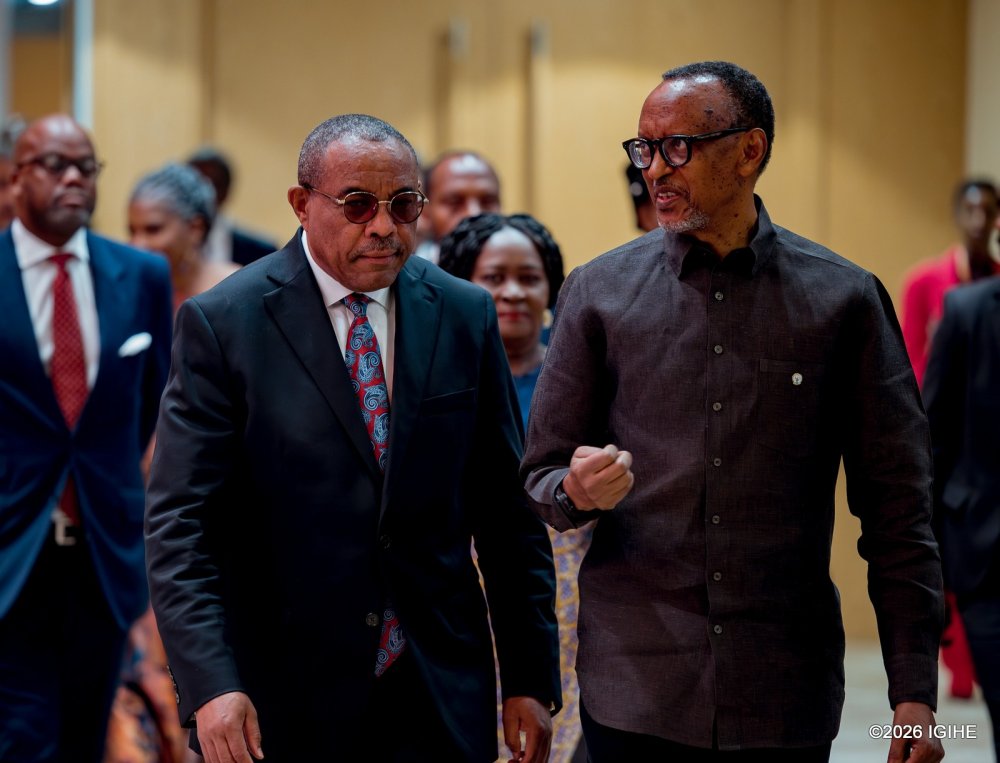
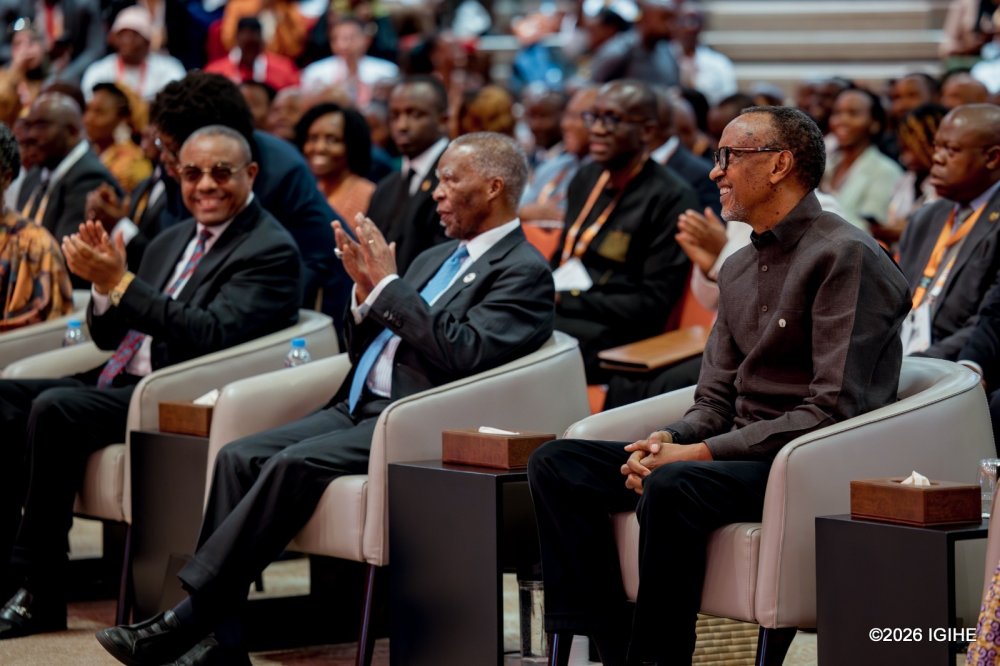
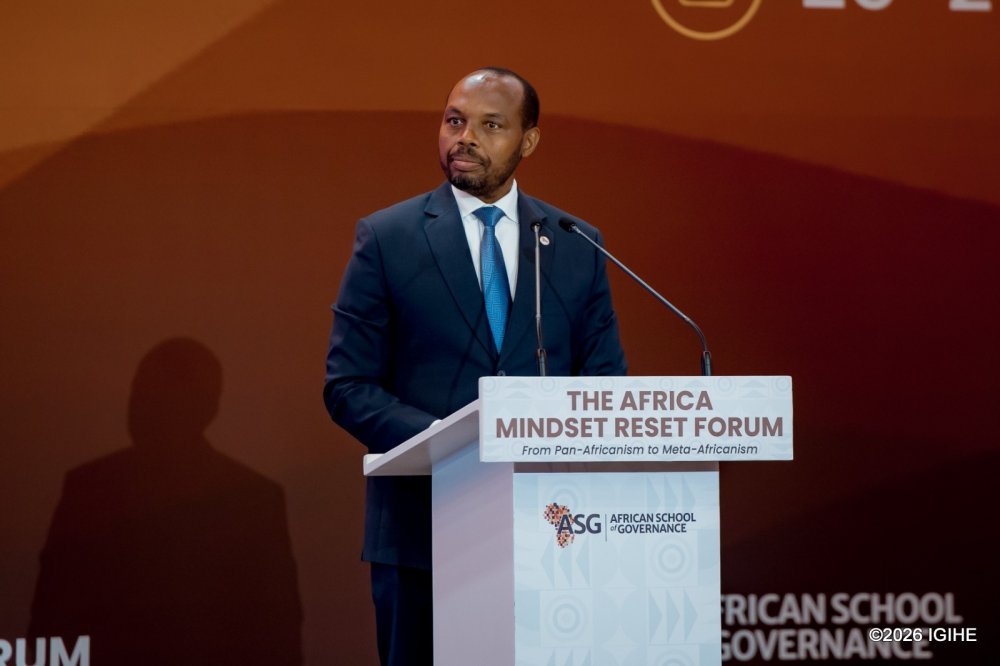
Speaking during a panel discussion at the Africa Mindset Reset Forum hosted by the African School of Governance (ASG) in Kigali on Tuesday, President Kagame said young people should not be driven into confrontation simply because they have the energy or ability to fight, but should first establish whether a cause is justified and worth the sacrifice it demands.
“You have to be selective. There has to be justification for a fight. Don’t just pick fights for the sake of it,” Kagame said.
“Don’t just pick a fight because you can fight. Choose a moment, choose what for. And it must be a just cause. And when you have been clear about it, you’ve done all the checks, then give it the fight it deserves. But be selective. Choose,” he stressed.
Kagame’s advice was rooted in his own experience as a Rwandan refugee. His family fled Rwanda amid persecution and violence in the early 1960s, and he spent much of his childhood and early life in Uganda as a refugee.
He told the forum that the hardships of life in exile shaped the determination among many Rwandans to reject a future of permanent displacement and seek a different life.
“We can’t live as refugees forever,” Kagame said, recalling the circumstances that pushed many Rwandans to make difficult choices about their future. He said some who had endured years of hardship reached a point where they felt they had to try to build “a life that is worth something” and one they could stand up and fight for.
In October 1990, the Rwandan Patriotic Front (RPF) launched an armed liberation struggle aimed at ending decades of exclusion and allowing refugees to return home. Kagame, who became commander of the RPF’s military forces, played a central role in the four-year struggle.
Reflecting on the decision to join the struggle, Kagame said it was a conscious choice made despite the enormous risks involved.
“When I was young, there were all kinds of problems that came with a silver lining, in the sense that they made a number of us who lived that life say, ‘We shouldn’t accept this,’” he recalled.
“Together with others, we made that choice, and we decided to shape the kind of life we wanted,” Kagame added, noting that those who took such decisions understood that the cost could be high.
The President said such choices also create a lasting sense of responsibility, particularly when they are made with the hope of improving the lives of others. Having taken risks to change their circumstances, he said, those who survive and succeed have an obligation to ensure that future generations do not experience the same hardships.
He urged young people to find a purpose that goes beyond themselves and to consider how their choices can affect the lives of others.
“It’s in your capacity, in your ability, in your every possibility to say, to give your life a purpose and to make a choice, a choice that you know, if you have made it, is not just going to be confined to your life, but it has impact on other people’s lives,” Kagame noted.
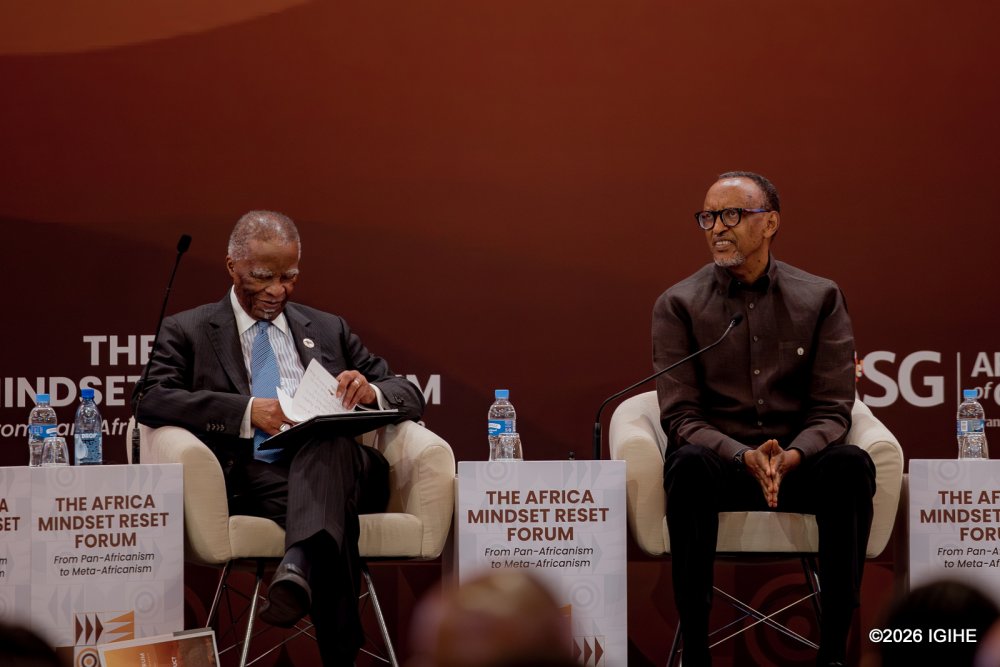
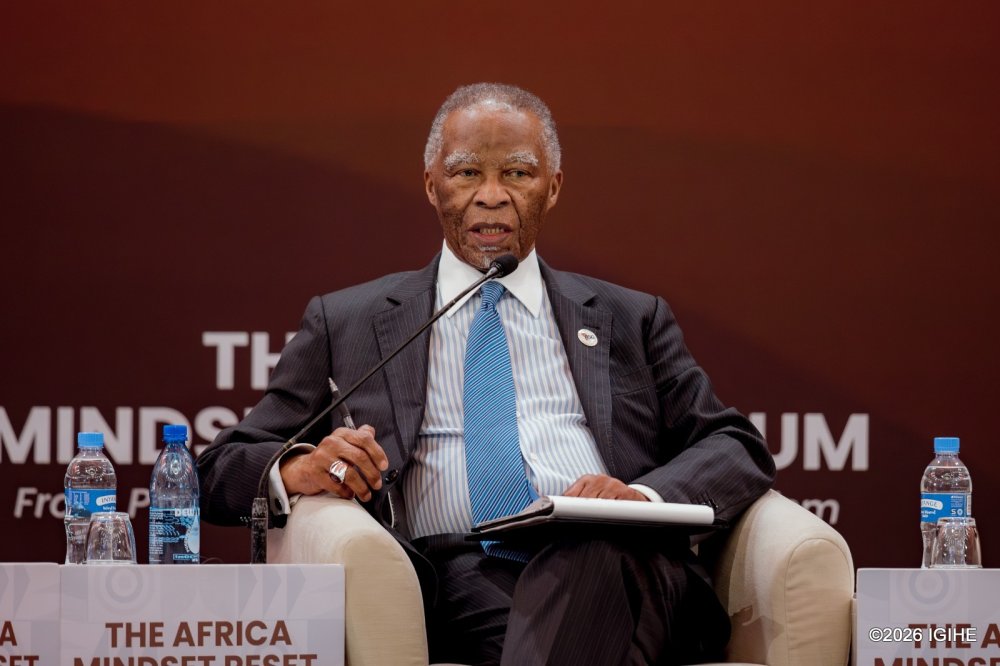
Former South African President Thabo Mbeki also reflected on his experience of joining the African National Congress Youth League at the age of 13, drawing lessons from South Africa’s long struggle against apartheid.
“The struggle hasn’t ended. So you stay with the struggle, you stay on course. The commitment you made as a 13-year-old, you stay with it,” he reflected.
He urged young Africans to persevere in the pursuit of “the Africa we want,” even when the journey becomes difficult, echoing Kagame’s call for young people to choose meaningful causes and commit themselves to them.
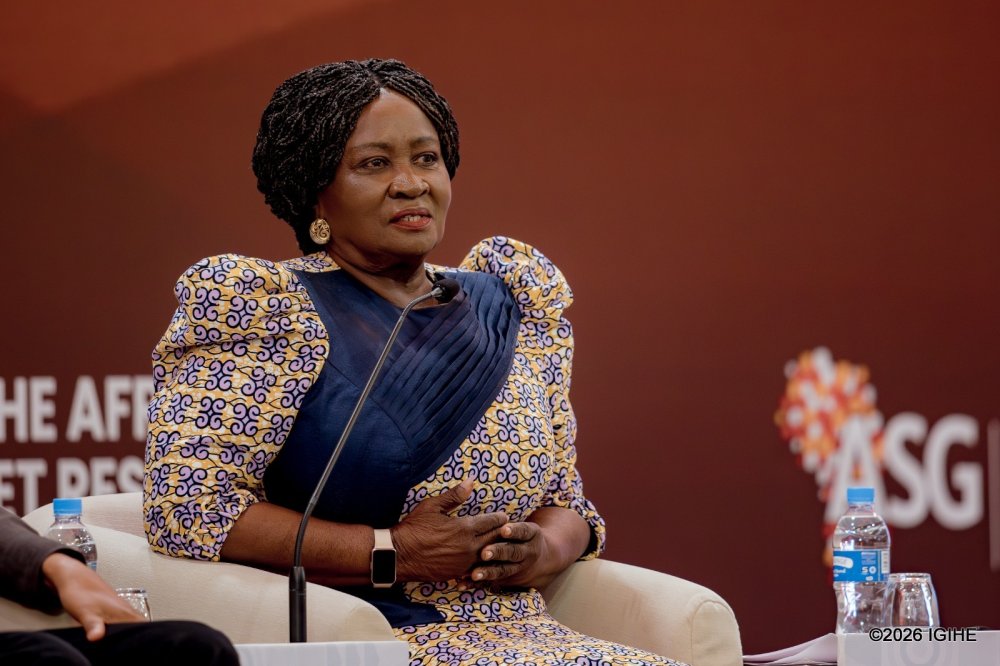
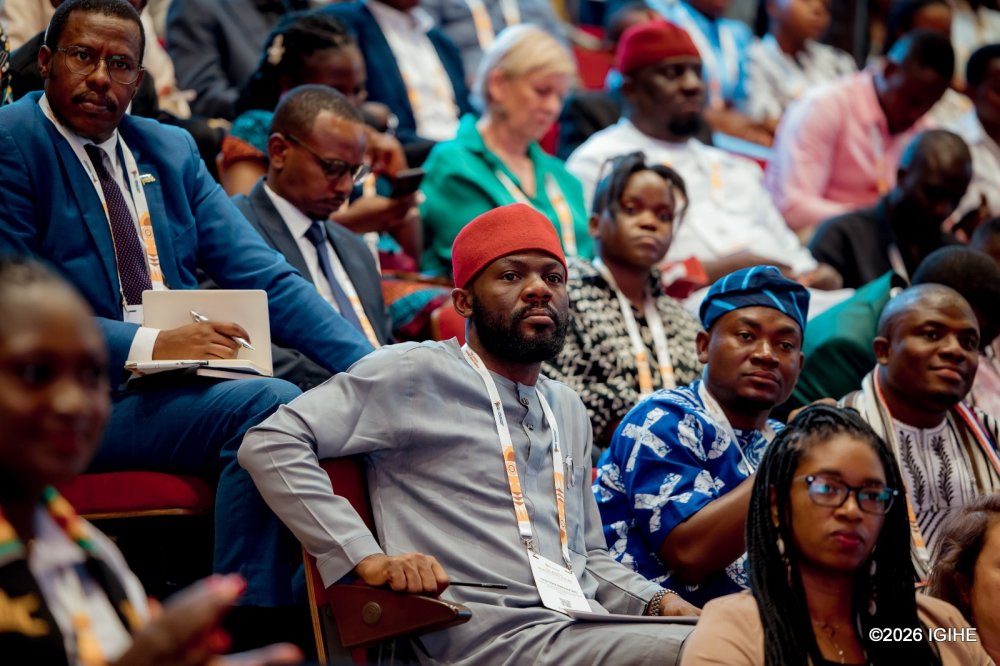
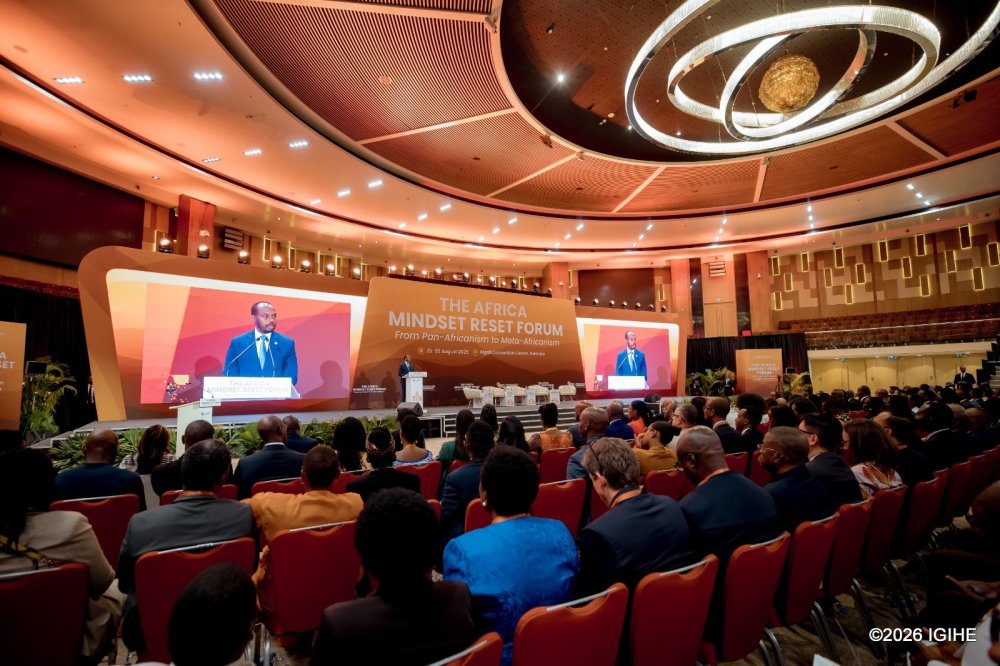
The discussion took place at the inaugural Africa Mindset Reset Forum, which seeks to encourage a shift in attitudes and approaches needed to accelerate Africa’s transformation, moving beyond identifying the continent’s challenges towards collective action and implementation.
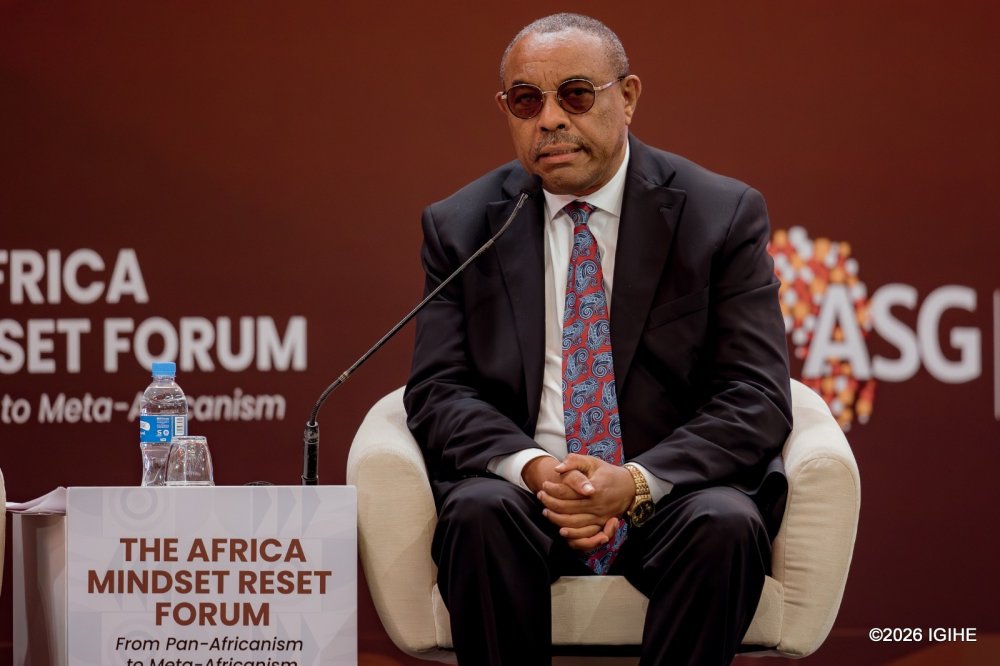
The two-day forum is being hosted by the African School of Governance, a pan-African institution for leadership, public policy and management co-founded by Kagame and former Ethiopian Prime Minister Hailemariam Desalegn. The school was officially inaugurated in January 2025 after receiving accreditation from Rwanda’s Higher Education Council.
In his opening remarks, ASG President Francis Gatare said the school was founded on the conviction that Africa does not lack ambition, resources or talent, but needs the leadership mindset required to build strong institutions and deliver results. He said its mission is to help develop a new generation of ethical African leaders with a transformative mindset and a commitment to public service.
Gatare also welcomed the school’s new cohort, comprising 238 participants from 22 African countries, who are beginning programmes ranging from the Master of Public Administration to executive education and leadership programmes for young, emerging and senior leaders.

Leave a Reply