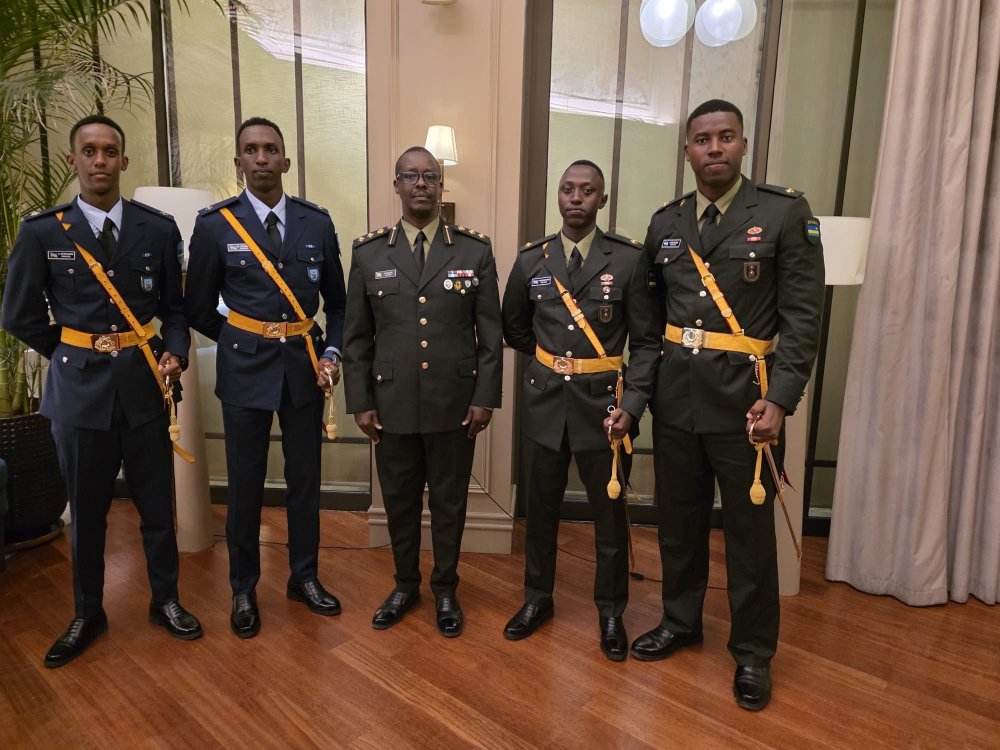
The graduation ceremony was held on August 30, 2026, in Ankara, bringing together graduates from the two military academies.
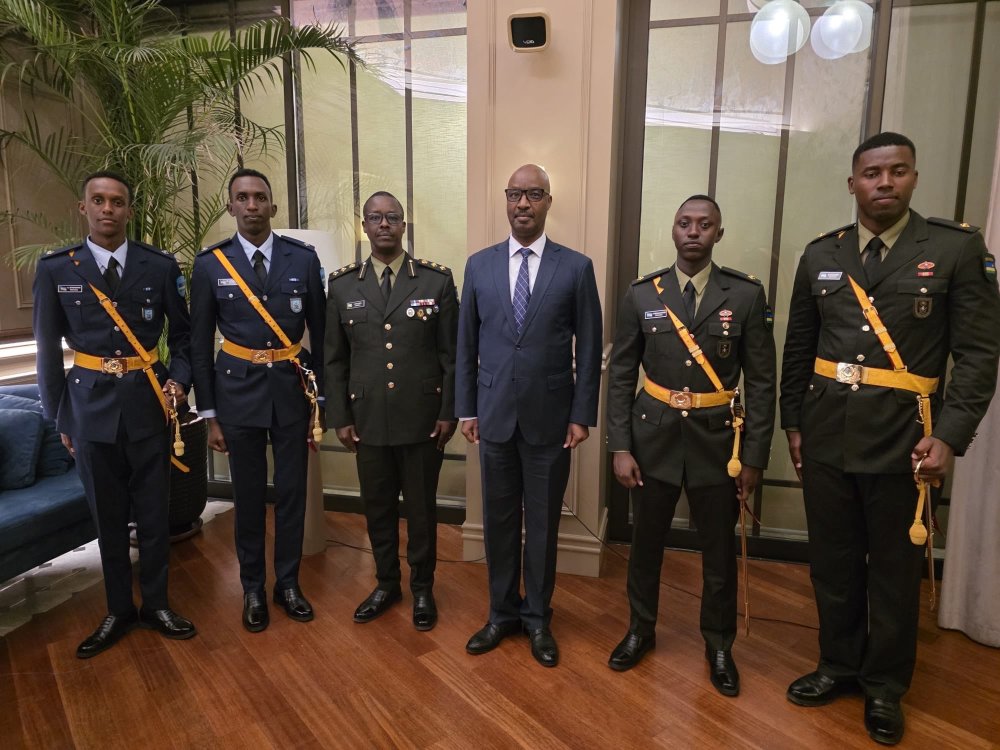
The four Rwandans are Byiringiro Arnauld, Cyizere Prince, Mbanzabugabo Daniel and Mugabe Robert.
Following the completion of their military training, they were commissioned with the rank of Second Lieutenant by the President of the Republic of Türkiye, Recep Tayyip Erdoğan.
The graduation ceremony was attended by Rwanda’s Ambassador to Türkiye, Lt Gen (Rtd) Charles Kayonga, and the Defence Attaché at the Rwandan Embassy, Colonel JP Rulisa.
The graduation is part of Rwanda’s efforts to strengthen the skills and capabilities of its military personnel through professional military education and training programmes in different countries.
Türkiye’s President Erdoğan has commissioned four Rwandans with the rank of Second Lieutenant The graduation ceremony was attended by Rwanda’s Ambassador to Türkiye, Lt Gen (Rtd) Charles Kayonga, and the Defence Attaché at the Rwandan Embassy, Colonel JP Rulisa.
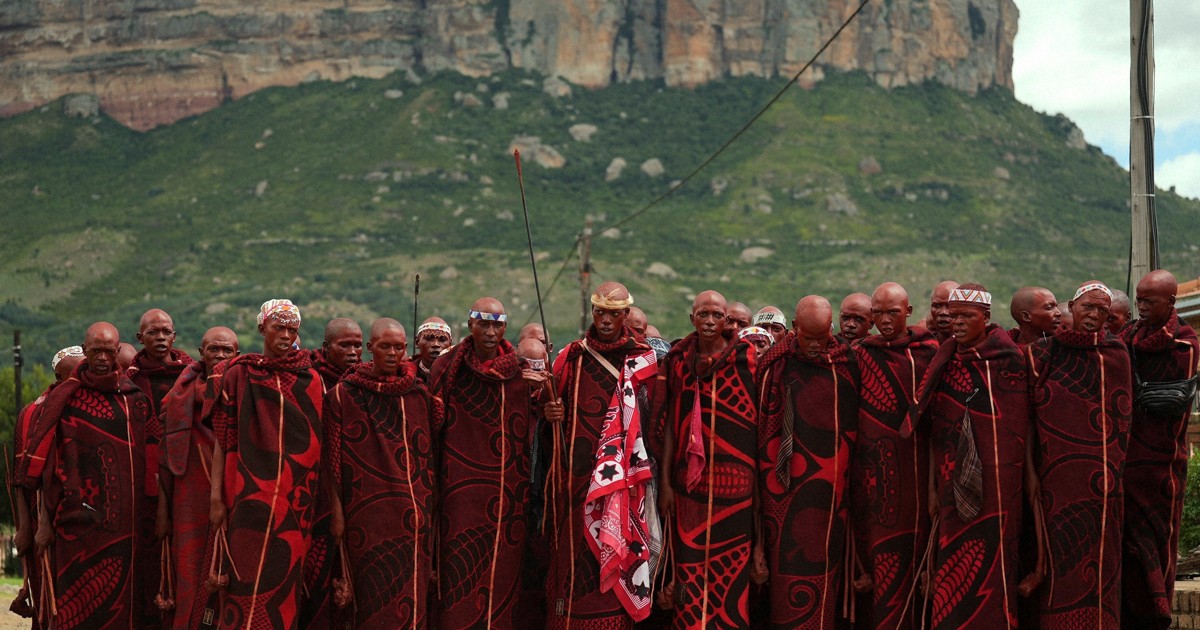
Known as Ulwaluko, the centuries-old ceremony is held twice a year and is intended to mark the transition from boyhood to manhood. Initiates are taken away from their families for about three weeks, where they undergo circumcision and are taught traditional values, survival skills and community history.
However, illegal initiation schools have been blamed for many of the deaths and injuries. Untrained practitioners reportedly carry out circumcisions using unsafe instruments, leading to severe infections, gangrene, sepsis and dehydration.
A South African government-commissioned report recorded 322 deaths between 2021 and 2024, alongside thousands of hospitalisations and cases of amputation. In 2024 alone, 93 deaths and 11 penile amputations were recorded during the winter and summer initiation seasons.
The government has introduced measures to regulate the practice, including requiring initiation schools to be registered and traditional surgeons to be trained and qualified. According to reports, Police have also shut down 42 illegal schools, arrested 40 people and rescued 180 boys.
Traditional Affairs Minister Velenkosini Hlabisa said the latest deaths were “deeply concerning” and called for collective action to eliminate preventable deaths and injuries.
“Respect for tradition must go hand in hand with respect for the law and every initiate’s constitutional right to life, dignity and safety,” Hlabisa said.
Despite the risks, Ulwaluko remains culturally significant for many communities. Those who complete the ceremony are recognised as men and may gain access to certain traditional and social activities, while those who refuse can face strong peer pressure and social stigma.
Initiates return after completing their passage to manhood at a traditional initiation school, in Phuthaditjhaba, South Africa, Jan. 3, 2026. (AP Photo/Alfonso Nqunjana)
The airline on Monday, August 31, announced the cancellation of flights WB452 and WB453 scheduled for the day, citing continued constraints affecting air traffic control services at the Kenyan airport.
“Due to ongoing operational constraints affecting air traffic control services at Jomo Kenyatta International Airport (NBO), flights WB452/WB453 on 31 August 2026 have been cancelled,” RwandAir said in an official statement.
Affected passengers will be rebooked on the next available flight, while the airline said it was monitoring the situation in coordination with relevant authorities.
“We sincerely apologise for the inconvenience caused,” it added.
ATC Industrial Action Behind Flight Delays
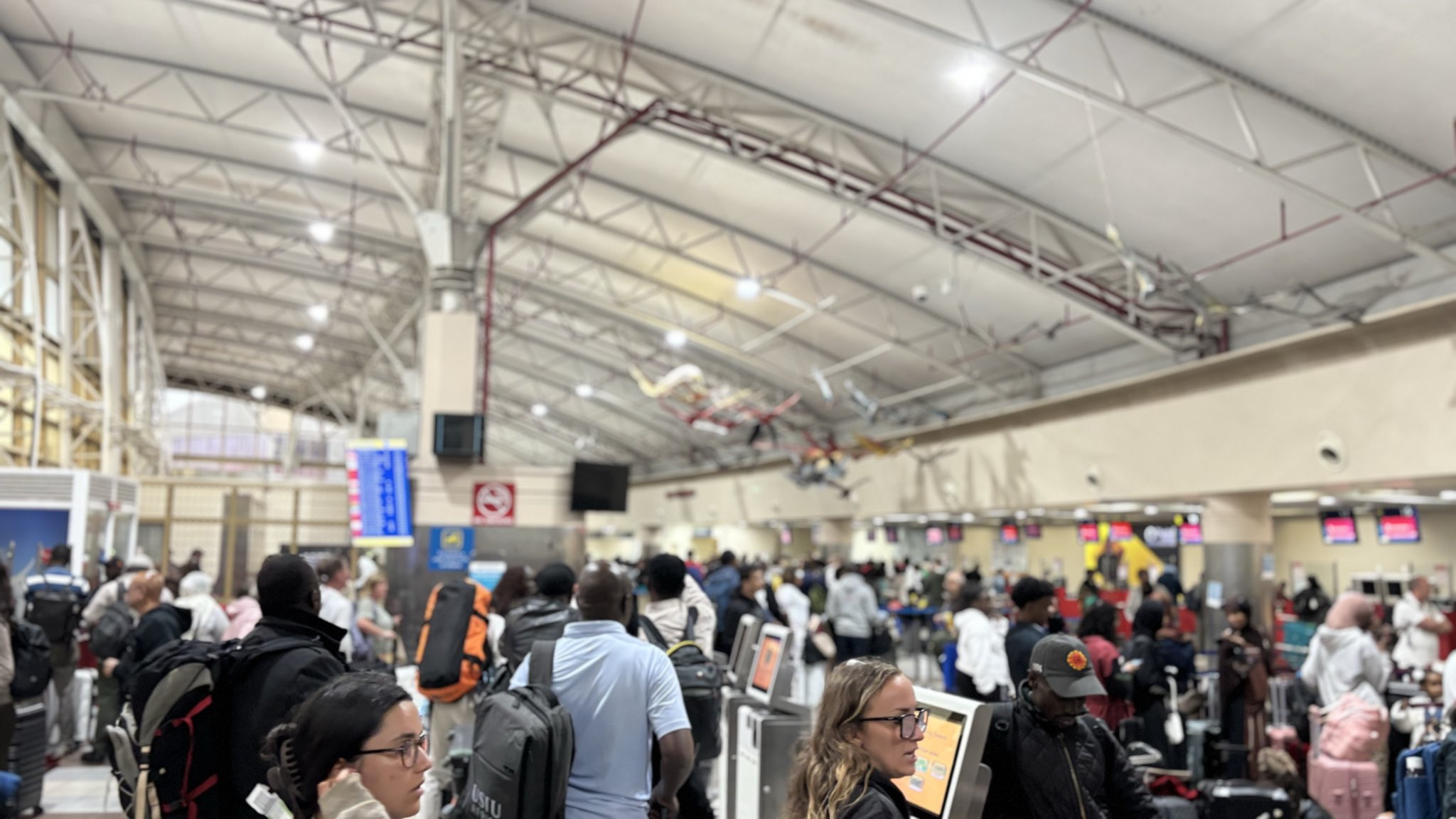
While airline advisories and official communications from the Kenya Airports Authority (KAA) attribute the crisis to “operational constraints,” airport workers and union officials confirm the root cause is a strike and go-slow action organized by the Kenya Aviation Workers Union (KAWU) alongside staff from the Kenya Civil Aviation Authority (KCAA).
Union representatives cite unresolved Collective Bargaining Agreements (CBAs), stagnant wages, and broader administrative disputes regarding airport management as the driving forces behind the industrial action. Air traffic controllers and ground staff downing tools has severely throttled aircraft movement in and out of Kenya’s primary aviation hub.
The cancellations follow a similar disruption on Sunday, when RwandAir cancelled flights WB402 and WB403 scheduled for August 30 due to the air traffic control slowdown at JKIA.
Widespread impact across international carriers
The disruptions have affected several airlines operating through the Nairobi airport, leaving thousands of passengers facing extended delays, cancellations, and flight diversions.
The Kenya Airports Authority (KAA) warned on August 30 that flight delays could affect some departing flights at airports across the country, while flag carrier Kenya Airways attributed its schedule disruptions directly to ATC limitations.
“The ongoing delays into and out of Jomo Kenyatta International Airport (JKIA) are due to operational constraints within Air Traffic Control (ATC) Services,” Kenya Airways said in an advisory.
Flight status information on FlightRadar24 showed several Kenya Airways services affected on Monday, including flights to Mumbai, Addis Ababa, Dubai, Juba, Kigali, Kinshasa, Johannesburg, Lusaka, and Lubumbashi.
Kenya Airways flight KQ205 to Mumbai was listed as cancelled, while KQ401 to Addis Ababa was also cancelled. Flights to Dubai, Juba, Kigali, and Kinshasa were listed as delayed, while KQ584 to Lubumbashi was diverted.
Other international carriers were also affected. Gulf Air flight GF707 to Bahrain was listed as cancelled, while Air Arabia flight G9734 to Sharjah was delayed.
Despite the disruptions, several other domestic and international flights remained scheduled, including services to Mombasa, Kisumu, Eldoret, Malindi, New York, Kilimanjaro, Entebbe, Sharjah, Zanzibar, Doha, and Addis Ababa.
Passengers travelling through JKIA have been strongly advised to confirm their flight status directly with their respective airlines before heading to the airport.
The disruptions have affected several airlines operating through the Nairobi airport, leaving thousands of passengers facing extended delays, cancellations, and flight diversions.
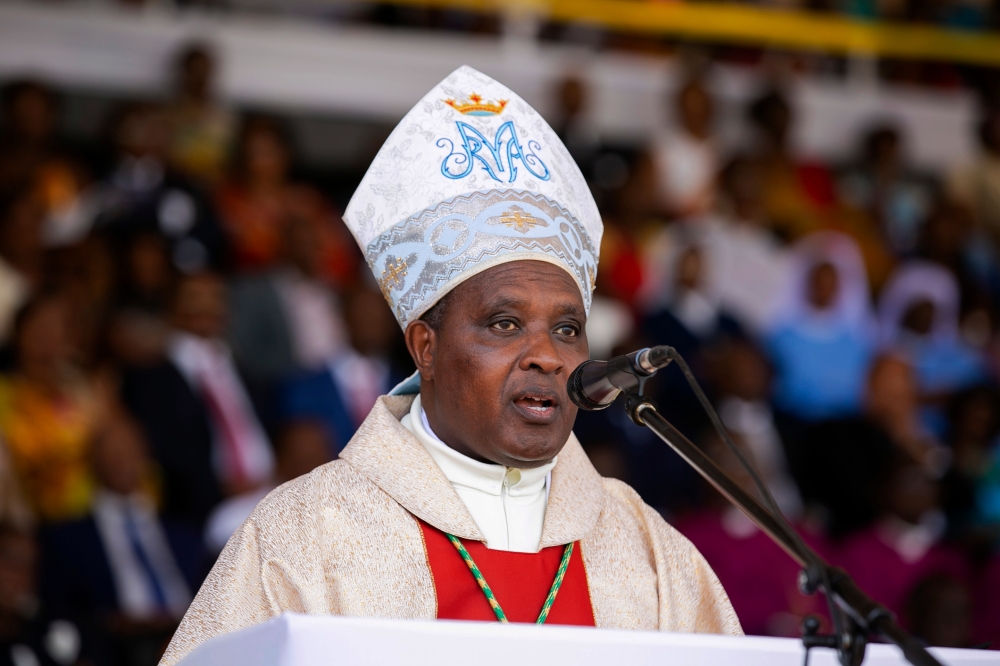
Cardinal Kambanda delivered the message on Sunday, August 30, 2026, during celebrations marking the 50th anniversary of Caritas and the Justice and Peace Commission in the Archdiocese of Kigali.
The jubilee was celebrated at St Jean Bosco Parish in Kicukiro, Kigali. The Justice and Peace Commission in the Archdiocese of Kigali was established in 1992, amid violence, insecurity and political unrest.
Following the 1994 Genocide against the Tutsi, its activities expanded to address challenges facing the country, including refugees, returnees, prisoners and orphans, as well as efforts to promote forgiveness and peaceful coexistence.
Cardinal Kambanda said justice and peace require love of God, which teaches people to care for others and make sacrifices rather than focus solely on their own interests.
He particularly urged Christians to learn from Blessed Floribert Bwana Chui, a Congolese customs official who was killed in 2007 after refusing a bribe to allow expired food products that could have harmed many people to pass through.
“Blessed Floribert Bwana Chui, in Goma, Congo, refused a bribe when they wanted to bring in expired food that could kill people. They offered him money, but he refused until they killed him. He accepted persecution and death rather than take a bribe that could put many people’s lives at risk,” Cardinal Kambanda said.
Bwana Chui, who worked at a border customs post, was abducted and killed in Goma on July 8, 2007, at the age of 26.
Cardinal Kambanda also cited other people who sacrificed their lives for others as examples worth following.
He revealed that the Catholic Church in Rwanda has begun collecting information and compiling a list of Rwandans who were killed during the 1994 Genocide against the Tutsi because of acts of self-sacrifice, although he did not specify how the information would be used.
Cardinal Kambanda has urged Christians to emulate integrity
The announcement was made by Minister of Health Dr Sabin Nsanzimana following the handover of the newly expanded Rwanda Masaka Hospital, constructed with support from China.
Dr Nsanzimana said CHUK will relocate in phases to avoid disrupting the services it currently provides, while measures are also being taken to address the gap that could arise after it leaves its current location in central Kigali.
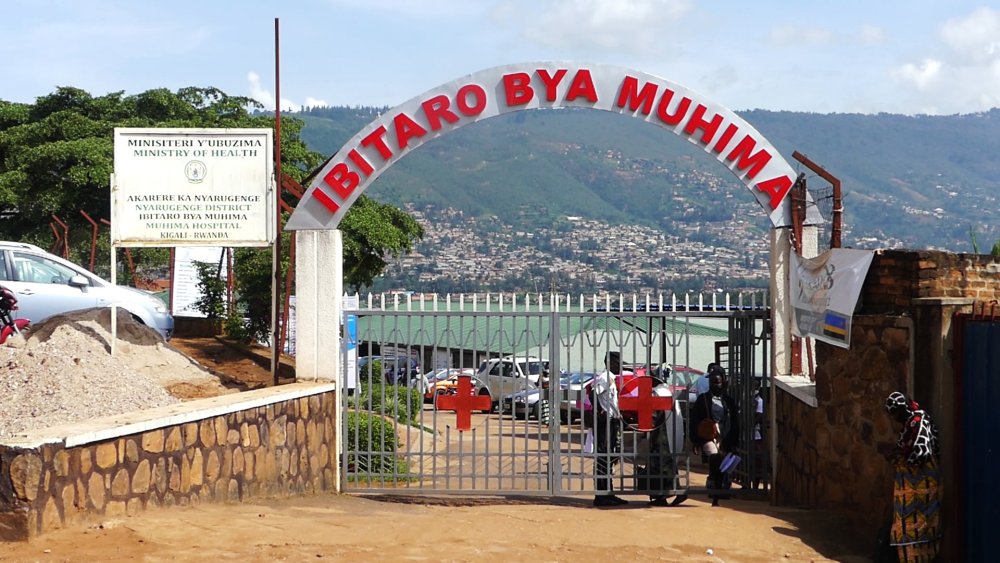
He explained that no new hospital is planned for the current CHUK site. Instead, the government intends to strengthen nearby Muhima and Nyarugenge hospitals.
“Nyarugenge Hospital is planned for a second-phase expansion, and Muhima Hospital will also be expanded. We want to link them so that CHUK patients who cannot travel to Masaka have other places to go without congestion. That means expanding those other hospitals nearby.”
Dr Nsanzimana said the government is also expanding district hospitals that are being developed into fully-fledged teaching hospitals.
Hospitals nearing that status include Kibungo, Rwamagana, Kibagabaga and Nyamata, while expansion and upgrading works are also underway at Kibuye, Kibogora, Kiziguro and Nyagatare hospitals.
The minister said the programme is expected to accelerate from 2027, as more specialists become available to provide healthcare services and train medical students.
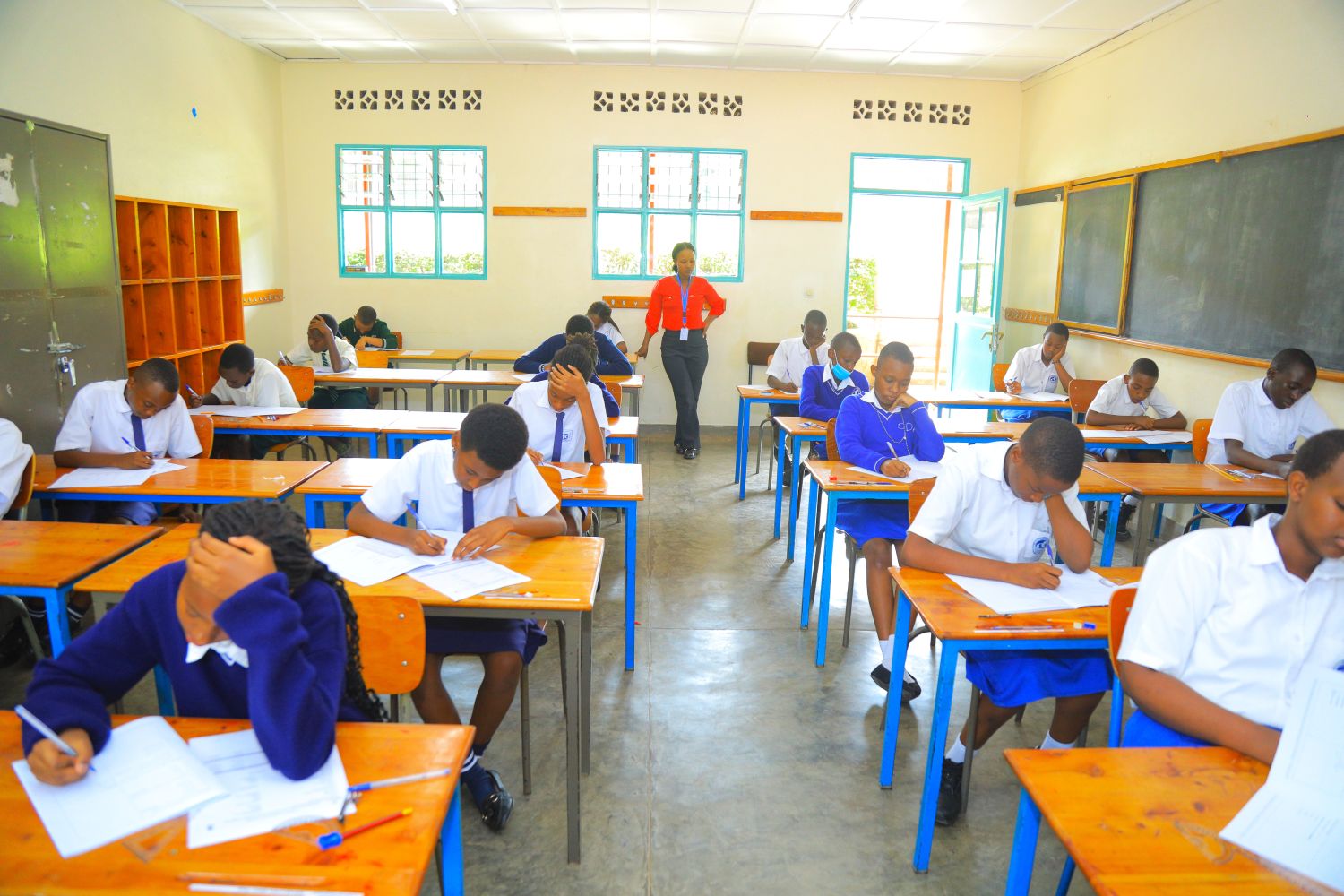
In a statement issued on Sunday, August 30, the ministry said investigations into suspected malpractice had established that mass cheating occurred in 254 examination rooms, affecting 7,188 learners.
Although examination malpractice would ordinarily result in the cancellation of the affected examinations, the ministry said it had decided to allow the learners to sit the examinations again after establishing that some of the cheating had been orchestrated and facilitated by adults responsible for administering the tests.
“In the interest of fairness and the future of the affected learners, the Ministry has therefore decided to allow them to retake the Primary Leaving Examinations,” the statement said.
The retake examinations will be held from September 2 to 4, with the National Examination and School Inspection Authority (NESA) expected to announce the examination timetable, designated centres and further guidance on August 31.
The Ministry of Education and NESA will work with learners, parents, schools and local authorities to ensure the process is managed with minimal disruption, according to the statement.
The development comes barely days after the national examination results were released, showing a significant improvement in performance at the primary school level.
Announcing the results on August 20, NESA Director General Dr Bahati Bernard said the national pass rate had risen to 88.21 percent in the 2025/26 academic year, compared with 75.6 percent in the previous year.
A total of 276,579 learners from 3,895 schools sat the examinations, with boys recording a pass rate of 89.59 percent, slightly higher than the 87.1 percent registered by girls.
The ministry said the integrity of national examinations remained non-negotiable and announced plans to strengthen the examination system following the malpractice.
It also warned that everyone found to have organised, facilitated, participated in or deliberately enabled the cheating would be held accountable.
A file photo of learners sitting for a past national examination. The Ministry of Education on Sunday, August 30, 2026, ordered more than 7,000 learners to retake the 2026 Primary Leaving Examinations (PLE) after investigations confirmed widespread cheating in examination rooms across the country.
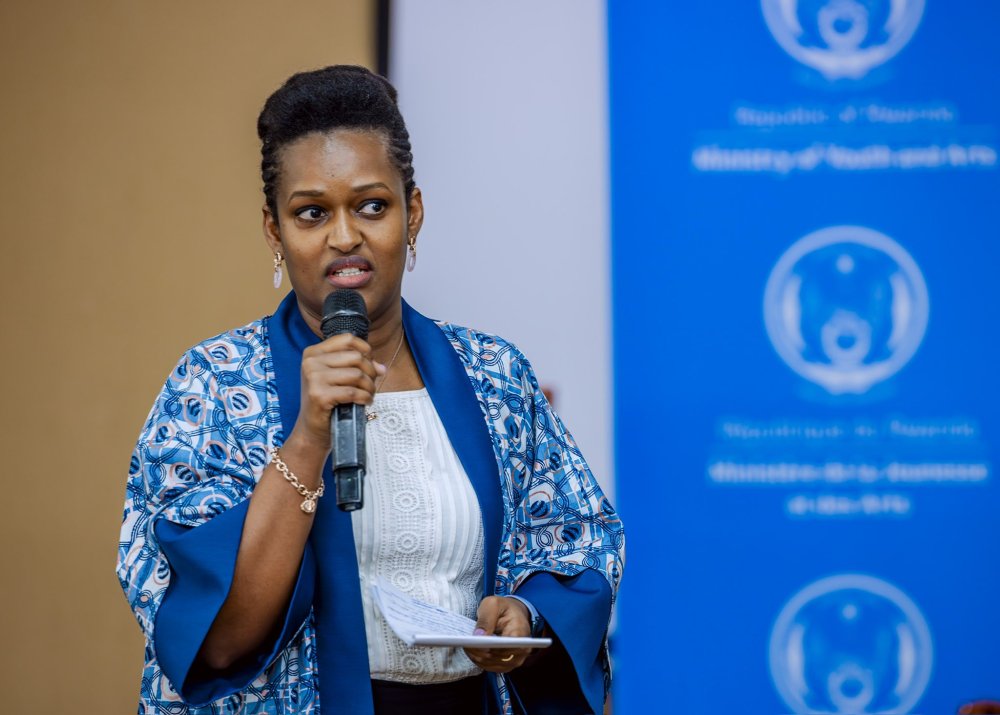
Rwanda’s Minister of State for Youth and Arts, Sandrine Umutoni, has urged young people to critically examine the forces influencing their fashion and dress choices, as debate over decency and dress codes continues to grow.
Umutoni made the remarks amid renewed debate over dress and decency among young people, following an incident at the Diamond Platnumz Experience at the BK Arena Parking Lot on Saturday, August 29, where some attendees, particularly young women, were reportedly stopped from entering over clothing deemed too revealing.
The police action has sparked debate, with some young people describing the enforcement as harassment and questioning the extent to which authorities should regulate personal dress choices.
Rather than reducing the debate to whether the State is attempting to control people’s bodies, Umutoni said there was a need to examine the wider forces influencing fashion trends.
“I have been reflecting on the debate around how some of our young people dress, and I wonder whether we are asking ourselves the deeper questions,” she said in a social media post on Sunday.
“When concerns are raised about increasingly revealing fashion trends, the conversation quickly becomes: ‘Why does the State want to police our bodies?’ But perhaps we should also ask: who is shaping these trends in the first place, and why?”
Umutoni said young people, particularly girls, are increasingly exposed to messages linking appearance and femininity with displaying the body, arguing that such ideas are reinforced through fashion, advertising, music, films, music videos and social media.
She, however, stressed that the debate should not be framed as an indictment of women’s bodies or as an argument that women and girls are responsible for managing other people’s sexuality.
“This is not an argument that the female body is inherently provocative. It is not. Nor should women and girls be made responsible for managing other people’s sexuality by simply being told to cover themselves,” she stressed.
Instead, she questioned why the female body is so frequently commodified by cultural and commercial industries.
Umutoni also linked the discussion to cultural identity, saying Rwanda should consider how it can develop a contemporary fashion identity rooted in its own culture while remaining open to global influences.
She pointed to Nigeria as an example of a country where traditional fabrics, patterns, craftsmanship and aesthetics have been incorporated into contemporary fashion.
“What does contemporary Rwandan fashion look like when it is confident enough to draw from who we are, while remaining creative, youthful and open to the world?” she asked.
According to Umutoni, embracing local cultural influences does not mean prescribing one way of dressing or rejecting foreign influences.
“Culture has always evolved. The question is whether we are participating in that evolution as creators, or simply consuming what others create for us,” she noted.
Her comments come against the backdrop of a broader push by authorities to address what they consider indecent behaviour and misconduct among young people.
In a joint press briefing on August 8, 2026, Rwanda National Police spokesperson ACP Boniface Rutikanga warned that authorities would not tolerate public nudity, indecent dressing, disorderly conduct or sexually explicit content.
Rutikanga said personal freedoms have limits when they conflict with public order and cultural norms.
“We will not continue to tolerate indecent conduct, disorderliness or people exposing themselves… under the excuse that they are young and modern. We do not want that dirt… Rights have limits,” he said.
Police have also warned owners and managers of bars, nightclubs and event venues that they could be held legally responsible for indecent behaviour, underage drinking and reckless conduct occurring on their premises.
Authorities further announced increased monitoring of social media platforms, particularly TikTok, targeting content deemed sexually explicit or indecent.
Police cited Article 143 of Rwanda’s Penal Code, which criminalises public indecency and provides for a prison sentence ranging from six months to two years.
For Umutoni, however, the conversation should extend beyond enforcement and focus on whether young people understand the cultural and commercial forces shaping what they perceive as fashionable or desirable.
She urged both young women and men to question the trends presented to them and consider who benefits from them and who defined them as desirable.
“Freedom is not only the ability to choose. It is also the ability to understand what is shaping our choices, and the confidence to create alternatives of our own,” Umutoni remarked.
Rwanda’s Minister of State for Youth and Arts, Sandrine Umutoni, urged young people to critically examine the forces influencing their fashion and dress choices, as debate over decency and dress codes continues to grow.
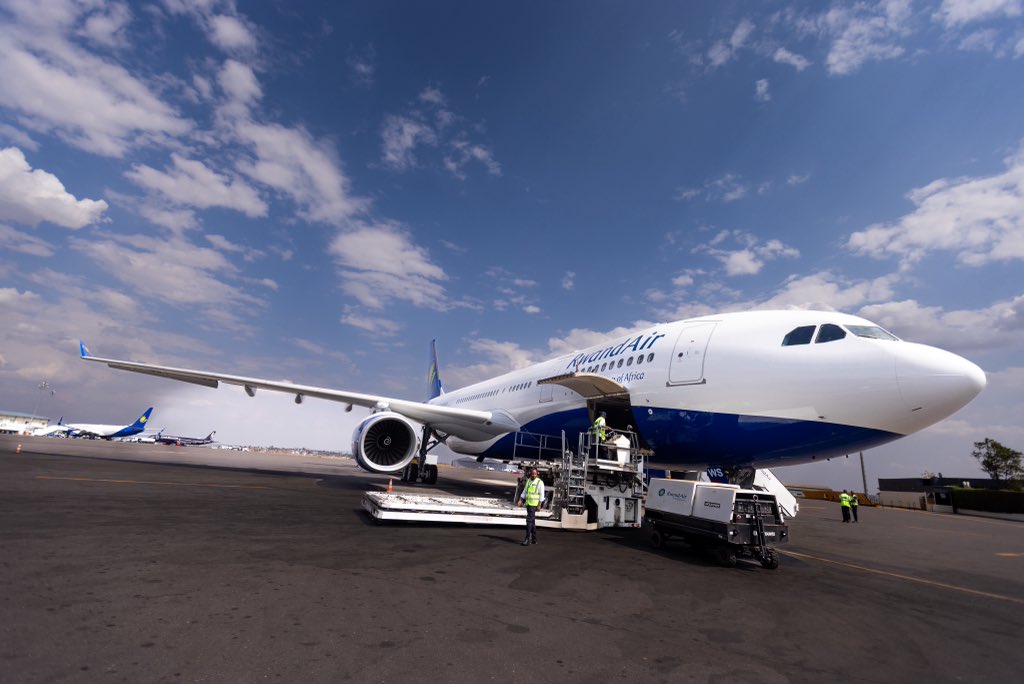
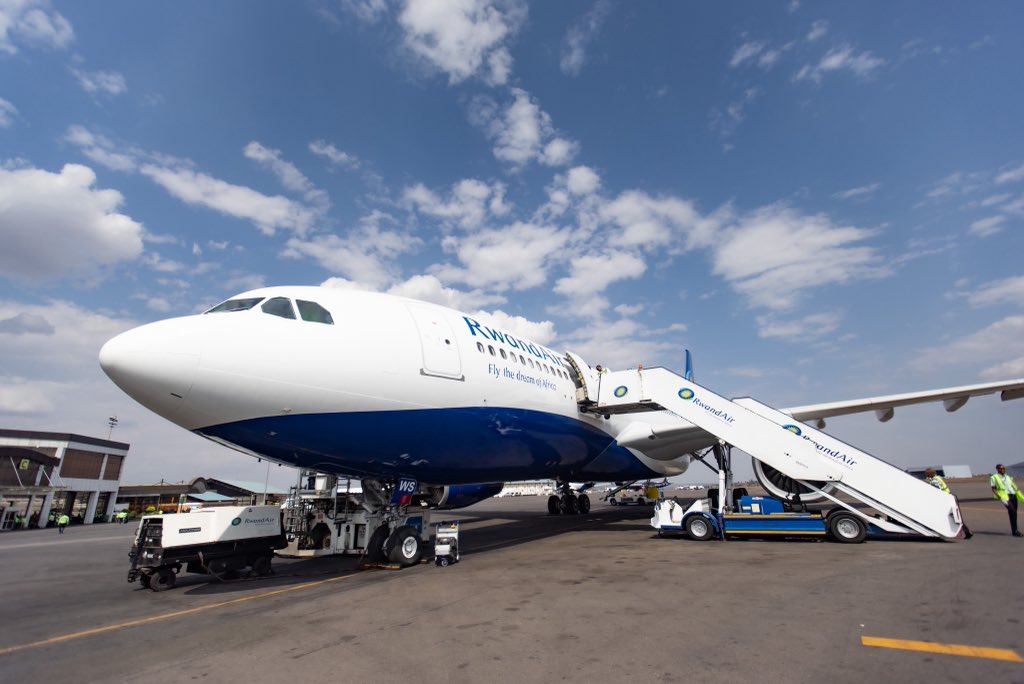
The plans come as RwandAir prepares to add five Airbus A330 aircraft to its fleet, a move expected to provide the capacity needed to support additional frequencies on existing routes and future network expansion.
A RwandAir official told The New Times that the airline’s immediate priority is to strengthen its current long-haul services, particularly by increasing flights to Paris and Brussels, while evaluating opportunities to expand into Germany and Asia.
On August 24, RwandAir announced the arrival of an Airbus A330-200, the first of the five aircraft expected to join the fleet. The 226-seat aircraft has already entered commercial service and is primarily supporting the airline’s European operations.
“The additional capacity will provide passengers with more travel options while enhancing connectivity through our Kigali hub for travellers flying between Europe and destinations across Africa,” the official told the publication.
The remaining four A330s, which are being acquired through leasing arrangements, are expected to join the fleet progressively over the coming months, although the airline has not announced specific delivery dates.
Each of the aircraft can accommodate between 220 and 270 passengers and is expected to give the carrier greater flexibility in responding to growing demand and expanding its network.
RwandAir said the additional capacity would also improve operational resilience and help maintain service reliability as the airline grows.
The expansion forms part of RwandAir’s broader ambition to more than double its annual passenger numbers from just over one million in the 2023/24 financial year to more than 2.1 million by 2028/29. The strategy relies on fleet expansion, new routes and strategic partnerships to strengthen Kigali’s position as a gateway linking Africa with key international markets.
The latest A330 addition follows RwandAir’s continued investment in its fleet. In August 2025, the carrier added two Boeing 737-800 aircraft, primarily to support short- and medium-haul operations.
With more wide-body aircraft on the way, the airline is positioning itself to grow its long-haul network while offering passengers more travel options through its Kigali hub.
The Airbus A330-200 received this month is the first of five aircraft expected to join the fleet.
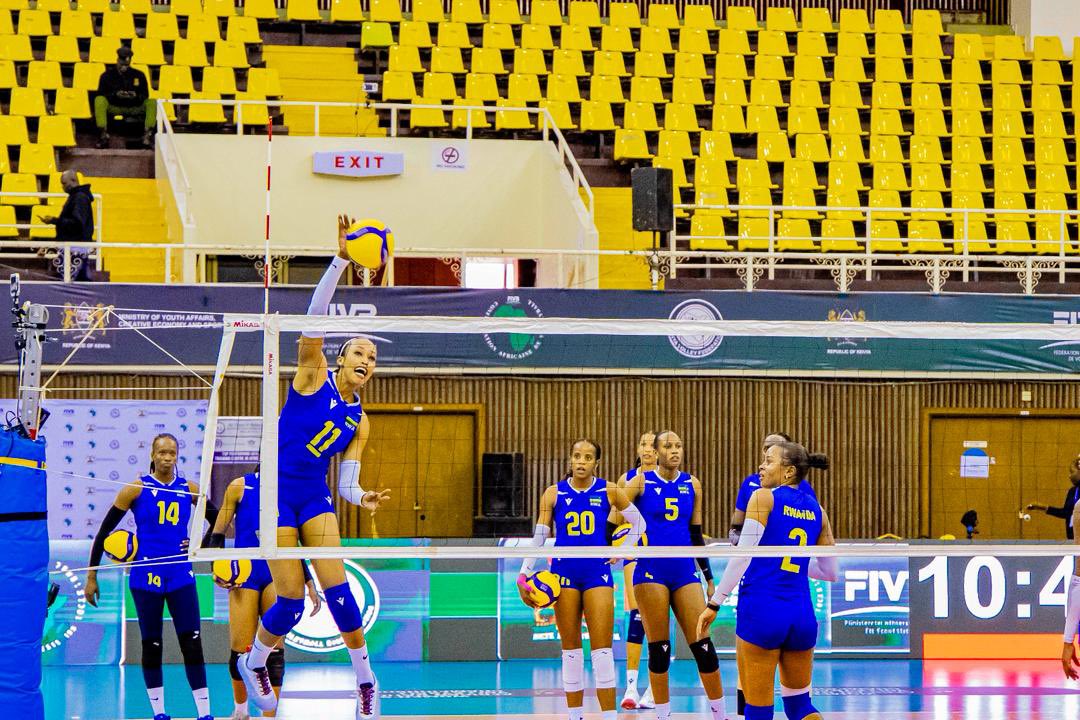
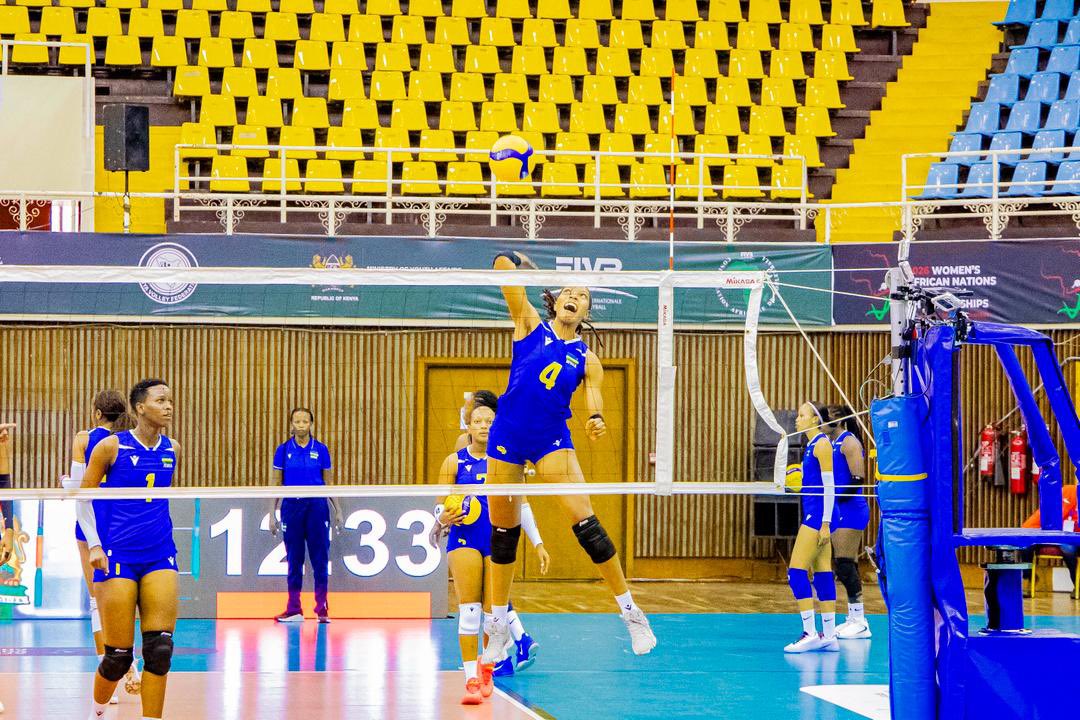
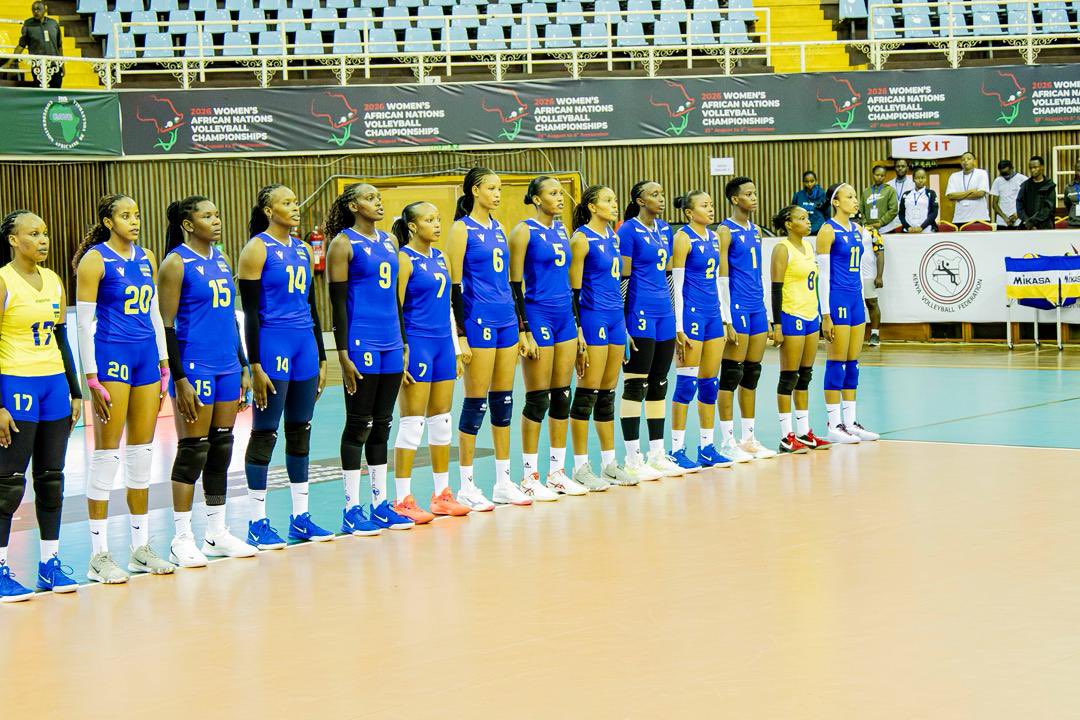
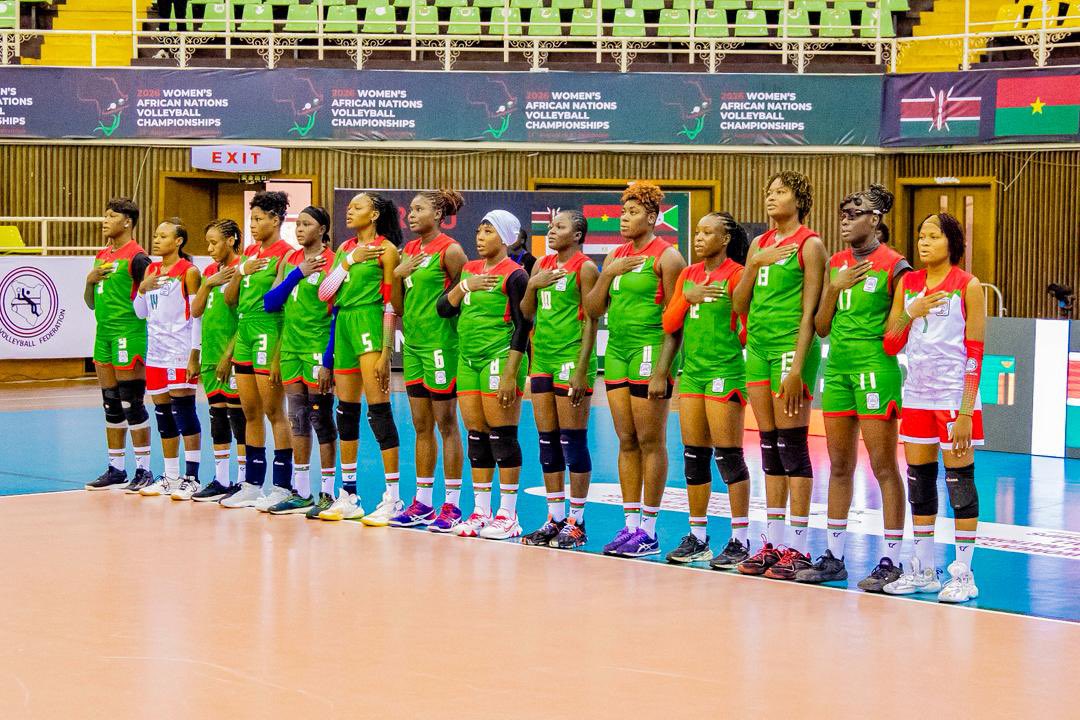
Rwanda won the match 25-19, 25-16, 25-8 to maintain its push for a deep run in the continental tournament.
Burkina Faso made a promising start, taking an early 8-6 lead in the opening set as Rwanda struggled to settle into the match. Rwanda gradually regained control, with captain Valentine Munezero and middle blocker Divine Marie Nyirahabimana making important blocks.
Burkina Faso also struggled with service errors, allowing Rwanda to build momentum and eventually take the first set 25-19.
Rwanda won the match 25-19, 25-16, 25-8 to maintain its push for a deep run in the continental tournament.
The West Africans again started strongly in the second set, opening up a five-point advantage. Rwanda responded by improving its attacking game, while Burkina Faso continued to give away points through service mistakes.
Rwanda turned the set around and pulled clear to win 25-16, moving within one set of the quarter-finals.
The third set proved one-sided as Rwanda took control from the outset. Nyirahabimana led the attack, scoring eight points from seven attacks, while Flavia Dusabe contributed six points.
Rwanda built a 14-point advantage as Burkina Faso struggled to cope with the pressure. The Rwandans closed out the set 25-8 to complete the straight-sets victory.
Nyirahabimana finished as Rwanda’s leading scorer with 16 points and was named Player of the Match.
The victory sends Frédéric Guérin’s team into the quarter-finals, where Rwanda will continue its campaign for continental honours.
Burkina Faso started strongly, but Rwanda rallied to take control in the second set.
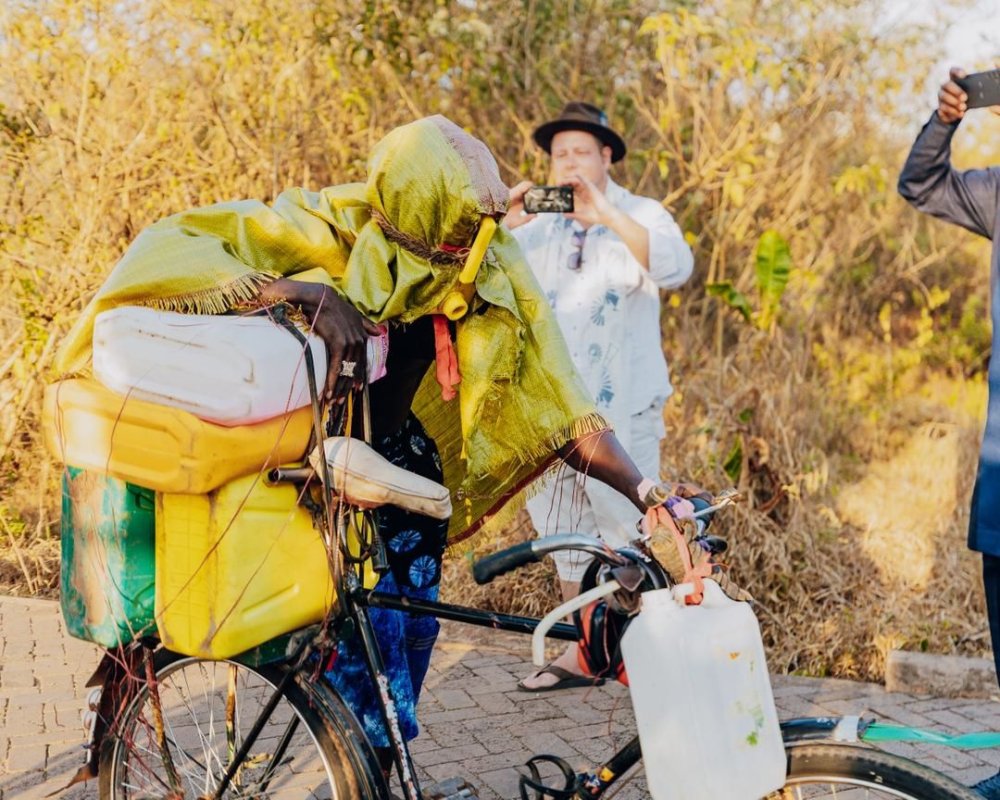
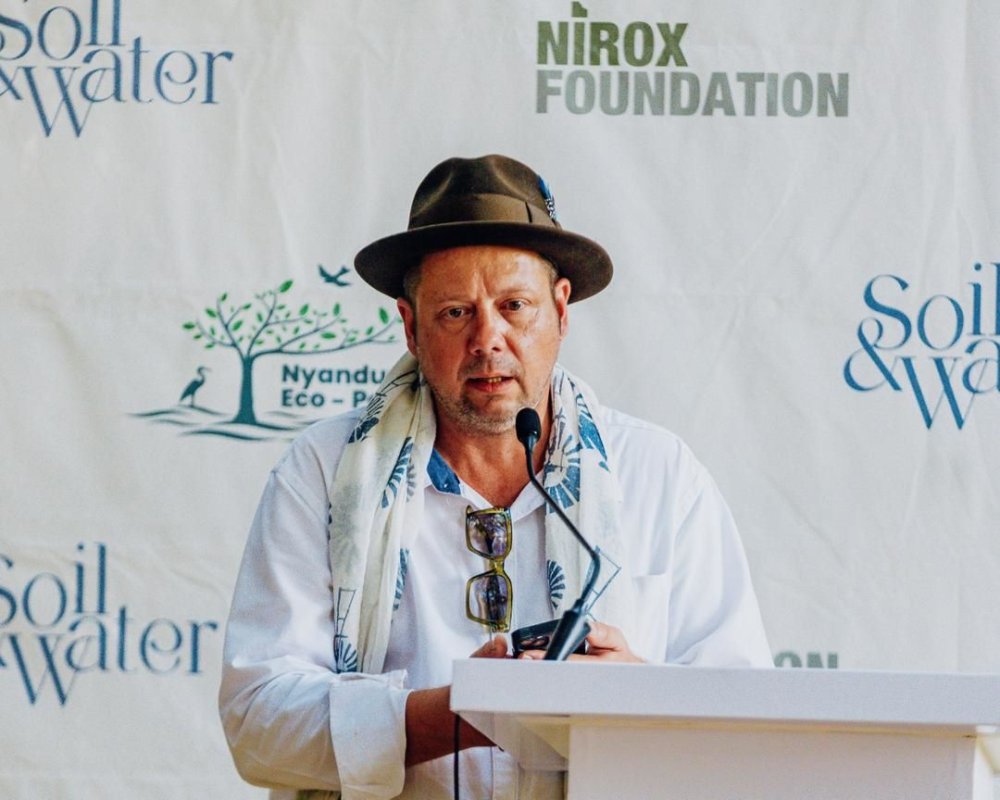
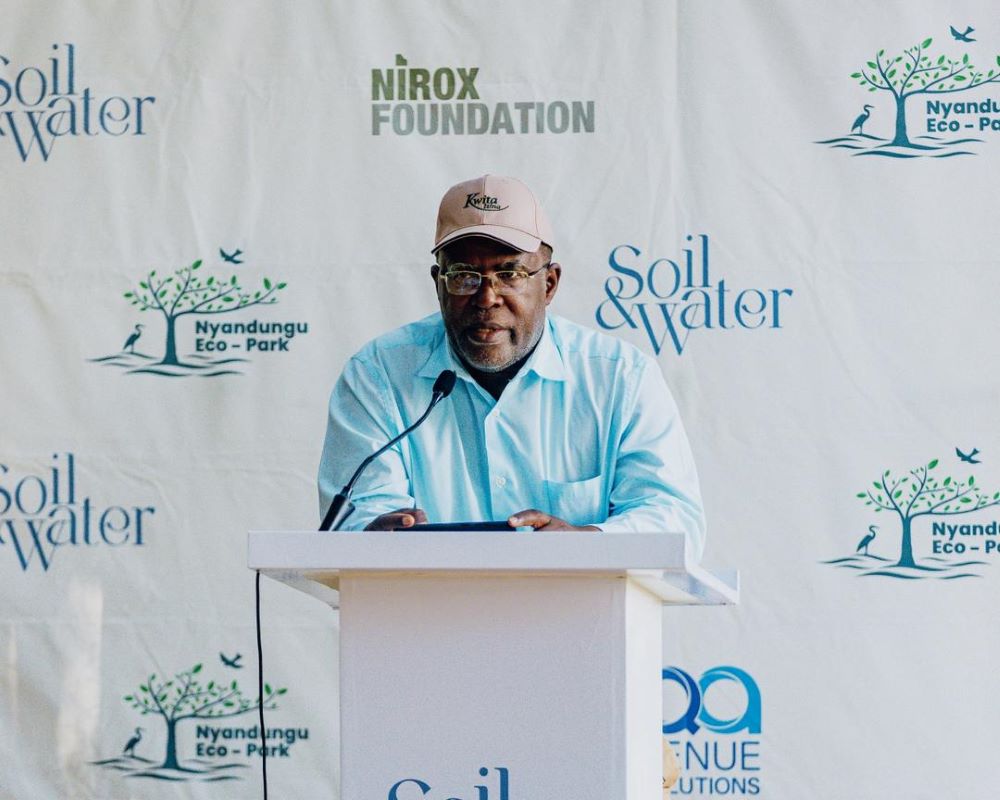
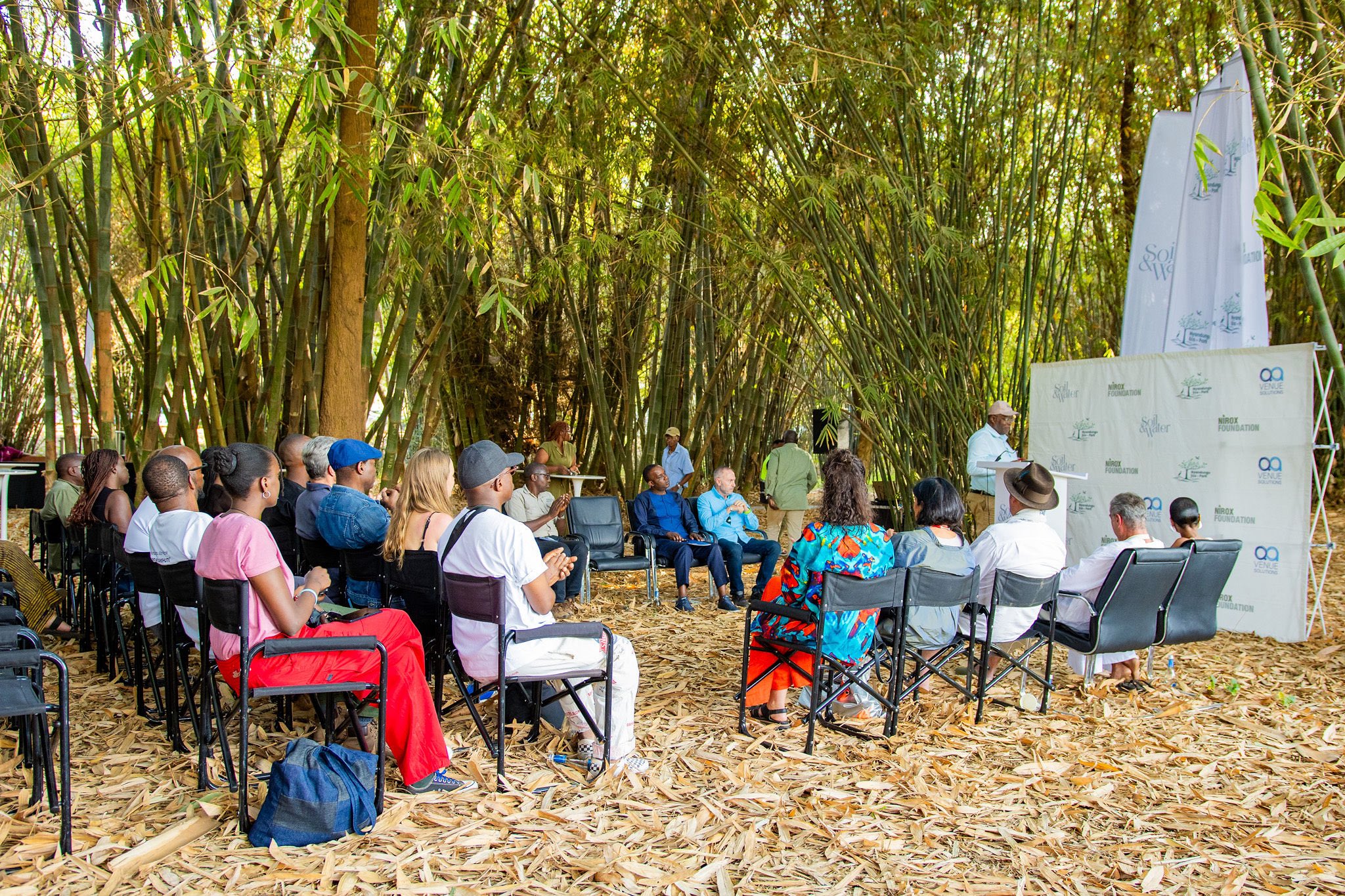
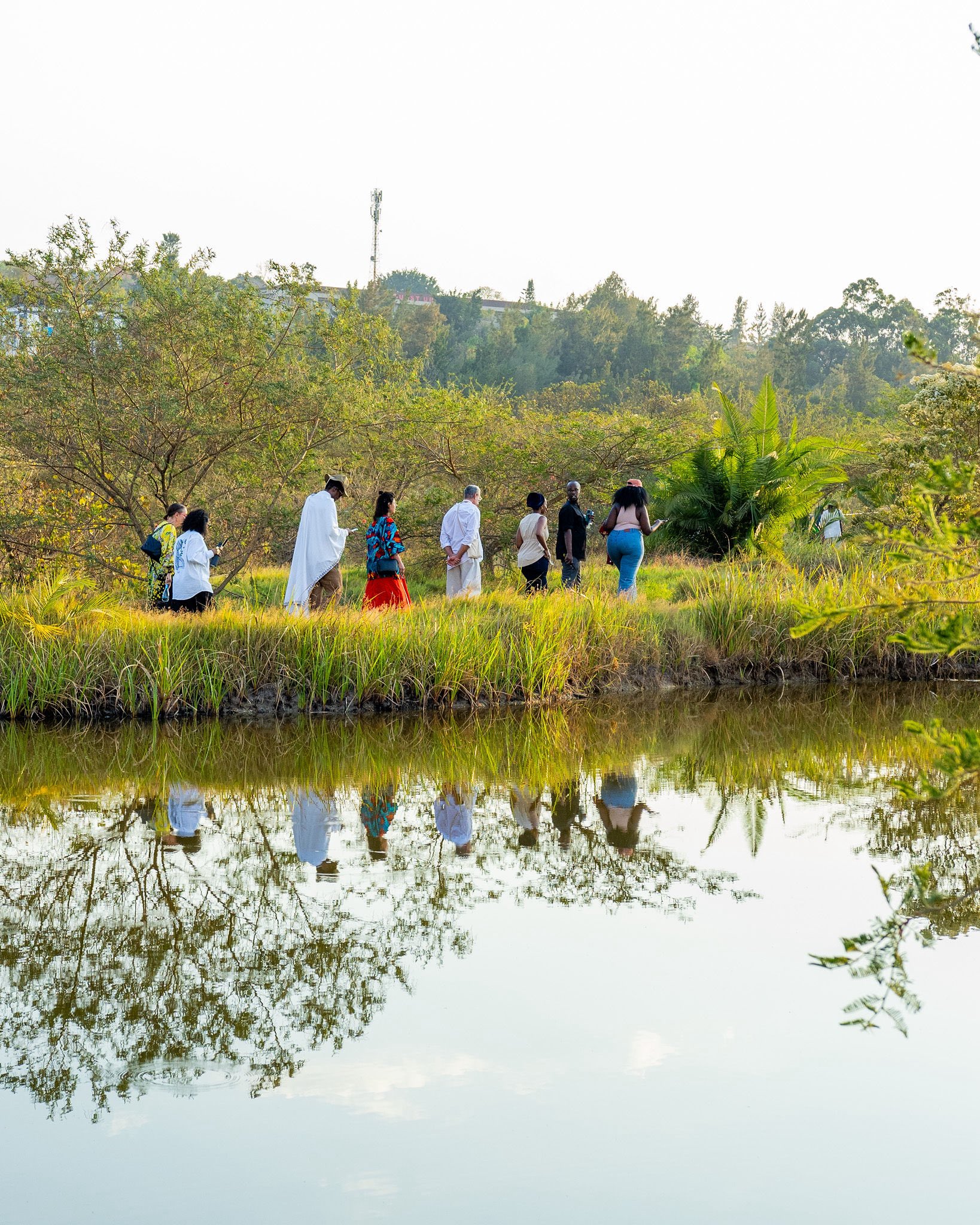
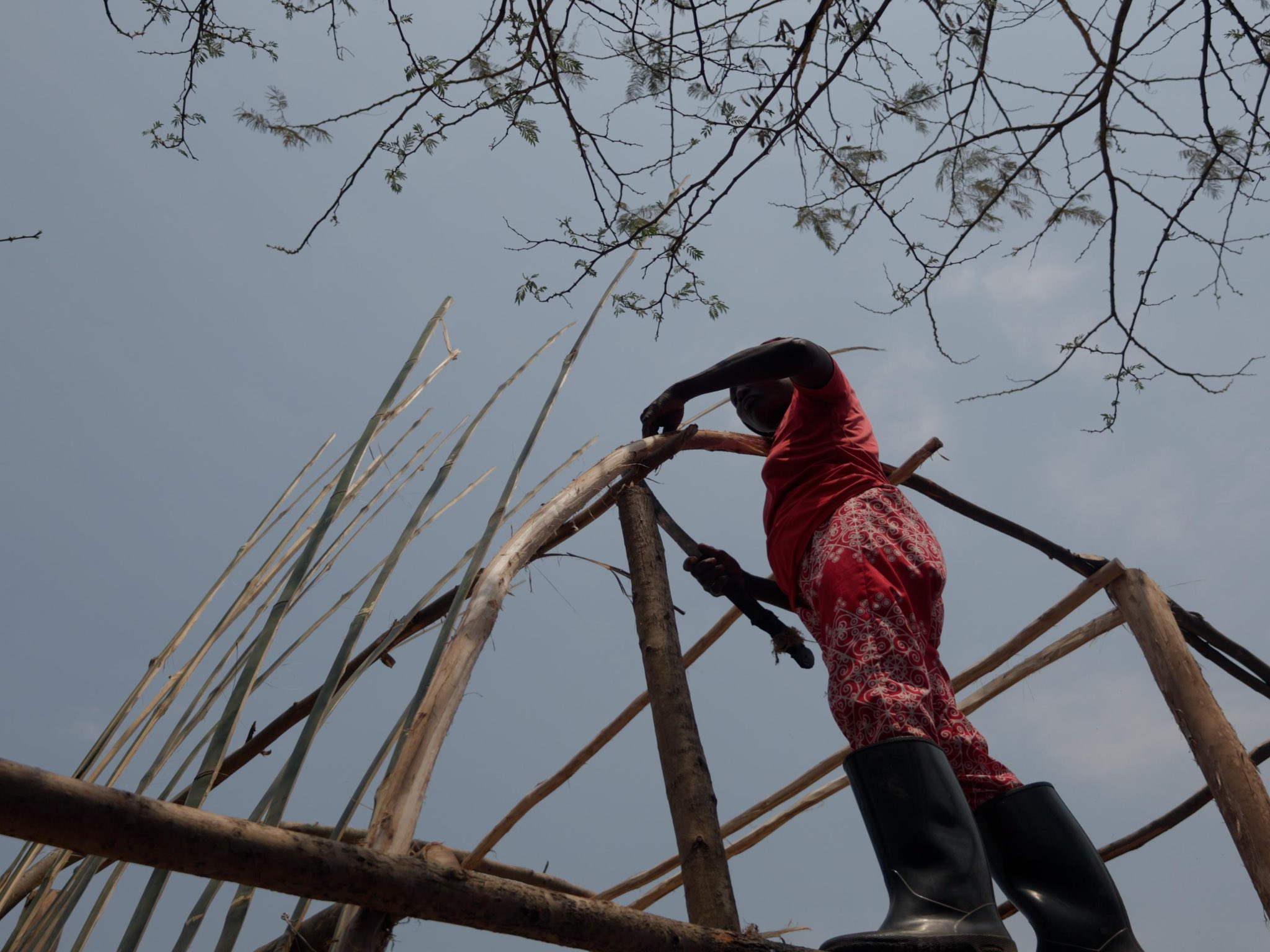
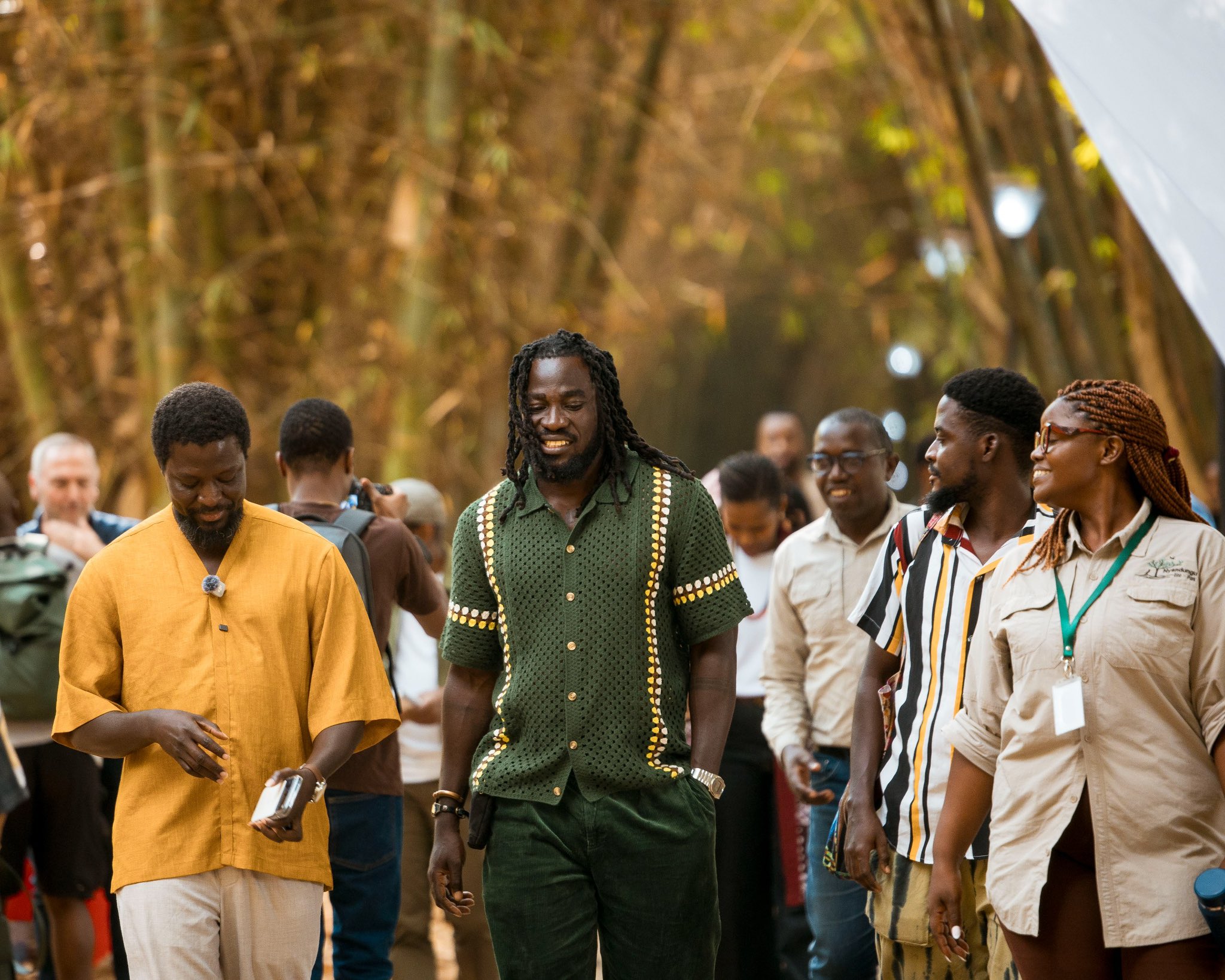
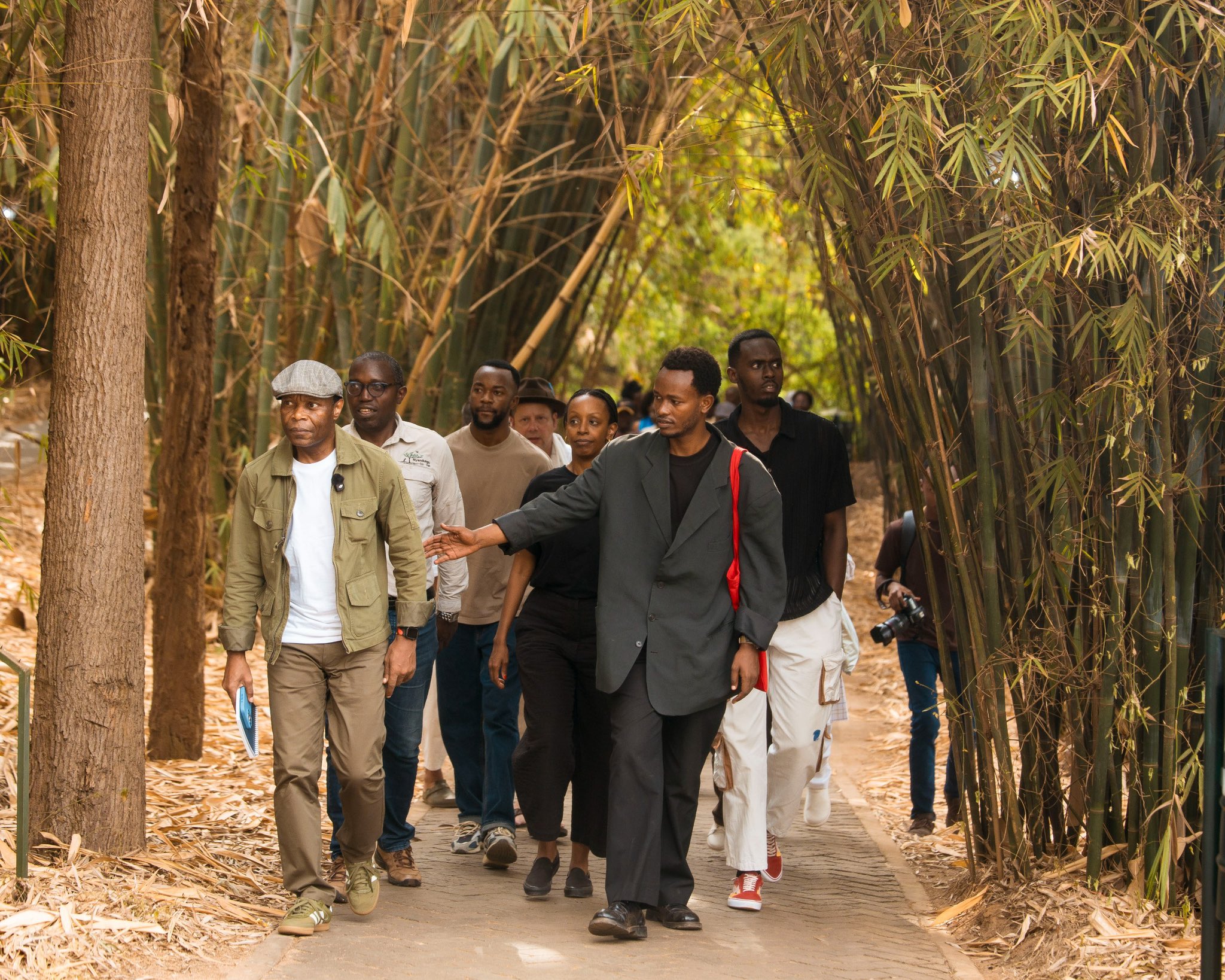
Titled Soil & Water: Kigali Crossings, the initiative was launched on Friday, August 28, in partnership with South Africa’s NIROX Foundation.
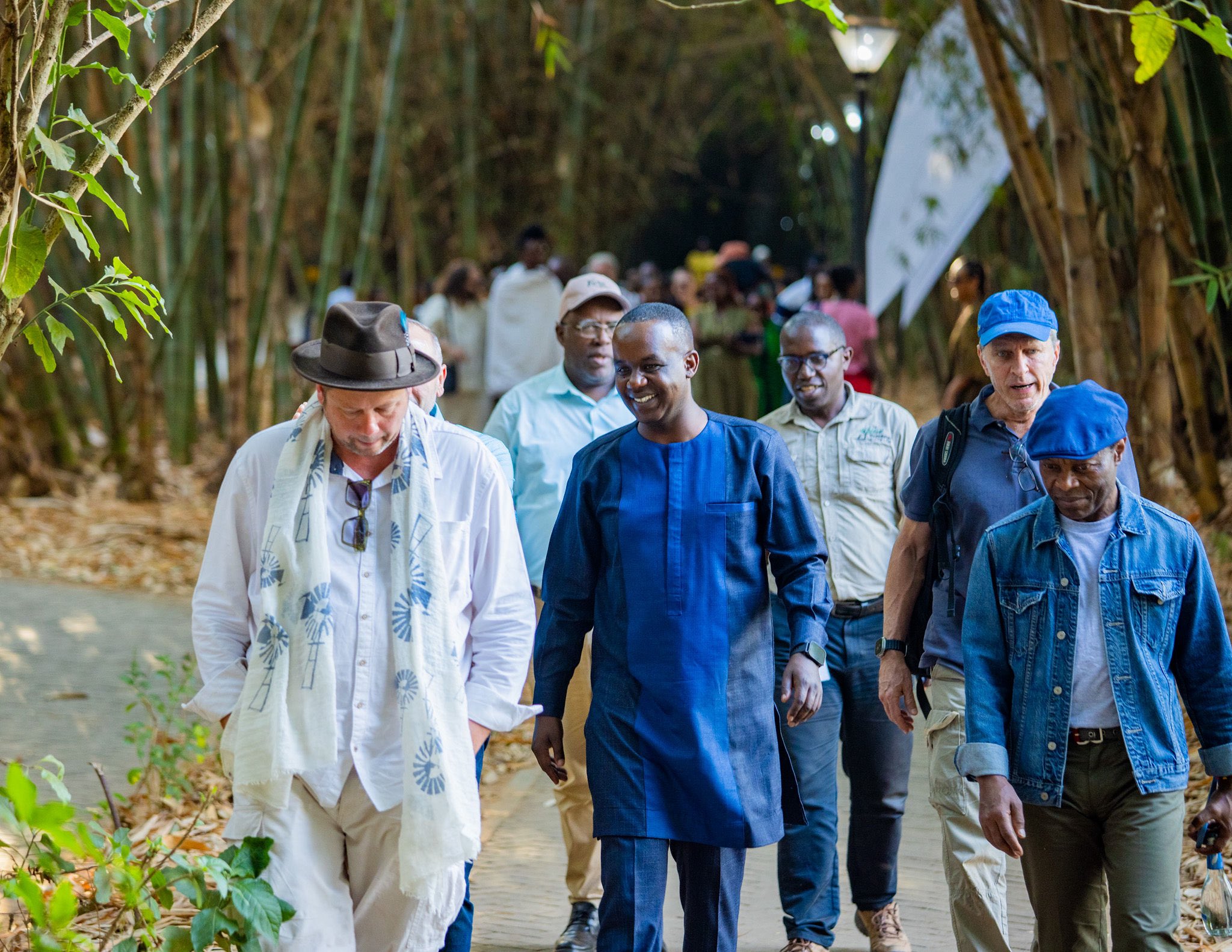
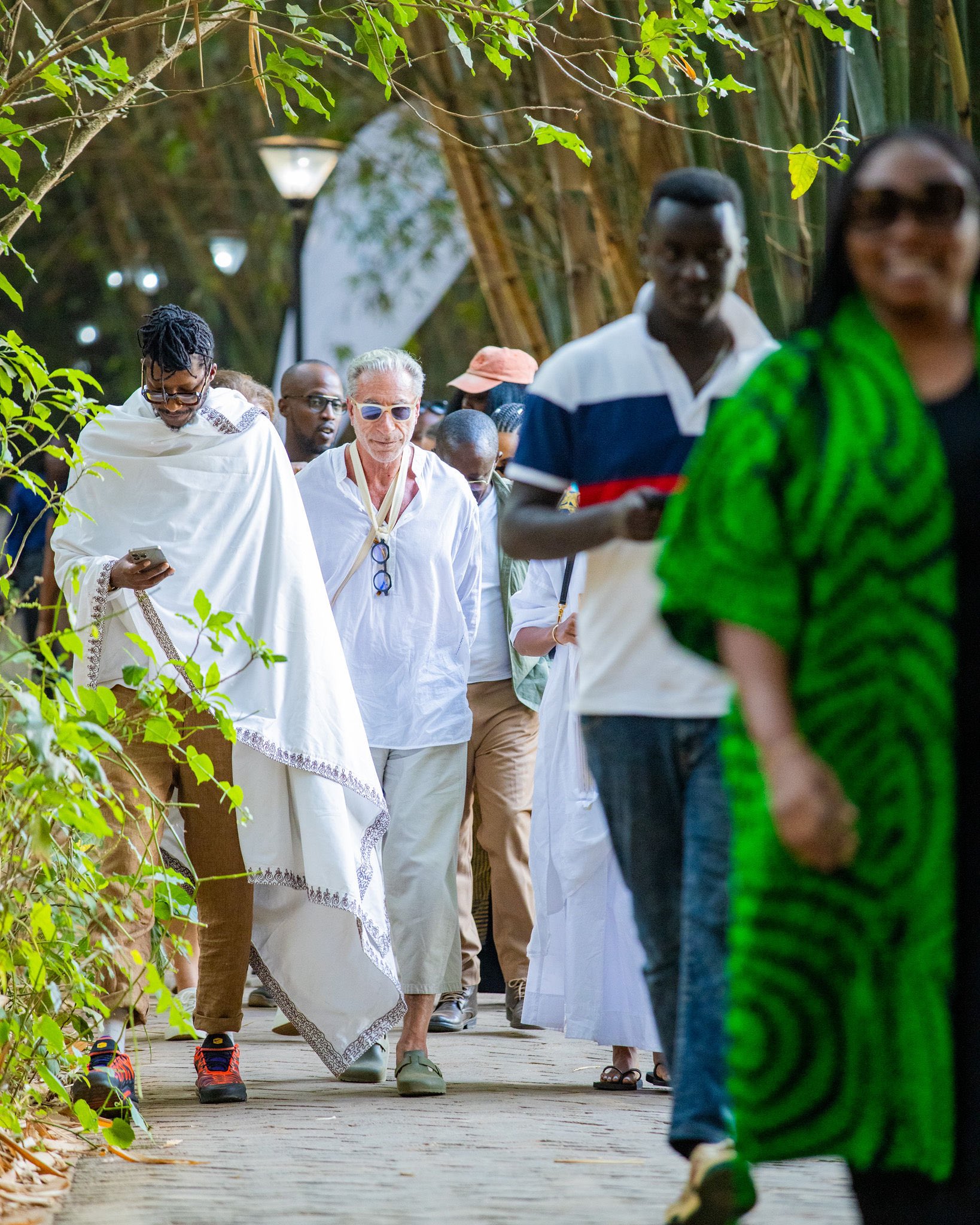
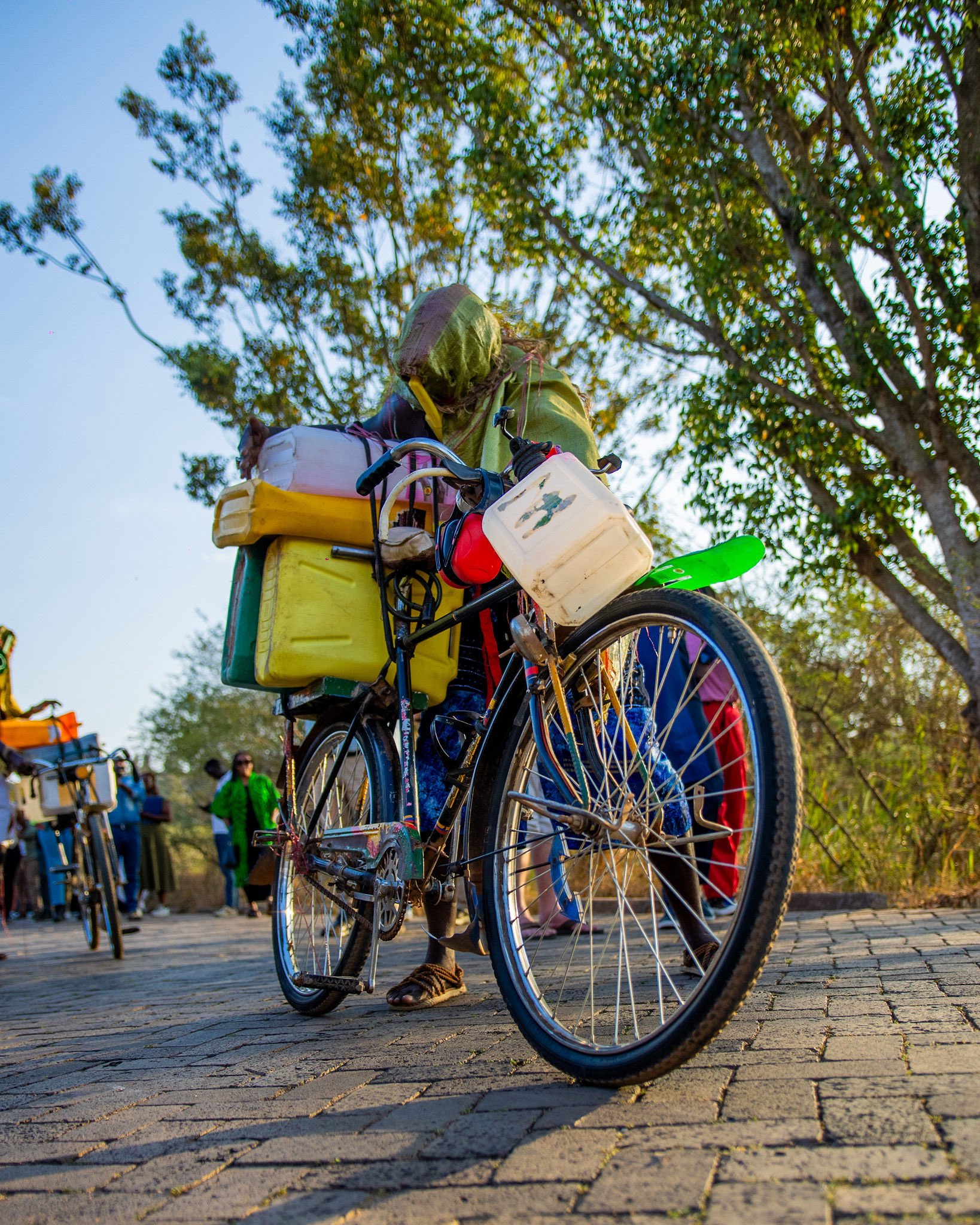
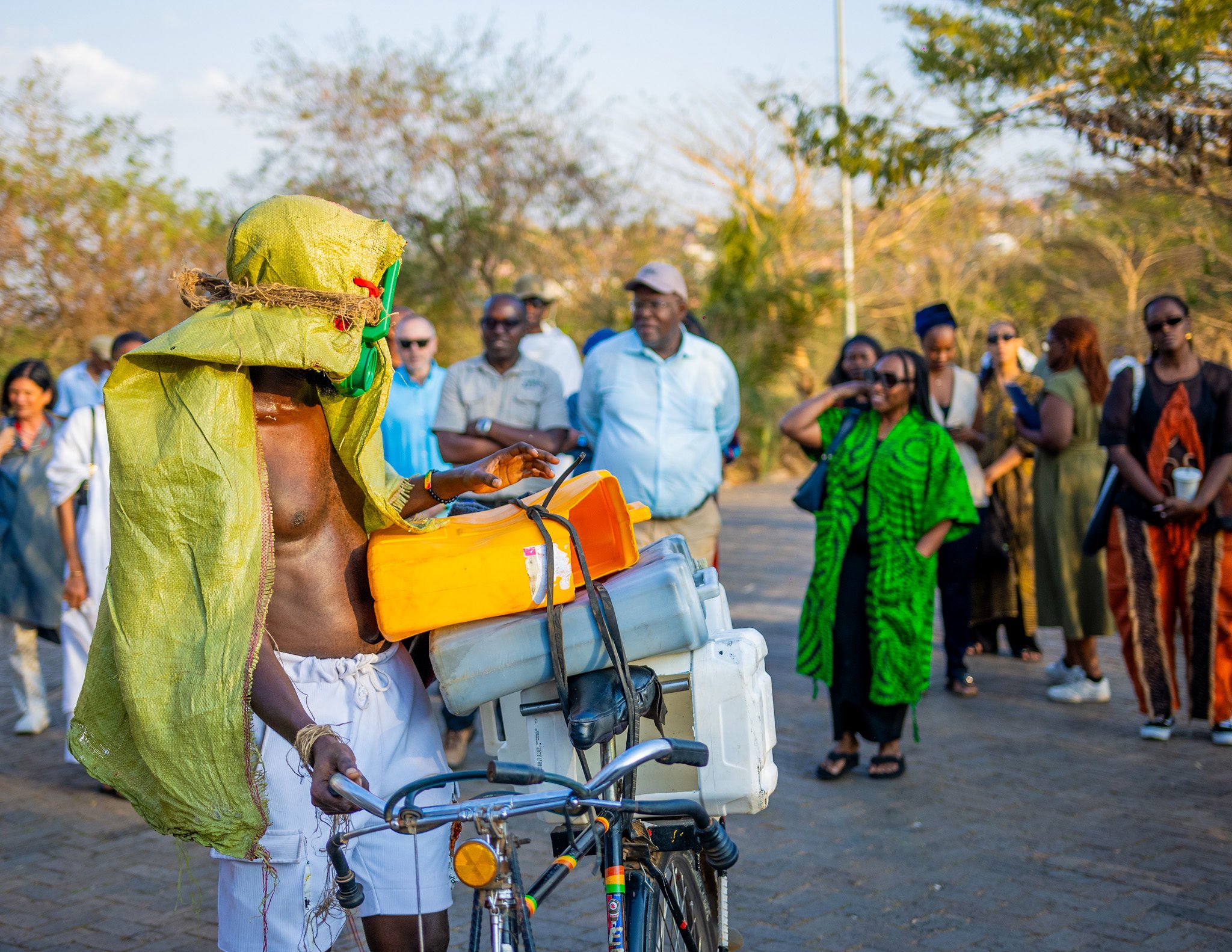
The exhibition officially opened on August 29 and will run until March 2027, bringing together artist residencies, artworks inspired by Nyandungu’s natural environment, performances, concerts, community activities and other public events.
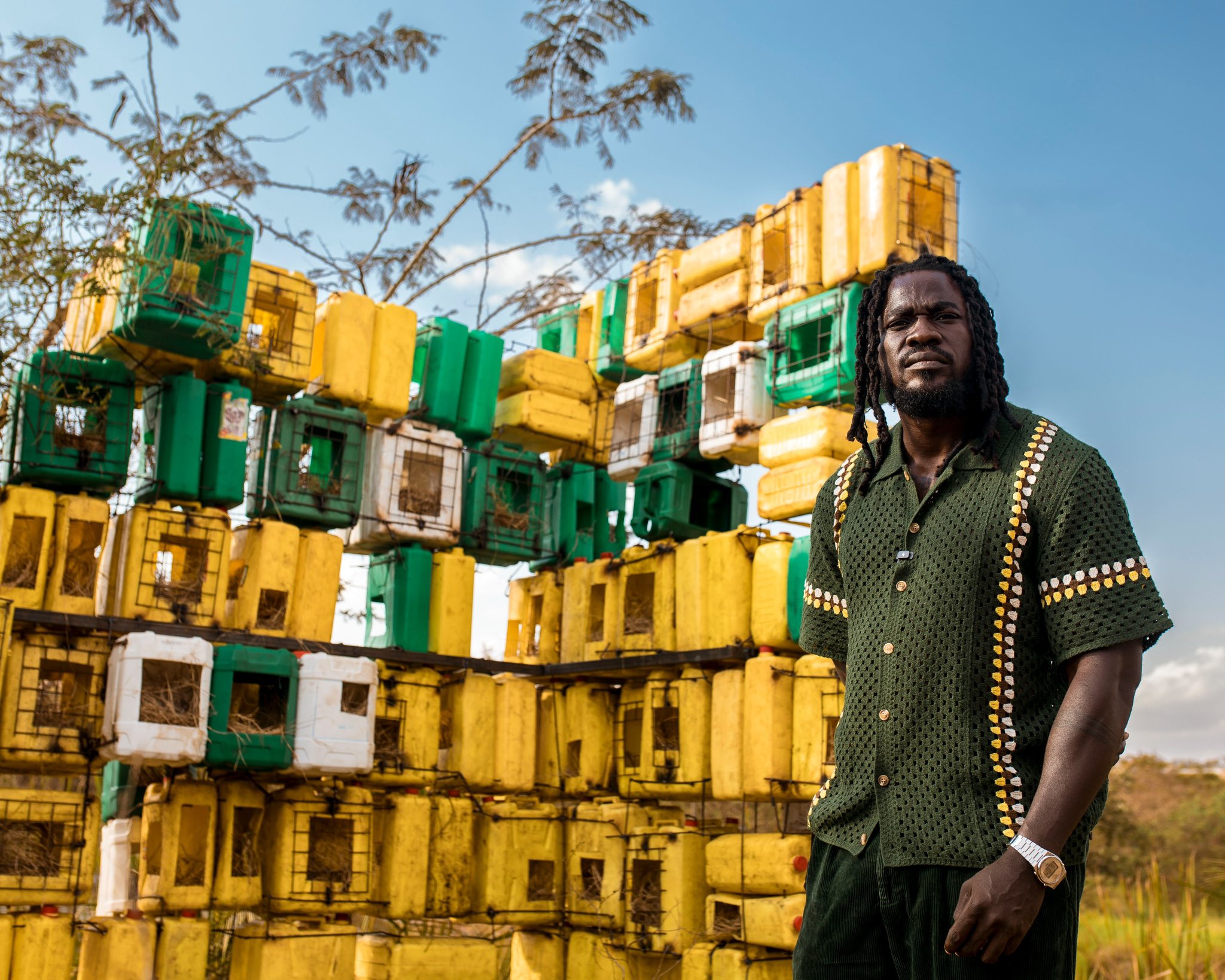
Prominent African artists expected to participate include Ghanaian artists Ibrahim Mahama and Serge Clottey, as well as South African artist Willem Boshoff. The exhibition will also feature artists from France, Spain and Austria.
The programme seeks to create a space where artists can explore the relationship between people and nature while encouraging visitors to reflect on the importance of protecting ecosystems.
Professor Johan Thom, co-curator of the project and Professor and Coordinator of Fine Art at the University of Pretoria, said the initiative is about more than showcasing art, seeking instead to connect creativity with deeper reflection on humanity’s relationship with nature.
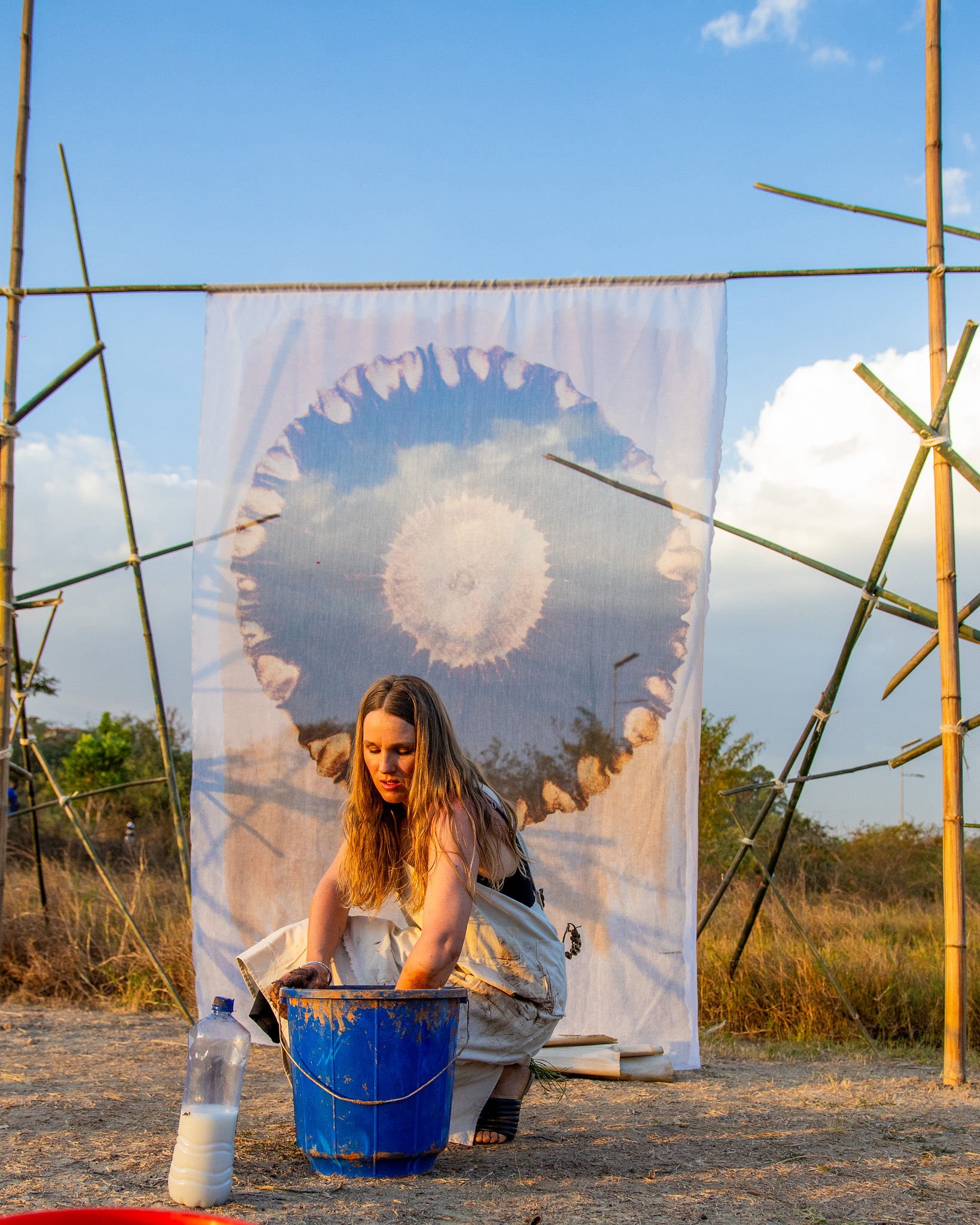
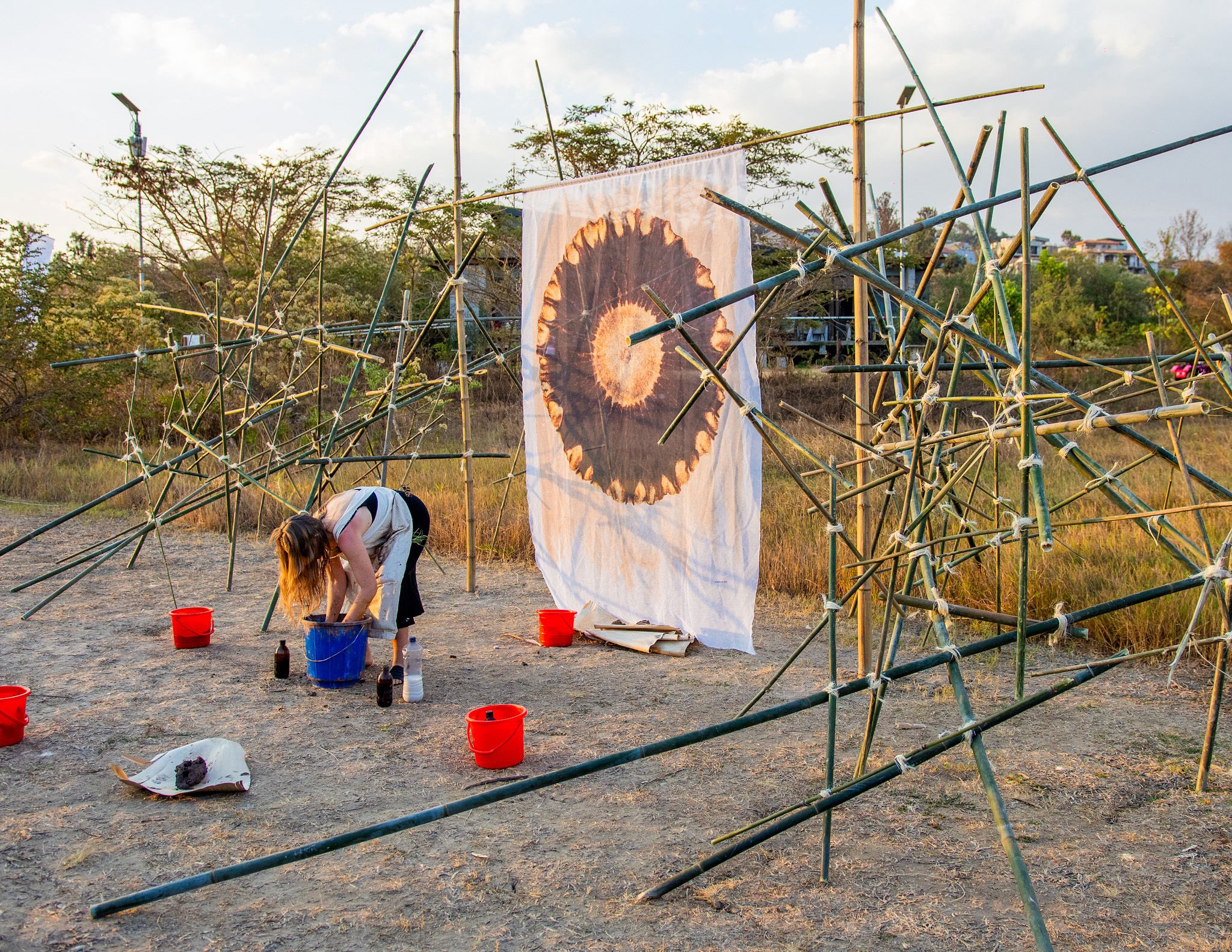
Among the participating artists is Io Makandal, an environmental artist from Johannesburg, South Africa, whose work focuses on environmental restoration through soil, plants and land art.
“One of the main things that I work with is activated effective microorganisms. I use them in the same way that a painter uses paint. I’m a sculptor and a maker, and I incorporate them into my artistic practice,” she said.
Makandal said the microorganisms are gradually released into the environment and can contribute to the restoration of soil and water.
She plans to work with environmental specialists in Rwanda to explore their potential use in Nyandungu Eco-Park’s waterways, with the aim of helping improve water quality over time.
Telesphore Ngoga, Conservation Analyst at the Rwanda Nature Foundation, said the programme gives artists an opportunity to draw inspiration from Nyandungu’s landscape and ecological systems and translate their experiences into creative works.
“The artists’ creativity offers fresh ways to view this landscape and the ecological systems that sustain it. Their installations invite reflection on our relationship with nature, our duty to future generations, and the need to protect the resources that sustain life,” he said.
Ngoga added that the artworks are intended to complement rather than replace the natural environment at the park.
“These works do not seek to replace nature. Rather, they enrich its interpretation. They allow visitors to experience Nyandungu not only through its wetlands, plants, birds, and waterways, but also through the insights and imagination of the artists who have engaged with this place,” he added.
Guy Hedderwick, Managing Director of QA Venue Solutions Rwanda, which manages Nyandungu Eco-Park, said the partnership with the NIROX Foundation was driven by the desire to use art as a tool for communicating the importance of conservation.
“The wonderful thing about art is it’s about your own personal interpretation of it, and therefore every person who comes and views it will get a different story out of it,” he remarked.
Hedderwick said a visit to the NIROX Foundation in South Africa helped inspire the idea of creating a similar intersection between art and nature at Nyandungu.
He noted that the exhibition is also expected to encourage more people to visit the park while helping them appreciate the importance of wetlands within Kigali.
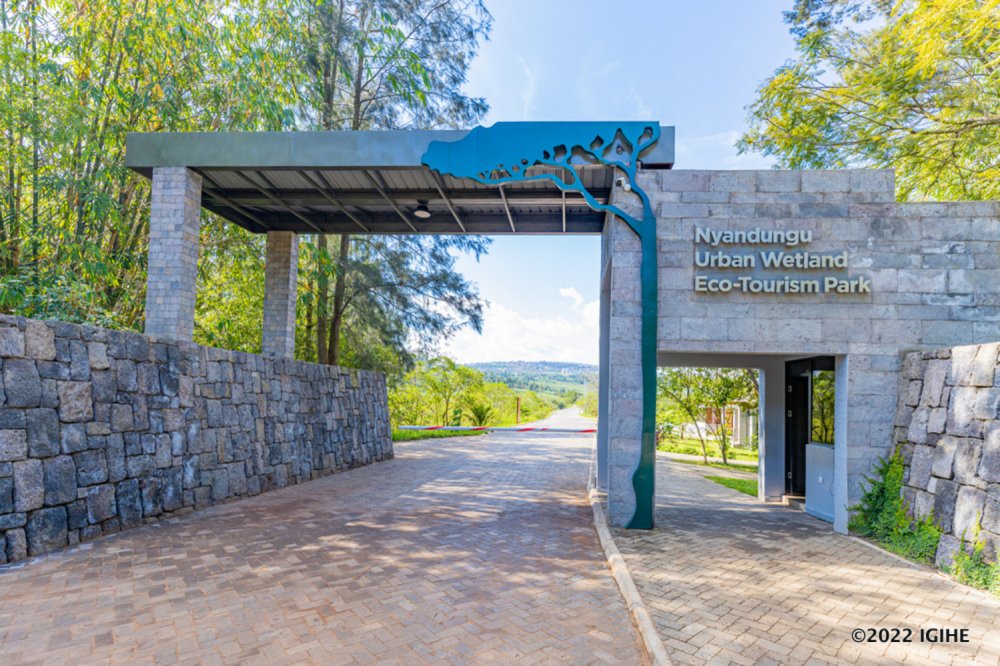
Nyandungu Eco-Park was opened in 2022 and has continued to attract growing numbers of visitors.
Attendance increased from 67,222 visitors in 2023 to 76,754 in 2024. In 2025, the number rose significantly, reaching about 100,000 visitors by November, representing an increase of more than 30 percent compared with the previous year.
The ongoing exhibition is expected to add another dimension to the park’s visitor experience by combining its wetlands and biodiversity with artistic interpretation and public engagement around conservation.
Titled Soil & Water: Kigali Crossings, the initiative was launched on Friday, August 28, in partnership with South Africa’s NIROX Foundation.The exhibition officially opened on August 29 and will run until March 2027.The programme seeks to create a space where artists can explore the relationship between people and nature while encouraging visitors to reflect on the importance of protecting ecosystems.Professor Johan Thom, co-curator of the project and Professor and Coordinator of Fine Art at the University of Pretoria, said the initiative is about more than showcasing art, seeking instead to connect creativity with deeper reflection on humanity’s relationship with nature. Telesphore Ngoga, Conservation Analyst at the Rwanda Nature Foundation, said the programme gives artists an opportunity to draw inspiration from Nyandungu’s landscape and ecological systems and translate their experiences into creative works.