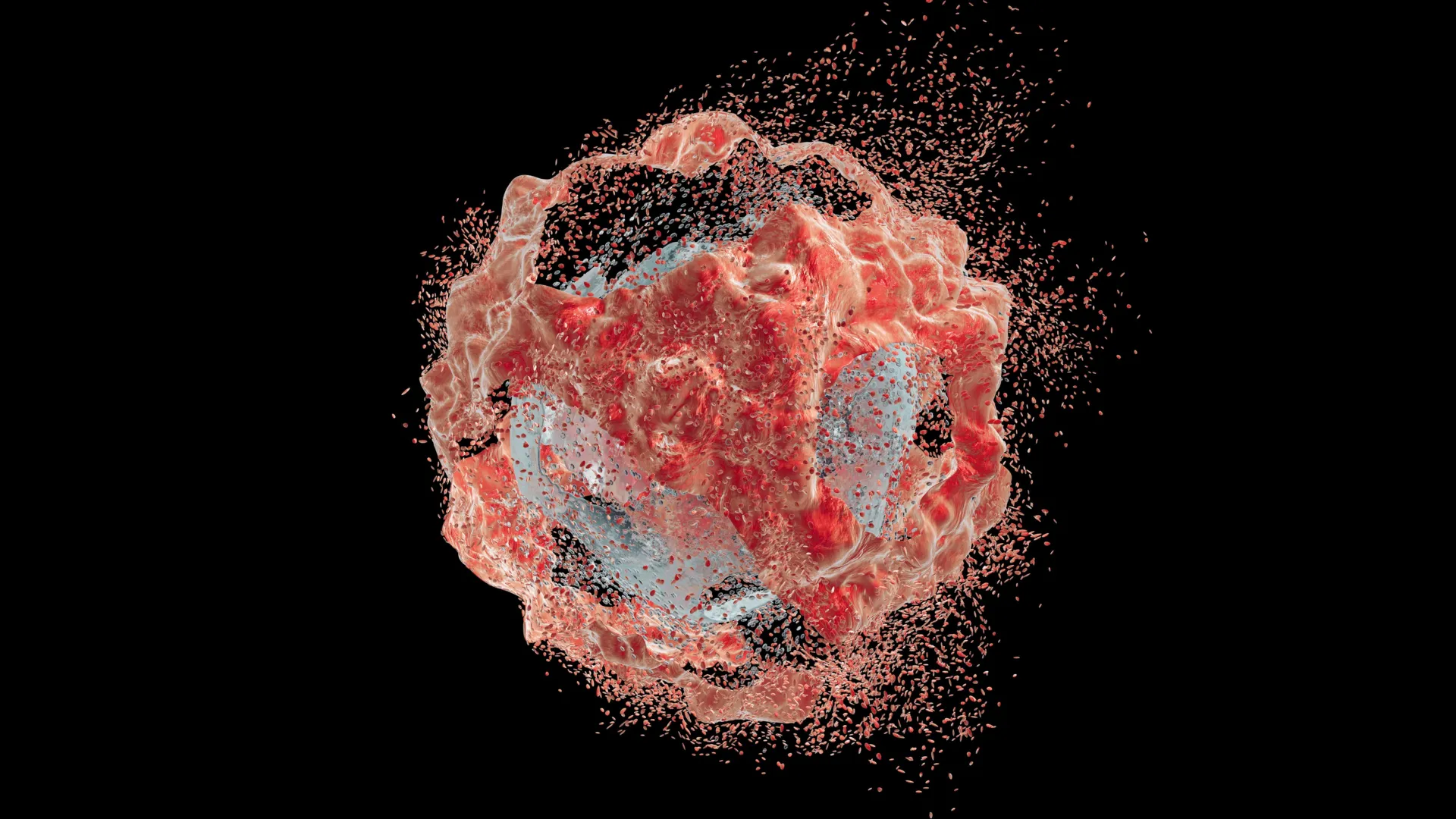
Researchers at Sylvester Comprehensive Cancer Center, part of the University of Miami Miller School of Medicine, found that blocking a receptor known as IL1RAP can disrupt an inflammatory network that helps pancreatic tumors survive and resist treatment.
Pancreatic cancer is among the most difficult cancers to treat successfully.
One of the challenges is the tumor microenvironment, which consists of surrounding cells and tissues that can support tumor growth and help cancer cells withstand treatment.
According to the researchers, IL1RAP plays an important role in connecting tumor cells, immune cells and fibroblasts, helping create an environment that protects the cancer.
In preclinical experiments, blocking IL1RAP changed this environment in several ways.
Researchers observed fewer immune-suppressive cells, increased activity of cancer-fighting T cells and reduced fibrosis, a buildup of scar-like tissue that can contribute to treatment resistance.
The researchers also found that tumors responded more strongly when IL1RAP inhibition was combined with other treatments, suggesting that targeting the receptor could potentially improve the effectiveness of chemotherapy and immunotherapy.
Jashodeep Datta, a pancreatic and hepatobiliary surgical oncologist at Sylvester and senior author of the study, said IL1RAP acts as a shared receptor through which several inflammatory signals communicate.
Rather than attempting to destroy cancer cells directly, the approach aims to dismantle some of the biological support systems surrounding the tumor, potentially leaving the cancer more vulnerable to existing treatments.
The research, published in JCI Insight, has now moved toward the next stage.
Sylvester researchers are advancing a neoadjuvant clinical trial, in which IL1RAP-targeted treatment will be combined with chemoimmunotherapy in patients with operable pancreatic cancer before surgery.
The trial could also allow researchers to compare tumor samples before and after treatment, giving them an opportunity to observe how the cancer changes in response to the therapy.
However, the researchers stress that the findings so far come from preclinical studies.
Further testing in patients will be needed to determine whether targeting IL1RAP is safe and effective as a treatment for pancreatic cancer.
The study was supported by a Translational Research Grant from the V Foundation.
The researchers received $800,000 over four years to help move the work from laboratory research toward early-stage clinical testing.

Leave a Reply