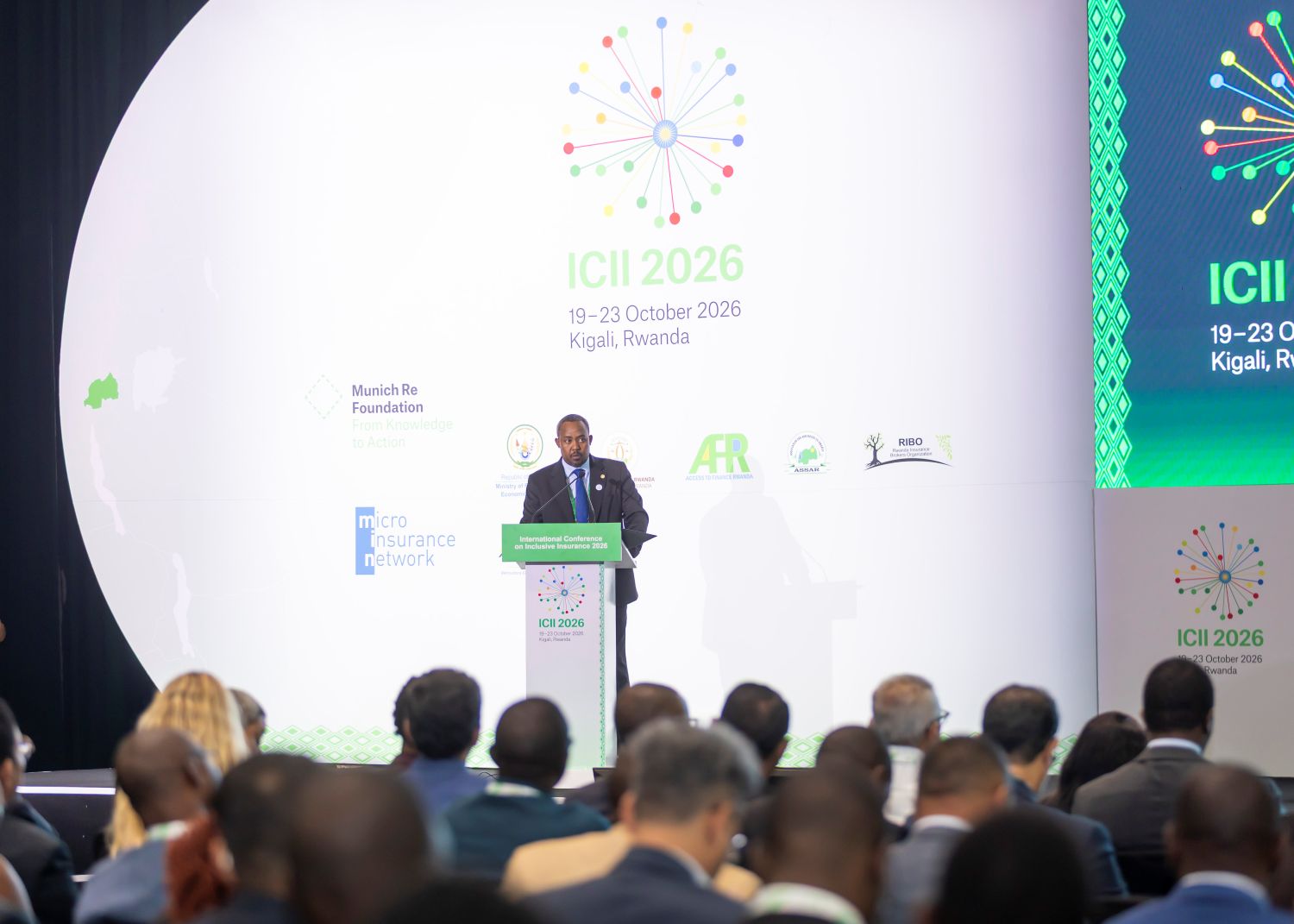
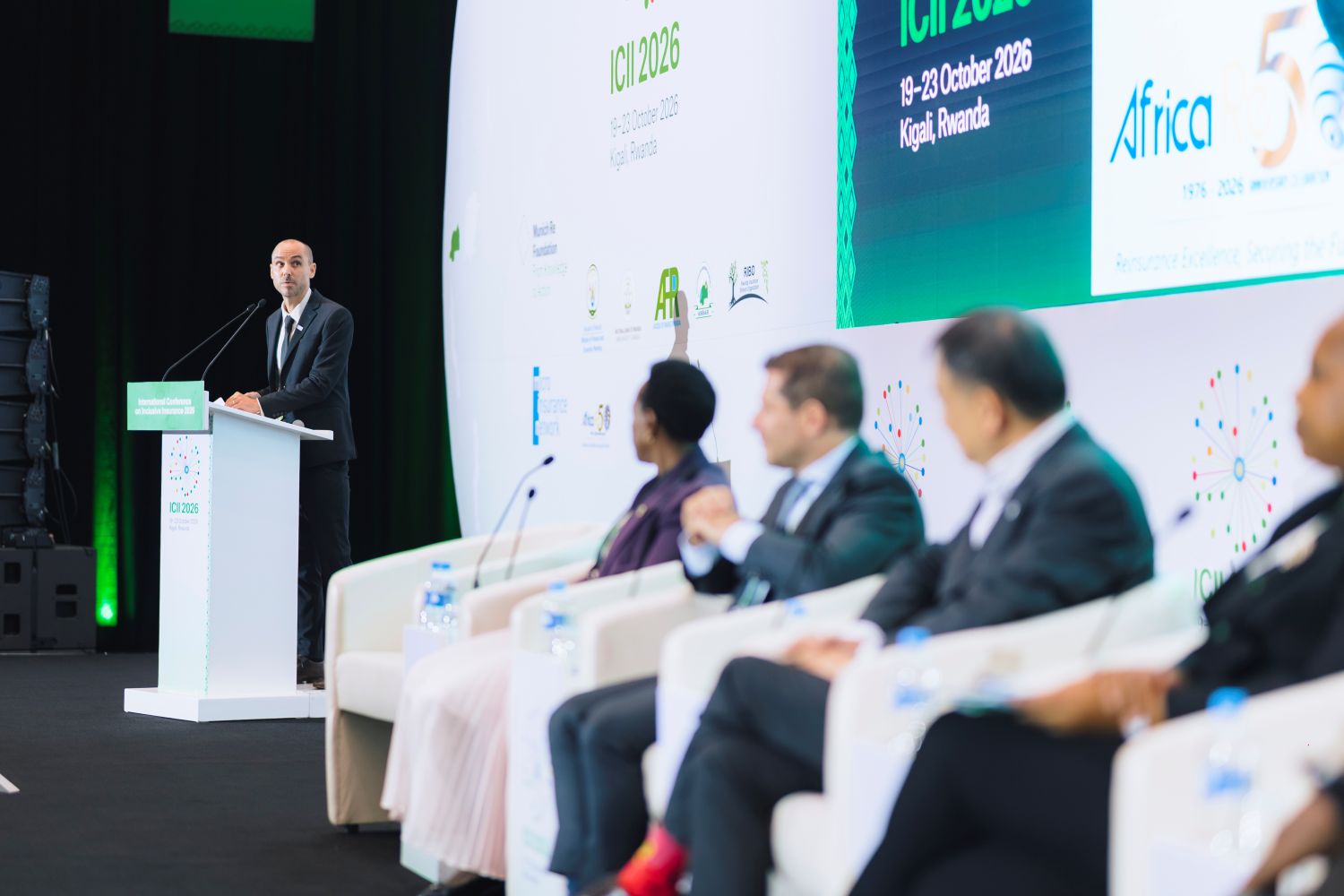
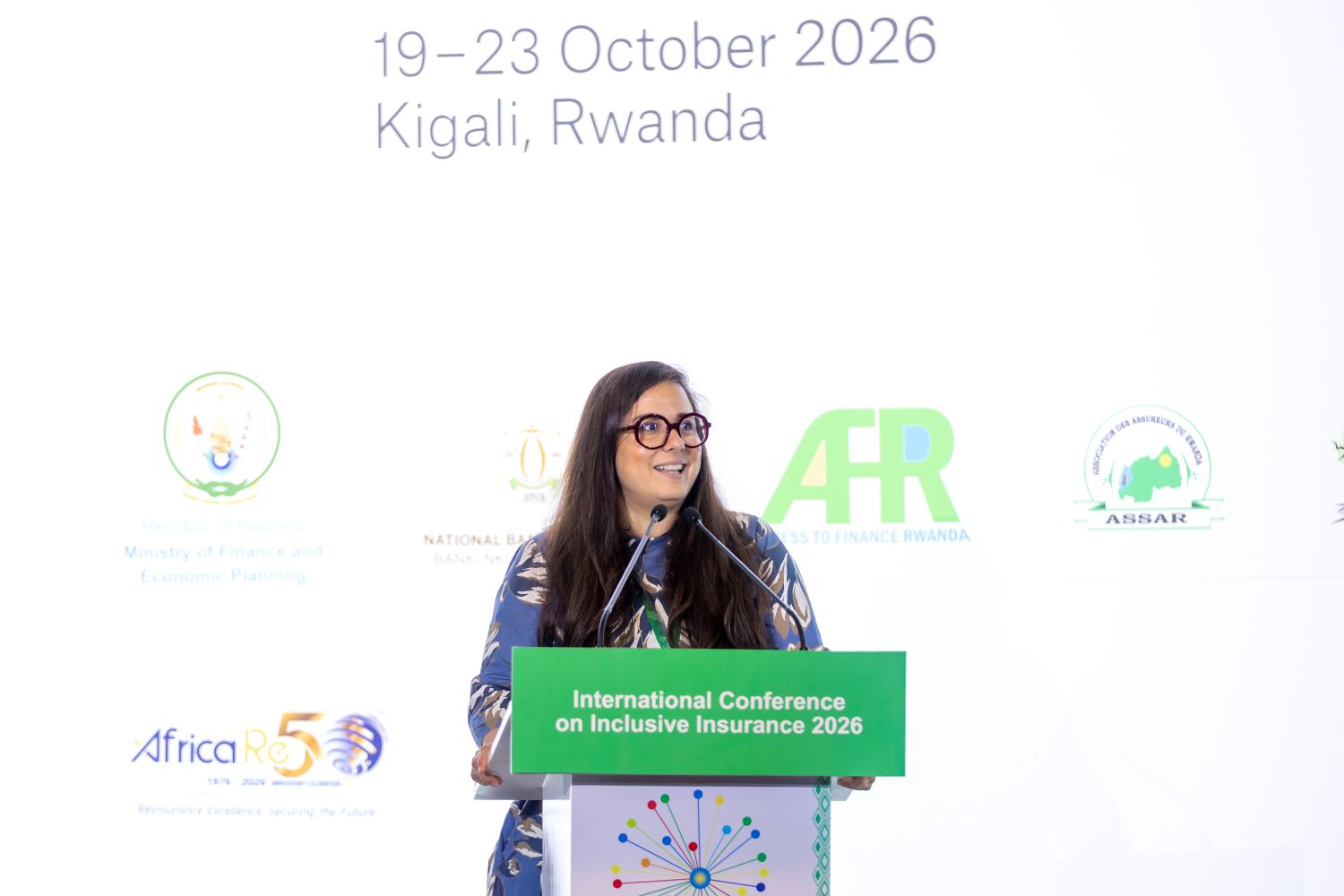
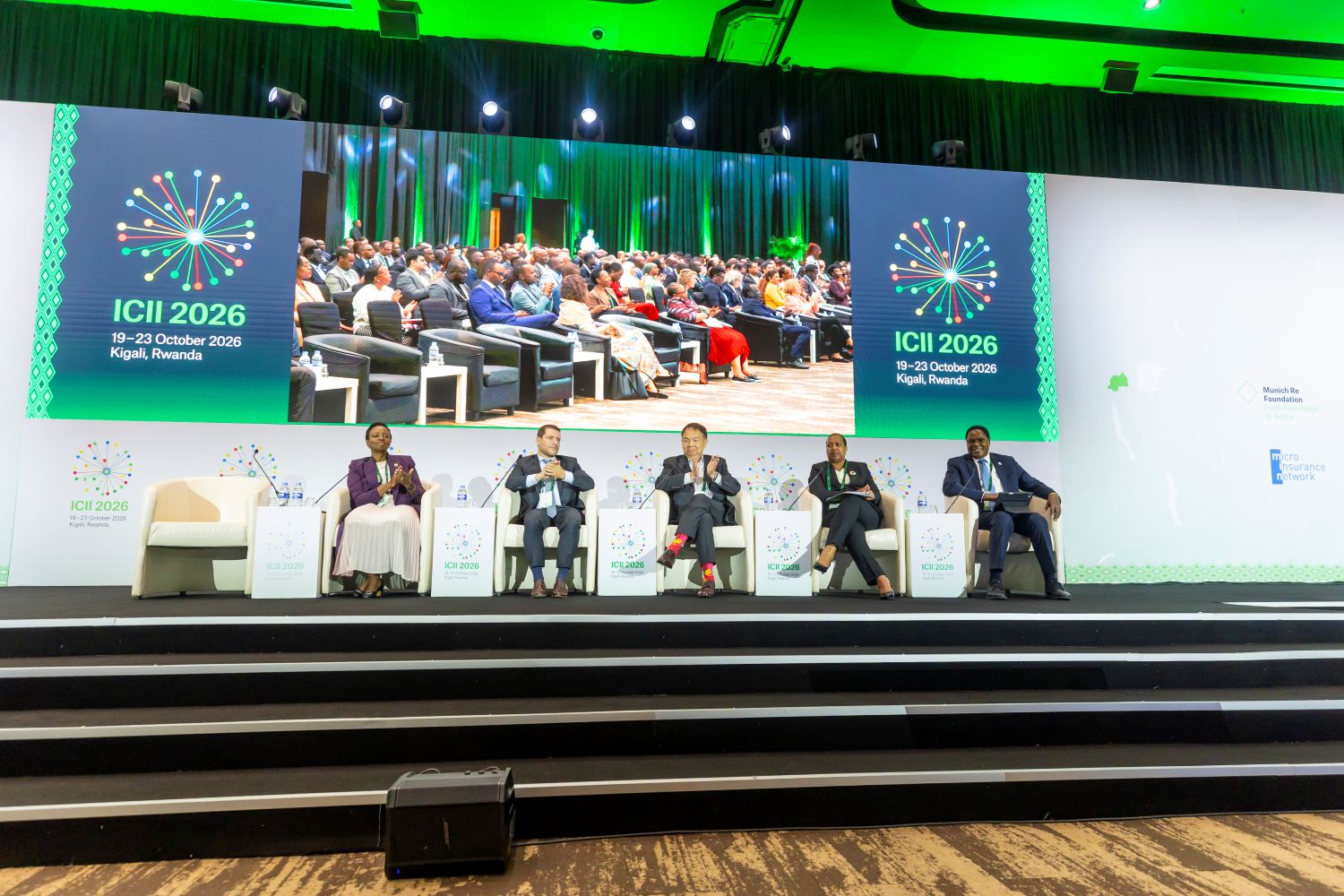
Speaking at the International Conference on Inclusive Insurance(ICII) 2026 in Kigali on Tuesday, October 20, Hakuziyaremye, who was the chief guest at the event, stressed that expanding insurance penetration was important but should not be treated as an end in itself.
“Our ambition must go beyond simply increasing penetration. Higher penetration is important, but it should be viewed as a means, not an end in itself. Our ultimate objective should be meaningful protection,” she said.
Her remarks come as households, farmers and businesses in emerging markets continue to face significant financial risks from climate-related disasters, health emergencies and economic uncertainty, often without adequate insurance to help them recover.
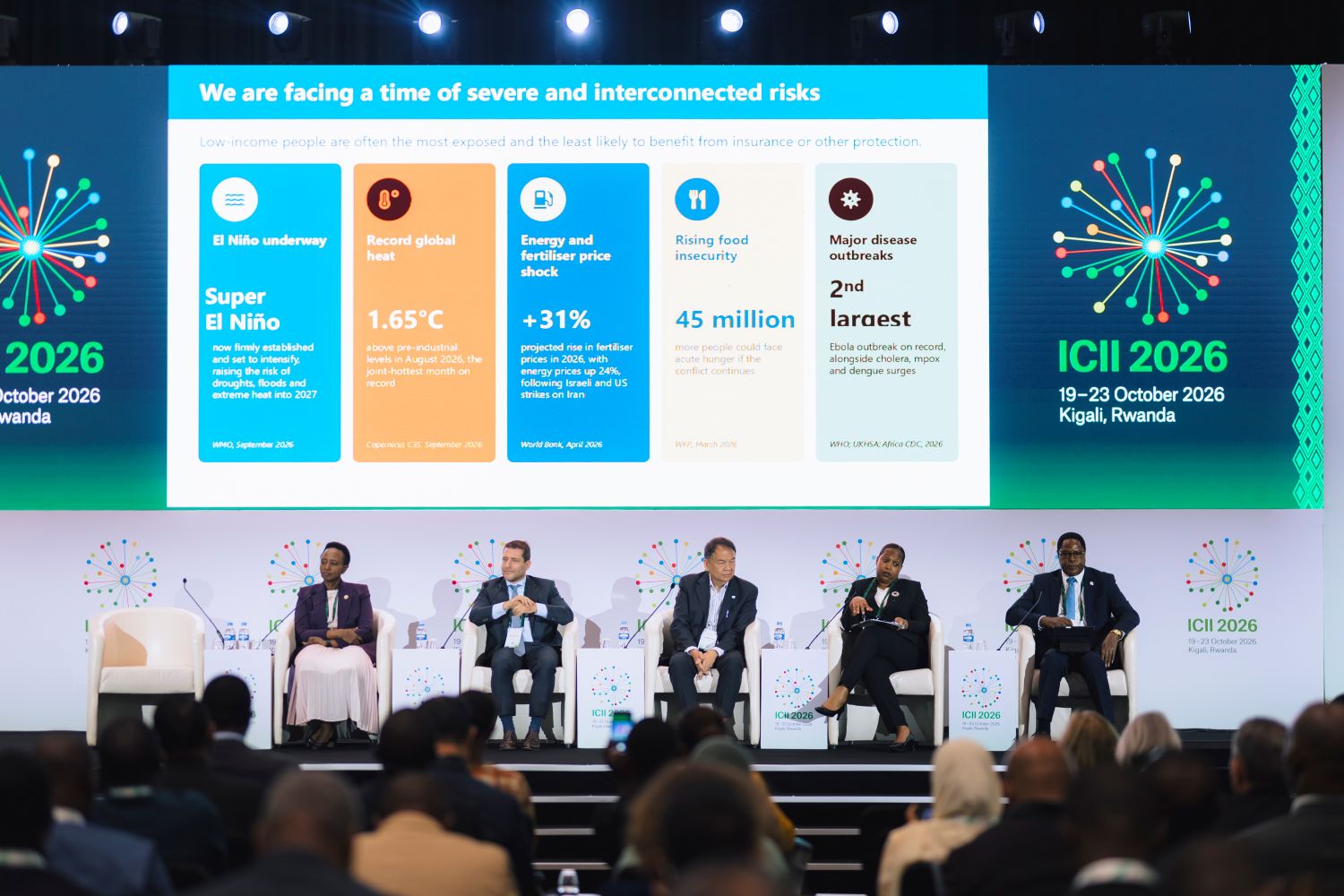
According to figures presented at the conference, only 31% of global economic losses from disasters were insured in 2023. In most emerging markets and developing economies, less than 10% of disaster losses were covered by insurance.
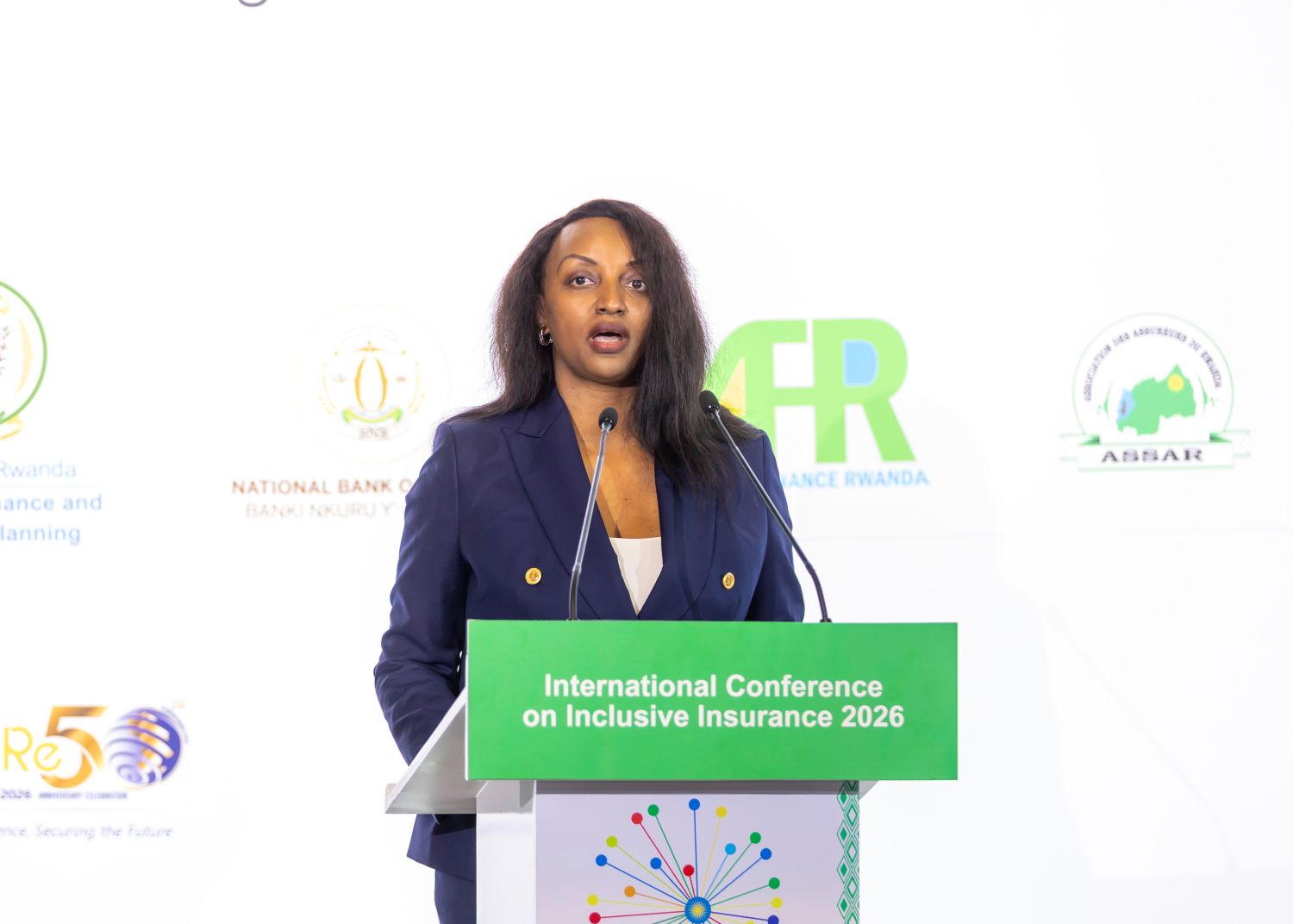
Hakuziyaremye emphasised that the challenge was to ensure insurance products were affordable, suited to customers’ needs and distributed through channels that people trust.
“The key question is not whether people need insurance; it is how we deliver the right protection at an affordable price through channels that our citizens trust,” she said.
Rwanda’s FinScope 2024 survey found that close to 70% of the population had experienced risks associated with climate change, highlighting the need for stronger financial protection against shocks that can undermine livelihoods and economic activity.
For farmers, a failed harvest can threaten household income and food security. For small businesses, a disaster can destroy productive assets, while unexpected medical expenses can force families to exhaust their savings or borrow money.
The Governor argued that innovation could help insurers reach underserved populations by lowering distribution costs and using digital technologies, including insurance technology platforms, alongside established networks such as savings and credit cooperatives (SACCOs) and microfinance institutions.
She also called for stronger insurance literacy and greater transparency in policy terms and claims processes to build public trust.
“Technology alone will not close the gap,” she cautioned, stressing the importance of designing products that reflect the risks faced by underserved households, smallholder farmers and small businesses.
She identified three priorities for the industry: placing customers at the centre of product design, strengthening insurance literacy, and building trust through transparent coverage and reliable claims.
Rwanda seeks stronger insurance protection
Rwanda has made progress in financial inclusion, with the Governor citing a financial inclusion rate of 92%. However, she warned that access to financial services without adequate risk protection remained incomplete.
Private insurance uptake increased from 17% in 2020 to 27% in 2024, according to figures she presented. Under the National Insurance Strategy, Rwanda aims to increase overall insurance penetration from 1.9% to 5% of gross domestic product by 2035.
Hakuziyaremye highlighted the National Agriculture Insurance Scheme, which receives a 40% government subsidy on premiums, as an example of how public policy, private-sector expertise and development partnerships can help make insurance more accessible.
She called for insurance to become an integral part of climate adaptation and disaster risk reduction, supported by effective regulation, consumer protection and innovative approaches to climate risk financing.
The focus on meaningful protection was echoed by Andrew Kulayige, Chairperson of the Rwanda Insurers Association (ASSAR), who argued that the industry needed to make insurance a better value proposition for the people and businesses that needed it most.
“Our task is no longer simply to expand access to insurance, but to make insurance a better value proposition, affordable and reliable for the people and businesses that need protection most,” Kulayige said.
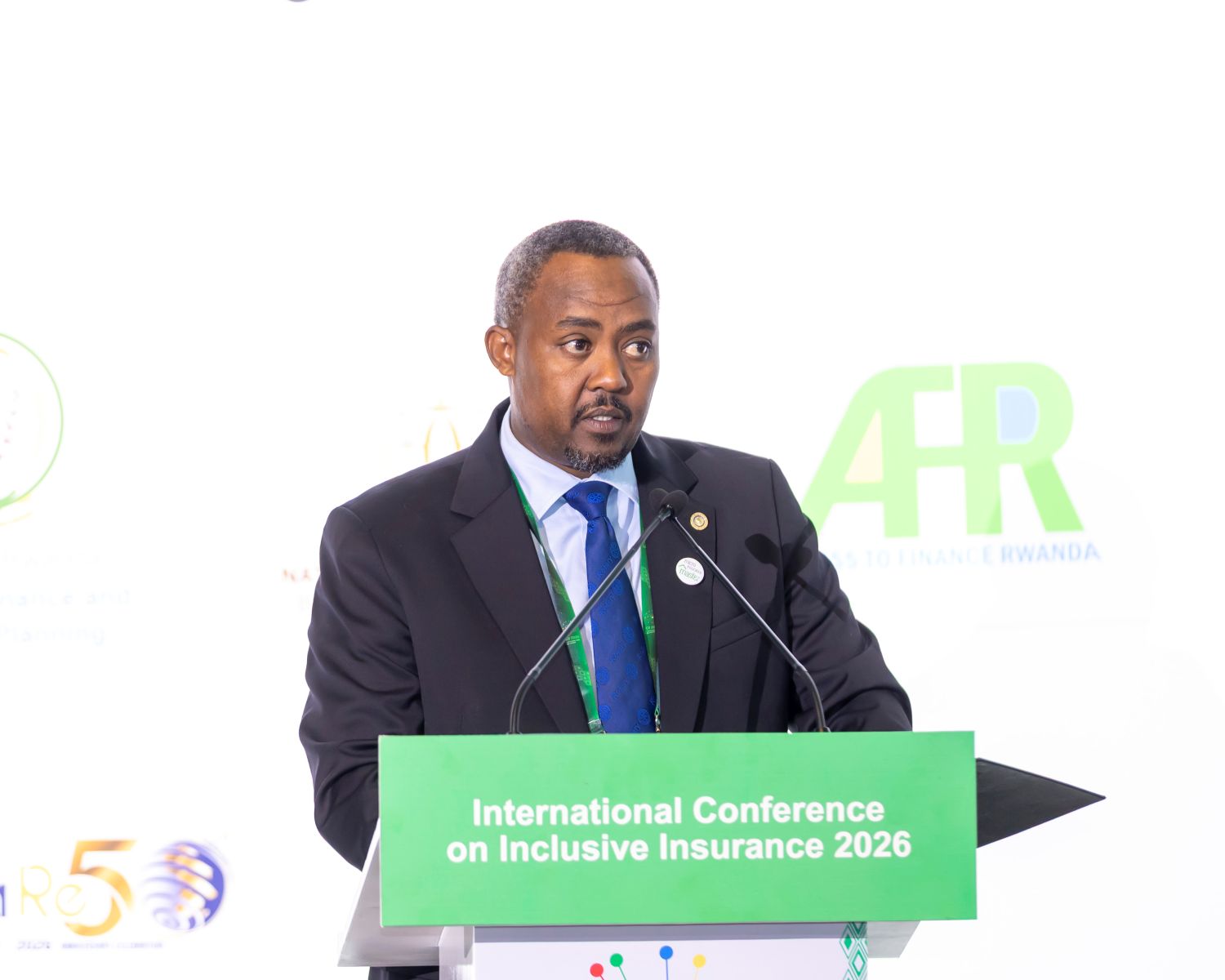
He noted that natural disasters continued to expose substantial gaps in insurance coverage globally, leaving households, businesses and governments to absorb losses that could otherwise be covered.
Kulayige added that Rwanda was still working to address these challenges and expressed hope that the conference would help participants move beyond discussions to practical action through stronger partnerships and clear priorities.
Rwanda open to new approaches to insurance
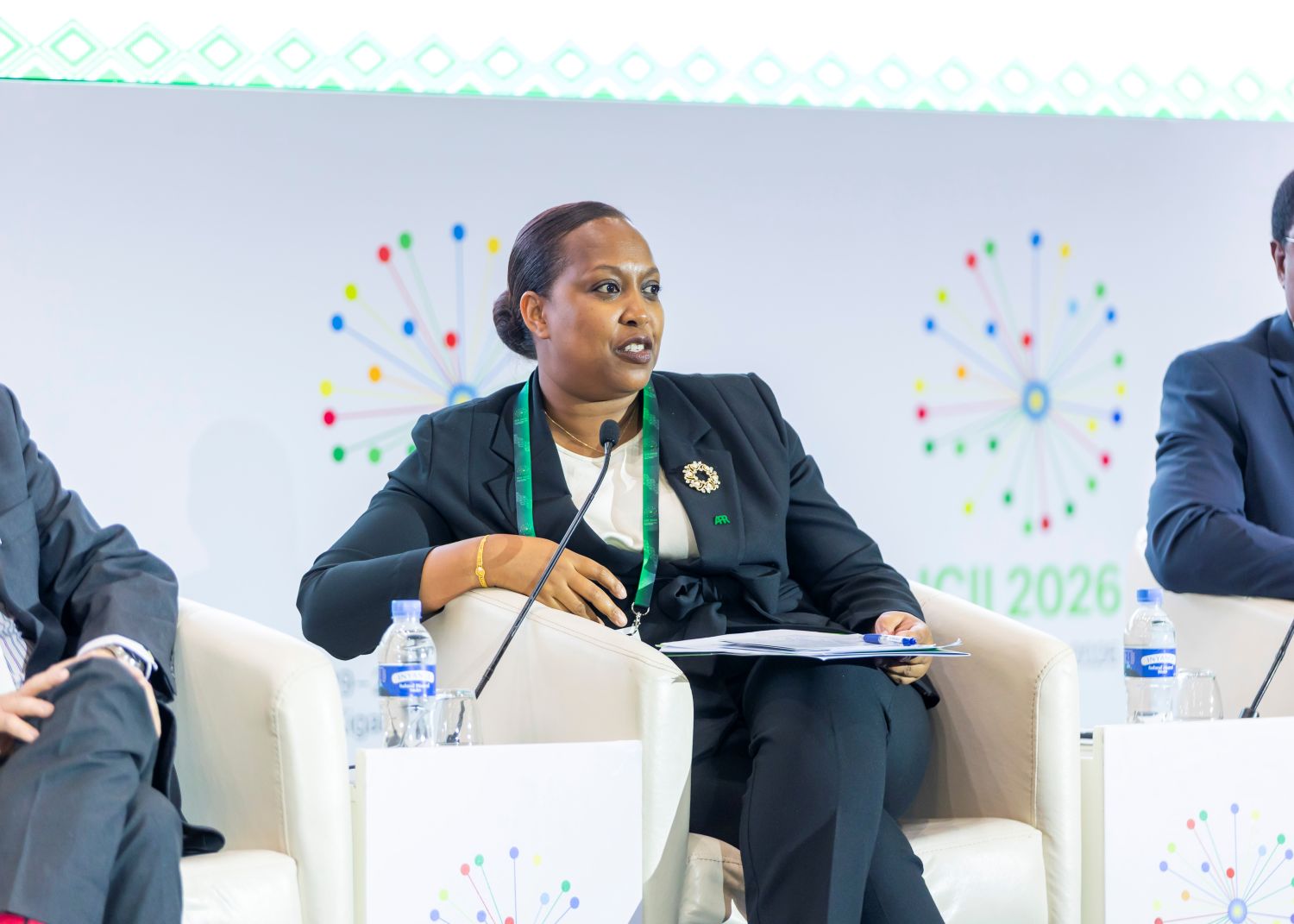
Expanding insurance coverage could also involve combining different types of protection to make insurance more accessible and beneficial to households. Herbert Asiimwe, Head of Financial Sector Development at the Ministry of Finance and Economic Planning, indicated that Rwanda was open to exploring ways to link community-based health insurance, known as Mutuelle de Santé, with other insurance products.
“It’s indeed something for us to explore. We can work with the Rwanda Social Security Board (RSSB) and our insurance industry and see whether we can work together and bundle this CBHI with other insurance products that help it deliver even more benefits,” he said.
He did not, however, announce a formal government initiative or an implementation plan.
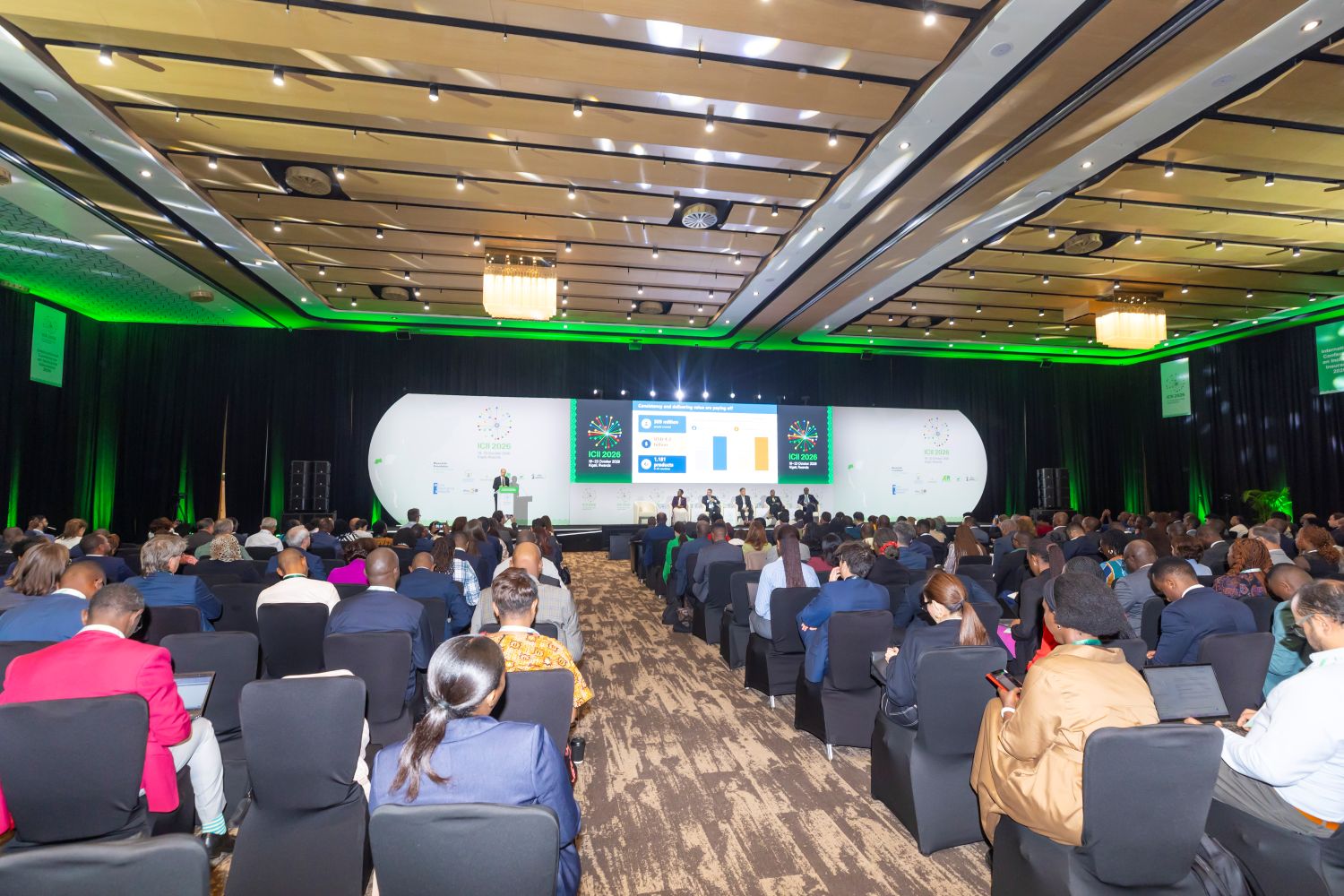
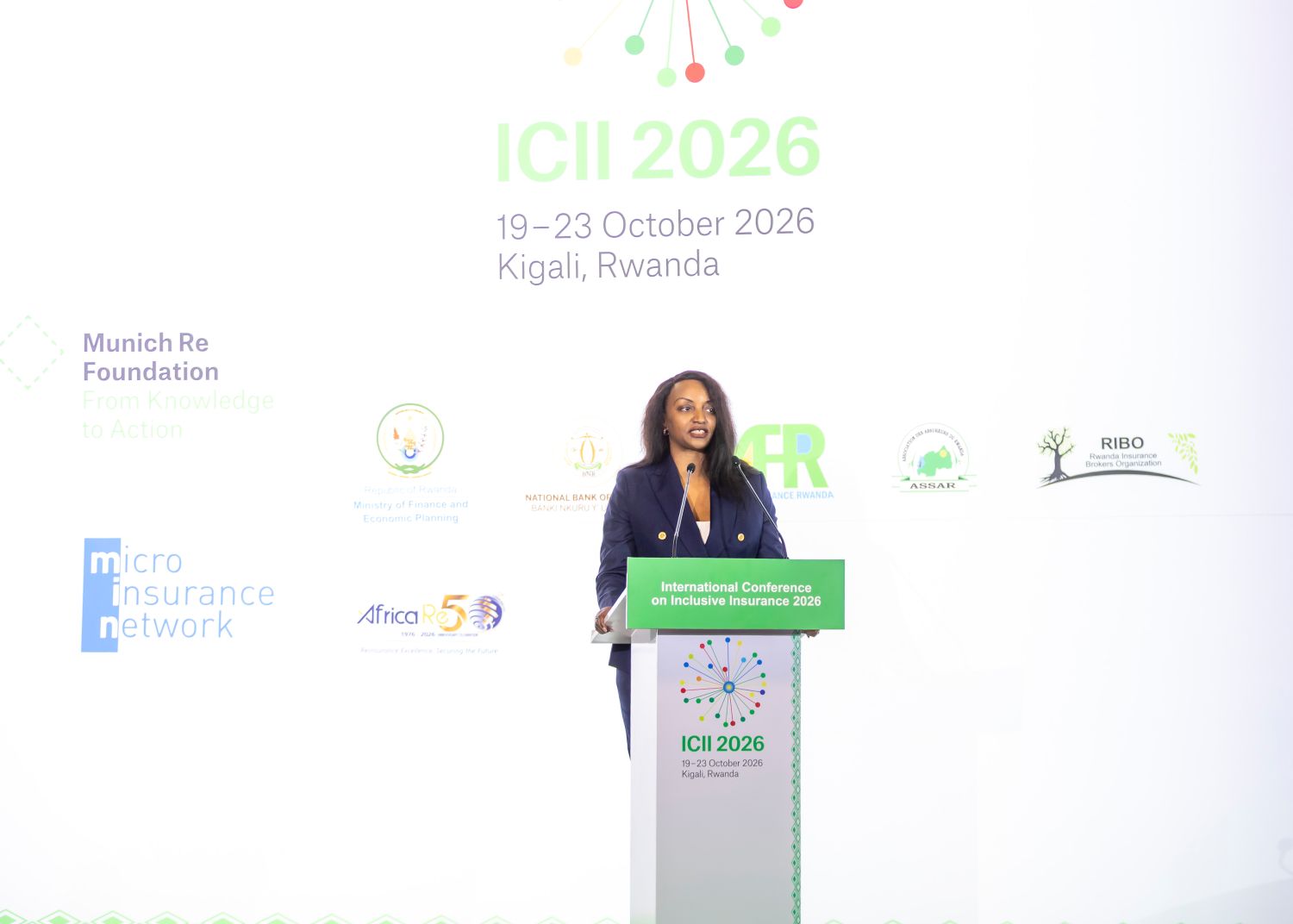
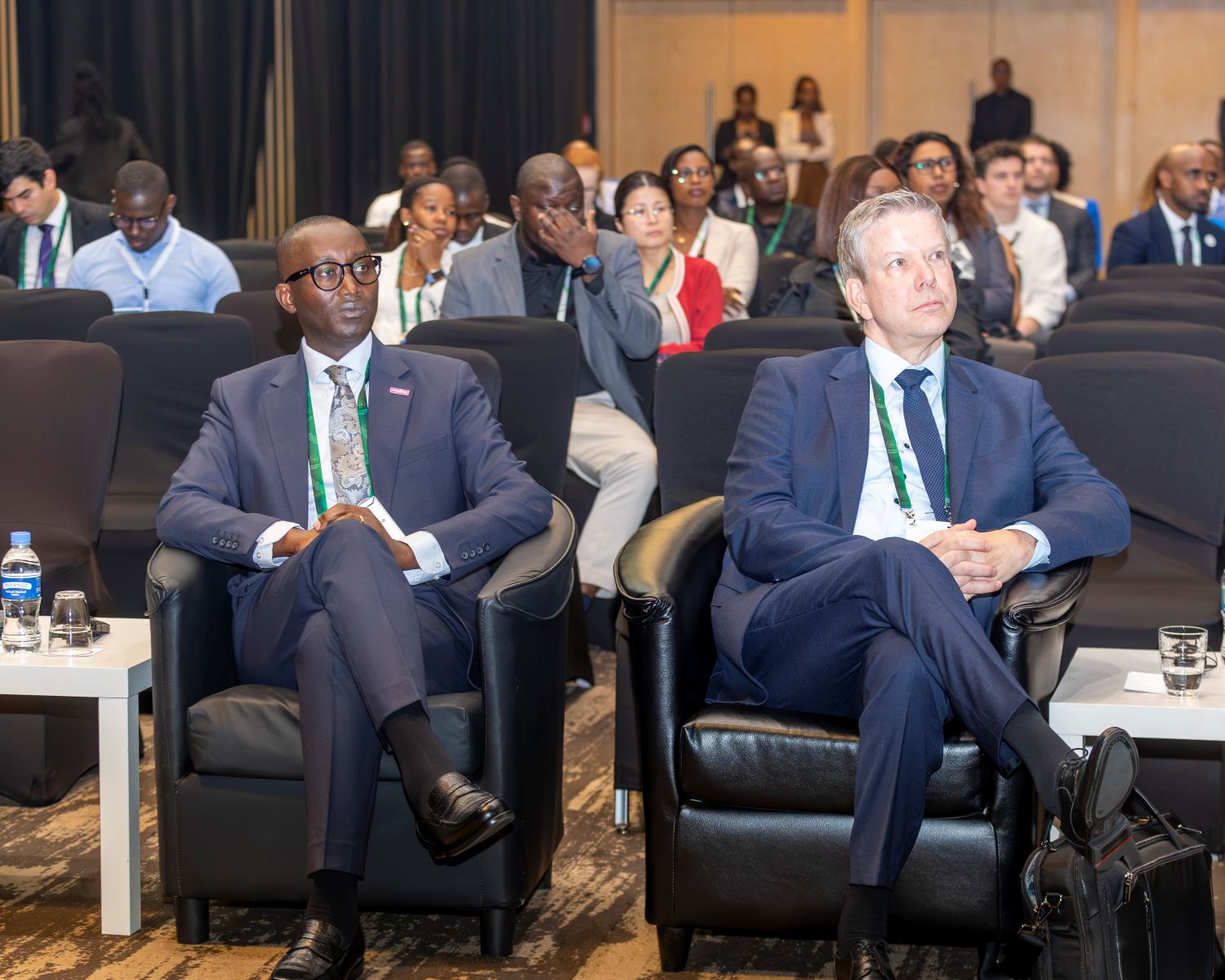
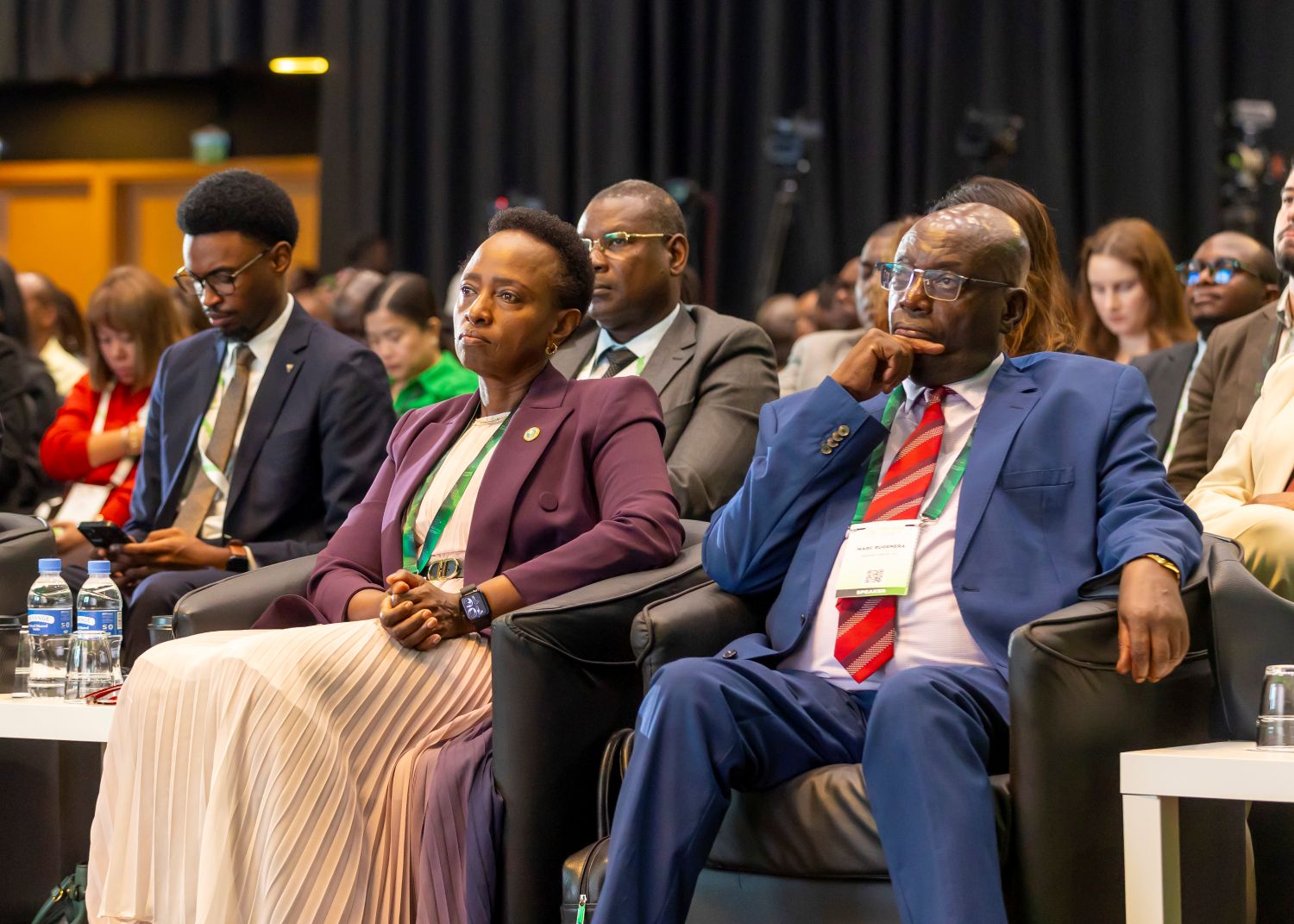
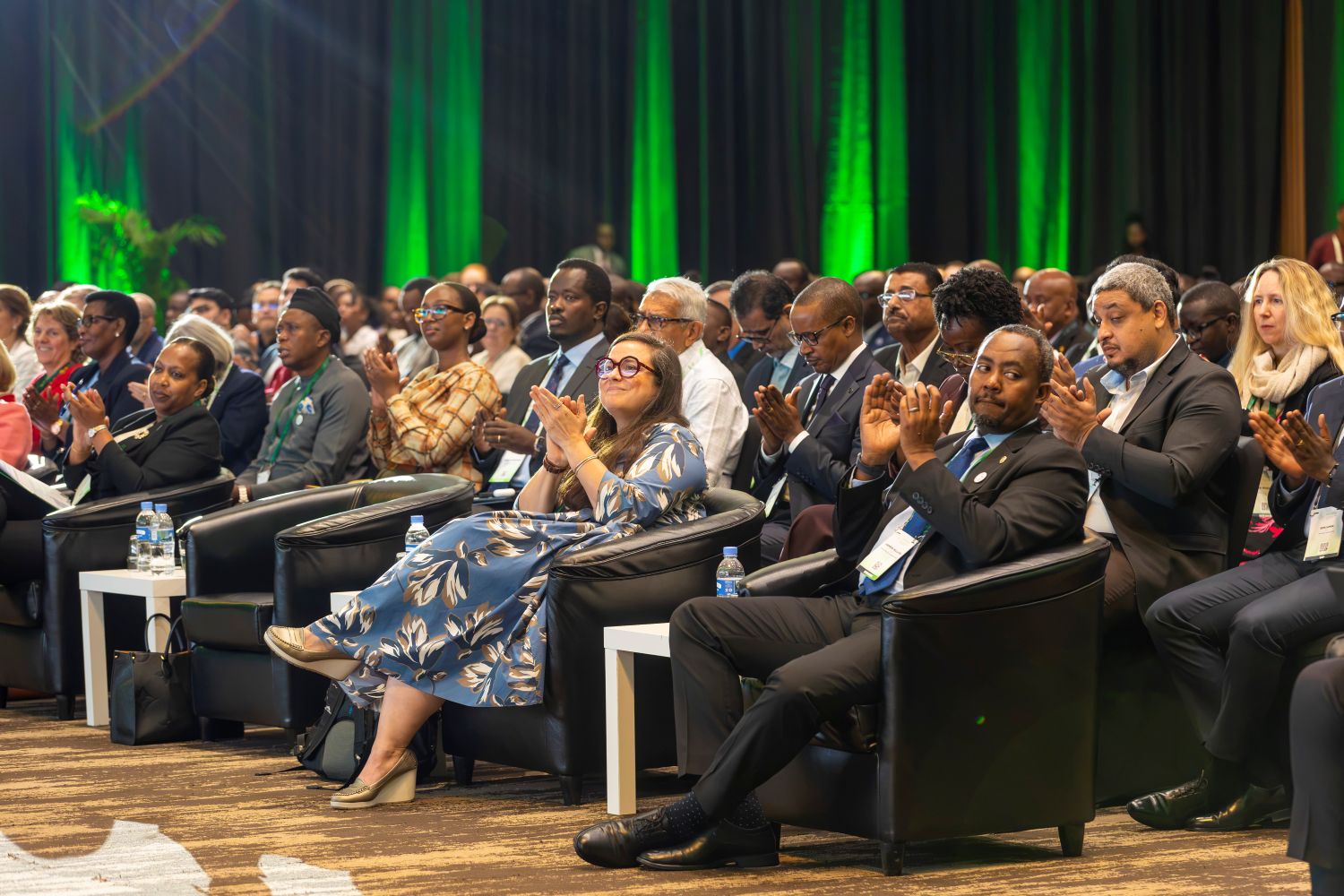
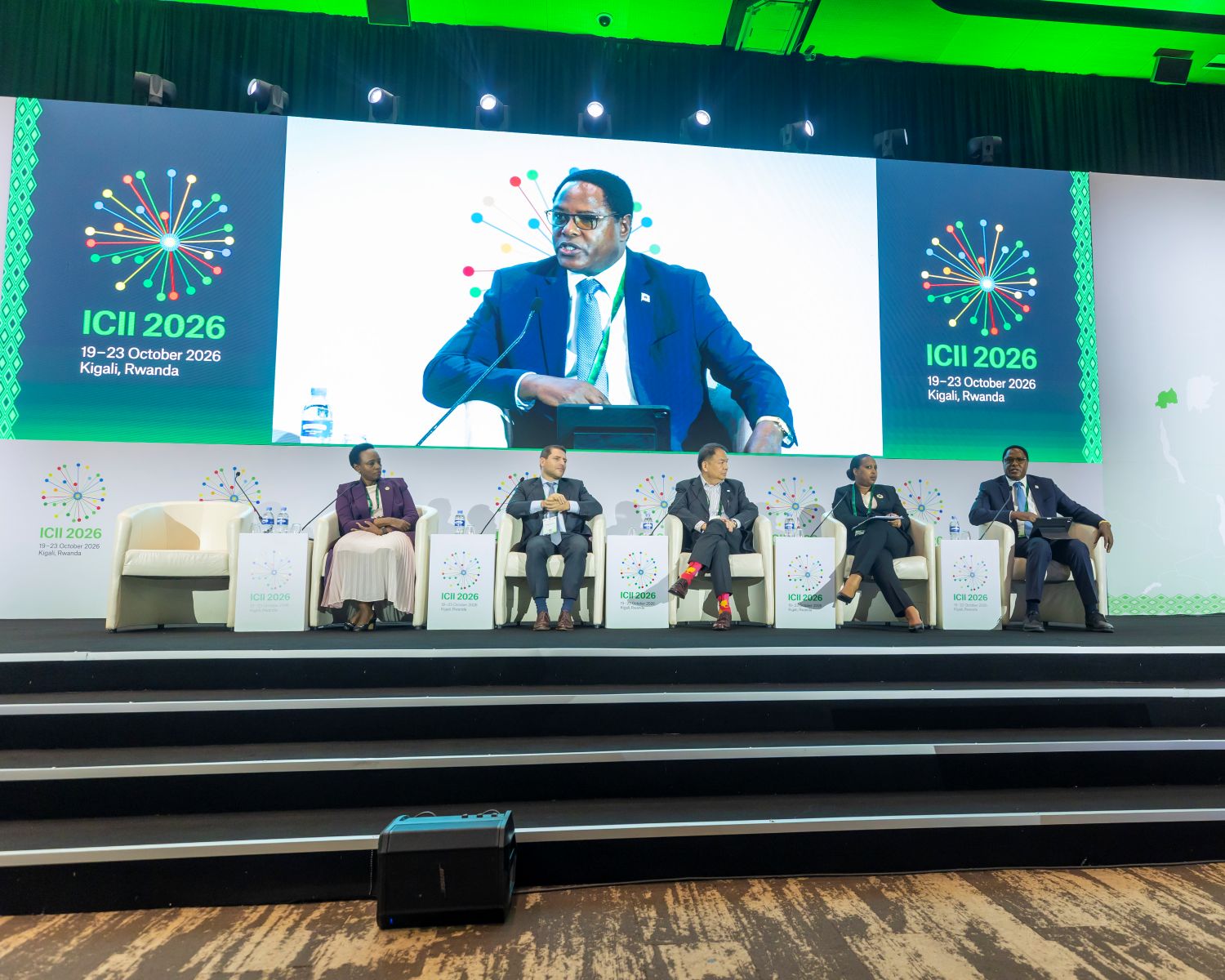
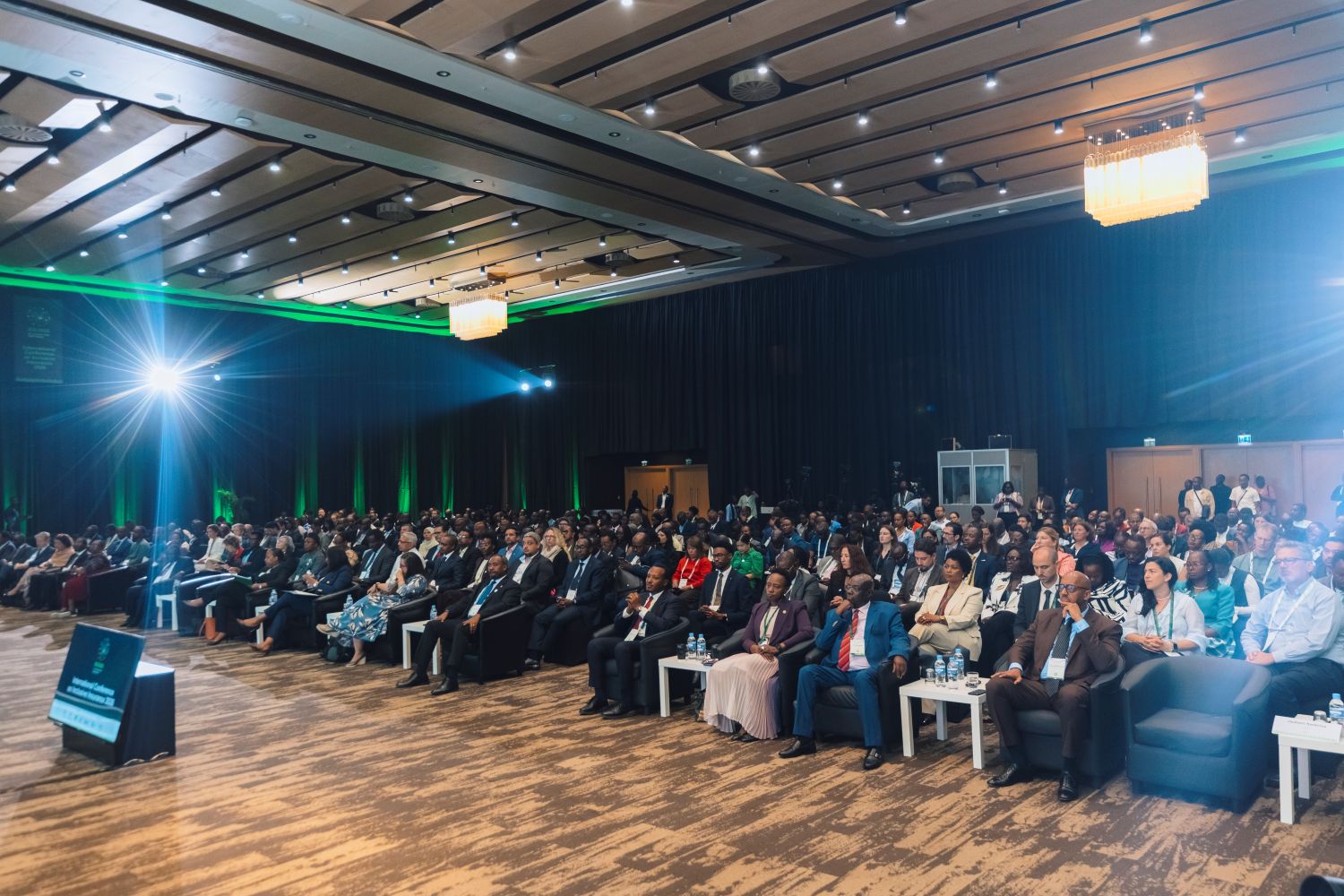
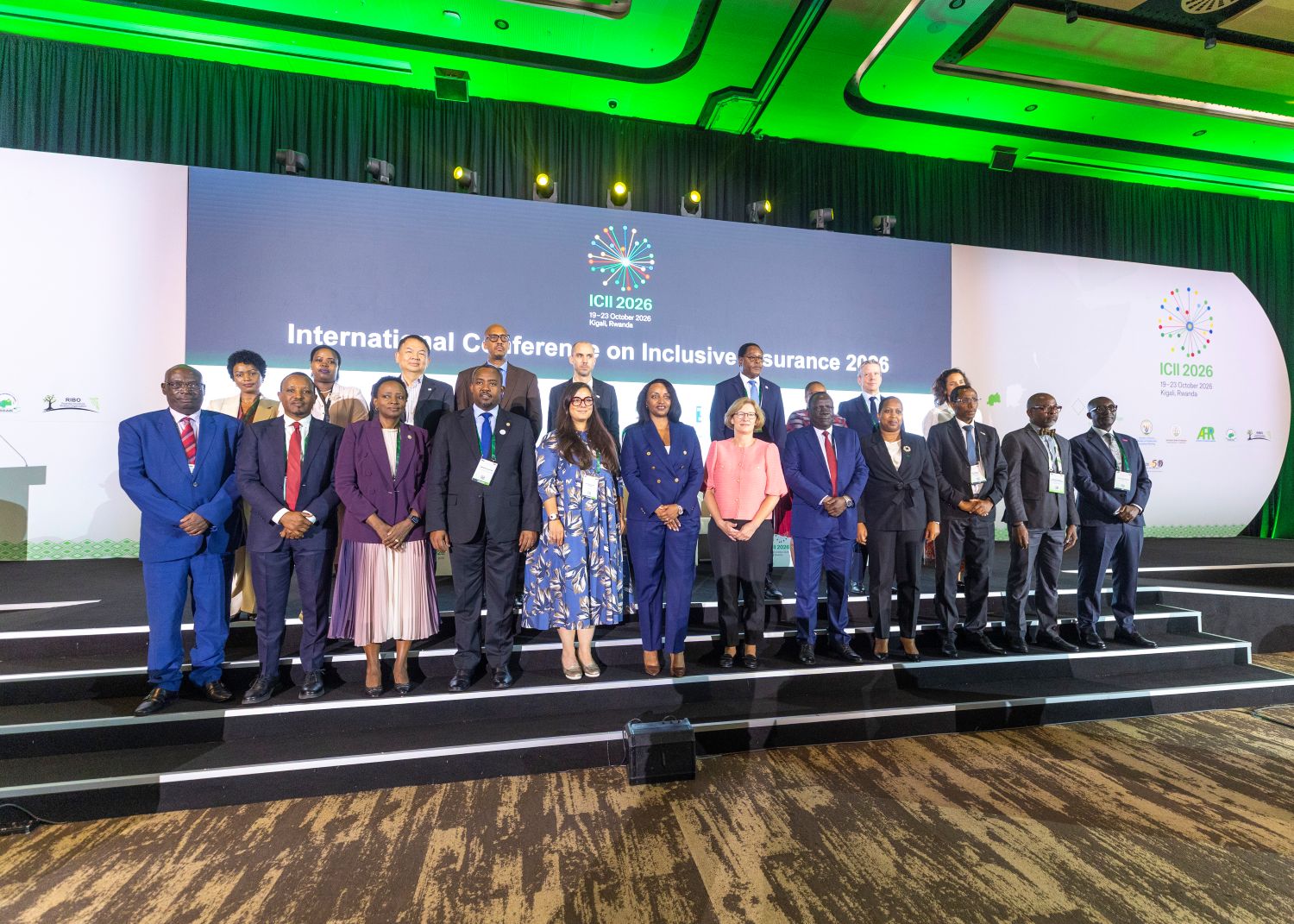
The International Conference on Inclusive Insurance 2026 is taking place at the Kigali Convention Centre from October 19 to 23, bringing together policymakers, regulators, insurers, reinsurers, financial institutions, researchers, investors and development partners.
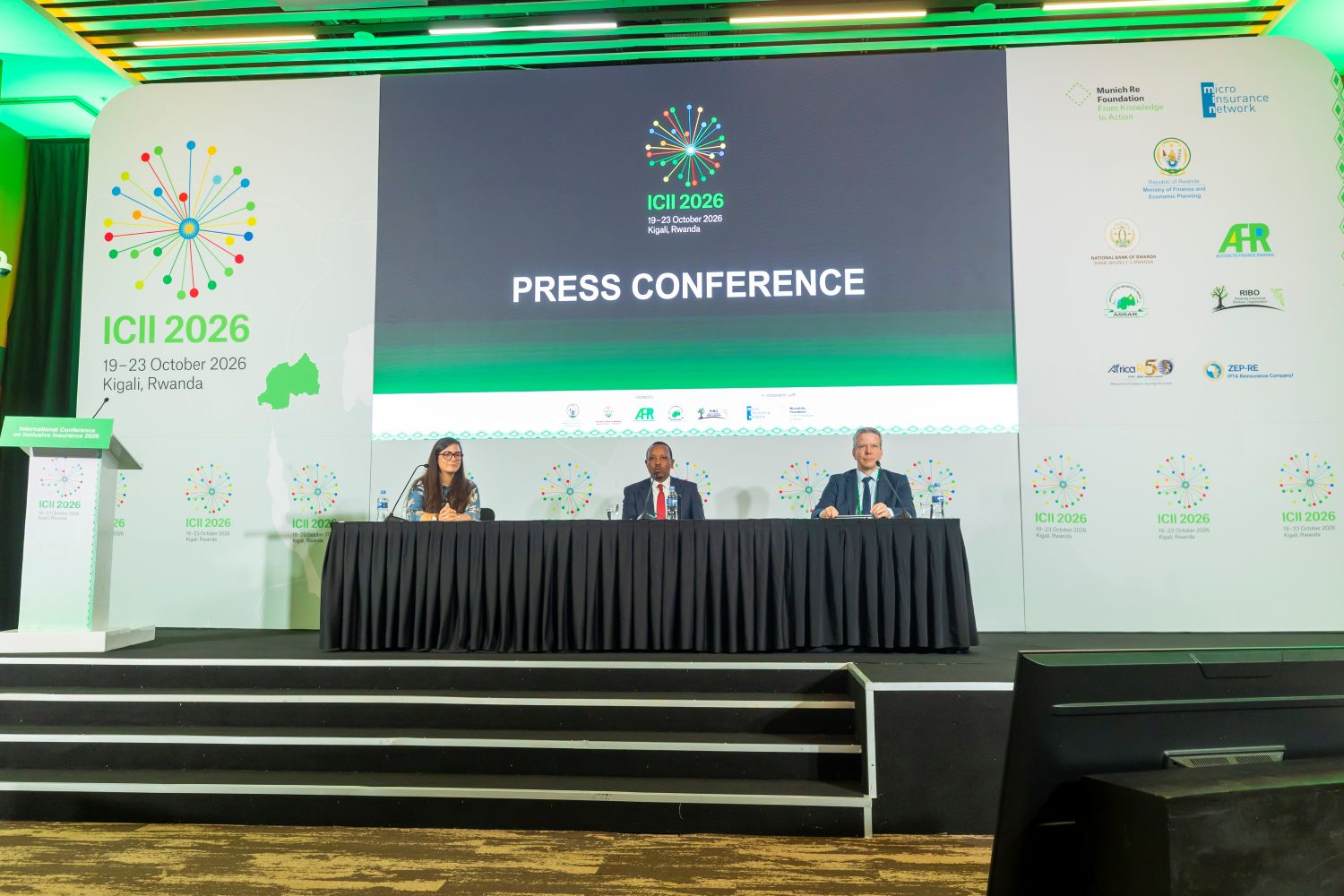
The conference is organised in collaboration with the Ministry of Finance and Economic Planning, BNR, Access to Finance Rwanda, ASSAR, the Rwanda Insurance Brokers Organisation, the Munich Re Foundation and the Microinsurance Network.
The gathering has brought together participants from 58 countries to address the challenge of closing the insurance protection gap.
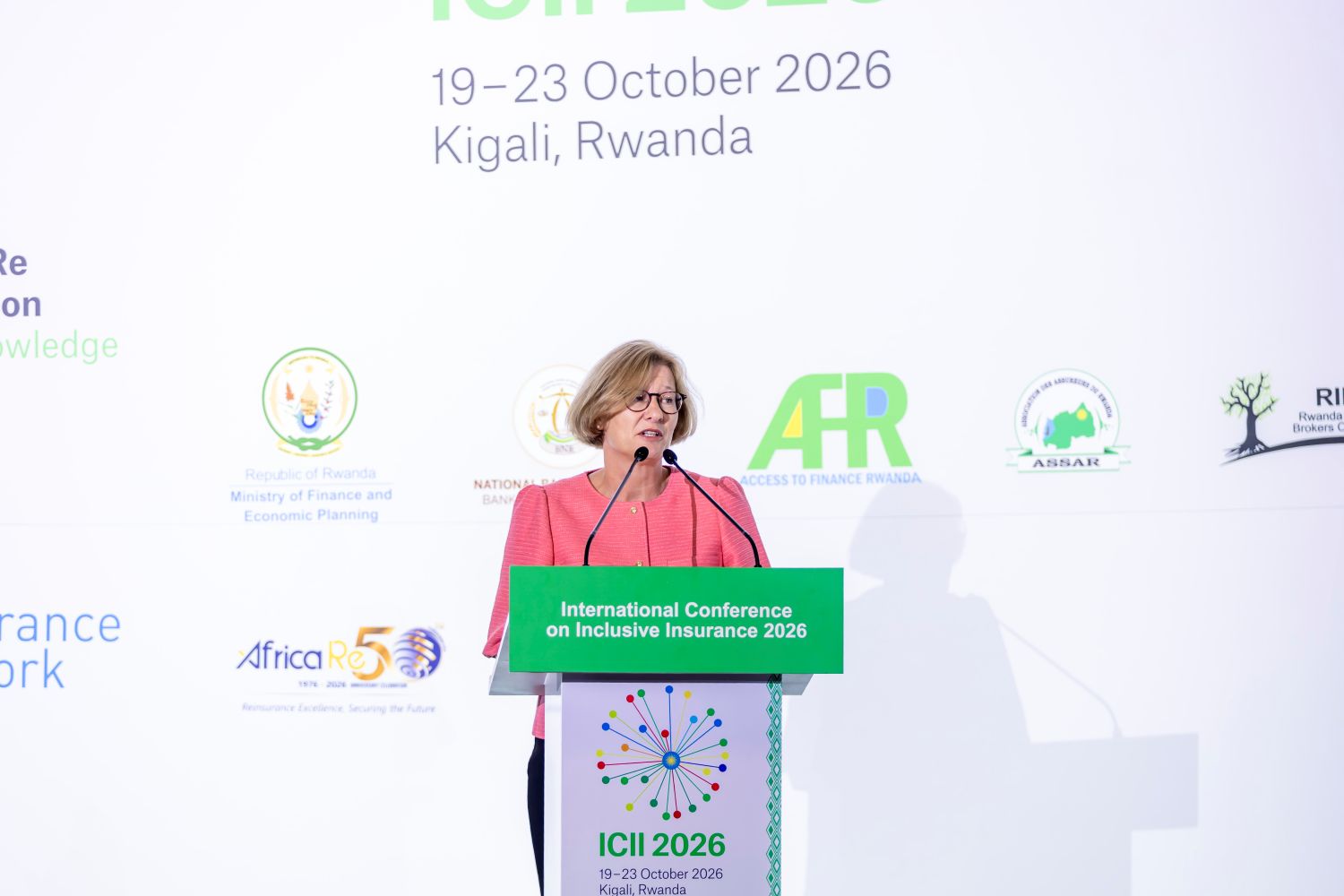
Renate Bleich, Chair of the Munich Re Foundation, urged participants to use the conference to establish concrete partnerships, draw on evidence and commit to practical action.
“Ideas that stay in conference halls protect no one,” she said.
The conference aims to identify commercially sustainable approaches to inclusive insurance, improve access to affordable products and strengthen collaboration among governments, insurers, technology providers and development partners.






Leave a Reply