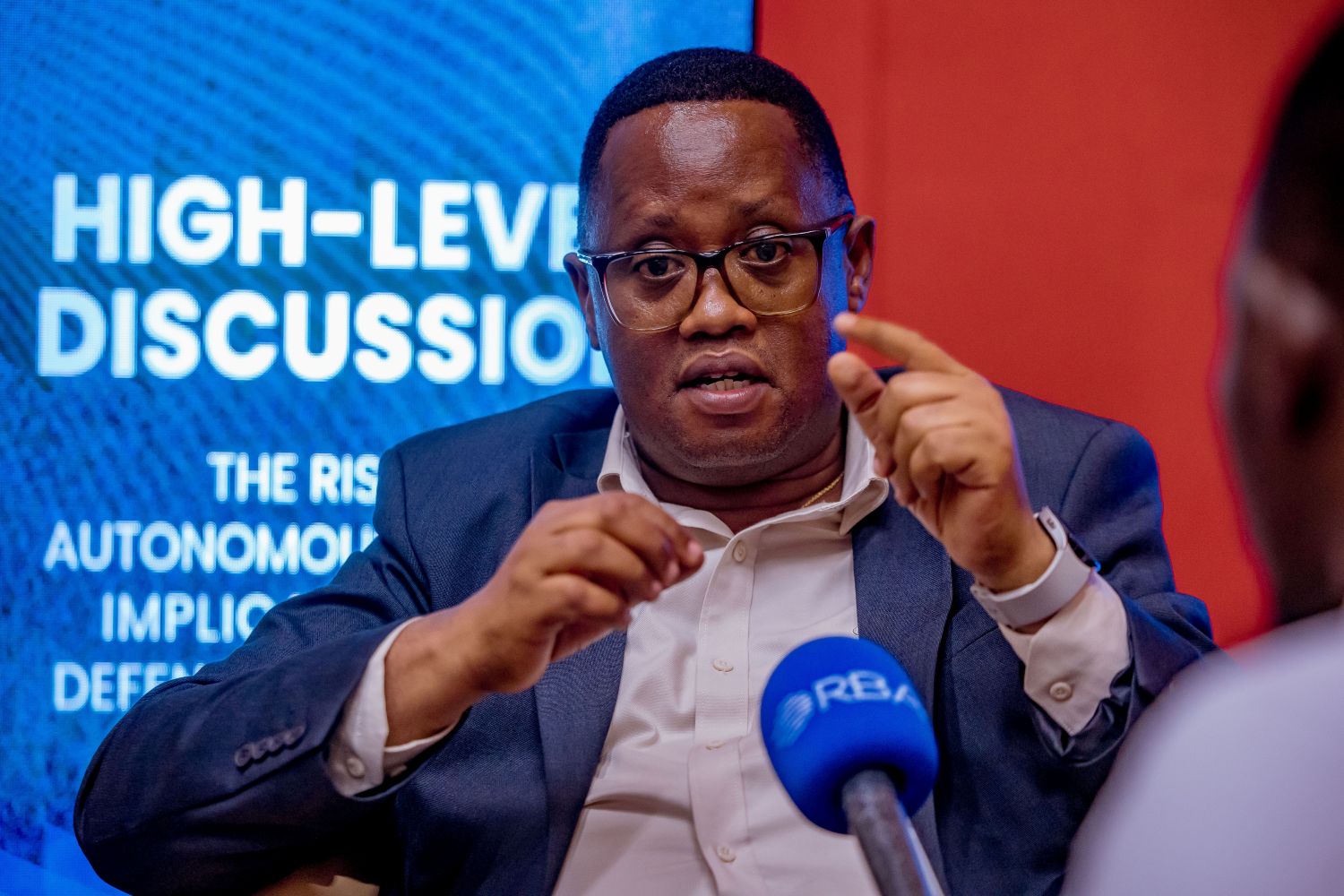
Speaking to journalists on the sidelines of the ISCA High-Level Discussion in Kigali on Wednesday, Dr. Ndushabandi said Rwanda’s governance, security institutions, research capacity and investment in education give it an advantage as African countries confront a rapidly changing technological and security environment.
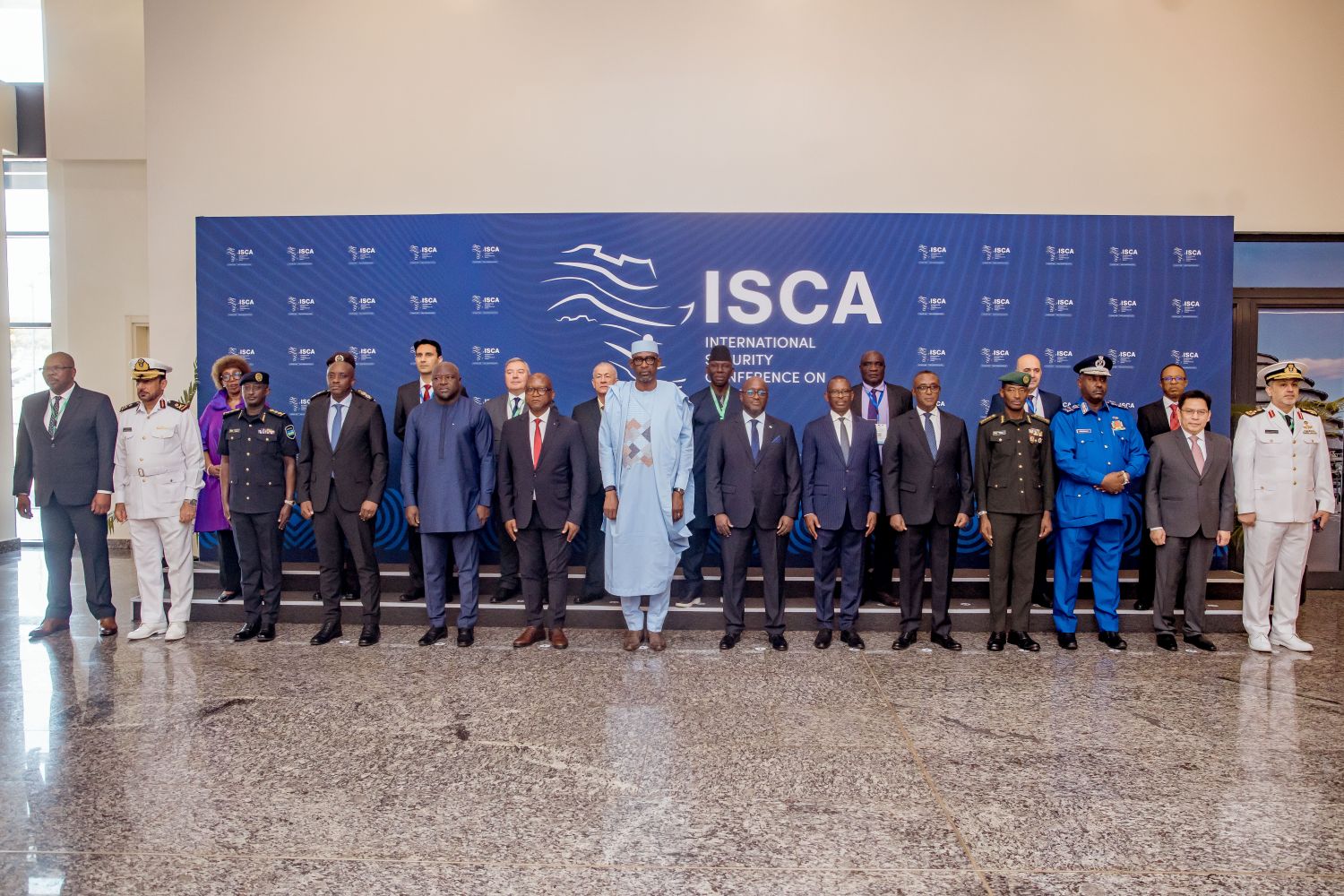
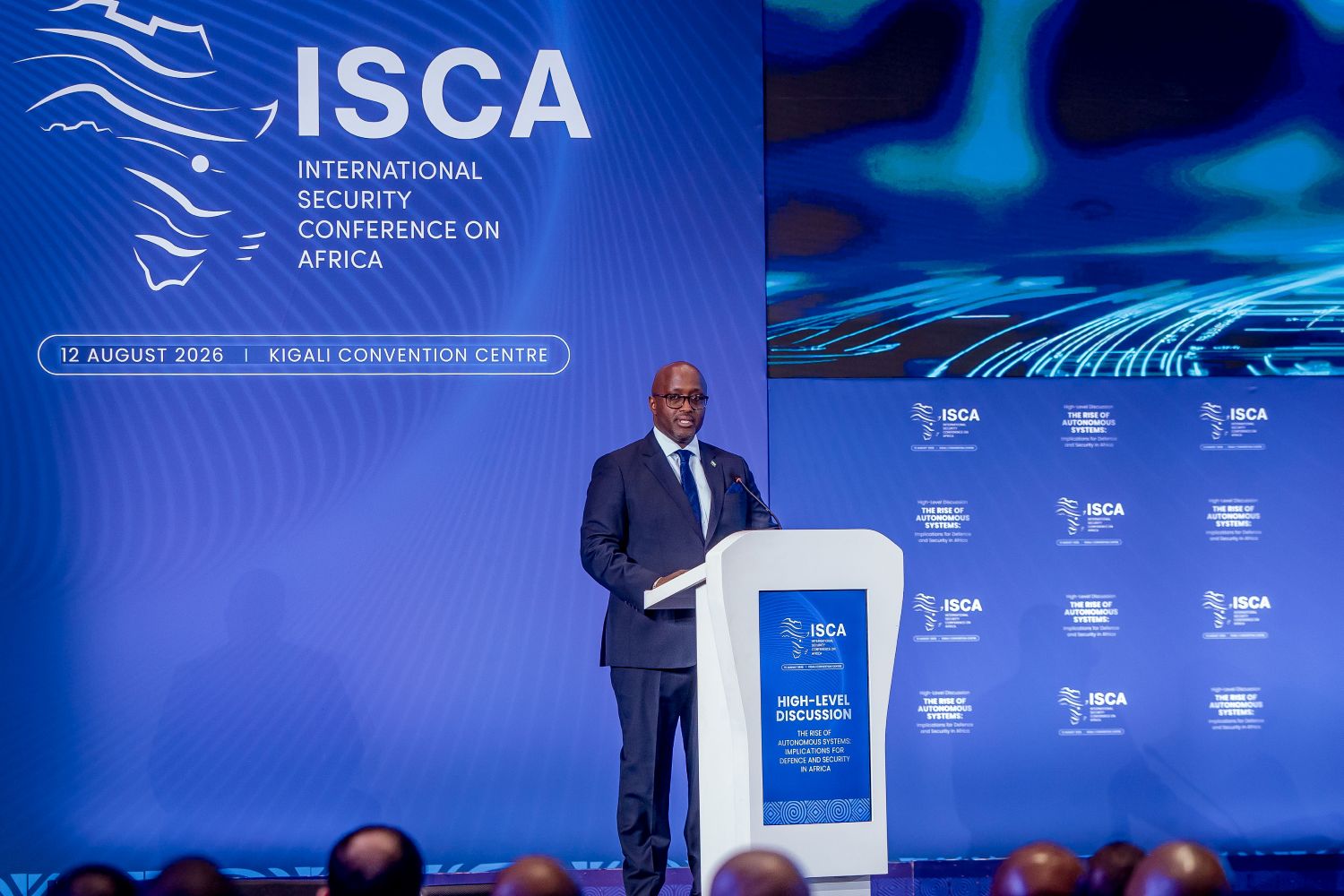
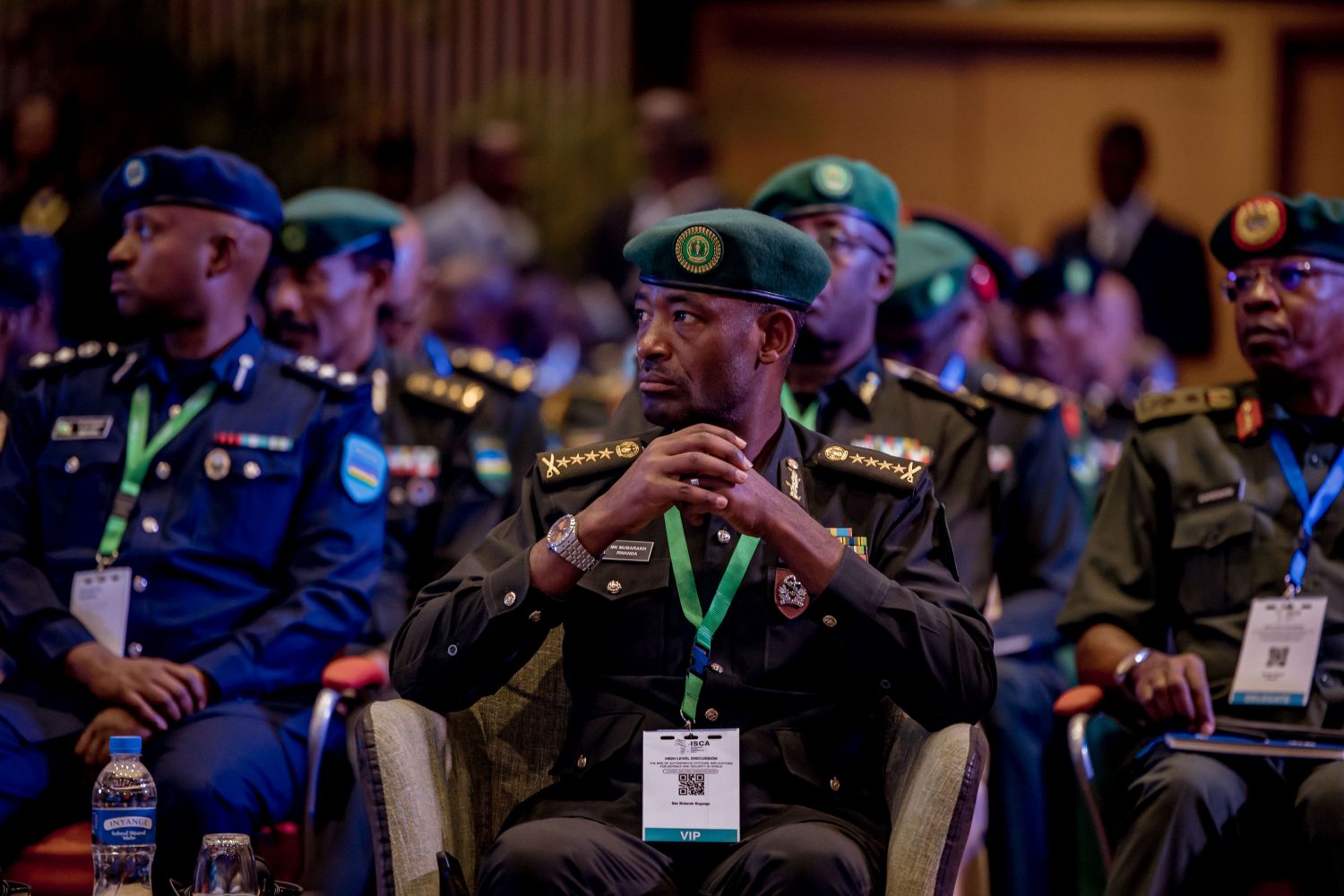
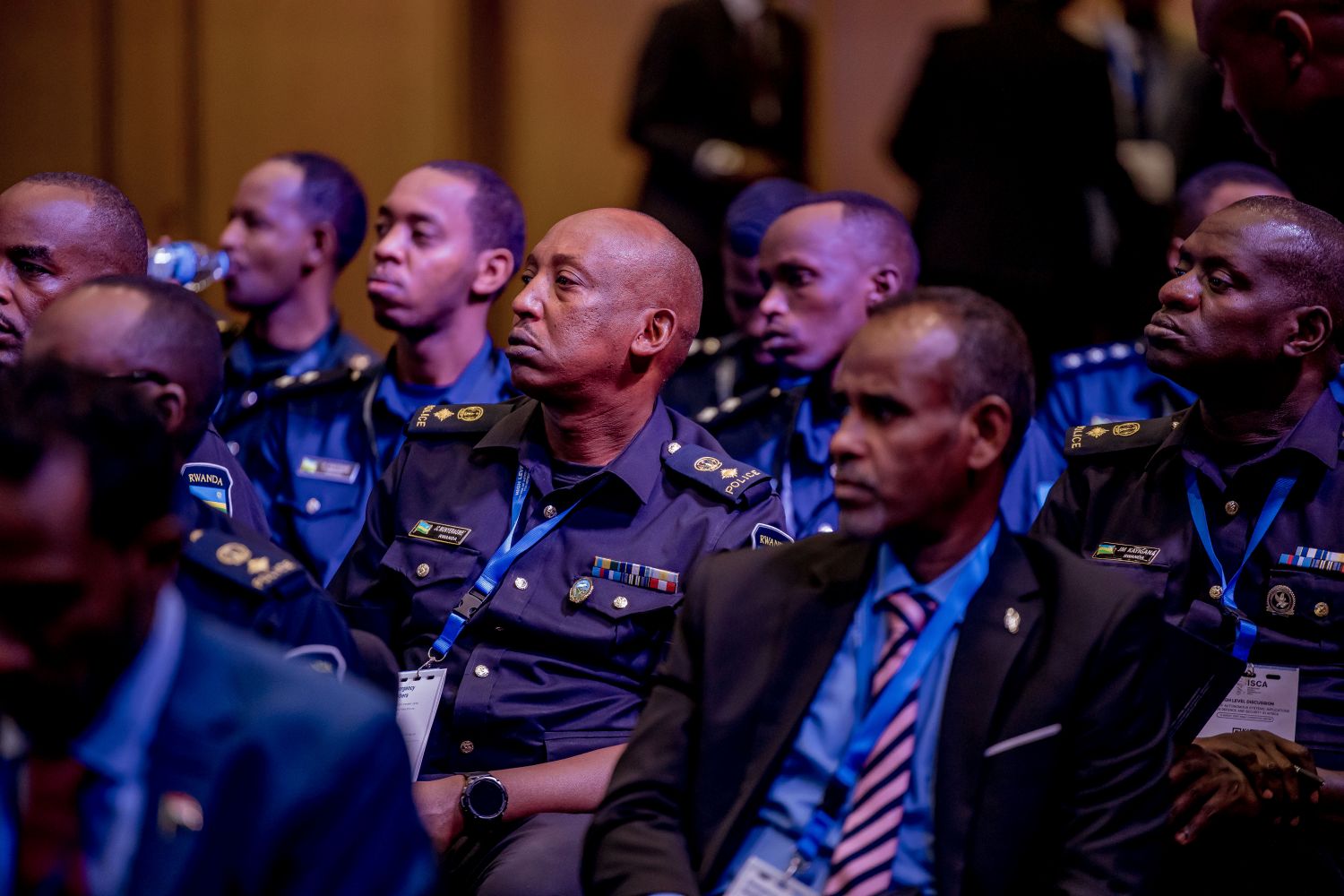
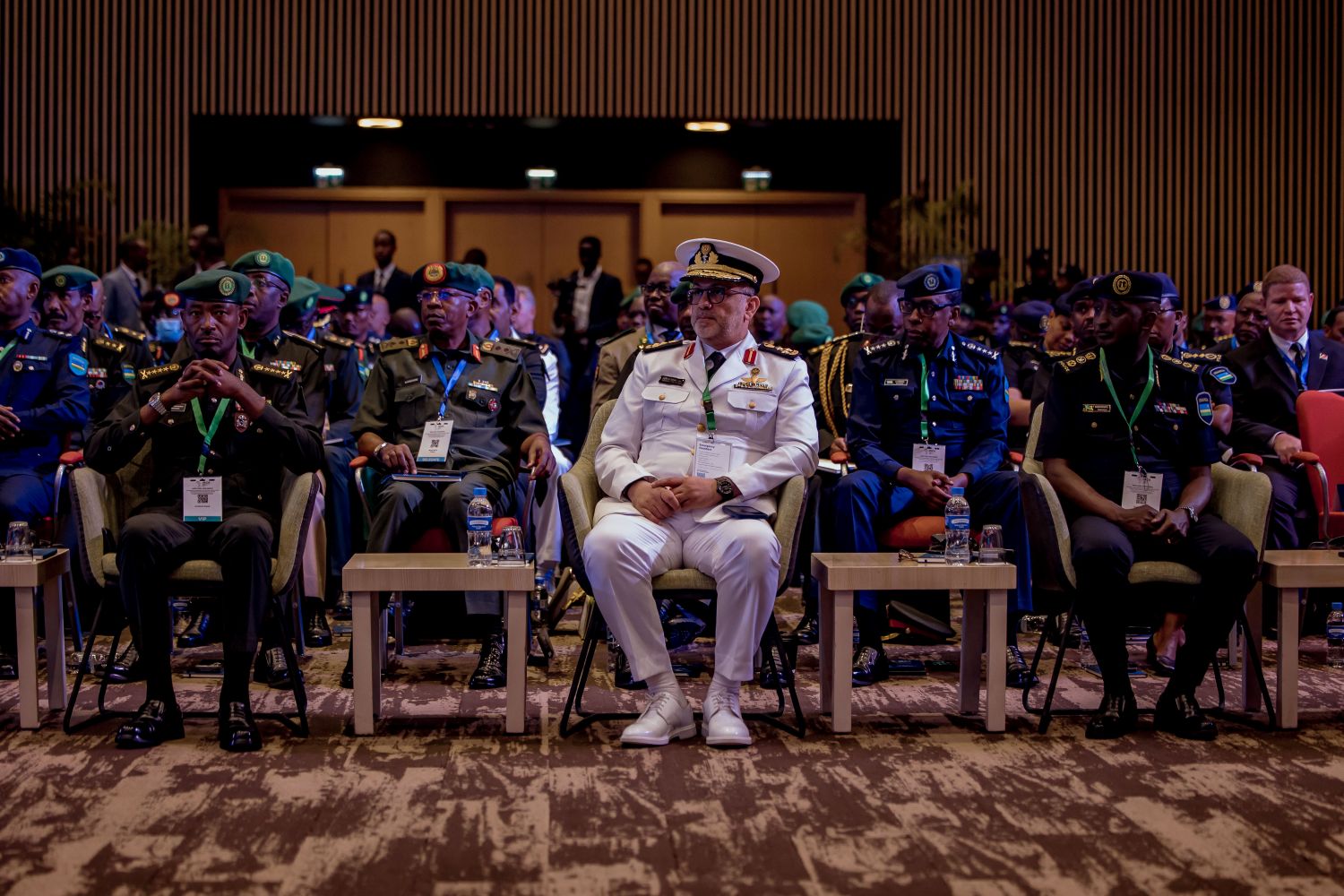
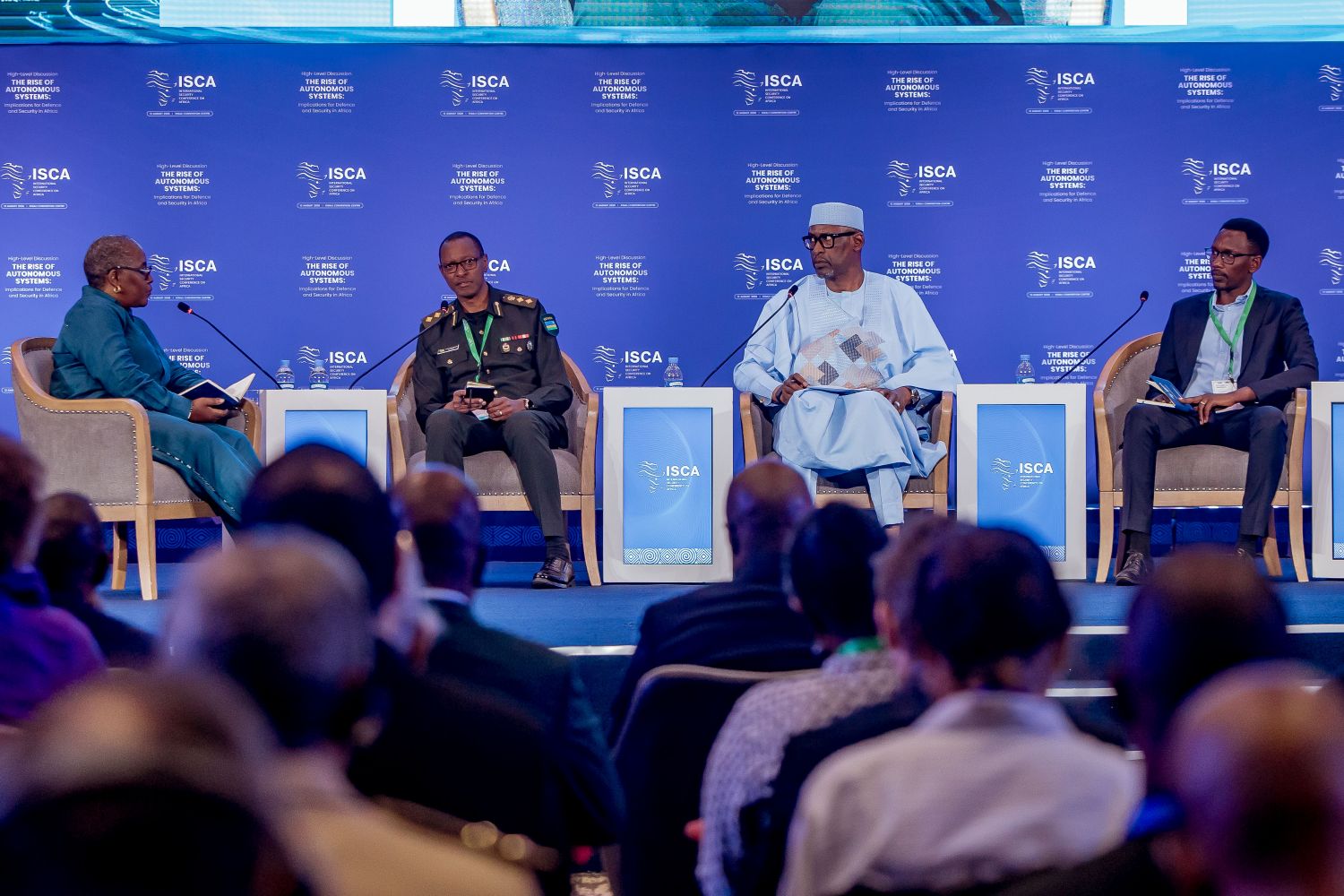
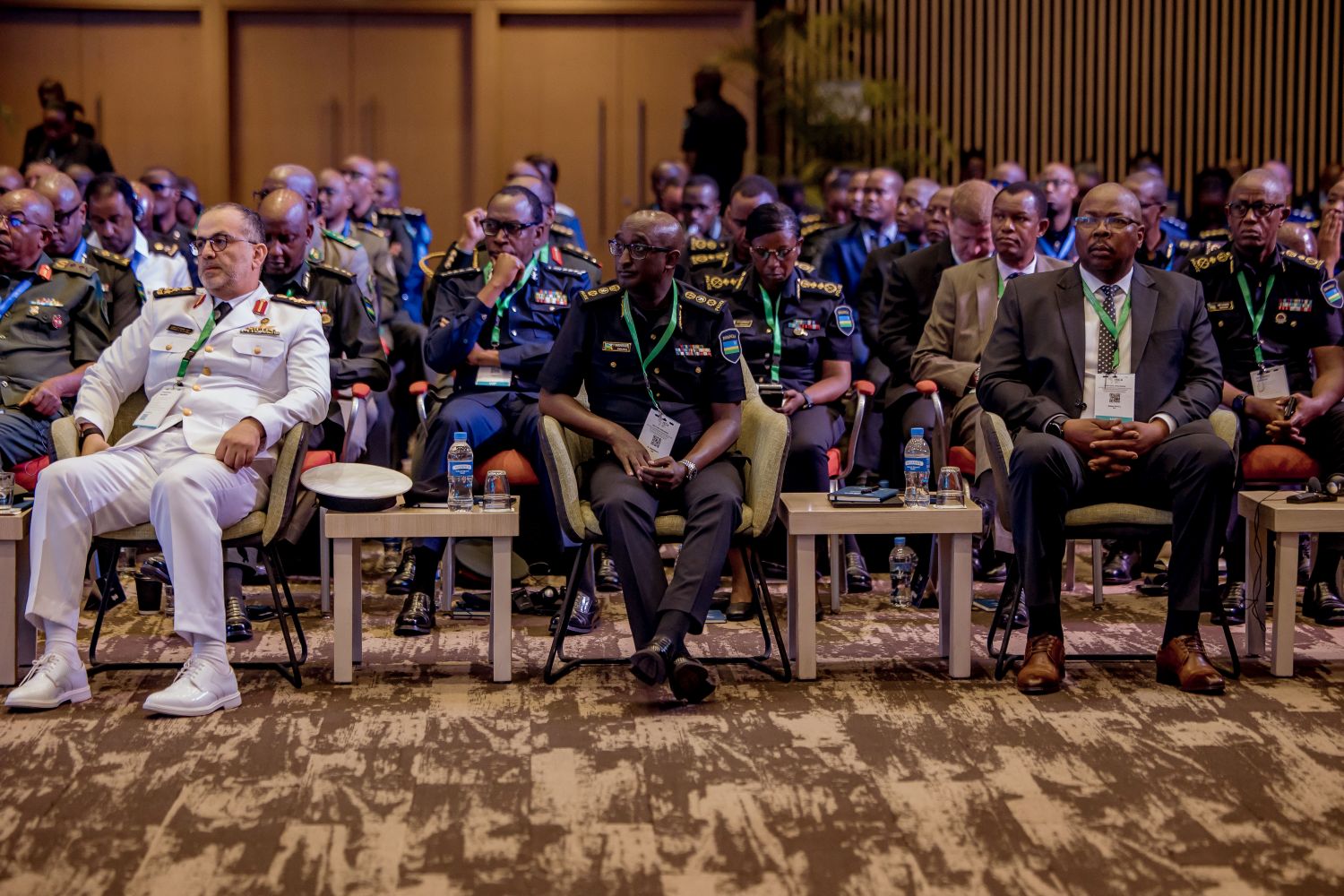
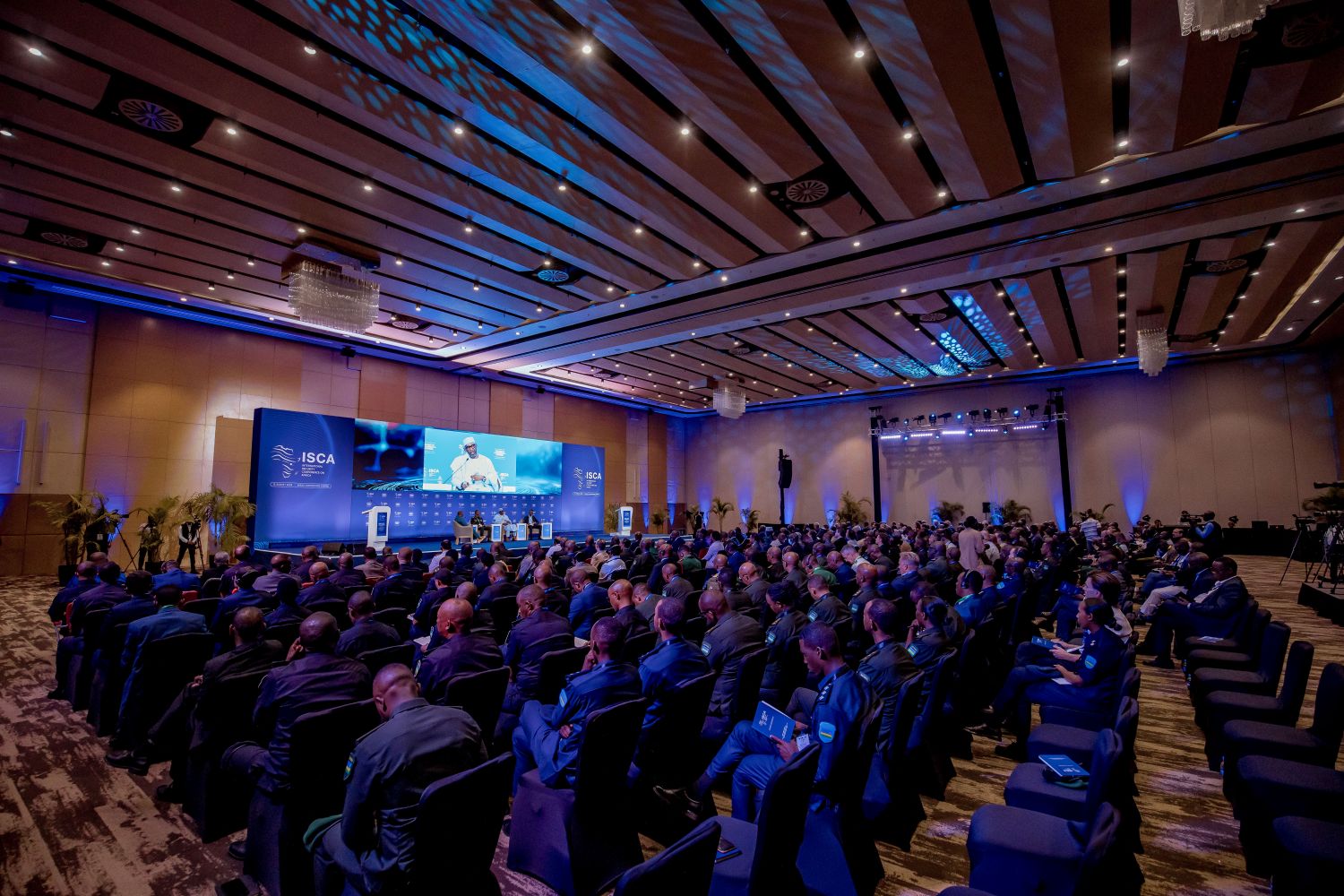
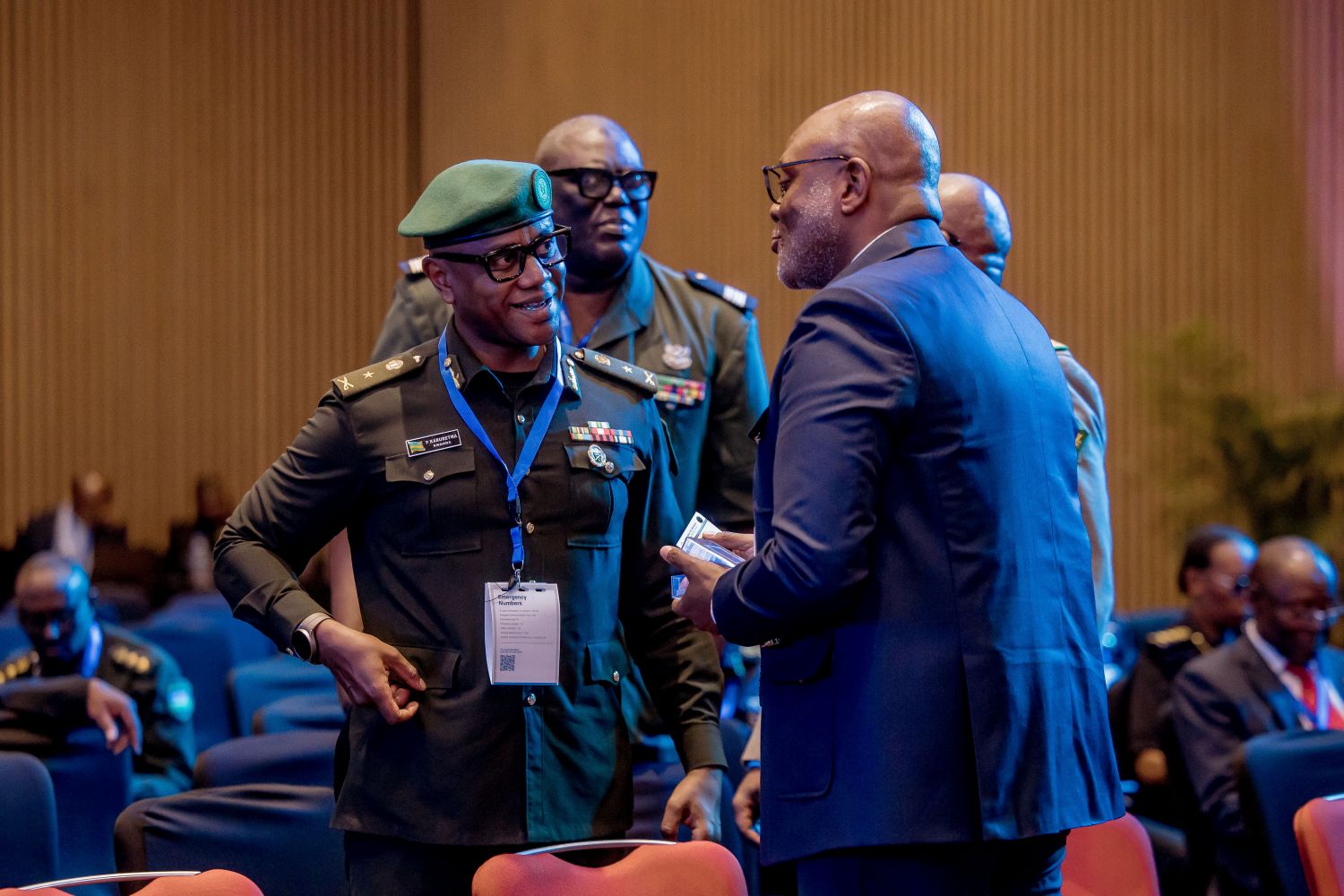
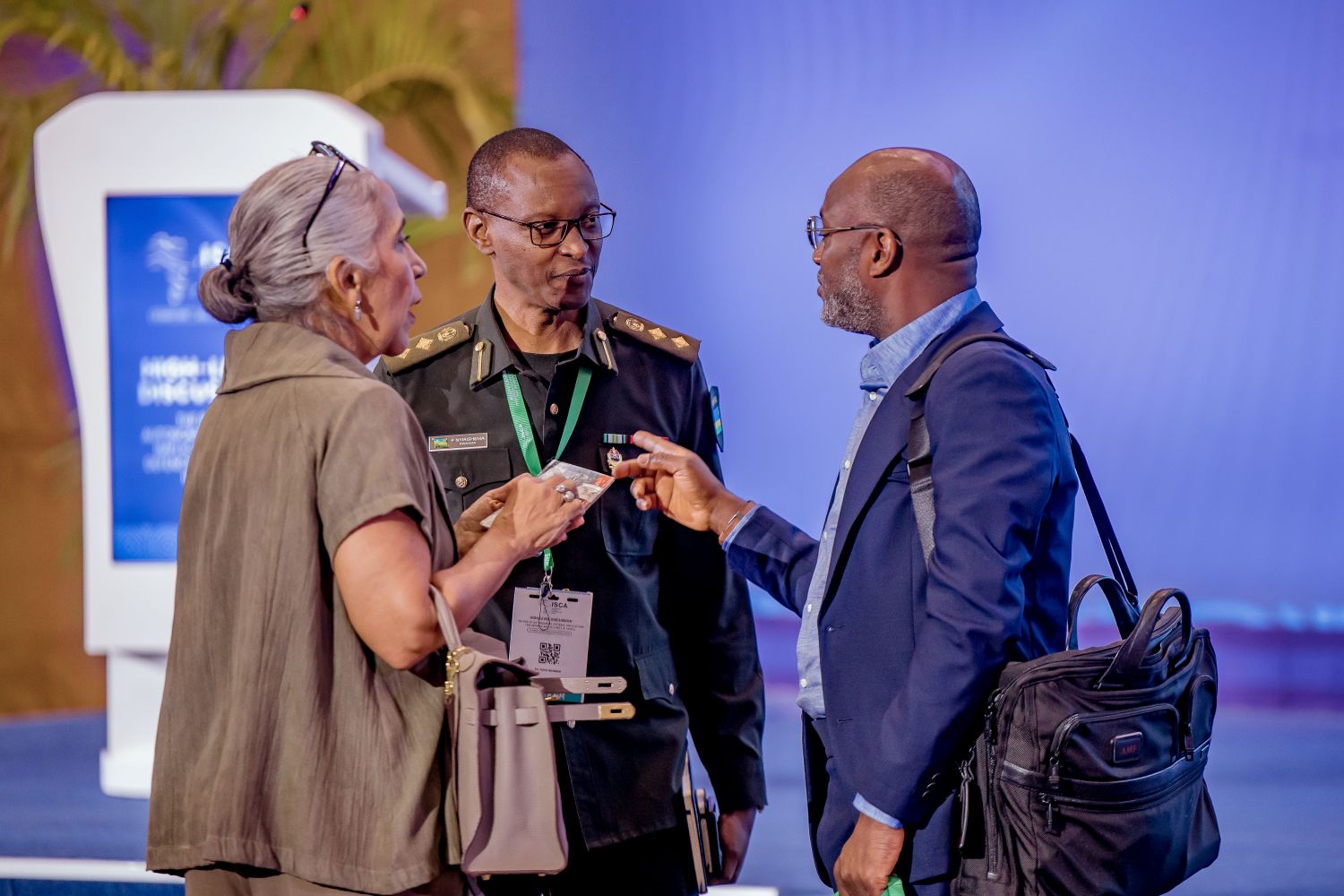
The high-level discussion, held at the Kigali Convention Centre under the theme “The Rise of Autonomous Systems: Implications for Defence and Security in Africa,” brought together more than 300 delegates from 50 countries, including policymakers, defence and security officials, researchers, technology experts and international partners.
Dr. Ndushabandi said the discussions had demonstrated that autonomous systems are no longer a distant technological development but are already changing the nature of conflict and security across Africa.
“Something is happening. The conflict, the landscape is changing,” he said, summarising one of the key conclusions emerging from the discussions.
He said autonomous systems are reshaping issues ranging from border security and military operations to cybersecurity, cross-border crime and immigration management, forcing African states to reconsider their doctrines, institutions and capabilities.
Rwanda’s advantage
According to Dr. Ndushabandi, Rwanda stands out in three key areas: governance and leadership, information and security capabilities, and human-centred development.
“From a research perspective, I could highlight three dimensions. The first one is governance and leadership,” he said, arguing that Rwanda’s experience in institution-building, governance and security provides lessons that could be relevant to other African countries.
He pointed to Rwanda’s participation in peace operations and counterterrorism efforts, including in Mozambique and the Central African Republic, as examples of the country’s developing security and military capabilities.
He also highlighted Rwanda’s ability to monitor and assess emerging security challenges, arguing that information capabilities will become increasingly important as autonomous technologies transform the security environment.
The third dimension, he said, is development, particularly education and the development of human capabilities.
“Capabilities goes with resources, capability, development of education systems,” Dr. Ndushabandi said, stressing that Africa’s response to autonomous technologies cannot be separated from investment in people.
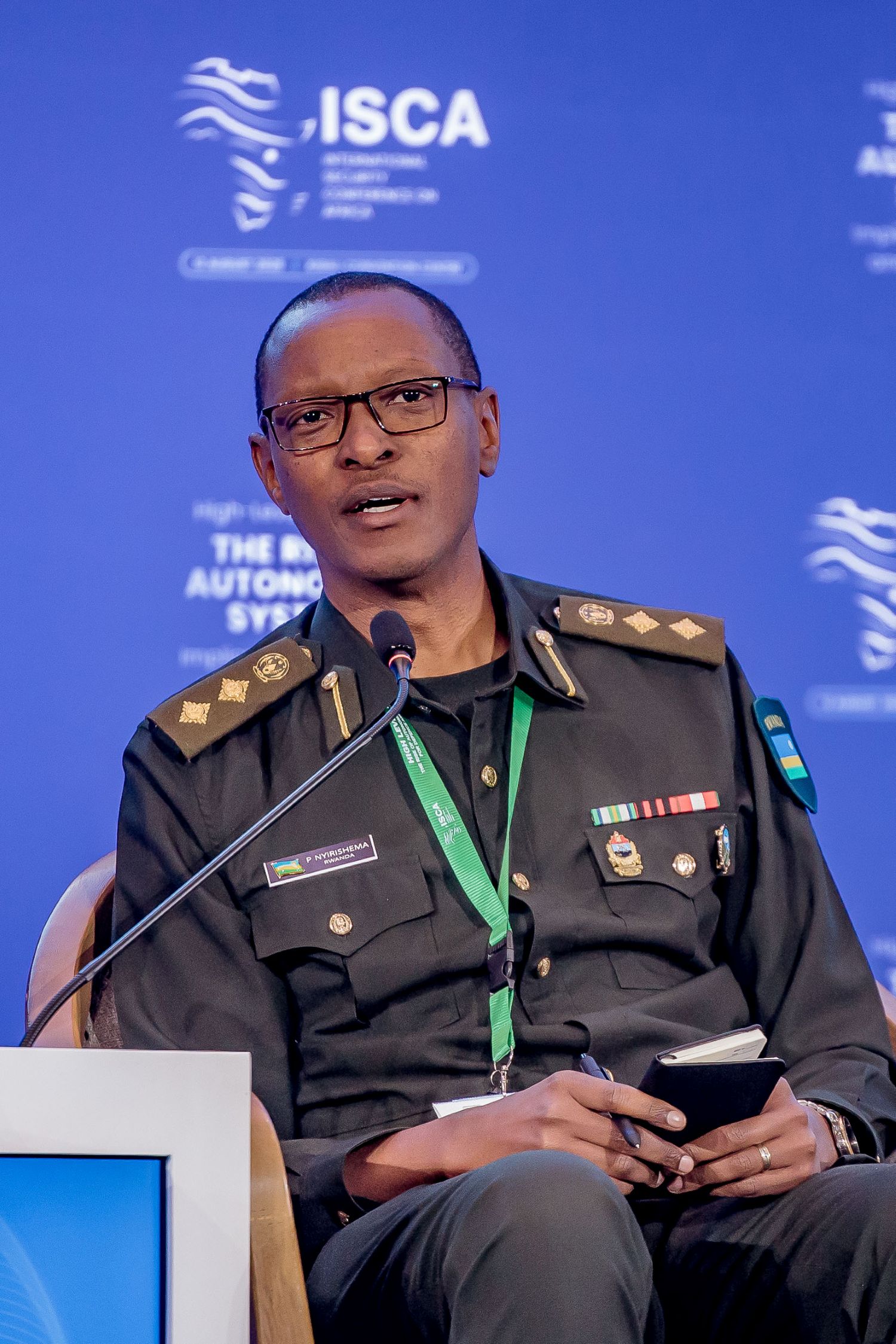
His assessment echoes comments made during the conference by Col. Patrick Nyirishema, Head of Defence Research and Development at the Rwanda Defence Force, who argued that Rwanda has a particular advantage because of its leadership’s emphasis on anticipating future security challenges.
Nyirishema said Africa faces a fundamental choice: whether to remain primarily a consumer of technologies developed elsewhere or to build the capabilities needed to shape and adapt them.
For him, the starting point is talent.
“Build talent. Build talent. Build talent,” Nyirishema told the panel, arguing that African countries need to develop technology ecosystems extending beyond defence institutions to universities, private companies, young innovators and other parts of society.
From buying technology to building capability
The conference repeatedly stressed that autonomous systems cannot simply be treated as another procurement item.
Col. (Rtd) David Kanamugire, Chief Executive Officer of Rwanda’s National Cyber Security Authority, said Africa could not “buy autonomy” because effective autonomous capability depends on much more than acquiring equipment.
He identified data, computing power, talent and adaptable institutions as essential components of the technology ecosystem.
“Autonomous-ready means you control the entire technology stack,” Kanamugire said, highlighting the importance of controlling sensors, communications, cybersecurity and other supporting systems.
This concern was also central to Dr. Ndushabandi’s assessment.
He said Africa should welcome technological opportunities coming from outside the continent, but should simultaneously develop the capacity to adapt and eventually develop technologies that respond to African needs.
“The objective is not simply going to be to regulate what comes from outside,” he said. “It is about being open to and aware of the opportunities these technologies offer.”
However, he stressed that imported systems must be adapted to local cultures, institutions and security realities.
The African context matters
The conference heard that technologies developed elsewhere may not perform in exactly the same way when deployed in African environments.
Moise Busogi, Assistant Teaching Professor at CMU-Africa, gave the example of artificial intelligence models used for image recognition. A model trained in one country can perform differently when deployed in another environment because of differences in terrain, infrastructure and other local conditions.
That, he argued, makes contextualisation and local innovation essential.
Nyirishema said autonomous systems designed for desert environments would need to operate differently from those deployed in forests, mountainous terrain or other settings, underscoring the need for African countries to develop the talent and institutions required to adapt such technologies to local conditions.
Security risks are also increasing
While autonomous systems offer opportunities in border surveillance, agriculture, infrastructure protection, intelligence gathering and military operations, speakers warned that their increasing accessibility also creates new security risks.
Rwanda’s Foreign Minister Olivier Nduhungirehe said autonomous systems and artificial intelligence are becoming increasingly accessible, including to non-state actors.
“Africa cannot afford to fall behind as these technologies continue to evolve,” Nduhungirehe said.
Dr. Ndushabandi similarly warned that autonomous technologies could become particularly problematic in countries affected by unresolved conflicts, weak governance or limited state control over territory.
He said the decreasing cost of autonomous systems could make them increasingly accessible to non-state groups, including armed groups, potentially intensifying existing conflicts.
Sovereignty and strategic autonomy
Another major concern emerging from the discussions was sovereignty.
Dr. Ndushabandi said autonomous systems can challenge traditional concepts of state sovereignty, particularly when systems operate across borders or when states become dependent on technologies, data or infrastructure controlled elsewhere.
The question for Africa, he said, is how to benefit from international technological cooperation while maintaining sufficient strategic autonomy.
Dr. Paul Simon Handy, Regional Director for East Africa and Representative of the African Union/Institute for Security Studies, argued that strategic autonomy should not mean that every African country manufactures every component of an autonomous system.
Instead, he said, it should mean having the knowledge and political freedom to understand, sustain and make decisions about the technologies countries acquire.
He also urged African states to rethink military doctrines rather than simply inserting new technologies into existing structures.
A continental opportunity
The discussions also pointed to greater cooperation between African countries.
Handy said no African state could independently develop the entire range of technologies required for autonomous systems, making regional cooperation and an intentional division of labour essential.
Dr. Ndushabandi said the ISCA platform had provided an opportunity for governments, security institutions, researchers, universities and international partners to begin developing such cooperation.
He noted that the discussions were also timely because technology is expected to feature prominently on the African Union agenda in 2027.
For Dr. Ndushabandi, Africa’s preparedness will ultimately depend on whether governments can translate the current debate into practical policies, stronger institutions, education programmes and technological capabilities.
Dr. Ndushabandi also urged young Africans to use growing access to AI and other technologies to develop specialised skills rather than focusing primarily on entertainment. “AI is giving opportunity for young people to access knowledge,” he said, stressing the importance of education and professionalisation as Africa prepares for the changing security and technological environment.
Leave a Reply