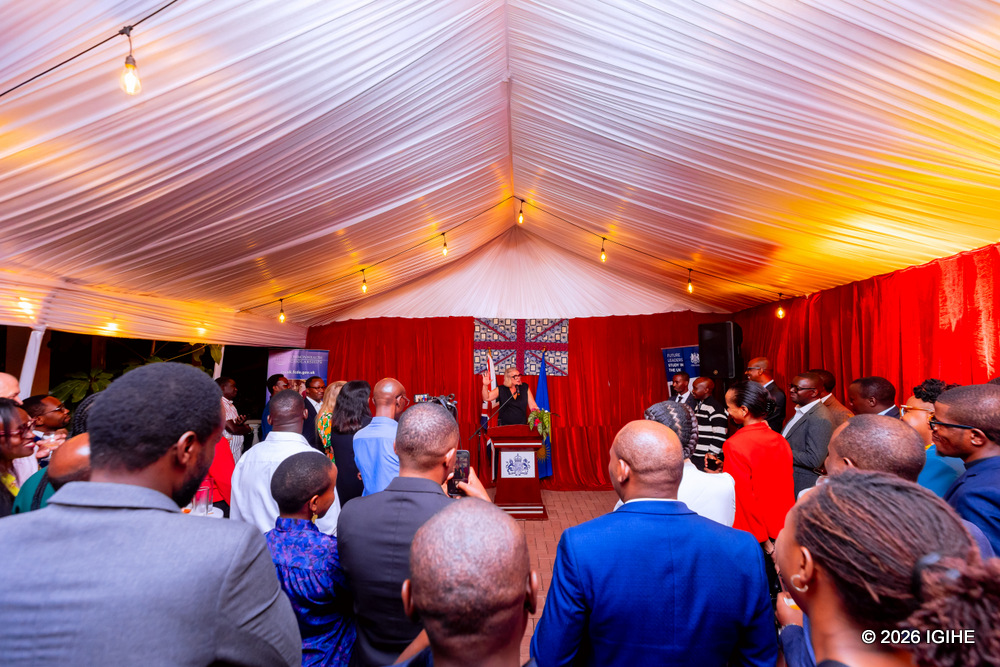
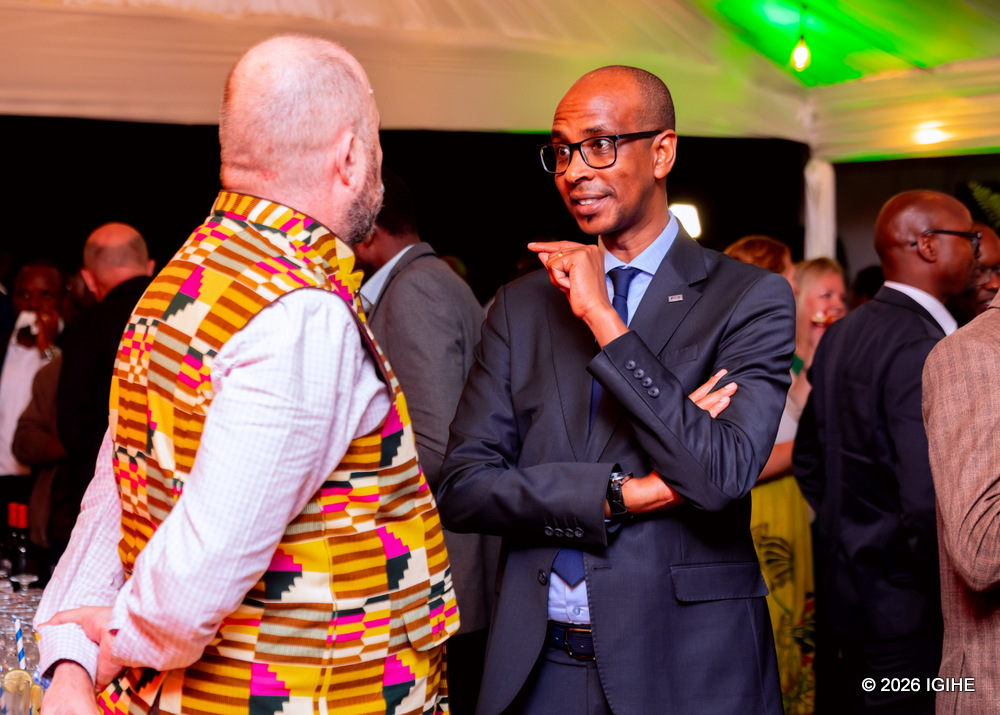
The commitment was reaffirmed at the UK Education Alumni Reception in Kigali on October 29, 2026, which brought together Rwandans who have studied in the UK, government representatives, university leaders and other stakeholders.
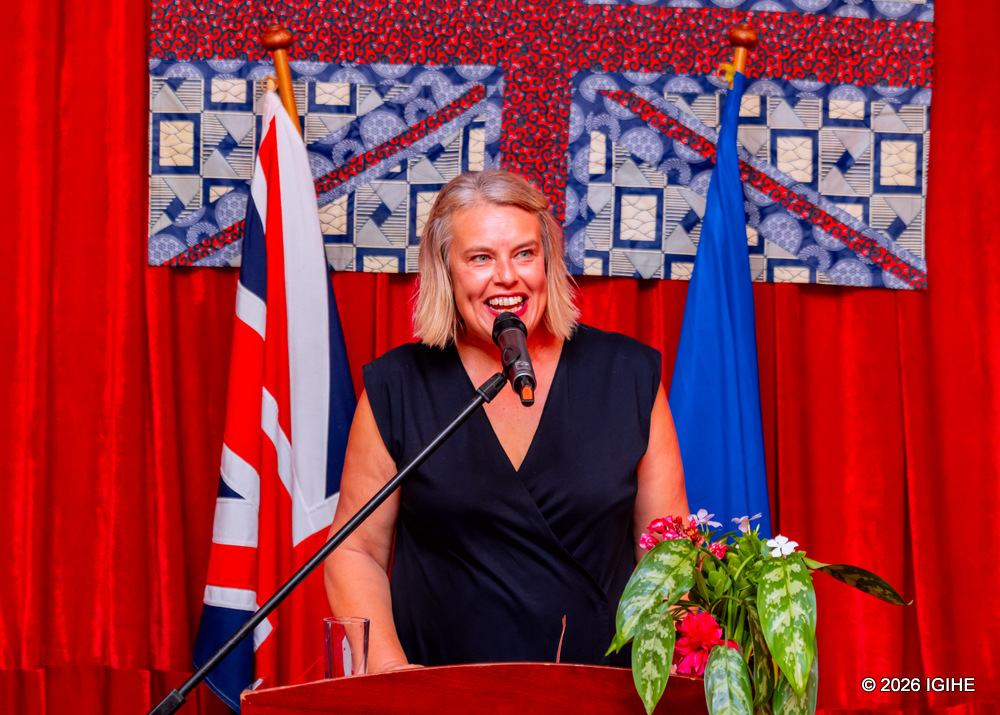
UK High Commissioner to Rwanda Alison Thorpe said the two countries already had at least 63 active partnerships between their educational institutions, covering sectors including health, energy, climate, technology, law and the creative industries.
She called for stronger collaboration that would enable universities in both countries to conduct research, develop innovations and build closer links with businesses and employers.
“I want stronger university partnerships. I want more shared research and innovation addressing real-world problems, and partnerships that are genuinely reciprocal, built around the priorities and expertise of both Rwanda and the UK,” she said.
Thorpe said UK universities could play a role in supporting Rwanda’s development ambitions, including those outlined in the Second National Strategy for Transformation (NST2), but stressed the importance of involving alumni in identifying relevant opportunities.
“Because the strongest partnership between Rwanda and the UK won’t be built by governments. It’ll be built by people,” she said, urging alumni to share ideas, reconnect with former universities and help establish new partnerships.
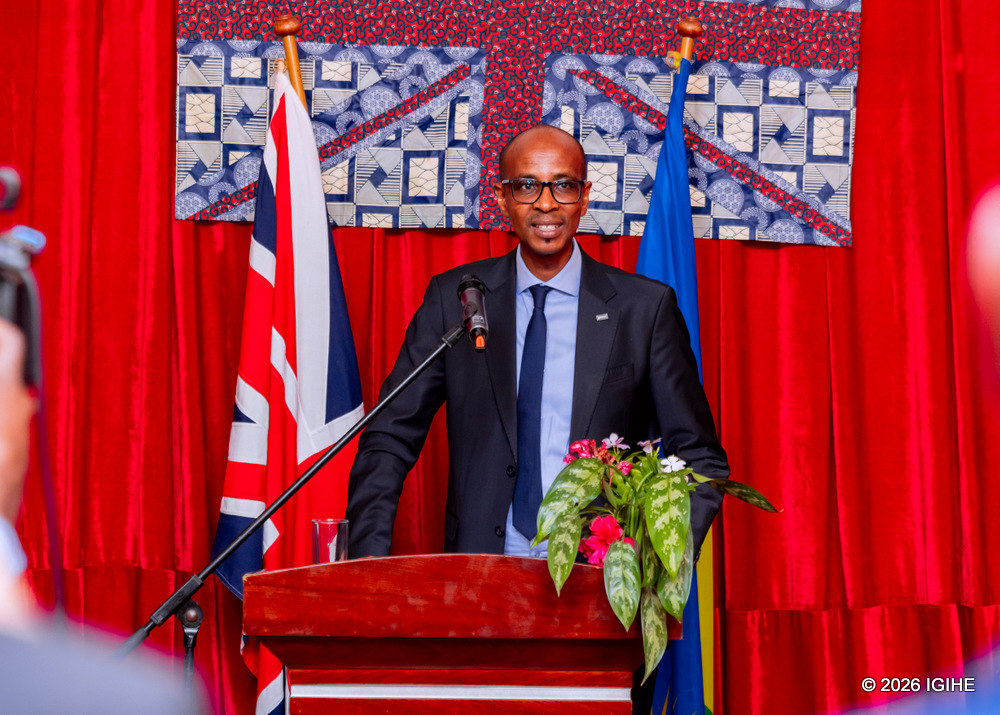
Representing the Minister of Education, the Director General of the Higher Education Council, Dr. Edward Kadozi, also reaffirmed the country’s commitment to expanding cooperation with the UK in higher education, research and skills development.
“ We reaffirm the Government of Rwanda’s commitment to working closely with the United Kingdom to expand mutually beneficial cooperation in higher education, research and skills development,” he said.
Dr. Kadozi said approximately 400 Rwandan students had studied at UK universities over the past 10 years through Government of Rwanda funding and Commonwealth scholarships.
“These graduates represent an important human capital resource for Rwanda and serve as a lasting connection between our two countries,” he said.
As Dr. Kadozi noted, the contribution aligns with Rwanda’s national development priorities, as outlined in Vision 2050 and the Second National Strategy for Transformation.
It also supports the Education Sector Strategic Plan 2024–2029 and the Higher Education Strategic Plan 2025–2030, which prioritise human capital development to drive innovation, productivity and the development of a skilled workforce for a knowledge-based economy.
Dr. Kadozi encouraged the alumni to use their education and international experience to support innovation, institutional transformation and national development, while mentoring younger professionals to access similar opportunities.
Among those who have benefited from UK education opportunities is Stella Bonard Ibango, a Commonwealth Scholarship alumnus who graduated from the University of York in 2020 with a Master of Science in International Humanitarian Affairs.
Ibango completed the two-year programme through distance learning while continuing to work in Rwanda. He is now Director of Human Talent Programmes at Kepler, overseeing programmes in Rwanda, Ethiopia and Uganda.
“The skills, experience and academic qualifications I gained through the programme have been among the key factors that have enabled my career growth,” he said.
He added that his professional work in refugee education has helped refugees access opportunities in education and employment.
Peace Kwizera, another Commonwealth Scholar, recently completed a Master’s degree in African International Development at the University of Edinburgh in Scotland.
She said the experience broadened her understanding of development through exposure to perspectives from different countries.
“Meeting people from all over the world helps you gain different perspectives,” she said, adding that he hoped to apply the knowledge gained to Rwanda’s development.
Rwanda joined the Commonwealth in 2009, providing another platform for engagement between the two countries.
Both countries maintain cooperation in areas including education, trade, investment, development and climate action.




Leave a Reply