Data from the Ministry of Education shows that the number of lecturers with PhDs increased from 1,091 in 2023/2024 to 1,360 in 2024/2025, representing a 24.6% increase in one year.
Of the 1,360 lecturers with PhDs, 1,144 were men and only 216 were women. Women therefore accounted for 15.9% of lecturers with PhDs, compared with 84.1% for men. Despite the wide gender gap, the number of women with PhDs has generally increased over the past five years.
There were 141 women with PhDs in 2020/2021, rising to 162 in 2021/2022 and 179 in 2022/2023, before falling slightly to 169 in 2023/2024. The number then rose to 216 in 2024/2025.
This represents an increase of 47 women, or nearly 28%, in one year. Among men, the number of PhD holders increased from 922 in 2023/2024 to 1,144 in 2024/2025.
Overall, the number of lecturers with PhDs increased from 976 in 2020/2021 to 1,360 in 2024/2025. However, women’s share of lecturers with PhDs grew only modestly, from 14% to 15.9% over the same period.
The gender gap is not limited to lecturers with PhDs. In 2024/2025, universities and higher learning institutions in Rwanda had 5,463 lecturers, including 4,283 men and 1,180 women. Women accounted for 21.6% of all lecturers, while men represented 78.4%.
There has nevertheless been progress compared with previous years. In 2020/2021, women accounted for 809 of the 4,301 lecturers, or 18.8%. Their number had increased to 1,180 by 2024/2025, raising their share to 21.6%.
Public higher learning institutions had 2,517 lecturers, including 539 women, representing 21.4%. Private institutions had 2,946 lecturers, of whom 641, or 21.8%, were women.
Most lecturers hold Master’s degrees
The report shows that while the number of PhD holders is increasing, Master’s degree holders make up the largest group of university lecturers.
In 2024/2025, 2,935 lecturers, or 53.7% of the total, held Master’s degrees. They included 2,265 men and 670 women.
PhD holders numbered 1,360, accounting for nearly a quarter of all lecturers. Another 936 lecturers held Bachelor’s degrees, including 683 men and 253 women, while 232 had qualifications below Bachelor’s degree level.
The Ministry of Education says the rise in the number of lecturers with PhDs reflects continued efforts by academics to advance their educational qualifications.
However, the low number of women reaching PhD level remains an area requiring greater support to enable more women to pursue advanced studies.
The increase in PhD holders came as the overall number of lecturers at universities and higher learning institutions also grew.
The number of lecturers rose from 4,577 in 2023/2024 to 5,463 in 2024/2025, an increase of 886 lecturers, or 19.3% in one year.
The number of lecturers with PhDs in Rwanda increased from 976 in 2020/2021 to 1,360 in 2024/2025.
The announcement was made on September 30, 2026, during a ceremony in Kigali at which 137 secondary school teachers were awarded the Professional Diploma in Education (PDE) after successfully completing a one-year professional training programme.
The programme, known as the Continuous Professional Development–Graduate Diploma in Education (CPD-GDE), was developed and implemented by the University of Rwanda–College of Education (UR-CE), in collaboration with REB, under the Rwanda Quality Basic Education for Human Capital Development (RQBEHCD) Project, financed by the World Bank.
The 137 teachers held A1 qualifications in non-education subjects before joining the programme. Through the CPD-GDE programme, which comprises 180 academic credits, they acquired pedagogical knowledge, skills and competencies required for effective teaching and learning.
The certification ceremony marked a step in efforts to strengthen teacher professionalism and improve the quality of basic education in Rwanda.
Dr. Nelson Mbarushimana, Director General of REB, said strengthening teachers’ knowledge and professional skills is essential to improving the quality of education.
He said the demands of 21st-century education require teachers to continuously develop their capacity and adapt to new approaches and technologies.
“Teachers who have studied education know how to follow up on all the children they teach, ensuring that no child is left behind. We are now also in a technological era where audio is used together with visual materials. There is a part of the brain that helps children retain information when they learn through images and other visual materials,” Dr. Mbarushimana said.
He said professionally trained teachers are expected to play a greater role in improving the quality of education, while additional professional development programmes can further strengthen the skills they have acquired.
Dr. Mbarushimana said the certification of the 137 teachers represents an important step towards ensuring that Rwanda’s teaching workforce has received formal training in education.
“We no longer have teachers who have not studied education. We have also trained all those who were teaching in primary schools without having studied education, and we will soon award them education qualifications.
“Going forward, we are only recruiting people who have studied education. Those who remained are the ones who have now received these qualifications, and we hope they will contribute to improving the quality of education,” he said.
Prof. Florien Nsanganwimana, Principal of the University of Rwanda–College of Education (UR-CE), said the college has played a significant role in providing professional training to teachers who were already working in the education sector.
He said that since 2019, UR-CE has trained more than 3,200 secondary school teachers in Mathematics and Science, as well as more than 25,000 primary school teachers in various subjects, alongside other categories of teachers.
However, the training of teachers in education is not considered the end of efforts to strengthen professionalism and improve the quality of teaching.
UR-CE and REB say teachers will continue to undertake additional short-term training and professional development programmes in areas including artificial intelligence, technology, languages and other emerging areas.
According to Ministry of Education figures for the 2024/25 academic year, Rwanda had 122,828 teachers working in pre-primary, primary and secondary schools, an increase of 9,280 compared with the 2023/24 academic year.
Dr. Nelson Mbarushimana, Director General of the Rwanda Education Board (REB), has highlighted the importance of strengthening teachers’ professional skills to improve the quality of education.The certification ceremony has brought together 137 secondary school teachers who have completed the CPD-GDE programme and received Professional Diplomas in Education.
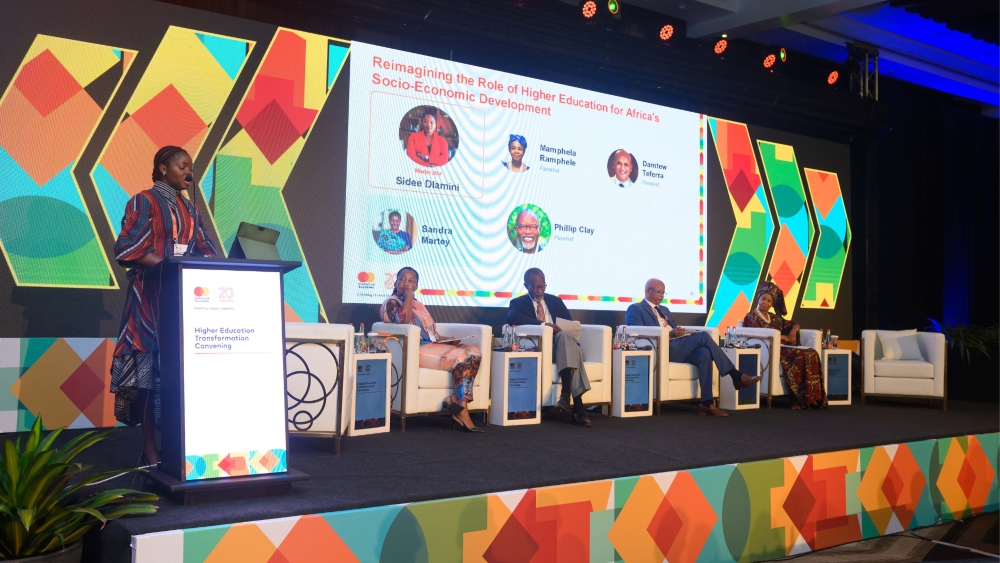
The call was made during the inaugural Higher Education Transformation Convening held in Accra, Ghana, on September 24, 2026, and hosted by the Mastercard Foundation under the theme, “Reimagining Higher Education for Africa’s Human Capital Development.”
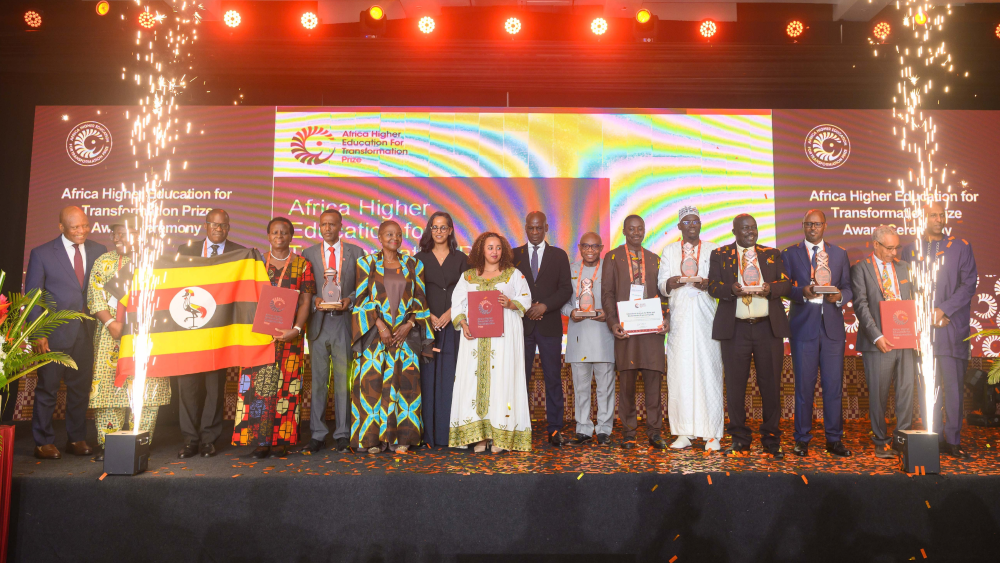
The convening also marked the inaugural Africa Higher Education for Transformation (AHEFT) Prize ceremony, which recognized five institutions for advancing sustained, institution-wide transformation.
“Transformation is not just a better university. It is a university that makes the whole economy around it work better for young people,” said Sewit Ahderom, President and CEO of the Mastercard Foundation.
She said universities need curricula developed with employers, credentials that reflect what graduates can do, institutions that prepare young people to lead emerging technologies, and research that moves beyond campuses into industry, government and communities.
Throughout the convening, participants explored how universities can strengthen research and innovation, prepare young people for changing labour markets and build stronger links with industry. Discussions also highlighted the need to focus research and skills development on areas where Africa has strategic advantages and potential for greater impact.
Young people called for their experiences and aspirations to be reflected in decisions on education, work and opportunity, while emphasizing their role as active partners in shaping the systems that affect their lives.
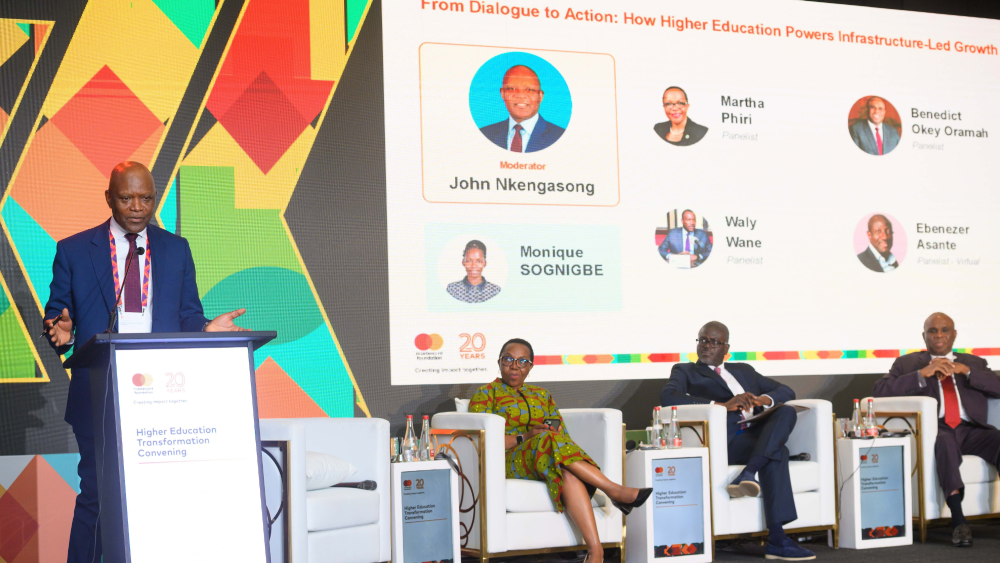
“Africa’s young and growing population presents one of the world’s greatest opportunities,” said Dr. John Nkengasong, Executive Director for Higher Education and Strategic Initiatives at the Mastercard Foundation.
“Higher education transformation is not simply an education agenda. It is an economic imperative,” he said, calling for governments, universities, industry, investors and development partners to work together to build systems that enable young people and economies to thrive.
The discussions align with the African Union’s Decade of Education and Skills Development (2025–2034), which seeks to strengthen education systems and skills development in line with the continent’s long-term development priorities, including Agenda 2063.
“The African Union’s Decade of Education calls on us to view higher education as a strategic investment in Africa’s future,” said Professor Saidou Madougou, Director of the African Union Department of Education, Science, Technology and Innovation.
He noted that higher education spending averages less than 0.8 percent of GDP, while research and development receives less than 0.5 percent of national budgets, calling for greater collaboration, faculty and student mobility, and systems that allow talent, knowledge and innovation to move across borders.
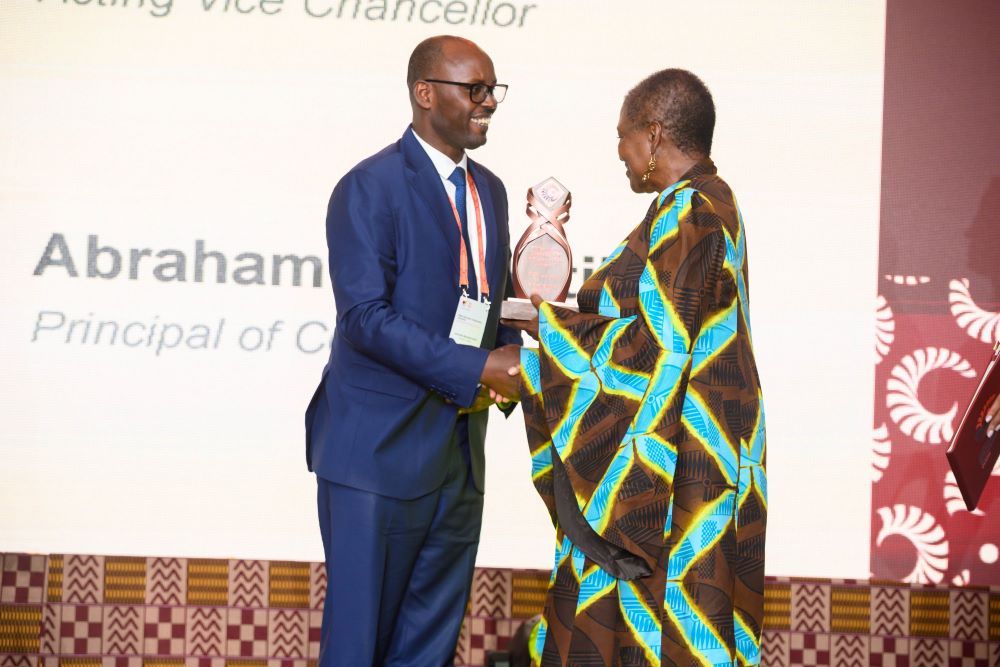
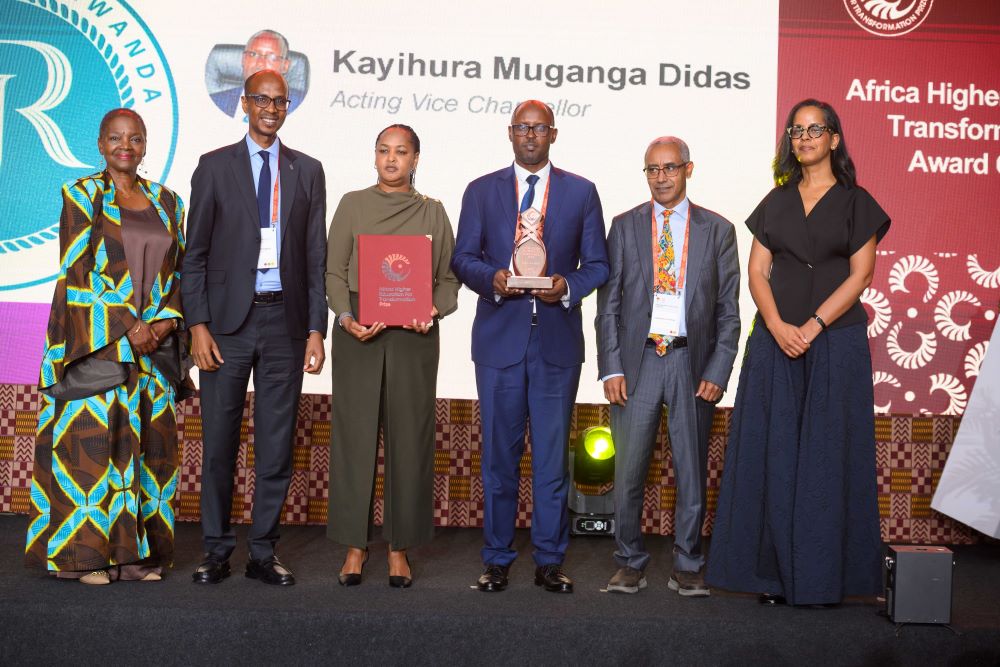
Prof. Kayihura M. Didas has received the inaugural AHEFT Prize on behalf of the University of Rwanda.
University of Rwanda among five AHEFT laureates
The convening also recognized Addis Ababa University in Ethiopia, the International Institute for Water and Environmental Engineering (2iE) in Burkina Faso, Kwame Nkrumah University of Science and Technology in Ghana, Muni University in Uganda, and the University of Rwanda as the inaugural AHEFT Prize laureates.
Backed by a USD 500 million commitment, the prize is expected to recognize at least 150 institutions across Africa over the next decade, with each winning institution receiving USD 3 million to scale transformative initiatives.
For the University of Rwanda, the prize will be used to build on progress in health education, research and innovation.
“This recognition affirms the University of Rwanda’s commitment to developing a health workforce that responds to the needs of our country and communities,” said Prof. Kayihura M. Didas, Vice Chancellor of the University of Rwanda.
“With the support of the Mastercard Foundation, we will build on the progress already made in health education, research and innovation, while strengthening our capacity to translate knowledge and research into meaningful impact for communities,” he said.
Other laureates also highlighted the broader role of universities in Africa’s development.
“Africa’s greatest resource is its young people. Our universities therefore have a responsibility not merely to prepare them to participate in the future, but to equip them to shape it,” said Samuel Kifle, President of Addis Ababa University.
Assoc. Prof. Anguma Simon Katrini, Vice Chancellor of Muni University, said universities should also strengthen their links with surrounding communities.
“The future of African universities is not within our walls alone; it is also in our communities,” he said. “Universities need to move beyond the ivory tower to the people, listen to their challenges, and put our knowledge to work alongside them.”
Susan Chomba, Chair of the AHEFT Jury, said the inaugural laureates demonstrated different approaches to meaningful institutional transformation.
The Mastercard Foundation said applications for the 2027 AHEFT Prize cycle will open later this year.
The Accra discussions concluded with a call for universities, governments, industry, investors and development partners to translate the emerging consensus into system-level action, strengthening links between education, employment, research and investment so that more young Africans can learn, earn and lead.
Prof. Kayihura M. Didas was joined on stage by Rwanda’s High Commissioner to Ghana, Rosemary Mbabazi; Dr Edward Kadozi, Director General of the Higher Education Council of Rwanda; and Prof. Abraham H. Mitike, Principal of the College of Medicine and Health Sciences.The inaugural AHEFT Prize ceremony brought together higher education leaders and partners in Accra, Ghana.Higher education leaders and partners attended the inaugural AHEFT Prize ceremony in Accra.The inaugural AHEFT Prize has recognised five universities for their efforts to transform higher education in Africa.
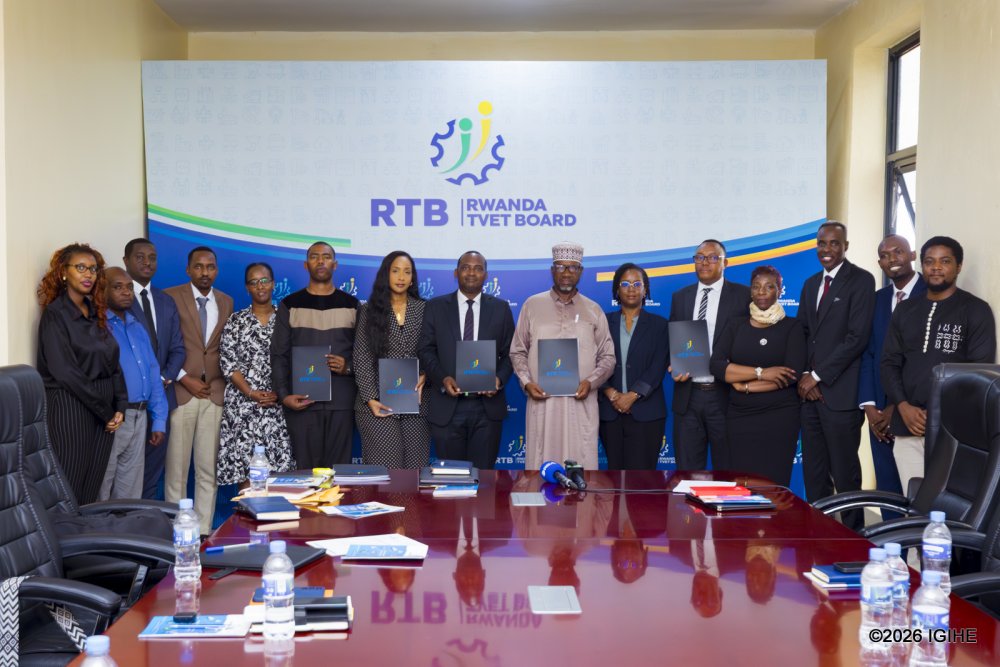
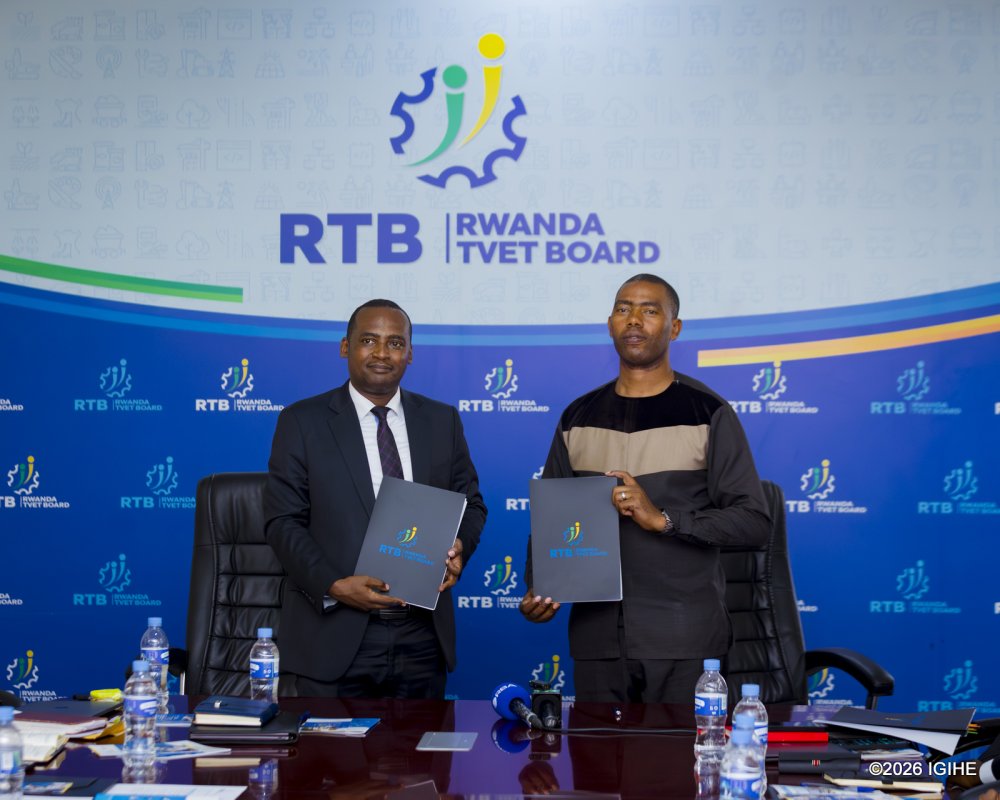
The agreements were signed with the Rwanda Garage Association (RGA), Rwanda Wood Value Chain Association (RWVCA), Rwanda Tailors Association (RTA) and Rwanda Hospitality Association (RHA) during a ceremony held at RTB offices in Kigali on September 29, 2026.
Supported by the Embassy of Switzerland in Rwanda and Never Again Rwanda, these partnerships are part of the ongoing efforts to strengthen Rwanda’s national Dual TVET system by bringing government, TVET institutions and industry together and expanding opportunities for students to complement classroom learning with practical, structured experience in real workplaces.
The agreements provide for Dual TVET workplace placements, internships, apprenticeships, industrial attachments and other structured workplace-learning opportunities.
Industry associations will help mobilise suitable businesses, identify workplace mentors and in-company instructors, and support practical training.
The four associations collectively represent more than 1,680 businesses, in addition to around 1,500 individual tailors. RGA represents 332 garages, RWVCA brings together 300 companies, RTA represents 350 companies and RHA represents between 700 and 800 businesses.
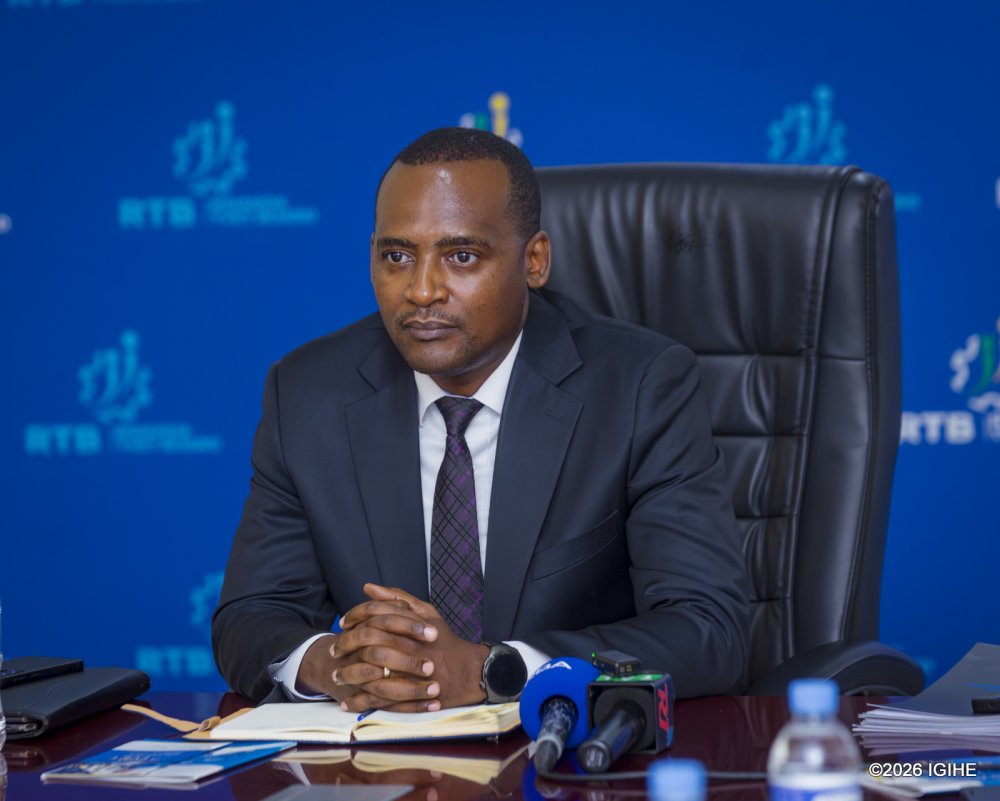
RTB Director General Eng. Paul Umukunzi said the agreements would help address the gap that previously existed between TVET institutions and the private sector, which sometimes affected students when they entered the labour market.
“These agreements aim to ensure that students are trained based on the needs of the labour market. Private-sector companies will follow students from the time they join school so that, when they reach the stage of workplace learning, the companies will receive students they know and whose training they have contributed to,” he said.
The partnerships will also give industry a stronger role in identifying priority skills, occupational analysis, curriculum development and review, training delivery, assessment and quality assurance.
Deputy Chairperson of the Rwanda Garage Association, Niyitegeka Jean Eric, said some students had previously struggled to find suitable places for workplace training, particularly in larger companies.
“We are pleased that this will now be given a clear framework so that every student can undertake workplace learning in an environment that matches the skills they are pursuing,” he said.
Opportunities for experienced workers
The agreements will also benefit people already working in the private sector who have practical skills and experience but lack formal qualifications.
Umukunzi said RTB would assess their existing competencies through Recognition of Prior Learning (RPL) and provide certification to those who meet the required standards.
“We have many Rwandans working in private companies who have different skills and are active in the labour market but do not have formal qualifications. Through these agreements, we will assess the skills they have and provide them with qualifications corresponding to those skills,” he said.
RWVCA Chairperson Abdu Karemera said certification could help experienced workers gain confidence in their professions and create their own businesses.
The agreements also provide for short courses, upskilling and reskilling to help workers adapt to new technologies and changing industry requirements.
RTB said it will continue engaging other industry associations and private-sector actors to expand workplace learning opportunities to more sectors and learners across Rwanda.
Nicole Ansoni, Board Secretary of the Rwanda Hospitality Association, has signed the MoU on behalf of the association.The Deputy Chairperson of the Rwanda Garage Association, Niyitegeka Jean Gilbert (right), has signed the MoU.RWVCA Chairperson Abdu Karemera has signed the MoU alongside RTB Director General Eng. Paul Umukunzi.The President of the Rwanda Tailors Association has also signed the MoU.RTB Director General Eng. Paul Umukunzi has said there was previously a gap between TVET institutions and the private sector.RTB plans to continue engaging other industry associations and private-sector actors to expand workplace learning opportunities to more sectors and learners across Rwanda.
A hospital needs sophisticated equipment. A patient may require an advanced prosthetic device. A clinician depends on reliable imaging technology. Health systems increasingly rely on digital tools to manage information and deliver care.
Behind many of these needs is a profession that brings engineering into the world of healthcare: Biomedical Engineering.
For students in Rwanda who are drawn to both technology and health sciences, UMST is opening a new academic pathway. The university has received accreditation from Rwanda’s Higher Education Council for its Bachelor’s degree in Biomedical Engineering, becoming the first university in Rwanda to receive accreditation for an undergraduate program in the field.
The program comes at a time when healthcare is becoming increasingly dependent on technology and when countries need professionals capable of understanding, managing and developing that technology.
Where engineering meets healthcare
Biomedical Engineering combines engineering with medical and biological sciences to address practical healthcare challenges.
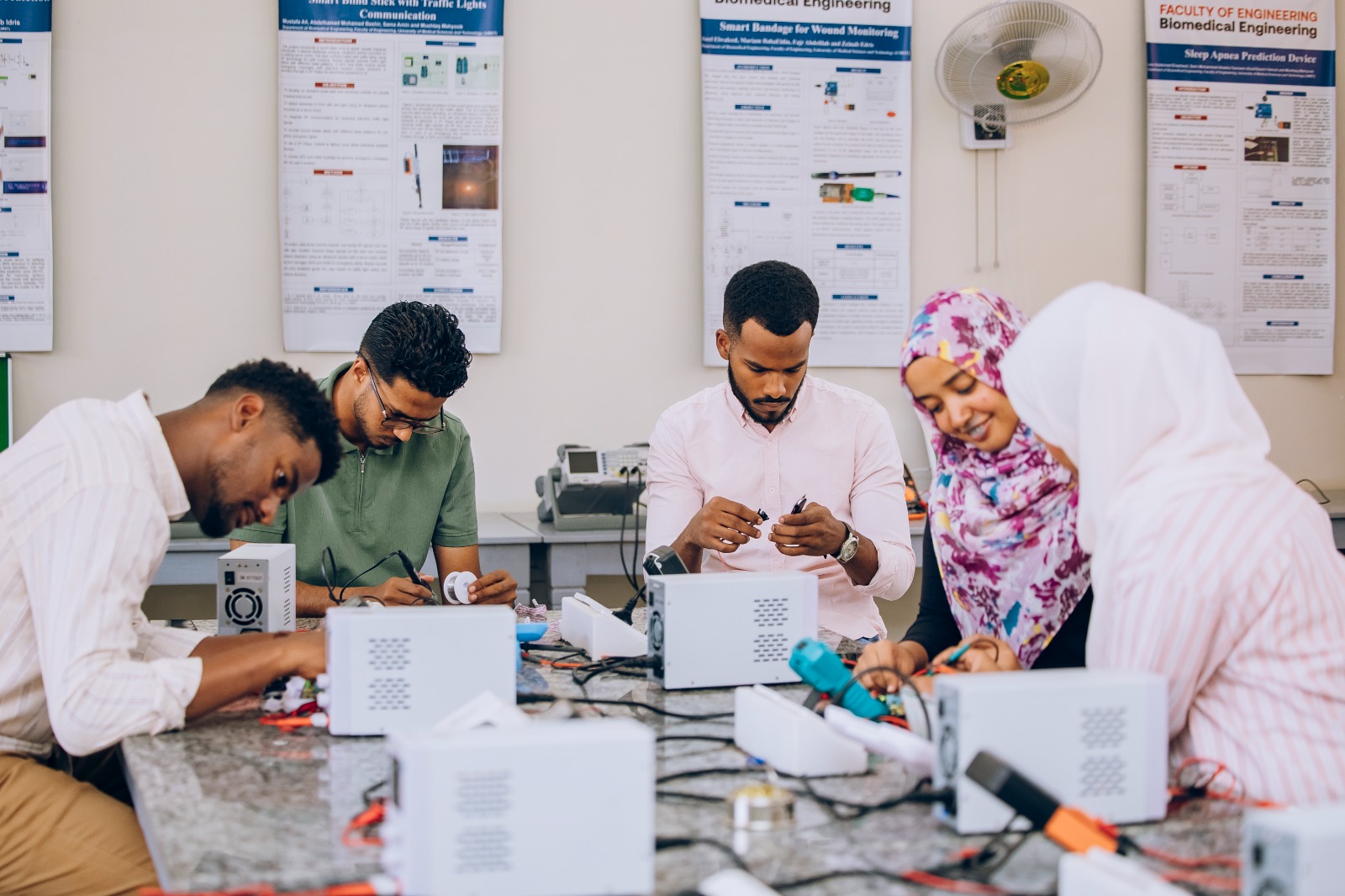
At UMST, students will be introduced to three specialized areas: Bioinstrumentation Technology, Medical Imaging and Medical Informatics.
The applications are wide range. Graduates can contribute to medical-device development and management, imaging technologies, rehabilitation, health information systems, research, innovation and other areas where technology intersects with patient care.
It is a field for students who want to ask not only what is the problem? but also how can we design a solution?
A program that demands strong science
Biomedical Engineering is not a shortcut to healthcare. It is a rigorous discipline requiring students to work across several areas of science and engineering.
At UMST, students can enter the program with PCB, MCB or PCM combinations. Their training will require a strong foundation in Mathematics and Physics alongside Biology, computing, engineering principles and practical problem-solving.
The interdisciplinary nature of the program is central to its appeal. A student may need to understand how the human body works, analyze a technical problem and then apply engineering principles to develop or improve a solution.
That combination requires curiosity, discipline and the willingness to learn beyond a single subject.
Learning from technology and experience
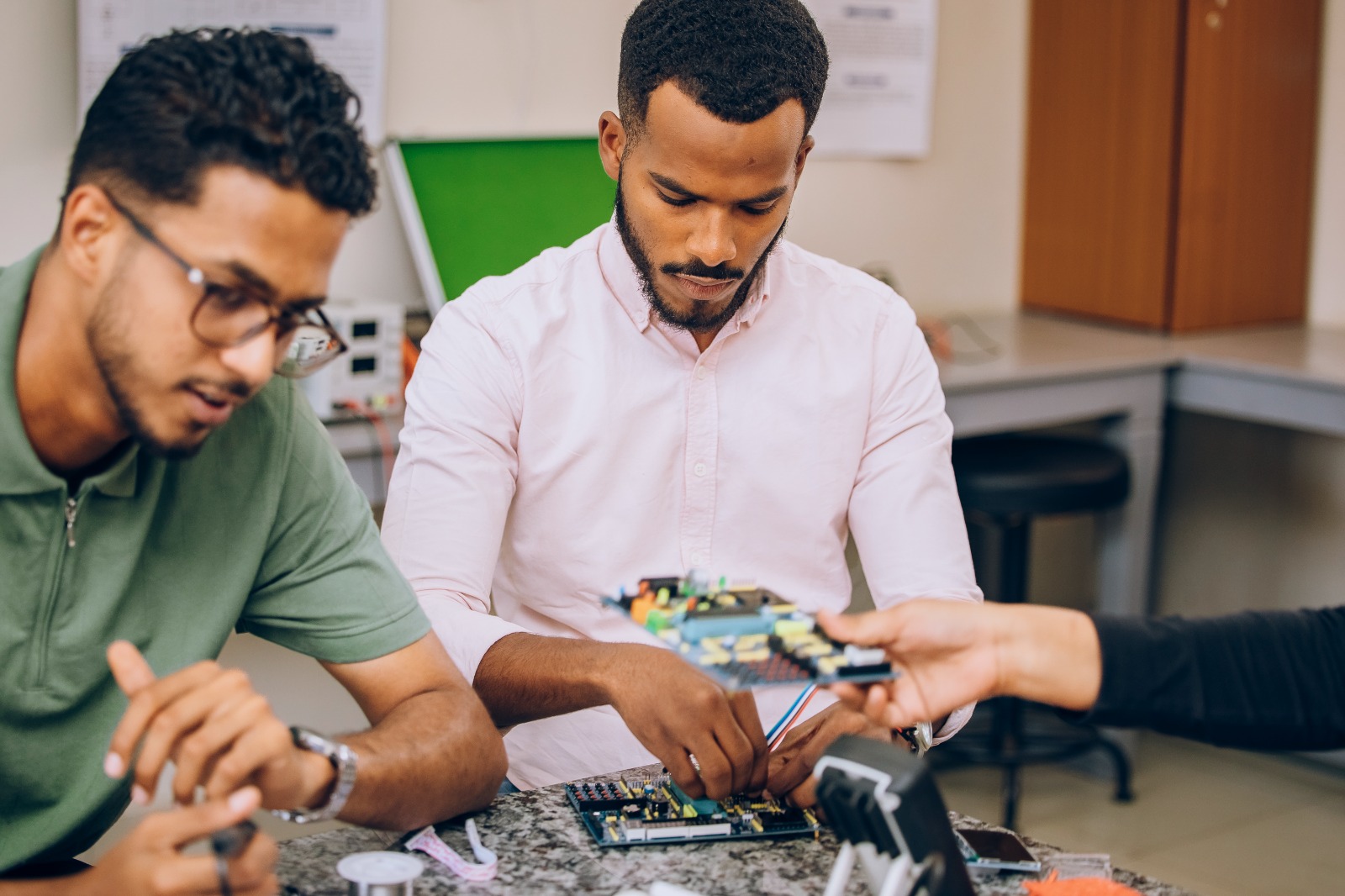
The program is supported by UMST’s state-of-the-art technology and modern teaching and learning resources, designed to connect theoretical knowledge with practical training.
Students will also benefit from the university’s combination of experienced professors and industry practitioners, bringing academic expertise and professional experience into the classroom.
For a discipline as practical as Biomedical Engineering, that connection matters. Understanding a device from a textbook is different from understanding how technology performs in a real healthcare environment.
Eng. Mushtaq Mahyoob, Dean, College of Biomedical Engineering said: “Biomedical Engineering requires students to think across disciplines. We want them to understand the healthcare problem, identify where technology can make a difference and develop the engineering skills needed to create safe and practical solutions. Accreditation is an important milestone, but our greater goal is to prepare engineers who can contribute meaningfully to healthcare innovation in Rwanda and beyond.”
Careers beyond the classroom
The career possibilities extend well beyond a traditional engineering workplace.
Biomedical engineers can work in hospitals, medical-device companies, research institutions, universities, technology companies, rehabilitation services and healthcare technology management. The field also provides a foundation for research, innovation and entrepreneurship.
For Rwanda, developing this expertise locally could help strengthen the country’s capacity to manage existing healthcare technologies while creating solutions suited to local needs.
The opportunity is not confined to Rwanda either. UMST’s graduates have built careers internationally, including in the United Arab Emirates, United Kingdom, Canada and Australia, among other destinations.
For prospective students, that international reach demonstrates the potential for a career that can move across healthcare systems and national borders.
Different professions, one healthcare mission
A new academic milestone for UMST
UMST has been recognized as a university since 1996, building its academic identity over nearly three decades.
The accreditation of the Biomedical Engineering degree UMST-Rwanda Campus adds a new chapter to that history. It also reflects the university’s stated commitment to specialized education that responds to the needs of the healthcare sector while keeping pace with developments in technology and medical innovation.
For students, the significance is clear.
They are not simply choosing another engineering degree. They are entering an emerging profession at the intersection of two rapidly evolving fields.
A student’s perspective
“I chose Biomedical Engineering because I wanted a career where I could use engineering and technology to solve real healthcare problems. The program is challenging because it brings different sciences together, but that is also what makes it exciting,” says Margany Esam Mahjon.
Frequently asked questions
Who should consider Biomedical Engineering?
Students with an interest in Mathematics, Physics, Biology, technology and practical problem-solving.
Which combinations are accepted?
UMST accepts PCB, MCB and PCM, subject to the university’s current admission requirements.
Is Biomedical Engineering the same as medicine?
No. It is an engineering discipline applied to healthcare. Biomedical engineers and doctors have different professional responsibilities and work as complementary members of the wider health system.
Where can graduates work?
Potential areas include hospitals, medical-device companies, research and innovation centres, technology companies, rehabilitation services, universities and healthcare technology management.
Can the degree lead to international careers?
Biomedical Engineering is an internationally relevant field, although professional requirements vary by country. UMST graduates already work in several international markets, including the UAE, UK, Canada and Australia.
The future needs people who can build
Healthcare’s future will depend not only on those who diagnose and treat disease, but also on those who develop the technologies that make better diagnosis, treatment and rehabilitation possible.
That is the opportunity Biomedical Engineering presents.
And at UMST, Rwanda’s first accredited undergraduate program in the field gives a new generation of students the opportunity to be part of that future.
For students who want to combine science, engineering and purpose, the next healthcare breakthrough could be theirs to build.
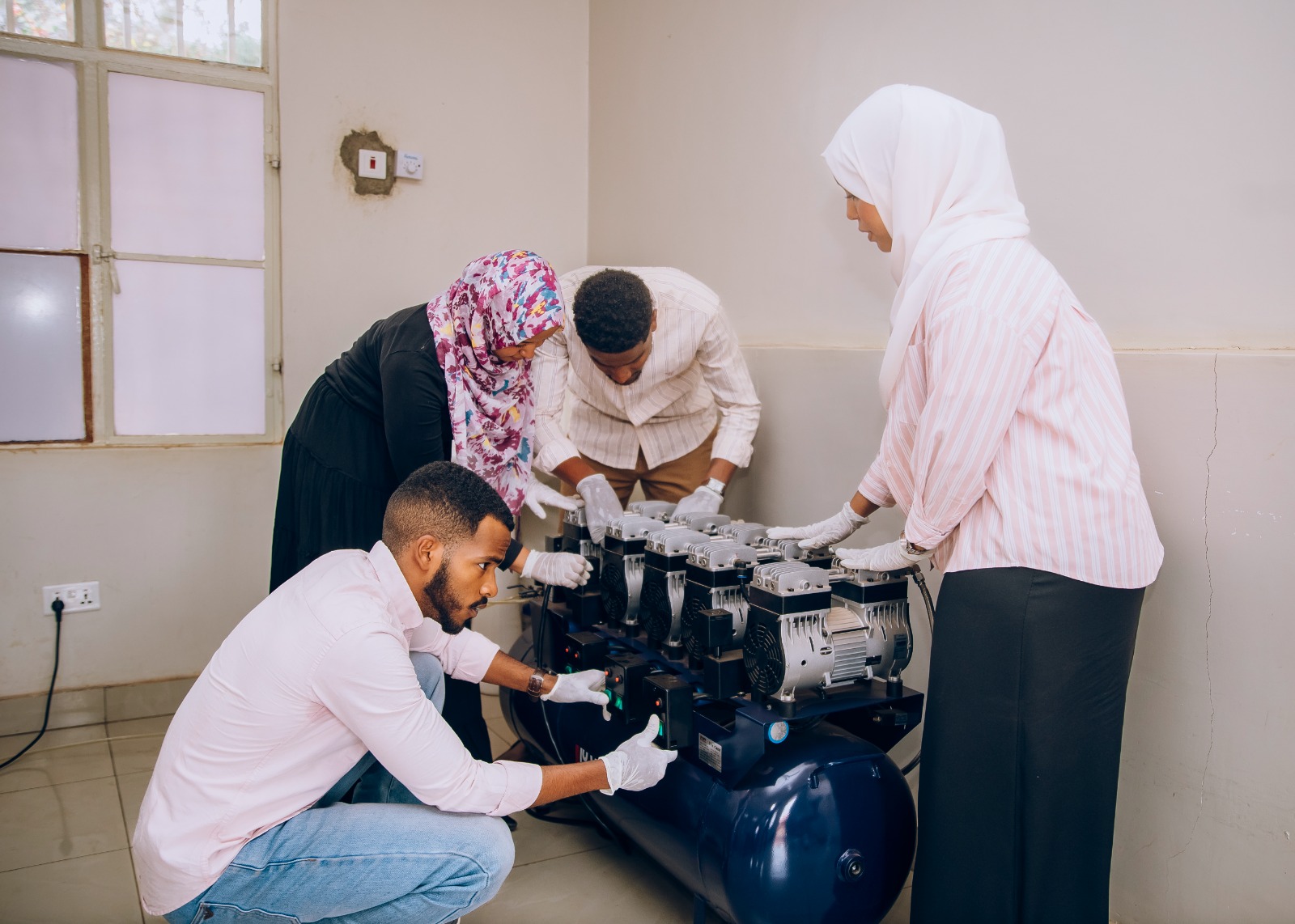
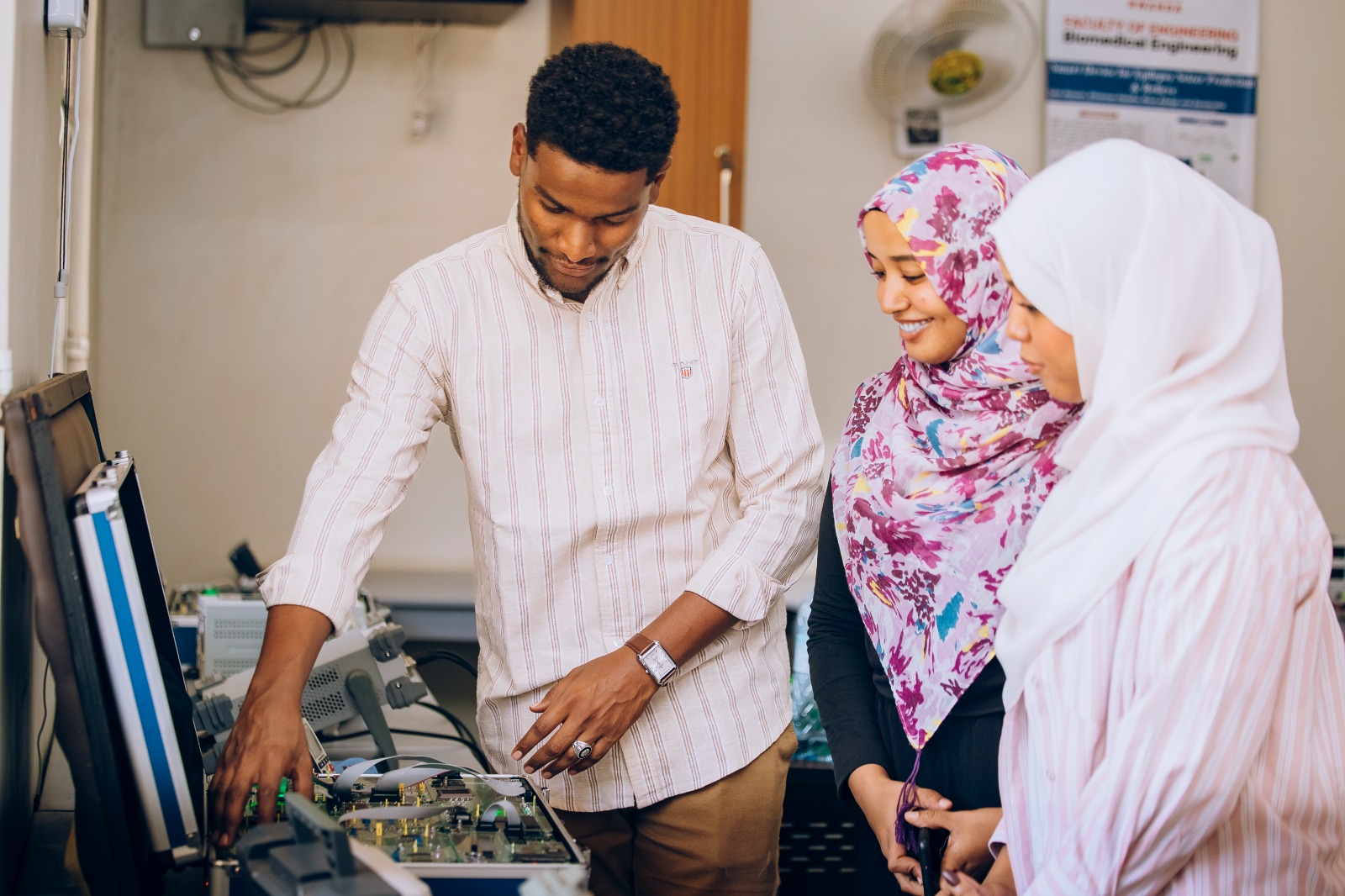
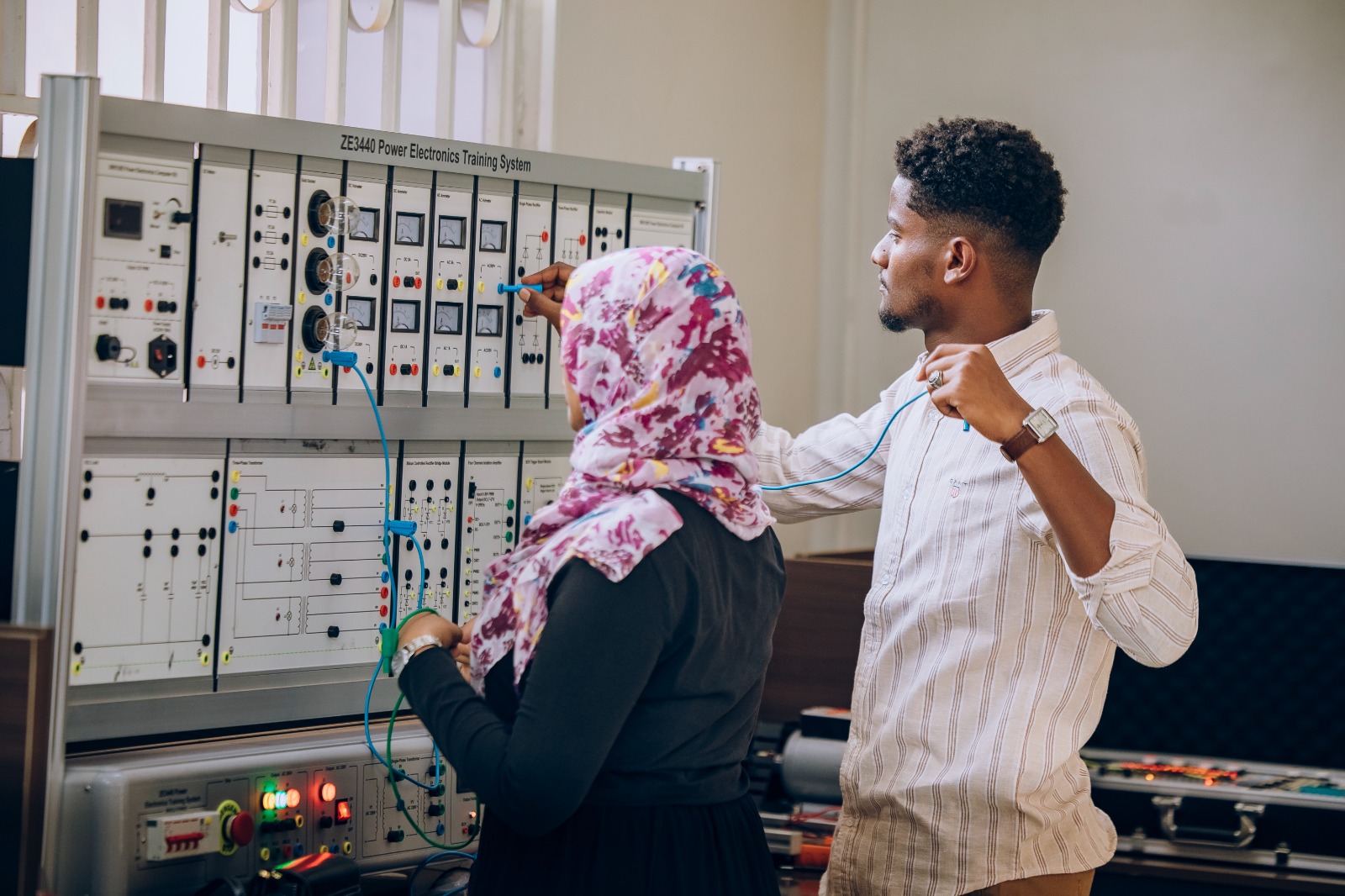
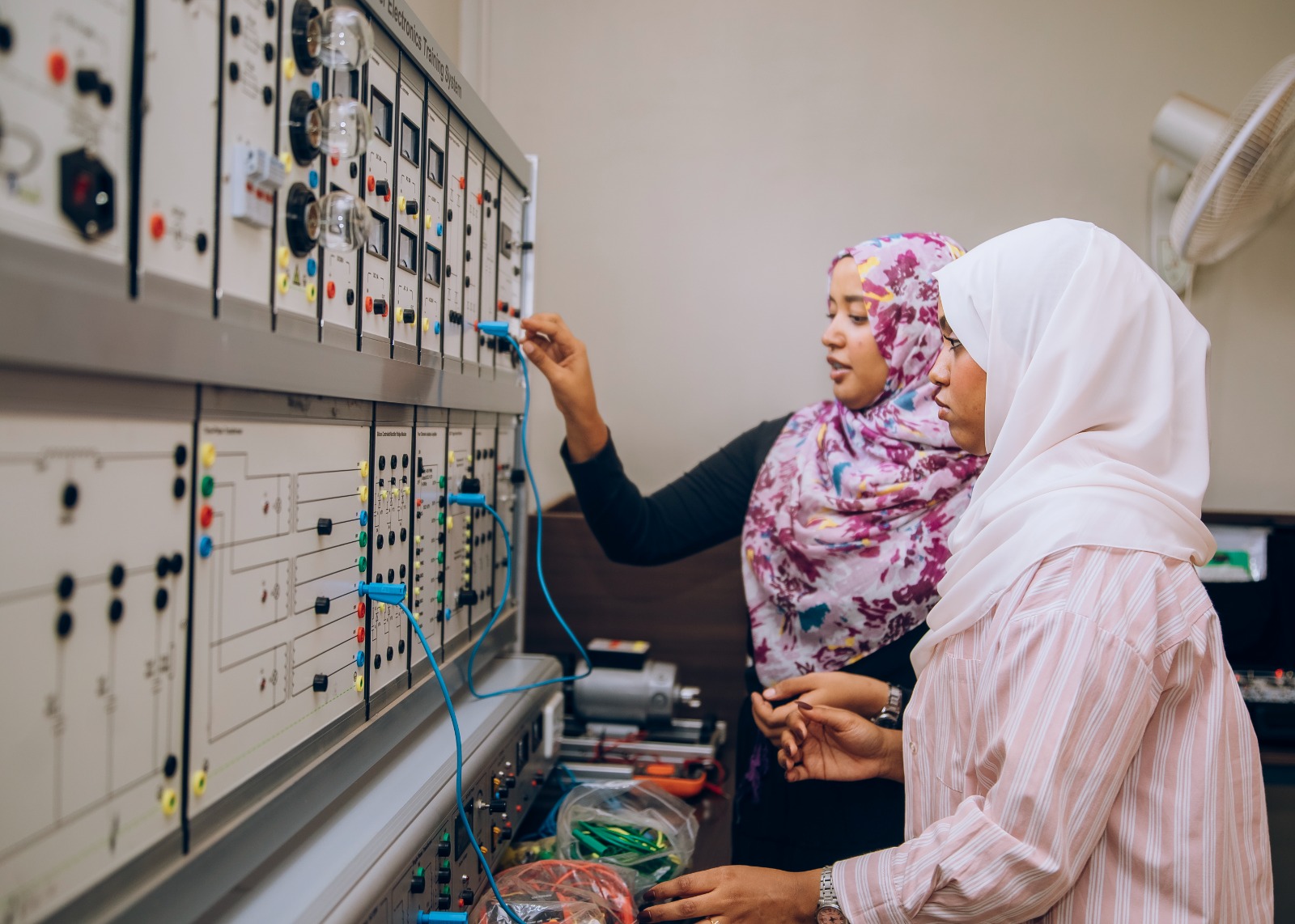
UMST has received accreditation from Rwanda’s Higher Education Council to offer an undergraduate degree in Biomedical Engineering, becoming the first institution in Rwanda to receive accreditation for the programme.Biomedical Engineering programme, combinines engineering, technology and healthcare training.UMST’s newly accredited Biomedical Engineering programme will train students in areas including medical imaging, bioinstrumentation and medical informatics.The new Biomedical Engineering programme at UMST is designed to prepare students to work with technologies used in diagnosis, treatment, rehabilitation and healthcare management.UMST’s accredited Biomedical Engineering programme offers prospective students a pathway that brings together engineering and health sciences to address practical challenges in healthcare.
The agreement was signed on September 8, 2026, by Rwanda’s Ambassador to Brazil, Lawrence Manzi, on behalf of the Ministry of Education (MINEDUC), and Prof. Dr. Carlos Gilberto Carlotti Junior, Provost for International Cooperation at USP.
The MoU provides a framework for cooperation between USP and Rwandan higher learning institutions in areas of mutual interest.
Under the agreement, the institutions will facilitate exchanges of students, faculty members, researchers, as well as technical and administrative staff.
They will also collaborate on joint research projects, scientific and cultural activities, and the exchange of academic information, publications and programmes.
The agreement builds on growing education ties between Rwanda and Brazil.
In November 2025, the two countries signed an agreement on cooperation in education. This was followed by the signing of 35 memoranda of understanding between Rwandan and Brazilian universities in May 2026.
In August 2026, the first group of Rwandan Master’s and doctoral students arrived in Brazil to pursue their studies at three Brazilian universities, marking the beginning of the implementation of some of the academic cooperation agreements between the two countries.
The latest agreement with USP is expected to create additional opportunities for Rwandan students and researchers while strengthening collaboration between higher learning institutions in the two countries.
The partnership is also in line with Rwanda’s efforts to build a knowledge-based economy through investment in education, technology, innovation and research.
USP, one of Brazil’s leading universities and research institutions, is expected to provide a platform for Rwandan academics and students to access research opportunities, develop joint projects and exchange knowledge with their Brazilian counterparts.
The cooperation also adds to broader Rwanda-Brazil relations by strengthening institutional and people-to-people ties and promoting South-South cooperation in education and research.
Rwanda’s Ambassador Lawrence Manzi and USP’s Prof. Dr. Carlos Gilberto Carlotti Junior exchanging documents during the signing ceremony.The agreement was signed on September 8, 2026
The results were released on Friday, September 11, 2026.
NESA Director General Dr Bernard Bahati said 108,732 students registered for the examinations, including 55.05% girls and 44.95% boys.
Of the 108,406 students who sat for the examinations, 102,261 passed, representing an overall pass rate of 94.33%.
Education Minister Joseph Nsengimana said the results were a reflection of the collective efforts of students, teachers, parents and other stakeholders.
“We are glad that the results are good, because 94 per cent of the candidates passed,” he said.
The pass rate among boys stood at 95.94%, compared with 93.02% among girls.
Manzi Nshuti Kabanda Brave, who studied Mathematics, Chemistry and Biology (MCB) at Petit Séminaire Saint Aloys in Rusizi District, topped the Sciences combination with 98.40%, the highest weighted percentage recorded among General Education candidates.
Umwali Deborah, who studied History, Literature and Psychology (HLP) at Cornerstone Leadership Academy in Rwamagana, led the Arts and Humanities combination with 97.52%.
The exams, administered nationwide from July 15 to 22, 2026, covered three tracks: General Education (GE), Technical Secondary School (TSS), and Professional Education (PE).
General Education recorded the largest number of candidates, with 56,330 of 56,516 registered students sitting the exam and 53,050 passing, a 94.18% pass rate. Among learning areas, Humanities posted the strongest performance at 95.86%, ahead of Science at 93.87% and Languages at 93.61%.
In Technical Secondary School, 42,793 of 42,912 registered candidates sat the exam, with 40,459 passing for a 94.55% pass rate. Performance varied sharply by sector: Arts and Crafts recorded the highest pass rate at 99.45%, while ICT and Multimedia trailed at 89.24%, the lowest among all TSS sectors, followed by Hospitality and Tourism at 90.65%.
Professional Education posted a 94.28% pass rate, with 8,752 of 9,283 candidates passing. Within this category, the Teacher Training College (TTC) and Associate Nursing Program (ANP) options recorded pass rates above 99%, while Accounting (ACC) lagged at 88.59%.
The results also point to a broader improvement in candidate performance nationwide. The share of candidates scoring below 50% dropped to 5.63%, down from 10.91% the previous year, while those scoring 70% or above nearly reached half of all candidates, at 48.98%, up from 38.63%.
Candidates can access their individual results online at https://rne.sdms.gov.rw/. NESA said appeals on examination marks must be submitted within 30 days of the results’ publication, exclusively through the School Data Management System (SDMS) and only by head teachers on behalf of candidates.
A total of 94.33% of students who sat for Rwanda’s 2025/2026 national examinations, marking the completion of senior secondary school, have passed, the National Examination and School Inspection Authority (NESA) has announced.
Minister of Education Joseph Nsengimana said the deadline is now less than four years away, requiring East African countries to move faster in addressing regulatory differences and other barriers that limit the movement of students, academics, professionals and qualifications across borders.
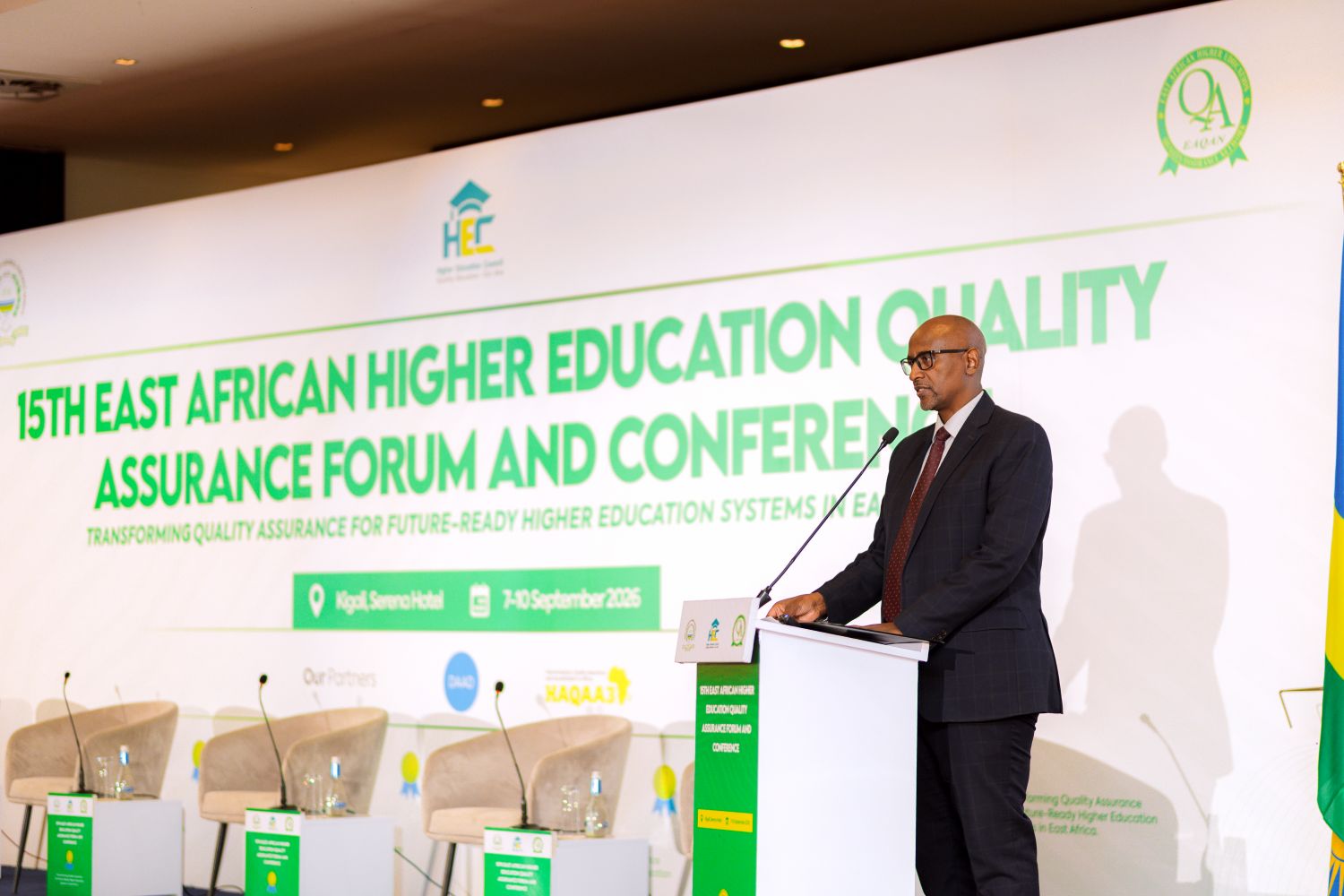
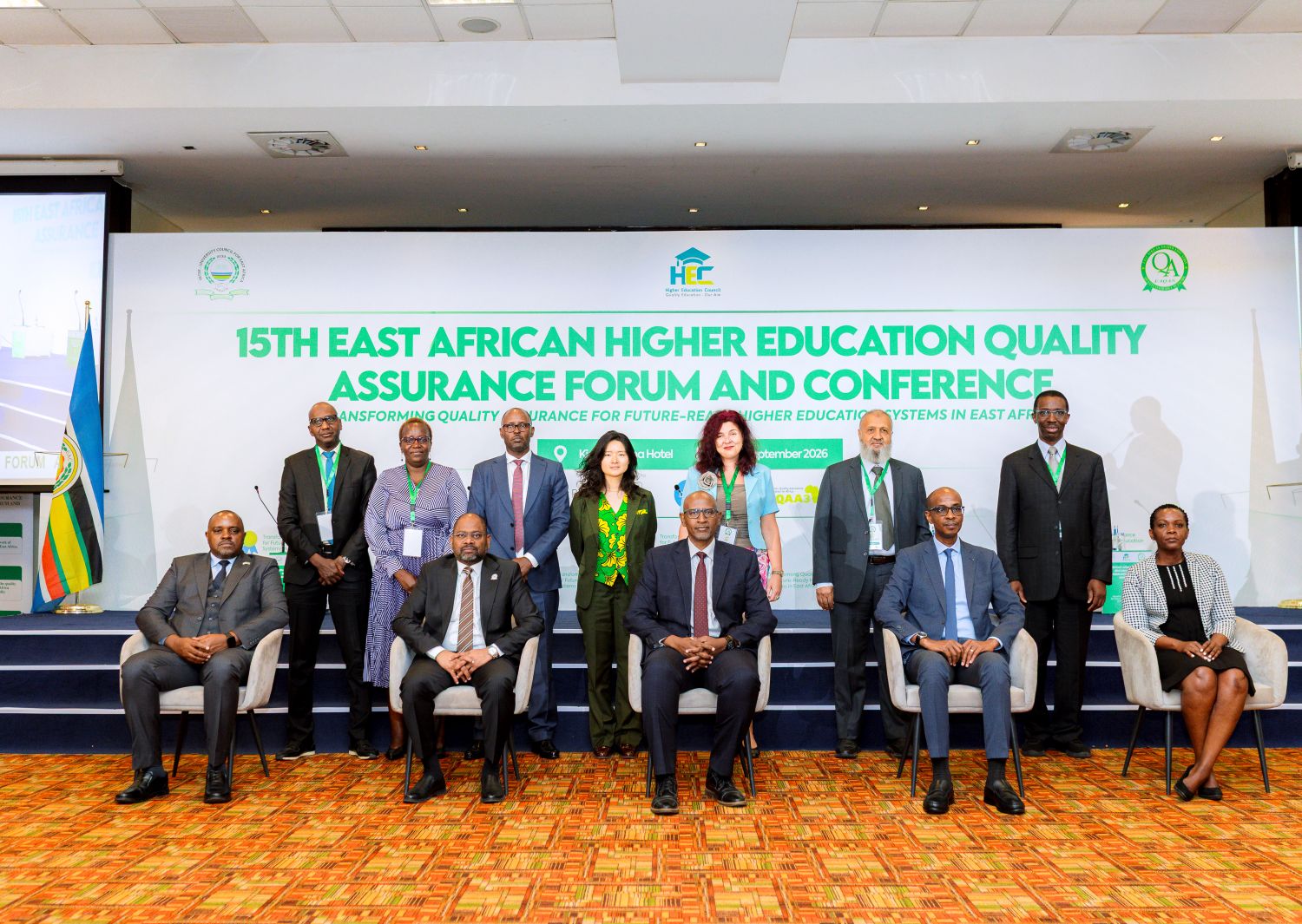
Nsengimana made the call on September 7 at the 15th East African Higher Education Quality Assurance Forum and Conference in Kigali, which brings together higher education stakeholders from across the region.
“Our heads of state and ministers responsible for education in the East African Community have set the ambitious goal of operationalising this Common Higher Education Area by 2030. The deadline is now fewer than four years away. This should not create anxiety, but it must create urgency,” he remarked.
“To achieve this, we must accelerate harmonisation, address gaps in international regulatory frameworks, and confront the resource and administrative constraints that continue to slow our progress.”
He said a common higher education area would enable qualifications earned in one East African country to be recognised more easily in another, while allowing students and professionals to move across borders with fewer administrative barriers.
The minister said quality assurance should serve as the foundation for building this trust, describing it as an “invisible infrastructure of trust” that allows qualifications, knowledge, research and human capital to move across the region.
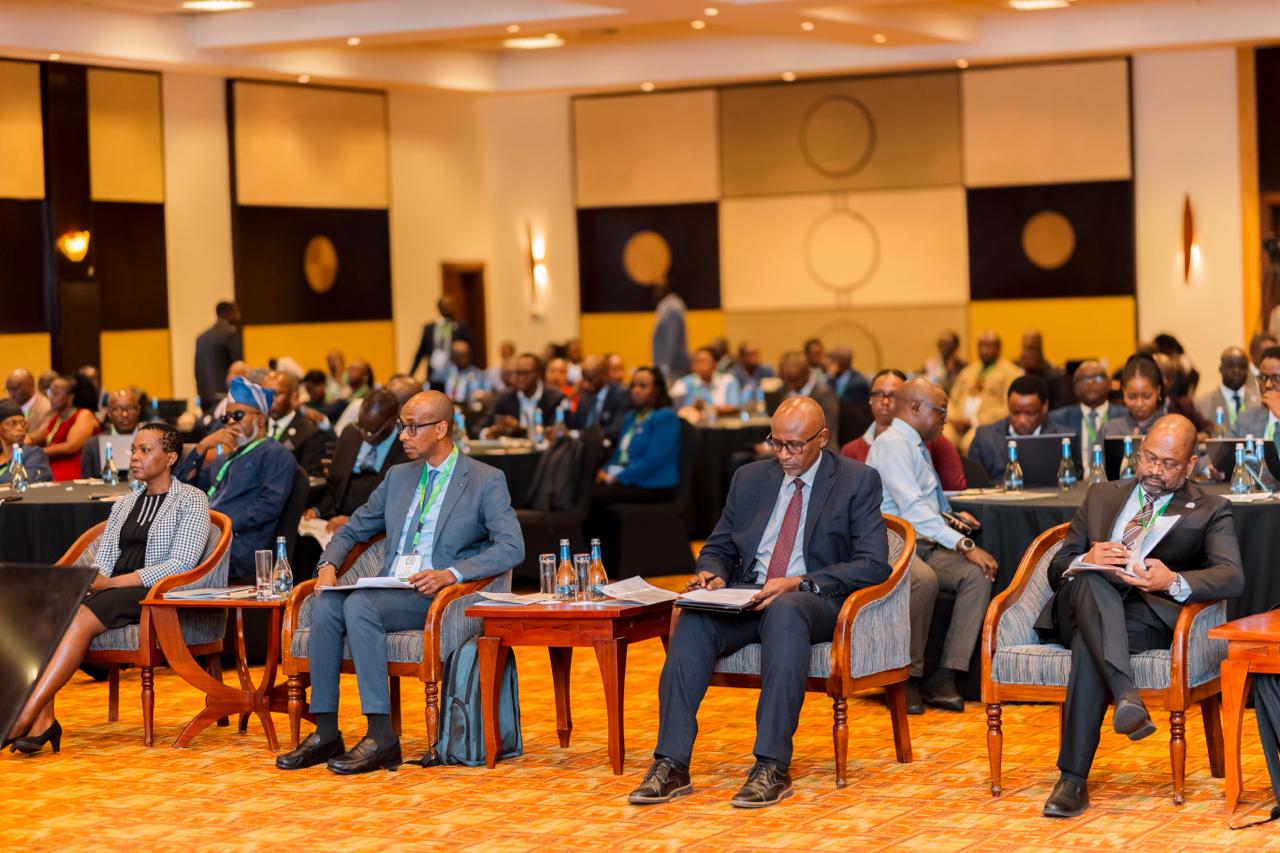
The forum brings together regional higher education stakeholders.
The push comes as the Inter-University Council for East Africa (IUCEA) shifts its focus from developing regional frameworks towards putting them into practice.
Prof. Idris Rai, Acting Executive Secretary of IUCEA, said the council’s 2026–2031 strategic plan places the operationalisation of the Common Higher Education Area at the centre of its work.
The strategy includes strengthening regional programme accreditation, qualifications frameworks and recognition, credit accumulation and transfer, policy harmonisation and quality assurance systems.
Rai said East Africa also needs to update its quality assurance tools to reflect emerging forms of education, including artificial intelligence-supported learning, digital education and micro-credentials.
Removing barriers to mobility
Participants at the forum identified differences in qualification frameworks, credit systems and recognition of prior learning as some of the challenges that continue to complicate cross-border mobility.
Other barriers include differences in curricula and academic calendars, language, bureaucracy, financial constraints, limited access to internships and industry placements, and varying levels of quality assurance development across countries.
Prof. Mary Okwakol of Uganda’s National Council for Higher Education said national qualification frameworks should align with the East African Qualifications Framework for Higher Education rather than operate in isolation.
She said the long-term objective should be automatic recognition of authentic formal qualifications across the region.
Dr. Edward Kadozi, Director General of Rwanda’s Higher Education Council, argued that the main challenge is not necessarily determining whether qualifications are equivalent, but building trust in the quality of education behind them.
He said quality assurance should become a continuous part of university operations rather than an exercise carried out only during inspections or audits.
“Quality assurance should be the daily heartbeat of institutions,” Kadozi said, arguing that universities must focus on learning outcomes, practical skills, critical thinking and adaptability as technology and labour markets evolve.
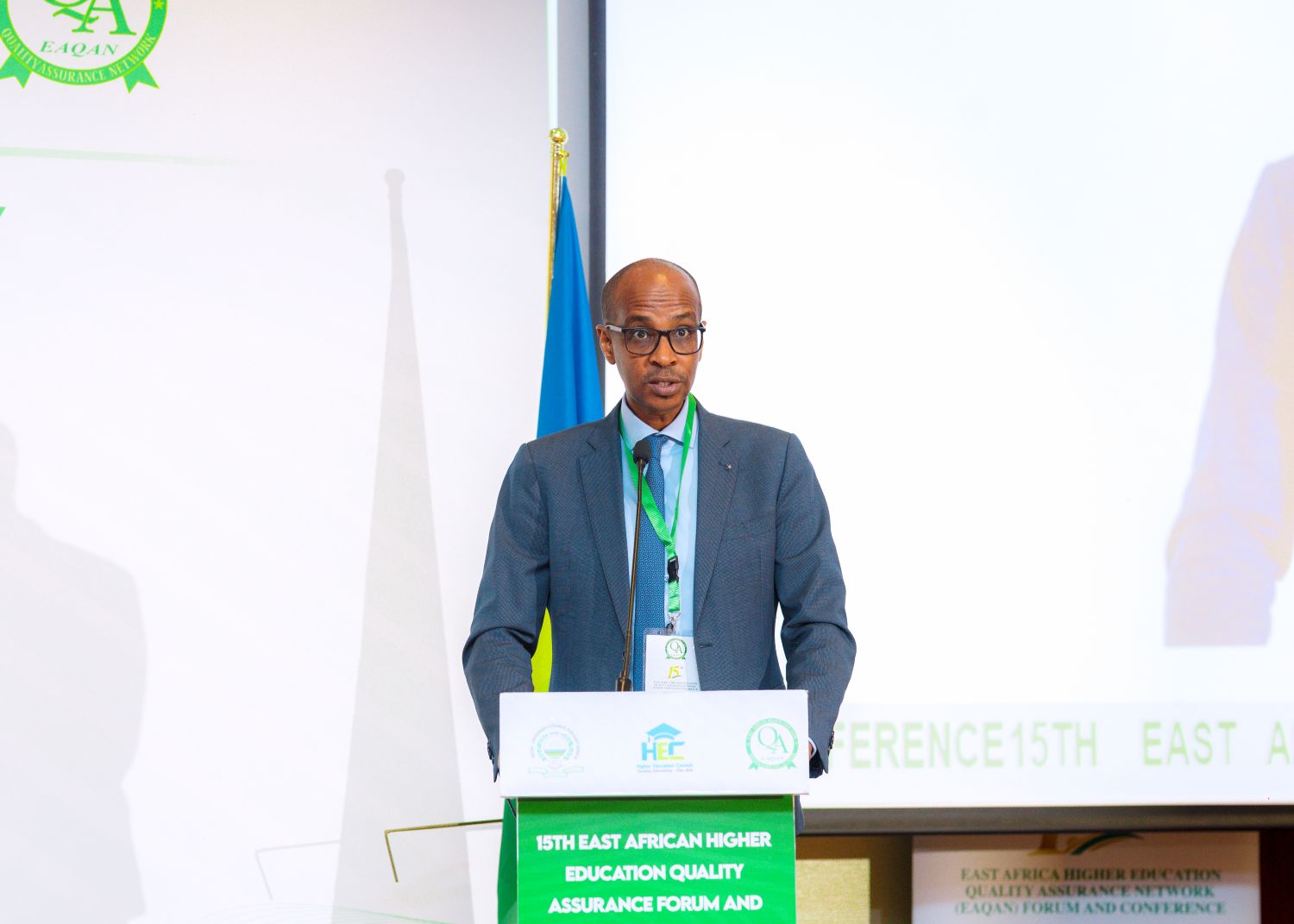
Dr. Edward Kadozi, Director General of Rwanda’s Higher Education Council, said building trust in the quality of education remains the key challenge.
The discussions also highlighted the role of student and staff mobility in strengthening regional integration.
Prof. Didas Kayihura of the University of Rwanda said cross-border mobility benefits both individuals and institutions, while international students can contribute to a richer learning environment.
However, he identified financing as one of the major constraints and called for stronger links between universities and the private sector to create more cross-border internships and align curricula with labour market needs.
Universities join regional AI network
The regional integration agenda is also extending to artificial intelligence, with six universities selected to anchor a new regional AI network aimed at strengthening education, research and innovation.
The University of Rwanda is among the institutions selected, alongside the University of Dodoma in Tanzania, Dedan Kimathi University in Kenya, SIMAD University in Somalia, the University of Burundi and Kabale University in Uganda.
Rai said the network forms part of IUCEA’s wider plan to establish a federated regional Centre of Excellence in Artificial Intelligence, linking universities across the East African Community through specialised institutional nodes.
The initiative is expected to support collaboration in AI education, research and innovation, as the region seeks to prepare universities and graduates for increasingly technology-driven economies.
IUCEA is also considering an AI foundational module for university students across the region, alongside training for lecturers and a policy framework governing the use of AI in teaching, learning and research.
The 15th East African Higher Education Quality Assurance Forum and Conference is being held at Kigali Serena Hotel from September 7 to 10 under the theme, “Transforming Quality Assurance for Future-Ready Higher Education Systems in East Africa.”
The meeting brings together regional higher education stakeholders as East Africa seeks to turn the goal of a Common Higher Education Area by 2030 from a policy ambition into an operational system.
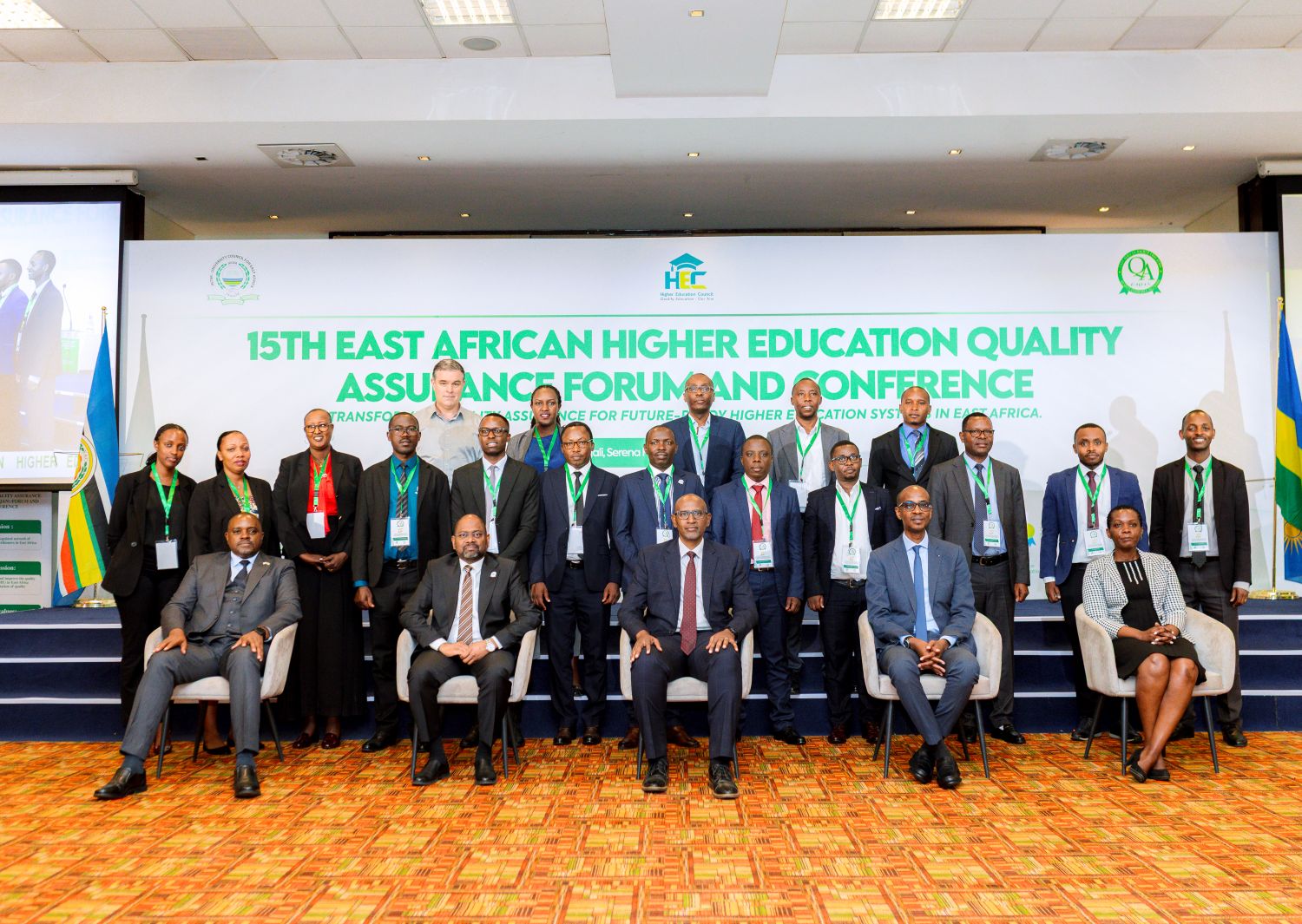
The 15th East African Higher Education Quality Assurance Forum and Conference closes on September 10, 2026.The forum brings together regional higher education stakeholders.
The Minister of Education Joseph Nsengimana says that over the next five years, children completing Primary Three should be able to read and write proficiently in both Kinyarwanda and English, while also being able to communicate effectively in English.
Rwanda has introduced several reforms aimed at improving the quality of education, including changes taking effect in the 2026/27 academic year to raise the academic qualifications of primary school teachers, with teachers expected to attain university-level qualifications in the future.
The government is also placing greater emphasis on activities that complement the curriculum, recognising that when students are given opportunities to apply what they learn, they are better able to understand and use the knowledge in everyday life.
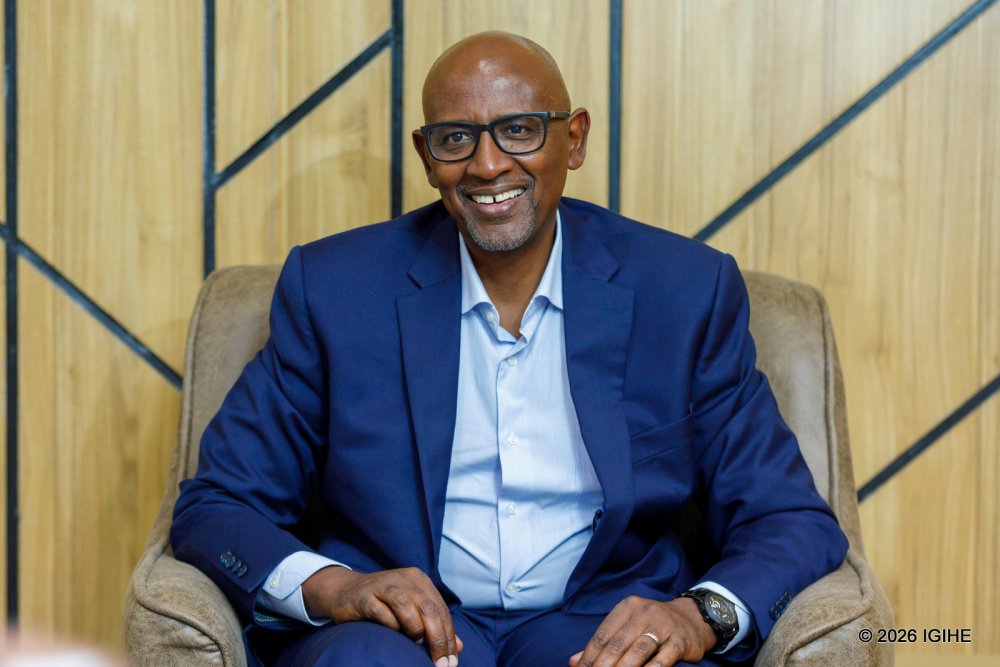
Speaking to IGIHE, Minister Nsengimana said the reforms being implemented are expected to deliver significant improvements over the next five years, particularly in foundational learning.
“Over the next five years, a child should complete Primary Three able to read, write, in Kinyarwanda and English, speak English well enough to have a conversation with someone and be understood, perform mathematics at the Primary Three level and understand science at that level,” he said.
The 2025 Learning Achievement in Rwandan Schools (LARS 2025) assessment found that 70.8% of Primary Three pupils reached the required level in reading a passage of connected words, with an average reading speed of 45 words per minute.
However, comprehension remains a major challenge. At national level, only 43.6% of Primary Three pupils were able to correctly answer at least six of the seven questions assessing their understanding of a passage they had read.
Nsengimana said improving reading, writing and comprehension in both English and Kinyarwanda would be a key measure of progress.
“More importantly, it is about reading and writing, and understanding what they have read in English and Kinyarwanda. If every child completing Primary Three reaches that level, then we will be in a good position,” he said.
He added that pupils completing primary school should have a strong foundation for secondary education, while those completing secondary school should be prepared to pursue higher education and eventually enter the workforce.
“The other thing is that a child completing primary school should have a solid foundation to enable them to pursue secondary education, and someone completing secondary school should be able to go to university, choose what they want to study, succeed in their studies, enter the workforce and perform well,” he said.
The minister said the same standards should apply to students who do not pursue university education but instead enter the workforce after completing Technical and Vocational Education and Training (TVET).
“Whether it is someone who studies TVET and goes directly into the workforce, they should graduate able to produce something of quality. The same applies to someone who studies general education and produces quality work, or someone who studies nursing or accounting and performs their duties with quality,” he said.
“For us to produce people with knowledge across all these areas, that is when we will say we have made progress in improving the quality of education. Within five years, I believe we should have achieved what we have discussed: the child completing Primary Three, the one completing primary school and moving to secondary school, and the one completing secondary school and moving to university.”
Primary teachers to receive higher qualifications
Among the reforms in the education sector is an increase in the duration of teacher-training programmes, with students in teacher education expected to study for five years and graduate with an Advanced Diploma (A1) qualification.
Nsengimana said the reform would gradually raise the quality of teaching as both newly trained teachers and those already in the profession attain higher qualifications.
“Although we will not have completed the process, teachers will start coming with A1 qualifications, while those already teaching will also have reached this level. The quality of education will therefore improve immediately,” he said.
He added that universities should also produce graduates with practical knowledge and skills that enable them to contribute meaningfully to the economy.
“Universities will produce people who are not the kind that people complain about, but people who come with demonstrable knowledge and are able to immediately start contributing to productivity.”
Universities to track graduates’ employment
Nsengimana also said that from 2026, universities will be required to track their graduates and report on where they end up after completing their studies.
“Now all universities will conduct follow-up on the students they have trained to show, for example, after three, six or nine months, how many of those who graduated have found jobs and how many have created jobs for themselves,” he said.
The findings will then be submitted to the Higher Education Council (HEC) for publication, allowing parents, students and other stakeholders to compare how graduates from different universities are performing and the contribution they are making to national development.
The minister said the system would also encourage universities to work more closely with the private sector and ensure that the programmes they offer are aligned with the needs of the labour market.
More than 13,000 international students were studying at universities in Rwanda as of June 2026.
By the 2024/25 academic year, Rwanda had 39 higher learning institutions and universities, up from 37 the previous year.
Looking ahead to the next decade, the Ministry of Education expects university enrolment to increase, including a rise in the number of international students.
“There are now more than 13,000 foreign students studying in Rwanda’s universities, but we want this number to increase so that Rwanda becomes a destination where people from everywhere want to come and study. That is at the university level, but the majority of students will still be Rwandans,” Nsengimana said.
Minister Nsengimana said that over the next five years, students should graduate with knowledge and skills appropriate to the level of education they have completed.
The Organisation for Economic Co-operation and Development (OECD), which organises PISA, found that 22% of disadvantaged Rwandan students were among the top quarter of science performers in the country.
The OECD describes such students as academically resilient because they achieve relatively strong academic results despite coming from socio-economically disadvantaged backgrounds.
Rwanda’s 22% is almost twice the OECD average of 11.9%, placing the country among only four participating education systems that recorded a proportion of at least 22%. The others were Cambodia, Kenya and Uzbekistan.
The finding from the 9th edition stands out in Rwanda’s first participation in PISA, which assessed how 15-year-old students use their knowledge and skills to solve problems and respond to real-life situations.
It suggests that coming from a disadvantaged household does not necessarily prevent some Rwandan students from achieving strong results, even though the country’s overall performance remained well below the OECD average.
The OECD also found a relatively small difference in science performance between Rwanda’s most advantaged and disadvantaged students.
The gap was 30 points, compared with an OECD average of 85 points.
Socio-economic status accounted for only 3% of the variation in science performance among Rwandan students, compared with 12% across OECD countries.
The findings provide an indication that socio-economic background may have a weaker relationship with academic performance in Rwanda than it does in many other education systems.
However, the picture becomes more complicated when overall performance is considered.
Overall learning remains a challenge
Rwanda participated in PISA for the first time in 2025, with 6,622 students from 213 schools taking part, representing about 99,000 15-year-olds across the country.
Only 13% of Rwandan students reached at least Level 2 proficiency in science, compared with an OECD average of 74%.
In mathematics, 8% reached the minimum proficiency level, against 65% across OECD countries, while reading recorded the lowest result, with only 4% reaching Level 2 compared with 69% across OECD countries.
This means that while Rwanda has a notable group of academically resilient students, the broader education system still faces the challenge of raising basic proficiency across the student population.
PISA also revealed a gender gap in Rwanda, with boys outperforming girls in all three assessed areas.
In science, boys recorded an average score of 332 compared with 306 for girls. In mathematics, boys scored 325 against 302 for girls.
Reading showed a smaller difference, with boys scoring 304 compared with 298 for girls.
The reading result is notable because girls generally outperform boys in reading across OECD countries.
Technology use raises another question
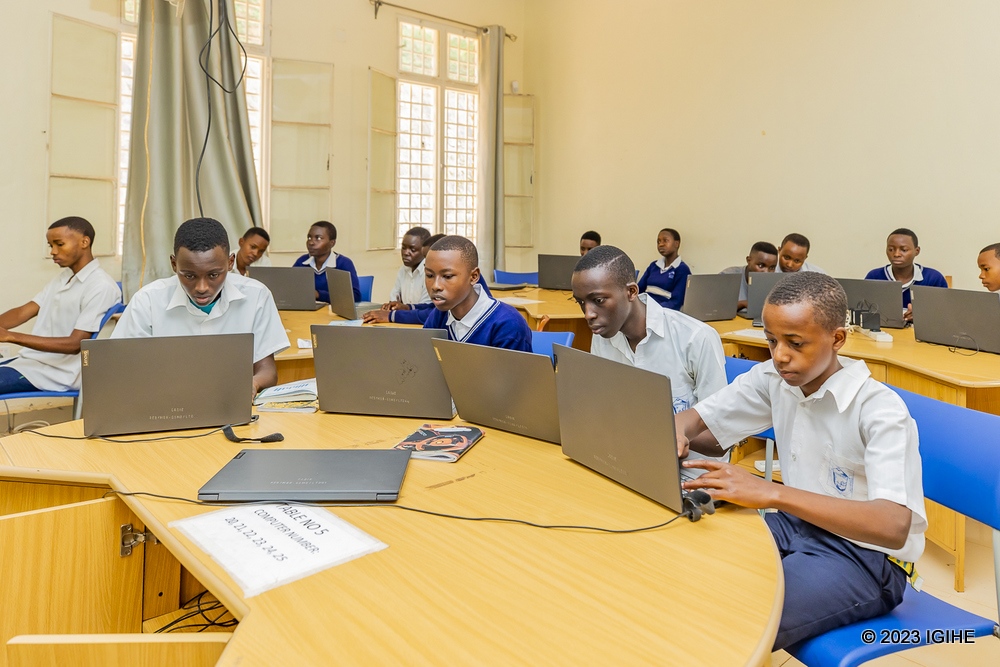
The assessment also highlighted Rwanda’s relatively extensive use of digital devices in schools.
Students reported spending an average of 3.2 hours a day using digital devices at school for learning, compared with 1.7 hours across OECD countries.
They also reported spending 2.9 hours a day using digital devices for leisure at school, against an OECD average of 1.1 hours.
The figures do not establish that technology use caused or contributed to Rwanda’s academic performance. They do, however, provide an important area for the education sector to examine as the country expands digital learning.
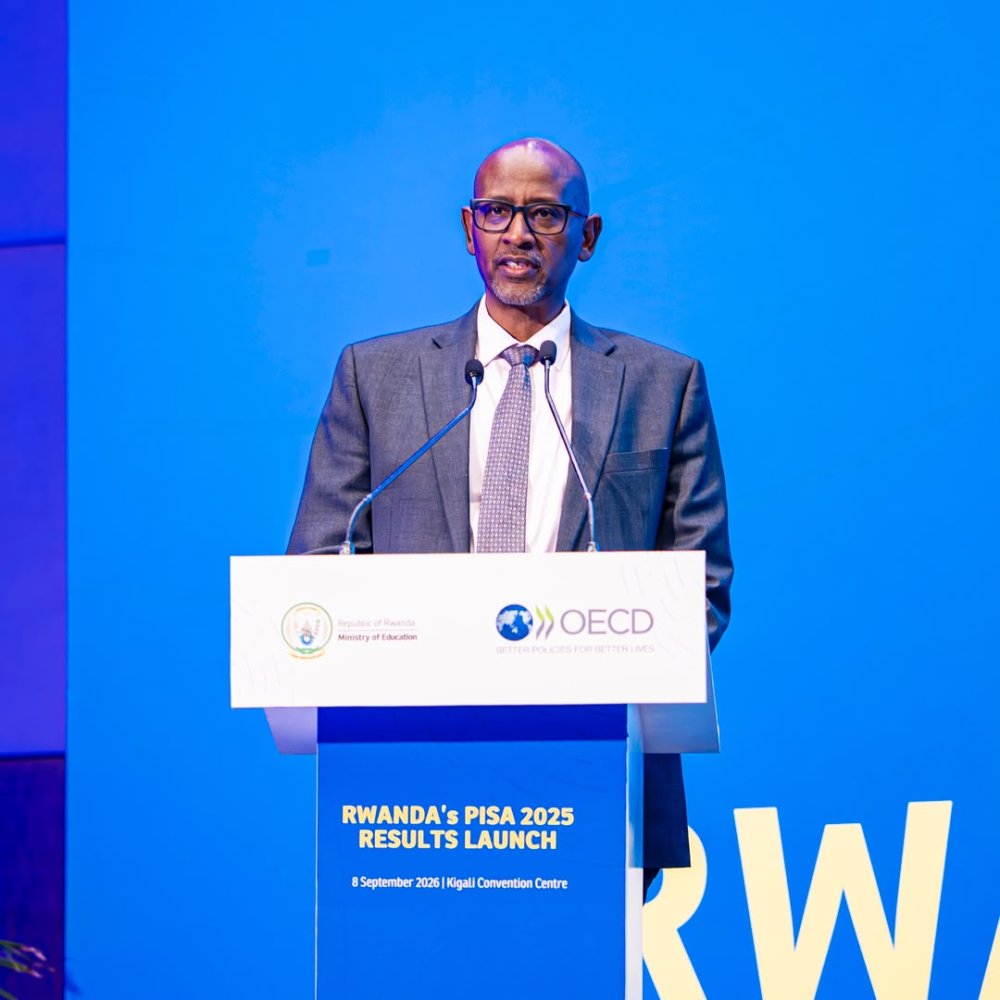
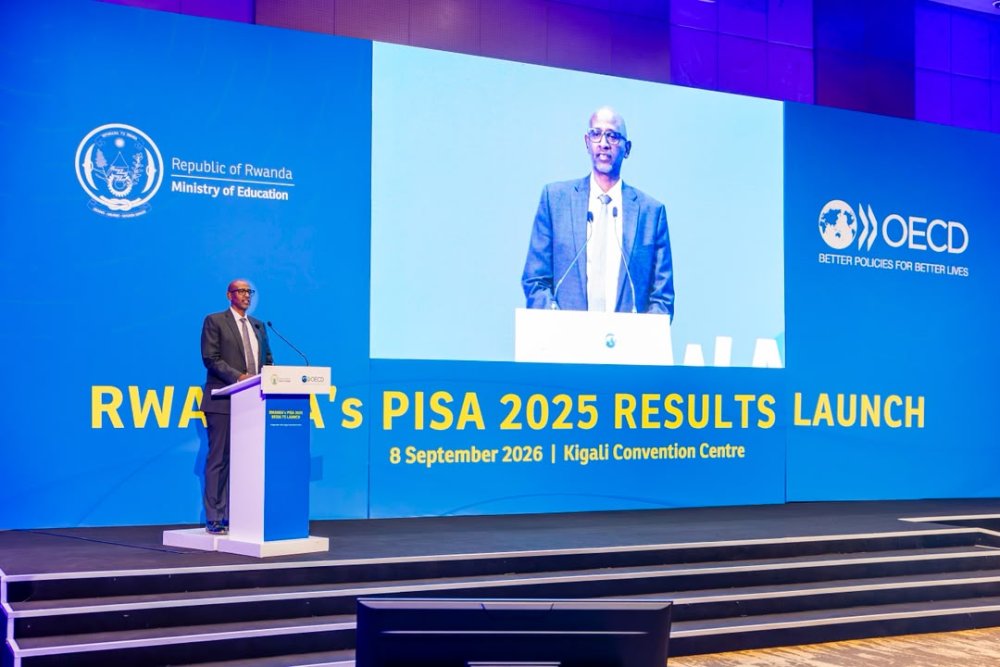
Speaking at a ceremony held in Kigali on September 8, 2026, to present the results of the assessment, Minister of Education Joseph Nsengimana said Rwanda had drawn important lessons from the exercise.
He said Rwanda’s performance fell short of expectations, adding that the results would help identify gaps and guide improvements in education.
Minister Nsengimana further explained that Rwanda participated in the PISA 2025 assessment to strengthen its use of data and evidence in making decisions.
On September 17, Rwanda will host PISA Regional Dialogue, bringing together the five African countries that participated in PISA 2025 to jointly review the findings and identify areas that need improvement as well as lessons they can learn from one another.
The dialogue will also bring together countries from other continents that performed well and those that demonstrated reforms in PISA 2025, allowing African countries to learn from their experiences and gain insights into how they can strengthen their education systems.
Education Minister Joseph Nsengimana said Rwanda will use the PISA findings to identify gaps and guide improvements in the education sector.Rwandan students reported spending an average of 3.2 hours a day using digital devices for learning at school, compared with 1.7 hours across OECD countries.The findings of Rwanda’s first participation in PISA 2025 were presented in Kigali on September 8, 2026.