The agreement was signed on September 8, 2026, by Rwanda’s Ambassador to Brazil, Lawrence Manzi, on behalf of the Ministry of Education (MINEDUC), and Prof. Dr. Carlos Gilberto Carlotti Junior, Provost for International Cooperation at USP.
The MoU provides a framework for cooperation between USP and Rwandan higher learning institutions in areas of mutual interest.
Under the agreement, the institutions will facilitate exchanges of students, faculty members, researchers, as well as technical and administrative staff.
They will also collaborate on joint research projects, scientific and cultural activities, and the exchange of academic information, publications and programmes.
The agreement builds on growing education ties between Rwanda and Brazil.
In November 2025, the two countries signed an agreement on cooperation in education. This was followed by the signing of 35 memoranda of understanding between Rwandan and Brazilian universities in May 2026.
In August 2026, the first group of Rwandan Master’s and doctoral students arrived in Brazil to pursue their studies at three Brazilian universities, marking the beginning of the implementation of some of the academic cooperation agreements between the two countries.
The latest agreement with USP is expected to create additional opportunities for Rwandan students and researchers while strengthening collaboration between higher learning institutions in the two countries.
The partnership is also in line with Rwanda’s efforts to build a knowledge-based economy through investment in education, technology, innovation and research.
USP, one of Brazil’s leading universities and research institutions, is expected to provide a platform for Rwandan academics and students to access research opportunities, develop joint projects and exchange knowledge with their Brazilian counterparts.
The cooperation also adds to broader Rwanda-Brazil relations by strengthening institutional and people-to-people ties and promoting South-South cooperation in education and research.
Rwanda’s Ambassador Lawrence Manzi and USP’s Prof. Dr. Carlos Gilberto Carlotti Junior exchanging documents during the signing ceremony.The agreement was signed on September 8, 2026
The results were released on Friday, September 11, 2026.
NESA Director General Dr Bernard Bahati said 108,732 students registered for the examinations, including 55.05% girls and 44.95% boys.
Of the 108,406 students who sat for the examinations, 102,261 passed, representing an overall pass rate of 94.33%.
Education Minister Joseph Nsengimana said the results were a reflection of the collective efforts of students, teachers, parents and other stakeholders.
“We are glad that the results are good, because 94 per cent of the candidates passed,” he said.
The pass rate among boys stood at 95.94%, compared with 93.02% among girls.
Manzi Nshuti Kabanda Brave, who studied Mathematics, Chemistry and Biology (MCB) at Petit Séminaire Saint Aloys in Rusizi District, topped the Sciences combination with 98.40%, the highest weighted percentage recorded among General Education candidates.
Umwali Deborah, who studied History, Literature and Psychology (HLP) at Cornerstone Leadership Academy in Rwamagana, led the Arts and Humanities combination with 97.52%.
The exams, administered nationwide from July 15 to 22, 2026, covered three tracks: General Education (GE), Technical Secondary School (TSS), and Professional Education (PE).
General Education recorded the largest number of candidates, with 56,330 of 56,516 registered students sitting the exam and 53,050 passing, a 94.18% pass rate. Among learning areas, Humanities posted the strongest performance at 95.86%, ahead of Science at 93.87% and Languages at 93.61%.
In Technical Secondary School, 42,793 of 42,912 registered candidates sat the exam, with 40,459 passing for a 94.55% pass rate. Performance varied sharply by sector: Arts and Crafts recorded the highest pass rate at 99.45%, while ICT and Multimedia trailed at 89.24%, the lowest among all TSS sectors, followed by Hospitality and Tourism at 90.65%.
Professional Education posted a 94.28% pass rate, with 8,752 of 9,283 candidates passing. Within this category, the Teacher Training College (TTC) and Associate Nursing Program (ANP) options recorded pass rates above 99%, while Accounting (ACC) lagged at 88.59%.
The results also point to a broader improvement in candidate performance nationwide. The share of candidates scoring below 50% dropped to 5.63%, down from 10.91% the previous year, while those scoring 70% or above nearly reached half of all candidates, at 48.98%, up from 38.63%.
Candidates can access their individual results online at https://rne.sdms.gov.rw/. NESA said appeals on examination marks must be submitted within 30 days of the results’ publication, exclusively through the School Data Management System (SDMS) and only by head teachers on behalf of candidates.
A total of 94.33% of students who sat for Rwanda’s 2025/2026 national examinations, marking the completion of senior secondary school, have passed, the National Examination and School Inspection Authority (NESA) has announced.
Minister of Education Joseph Nsengimana said the deadline is now less than four years away, requiring East African countries to move faster in addressing regulatory differences and other barriers that limit the movement of students, academics, professionals and qualifications across borders.
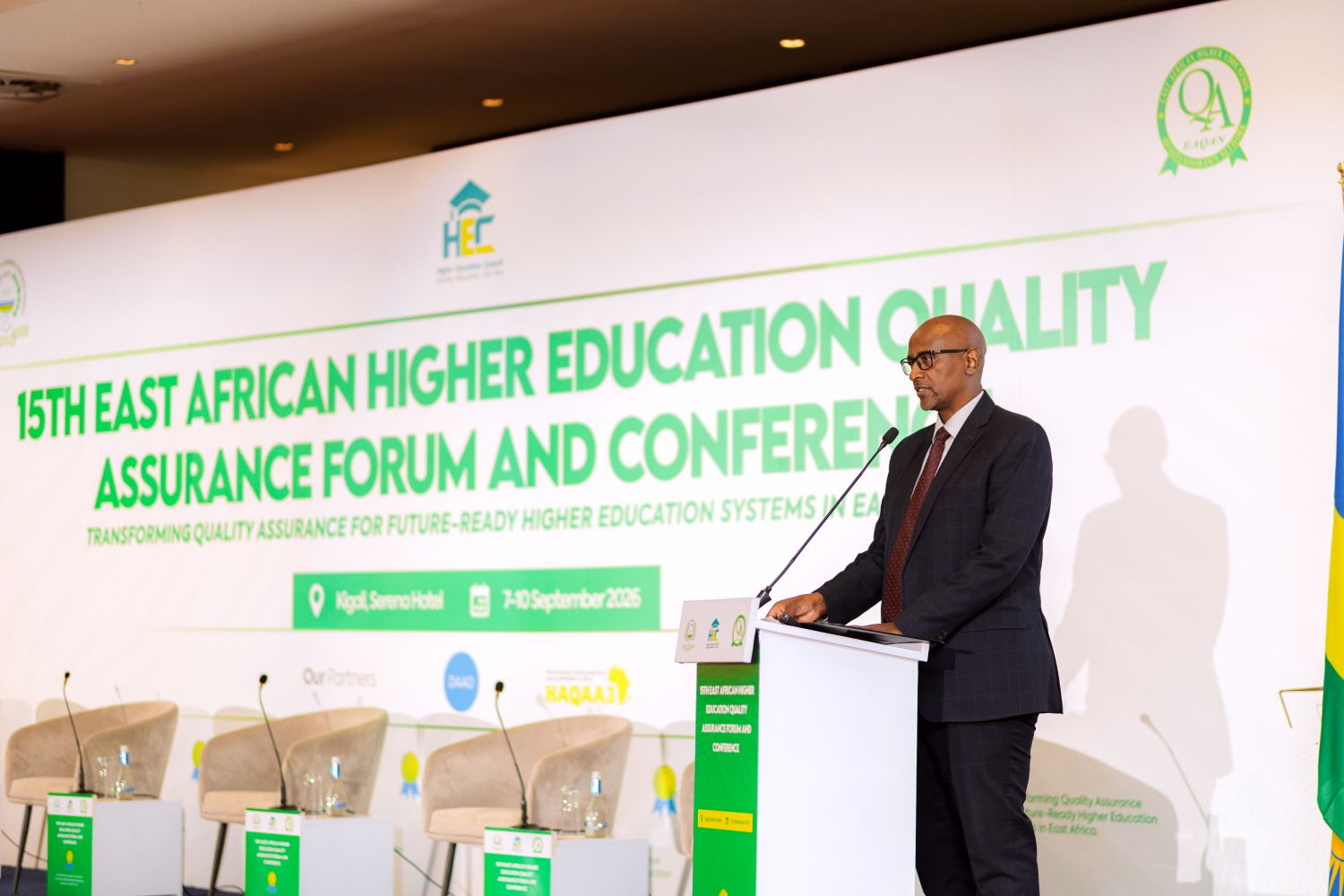
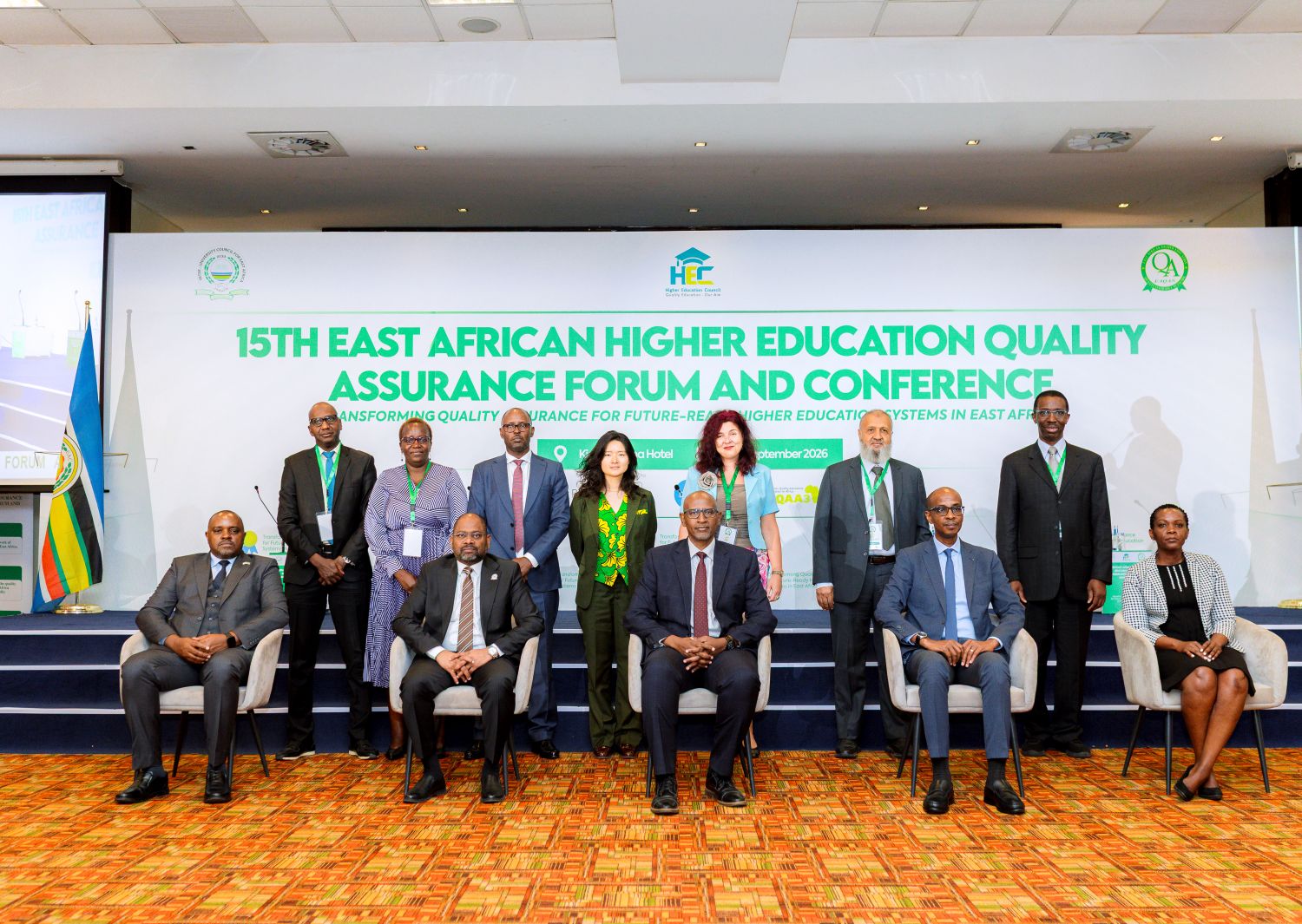
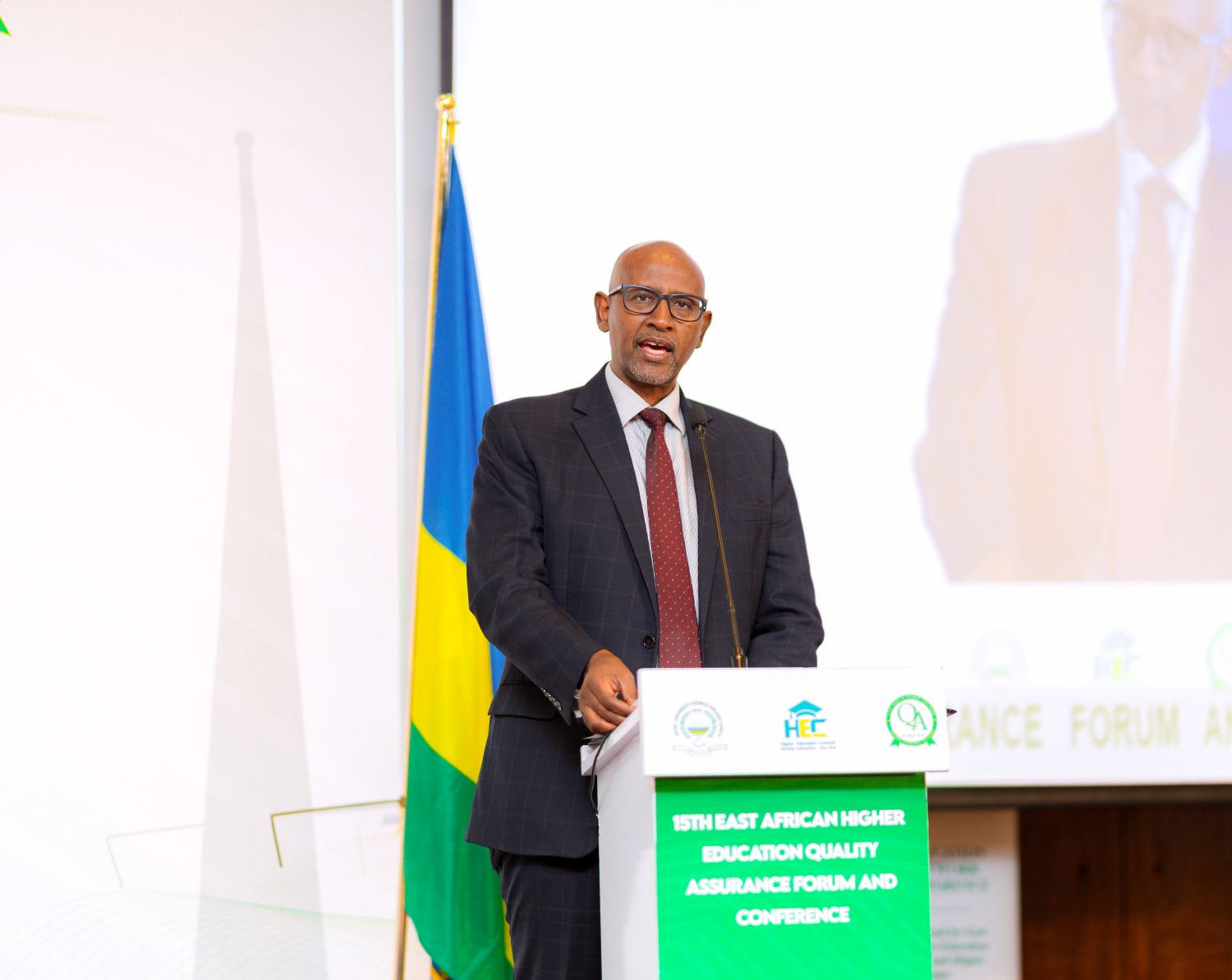
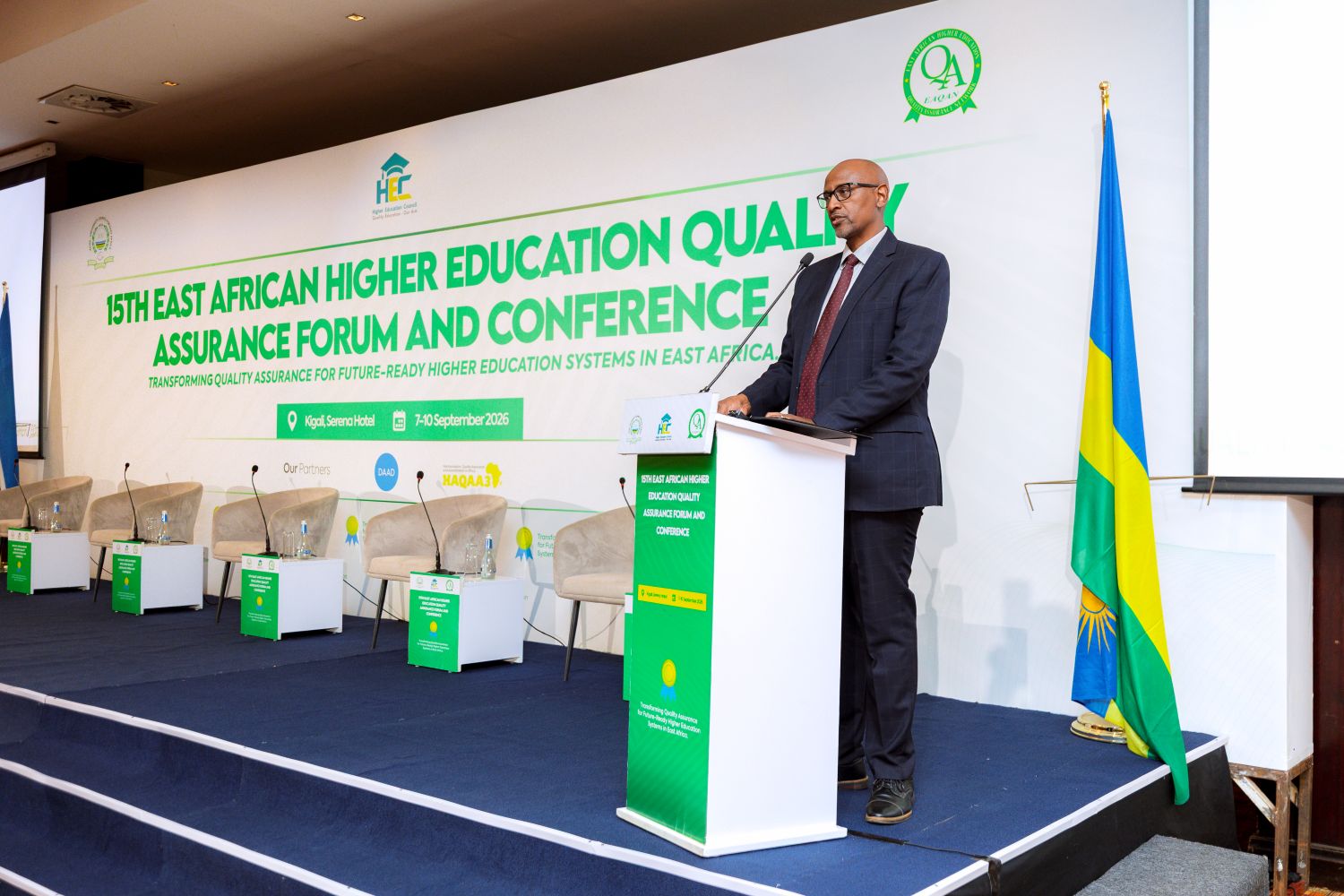
Nsengimana made the call on September 7 at the 15th East African Higher Education Quality Assurance Forum and Conference in Kigali, which brings together higher education stakeholders from across the region.
“Our heads of state and ministers responsible for education in the East African Community have set the ambitious goal of operationalising this Common Higher Education Area by 2030. The deadline is now fewer than four years away. This should not create anxiety, but it must create urgency,” he remarked.
“To achieve this, we must accelerate harmonisation, address gaps in international regulatory frameworks, and confront the resource and administrative constraints that continue to slow our progress.”
He said a common higher education area would enable qualifications earned in one East African country to be recognised more easily in another, while allowing students and professionals to move across borders with fewer administrative barriers.
The minister said quality assurance should serve as the foundation for building this trust, describing it as an “invisible infrastructure of trust” that allows qualifications, knowledge, research and human capital to move across the region.
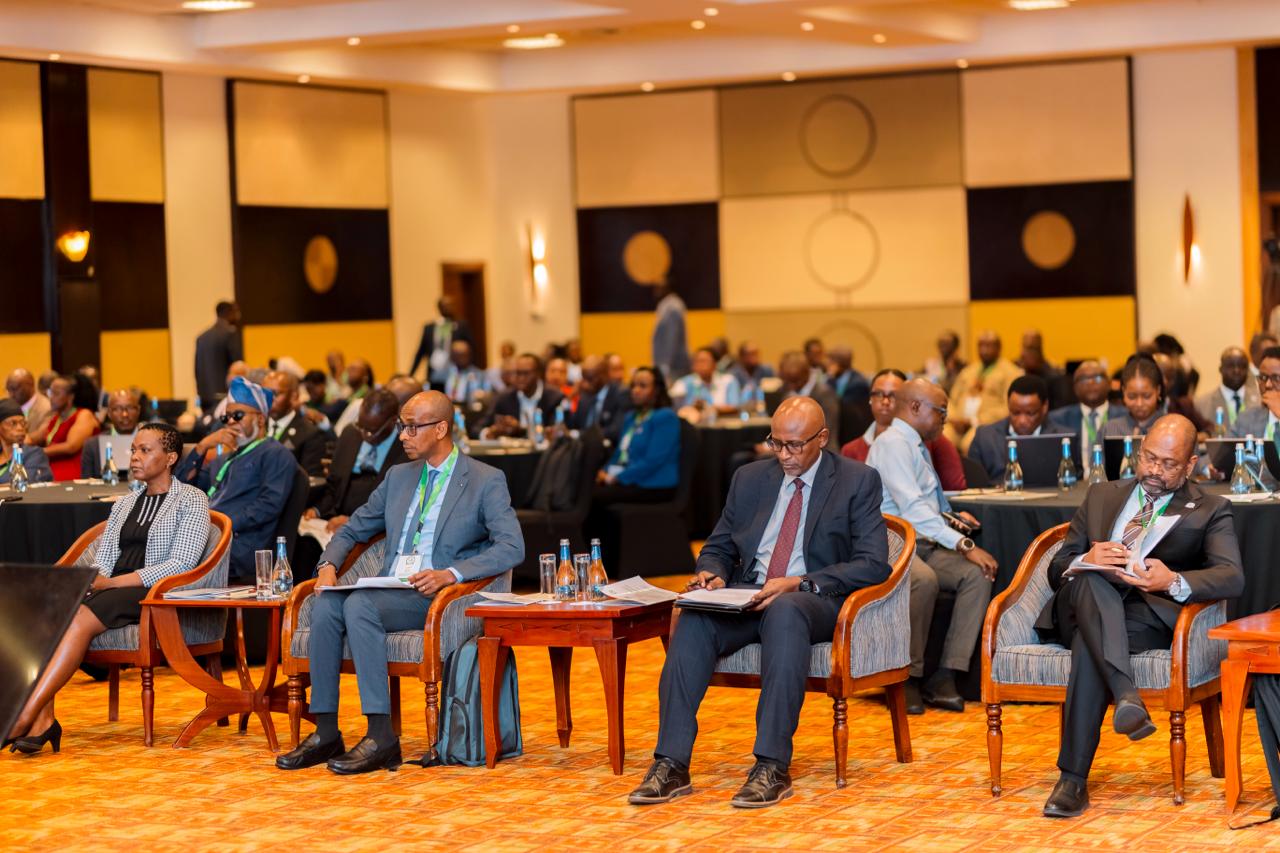
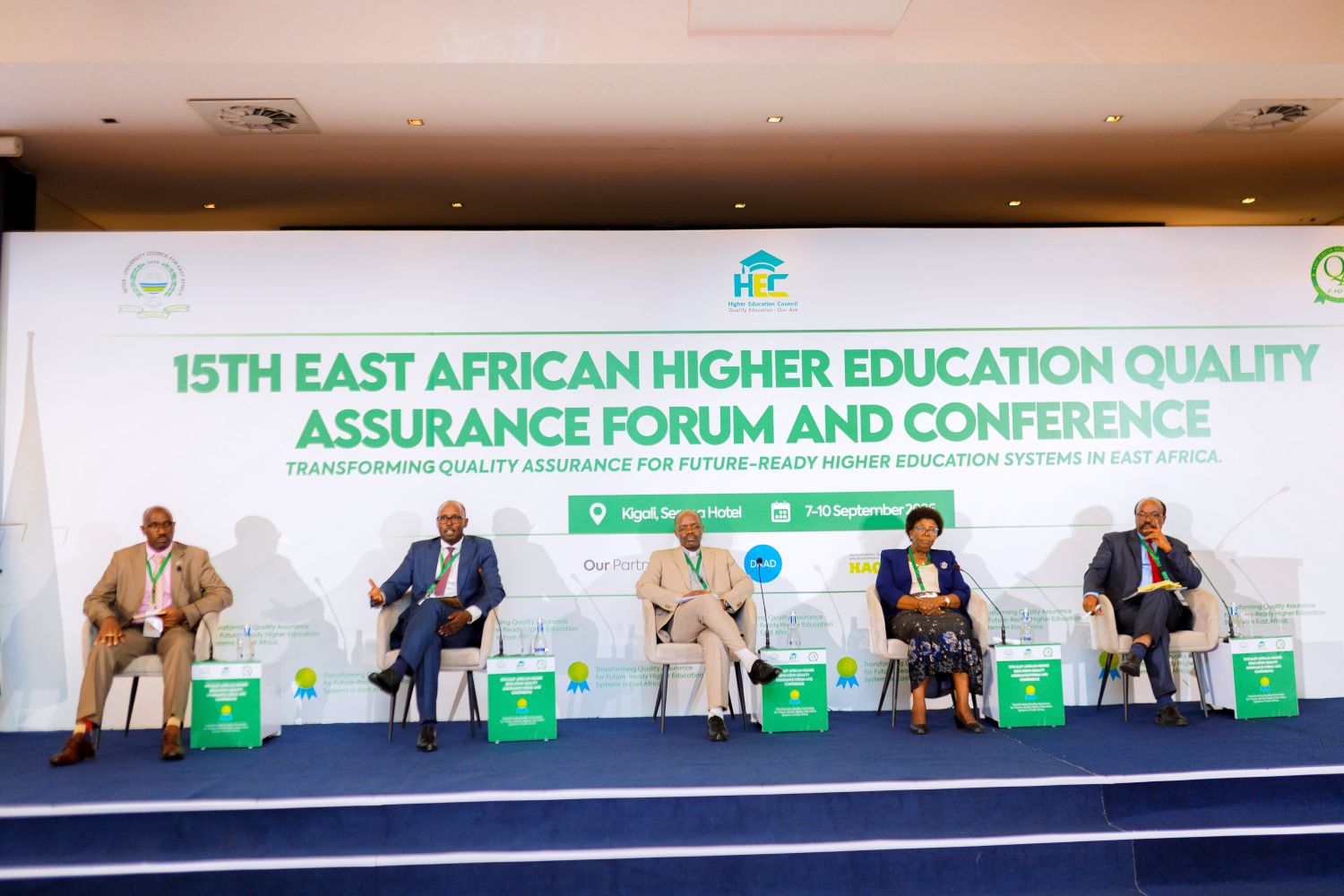
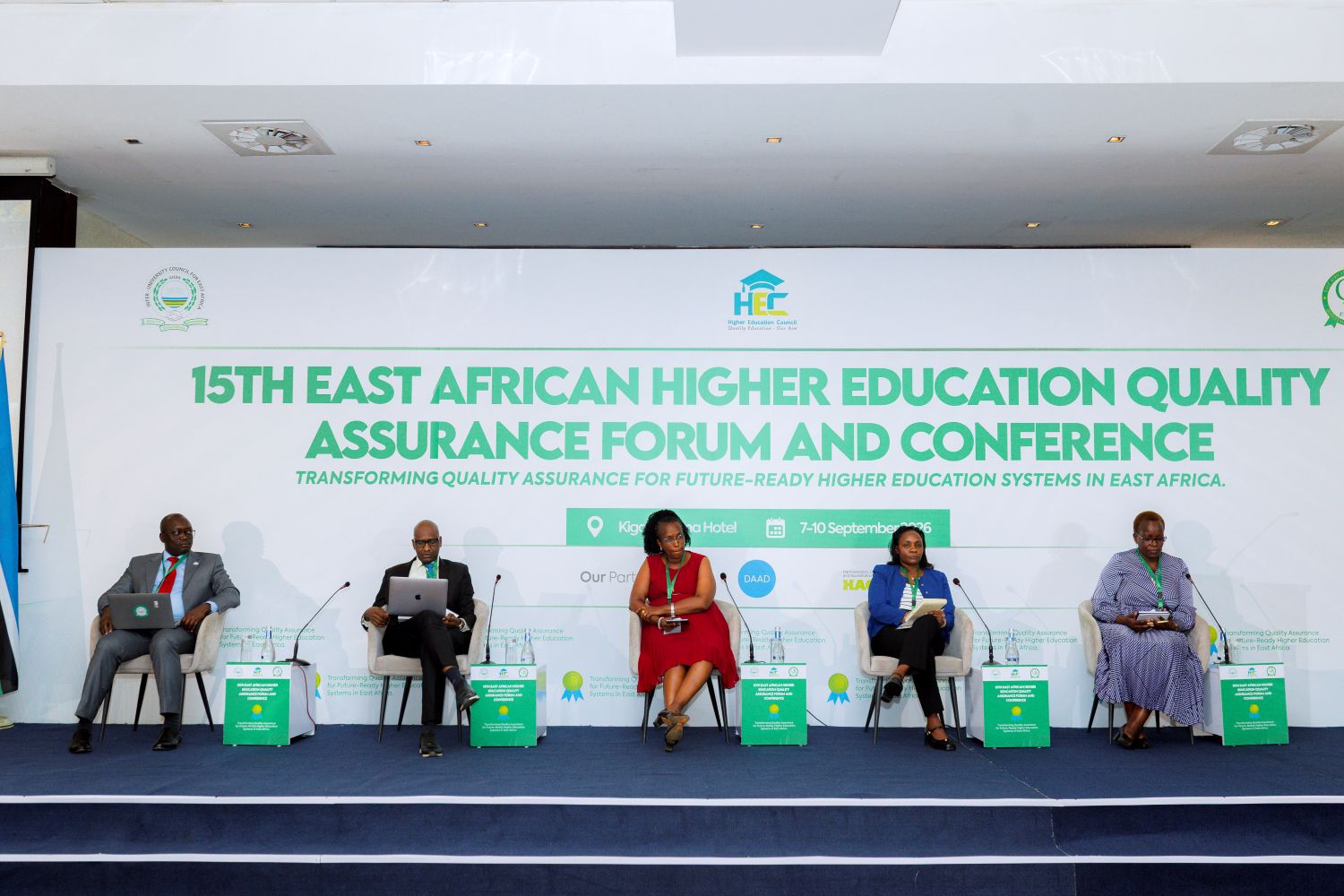
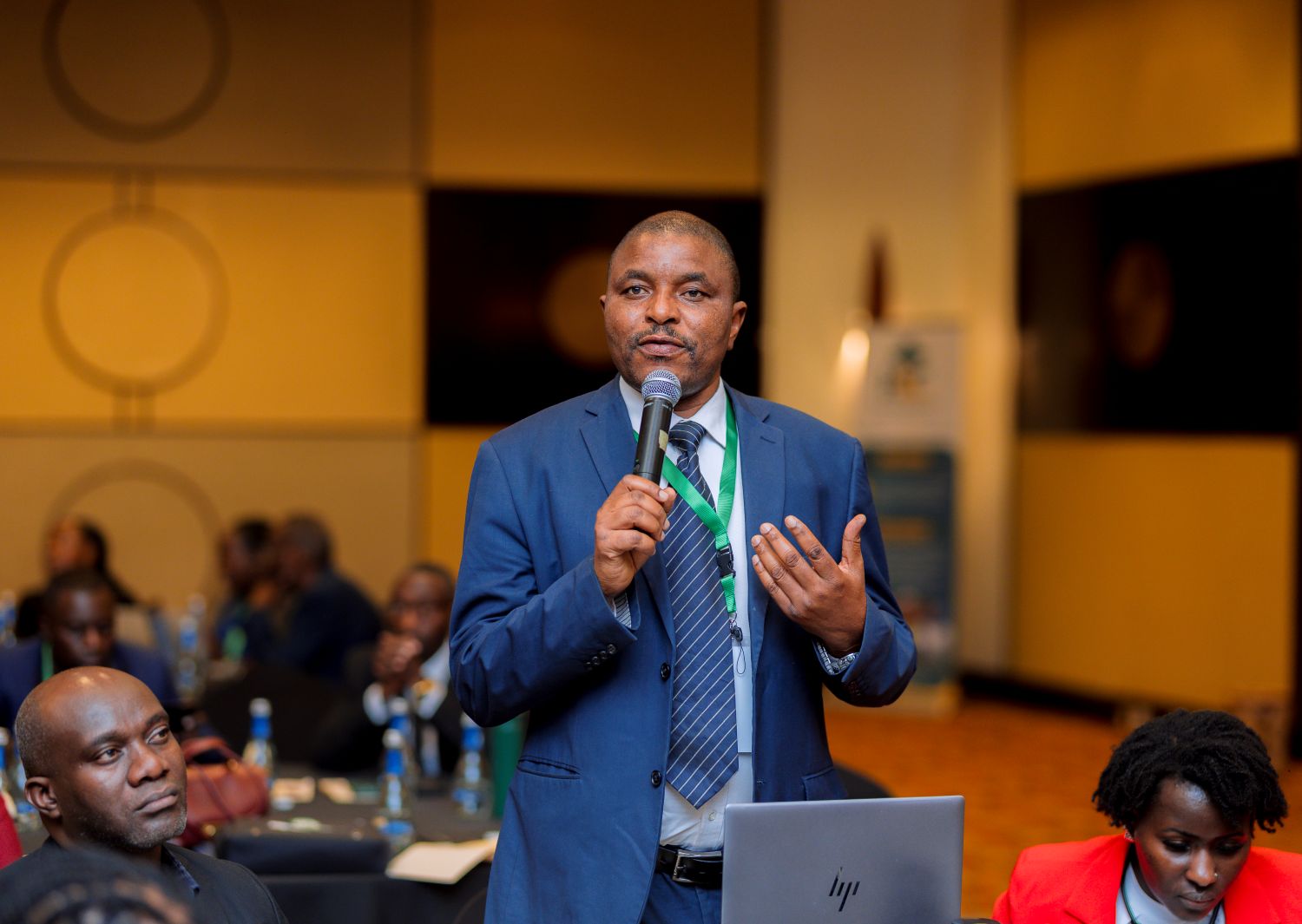
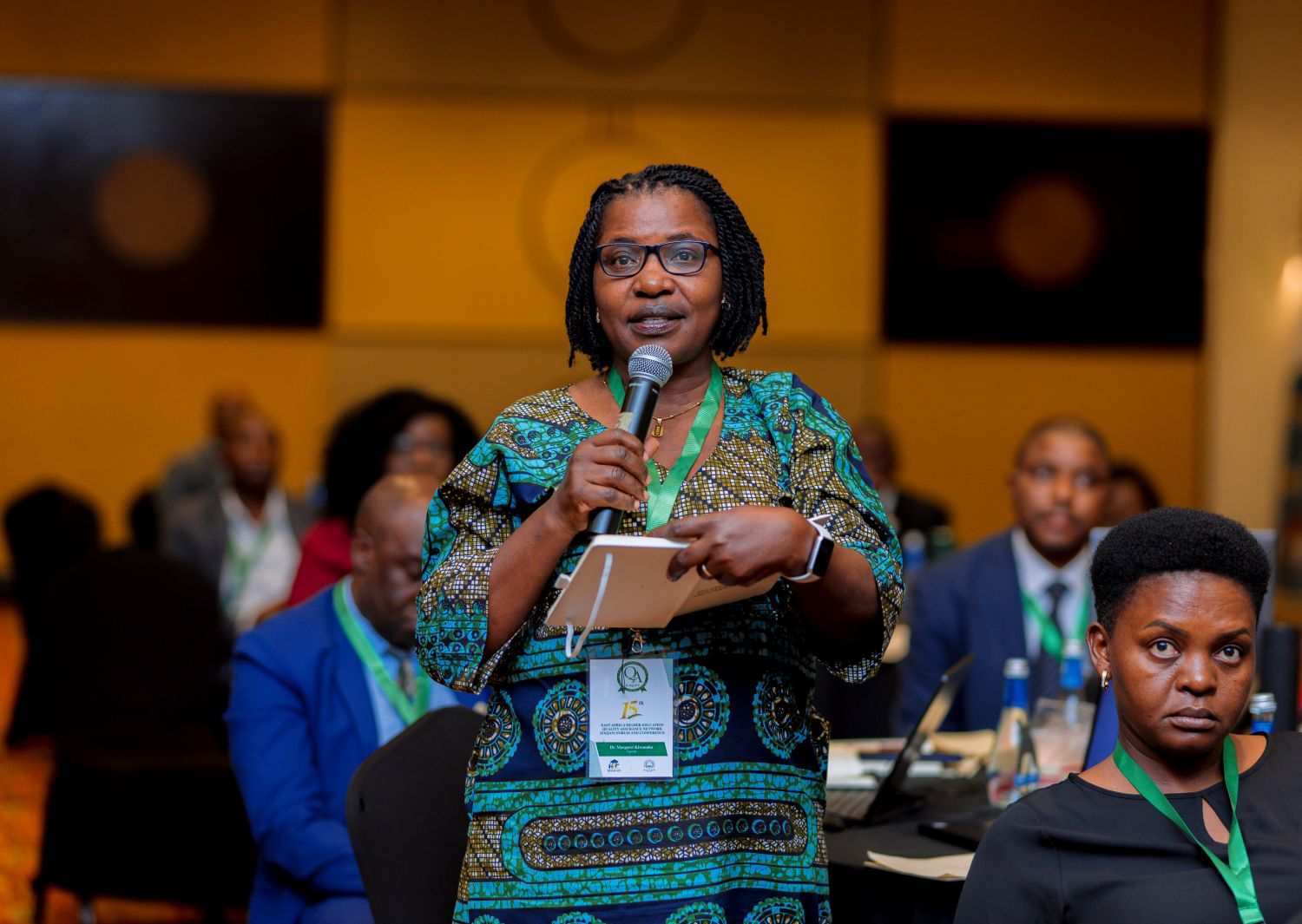
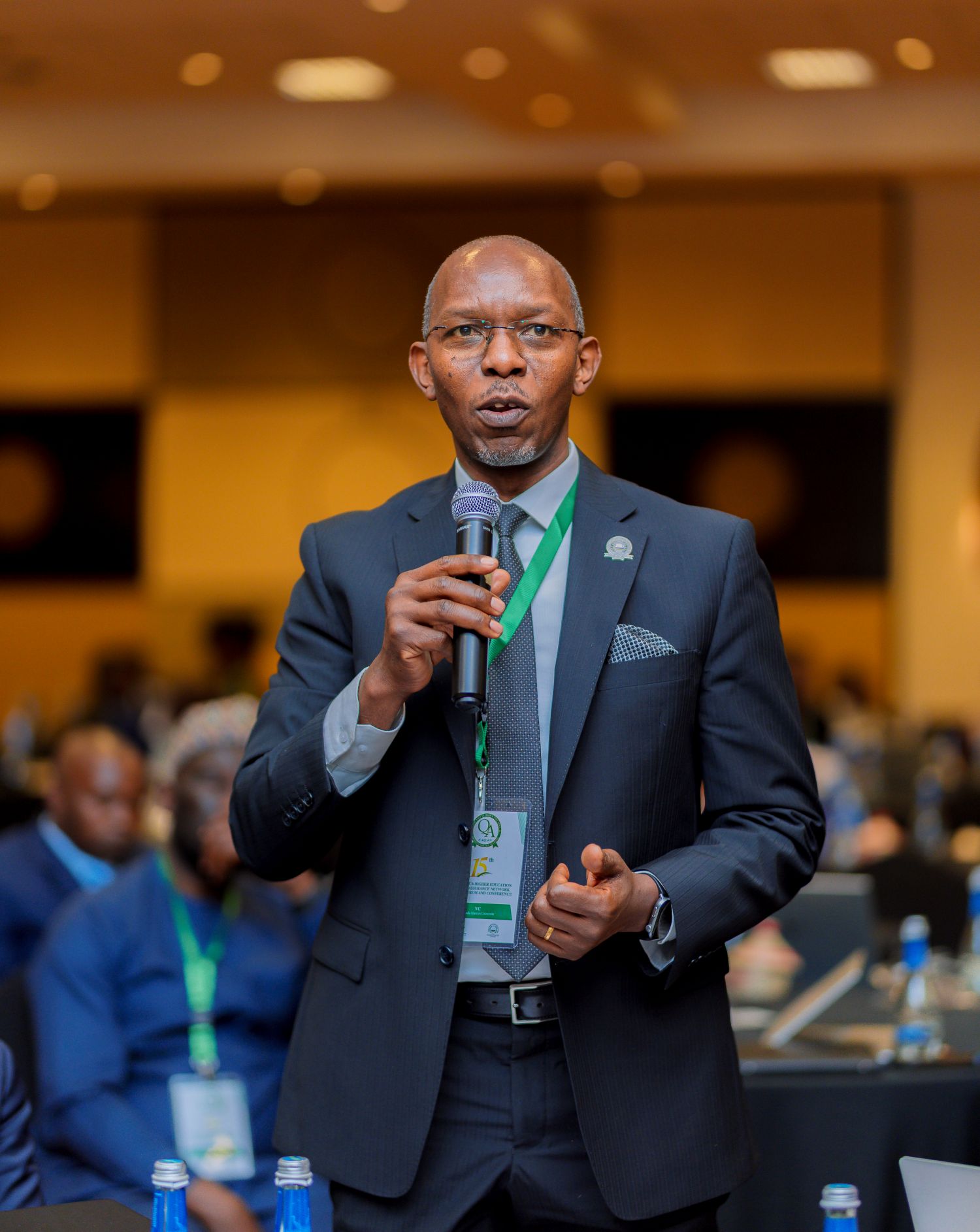
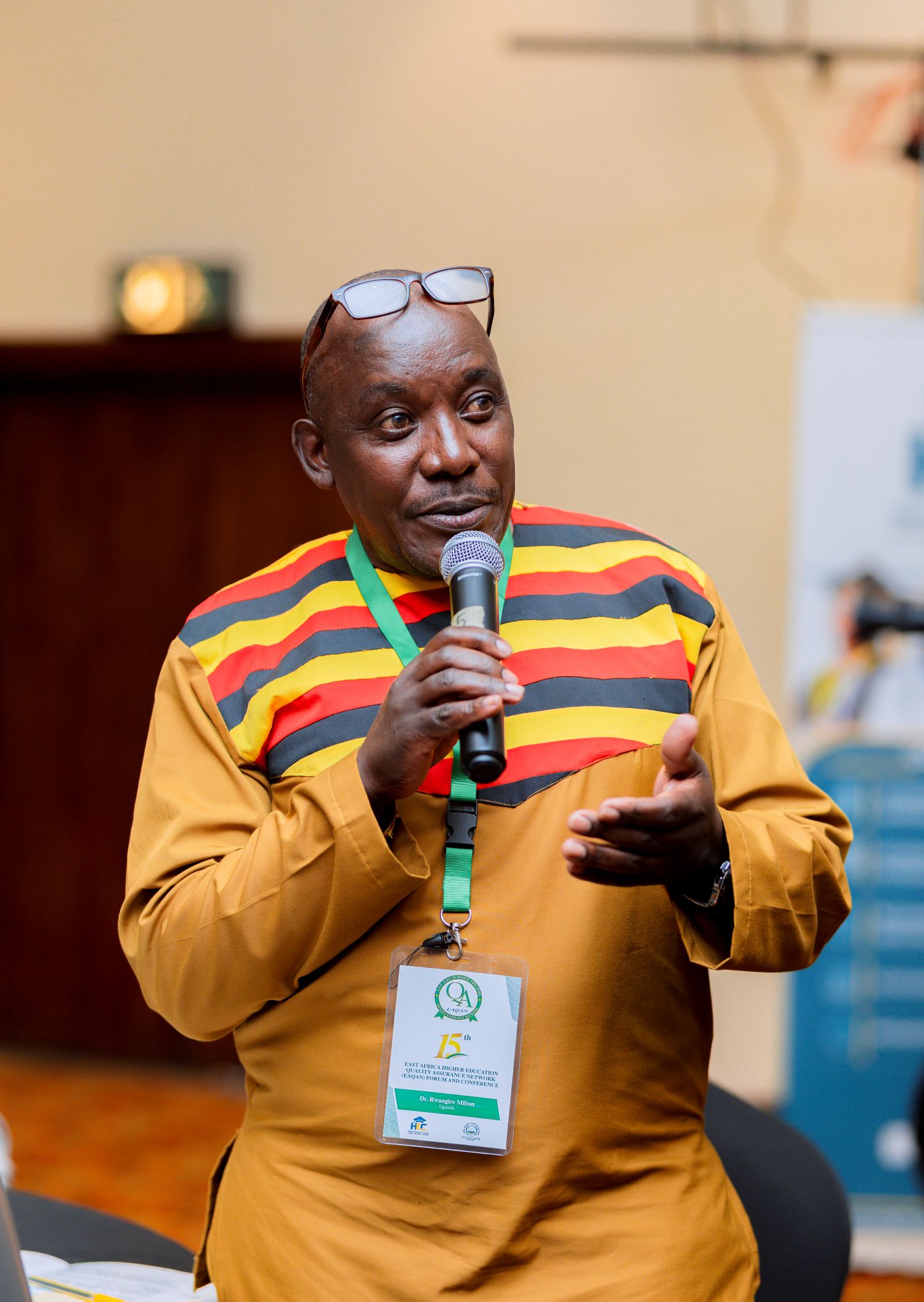
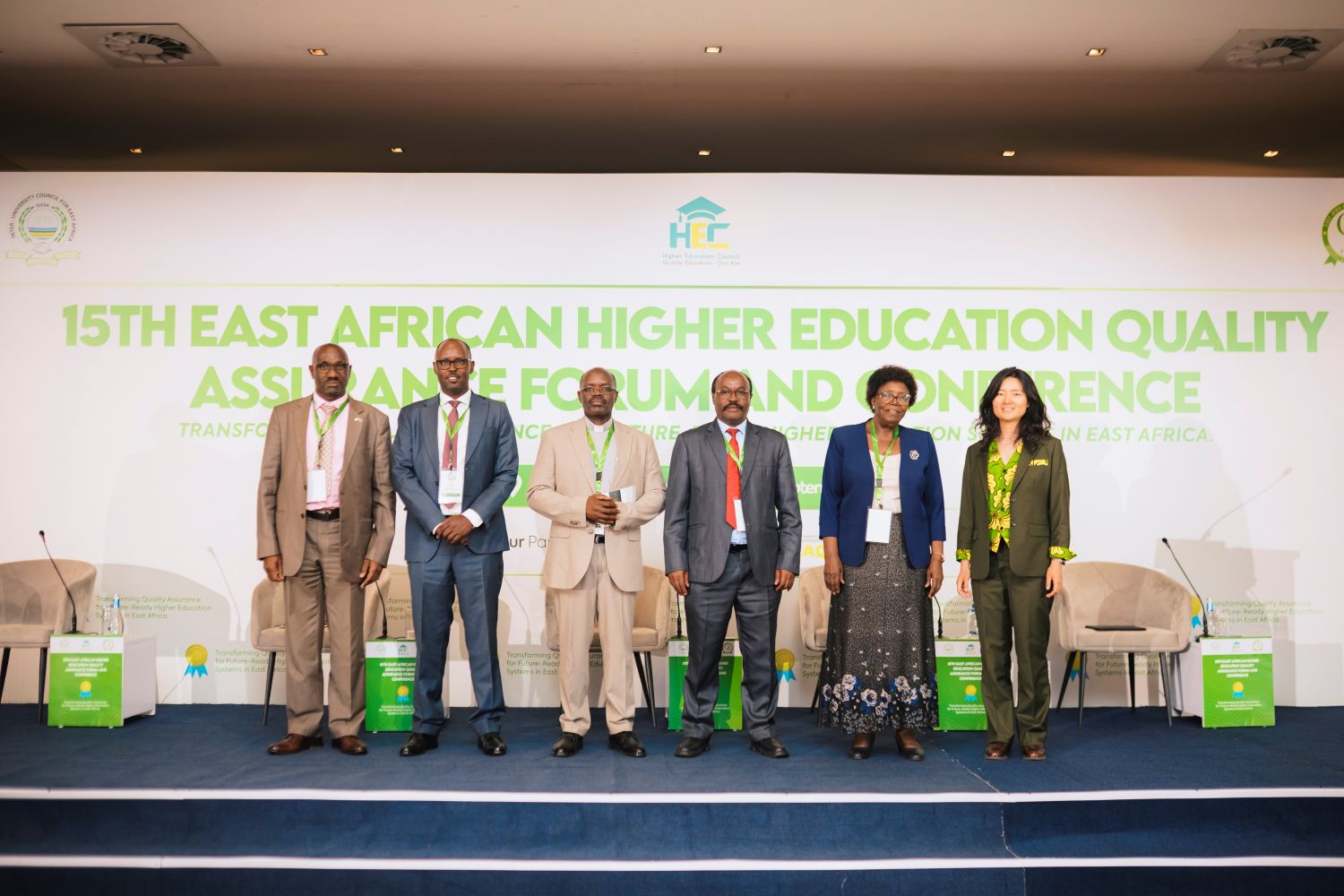
The forum brings together regional higher education stakeholders.
The push comes as the Inter-University Council for East Africa (IUCEA) shifts its focus from developing regional frameworks towards putting them into practice.
Prof. Idris Rai, Acting Executive Secretary of IUCEA, said the council’s 2026–2031 strategic plan places the operationalisation of the Common Higher Education Area at the centre of its work.
The strategy includes strengthening regional programme accreditation, qualifications frameworks and recognition, credit accumulation and transfer, policy harmonisation and quality assurance systems.
Rai said East Africa also needs to update its quality assurance tools to reflect emerging forms of education, including artificial intelligence-supported learning, digital education and micro-credentials.
Removing barriers to mobility
Participants at the forum identified differences in qualification frameworks, credit systems and recognition of prior learning as some of the challenges that continue to complicate cross-border mobility.
Other barriers include differences in curricula and academic calendars, language, bureaucracy, financial constraints, limited access to internships and industry placements, and varying levels of quality assurance development across countries.
Prof. Mary Okwakol of Uganda’s National Council for Higher Education said national qualification frameworks should align with the East African Qualifications Framework for Higher Education rather than operate in isolation.
She said the long-term objective should be automatic recognition of authentic formal qualifications across the region.
Dr. Edward Kadozi, Director General of Rwanda’s Higher Education Council, argued that the main challenge is not necessarily determining whether qualifications are equivalent, but building trust in the quality of education behind them.
He said quality assurance should become a continuous part of university operations rather than an exercise carried out only during inspections or audits.
“Quality assurance should be the daily heartbeat of institutions,” Kadozi said, arguing that universities must focus on learning outcomes, practical skills, critical thinking and adaptability as technology and labour markets evolve.
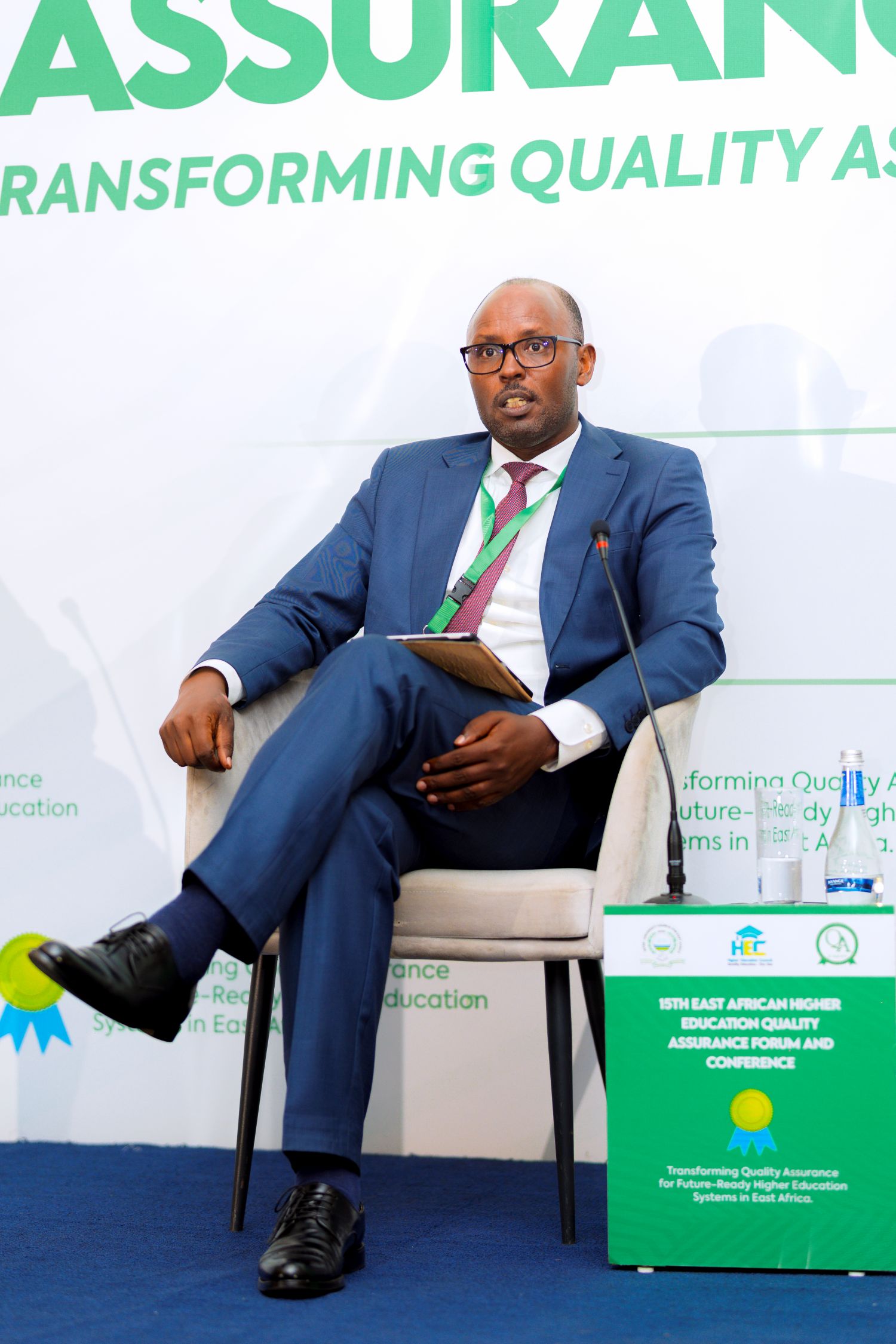
Dr. Edward Kadozi, Director General of Rwanda’s Higher Education Council, said building trust in the quality of education remains the key challenge.
The discussions also highlighted the role of student and staff mobility in strengthening regional integration.
Prof. Didas Kayihura of the University of Rwanda said cross-border mobility benefits both individuals and institutions, while international students can contribute to a richer learning environment.
However, he identified financing as one of the major constraints and called for stronger links between universities and the private sector to create more cross-border internships and align curricula with labour market needs.
Universities join regional AI network
The regional integration agenda is also extending to artificial intelligence, with six universities selected to anchor a new regional AI network aimed at strengthening education, research and innovation.
The University of Rwanda is among the institutions selected, alongside the University of Dodoma in Tanzania, Dedan Kimathi University in Kenya, SIMAD University in Somalia, the University of Burundi and Kabale University in Uganda.
Rai said the network forms part of IUCEA’s wider plan to establish a federated regional Centre of Excellence in Artificial Intelligence, linking universities across the East African Community through specialised institutional nodes.
The initiative is expected to support collaboration in AI education, research and innovation, as the region seeks to prepare universities and graduates for increasingly technology-driven economies.
IUCEA is also considering an AI foundational module for university students across the region, alongside training for lecturers and a policy framework governing the use of AI in teaching, learning and research.
The 15th East African Higher Education Quality Assurance Forum and Conference is being held at Kigali Serena Hotel from September 7 to 10 under the theme, “Transforming Quality Assurance for Future-Ready Higher Education Systems in East Africa.”
The meeting brings together regional higher education stakeholders as East Africa seeks to turn the goal of a Common Higher Education Area by 2030 from a policy ambition into an operational system.
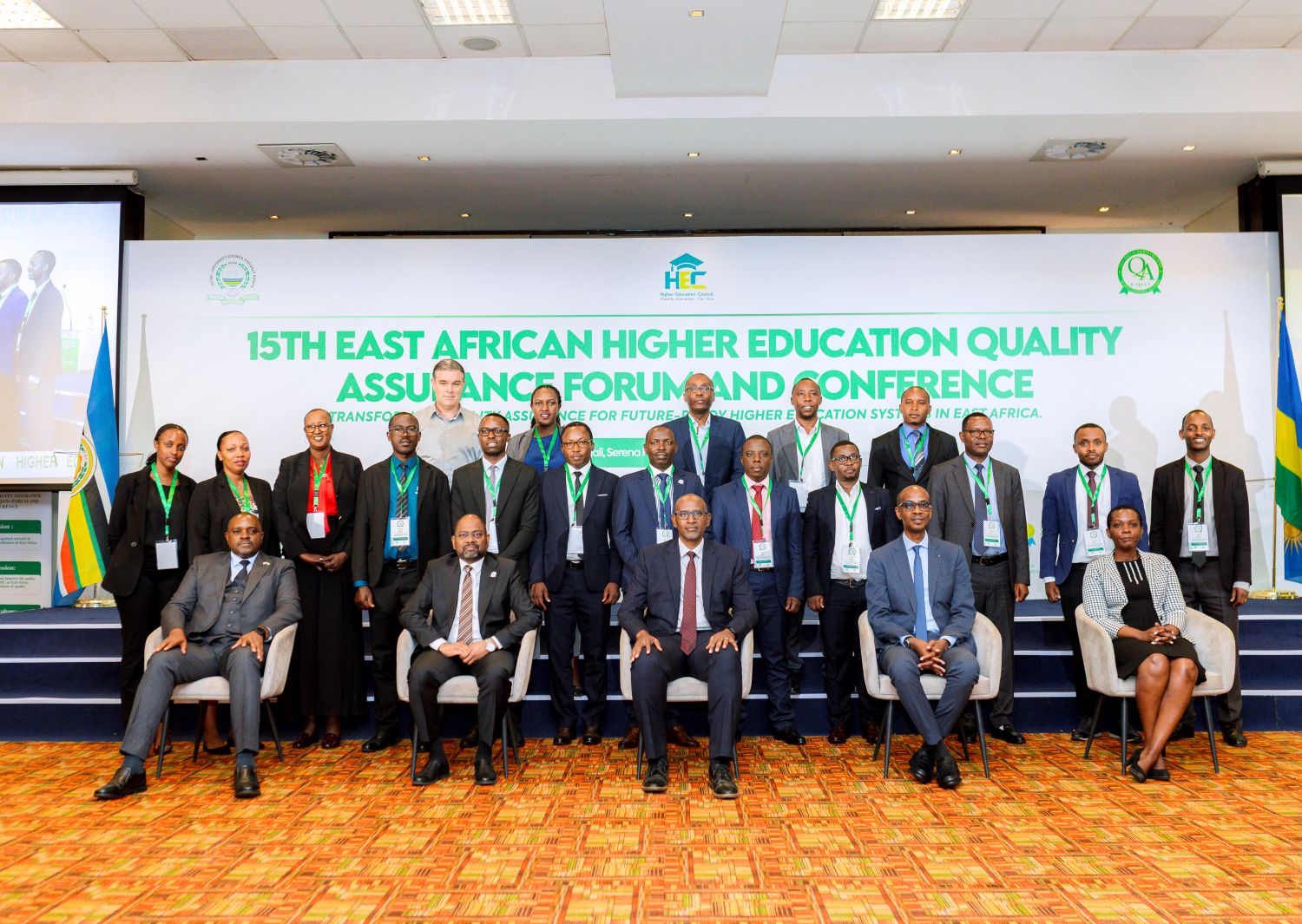
The 15th East African Higher Education Quality Assurance Forum and Conference closes on September 10, 2026.The forum brings together regional higher education stakeholders.
The Minister of Education Joseph Nsengimana says that over the next five years, children completing Primary Three should be able to read and write proficiently in both Kinyarwanda and English, while also being able to communicate effectively in English.
Rwanda has introduced several reforms aimed at improving the quality of education, including changes taking effect in the 2026/27 academic year to raise the academic qualifications of primary school teachers, with teachers expected to attain university-level qualifications in the future.
The government is also placing greater emphasis on activities that complement the curriculum, recognising that when students are given opportunities to apply what they learn, they are better able to understand and use the knowledge in everyday life.
Speaking to IGIHE, Minister Nsengimana said the reforms being implemented are expected to deliver significant improvements over the next five years, particularly in foundational learning.
“Over the next five years, a child should complete Primary Three able to read, write, in Kinyarwanda and English, speak English well enough to have a conversation with someone and be understood, perform mathematics at the Primary Three level and understand science at that level,” he said.
The 2025 Learning Achievement in Rwandan Schools (LARS 2025) assessment found that 70.8% of Primary Three pupils reached the required level in reading a passage of connected words, with an average reading speed of 45 words per minute.
However, comprehension remains a major challenge. At national level, only 43.6% of Primary Three pupils were able to correctly answer at least six of the seven questions assessing their understanding of a passage they had read.
Nsengimana said improving reading, writing and comprehension in both English and Kinyarwanda would be a key measure of progress.
“More importantly, it is about reading and writing, and understanding what they have read in English and Kinyarwanda. If every child completing Primary Three reaches that level, then we will be in a good position,” he said.
He added that pupils completing primary school should have a strong foundation for secondary education, while those completing secondary school should be prepared to pursue higher education and eventually enter the workforce.
“The other thing is that a child completing primary school should have a solid foundation to enable them to pursue secondary education, and someone completing secondary school should be able to go to university, choose what they want to study, succeed in their studies, enter the workforce and perform well,” he said.
The minister said the same standards should apply to students who do not pursue university education but instead enter the workforce after completing Technical and Vocational Education and Training (TVET).
“Whether it is someone who studies TVET and goes directly into the workforce, they should graduate able to produce something of quality. The same applies to someone who studies general education and produces quality work, or someone who studies nursing or accounting and performs their duties with quality,” he said.
“For us to produce people with knowledge across all these areas, that is when we will say we have made progress in improving the quality of education. Within five years, I believe we should have achieved what we have discussed: the child completing Primary Three, the one completing primary school and moving to secondary school, and the one completing secondary school and moving to university.”
Primary teachers to receive higher qualifications
Among the reforms in the education sector is an increase in the duration of teacher-training programmes, with students in teacher education expected to study for five years and graduate with an Advanced Diploma (A1) qualification.
Nsengimana said the reform would gradually raise the quality of teaching as both newly trained teachers and those already in the profession attain higher qualifications.
“Although we will not have completed the process, teachers will start coming with A1 qualifications, while those already teaching will also have reached this level. The quality of education will therefore improve immediately,” he said.
He added that universities should also produce graduates with practical knowledge and skills that enable them to contribute meaningfully to the economy.
“Universities will produce people who are not the kind that people complain about, but people who come with demonstrable knowledge and are able to immediately start contributing to productivity.”
Universities to track graduates’ employment
Nsengimana also said that from 2026, universities will be required to track their graduates and report on where they end up after completing their studies.
“Now all universities will conduct follow-up on the students they have trained to show, for example, after three, six or nine months, how many of those who graduated have found jobs and how many have created jobs for themselves,” he said.
The findings will then be submitted to the Higher Education Council (HEC) for publication, allowing parents, students and other stakeholders to compare how graduates from different universities are performing and the contribution they are making to national development.
The minister said the system would also encourage universities to work more closely with the private sector and ensure that the programmes they offer are aligned with the needs of the labour market.
More than 13,000 international students were studying at universities in Rwanda as of June 2026.
By the 2024/25 academic year, Rwanda had 39 higher learning institutions and universities, up from 37 the previous year.
Looking ahead to the next decade, the Ministry of Education expects university enrolment to increase, including a rise in the number of international students.
“There are now more than 13,000 foreign students studying in Rwanda’s universities, but we want this number to increase so that Rwanda becomes a destination where people from everywhere want to come and study. That is at the university level, but the majority of students will still be Rwandans,” Nsengimana said.
Minister Nsengimana said that over the next five years, students should graduate with knowledge and skills appropriate to the level of education they have completed.
The Organisation for Economic Co-operation and Development (OECD), which organises PISA, found that 22% of disadvantaged Rwandan students were among the top quarter of science performers in the country.
The OECD describes such students as academically resilient because they achieve relatively strong academic results despite coming from socio-economically disadvantaged backgrounds.
Rwanda’s 22% is almost twice the OECD average of 11.9%, placing the country among only four participating education systems that recorded a proportion of at least 22%. The others were Cambodia, Kenya and Uzbekistan.
The finding from the 9th edition stands out in Rwanda’s first participation in PISA, which assessed how 15-year-old students use their knowledge and skills to solve problems and respond to real-life situations.
It suggests that coming from a disadvantaged household does not necessarily prevent some Rwandan students from achieving strong results, even though the country’s overall performance remained well below the OECD average.
The OECD also found a relatively small difference in science performance between Rwanda’s most advantaged and disadvantaged students.
The gap was 30 points, compared with an OECD average of 85 points.
Socio-economic status accounted for only 3% of the variation in science performance among Rwandan students, compared with 12% across OECD countries.
The findings provide an indication that socio-economic background may have a weaker relationship with academic performance in Rwanda than it does in many other education systems.
However, the picture becomes more complicated when overall performance is considered.
Overall learning remains a challenge
Rwanda participated in PISA for the first time in 2025, with 6,622 students from 213 schools taking part, representing about 99,000 15-year-olds across the country.
Only 13% of Rwandan students reached at least Level 2 proficiency in science, compared with an OECD average of 74%.
In mathematics, 8% reached the minimum proficiency level, against 65% across OECD countries, while reading recorded the lowest result, with only 4% reaching Level 2 compared with 69% across OECD countries.
This means that while Rwanda has a notable group of academically resilient students, the broader education system still faces the challenge of raising basic proficiency across the student population.
PISA also revealed a gender gap in Rwanda, with boys outperforming girls in all three assessed areas.
In science, boys recorded an average score of 332 compared with 306 for girls. In mathematics, boys scored 325 against 302 for girls.
Reading showed a smaller difference, with boys scoring 304 compared with 298 for girls.
The reading result is notable because girls generally outperform boys in reading across OECD countries.
Technology use raises another question
The assessment also highlighted Rwanda’s relatively extensive use of digital devices in schools.
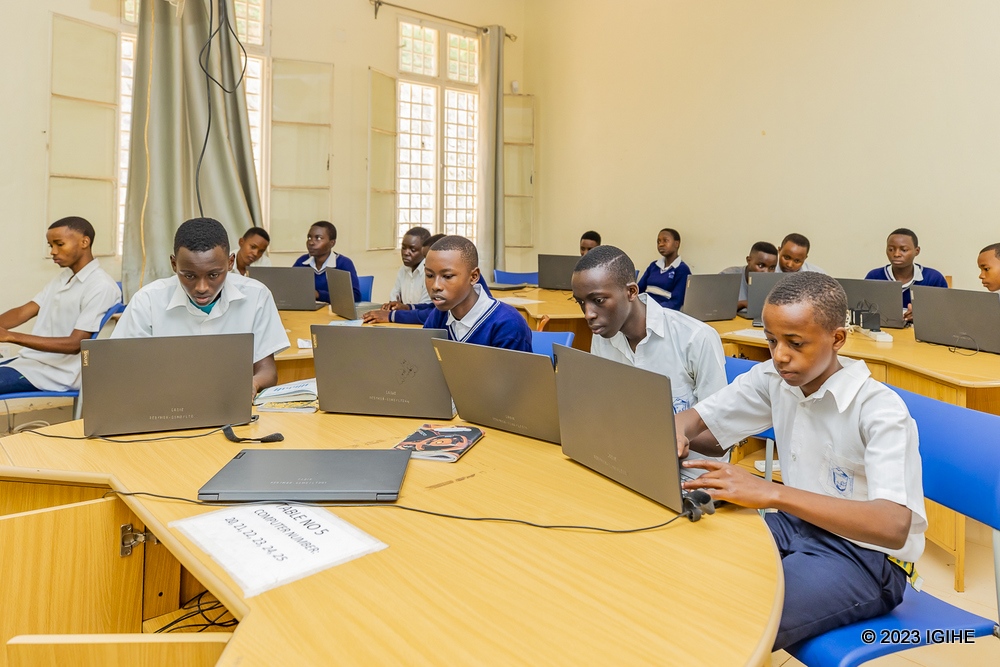
Students reported spending an average of 3.2 hours a day using digital devices at school for learning, compared with 1.7 hours across OECD countries.
They also reported spending 2.9 hours a day using digital devices for leisure at school, against an OECD average of 1.1 hours.
The figures do not establish that technology use caused or contributed to Rwanda’s academic performance. They do, however, provide an important area for the education sector to examine as the country expands digital learning.
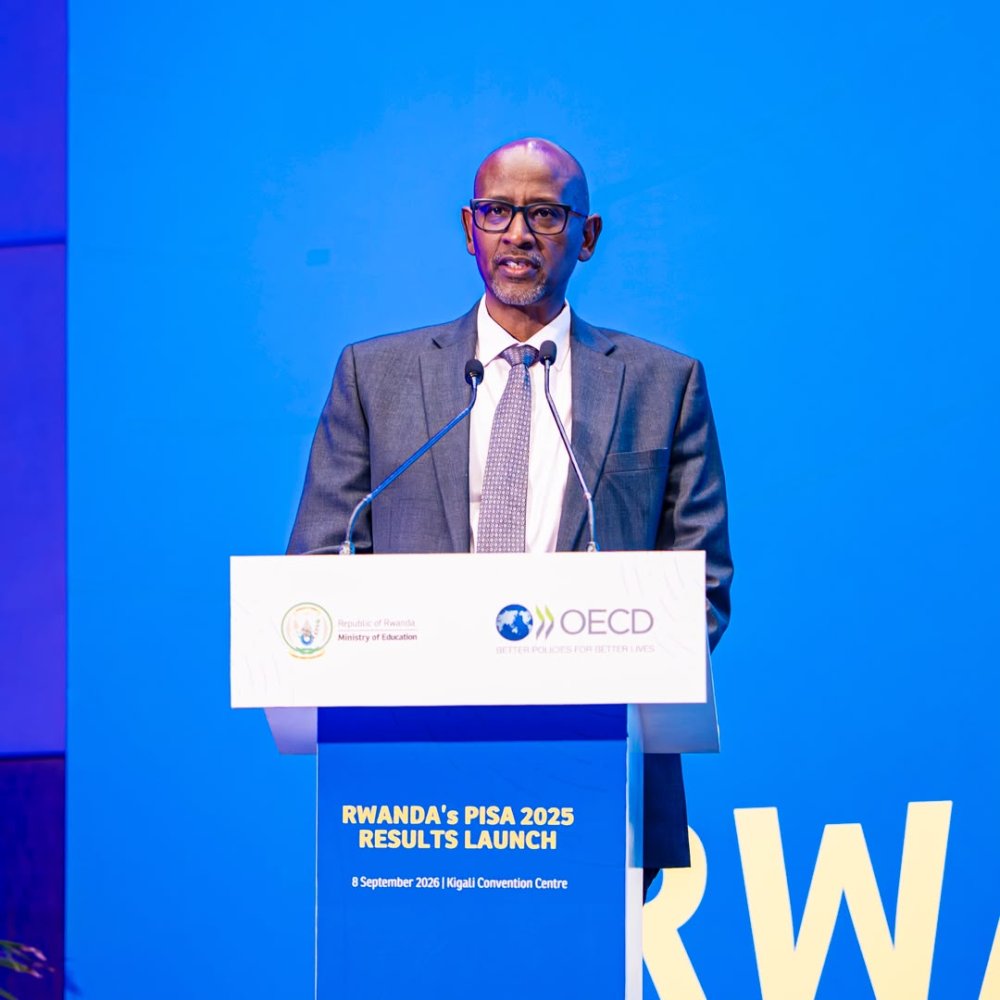
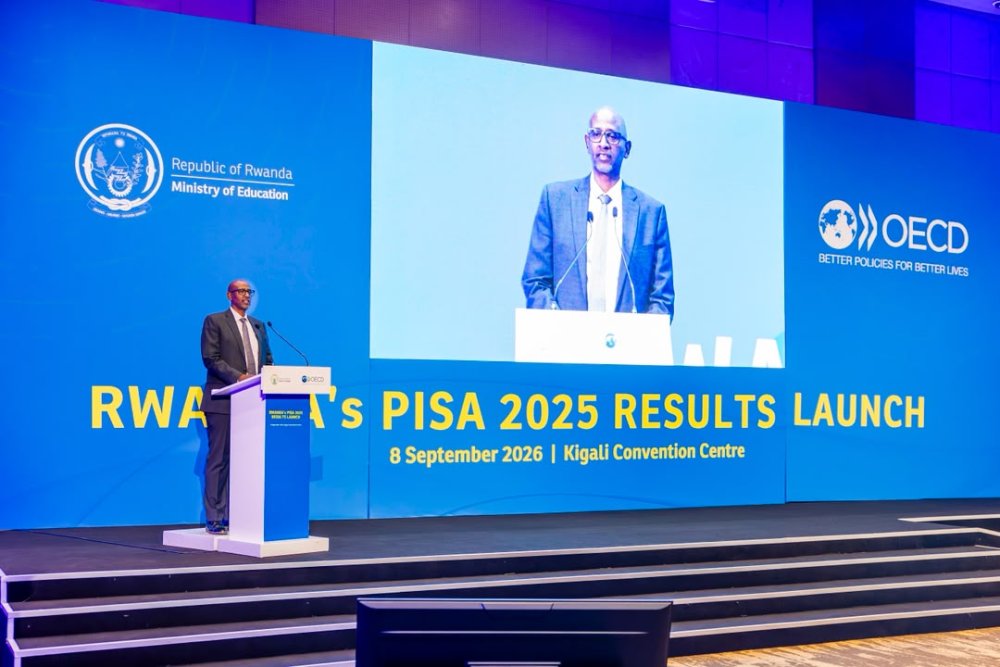
Speaking at a ceremony held in Kigali on September 8, 2026, to present the results of the assessment, Minister of Education Joseph Nsengimana said Rwanda had drawn important lessons from the exercise.
He said Rwanda’s performance fell short of expectations, adding that the results would help identify gaps and guide improvements in education.
Minister Nsengimana further explained that Rwanda participated in the PISA 2025 assessment to strengthen its use of data and evidence in making decisions.
On September 17, Rwanda will host PISA Regional Dialogue, bringing together the five African countries that participated in PISA 2025 to jointly review the findings and identify areas that need improvement as well as lessons they can learn from one another.
The dialogue will also bring together countries from other continents that performed well and those that demonstrated reforms in PISA 2025, allowing African countries to learn from their experiences and gain insights into how they can strengthen their education systems.
Education Minister Joseph Nsengimana said Rwanda will use the PISA findings to identify gaps and guide improvements in the education sector.Rwandan students reported spending an average of 3.2 hours a day using digital devices for learning at school, compared with 1.7 hours across OECD countries.The findings of Rwanda’s first participation in PISA 2025 were presented in Kigali on September 8, 2026.
The network is part of a wider plan by the Inter-University Council for East Africa (IUCEA) to establish a federated regional Centre of Excellence in Artificial Intelligence, linking universities across the East African Community through specialised institutional nodes.
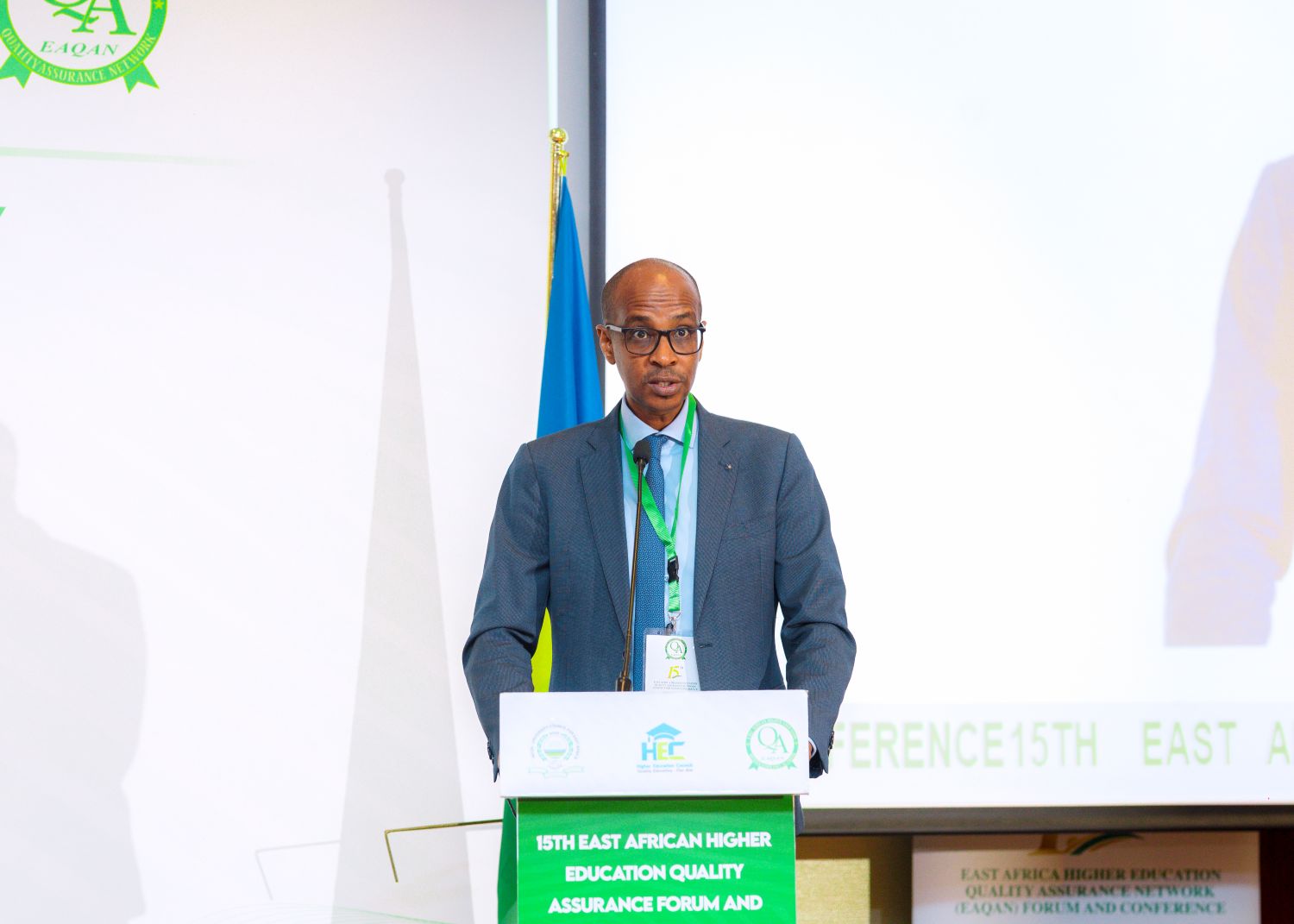
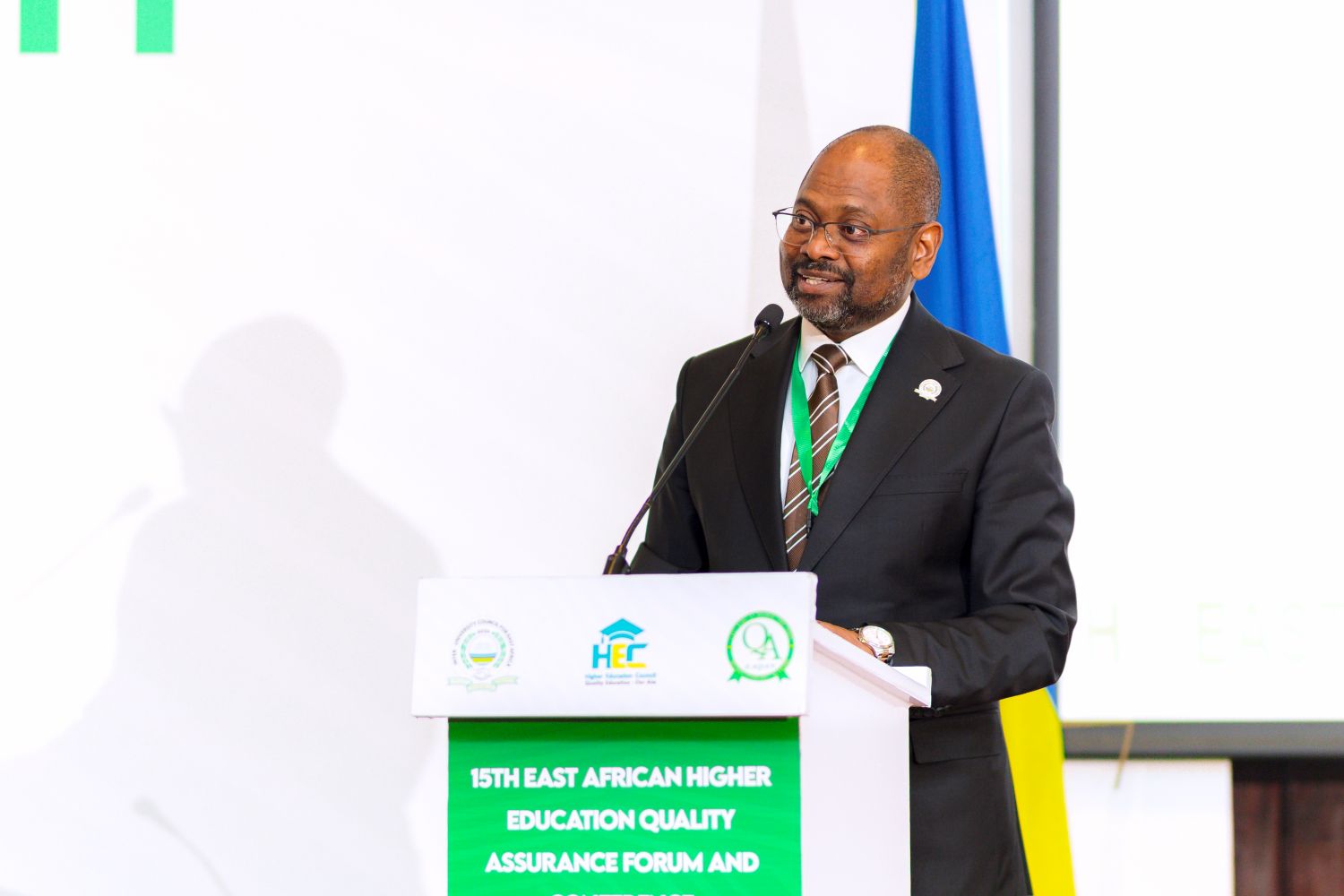
The Acting Executive Secretary of IUCEA, Prof. Idris Rai, highlighted the development on Monday, September 7, 2026, during the 15th East African Higher Education Quality Assurance Forum and Conference in Kigali.
The institutions named include the University of Rwanda, the University of Dodoma in Tanzania, Dedan Kimathi University in Kenya, SIMAD University in Somalia, the University of Burundi and Kabale University in Uganda.
The Acting Executive Secretary of IUCEA, Prof. Idris Rai, speaks on Monday, September 7, 2026, during the 15th East African Higher Education Quality Assurance Forum and Conference in Kigali.
Prof. Rai said discussions were still ongoing with two EAC partner states that are yet to identify representative institutions to join the collaborative network.
The regional network was officially launched in Nairobi in July and is expected to form the foundation for the future East African Centre of Excellence in AI Education and Research.
Prof. Rai said the initiative builds on discussions held during an IUCEA conference in Kigali in 2023, which focused on higher education in the age of artificial intelligence and data science.
The discussions identified the need for universities to build institutional capacity while developing a collaborative platform for teaching, research and innovation in AI.
“In 2024, our Executive Committee approved the establishment of a regional centre of excellence in AI — a federated regional centre of excellence, whereby each partner state will identify one node or university to take part in developing that regional collaborative framework on AI,” Prof. Rai said.
He revealed that the network will support the development of benchmarks and curricula in areas including data science, artificial intelligence and robotics, covering both undergraduate and postgraduate education.
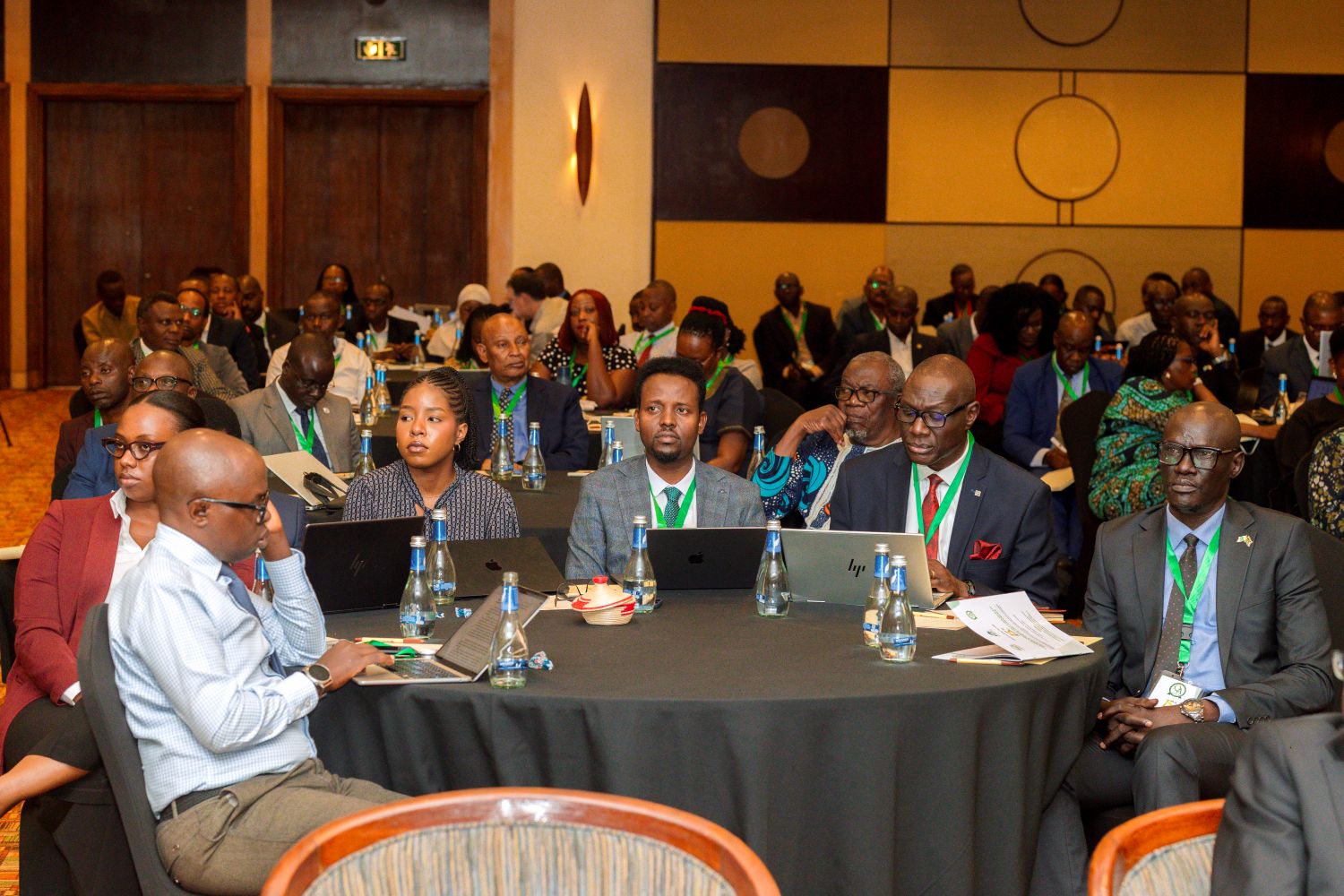
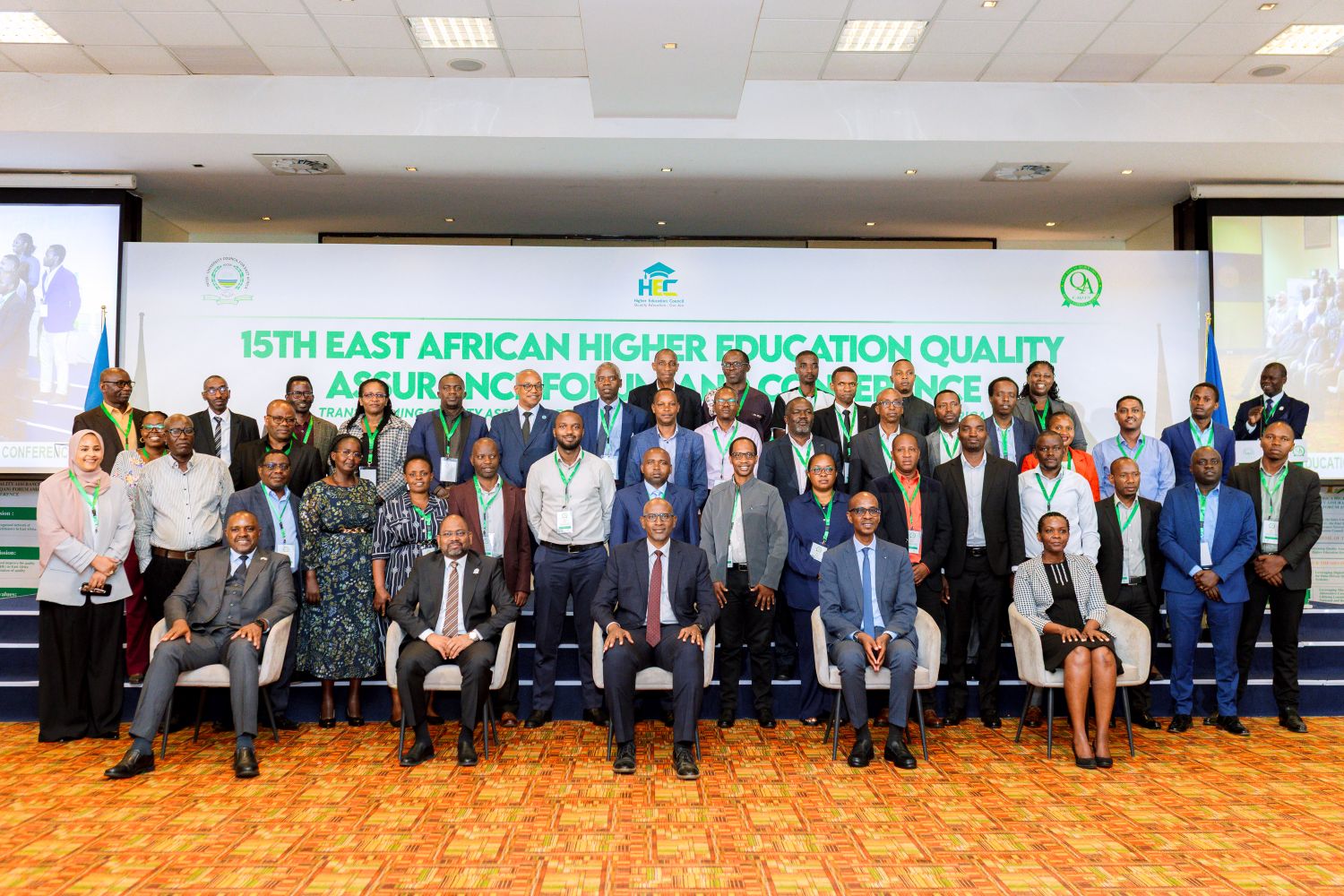
The forum has brought together university leaders, higher education regulators, academics and development partners.
AI literacy for university students
Among the major initiatives being developed is an AI foundational module that could introduce basic artificial intelligence literacy to university students across East Africa.
Prof. Rai said the module is in its final stages of development and could eventually become part of university education across the region.
“We are in the final stages of development of what we call an AI foundational module,” he said.
“Imagine you have a foundational module in AI whereby all students who go through our universities must take it, so that they know about AI, provide AI literacy.”
IUCEA is also developing learning pathways for lecturers who will teach the module and a policy framework to guide the use of AI in teaching, learning and other areas of higher education.
The network will further support collaborative and multidisciplinary research among participating universities.
For Rwanda’s Minister of Education, Joseph Nsengimana, the rapid growth of AI is raising fundamental questions about whether universities are adequately preparing students for a changing world.
“The world for which our universities are preparing our graduates is changing rapidly. Artificial intelligence is transforming how knowledge is produced, taught and applied,” Nsengimana said.
Rwanda’s Minister of Education, Joseph Nsengimana, said the rapid growth of AI is raising fundamental questions about whether universities are adequately preparing students for a changing world.
He noted that the urgency was particularly significant for East Africa, where more than 60 percent of the population is under the age of 25, saying higher education will play a major role in determining whether the region’s young people are equipped to turn their talent into opportunities in a rapidly changing economy.
“Will the education we receive today prepare us for the world of tomorrow?” Nsengimana said, referring to what he described as an urgent question facing young people across the region.
“Our answer must be a resounding yes.”
He said digital transformation and artificial intelligence should be central to efforts to modernise higher education, while universities and regulators must ensure that technology is used responsibly.
“Technology alone is not enough,” he stated, stressing the need to equip academic staff and regulators with the capacity to use emerging technologies responsibly while protecting data, maintaining ethical standards and ensuring equitable access.
Future-ready universities
Dr. Edward Kadozi, the Director General of Rwanda’s Higher Education Council, said universities could no longer focus only on preparing students for the jobs that exist today.
“Higher education is no longer preparing students simply for the jobs of today. It must prepare them for jobs, technologies and challenges that are still emerging,” he remarked.
Kadozi said technological development, digitalisation and AI were changing how knowledge is created and delivered, while also reshaping the skills required by economies.
He warned that qualifications alone would not be enough if graduates leave universities without the practical skills, adaptability and critical thinking required in the workplace.
“If graduates leave our institutions with qualifications but without practical skills, adaptability and critical thinking required by the workplace, then we have not fully delivered on our responsibilities to them,” Kadozi said.
He added that quality assurance systems must also evolve alongside changes in higher education.
“We must modernise our evaluative tools. We must strengthen our technical capacities. We must embrace appropriate technologies. And we must continuously review our regulatory processes to ensure that they keep pace with the sector we oversee.”
Dr. Edward Kadozi, the Director General of Rwanda’s Higher Education Council, said universities could no longer focus only on preparing students for the jobs that exist today.
The regional push for AI-ready higher education has also attracted support from international partners.
A representative of the German Academic Exchange Service, DAAD, announced plans to establish a new African Centre of Excellence for Applied and Responsible Artificial Intelligence in Kenya, which is expected to serve the wider East African region.
Dr. Dorothee Weyler, Regional Director, DAAD, said the centre will focus on strengthening institutional capacity in applied and responsible AI research while integrating teaching, research, early-career development and knowledge transfer.
The development comes as Rwanda’s higher education sector increasingly positions itself within regional efforts to strengthen digital skills, research and innovation.
Through its role in the new network, the University of Rwanda is expected to contribute to the development of AI expertise and collaborative research while helping build the institutional capacity needed to support the responsible adoption of the technology across East Africa.
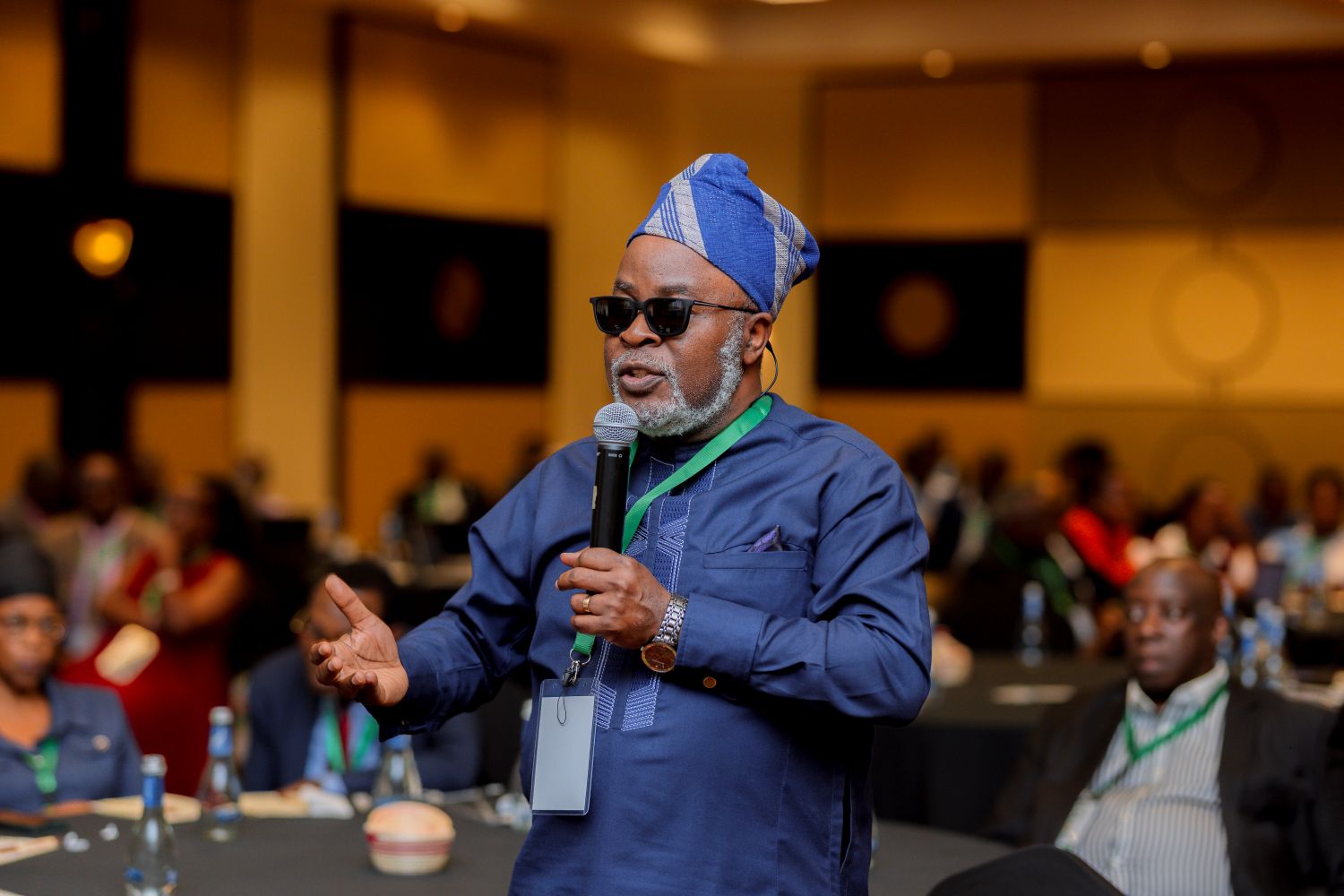
Prof. Didas Kayihura, Vice Chancellor of the University of Rwanda, said such regional collaboration has already proven valuable for staff and institutions engaging with partner universities across East Africa.
“That exposure itself changes the staff quite a lot,” he said, adding that lessons learned abroad are typically brought back and shared with colleagues at home.
Prof. Didas Kayihura, University of Rwanda Vice Chancellor, said regional university collaboration is already benefiting staff and institutions across East Africa.
The Regional AI Network follows a federated model in which participating universities contribute their individual strengths while collaborating on joint programmes, research and other regional initiatives.
Meanwhile, DAAD also announced plans to host a Master of Science in electrical power systems scholarship programme at the University of Rwanda for the next three years, with applications opening on September 24.
The 15th East African Higher Education Quality Assurance Forum and Conference is being held at the Kigali Serena Hotel under the theme, “Transforming Quality Assurance for Future-Ready Higher Education Systems in East Africa.”
The four-day forum has brought together university leaders, higher education regulators, academics and development partners to discuss how East Africa can prepare its universities and graduates for emerging technologies and the changing demands of the labour market.
The forum has brought together university leaders, higher education regulators, academics and development partnersThe stakeholders are discussing how East Africa can prepare its universities and graduates for emerging technologies and the changing demands of the labour market.
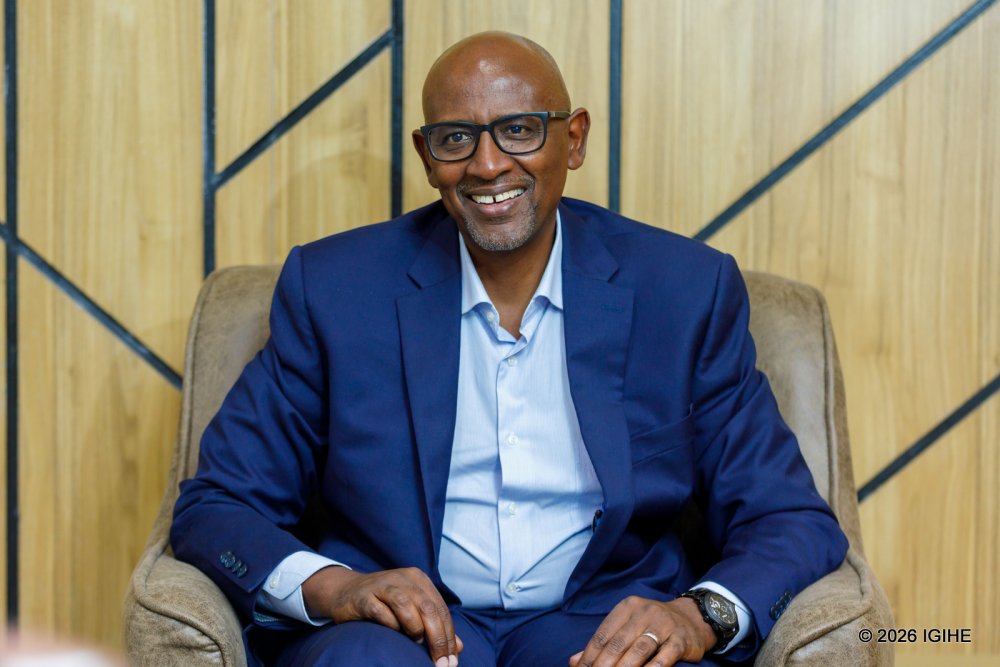
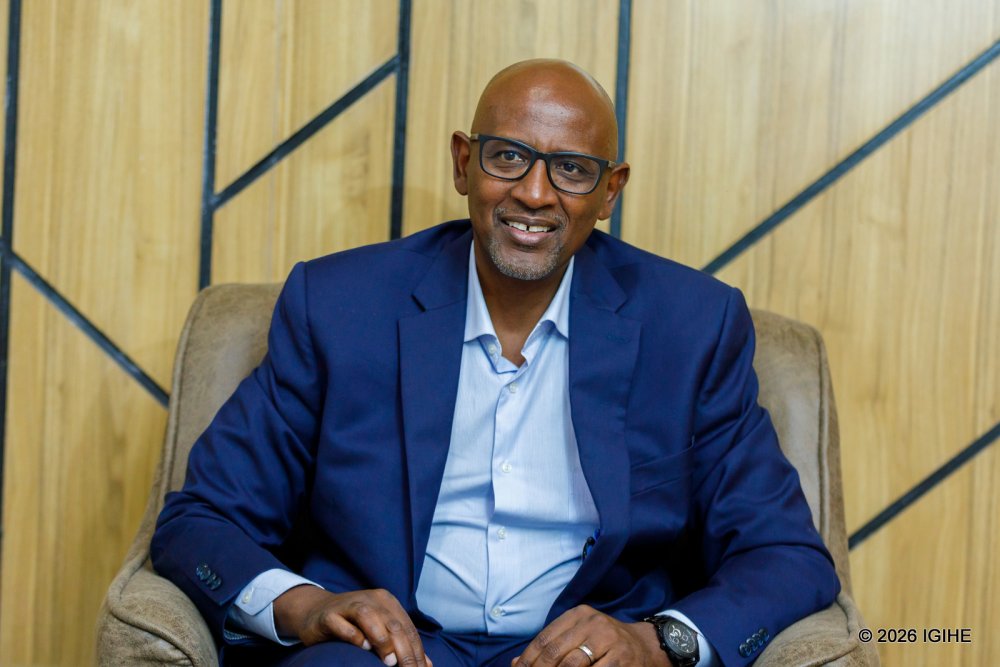
In an interview with IGIHE, Nsengimana said improving the quality of education remains his main priority after two years at the Ministry of Education, building on efforts that have expanded access to schooling.
“Improving the quality of education is the area in which I have committed myself to delivering results,” he said.
Among the changes introduced are adjustments to the curriculum in the first three years of primary school, new Learning Pathways in secondary education and efforts to improve how examination results are communicated.
The ministry is also working to reduce repetition. Nsengimana said the repetition rate among pupils in the first three years of primary school has fallen from about 30% to 20% following the introduction of a programme designed to improve learning outcomes.
Teachers given two years to improve English
English remains a major concern because it is the language of instruction in Rwanda’s schools. Nsengimana said teachers must improve their proficiency to ensure they can effectively teach the subjects assigned to them.
“We found that many teachers were not at the level they should be,” he said, explaining that a two-year programme was introduced last year to improve teachers’ English skills.
He warned that the requirement would have consequences for those who fail to improve.
“Within those two years, we hope that all of them will know English, but those who do not may lose their jobs,” Nsengimana said.
The ministry is also raising the academic qualifications of primary school teachers, with plans to move them progressively from secondary-school level to university-level qualifications.
No repeat cheating arrangement
The minister also defended the decision to allow 7,188 students whose national examinations were compromised by adults to retake the tests.
He said the students had been cheated by adults responsible for administering and protecting the examinations, rather than initiating the malpractice themselves.
“We found that these children were cheated by adults, and those adults are being prosecuted because they betrayed these children,” he said.
Nsengimana said punishing thousands of students by making them repeat an academic year would have been unfair, while allowing them another opportunity to sit the examination would enable them to continue with their education.
However, he stressed that the decision should not be interpreted as setting a precedent.
“This is the first and the last time this will be done,” he said. “Next time, if it happens, the regulations will be followed.”
More than 99% of the affected students reportedly sat the retake examination. Their results are expected on September 11, allowing them to join their colleagues by September 14.
Tackling overcrowding, mathematics and discipline
Nsengimana acknowledged that overcrowded classrooms remain a challenge to education quality. Between 2017 and 2024, the government built 27,500 classrooms, but the ministry continues to add more as resources become available.
“There is no other solution than building classrooms,” he said, adding that in some schools with more than 60 pupils in a classroom, two teachers have been assigned to work together.
He also pointed to improvement in mathematics results, which rose from 23% last year to 50% this year. However, he said the figure was still far from satisfactory.
“I don’t believe that mathematics is too difficult,” he said, arguing that greater attention should be paid to how it is taught and learned.
The new school year also brings stronger expectations on discipline. Students involved in fighting, alcohol, drugs and other prohibited behaviour will face disciplinary measures.
Nsengimana urged parents, teachers and school leaders to reinforce discipline, saying a small number of students should not undermine an entire school.
The ministry has also changed the structure of the school day, seeking to reduce prolonged classroom learning and increase practical activities.
“For example, if you are learning about Rwandan culture, you can go outside, dance and practise it,” he explained, arguing that students learn better when they actively engage with what they are studying.
Rwanda also participated in the Programme for International Student Assessment (PISA) for the first time in 2025, with more than 7,000 15-year-old students assessed on their ability to apply knowledge in real-life situations.
Nsengimana said such assessments will help Rwanda understand whether students are simply memorising information or genuinely understanding and applying what they learn.
“Our goal is to build a knowledge-based economy,” he said.
Minister Nsengimana has said improving the quality of education remains his main priority after two years at the Ministry of Education, building on efforts that have expanded access to schooling.
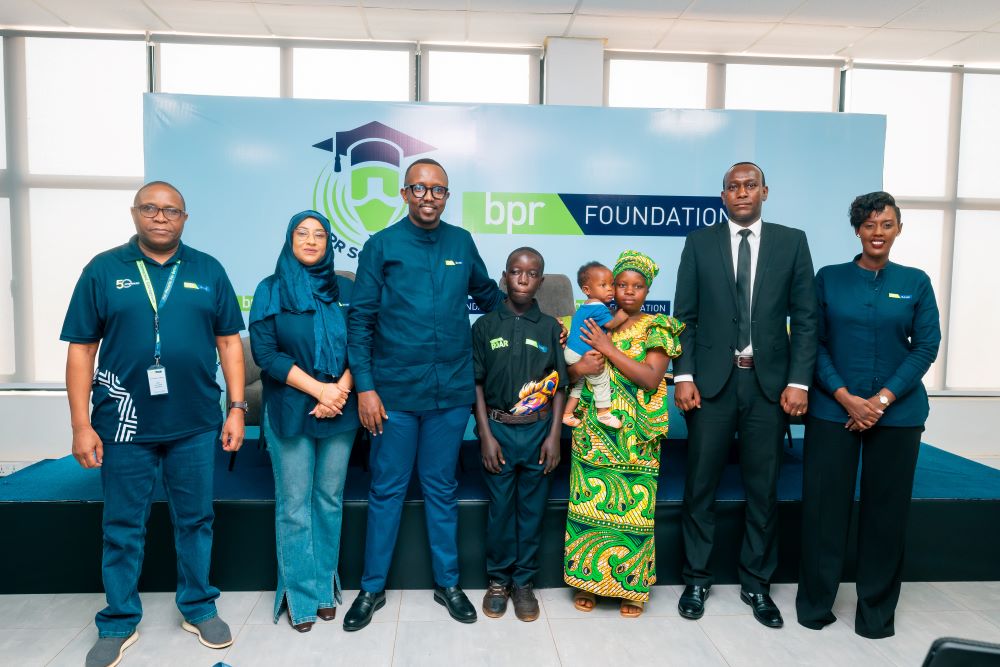
The programme, implemented in partnership with the Ministry of Education (MINEDUC), will support 25 boys and 25 girls selected from different districts across Rwanda.
Under the programme, BPR Bank will support the students throughout their six years of secondary education, from Senior One (S1) through Senior Six (S6), providing essential requirements to help them attend school and complete their studies successfully.
The bank’s management said the initiative seeks to remove financial and socio-economic barriers that prevent students from accessing, continuing and completing their education.
In addition to school materials and other essential requirements, beneficiaries will receive mentorship and guidance to support their academic performance and overall wellbeing. The programme will also help build their confidence, equip them with practical skills and enable them to make informed decisions about their future.
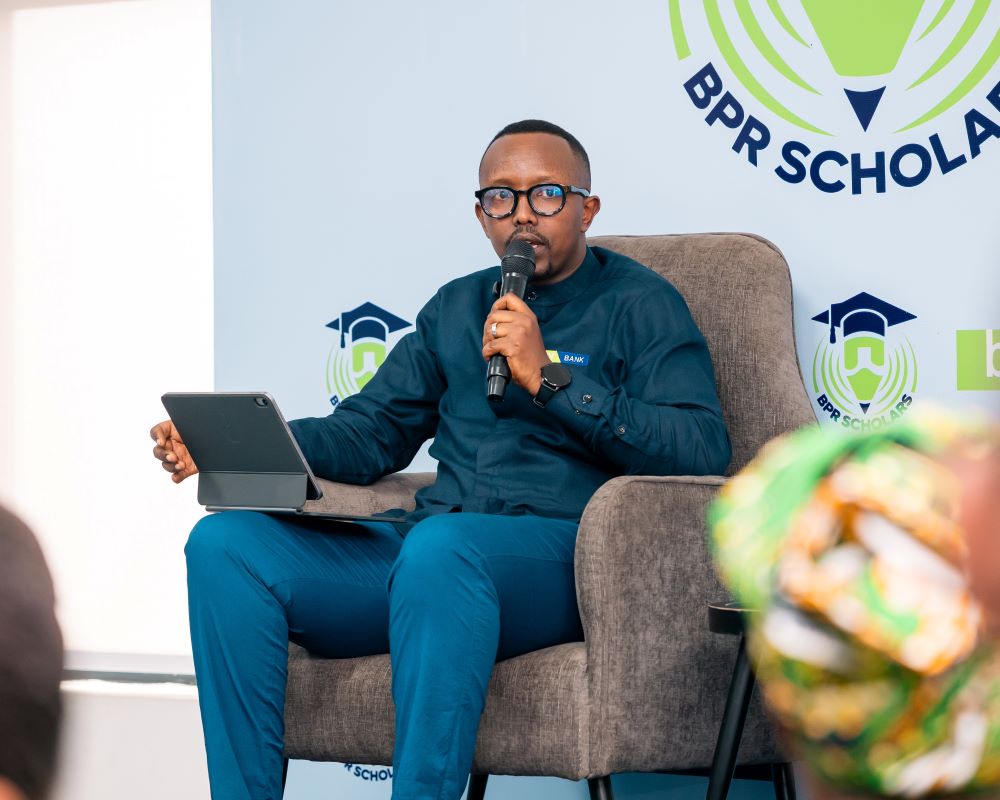
BPR Bank Rwanda PLC Chief Financial Officer, Vincent Ngirikiringo, said every child should have an opportunity to pursue their dreams regardless of their family’s circumstances.
“At BPR Bank, we believe that every child deserves the opportunity to achieve their dreams, regardless of the family they come from. Through the BPR Scholars programme, we are committed to supporting these students throughout their secondary education journey from S1 to S6. We want to remove financial barriers and provide them with the support and mentorship they need to succeed.”
He said the initiative goes beyond providing financial assistance, as the bank intends to accompany the students throughout their six-year journey by helping them set life goals, develop themselves and understand the educational and career opportunities available to them.
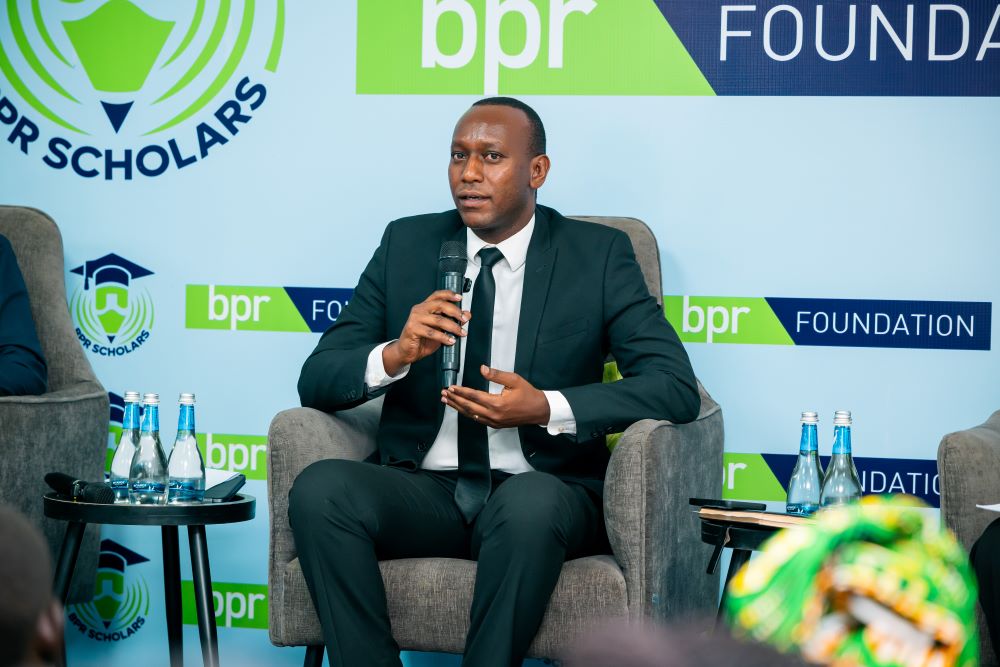
Niyongabo Eric, an official from the Ministry of Education, welcomed the partnership with BPR Bank Rwanda PLC, saying such initiatives contribute to the government’s efforts to improve access to education and address barriers faced by students.
“The latest figures we have show that at least 79 percent of students who pass primary school go on to secondary school, and what we want is for that figure to reach 100 percent. Partnerships with institutions such as BPR help us increase that number, especially because one of the main challenges identified is a lack of financial means.”
Among the beneficiaries is Shema Patrick, who performed well in primary school and was selected for the scholarship. He expressed gratitude to BPR Bank for choosing him and pledged to work hard in his studies.
Shema’s mother, Mukeshimana Vestine, said she initially thought she was being targeted by fraudsters when she received a call informing her that her son had been selected for the scholarship.
“When I was first called and told that they had selected my child to be sponsored, I thought they were scammers and I did not believe it. I only became convinced after they called me again from the bank,” she said.
She thanked BPR Bank for the support, saying paying for her son’s education had been one of the family’s major concerns.
Through the BPR Foundation, the bank invests in initiatives focused on education and the development of small businesses, with the aim of supporting communities and creating opportunities for sustainable social and economic development.
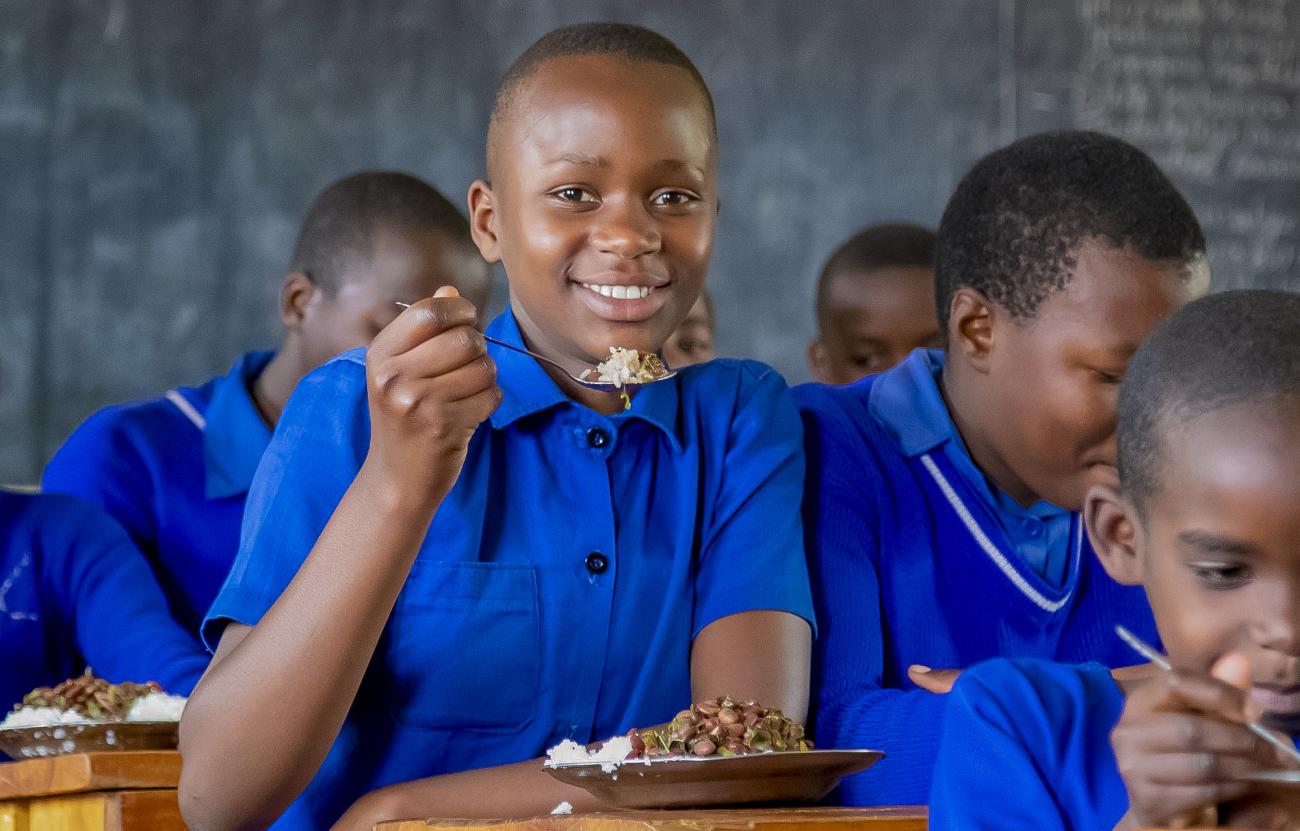
The initiative, supported by The Rockefeller Foundation and implemented with partners including Vanguard Economics and the World Food Programme (WFP), seeks to replace refined maize flour with fortified whole-grain alternatives in school meals.
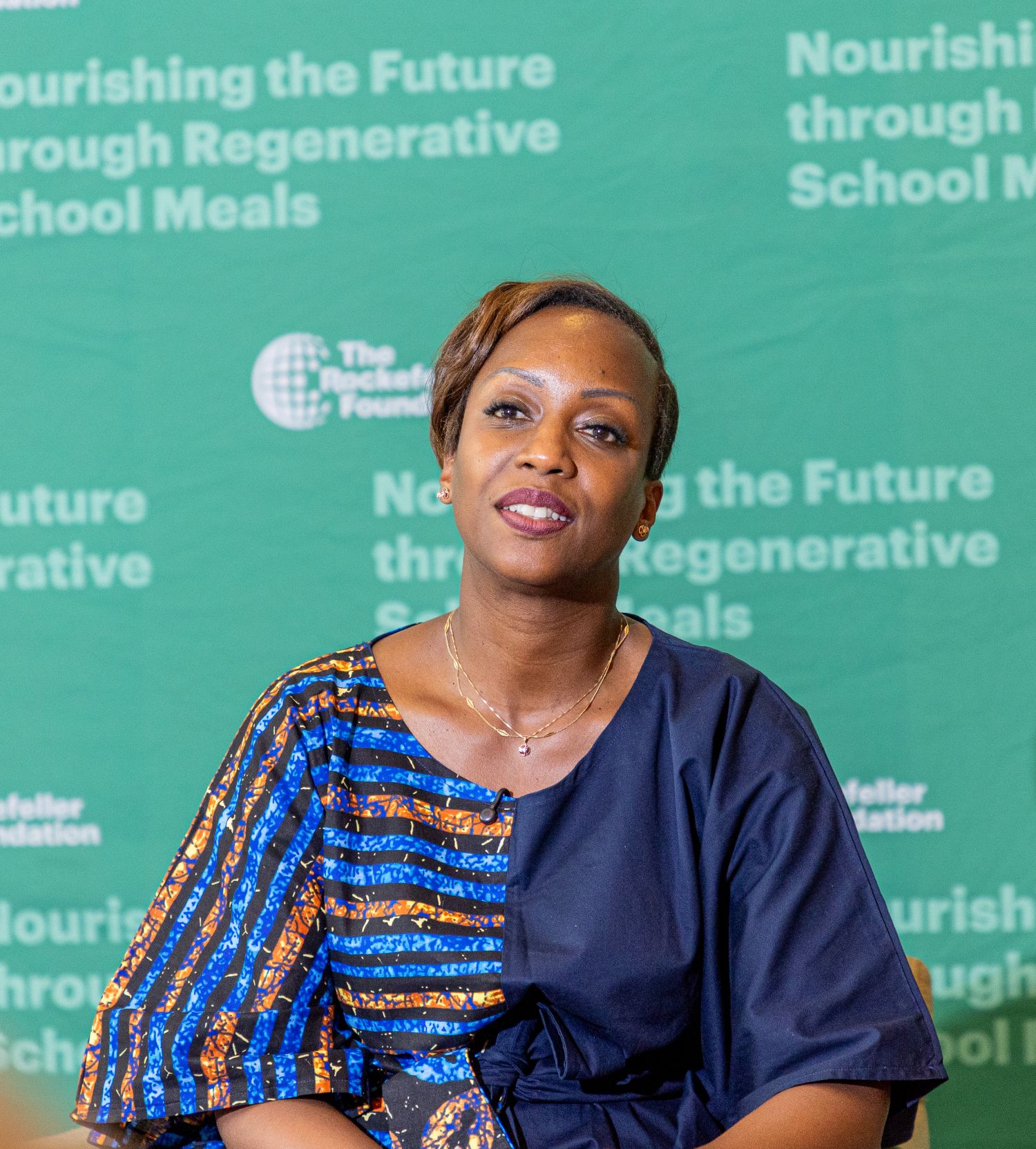
Diane Dusabeyezu, Consultant and Programme Manager at Vanguard Economics, said the initiative is being implemented as part of broader efforts to strengthen regenerative school meals and improve nutrition among children.
Speaking to IGIHE during the Africa Food Systems Forum (AFSF) in Kigali, Dusabeyezu explained that the approach goes beyond simply changing what is placed on children’s plates.
“It’s an entire value chain actor in the initiative program with whom we are engaging in running this project in Rwanda,” she said.
The initiative works with farmers, millers, premix companies, government institutions and other stakeholders to ensure the product can be produced, supplied and accepted at scale.
From farmers to schoolchildren
Dusabeyezu noted that Vanguard Economics has supported food processors through training on fortified whole grain production, access to quality inputs and premix, as well as efforts to ensure millers have the necessary certification to supply school feeding programmes.
Farmers are also being trained and supported with access to appropriate inputs and assistance in developing business cases to help them secure financing.
“We have been providing training to farmers. We have been supporting them in getting the right inputs. We have also been supporting them in writing a business case to get the financial support they need,” she said.
The initiative also involves engagement with Rwanda’s Ministry of Agriculture and Animal Resources and Ministry of Education, as well as private-sector companies and development partners.
Dusabeyezu stressed that such collaboration is important because introducing a new food product requires awareness and acceptance among the different actors who will ultimately be involved in its production and consumption.
The Rockefeller Foundation describes this broader approach as “regenerative school meals”, which connects local farmers with public school procurement systems to improve children’s nutrition while strengthening local economies and food systems.
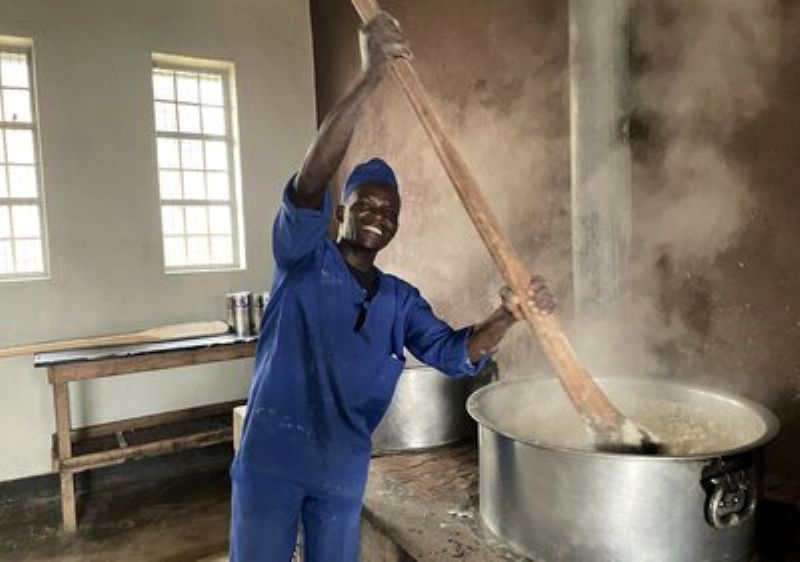
The broader approach was also showcased through Solid Africa, a Rockefeller Foundation grantee working to improve nutrition through school meals and stronger local food systems. During a field visit in Kigali, participants visited Solid Africa’s model, which includes a kitchen garden, nutrition education and a centralised kitchen supplying meals to schoolchildren.
Diane Dusabeyezu, Consultant and Programme Manager at Vanguard Economics, said the initiative is being implemented as part of broader efforts to strengthen regenerative school meals and improve nutrition among children.
Why whole grain?
Unlike refined maize flour, fortified whole grain flour uses the entire grain, including the bran and germ, which contain important nutrients.
The Rockefeller Foundation says fortified whole grain foods can provide substantially more nutrition than refined alternatives, while the Rwanda pilot found that the product could be produced at the same cost as refined maize flour.
Rwanda’s school feeding guidelines also identify fortified maize flour or whole grain meal as an important source of micronutrients in school meals.
The initiative was initially piloted in 18 schools in Rwanda. According to WFP, more than 13,500 children were reached during the initial phase, with 73% of children demonstrating awareness of the nutritional benefits of fortified whole grains and 97% preferring the whole grain product to its refined equivalent.
The programme subsequently expanded, with the Rockefeller Foundation reporting that nearly 74,000 students in 81 schools had been reached in Rwanda by January 2023.
Testing before scaling
Dusabeyezu recalled that the project spent time developing and testing the product before expanding its reach.
“We did consumer research because you need to do a testing of the product. You need to take it to the household. They test, then you improve the quality, the texture, the colour,” she said.
The initiative also worked with early childhood development centres and conducted pilots to establish whether children would accept the product.
She pointed to the experience as evidence that programmes seeking to achieve lasting impact should involve government, private-sector players and food processors from the beginning.
“When the pilot is successful, it’s easy to scale up,” she said.
The initiative is being expanded through a phased approach, with the long-term ambition of reaching more than 3 million schoolchildren across Rwanda.
Rwanda’s experience has already attracted interest beyond the initial pilot. A 2024 initiative involving the National Industrial Research and Development Agency (NIRDA) and Vanguard Economics sought to increase the capacity of local maize millers to produce fortified whole grain maize flour, including through technical assessments, plant upgrades and training.
Unlike refined maize flour, fortified whole grain flour uses the entire grain, including the bran and germ, which contain important nutrients.
Government ownership key to sustainability
For Dusabeyezu, one of the most important lessons from the project is the importance of government ownership.
She argued that initiatives are more likely to become sustainable when they are integrated into existing government policies and programmes rather than operating as separate projects.
“The key, very important point is really the government ownership,” she said.
The fortified whole grain initiative is being implemented within Rwanda’s existing school feeding system, rather than creating a separate programme.
Rwanda formally launched its National School Feeding Programme in October 2021, while its school feeding policy provides for nutritious meals for children in pre-primary, primary and secondary schools.
Dusabeyezu said Rwanda’s adoption of universal school feeding provides an experience that other African countries could study and potentially adapt to their own circumstances.
Measuring acceptance and future nutrition impact
At its current stage, the initiative is primarily tracking product acceptance, certification of millers and the quality of premix used in production.
Baseline and endline surveys are being conducted among schoolchildren to assess acceptance of the fortified whole grain product.
Dusabeyezu indicated that the longer-term objective is to track the nutritional impact on children as the initiative expands.
The broader approach is consistent with the Rockefeller Foundation’s school meals strategy, which seeks to use school feeding not only to address child nutrition but also to strengthen local food systems and create markets for farmers.
A model for other African countries
Dusabeyezu said the Africa Food Systems Forum provides an opportunity for countries to share experiences and identify approaches that can be adapted to different national contexts.
She pointed to Rwanda’s universal school feeding system, local sourcing and the involvement of farmers and food processors as some of the experiences that other countries could examine.
“The delegates that will attend the forum will learn from what is already being implemented in Rwanda,” she said, adding that they could take lessons from the country’s experience and consider how to replicate them in their own contexts.
The 20th Africa Food Systems Forum is being held in Kigali through September 4, 2026, bringing together more than 5,000 delegates from over 50 countries to discuss investment, nutrition, food security, climate resilience, youth, technology and intra-African trade.
The Rwanda initiative forms part of a broader effort by The Rockefeller Foundation to strengthen school meal programmes globally. In 2025, the Foundation committed $100 million over five years to support efforts to provide more nutritious school meals to 100 million children worldwide, with a focus on locally and regeneratively grown food.
For Rwanda, the fortified whole grain initiative represents an attempt to make school meals serve a broader purpose: improving children’s diets while creating demand for locally produced food, strengthening value chains and demonstrating how public food programmes can support wider food-system transformation.
In a statement issued on Sunday, August 30, the ministry said investigations into suspected malpractice had established that mass cheating occurred in 254 examination rooms, affecting 7,188 learners.
Although examination malpractice would ordinarily result in the cancellation of the affected examinations, the ministry said it had decided to allow the learners to sit the examinations again after establishing that some of the cheating had been orchestrated and facilitated by adults responsible for administering the tests.
“In the interest of fairness and the future of the affected learners, the Ministry has therefore decided to allow them to retake the Primary Leaving Examinations,” the statement said.
The retake examinations will be held from September 2 to 4, with the National Examination and School Inspection Authority (NESA) expected to announce the examination timetable, designated centres and further guidance on August 31.
The Ministry of Education and NESA will work with learners, parents, schools and local authorities to ensure the process is managed with minimal disruption, according to the statement.
The development comes barely days after the national examination results were released, showing a significant improvement in performance at the primary school level.
Announcing the results on August 20, NESA Director General Dr Bahati Bernard said the national pass rate had risen to 88.21 percent in the 2025/26 academic year, compared with 75.6 percent in the previous year.
A total of 276,579 learners from 3,895 schools sat the examinations, with boys recording a pass rate of 89.59 percent, slightly higher than the 87.1 percent registered by girls.
The ministry said the integrity of national examinations remained non-negotiable and announced plans to strengthen the examination system following the malpractice.
It also warned that everyone found to have organised, facilitated, participated in or deliberately enabled the cheating would be held accountable.
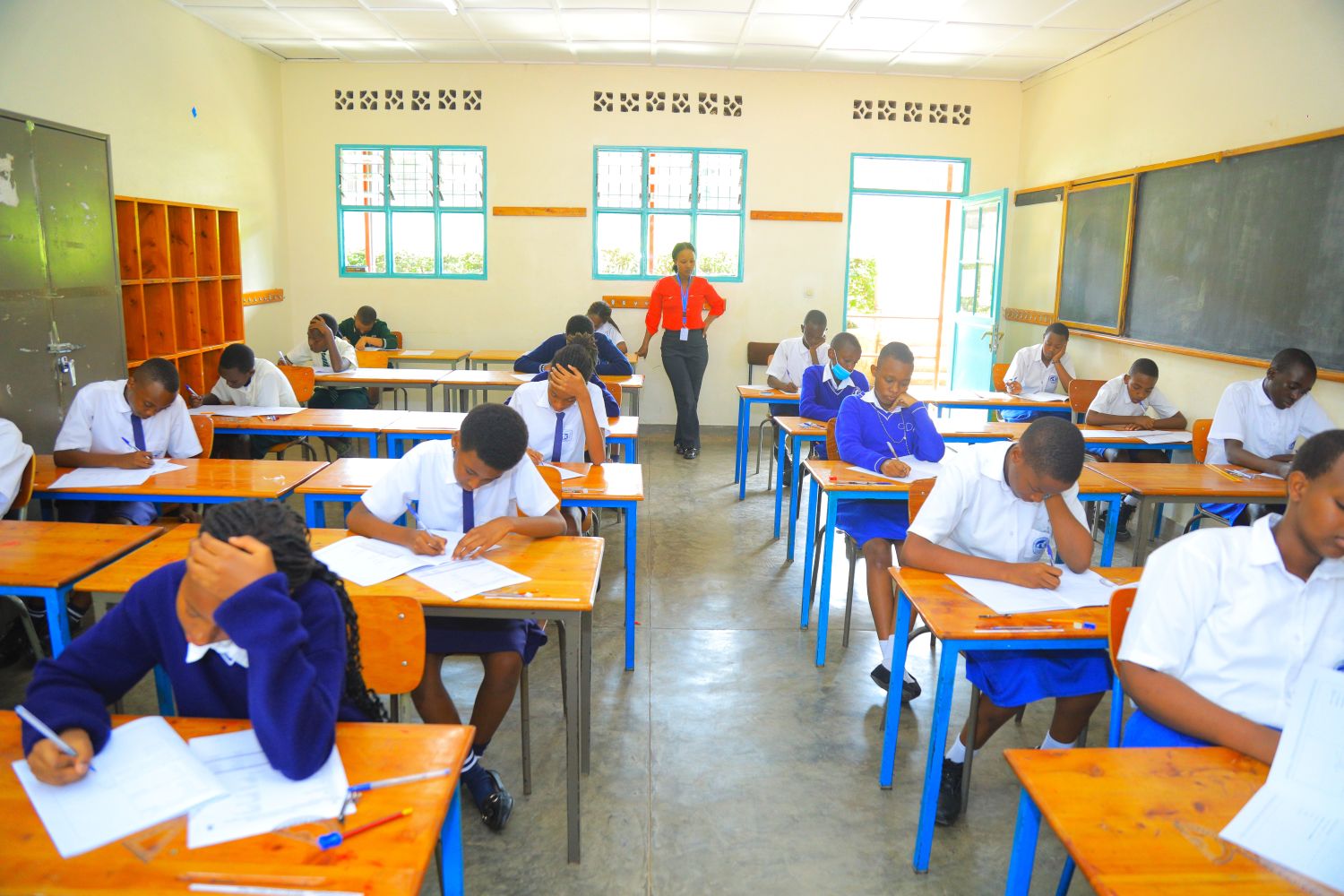
A file photo of learners sitting for a past national examination. The Ministry of Education on Sunday, August 30, 2026, ordered more than 7,000 learners to retake the 2026 Primary Leaving Examinations (PLE) after investigations confirmed widespread cheating in examination rooms across the country.