In a statement issued on Sunday, Rwanda’s Ministry of Health said the country is closely monitoring the outbreak, which the World Health Organisation (WHO) recently declared a Public Health Emergency of International Concern (PHEIC).
“There is currently no case of Ebola in Rwanda,” the ministry said, while assuring the public that health authorities remain vigilant.
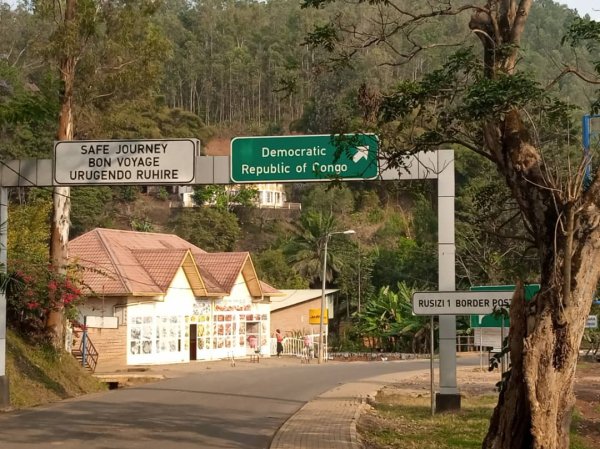
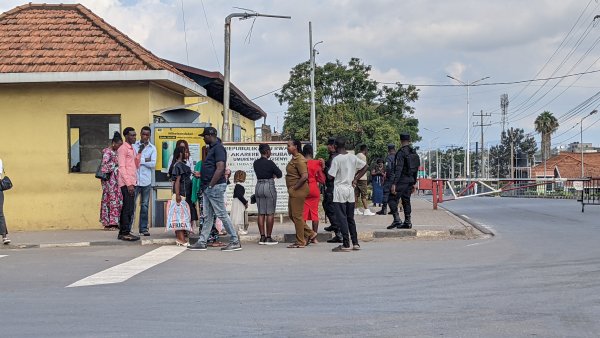
As part of precautionary measures, Rwanda has strengthened screening and surveillance at border entry points with the DRC. Health teams have been placed on alert, and response systems reinforced to ensure early detection and rapid containment should any suspected cases emerge.
The latest outbreak in eastern DR Congo has so far recorded 336 suspected and confirmed cases in Ituri Province, according to the Africa Centres for Disease Control and Prevention (Africa CDC). The outbreak is being driven by the Bundibugyo strain of the Ebola virus, for which no approved strain-specific vaccine currently exists.
Africa CDC Director General Jean Kaseya warned that cross-border movement, mining-related mobility, and weak disease surveillance systems could complicate efforts to contain the outbreak.
Regional concerns intensified after Uganda confirmed an imported Ebola case linked to the outbreak in DR Congo. Ugandan authorities said a 59-year-old Congolese man who died in Kampala tested positive for the Bundibugyo strain.
Africa CDC has classified the outbreak as a Grade 3 emergency, the agency’s highest response level, with the risk assessed as “very high” within DR Congo and “high” across eastern Africa.
Authorities in Rwanda have also tightened border controls in Rubavu District, where the Petite Barrière, Grande Barrière, and Kabuhanga border posts connecting Gisenyi and Goma were temporarily closed as a preventive measure.
Rubavu District Mayor Prosper Mulindwa said the decision was aimed at preventing the spread of Ebola into Rwanda.
“Borders connecting Goma and Gisenyi have been temporarily closed while monitoring the Ebola outbreak. We will continue engaging with citizens to explain the reasons behind this decision,” he said.
Despite the temporary closures, health officials continue screening Rwandan nationals entering from DR Congo as well as Congolese citizens returning home under strict monitoring protocols.
The Ministry of Health said it will continue working with national, regional, and international partners to protect public health and maintain preparedness against the outbreak.
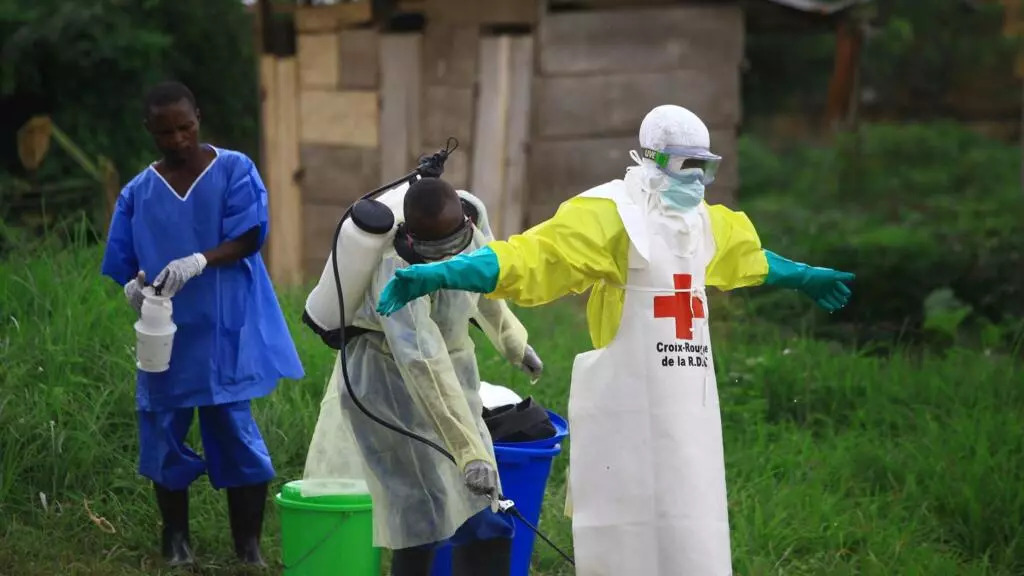
Ebola is a highly contagious viral disease that can cause fever, vomiting, diarrhoea, fatigue, body pain, and in severe cases, internal and external bleeding. Fatality rates vary depending on the virus subtype, according to the WHO.
Leave a Reply