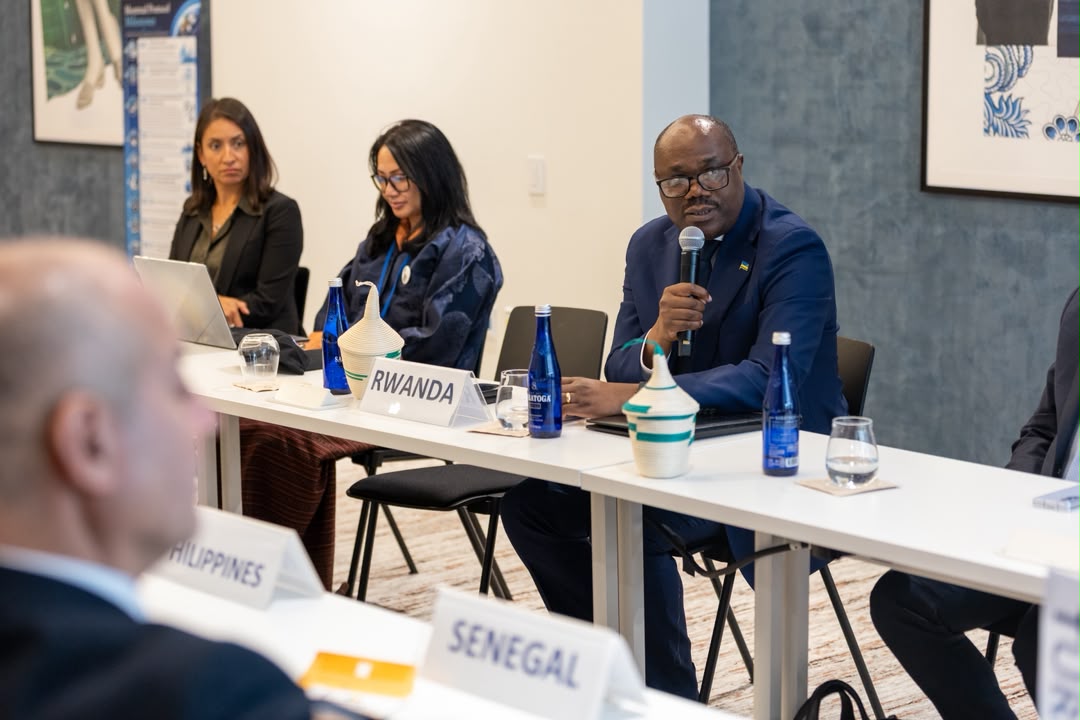
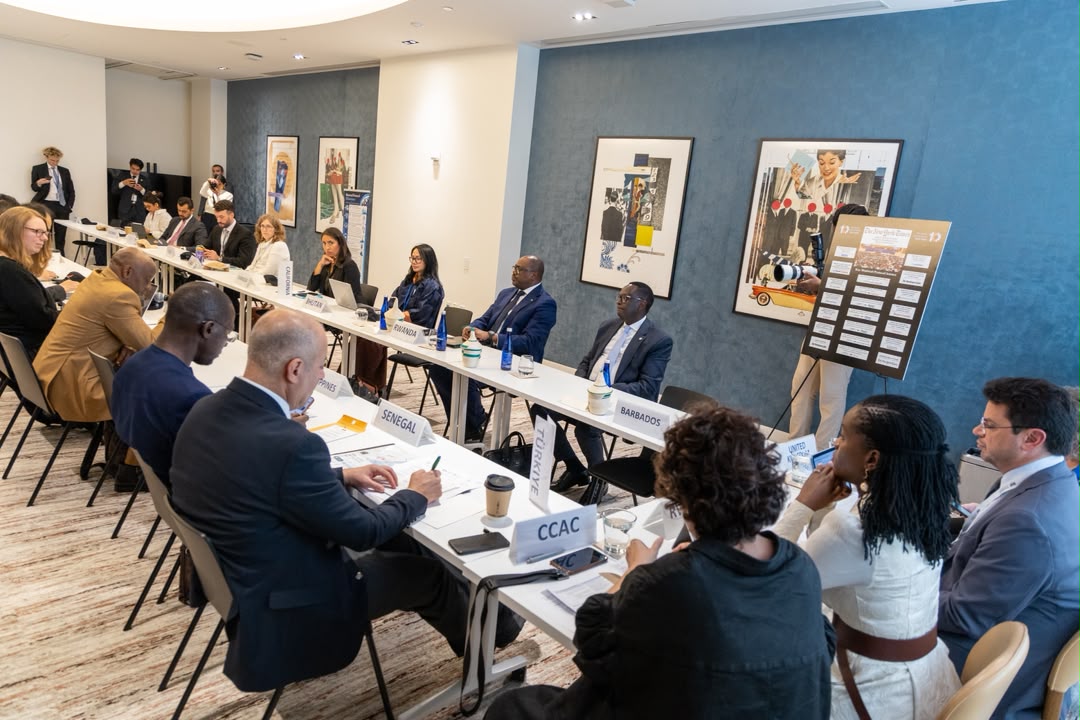
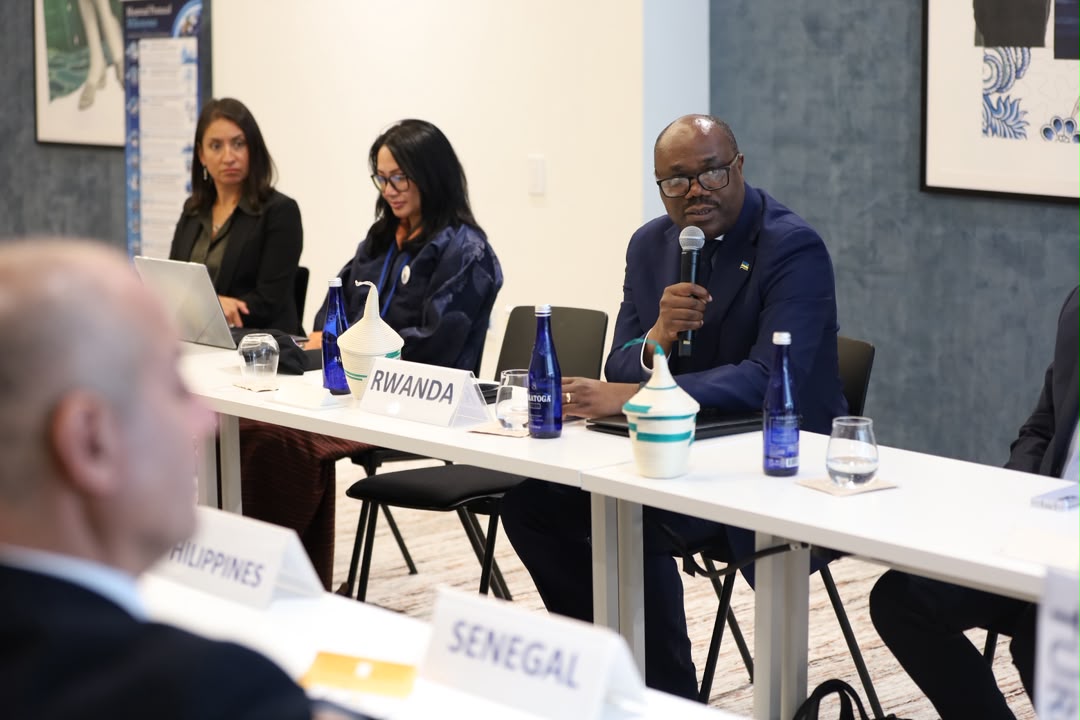
Dr. Nsengiyumva made the remarks on September 23, 2026, in New York, where he delivered closing remarks at an event marking the 10th anniversary of the Kigali Amendment and the renewal of the Friends of the Kigali Amendment.
“The Kigali Amendment has shown us what is possible when countries come together around a shared environmental challenge and turn ambition into collective action,” he said, while stressing that “adoption was only the beginning.”
He said the real test now is how quickly countries can translate their commitments into improvements in people’s daily lives.
The Prime Minister linked sustainable cooling to practical development needs, citing healthcare, agriculture and energy costs as areas where progress can have a direct impact.
He said reliable and sustainable cooling can determine whether hospitals are able to safely refrigerate vaccines and medicines, while cold-chain infrastructure can help farmers preserve their produce, reach markets on time and reduce losses.
“This is why sustainable cooling cannot be treated only as a climate priority. It is a development priority,” Dr. Nsengiyumva said.
The Kigali Amendment, adopted in Kigali in 2016, expanded the Montreal Protocol’s scope by requiring countries to gradually reduce the production and consumption of hydrofluorocarbons (HFCs), potent greenhouse gases widely used in refrigeration and air conditioning.
Ten years after its adoption, the Amendment has gained broad international participation. As of August 10, 2026, 174 countries had ratified it, according to the Ozone Secretariat.
The Ozone Secretariat says the Amendment has helped drive the transition towards more energy-efficient and sustainable cooling technologies. Its 2026 anniversary campaign describes the past decade as a period in which the agreement has linked climate action with development, industrial capacity and innovation.
Officially reported data also show that global HFC production and consumption peaked in 2023 before beginning to decline. By 2024, consumption was reported to be 30 percent below the collective baseline established under the Kigali Amendment.
Dr. Nsengiyumva said Rwanda is seeking to contribute to this transition through the African Centre of Excellence for Sustainable Cooling and Cold-chain, which brings together technology, skills, research and investment to address challenges in food systems and healthcare.
He said Rwanda’s experience should serve as a “proof of concept” that can eventually be scaled beyond the country.
The Prime Minister identified four priorities for the renewed Friends of the Kigali Amendment: bringing every country into the agreement, accelerating implementation, mobilising partnerships and resources, and ensuring industry contributes to making efficient, climate-friendly cooling technologies available at scale.
He also called for greater involvement from philanthropy, civil society, the private sector, financial institutions and organisations such as the Climate and Clean Air Coalition.
His remarks come ahead of the 38th Meeting of the Parties to the Montreal Protocol, which Rwanda will host in Kigali from November 2 to 6, 2026.
The meeting will take place in the same city where the Kigali Amendment was adopted a decade ago, giving Rwanda an opportunity to host countries as they assess progress and consider the next phase of implementation.
Dr. Nsengiyumva said Rwanda looks forward to welcoming participants back to Kigali, urging countries and partners to move “from commitment to implementation, from implementation to impact, and from ambition to results.”
Leave a Reply