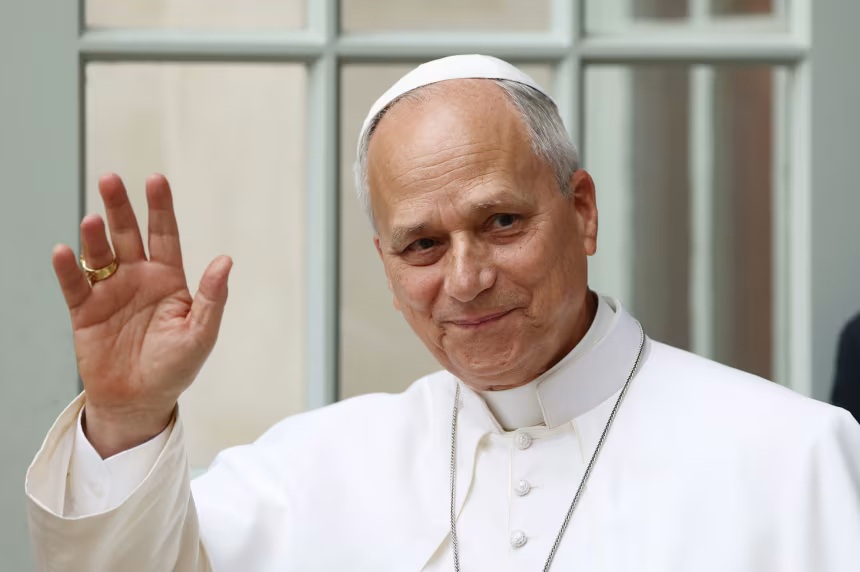
The 71-year-old pontiff underwent the procedure at Rome’s Agostino Gemelli University Hospital on October 13, after doctors discovered a small, localised nodule in his lung during medical examinations.
According to a statement released by the Holy See Press Office, the operation was successful and completed without complications. The Pope woke up as expected and returned to his hospital room following a brief period of observation.
“An intraoperative histological examination confirmed the diagnosis of lung adenocarcinoma, as suspected from the preoperative examinations,” the doctors said.
The diagnosis has drawn attention to the nature of the disease, how it is treated and what is known about the Pope’s recovery.
Lung adenocarcinoma is a type of non-small cell lung cancer that develops in cells responsible for producing substances such as mucus. It is the most common subtype of lung cancer and frequently develops in the outer parts of the lungs.
The disease can affect smokers and non-smokers alike. Its progression varies from one patient to another, depending on factors including the size and location of the tumour, whether it has spread and the patient’s overall health.
In Pope Leo’s case, the Vatican confirmed the diagnosis after tissue removed during surgery was examined. However, the Holy See has not publicly disclosed the cancer’s stage or whether it had spread beyond the affected area. These details are important in determining the most appropriate treatment and assessing a patient’s prognosis.
During the operation, surgeons removed the lower lobe of the Pope’s right lung in a procedure known as a lobectomy.
The surgery was performed using a video-assisted technique, which enables doctors to operate with the help of a camera and specialised instruments inserted through small incisions.
According to the Vatican’s medical statement, the procedure lasted approximately 90 minutes, although the Pope spent about three hours in the operating room.
The removal of the affected lobe was intended to eliminate the tumour and surrounding tissue. Further examination of the removed tissue will help doctors assess the extent of the disease and determine whether additional treatment is needed.
Before undergoing surgery, Pope Leo announced that doctors had discovered a small, localised lung nodule during medical examinations. He said the finding had been detected at a very early stage.
Although his earlier statement described the nodule as localised, this alone does not establish the cancer’s precise stage. Doctors generally consider additional findings, including whether cancer cells have reached nearby lymph nodes or other parts of the body, when determining how far the disease has progressed.
The Vatican has said that further examinations will be conducted following the operation. The results will help his medical team determine whether surgery is sufficient or whether additional care is necessary.
In an update issued on Wednesday, October 14, the Vatican said the Pope had spent a calm night at Gemelli Hospital following the operation.
His public audiences have been cancelled through October 20, and the previously announced hospital stay of approximately one week remains unchanged.
The Vatican has not announced a definitive change to his planned November visit to Uruguay, Argentina and Peru. The trip’s status will depend on further updates and any decisions communicated by the Holy See.
For now, the focus is on the Pope’s postoperative recovery and the results of further medical examinations.
While the successful operation is an important development, it does not by itself establish whether all cancer cells have been eliminated or whether further treatment will be necessary.
The stage of the cancer, the findings from additional tests and the medical team’s recommendations will provide a clearer picture of what lies ahead for the pontiff.
Until more information is released, the extent of the disease and the long-term outlook remain uncertain.
Leave a Reply