The announcement was made by Hamas spokesperson Hazem Qassem in a video posted on Facebook.
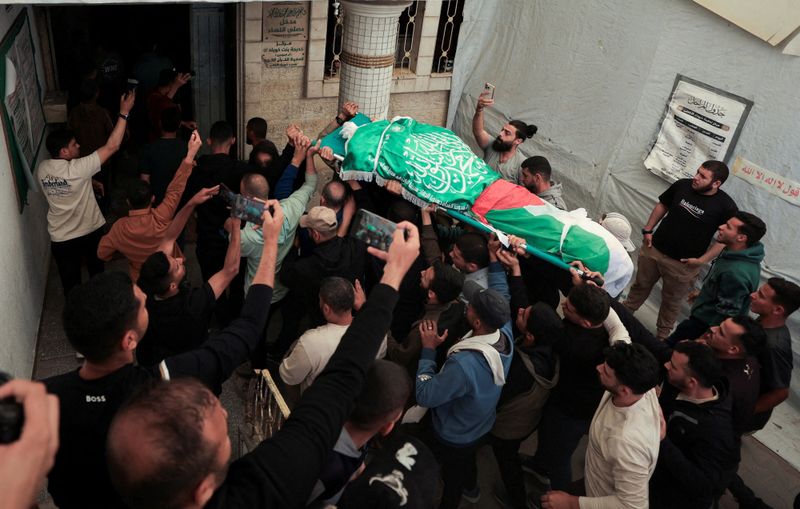
According to Palestinian sources, hundreds of Palestinians attended al-Haddad’s funeral on Saturday, with the procession starting from the Al-Aqsa Martyrs Mosque in central Gaza City. Participants carried the bodies of al-Haddad, his wife and daughter through the streets, and chanted slogans denouncing the Israeli airstrike.
Earlier on Saturday, the Israeli military and the domestic security agency Shin Bet confirmed in a joint statement that al-Haddad was killed in the Israeli airstrike on Gaza City on Friday.
They said al-Haddad was one of the planners of the Hamas attack on southern Israel on October 7, 2023.
In a separate statement, Israeli military chief Eyal Zamir said the military will continue to “hold accountable everyone who took part” in the 2023 Hamas attack. “We will not relent until we reach them all,” he said.
On Friday, Palestinian medical sources reported that at least 10 people were killed and at least 50 others injured in an Israeli airstrike on an apartment building and a vehicle in Gaza City.
Al-Haddad, known by the nickname “Ghost of al-Qassam,” was considered by Israel to be one of the most wanted figures. He had survived several previous assassination attempts, according to Israeli media.
Gaza-based Palestinian political analyst Ahed Ferwana told Xinhua that al-Haddad’s death could have an operational impact on the group’s field command.
Meanwhile, Ferwana suggested that the timing of the Israeli airstrike could be linked to domestic political considerations in Israel, as Israeli Prime Minister Benjamin Netanyahu “is attempting to bolster his standing” before a possible Knesset dissolution and in upcoming parliamentary elections.
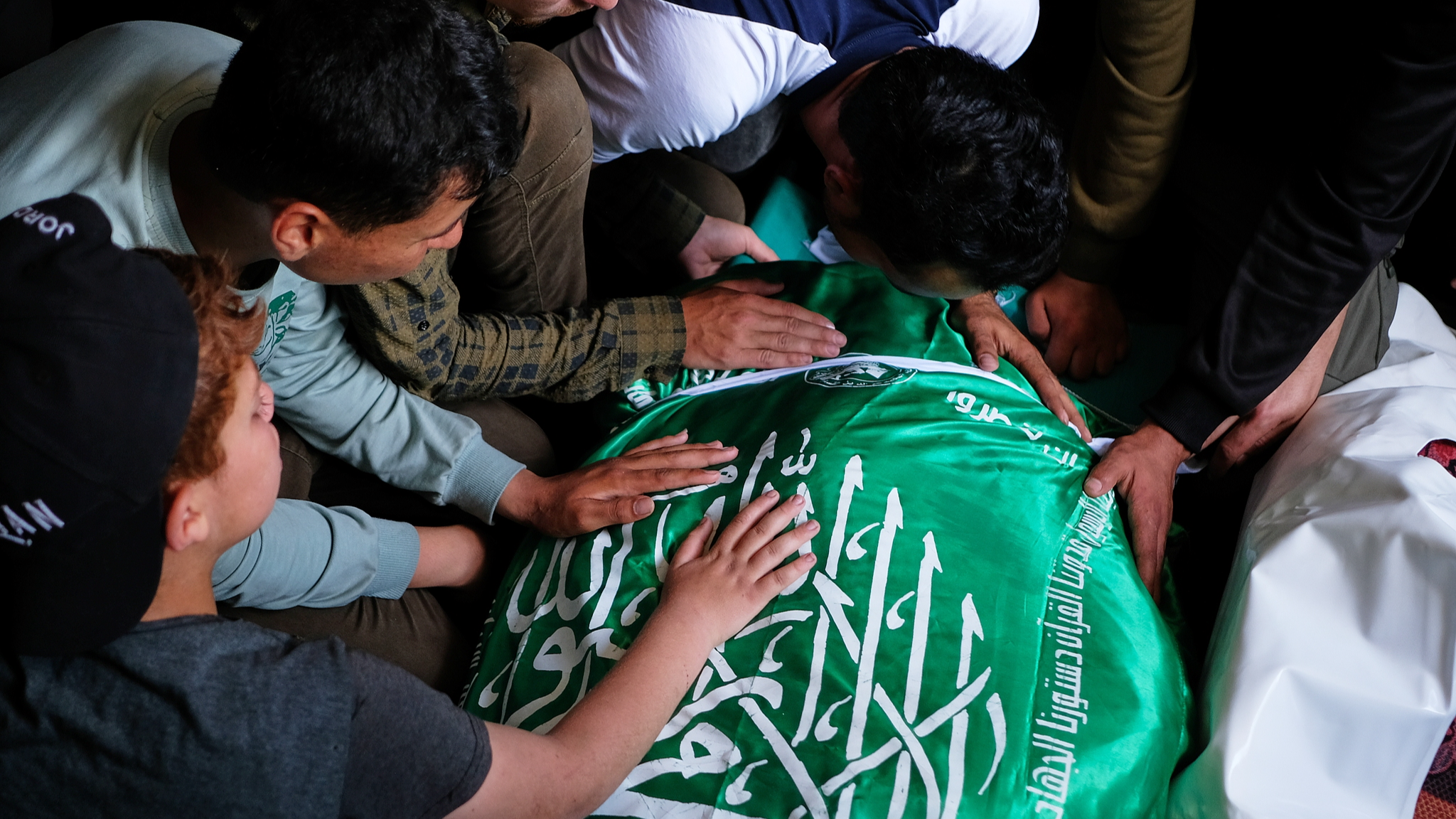
Palestinians place their hands on the body of Izz al-Din al-Haddad, commander-in-chief of Hamas’ armed wing the al-Qassam Brigades, during his funeral in Gaza City, May 16, 2026.
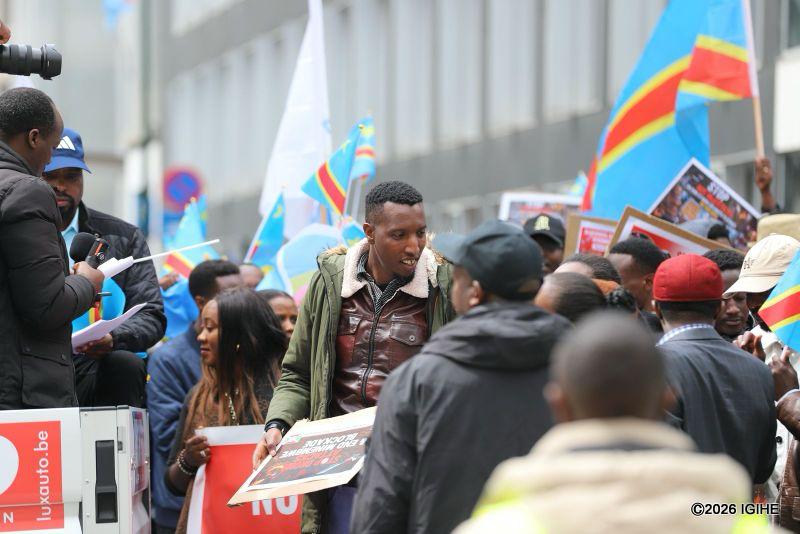
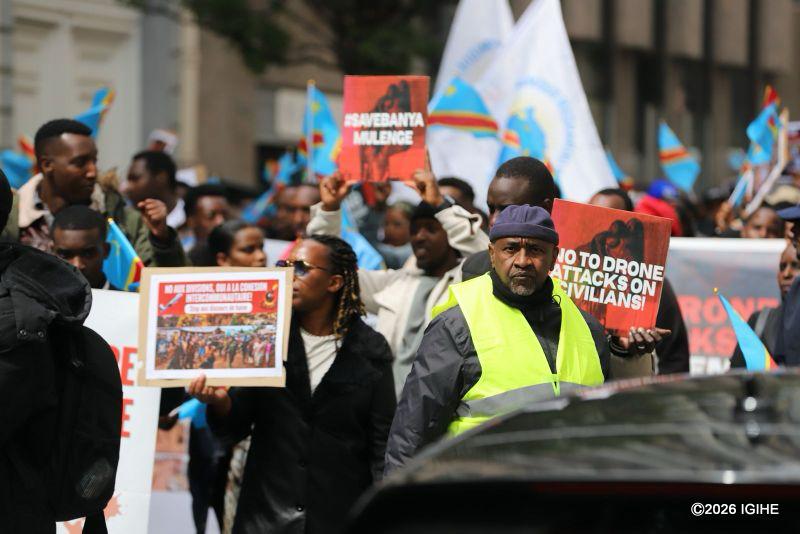
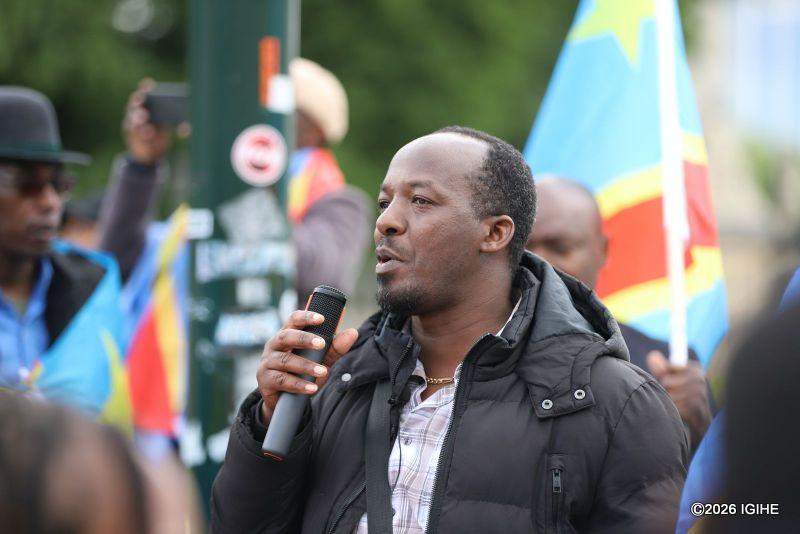
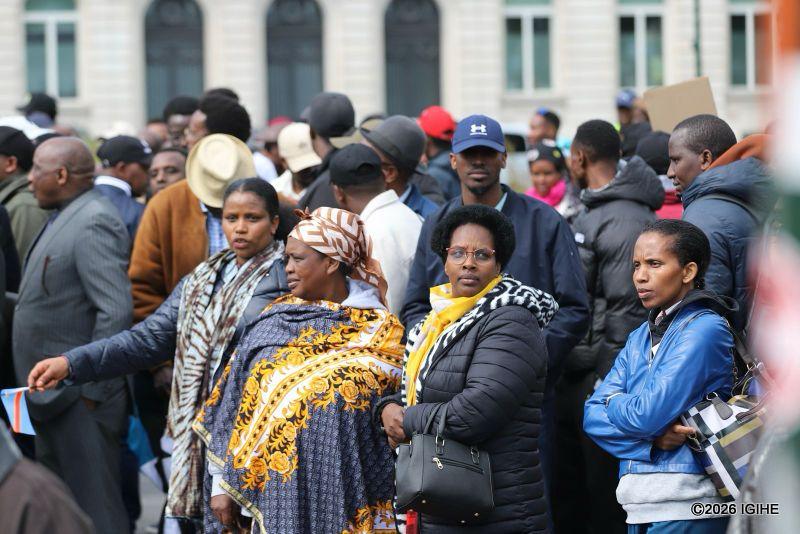
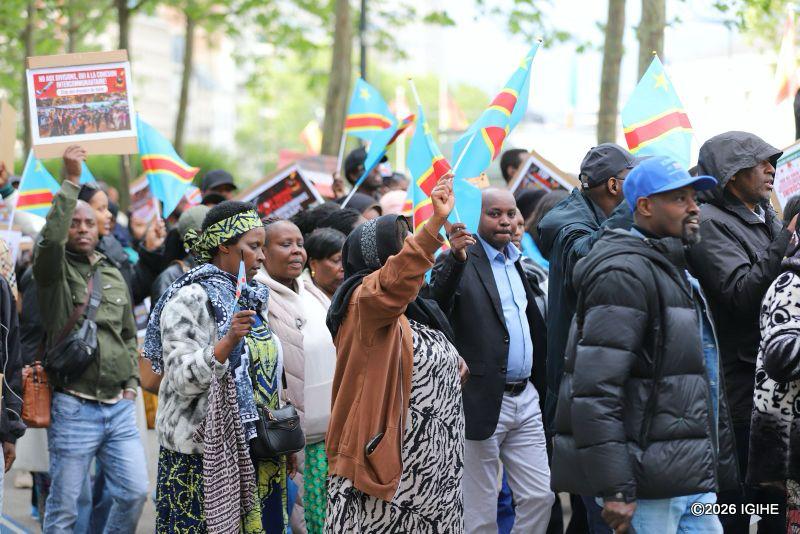
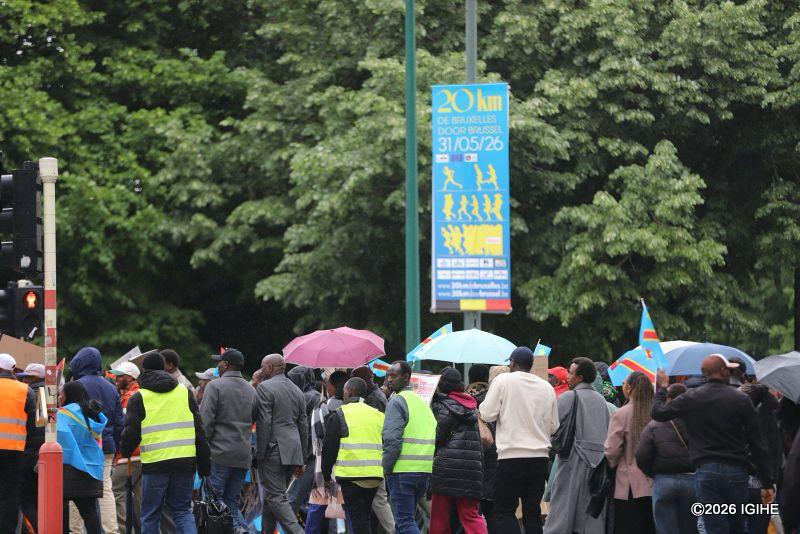
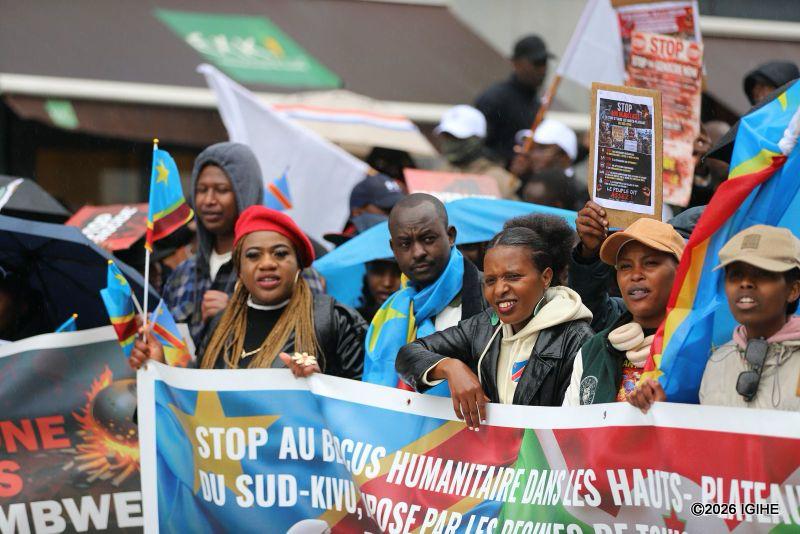
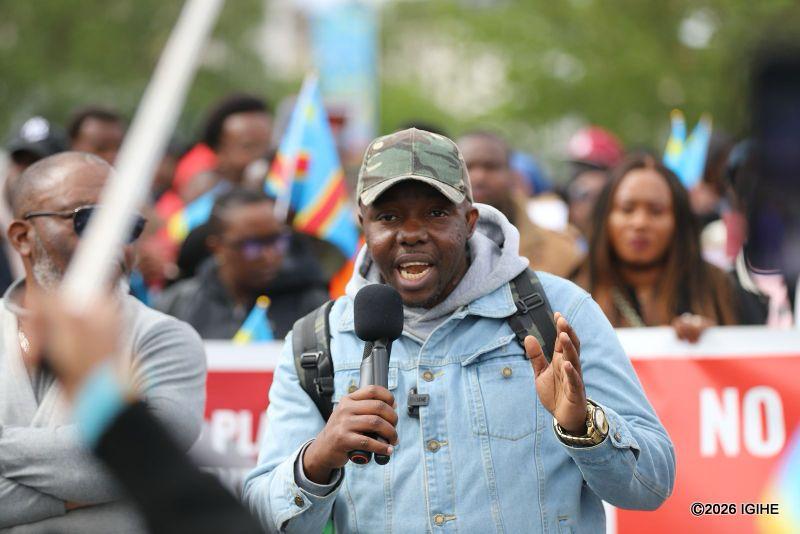
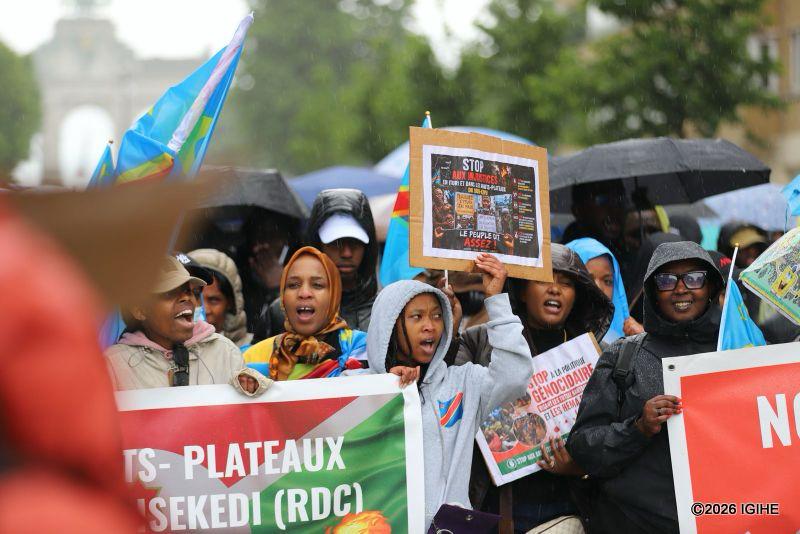
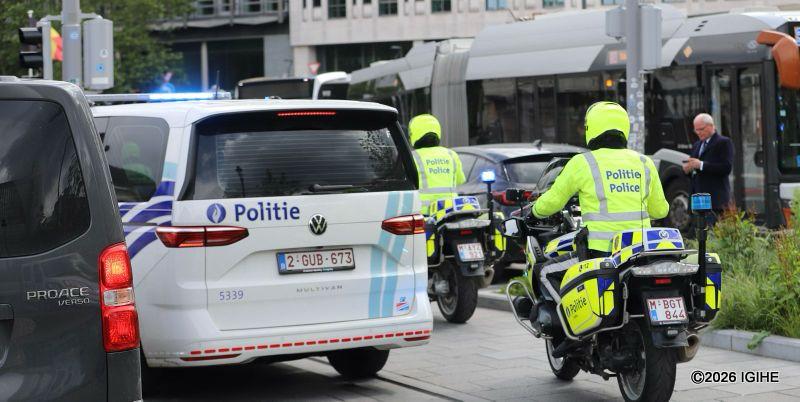
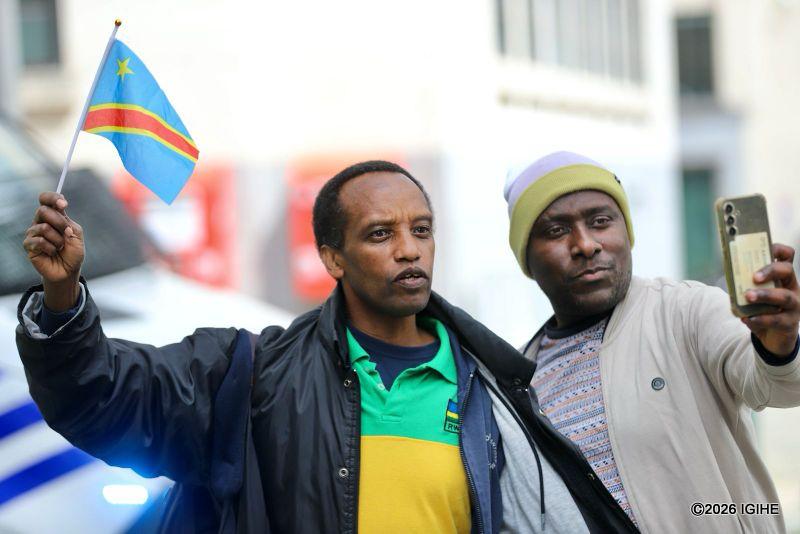
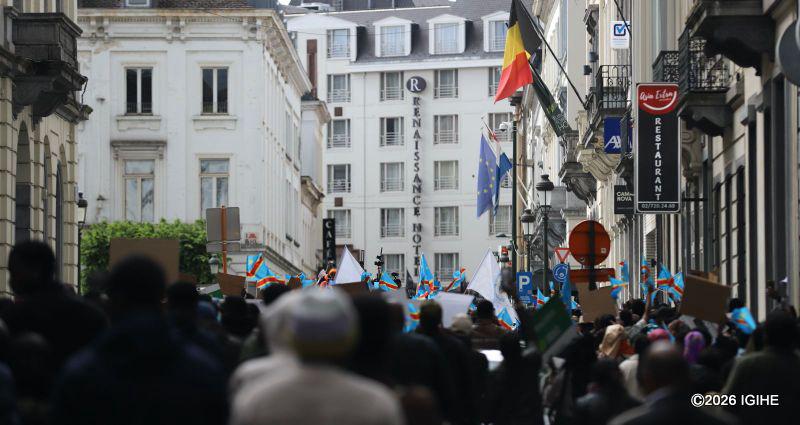
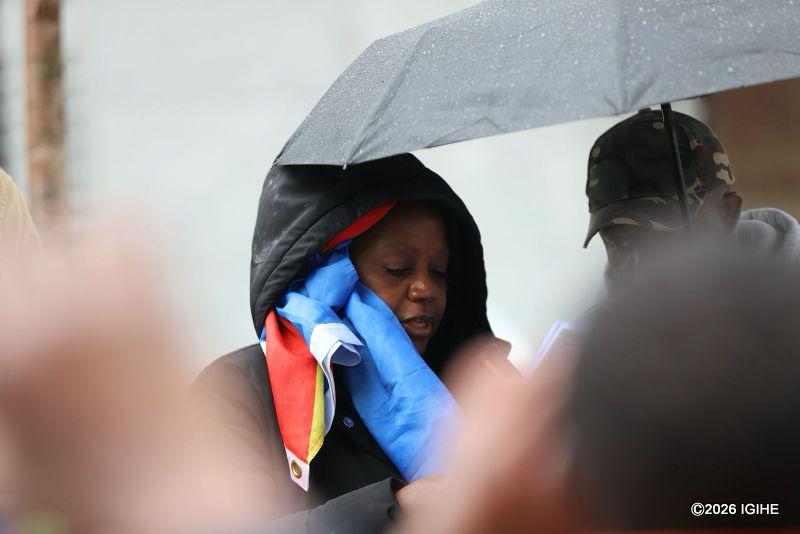
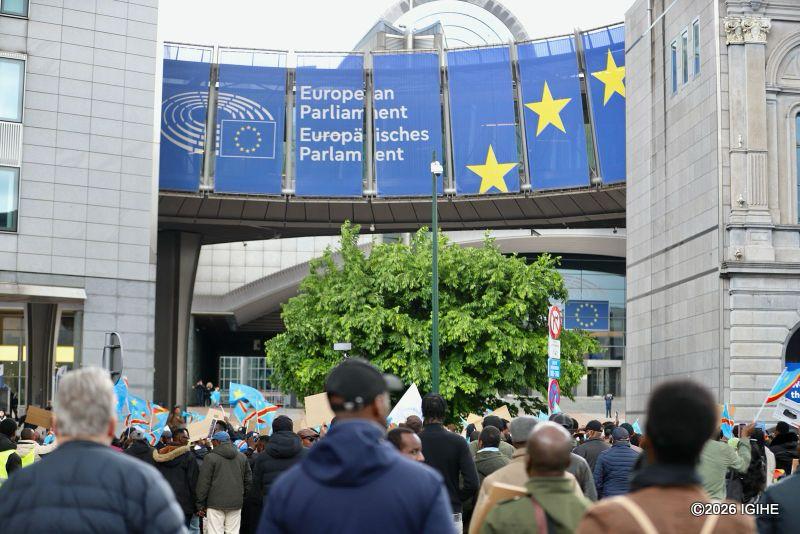
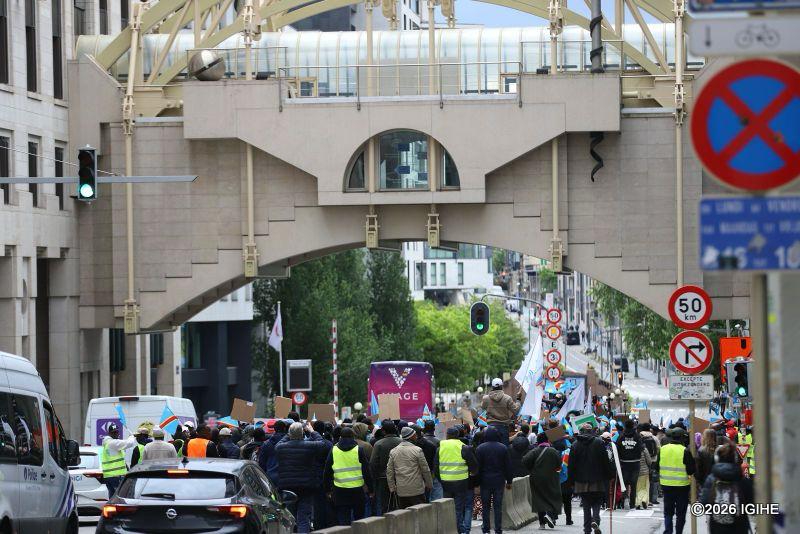
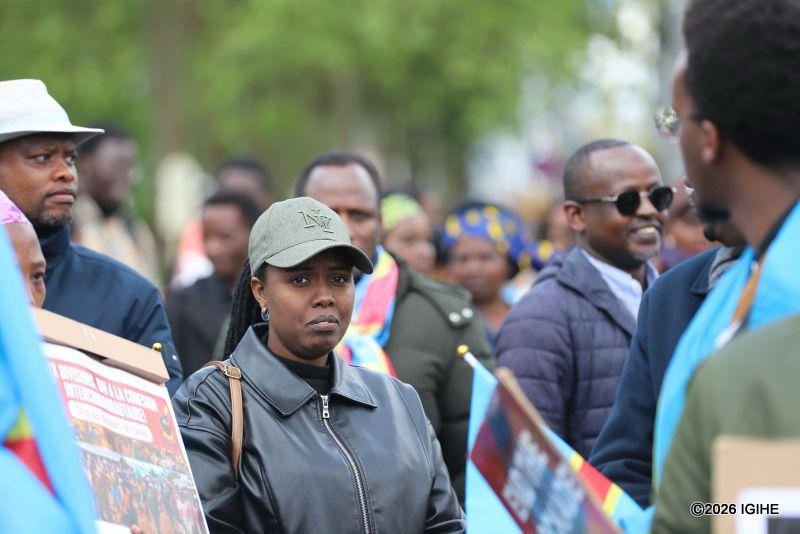
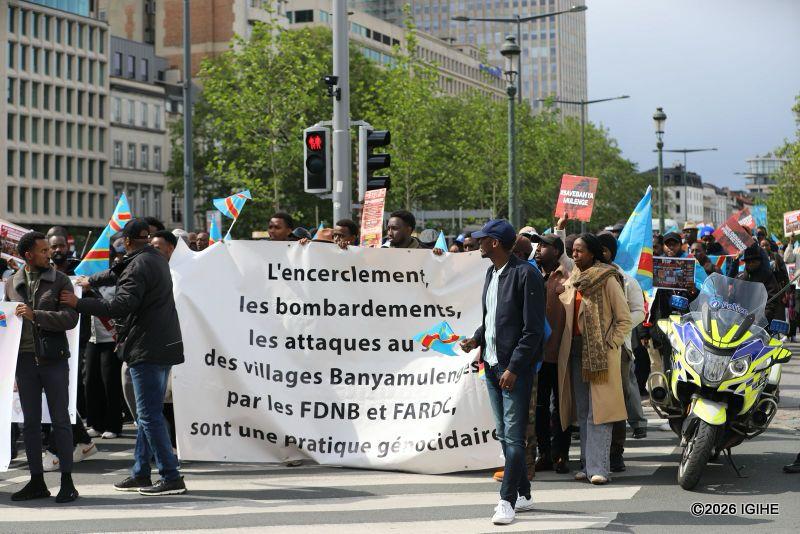
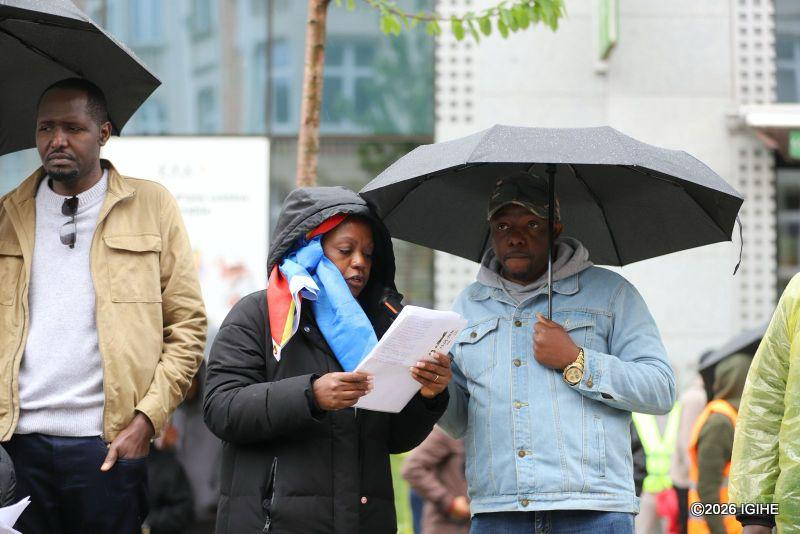
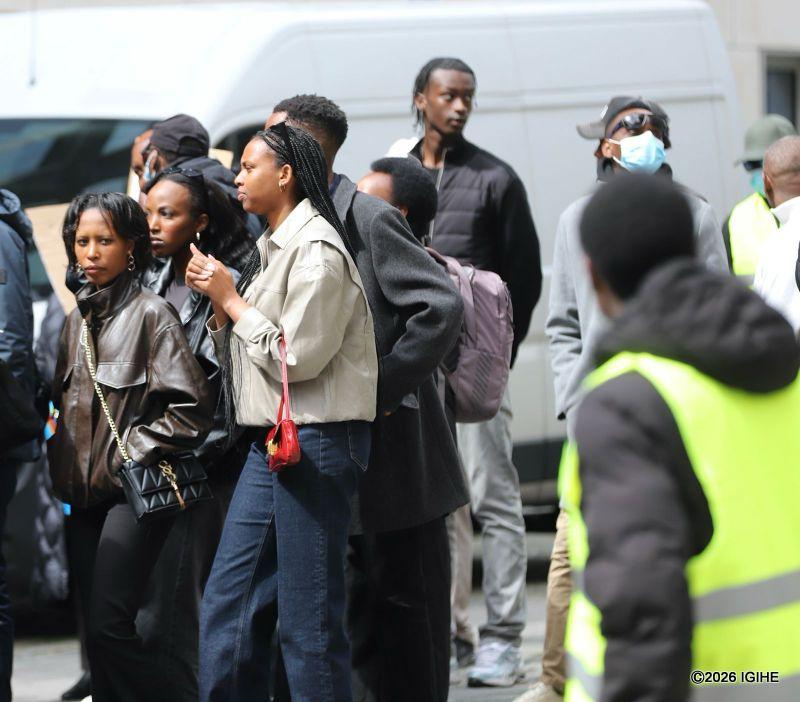
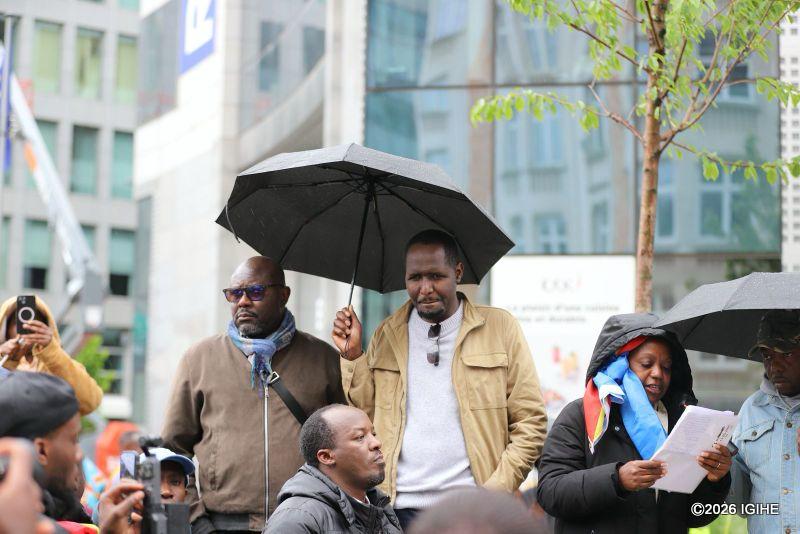
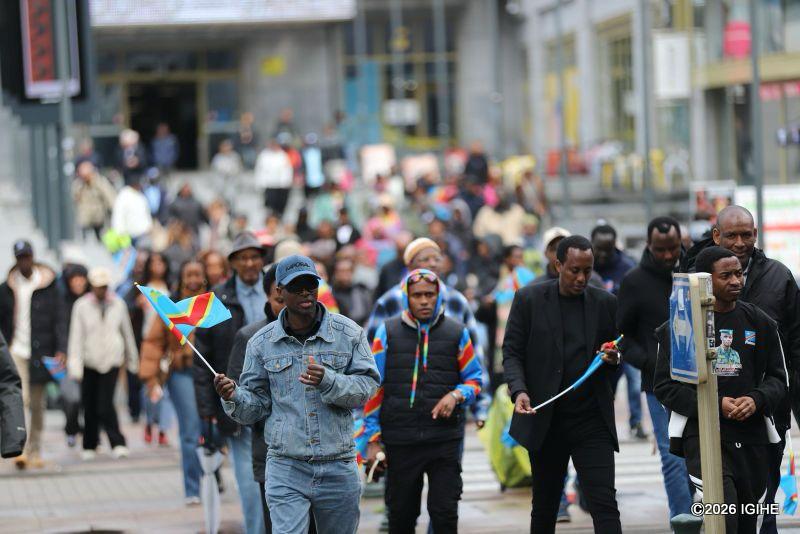
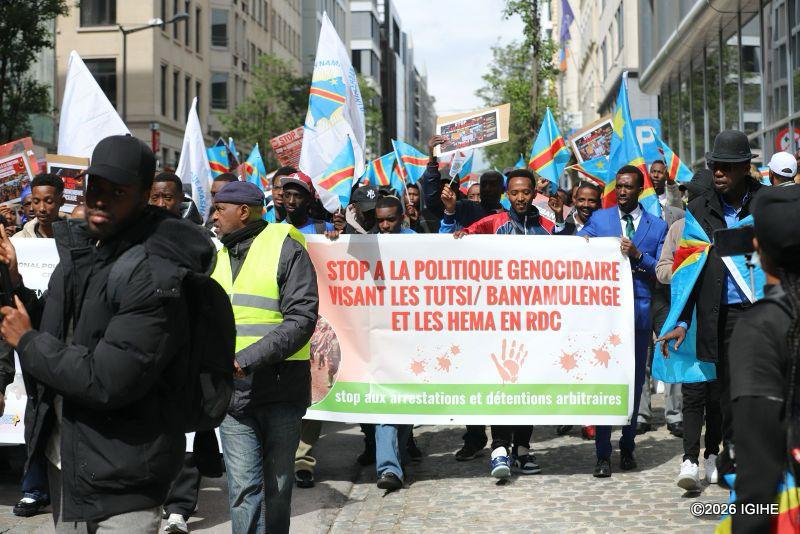
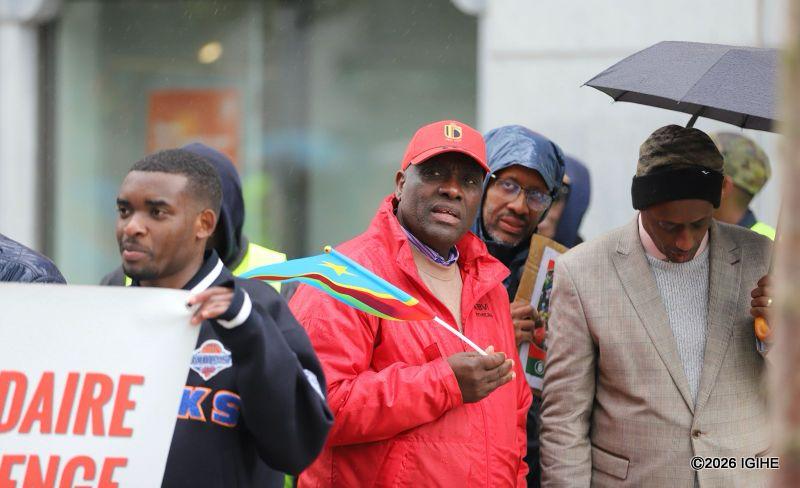
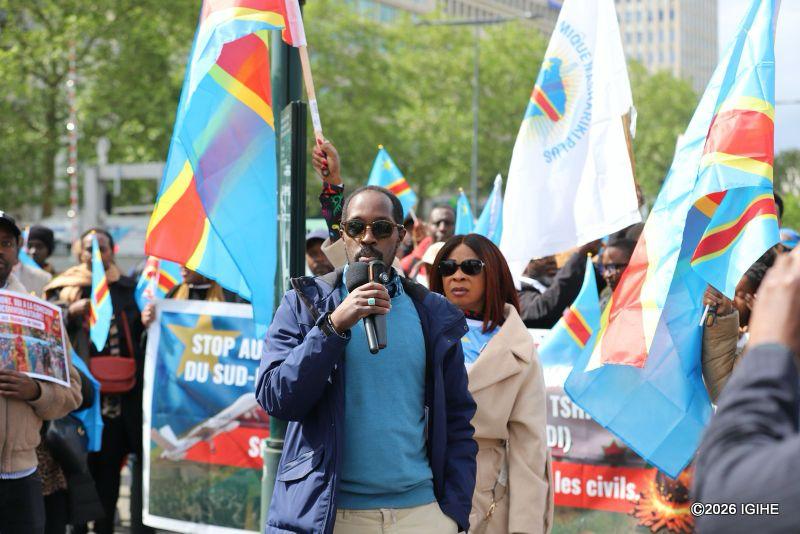
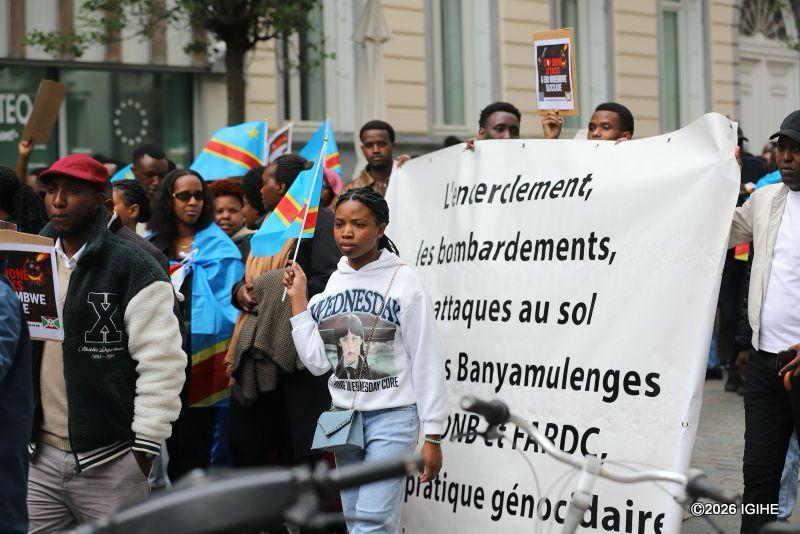
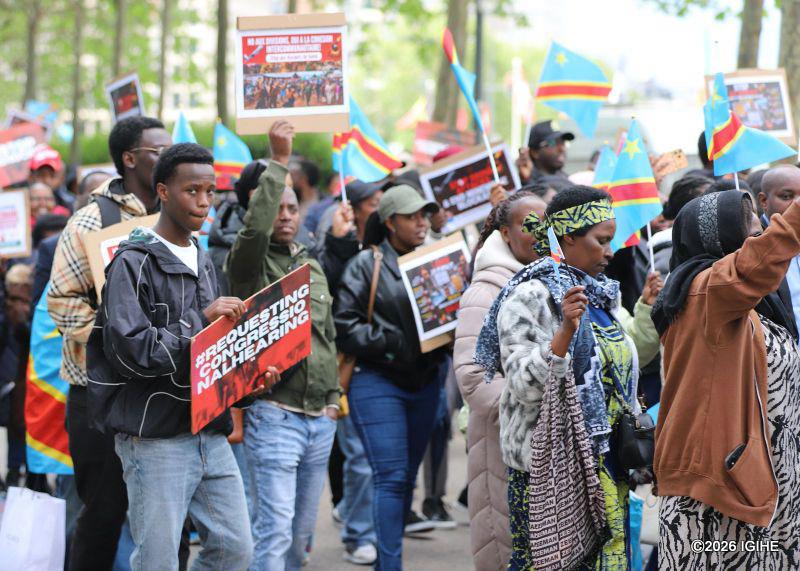
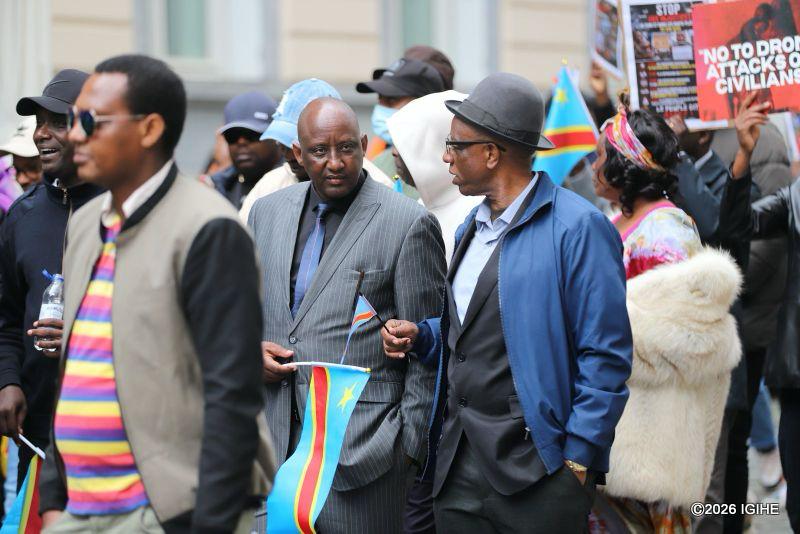
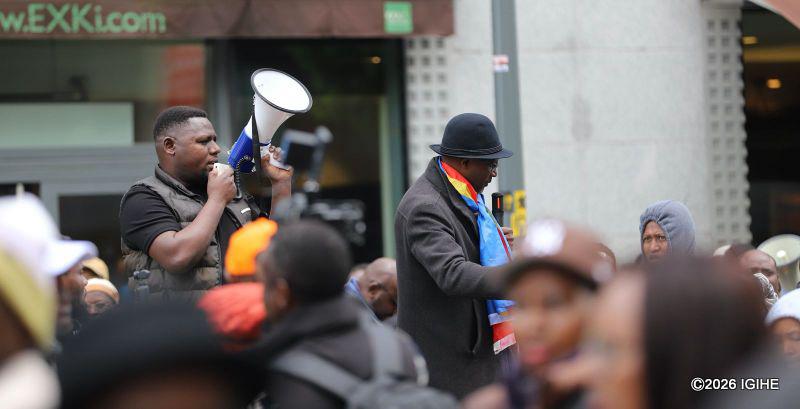
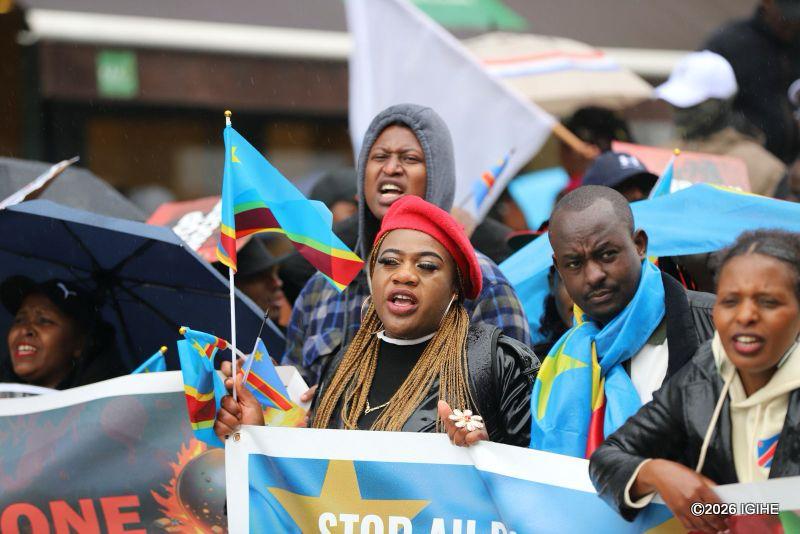
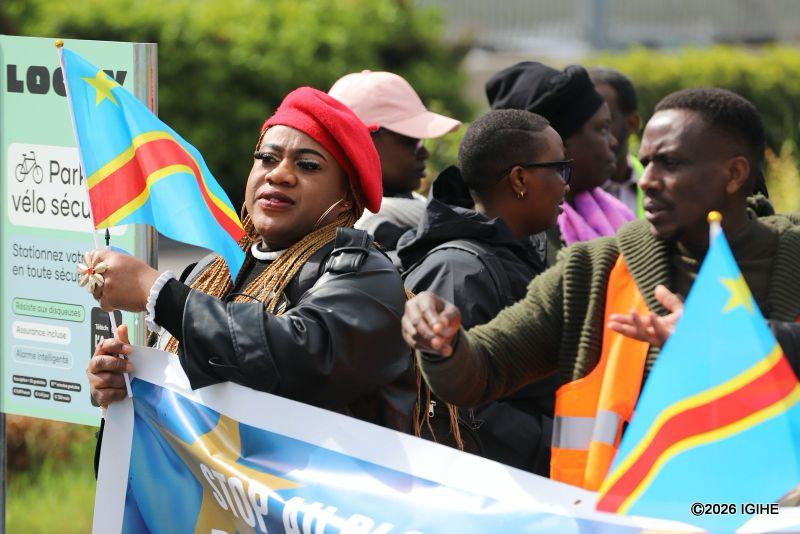
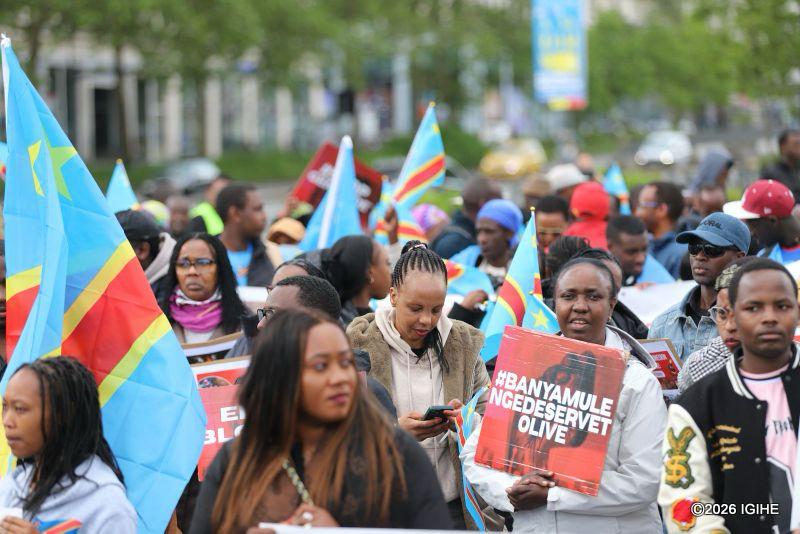
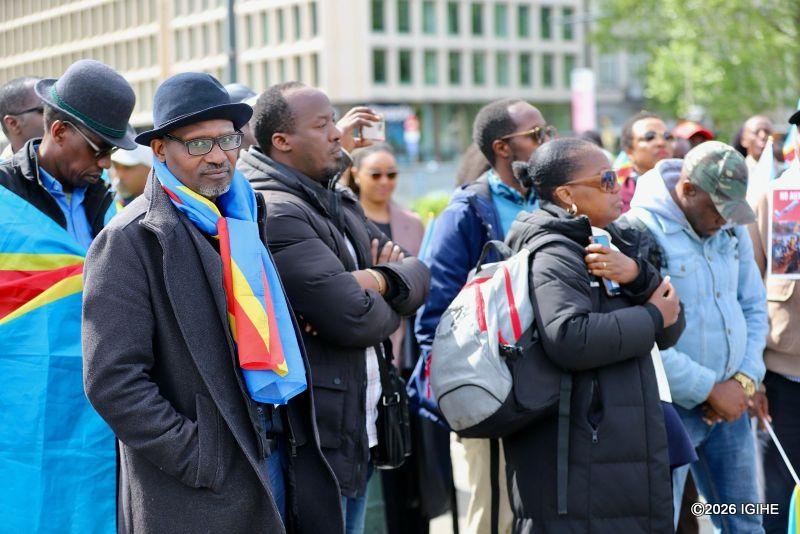
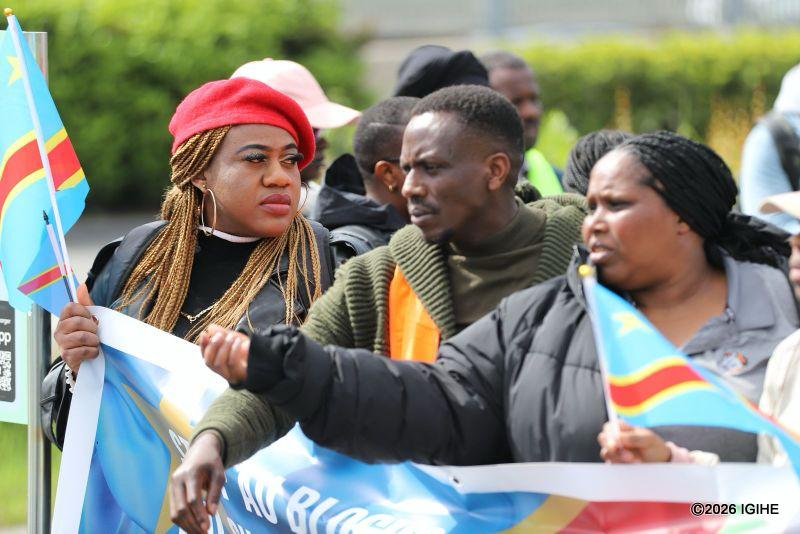
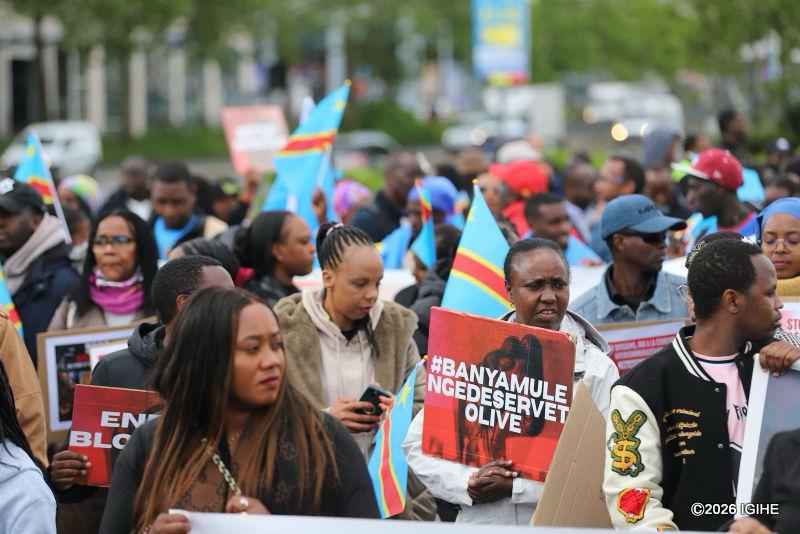
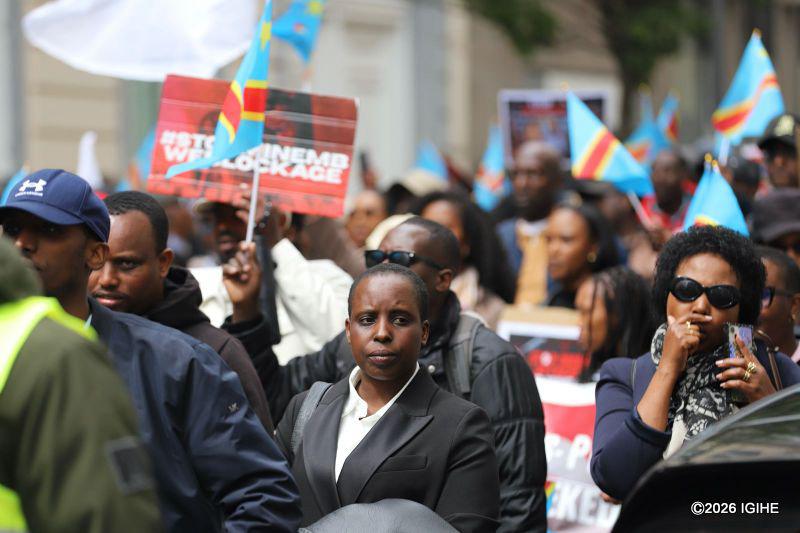
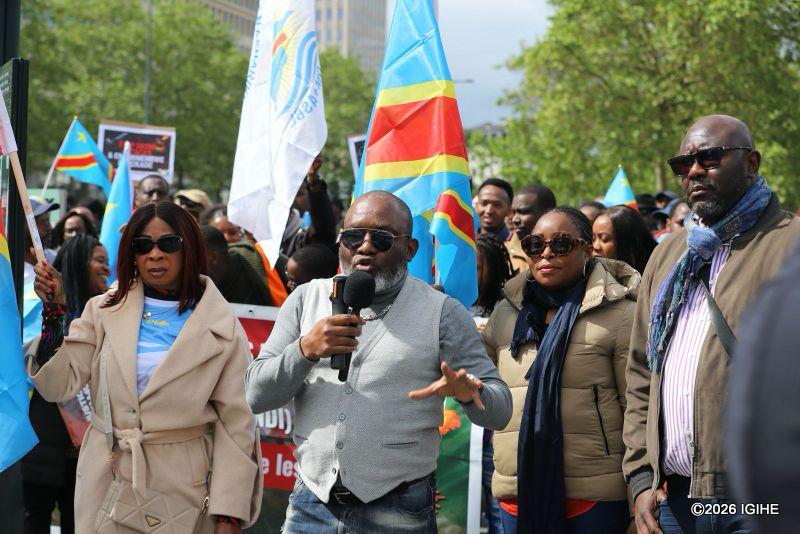
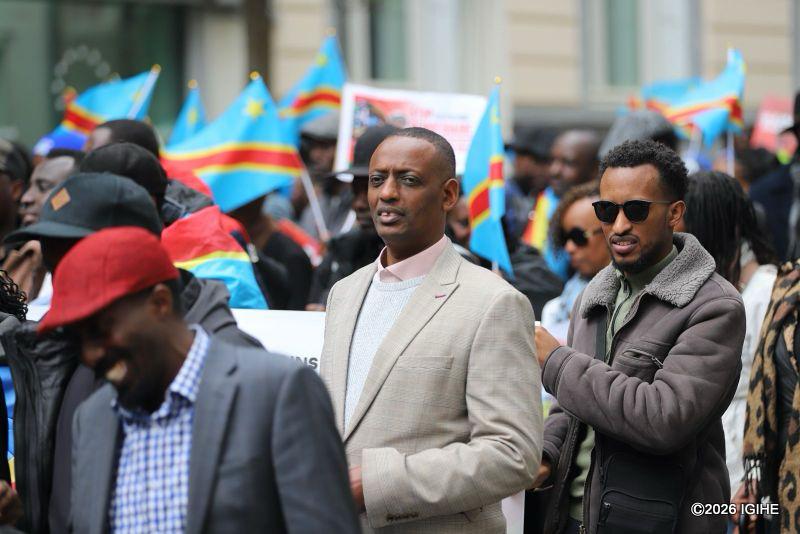
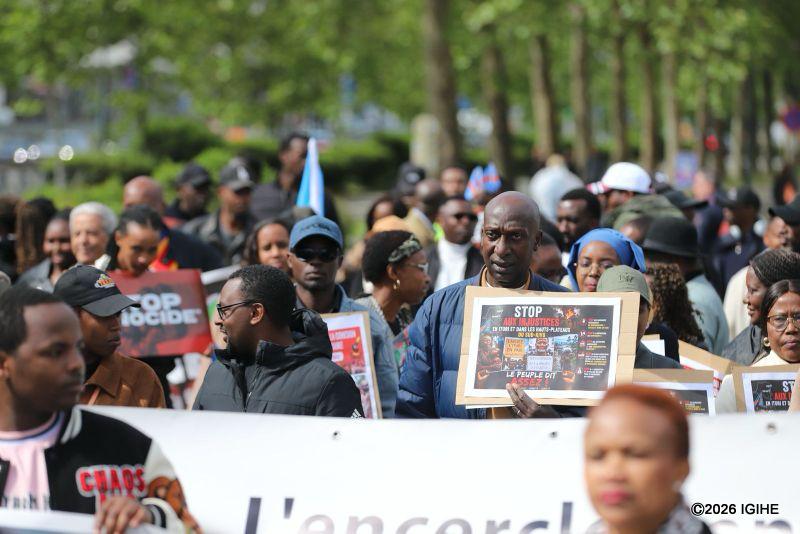
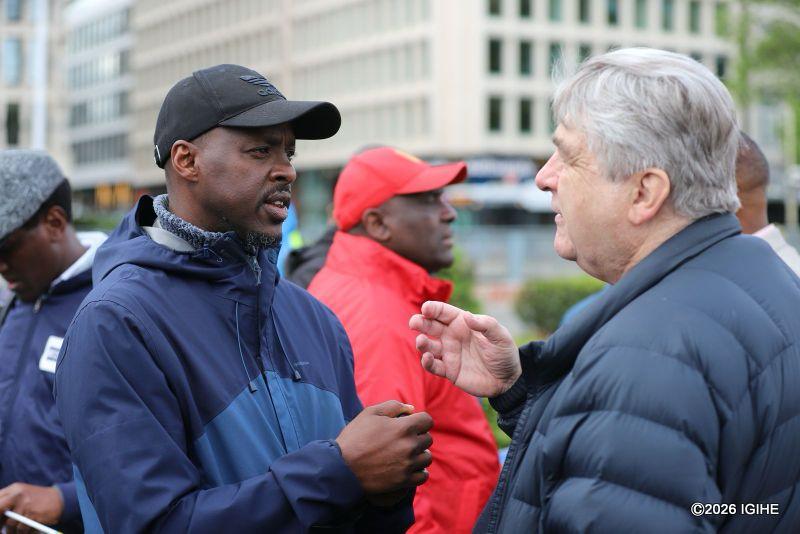
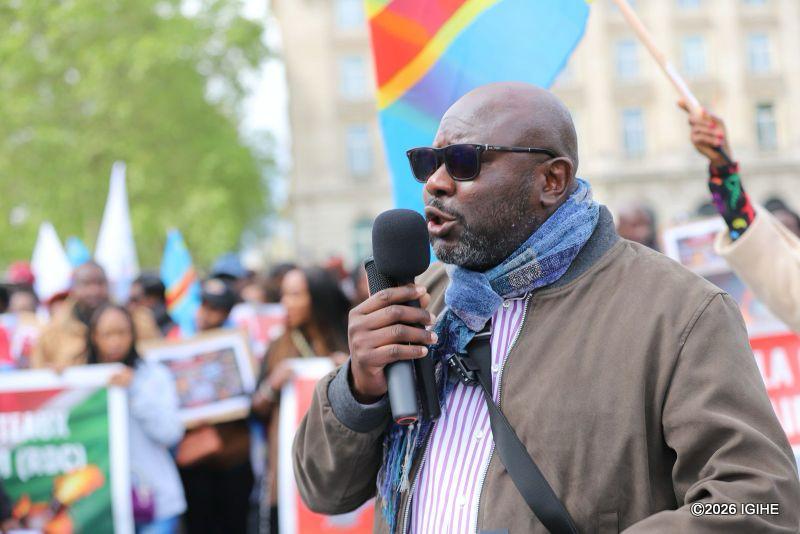
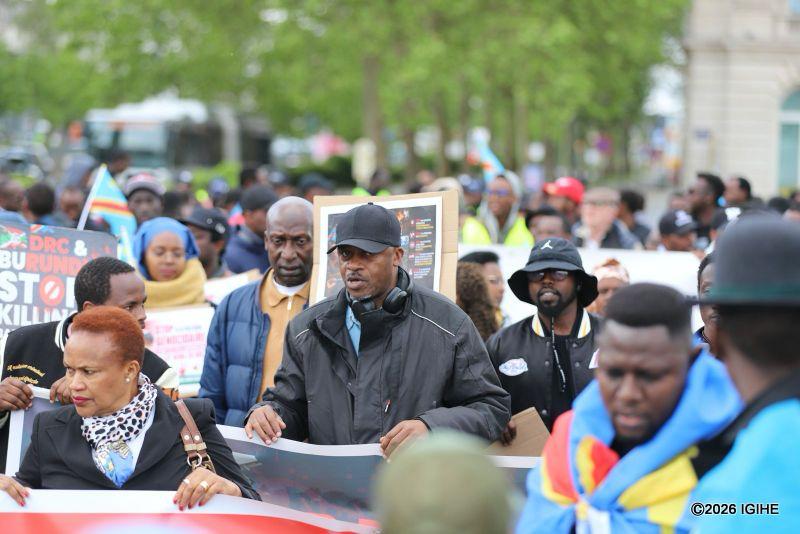
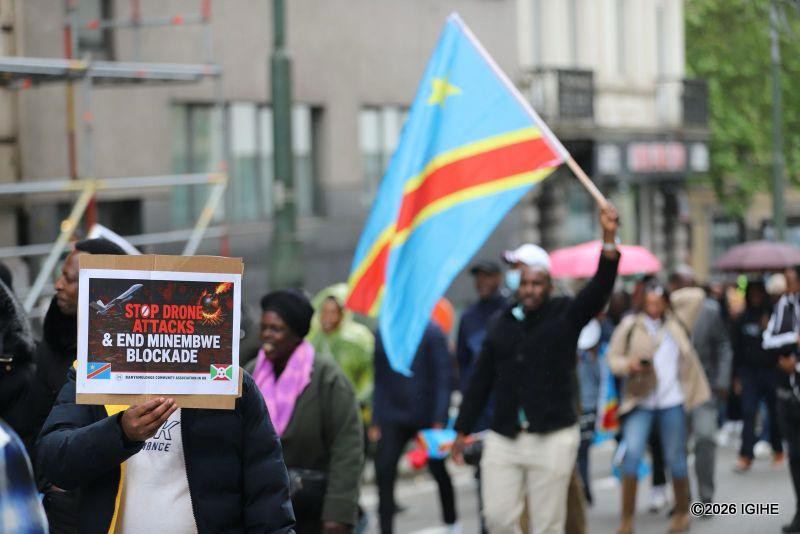
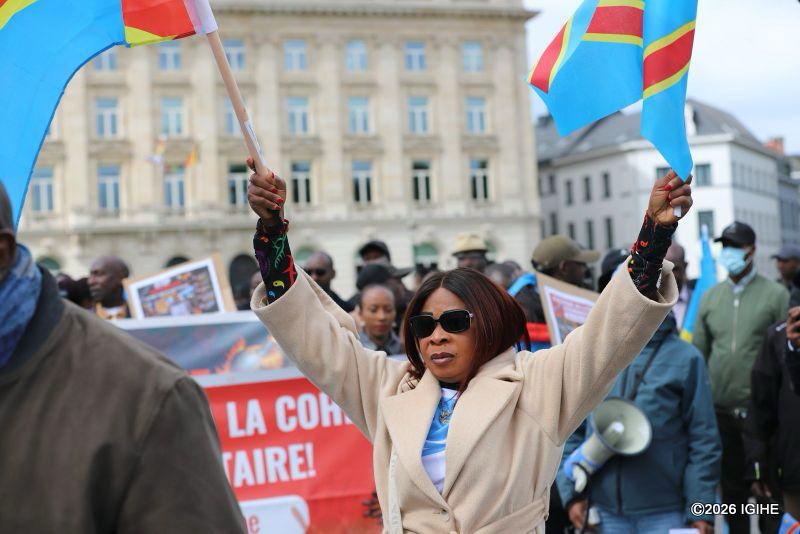
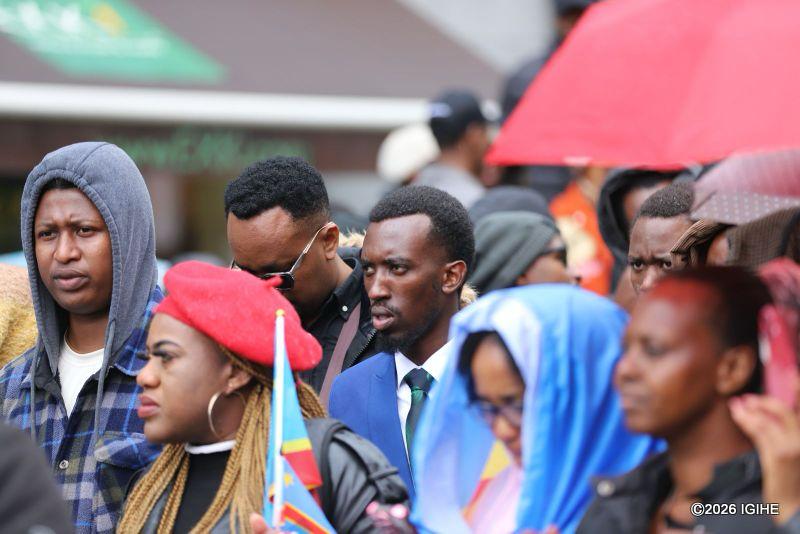
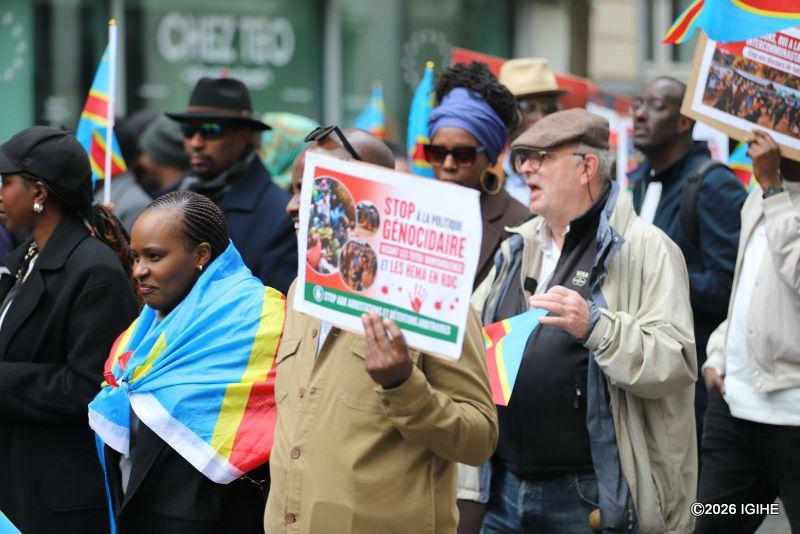
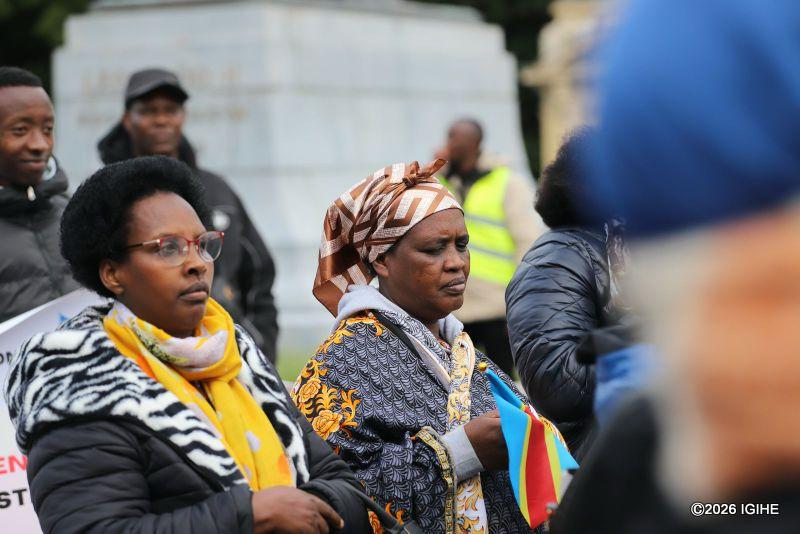
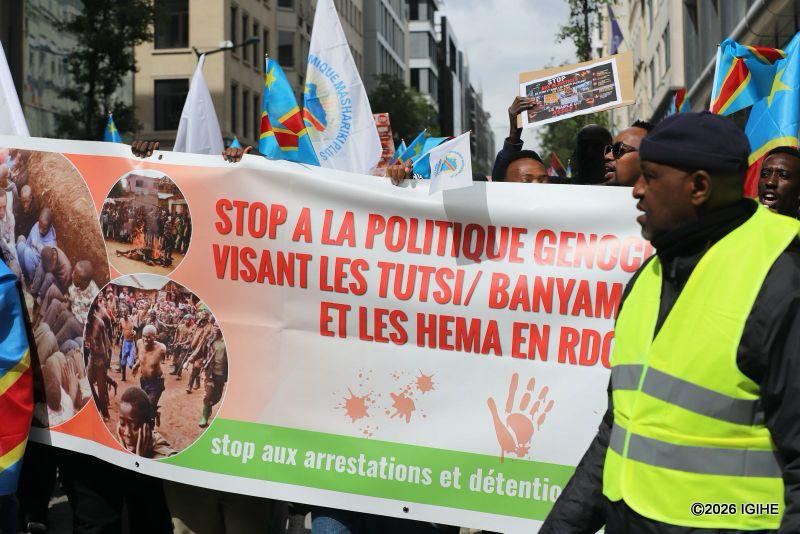
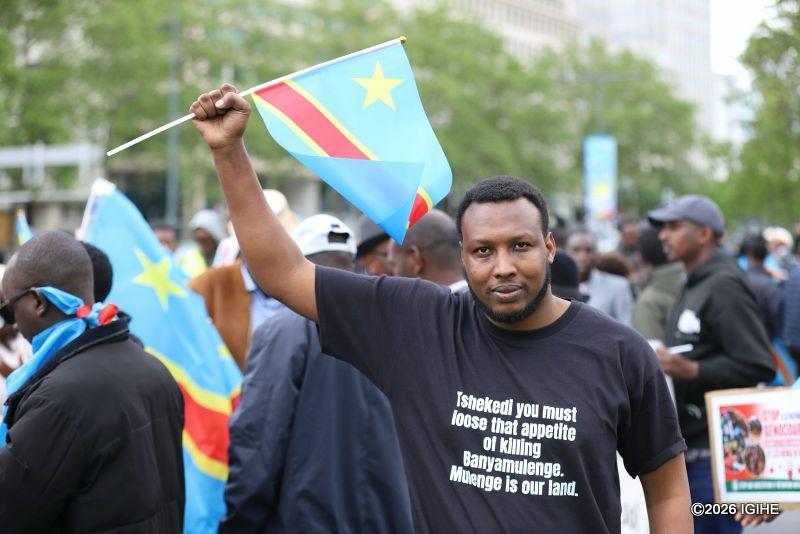
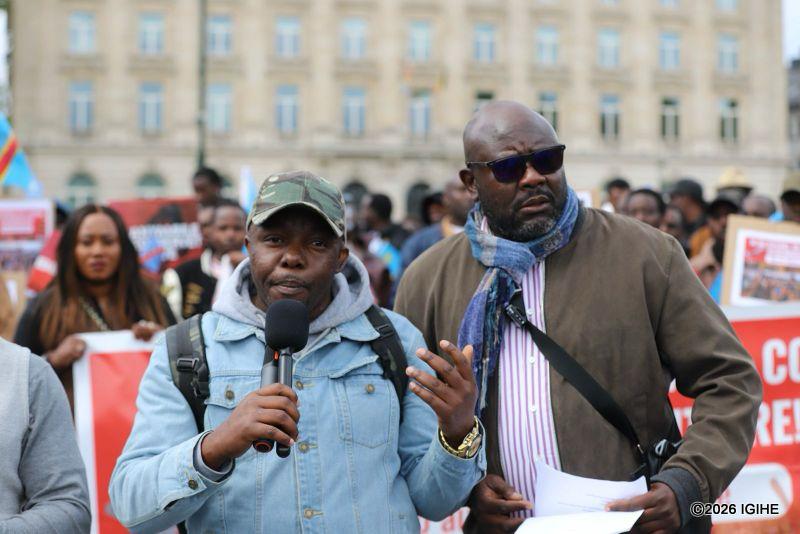
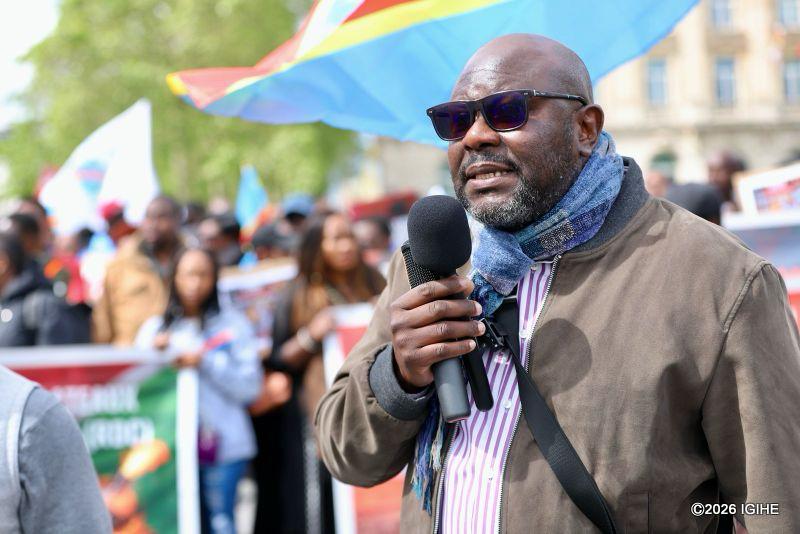
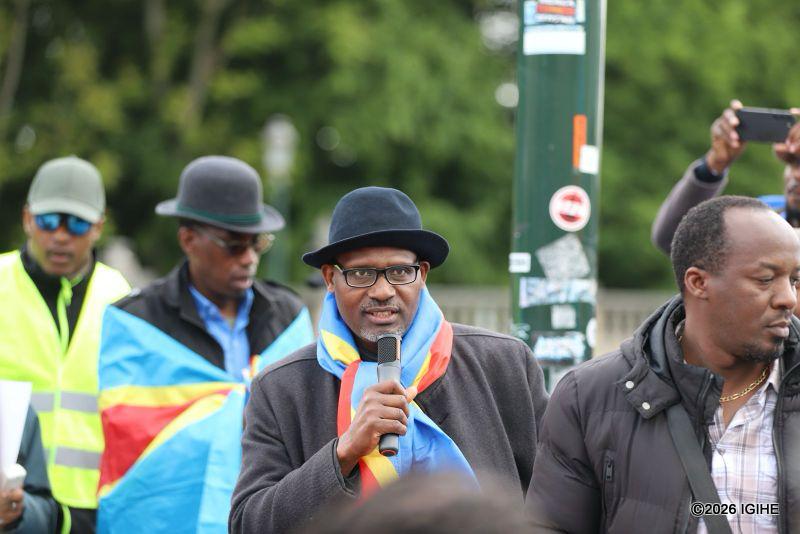
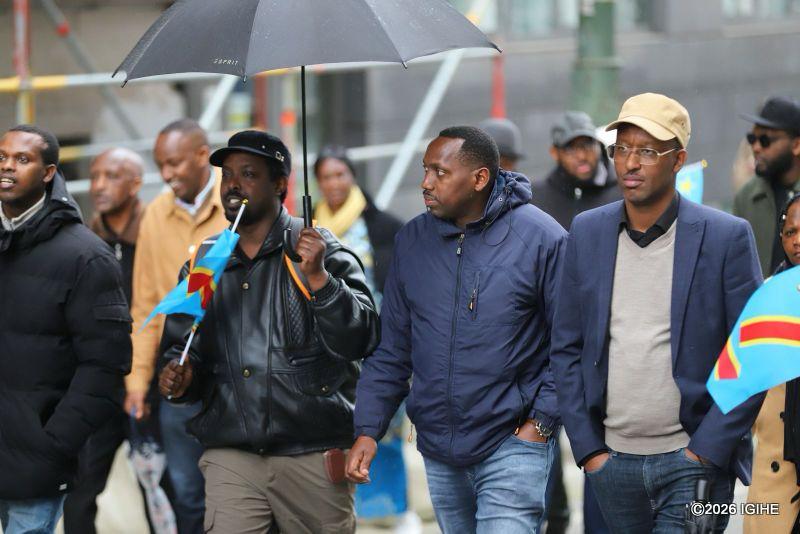
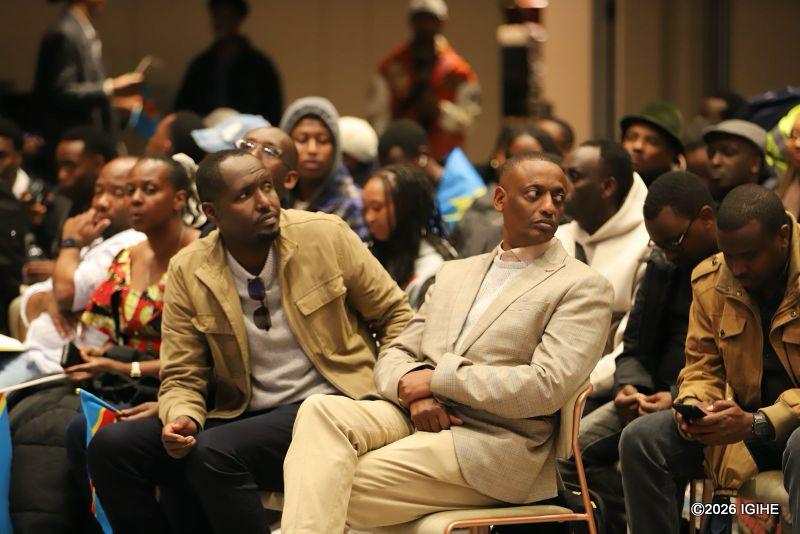
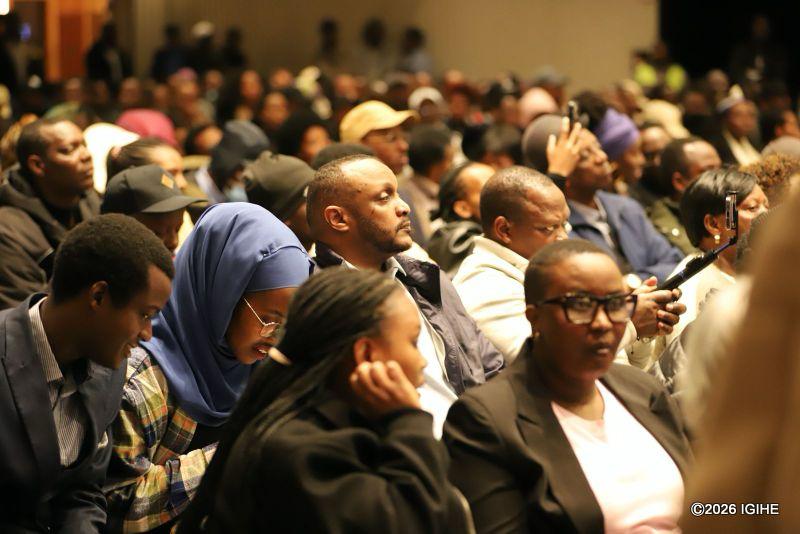
During the protest, speakers called attention to the ongoing security and humanitarian crisis in eastern Democratic Republic of Congo, urging stronger international engagement. Among them was Pitou Chomongo, president of Diaspora Plurielle and member of the International Social Body for Human Rights in Congo, who criticised what he described as the “silence and inaction” of the international community.
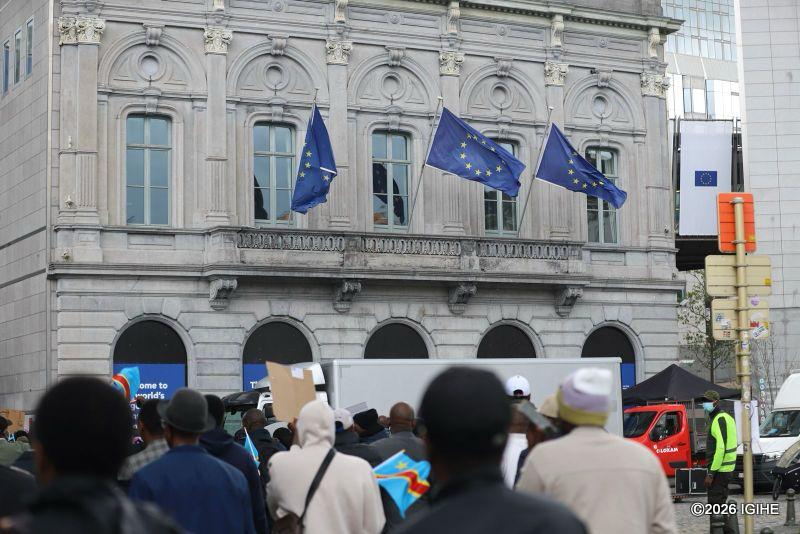
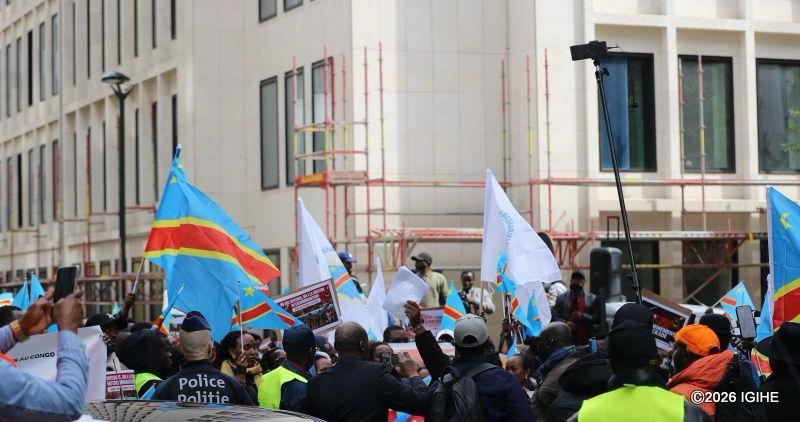
According to him, the choice of Brussels carries strong symbolic significance. The Belgian capital hosts the institutions of the European Union, representations of the United Nations in Europe, as well as NATO headquarters.
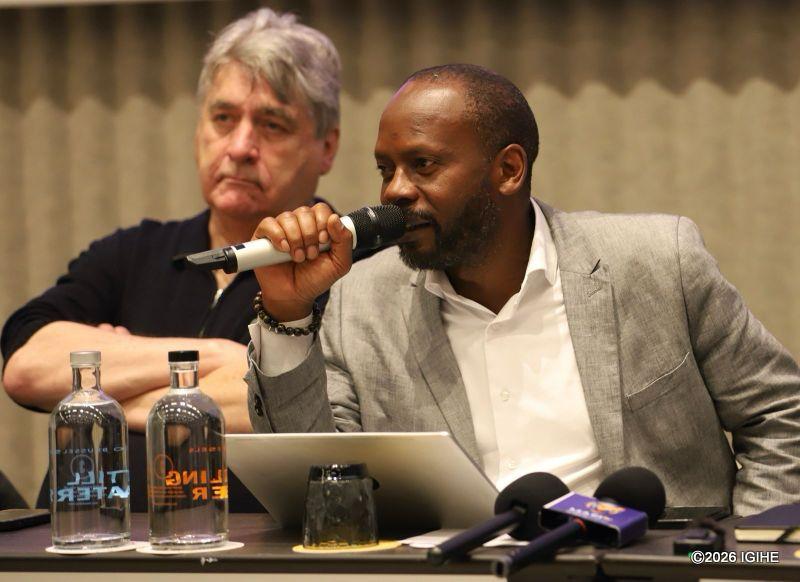
“We came here to Brussels to denounce the silence and inaction of the European Union, the United Nations, and NATO in the face of the dramatic situation our country is going through,” Pitou Chomongo told demonstrators.
The speaker believes that these major international powers play a significant role in political and diplomatic decisions affecting Africa as well as international institutions. For him, Brussels therefore represents a strategic place where the Congolese diaspora can make its voice heard.
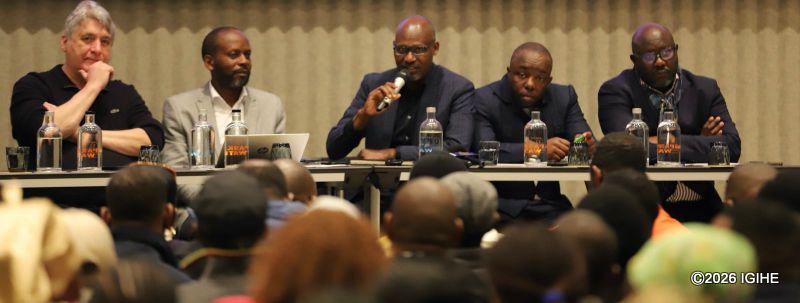
Following the demonstration, a conference and discussion session was also scheduled to further address the humanitarian and security situation in the eastern provinces of the DRC, particularly in North Kivu, Ituri, and parts of Katanga.
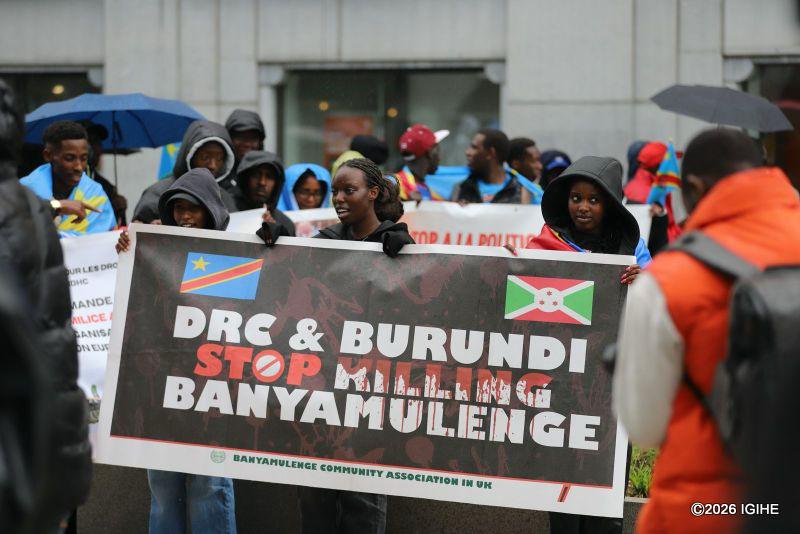
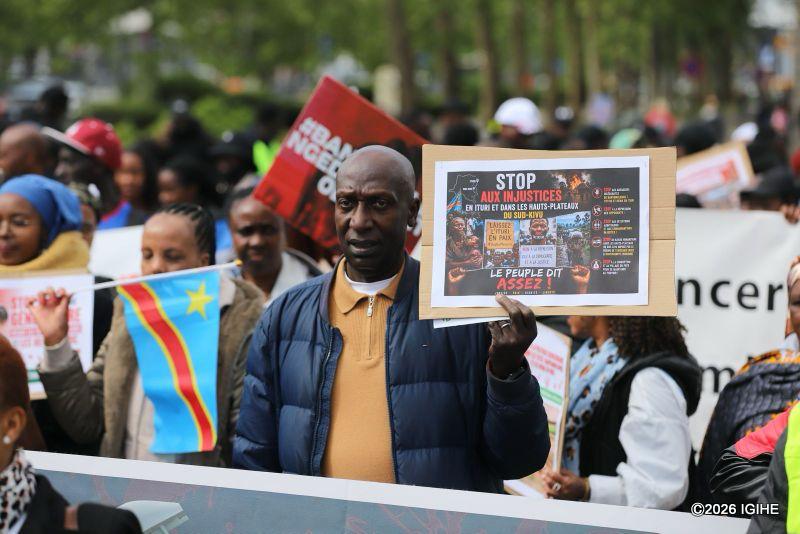
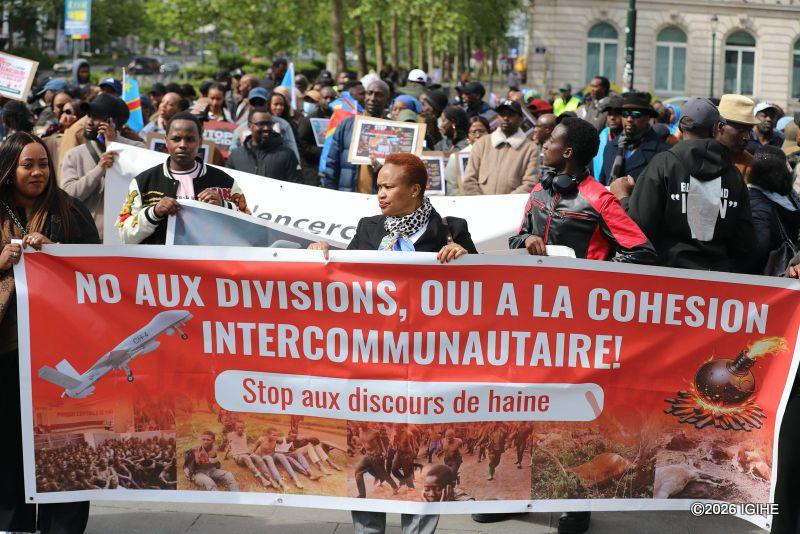
Pitou Chomongo accused the Kinshasa government of fueling hate speech and carrying out security policies targeting specific communities. He notably mentioned the Tutsi community in North Kivu, the Banyamulenge in the High Plateaus of Minembwe, and the Hema community in Ituri.
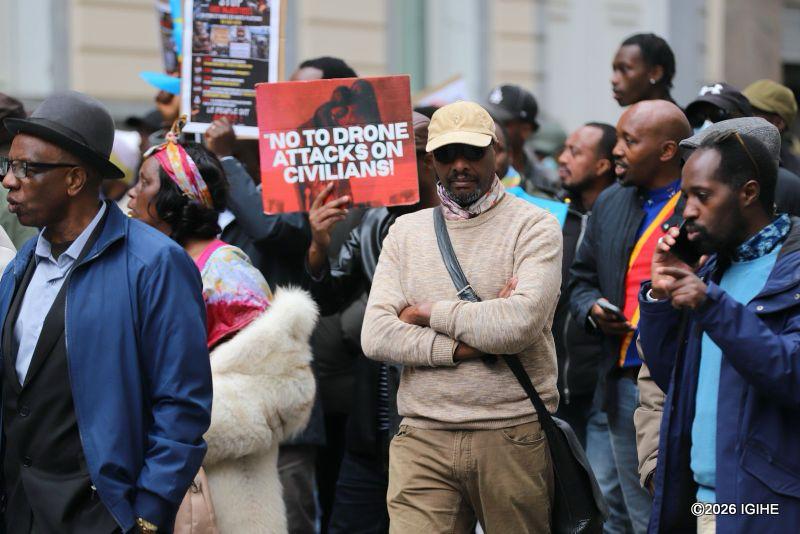
According to him, bombardments targeting civilian populations are taking place in several localities, including Minembwe and Masisi. He also denounced what he described as arbitrary arrests of military and judicial officers from Katanga.
“This is a way of putting pressure on certain communities and excluding them from national life,” he stated, accusing the authorities in power of wanting to “remain in office indefinitely.”
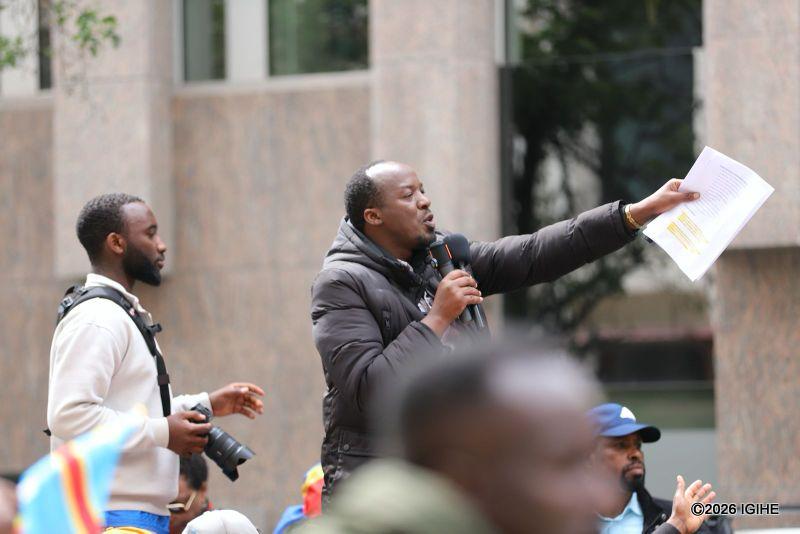
Gakiza David, representative of the Banyamulenge mutual coordination in Europe and member of the executive committee of the Gakondo association, also addressed the gathering.
He explained that the coalition brings together participants from several European countries to support this peaceful demonstration organized in Brussels. Gakiza thanked the entire coordination team involved in organizing the event, as well as all participants who attended.
Gakiza David also emphasized that the day was structured around three main activities: the peaceful demonstration, the press conference, and a question-and-answer session dedicated to discussions on the humanitarian and security situation in the Democratic Republic of Congo.
This mobilization by the Congolese diaspora comes amid ongoing tensions in eastern DRC, where security, community, and humanitarian issues continue to raise serious concerns among local populations and human rights organizations.
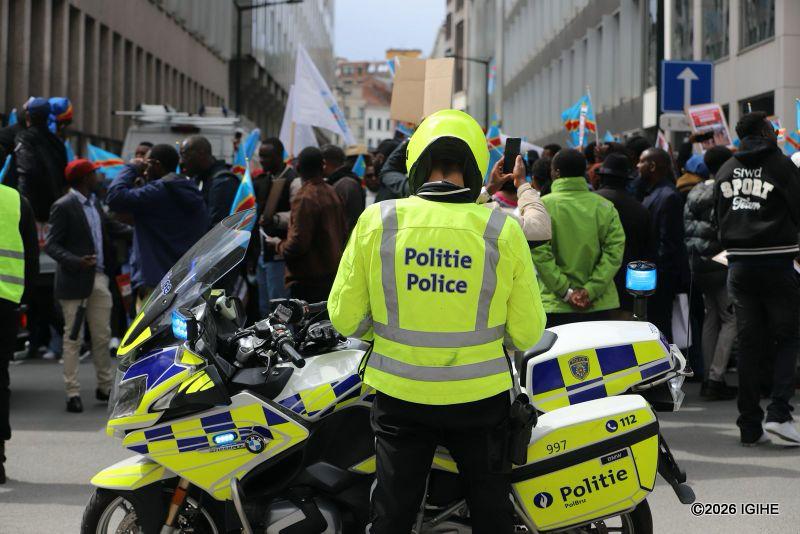
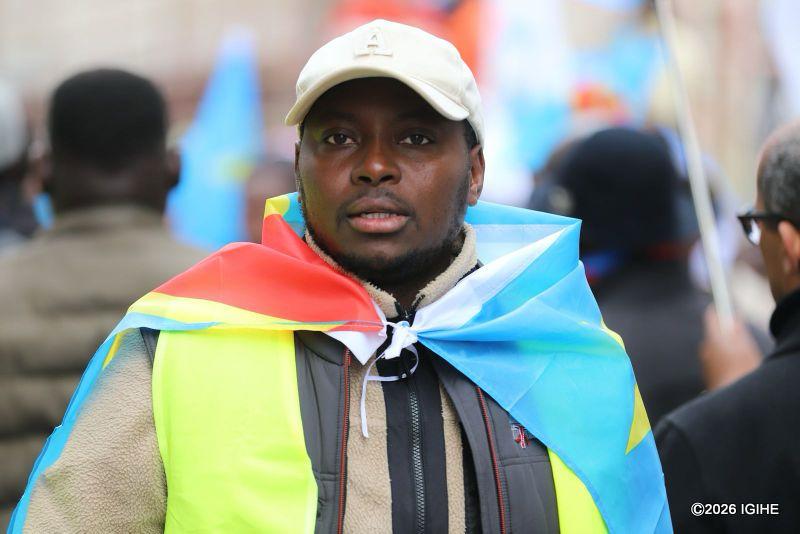
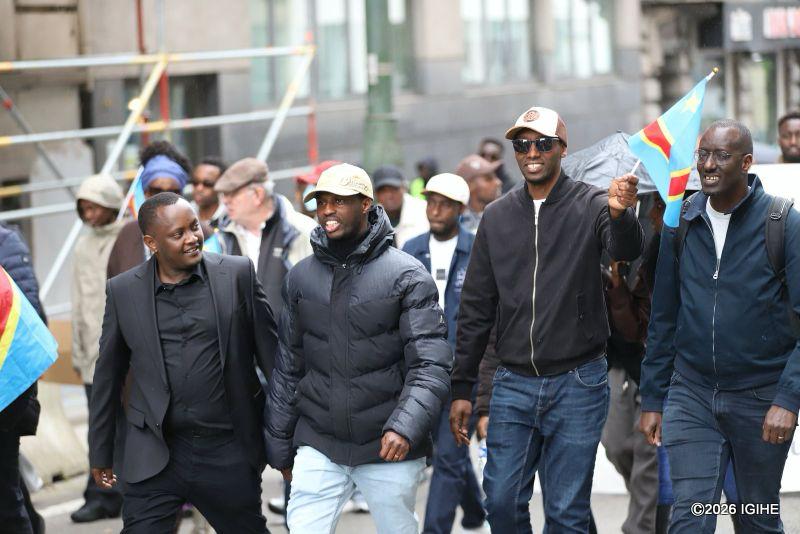
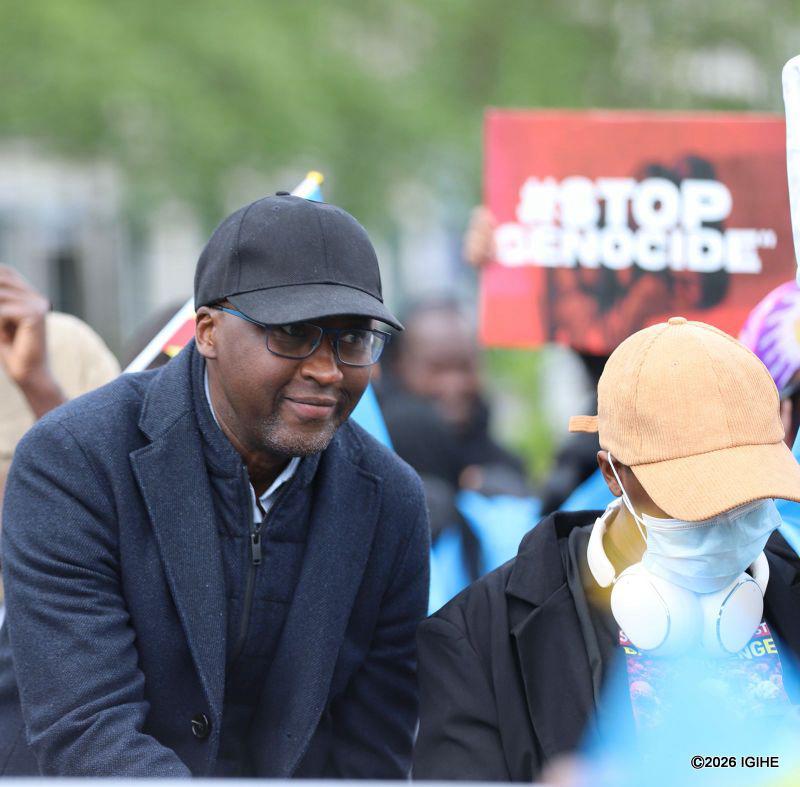
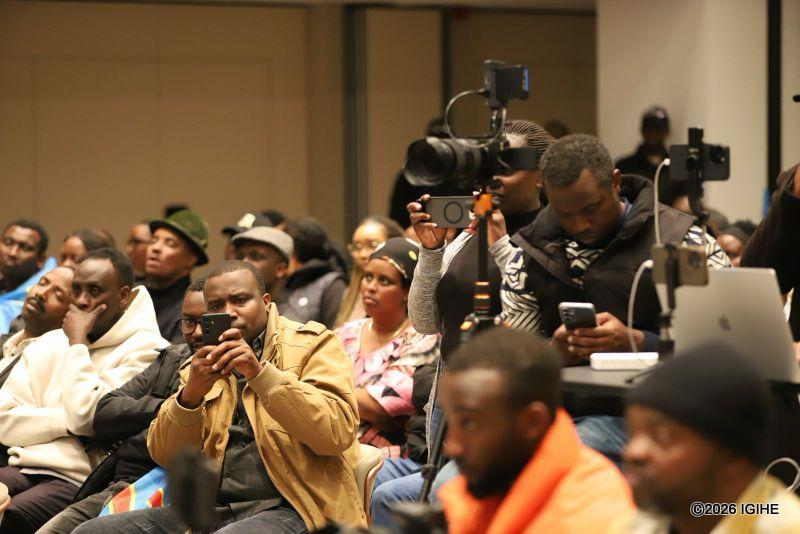
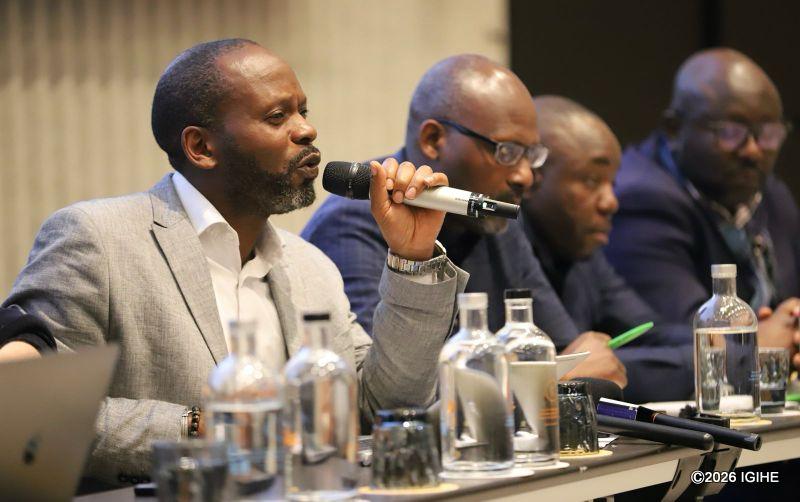
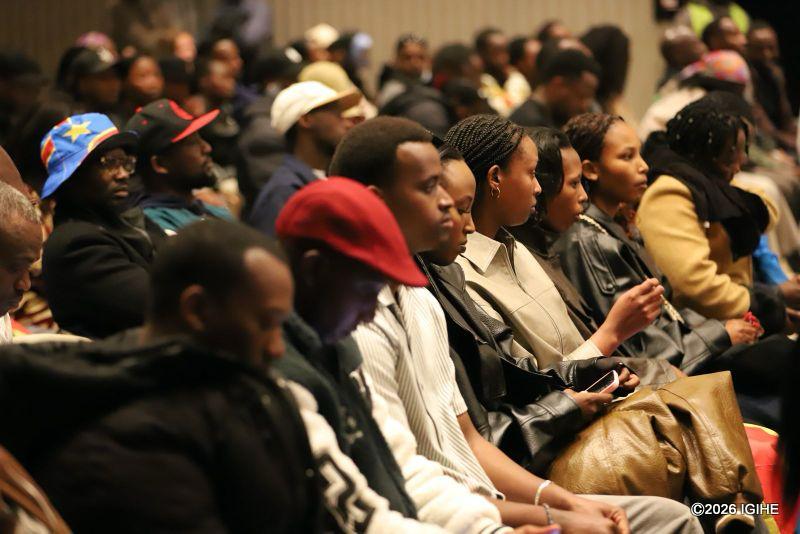
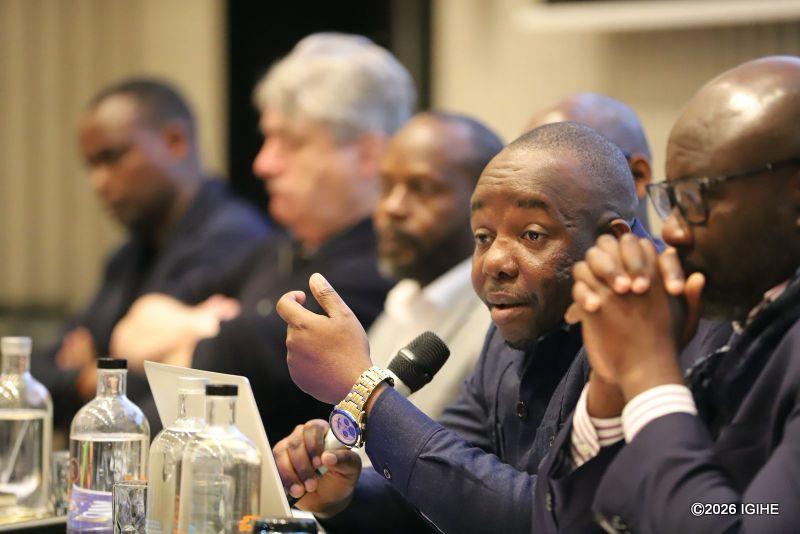
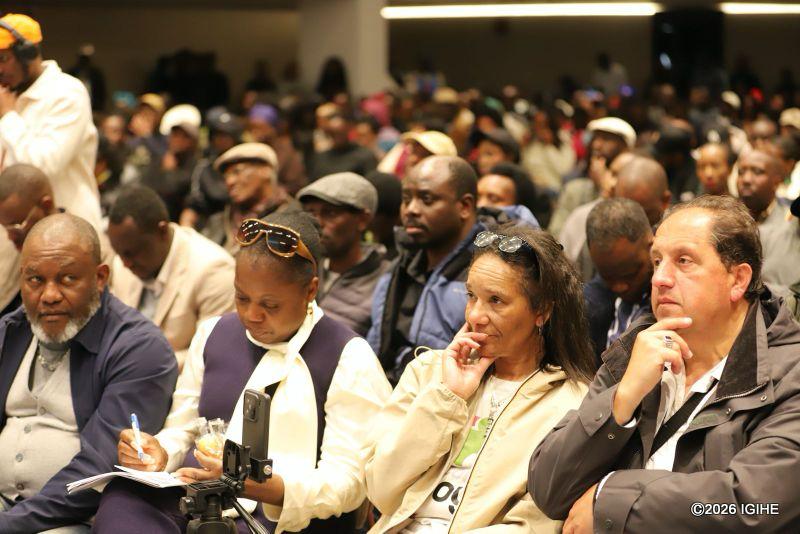
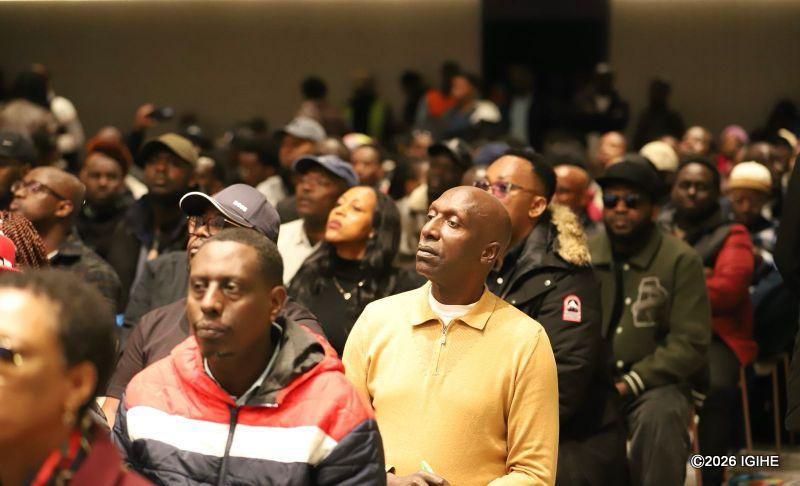
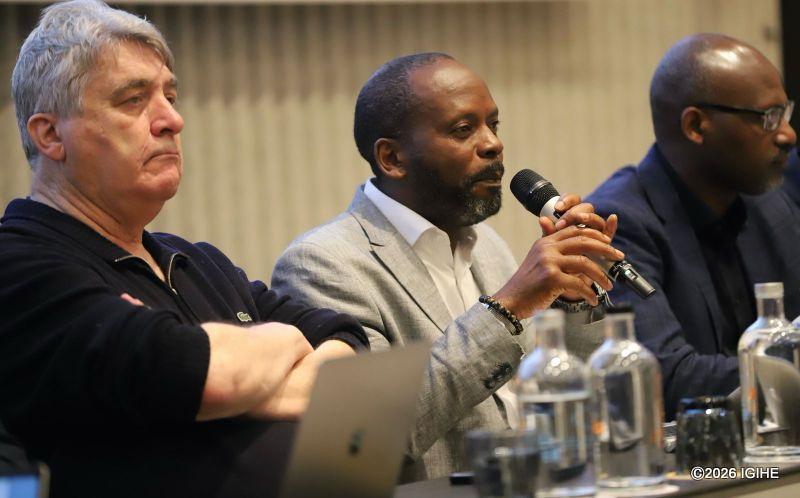
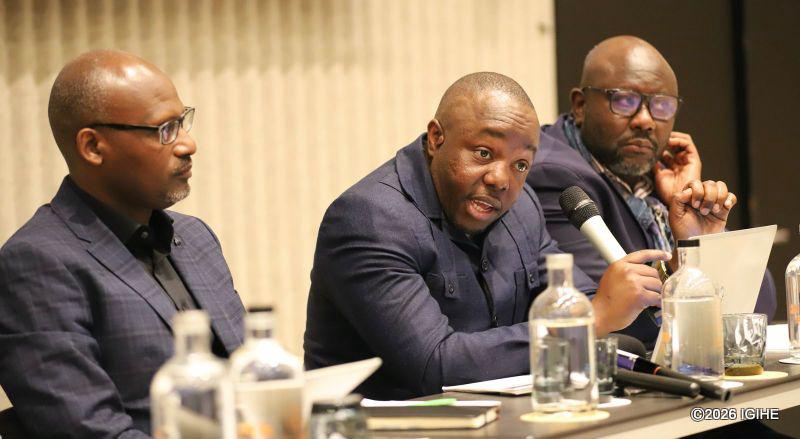
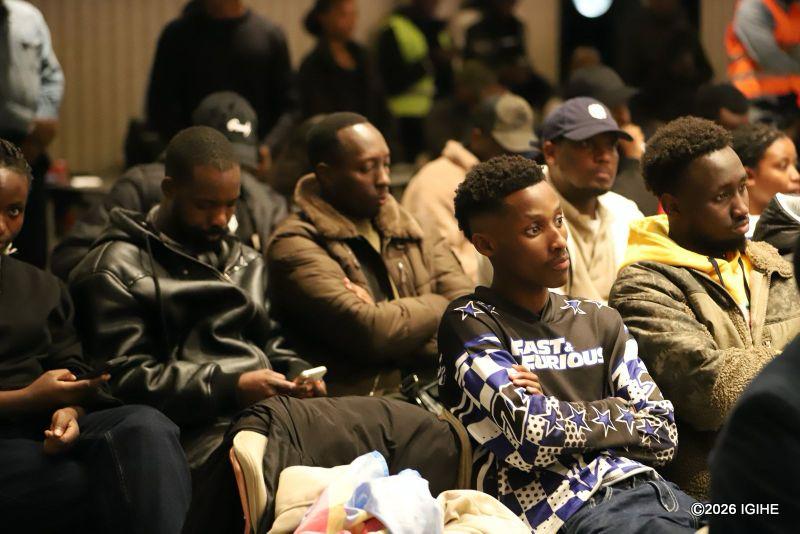
Photos taken during peaceful demonstration
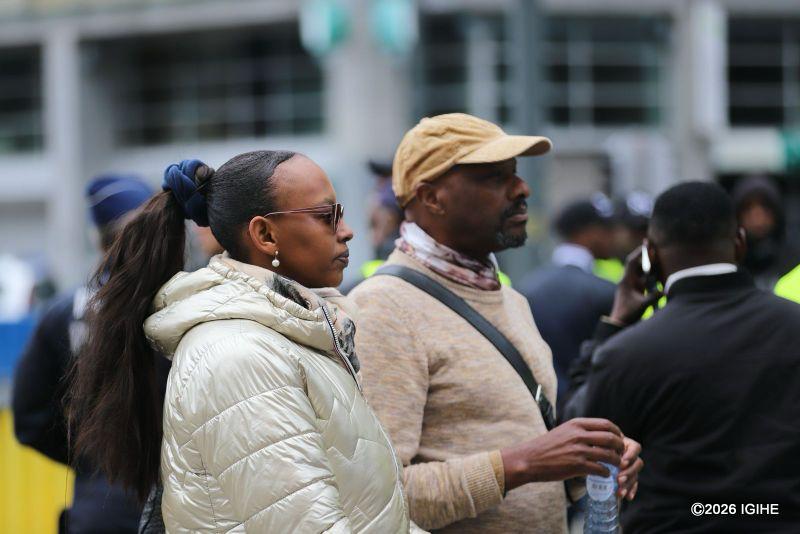
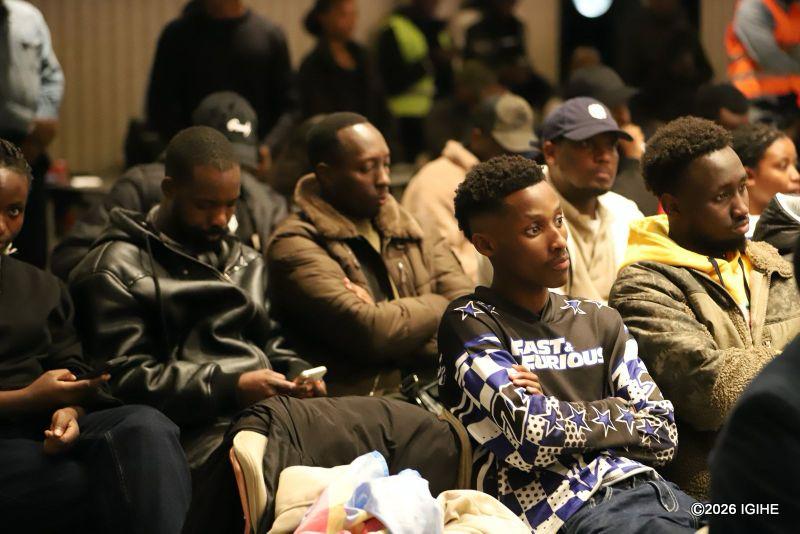
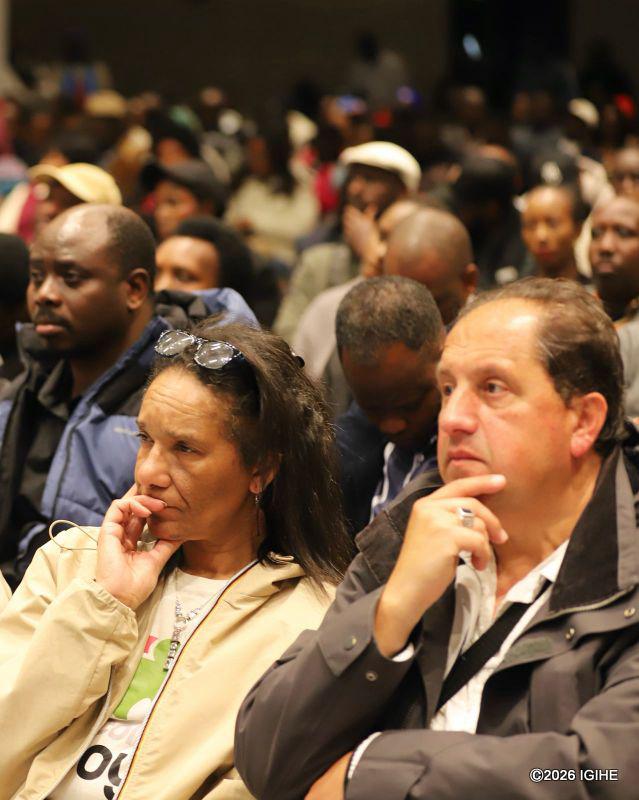
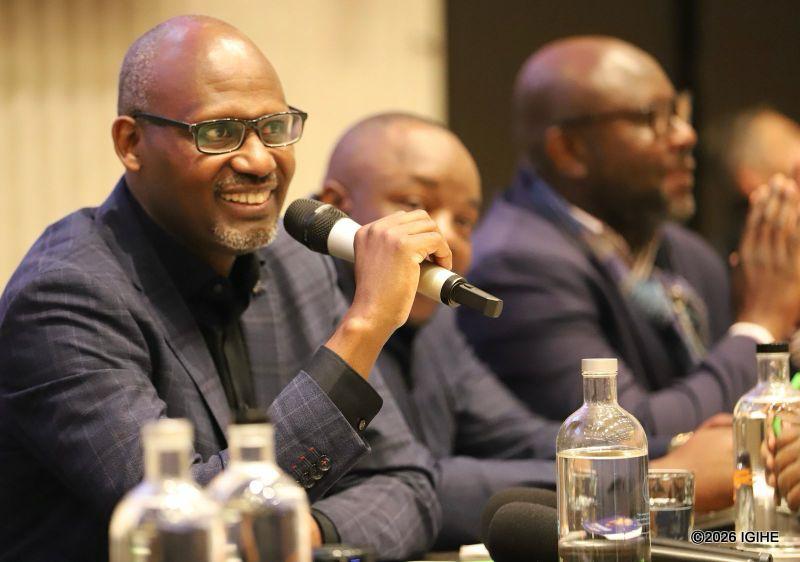
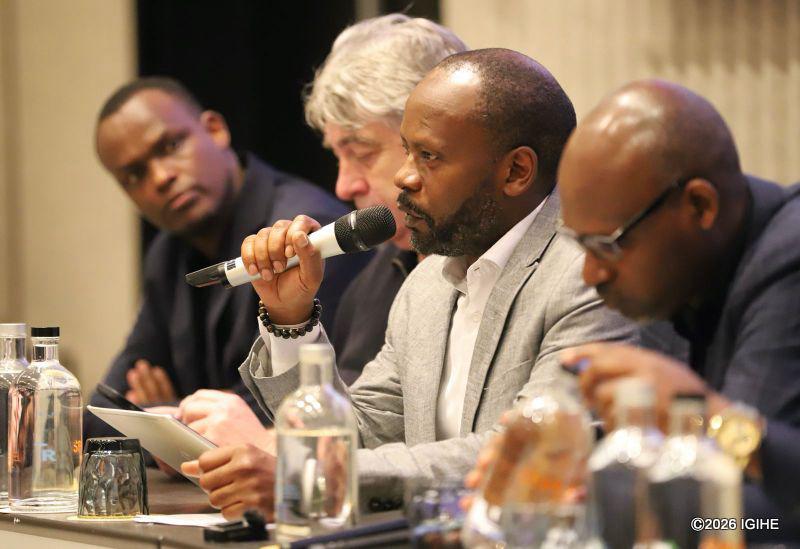
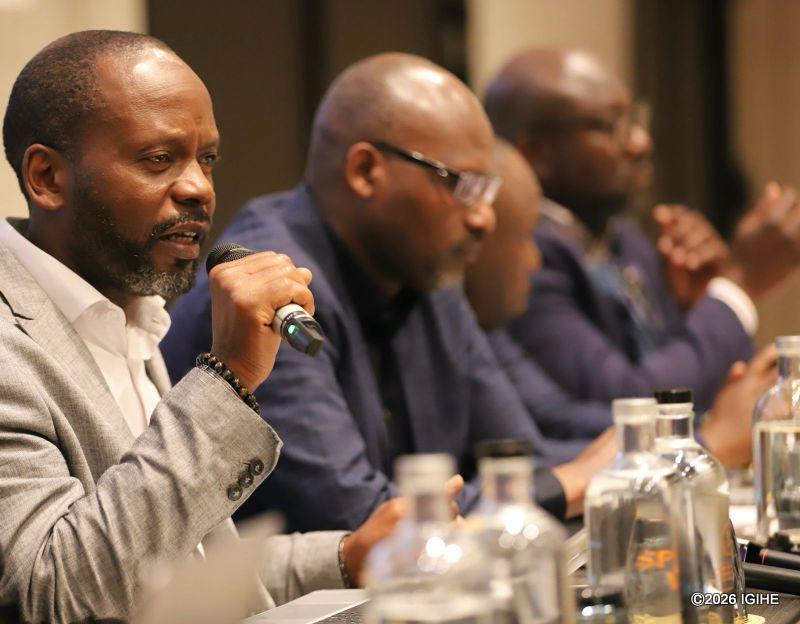
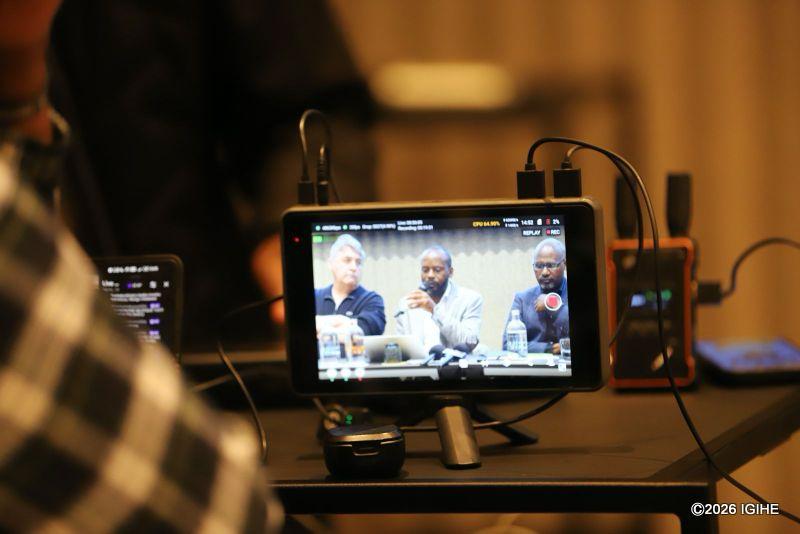
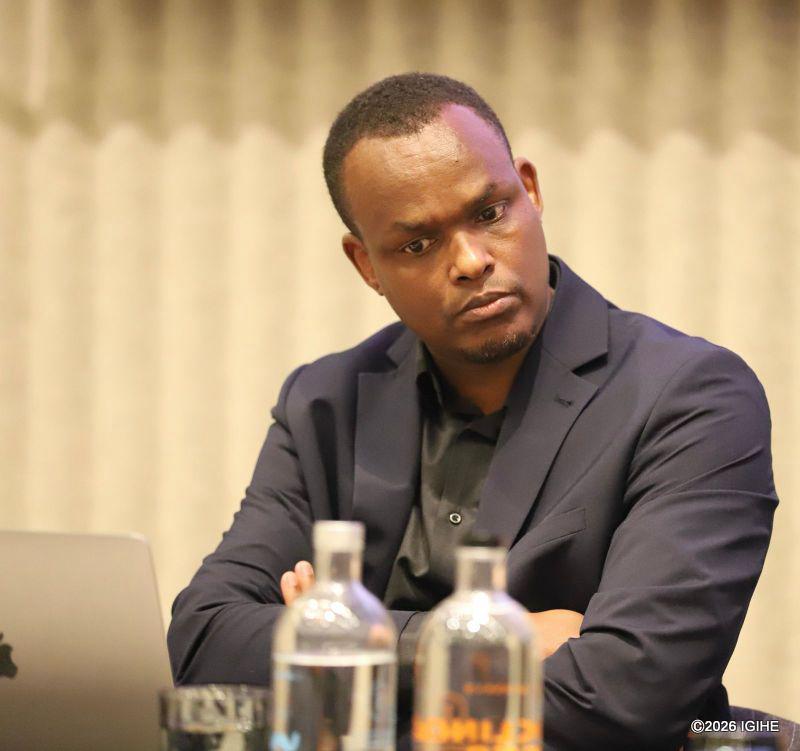
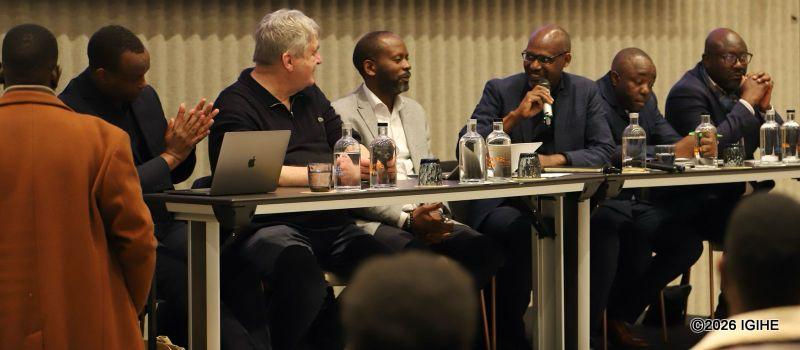
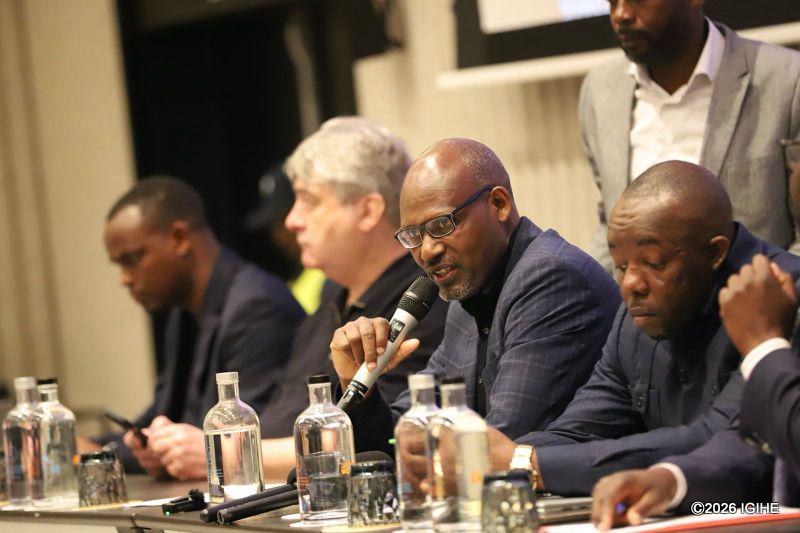
Photos from the press conference and the question-and-answer session focused on discussions about the security and humanitarian situation in the Democratic Republic of Congo
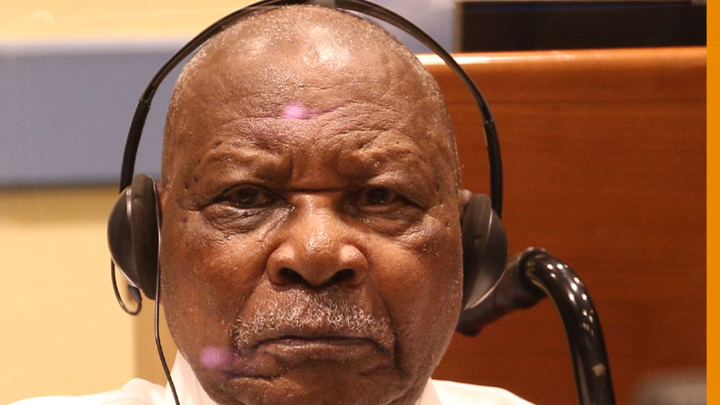
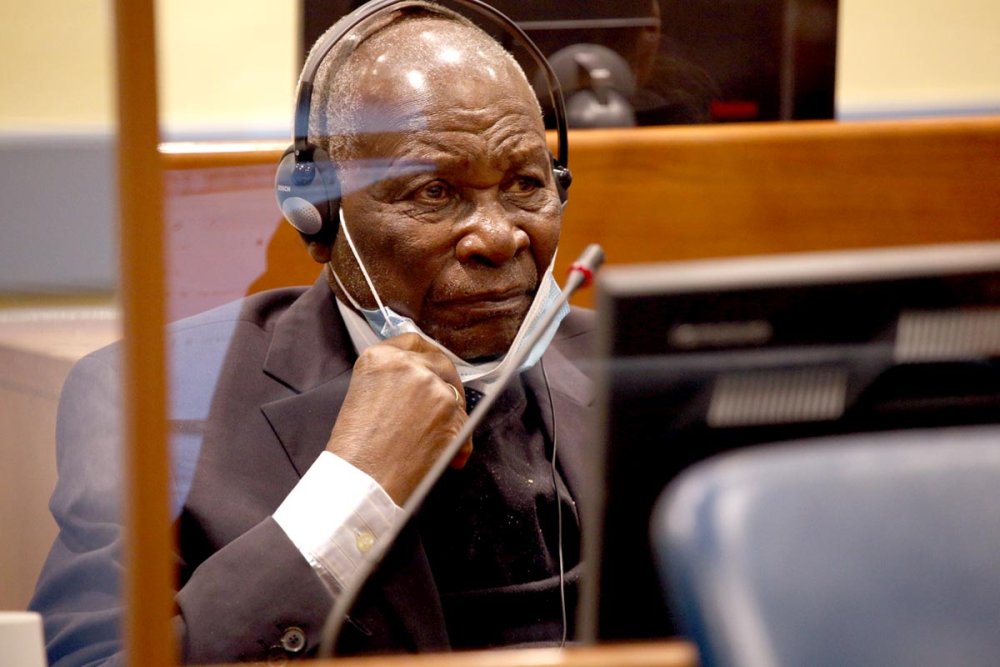
“Mr. Félicien Kabuga passed away today while hospitalized in The Hague, The Netherlands,” the Mechanism said in a statement released on Saturday, adding that the Medical Officer of the United Nations Detention Unit (UNDU) was immediately notified and that Dutch authorities had launched the standard procedures and investigations required under Dutch law.
The President of the IRMCT, Judge Graciela Gatti Santana, has also ordered a full inquiry into the circumstances surrounding Kabuga’s death. The statement said Judge Alphons Orie had been assigned to conduct the inquiry.
Kabuga had been held at the United Nations Detention Unit in The Hague since October 2020 after being arrested in France earlier that year. At the time of his death, he was awaiting provisional release to a country willing to receive him.
Kabuga faced charges of genocide, conspiracy to commit genocide, incitement to genocide, and crimes against humanity including persecution, extermination, and murder committed during the 1994 Genocide against the Tutsi in Rwanda.
An arrest warrant against Kabuga was issued by the International Criminal Tribunal for Rwanda (ICTR) on 29 April 2013. He remained a fugitive for many years before his arrest on May 16, 2020 in France, where he had reportedly been living under a false identity.
Following his arrest, Kabuga was transferred on October 26, 2020 to the Hague branch of the Mechanism, the UN body established to carry on the remaining functions of the ICTR and the International Criminal Tribunal for the former Yugoslavia (ICTY).
His trial officially began on September 29, 2022. However, proceedings were later suspended after judges found that his deteriorating health made him unfit to stand trial.
According to the IRMCT statement, the Trial Chamber issued a decision on 8 September 2023 indefinitely staying proceedings following an Appeals Chamber ruling delivered a month earlier. The Chamber also ordered that Kabuga remain detained at the UNDU pending a decision on his provisional release.
After the suspension of his trial, discussions focused on finding a country willing to receive him. Rwanda had previously indicated that it was prepared to host him, arguing that it would guarantee his rights and medical care.
However, Kabuga’s lawyers and relatives opposed a transfer to Rwanda, citing his fragile health condition and arguing that long-distance travel would pose serious risks.
Kabuga had reportedly hoped to settle in a European country, including France, but no State agreed to receive him. Dutch authorities also opposed his release into the Netherlands.
Prosecutors before the Mechanism had argued that Kabuga’s genocide-related charges significantly limited his chances of being accepted by European countries under refugee protection frameworks and immigration laws.
They also pointed to the fact that he had spent years evading arrest while allegedly relying on false identities and support networks to remain hidden.
The IRMCT was established by the United Nations Security Council through Resolution 1966 adopted in December 2010. The Mechanism began operations in Arusha, Tanzania, in July 2012 and in The Hague in July 2013.
Following the closure of the ICTR in 2015 and the ICTY in 2017, the IRMCT continued operating as a stand-alone institution responsible for handling remaining judicial functions, including appeals, enforcement of sentences, and the tracking of fugitives.
Kabuga had been held at the United Nations Detention Unit in The Hague since October 2020 after being arrested in France earlier that year.
The celebrations begin on Friday, May 29, with the highly anticipated return of Strictly Soul, Africa’s biggest R&B link-up. Known for its smooth atmosphere, soulful classics, and carefully curated vibes.
Guests can expect an elevated Friday night experience with performances by the renowned DJ Akio and expected special performances by Bensoul from Kenya and Rwanda’s very own Mike Kayihura. But the excitement doesn’t stop there.
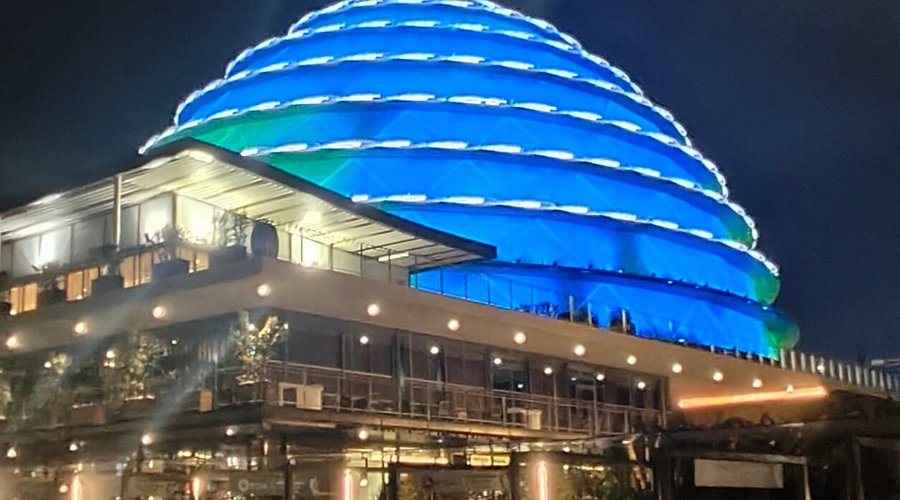
On Saturday, May 30, Heineken House shifts into full gear with a massive UEFA Champions League Final Viewing Party. Football fans will gather at the rooftop venue to witness Europe’s biggest football showdown live on giant screens as the kings of Europe are crowned in front of an electrifying crowd (Arsenal FC Vs Paris saint Germain FC).
Immediately after the final whistle, the rooftop transforms into the ultimate nightlife destination with the explosive energy of OBI’s House all the way from Nigeria, with an exciting lineup featuring DJ AKIO, top local and regional DJs; Sheilah GASHUMBA from Uganda, Rwanda’s own DJ Niny & DJ Muun, to keep the celebration going deep into the night.
Organisers said Heineken House is intended to serve as a cultural platform blending entertainment, music, sports, and social experiences under the Heineken brand.
Limited tickets are available via Sinc.events and through the 6692833# mobile platform. The two-night event is being promoted as a rooftop entertainment experience combining music, nightlife, and football viewing.
Heineken also reminded attendees to consume alcohol responsibly, noting that alcohol is not sold to persons under 18 or pregnant women, while discouraging drinking and driving.
Kigali’s entertainment scene is about to reach new heights as Heineken House introduces an unforgettable two-night experience set to take over the iconic KCC Rooftop on May 29 and 30.
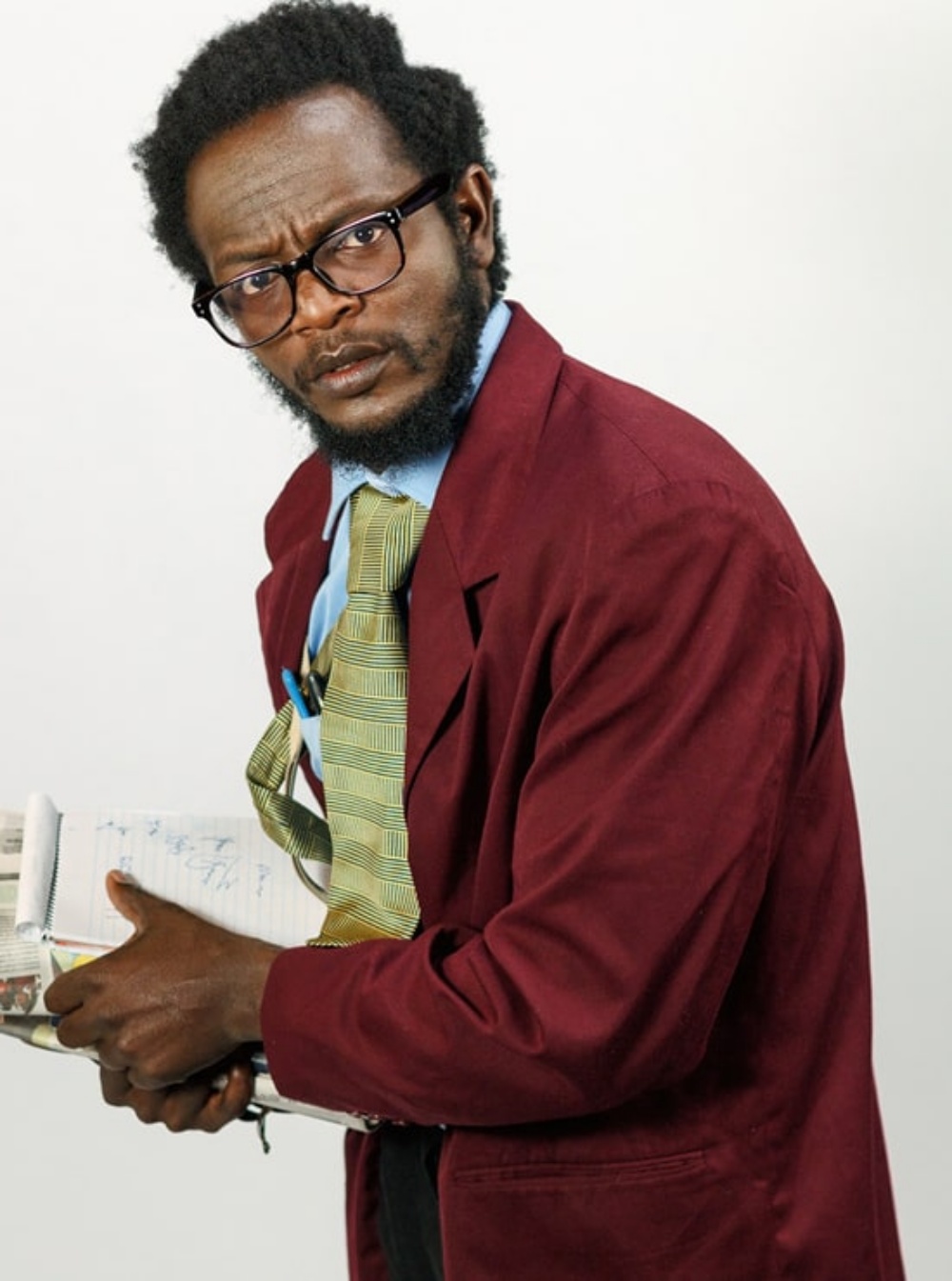
Professor Hamo, whose real name is Herman Gakobo Kago, is one of the comedians who gained widespread recognition through the Churchill comedy platform. Besides comedy, he is also a musician and media personality.
The 46-year-old entertainer was born into a military family and is a father of six children.
The event he will attend has been specially dedicated to Muhinde, a fast-rising Rwandan comedian who built his reputation through the Gen-Z Comedy platform.
Organizers say the show is intended to celebrate and recognize Muhinde’s recent academic achievement after successfully completing his undergraduate studies.
Muhinde graduated from RP Musanze, where he studied E-Commerce. Prior to joining university, he completed his secondary education in 2022 with a specialization in Software Development.
He has since enrolled for a master’s degree at the University of Kigali as he continues to pursue both education and comedy.
According to the organizers of Gen-Z Comedy, Muhinde’s dedication to education while simultaneously growing his career in comedy inspired them to dedicate the event to him in appreciation of the remarkable progress he has made in his life and career.
Kenyan Comedy Star Professor Hamo of ‘Churchill Show’ is expected in Kigali.
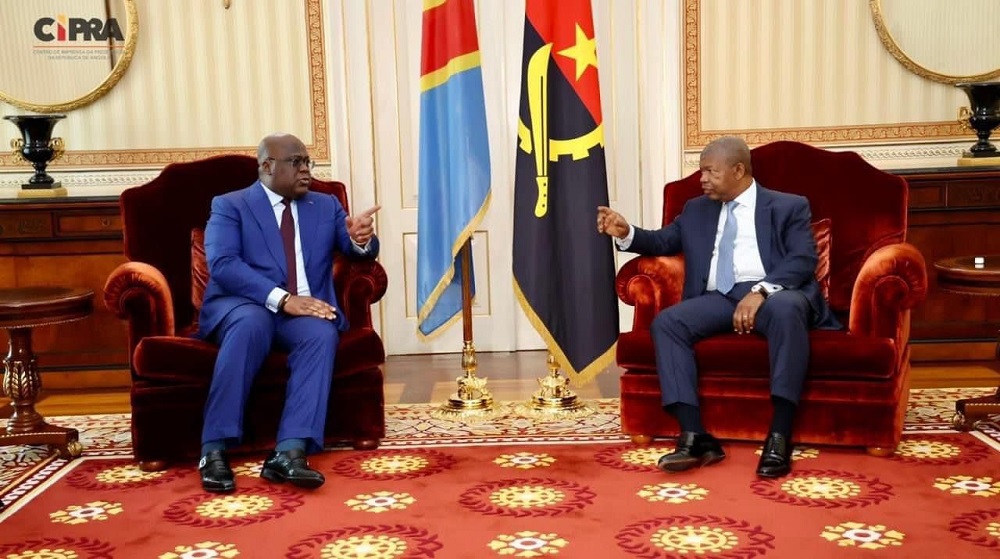
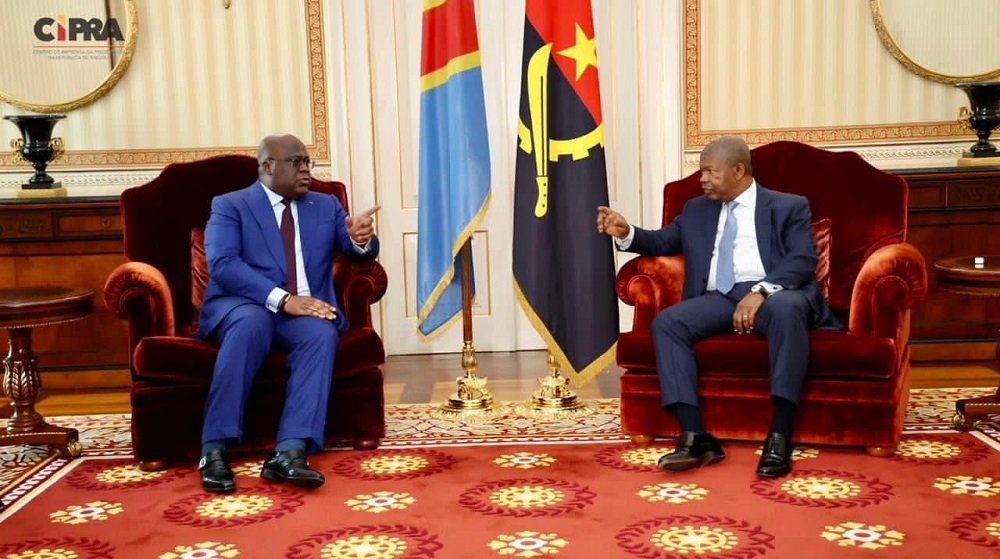
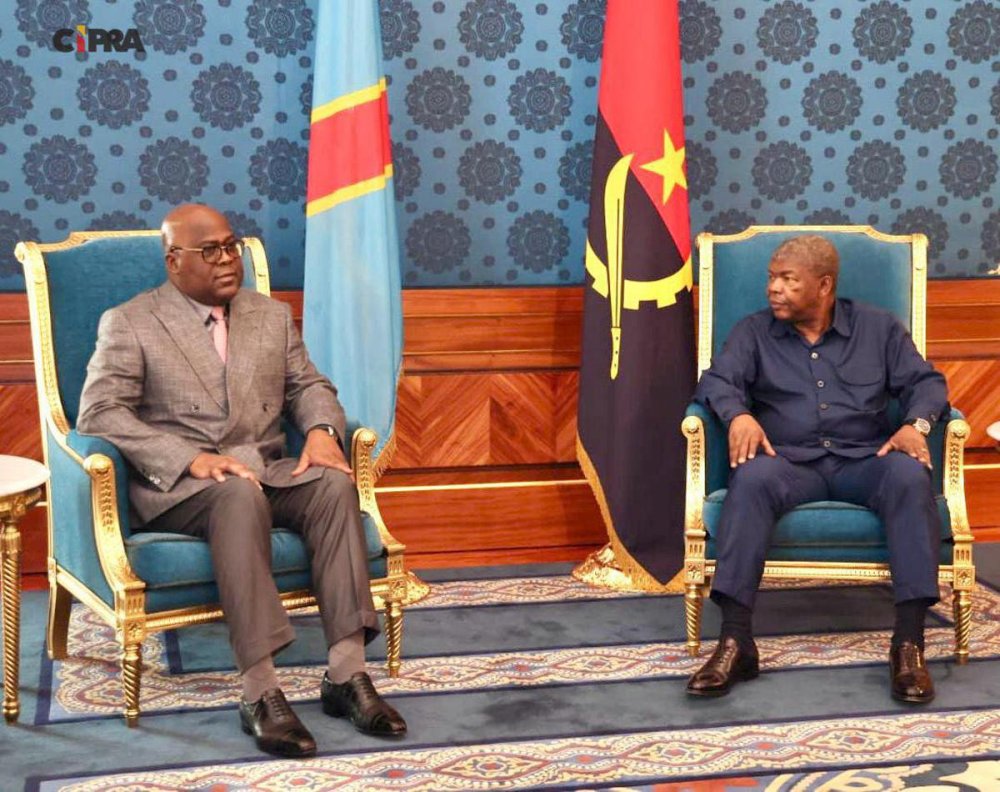
Angolan President João Lourenço, the former Chairperson of the African Union (AU), reportedly advised Congolese President Félix Tshisekedi that achieving lasting peace in the DRC would require engaging in dialogue with all Congolese stakeholders willing to participate, including armed opposition groups fighting against the government.
Lourenço proposed that Angola facilitate and oversee the talks in order to guarantee the safety and confidence of all participants. He suggested that the discussions be held either in Luanda or another neutral location outside Kinshasa.
In January 2026, Lourenço met with representatives of the Catholic Church and the Anglican Church from the DRC, alongside other political and social actors expected to participate in the dialogue.
Following the consultations, he prepared a report summarizing their proposals and recommendations.
Later that month, Angola’s Minister of Foreign Affairs, Tete António, traveled to Kinshasa to deliver the report to President Tshisekedi and brief him on the outcome of the consultations held with various Congolese stakeholders.
The issue remained largely out of public discussion until May 14, when Tshisekedi sent a six-member delegation to Angola to formally present his response to Lourenço’s January report.
According to the message delivered by the Congolese delegation, Tshisekedi rejected the proposal to hold the national dialogue outside the DRC.
He insisted that the talks should be organized, managed, and led exclusively by Congolese state institutions and take place in Kinshasa.
Tshisekedi further stated that Angola’s role should be limited to engaging with Congolese individuals or groups unwilling to travel to Kinshasa due to security concerns, before forwarding their views and recommendations to the Congolese government.
The Catholic Church, the Anglican Church, and opposition groups in the DRC have consistently argued that no Congolese stakeholder should be excluded from the dialogue process. They have specifically called for the participation of the AFC/M23 coalition, which is currently engaged in armed conflict with Congolese government forces.
However, the Congolese government strongly opposed that proposal. Government spokesperson Patrick Muyaya stated that individuals who have taken up arms and are “killing Congolese citizens” should not be included in political negotiations, but instead should face justice for their actions.
Religious leaders involved in the initiative emphasized that the dialogue should focus on the root causes of Congo’s recurring crises since independence, particularly issues related to security, governance, economic development, social welfare, and national unity.
According to reports, representatives of the Congolese government informed President Lourenço that Tshisekedi does not support the dialogue framework proposed by the Catholic and Anglican Churches and instead prefers a different approach to the process.
Tshisekedi stated that the Congolese national dialogue must be organized and led by the DRC government and held in Kinshasa.Tshisekedi stated that Angola’s role should be limited to engaging with Congolese individuals or groups unwilling to travel to Kinshasa due to security concerns.
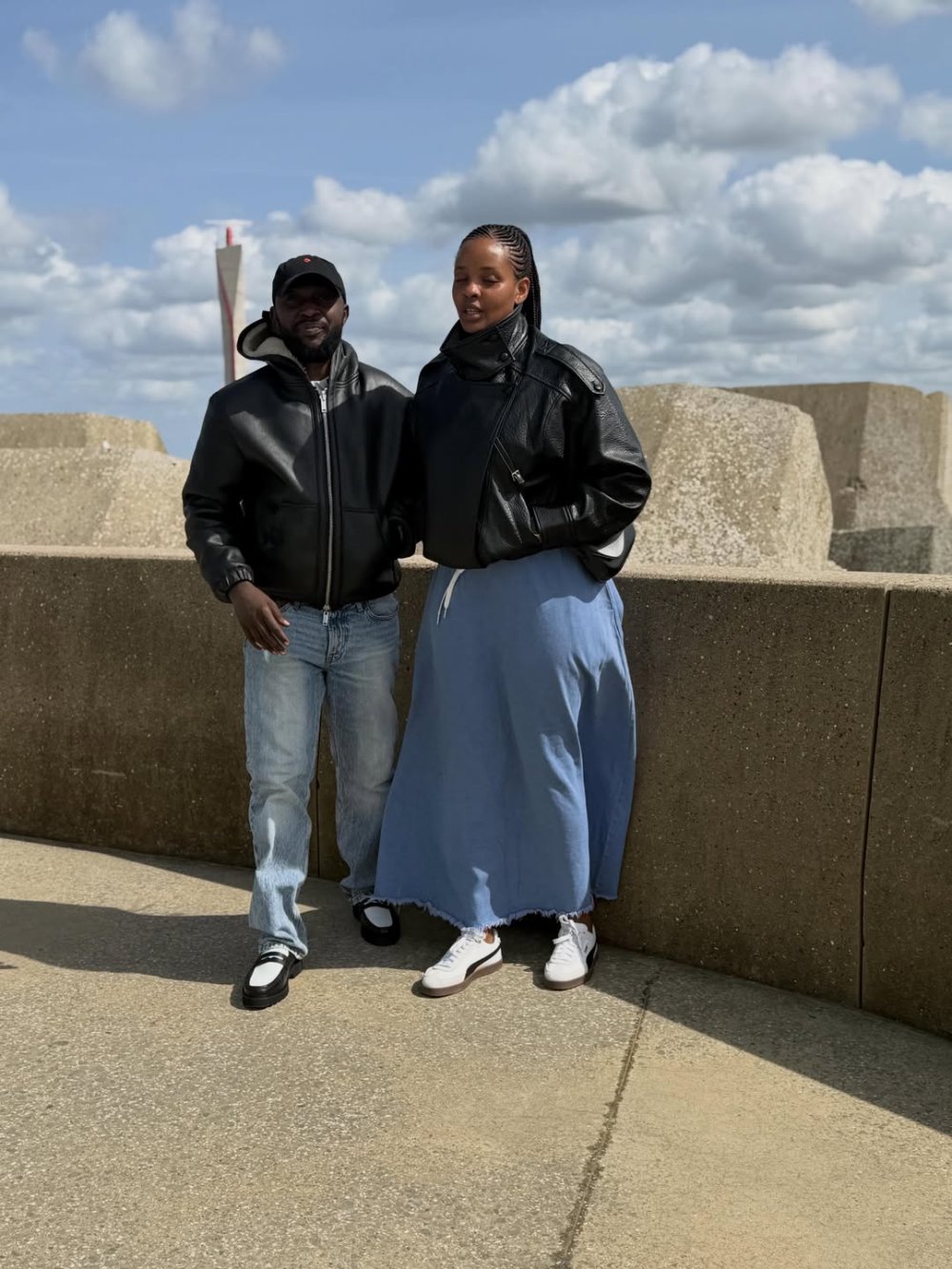
Sharing the news on social media, M. Iréné revealed that the wedding ceremony is scheduled to take place on August 15, 2026.
Details surrounding the wedding remain limited, although sources close to the couple indicate that the ceremony is expected to be a private event attended by a select number of invited guests.
M. Iréné is a well-known journalist and content creator who previously worked for several media houses, including Isango Star and Isibo TV. He currently manages his own YouTube channel known as “MIE.”
In addition to journalism, he has also worked closely with several Rwandan musicians, including Niyo Bosco and gospel duo Vestine & Dorcas, among others, helping support and promote their careers.
Recently, M. Iréné ventured into the film industry with the release of his movie titled “Isereri,” which has become one of the most-viewed productions on YouTube in recent weeks.
The film features notable actors and actresses including Aisha Inkindi, Nyabitanga Nicole, and several other popular performers.
A few days ago, M. Iréné traveled to visit his fiancée.M. Iréné has officially proposed to Nishimwe Liliane as the couple prepares for their wedding.M. Iréné and Nishimwe Liliane are set to tie the knot after officially getting engaged.M. Iréné Officially has announced their Wedding Date.
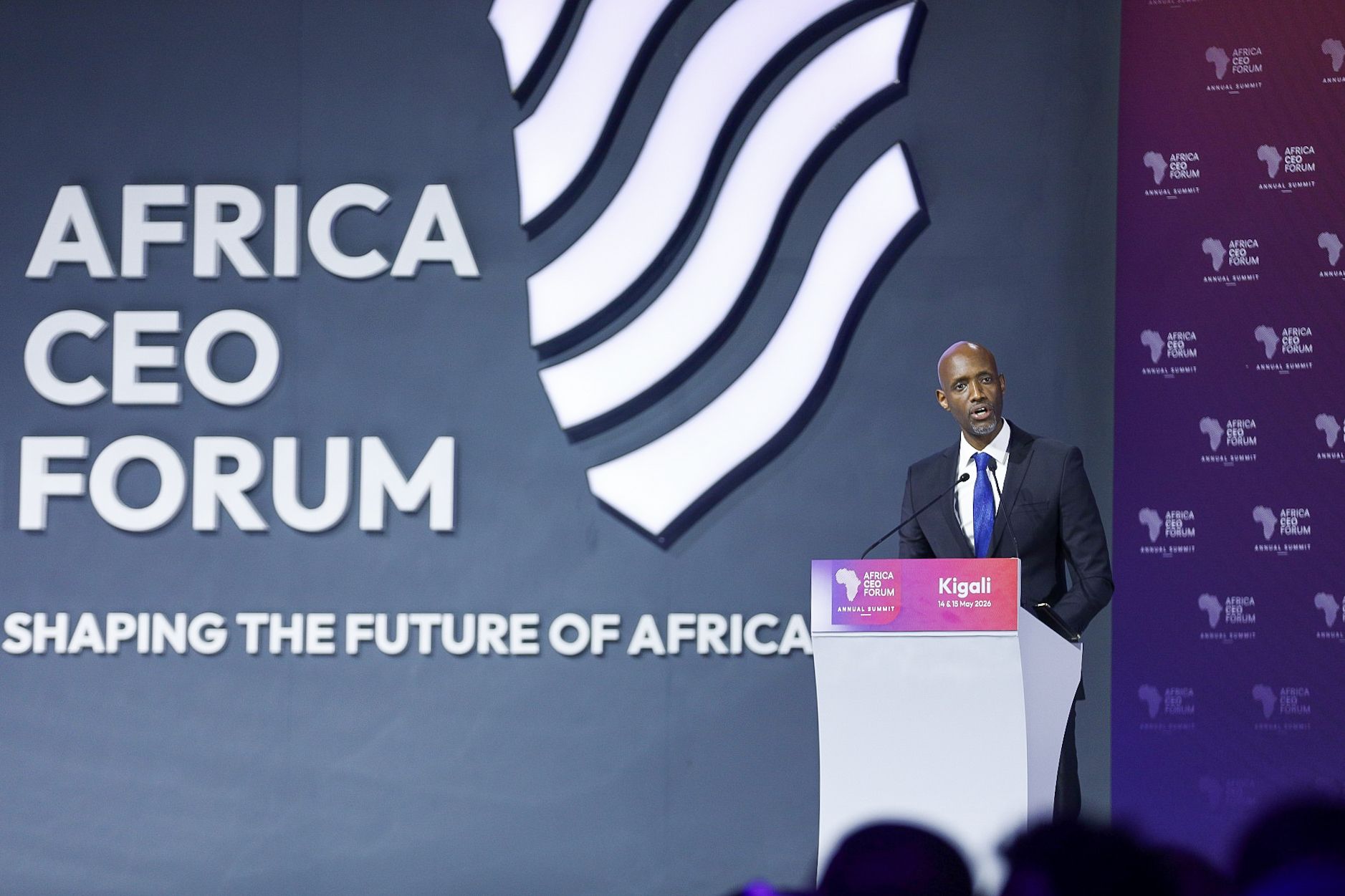
Addressing investors, business leaders, and policymakers on Thursday, the CEO of the Rwanda Development Board (RDB), Jean Guy Afrika, said the changing global economy was pushing investors to prioritise countries capable of delivering stability, speed, and execution.
“We meet at a time when the global economy is changing rapidly,” the RDB CEO said. “Capital is more selective, financing is more expensive, supply chains are being reorganised, and technology is transforming every sector.”
The remarks framed Rwanda’s investment strategy around reliability rather than market size, with the country presenting itself as a platform for companies seeking to expand across East and Central Africa.
The session was part of the annual forum, which gathered more than 2800 delegates.
Afrika said Rwanda’s economic model had been shaped by its geography and history. Being landlocked and located roughly 1,400 kilometres from the nearest seaport pushed the country to invest heavily in logistics, aviation, connectivity, and services.
Meanwhile, the need to rebuild trust and institutions after the 1994 Genocide against the Tutsi turned institutional credibility into what officials describe as one of Rwanda’s strongest competitive advantages.
“For investors, Rwanda should therefore be seen not only as a domestic market alone, but as a base from which companies can serve the East African Community, COMESA, the Great Lakes region, and the broader African market being shaped by the African Continental Free Trade Area,” the CEO said.
A key message throughout the session was that “governance is infrastructure,” with the RDB arguing that predictable institutions and coordinated government systems are essential to turning investment commitments into operational projects.
RDB highlighted its One Stop Centre, which brings together 24 agencies and offers more than 400 services to investors through a centralised platform aimed at reducing bureaucracy and improving efficiency.
The agency also pointed to recent economic indicators to demonstrate Rwanda’s growth momentum. Rwanda’s economy expanded by 9.4 percent in 2025, while foreign private capital inflows reached $1.1 billion in 2024, marking a 23.9 percent increase year-on-year. Investment commitments reached $2.62 billion in 2025 across sectors including manufacturing, agro-processing, mining, and real estate.
The CEO said Rwanda is now entering what he described as a new phase of growth under Vision 2050 and the second National Strategy for Transformation (NST2), with enterprise, exports, innovation, productivity, and private capital placed at the centre of the country’s economic agenda.
The RDB CEO Jean Guy Afrika said Rwanda’s economic model had been shaped by its geography and history.
He outlined several priority sectors where Rwanda is actively seeking strategic investors capable of building supply chains, creating jobs, transferring skills, and expanding regional exports.
In agro-industry, Rwanda is prioritising processing and value addition to move beyond raw commodity exports. Opportunities highlighted included cold-chain infrastructure, food packaging, agro-processing plants, and export-ready supply chains designed to connect Rwandan products to regional and international markets.
In health and life sciences, Afrika said Rwanda is building a stronger pharmaceutical and medical manufacturing ecosystem. He referenced the achievement of WHO Maturity Level 3 certification by the Rwanda Food and Drugs Authority, which strengthens the country’s regulatory credibility in health manufacturing and pharmaceuticals.
He also pointed to BioNTech’s first commercial-scale mRNA vaccine initiative in Africa as evidence of Rwanda’s ambition to position itself as a regional hub for biotechnology and advanced medical manufacturing.
Logistics and aviation featured prominently in the presentation, with Rwanda describing itself as an emerging gateway into East and Central Africa.
The RDB boss highlighted the development of the new Kigali International Airport project, as one of the country’s flagship infrastructure investments. Once completed, the airport is expected to increase Rwanda’s passenger handling capacity eightfold, from the current one million passengers annually to eight million.
Officials say the airport will play a critical role in strengthening cargo transport, trade connectivity, tourism, and Rwanda’s ambition to become a regional aviation and logistics hub linking African markets with global supply chains.
The mining sector was also presented as a strategic growth area. Rwanda recorded $869.7 million in mineral exports in 2025, while the sector supported more than 92,000 jobs.
Afrika said Rwanda is now focusing on increasing value addition in mining through local mineral processing, traceability systems, and downstream industrial development rather than relying solely on raw mineral exports.
Tourism and MICE, Meetings, Incentives, Conferences and Exhibitions, were highlighted as another pillar of Rwanda’s services-led economy.
According to figures presented during the session, tourism revenues reached $685 million, supported by Rwanda’s continued investment in conference infrastructure, aviation connectivity, hospitality, and high-end tourism experiences.
During the session, Rwanda also signed a series of strategic investment agreements aimed at strengthening industrial development, energy infrastructure, logistics, and tourism.
One of the major agreements involved Egypt’s Elsewedy Electric, which signed a comprehensive Memorandum of Understanding with Rwanda to establish a manufacturing facility producing smart electricity and water meters, electric vehicle chargers, and power transformers.
The partnership will also include the development of a technical university or college focused on industrial and energy skills development, participation in the development and management of Phases I and II of the Kigali Special Economic Zone, and the establishment of a logistics hub intended to reinforce Rwanda’s role as a regional trade and industrial gateway.
In tourism, Rwanda signed another Memorandum of Understanding with Sunrise Resorts & Cruises to develop a new luxury hospitality resort in the country.
The agreement includes sustainability-focused infrastructure such as a solar photovoltaic power plant with battery storage and a dedicated water treatment facility to support the resort’s operations.
The event also marked a strategic restructuring of Amicable Guest Houses Ltd (AGL), a subsidiary of the Rwanda Social Security Board.
Agreements signed between RSSB, Cleo Capital Group Ltd, and The Lux Collective are expected to introduce international hospitality management standards to Rwanda’s hotel sector.
Beyond sector-specific investments, Rwanda also expanded regional cooperation by signing a Memorandum of Understanding with APIEX Benin to strengthen bilateral investment promotion and trade facilitation.
A separate strategic collaboration framework was signed with Busara Advisors to support investment promotion and strategic development initiatives.
Throughout the session, the RDB CEO repeatedly stressed that Rwanda’s value proposition lies not in being Africa’s largest market, but in offering investors stability, institutional coordination, reform-oriented governance, and reliable execution.
“We are not only looking for capital,” Afrika stated. “We are looking for partners who bring technology, operating experience, market access, and long-term commitment.”
The session, part of the annual forum which gathered more than 2,800 delegates, concluded with a direct message to investors seeking stable operating environments in Africa: “Invest in Rwanda, grow from Rwanda, and build with Rwanda.
The programme will be financed through a $200 million loan from the AfDB and a $100 million loan from AIIB, reflecting growing multilateral cooperation in Rwanda’s energy sector.
It will be implemented by the Ministry of Infrastructure through the Rwanda Energy Group (REG), working alongside the Energy Development Corporation Limited (EDCL) and the Energy Utility Corporation.
The second phase builds on the outcomes of the first Results-Based Financing programme, which significantly expanded energy access in Rwanda through off-grid solutions that reached at least 370,000 households.
The earlier phase also enabled 460,000 people to access clean cooking solutions, with the project ultimately improving the livelihoods of more than two million people while supporting job creation across the energy value chain.
The performance-based financing model links disbursements to independently verified results, with a focus on strengthening transmission and distribution networks, improving grid reliability, and expanding both on-grid and off-grid electricity connections.
Officials say the approach has strengthened accountability and delivery systems within Rwanda’s energy sector.
“The results-based approach under RBF I strengthened our implementation systems and accountability,” said Jean Bosco Mugiraneza, Director General for Energy at the Ministry of Infrastructure. “We are building on these lessons to accelerate connections, improve service reliability, and deliver greater impact for households, businesses, and productive users across Rwanda.”
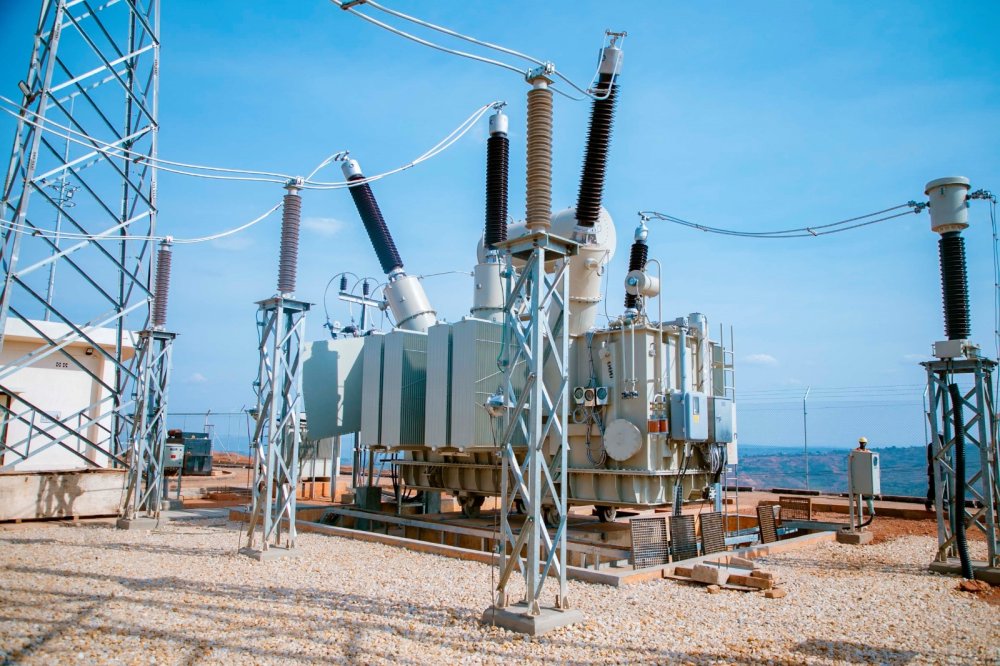
Under RBF II, the programme will support the rehabilitation of four substations and the construction of about 3,855 kilometres of medium and low voltage transmission lines.
It is expected to connect an additional 200,000 households and 850 commercial users to the national grid, while also providing 50,000 new off-grid electricity connections.
The programme will further deliver clean cooking devices to 100,000 households and 310 public institutions, and install street lighting along 200 kilometres of roads in secondary cities.
According to the partners, expanded electrification is expected to reduce the cost of doing business for small and medium-sized enterprises, improve productivity in rural areas, and enhance essential services such as healthcare delivery.
“The Energy Sector Results-Based Financing II programme is a transformative investment that will accelerate Rwanda’s progress toward universal energy access,” said Aïssa Touré Sarr, the AfDB Country Manager for Rwanda. “Through our partnership with AIIB and the Government of Rwanda, we are leveraging co-financing to scale impact while ensuring accountability, efficiency, and tangible results for communities across the country.”
The launch was followed by a high-level technical workshop bringing together government institutions, development partners, and implementing agencies to align procurement processes, financial management systems, environmental and social safeguards, and monitoring and evaluation frameworks.
RBF I and II are part of Rwanda’s broader ambition to achieve universal electricity access by 2030. They also align with the AfDB’s strategic priorities on climate-resilient infrastructure and efforts to bridge the rural-urban infrastructure gap while strengthening resilience to climate shocks.
The programme complements other African Development Bank-supported energy investments in Rwanda, including the Ruzizi III Hydropower Project and the Rwanda Transmission System Reinforcement and Last Mile Connectivity programme.
The project is expected to connect an additional 200,000 households and 850 commercial users to the national grid, while also providing 50,000 new off-grid electricity connections.
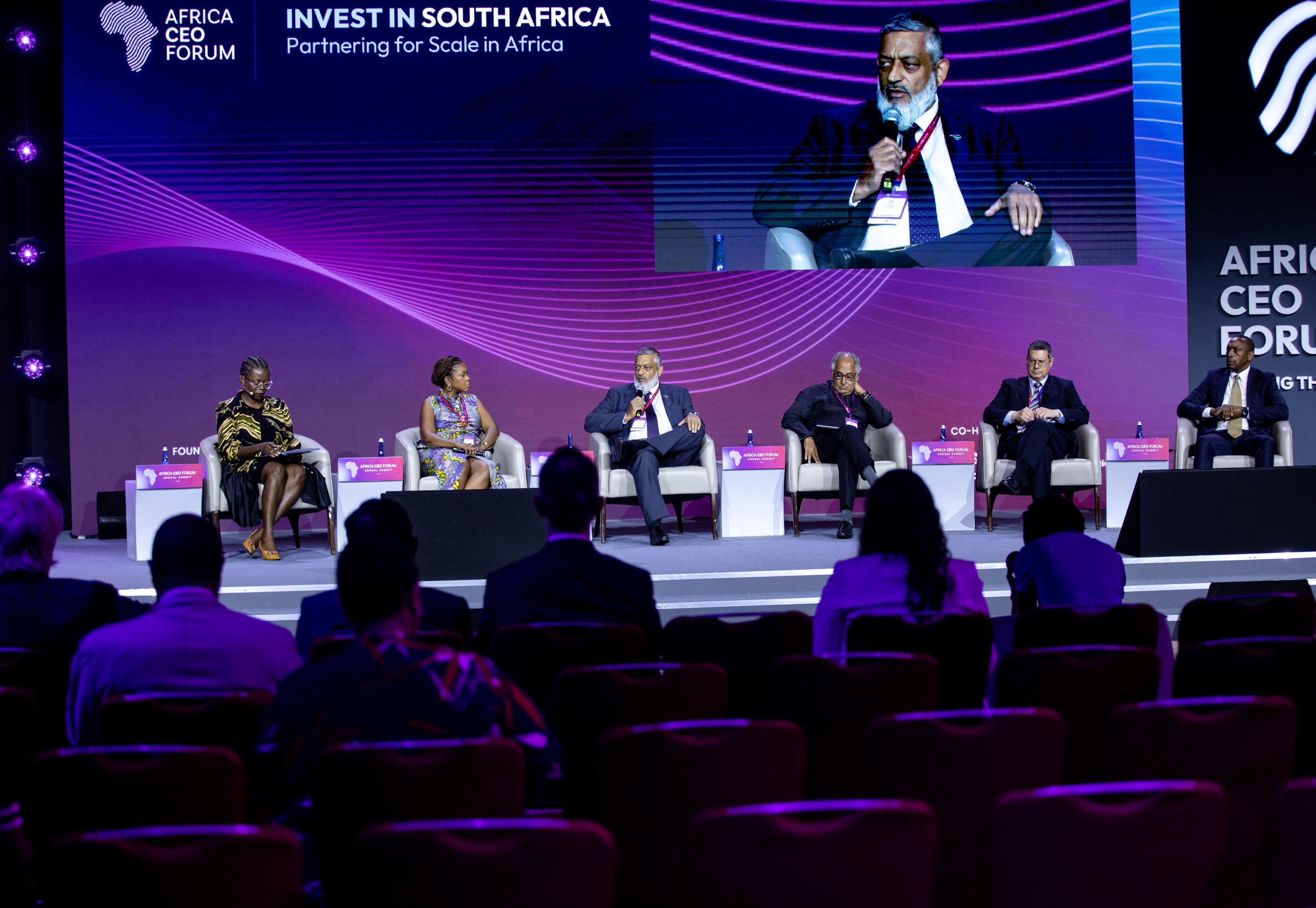
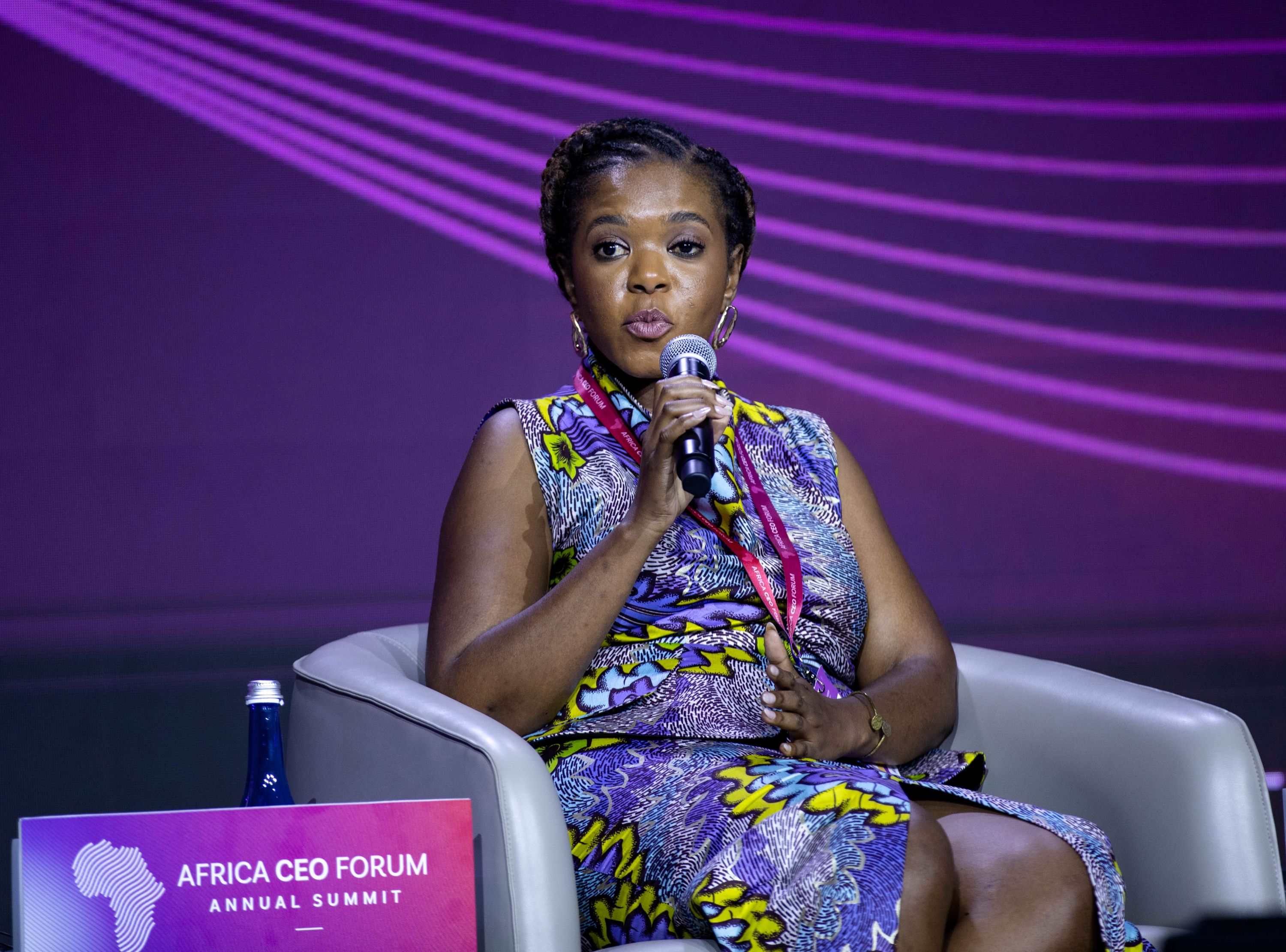
Mmaputhi Rankapole, Chief Marketing Officer of Brand South Africa, told delegates that South Africa is not positioning itself in competition with other African hubs, including Rwanda’s Kigali.
“We’re not trying to outbid Kigali for investment,” she said. “We’re offering ourselves as a platform, the gateway to an economy that connects Africa to the world.”
Mmaputhi Rankapole, Chief Marketing Officer of Brand South Africa, told delegates that South Africa is not positioning itself in competition with other African hubs, including Rwanda’s Kigali.
Through the AfCFTA, South Africa provides access to a combined market of 1.2 billion people and $3.4 trillion in GDP. Rwandan businesses could potentially use South African ports, rail networks, and financial services to reach SADC countries and global markets more efficiently.
South Africa has eight seaports, 144 airports, extensive road and rail infrastructure, and the Johannesburg Stock Exchange, Africa’s largest by market capitalisation. These assets can support companies in raising capital and managing regional supply chains.
Luna Nevhutalu, Head of Institutional Sales for Global Markets at Rand Merchant Bank, noted growing long-term investor interest.
“Investors are really looking to invest on the continent, or in the continent, for the long-term,” she said, citing recent Eurobond issuances involving Azule Energy, Liquid Telecoms, and Sibanye Stillwater.
Luna Nevhutalu, Head of Institutional Sales for Global Markets at Rand Merchant Bank, noted growing long-term investor interest.
In January 2025, Azule Energy (the independent Angolan oil and gas joint venture backed by BP and Eni) priced a massive $1.2 billion international bond (8.125% senior unsecured notes due 2030), proving that deep-pocketed institutional investors remain eager to fund large-scale African infrastructure and energy players with strong balance sheets.
Following this momentum, in April 2026, pan-African digital infrastructure operator Liquid Telecoms closed a comprehensive $660 million debt refinancing round, anchored by a new $300 million Eurobond listed on Euronext Dublin that drew immense international interest and was 2.5 times oversubscribed.
Rounding out this wave of capital, South African precious metals giant Sibanye-Stillwater successfully priced a $500 million senior unsecured notes offering in May 2026. Driven by an upgraded stable outlook from Moody’s, their bookbuild was a resounding success, coming in at over five times oversubscribed by global asset managers as the company optimises its balance sheet for long-term operational growth.
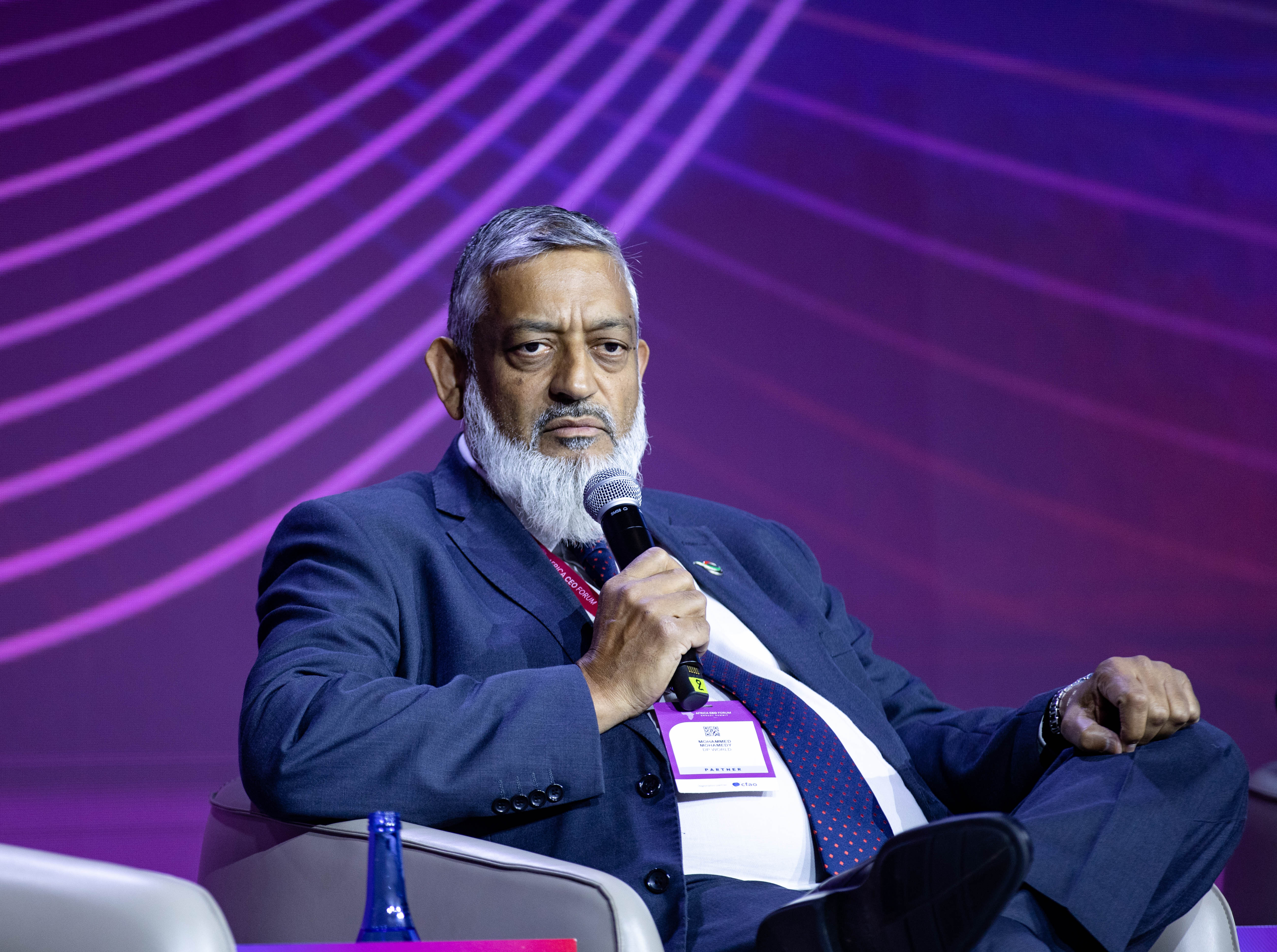
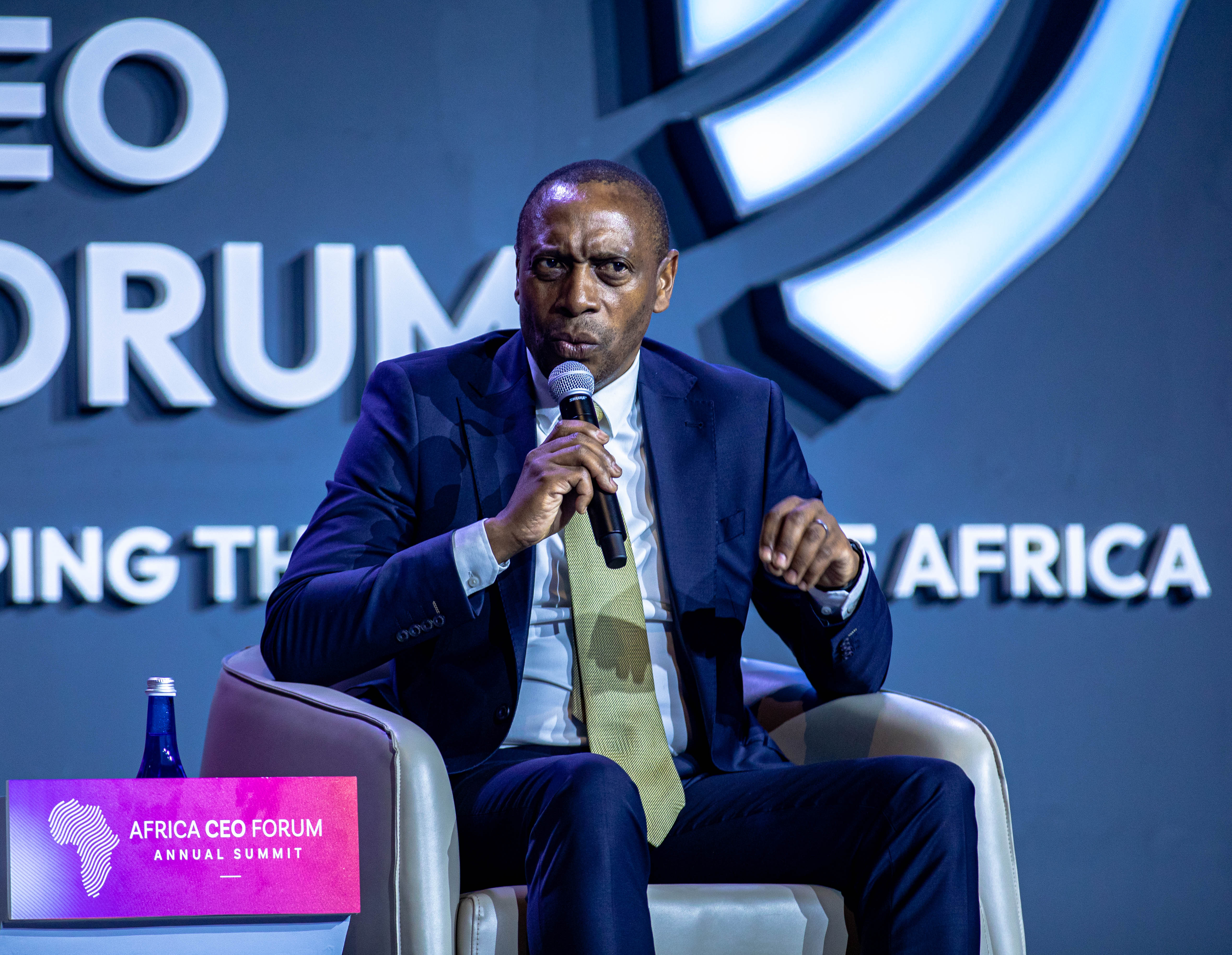
On the logistics side, Mohammed Akoojee, CEO and Managing Director for Africa at DP World, highlighted operational realities. His company’s acquisition of Imperial Logistics handles one million kilometres of road transport daily in South Africa.
He pointed to efficiency gains, noting that at one platform, truck turnaround times had dropped “from anything up to two weeks to about three days.”
On the logistics side, Mohammed Akoojee, CEO and Managing Director for Africa at DP World, highlighted operational realities.
Willem van der Spuy from the South African Department of Trade, Industry and Competition spoke about the country’s Butterfly Strategy, which focuses on diversifying trade.
“If you look at our exports to the continent, about 60 percent of those are value-added,” he said.
This creates potential demand for processed goods and components that manufacturers in Rwanda and other countries could supply.
In energy, Loyiso Tyabashe, Group CEO of Necsa, emphasised the importance of reliable power.
“Energy is a fundamental bedrock for any development, and for any industrialisation,” he said, adding that nuclear technology offers stable baseload power with near-zero carbon emissions and has proven affordable in South Africa. He invited collaboration with countries like Rwanda that are exploring nuclear options.
Loyiso Tyabashe, Group CEO of Necsa, emphasised the importance of reliable power.
The session showed that many businesses already operate across multiple African hubs. With over 400 South African companies active across the continent, combining operations in different markets has become a common approach.
For Rwandan businesses, the discussion at the Kigali forum highlighted practical options to expand reach by leveraging South Africa’s infrastructure and financial systems while building on Rwanda’s strengths in technology, services, and regional connectivity. As AfCFTA implementation progresses, such complementary strategies could support broader growth for companies in both countries.
Luna Nevhutalu, Head of Institutional Sales for Global Markets at Rand Merchant Bank, noted growing long-term investor interest.