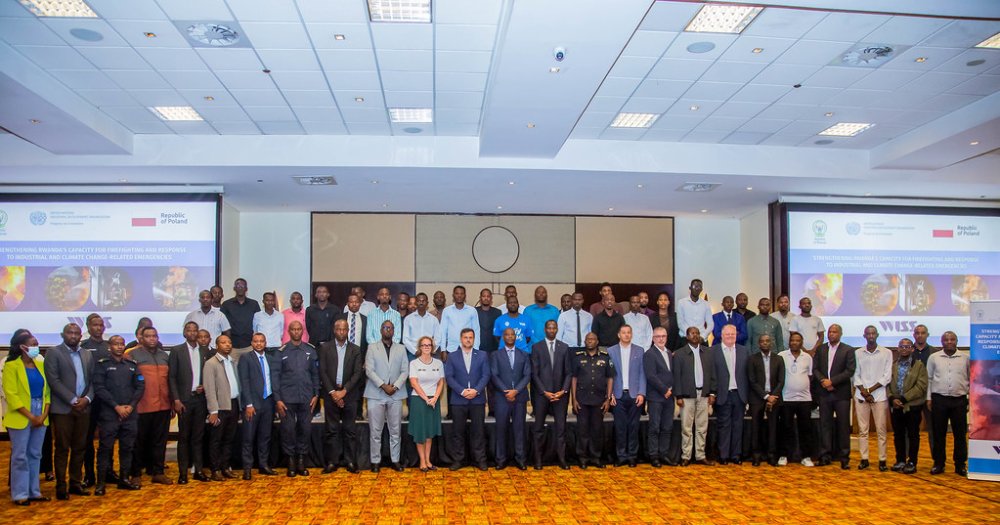
The figures were announced on August 20, 2026, during the official launch of a project aimed at strengthening Rwanda’s capacity to respond to fires and other emergencies.
The project is funded by Poland through the United Nations Industrial Development Organization (UNIDO).
As part of the project, an assessment was conducted to better understand the causes of fires in Rwanda.
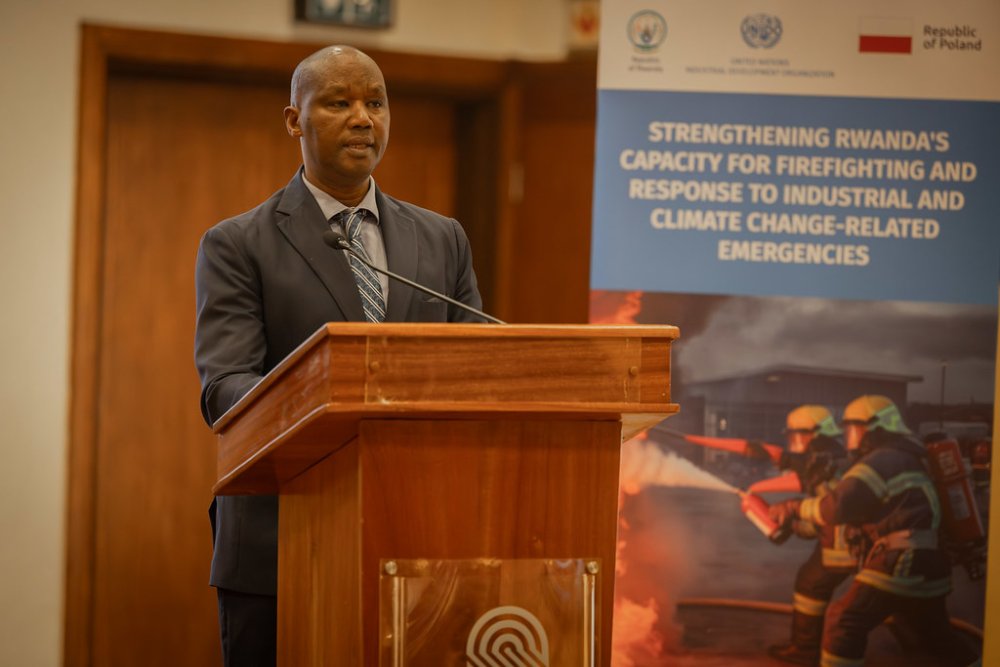
The Permanent Secretary in the Ministry of Internal Security, Benjamin Sesonga, said the Rwanda National Police plays an important role in fighting fires but cannot address the challenge alone.
He said cooperation with other institutions and young people is also needed to strengthen fire prevention and response.
“The Rwanda National Police has many responsibilities. We can also help by training young volunteers so that when we get equipment and broader training, we believe we will reach every citizen. When you do not work together with citizens, your activities do not reach everyone,” he said.
Sesonga said this was one of the reasons the project was launched, noting that Rwanda does not want people’s property and economic activities to be destroyed by fires.
“We do not want the development we have achieved, the businesses of Rwandans, or someone who establishes a billion-franc factory today to be reduced to ashes the next day. We are using this opportunity so that every individual understands what we are saying and puts the required measures into practice to prevent fires across the country,” he said.
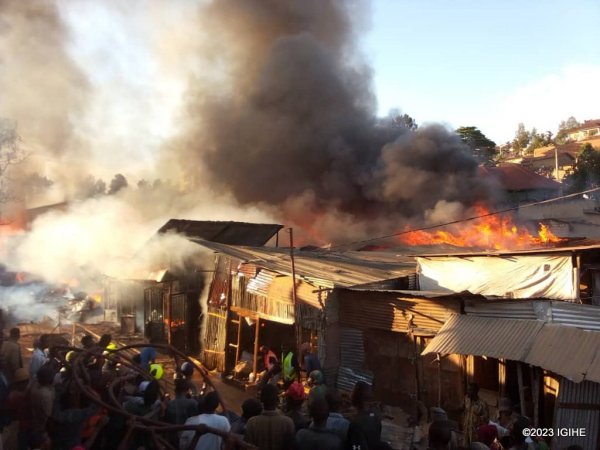
According to the figures presented, 71% of the fires recorded over the past five years were attributed to improper use of electricity, while 13% originated from cooking gas used in households.
Another 8% were linked to illegal activities, including hunting, while 5% were attributed to the improper mixing and storage of materials that can cause fires, including paint stored with gas or petroleum.
The remaining 3% were linked to strong winds and disasters, including landslides and floods, which disrupted electricity-generating infrastructure and resulted in fires.
The Rwanda National Police says more than 90,000 people have so far been trained in fire prevention and response across the country.
Ministry of Interior partners have backed project to strengthen Rwanda’s fire responseThe Permanent Secretary in the Ministry of Internal Security, Benjamin Sesonga, said the Rwanda National Police plays an important role in fighting fires but cannot address the challenge alone.Rwanda recorded 1,380 fire incidents over the past five years, resulting in the deaths of 28 people and damaging commercial buildings, workshops, vehicles and other property.
Montréal will host the 99th edition of the World Championships, following the 2025 edition held in Kigali, which was the first time the competition was staged on the African continent.
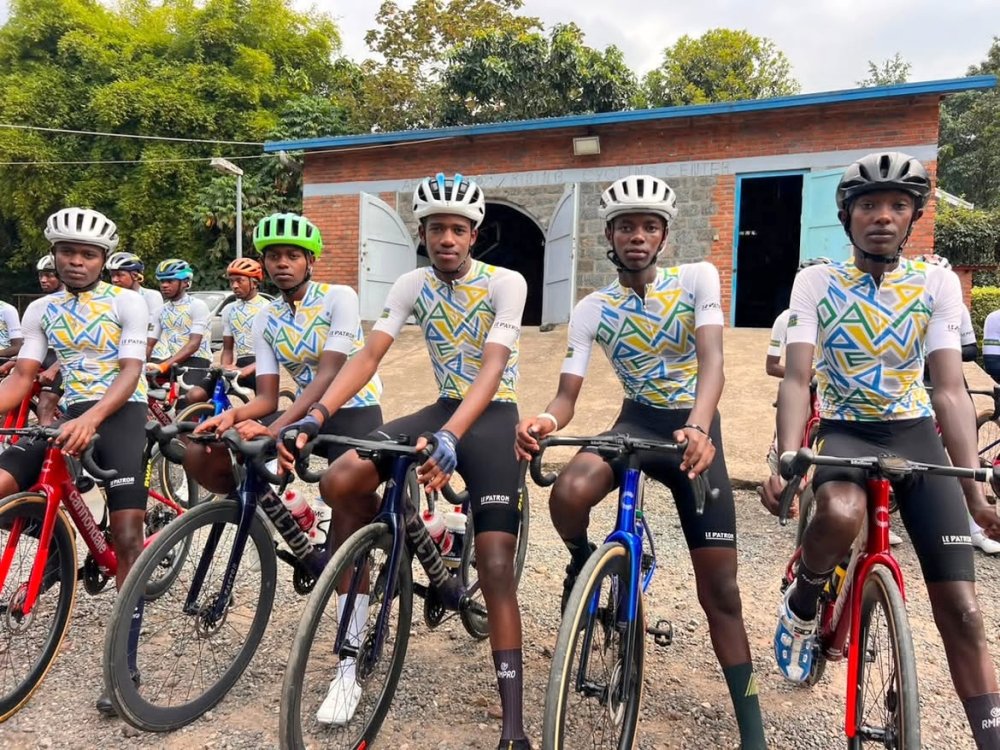
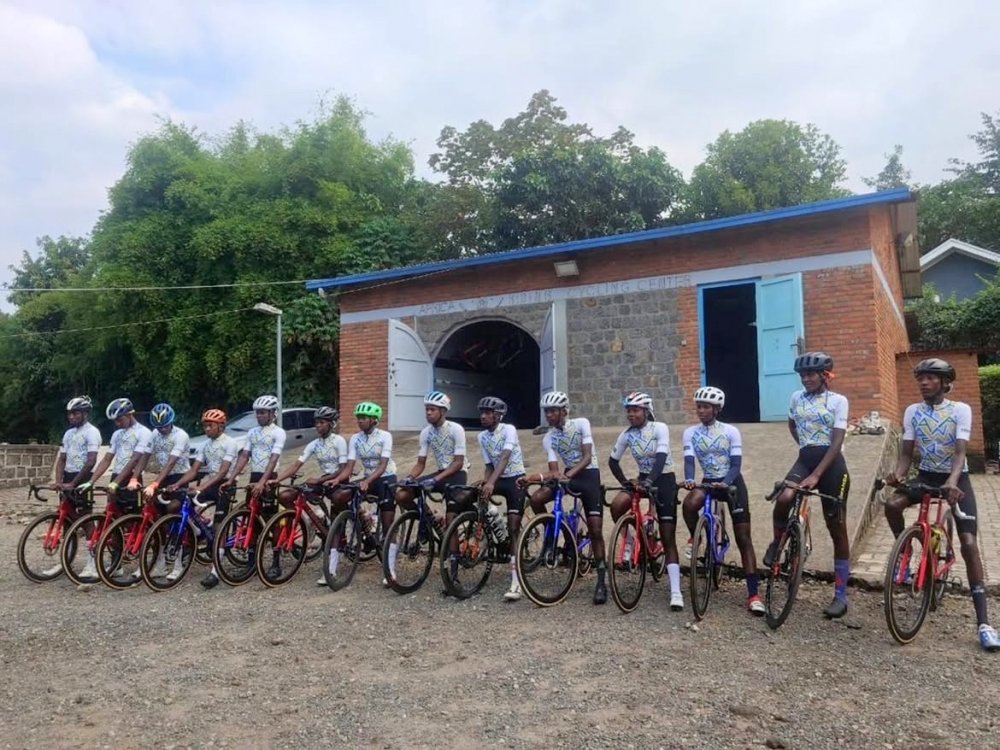
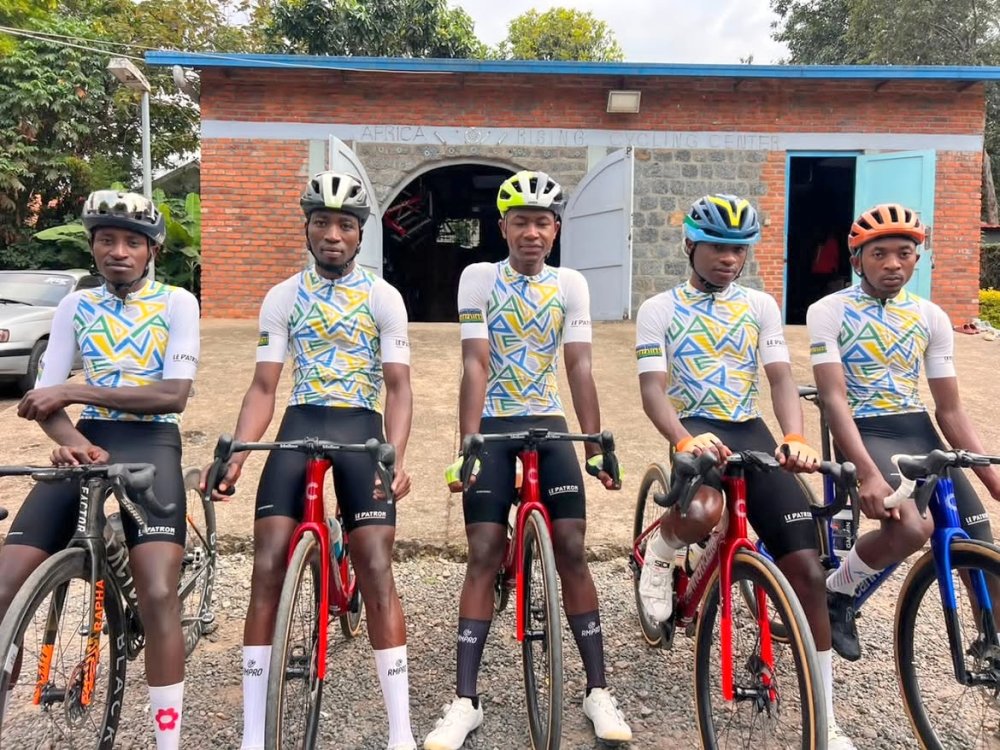
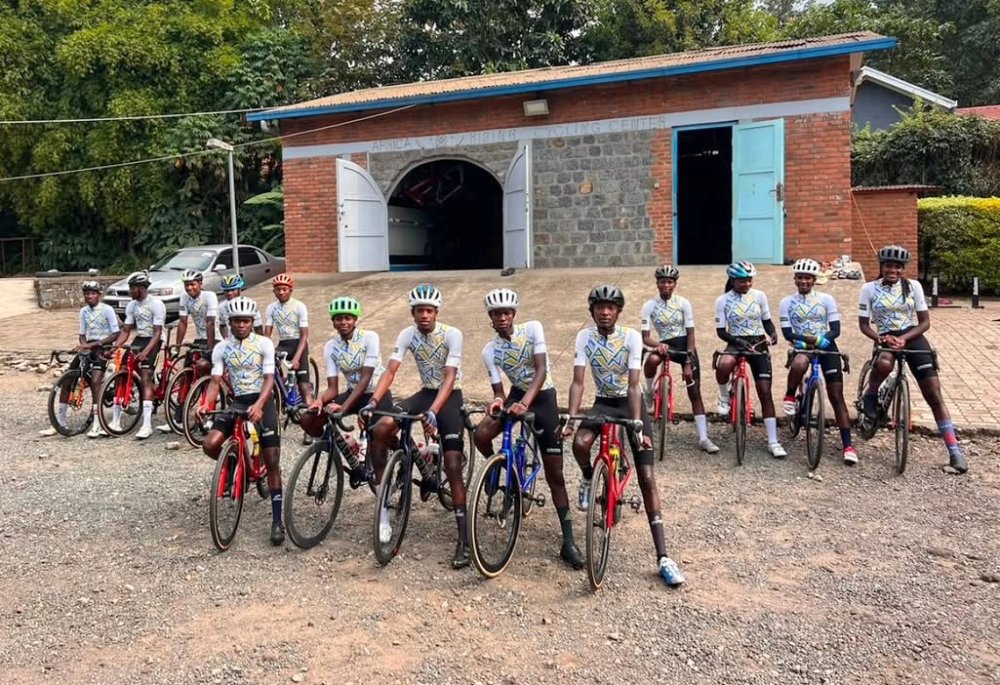
National team coach Félix Sempoma selected the 19 cyclists who began the training camp this week. Their preparations will run until September 16, 2026, before they travel to Canada for the World Championships scheduled for September 20-27.
The group includes cyclists competing in the elite men’s and women’s categories, Under-23 and junior categories for riders under the age of 19.
In the women’s junior category, those attending the training camp are Yvonne Masengesho, Donatha Akimana and Zawadi Kanyange.
The elite and Under-23 women’s group includes Xaveline Nirere, Claudette Nyirarukundo, Diane Ingabire, Liliane Uwiringiyimana (U23), Mariate Byukusenge (U23) and Jazilla Mwamikazi (U23), who is currently training in Europe.
In the men’s elite category, Shemu Nsengiyumva is the only rider above the age of 23. The other riders are Shadrack Ufitimana, Aimé Ruhumuriza, Kevin Nshutiraguma and Samuel Niyonkuru.
The junior men’s riders attending the training camp are Brian Ishimwe, Jackson Nkurikiyinka, Jonathan Rafiki Muhawenimana, Pacifique Byusa and Jules Mugabo.
In 2025, Rwanda was represented by 23 cyclists when the World Championships were held in Kigali.
Fourteen of those cyclists have been selected again for the 2026 preparations. They are Nsengiyumva Shemu, Niyonkuru Samuel, Ufitimana Shadrack, Ruhumuriza Aimé, Nshutiraguma Kevin, Ishimwe Brian, Byusa Pacifique, Nkurikiyinka Jackson, Ingabire Diane, Nyirarukundo Claudette, Uwiringiyimana Liliane, Mwamikazi Jazilla, Nirere Xaveline and Masengesho Yvonne.
The 19 cyclists selected for Rwanda’s World Championships preparations are training in Musanze ahead of the competition scheduled for September in Montréal.Rwandan cyclists are stepping up preparations for the 2026 World Championships, with 19 riders currently training at the UCI Regional Satellite Centre in Musanze.Nineteen Rwandan cyclists have entered a training camp in Musanze as they prepare for the 2026 UCI Road World Championships in Montréal, Canada.
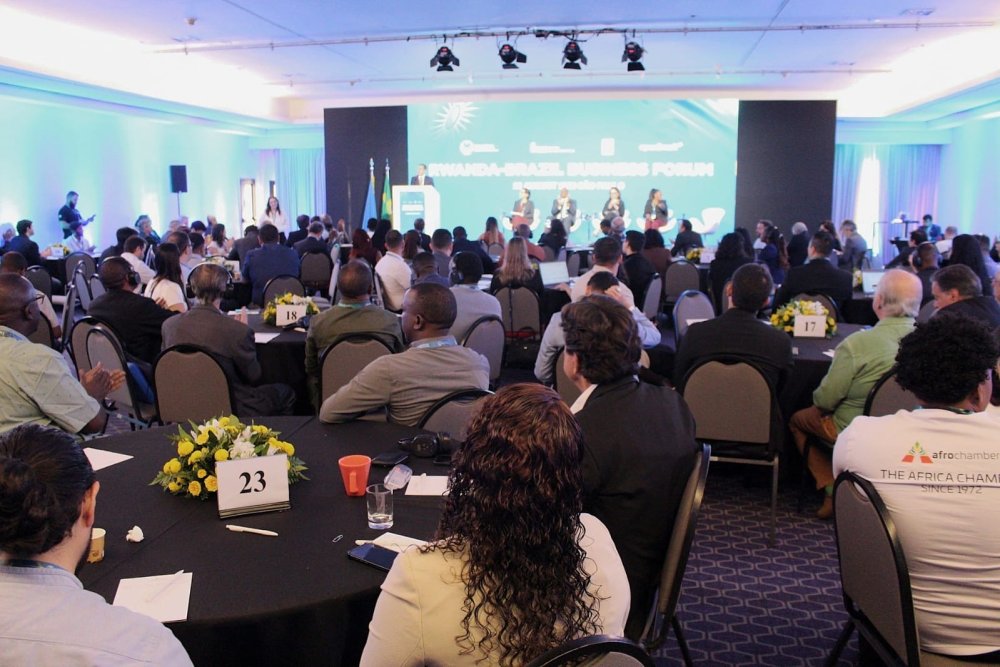
The forum took place on August 20, 2026, according to the Rwanda Development Board (RDB).
The event aimed to explore ways to further strengthen cooperation between Rwanda and Brazil while showcasing opportunities available in the African market.
Rwanda’s Ambassador to Brazil, Lawrence Manzi, said Rwanda offers Brazilian businesses seeking a foothold in Africa a strategic gateway.
“For Brazilian businesses seeking a foothold in Africa, Rwanda is the gateway of choice. Our ease of doing business and strategic location make Rwanda the perfect bridge to the continent,” Manzi said.
Claver Tuyishimire, Permanent Secretary at the Ministry of Trade and Industry, said Rwanda’s small size does not limit its investment opportunities.
“While Rwanda is small in size, it is vast in opportunity. Positioned at the heart of Africa and connected through the AfCFTA and regional markets, Rwanda provides a gateway to over 1.3 billion consumers across the continent,” Tuyishimire said.
The forum comes as Rwanda continues to encourage international investors to take advantage of opportunities in the country and its position as a bridge to different African markets.
In 2025, Rwanda registered investments worth $2.62 billion across 799 projects, up from 612 projects in 2024.
The newly registered investments were concentrated in sectors including real estate, manufacturing and mining.
Rwanda has set a target of doubling private investment to $4.6 billion by 2029.
Rwanda-Brazil ties
Rwanda and Brazil established diplomatic relations in 1981, and the two countries have since signed several agreements to strengthen bilateral cooperation.
In 2019, the two countries signed a Bilateral Air Services Agreement (BASA).
In 2011, Rwanda and Brazil also signed an agreement on cooperation aimed at strengthening food security.
Brazil is the world’s leading producer of coffee, soybeans, sugarcane and oranges.
Since 2022, Rwanda has imported wheat from Brazil after imports from Ukraine declined. Rwanda also imports products including sugar from Brazil.
In February 2026, the governments of Rwanda and Brazil signed an agreement providing a framework for cooperation in promoting trade, facilitating investment and strengthening cooperation in various sectors.
More than 200 Brazilian investors have discussed how to tap into opportunities offered by Rwanda.
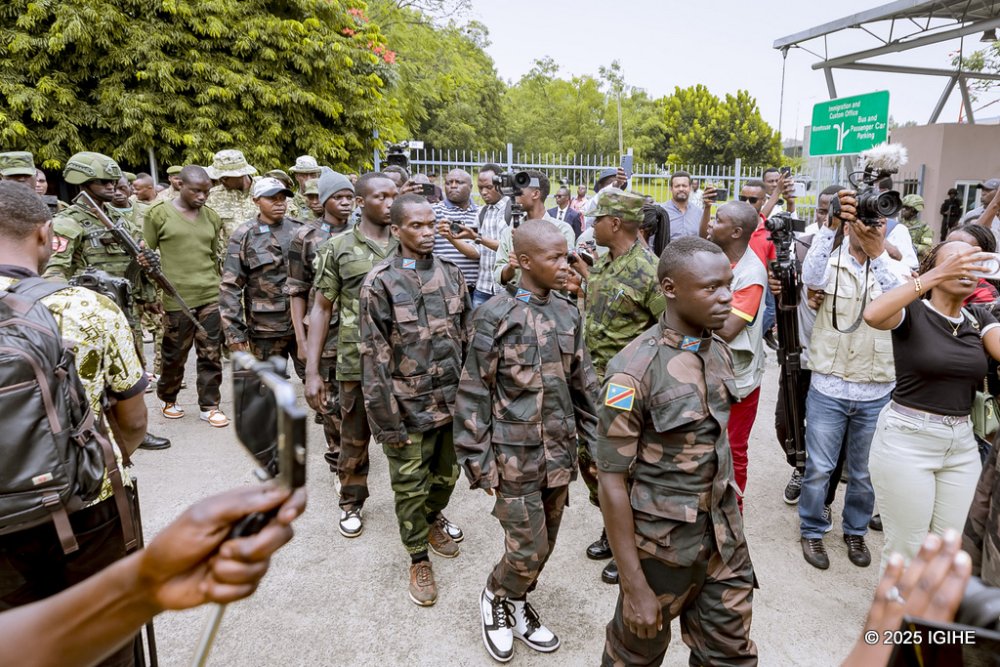
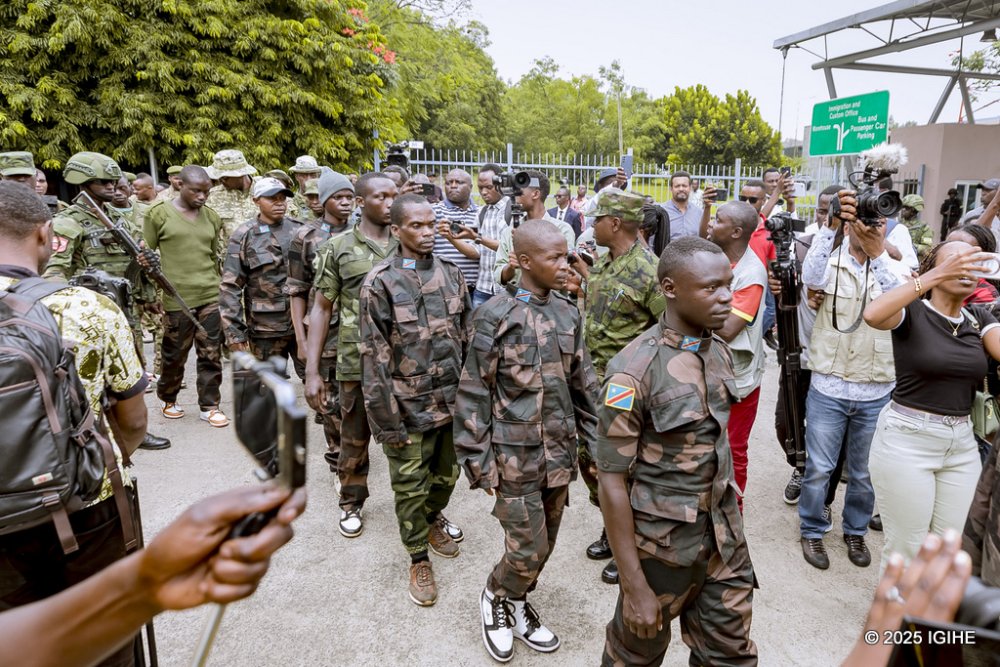
According to a former FDLR official, this belief was sustained through a combination of prophecies, rumours and teachings that circulated within the group for years.
He said the promises of an imminent victory encouraged some fighters to remain in the forests rather than abandon the armed struggle and return to civilian life.
The fighters were reportedly told that the time to “capture Rwanda” was approaching and that signs supporting the prophecy were already emerging. When the predicted victory failed to materialise, however, new explanations and further prophecies were reportedly used to maintain their morale.
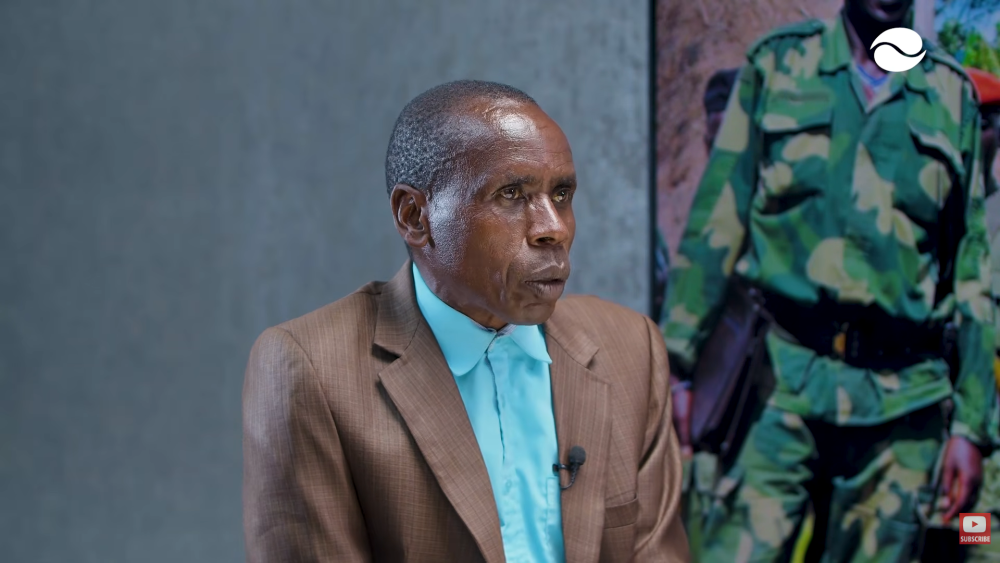
Pastor Niyonzima Jean Damascène, who previously served in the FDLR’s intelligence structures and was also involved in delivering prophecies within the group before returning to Rwanda in 2023, told IGIHE that the practice developed partly as a way of encouraging fighters who lacked the resources and military strength needed to achieve their objectives.
He said former Rwandan government soldiers, commonly known as Ex-FAR, and Interahamwe fighters who remained in eastern DRC had reorganised with the intention of attacking Rwanda but lacked sufficient military equipment.
“The people who remained in the east reorganised themselves so that they could attack Rwanda, but because they did not have the equipment, telling them to attack Rwanda had little effect because they did not have the strength to do so,” he said.
A prophet brought in to boost fighters’ morale
Niyonzima said the group subsequently sought the help of a prominent prophet from Masisi Territory, Nyiraruvugo Taciana, whom he described as a respected figure among local communities.
“To give them strength, there was a prophet named Nyiraruvugo Taciana from Masisi. We called her. She was a well-known person who was respected by the local population, and people believed that she delivered messages from God,” he said.
According to Niyonzima, Nyiraruvugo was brought in because the fighters were more likely to believe the message if it came from someone they regarded as a genuine prophet.
He claimed that the group instructed her to tell the fighters that God had given them Rwanda and that they would succeed if they launched an attack.
“She came and said what we had told her to say. We told her that she had to tell the soldiers that God had given us the country, that we should attack and that we would win. We also told her to say that although we lacked equipment, we would find what we needed once we reached Rwanda, and that this would help us capture the country,” Niyonzima said.
New prophecies after fighters’ defeat
Niyonzima said the FDLR subsequently attacked Rwanda but was defeated.
The defeat, he said, created a challenge for the group’s leadership because fighters had been assured that they would emerge victorious and seize power.
“We were defeated and returned to Congo. We then prepared other prophets because we had established groups of people responsible for prayer,” he said.
According to Niyonzima, the group then sought to explain the failed prophecy by telling fighters that the defeat was not evidence that God had lied.
Instead, he said, the fighters were told that they had failed to fulfil certain obligations and had committed acts that were presented as the reason for their defeat.
“We told those prophets that they had to explain to the people that the defeat did not mean God had lied to them. Instead, it was because there were responsibilities we had been given that we had not fulfilled. Some had become drunk, others had committed adultery, some had stolen, and others had killed innocent people. That was presented as the reason we were defeated,” he said.
Niyonzima said fighters were subsequently told that the prophecy remained valid and that they needed to repent for the alleged wrongdoing before resuming their efforts to attack Rwanda and seize power.
The former FDLR member’s account illustrates how, according to his testimony, religious beliefs and prophecies were allegedly used to maintain morale within the group and encourage fighters to remain committed to its armed struggle despite setbacks and failed predictions.
Former FDLR members who returned have undergone rehabilitation and reintegration into civilian life.
Using prophecies to keep fighters committed to the armed struggle
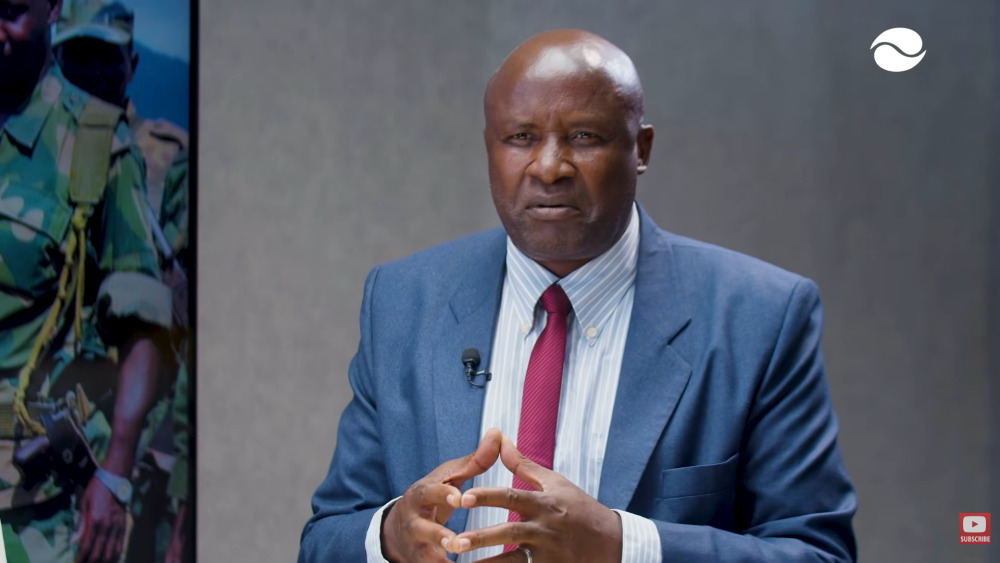
Maj. (Rtd.) Makuza Anastase, who worked closely with FDLR president Lt. Gen. Victor Byiringiro for 19 years in communications before returning to Rwanda in 2020, said the prophecies used within the group had nothing to do with divine messages but were instead decisions made by its leadership.
“We attributed them to God, but in reality, they were decisions made during meetings of the leadership. If an attack on Rwanda was being planned, we needed to prepare the soldiers and refugee population so that they would understand the plan. The decisions made during those meetings would then be presented through prayer gatherings, where people would pray for an operation that was about to be carried out in Rwanda,” he said.
According to Makuza, the prophets would then deliver messages telling fighters that victory was certain.
“They would say, ‘I have seen us capturing Rwanda. I have seen the leaders preparing us to attack Rwanda. We will attack Rwanda and capture it.’ These were fabricated stories. We made them up to deceive people,” he said.
Makuza said FDLR leaders gave special treatment to those presented as prophets and elevated them within the group so that they would not leave and reveal that the prophecies were fabricated.
He said the group also benefited from the arrival in the Democratic Republic of Congo of people accused of involvement in the 1994 Genocide against the Tutsi who had fled Rwanda.
According to Makuza, such individuals could be presented to FDLR fighters and civilians as prophets rather than refugees.
“Let me put it this way: when someone who had committed genocide here and fled justice arrived, we considered that a gain for us. We did not call that person a refugee. We called them a prophet and introduced them to soldiers and civilians by saying, ‘A prophet has arrived,’” he said.
Makuza said those who had fled were instructed not to tell fighters that they were running from justice. Instead, they were expected to claim that they had voluntarily left Rwanda, abandoned everything they owned and joined the FDLR because they believed the time to capture Rwanda was approaching.
“We would take them around to visit soldiers at their positions and civilians, where they would give their testimony. They would then say, ‘God sent me to tell you to prepare yourselves.’ They had fled justice, but we did not want them to be seen as refugees,” he said.
‘Oracle du Seigneur’ attack
In 2001, FDLR fighters launched a major attack on Rwanda that they called ‘Oracle du Seigneur’, meaning “Oracle of the Lord.”
Makuza said the attack was based partly on prophecies used to convince fighters that they were going to capture Rwanda.
“That attack was called ‘Oracle du Seigneur.’ We had prepared prophets to tell the fighters that the time had come to attack Rwanda. We knew what we had planned and that we were going to fight, but those we were leading believed they were taking part in a plan ordained by God,” he said.
Makuza said many FDLR fighters were captured during the operation, while those who survived returned to the DRC.
He said the surviving fighters were then brought together for morale-building sessions accompanied by prayers. According to him, prophets told them that the attack had failed because the fighters had committed sins, including sexual misconduct.
Pastor Niyonzima Jean Damascène also recalled an occasion when he and other FDLR fighters were preparing to launch a major attack on Rwanda.
He said that when they reached the Virunga area, they stopped to pray, during which prophets allegedly claimed they had seen the Gisenyi-Ruhengeri road captured.
“There was a time when we reached the Virunga area and stopped to pray. The prophets said, ‘We can see that the Gisenyi-Ruhengeri road has been captured. We can see soldiers moving towards Kigali.’ I remained in the Virunga area, while the soldiers we had travelled with had come from Rutshuru. There were about 2,000 soldiers, but we returned with no more than 50. The others were either captured or killed,” he said.
Former members urge fighters to leave the FDLR
Makuza and Niyonzima both described the prophecies used within the FDLR as fabricated messages intended to influence fighters and maintain their morale.
They urged those who remain in the group, particularly young fighters, to stop relying on such messages and to reject what they described as manipulation by older members.
They called on FDLR members to abandon the armed group, return to Rwanda and rebuild their lives, following the example of former fighters who have already returned and begun new lives.
Pastor Niyonzima Jean Damascène said that the FDLR’s use of prophecies began with Nyiraruvugo Taciana, a well-known prophet from Masisi.Young FDLR fighters are misled by self-proclaimed prophets who promise that they will capture Rwanda, keeping them in the forests of the DRC because of that belief.Maj. (Rtd.) Anastase Makuza said FDLR leaders knew the prophecies were fabricated, while young fighters believed their attacks were part of God’s plan.
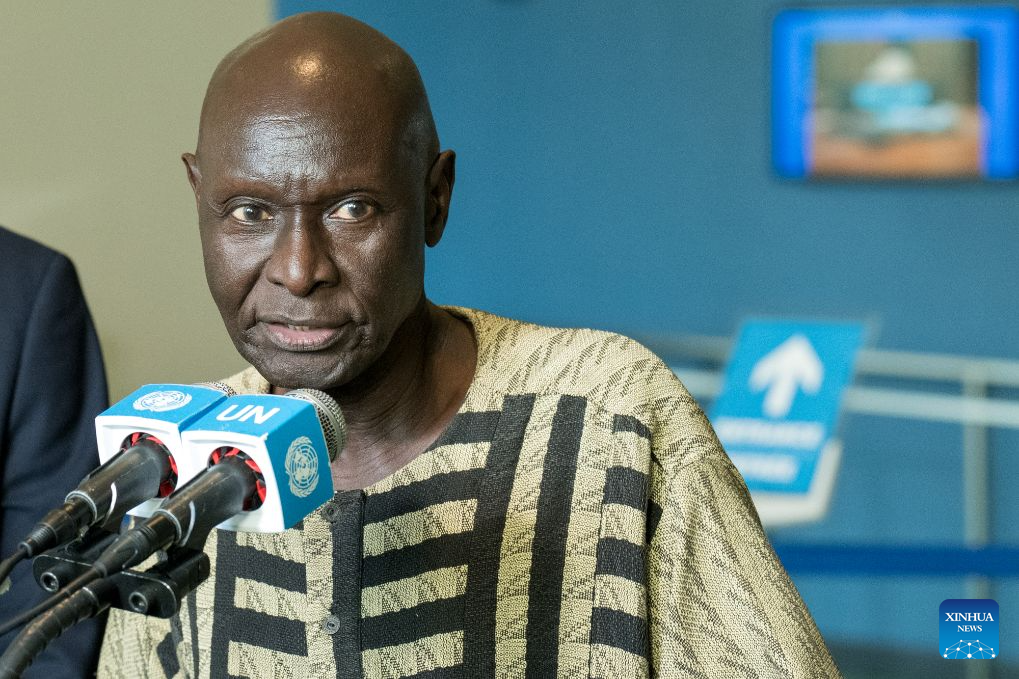
In Wednesday’s dialogue, Ugandan diplomat Olara Otunnu, who was nominated by his country, said the immediate priority must be given to the proliferation of increasingly deadly conflicts that threaten to engulf entire regions and the world.
He promised to support UN member states to end the Ukraine crisis, address the Gaza crisis, support the peace deal between Rwanda and the Democratic Republic of the Congo, work with the African Union and other global partners to end the conflict in Sudan, support ongoing diplomatic efforts to bring about a comprehensive peace agreement in the Iran conflict, and support a more coordinated and concerted counter-terrorism response in the Horn of Africa and the Sahel.
Otunnu also vowed to rebuild consensus on human rights, reform UN, alleviate the fiscal crunch and innovate UN financing, harness the unprecedented opportunities of artificial intelligence, deepen cooperation between UN and regional organizations, and reconnect the global public to UN.
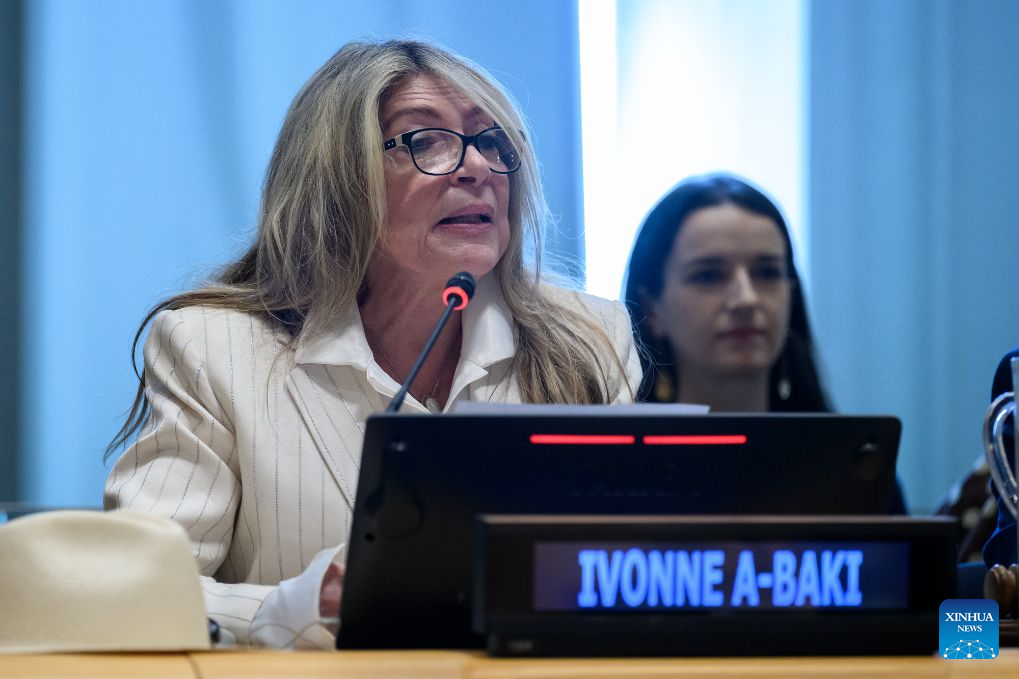
In Thursday’s dialogue, Ecuadoran diplomat Ivonne A-Baki said she wants to be a leader rather than a manager, if selected as the next UN secretary-general.
“A manager is someone who follows a mission statement. A leader is someone who follows a north star,” said A-Baki, who was nominated by Tonga. “My north star for this world body is not necessarily reform. It’s renewal. Renewal of the promise of building peace and preventing war. Renewal of the promise to promote human dignity and social progress and renewal of the vision that the UN can be the one body where nations of the world can work together to achieve more than nations working alone.”
She promised to commit to direct and delegated peacekeeping and peacemaking, Security Council modernization, resolving development debt and unlocking finance, and safeguarding human dignity in the age of artificial intelligence.
The UNGA began to convene interactive dialogues with candidates for the next UN secretary-general in late April.
The other six candidates have attended interactive dialogues one by one.
Current UN Secretary-General Antonio Guterres’ term of office expires at the end of this year. The next secretary-general will take over the role on Jan. 1, 2027.
Ecuadoran diplomat Ivonne A-Baki, a candidate for the next UN secretary-general, speaks at an interactive dialogue with UN member states at the UN headquarters in New York, Aug. 20, 2026. The UN General Assembly (UNGA) on Wednesday and Thursday held respective interactive dialogues with two candidates for the next UN secretary-general. (Loey Felipe/UN Photo/Handout via Xinhua)Ugandan diplomat Olara Otunnu, a candidate for the next UN secretary-general, speaks to reporters after an interactive dialogue with UN member states at the UN headquarters in New York, Aug. 19, 2026. The UN General Assembly (UNGA) on Wednesday and Thursday held respective interactive dialogues with two candidates for the next UN secretary-general. (UN Photo/Handout via Xinhua)
The warning came as the DRC government launched an emergency initiative Thursday to reinforce surveillance along the Congo River, seeking to prevent one of Central Africa’s busiest transport corridors from carrying the virus toward major cities, including the capital Kinshasa.
According to the latest figures from the DRC’s health authorities, as of Aug. 18, 5,208 confirmed cases, including 2,476 deaths, had been reported across six provinces, with a case fatality rate of 47.5 percent. Another 1,115 patients had recovered.
Hidden casses, missing transmission chains
The Africa Centers for Disease Control and Prevention (Africa CDC) said Thursday that modeling conducted jointly with the DRC’s National Institute of Biomedical Research and other partners suggested that the actual burden was substantially higher than confirmed figures indicated.
“We are detecting just 30 to 40 percent,” Kyeng Mercy, an Africa CDC official, said at an online press briefing Thursday. “If you have to look at the real burden, we should be over 10,000 to 15,000 cases.”
Mercy cautioned that the figures were model-based estimates and therefore subject to uncertainty, but said multiple indicators consistently pointed to significant under-detection.
“Models also have their caveats in terms of uncertainty,” said Mercy. “We are just saying that we are not detecting as much as we should, based on certain indicators.”
Yap Boum II, head of emergency preparedness and response at Africa CDC, said Thursday at the online briefing that based on the assessment, the outbreak could be three times the current size in terms of the number of confirmed cases.
He also said that fewer than 10 percent of detected cases are currently among known contacts, while fewer than 40 percent of cases have an epidemiological link to another confirmed infection.
The relatively milder and less typical clinical presentation of Bundibugyo Ebola, compared with disease caused by the Zaire ebolavirus, may also discourage some infected people from seeking treatment, further obscuring the outbreak’s true scale, he added.
Jean Kaseya, director-general of Africa CDC, told Congolese media Wednesday that the epidemic “is not under control,” warning that the outbreak could eventually surpass the scale of the 2014-2016 West Africa epidemic unless major changes were quickly made to the response.
“We may go further than what we’ve seen in West Africa,” Boum also warned, while stressing that a shift in response strategy could still bend the epidemic curve.
Kaseya has also said evidence suggests transmission may have begun around February, months before the outbreak was formally declared on May 15. The number of infections and deaths during that undetected period remained unknown and could substantially add to the current official tally, he added.
Congo River becomes new front line
Against that backdrop, the DRC government on Thursday launched the “Congo River Without Ebola” initiative, aimed at preventing the country’s main river transport artery from becoming another route for the virus to spread.
The plan is designed to block transmission toward major riverside population centers, particularly Kinshasa, a megacity of nearly 20 million people where no Ebola case has been confirmed, while reducing the risk of cross-border spread to the Republic of the Congo and the Central African Republic.
The Congo River is one of Central Africa’s main economic and transport arteries, carrying thousands of passengers, traders and transport operators each day, according to the regional bureau of the WHO.
Health officials fear that such intense mobility could allow undetected infections to travel long distances before symptoms are recognized.
Measures under the initiative include reinforced screening and surveillance at ports and along river routes, community early-warning networks, expanded isolation and treatment capacity in key hubs, as well as mobile floating laboratories and preparations for the possible quarantine of vessels.
The initial intensive phase will last three months, focusing on equipping control points, strengthening local response capacity and raising awareness among riverside communities.
Body Ilonga, secretary-general of the DRC’s health ministry, said Thursday the priority is to rapidly identify suspected infections and break chains of transmission.
The initiative is supported by an inter-agency mechanism involving the WHO and several other UN agencies, with 9 million U.S. dollars in catalytic funding mobilized through the UN Office for the Coordination of Humanitarian Affairs.
The river plan adds a new geographic layer to an outbreak that has already expanded rapidly overland. Africa CDC said Thursday that growing transmission in the DRC’s northern Bas-Uele province, near the Central African Republic, has also made cross-border surveillance increasingly urgent.
“The entire continent has to be on high alert,” Mercy said, adding that the highest risks were currently concentrated in parts of East and Central Africa.
Response shifts to villages, vaccines
Health authorities are meanwhile seeking to overhaul the response after Kaseya acknowledged Wednesday that “the approach has not been the best.”
Africa CDC and the DRC government are increasingly shifting from conventional contact tracing toward what they call a “village-centered response,” particularly in hotspots where transmission has become too widespread for individual contact lists to capture.
Under the approach, village chiefs and community health workers would help conduct house-to-house searches, report alerts, identify suspected infections and link families directly with health facilities and response teams.
The strategy is also intended to address persistent distrust that has partly led to delayed treatment, community deaths and resistance to response teams.
Vaccination is also set to become a larger part of the response. An initial 70,000 doses of Ervebo vaccine would be allocated to the DRC, although the vaccine is licensed against Zaire ebolavirus rather than the Bundibugyo strain.
According to the WHO, the International Coordinating Group on Vaccine Provision informed the DRC government of the immediate release of an initial 70,000 doses.
The DRC authorities plan to use the doses both for research and among frontline and at-risk populations, based on emerging evidence that the vaccine may offer some cross-protection.
Kaseya said Wednesday that the first doses were expected to arrive within days.
“The current trajectory must change, and it should change,” Kaseya said.
“I think the population can hope that, with all the measures we are going to put in place, we will be able to stop this outbreak,” Kaseya added.
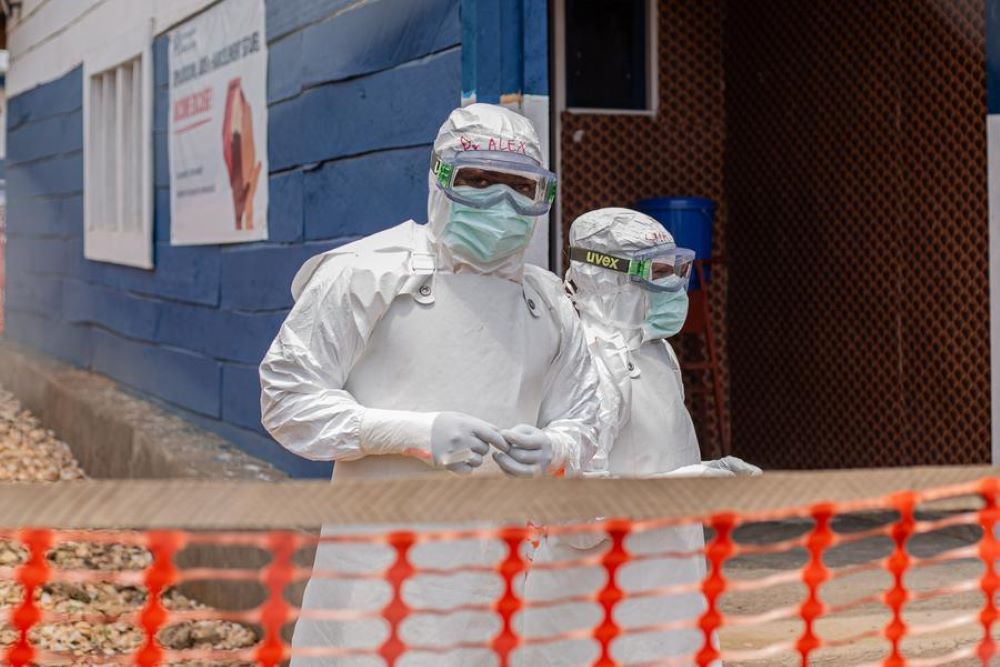
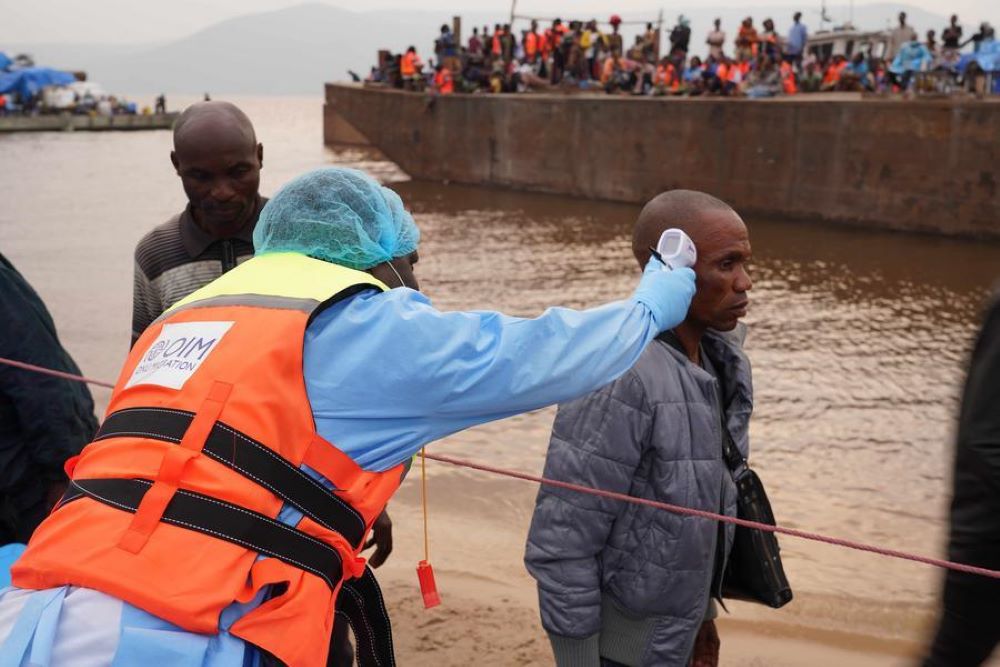
A staff member of the International Organization for Migration (IOM) takes temperature of a passenger from an intercepted boat outside Kinshasa, capital of the Democratic Republic of the Congo (DRC), Aug. 6, 2026. (Xinhua)Medical workers are pictured at an Ebola treatment center in Beni, North Kivu Province, the Democratic Republic of the Congo, Aug. 16, 2026. (Xinhua)
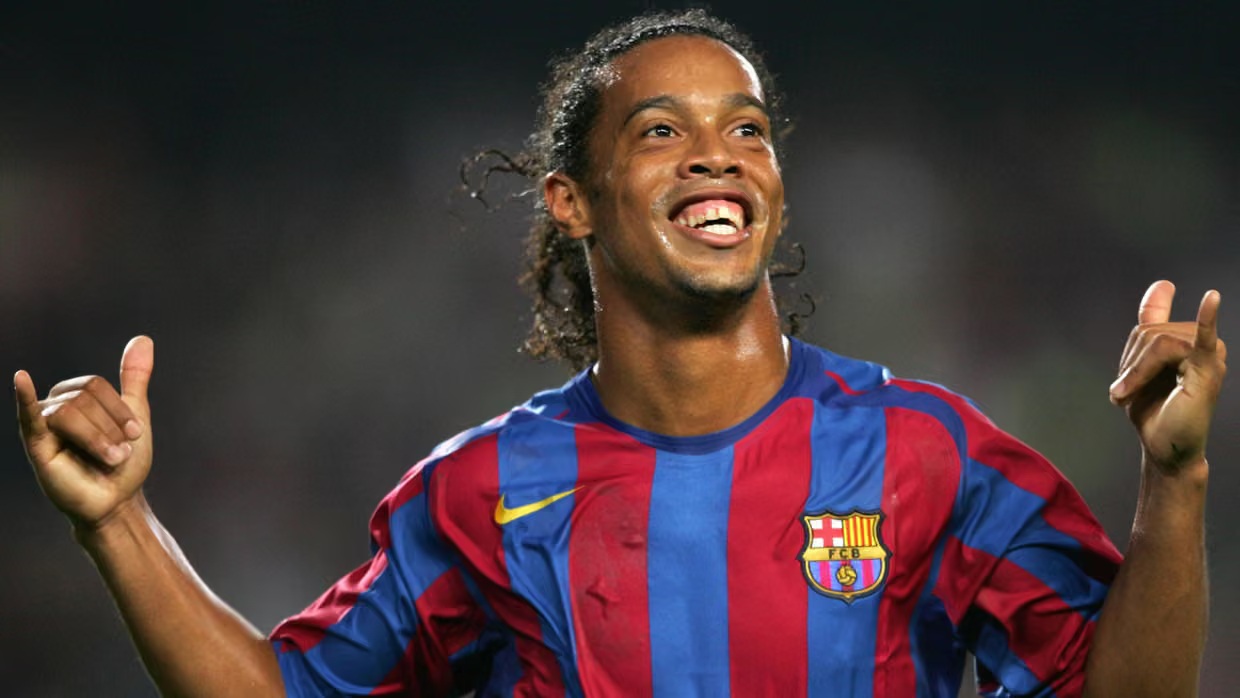
The former Ballon d’Or winner arrived in Italy on Thursday ahead of his official presentation, which is expected to be the centrepiece of a lavish “Ronaldinho Day” celebration on the Adriatic coast.
Thousands of supporters are expected to attend the beach event, where Ravenna will unveil its squad ahead of the 2026-27 season.
Ronaldinho’s return comes more than 11 years after his last competitive appearance for Fluminense in 2015. His decision to join Ravenna was announced in June as part of a wider agreement involving the club’s ownership group.
Ravenna president Ignazio Cipriani, a member of the family behind the famous Cipriani restaurant and hospitality business, has stressed that Ronaldinho’s involvement goes beyond publicity.
“This is not window dressing or a marketing stunt,” Cipriani said.
🚨 Ronaldinho has arrived in Italy ahead of signing for Ravenna! 🤯
The Brazilian legend will be officially unveiled tonight and has one final ambition in mind: to score the last professional goal of his career in a Ravenna shirt.
Ronaldinho is set to become a shareholder in the club and, remarkably, is also expected to take part in at least one official match during the season.
Cipriani has revealed the Brazilian has a particularly romantic ambition for his comeback: to score one final goal before bringing the curtain down on his playing career.
“His goal is to score his final goal in a Ravenna shirt,” Cipriani said.
It remains unclear exactly when Ronaldinho will take to the pitch. He has not been part of Ravenna coach Andrea Mandorlini’s pre-season preparations, meaning he is unlikely to feature in the club’s opening Serie C fixture against Reggiana.
Cipriani previously suggested Ronaldinho could play in a home league match, with his involvement dependent on his fitness and other circumstances.
The Brazilian enjoyed a glittering career that also included spells with Paris Saint-Germain, Barcelona, Atletico Mineiro and Mexican club Queretaro.
The comeback represents a remarkable second chapter in Italy for Ronaldinho, who spent two and a half seasons with AC Milan after joining the Rossoneri in 2008. He later moved to Flamengo in January 2011.
The Brazilian enjoyed a glittering career that also included spells with Paris Saint-Germain, Barcelona, Atletico Mineiro and Mexican club Queretaro.
At international level, Ronaldinho earned 97 caps for Brazil and was part of the team that won the 2002 World Cup. Three years later, he claimed the Ballon d’Or after a sensational spell at Barcelona.
Now, more than a decade after his final competitive appearance, one of football’s most celebrated entertainers is preparing to lace up his boots again.
For Ravenna, the hope is that Ronaldinho can provide one last moment of magic, and perhaps score the final goal of a career that has already delivered countless unforgettable ones.
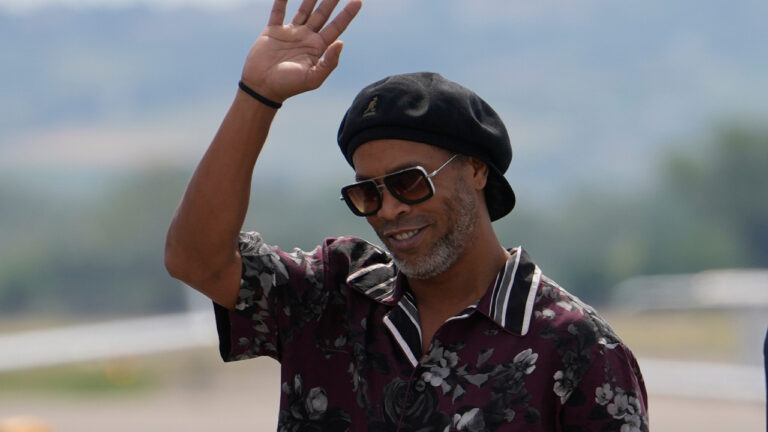
Former soccer star Ronaldinho acknowledges the media as he arrives at the airport ahead of the Ravenna Serie C 2026 soccer team presentation, joining the club as a technical coach and playing in one match in Ravenna, Italy.
But there is much more to the experience than the famous one-hour encounter. Rwanda’s mountain gorillas form part of the wider Virunga Massif, a transboundary ecosystem shared with different countries, meaning some of their characteristics and behaviours are shared across the population.
This article focuses on Rwanda’s gorillas while celebrating the country’s conservation success, brought to life each year through Kwita Izina, its annual gorilla naming ceremony that has attracted global figures and conservation champions since its launch in 2005.
Rwanda is preparing to name 22 baby mountain gorillas during the 21st Kwita Izina ceremony on September 4, 2026, in Kinigi, Musanze District, bringing the number of gorillas named through the annual ceremony to 460.
Drawing on decades of field research in Rwanda’s Volcanoes National Park, including the long-running work of the Karisoke Research Center established by Dian Fossey, the Dian Fossey Gorilla Fund and other scientific studies, here are 10 fascinating things you may not know about Rwanda’s mountain gorillas.
1. They rarely drink water
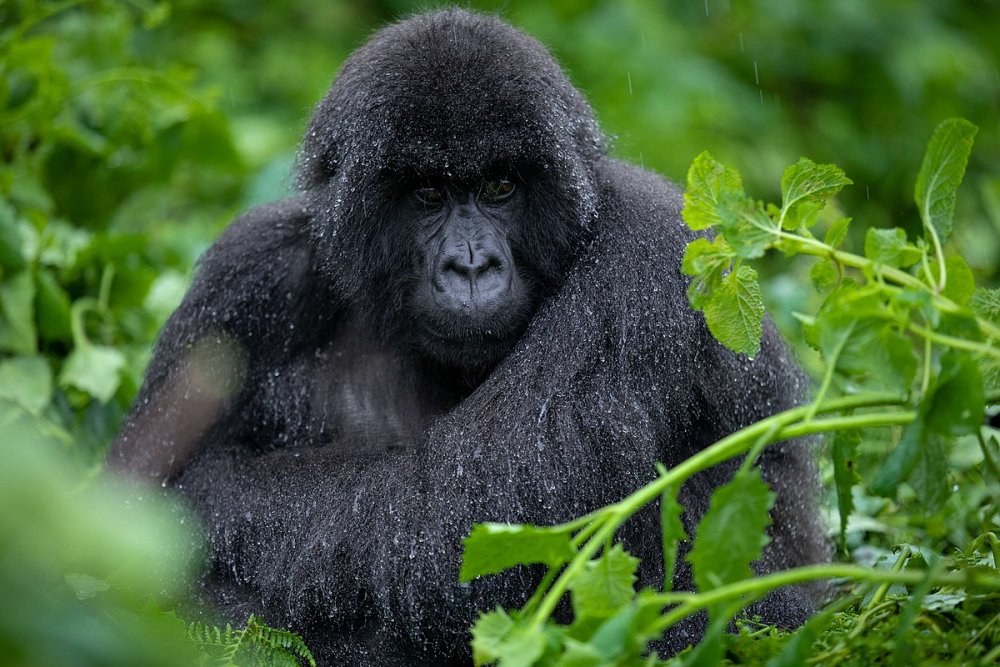
Mountain gorillas get much of the water they need from the plants they eat, meaning they rarely need to drink from streams, puddles or other free-standing water sources.
A study of mountain gorillas in Rwanda and Uganda found that the vegetation they consume typically contains 60% to 90% water. In Rwanda’s Virunga population, researchers observed gorillas drinking water on just 0.6% of observation days.
Interestingly, the study also found that gorillas drink more frequently as temperatures rise, suggesting that hotter conditions could increase their reliance on free-standing water.
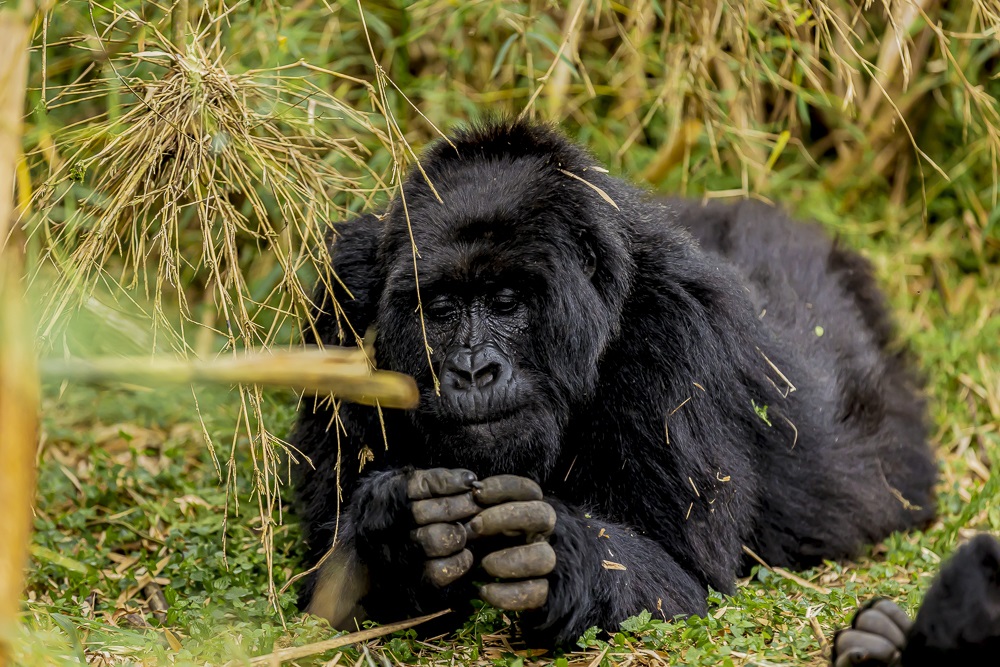
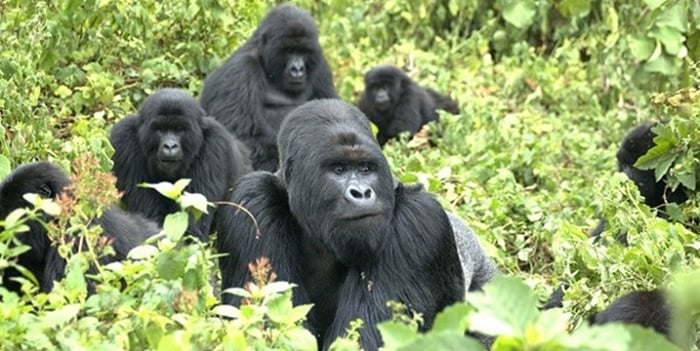
Mountain gorillas are among Rwanda’s most remarkable wildlife treasures, offering visitors a rare glimpse into their complex social lives.
2. They can eat up to 30 kilograms of vegetation a day
Mountain gorillas spend a large part of their day feeding.
Tourism information show, an adult gorilla can consume up to about 30 kilograms of vegetation daily, including bamboo, leaves, stems and other plants.
3. Silverbacks are the leaders of their groups
The distinctive silver hair across an adult male’s back is where the term silverback comes from.
But a silverback is more than the most recognisable member of a gorilla family. Dominant silverbacks lead and protect their groups, while also playing an important role in maintaining social order.
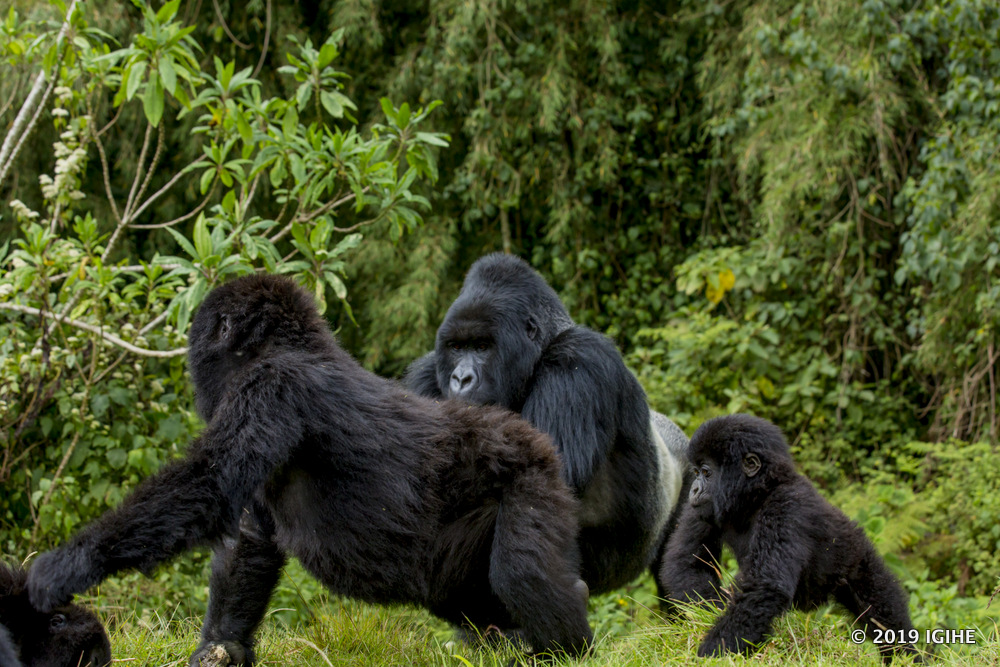
Gorilla groups can also contain more than one adult male, making their social structures more complex than the typical image of a single male surrounded by females and young gorillas.
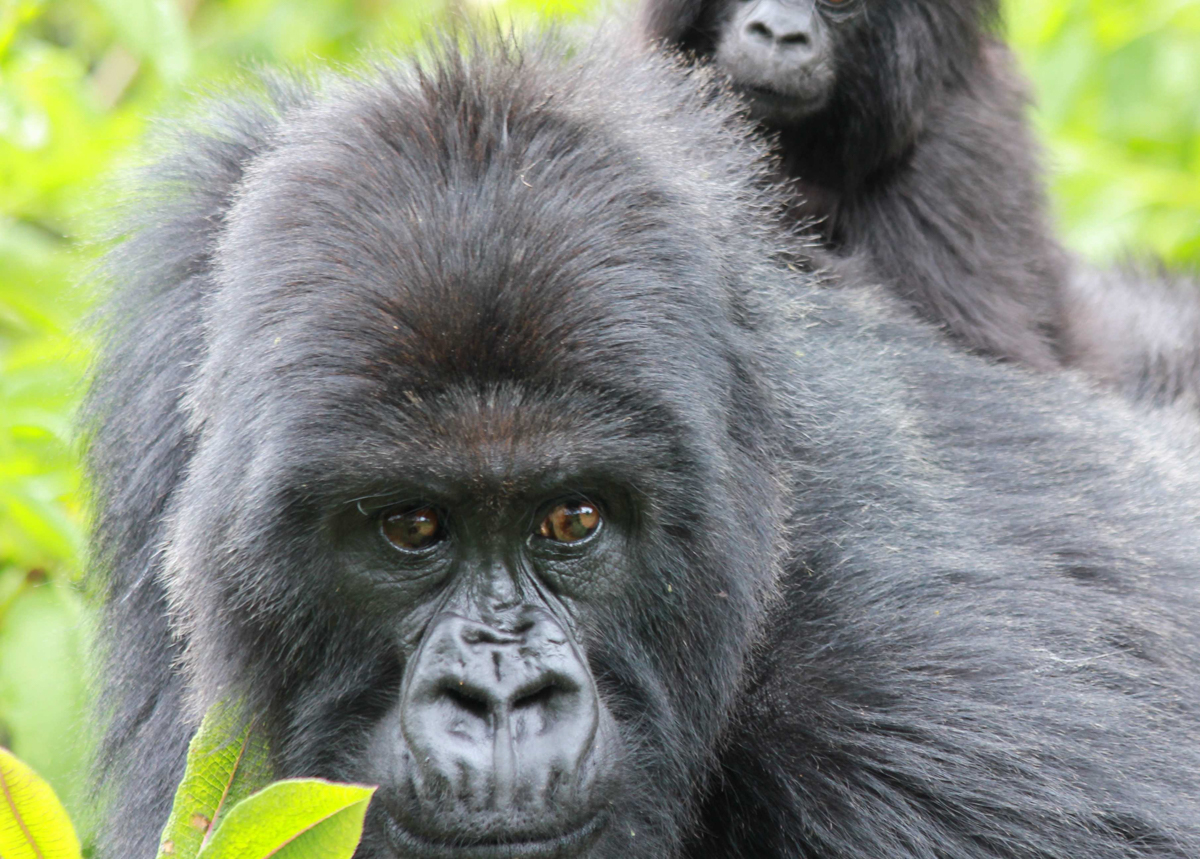
From their feeding habits to their family bonds, Rwanda’s mountain gorillas have many fascinating traits that continue to captivate visitors and researchers.
4. They build a new bed almost every night
Mountain gorillas do not have permanent sleeping quarters.
Instead, they construct nests from vegetation where they settle for the night. The nests are generally rebuilt regularly, meaning a gorilla family’s sleeping place can change from one night to the next.
For trackers, these traces can also provide clues when following a group through the forest.
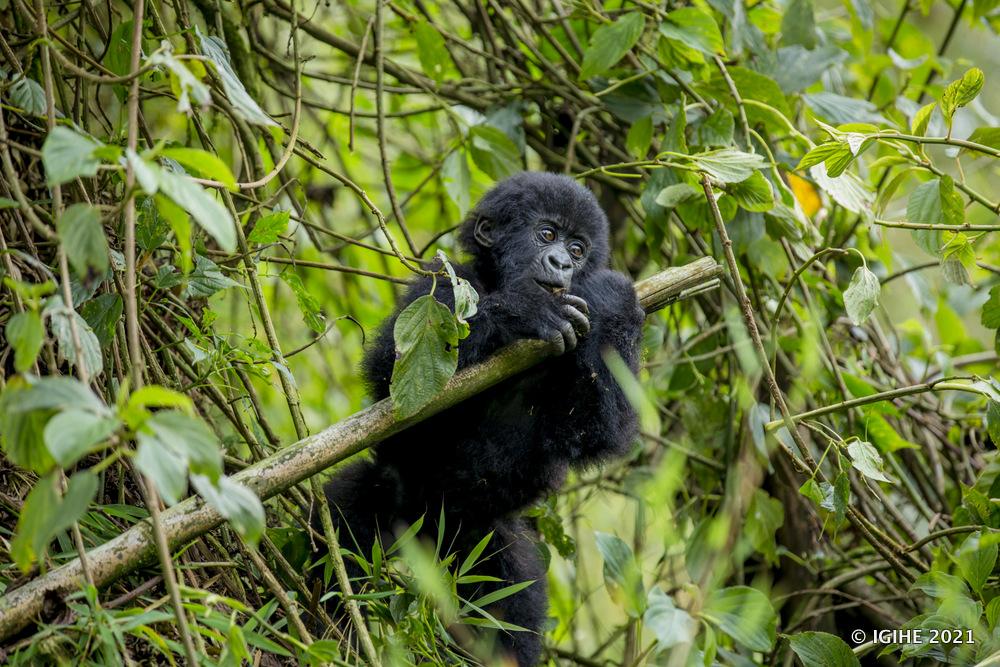
5. Gorilla babies are tiny compared with adults
An adult male mountain gorilla can weigh well over 100 kilograms, yet newborns weigh only around 2 kilograms.
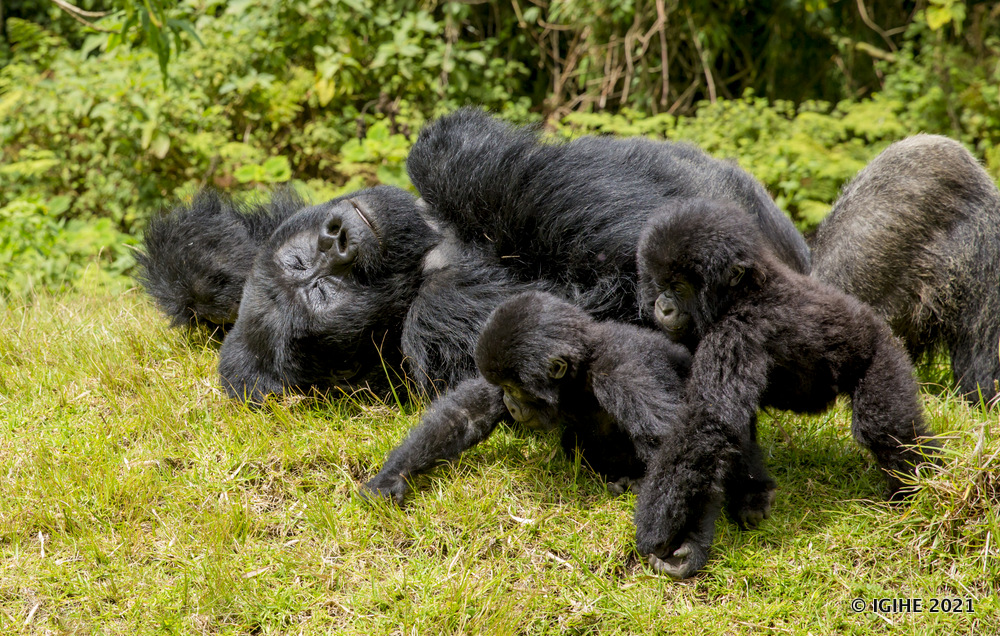
Young gorillas remain highly dependent on their mothers during their early years and gradually become more independent as they grow.
For visitors, seeing an infant clinging to its mother or playing around other youngsters can be one of the highlights of a trek.
6. They communicate in more ways than tourists might expect
Gorillas communicate through vocalisations, body movements and other behaviours.
Chest beating, for example, is one of the behaviours most associated with gorillas, but it does not always mean aggression. Depending on the situation, it can form part of social communication or display.
Experienced trackers become familiar with the different behaviours of individual animals and groups.
7. They are remarkably close to humans
Mountain gorillas share more than 98% of their DNA with humans, according to Rwanda’s tourism information.
That biological connection is reflected in behaviours visitors can easily recognise; mothers caring for their young, juveniles playing and members of a group interacting with one another.
It is part of what makes watching them feel so strangely familiar.
Gorilla conservation has become an important part of Rwanda’s tourism story, attracting visitors from around the world to Volcanoes National Park.
8. The gorillas tourists meet are still wild animals
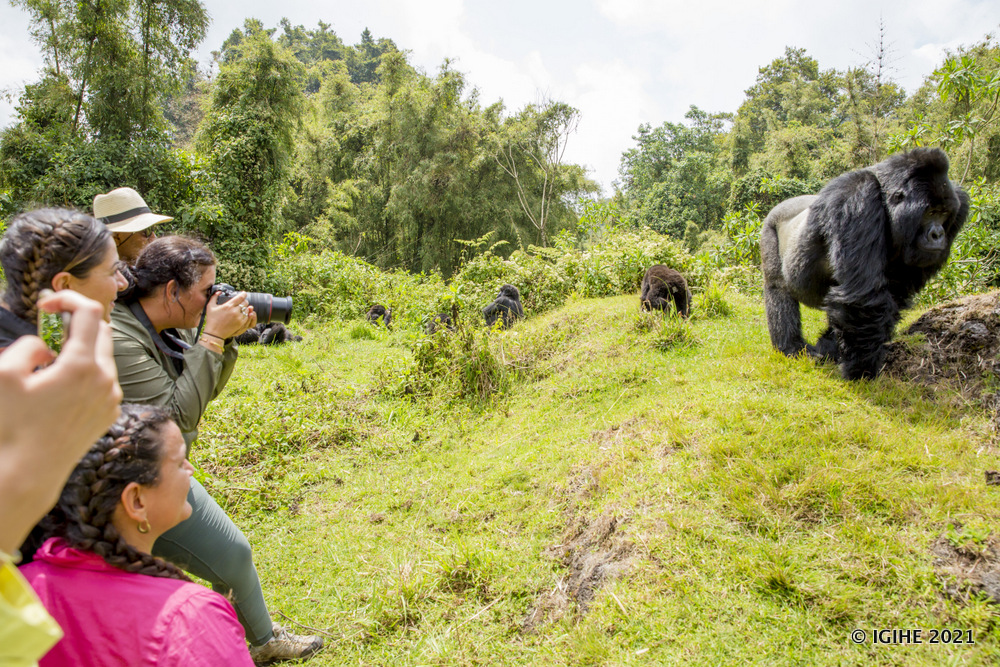
The gorillas available for trekking have been habituated to the presence of humans, but they remain wild animals living in their natural habitat.
Rwanda therefore limits encounters to one hour, helping reduce prolonged human contact and disturbance.
Visitors are also required to follow strict rules during the encounter, making the experience as safe as possible for both people and gorillas.
9. Gorilla tourism has become a major part of Rwanda’s tourism story
Gorillas are not only a wildlife attraction; they are central to Rwanda’s tourism brand.
In 2025, Rwanda’s tourism sector generated a record $685 million, up from $647 million in 2024, while receiving about 1.49 million visitors.
RDB says the growth was supported in part by gorilla trekking and experiences in the country’s national parks.
The country is targeting $1.1 billion in annual tourism revenue by 2029, underlining the importance of high-value experiences such as gorilla trekking.
Mountain gorillas rarely drink water, yet they remain active in the dense forests of Rwanda’s Volcanoes National Park.
10. Tourism money is also reaching communities around the gorillas
One of the less visible sides of gorilla tourism is what happens beyond the forest.
Rwanda’s Tourism Revenue Sharing Programme allocates 10% of national park revenues to communities living around protected areas.
Since its creation in 2005, the programme has supported projects including schools, health facilities, water infrastructure and livelihood initiatives.
By 2025, RDB reported that more than Rwf 18 billion had been invested in more than 1,000 community projects through the programme.
This means that the value of a gorilla trek extends beyond the visitor and the animal. The tourism generated by the forest can also contribute to the communities living closest to it.
Beyond the gorillas, there is even more to discover. A trek in Volcanoes National Park can be the beginning of a longer Rwanda adventure, with visitors able to add Big Five safaris and boat trips in Akagera National Park, forest experiences in Nyungwe, or relaxing escapes around Lake Kivu.
With the help of local tour operators and guides, travellers can combine these experiences into a longer itinerary and discover why Rwanda offers much more than its famous mountain gorillas.
An adult mountain gorilla can consume up to about 30 kilograms of vegetation in a day, making feeding a major part of its daily routine.Chest beating may be the behaviour most people associate with gorillas, but their communication goes far beyond this famous display.A gorilla trek in Rwanda offers more than a close encounter with wildlife, revealing the behaviours and social bonds that make these animals so fascinating.
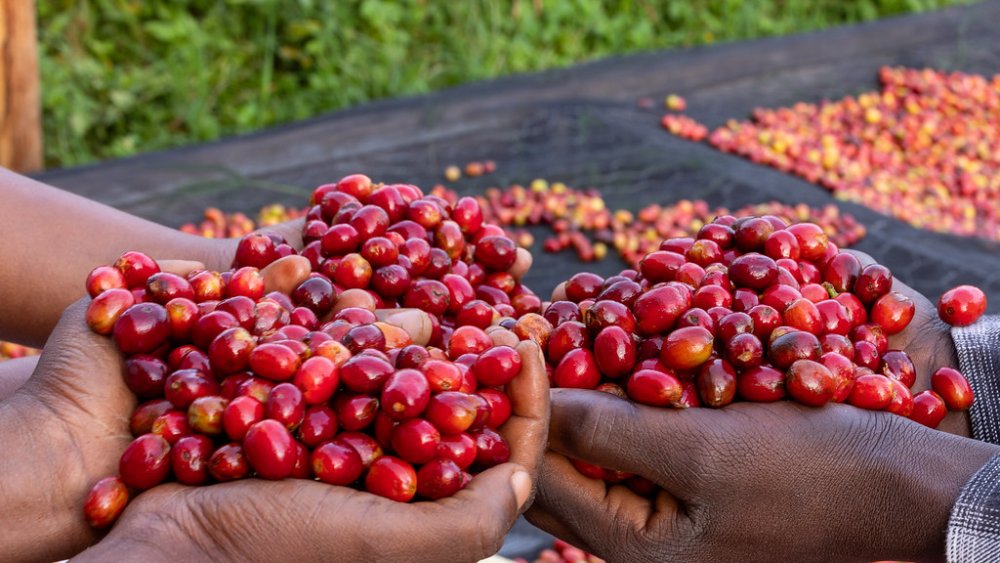
Coffee was the country’s top agricultural export during the five-day period, with 816 tonnes shipped to international markets for $5.51 million, accounting for about 42.5% of total export earnings.
Other agricultural products generated $4.76 million from 7,404 tonnes exported, with major shipments destined for Bangladesh and several African countries.
Tea ranked third in export earnings, with Rwanda shipping 437 tonnes worth $1.27 million to international markets.
The country also exported 576 tonnes of vegetables, earning $563,649. The vegetables were shipped to markets in the United Kingdom, the Netherlands, India, France and several African countries.
Fruit exports generated another $472,759 from 443 tonnes shipped to the United Arab Emirates, China and African markets.
Livestock products earned $349,313 from 220 tonnes exported to various African countries.
Rwanda also exported five tonnes of flowers, generating $30,938, with shipments going to Nigeria, the Netherlands and the United Kingdom.
The figures highlight the growing contribution of agricultural exports to Rwanda’s foreign exchange earnings, with the country continuing to expand markets for locally produced commodities.
Rwanda has set a target of generating $1.5 billion annually from agricultural and livestock exports by 2029, signalling ambitions to further increase production, processing and access to international markets.
Coffee was the country’s top agricultural export during the five-day period, with 816 tonnes shipped to international markets for $5.51 million.
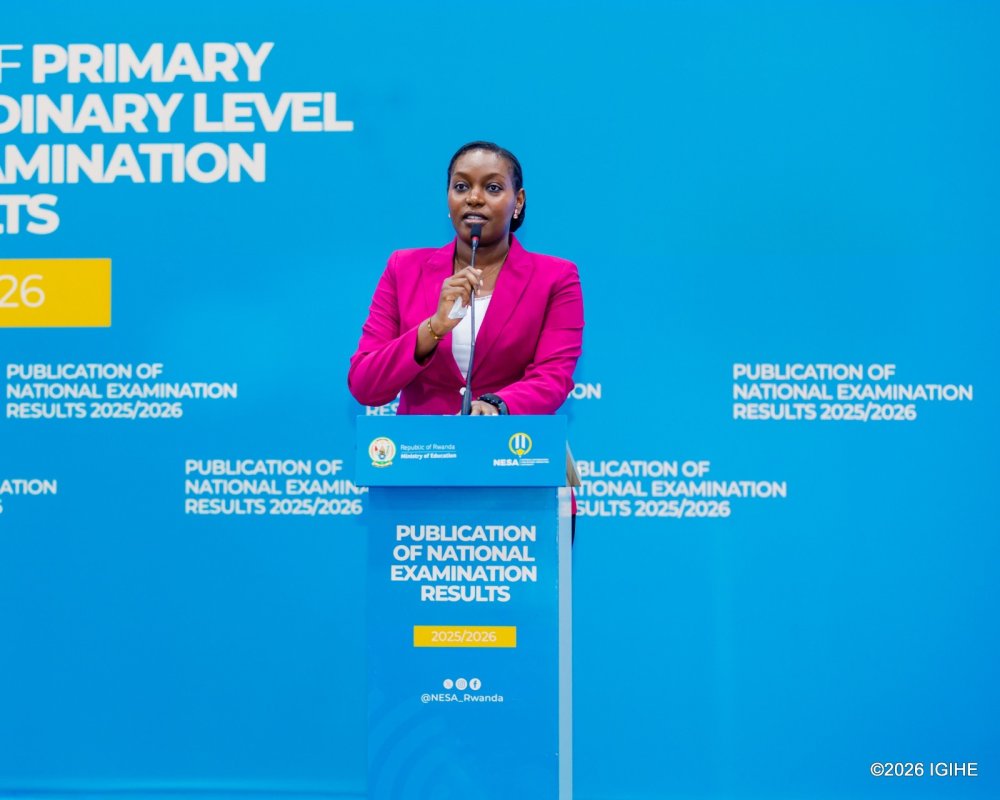
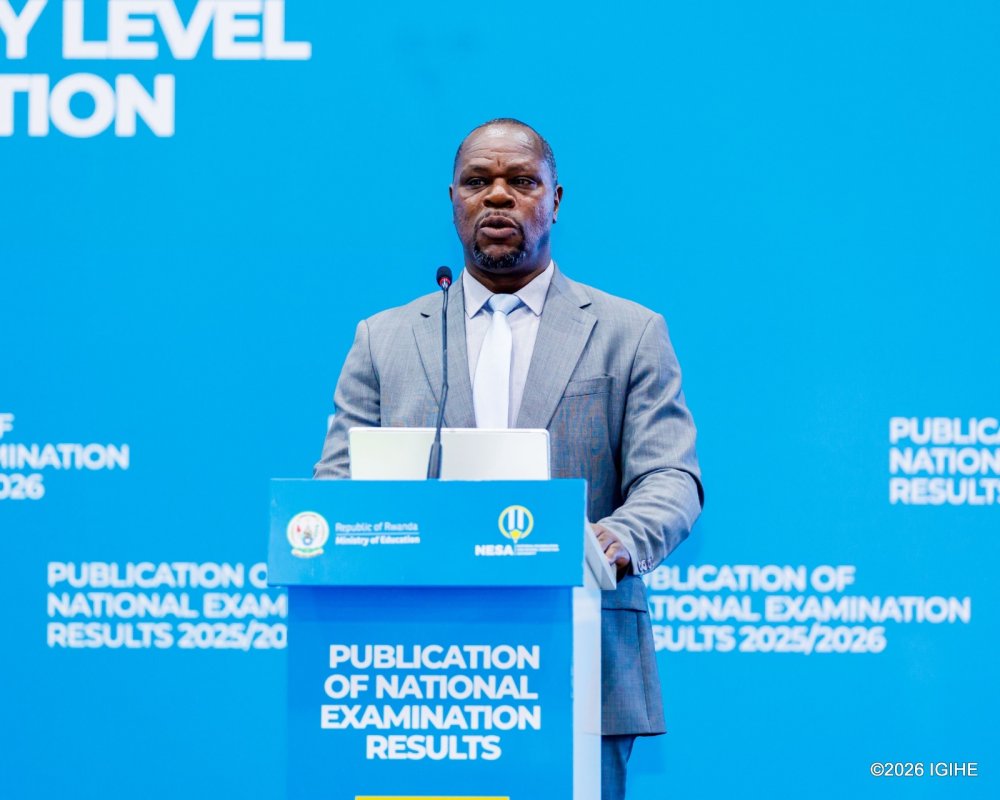
Announcing the results on Thursday, August 20, NESA Director General Dr Bahati Bernard said the results showed a significant improvement in students’ performance compared with the 2024/25 academic year.
Girls recorded a pass rate of 87.1%, while boys performed slightly better, with a pass rate of 89.59%.
A total of 276,579 students from 3,895 schools across the country sat the primary school leaving examinations. Boys accounted for 44.35% of the candidates, while girls made up 55.65%.
At the end of lower secondary education, commonly known as ordinary level, 149,015 students sat the national examinations, with 85.70% passing. This was a marked increase from the 64% pass rate recorded in 2024/25.
Girls recorded a pass rate of 82.62%, compared with 89.8% among boys.
Among students who passed and progressed to the first year of secondary school, 17,412 were assigned to boarding schools, while more than 226,546 will attend day schools.
For students progressing to Senior Four in general education, 18,944 were assigned to boarding schools and 57,276 to day schools. A further 26,098 students were placed in technical and vocational education and training (TVET), including 17,000 who will attend day schools.
Meanwhile, 7,497 students were admitted to professional education programmes as boarding students, while 148 will attend as day students.
State Minister for Education Irere Claudette said students who sat the national examinations at both levels had generally performed well, with the number of successful candidates increasing by more than 50,000 compared with the previous year.
“When the number of students increases and their performance also improves, it is understandable that this has an impact on determining the schools to which students are assigned,” she said.
However, Irere called for action against students involved in examination malpractice, including cheating and helping others to cheat.
“Cheating and helping others to cheat were observed, and wherever this occurred, everyone involved will be punished in accordance with the regulations governing national examinations,” she said. “For students suspected of cheating, we are not releasing their results today. We first need to conduct a thorough investigation.”
Bahati said the improvement in results was also reflected in the distribution of students’ scores.
In the primary school leaving examinations, for example, more than 10,000 students scored between 30% and 40% in 2024, compared with about 4,000 this year.
“Those who scored between 40% and 50% numbered more than 41,000 last year, but this year their number fell to 27,000,” he said.
“This resulted in an increase in the number of students scoring higher marks, with the number of those scoring between 50% and 60%, and up to 90%, increasing. This means that students who were previously below 50% moved into the category above 50%.”
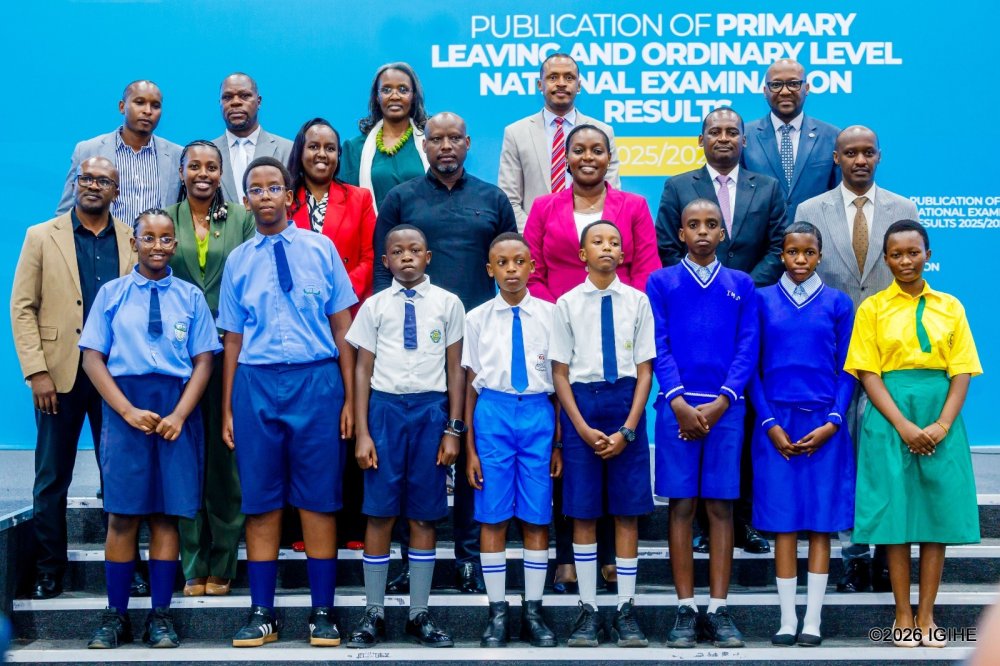
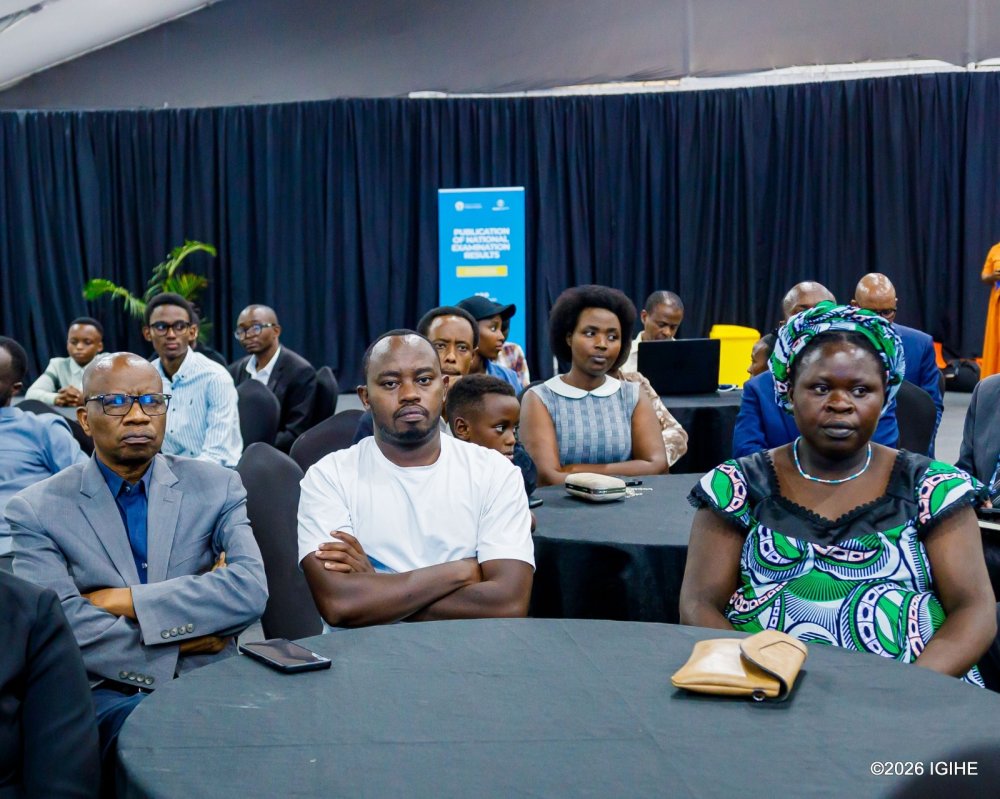
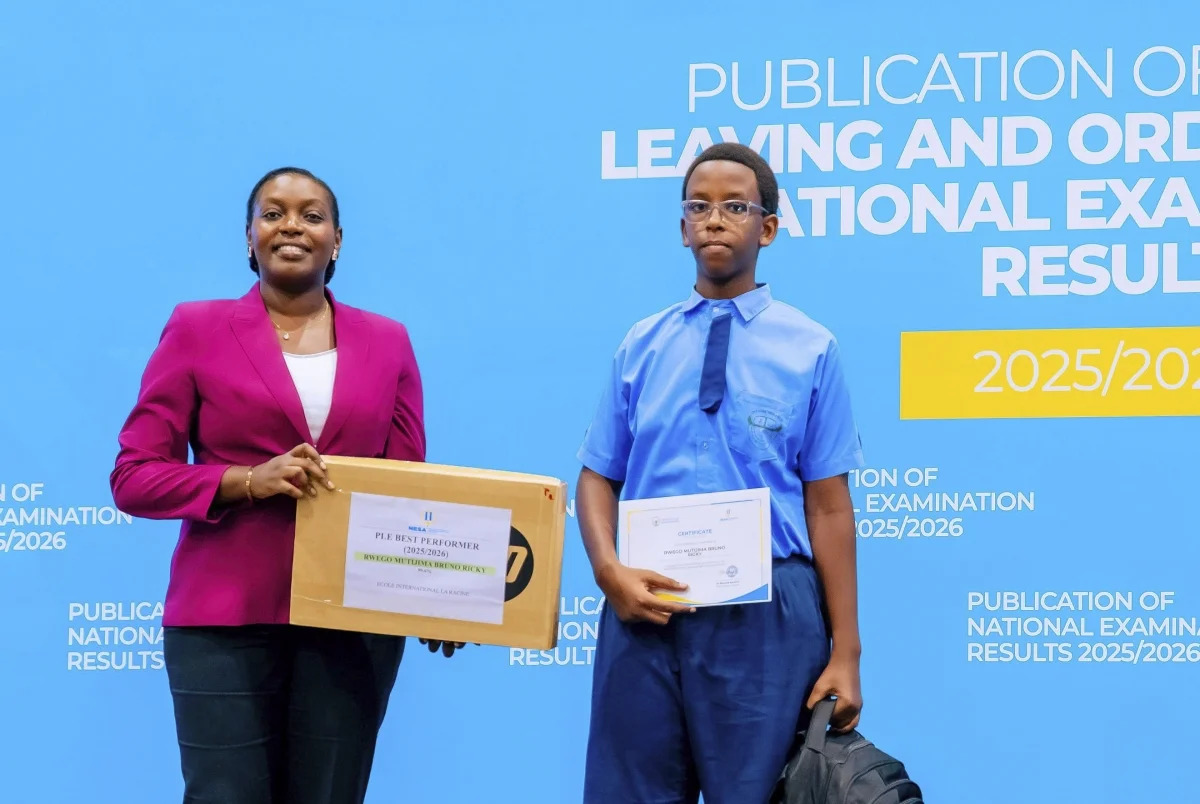
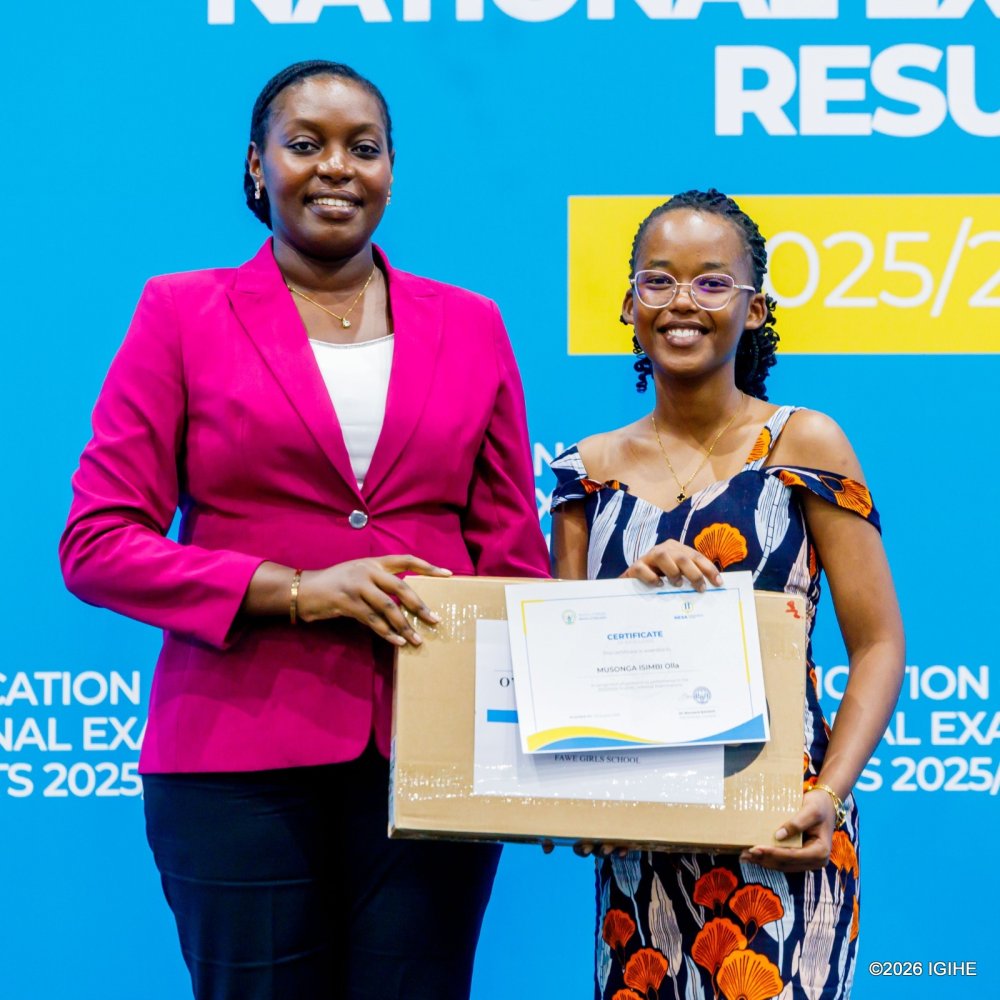
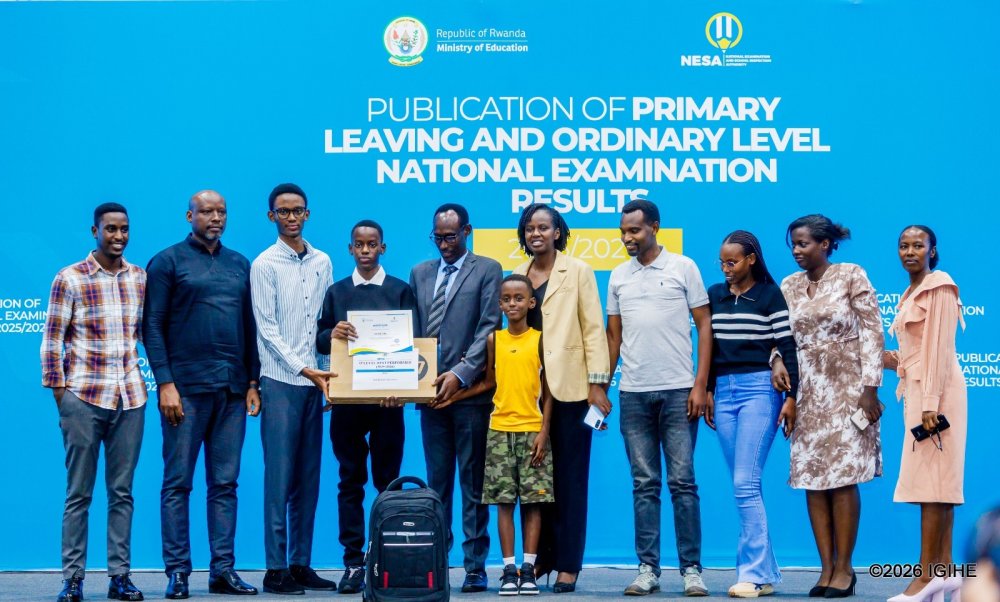
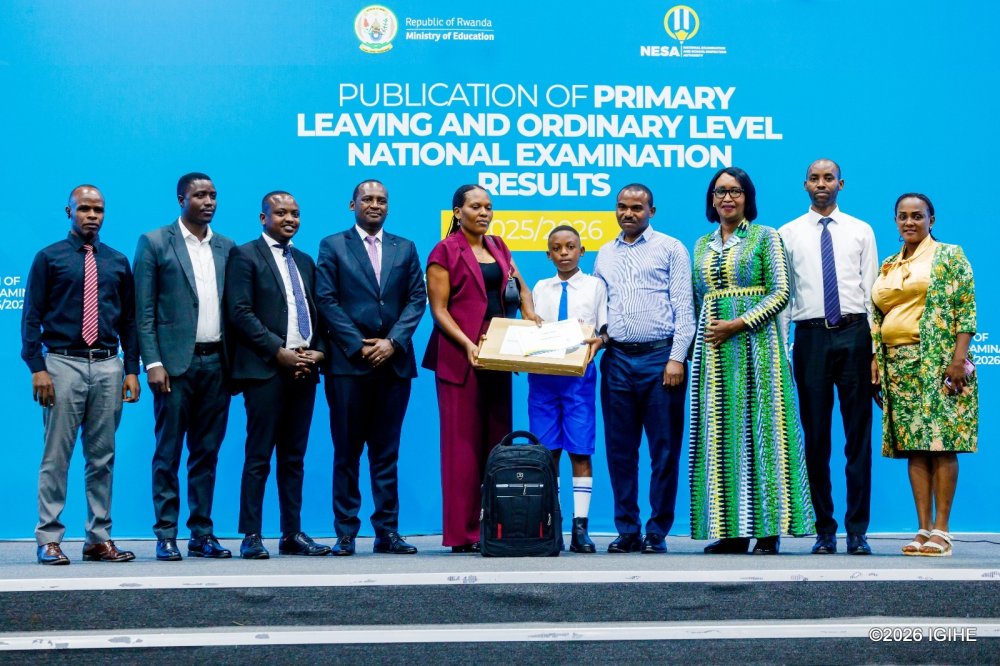
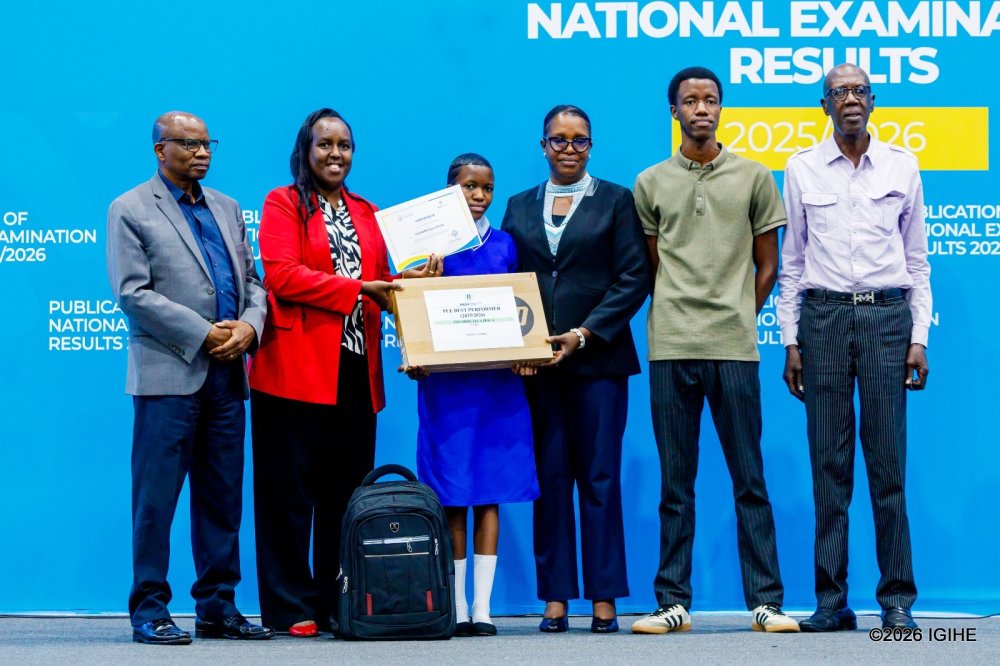
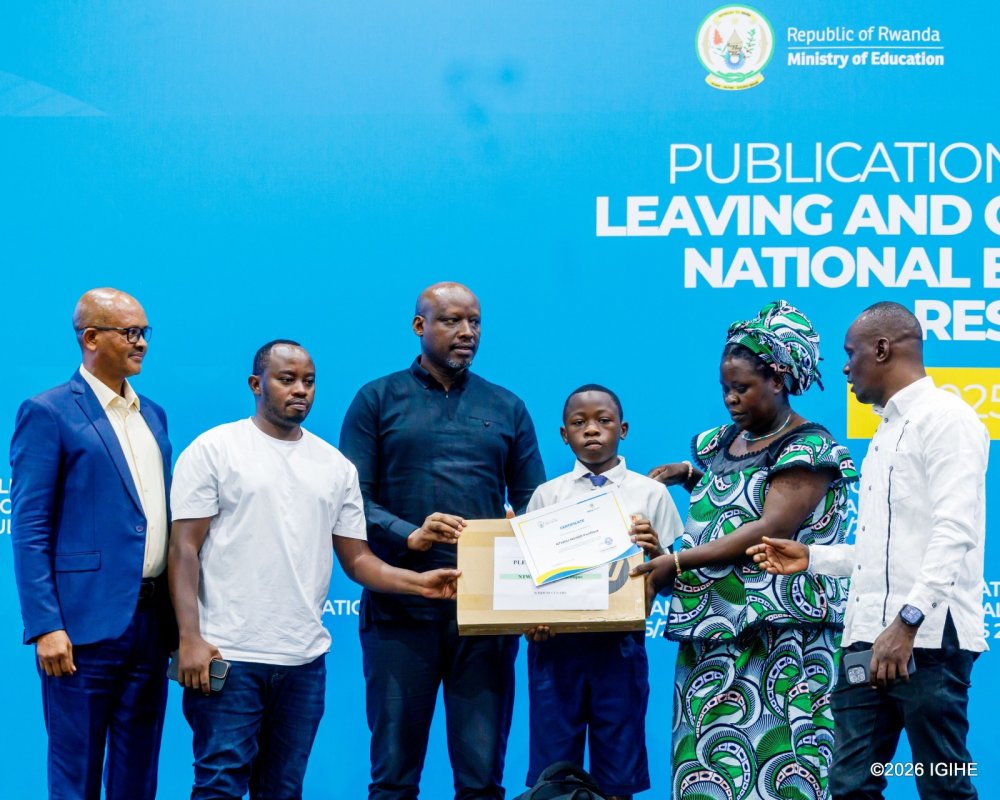
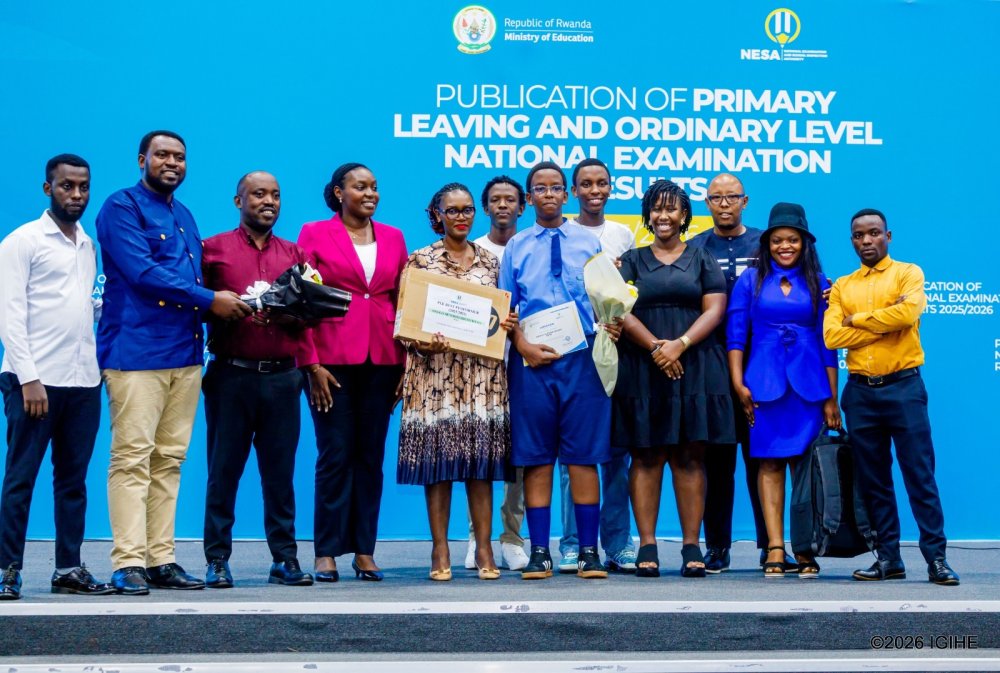
The pass rate for the Primary Leaving Examination (PLE) in Rwanda rose to 88.21% in the 2025/26 academic year, up from 75.6% recorded the previous year.Minister of State for Education Irere Claudette said students who sat the national examinations at both levels performed well overall, with the number of candidates increasing by more than 50,000 compared with the previous year.NESA Director General Dr Bahati Bernard said the results showed a significant improvement in students’ performance compared with the 2024/25 academic year.State Minister Claudette Irere presents an award to Rwego Mutijima of École Internationale La Racine in Bugesera, who emerged as the top-performing student in the 2025/2026 Primary School National Examinations. Musonga Isimbi Orah topped the ordinary-level national examinations, scoring 98.7%.
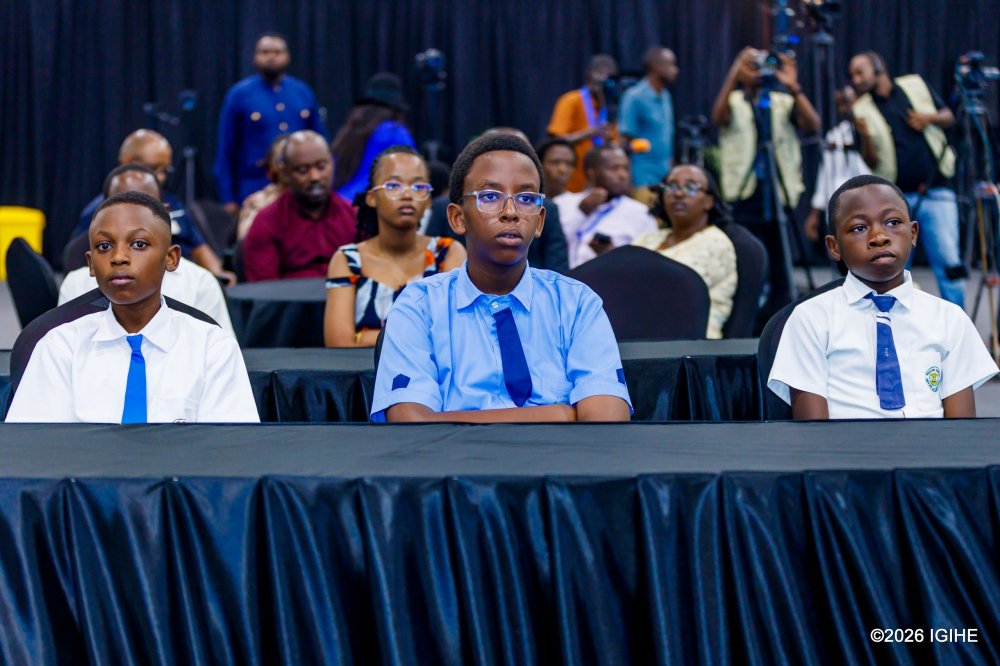
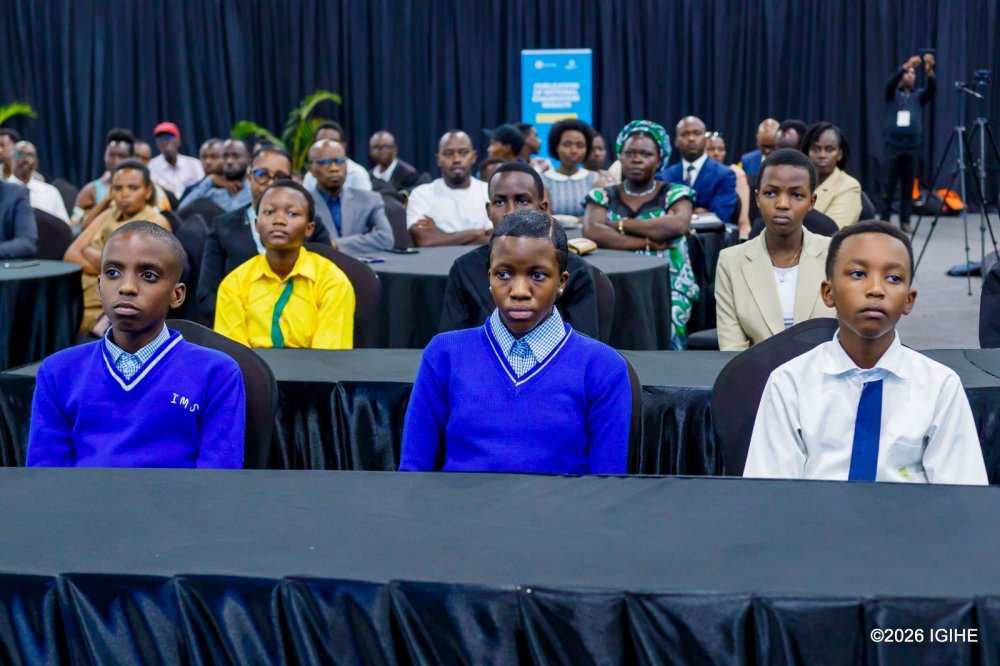
The top performing students at were recognized and awarded for their outstanding performance. Each student received a laptop, a certificate, and a one-year school-fee scholarship.