According to a joint statement released by Global Affairs Canada, the coordinated approach aims to protect citizens as well as the millions of visitors, fans, athletes and tourists expected to arrive for the upcoming FIFA World Cup 2026.
The three North American nations said the measures are also designed to maintain travel and commerce across their borders.
“The health and safety of every person in the region remains our highest priority as we welcome the world to North America,” the trilateral statement said.
Canada banned residents from the Democratic Republic of Congo, Uganda and South Sudan from entering the country for 90 days, a measure that started Wednesday, asking arrivals from these countries to observe a 21-day quarantine.
The FIFA World Cup will be jointly hosted by the United States, Mexico, and Canada, starting June 11.
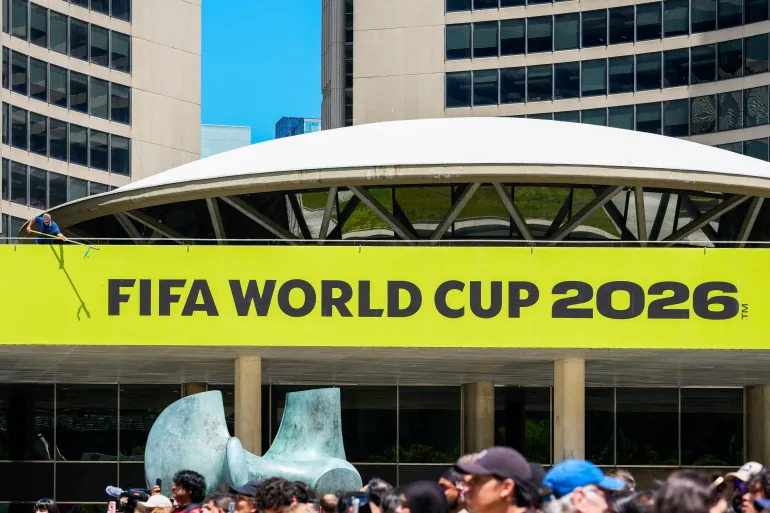
The Toronto City Hall sports a FIFA World Cup banner during the Trophy Tour before the 2026 edition of the tournament. The United States, Mexico and Canada on Thursday announced aligned public health travel measures for individuals arriving from African regions at the highest risk from the Ebola virus.
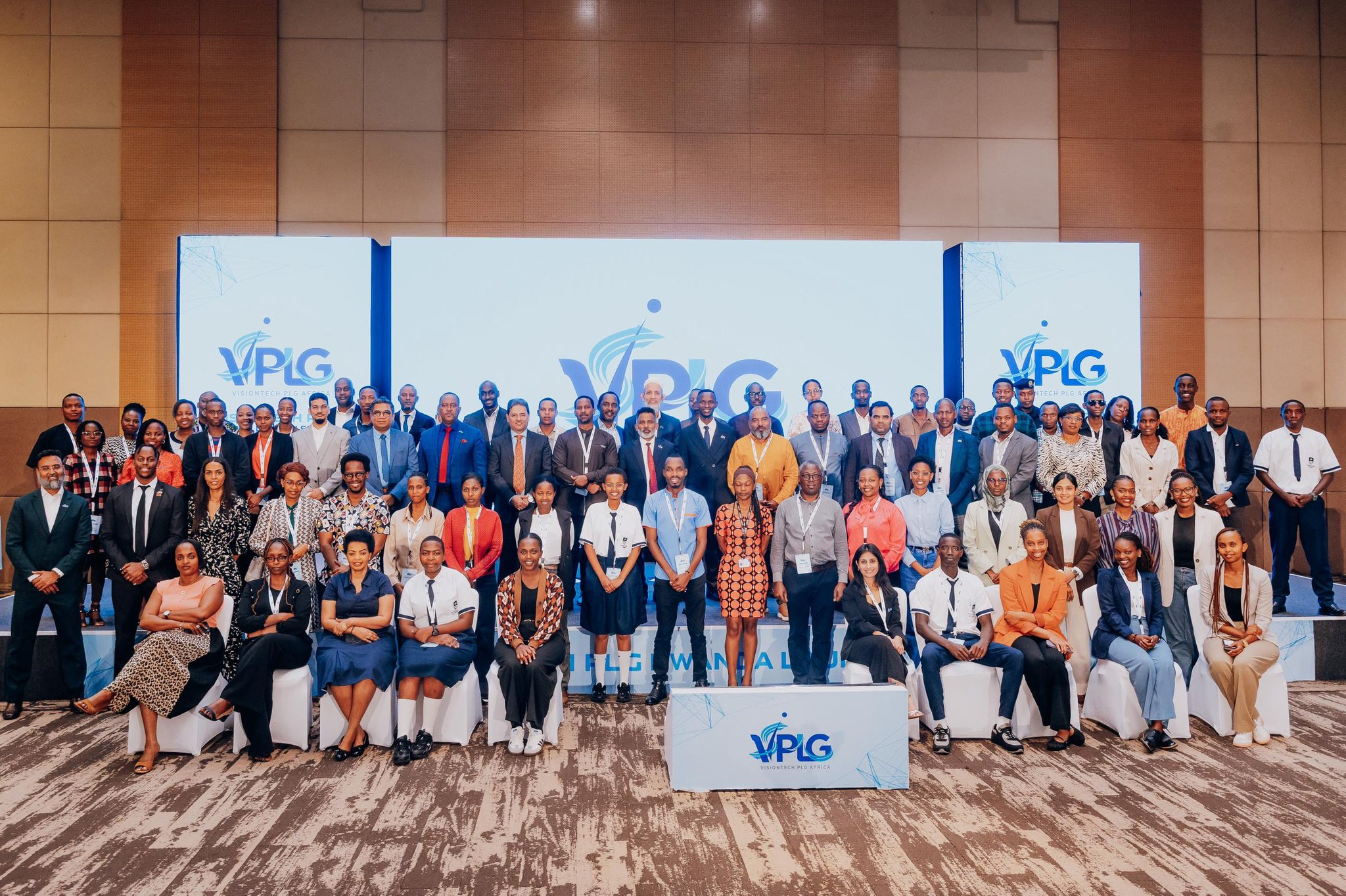
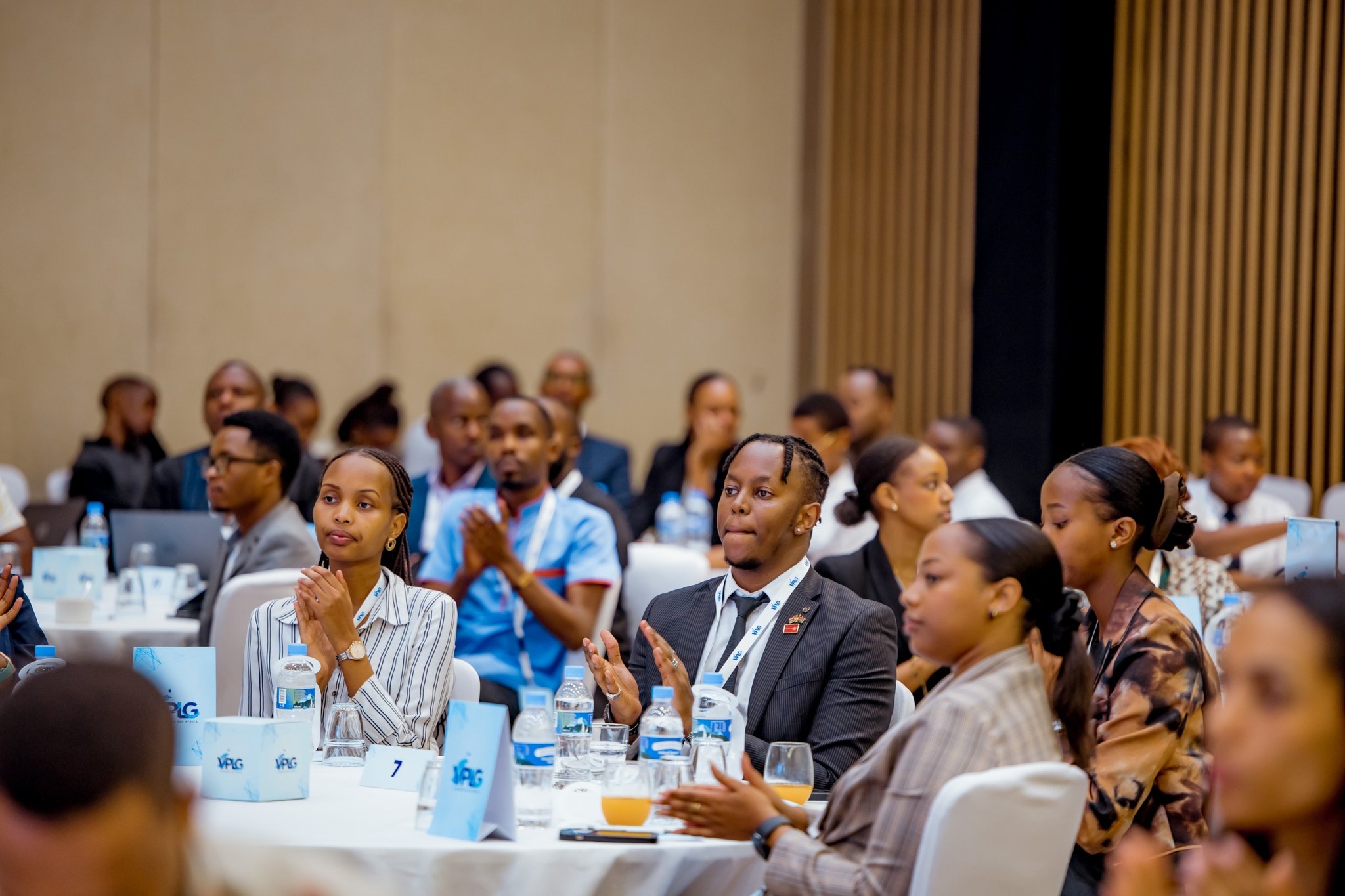
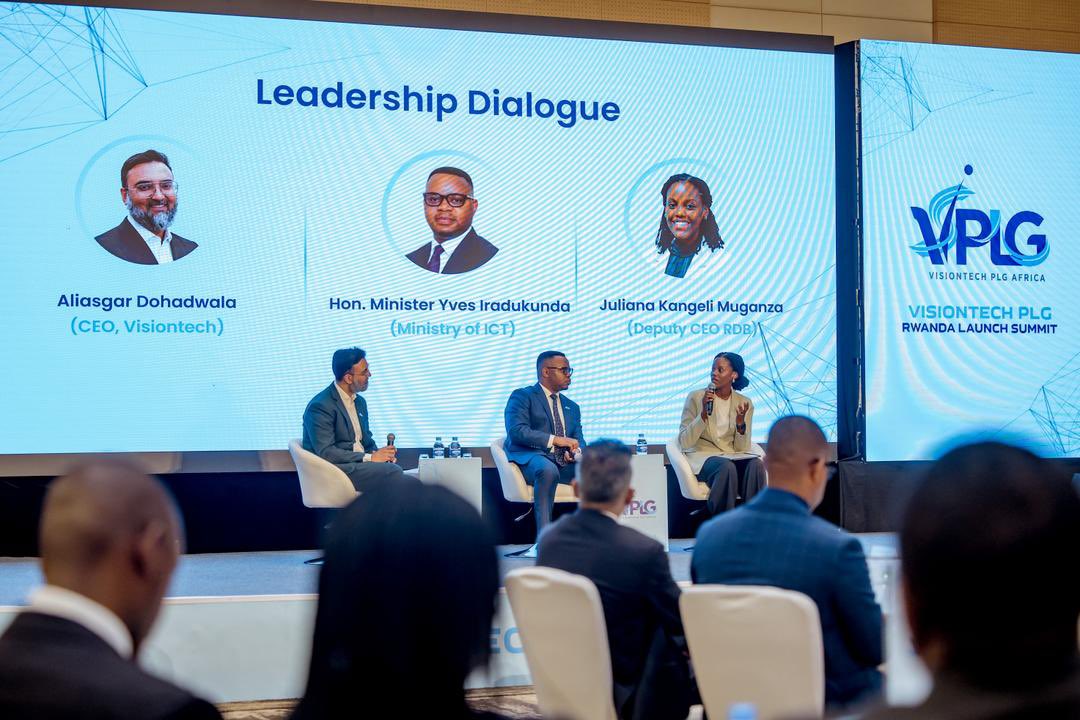
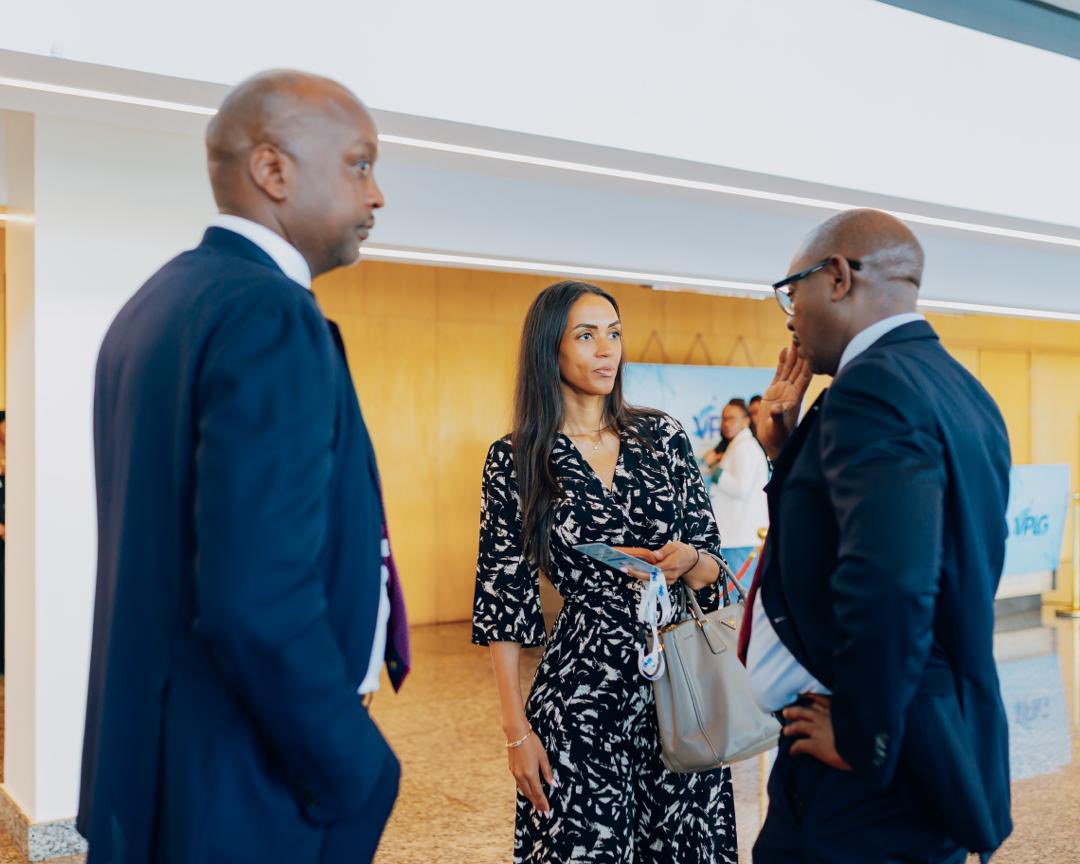
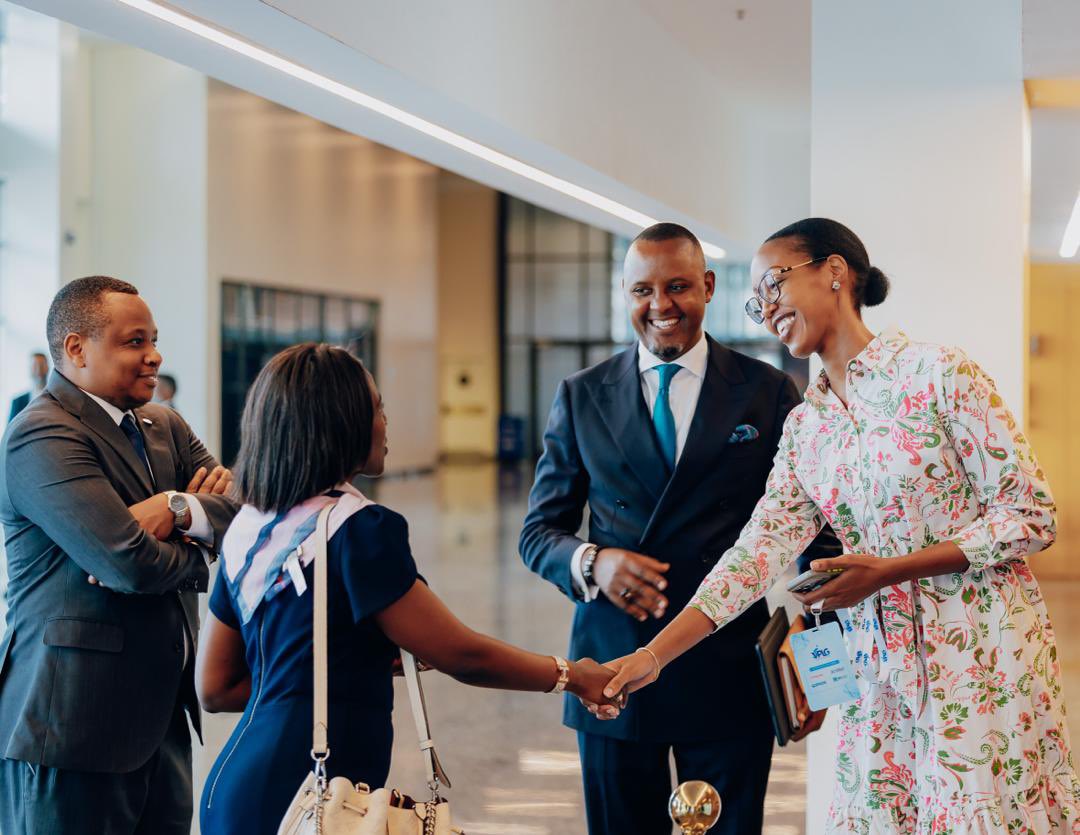
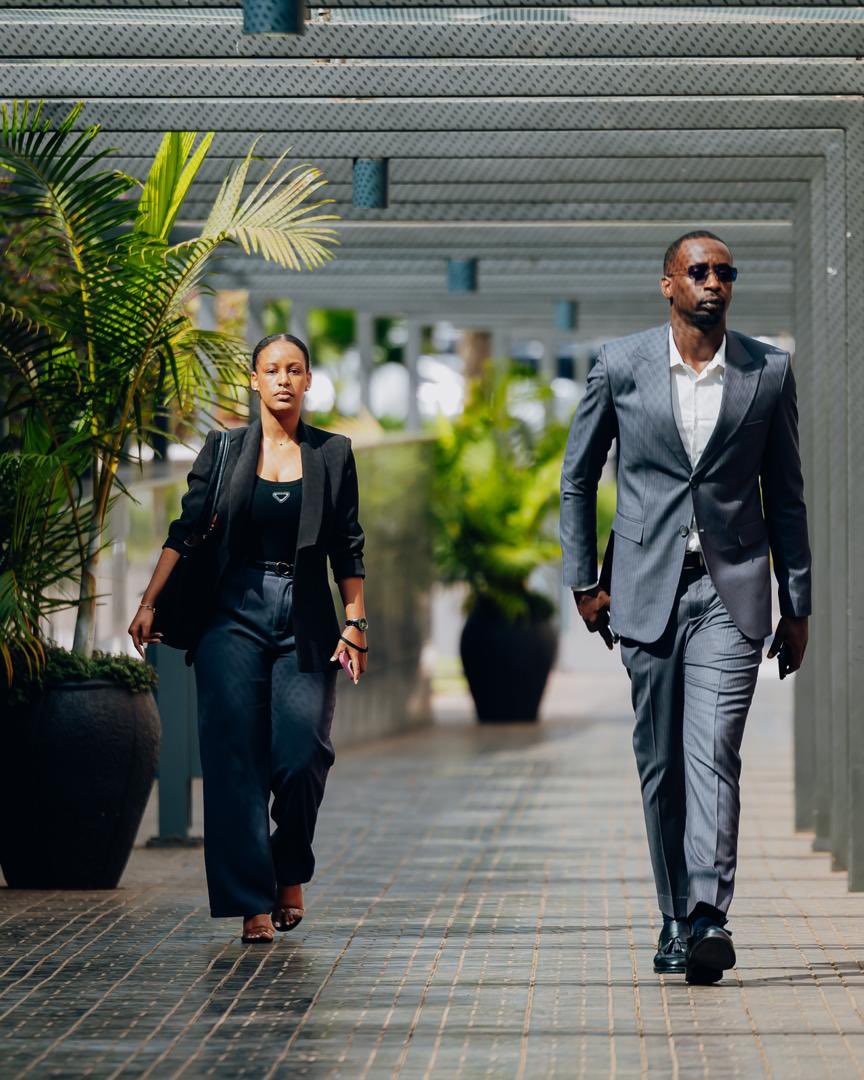
The launch summit, held at the Kigali Convention Centre (KCC), brought together senior government officials, enterprise leaders, global technology partners, and members of Rwanda’s innovation ecosystem to discuss the future of AI-driven transformation in Africa.
The event marked a major milestone in Visiontech’s African expansion strategy, with Rwanda as its launchpad.
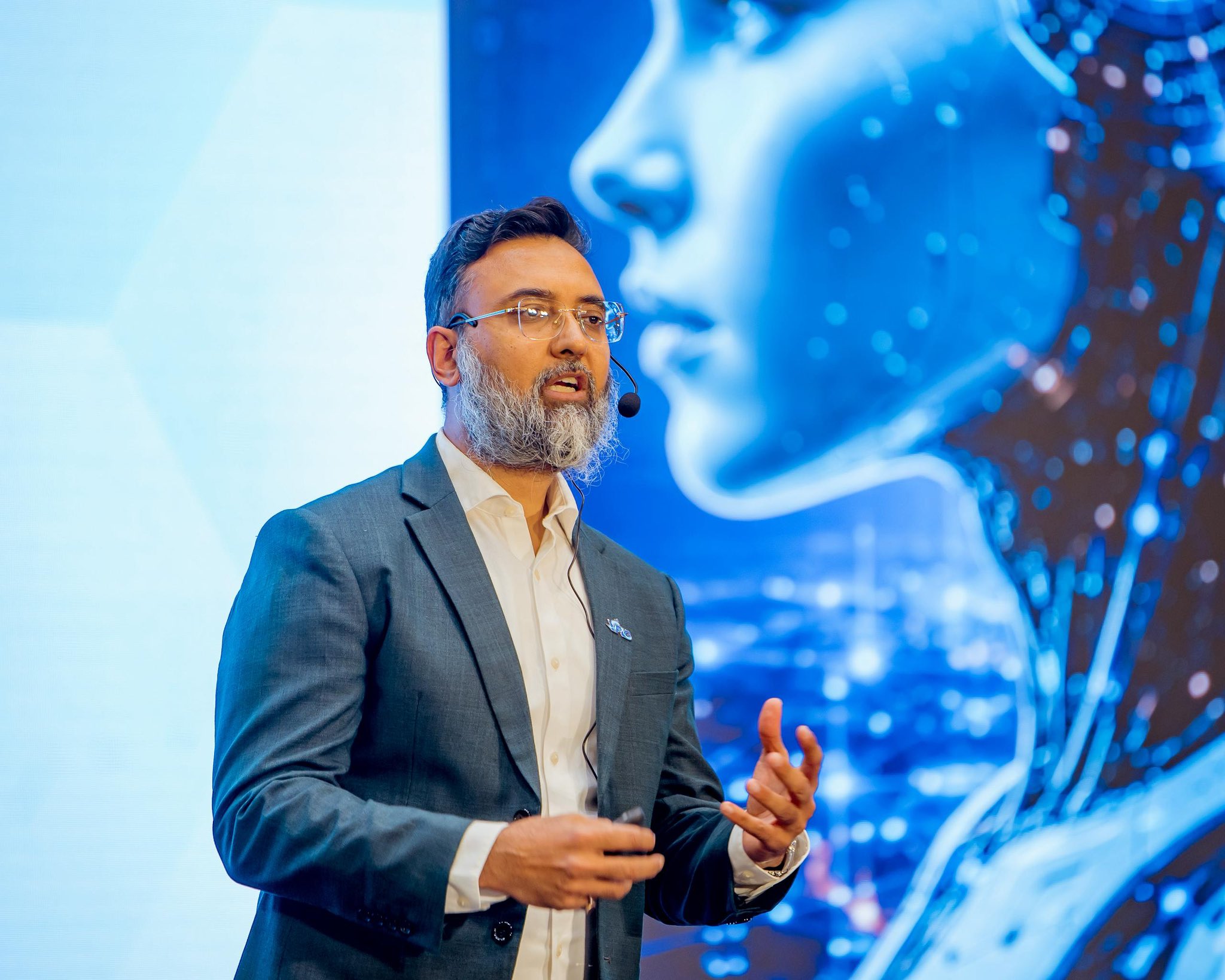
Speaking during the summit, Visiontech PLG Chief Executive Officer Aliasgar Dohadwala said the company’s decision to establish operations in Rwanda was driven by the country’s strong leadership, progressive digital vision, and growing reputation as a regional technology hub.
“We are living in a defining moment where artificial intelligence and intelligent operations are becoming central to everything nations and organisations do,” Dohadwala said. “Visiontech comes with a clear mission, to become Rwanda’s trusted digital and AI partner and help build resilient technology systems that create real impact.”
Visiontech PLG CEO Aliasgar Dohadwala said Rwanda was chosen for its strong leadership, progressive digital vision, and rising status as a regional technology hub.
Founded in Dubai in 2003, Visiontech Systems International LLC has expanded across more than 17 countries, delivering digital transformation projects in sectors including healthcare, education, defence, oil and gas, and government services.
The company said Rwanda will serve as its strategic operational base for expansion into Central, East, and West Africa.
During the summit, Dohadwala announced plans to establish a Centre of Excellence and demonstration centre in Rwanda aimed at developing local technical capacity, showcasing AI and cybersecurity solutions, and supporting regional knowledge sharing.
He said Visiontech’s long-term focus in Rwanda would include AI-powered public services, intelligent government systems, cybersecurity infrastructure, real-time monitoring solutions, predictive analytics, and secure digital platforms designed to protect national data and strengthen digital sovereignty.
“Digital sovereignty is now a critical priority for every country,” he remarked. “Your data and information must be protected and managed in ways that serve national interests.”
The launch summit was held at the Kigali Convention Centre (KCC).
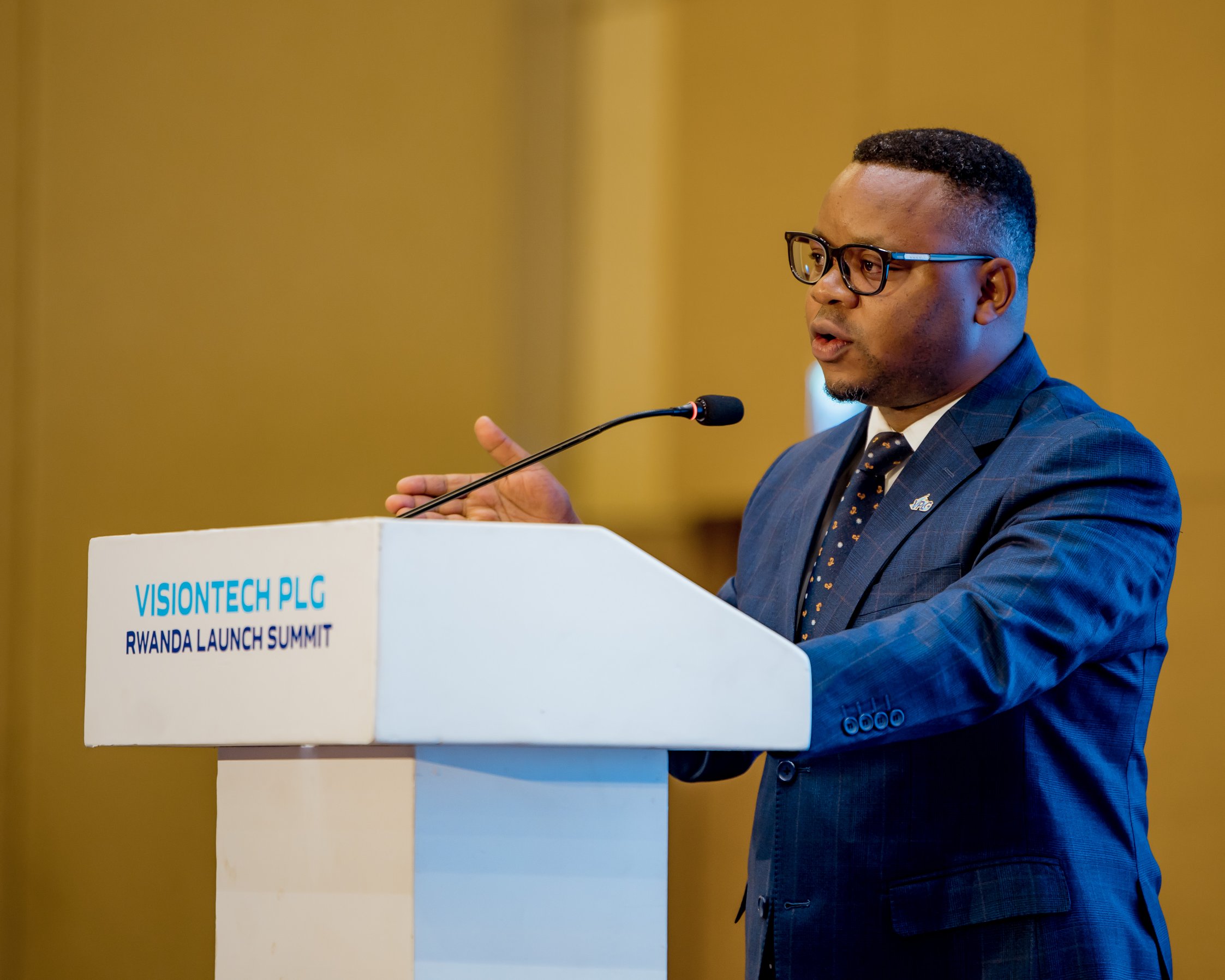
The launch received strong backing from the Government of Rwanda, with Minister of State for ICT and Innovation Yves Iradukunda describing Visiontech as an important strategic partner in Rwanda’s digital transformation journey.
Addressing participants at the summit, Iradukunda said Rwanda’s investments in connectivity, digital infrastructure, and inclusive technology adoption were designed to improve service delivery and position the country for the next phase of AI-driven growth.
“At the dawn of the AI era, the demands on our infrastructure are growing rapidly,” he stated. “To achieve true digital sovereignty, we must be able to develop, train, and run AI models right here at home.”
Minister of State for ICT and Innovation Yves Iradukunda described Visiontech as an important strategic partner in Rwanda’s digital transformation journey.
He added that Rwanda continues to strengthen its digital ecosystem through resilient infrastructure, interoperable API platforms, cybersecurity frameworks, and expanded digital access across the country.
According to the minister, Rwanda now has more than 95 percent 4G coverage and offers over 250 government services online.
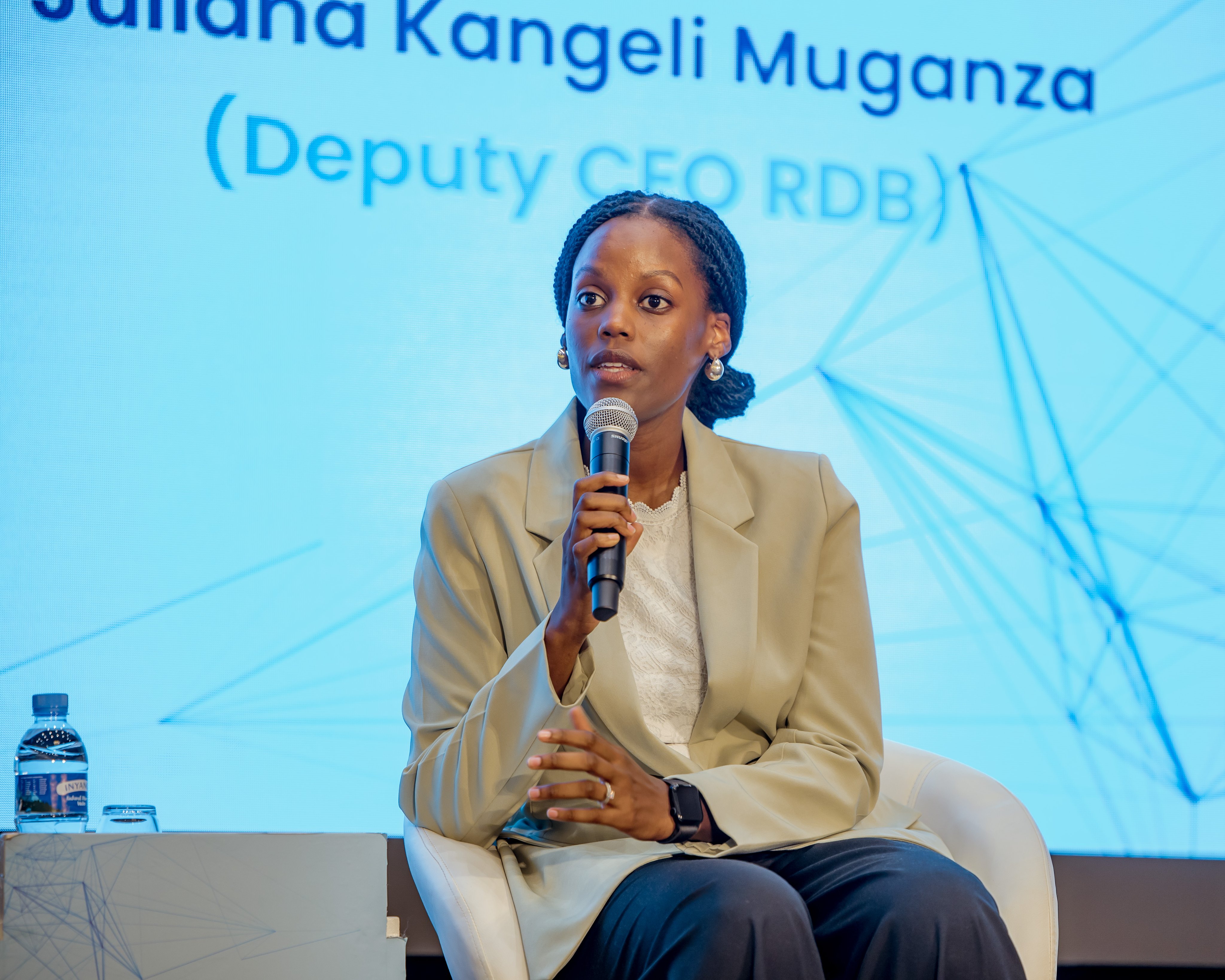
Rwanda Development Board (RDB) Deputy CEO Juliana Muganza welcomed Visiontech PLG’s entry, describing it as a strong signal of investor confidence in Rwanda’s technology ecosystem.
“For us at RDB, when companies like Visiontech come, explore, register, and establish operations here, it is a huge success,” she noted.
She emphasised Rwanda’s goal of becoming the easiest and most coordinated market in Africa for technology and innovation investors, supported by a stable regulatory environment, strong public-private coordination, and robust digital infrastructure.
“Our job is to help investors identify opportunities, translate them into projects, and support them to scale regionally and continentally,” she added.
RDB Deputy CEO Juliana Muganza welcomed Visiontech PLG’s entry, describing it as a strong signal of investor confidence in Rwanda’s technology ecosystem.
Juliana also noted that Rwanda attracted approximately $870 million in foreign direct investment last year, with ICT and ICT-enabled services playing a growing role in that performance.
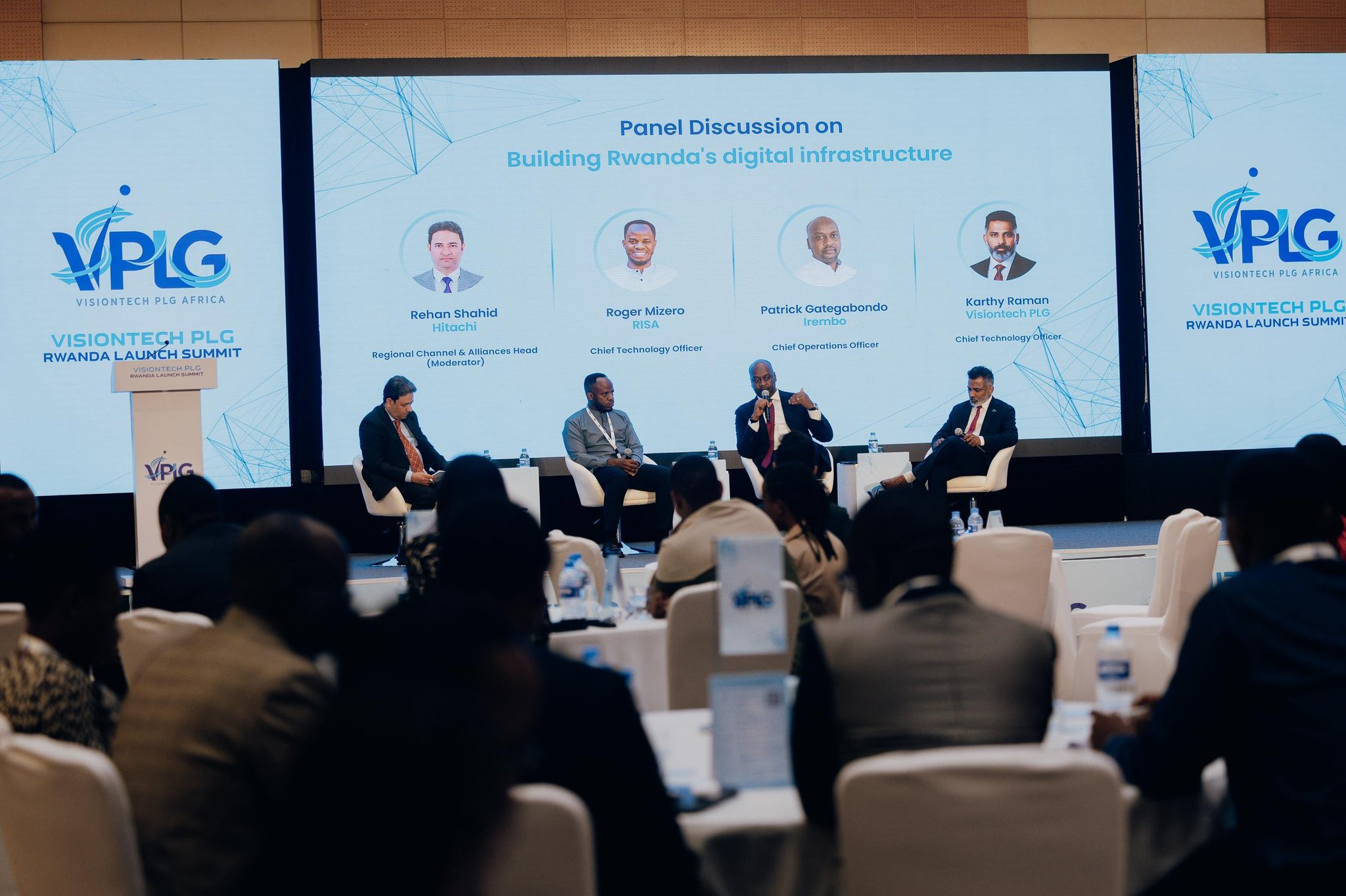
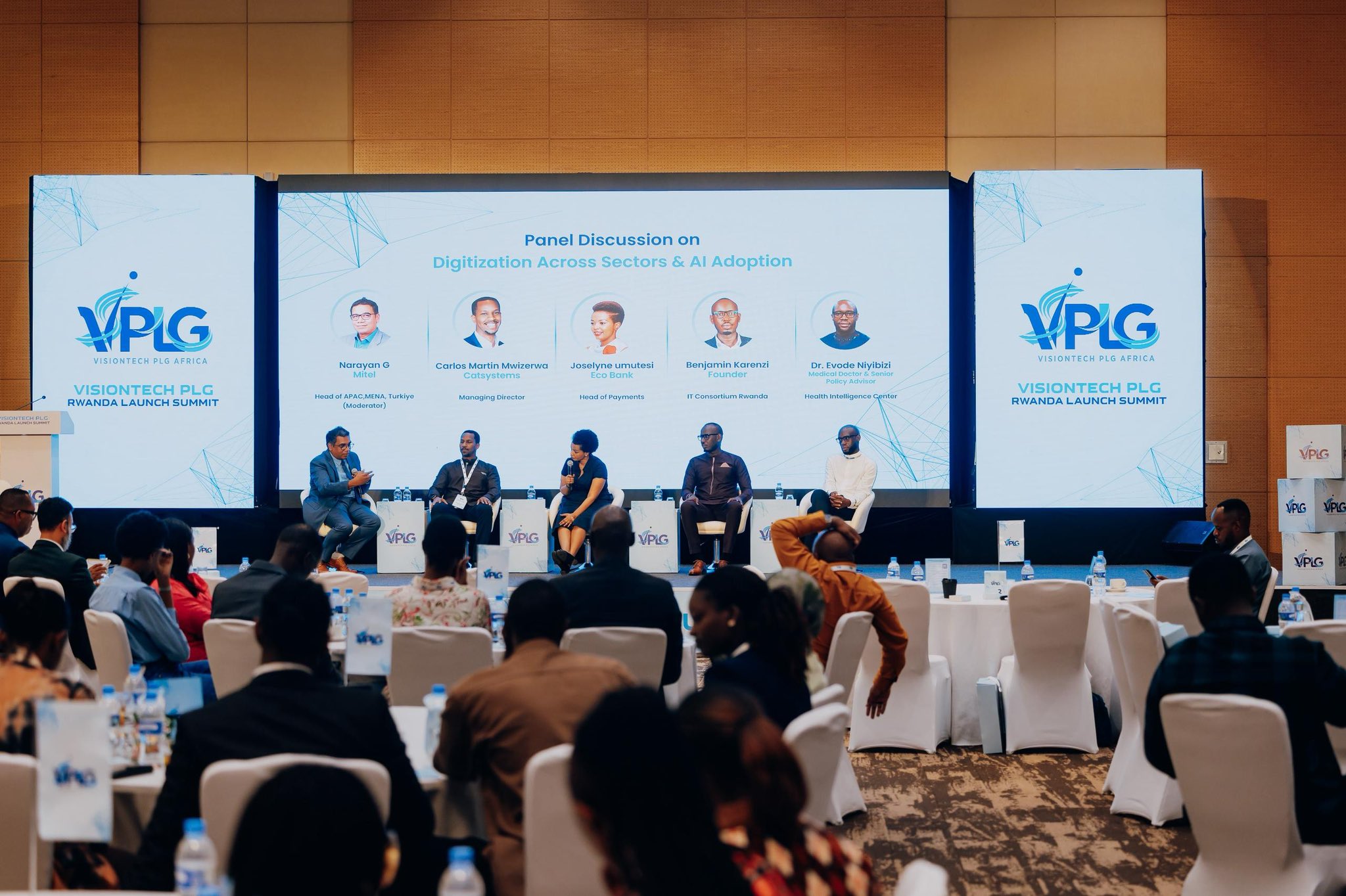
The summit also featured panellists from Hitachi, Rwanda Information Society Authority (RISA), Irembo, and Visiontech PLG, who highlighted Rwanda’s progress in delivering seamless digital services while exploring how resilience and intelligent infrastructure will power the next phase of national digital transformation.
The summit also highlighted Visiontech’s partnerships with several global technology firms expected to support Rwanda’s growing digital economy.
Canadian telecommunications company Mitel, cybersecurity firm Sophos, Hitachi Vantara, and cybersecurity solutions provider Netviss all reaffirmed their collaboration with Visiontech during the event.
Narayan G, Business Head for Asia Pacific, Middle East, Turkey and Africa at Mitel, described Rwanda as one of Africa’s most promising digital economies.
“Rwanda is far ahead of many markets in terms of digital adoption,” he said. “We want to be part of Rwanda’s growth story, which is set to become a world-class success.”
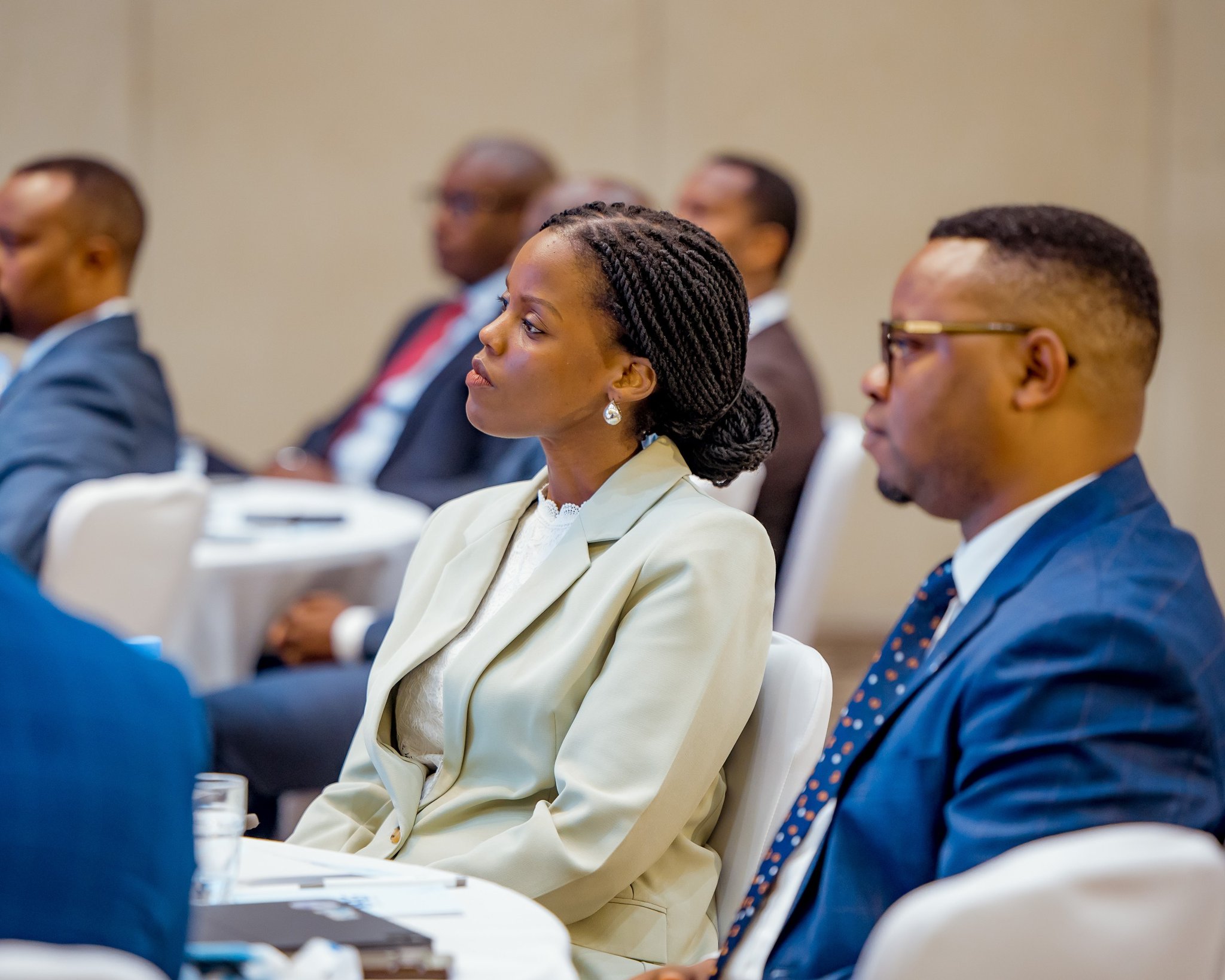
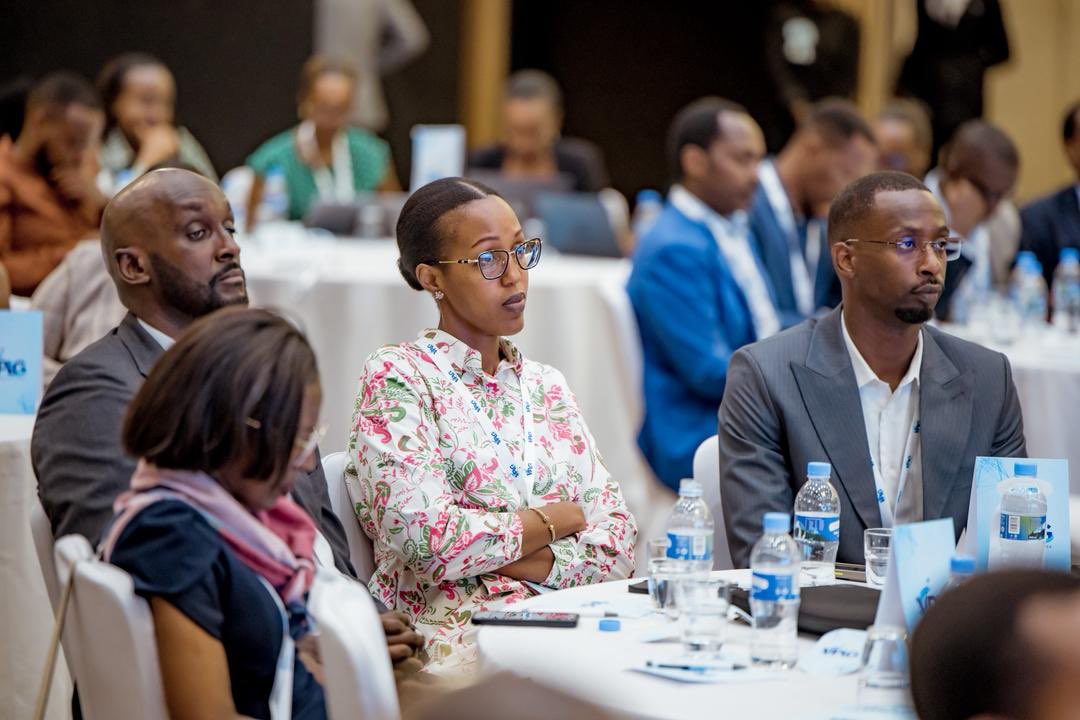
The event brought together senior government officials, enterprise leaders, global technology partners, and members of Rwanda’s innovation ecosystem to discuss the future of AI-driven transformation in Africa.
Hitachi Vantara Regional Channel and Distribution Head Rehan Shahid said the partnership would combine Visiontech’s local presence with Hitachi’s advanced digital infrastructure and AI technologies to accelerate transformation across both public and private sectors.
“This initiative will accelerate Rwanda’s progress by many years,” Shahid said. “It will also create new opportunities and technology-focused jobs for local youth.”
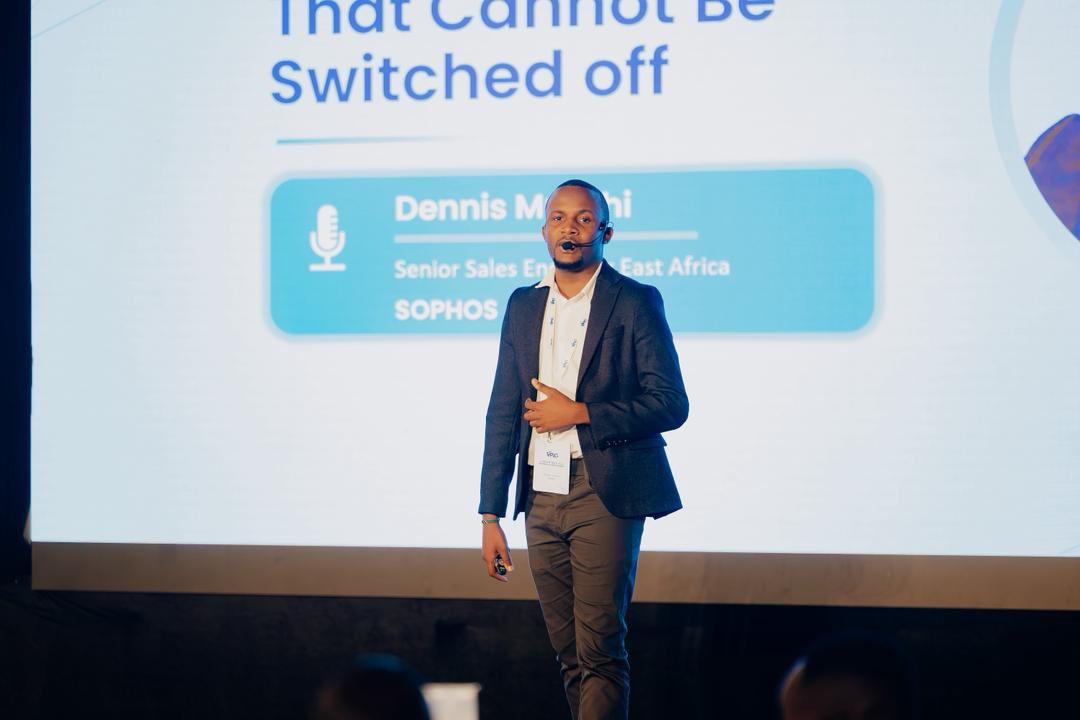
Sophos Senior Sales Engineer for East Africa Dennis Murithi said the partnership would strengthen Rwanda’s cyber resilience as demand for secure digital infrastructure continues to rise.
“We intend to invest heavily in enablement within the country through training, skills development, and collaboration,” he said.
Sophos Senior Sales Engineer for East Africa Dennis Murithi said the partnership would strengthen Rwanda’s cyber resilience as demand for secure digital infrastructure continues to rise.
Meanwhile, Netviss Founder and CEO Aliasgar Bohra emphasised the growing importance of secure AI adoption and localised cybersecurity systems in Africa’s digital transition.
“Our AI operates through a local LLM that does not connect to the internet,” Bohra explained. “This ensures complete data sovereignty, where customer data never leaves the organisation.”
The summit also underscored the role of collaboration between government, private sector players, and innovators in driving Africa’s digital future.
Martin Carlos Mwizerwa, Managing Director of Rwanda-based systems integrator Centurion CatSystems, described the Visiontech partnership as aligned with Rwanda’s broader ambition of building a knowledge-based economy capable of serving the wider continent.
“Working with a company like Visiontech, with over 20 years of experience, can only strengthen our position and help lift everyone up across the country,” he said.
Visiontech PLG said it has already begun establishing local offices and building a Rwanda-based team, including the appointment of a Chief Technology Officer who will lead local operations as the company scales its activities across the region.
The company indicated that it aims to prioritise long-term partnerships, localisation, skills development, and sustainable digital transformation across Africa.
Panelists from Hitachi, RISA, Irembo, and Visiontech PLG highlighted Rwanda’s progress in delivering seamless digital services while exploring how resilience and intelligent infrastructure will power the next phase of national digital transformation.The event brought together senior government officials, enterprise leaders, global technology partners, and members of Rwanda’s innovation ecosystem to discuss the future of AI-driven transformation in Africa.
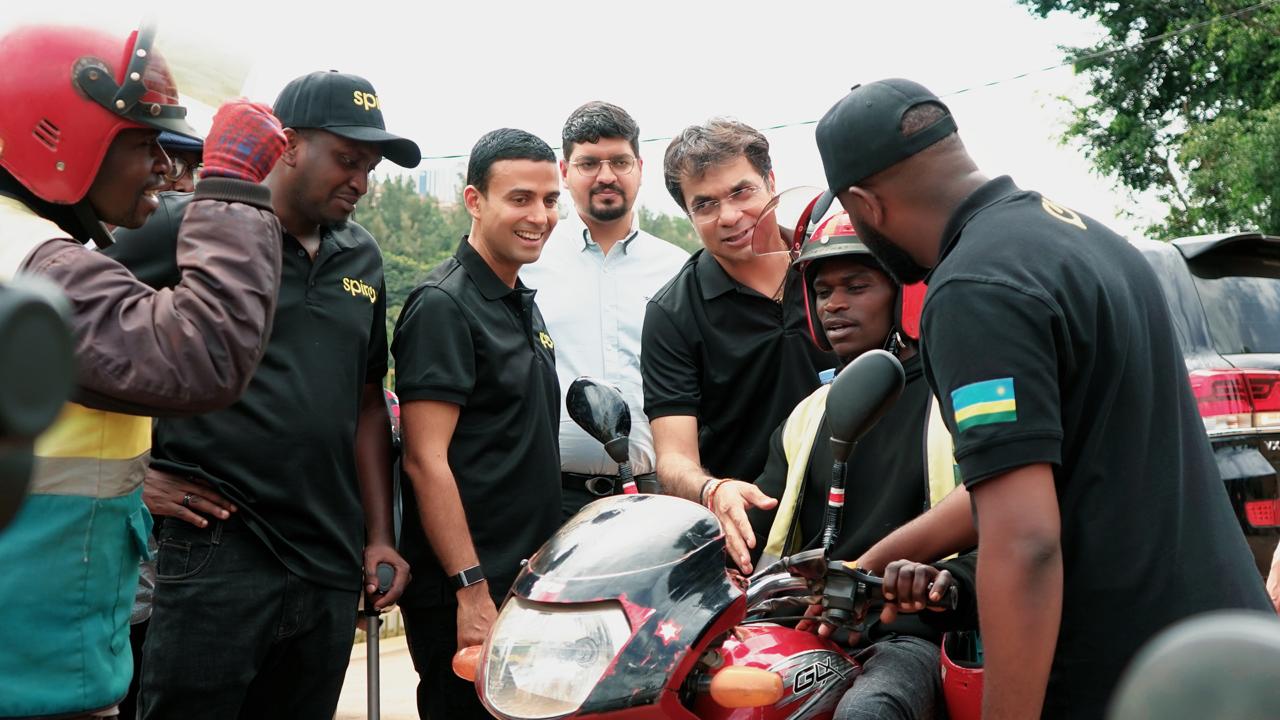
Niyibizi’s journey toward the electric motorcycle began a week earlier, on May 19, 2026, when he met the SPIRO founder along the Kinamba–Gisozi road in Gasabo District. At the time, he was riding a fuel-powered motorcycle and had stopped at one of SPIRO’s battery swap stations, where the two struck up a conversation.
During the exchange, the SPIRO Chairman asked him why he was not yet using an electric motorcycle.
“I have always wished to own one, but I could not afford it,” Niyibizi responded.
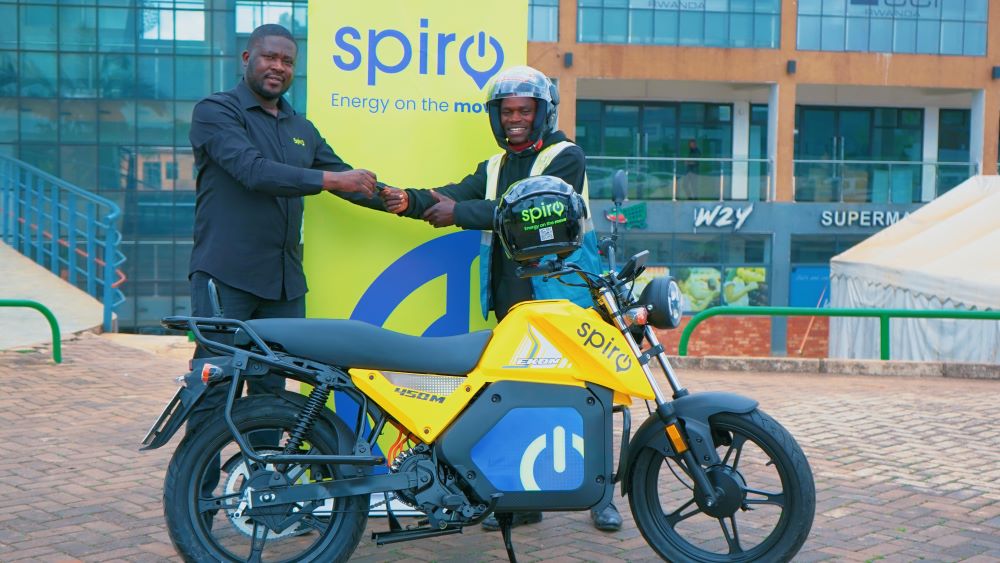
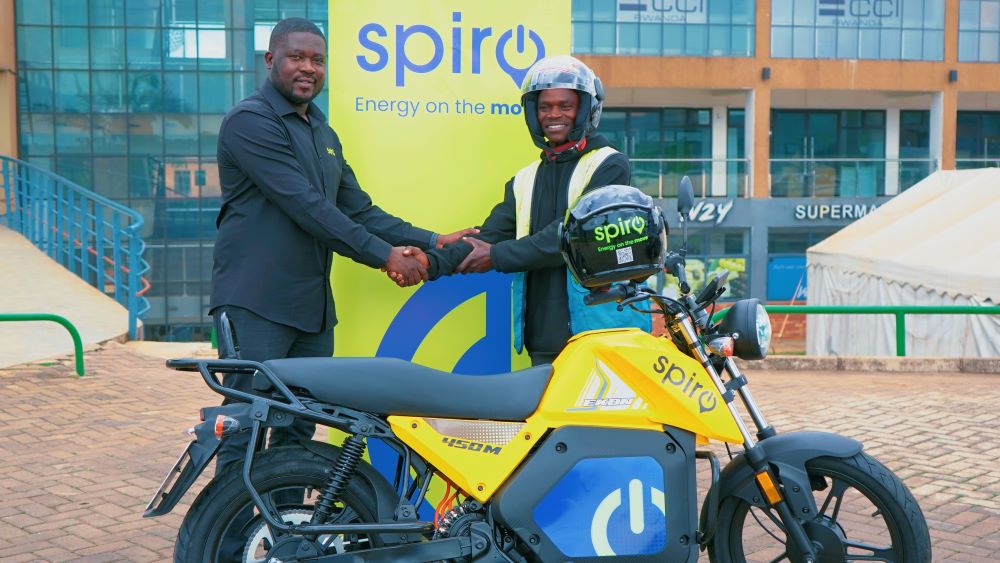
After listening to his story and learning about his aspirations as a rider, Gagan Gupta decided to support him in acquiring an electric motorcycle, turning what Niyibizi described as a long-held dream into reality.
Speaking during the handover ceremony, Niyibizi said the gesture marked a turning point in his life, both professionally and personally.
“As fuel prices kept increasing, my desire to own a SPIRO motorcycle became even stronger because I could clearly see that riders using electric motorcycles are earning more compared to those still operating fuel-powered bikes,” he said.
He added that transitioning to an electric motorcycle represents a major step forward in his career.
“I sincerely thank SPIRO’s founder for giving me this motorcycle. I promise to take good care of it and encourage fellow riders to embrace electric motorcycles because they are more profitable and environmentally friendly.”
Speaking at the ceremony, SPIRO Rwanda’s Head of Commercial Department, Shanton Ngabire, encouraged Niyibizi to make the most of the opportunity.
“This motorcycle is a valuable investment you have received. Take good care of it and use it productively,” he said.
The initiative reflects SPIRO’s broader commitment to improving riders’ livelihoods while promoting environmentally friendly transport solutions in Rwanda and across Africa.
Currently, SPIRO operates across all 30 districts of Rwanda, expanding its footprint through electric motorcycles and a growing network of battery swap stations designed to enable riders to quickly and conveniently exchange batteries.
Over the next five years, the company aims to scale up to between 75,000 and 80,000 electric motorcycles in Rwanda, expand its workforce to nearly 3,000 employees, and establish close to 1,000 battery swap stations supported by between 65,000 and 70,000 batteries.
The brand-new SPIRO M2 electric motorcycle is valued at Rwf 1,075,000 Rider receiving SPIRO electric motorcycle after chance meeting with company chairman.Niyibizi’s journey toward the electric motorcycle began a week earlier, on May 19, 2026, when he met the SPIRO founder along the Kinamba–Gisozi road in Gasabo District.
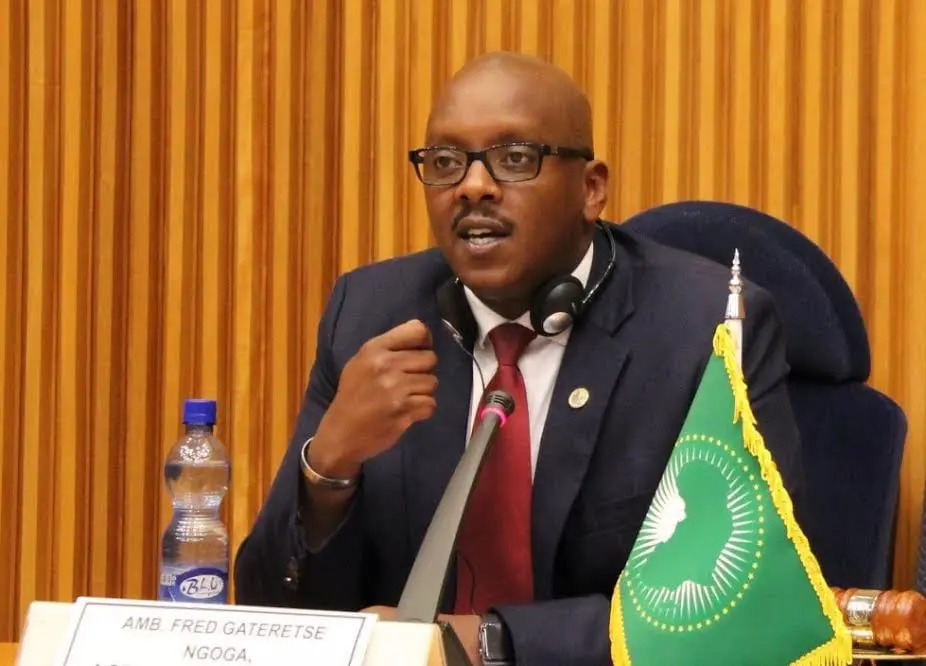
Ngoga, who serves as a senior adviser on international partnerships and regional security mechanisms at the African Union, stressed that confronting structural ethnic divisions is the only viable path to genuine long-term stability and national reconciliation.
The diplomatic friction ignited following a statement published by Ngoga on the social media platform X, where he challenged the status quo regarding ethnic relations inside the country.
“Unfortunately, in Burundi, I wish I was wrong, but discrimination against Tutsi communities still exists,” Ngoga stated.
“Acknowledging this reality is important if we are to promote justice, reconciliation, and equal dignity for all. I expect insults, but will tell you what everyone thinks.”
Under Burundi’s current constitutional framework, state and institutional positions are allocated according to ethnic quotas between Hutu and Tutsi. The system also includes specific provisions for the Twa minority, including reserved representation in parliament.
Ngoga’s remarks quickly drew sharp condemnation from high-ranking Burundian state officials. Willy Nyamitwe, Burundi’s Ambassador to the African Union, Ethiopia, and neighbouring countries, led the public pushback.
Ambassador Nyamitwe rejected Ngoga’s assessment, labelling the comments as “unprofessional” and “divisive”.
This public disagreement marks the latest chapter in an ongoing ideological clash between the two diplomats.
The pair previously sparred online following controversial statements made by Thérèse Kayikwamba Wagner, the Minister of Foreign Affairs for the Democratic Republic of the Congo (DRC).
Minister Wagner had publicly claimed that a genocide against ethnic Hutus had taken place in Burundi in 1994.
At the time, Ambassador Ngoga vigorously disputed the Congolese Foreign Minister’s historical accuracy.
He countered that Burundian Hutus were not victims of a recognised genocide in 1994, emphasising that Burundi was firmly under the governance of a Hutu president during that period.
Frédéric Gateretse Ngoga, a prominent former Burundian diplomat and current African Union (AU) official, has publicly reiterated grave concerns over ongoing, unresolved discrimination targeting Tutsi communities in Burundi.
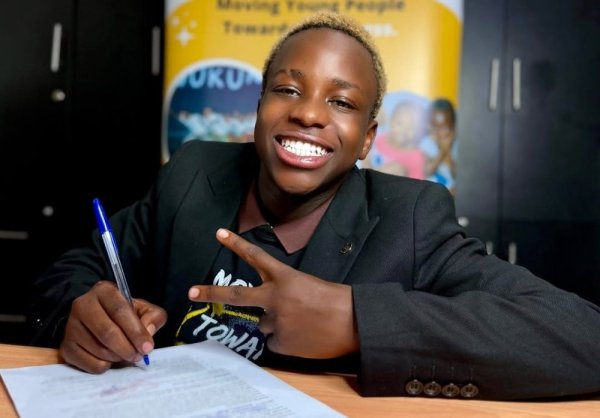
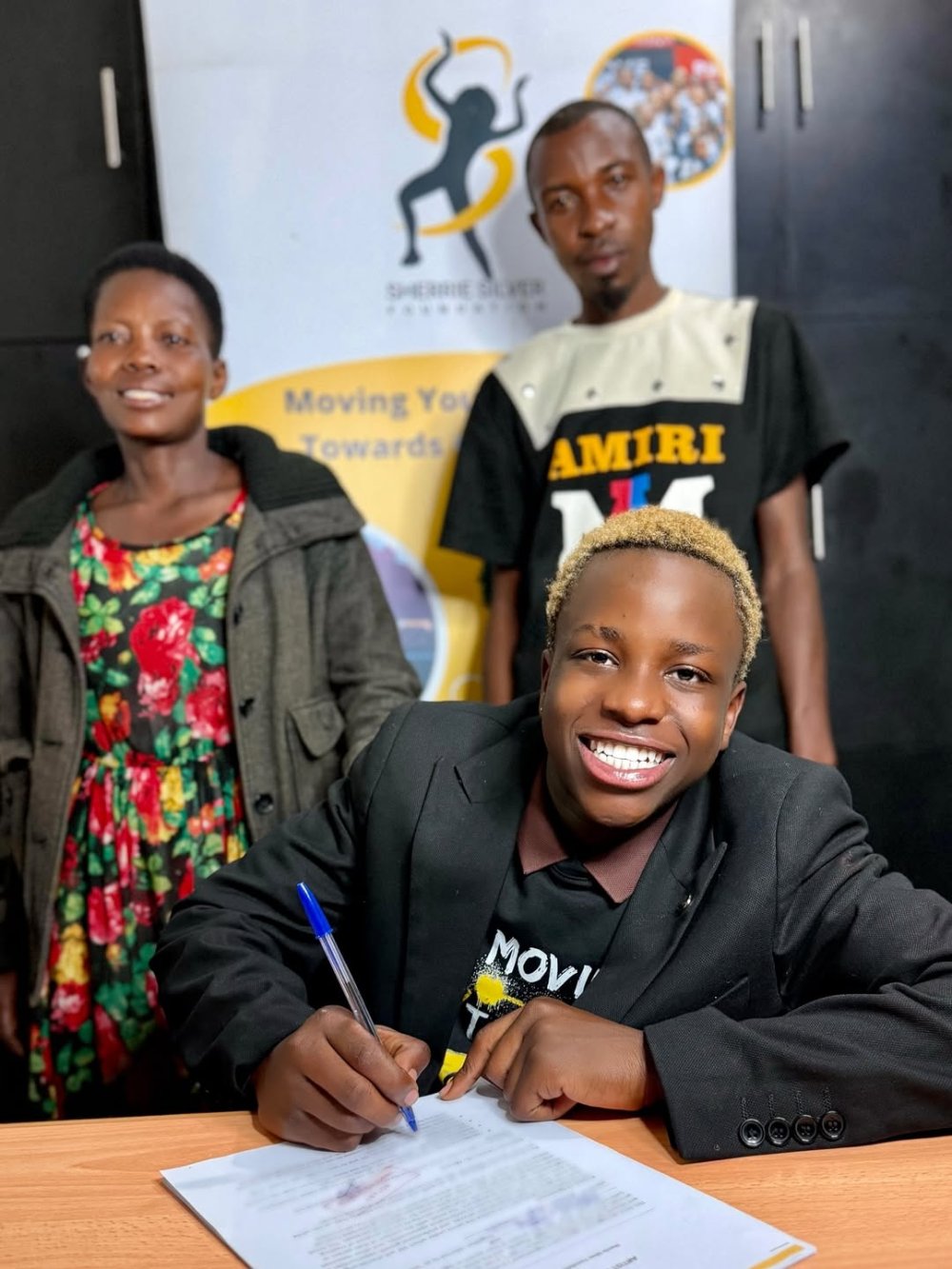
In a statement released on Thursday, Iranzi admitted that he acted out of anger and immaturity, saying he now regrets his earlier public remarks about the Foundation.
“I apologise to the Sherrie Silver Foundation for the interview that misrepresented me. I was immature, I acted hastily,” he said.
The apology comes a day after the Sherrie Silver Foundation confirmed that it had parted ways with Iranzi effective May 2, 2026, citing a mismatch in values despite efforts from both sides to resolve internal disagreements.
In earlier statements, the Foundation and its founder, Sherrie Silver, said their core mission remains grounded in “education, discipline and integrity,” and confirmed it would no longer represent or be responsible for Iranzi’s actions or public views going forward.
“They helped me and cared for my family”
In his latest message, Iranzi expressed appreciation for the Foundation’s support during his time under its care, saying he holds no resentment toward its leadership.
“I have no issues with Sherrie; they helped me, cared for my family, made you know me, you love me,” he said.
He added that he had failed to understand the advice given to him at the time, but now recognises its value.
“I did not understand the advice they gave, but the time came when I realised I should listen to the advice of elders because I am still young,” he noted, adding that he was “misled by anger and bad friends.”
Iranzi also appealed for the removal of online content related to his earlier comments about the Foundation, saying some of the material contained “mistakes and wrongdoing.”
He further called on individuals who could assist in reconciling him with the Foundation’s founder, Sherrie Silver, to step in and help rebuild the relationship.
“I also ask those who can help me reconcile with my mother, Sherrie, to assist me,” he said.
Focus on education and discipline
The young artist also signalled a shift in priorities, saying he intends to focus more on his studies in line with the Foundation’s long-standing emphasis on education.
“I must love school, listen, and put music aside to focus on studying, as the Foundation always asks us. I do not engage in any bad behaviour,” he said. “Hear me, I am yours. Pray for Sherrie for forgiveness.”
Iranzi, who released his first song titled “Basalee” a few days ago, had previously told the media that his exit was influenced by frustrations over limited creative freedom. He claimed that some of his music projects were not released and that he felt restricted in his growth as an artist.
He also said that tensions increased when he was enrolled in a boarding school in Musanze, even as he was already working on music projects, which he interpreted as limiting his ability to fully pursue his artistic development.
In his latest message, Iranzi expressed appreciation for the Foundation’s support during his time under its care, saying he holds no resentment toward its leadership.
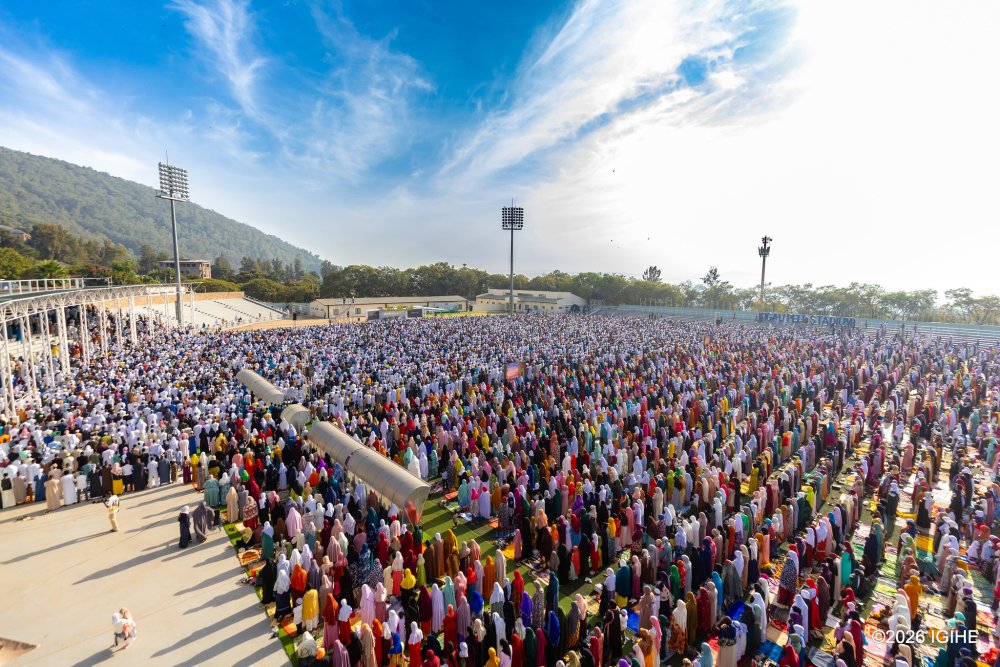
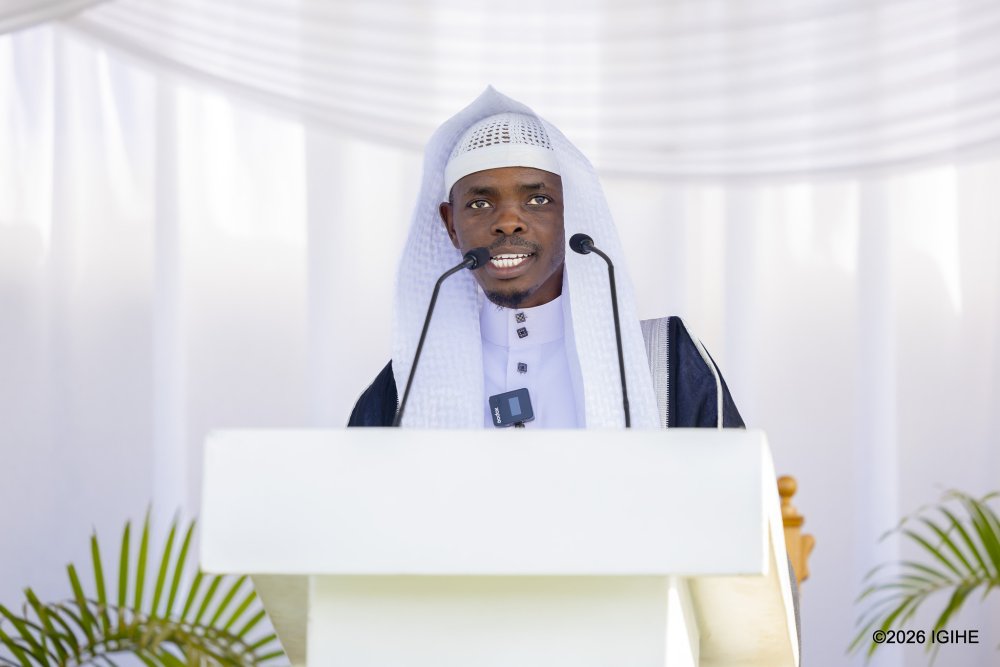
He made the remarks during a press conference held on May 27, 2026, as Muslims across Rwanda celebrated Eid al-Adha, one of the most important holidays in Islam.
Speaking to journalists, Sheikh Sindayigaya was asked about the progress of a request submitted earlier this year by the Muslim community seeking permission for the Adhan to be publicly broadcast through mosque loudspeakers.
The request was presented to Paul Kagame on March 25, 2026, during his meeting with Muslim faithful at BK Arena.
The Mufti explained that the Adhan continues to be recited inside mosques, while loudspeakers remain authorized for the other daily prayer calls except the one performed before sunrise.
“The issue concerns the morning prayer call being broadcast through loudspeakers. The other prayer calls are already allowed to use loudspeakers, but the early morning one remains restricted,” he said.
According to Sheikh Sindayigaya, President Kagame received the request positively and asked relevant institutions to examine the matter further.
During the March meeting, President Kagame encouraged authorities to assess the issue.
The Mufti added that he has since held several discussions with the Minister of Local Government regarding the matter and was informed that authorities are still assessing possible ways forward.
“I have spoken several times with the Minister of Local Government, who was also present during the meeting. We remain in discussions, and he asked us to be patient as they continue examining how it could be implemented,” Sheikh Sindayigaya said.
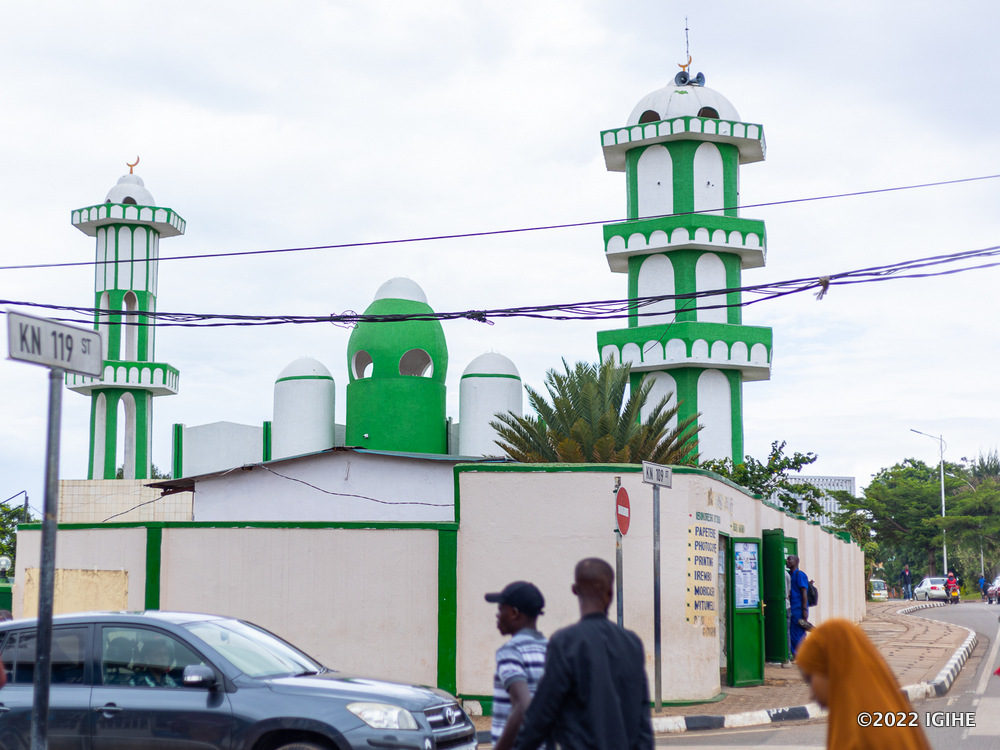
In March 2022, authorities suspended the broadcasting of the Adhan in Kigali, citing Article 267 of Rwanda’s law governing offenses and penalties.
Muslims across Rwanda turned up in a large numbe as they celebrated Eid al-Adha, one of the most important holidays in Islam. The Mufti of Rwanda, Sheikh Sindayigaya Musa, has said discussions with authorities have given hope that the early morning Muslim call to prayer, known as the Adhan, could resume.
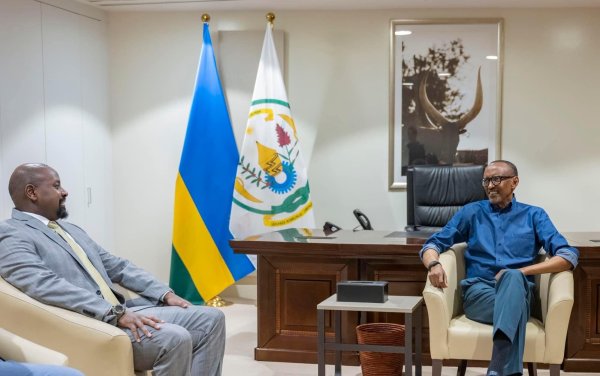
Gen Muhoozi, the son of President Yoweri Museveni, is widely credited with helping reopen diplomatic channels between Kigali and Kampala during a period of strained relations that culminated in the closure of the common border.
Following Ayebare’s appointment as Foreign Affairs Minister, Gen Muhoozi congratulated him in a message posted on X.
“I want to congratulate my big brother, H.E Adonia Ayebare, for the appointment as Minister of Foreign Affairs. From now on, I will wait for guidance on all matters foreign affairs from Mzee and Adonia,” Gen Muhoozi wrote.
Ayebare responded by thanking Gen Muhoozi for the trust and cooperation they have shared over the years, describing their collaboration on various diplomatic and security matters as an important learning experience.
“Afande. Thank you for your trust and support over the years. It has been a learning experience working with you on different files. It is the other way round, I will be waiting for instructions from Mzee and you,” Ayebare said.
He added that diplomacy remains central to national security and credited Gen Muhoozi for helping avert a deeper crisis in relations with Rwanda.
“Diplomacy serves as the first line of Defense for national security. Your achievements in Diplomacy speak for themselves. We were on a collision course with our friends in Rwanda; you prevented disaster. Our relations with DRC, South Sudan, I can go on and on. I am ready for marching orders, Afande,” he added.
Ayebare is regarded as one of Uganda’s most experienced diplomats on Rwanda-Uganda relations. He previously served as Uganda’s ambassador to Rwanda and later acted as President Museveni’s special envoy to Kigali during efforts to mend ties between the two countries.
Beyond diplomacy, Ayebare also has personal ties to Rwanda through his family background, with a Ugandan father and a Rwandan mother.
During the height of tensions, Ayebare undertook several visits to Kigali carrying messages from President Museveni aimed at restoring bilateral relations. Those engagements were later followed by high-profile visits by Gen Muhoozi to Rwanda, which paved the way for renewed cooperation between the two governments.
In previous remarks about the reconciliation process, Ayebare indicated that progress only became possible after Gen Muhoozi became directly involved, arguing that earlier diplomatic efforts had stalled. He said Gen Muhoozi’s understanding of the historical, political and social ties between Rwanda and Uganda, combined with his close relationship with both President Museveni and President Paul Kagame, helped unlock the impasse.
Gen Muhoozi intensified his involvement in the process in late 2021, stepping in after formal diplomatic tracks had stalled. His subsequent visit to Kigali on January 22, 2022, was followed days later by the reopening of the Gatuna border crossing, marking a major breakthrough in the normalisation of relations between the two countries.
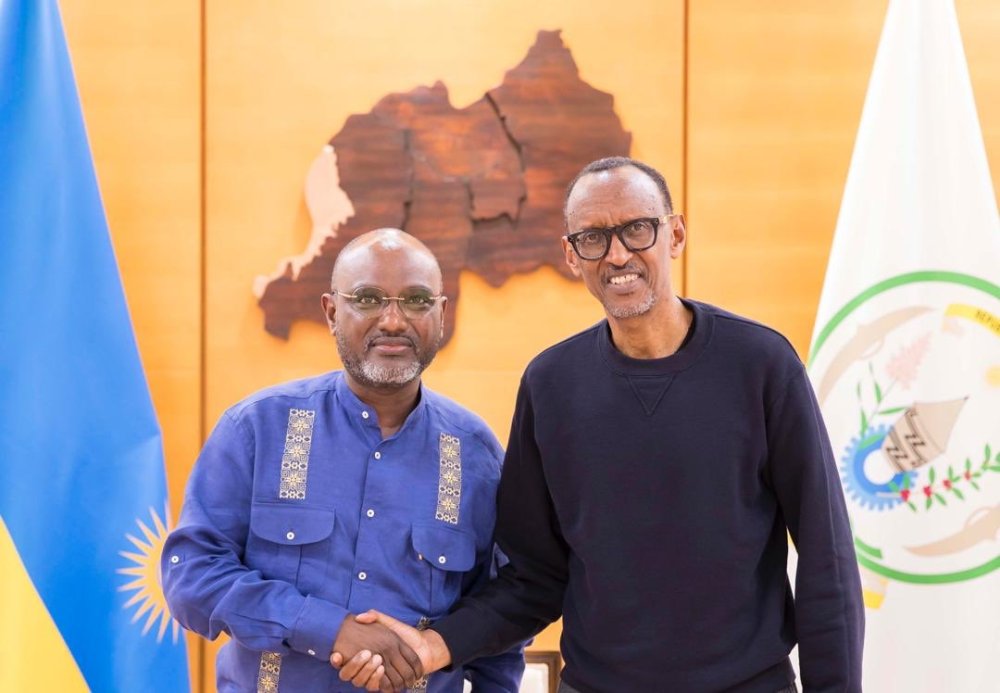
Adonia Ayebare, Uganda’s newly appointed Minister of Foreign Affairs, has praised Gen Muhoozi Kainerugaba for his role in improving relations between Rwanda and Uganda.Adonia Ayebare has made several visits to Rwanda, where he was received by President Paul Kagame.Ayebare is regarded as one of Uganda’s most experienced diplomats on Rwanda-Uganda relations. He previously served as Uganda’s ambassador to Rwanda and later acted as President Museveni’s special envoy to Kigali during efforts to mend ties between the two countries.
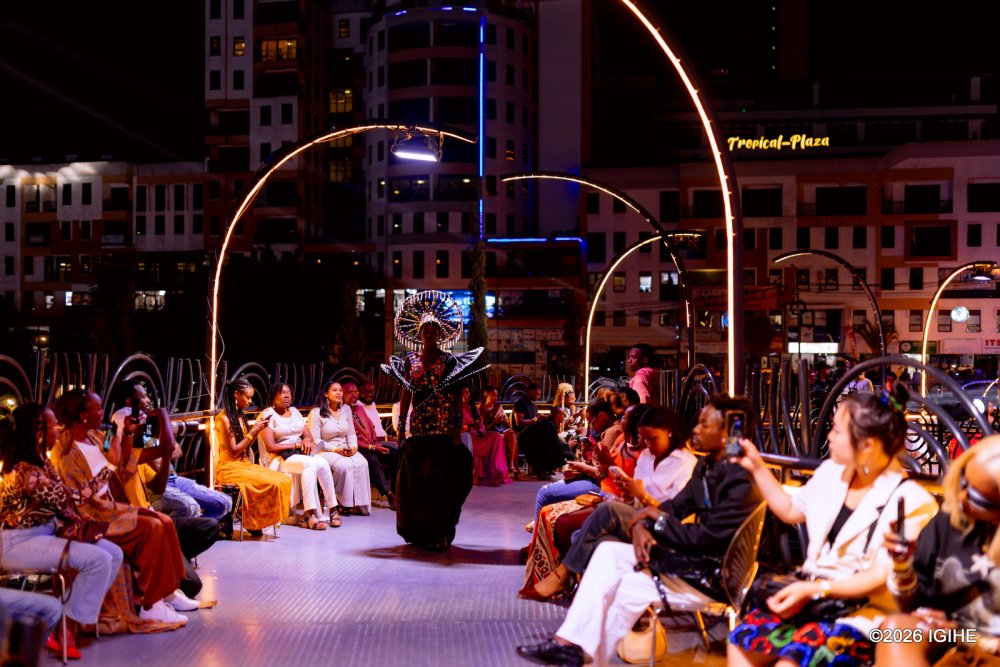
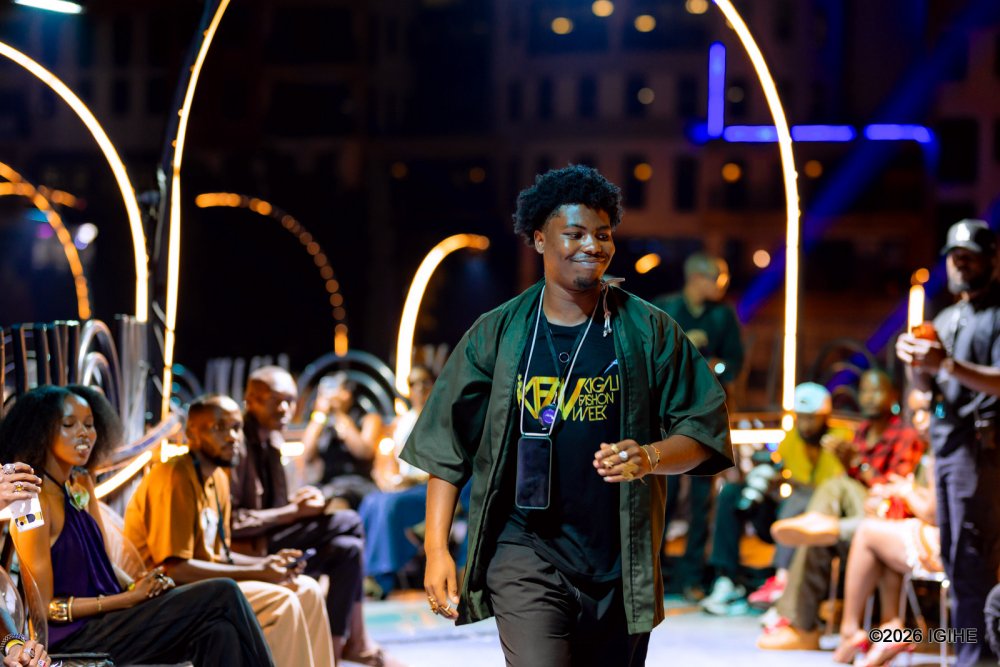
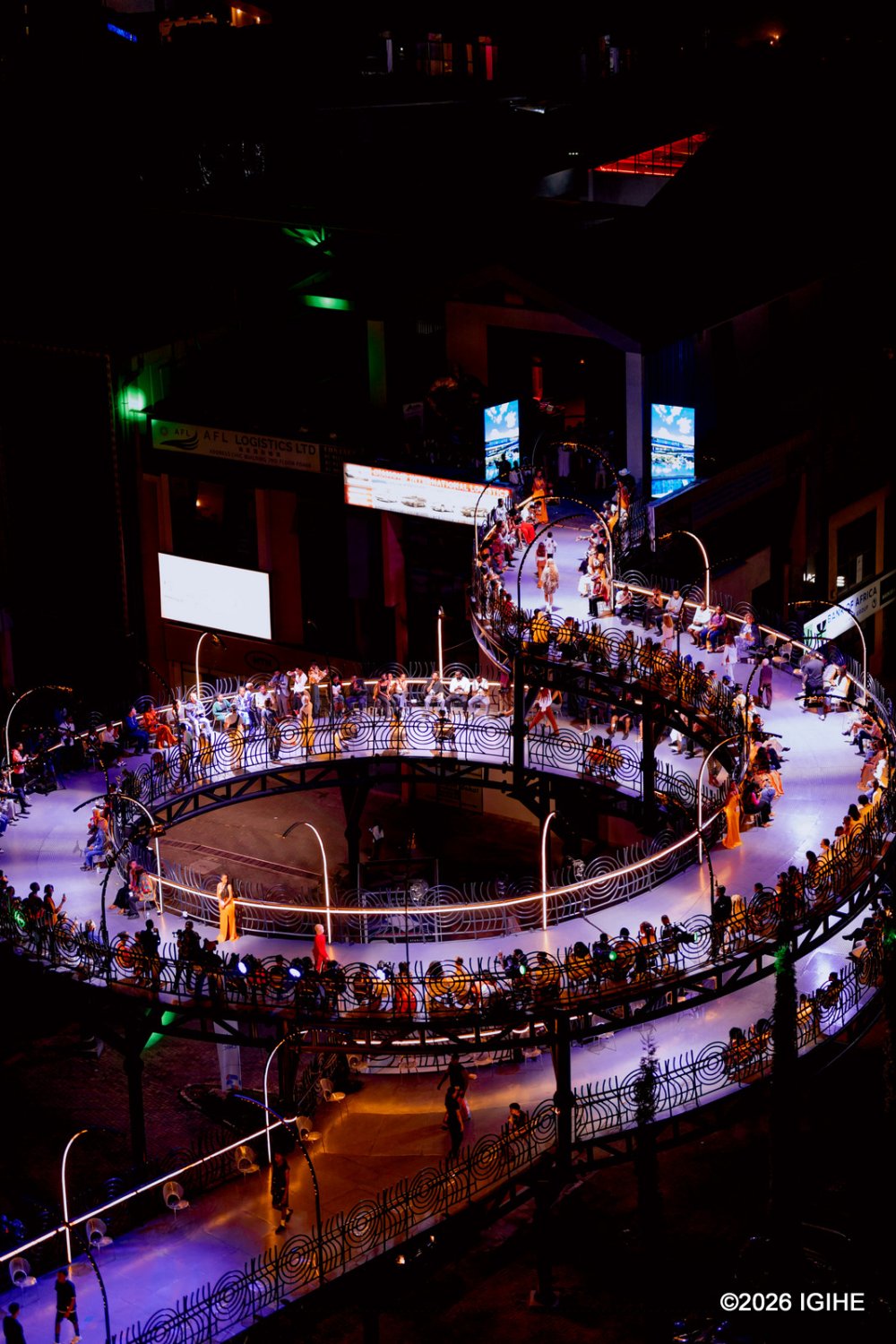
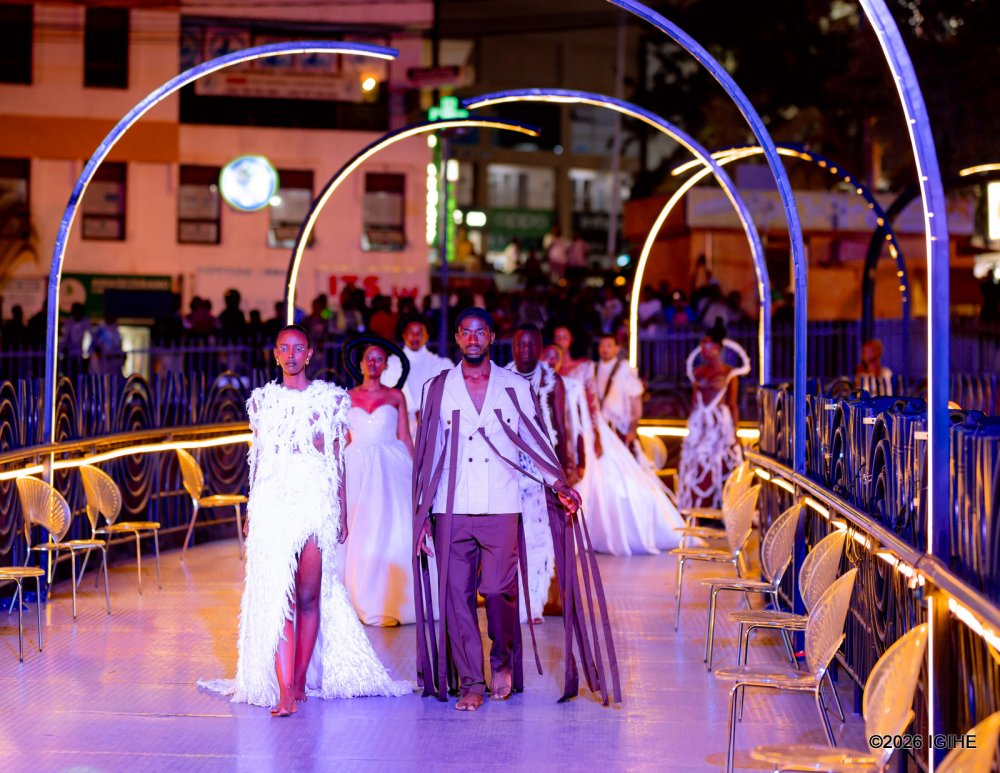
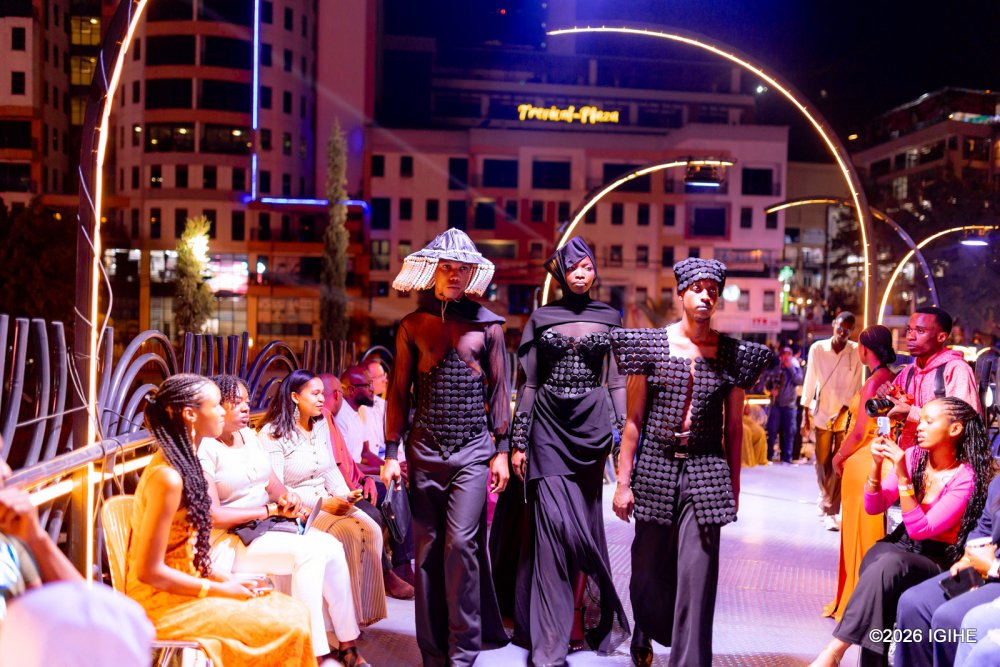
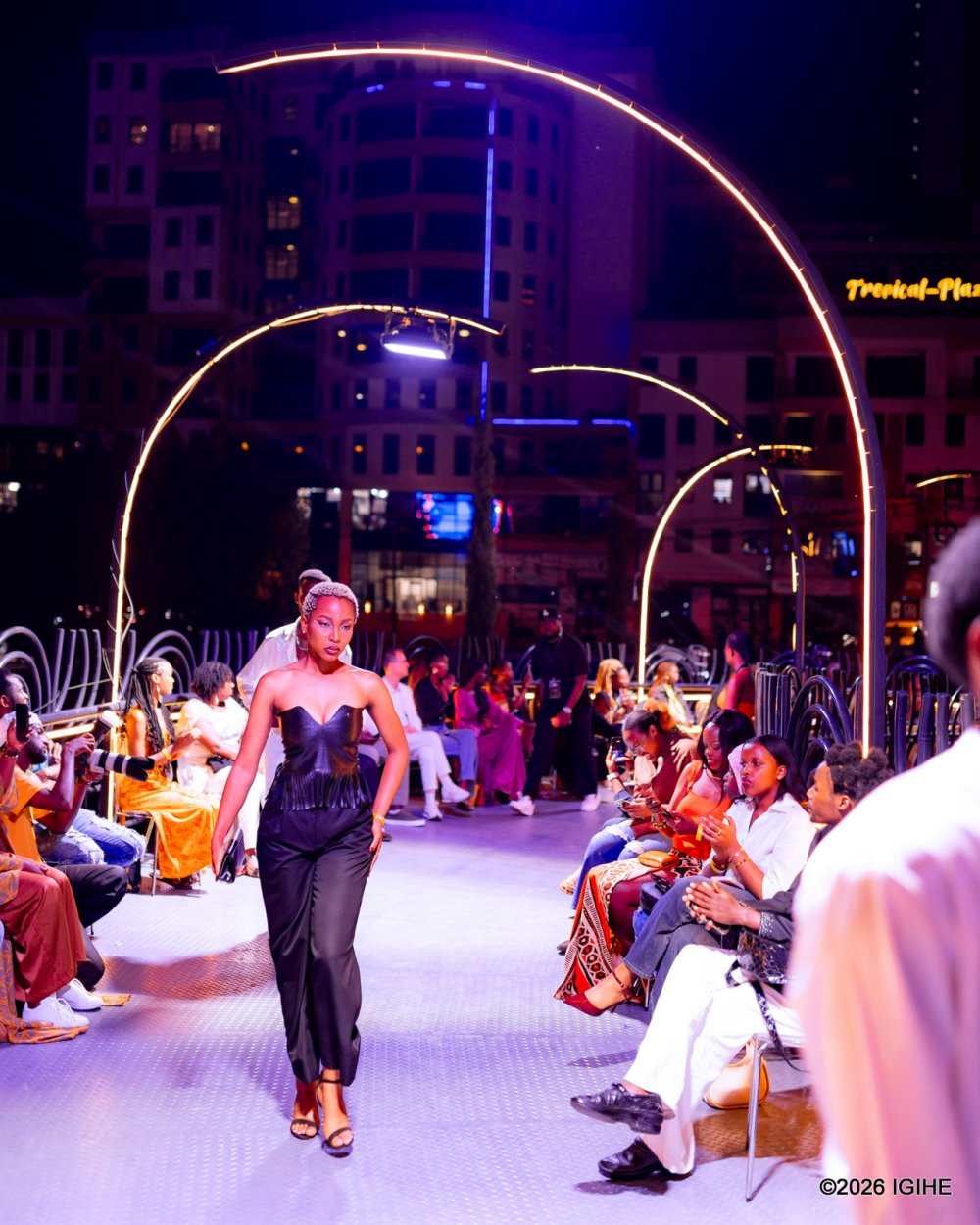
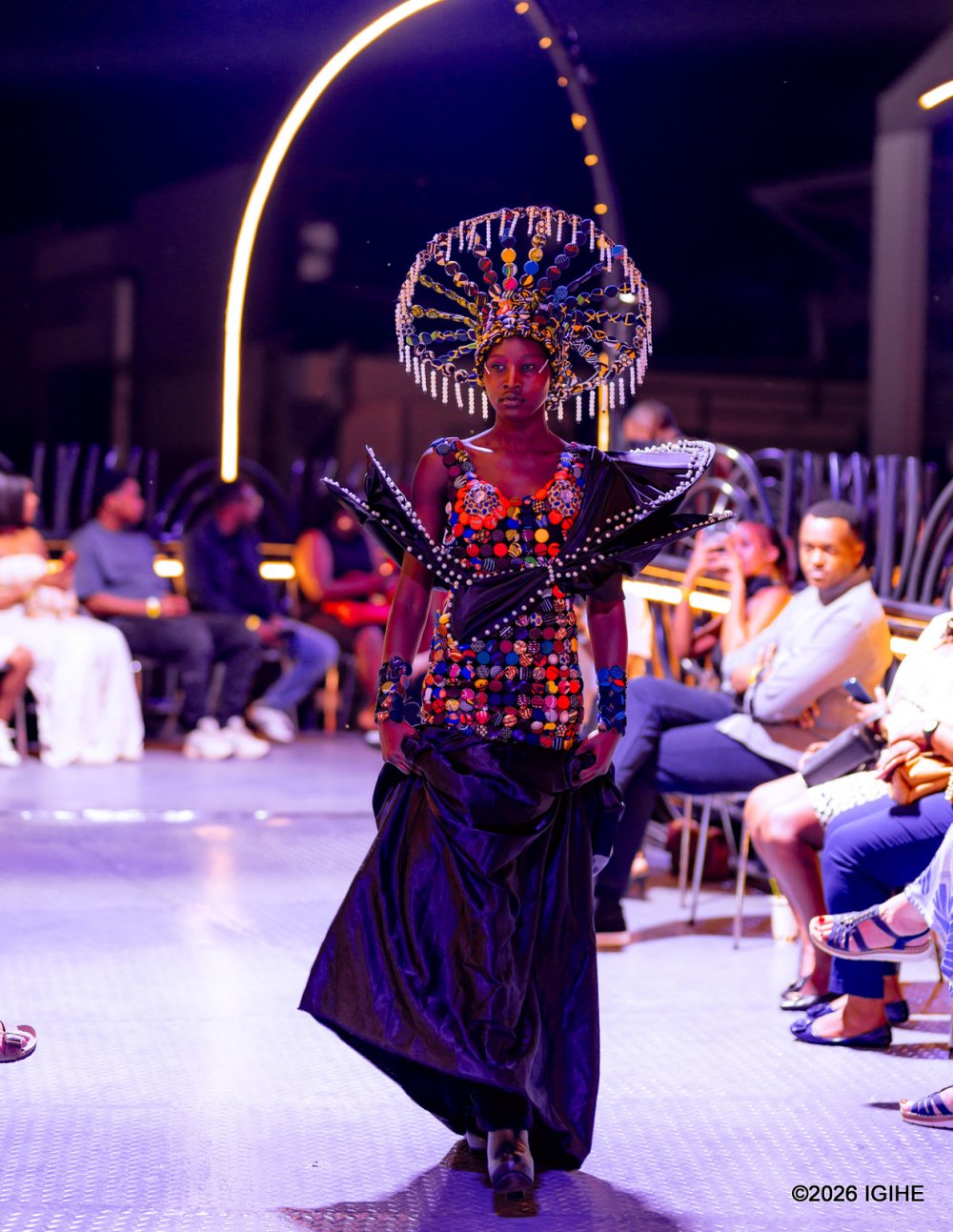
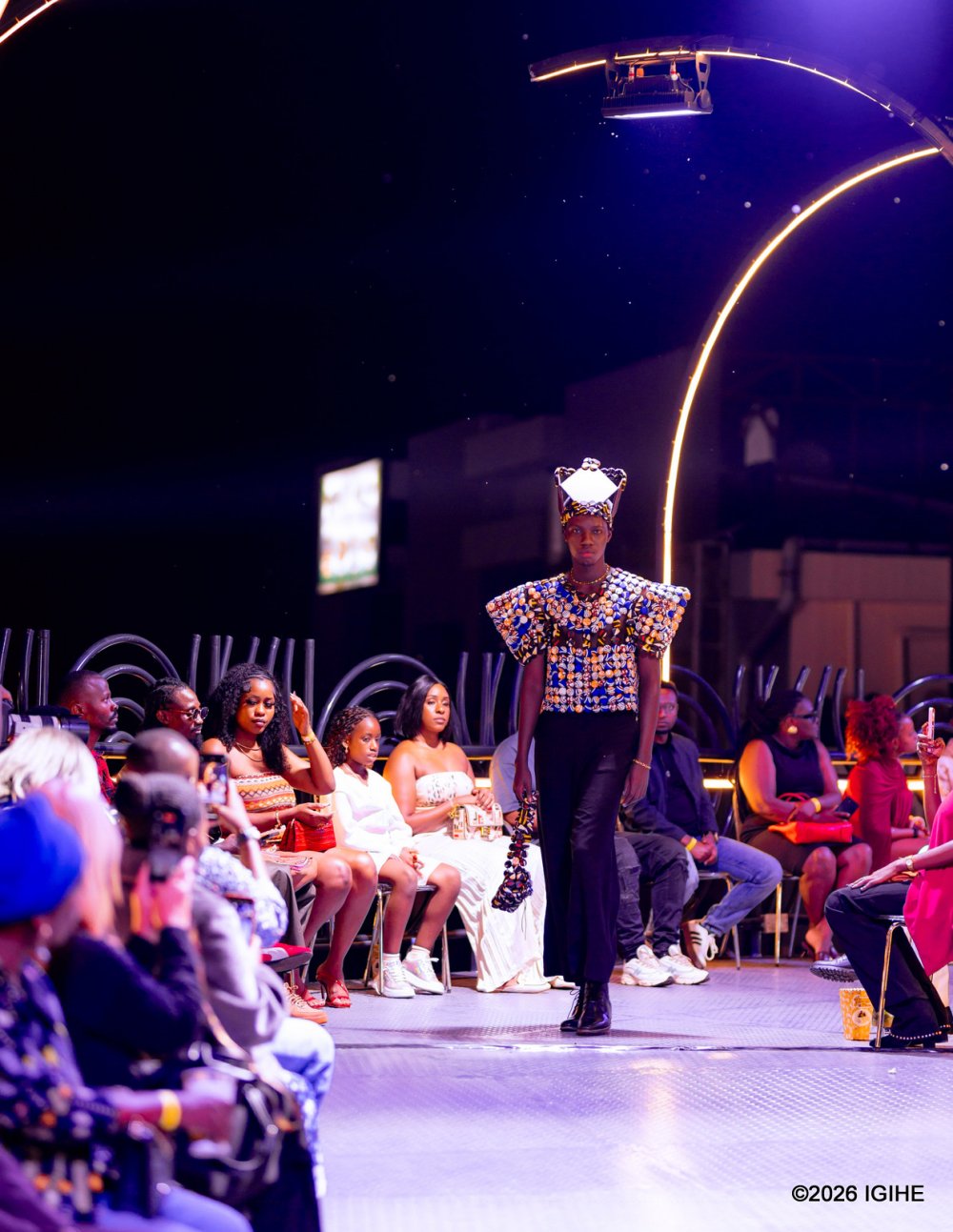
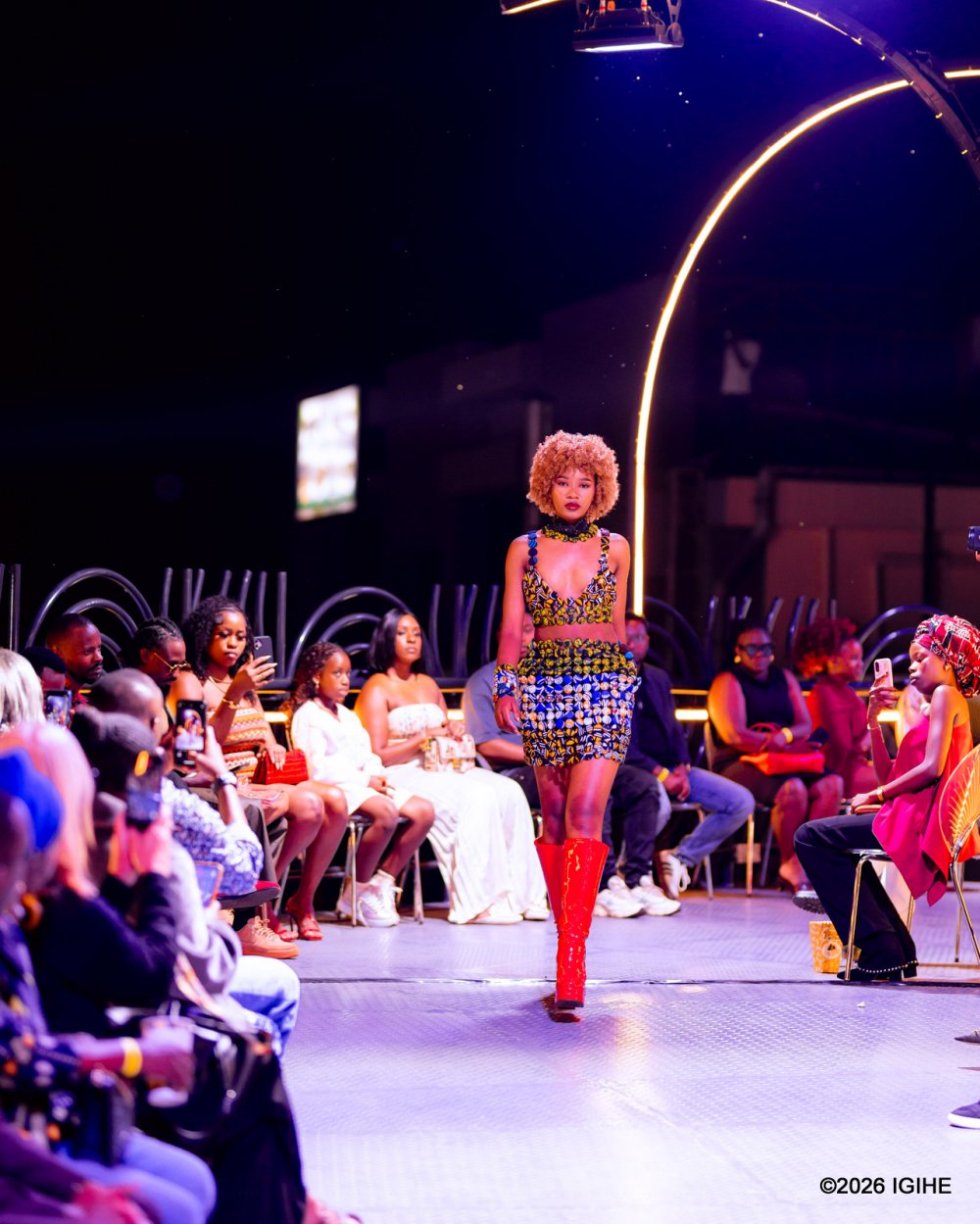
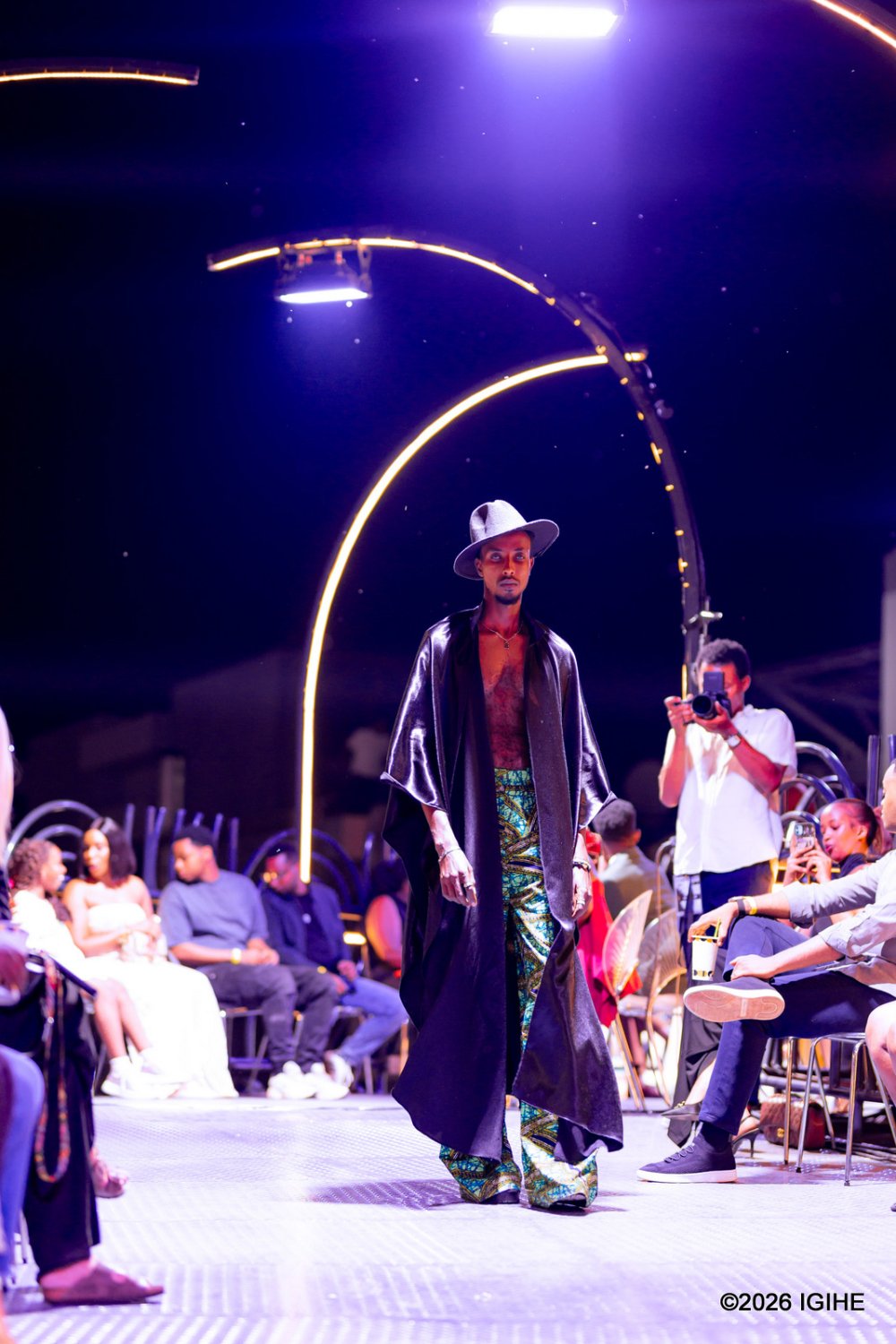
The event brought together around 15 fashion designers from Rwanda, Uganda, and other countries.
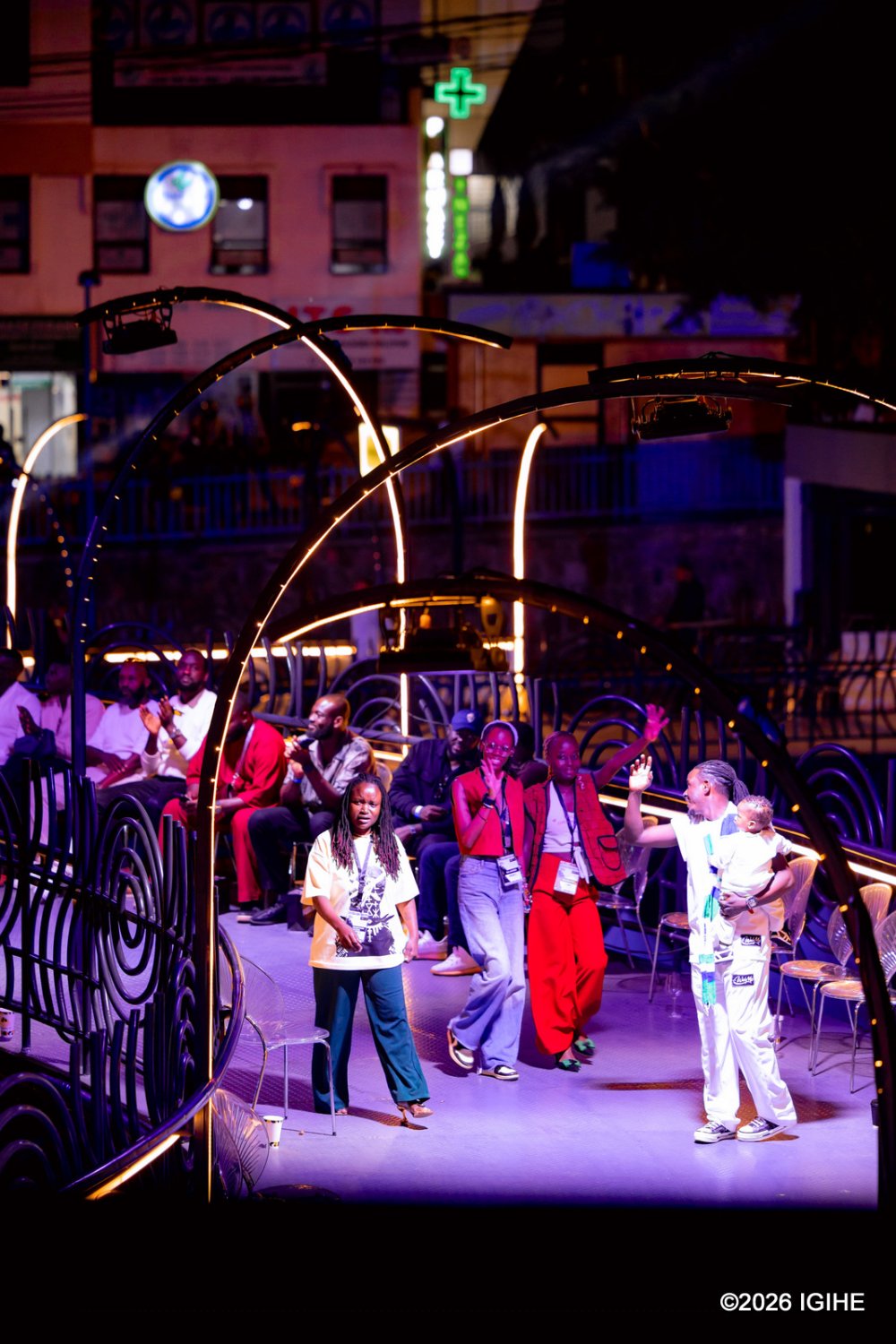
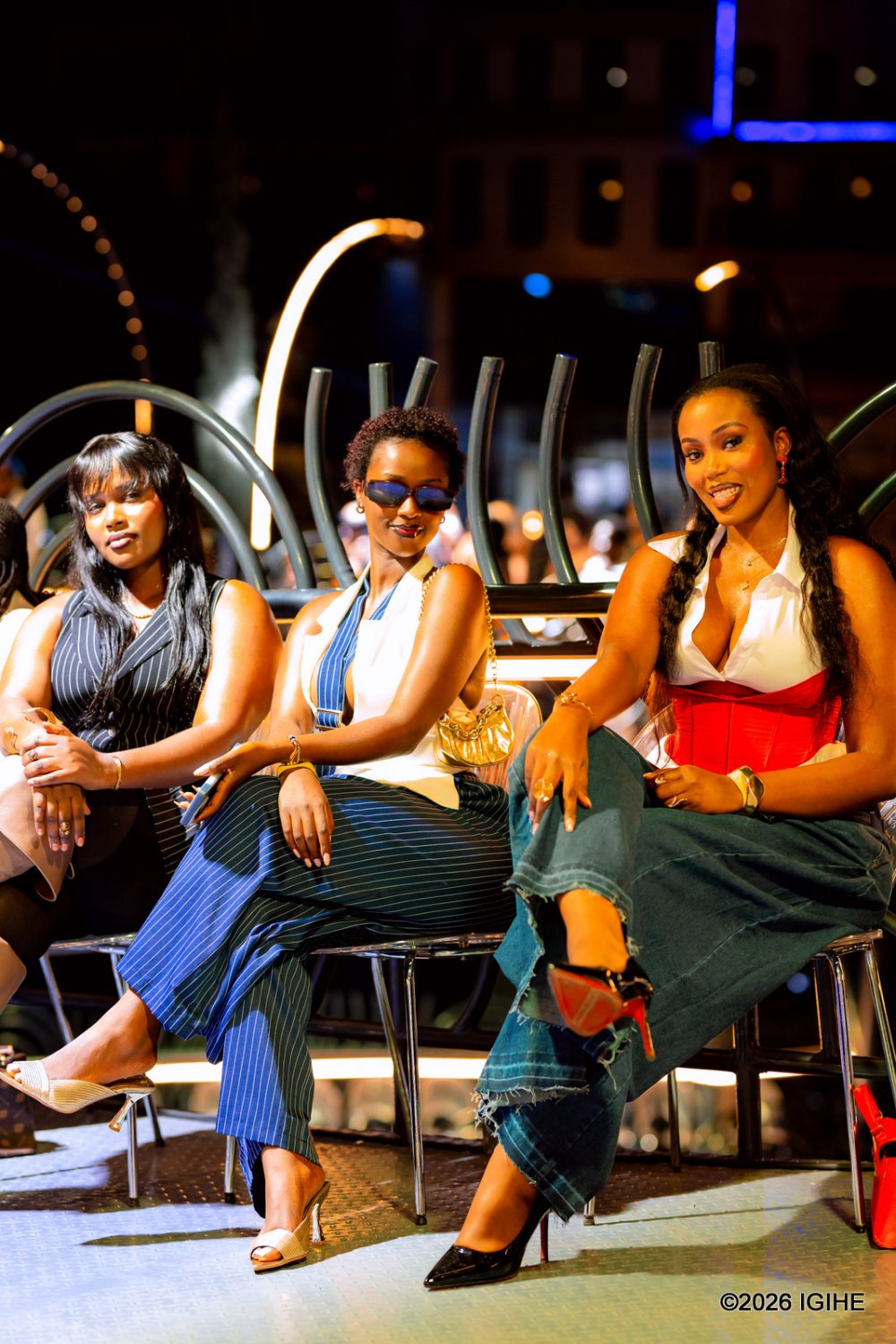
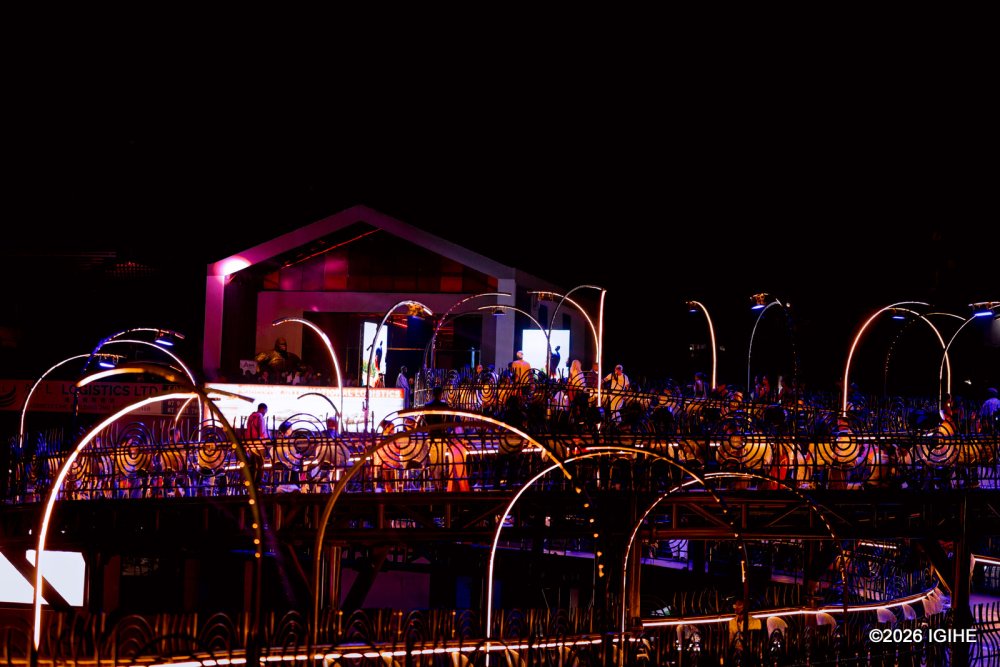
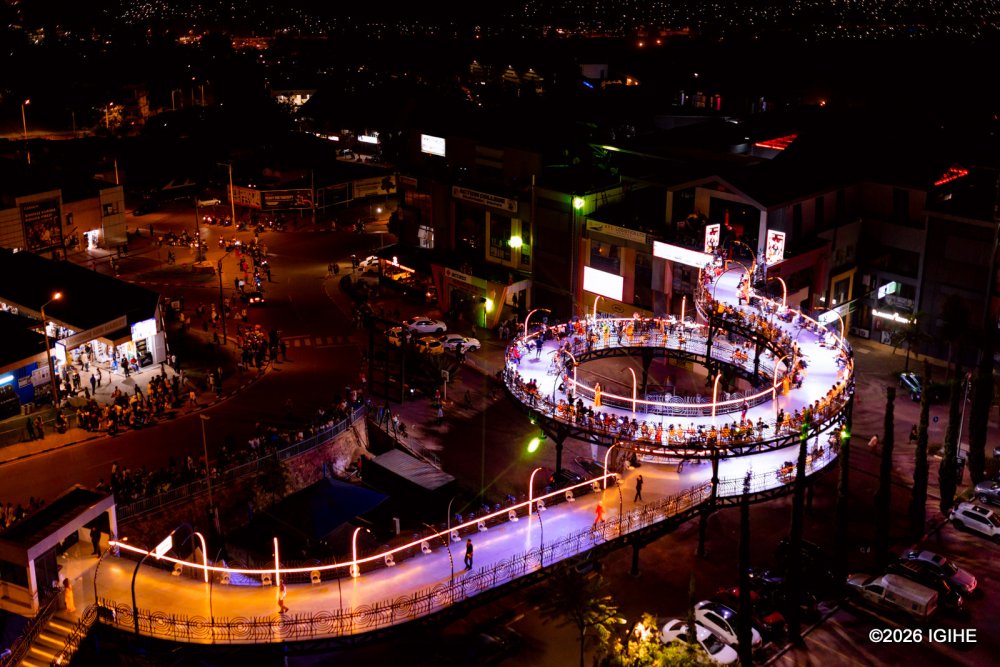
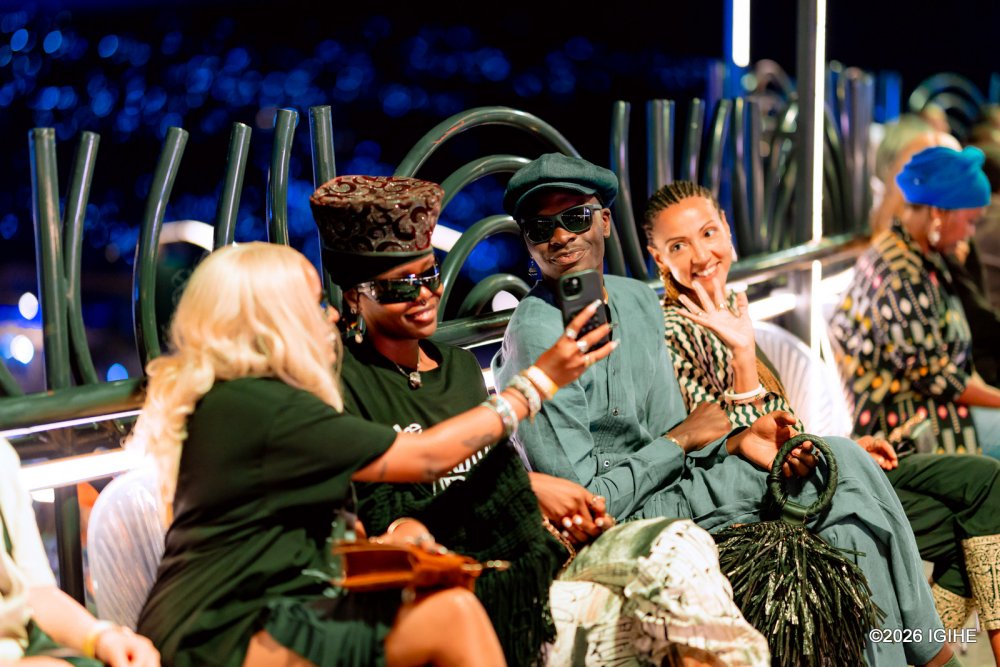
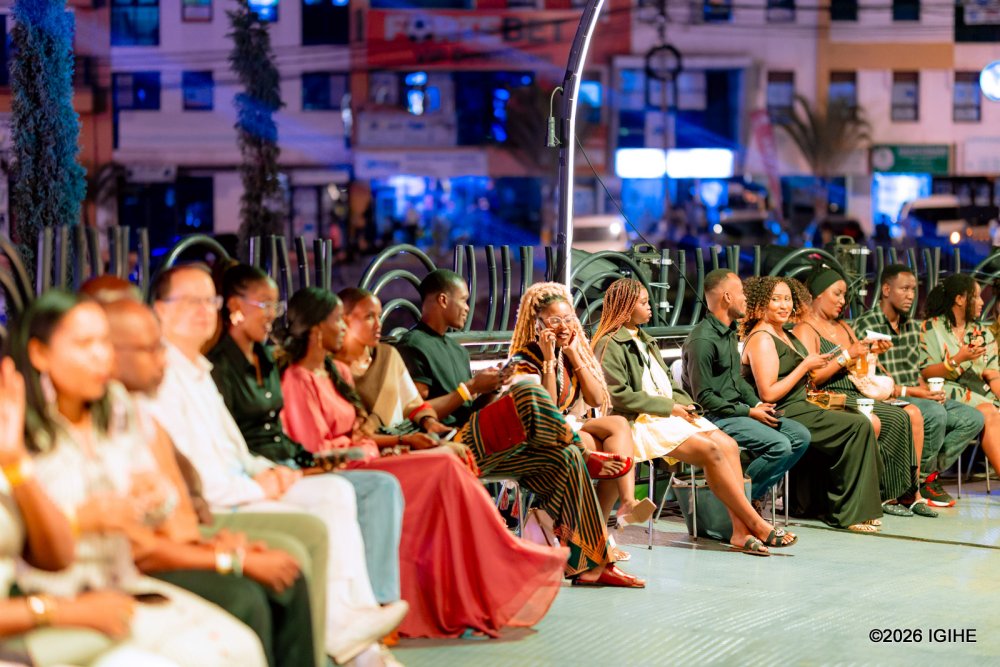
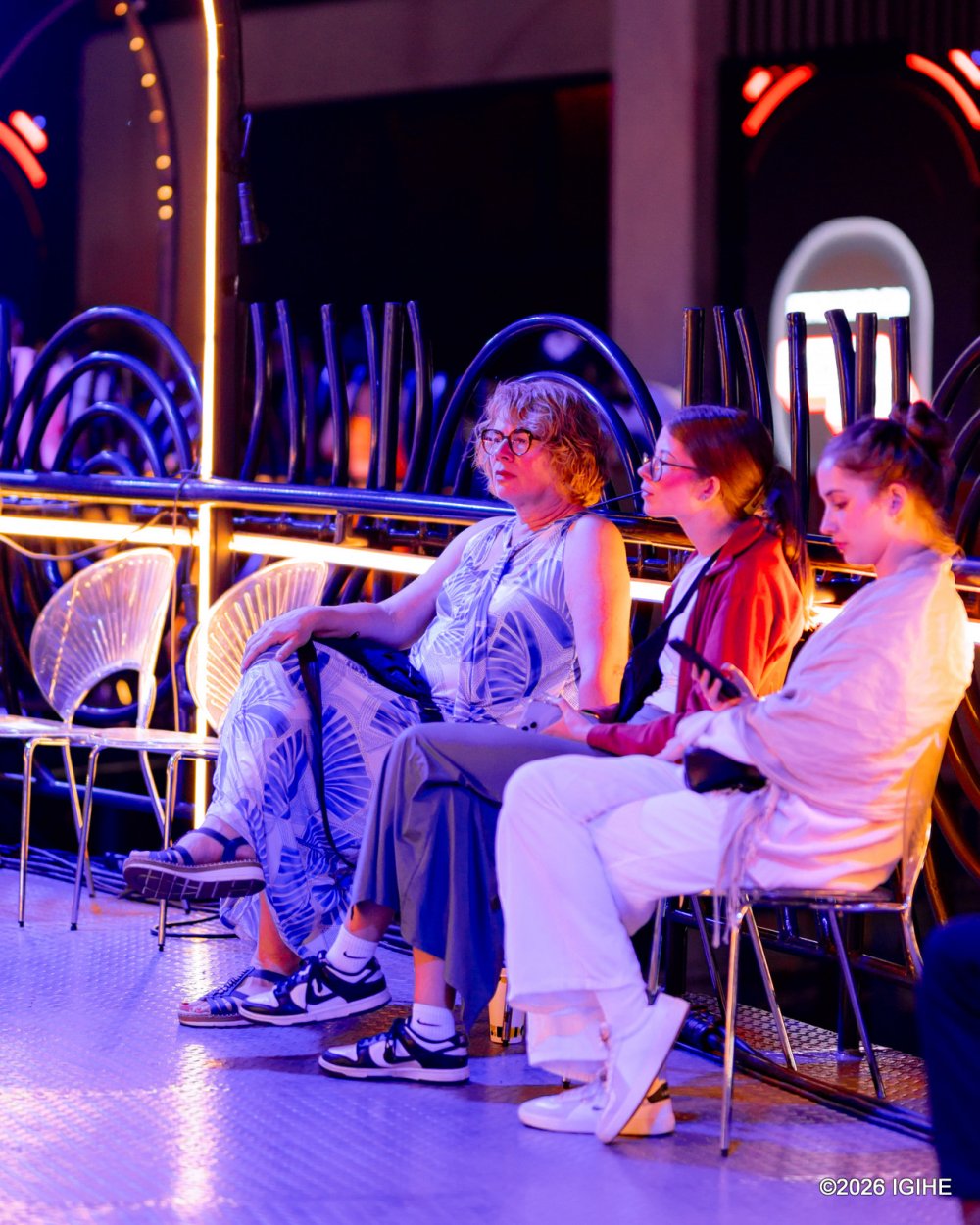
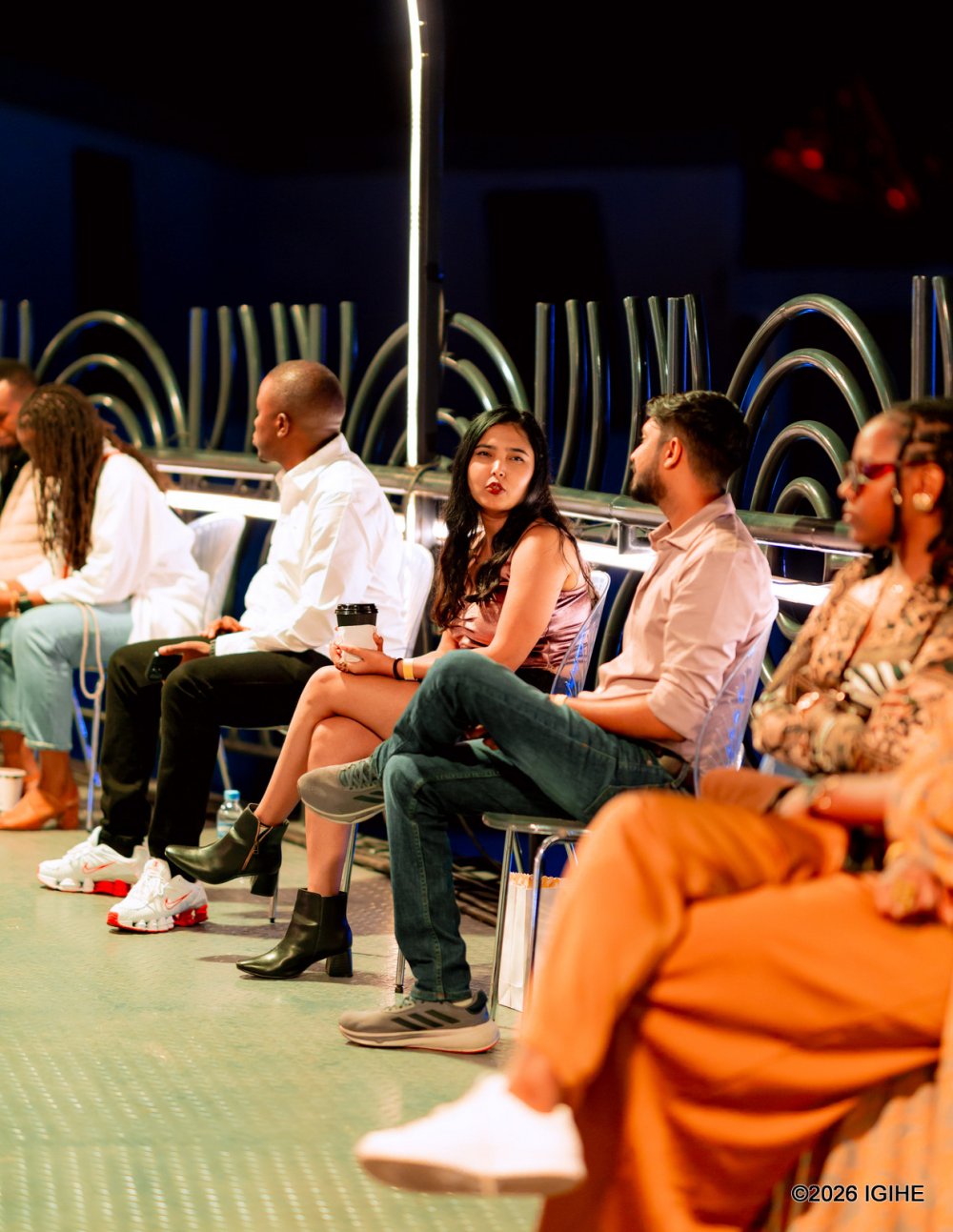
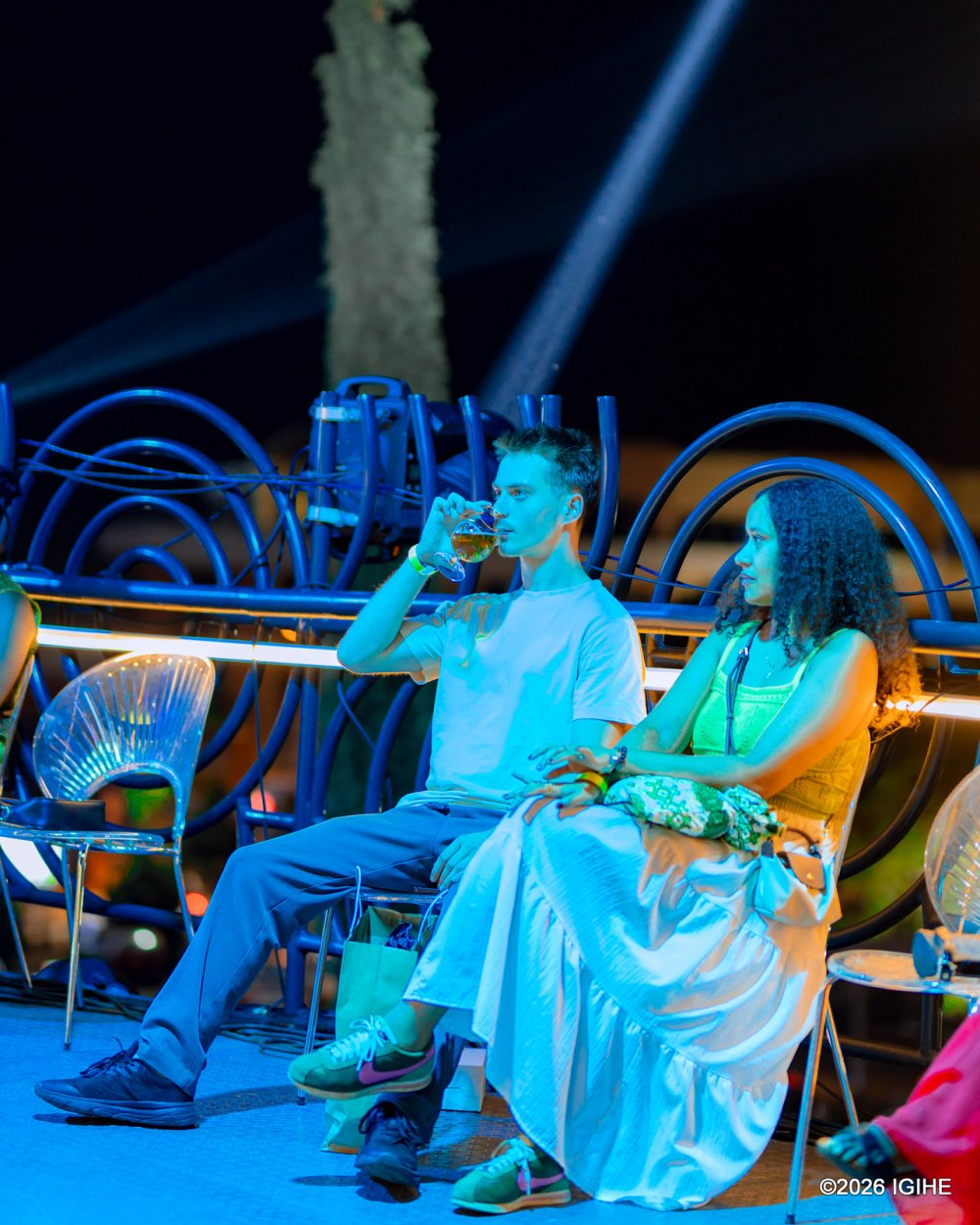
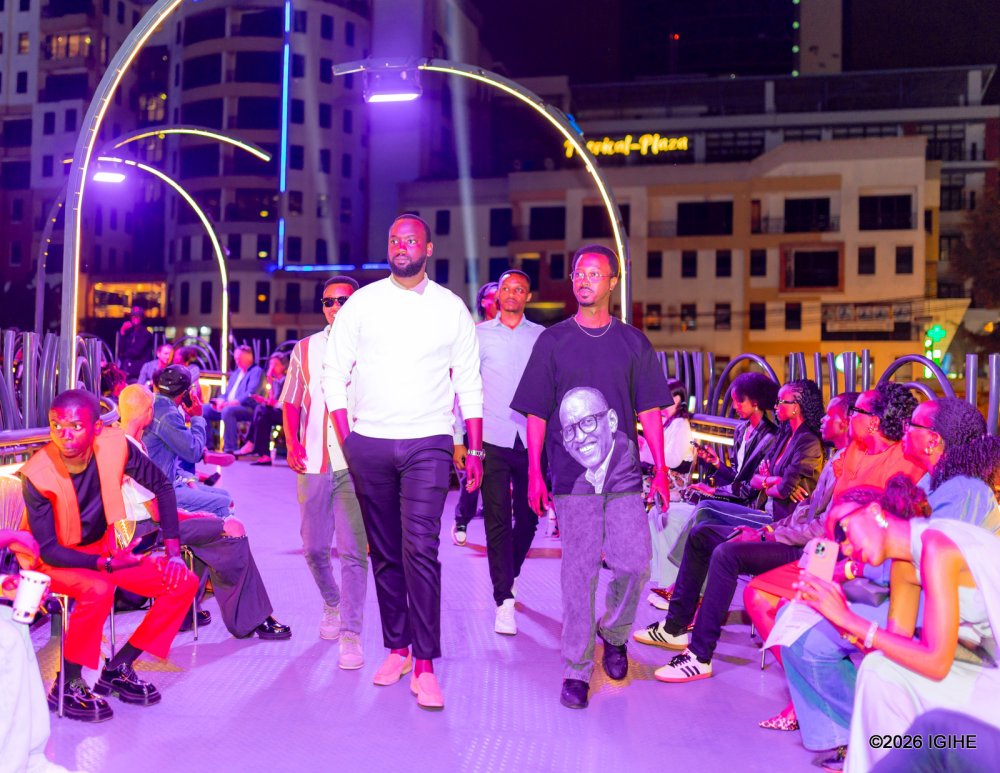
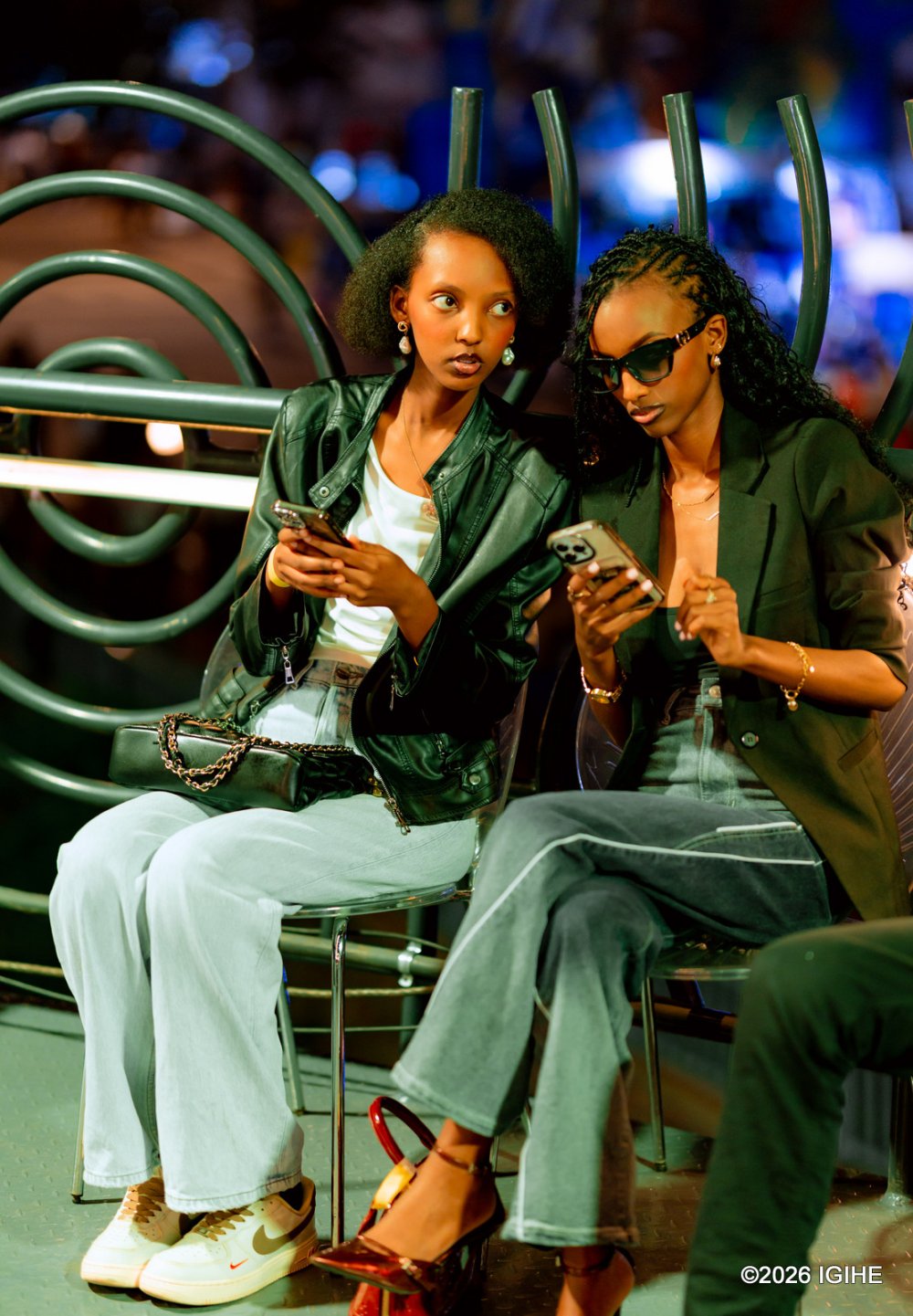
The show attracted strong interest from Kigali residents, who gathered to witness a fashion experience staged in an open-air urban setting for the first time on this structure.
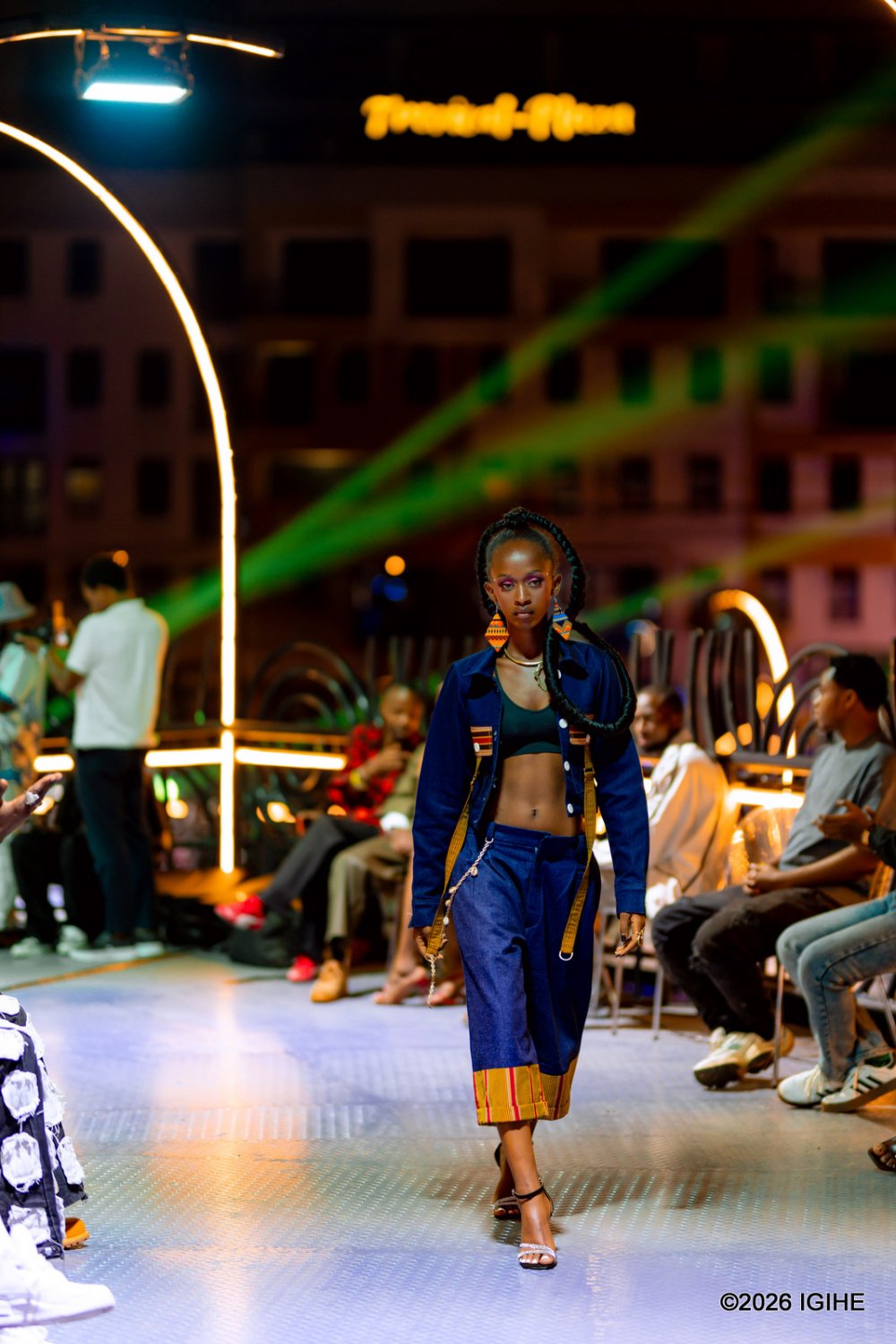
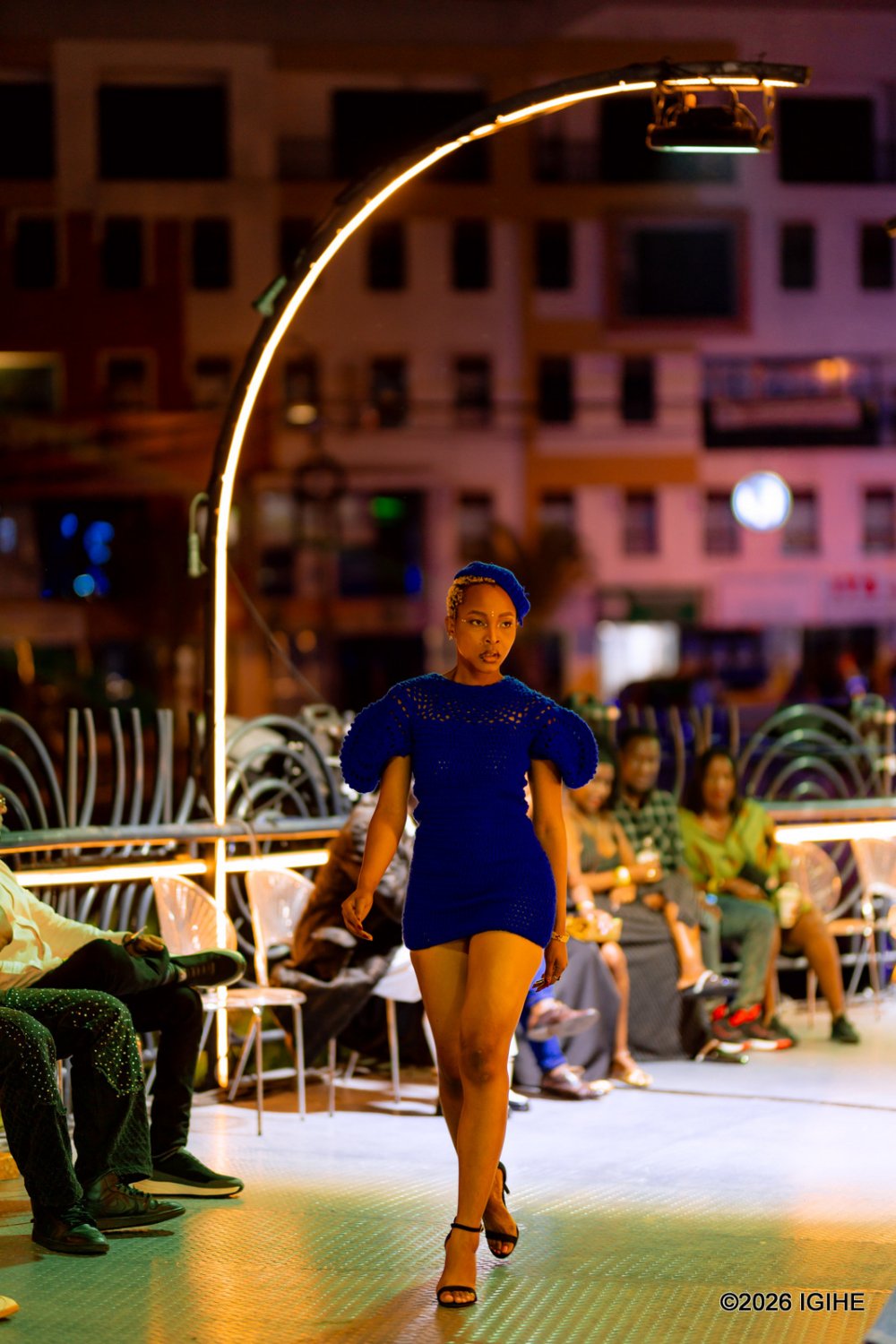
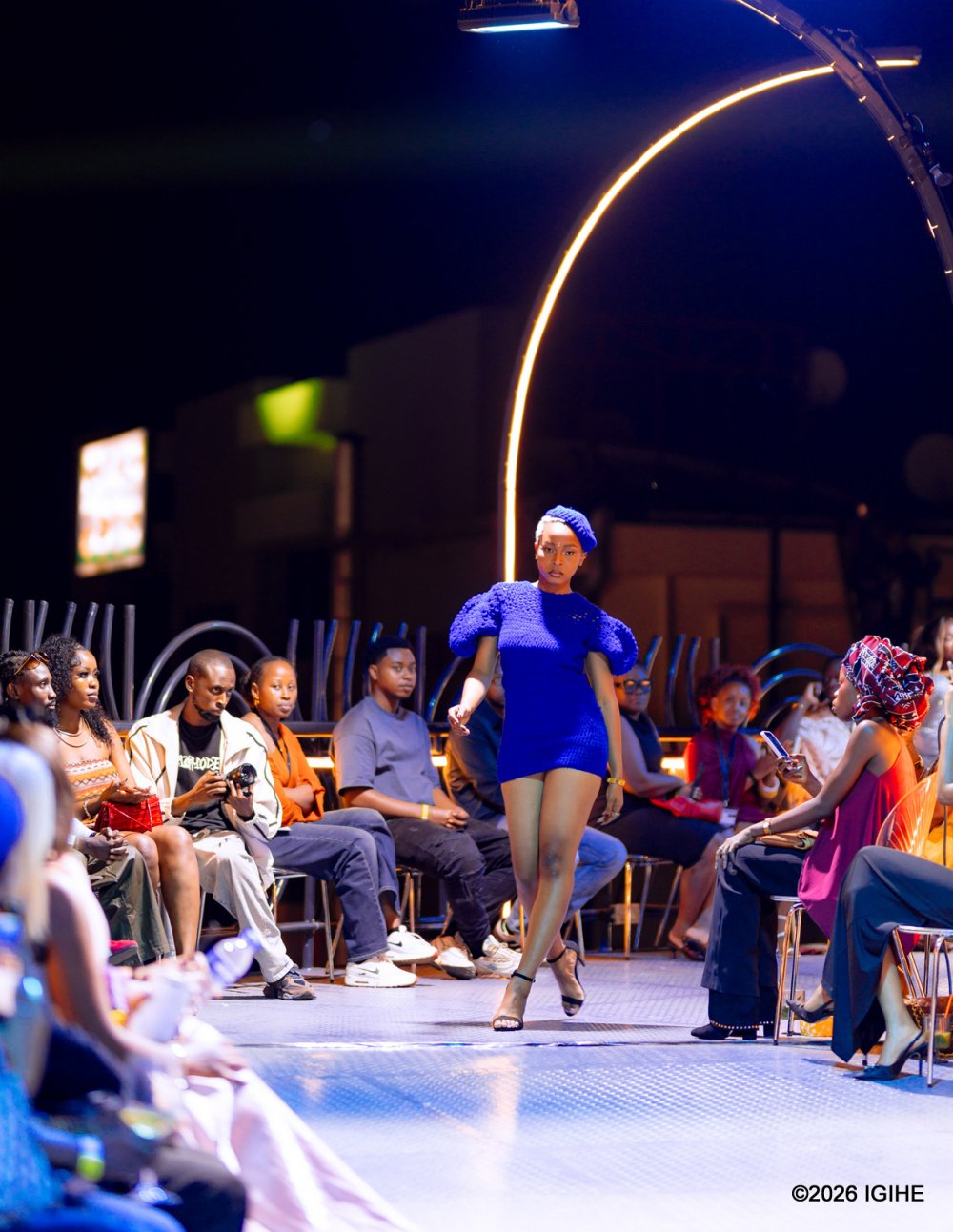
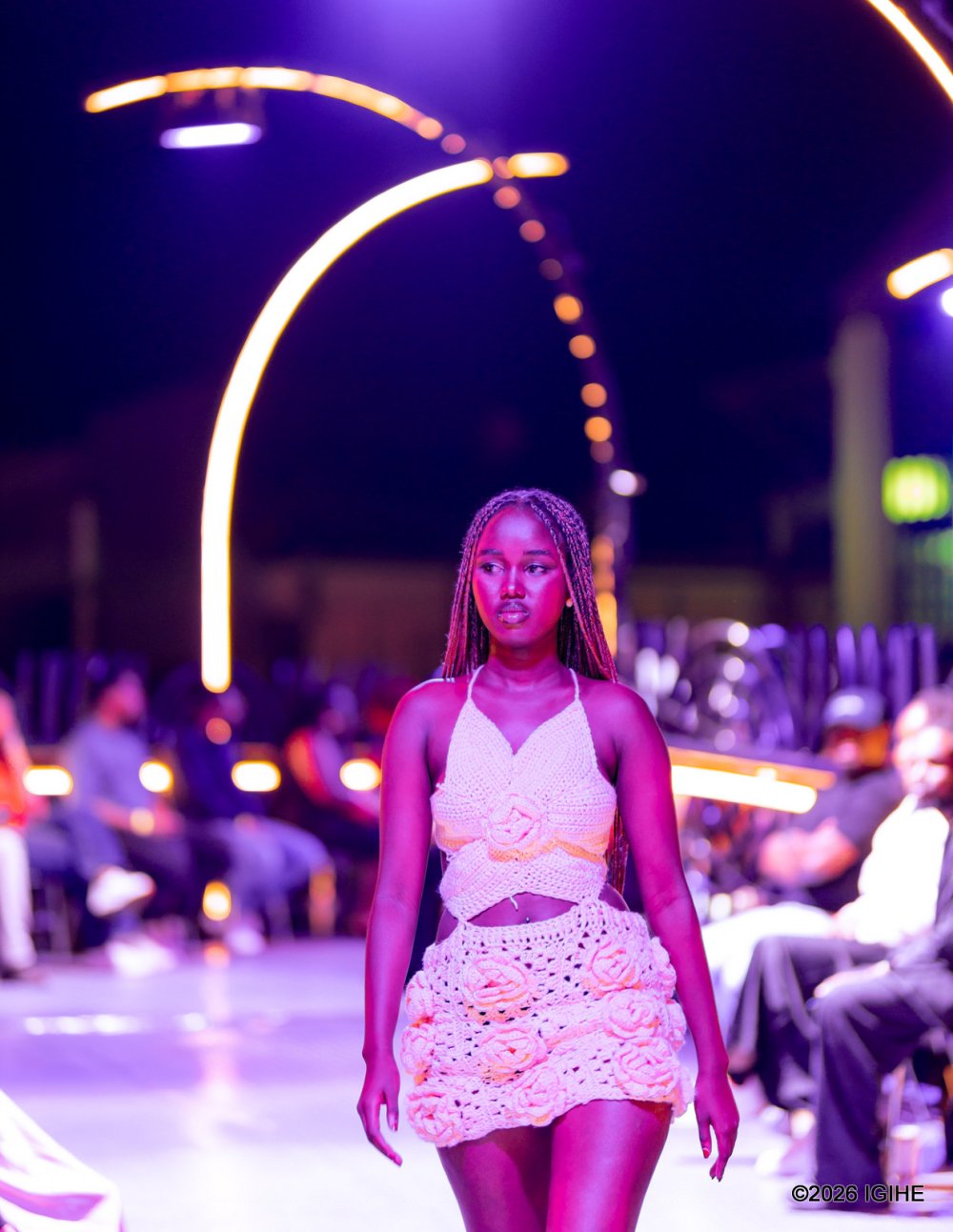
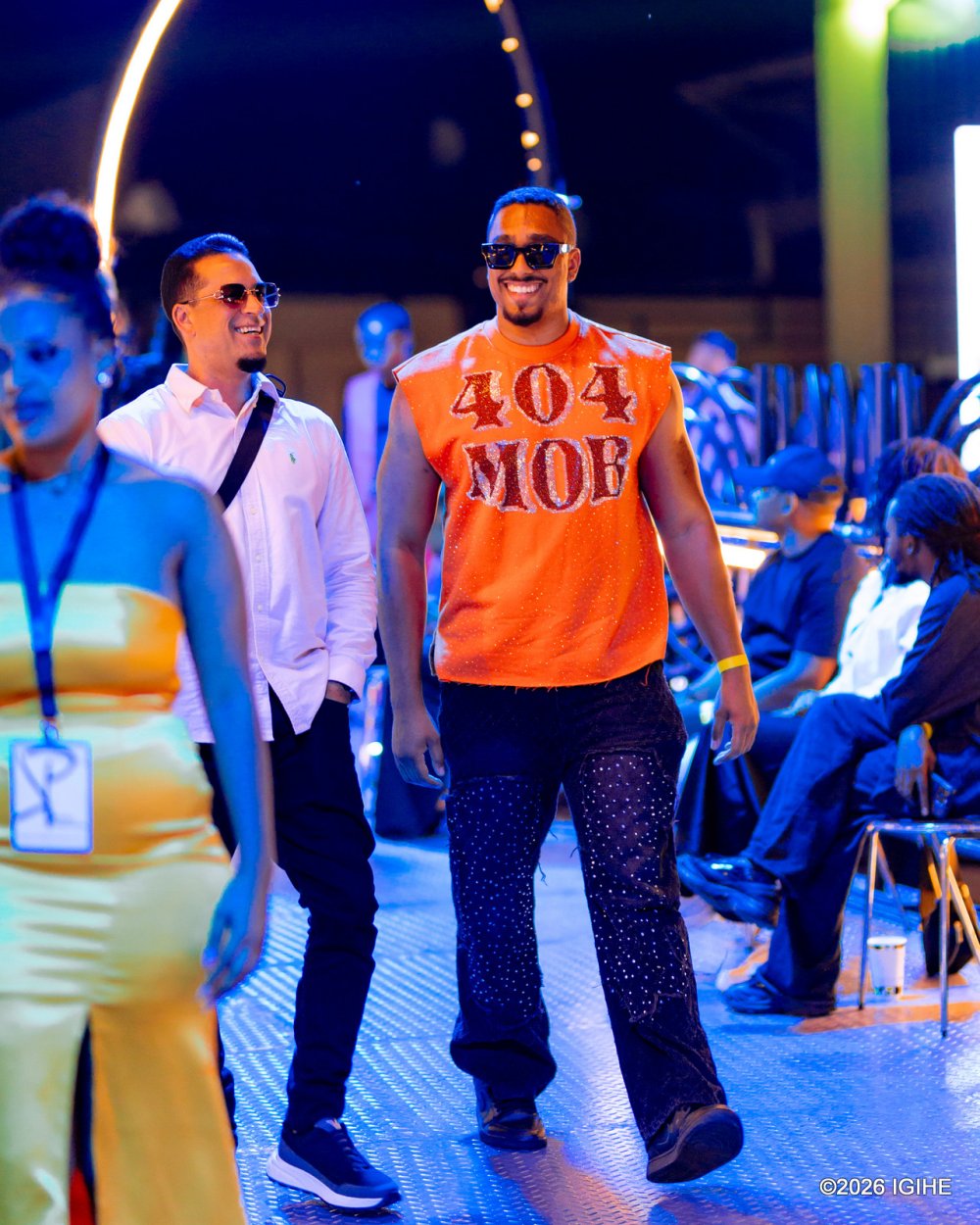
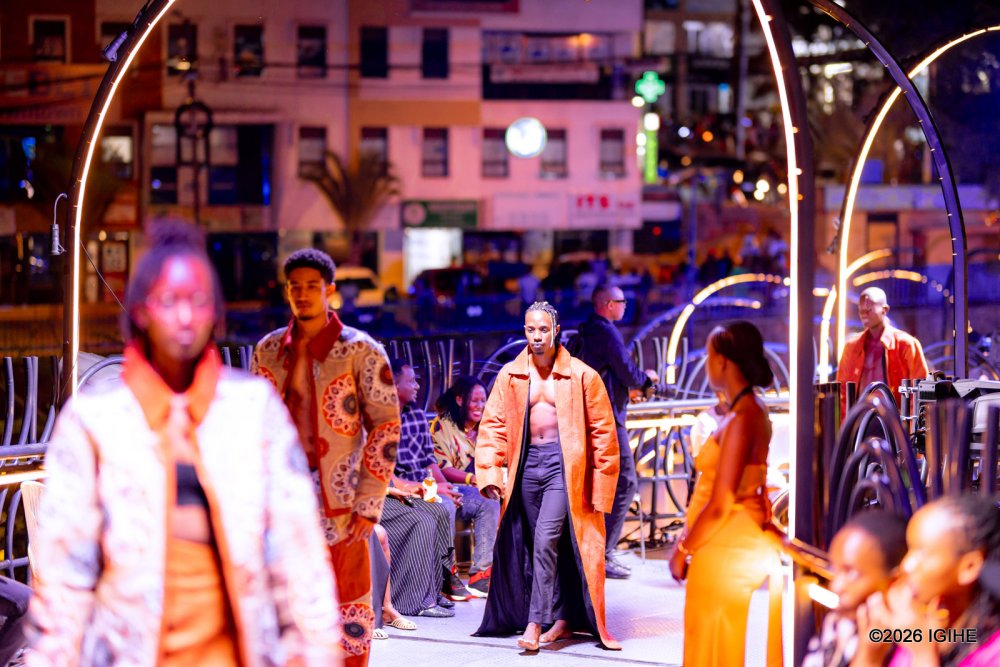
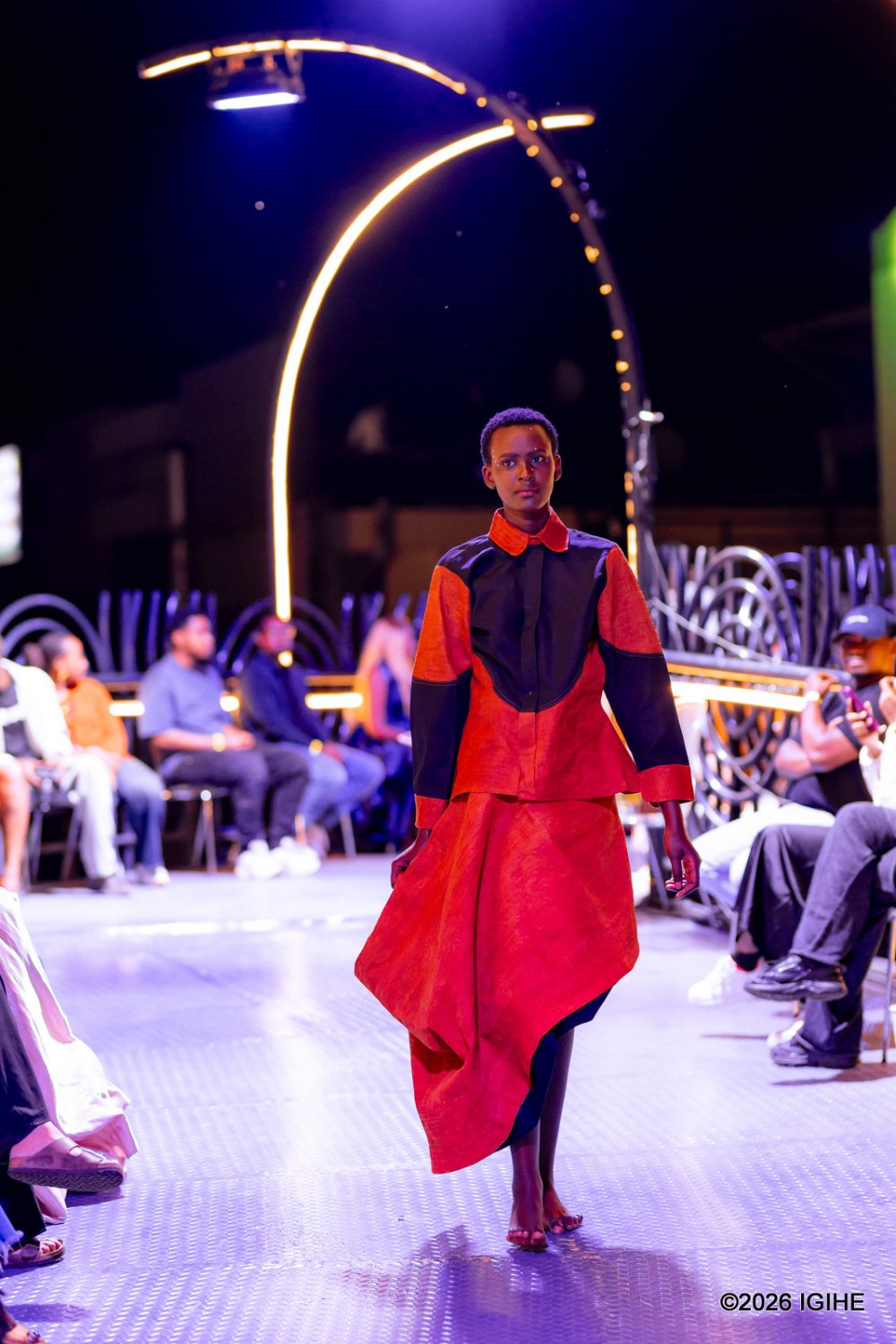
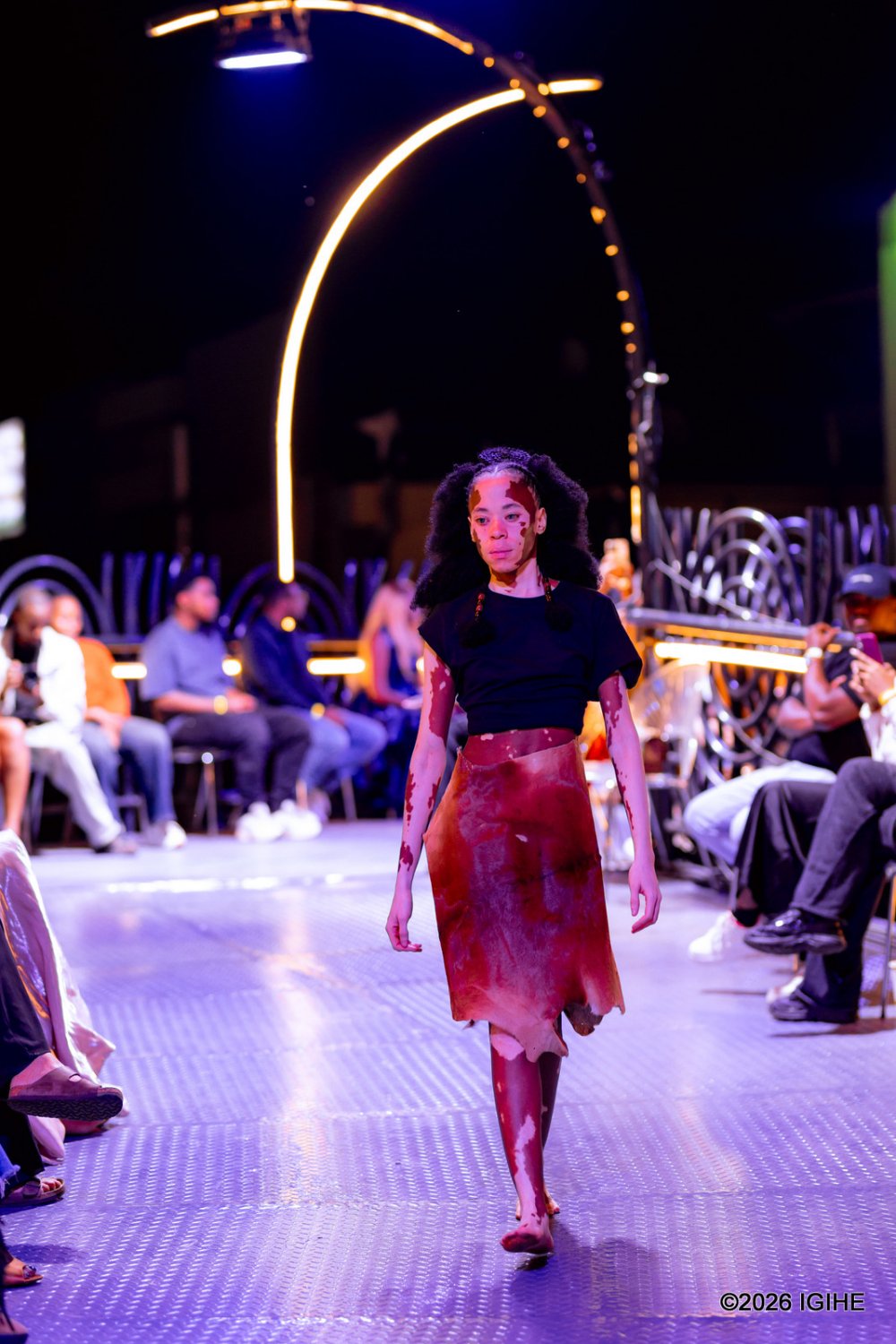
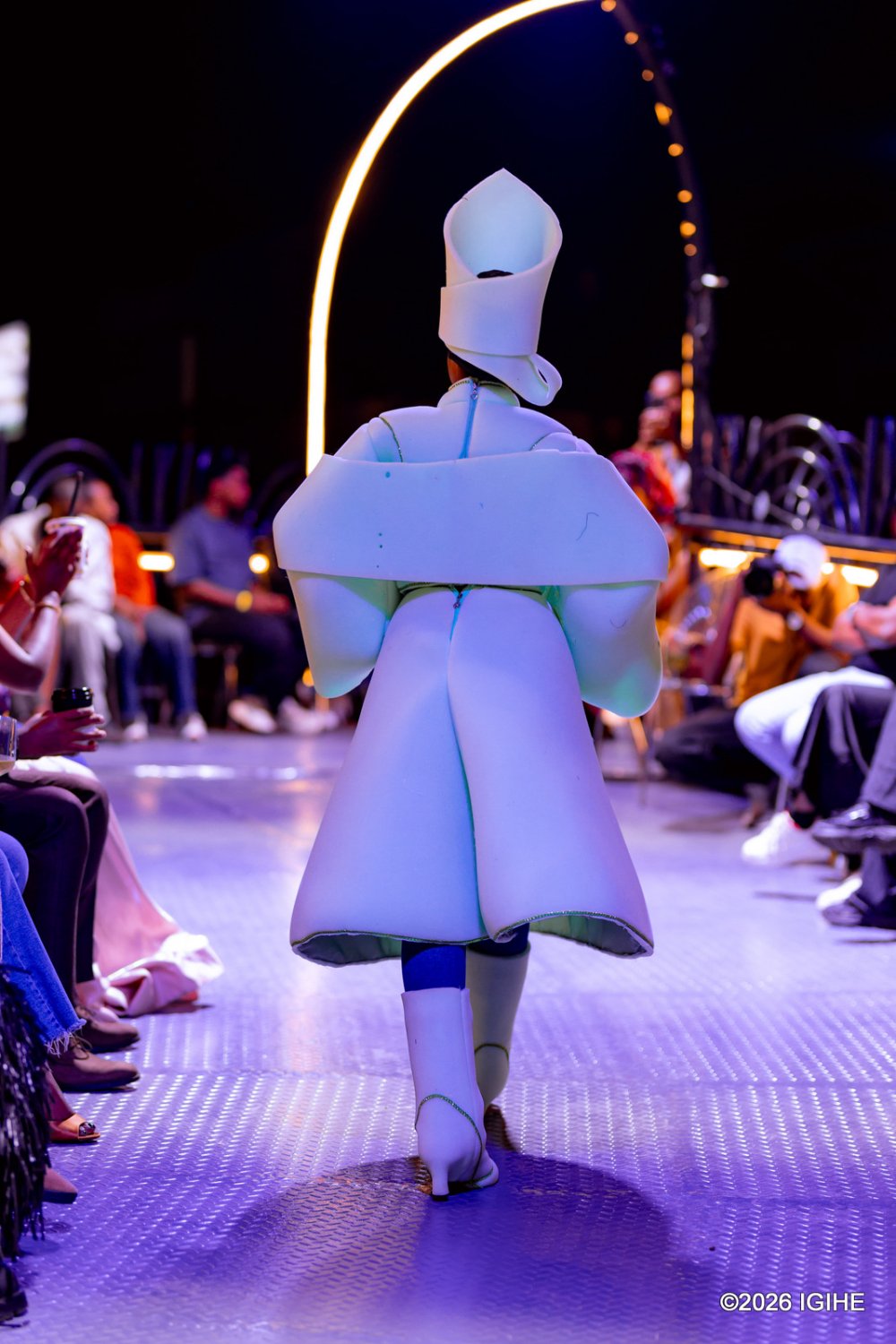
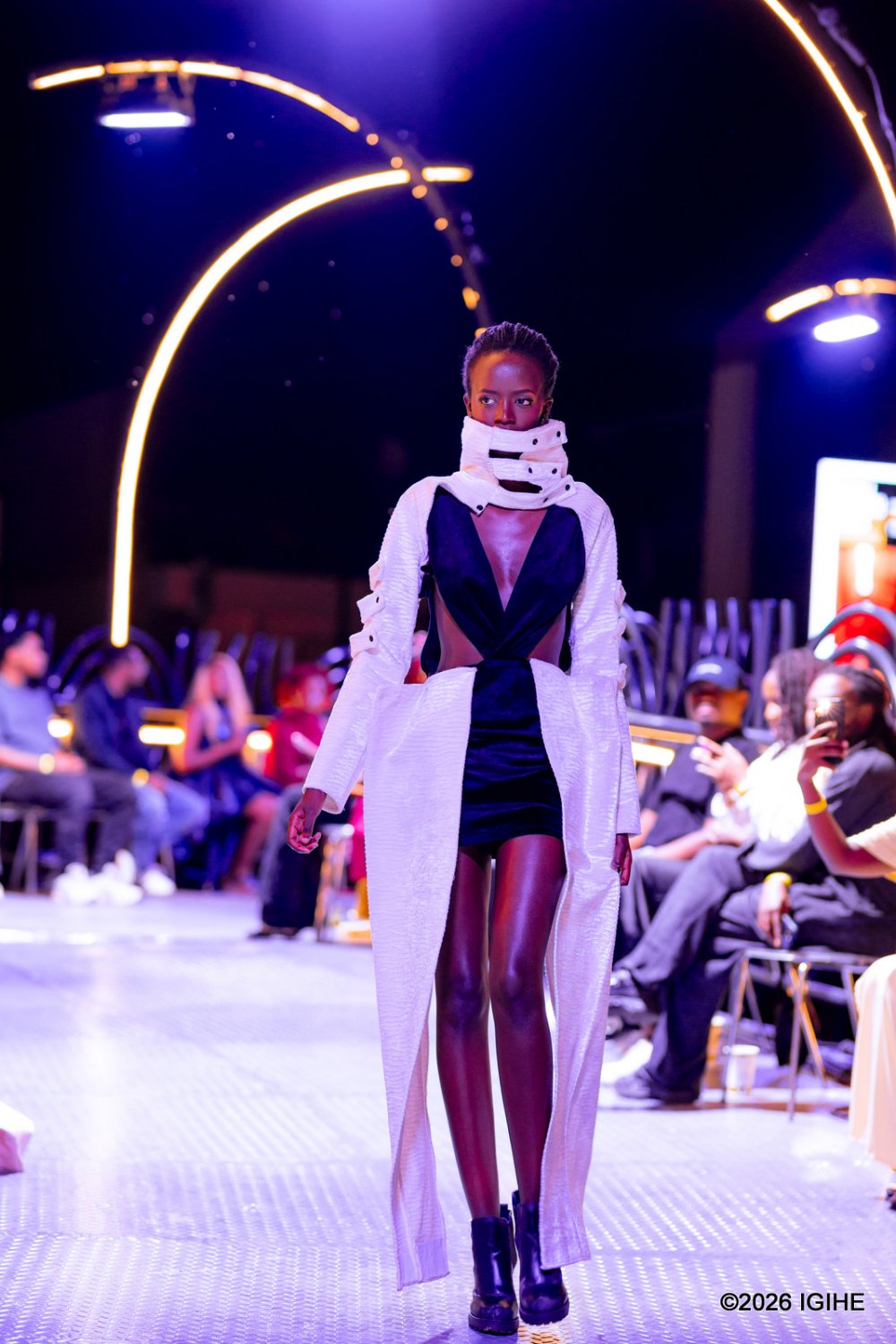
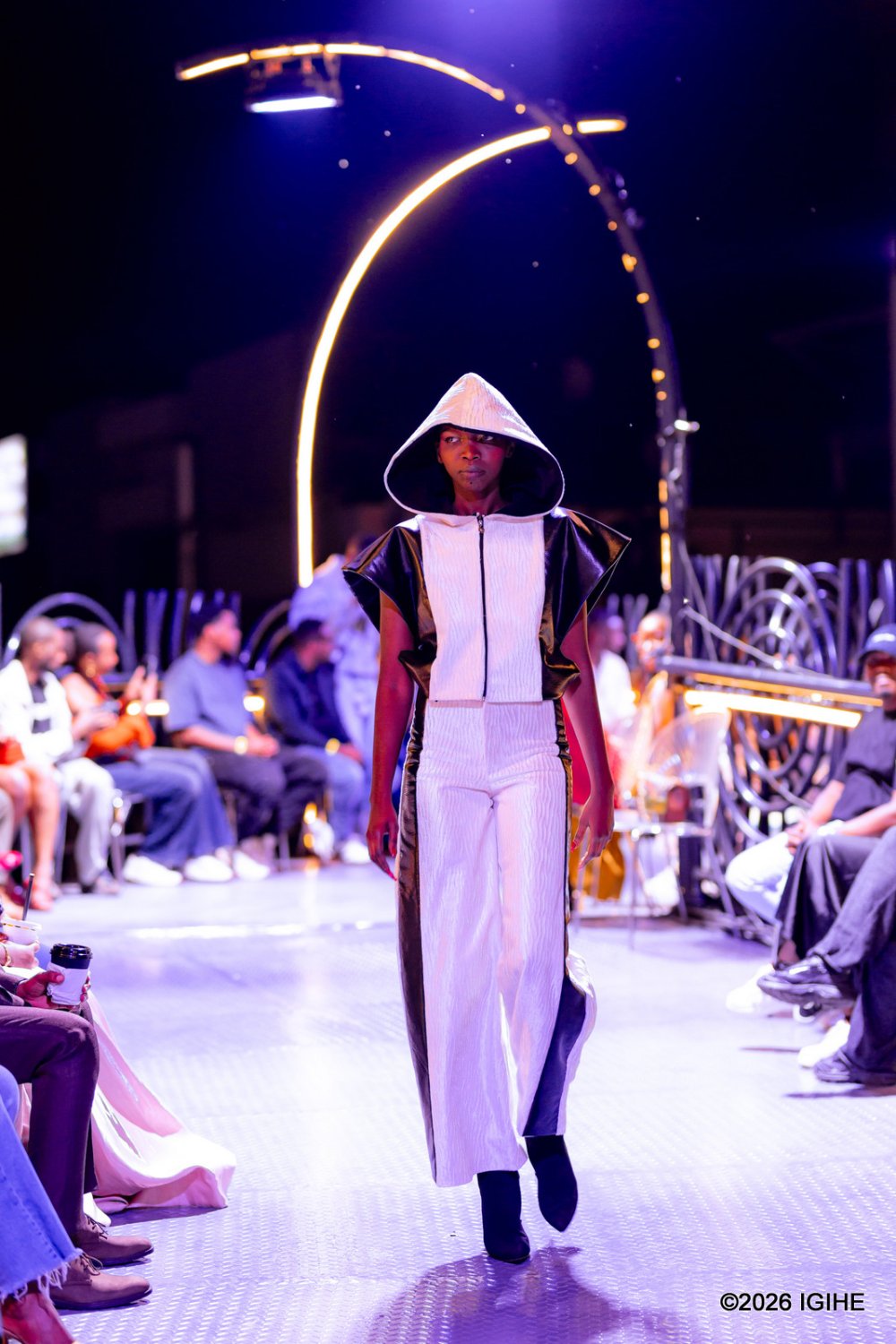
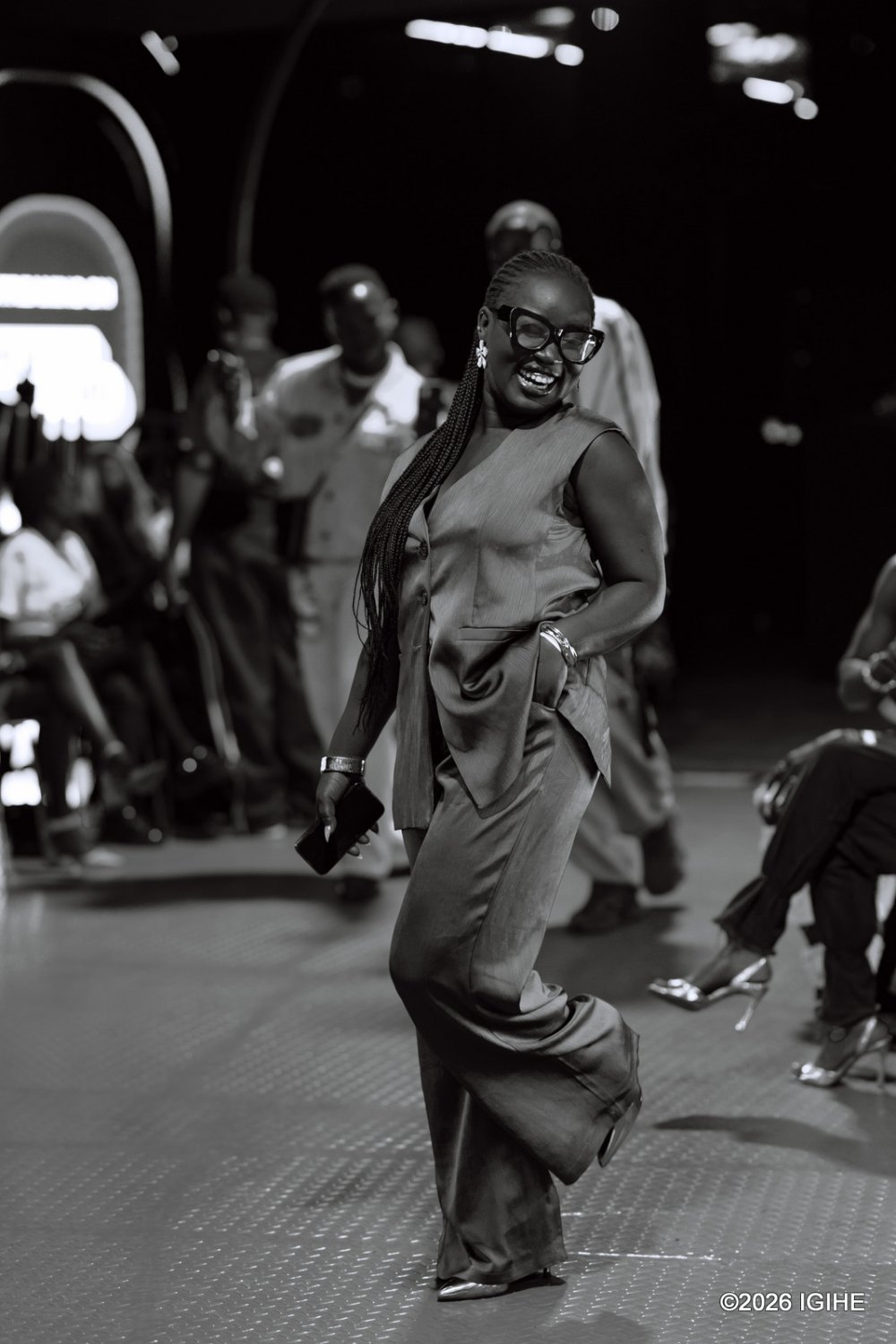
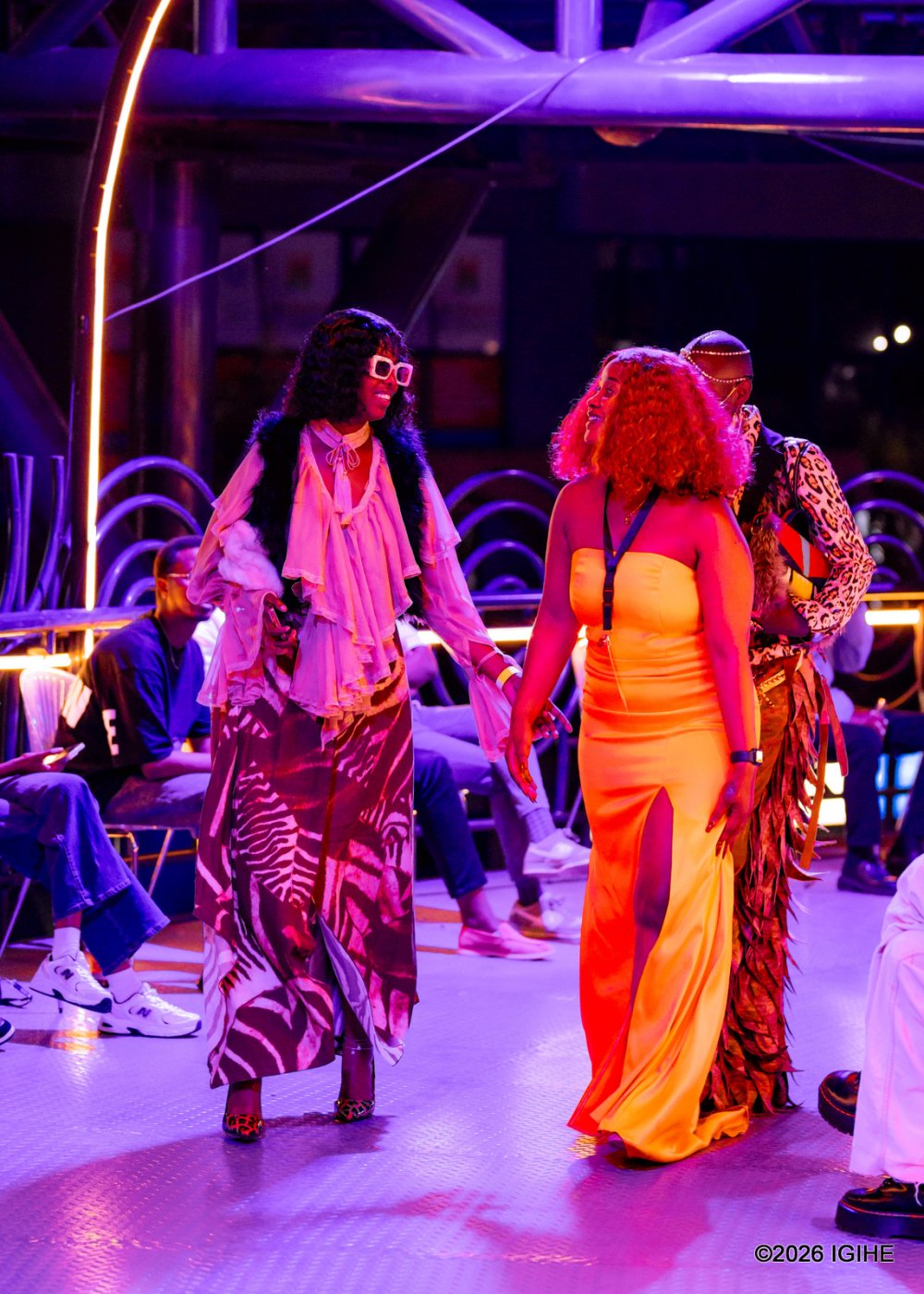
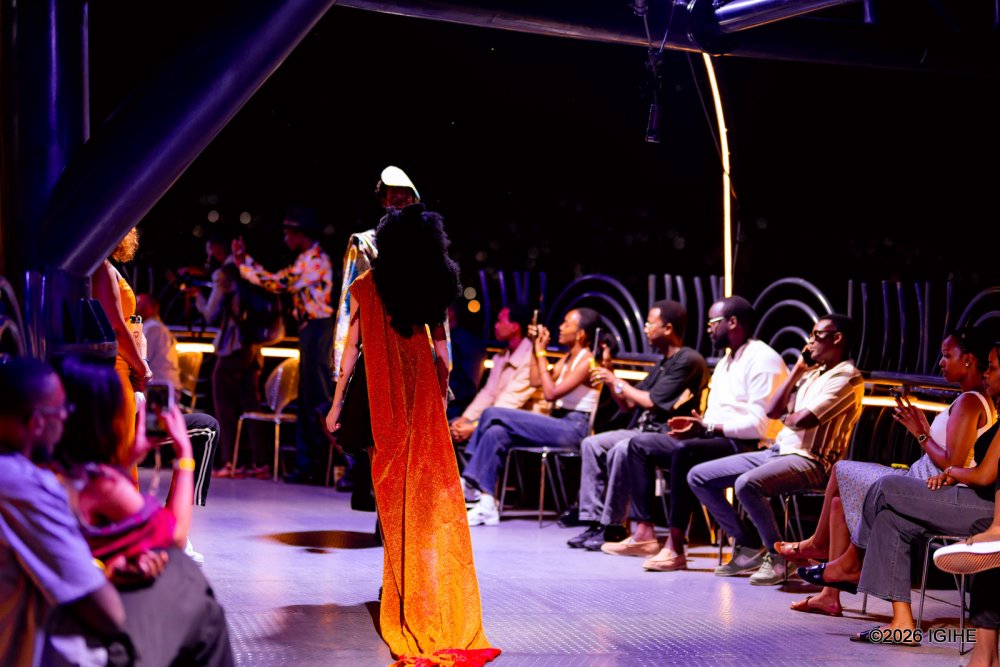
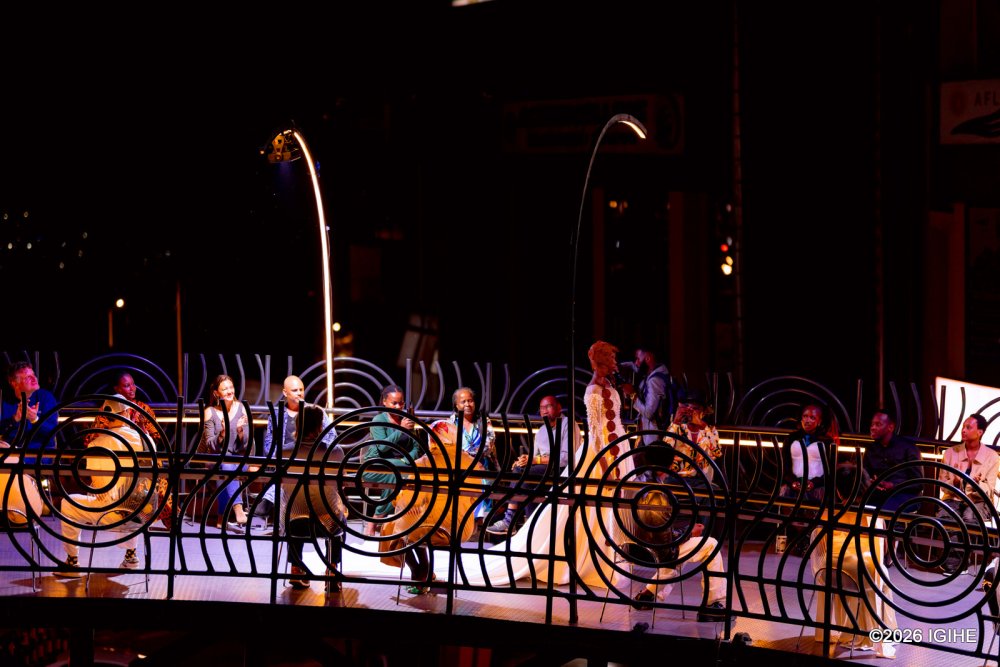
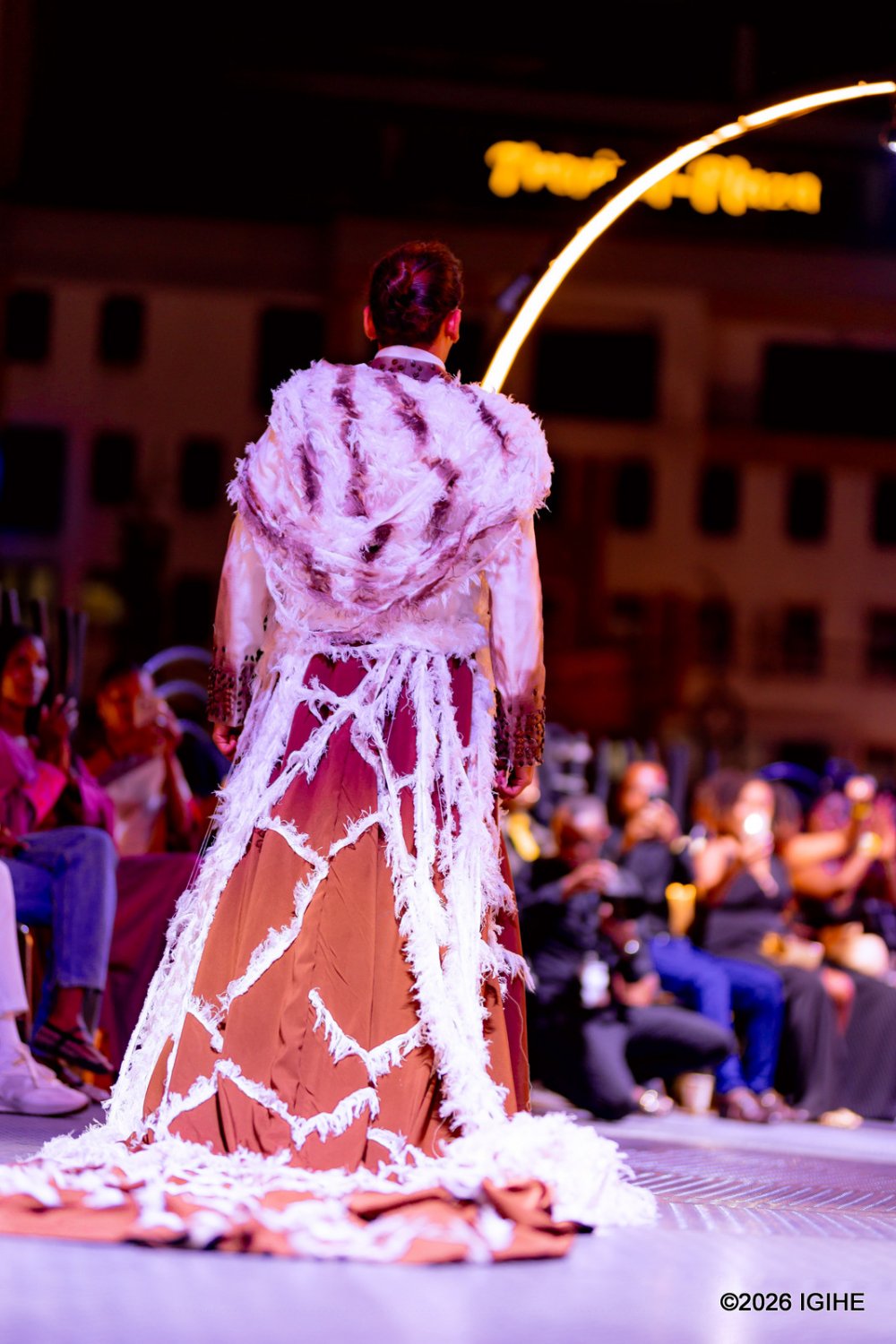
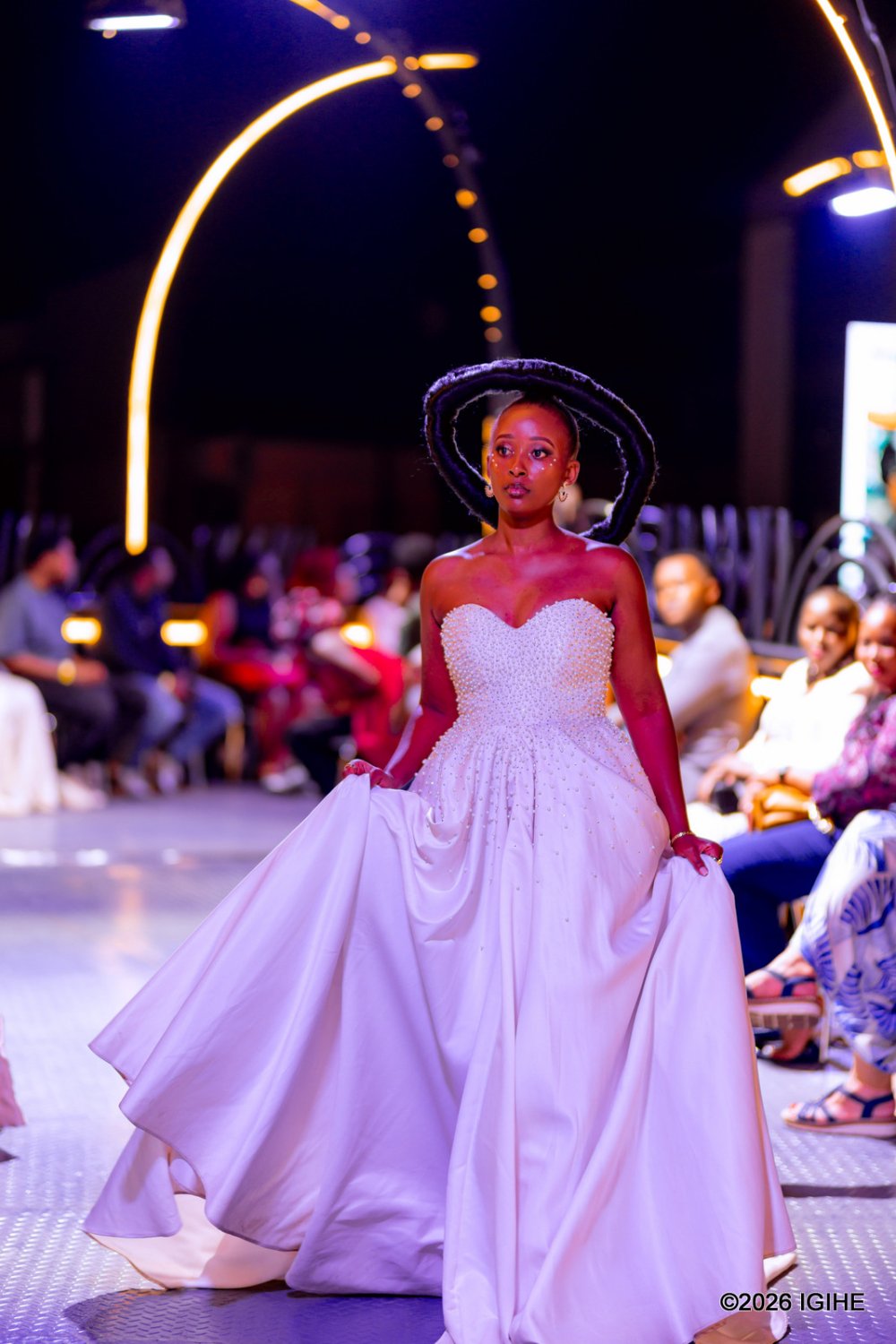
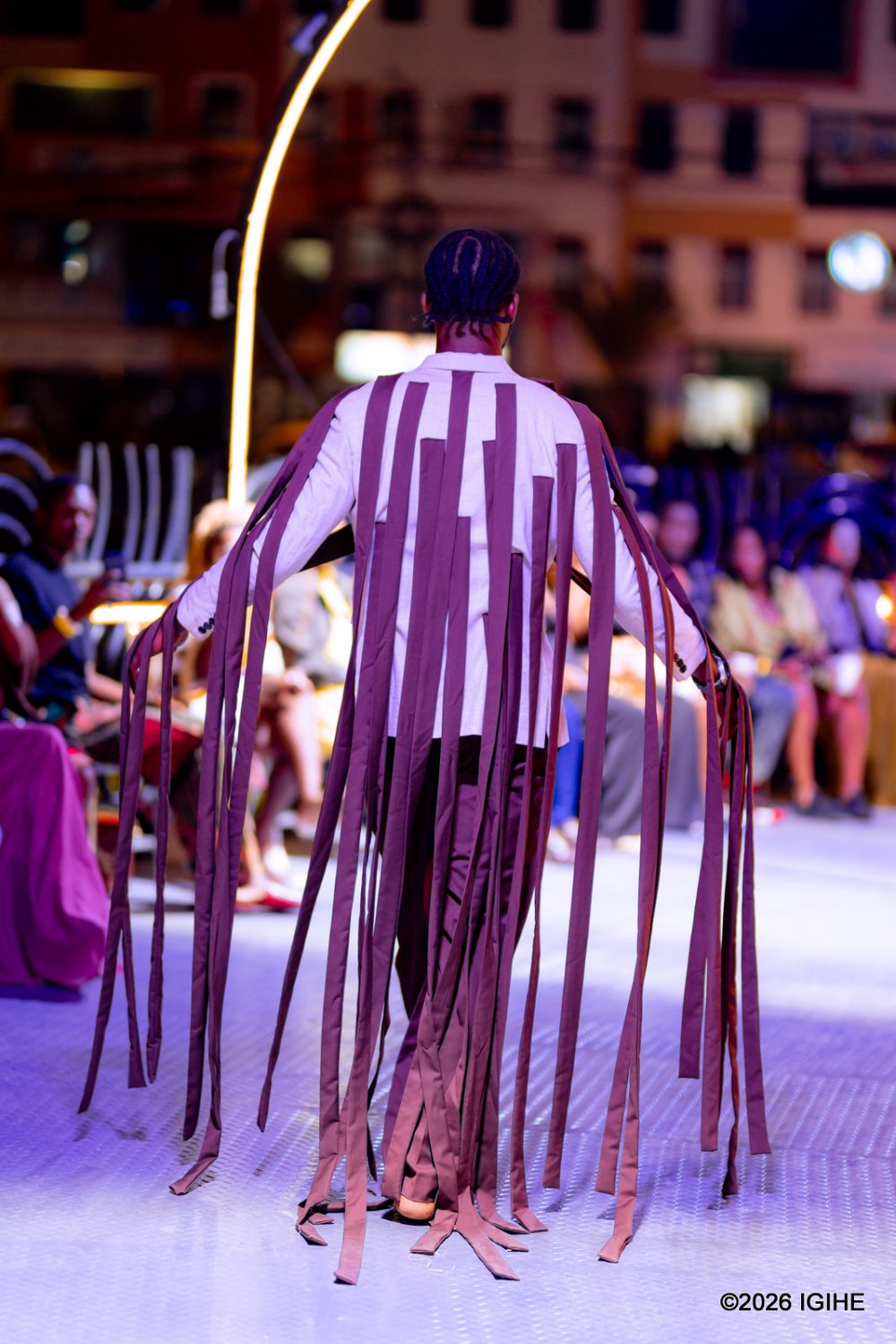
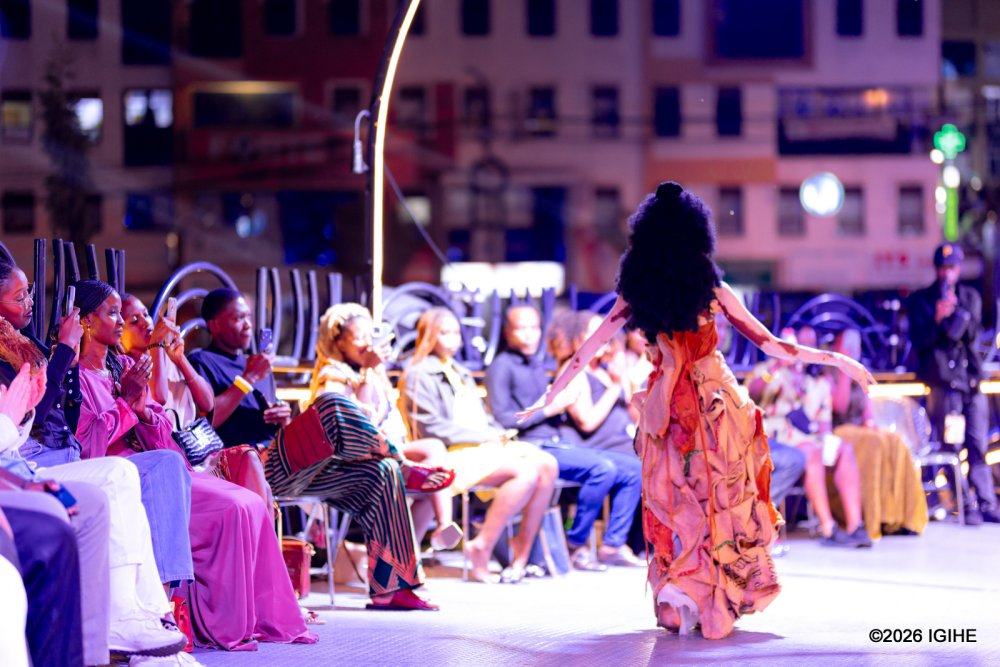
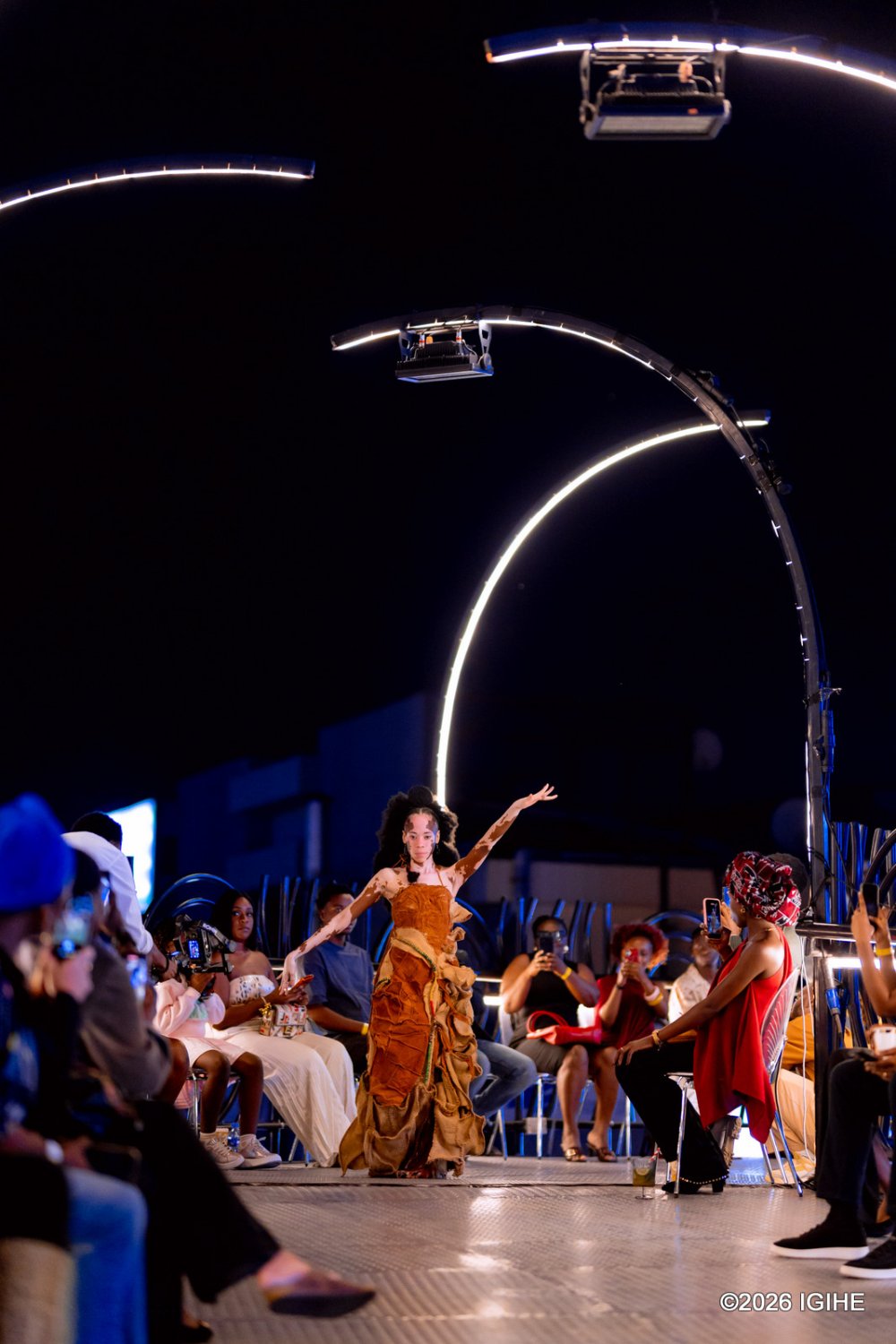
Set against the illuminated bridge, the runway created a distinctive atmosphere as models walked between seated guests, presenting a variety of designs that highlighted creativity, modern styling, and emerging fashion trends in the region.
The setting itself became part of the experience, blending architecture, light, and fashion into a single visual presentation.
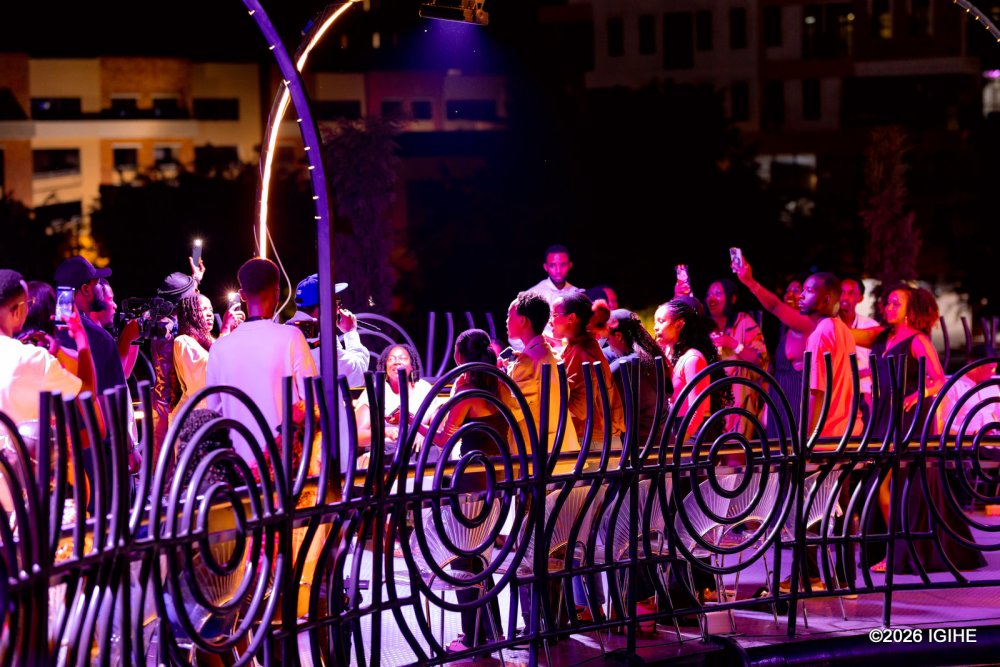
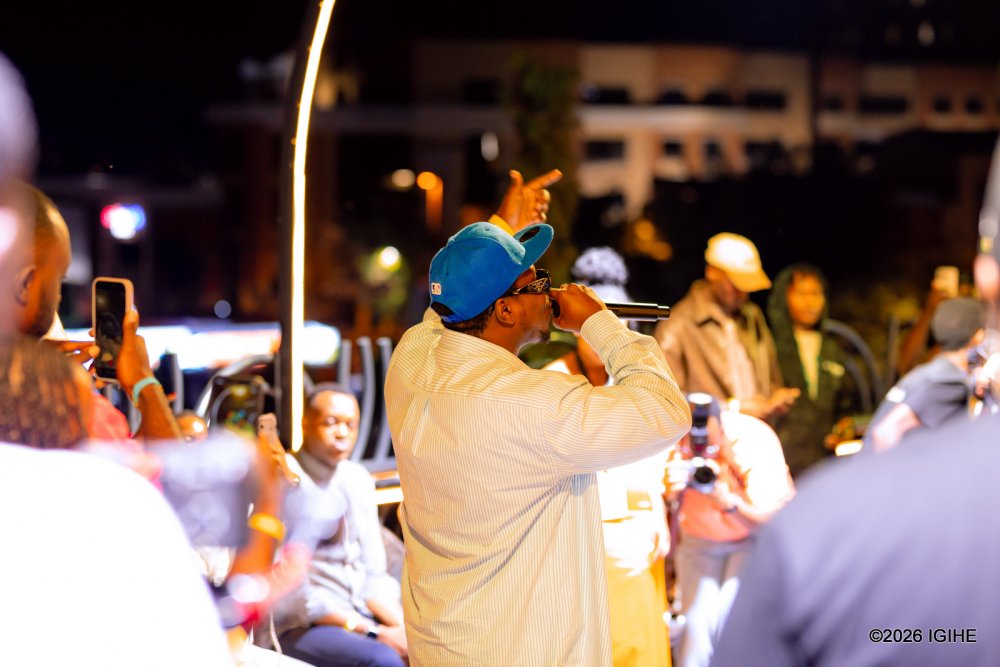
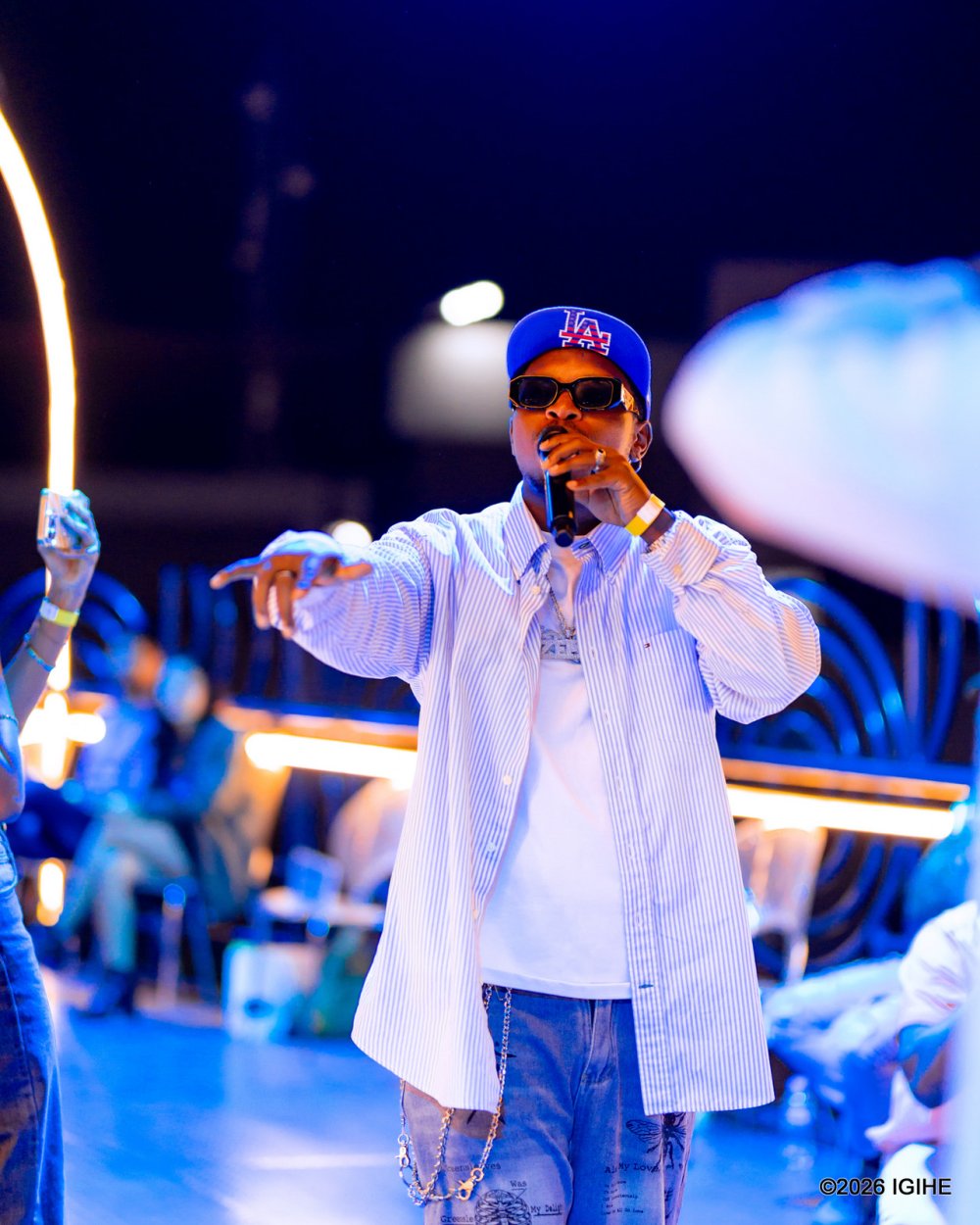
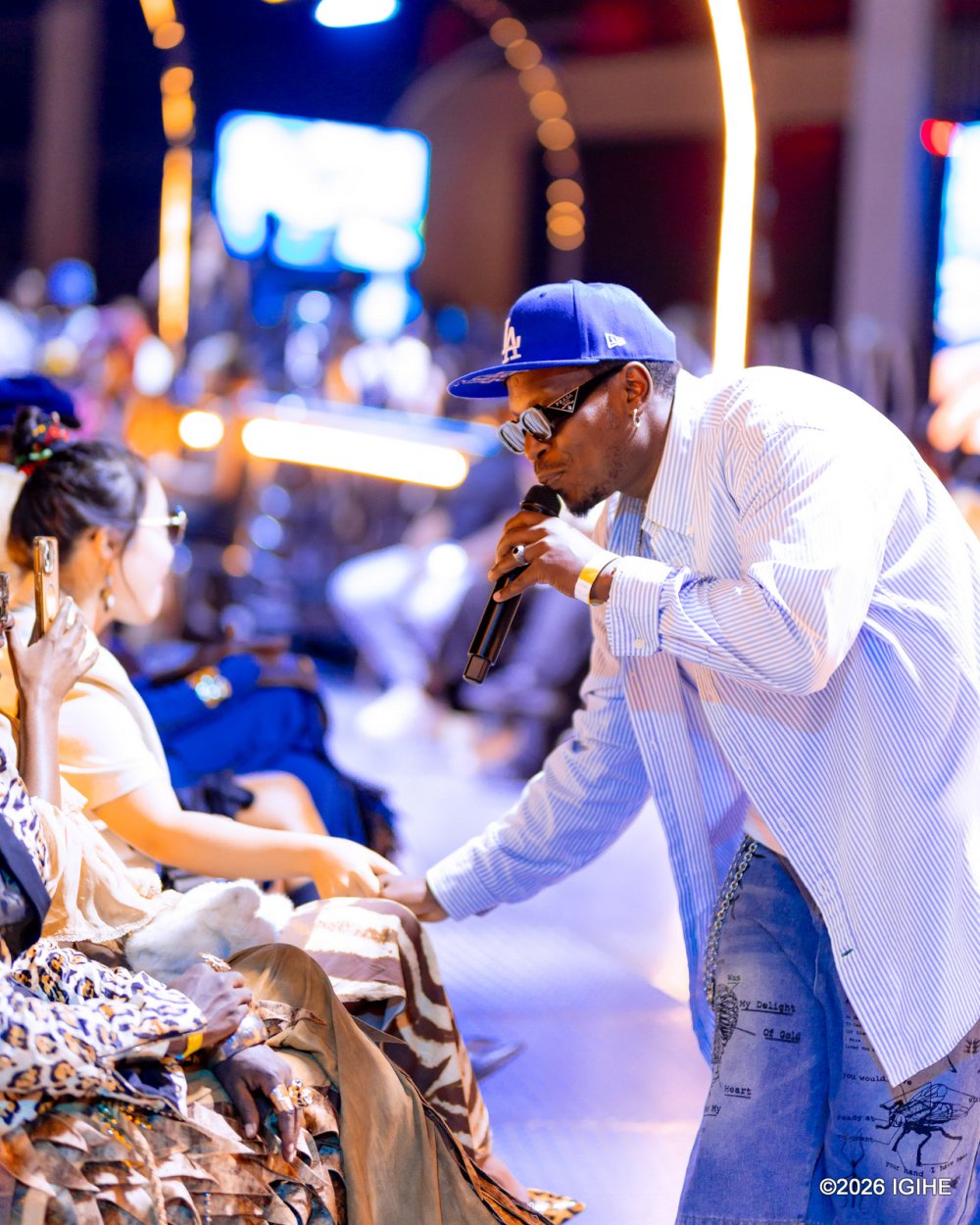
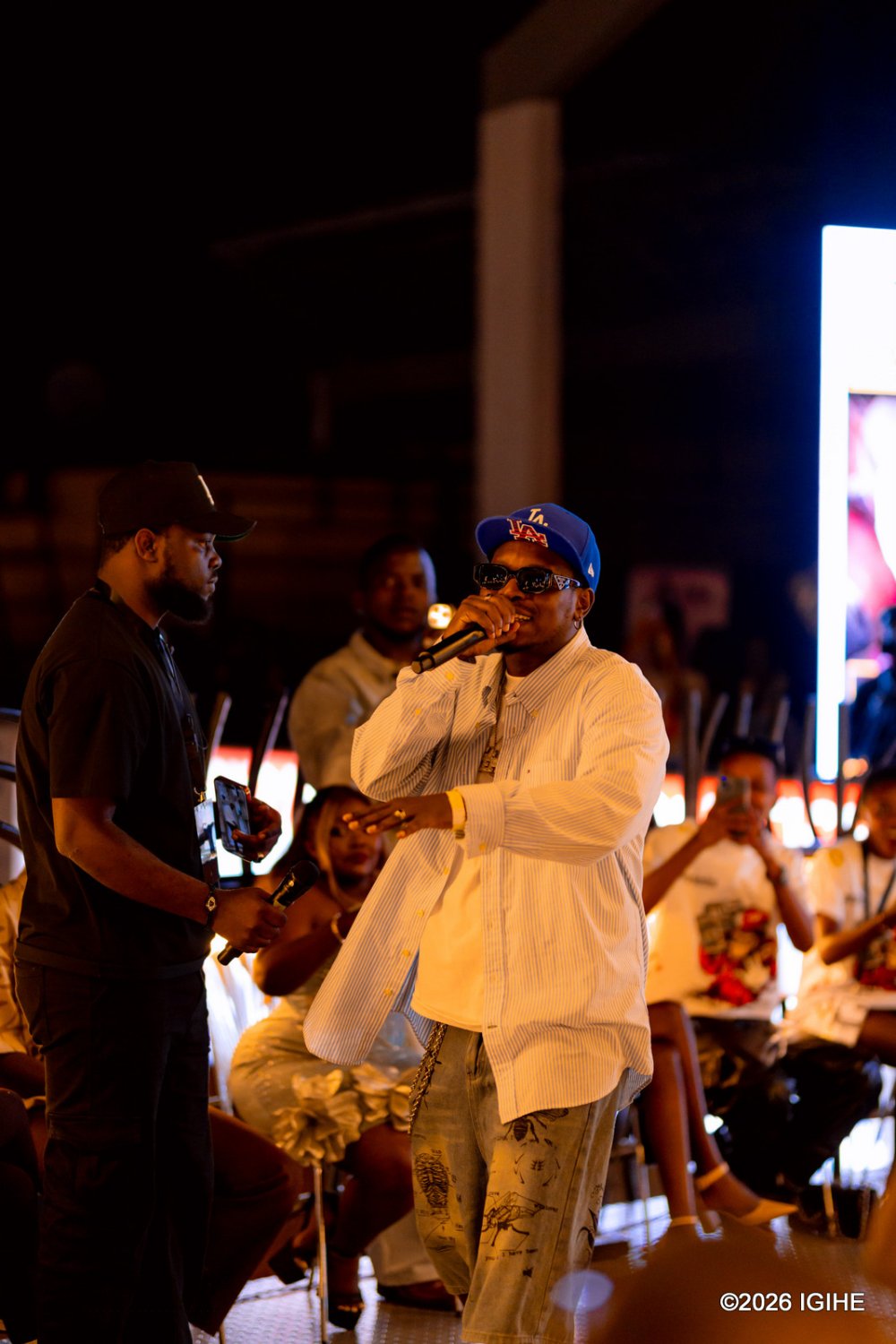
The evening also featured a musical performance by artist Bull Dogg, who energized the audience as the event approached its conclusion, adding an entertainment layer that complemented the fashion showcase.
The event also marked one of the first major public activities hosted on the Kigali Universe bridge, which has not yet been officially inaugurated. Although construction has been completed, the official opening is still being prepared.
According to Kenny Mugarura, Global Entertainment, Sports & Events Director at Kigali Universe, preparations for the inauguration are still ongoing.
“We have not officially inaugurated it yet but it will happen in the coming days. We know it will be something beautiful, which is why we are taking time to prepare properly,” he said.
Kigali Fashion Week has been running in Kigali since May 25, 2026, with activities expected to conclude on May 30, 2026, bringing together designers, creatives, and fashion enthusiasts as the event continues to re-establish its presence on the city’s cultural calendar.
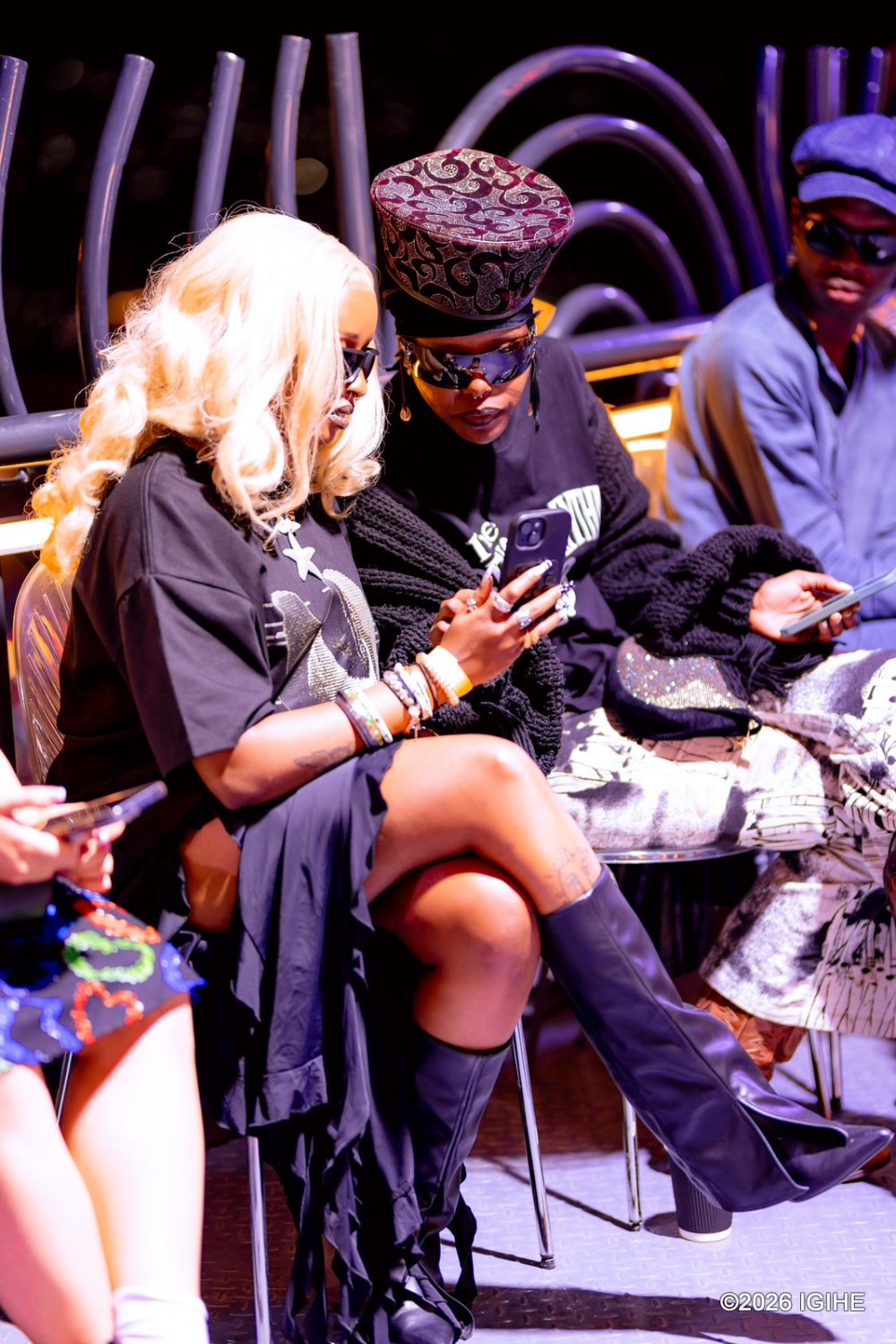
Kigali Fashion Week transformed Kigali Universe Bridge into a striking open-air runway during a showcase that blended fashion, light, and architecture.Kigali residents gathered at Kigali Universe Bridge to witness a fashion showcase unlike any previously staged in the city.Kigali Fashion Week brought together fashion, entertainment, and urban architectureFashion enthusiasts gathered on Kigali Universe Bridge as Kigali Fashion Week highlighted emerging regional trends and creativity. Bull Dogg energized the crowd as Kigali Fashion Week’s runway showcase approached its conclusion Models lit up Kigali Universe Bridge as Kigali Fashion Week returned with a unique runway experience after seven years.Models walked between seated guests on Kigali Universe Bridge during one of Kigali Fashion Week’s most visually striking showcases. Kigali Fashion Week delivered an open-air fashion experience that combined urban design with contemporary African style.Kigali Fashion Week used the newly completed Kigali Universe Bridge as a platform for fashion, culture, and entertainment.Kigali Universe Bridge hosted one of its first major public events through a runway showcase organized under Kigali Fashion Week.The illuminated Kigali Universe Bridge provided a dramatic backdrop for Kigali Fashion Week’s latest runway showcase. Fashion designers from Rwanda, Uganda, and beyond showcased their creativity during Kigali Fashion Week on Kigali Universe Bridge.Kigali Fashion Week turned Kigali Universe Bridge into a center of creativity as designers unveiled modern and innovative collections.Designers from across the region presented bold and creative collectionsThe fashion showcase at Kigali Universe Bridge reflected Kigali’s growing reputation as a hub for creative industries.The open-air setting of Kigali Universe Bridge added a distinctive visual identity to Kigali Fashion Week’s runway presentation.Kigali Universe Bridge served as an unconventional yet memorable venue for Kigali Fashion Week’s runway experience.The atmosphere at combined elegance and urban culture during Kigali Fashion Week’s latest event.Kigali Fashion Week created a unique atmosphere on Kigali Universe Bridge with lights, music, and runway presentations.The return of Kigali Fashion Week brought fresh energy to Kigali’s fashion and entertainment scene.
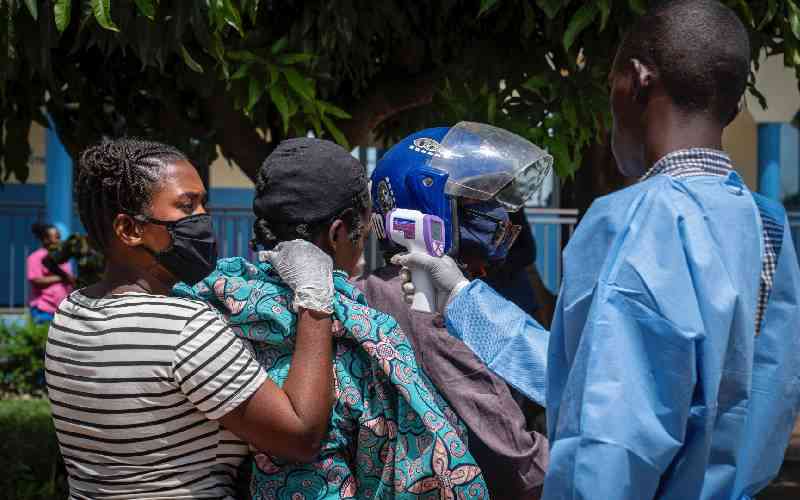
In a circular issued late Wednesday, the Ministry of Health said activities that attract large crowds, including music concerts, cultural festivals, public rallies, political mobilization events, marathons, and cross-border marketing activities, are prohibited.
“These activities increase risk by promoting close physical interaction, uncontrolled crowd mixing and unnecessary movement, which may facilitate transmission of Ebola infection where an infected person is present,” the statement said.
The ministry said official, institutional, and other essential gatherings may still be permitted, provided organizers strictly adhere to the standard operating procedures on Ebola prevention.
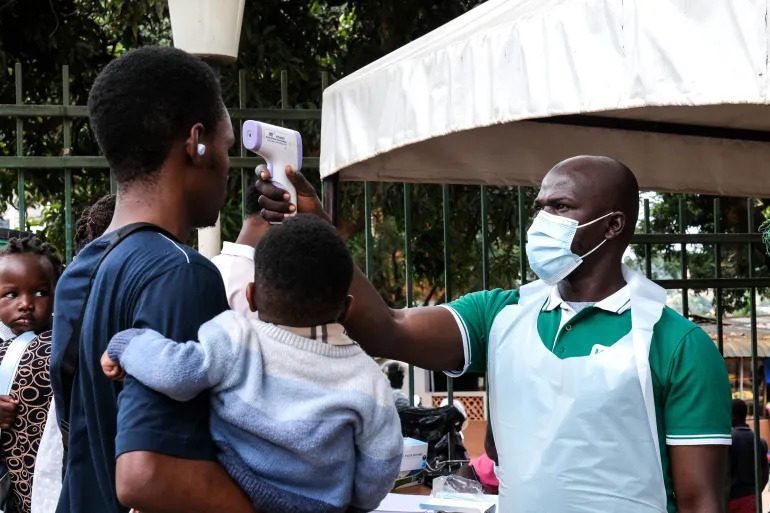
For approved gatherings, organizers are required to ensure controlled attendance to avoid overcrowding, enforce mandatory handwashing or the use of alcohol-based hand sanitizers, conduct temperature screening before entry, and designate a focal person to oversee compliance with Ebola prevention and control measures.
Security agencies and district authorities have been directed to strictly enforce the measures, particularly in high-risk and border areas, in order to limit non-essential movement and prevent further spread of the disease.
According to the ministry, the number of confirmed Ebola cases in Uganda remains at seven, although the number of contacts linked to the cases has increased.
According to the Ministry of Health, the number of confirmed Ebola cases in Uganda remains at seven, although the number of contacts linked to the cases has increased.
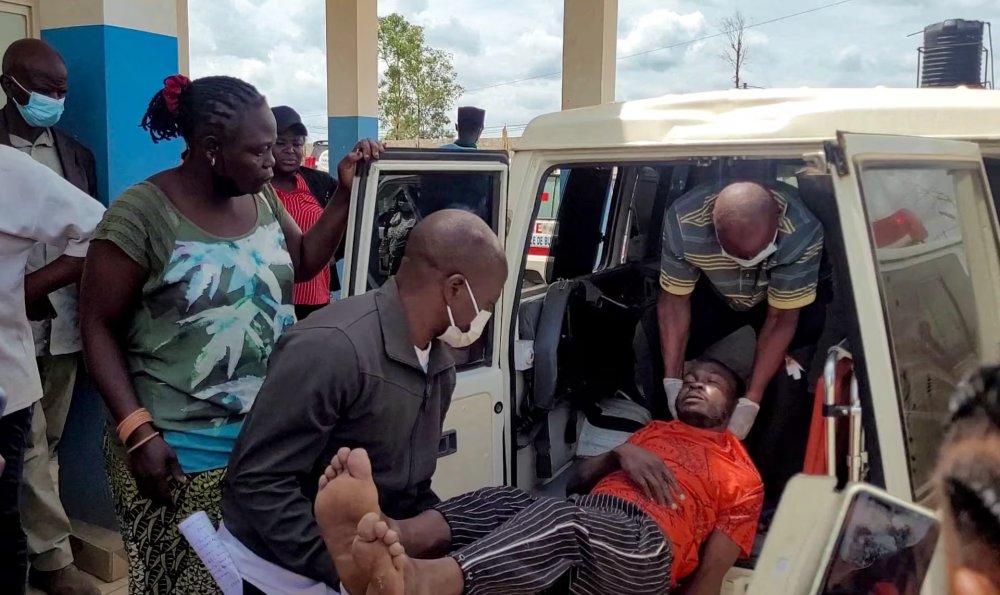
Suspected cases refer to individuals showing symptoms such as high fever, vomiting, diarrhoea, and bleeding, but who are still awaiting laboratory confirmation. All patients under investigation are isolated and receive medical care while tests are processed.
The outbreak remains largely concentrated in Ituri Province, with confirmed infections recorded in areas including Mongbwalu, Rwampara, and Bunia. Health teams continue testing, with hundreds of samples sent to national laboratories for analysis.
Neighbouring Uganda has also confirmed cases linked to the outbreak and has strengthened surveillance measures, including temporary border restrictions with the DRC and mandatory quarantine for returning travellers.
Humanitarian organisations have raised concern over the speed of transmission, warning that response efforts are struggling to keep pace with new infections and that stronger coordination is needed to reduce further loss of life.
Health experts also point to insecurity in affected regions as a major challenge, noting that ongoing conflict is limiting access for medical teams and slowing containment efforts.
The outbreak was officially declared in mid-May 2026 after the first confirmed death, with response operations ongoing to contain its spread.
Suspected Ebola cases in DRC have reached 1077The outbreak remains largely concentrated in Ituri Province, with confirmed infections recorded in areas including Mongbwalu, Rwampara, and Bunia