Researchers from Stanford University, Chapman University and Northeastern University said AI is reshaping not only whether firms hire, but also how they hire. More than 90 percent of U.S. employers now use hiring algorithms to screen applicants, they noted. The study analyzed data from 3.4 million applicants who submitted 4 million job applications to 156 employers across 11 sectors.
The study, titled “Algorithmic Monocultures in Hiring,” found that 14.74 percent of applications submitted by Asian candidates and 25.87 percent of those submitted by Black candidates were directed to positions where the screening systems had an adverse impact on those groups under U.S. employment discrimination standards.
“To put this in perspective,” the authors wrote, “if the AI had recommended Black and Asian candidates at the same rate as the most-favored group (typically white applicants), 40,000 more of their applications would have advanced to the next stage of the hiring process.”
The researchers also examined what they termed “algorithmic monoculture,” a phenomenon in which multiple employers rely on the same vendor’s hiring algorithms. Under such arrangements, a negative algorithmic assessment can potentially affect a candidate’s prospects across several companies using the same system.
The study recommended that employers and auditors assess automated hiring tools at the level of individual job positions rather than relying solely on company-wide or vendor-wide results. The study did not determine whether any employer violated the law or whether rejected applicants would ultimately have been successful hires.
The study recommended that employers and auditors assess automated hiring tools at the level of individual job positions rather than relying solely on company-wide or vendor-wide results.
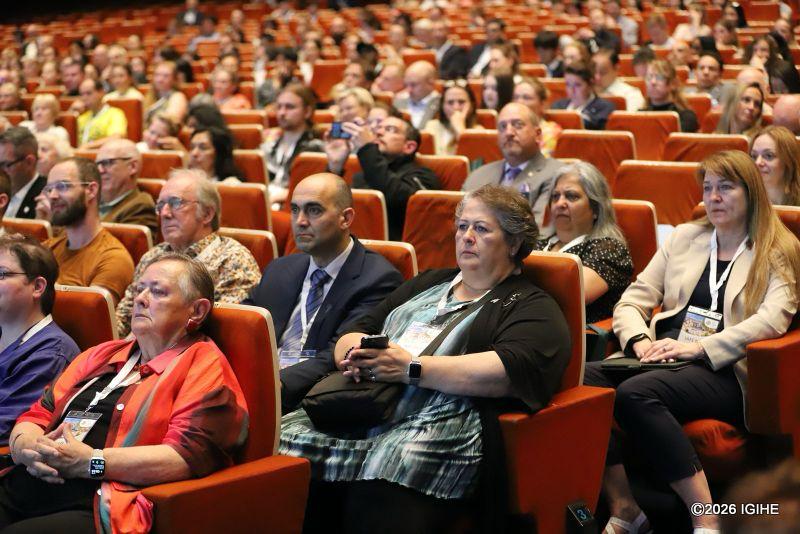
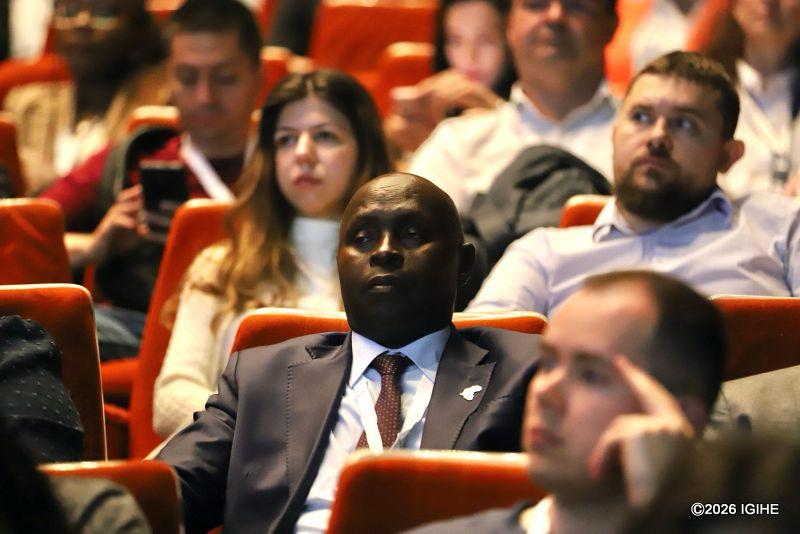
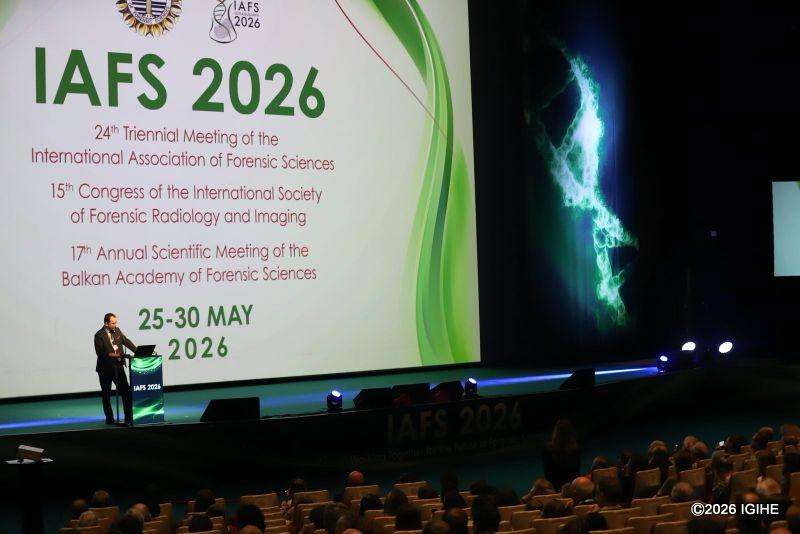
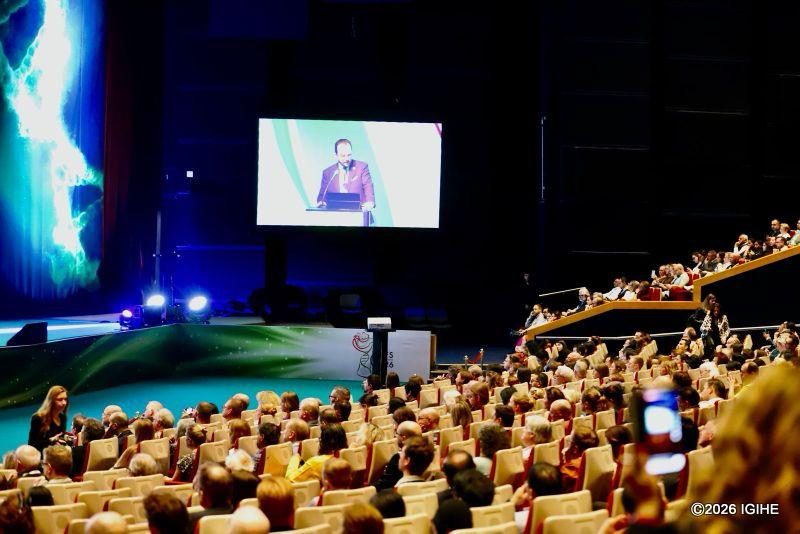
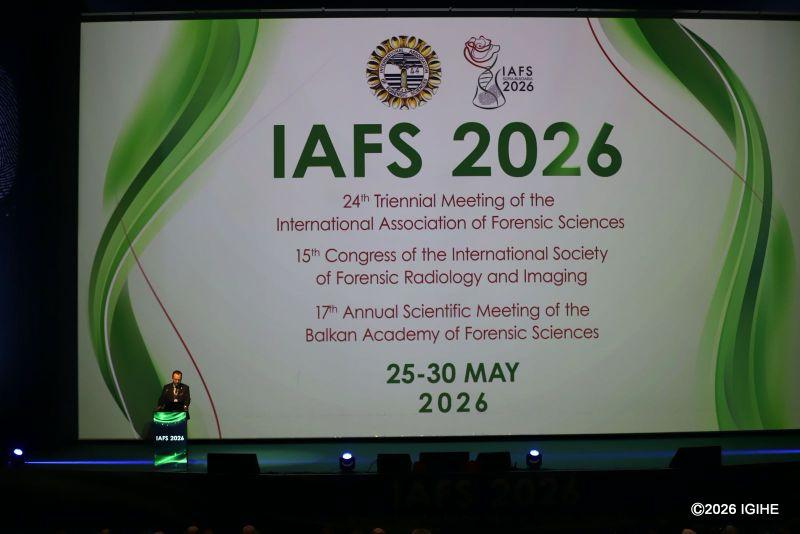
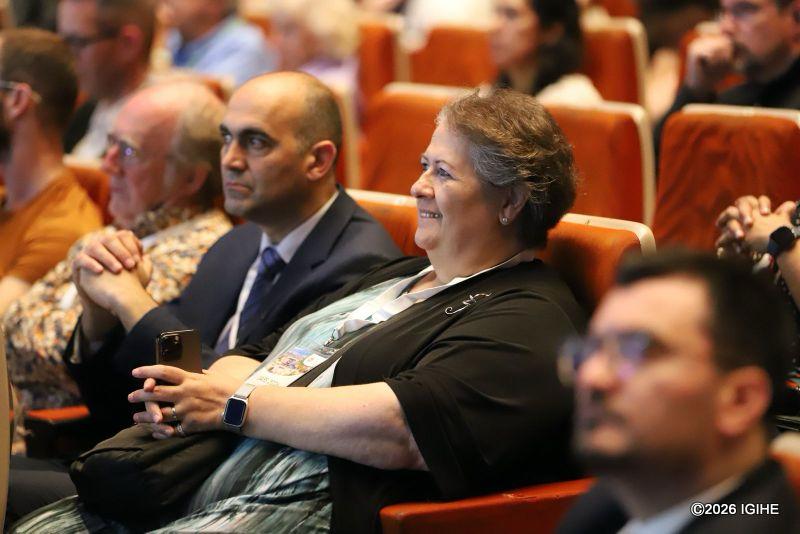
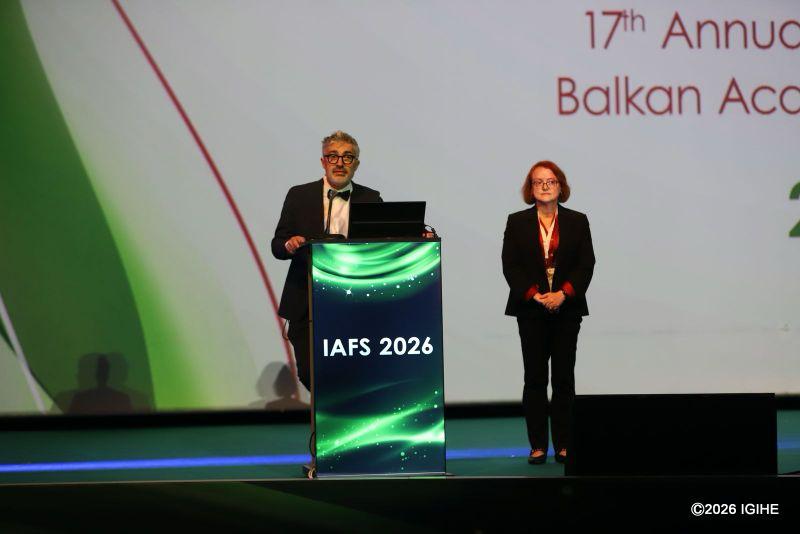
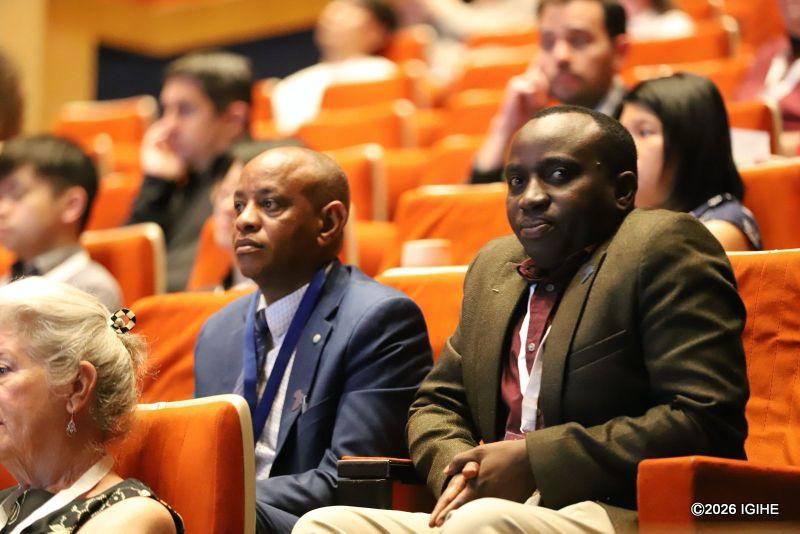
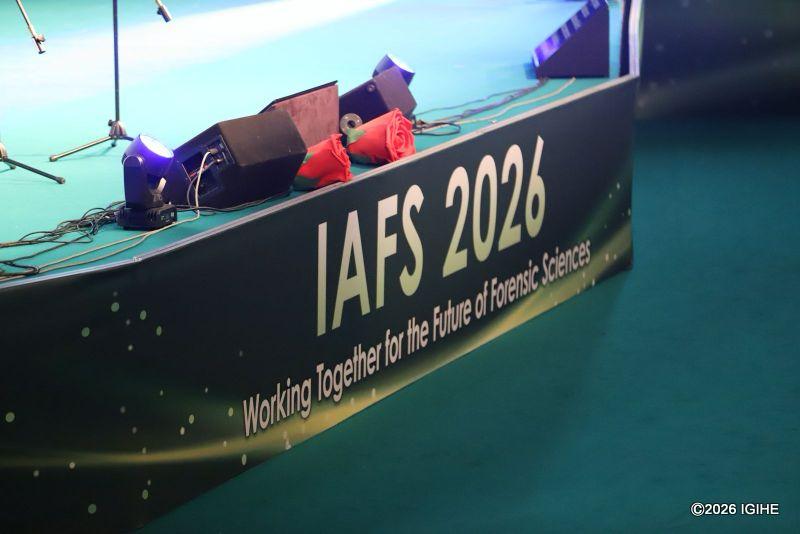
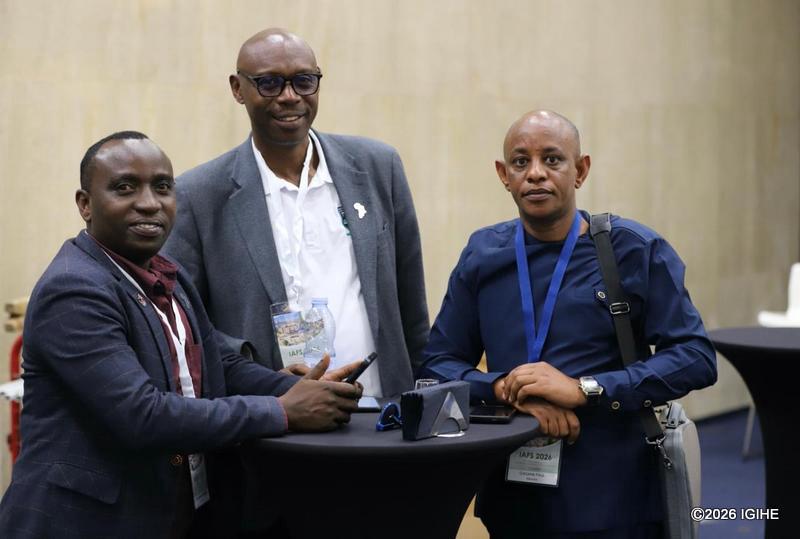
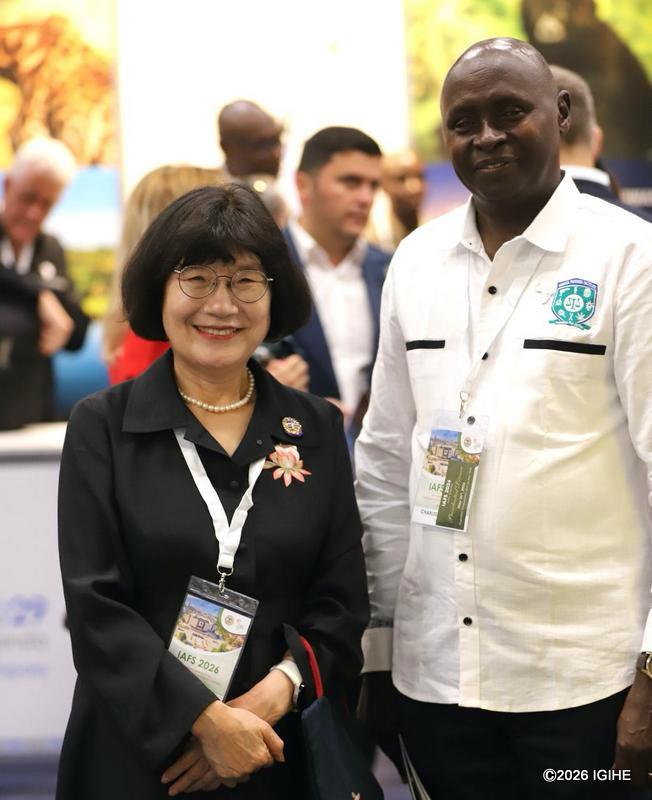
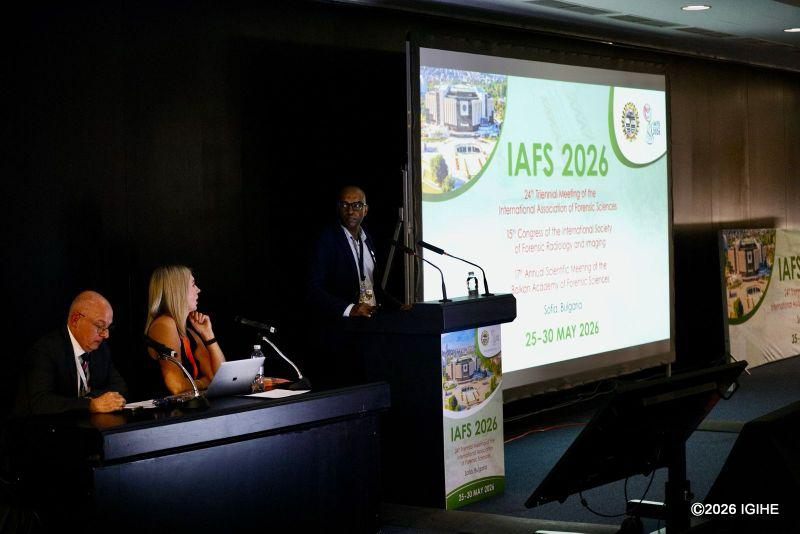
Experts, researchers, forensic pathologists, scientists, and institutional representatives from around the world gathered in the Bulgarian capital to exchange ideas on scientific, technological, and human advancements in modern criminalistics.
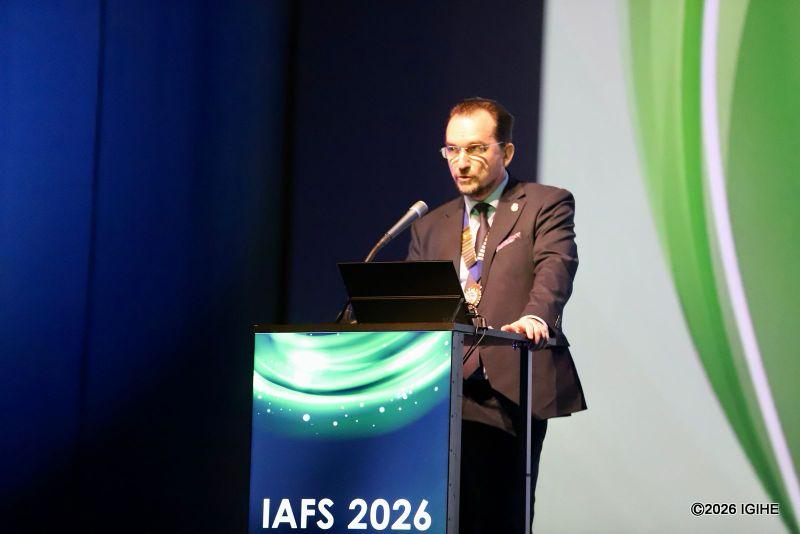
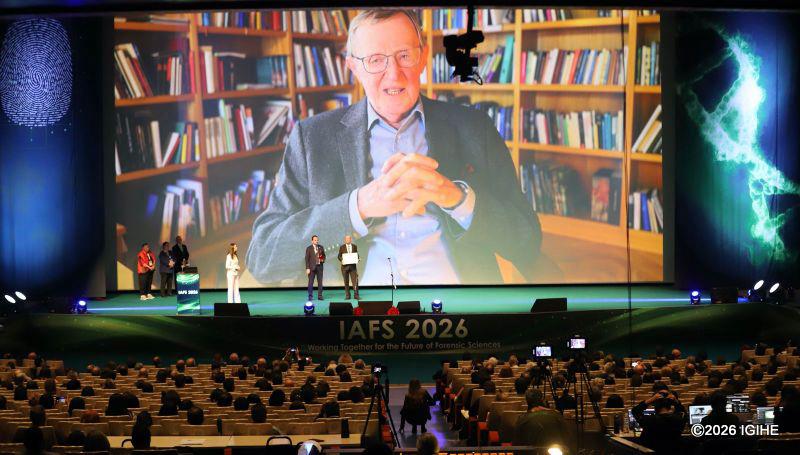
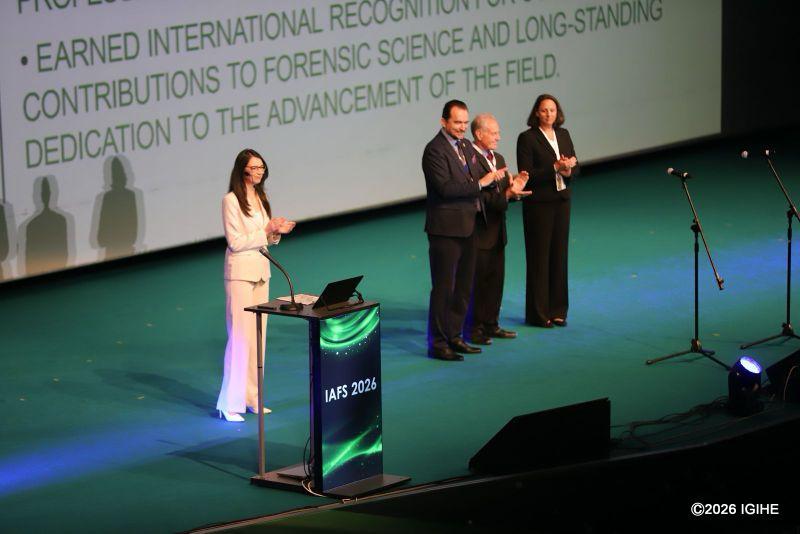
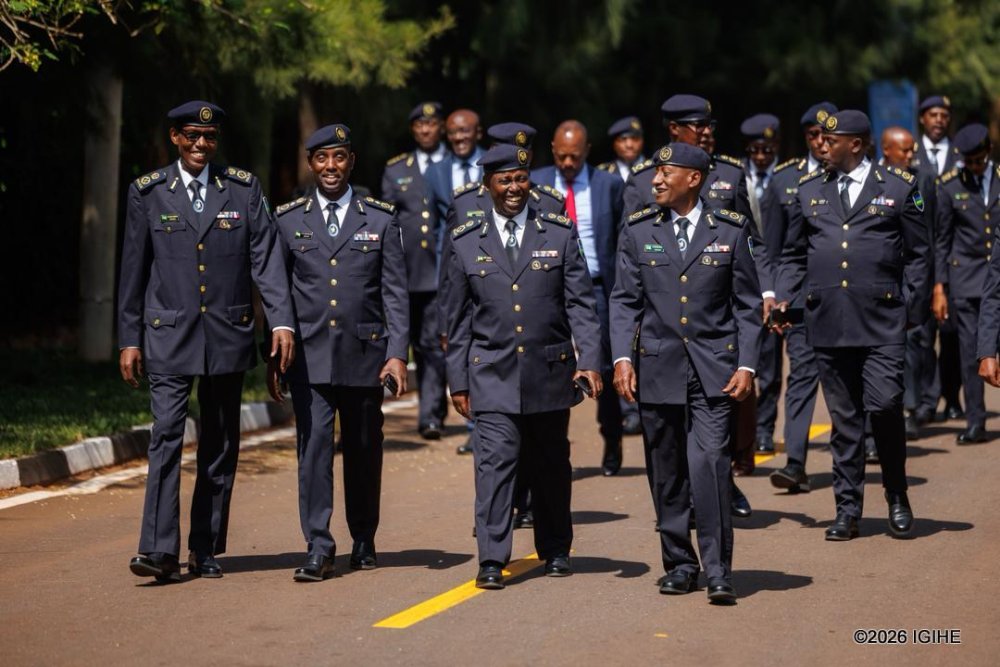
Early in the morning, the official opening ceremony was conducted by Bulgarian military officers, setting a solemn and prestigious tone for the 2026 edition of the global congress.
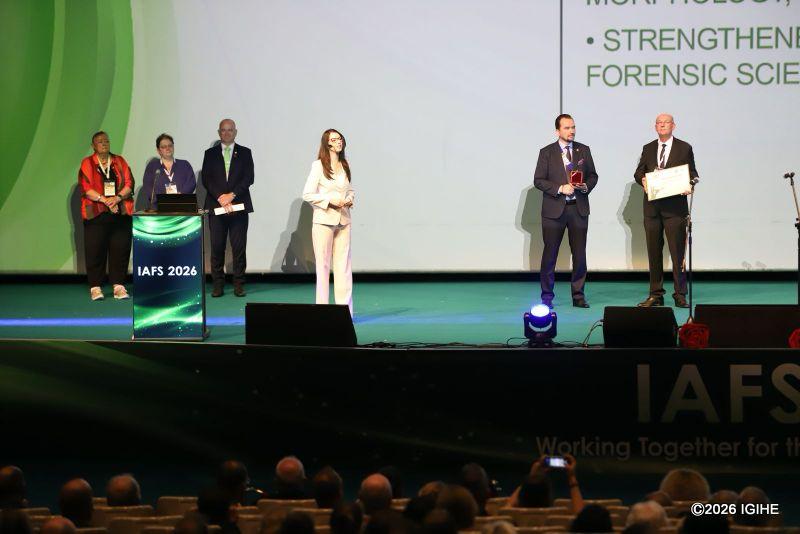
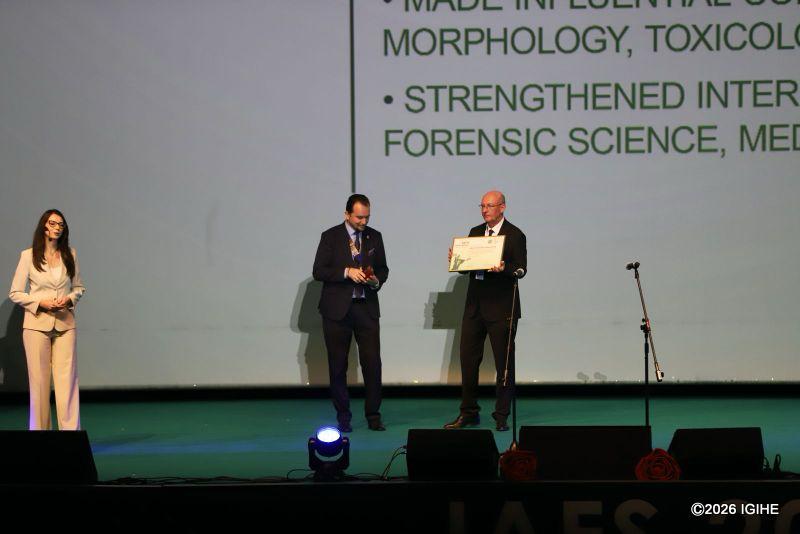
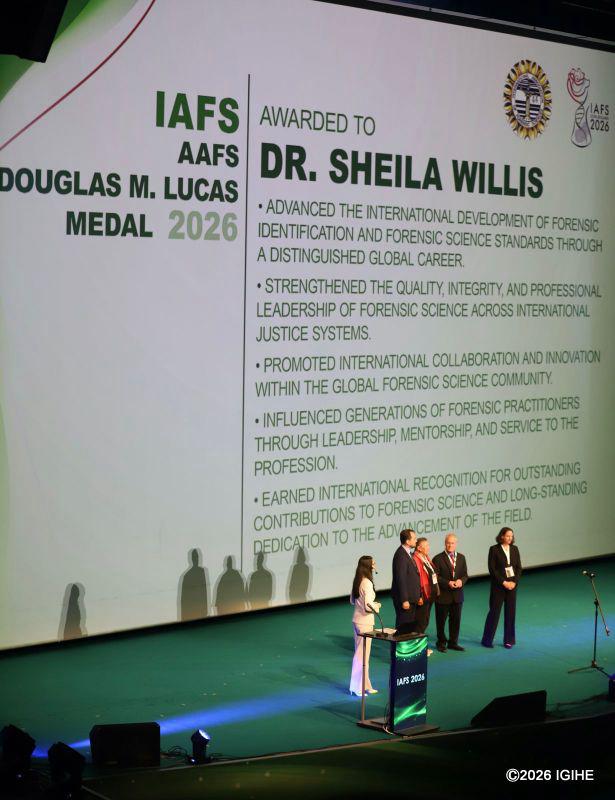
During the ceremony, four forensic researchers and experts received honorary awards recognizing their exceptional contributions to the field. Among them was the prestigious IAFS 2026 Human Rights Award, presented to South African expert Mr. Stephen Fonneska.
The recognition generated strong emotions among African delegations, symbolizing the continent’s growing role in the development of forensic sciences at the international level.
In his welcoming address, the President of the IAFS, Professor Yankov, emphasized the importance of international scientific cooperation in addressing contemporary challenges related to justice and criminal investigations.
He also highlighted the essential role of new technologies and multidisciplinary research in the evolution of forensic sciences.
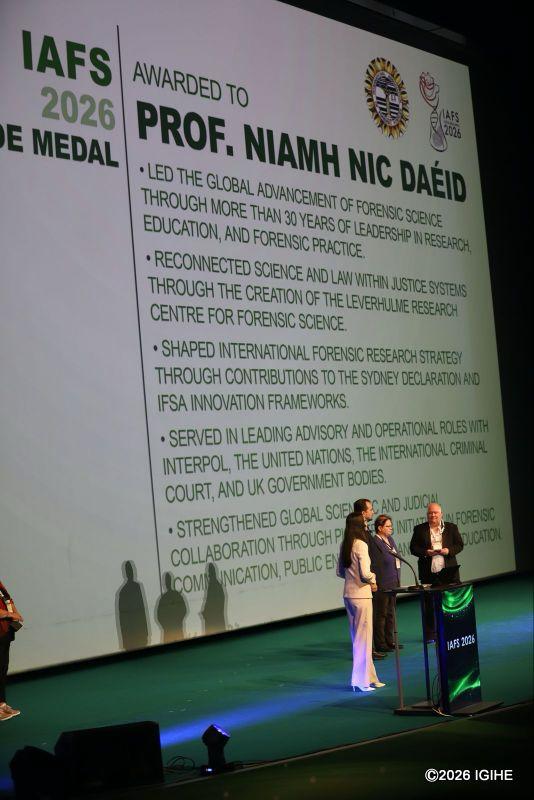
The sessions continued with keynote presentations delivered by renowned speakers from the United States and Europe, including Professor Dr. Niamh Nic Daeid and Dr. Sheila Wills, who addressed participants as keynote speakers.
Their presentations focused on scientific innovation, ethics in forensic investigations, and the challenges surrounding the use of scientific evidence within modern judicial systems.
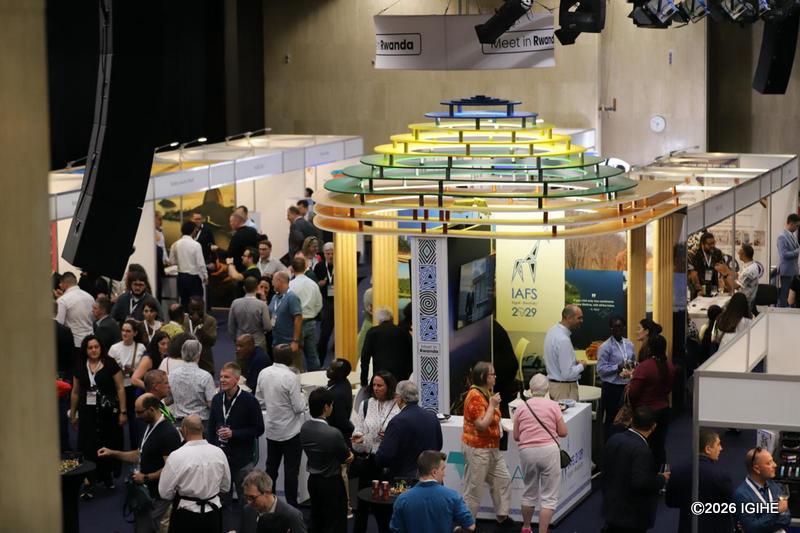
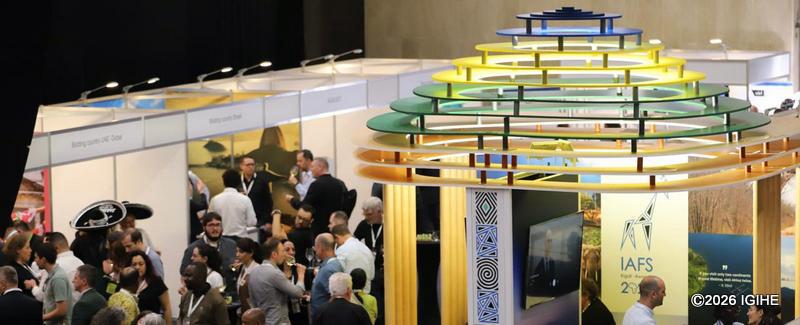
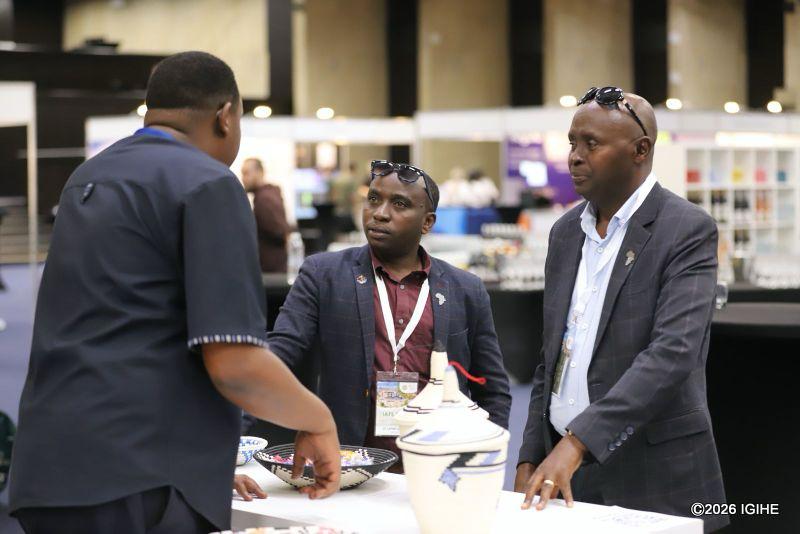
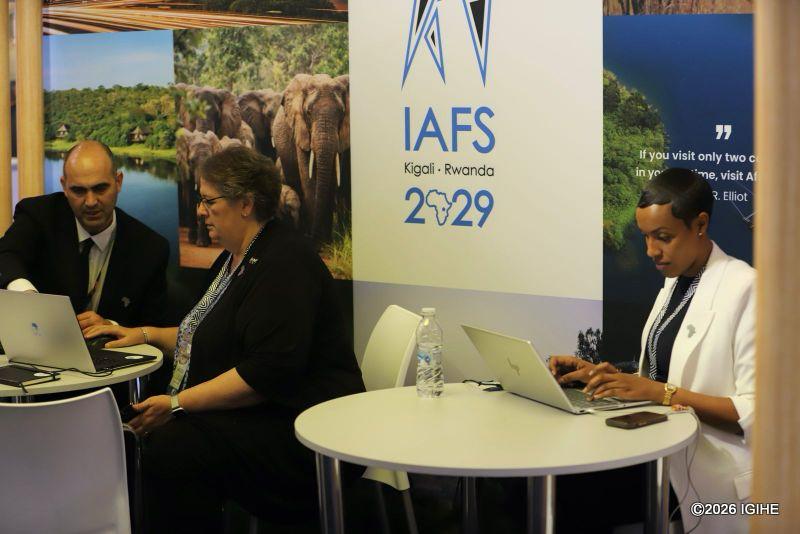
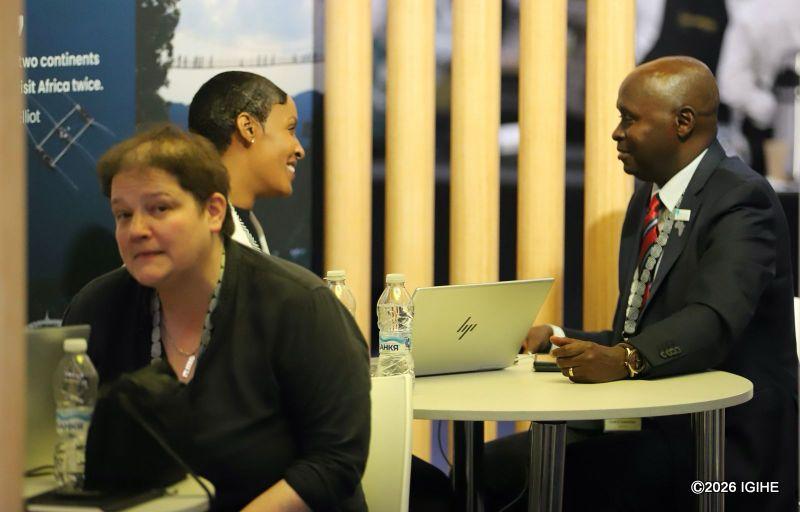
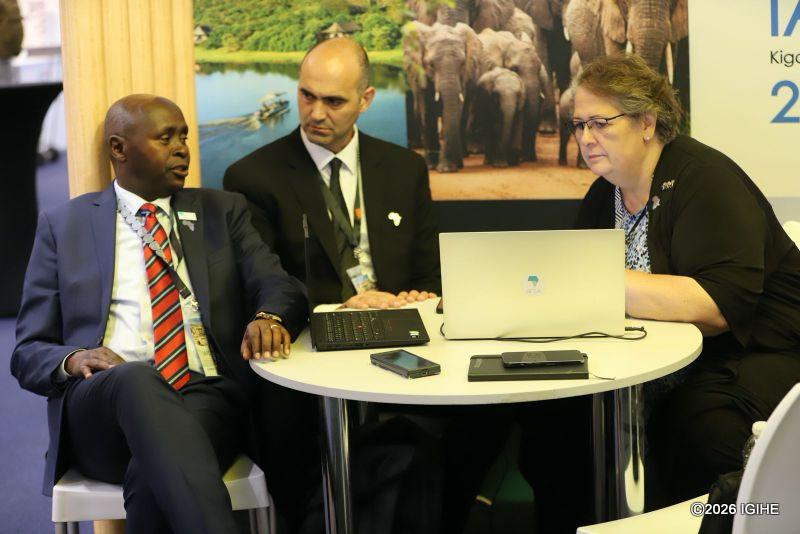
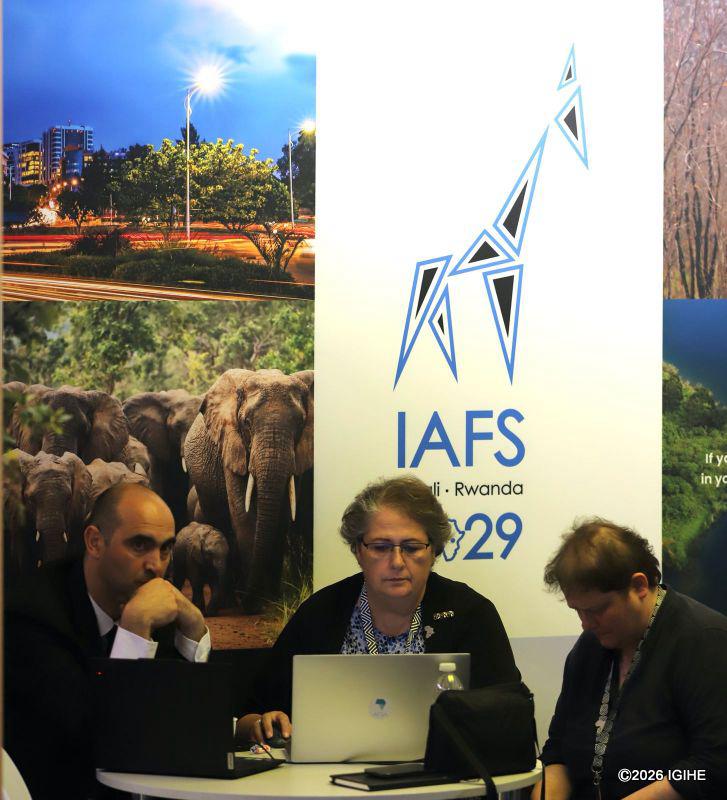
During the break, visitors and participants had the opportunity to tour exhibition stands from various countries and institutions participating in the congress.
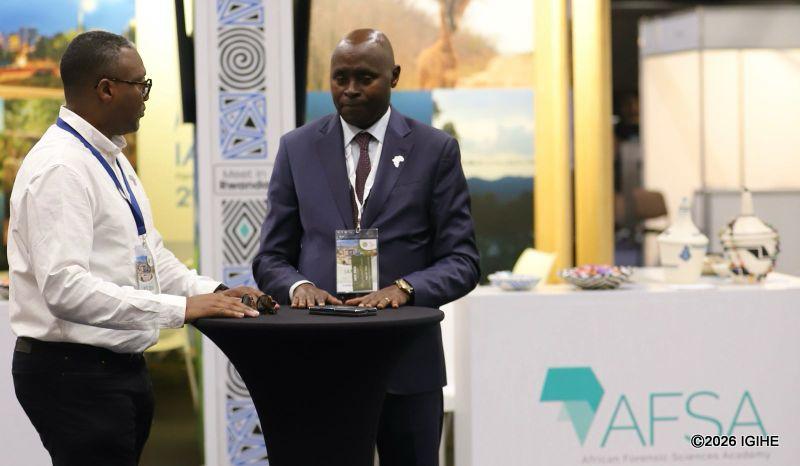
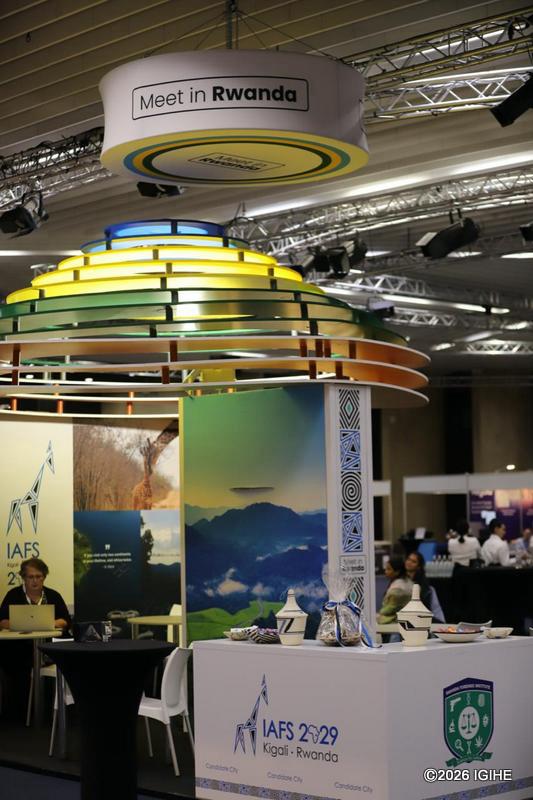
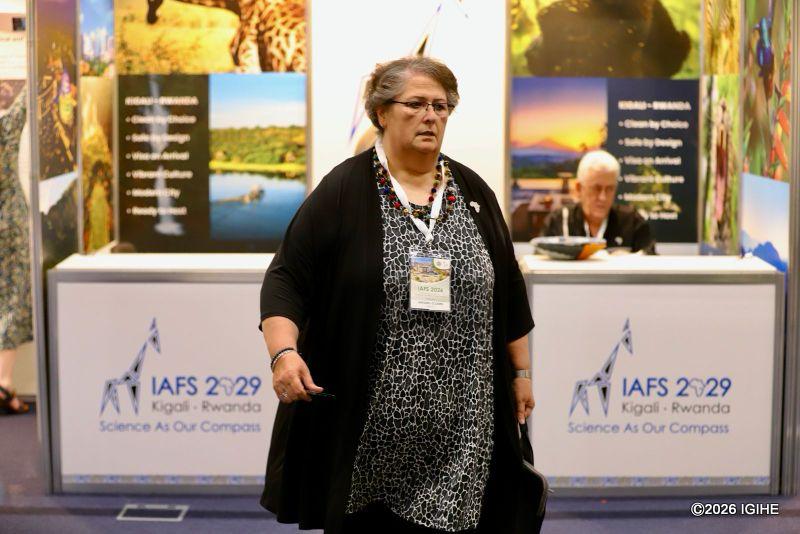
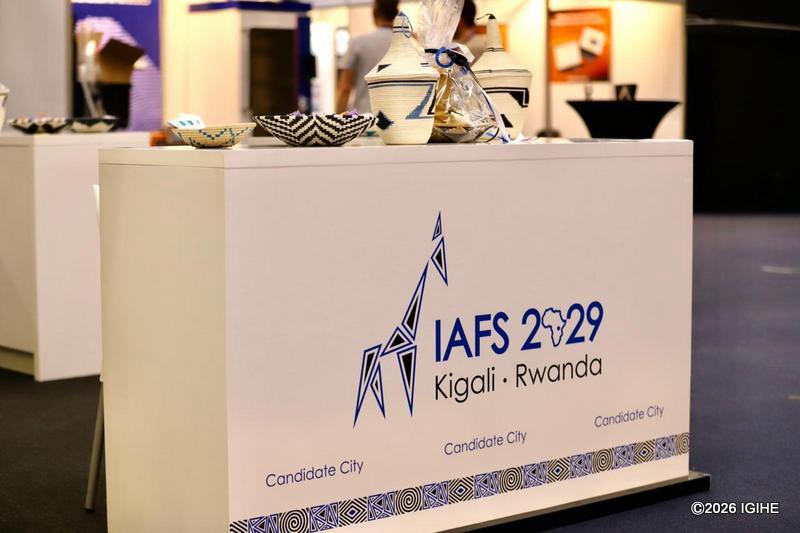
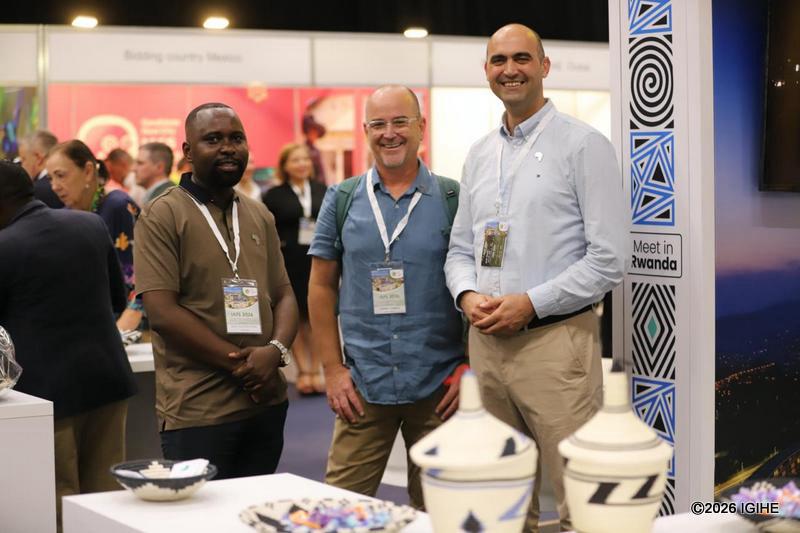
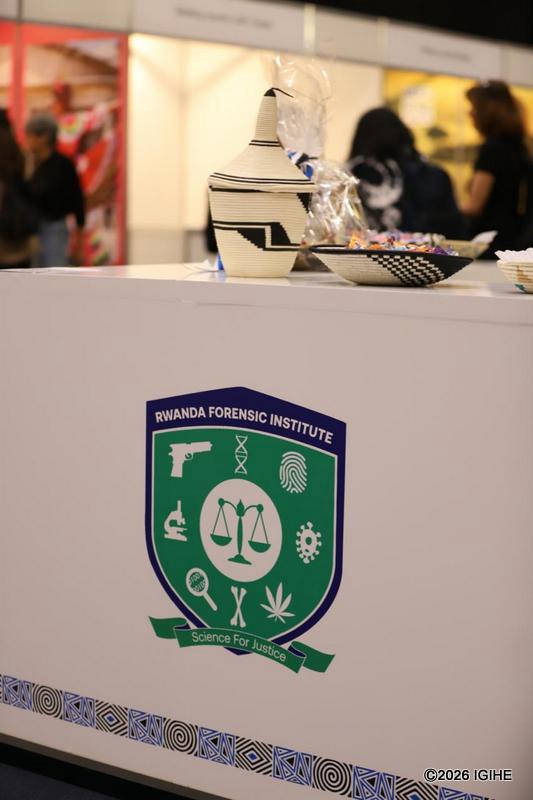
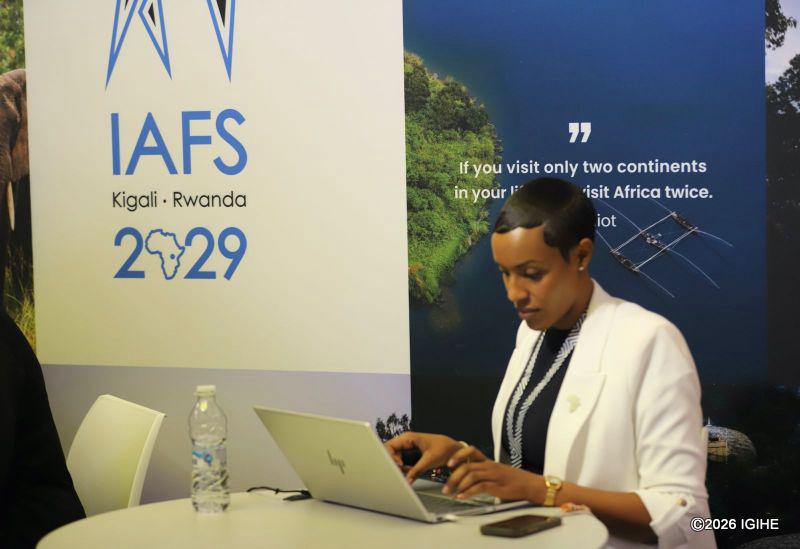
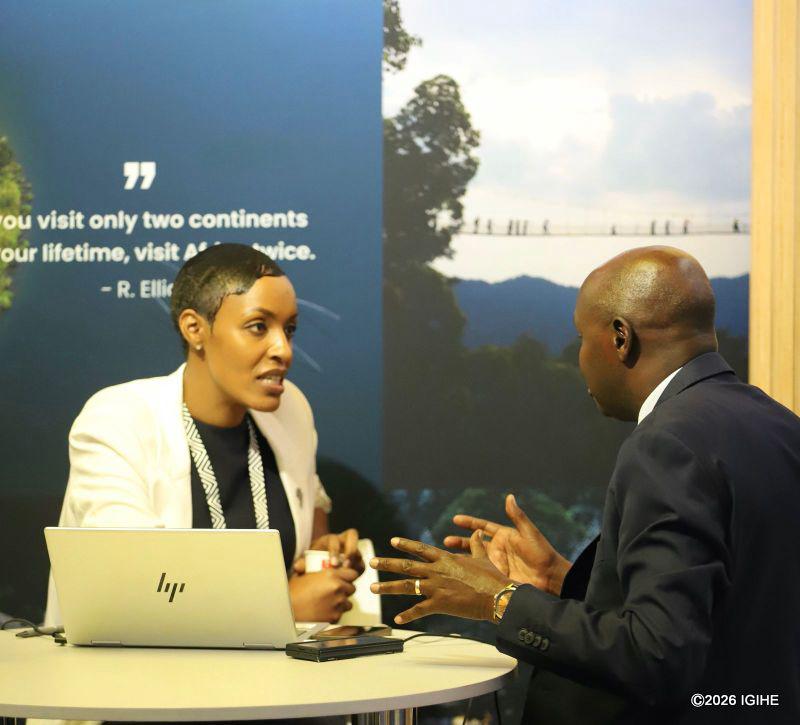
The Rwanda stand particularly attracted significant attention from visitors, alongside those of the United Kingdom, Mexico, Brazil, and the United Arab Emirates.
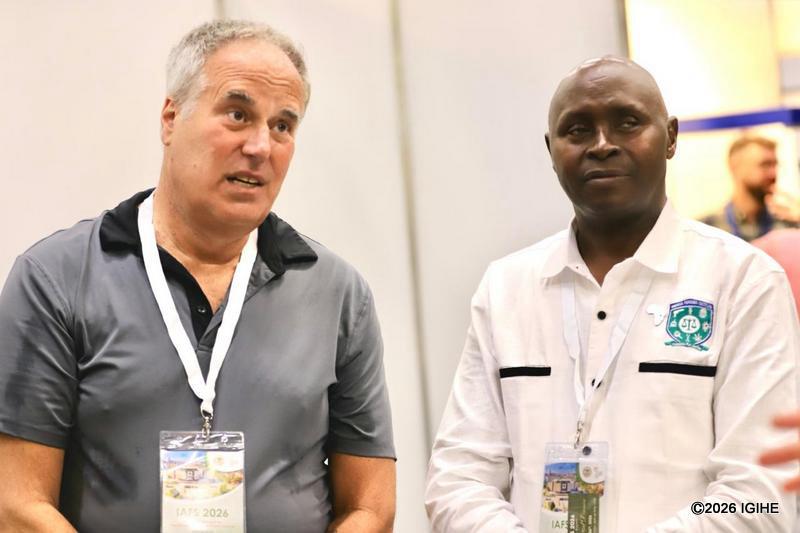
The Rwandan delegation, notably composed of Lieutenant Colonel (Rtd) Dr. Charles Karangwa, and Dr. Antonel Ocklers, showcased the country’s progress in forensic sciences, particularly in DNA analysis, laboratory management, and international scientific cooperation.
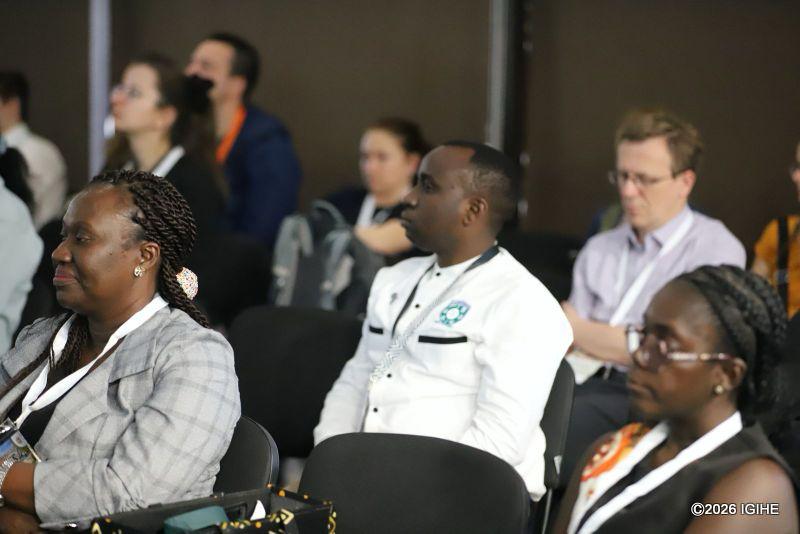
The afternoon marked the official beginning of parallel scientific sessions, transforming the conference halls into dynamic spaces for academic exchange and technical debate.
Researchers and experts presented studies on forensic genetics, digital forensic analysis, advanced identification techniques, and innovations in scientific investigations.
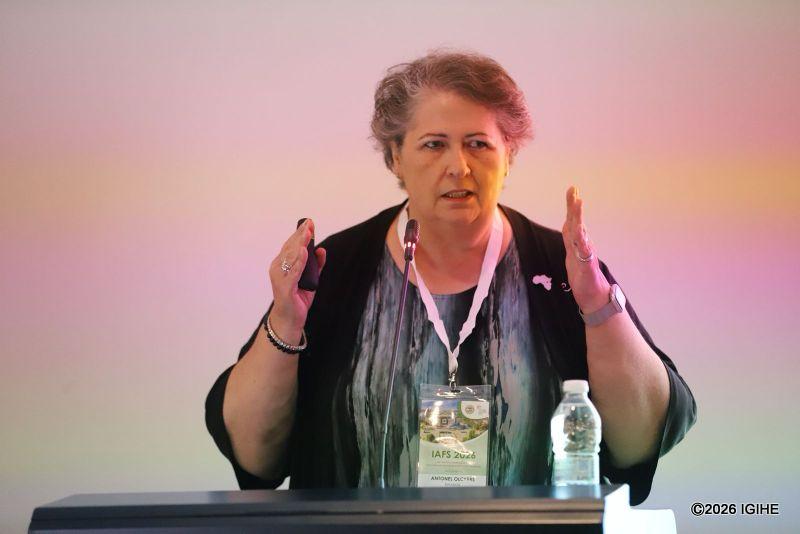
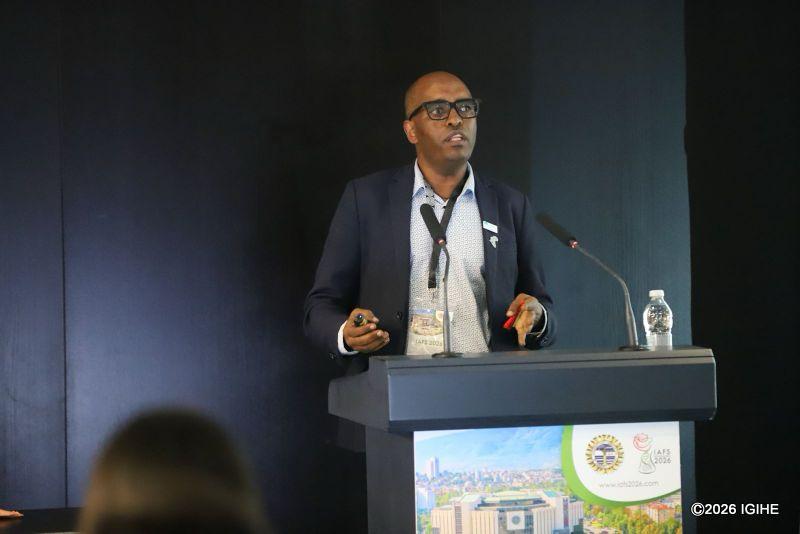
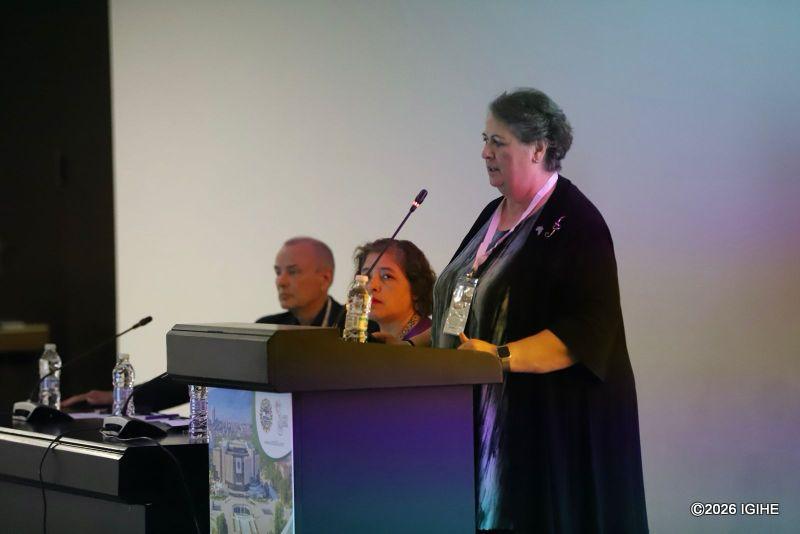
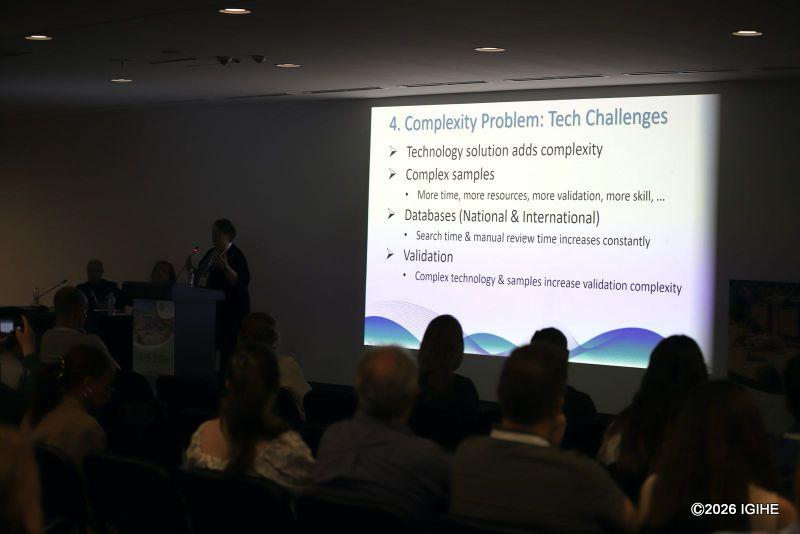
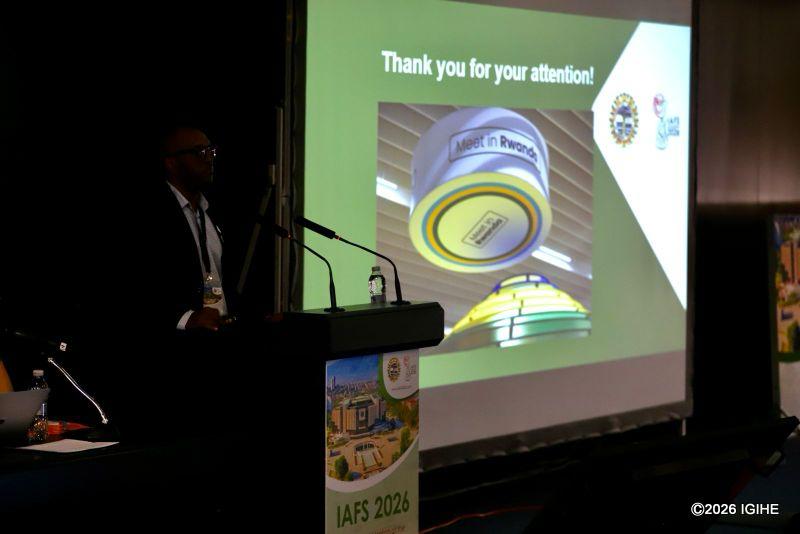
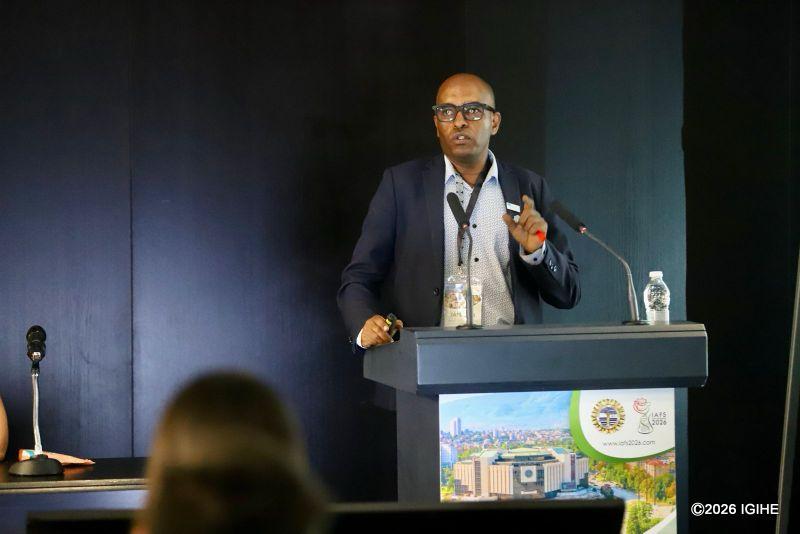
The Rwandan delegation stood out particularly during this first day. During the event, Dr. Antonel Ocklers delivered a scientific presentation entitled: “A Systems Engineering Approach to Managing DNA Production Backlogs.” Through this presentation, she proposed an innovative framework aimed at improving the efficiency of forensic laboratories through sustainable systemic solutions adapted to contemporary institutional realities.
Beyond her own presentation, Dr. Antonel Ocklers also chaired the session dedicated to “DNA and Forensic Genetics.” In this role, she skillfully moderated scientific discussions among international experts and guided conversations surrounding various technical presentations, further confirming Rwanda’s growing place in major global forensic science discussions.
From the international recognition granted to African experts to the active participation of Rwandan researchers in high-level scientific debates, the first day of IAFS 2026 in Sofia was marked by a strong spirit of collaboration, innovation, and scientific excellence.
Congress activities will continue until Thursday, featuring several panels, workshops, and scientific presentations bringing together specialists from around the world.
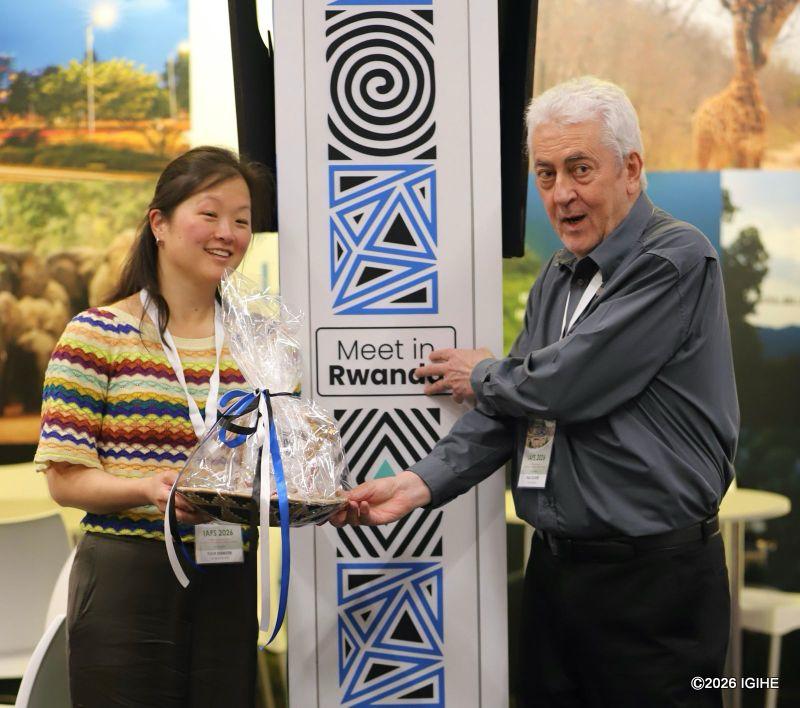
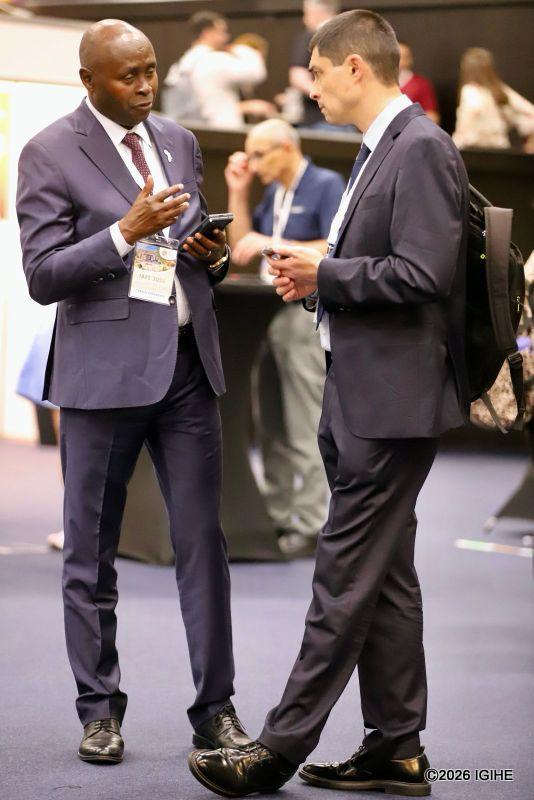
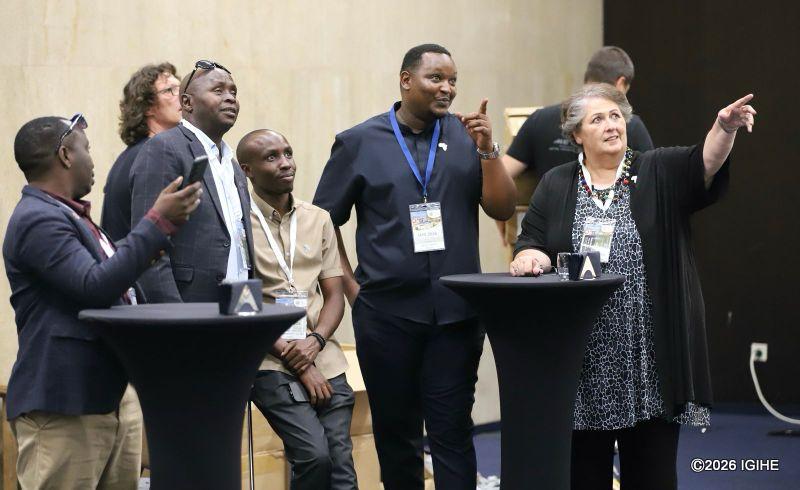
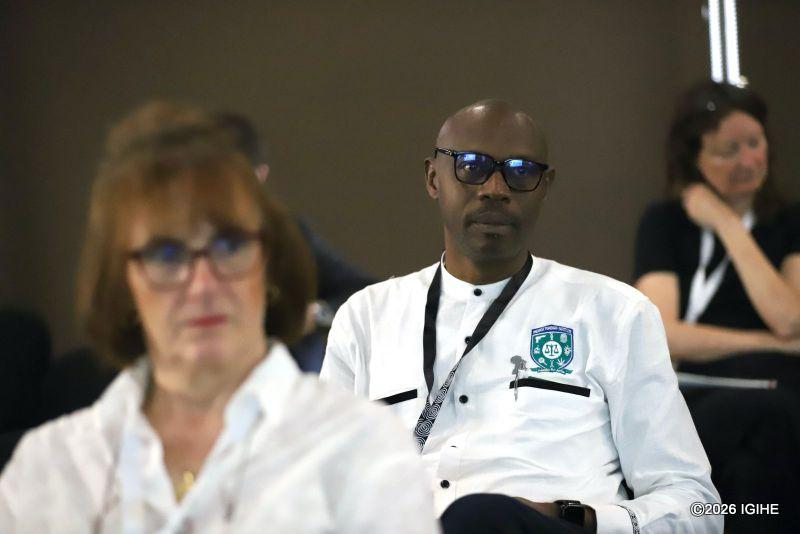
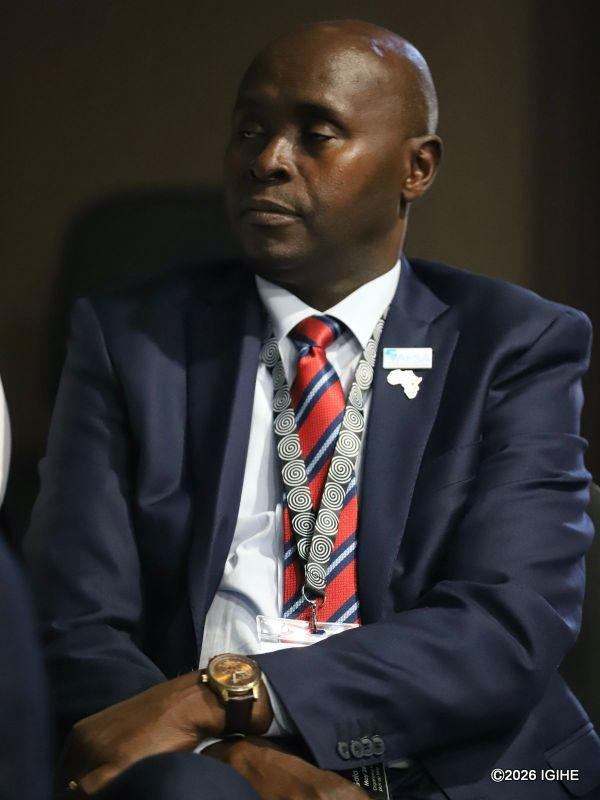
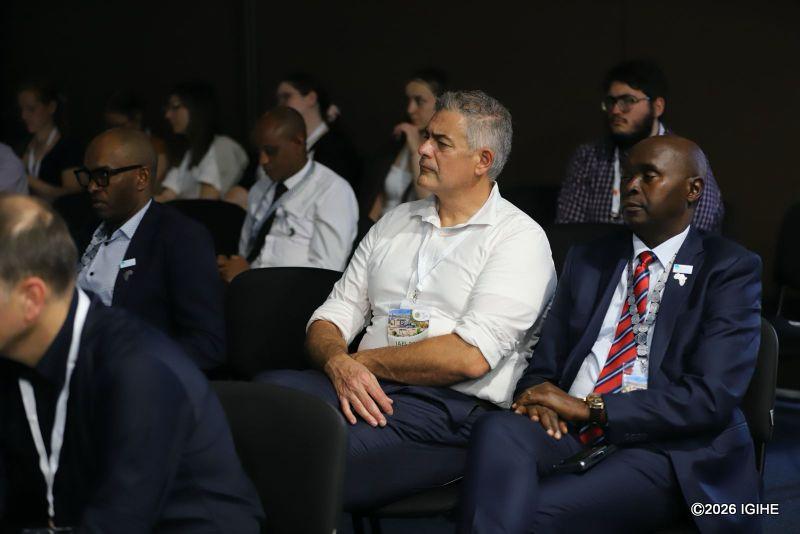
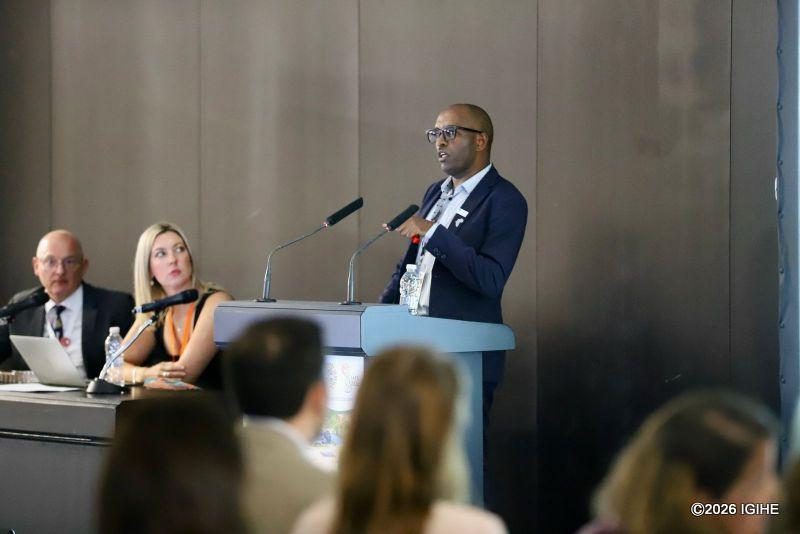
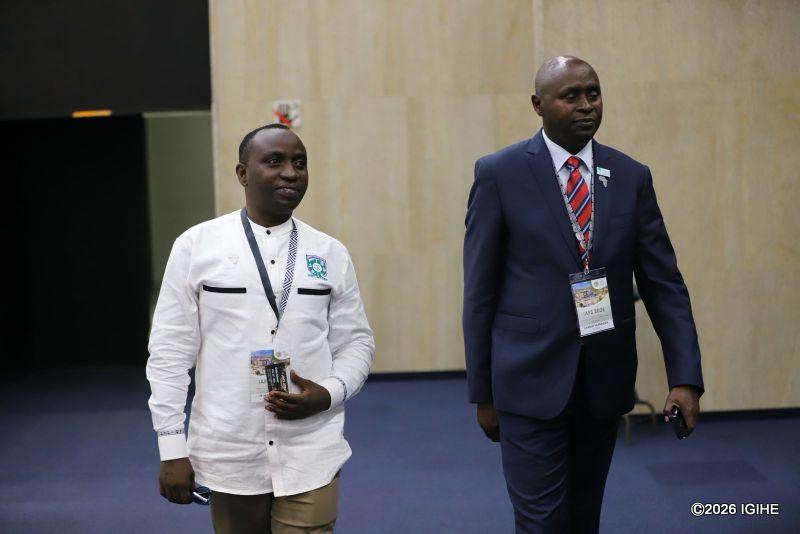
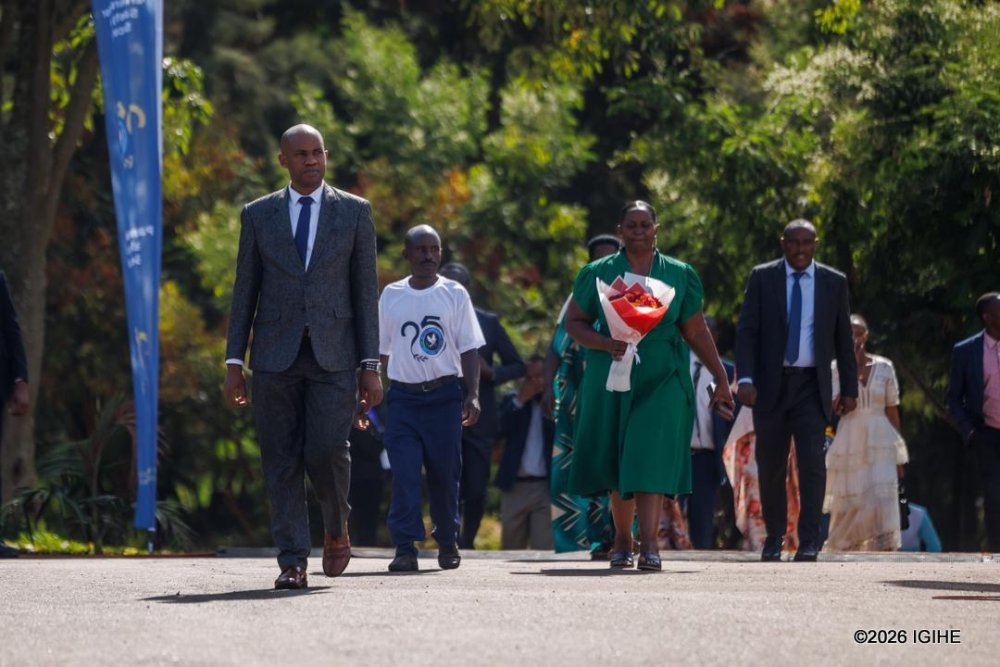
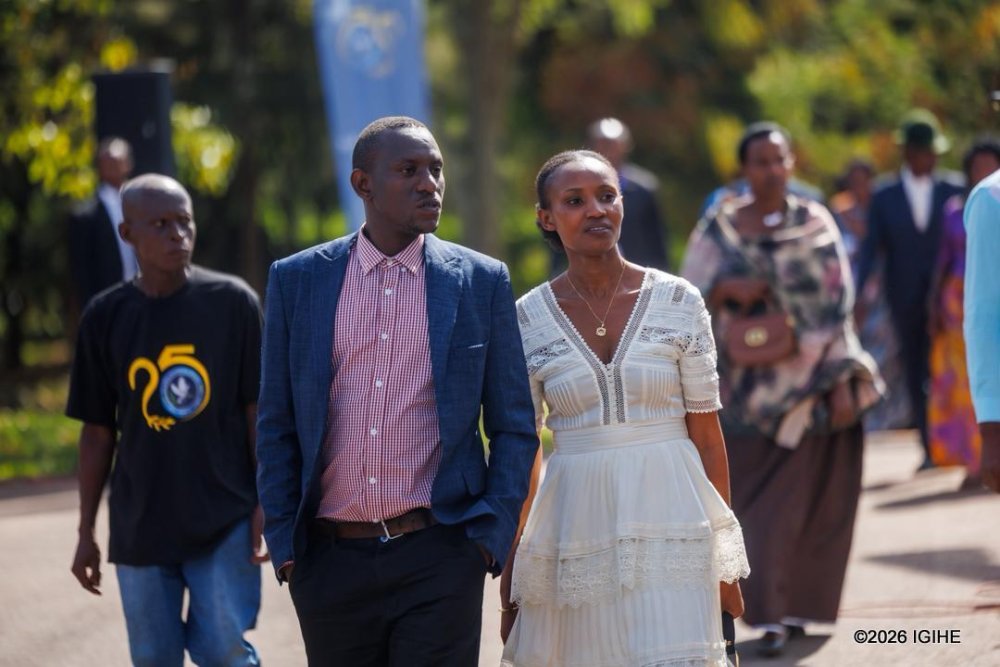
Dr. Antonnel Olckers, head of AFSA, delivers a panel presentation on advancing forensic science in the justice sector.Each day, one of the competition winners receives a prize featuring gifts from Rwanda.Dr. Charles Karangwa during an interview with IGIHE journalist in Sofia, Bulgaria.Dr. Charles Karangwa, Director General of the Rwanda Forensic Institute (RFI), speaks to participants during the IAFS 2026 conference.The opening ceremony was presided over by Prof. Yanko Kolev, who has served as President of the IAFS for the past three years, since 2023.Libargachew Mihretu of RFI delivering a presentation.Mehdi Ben Khalil and AFSA President, Dr. Antonel Olckers.Lt Col (Rtd) Dr Charles Karangwa, who led the delegation from Rwanda, follows the opening discussions of the conference.
The Amavubi will face Comoros and Tanzania in early June as part of preparations for the group stage of the 2027 Africa Cup of Nations qualifiers, which are set to begin in September.
Several notable players are absent from the squad, including defender Manzi Thierry and the Mickels brothers, Joy Slayd Mickels and Leroy Jacques Mickels, who have all been ruled out due to injury. Also missing is midfielder Hakim Sahabo of AEK Athens, reportedly due to limited playing time at the club level.
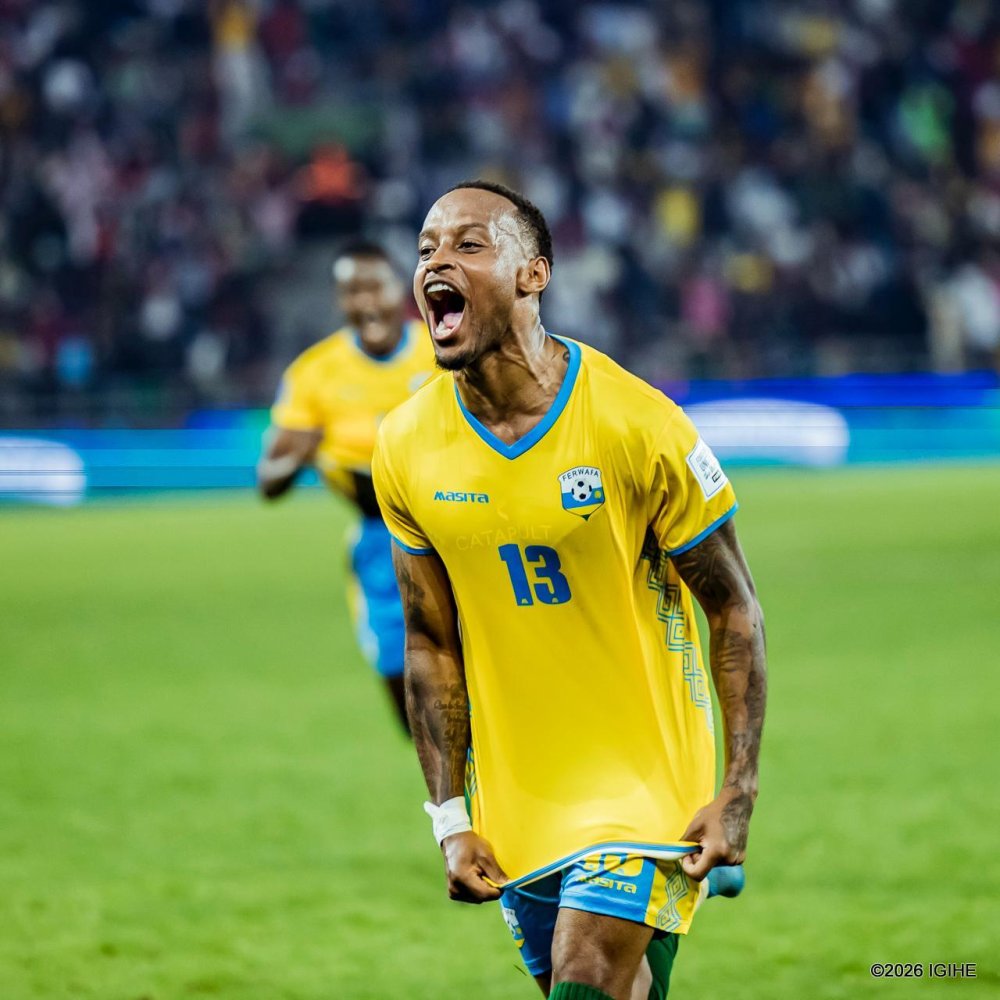
A major highlight of the squad is the inclusion of Noam Emeran, an attacking forward currently signed with FC Groningen in the Netherlands. The winger, who previously featured for Manchester United’s youth system, earns his first senior call-up for Rwanda. He is the son of former Amavubi player Fritz Emeran Nkusi.
Of the 24 players selected, 11 ply their trade in Rwanda’s domestic league. This group includes six players from league champions APR FC, as well as representatives from Rayon Sports, Police FC, Marine FC, and Kiyovu Sports.
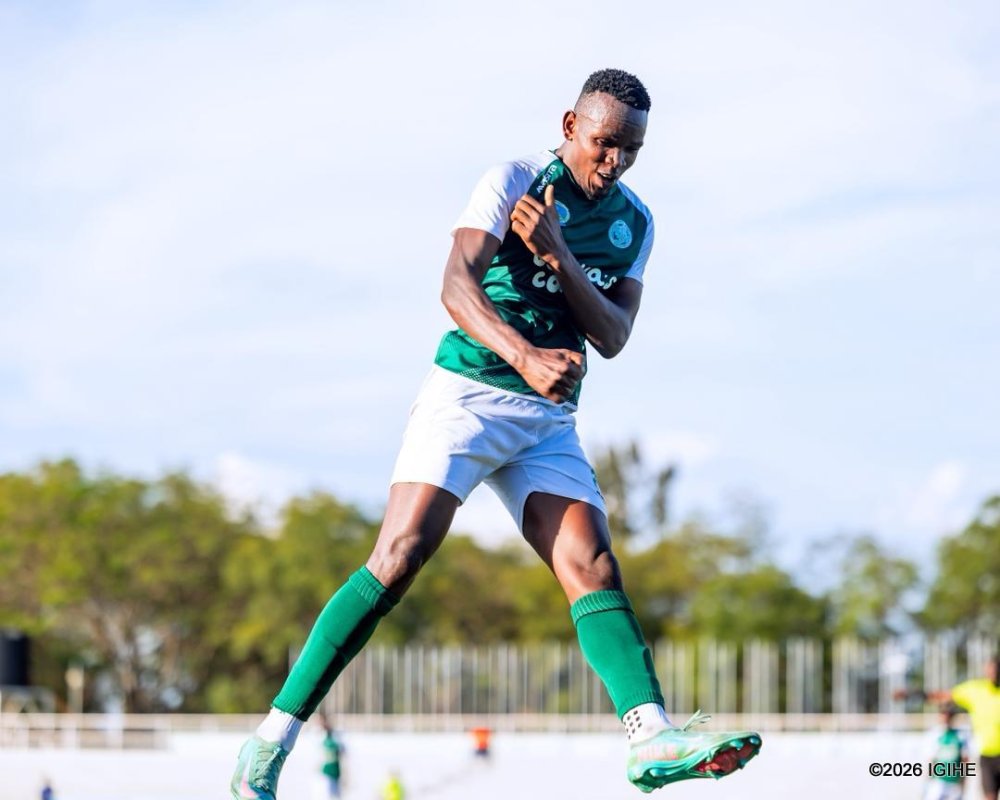
Kiyovu Sports striker Uwiyaremye Fidali is among those receiving a maiden national team call-up following an impressive domestic campaign in which he scored 11 goals.
Rwanda will open its tour with a match against Comoros on June 6, before facing Tanzania on June 9. Both fixtures will be played in Marrakech, Morocco.
Full Squad List
Goalkeepers
• Niyongira Patience (Police FC)
• Hakizimana Adolphe (APR FC)
• Kwizera Olivier (Rayon Sports)
Defenders
• Mutsinzi Ange (Zira FK)
• Niyigena Clément (APR FC)
• Kavita Phanuel Mabaya (Birmingham Legion)
• Nshimiyimana Yunus (APR FC)
• Byiringiro Jean Gilbert (APR FC)
• Emmanuel Imanishimwe (AEL Limassol)
• Niyomugabo Claude (APR FC)
Midfielders
• Noam Fritz Emeran (FC Groningen)
• Kwizera Jojea (Rhode Island)
• Kury Johan Marvin (AC Bellinzona)
• Mugisha Bonheur (Al Masry)
• Bizimana Djihad (CS Constantine)
• Samuel Marie Gueulette (RAAL La Louvière)
• Ruboneka Jean Bosco (APR FC)
• Muhire Kevin (Jamus SC)
Forwards
• Nshuti Innocent (Al Wafaq)
• René Uwineza (Kiyovu Sports)
• Biramahire Abeddy (Assabah)
• Uwiyaremye Fidali (Kiyovu Sports)
• Mbonyumwami Taiba (Marine FC)
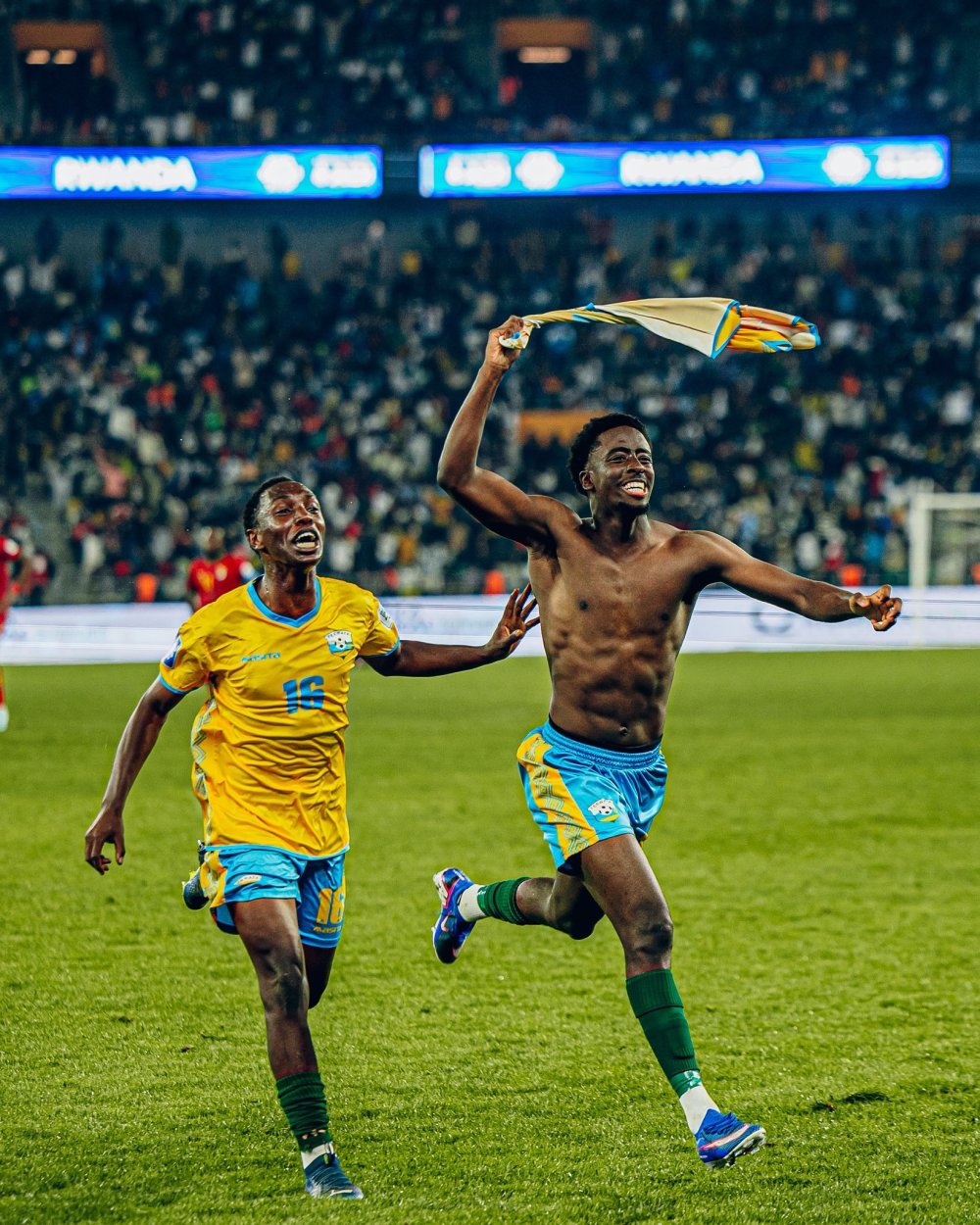
Noam Fritz Emeran has received his first call-up to the national team, the Amavubi.Kiyovu Sports striker Uwiyaremye Fidali has also received his first national team call-up.Joy-Lance Mickels, who has been one of the top scorers in the Azerbaijan Premier League, was not called up due to injury.Leroy Jacques Mickels, who impressed during the FIFA Series 2026, has also been left out of the squad due to injury. Hakim Sahabo, pictured holding a jersey in his hand, has once again been left out of the squad after failing to secure sufficient playing time in Greece.
The discussions took place on May 26, 2026, when the Chief Executive Officer of the Rwanda Development Board, Jean Guy Afrika, met with a Boeing delegation led by Amine Benkirane, Marketing Director for Commercial Airplanes in Africa and the Middle East.
According to details shared after the meeting, the talks focused on aviation, logistics, and opportunities for Boeing to support Rwanda’s ambitions of expanding regional connectivity and strengthening its position as an emerging regional hub.
The engagement also explored developments in aircraft financing, cargo operations, export market connectivity, and opportunities to further position Rwanda as a regional aviation and tourism hub.
The discussions come as Rwanda continues efforts to expand its aviation sector and strengthen its role in regional and international transport networks.
Boeing is among the world’s leading aircraft manufacturers in both production scale and global market influence. In 2025, the company sold 600 aircraft, up from 348 in 2024, while it recorded 528 commercial aircraft sales in 2023.
Founded in 1916 by William E. Boeing, the company has sold more than 19,000 aircraft worldwide since its establishment.
The discussions took place on May 26, 2026, when the Chief Executive Officer of the Rwanda Development Board, Jean Guy Afrika, met with a Boeing delegation led by Amine Benkirane, Marketing Director for Commercial Airplanes in Africa and the Middle East.
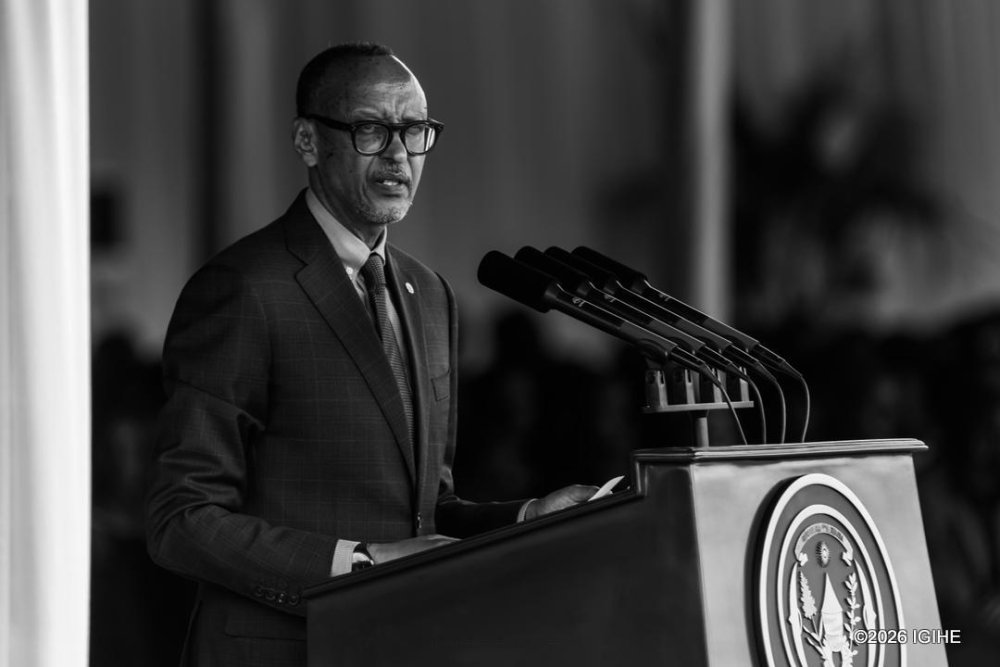
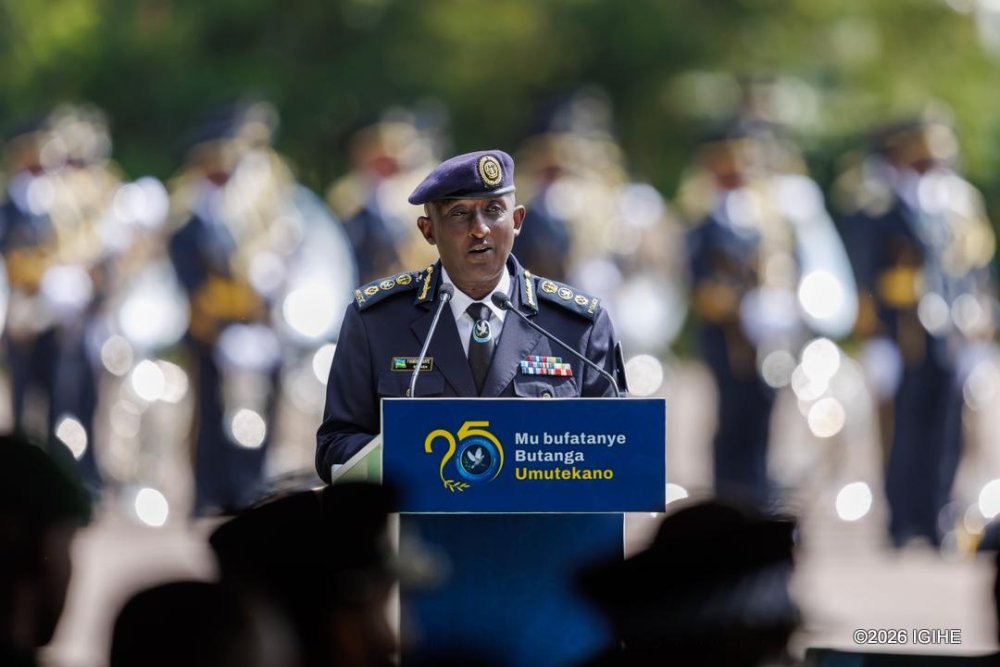
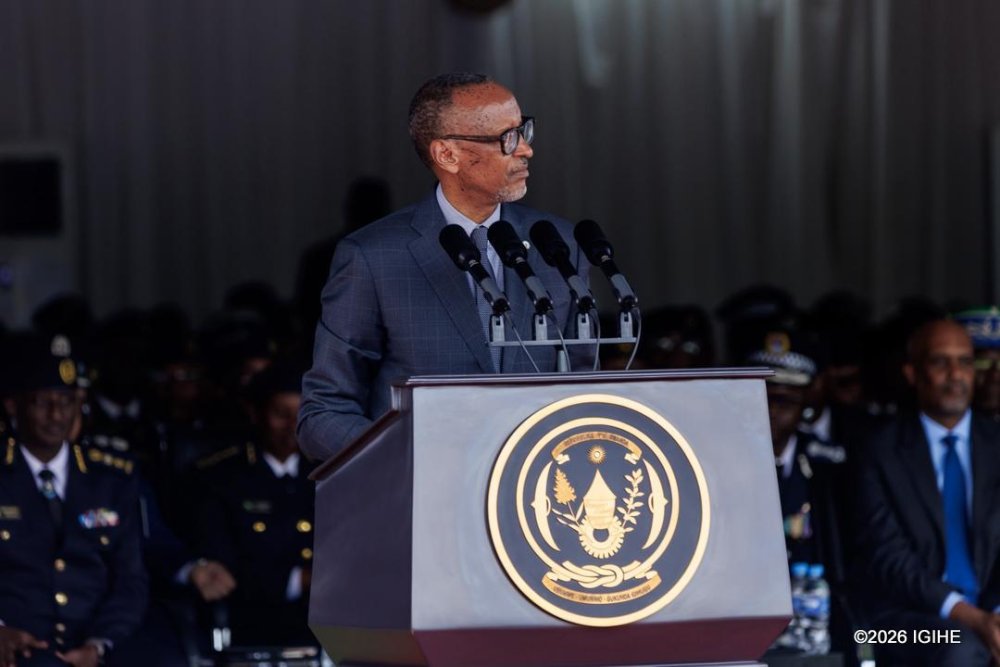
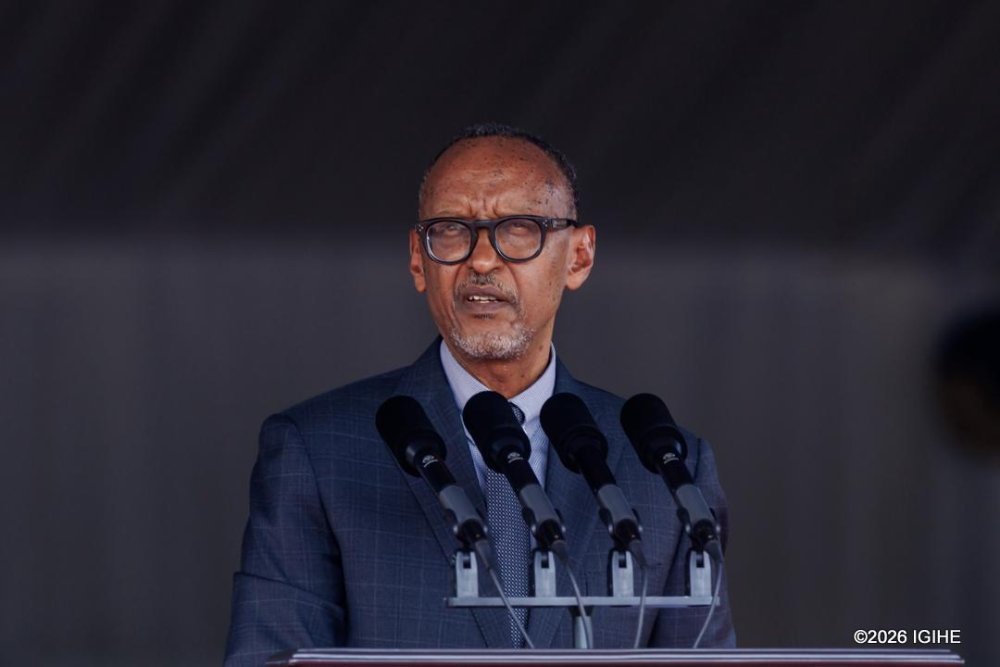
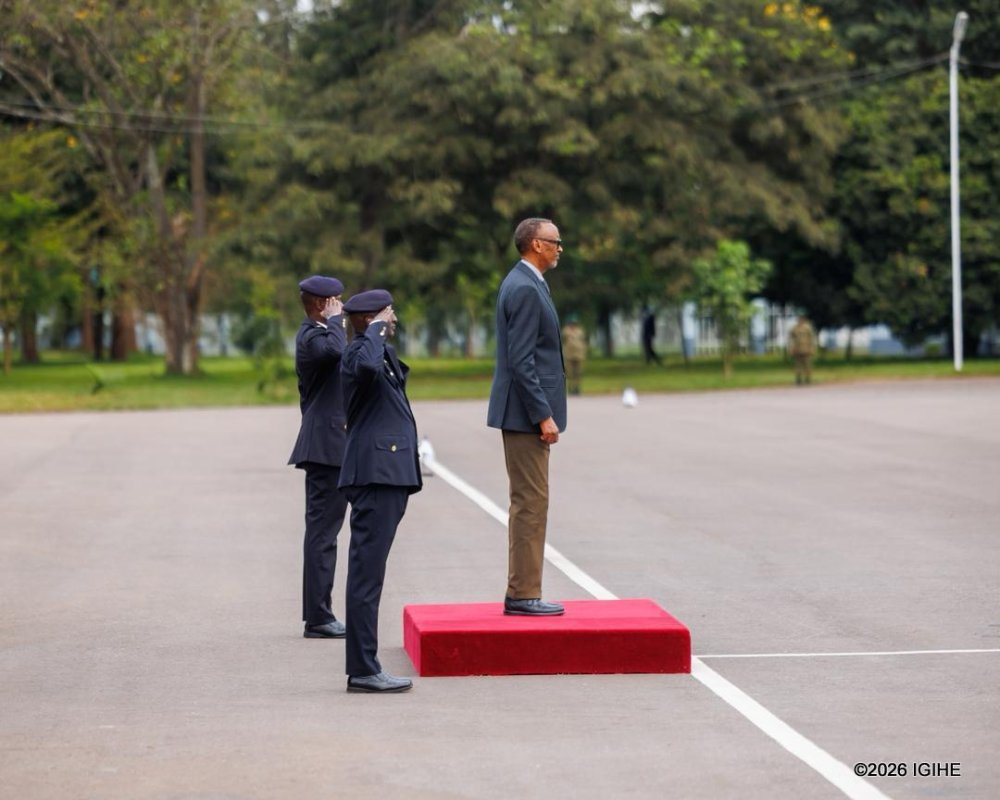
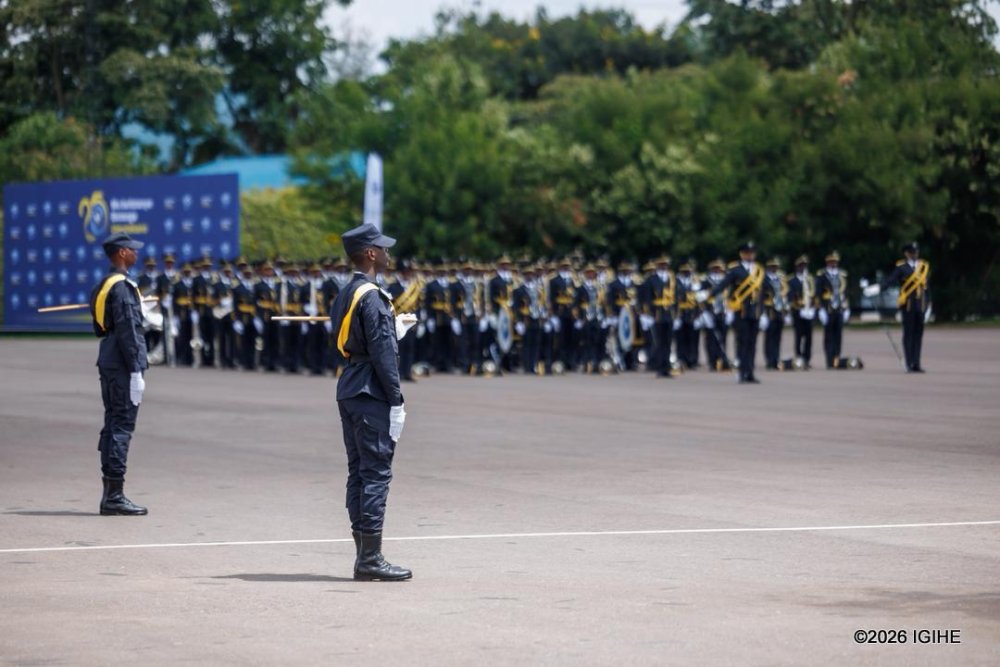
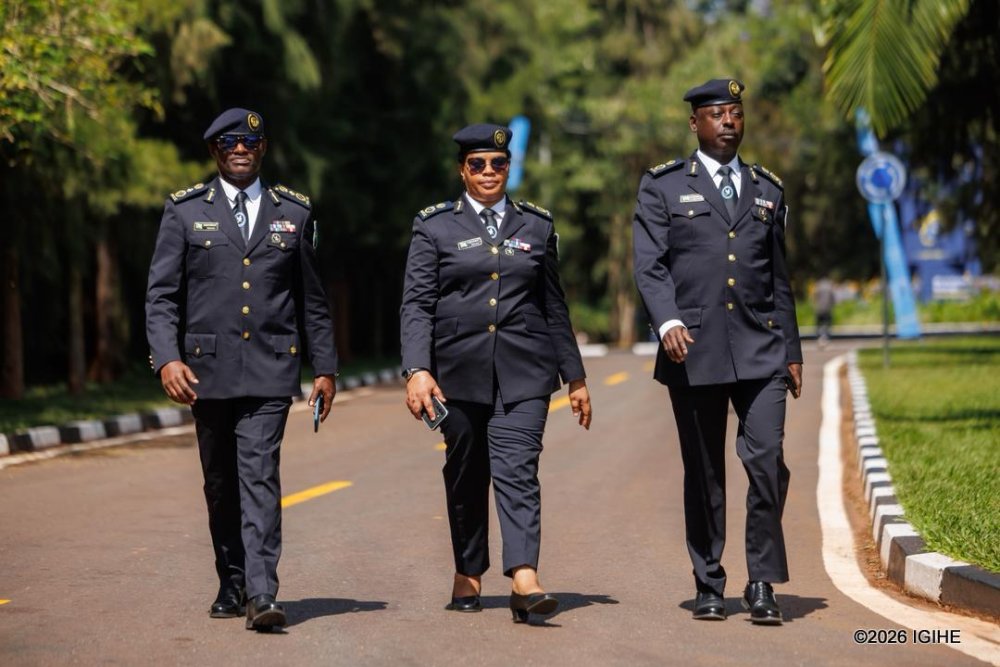
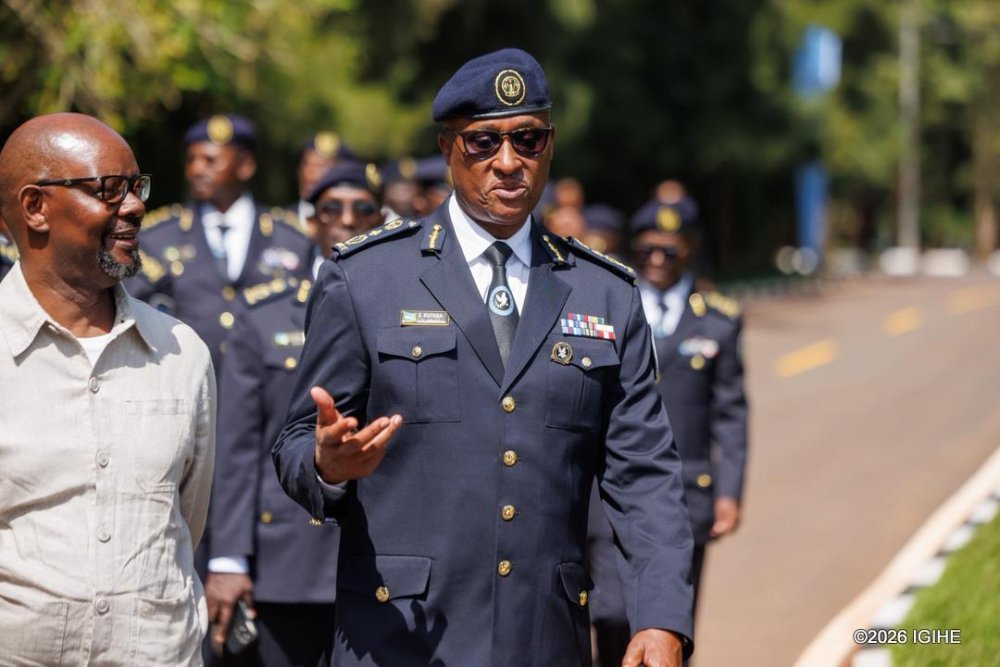
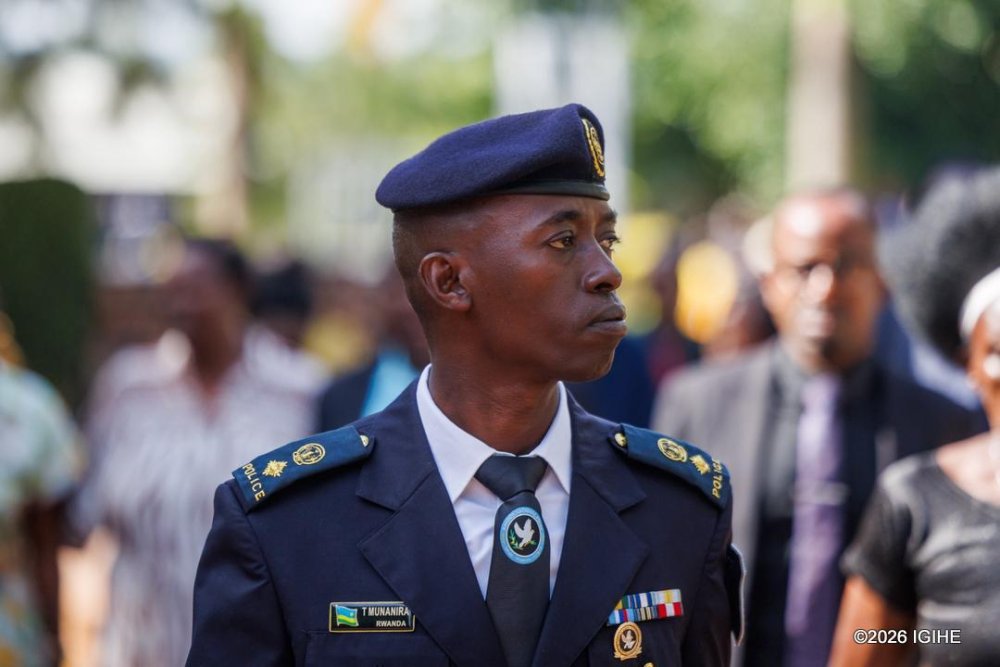
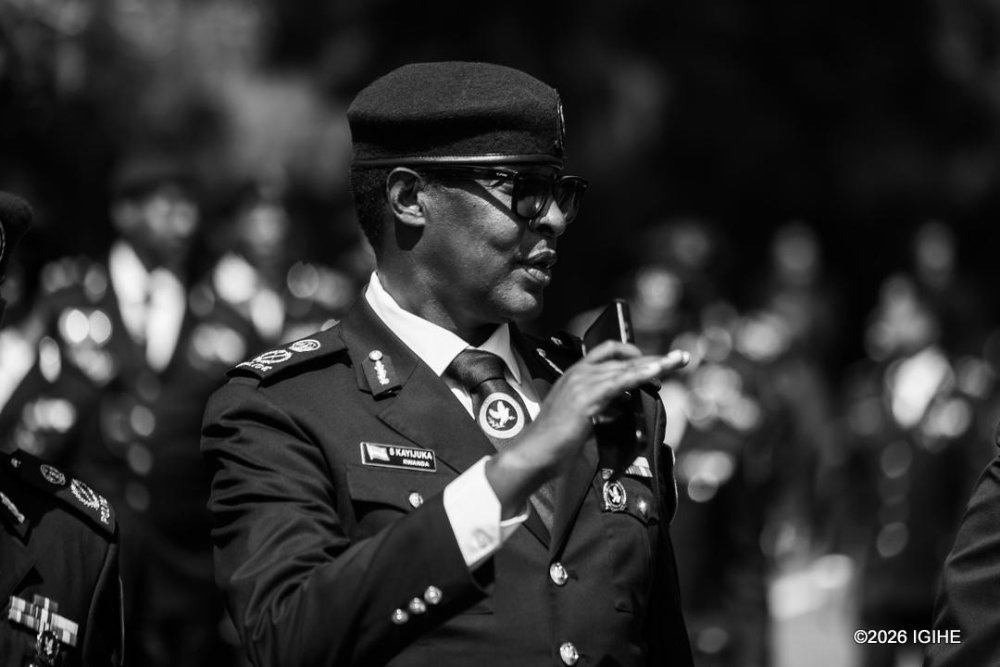
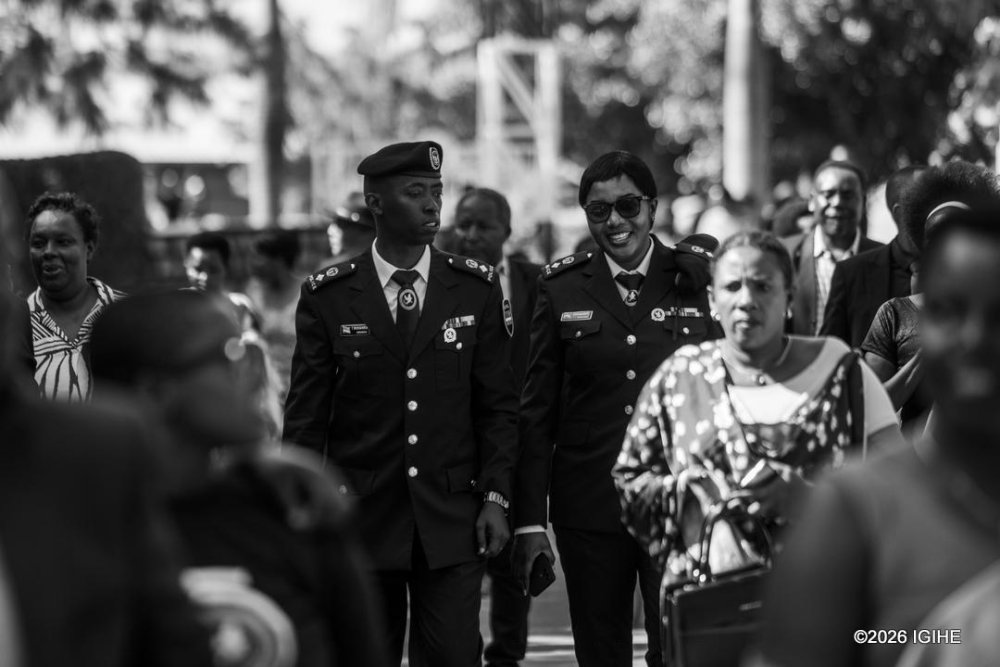
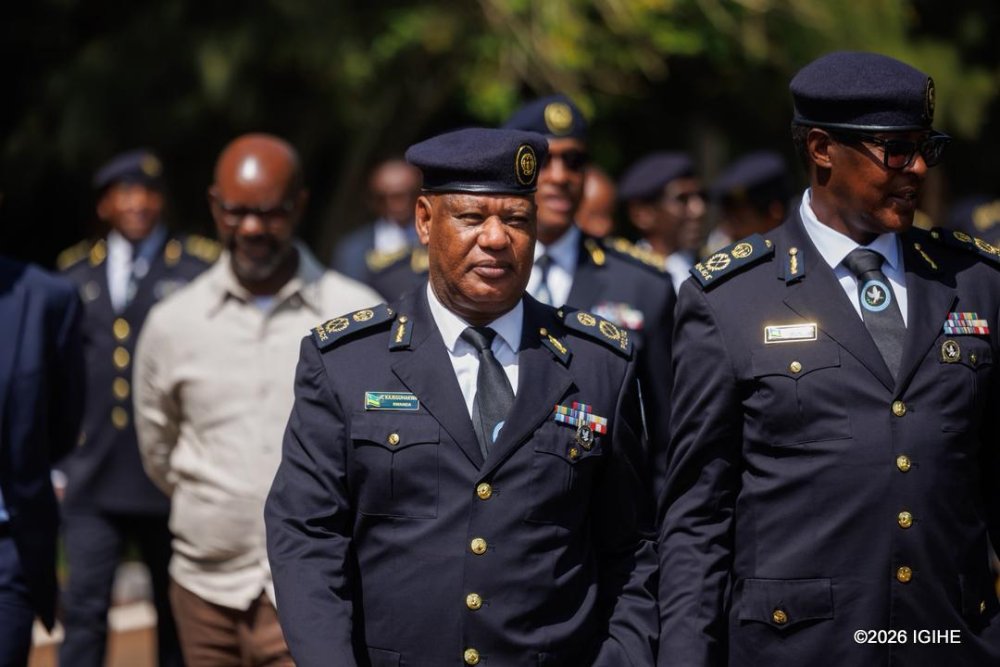
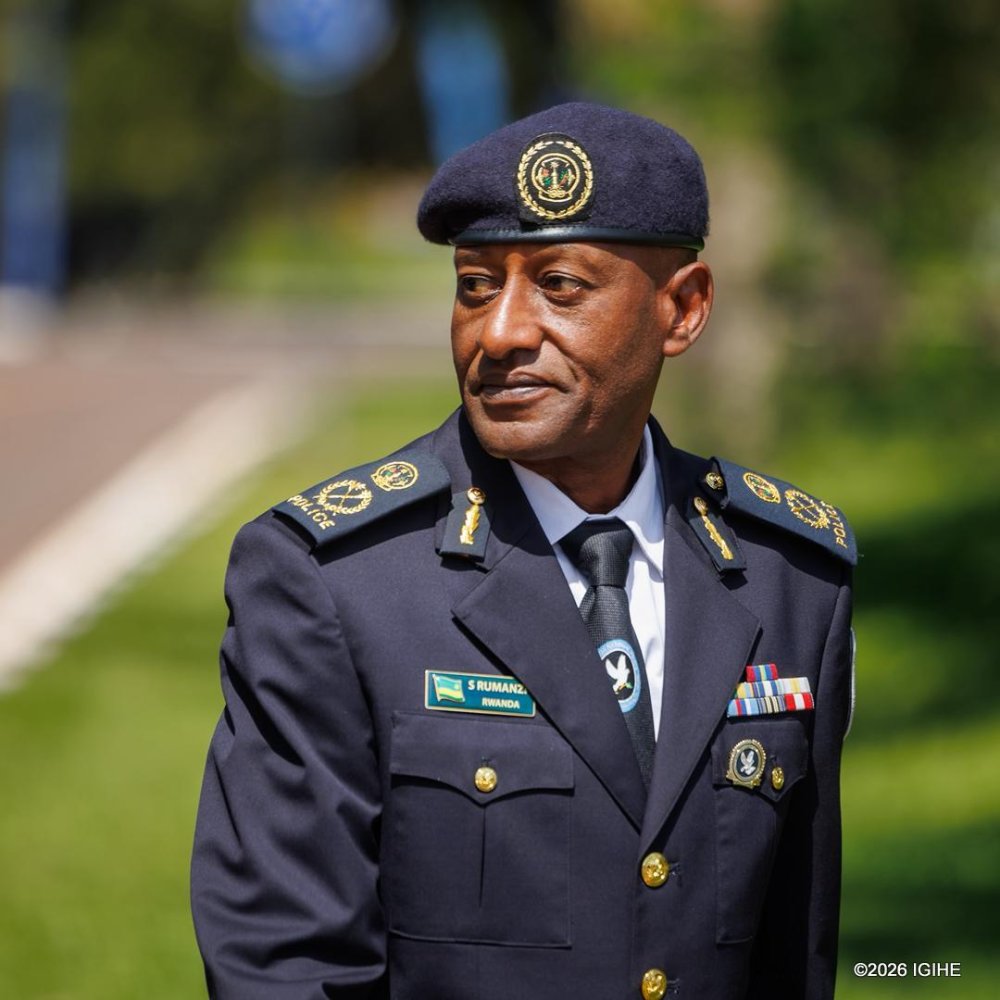
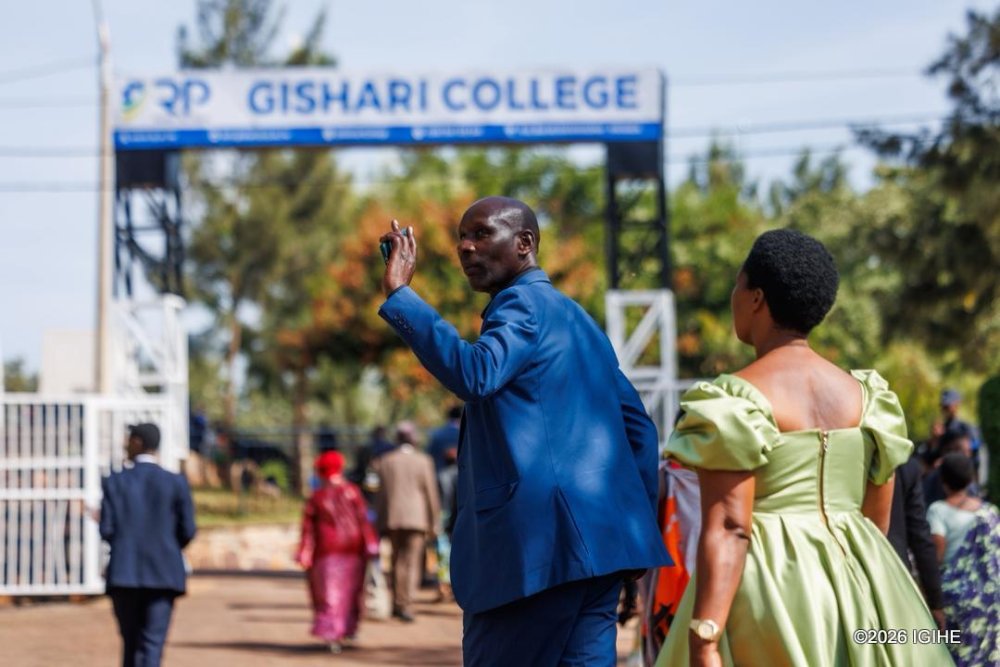
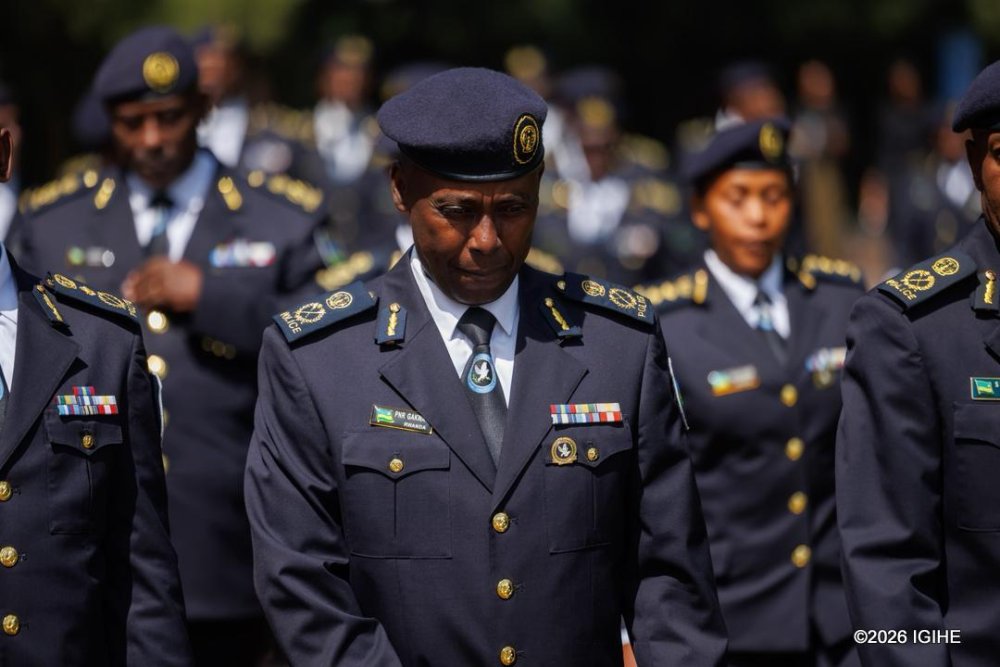
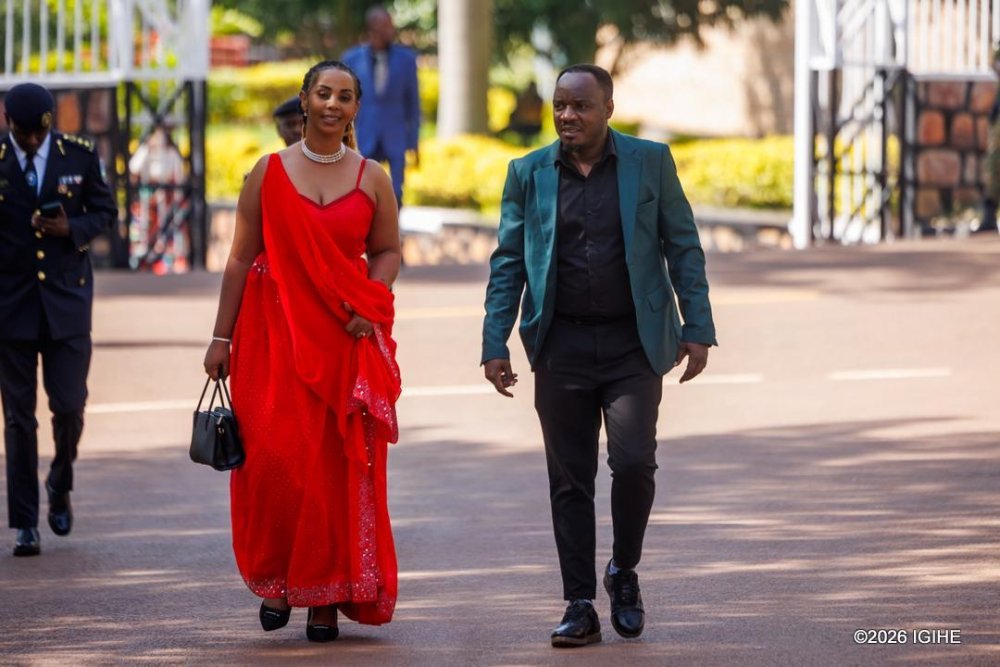
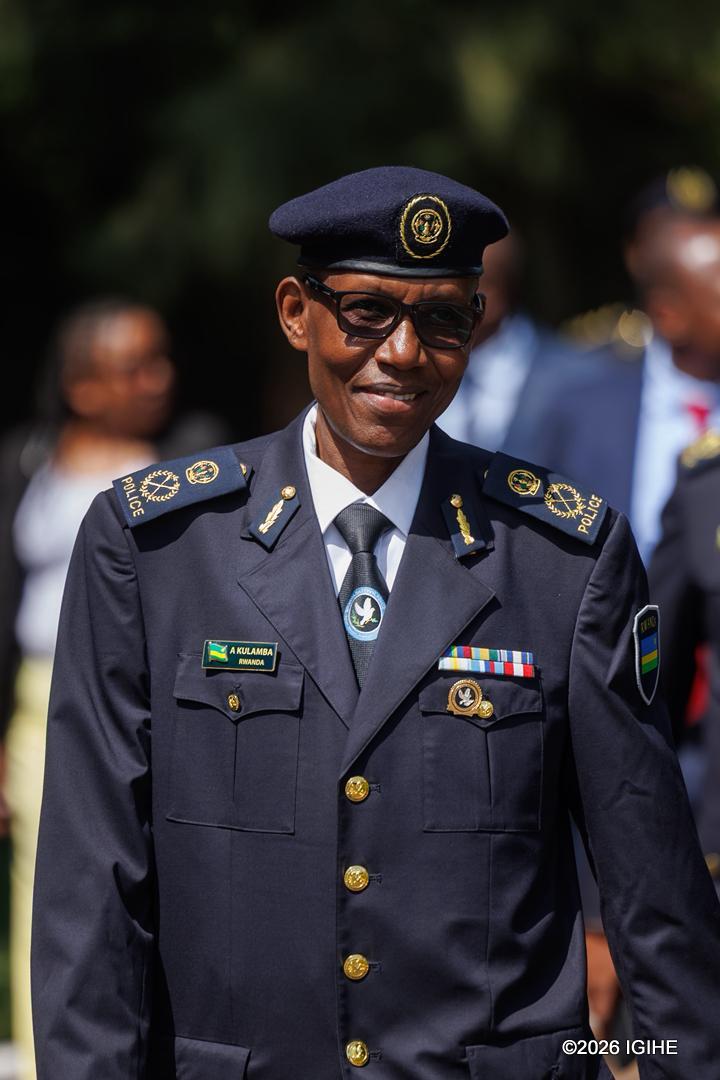
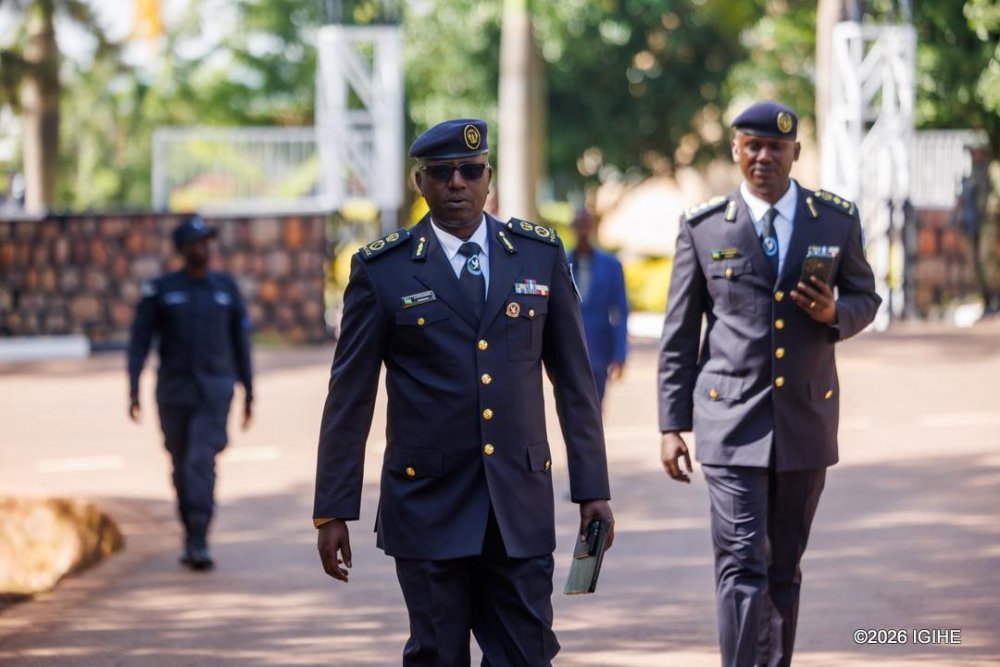
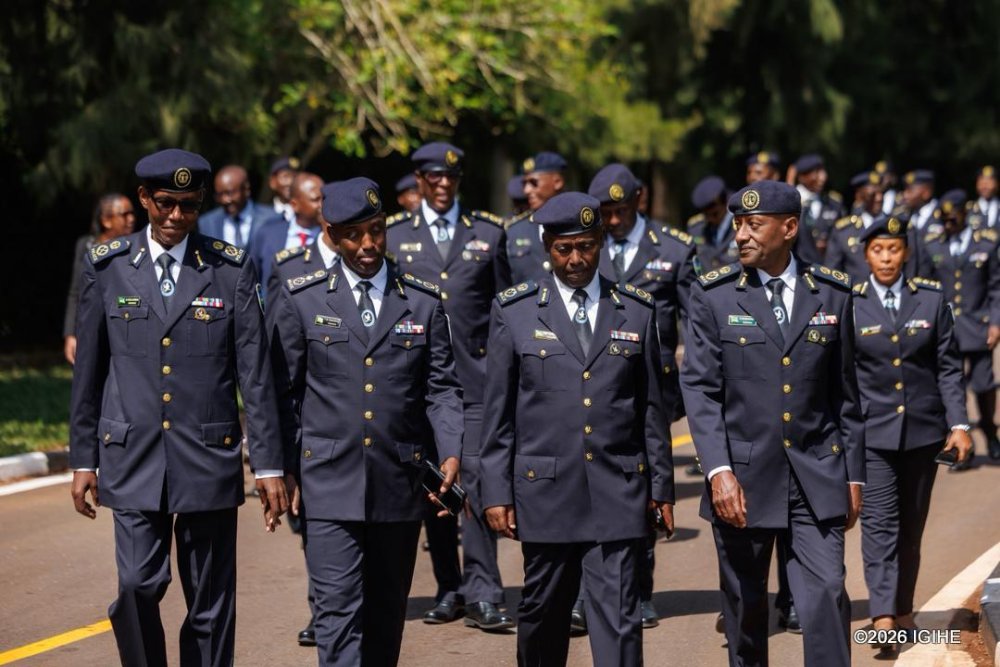
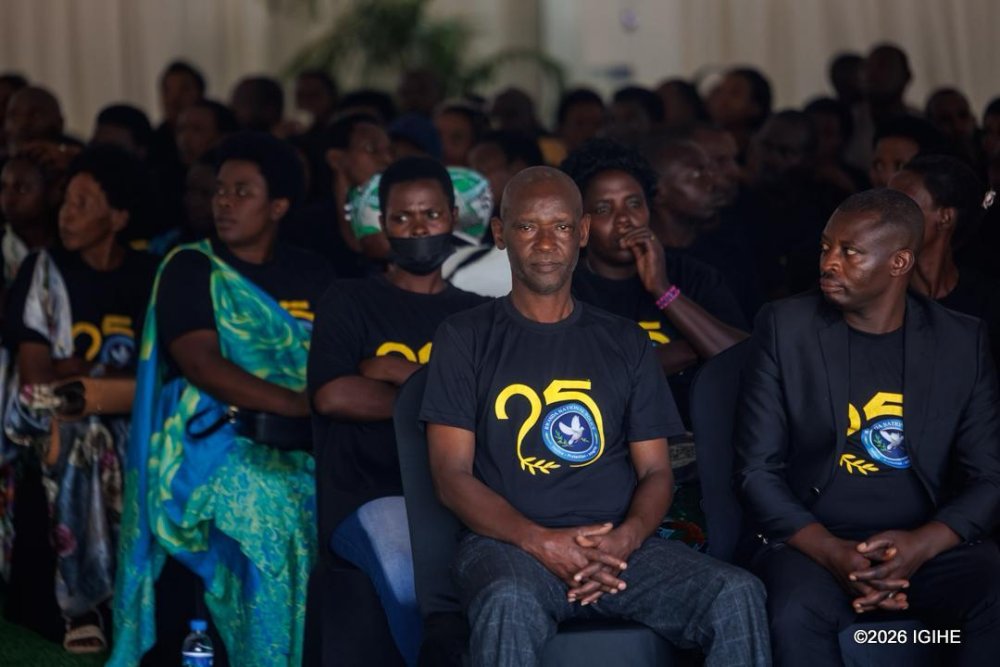
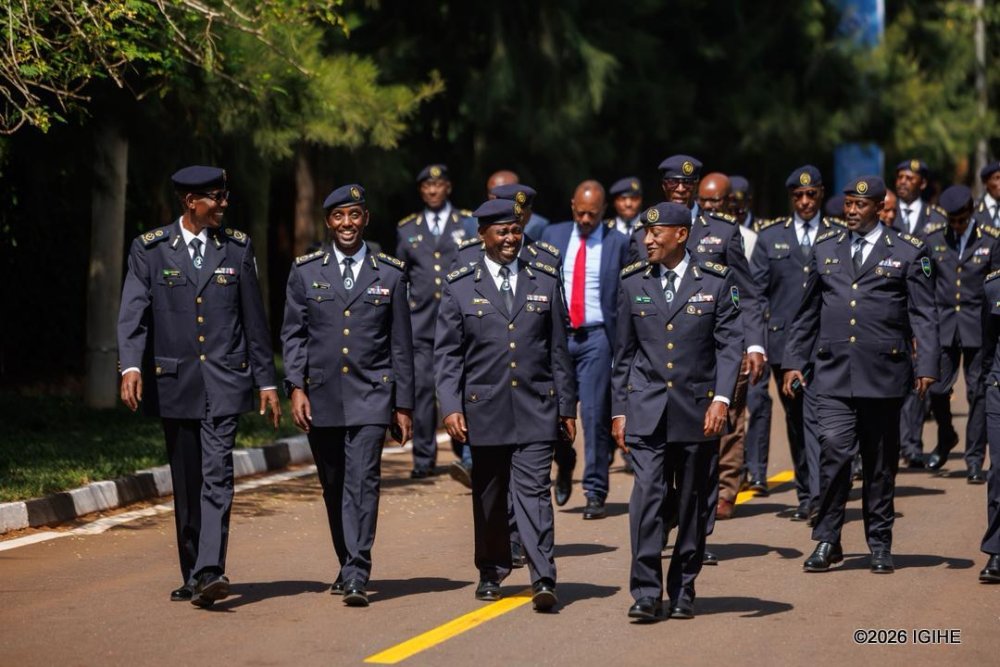
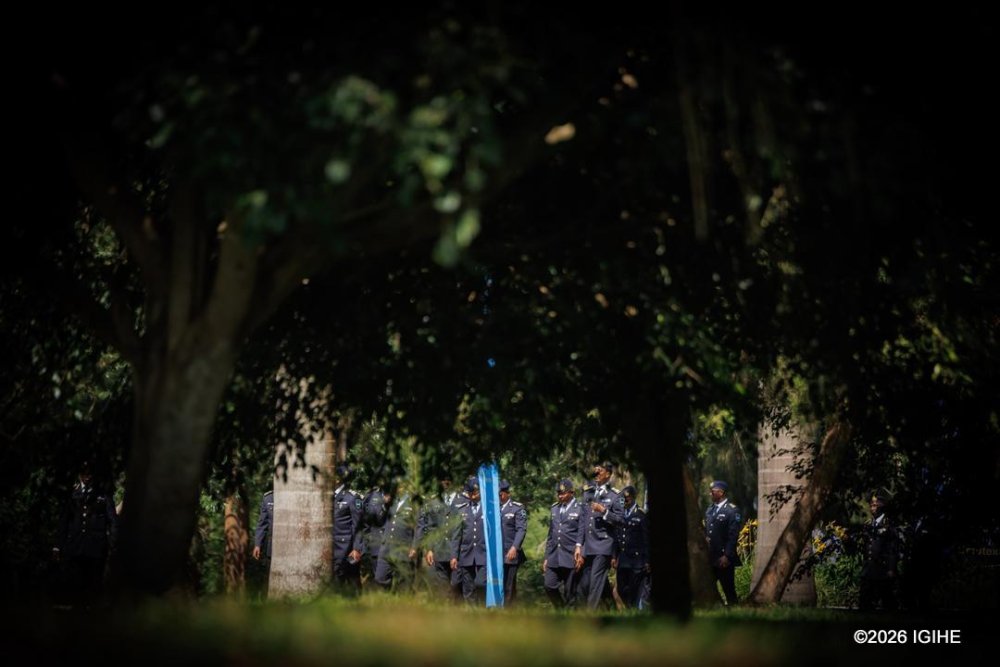
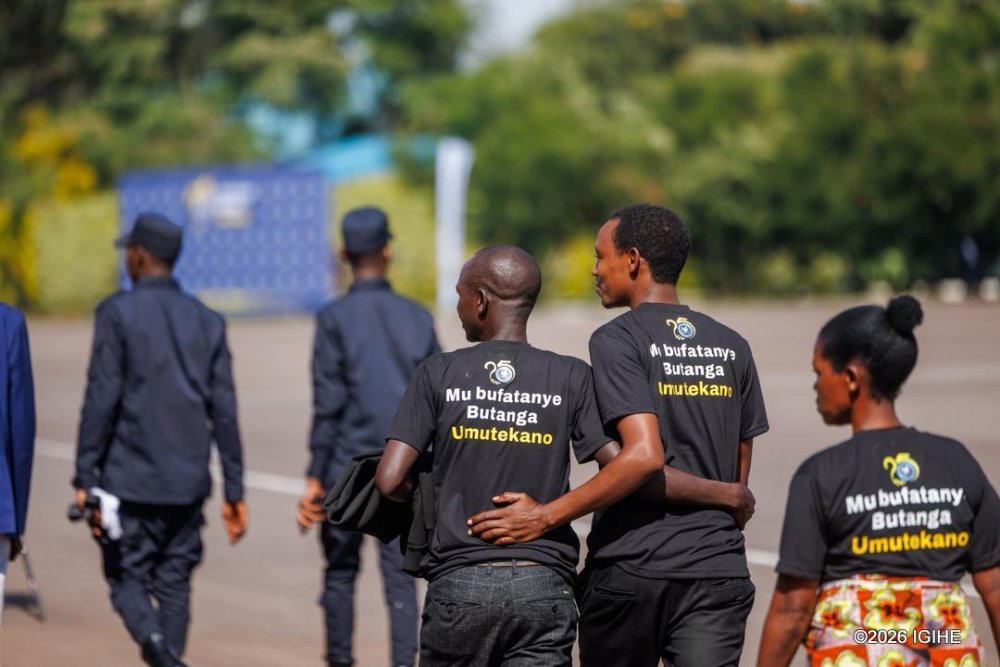
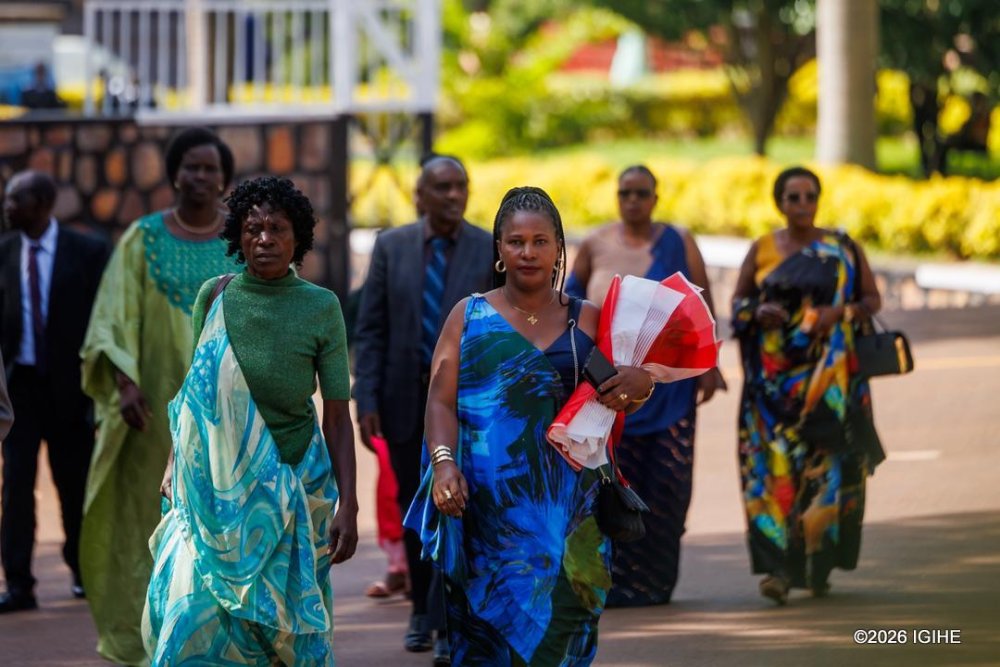
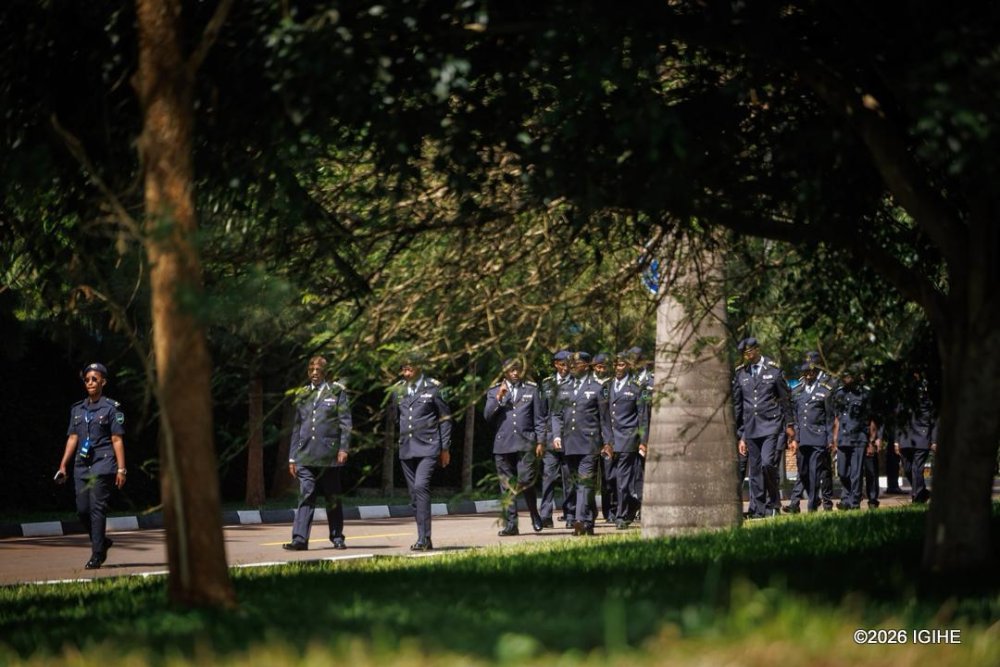
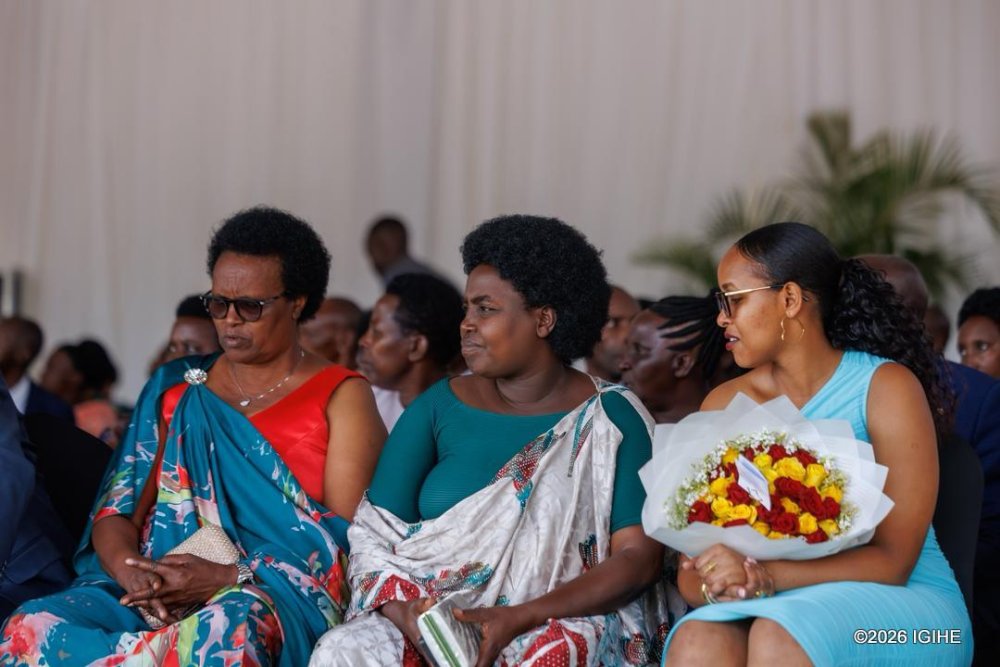
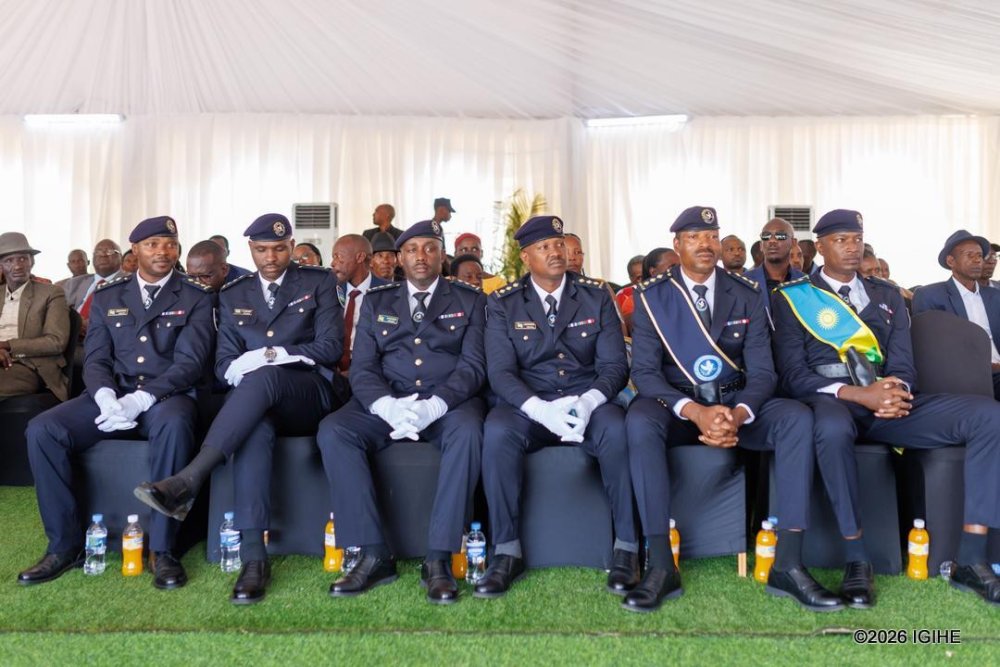
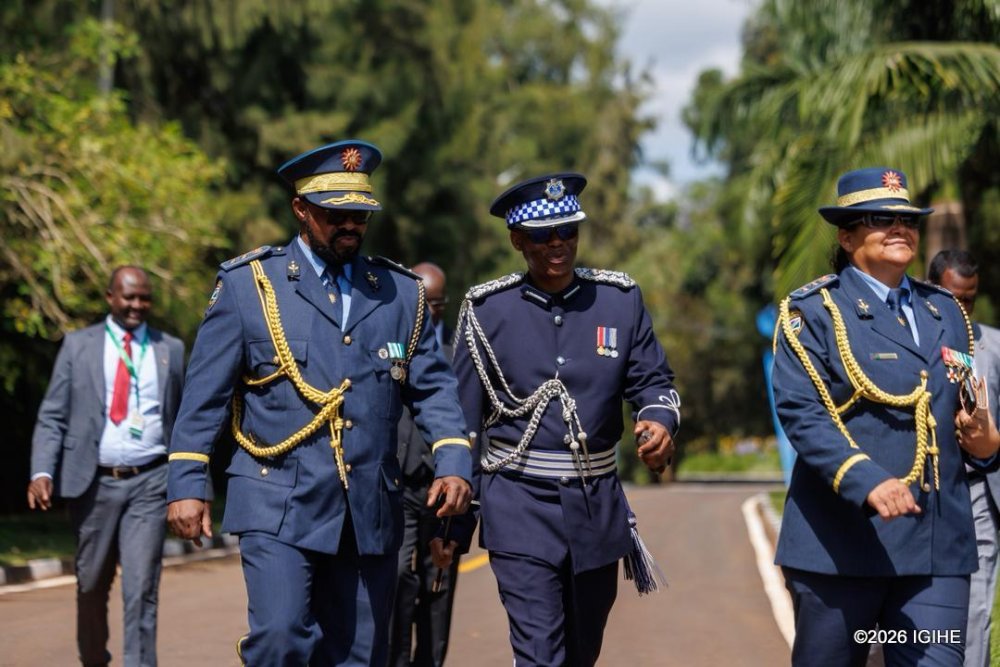
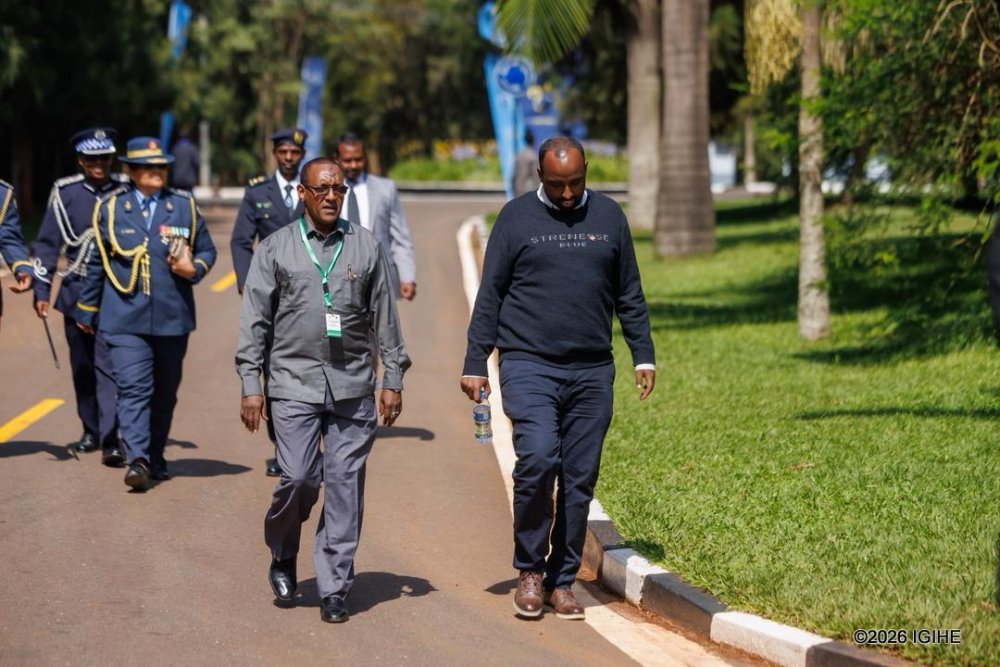
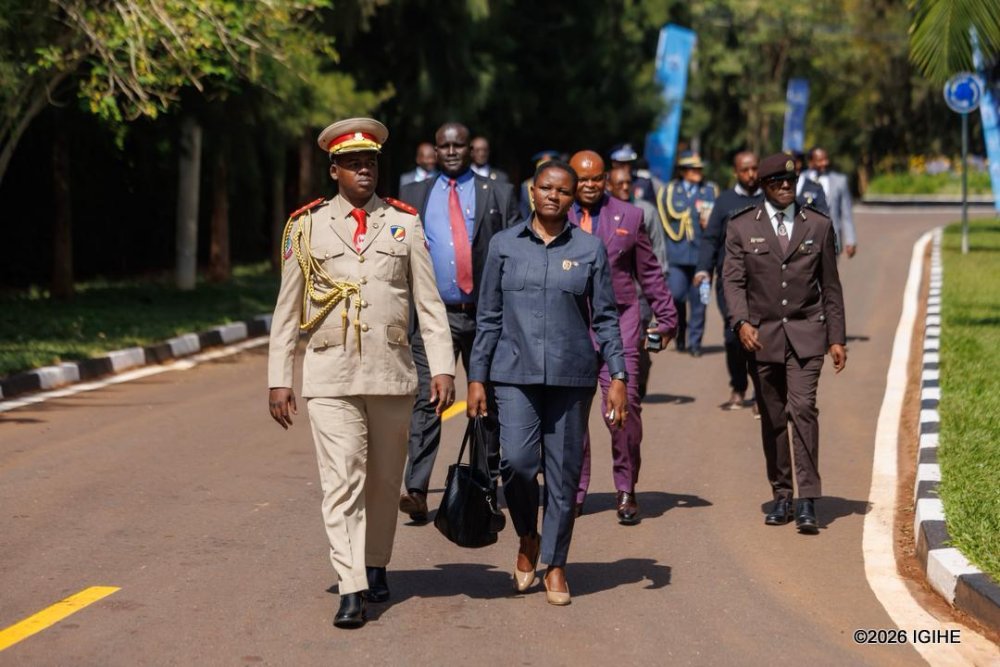
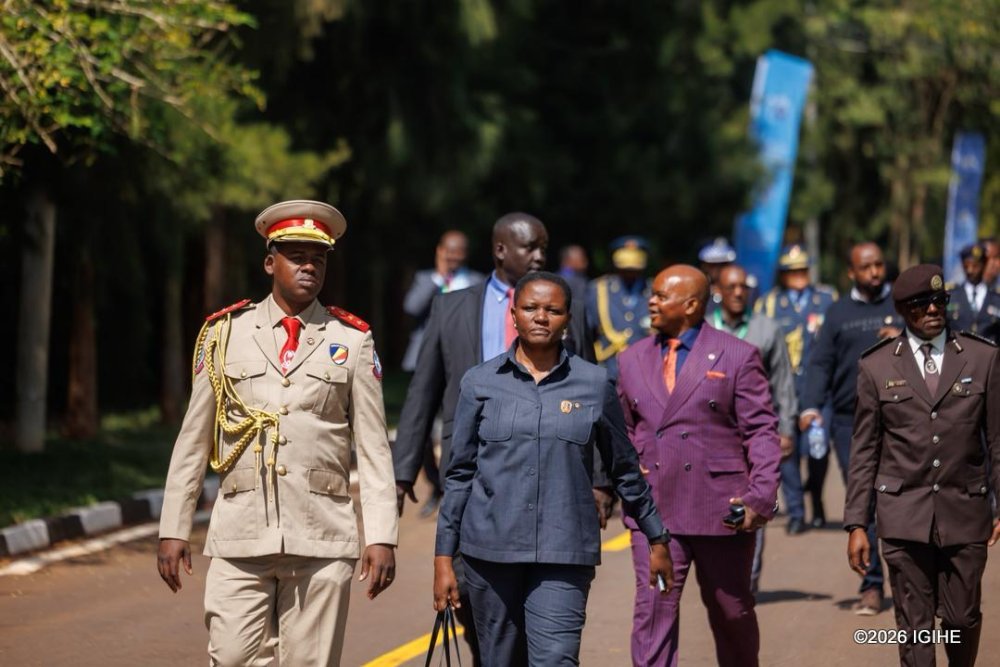
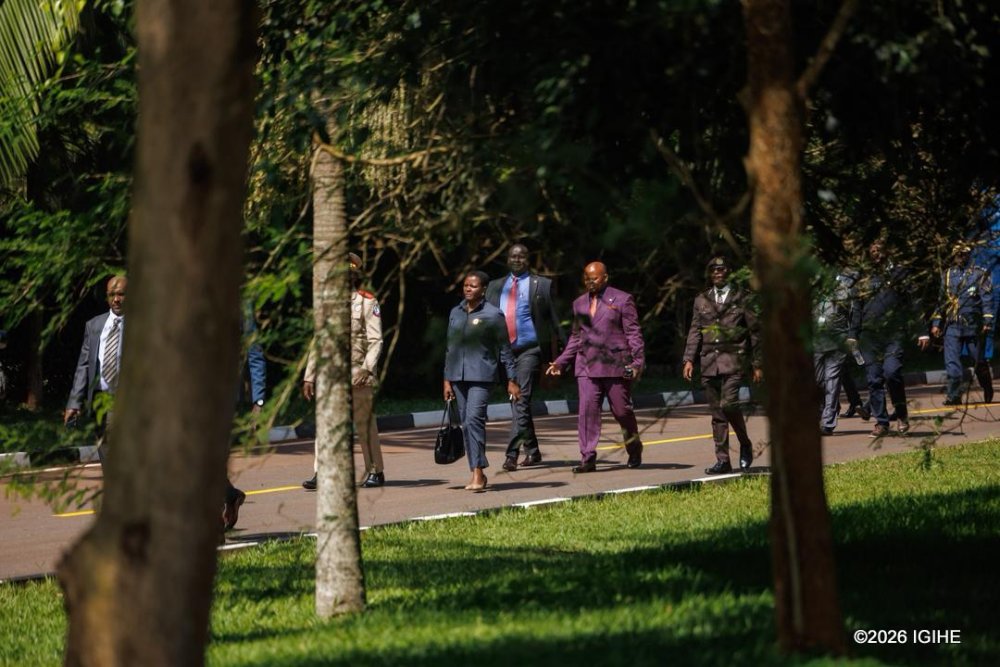
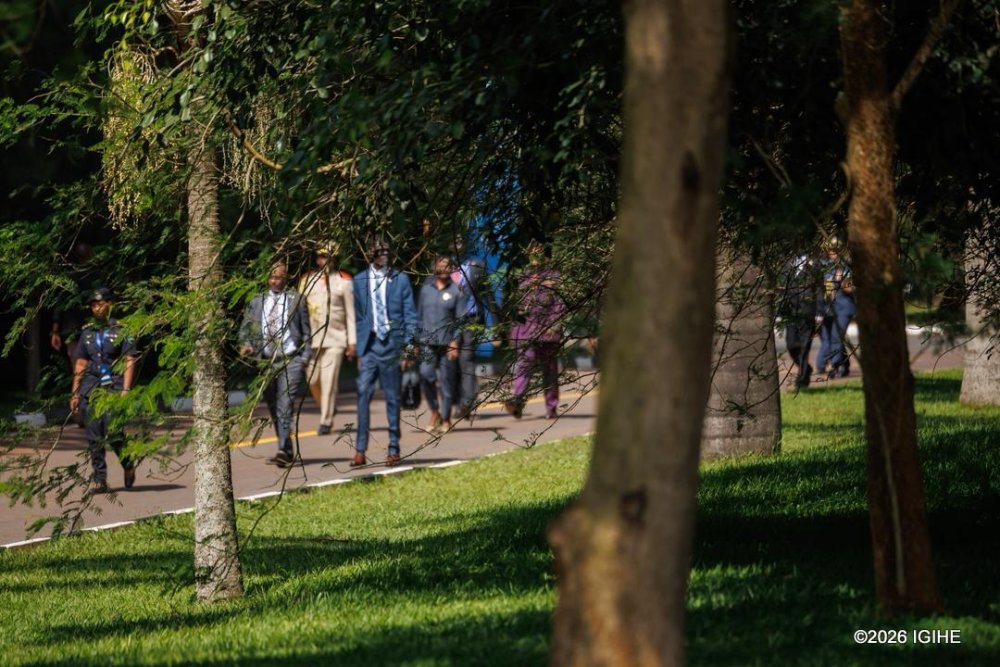
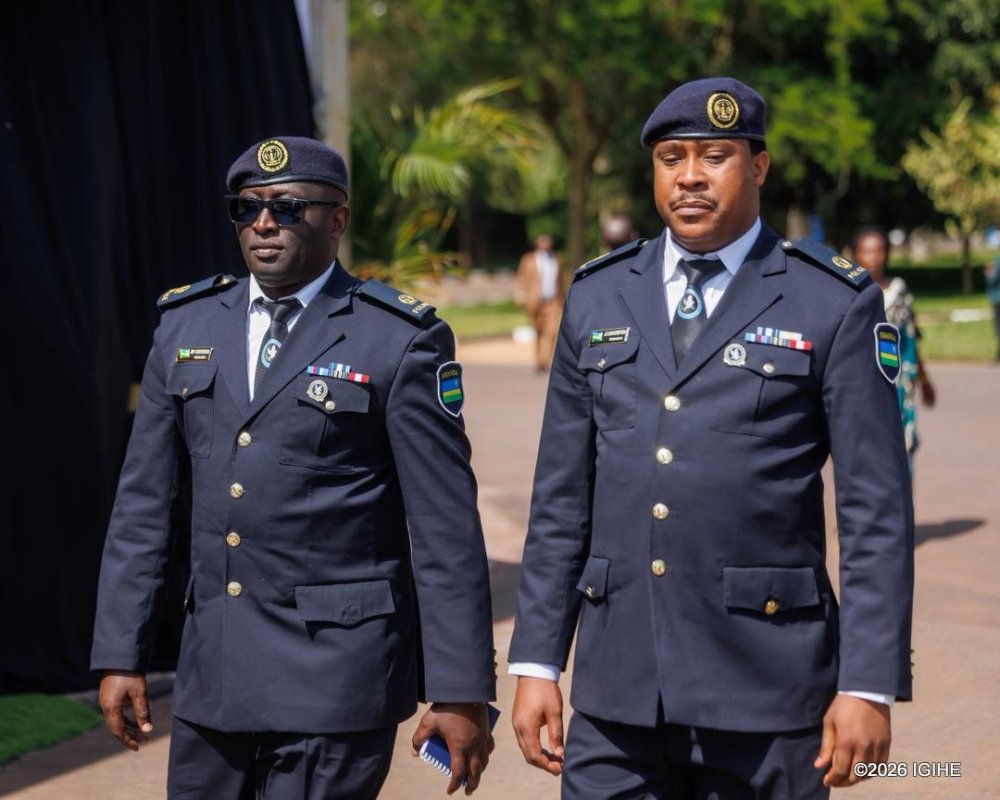
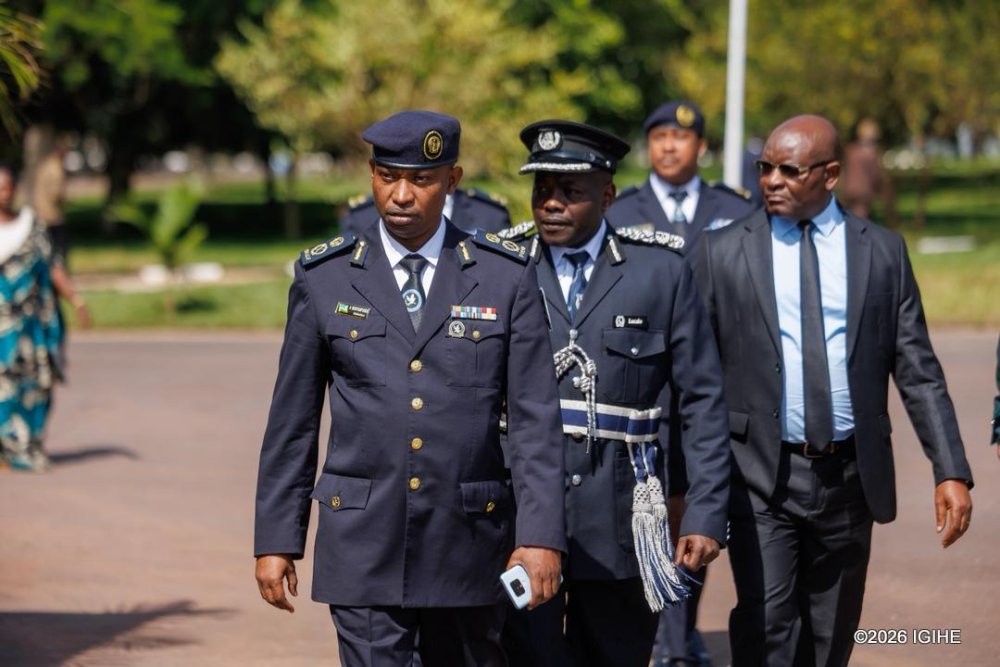
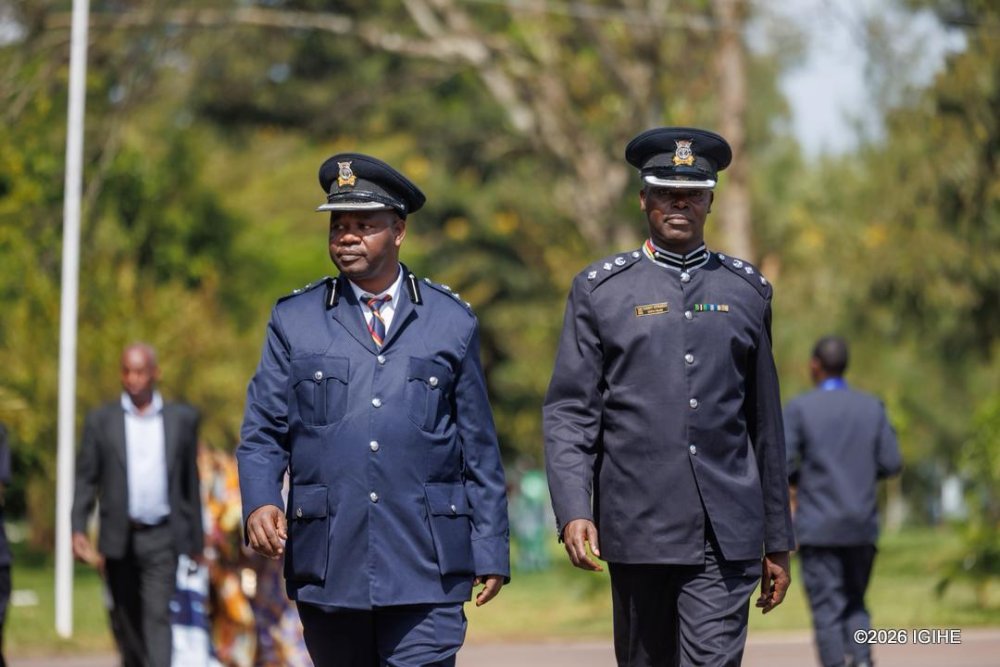
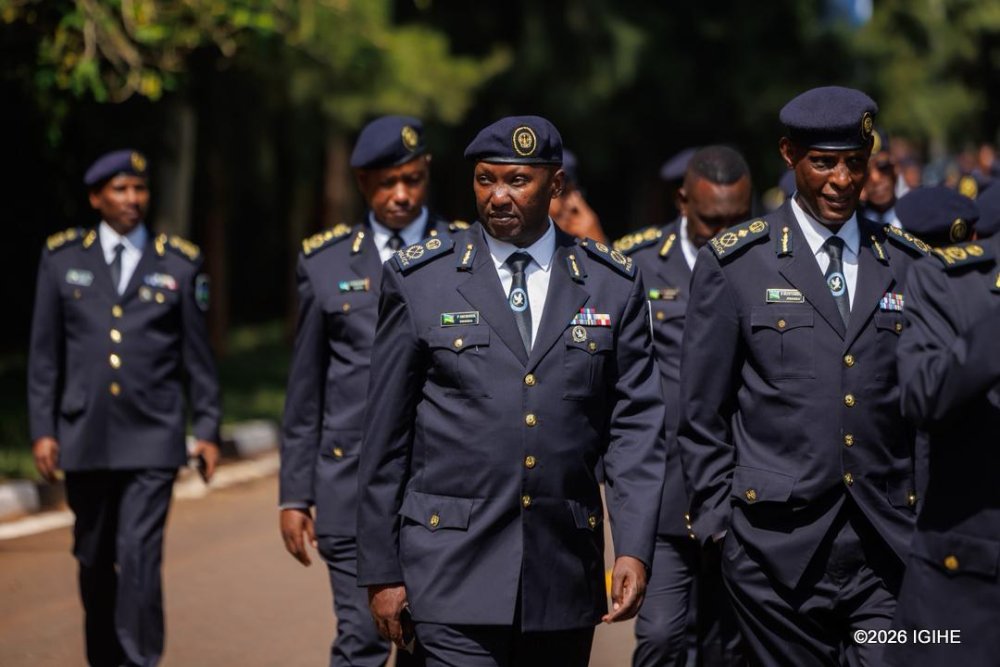
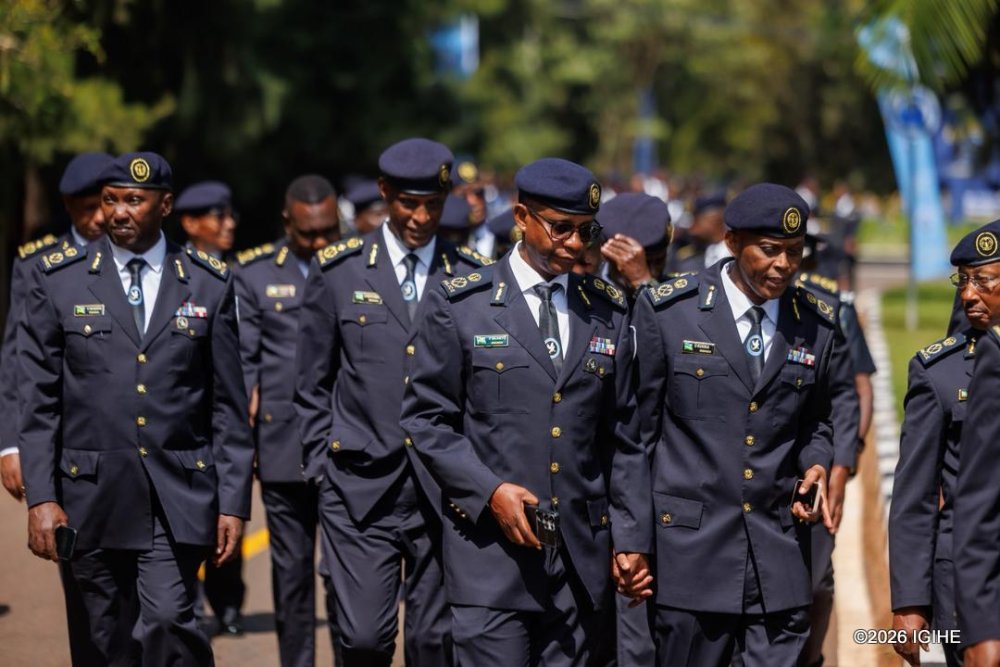
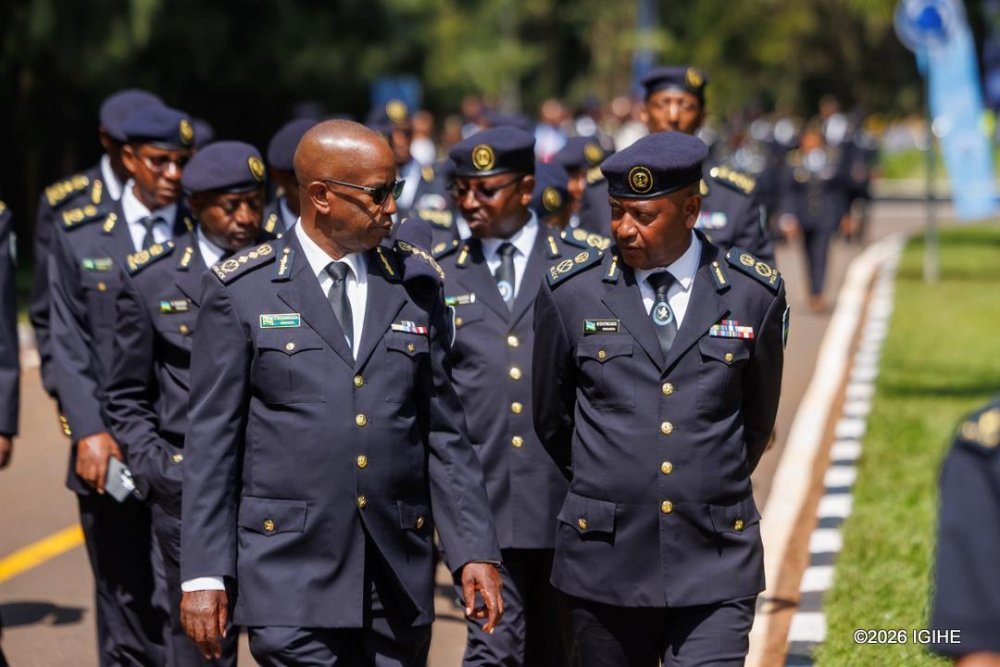
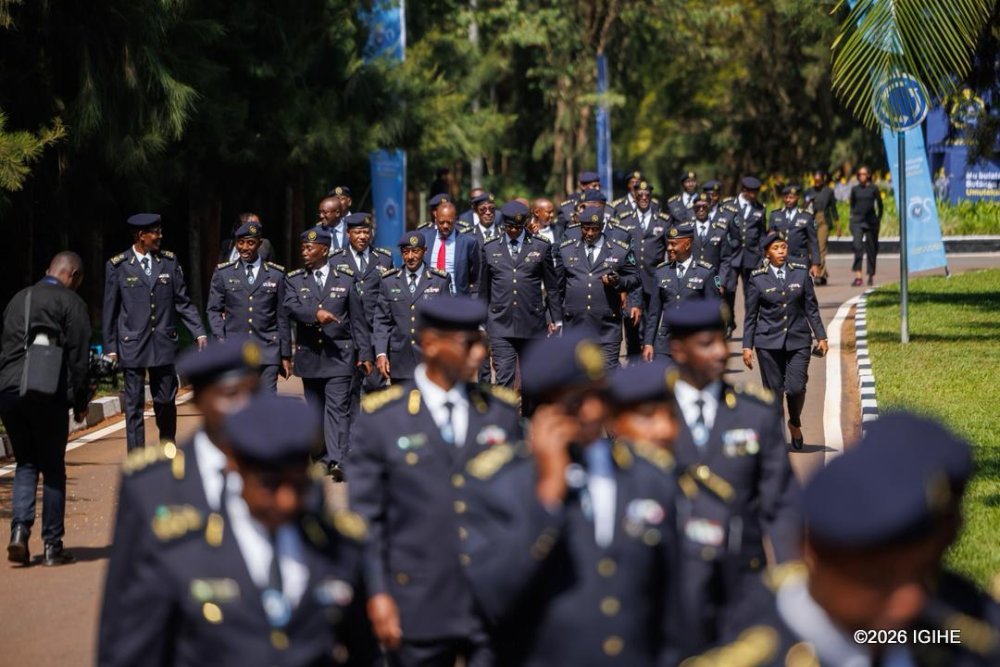
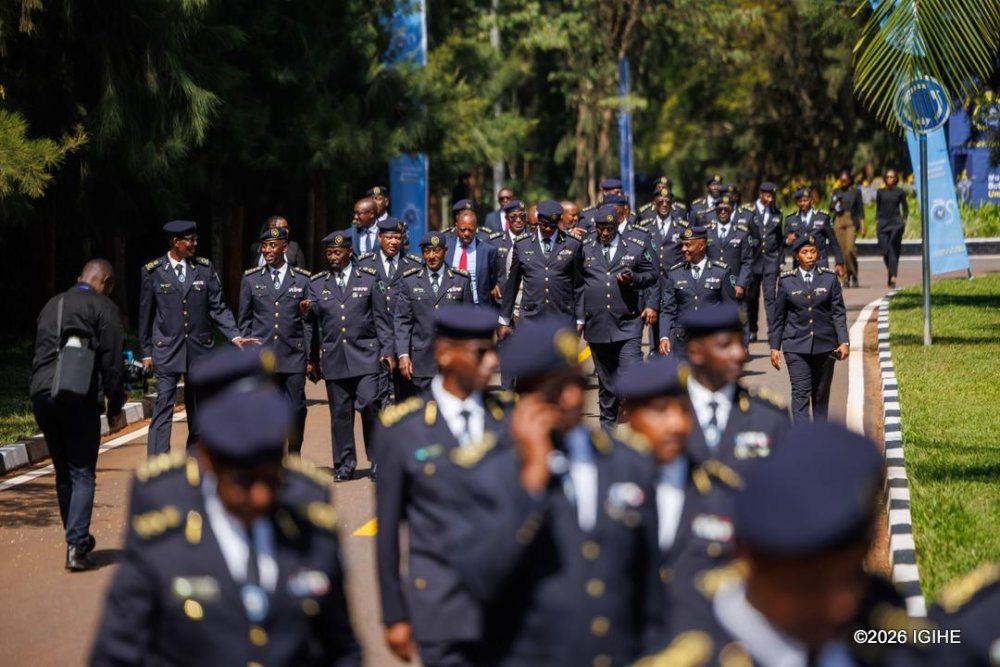
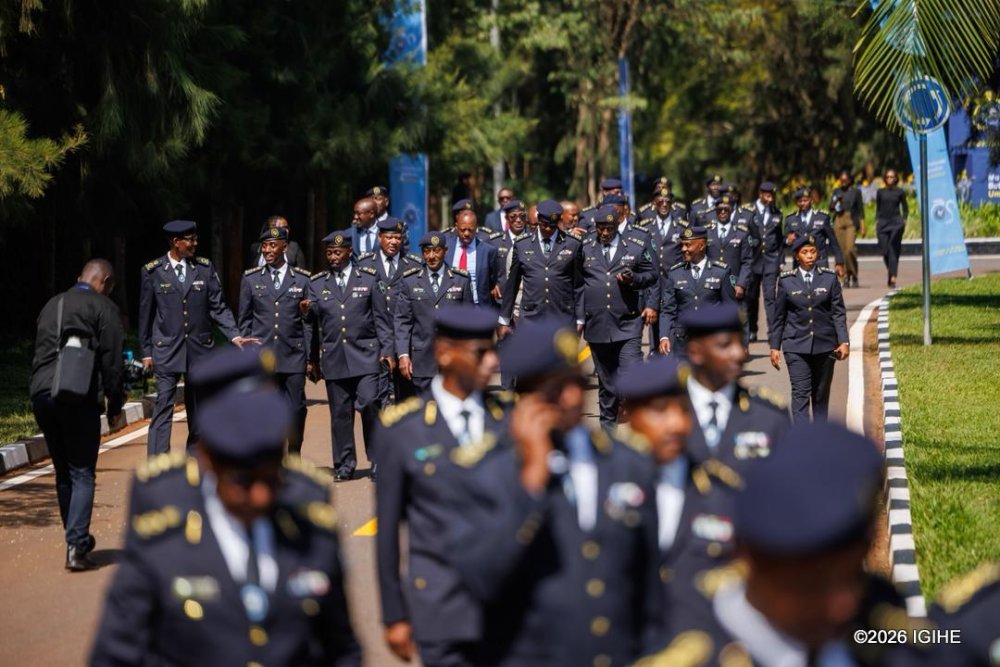
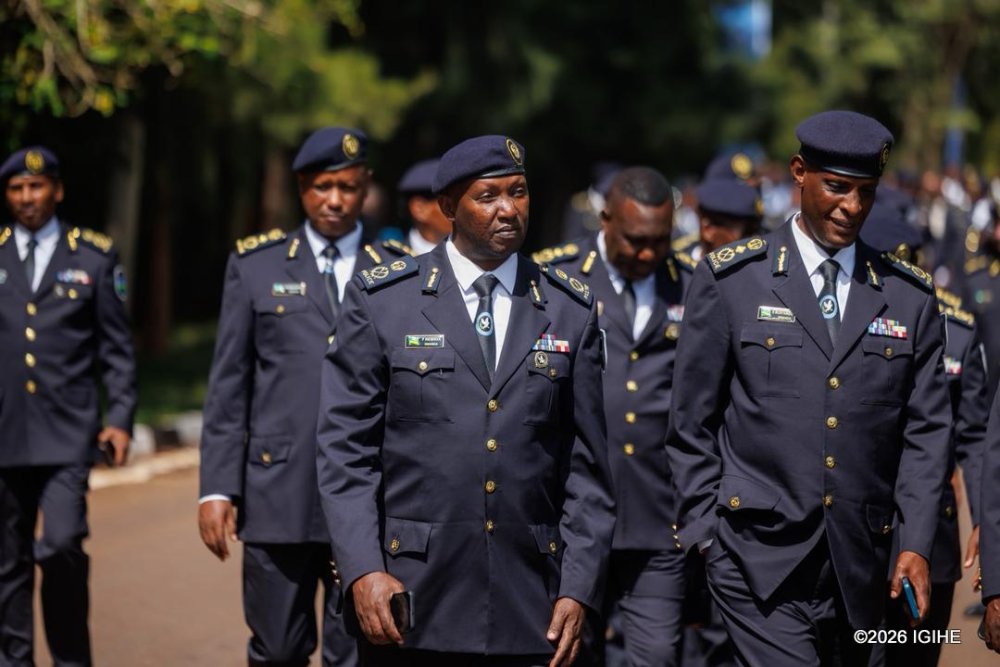
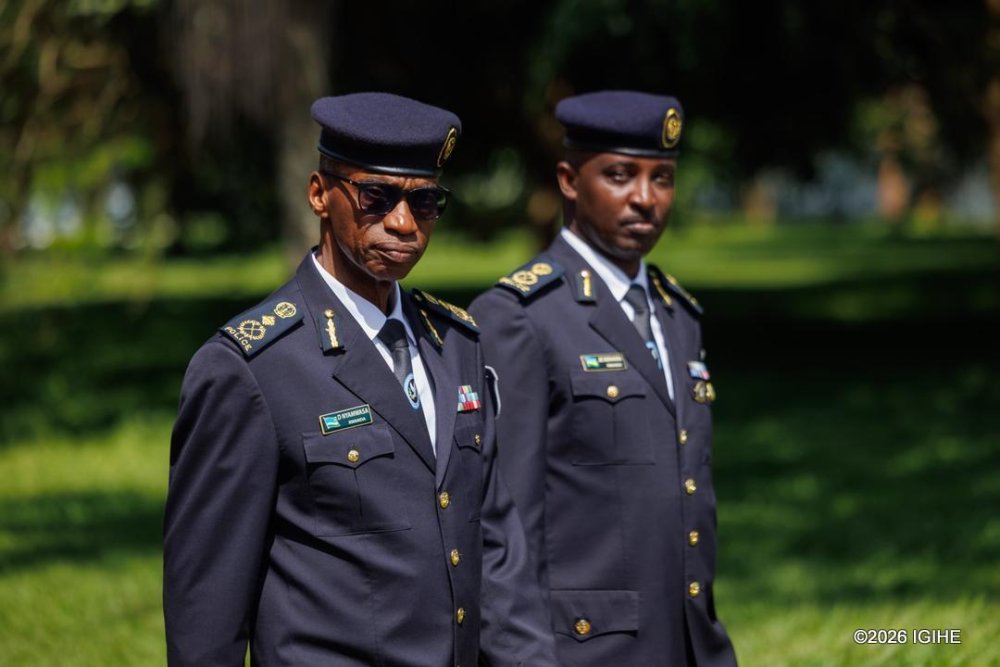
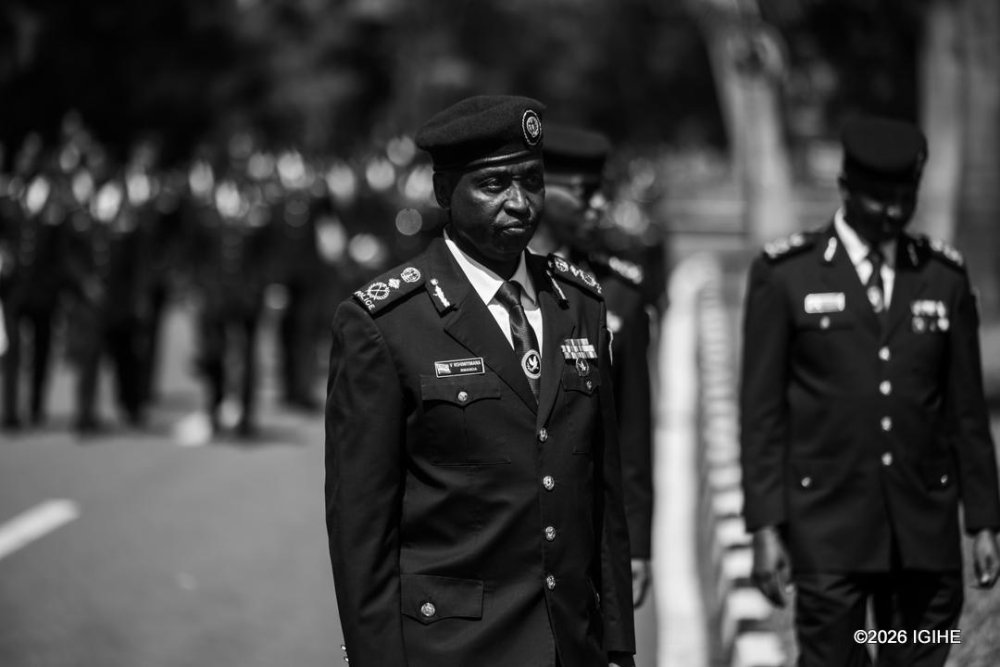
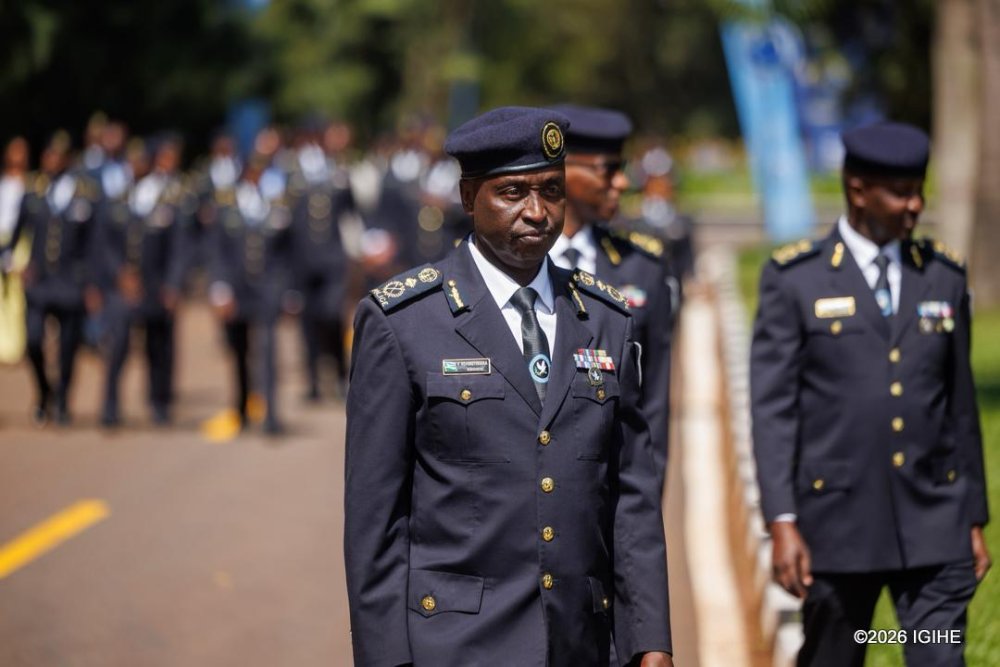
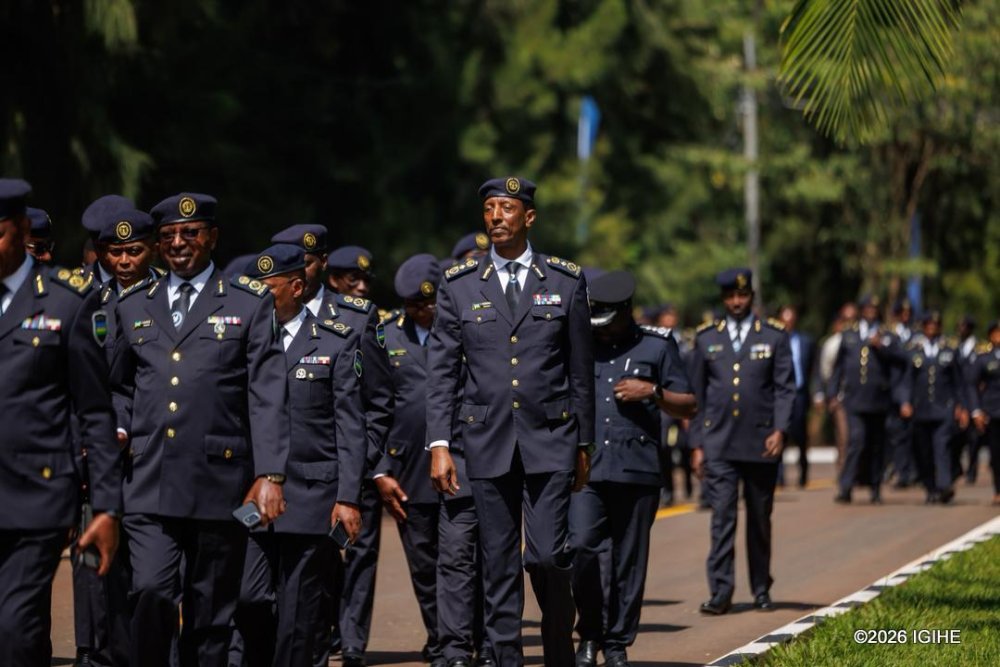
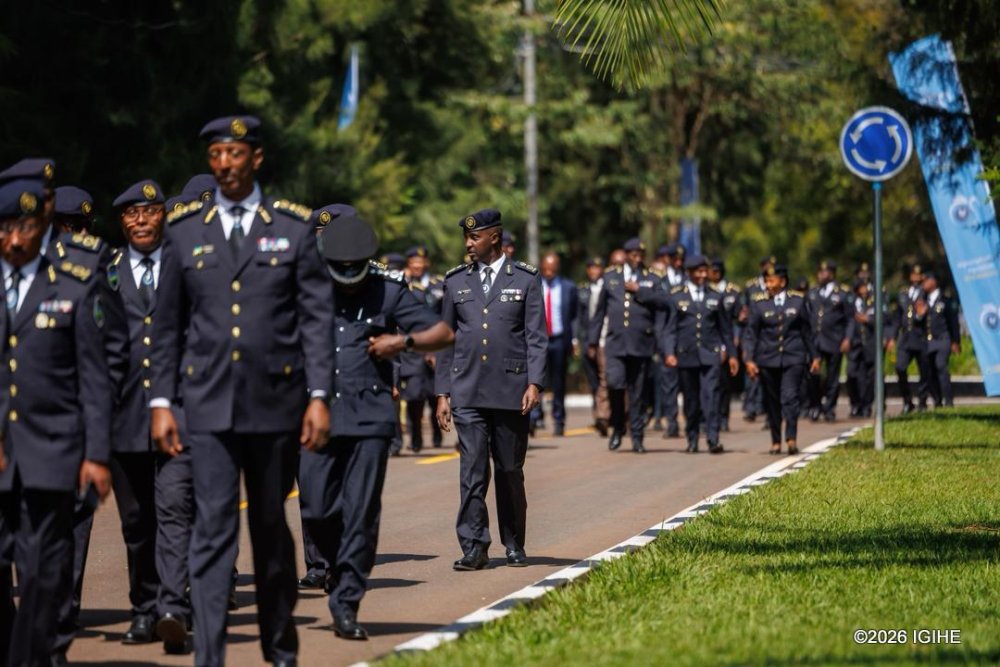
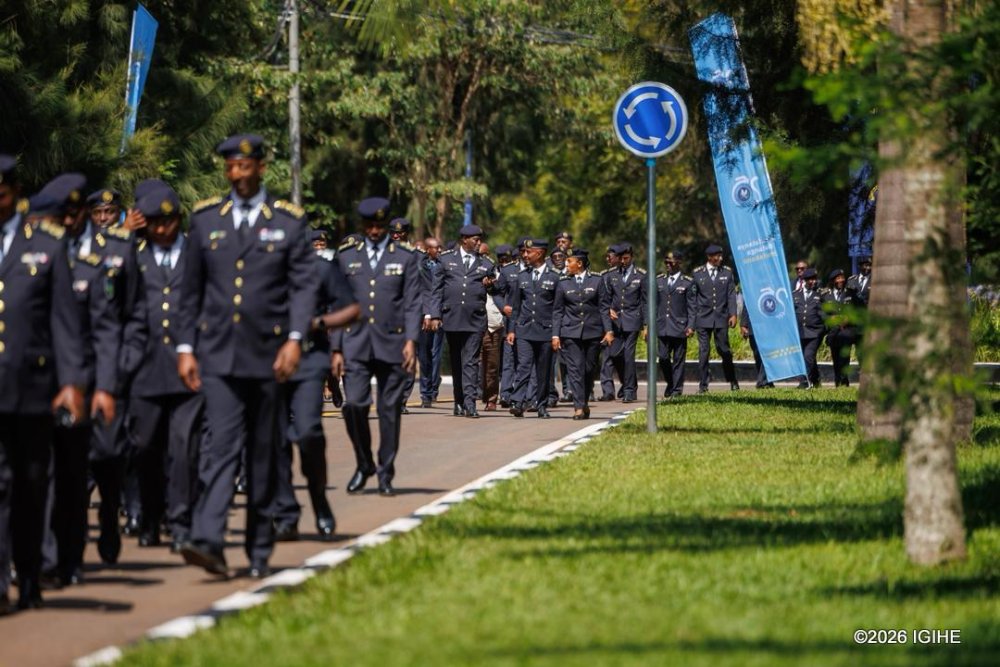
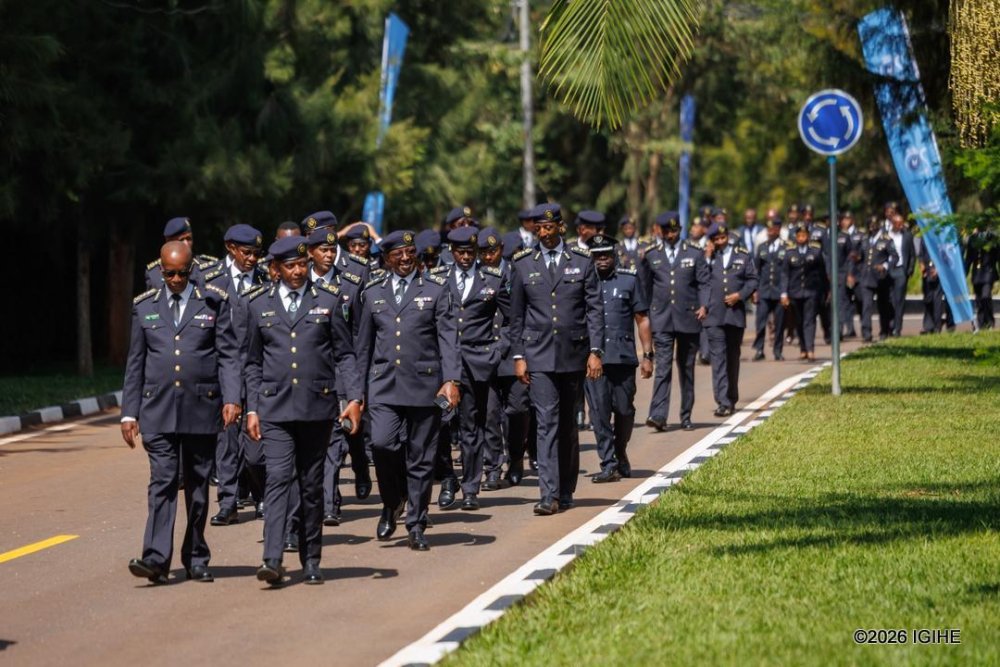
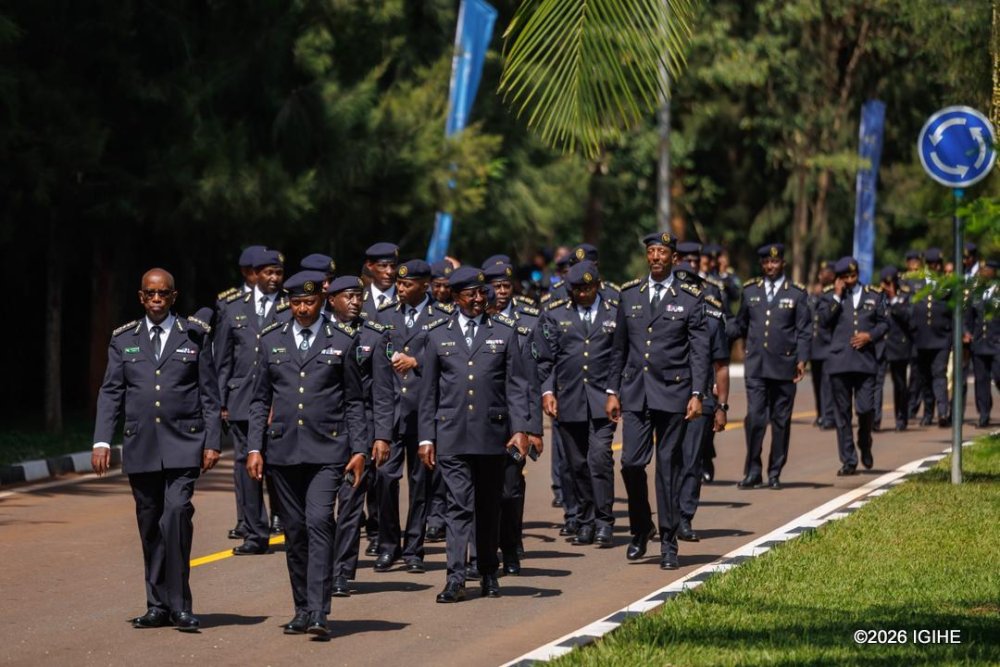
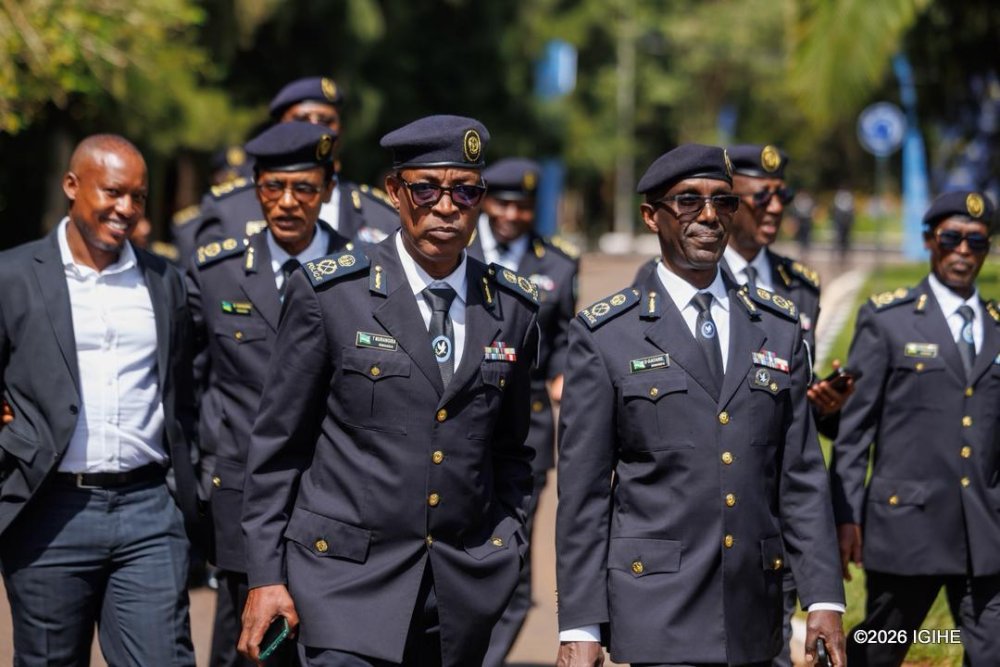
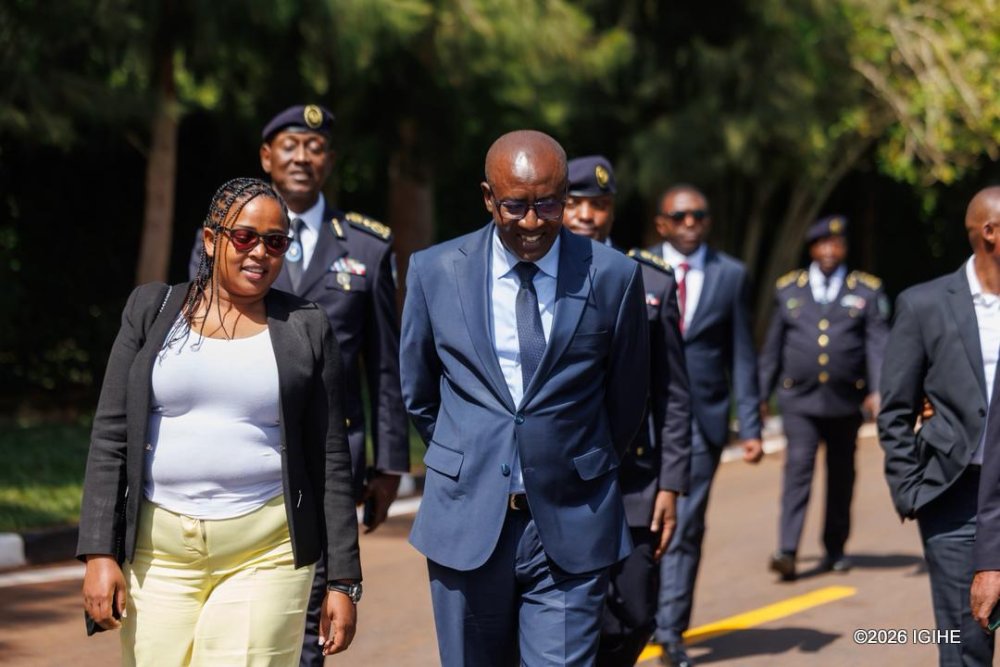
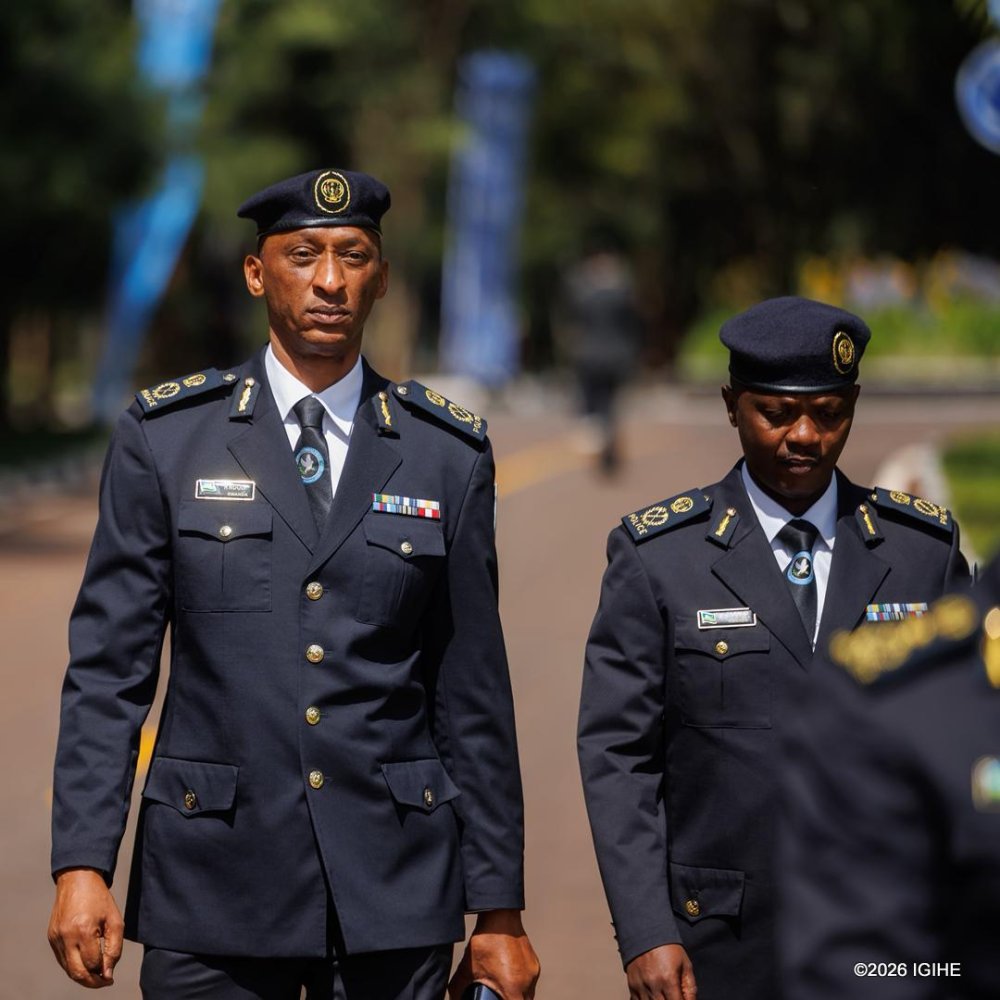
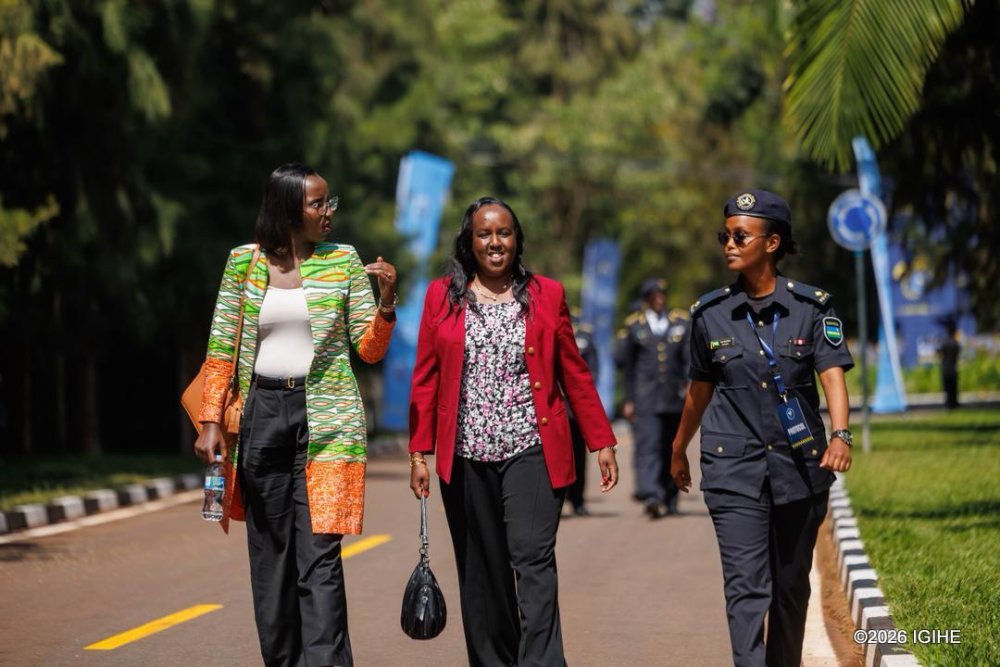
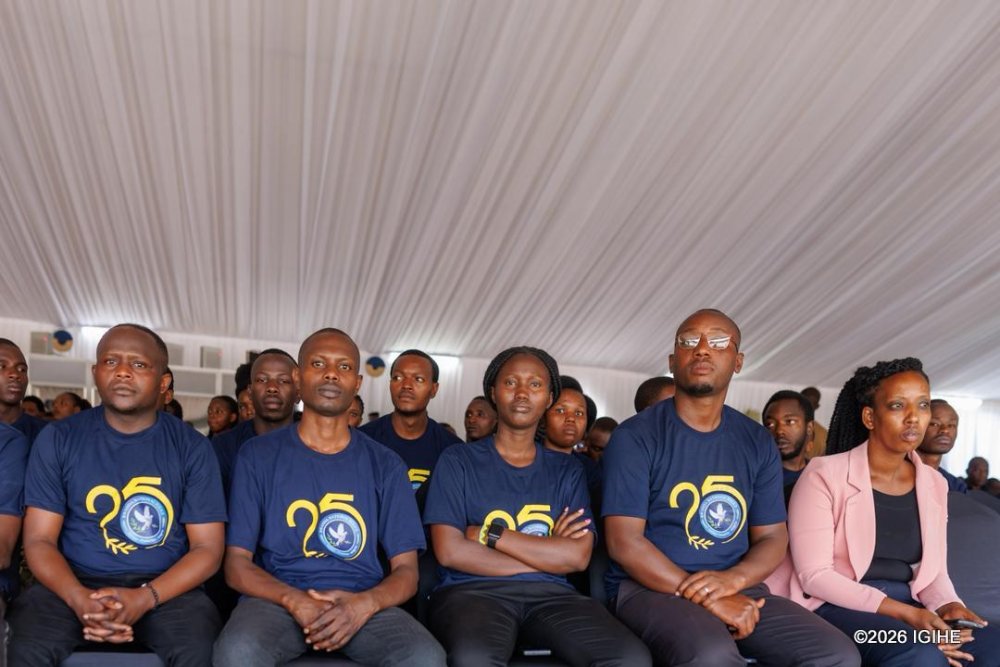
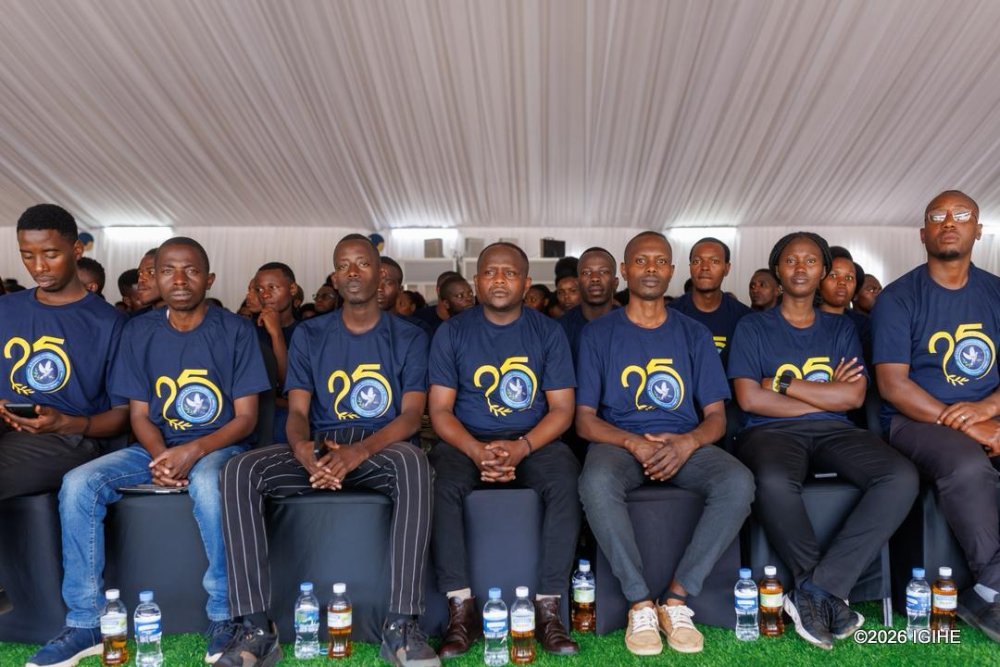
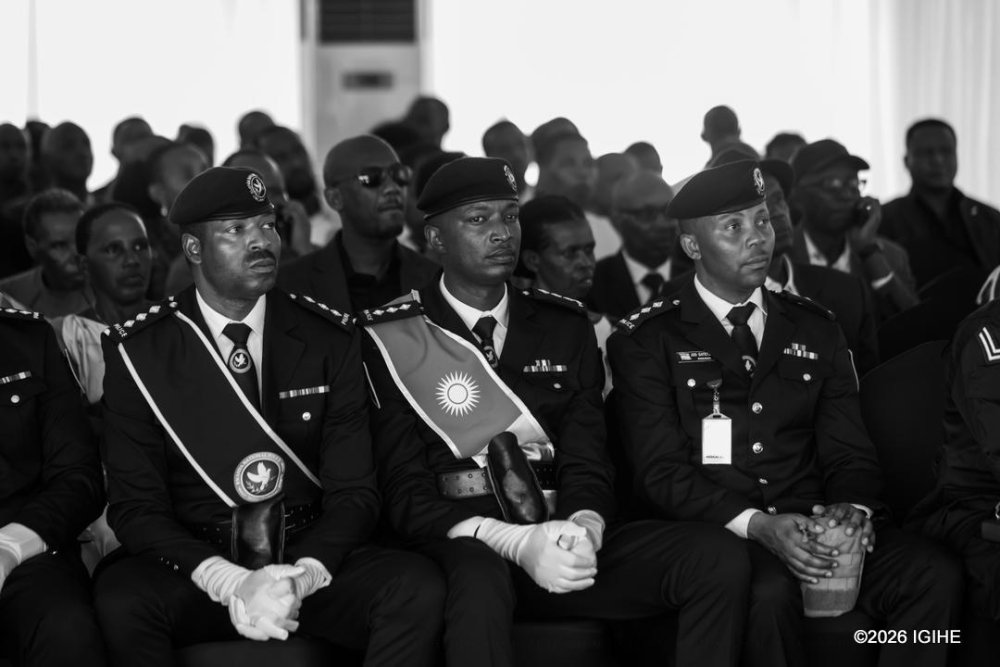
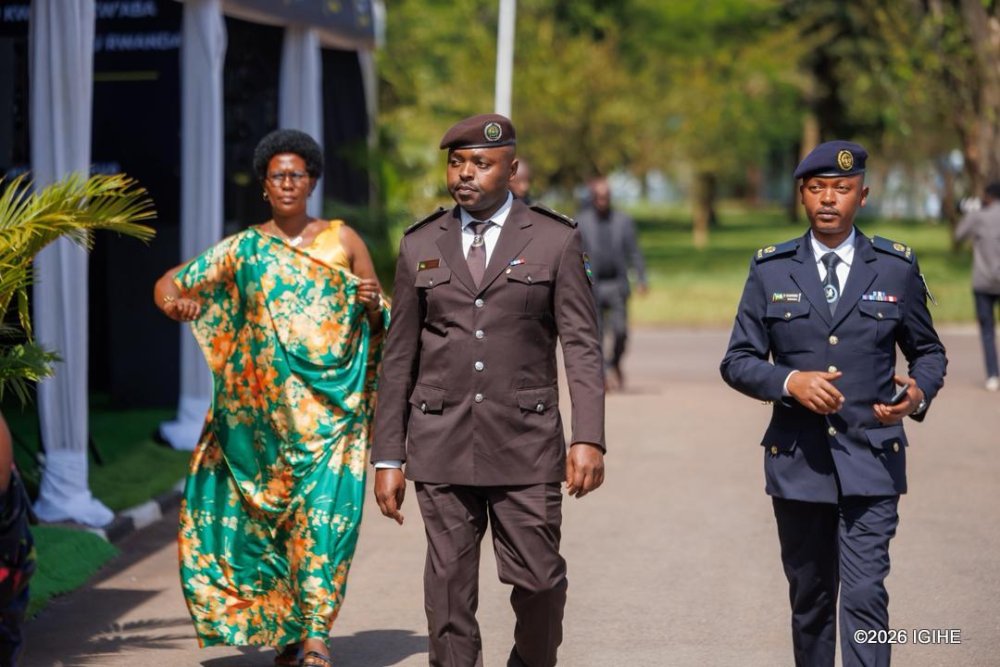
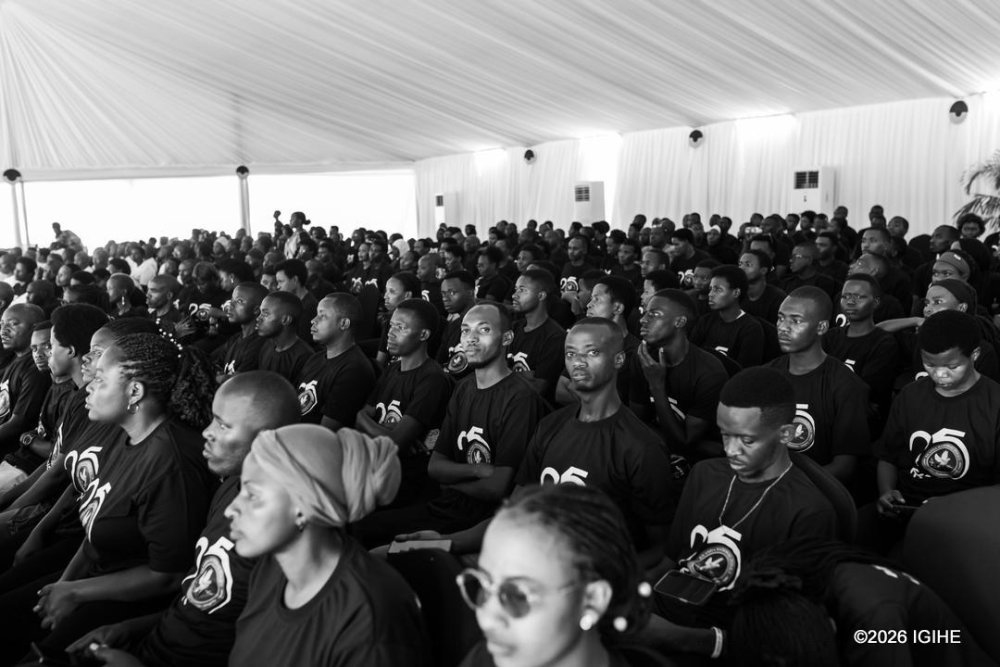
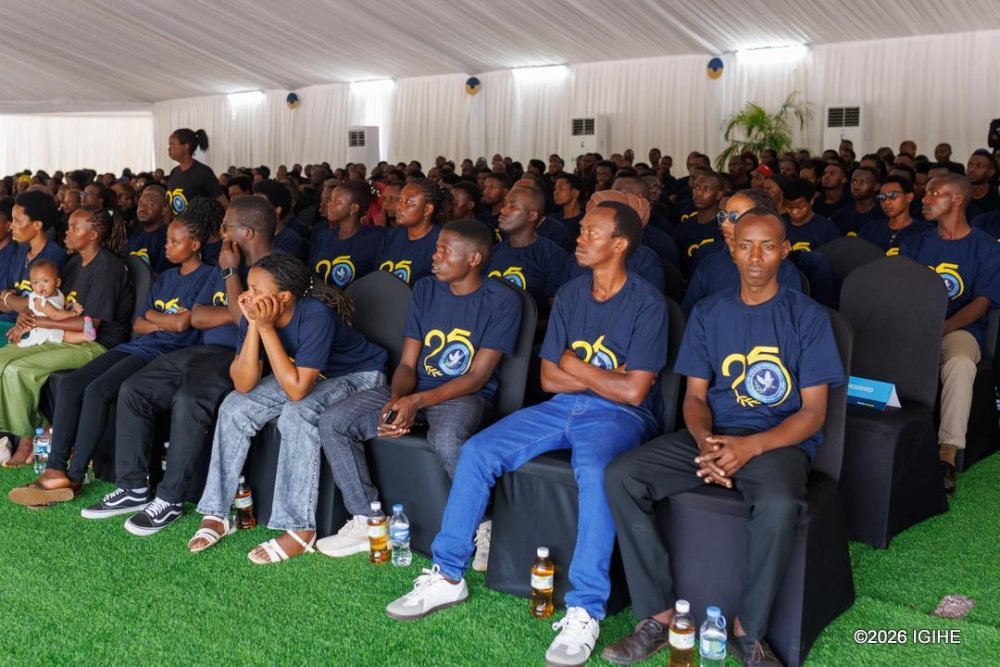
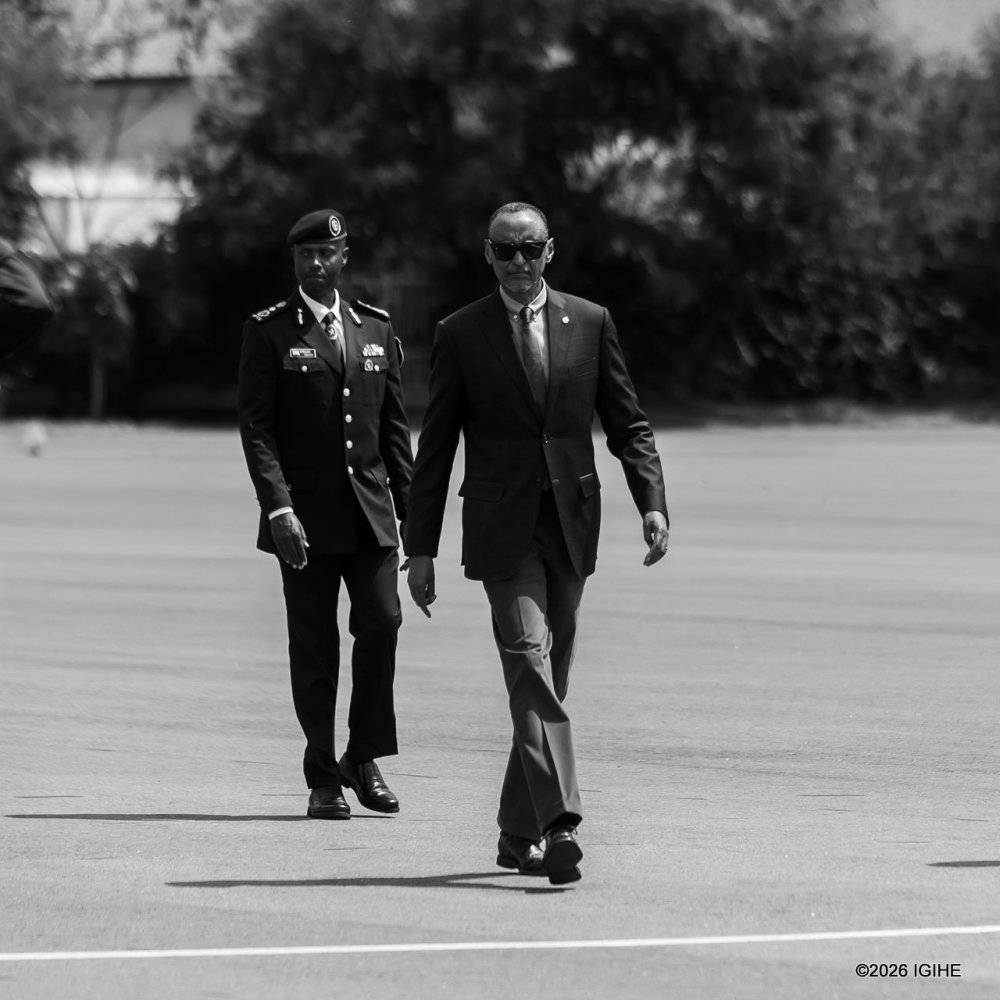
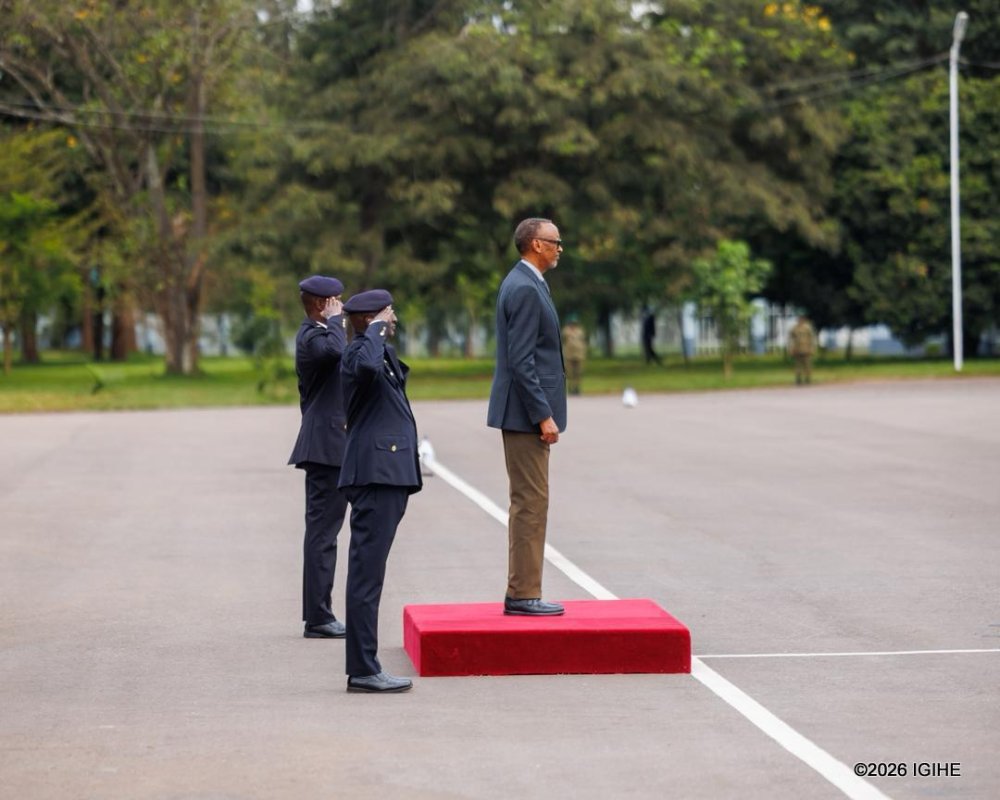
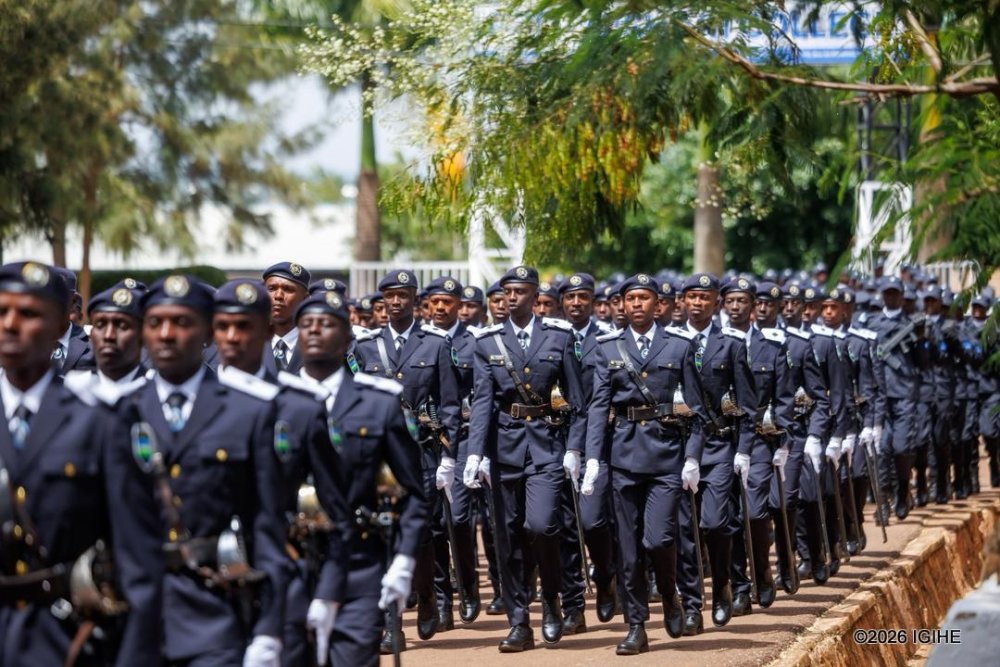
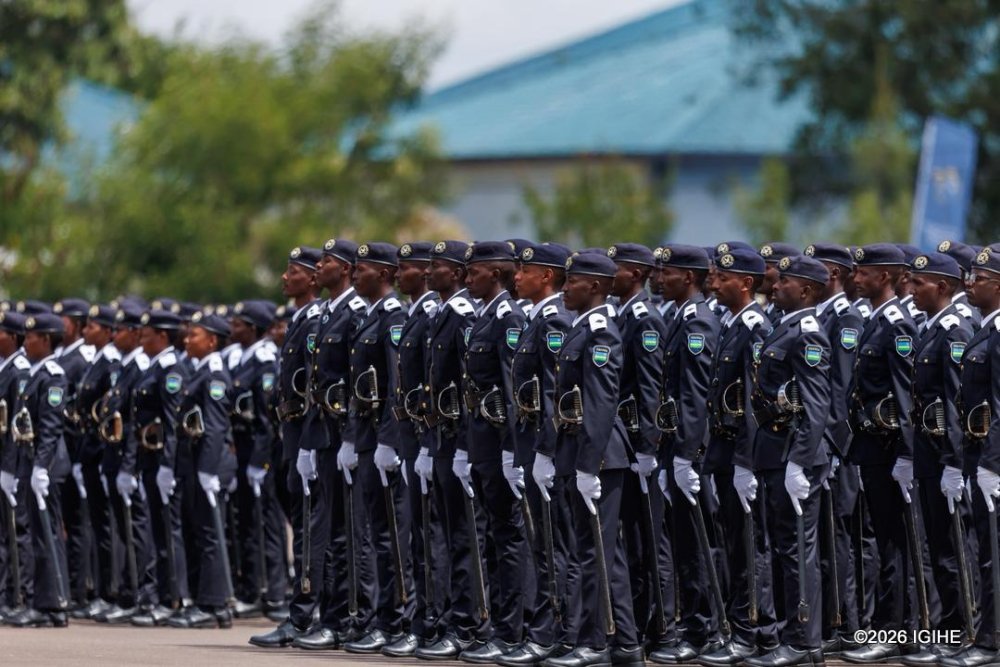
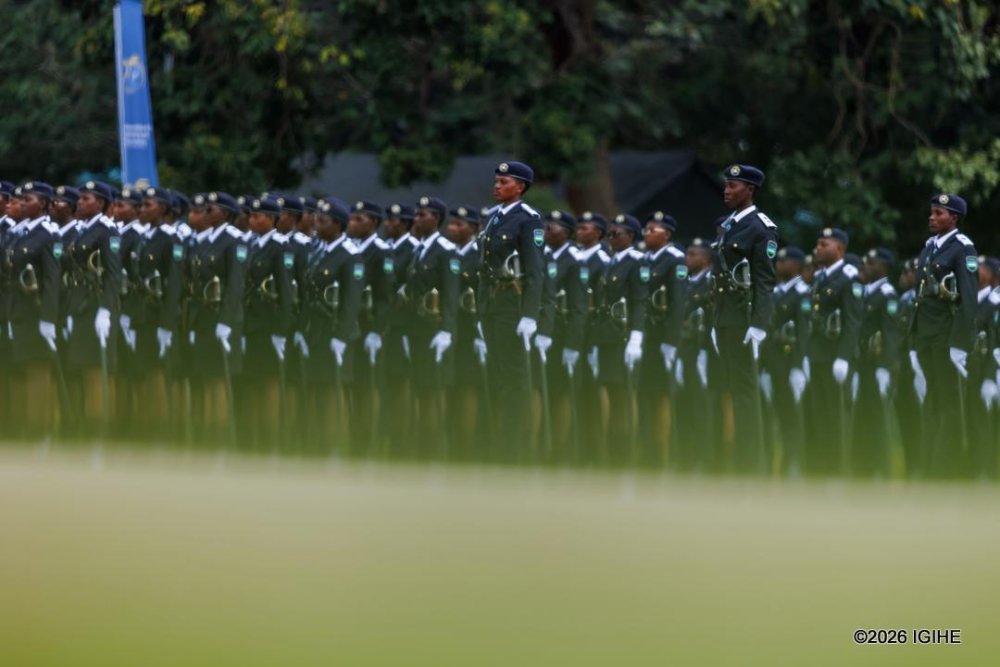
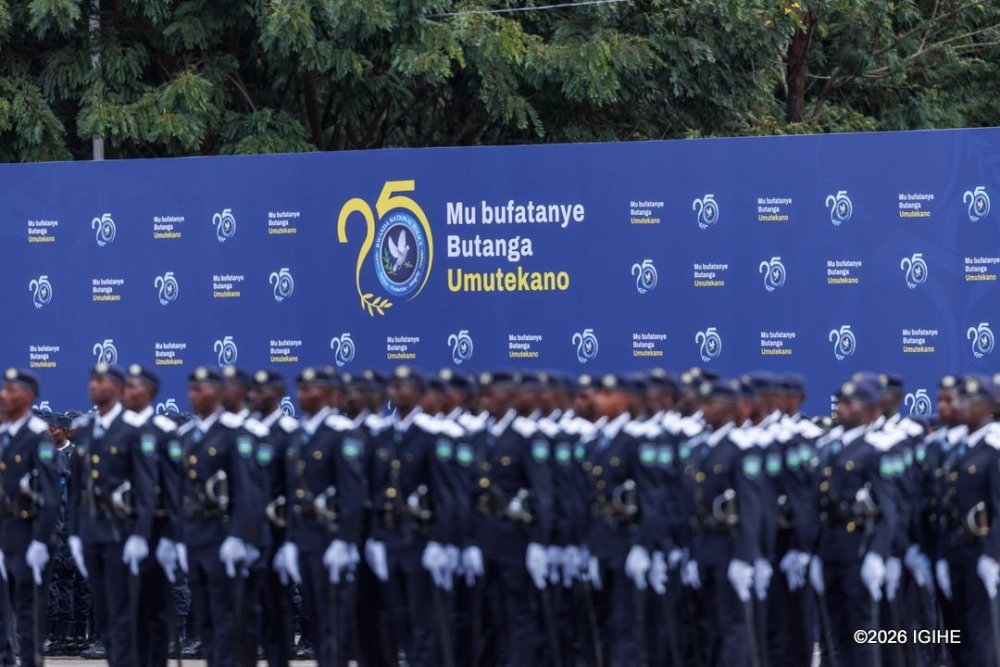
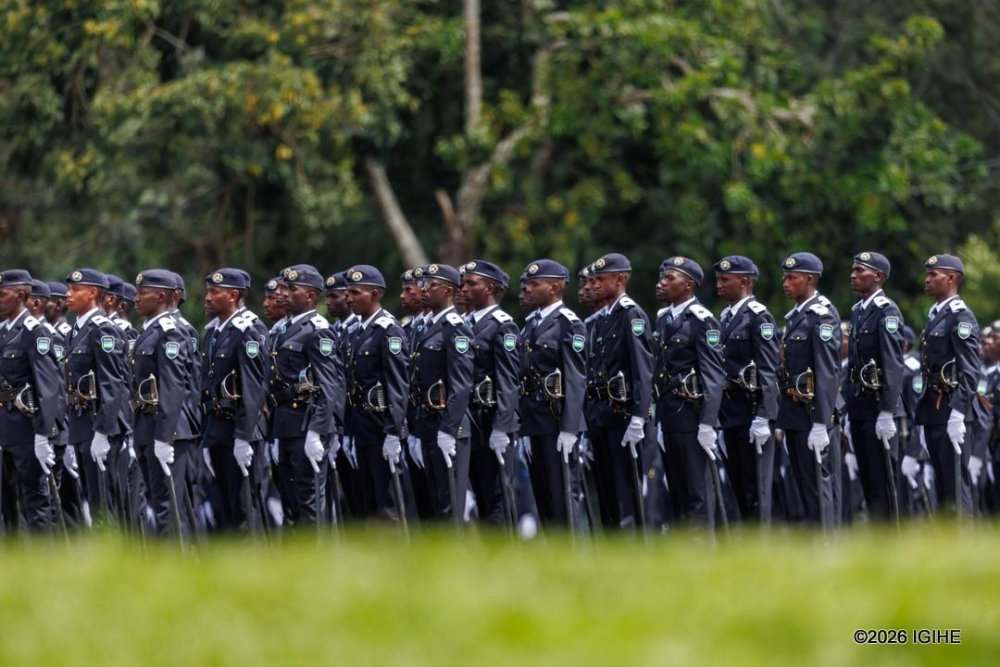
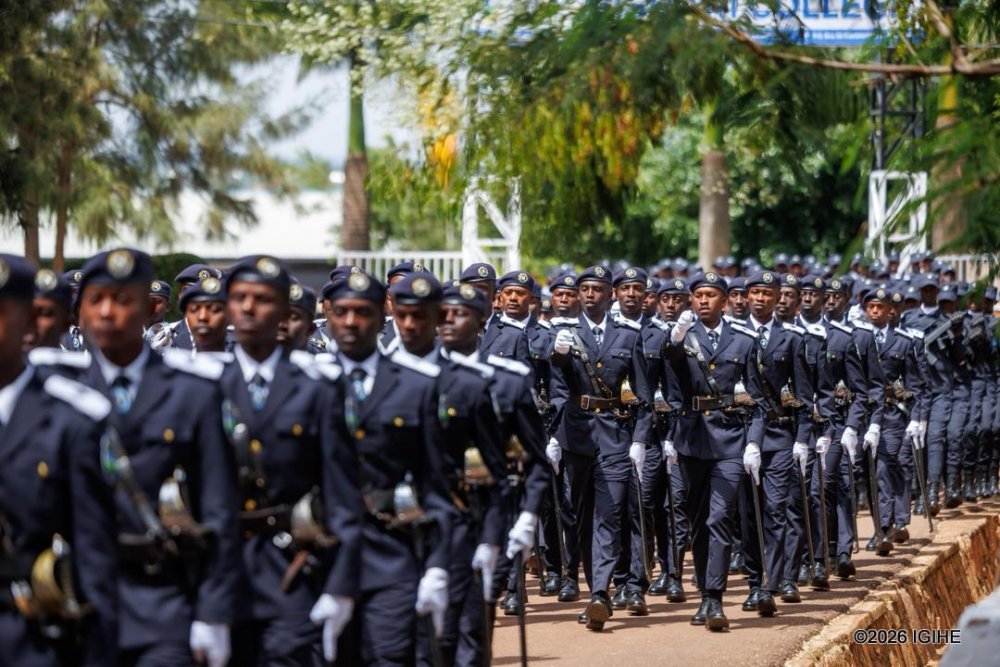
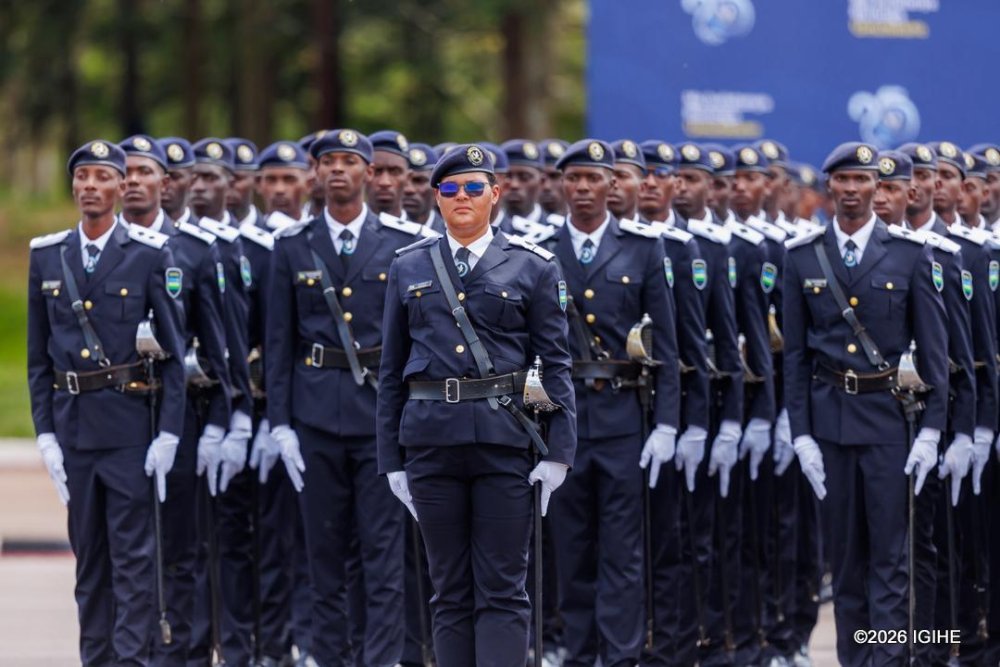
He made the remarks on Wednesday during a ceremony held at the Police Training School (PTS) Gishari, where 436 junior officers were commissioned with the rank of Assistant Inspector of Police (AIP). The event coincided with celebrations marking the 25th anniversary of the Rwanda National Police.
Among the graduates were 109 women and 327 men. Some were serving officers undergoing professional advancement training, while others were newly recruited into the force.
The Rwanda National Police was established in June 2000 following the merger of three former security institutions: the Gendarmerie Nationale under the Ministry of Defence, the Communal Police under the Ministry of Local Government, and Judicial Police Inspectors who operated under the Ministry of Justice.
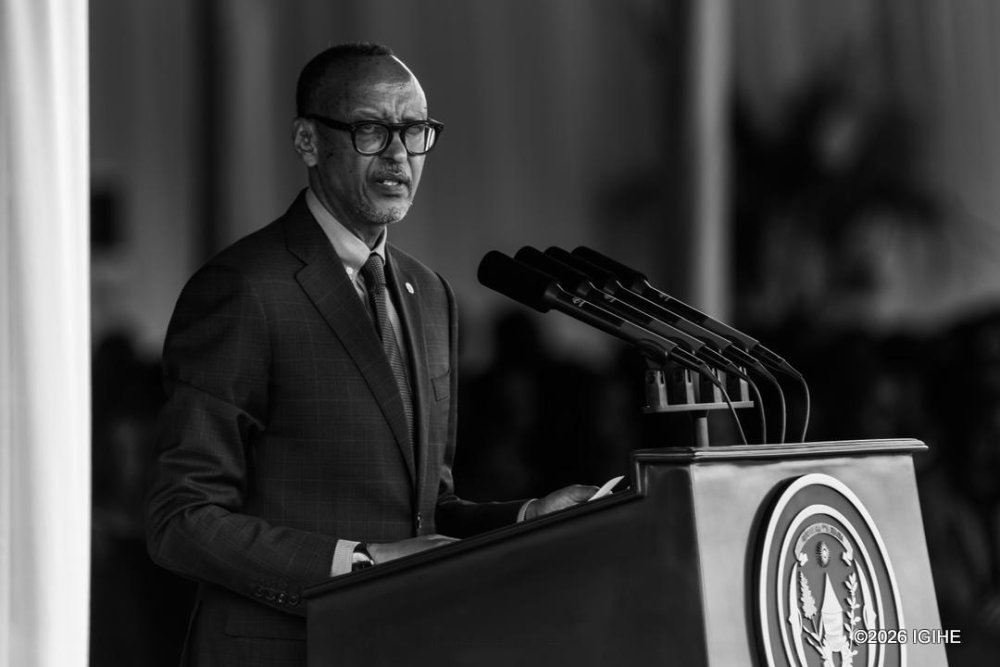
President Kagame noted that the achievements registered by the police force over the past 25 years were also the result of strong cooperation between citizens and security institutions.
“We all share the commitment to continue working together to safeguard our security and the development that unites us. The security landscape continues to evolve, while criminal activities are becoming more sophisticated, mobile, and transnational. That is why the Rwanda National Police must continue adapting to emerging realities,” he said.
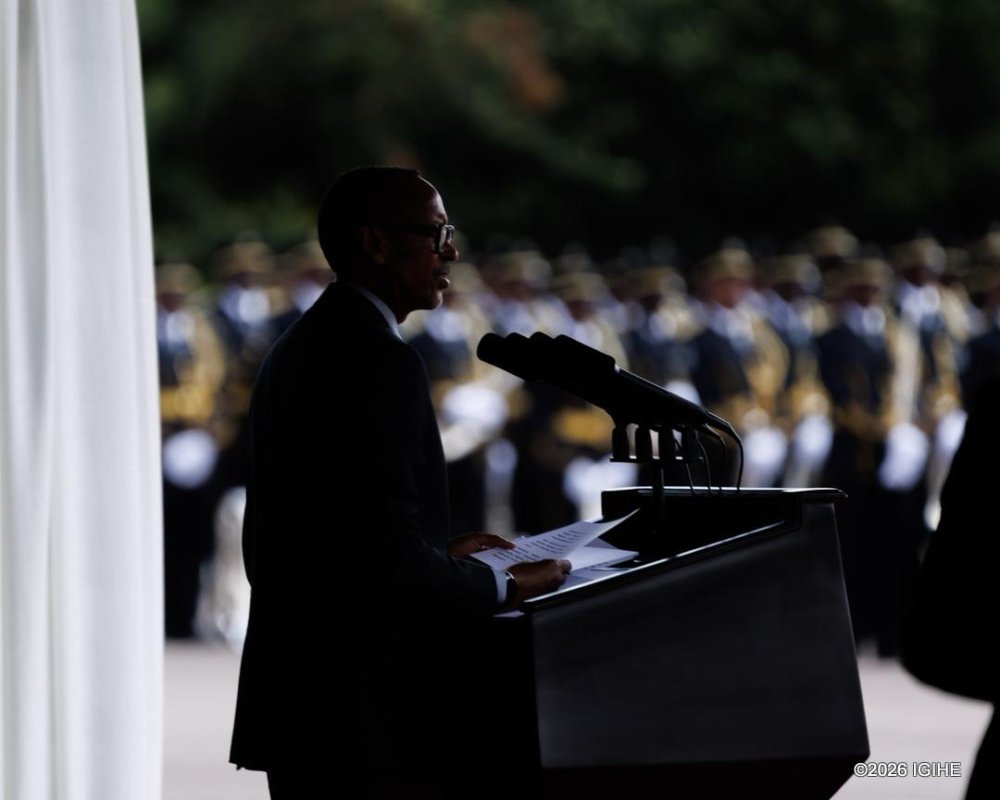
Addressing the newly commissioned officers, Kagame stressed that the training they received should be reflected not only in their professionalism but also in their values and conduct, particularly in rejecting corruption.
“The training you have completed was not only intended to equip you with professional skills, but also to instill values that help you understand the true meaning of serving the country and its citizens. We expect you to reject corruption, demonstrate sound judgment in decision-making, and carry out your responsibilities with integrity,” he said.
The Head of State added that the silver jubilee of the police force should also serve as a moment of reflection and renewed commitment to the institution’s core values and standards of professionalism.
“Continue to uphold professionalism and humility in the service you provide to your country and its people. These values are essential. They are what will continue strengthening the trust and confidence that Rwandans place in you and in your work,” Kagame added.
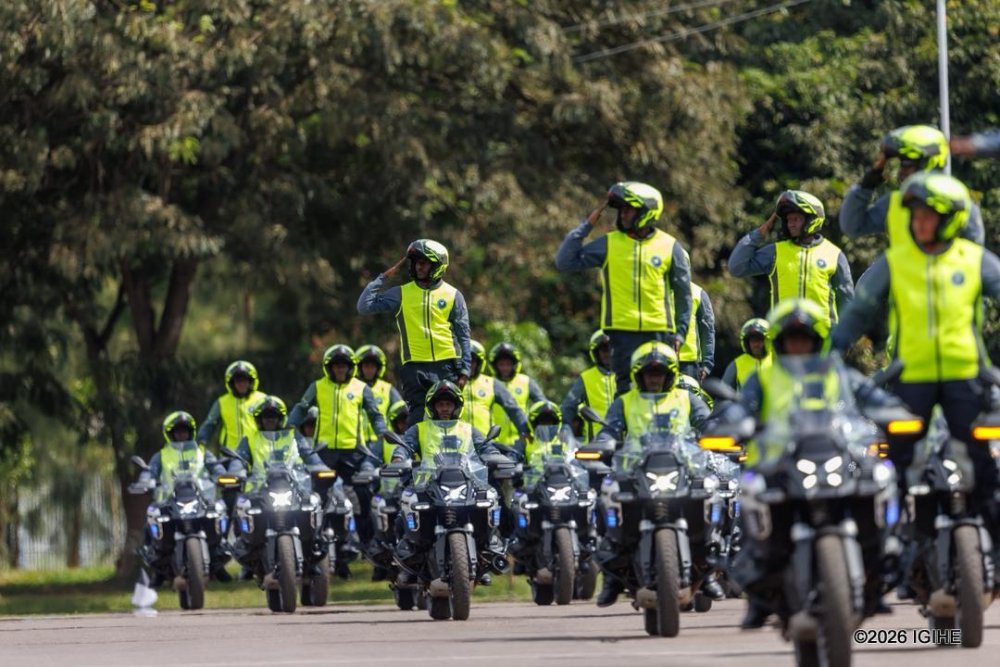
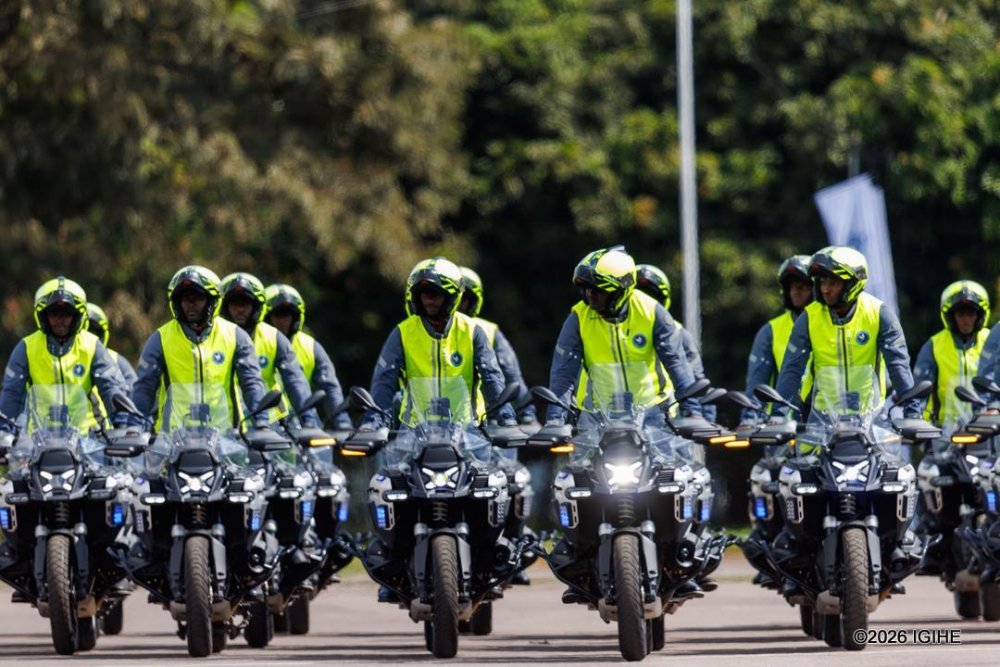
President Kagame urged anti-corruption and humility as Rwanda National Police marked 25 yearsThe Inspector General of the Rwanda National Police, CG Felix Namuhoranye, said the police maintain strong cooperation with citizens in the fight against crime.Police officers performed a motorcycle drill paradeThe passout ceremony was held in Gishari.
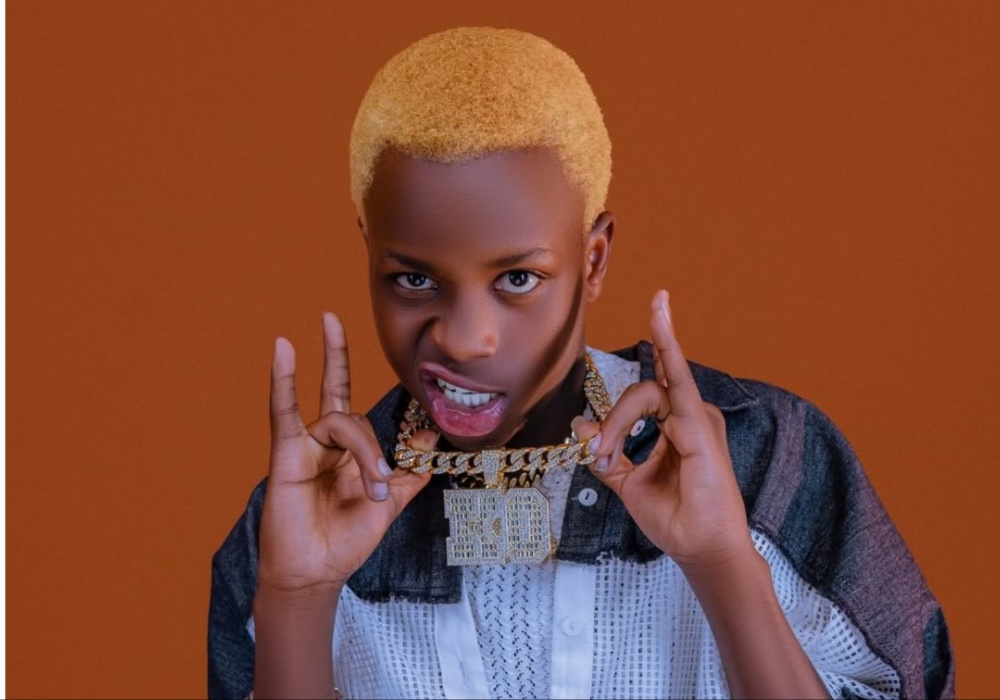
In a statement, the Foundation confirmed that it had decided to part ways with Iranzi, effective May 2, 2026, citing a mismatch in values despite what it described as efforts from both sides.
“The Sherrie Silver Foundation has made the difficult decision to part ways with ‘Iranzi’, a valued rapper and dancer in the Foundation, effective since Saturday 2nd May 2026, as our values no longer align despite great efforts made on both sides,” the statement read.
The organisation added that while it appreciated the time spent working with the young artist, its core principles remain centred on education, discipline, and integrity.
“We truly enjoyed the time spent working with him. At the Sherrie Silver Foundation, before music and dance, our core values remain education, discipline and integrity,” it said.
The Foundation further stated that it would no longer represent or be responsible for Iranzi’s actions or public views going forward.
“Henceforth, the Foundation will no longer represent or be responsible for his actions or views. We wish him the very best moving forward.”
Separately, Sherrie Silver, in a post on X, emphasised that education remains a non-negotiable requirement for all children under the organisation’s care.
“Many ask, what does it take to be a part of Sherrie Silver Foundation. We have a very simple rule. Everyone under 18 MUST attend school. Any child that refuses to do that cannot stay under our care. Talent is secondary, education & discipline first. We’re raising future leaders,” she wrote.
Iranzi speaks out
Speaking to IGIHE, Iranzi said he chose to leave the Foundation after what he described as growing frustrations over limited freedom to pursue his music career.
He alleged that he was not given sufficient independence to develop his artistic talent, claiming that even the music he wrote was controlled and not released.
He also said that tensions increased when he was enrolled in a boarding school in Musanze, despite already working on music projects, which he interpreted as an attempt to restrict his artistic growth.
“There are times when people do not agree, and instead of releasing you, they make things difficult for you. In an attempt to limit me, they sent me to study at a boarding school in Musanze even though they knew I was doing music. They used to ask us to write songs and submit them so they could choose which ones to release, but the songs I wrote were never used,” he said.
Iranzi, who was in Senior Three at Sunrise School in Musanze, said he later decided to formally resign from the Foundation on May 2, 2026. He then transferred to a school in Kigali as a day student, a move he said allows him to continue his education while focusing more on his music career.
This development comes shortly after Iranzi The Rapper released his first song titled “Basalee.”
Sherrie Silver Foundation confirmed that it had decided to part ways with Iranzi, effective May 2, 2026, citing a mismatch in values despite what it described as efforts from both sides.
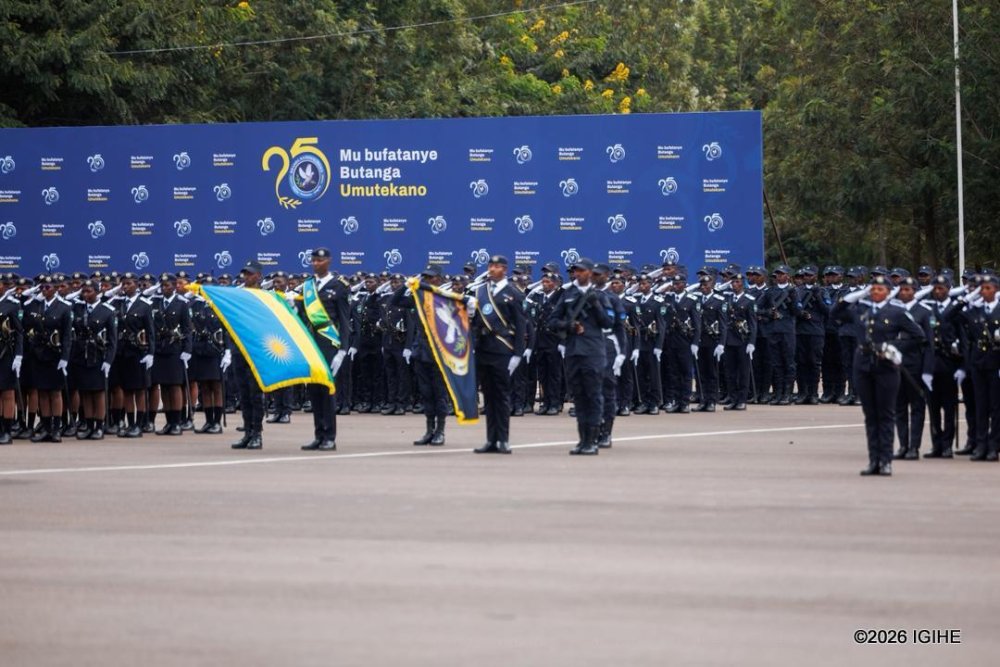
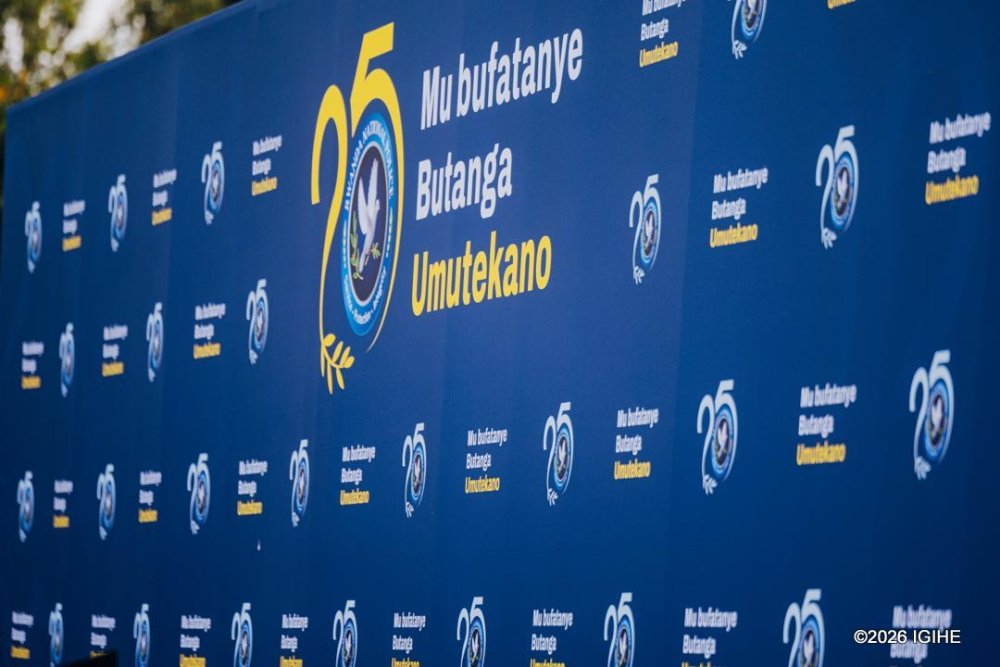
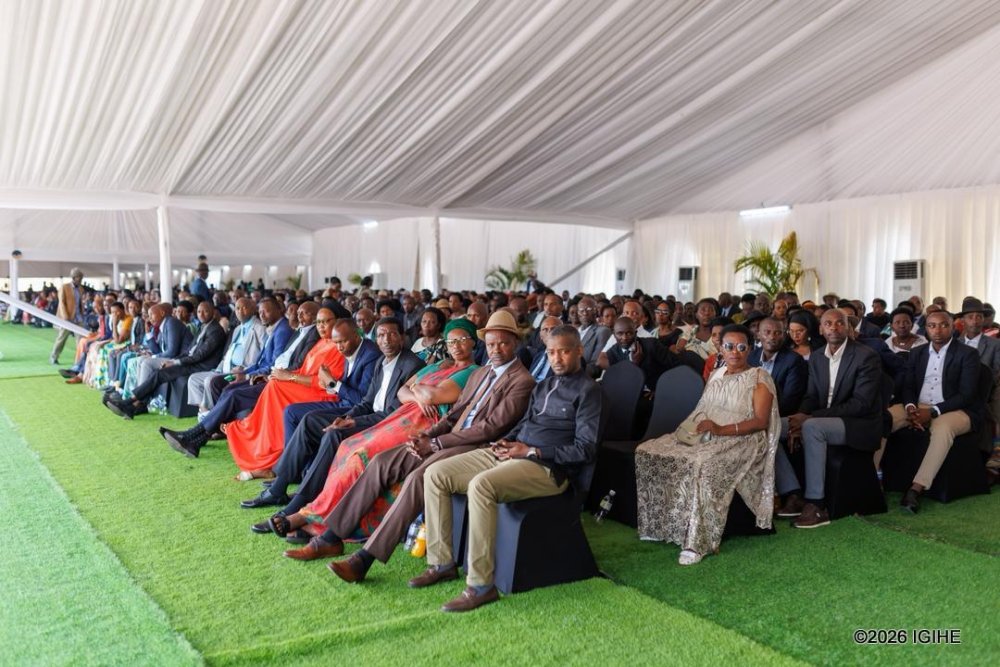
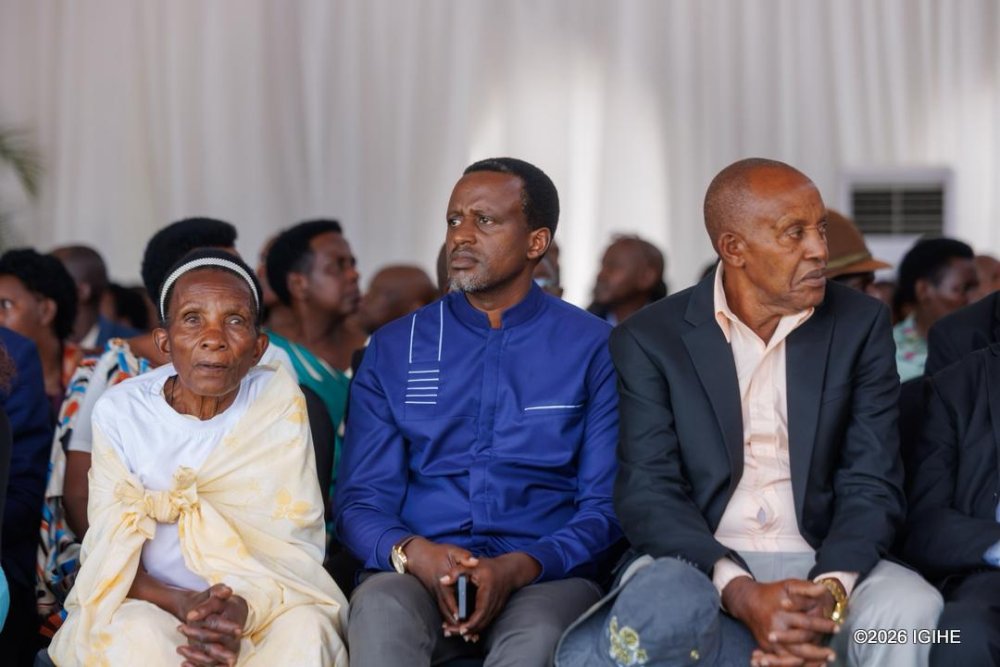
The commissioning ceremony took place on 27 May 2026 at the Gishari Police Training School (PTS Gishari), coinciding with celebrations marking 25 years of the Rwanda National Police, under a theme centred on partnership in delivering security.
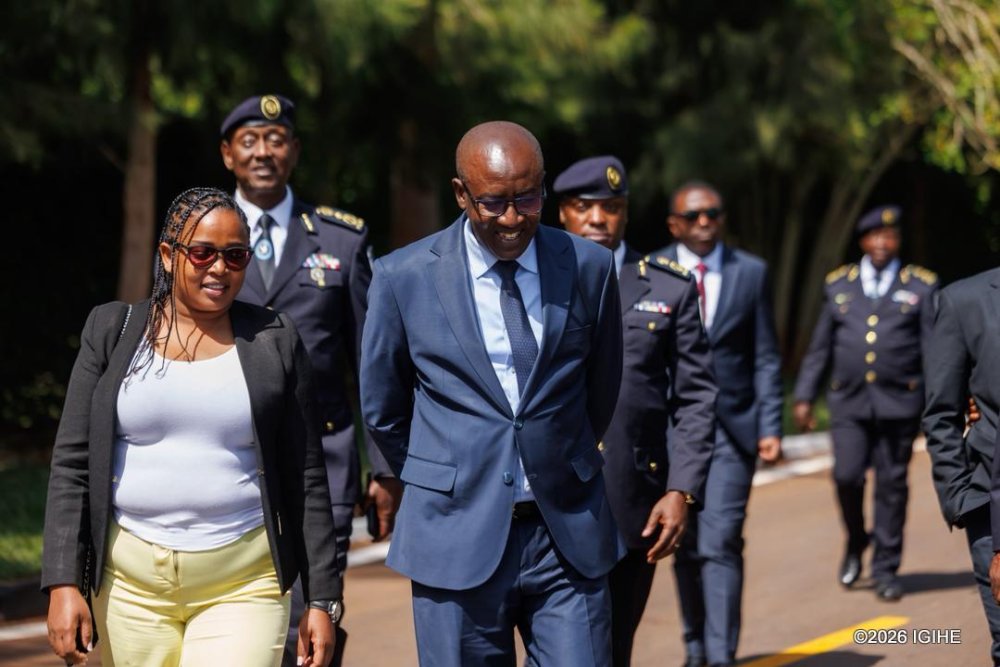
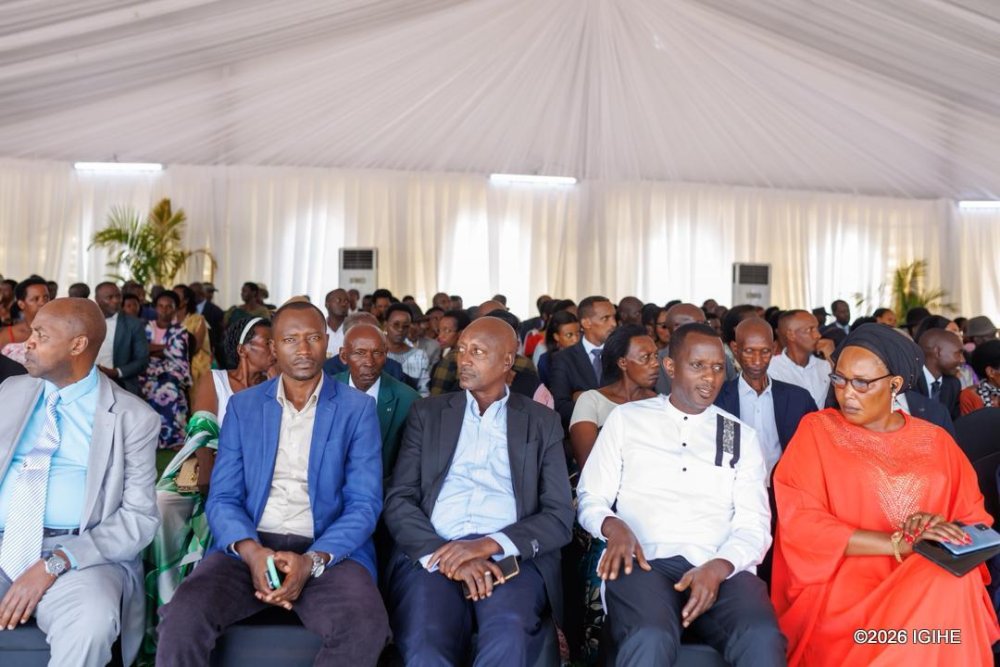
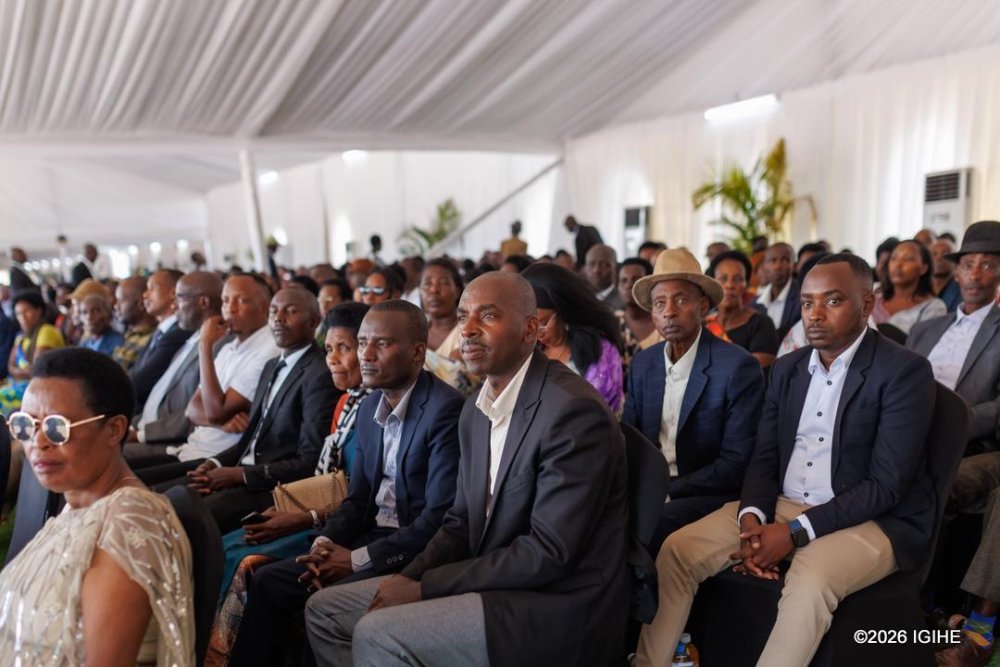
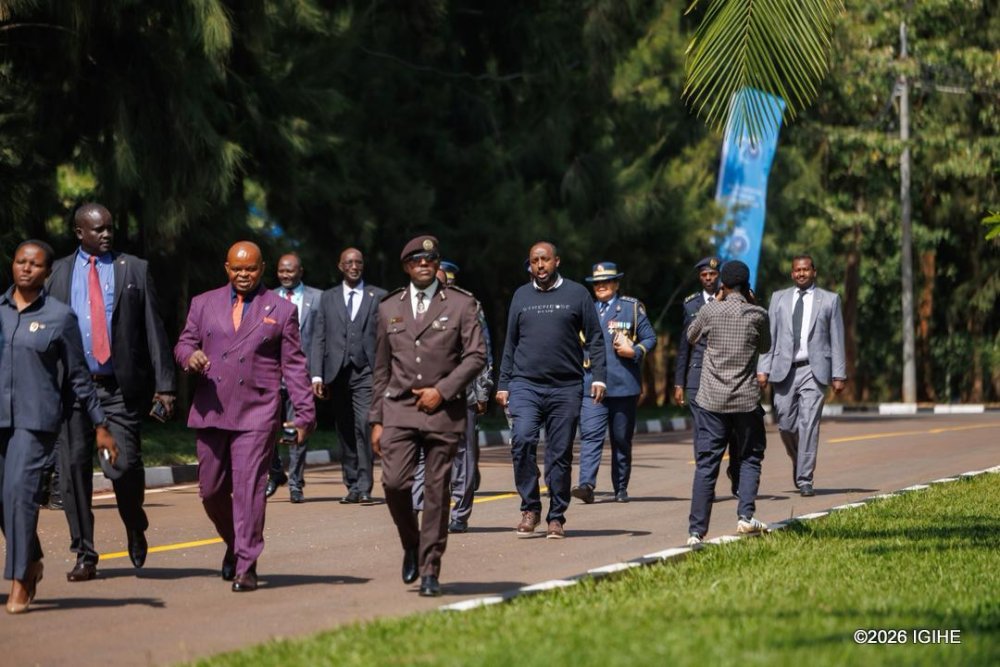
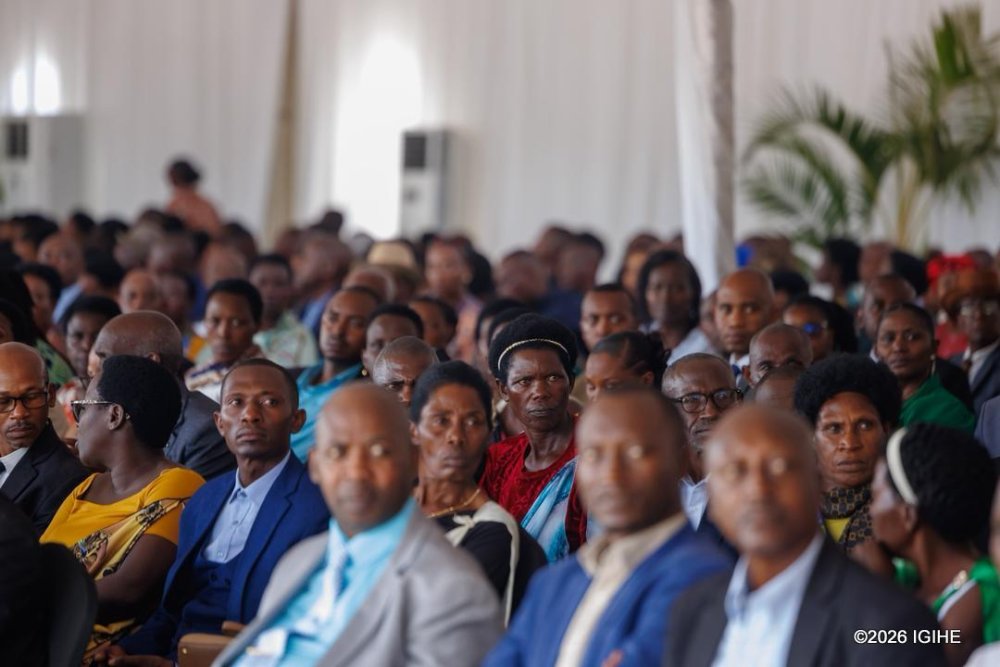
The event brought together President Kagame, families of the graduating officers, senior government officials, and other invited guests.
A total of 436 trainees successfully completed their training at PTS Gishari, including 109 women and 327 men. The cohort comprised both newly recruited officers and serving personnel who underwent professional upgrading. It also included nine trainees from Seychelles.
Following commissioning, the officers will be deployed across various specialized policing units, including traffic and road safety, information and communication technology, medical services, marine policing, as well as fire and rescue services.
Others will join specialized departments such as the canine (K9) unit, engineering services, vehicle inspection and standards, human resources and administration, financial management, and other operational and support divisions.
The officers underwent intensive professional training designed to prepare them for operational policing duties. Their curriculum included drill exercises, firearms handling, tactical response training, and other core competencies required for modern policing.
PTS Gishari, located in Rwamagana District, is a modern training institution equipped with administrative offices, accommodation facilities, classrooms, medical services, and extensive outdoor training grounds used for both physical and tactical exercises.
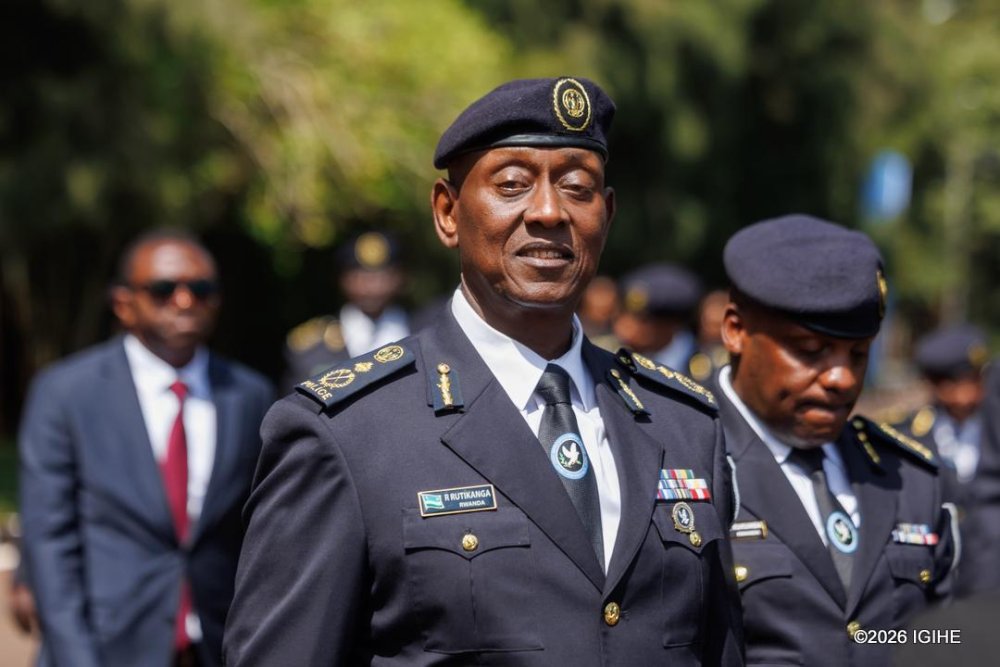
Speaking on the occasion marking 25 years of the Rwanda National Police, spokesperson ACP Boniface Rutikanga said the institution has evolved into a citizen-centred service built on close cooperation with the public.
He noted that the police service was formed following the merger of three former security institutions: the Gendarmerie Nationale, the Communal Police, and the Judicial Police. The integration, he said, created a unified and professional force focused on serving citizens without discrimination and strengthening community-based policing.
The commandant of PTS Gishari, CP Robert Niyonshuti, said the trainees began their course on 15 July 2025 and came from diverse backgrounds, including university graduates, civilians, personnel from national security institutions, and officers trained abroad in countries such as Singapore and Egypt.
He emphasized that the training programme was designed to equip officers with the skills required to effectively maintain law and order and deliver professional policing services.
Outstanding performers were also recognized during the ceremony. Nicolette Maria from Seychelles was commended for exemplary discipline and performance throughout the training period.
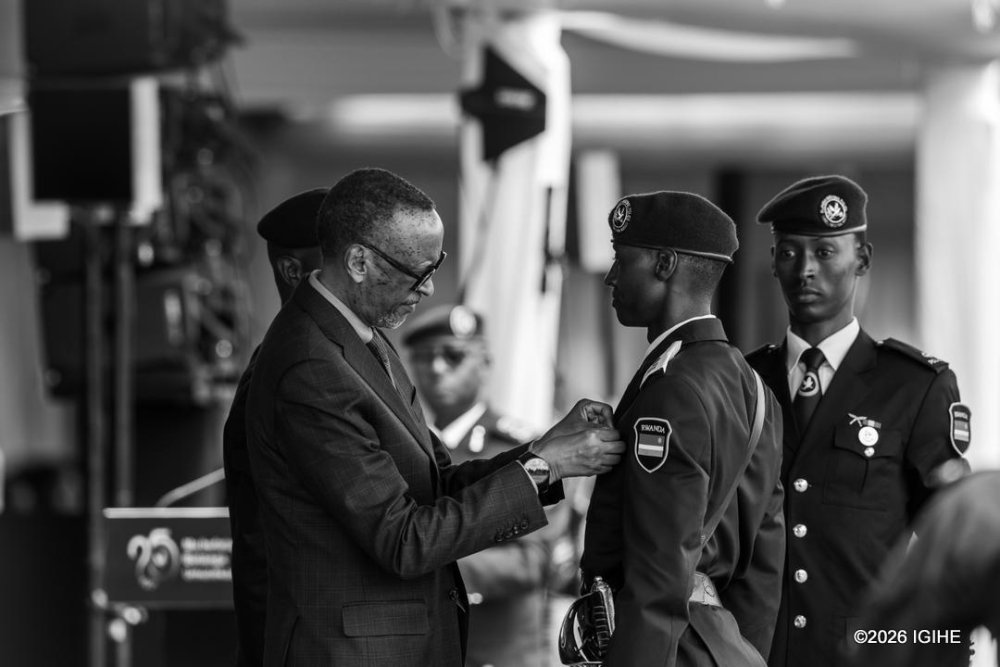
Three other trainees were recognized for exceptional performance in practical exercises, led by Boas Castro, who received a medal from President Kagame, followed by Isaie Kayiranga and Chantal Mureshya.
25 years of Rwanda National Police
Following the liberation of Rwanda by the RPA on 4 July 1994, the country initially operated separate security institutions working alongside the military to maintain public order and safety.
These included the Gendarmerie Nationale under the Ministry of Defence, the Communal Police under the Ministry of Local Government, and Judicial Police Inspectors under the Ministry of Justice.
In 2000, the Government of Rwanda merged these institutions into a single, unified national police service to improve coordination and professionalize policing. This led to the establishment of the Rwanda National Police.
Since then, the institution has been guided by core values including professionalism, patriotism, integrity, and discipline, with a focus on maintaining law and order in partnership with citizens.
Over time, the police service has expanded its operations beyond traditional policing by integrating technology and strengthening community policing approaches, where officers work closely with citizens to prevent and respond to crime.
Since 2005, the Rwanda National Police has also contributed to international peacekeeping missions under the United Nations, deploying officers as Formed Police Units and Individual Police Officers in various missions globally.
The institution currently operates three main training facilities: PTS Gishari, the Counter-Terrorism Training Centre in Mayange, and the National Police College, all aimed at enhancing professional capacity and operational readiness.
These achievements have been made possible through strong partnerships with citizens, government institutions, private sector actors, and international partners, enabling the police service to respond effectively to evolving security challenges driven by globalization and technological advancement.
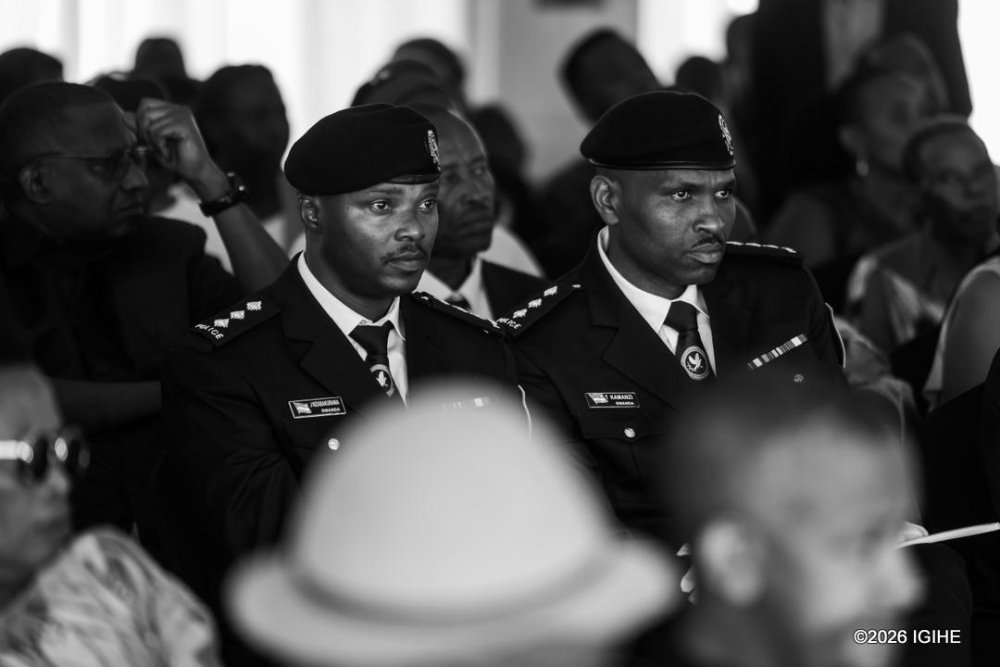
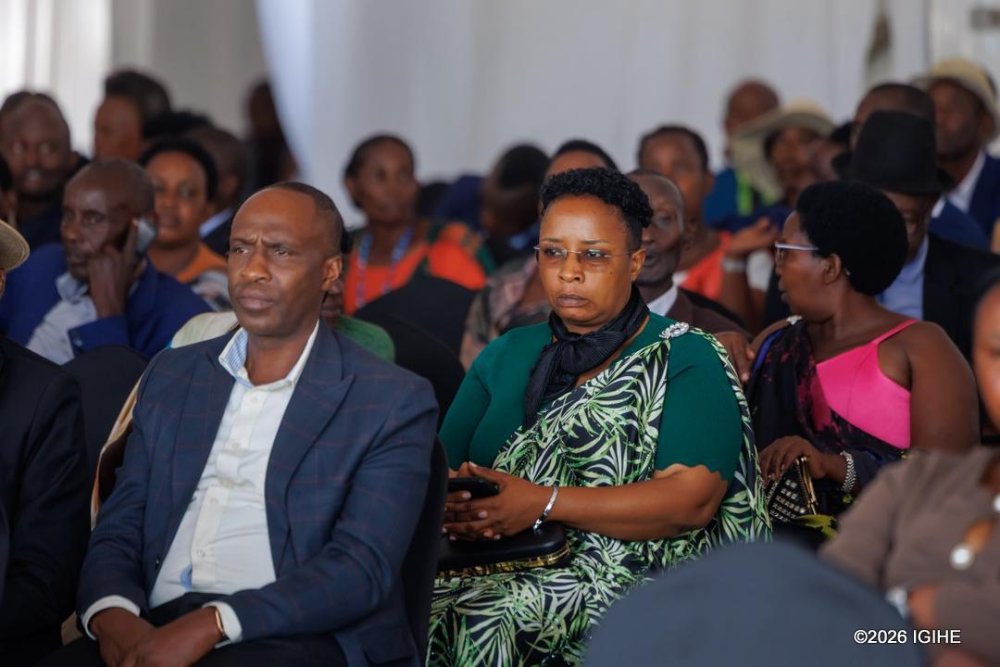
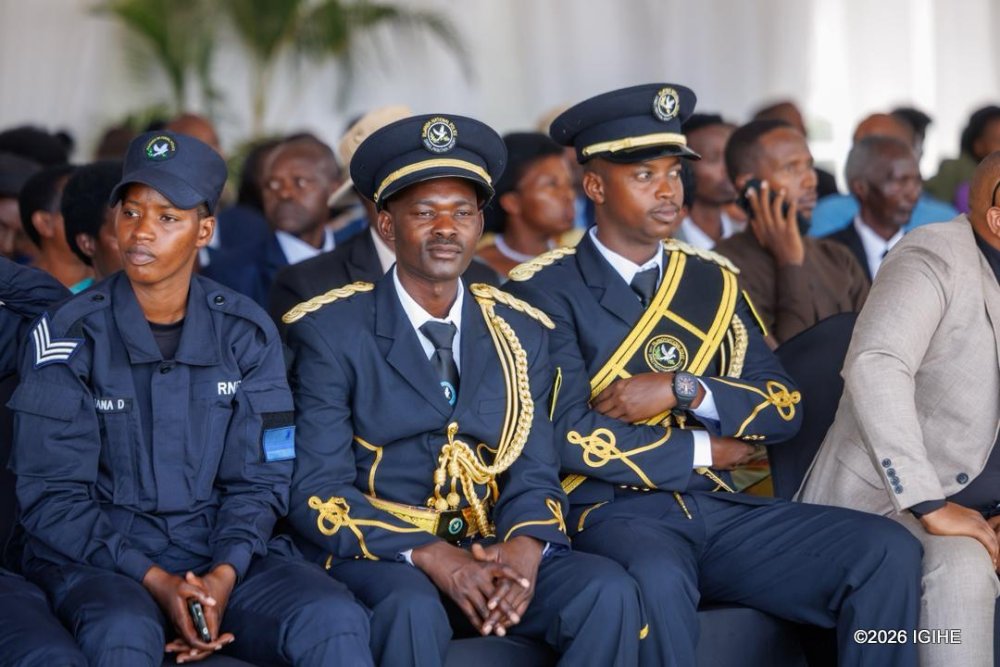
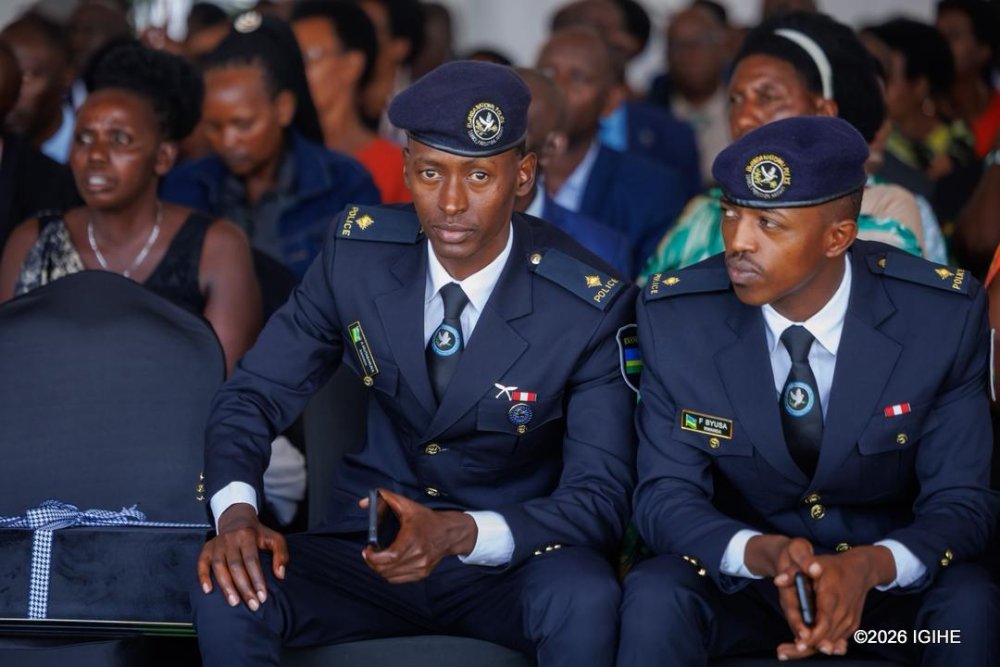
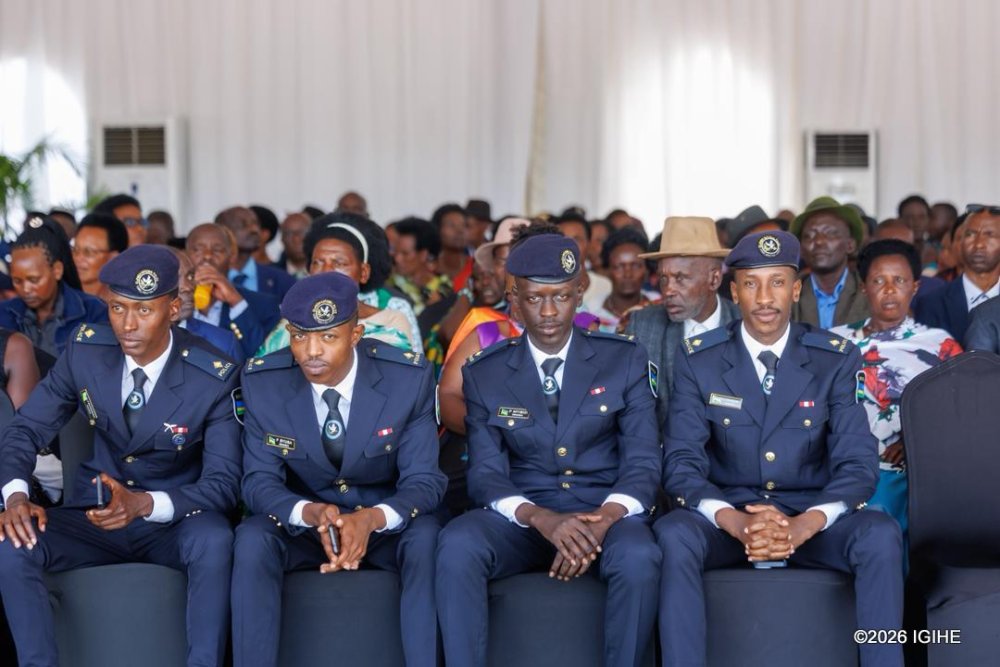
President Paul Kagame commissioned 436 newly trained officers into the Rwanda National Police and formally conferred upon them the rank of Assistant Inspector of Police (AIP).The ceremony coincided with celebrations marking 25 years of the Rwanda National Police, under a theme centred on partnership in delivering security.
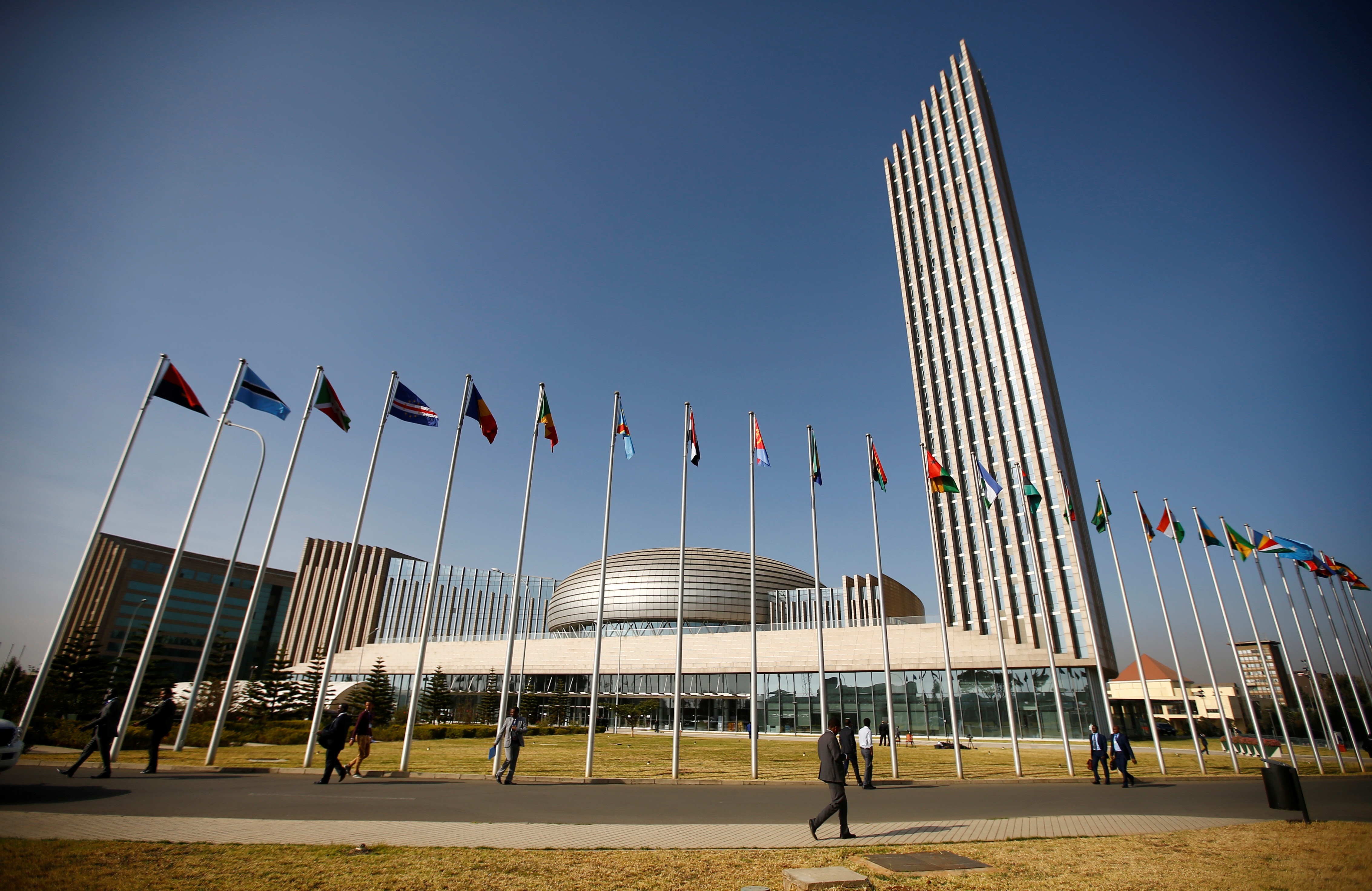
Led by the former Kenyan President Uhuru Kenyatta, the 73-member AU Election Observation Mission (AUEOM) to Ethiopia was deployed at the invitation of the East African country’s government, the AU said in its statement issued Tuesday.
The mission, drawn from 37 African countries, comprised representatives from African envoys accredited to the AU, officials of election management bodies, members of civil society organizations, election experts, human rights specialists, gender and media experts, as well as representatives of youth organizations, it was noted.
The AU observers will be deployed across various regions of Ethiopia to observe election-day procedures, including the opening of polls, voting, closing, and counting and tabulation at polling stations, the statement said.
The AUEOM is expected to release its preliminary statement on its findings and assessment of the conduct of the election a few days after the general election, while a final and comprehensive report will be published within two months after the election, it said.
In the leadup to the election, the AU observers are expected to meet with Ethiopian authorities, including the National Election Board of Ethiopia, representatives of political parties, candidates, civil society organizations, and other election observation missions, among others.
Ethiopia is scheduled to hold its seventh general election on June 1, with voters primarily electing their representatives for the Ethiopian House of Peoples’ Representatives (HoPR), the lower chamber of parliament, as well as members for regional state councils.
In line with the Ethiopian constitution, the political party or coalition that secures the majority of seats in the HoPR forms a government and selects the prime minister, who holds the highest executive power in the country.
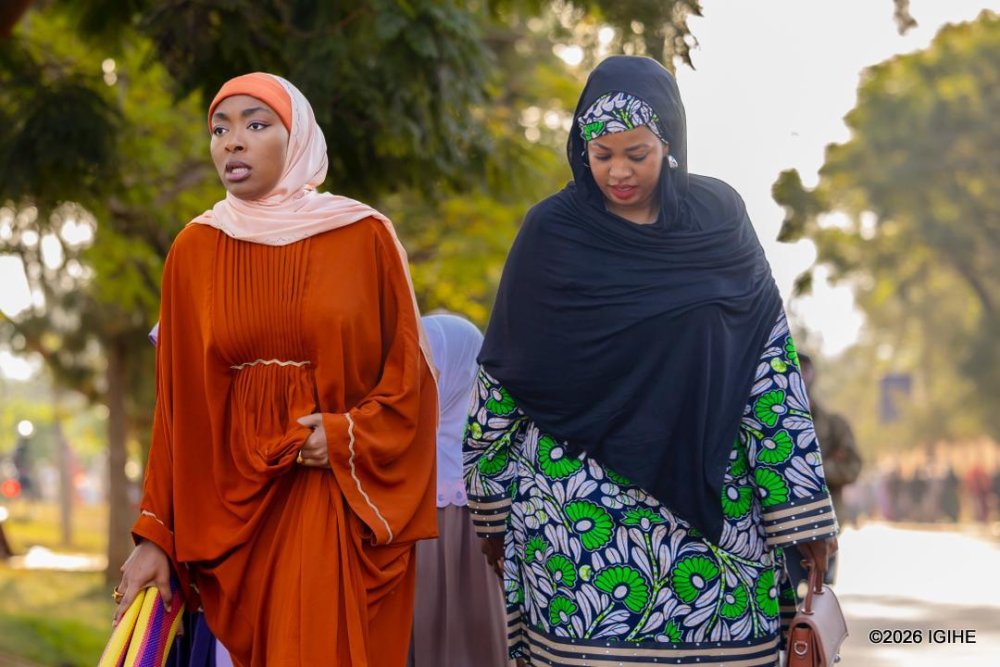
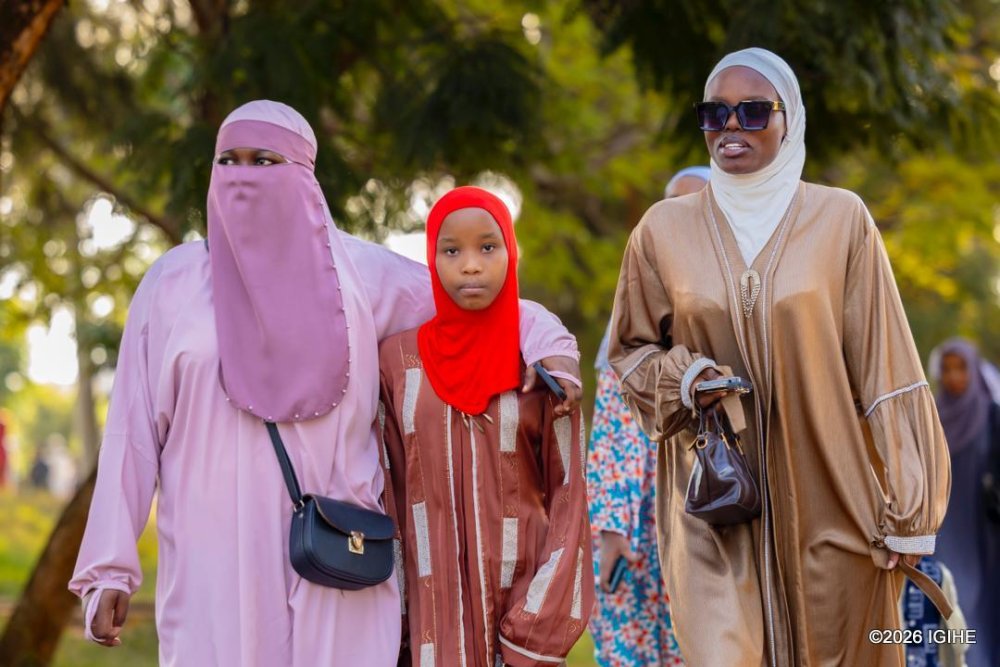
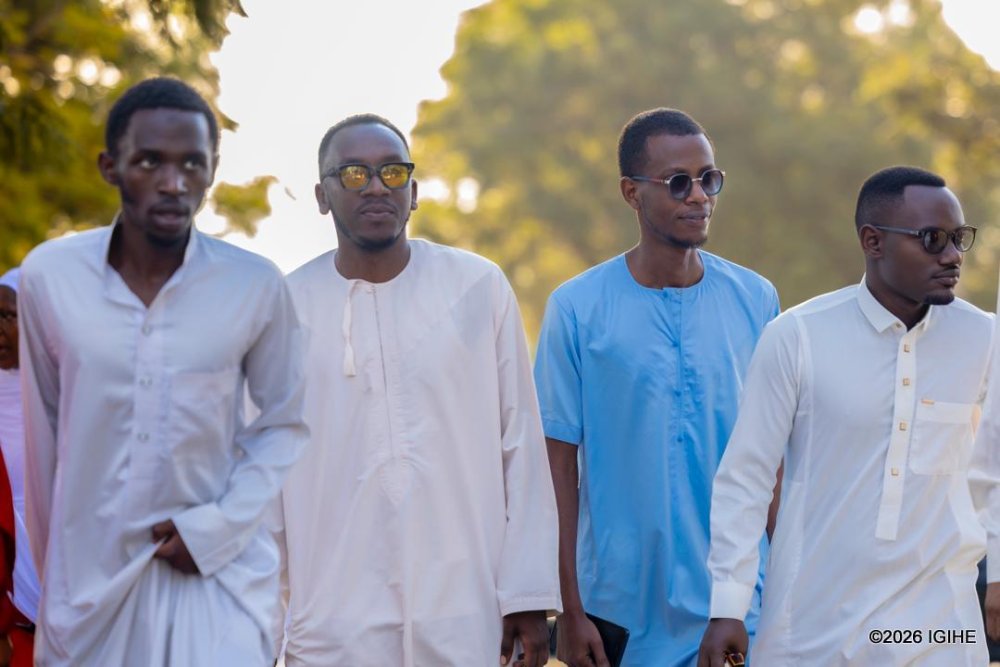
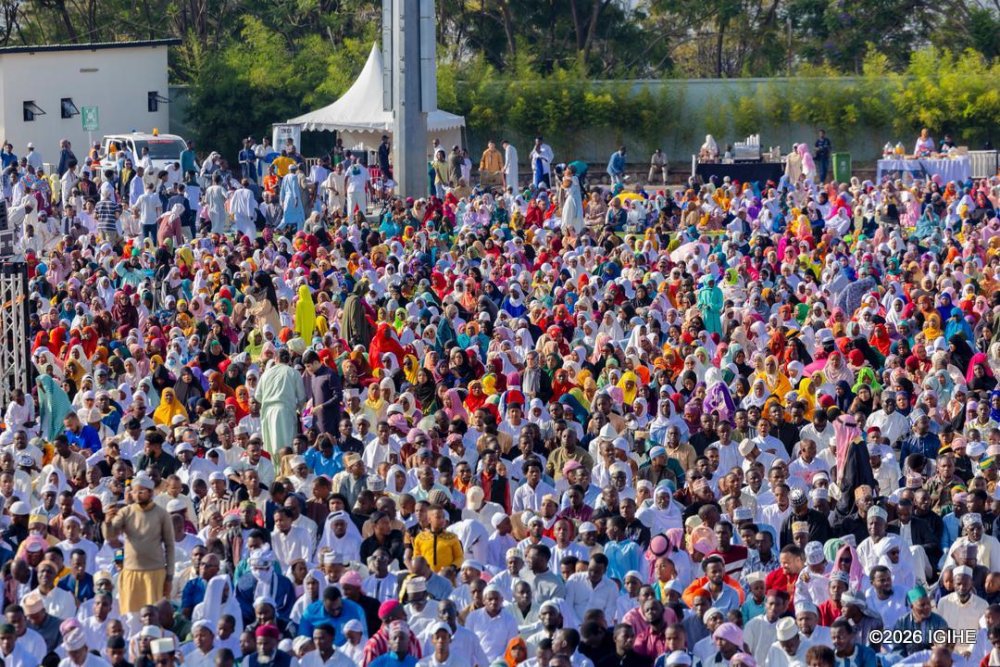
Eid Al-Adha is the second most significant festival in Islam and is observed during the month of Dhul Hijjah, the final month of the Islamic lunar calendar. It coincides with the annual Hajj pilgrimage in Mecca, Saudi Arabia, and is celebrated over three days.
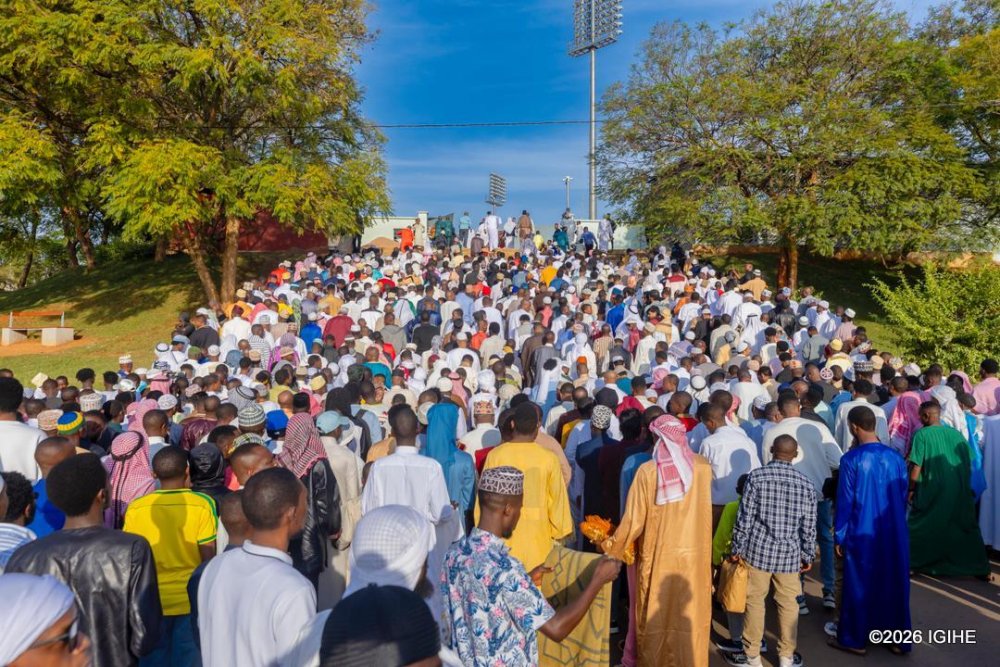
The national Eid prayer was held at Kigali Pele Stadium in Nyamirambo, where large crowds gathered for worship and celebration.
As part of the traditions surrounding the holiday, animals are sacrificed in remembrance of Abraham’s faith, with the meat shared among families, neighbours, and those in need as an act of charity and solidarity. This year, preparations included around 1,894 cattle and 1,183 goats and sheep across the country.
Religious leaders emphasised that the essence of Eid goes beyond ritual practices, focusing instead on generosity, unity, and compassion. Sheikh Nshuti Assouman, speaking on behalf of the Rwanda Muslim Community (RMC), said preparations for the celebrations were well organised and encouraged Muslims to extend kindness to all people, regardless of faith.
“What we ask is that people show generosity and charity, because this is a day of sacrifice. I encourage Muslims to extend this kindness to all Rwandans,” he said.
The Mufti of Rwanda, Sheikh Sindayigaya Mussa, also called on Muslims to strengthen unity and continue engaging in good deeds throughout the blessed days of Eid.
He noted that the first nine days of Dhul Hijjah, along with Eid day itself, are spiritually significant periods for reflection, worship, and acts of kindness.
“These are blessed days. When you do good, you are richly rewarded,” he said.
He further reflected on the example of Prophet Abraham, highlighting lessons of faith, devotion, and obedience to God.
The Mufti also highlighted ongoing community efforts, including the construction of a mosque in Itunda, Kicukiro District, Kanombe Sector, which is nearing completion and reflects the spirit of collective contribution among Muslims in Rwanda.
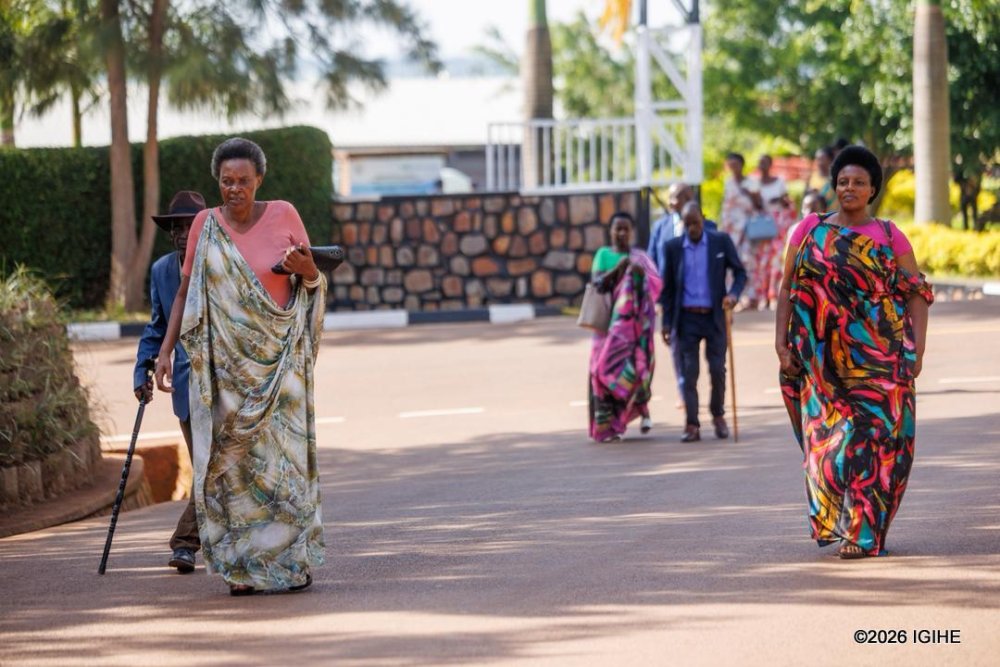
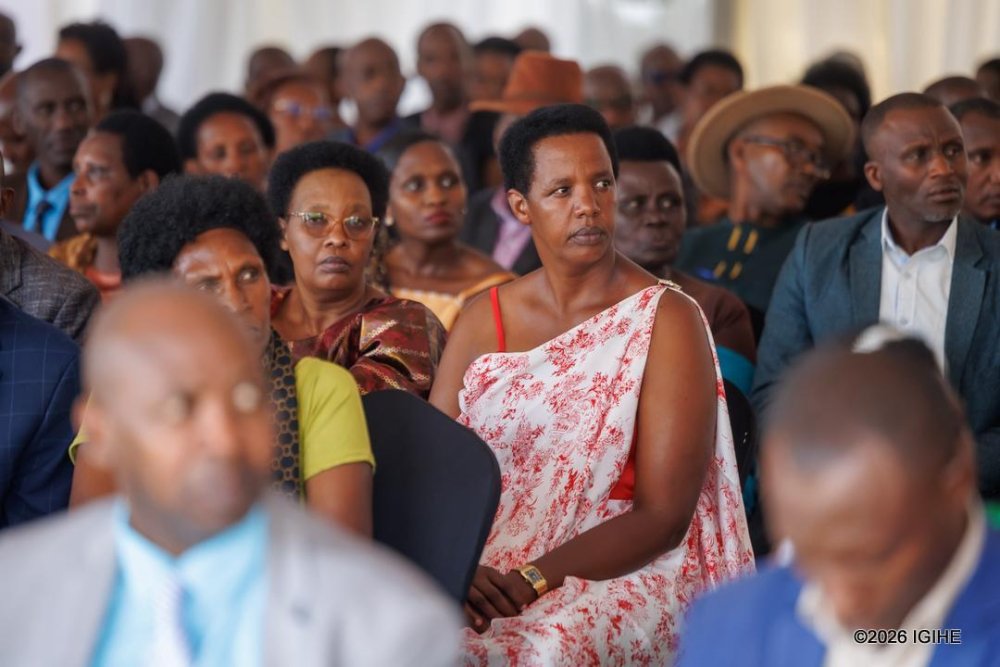
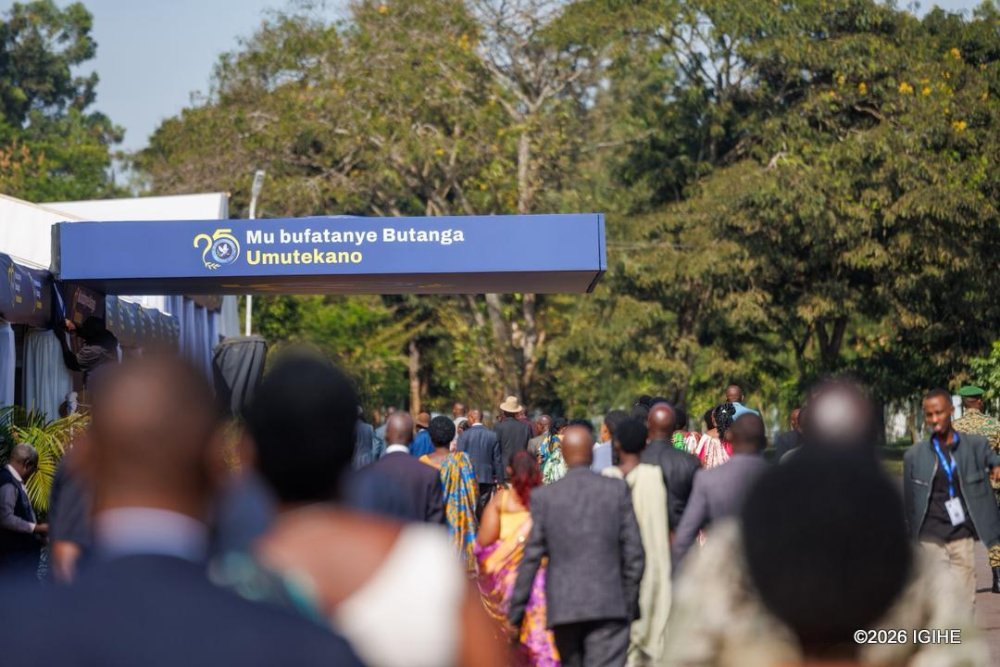
Parents were elegantly dressed for the occasion.Children were also not left out.Fathers brought their children to pray.Eid al-Adha is marked by widespread happiness and celebration.Youth turned out in large numbers for the Eid prayer of sacrifice.This day is the second most significant in Islam.Kigali Pelé Stadium was packed as Muslims gathered from various regions for Eid Al-Adha prayers.Men gathered and prayed in their allocated area.The national Eid prayer took place at Kigali Pelé Stadium.Kigali Pelé Stadium was packed as Muslims from various regions gathered for the Eid sacrifice prayer.The Mufti of Rwanda, Sheikh Sindayigaya Mussa, called on Muslims to continue showing love and selflessness.
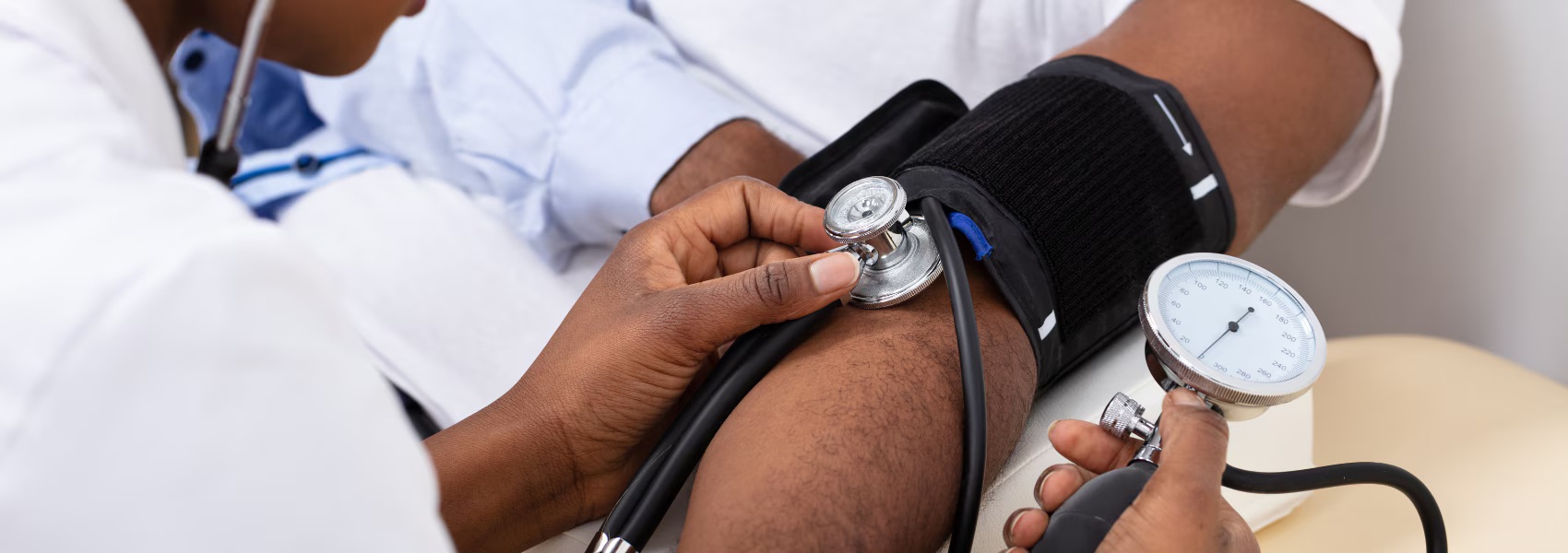
The study found that greater variability in blood pressure over a 24-hour period was associated with poorer cognition, including planning, problem solving and memory, said a recent statement from Australia’s Monash University.
Higher average blood pressure levels were also linked to greater evidence of vascular brain injury, according to the research published in the journal Neurology.
“Even a modest increase in blood pressure variability was linked to lower performance on cognitive tests, equivalent to roughly seven years of additional ageing,” said study first author Madeline Gibson, a Monash PhD candidate in clinical neuropsychology.
“These findings add to growing evidence that the heart and brain are closely linked,” Gibson said, adding that midlife is a key window to protect brain health and reduce later cognitive decline.
The findings suggest that blood pressure linked to subtle brain changes occurring well before memory or thinking problems appear.
Researchers said abnormal blood pressure patterns may damage the brain’s white matter tracts and disrupt the blood-brain barrier, which protects brain tissue.
The findings highlight the limitations of single clinic-based blood pressure readings, noting that blood pressure naturally fluctuates throughout the day and night, which “may carry important information about brain health.”
The study found that greater variability in blood pressure over a 24-hour period was associated with poorer cognition, including planning, problem solving and memory, said a recent statement from Australia’s Monash University.