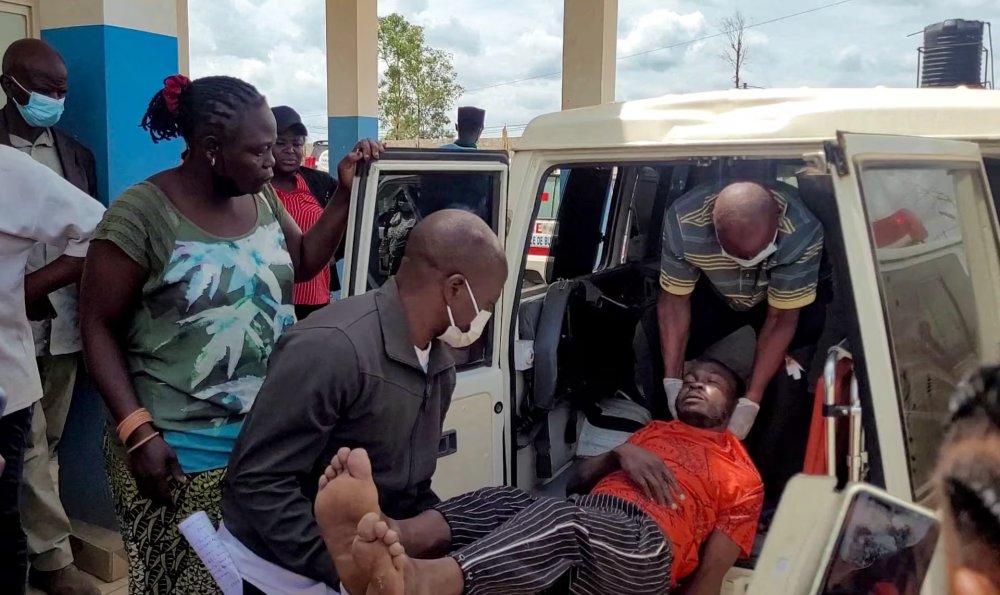
Suspected cases refer to individuals showing symptoms such as high fever, vomiting, diarrhoea, and bleeding, but who are still awaiting laboratory confirmation. All patients under investigation are isolated and receive medical care while tests are processed.
The outbreak remains largely concentrated in Ituri Province, with confirmed infections recorded in areas including Mongbwalu, Rwampara, and Bunia. Health teams continue testing, with hundreds of samples sent to national laboratories for analysis.
Neighbouring Uganda has also confirmed cases linked to the outbreak and has strengthened surveillance measures, including temporary border restrictions with the DRC and mandatory quarantine for returning travellers.
Humanitarian organisations have raised concern over the speed of transmission, warning that response efforts are struggling to keep pace with new infections and that stronger coordination is needed to reduce further loss of life.
Health experts also point to insecurity in affected regions as a major challenge, noting that ongoing conflict is limiting access for medical teams and slowing containment efforts.
The outbreak was officially declared in mid-May 2026 after the first confirmed death, with response operations ongoing to contain its spread.
Suspected Ebola cases in DRC have reached 1077The outbreak remains largely concentrated in Ituri Province, with confirmed infections recorded in areas including Mongbwalu, Rwampara, and Bunia
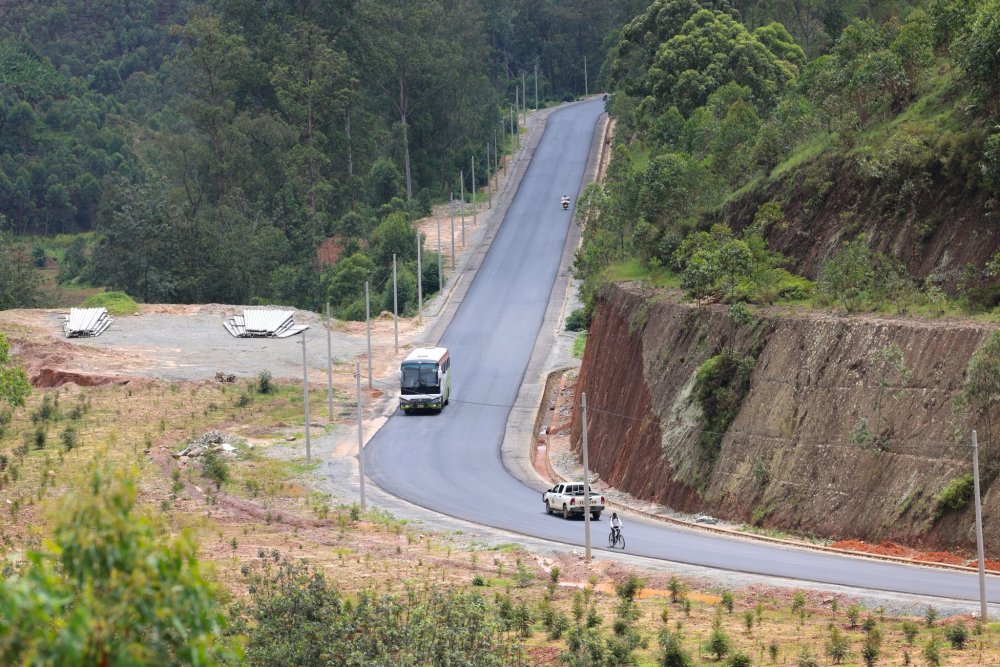
RTDA shared the update on May 25, 2026 via its official X account, highlighting steady progress on the project aimed at restoring and upgrading the long-serving highway, which had deteriorated after years of heavy use.
The agency also confirmed that works on the Rubengera–Rambura–Nyange section have already been fully completed.
The Muhanga–Karongi road stretches for 128 kilometres and was constructed in phases, with the first section completed in 2000 and the second in 2002.
RTDA notes that roads built to standard in Rwanda are generally designed to last at least 20 years, although many exceed this lifespan and can remain in good condition for up to 30 years when properly maintained.
The highway remains an important transport corridor linking Rwanda’s Western and Southern regions with Kigali, while also serving tourism traffic heading to destinations such as Karongi, Rutsiro, and Nyamasheke.
Road users and residents along the route have welcomed the progress, saying travel has become easier and the road more passable compared to previous years, when movement was slower and conditions were more challenging.
Road users along the Muhanga–Karongi corridor report improved travel conditions as rehabilitation works near completion.The rehabilitation of the Muhanga–Karongi road has reached 91.5% completion.
Over the past quarter-century, the institution has grown significantly in both human capacity and technological capability. Today, RNP officers not only play a central role in maintaining security within Rwanda but also contribute to peacekeeping and security operations beyond the country’s borders.
A key feature of this transformation is the wide range of modern equipment now used in daily policing operations. These tools support all police departments, each depending on its specific mandate, and are increasingly driven by advanced technology to match global standards of law enforcement.
Water, air, and land operations
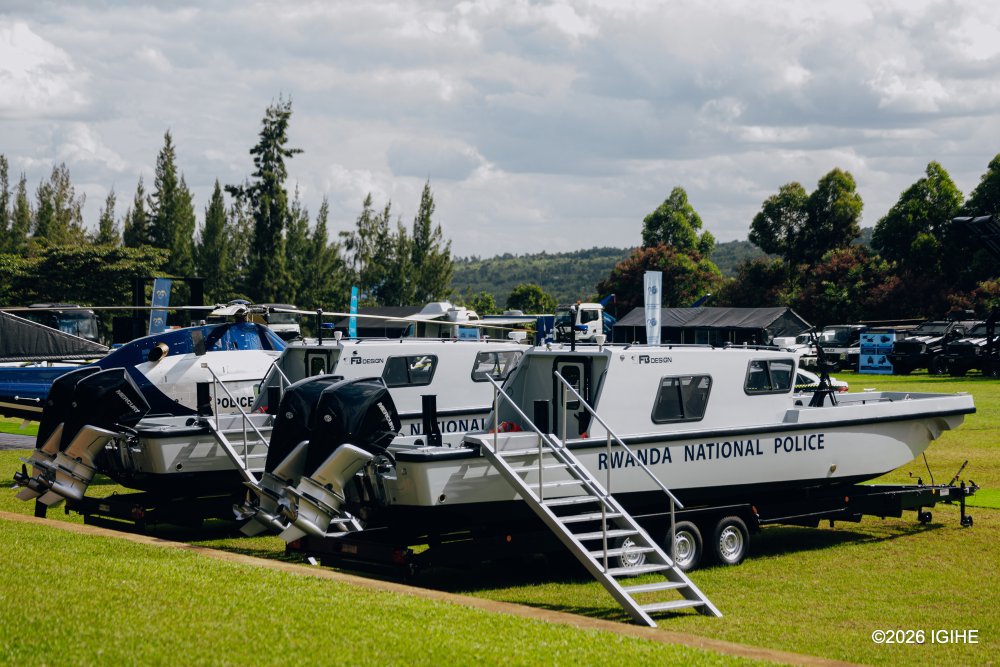
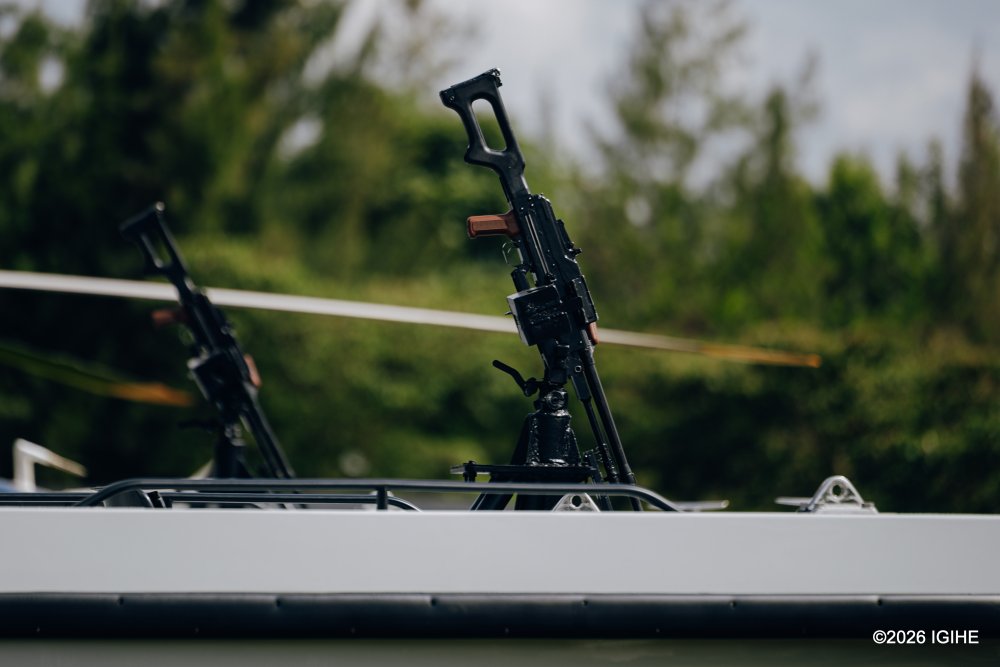
The marine policing unit is equipped with modern boats designed with advanced technology. These vessels are used for transporting personnel, conducting patrols, and carrying out rescue operations on large water bodies. They are fitted with cameras capable of capturing real-time images, as well as powerful lighting systems that allow clear visibility during night operations or emergencies.
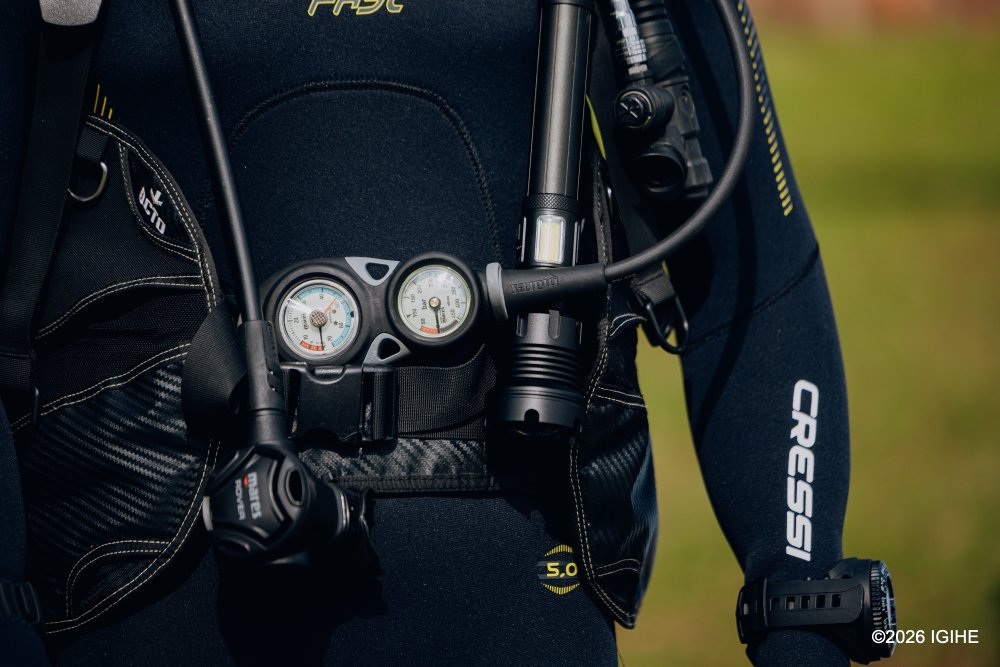
Police officers assigned to water security also use specialized diving equipment. This allows them to conduct underwater search operations, retrieve objects, and rescue individuals who may have drowned or be in distress.
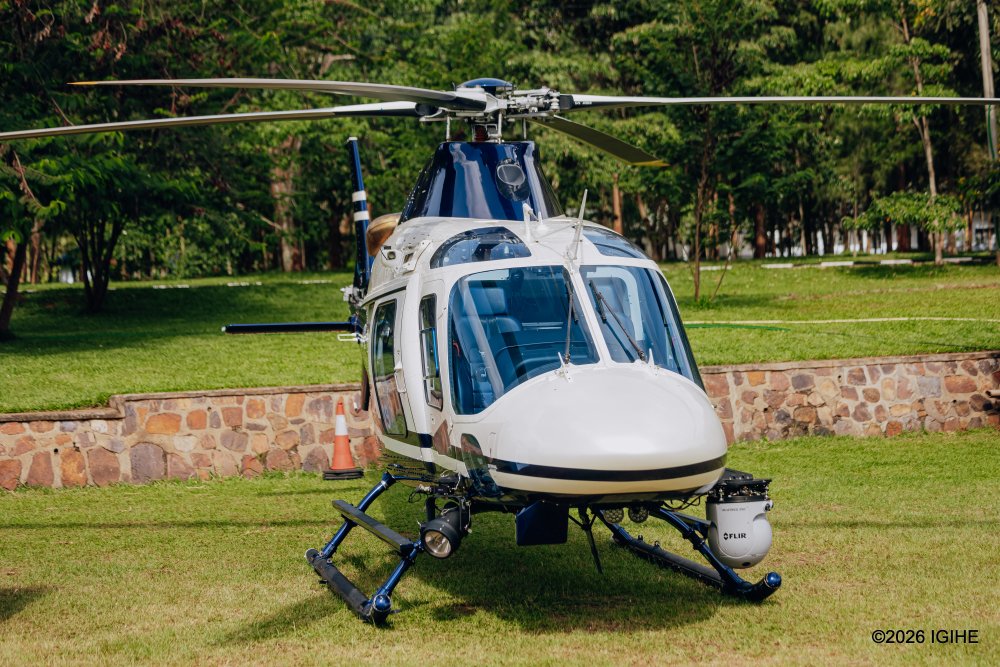
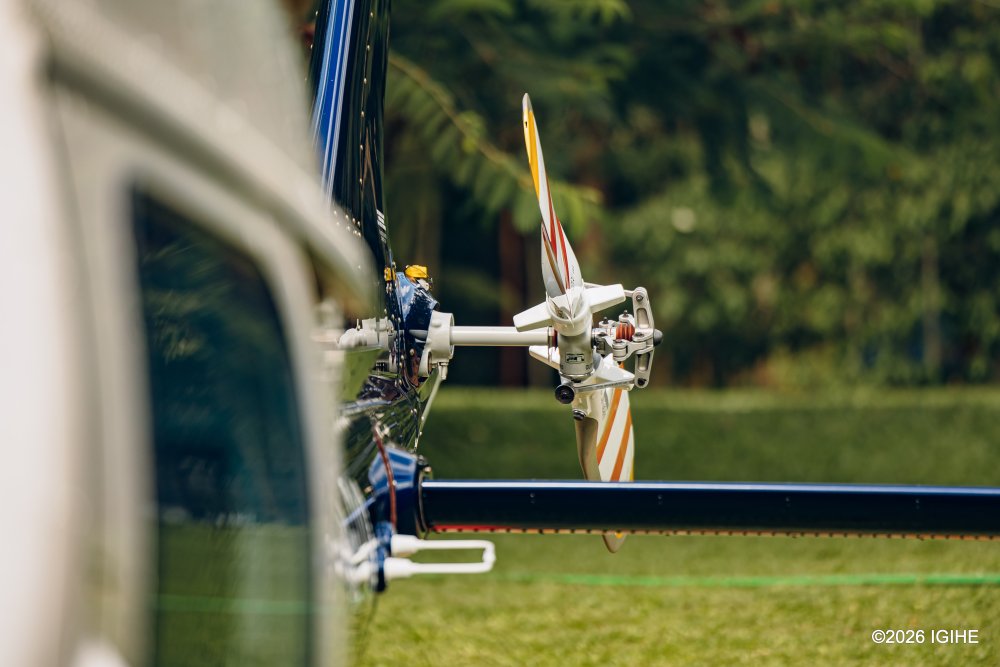
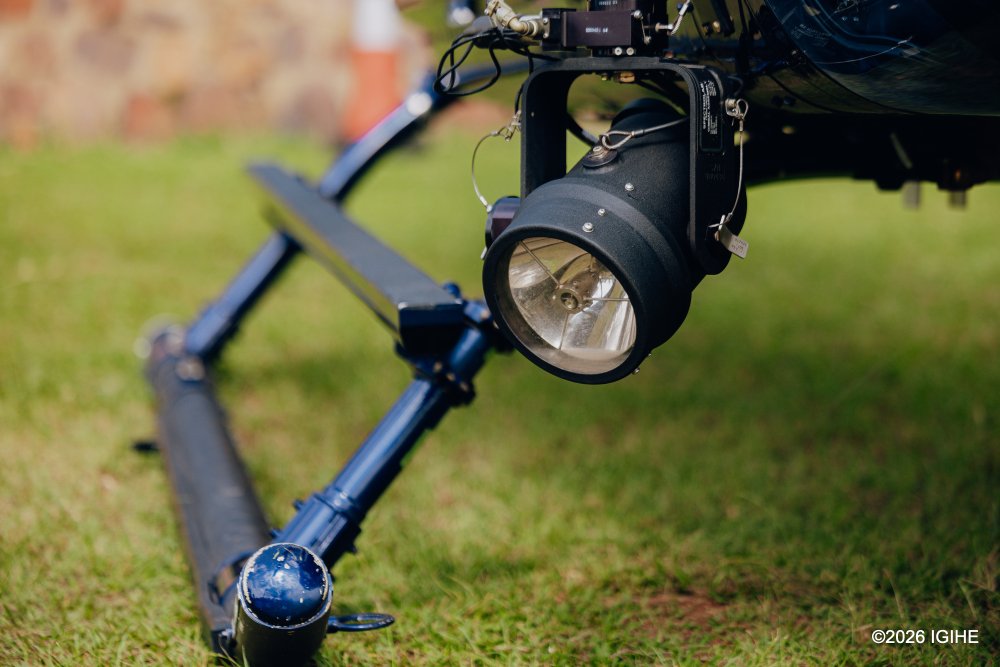
In aerial surveillance, the police rely on helicopters that patrol different areas of the country. These aircraft are used to monitor security situations, capture aerial images, and transmit real-time information to ground units for quick response.
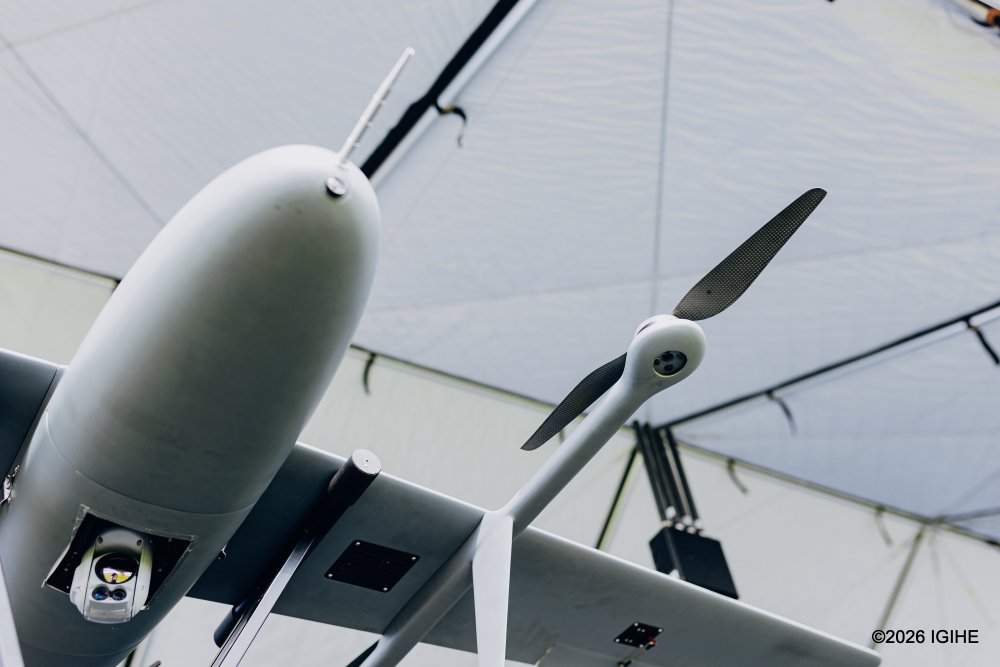
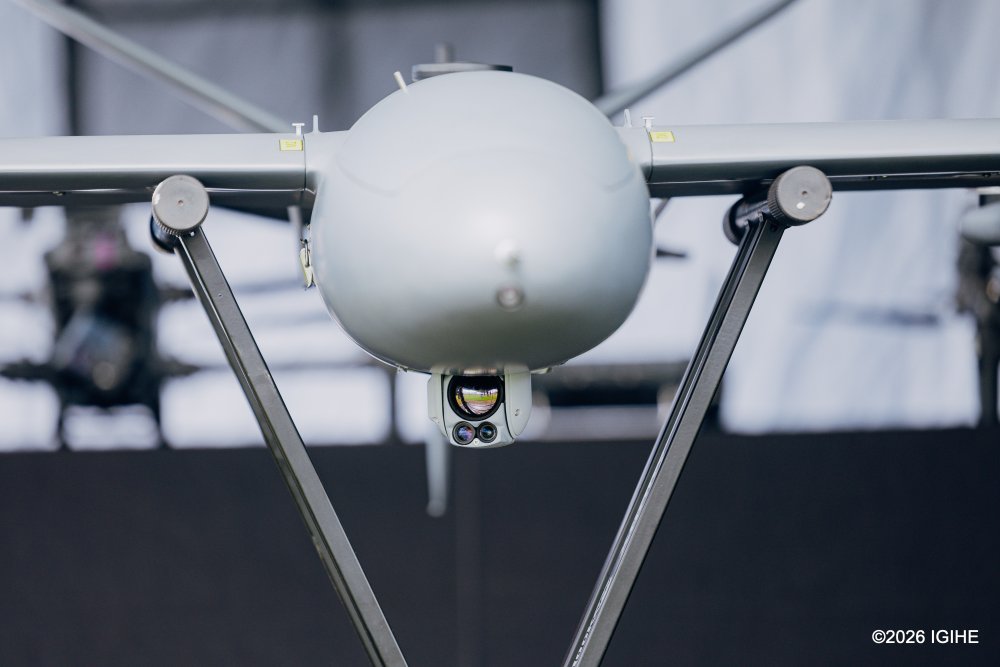
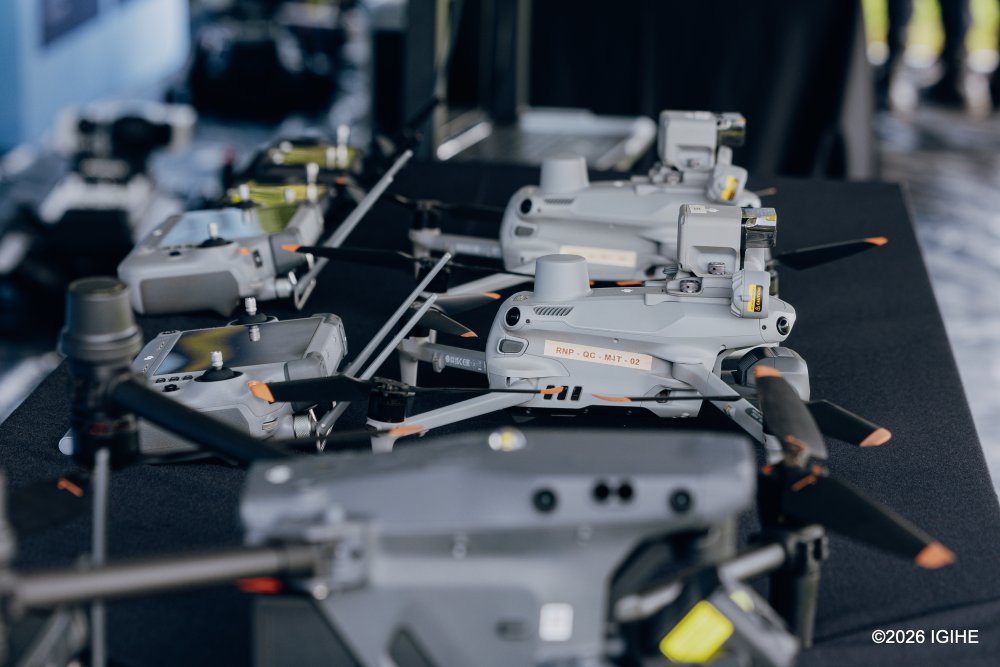
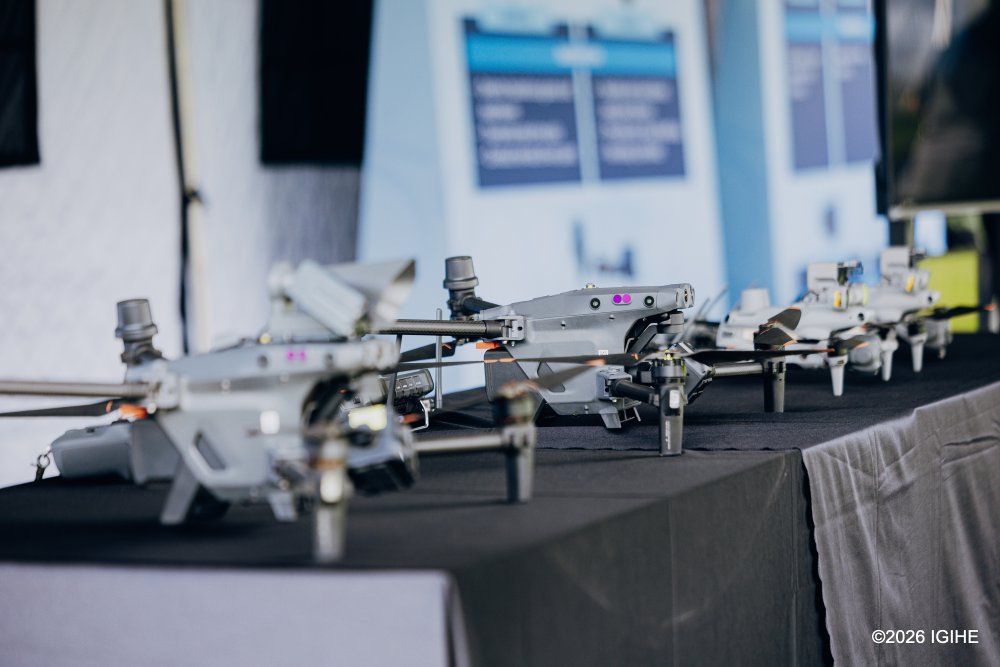
Alongside helicopters, drones have become one of the most widely used tools in modern policing. More unmanned aerial vehicles are expected in the near future to be deployed for various purposes.
According to CIP Félicien Kanamugire, head of the drone operations unit in the Rwanda National Police, drones perform multiple tasks depending on their design and purpose.
Some drones are high-speed, capable of flying up to 100 kilometers per hour and remaining airborne for up to four hours without recharging.
They are equipped with high-resolution cameras that transmit live footage directly to operators on the ground.
Other types are designed for low-speed and short-duration missions but are equipped with advanced night-vision cameras and strong lighting systems, making them effective for nighttime surveillance.
“These drones can even detect a person hiding under trees. For example, in areas like Nyungwe Forest, they can identify individuals, track movement, and even help estimate numbers,” CIP Kanamugire explained. “They can also follow vehicles and monitor their movement until the end destination.”
Some drones are also fitted with loudspeakers used for public communication and awareness campaigns. These allow police to broadcast messages while in flight, making them useful in crowd control and public information dissemination.
The police also plan to expand their drone fleet with new models designed for specialized missions, including firefighting support. These drones are expected to assist in extinguishing fires in high-rise buildings or areas that are difficult for fire trucks to reach.
Future additions also include drones capable of assisting in public order management. These will be able to spray water or non-lethal substances such as paint to disperse unlawful gatherings, while also providing live aerial monitoring.
Robotics and explosive disposal
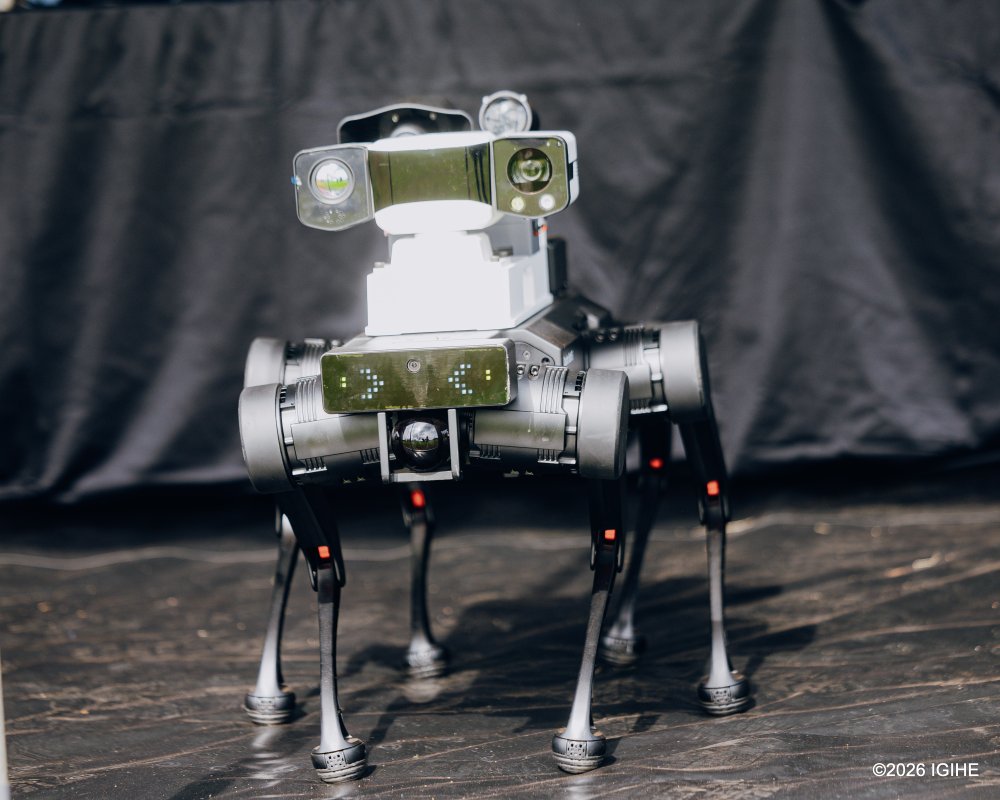
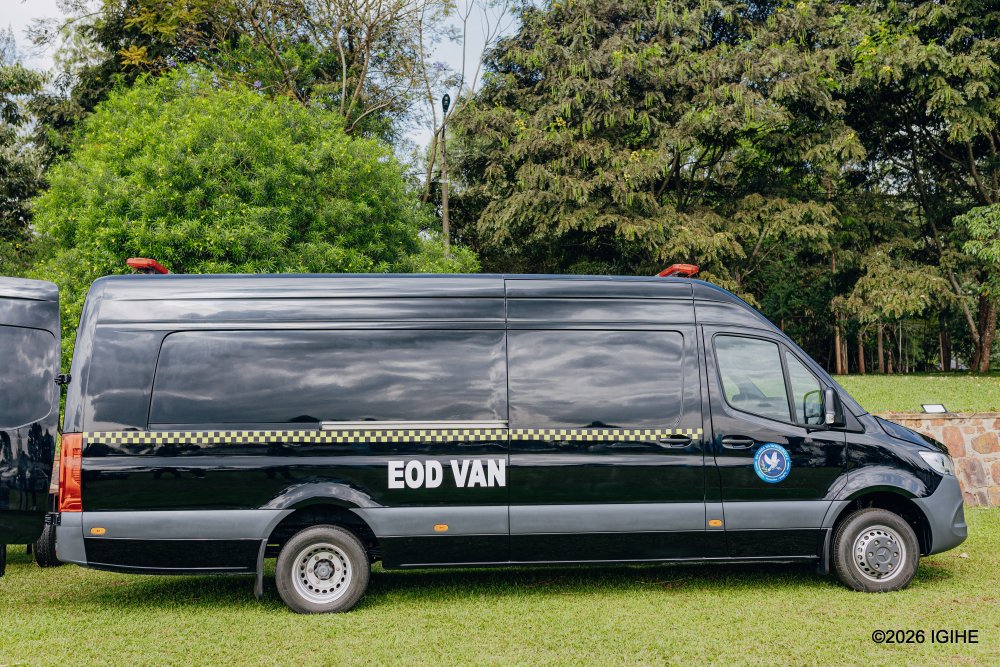
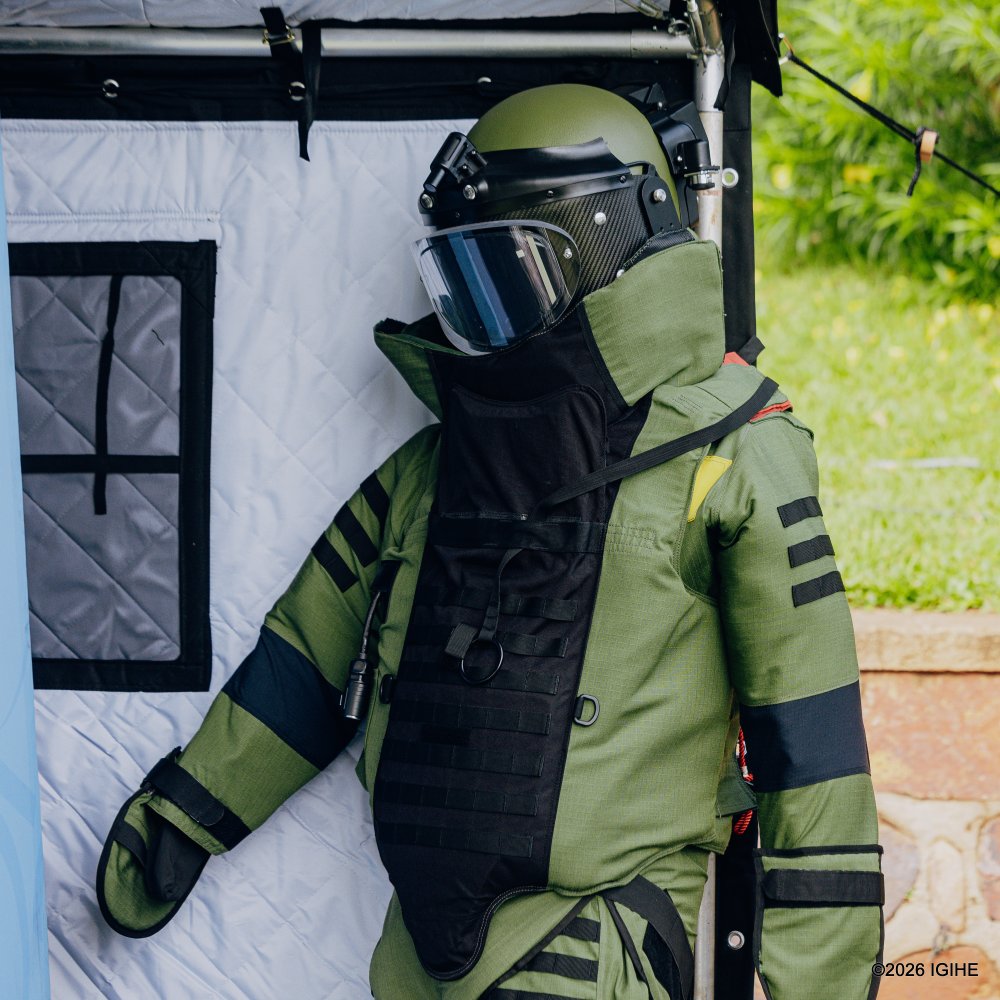
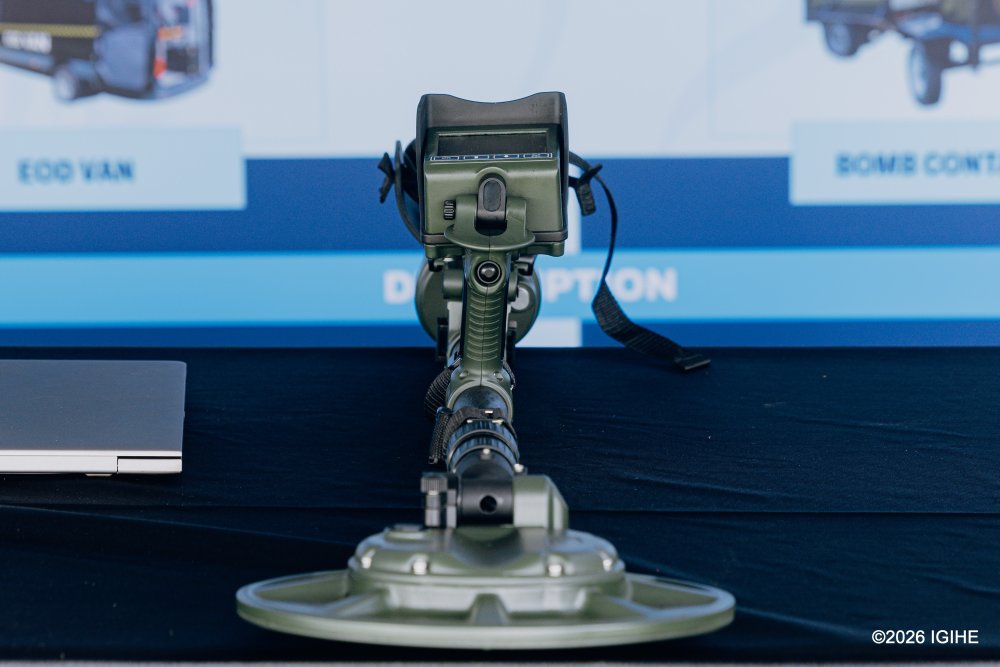
The Rwanda National Police also uses advanced robotics technology in explosive ordnance disposal. These robots are designed to detect and neutralize explosive devices without exposing officers to danger.
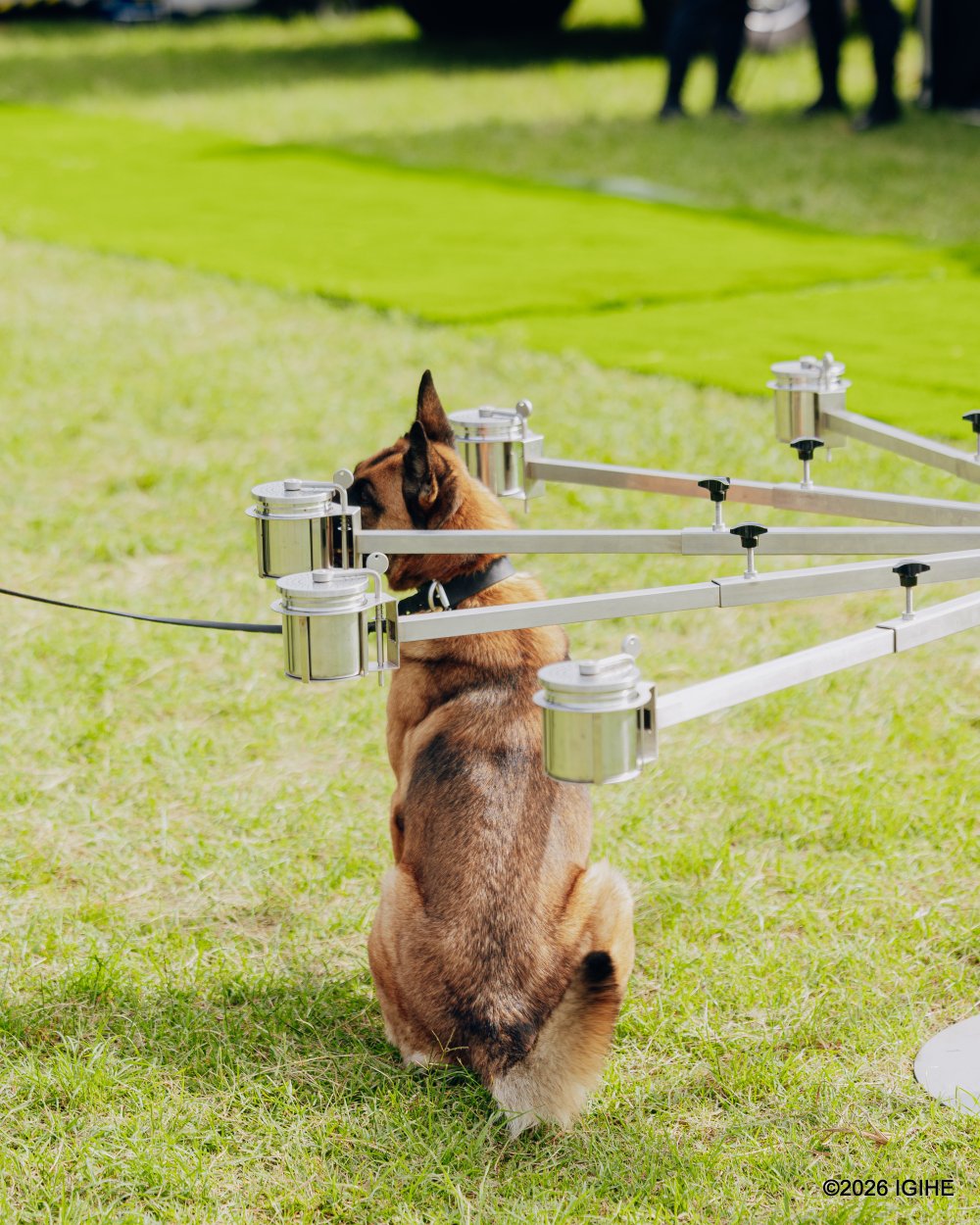
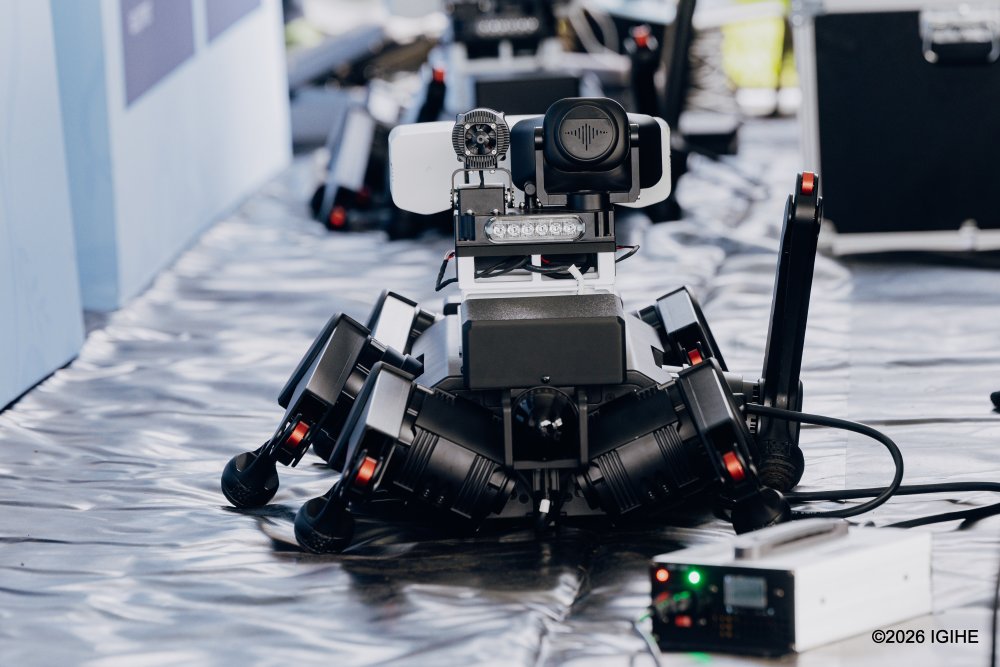
According to CIP Joseph Biziyaremye, head of the explosives unit, some of these machines—known as “robotic security dogs”—are capable of detecting explosives and toxic substances. They transmit information to operators who remain safely inside armored vehicles.
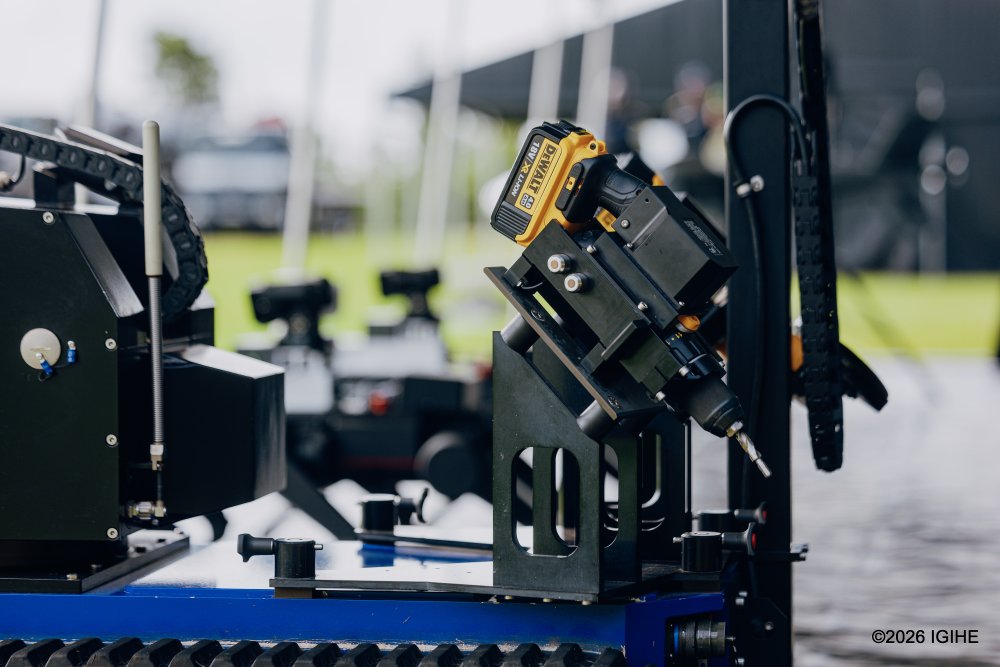
There are also robots designed specifically for bomb disposal operations. These machines can enter buildings, conduct searches, and handle suspicious objects that may pose a threat to public safety.
Some are even equipped with firearms, allowing them to neutralize armed threats when necessary. Canine unit and training systems
The police canine unit plays an important role in security operations. Trained dogs assist in searching, detecting narcotics, identifying explosives, and supporting various policing tasks.
RNP currently has a program to expand its dog breeding and training capacity locally, reducing the need to import trained dogs from abroad.
This initiative aims to strengthen internal capacity and improve efficiency in canine operations.
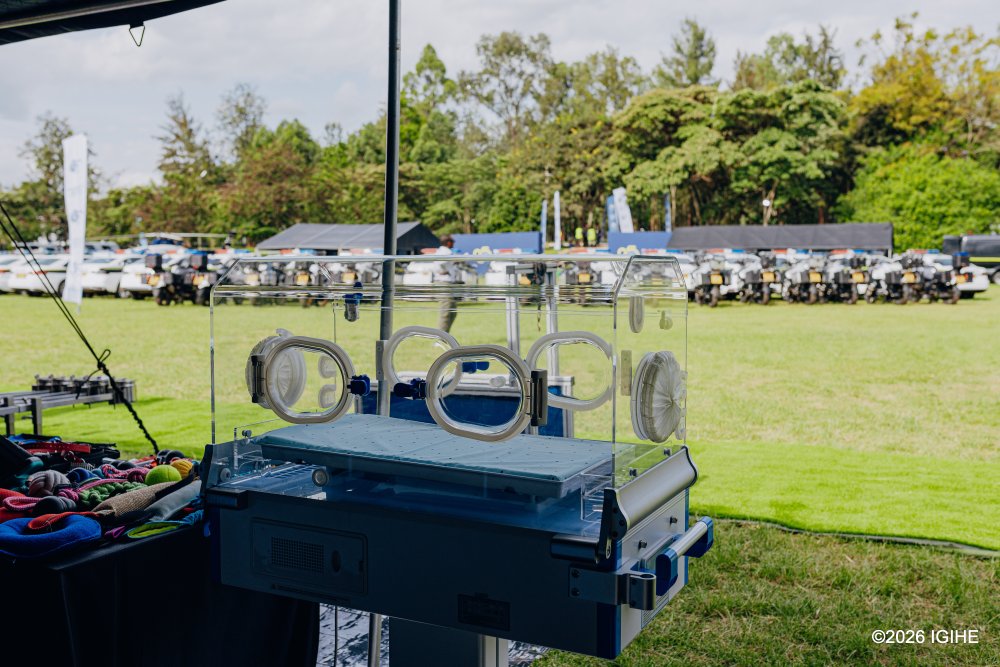
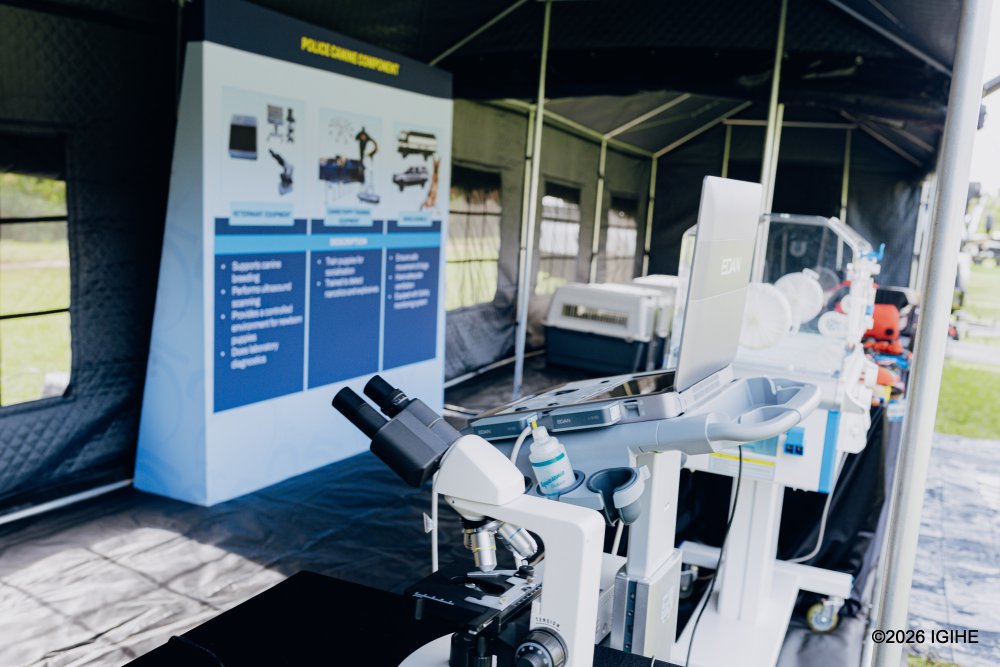
The training process is highly structured. It begins from birth, where puppies are carefully monitored and cared for using veterinary equipment, including systems similar to incubators when necessary.
As the dogs grow, they undergo physical training and continuous development programs to prepare them for operational duties in different security environments.
Public order and transport equipment
Rwanda National Police also uses specialized equipment for crowd control during demonstrations or public disturbances.
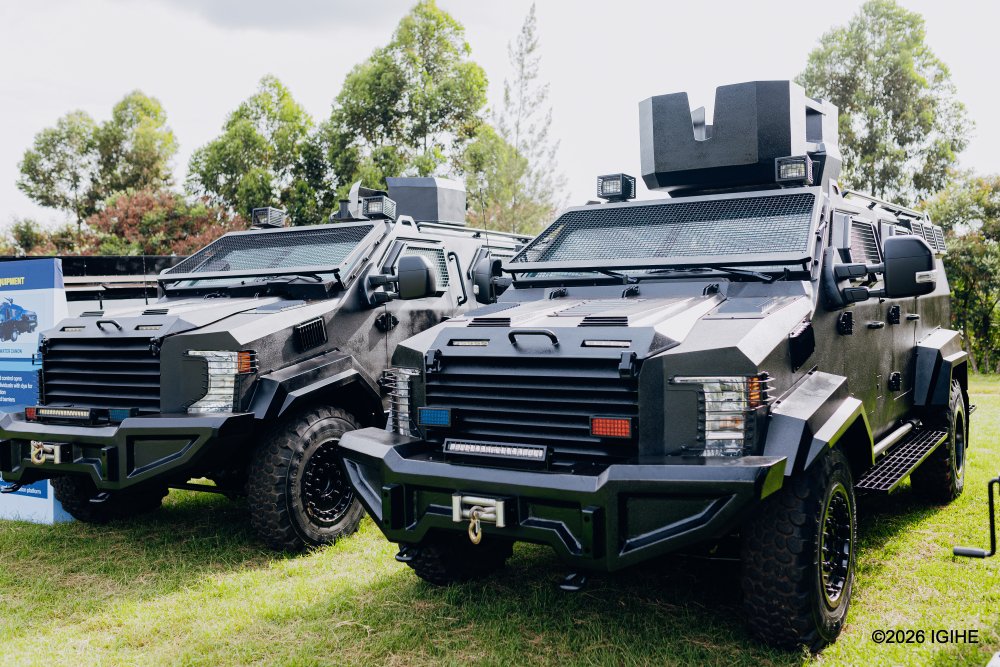
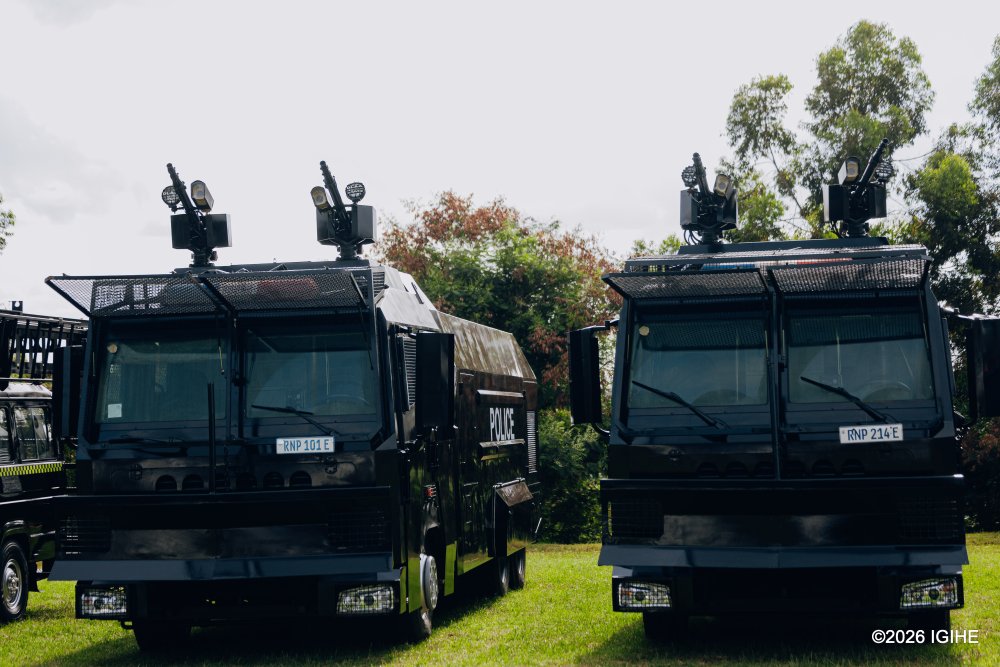
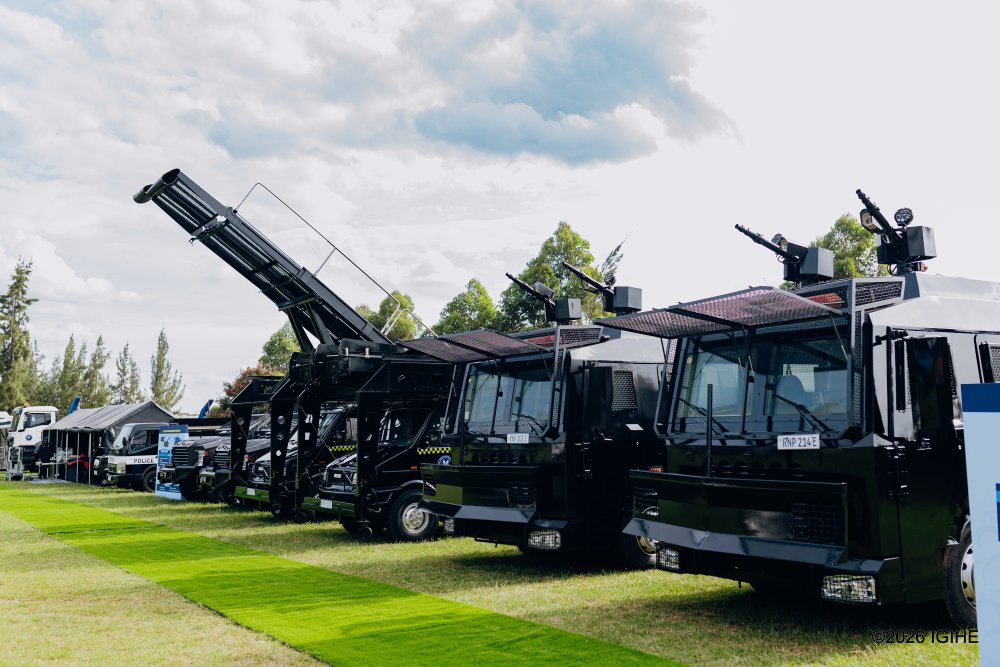
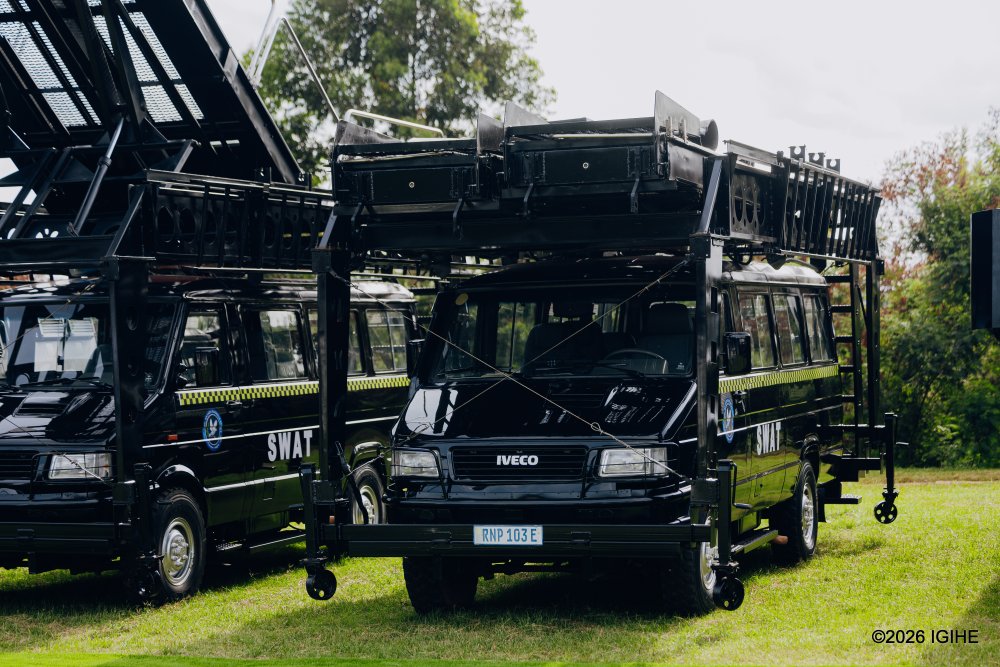
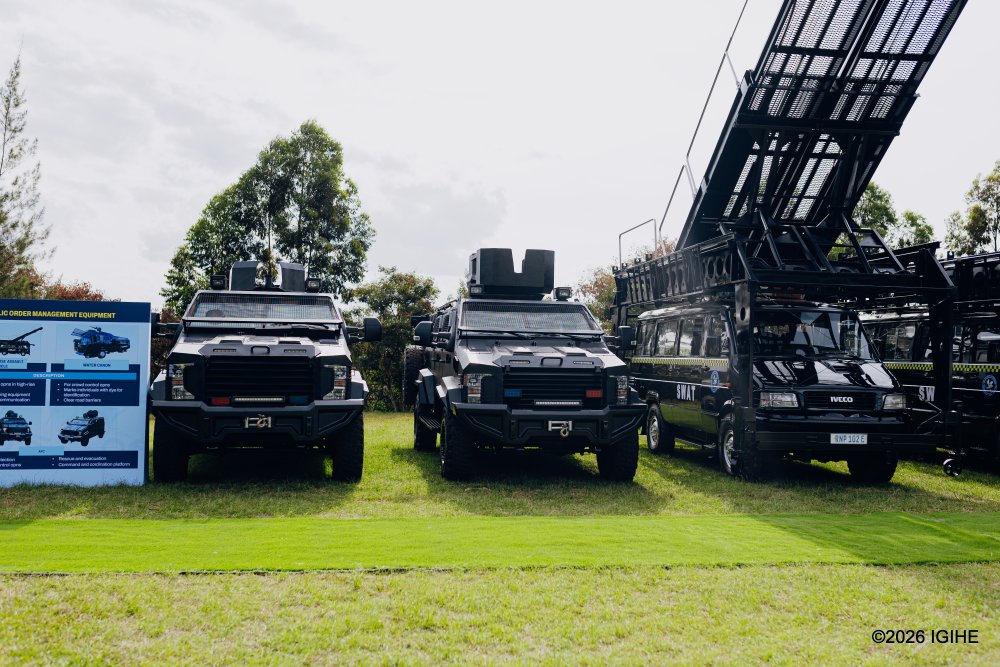
These include armored vehicles capable of transporting officers safely, as well as water cannon trucks and systems designed to disperse crowds using water or irritant sprays.
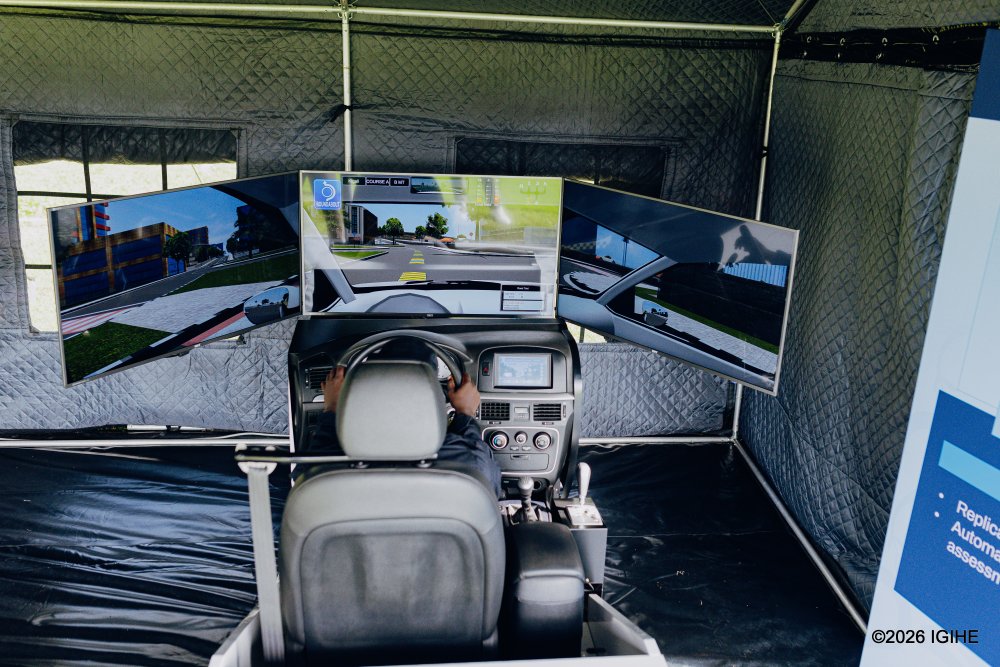
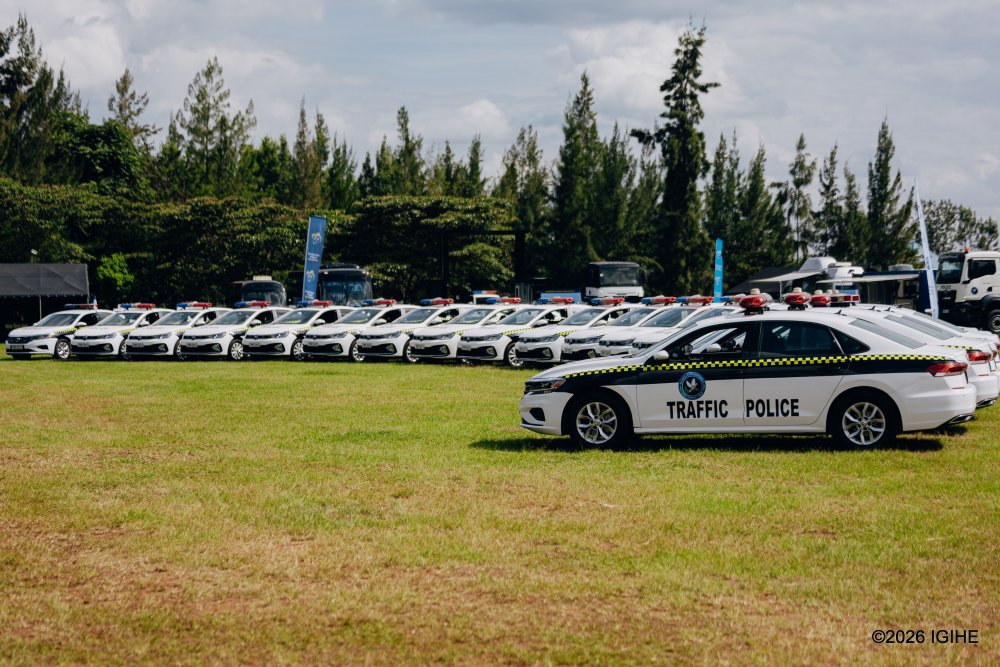
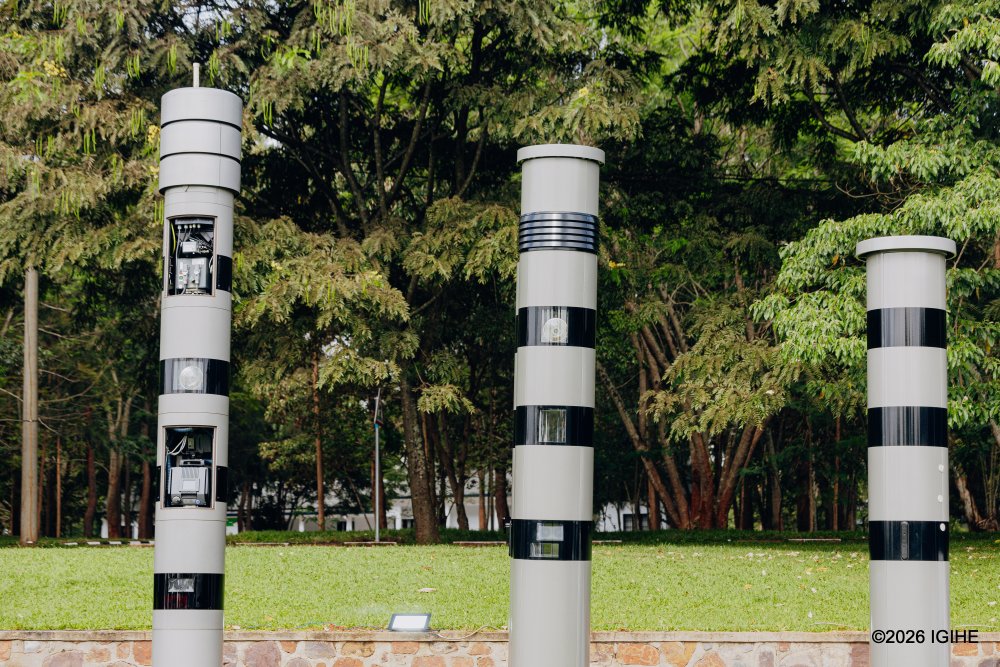
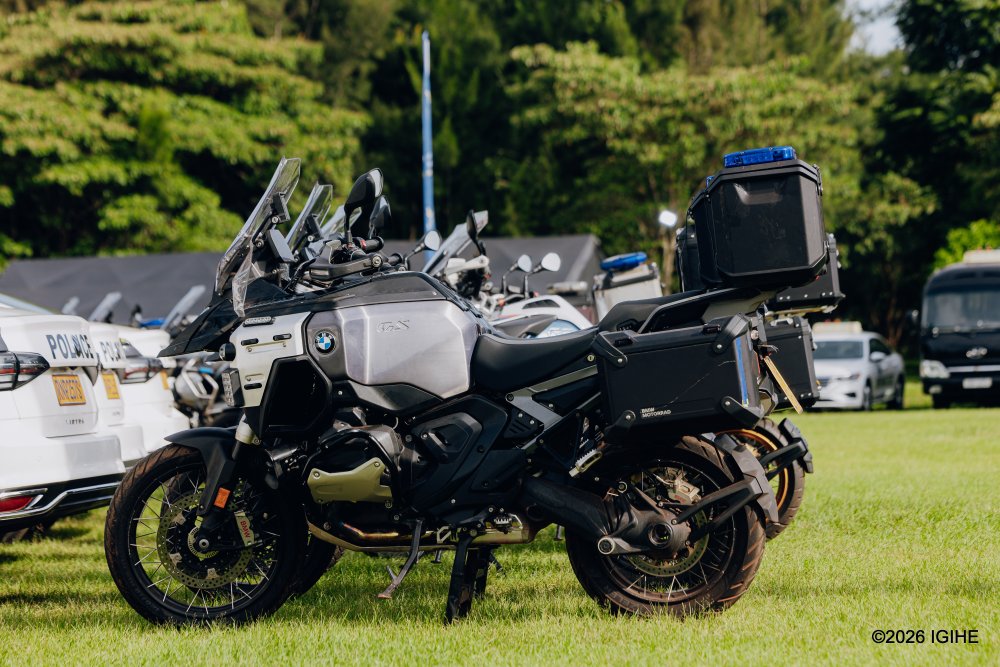
The traffic police unit is equipped with motorcycles, patrol vehicles, and advanced surveillance cameras used to monitor road safety and enforce traffic regulations.
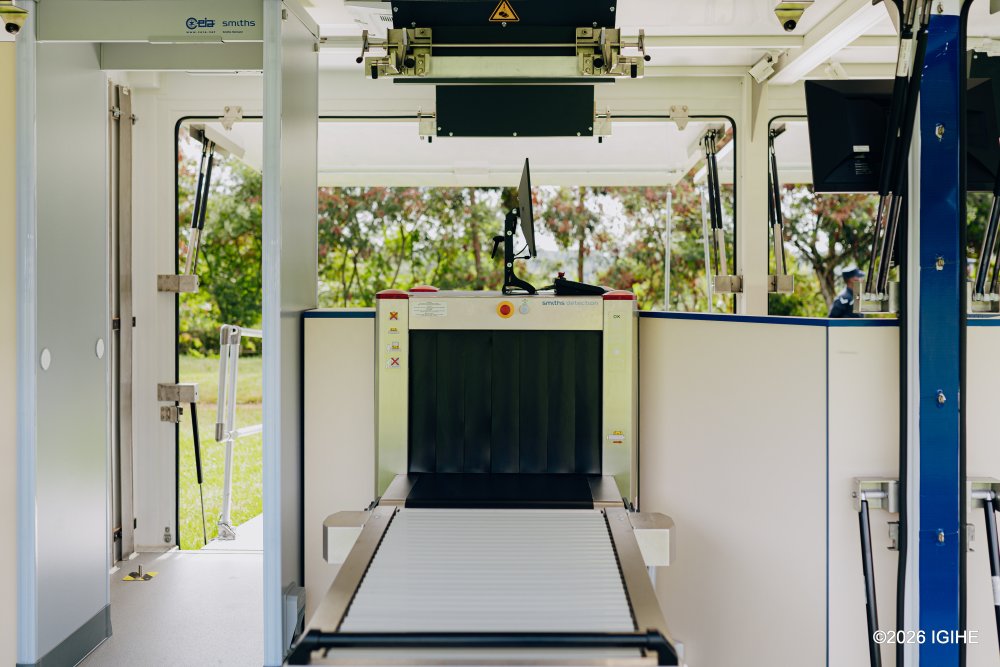
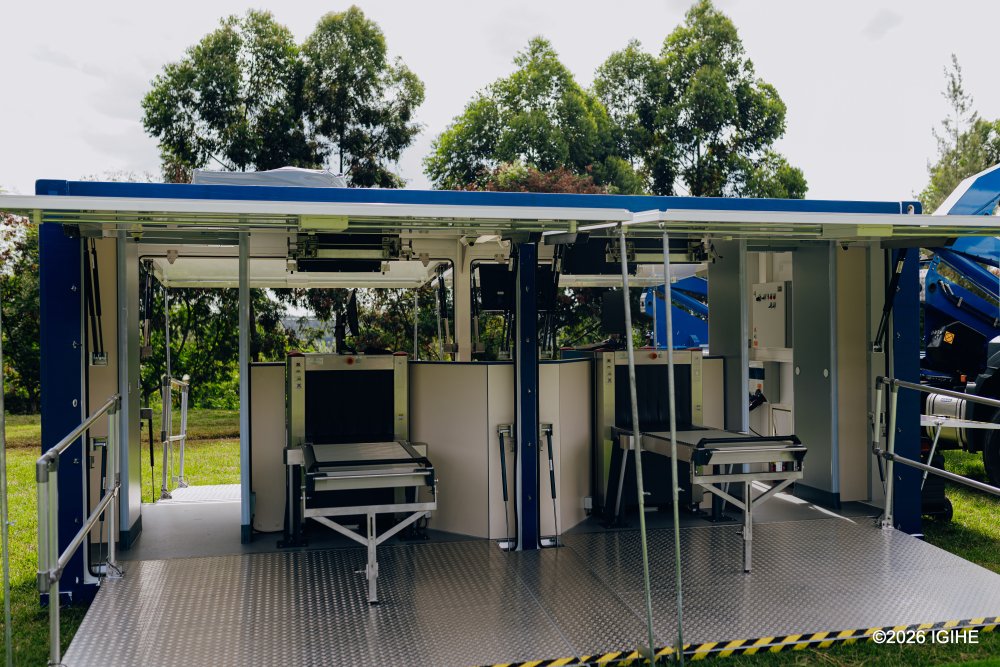
In addition, modern screening technologies allow large groups of people to be searched efficiently without requiring physical contact with officers.
Fire and rescue services
The fire and rescue department has also undergone major transformation since its establishment in 2002.
At its inception, the unit had only one fire truck nationwide, during a period when the country was still recovering from the aftermath of the 1994 Genocide against the Tutsi.
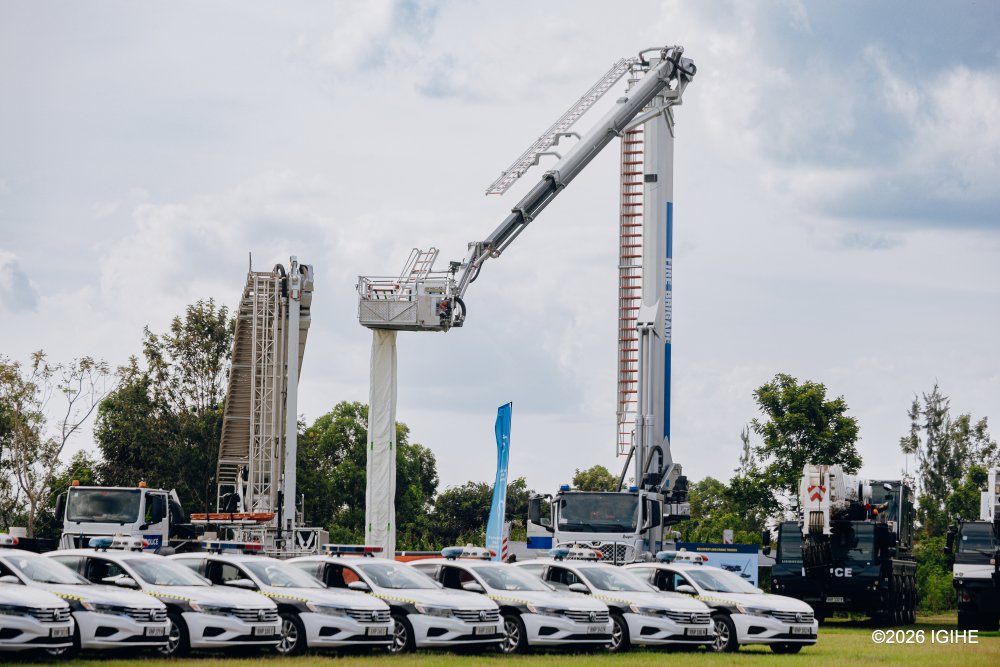
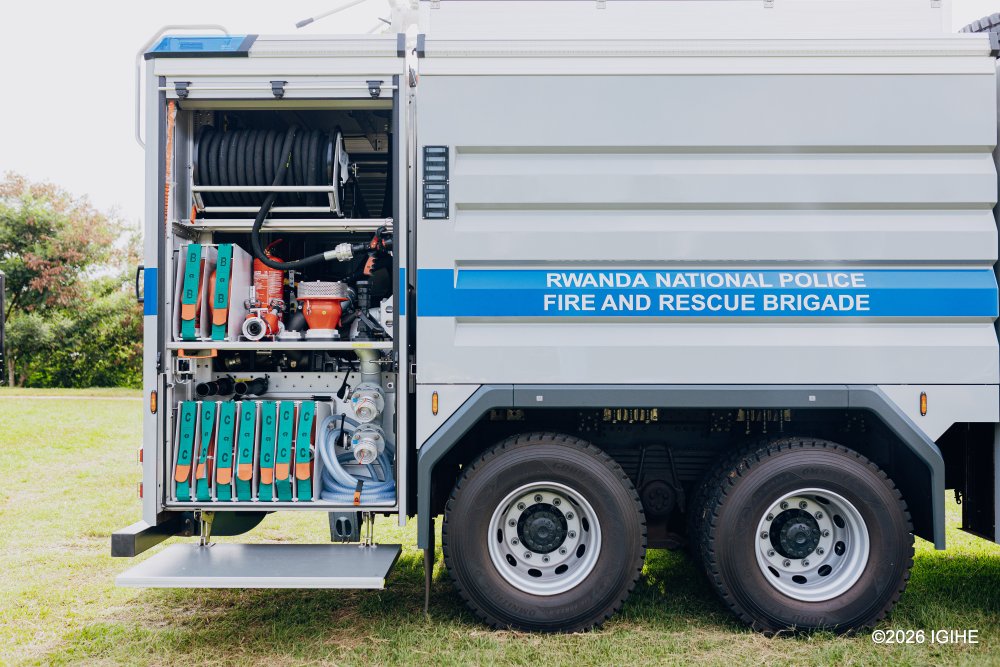
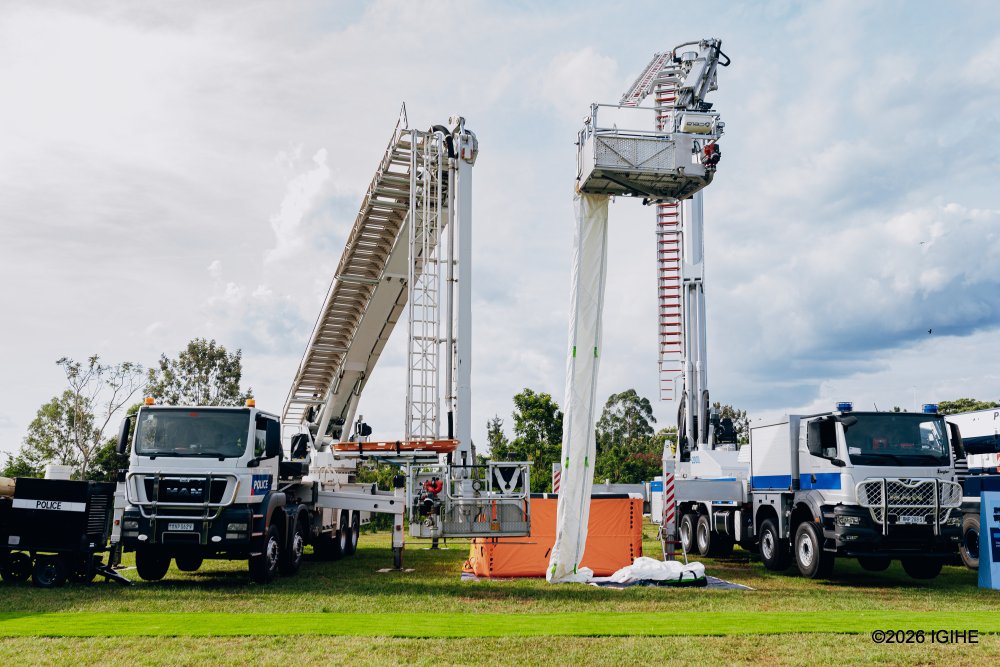
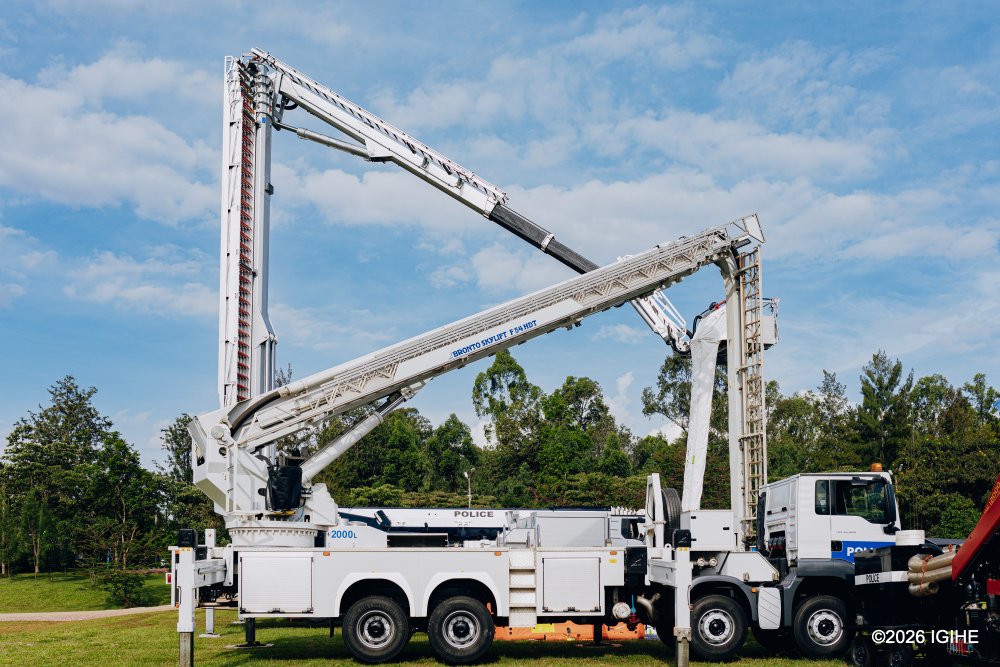
Today, the department has a fleet of fire trucks stationed across the country. Some are capable of extinguishing fires in high-rise buildings exceeding 50 meters in height and can also assist in rescuing people trapped in tall structures.
In Kigali, fire trucks are strategically positioned in key locations such as UTC, Remera, Masoro industrial zone, and Kacyiru at police headquarters, ensuring rapid response in case of emergencies anywhere in the city.
Over 25 years, the Rwanda National Police has evolved into a modern, technology-driven institution equipped with advanced tools across land, air, and water operations.
This evolution reflects a broader transformation in Rwanda’s security sector, where innovation and technology now play a central role in ensuring public safety and national development.
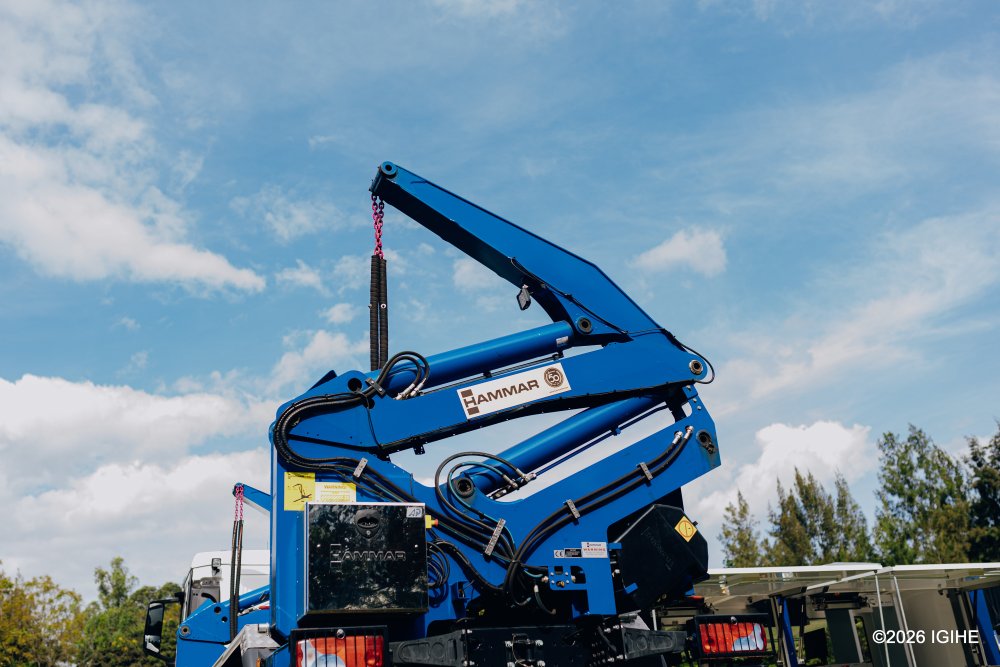
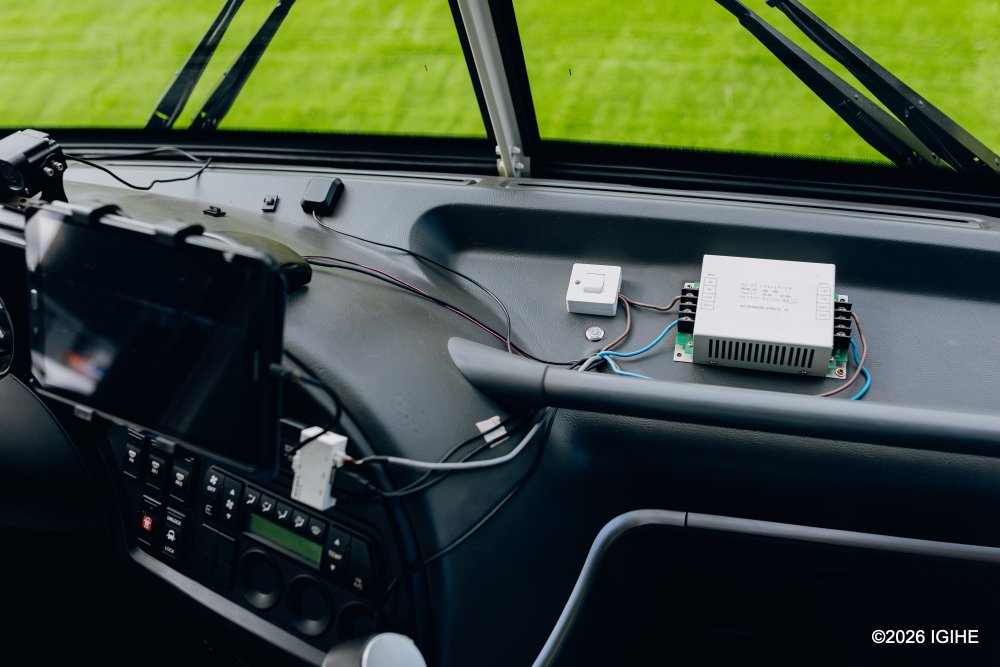
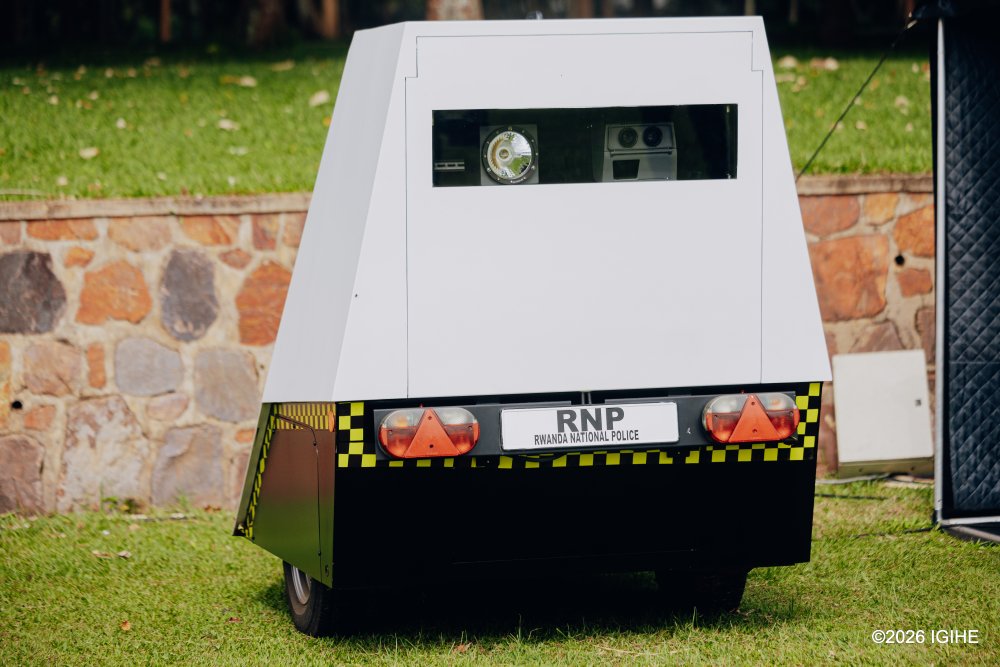
The police marine unit uses modern boats equipped with cameras and lighting systems for rescue and patrol missions.Rwanda National Police officers use specialized diving equipment for underwater search and rescue operations.Helicopters are deployed by RNP for aerial surveillance and real-time security monitoring across the country.Some RNP drones can fly at high speeds and remain airborne for several hours during missions.Drones have become essential tools in Rwanda Police operations for surveillance and public safety management.High-resolution drone cameras provide real-time footage to operators on the ground for quick decision-making.Night-vision drones are used by police to monitor security situations during low-light conditions.Rwanda National Police uses robotics technology for safe and effective explosive ordnance disposal.Bomb disposal robots are used to enter buildings and neutralize potential threats safely.The RNP canine unit plays a vital role in detecting narcotics, explosives, and supporting security operations.RNP uses incubator-like systems to care for young puppies when necessary.Armored vehicles are used by RNP for safe transport of officers during crowd control operations.The traffic police unit uses motorcycles and patrol vehicles to enforce road safety regulations.Advanced surveillance cameras are used by RNP to monitor traffic and improve road safety.Some fire trucks in Rwanda can extinguish fires in buildings over 50 meters high.Fire trucks are strategically positioned in Kigali to ensure rapid emergency response.Rwanda National Police continues to expand its technological capacity across all security units.Rwanda National Police seeks expansion of its local dog breeding and training program to strengthen capacity.Modern screening technologies allow police to search large crowds without physical contact.These machines can be used in the event of an accident to save human lives.These vehicles can spray water or tear gas to disperse protesting crowds.These vehicles are equipped with cameras that can record footage, allowing the police to identify every individual who took part in protests.These motorcycles are used in traffic security and road safety operations.
“Spain reported a new case among the passengers who are in quarantine, which brings the total number of cases to 13,” WHO chief Tedros Adhanom Ghebreyesus said in a post on X.
There are no new deaths reported since May 2,the total number of deaths remains three out of 13 reported cases so far, Tedros said.
“The situation remains stable. Passengers who got sick are receiving needed care, while others remain in quarantine,” Tedros said, noting that WHO is in close contact with all the relevant governments.
Previously, a hantavirus outbreak aboard the Dutch-flagged cruise ship MV Hondius raised fears. However, WHO has said that the overall risk to the public remains low, and has recommended that all evacuated passengers undergo active health monitoring for 42 days from their last exposure date, either in designated quarantine facilities or at home, with the monitoring period lasting until June 21.
Boats approach the Dutch flagged hantavirus-stricken cruise ship MV Hondius after it arrived at the industrial port of Granadilla de Abona on the island of Tenerife in Spain’s Canary Islands, May 10. AFP-Yonhap
In a press release posted on its website on Wednesday, the department’s Office of Foreign Assets Control claimed the strait authority sought to impose illegitimate tolls on commercial traffic and force vessels to follow Iranian direction in return for safe passage.
It also warned that anyone cooperating with the authority may be exposed to sanctions risk.
“The Iranian military’s latest attempt to extort global maritime trade is proof that Economic Fury has left the regime desperate for cash,” said U.S. Secretary of the Treasury Scott Bessent.
On May 18, Iran launched the Persian Gulf Strait Authority, a new body to manage the Strait of Hormuz. In a statement posted on X on May 20, the authority defined its supervisory jurisdiction over the strait, noting that vessels transiting the area through the Strait of Hormuz are required to coordinate with Iranian authorities and obtain authorization.
Rift Valley Regional Police Commander Samuel Ndanyi said the inferno broke out at around 1:00 a.m. (2200 GMT Wednesday) in a student dormitory.
“At least 10 students are confirmed dead, and the injured have been rushed to the hospital,” Ndanyi said, noting that firefighters were deployed to the scene to contain the blaze and evacuate students from the affected dormitory.
“Some students remain missing, and counting is underway to establish the exact number,” he added.
The cause of the blaze remains unclear, and criminal investigators and forensic experts are at the scene.
The Kenya Red Cross Society confirmed that the fire was reported at around 3:30 a.m. (0030 GMT), prompting an immediate rescue deployment.
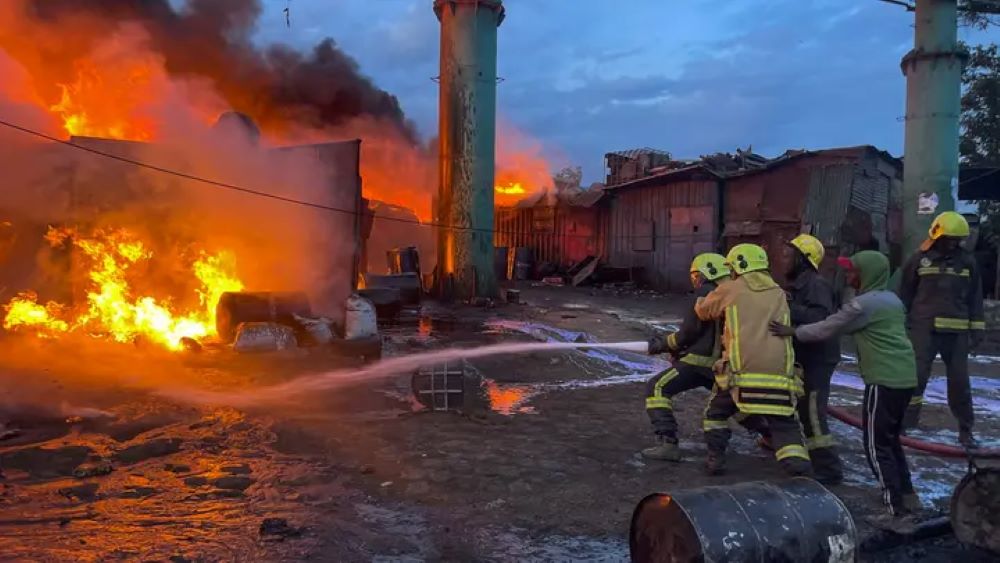
Firefighters attempot to extinguish fire at a commercial depot used for oil barrels and flammable drums near Muthurwa settlement in Nairobi, on January 30, 2024. Photo by Reuters
Researchers from Stanford University, Chapman University and Northeastern University said AI is reshaping not only whether firms hire, but also how they hire. More than 90 percent of U.S. employers now use hiring algorithms to screen applicants, they noted. The study analyzed data from 3.4 million applicants who submitted 4 million job applications to 156 employers across 11 sectors.
The study, titled “Algorithmic Monocultures in Hiring,” found that 14.74 percent of applications submitted by Asian candidates and 25.87 percent of those submitted by Black candidates were directed to positions where the screening systems had an adverse impact on those groups under U.S. employment discrimination standards.
“To put this in perspective,” the authors wrote, “if the AI had recommended Black and Asian candidates at the same rate as the most-favored group (typically white applicants), 40,000 more of their applications would have advanced to the next stage of the hiring process.”
The researchers also examined what they termed “algorithmic monoculture,” a phenomenon in which multiple employers rely on the same vendor’s hiring algorithms. Under such arrangements, a negative algorithmic assessment can potentially affect a candidate’s prospects across several companies using the same system.
The study recommended that employers and auditors assess automated hiring tools at the level of individual job positions rather than relying solely on company-wide or vendor-wide results. The study did not determine whether any employer violated the law or whether rejected applicants would ultimately have been successful hires.
The study recommended that employers and auditors assess automated hiring tools at the level of individual job positions rather than relying solely on company-wide or vendor-wide results.
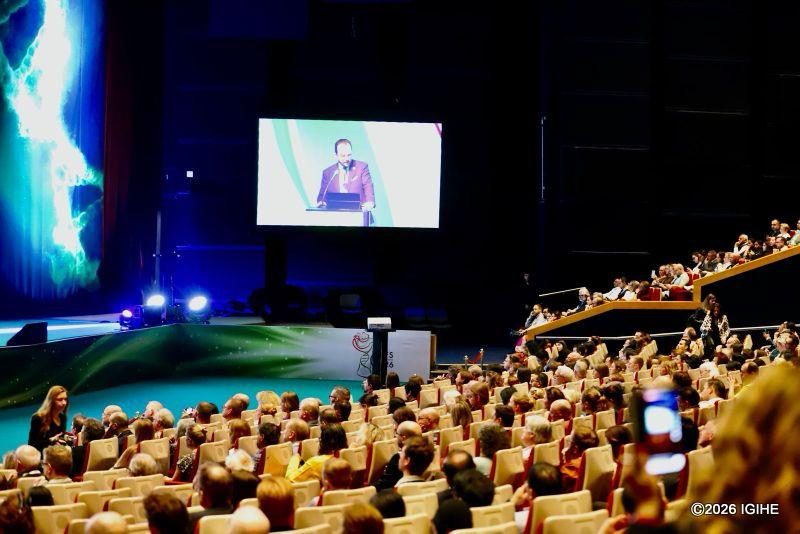
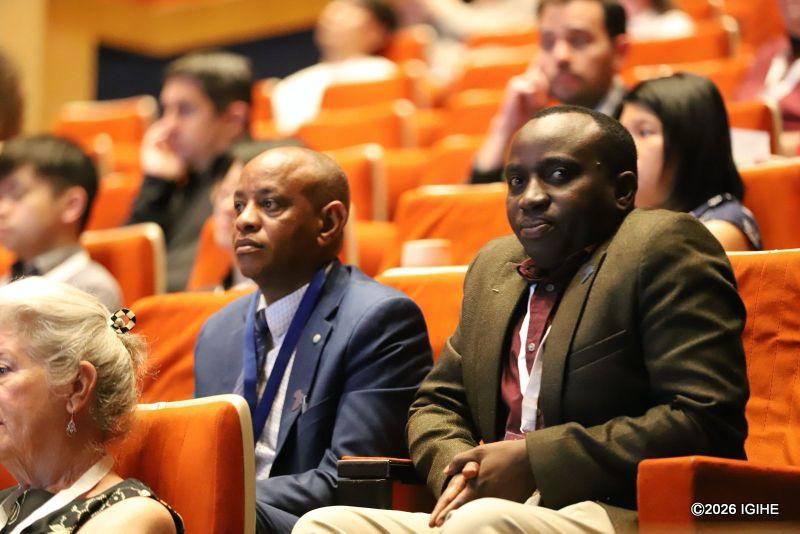
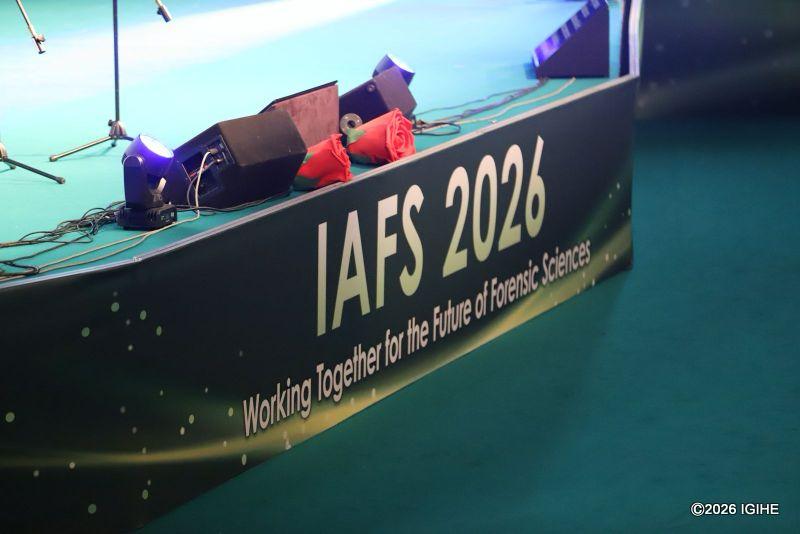
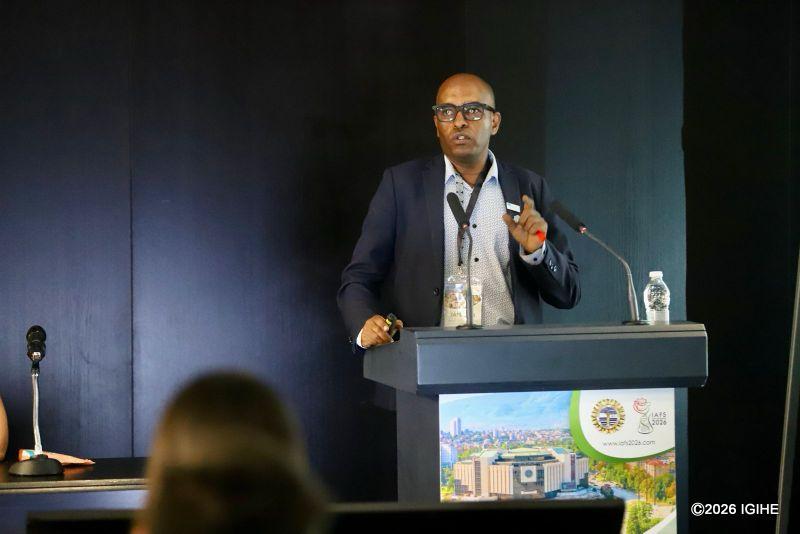
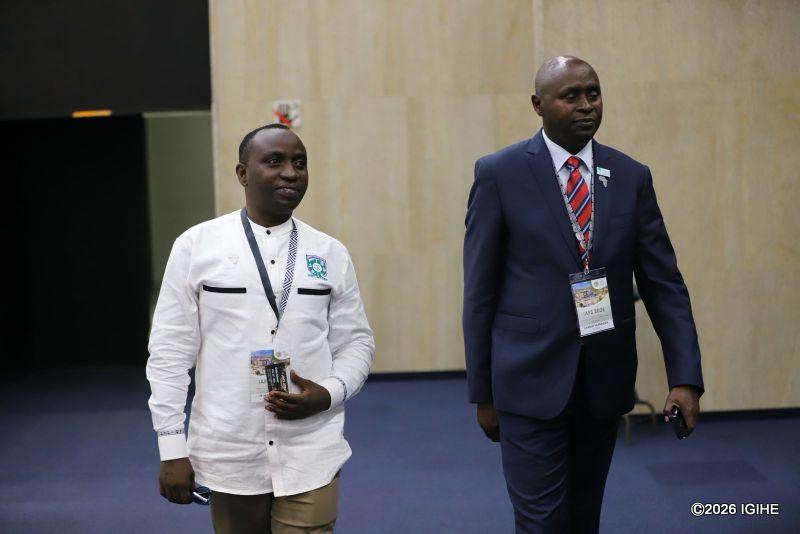
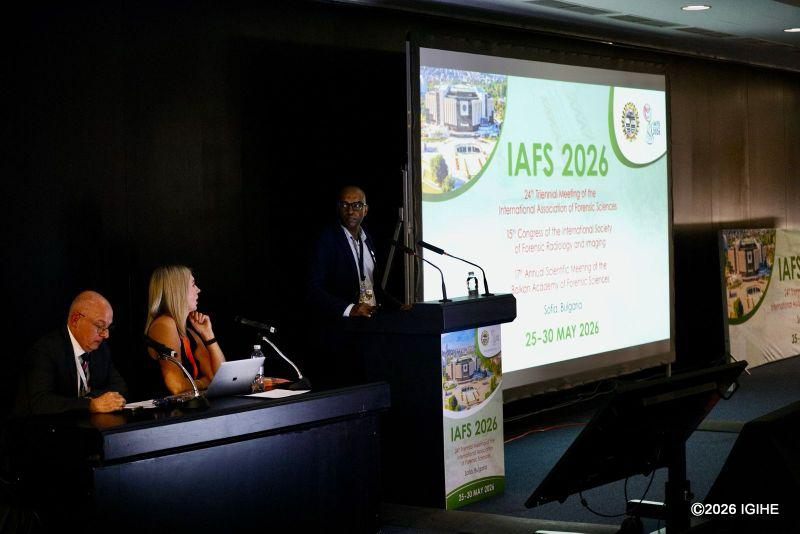
Experts, researchers, forensic pathologists, scientists, and institutional representatives from around the world gathered in the Bulgarian capital to exchange ideas on scientific, technological, and human advancements in modern criminalistics.
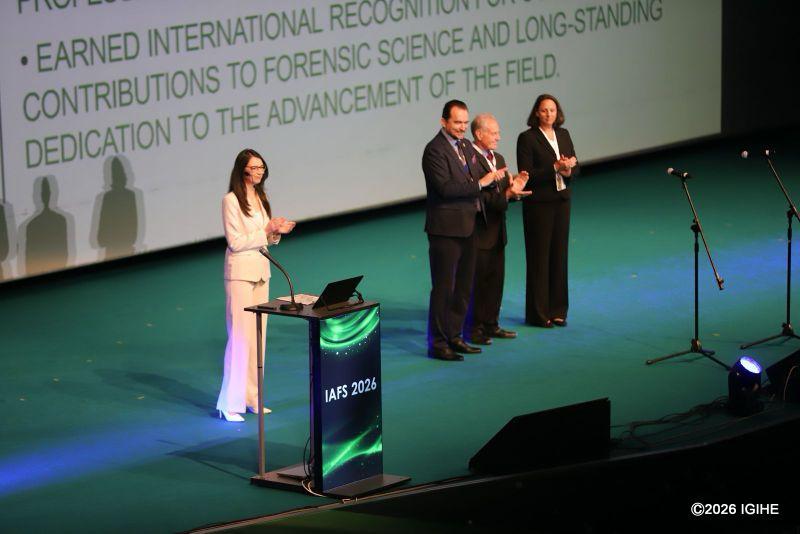
Early in the morning, the official opening ceremony was conducted by Bulgarian military officers, setting a solemn and prestigious tone for the 2026 edition of the global congress.
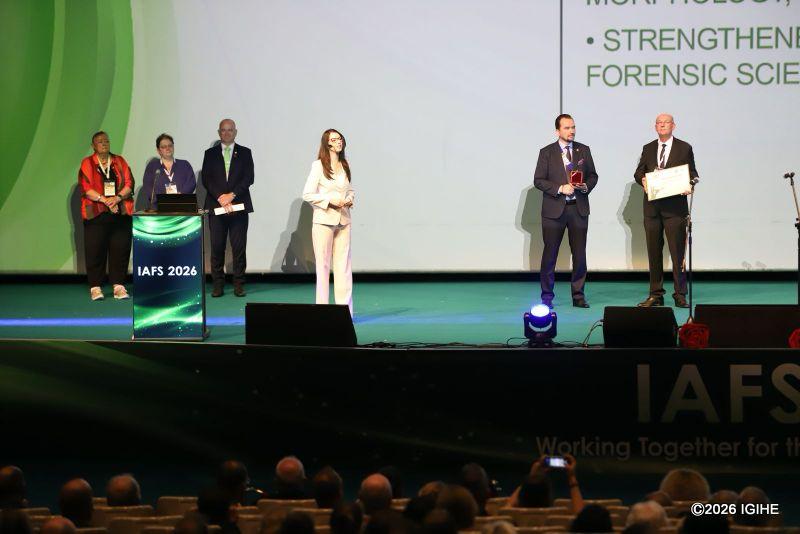
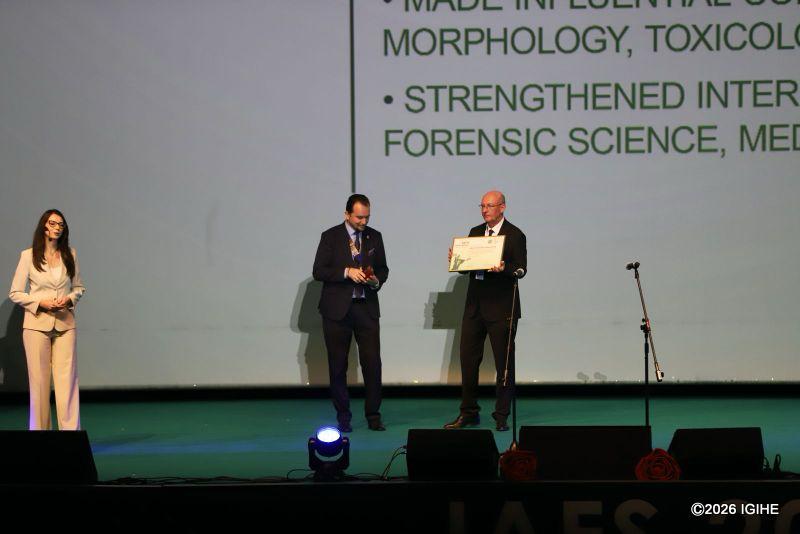
During the ceremony, four forensic researchers and experts received honorary awards recognizing their exceptional contributions to the field. Among them was the prestigious IAFS 2026 Human Rights Award, presented to South African expert Mr. Stephen Fonneska.
The recognition generated strong emotions among African delegations, symbolizing the continent’s growing role in the development of forensic sciences at the international level.
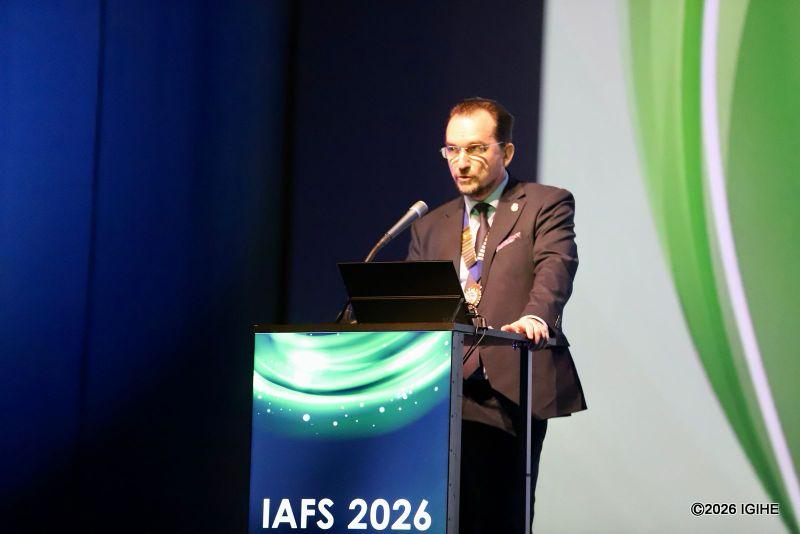
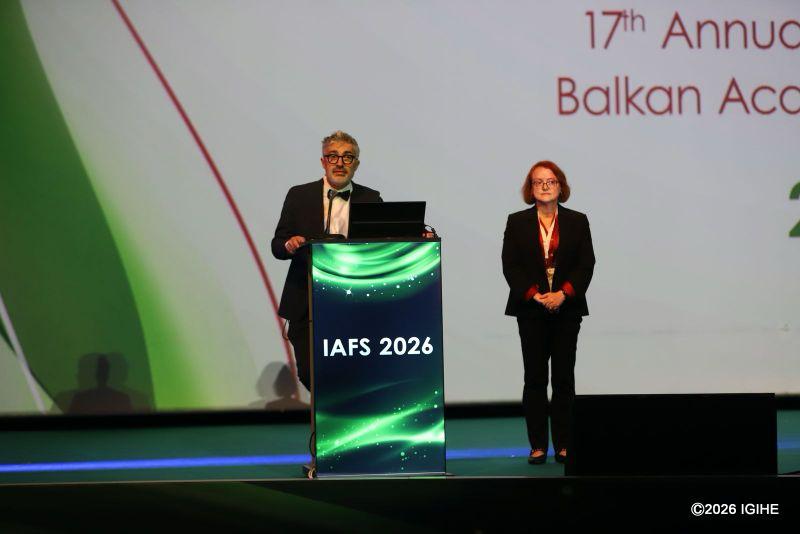
In his welcoming address, the President of the IAFS, Professor Yankov, emphasized the importance of international scientific cooperation in addressing contemporary challenges related to justice and criminal investigations.
He also highlighted the essential role of new technologies and multidisciplinary research in the evolution of forensic sciences.
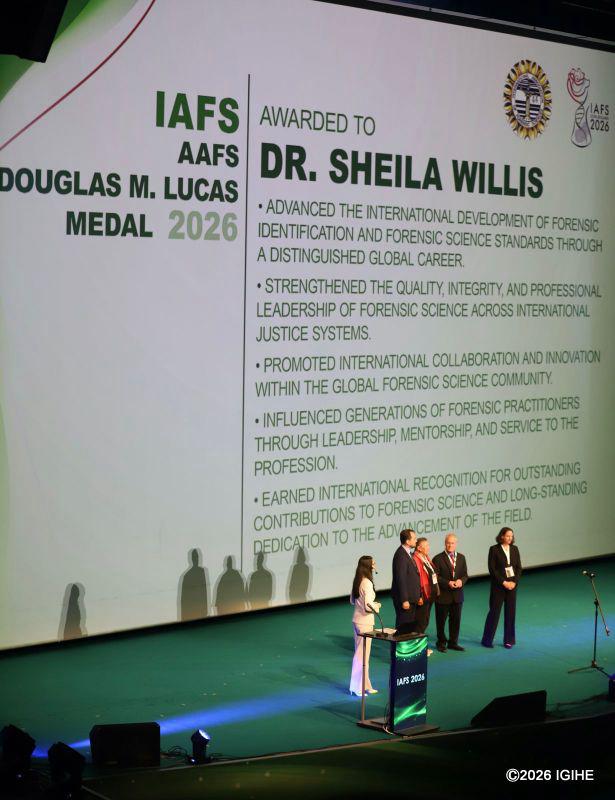
The sessions continued with keynote presentations delivered by renowned speakers from the United States and Europe, including Professor Dr. Niamh Nic Daeid and Dr. Sheila Wills, who addressed participants as keynote speakers.
Their presentations focused on scientific innovation, ethics in forensic investigations, and the challenges surrounding the use of scientific evidence within modern judicial systems.
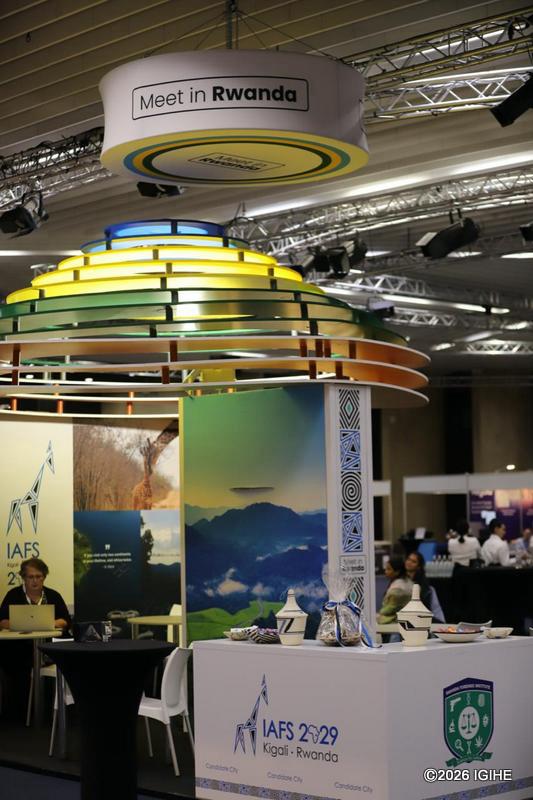
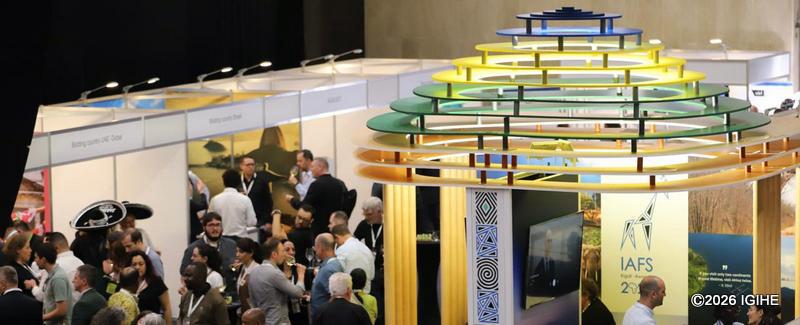
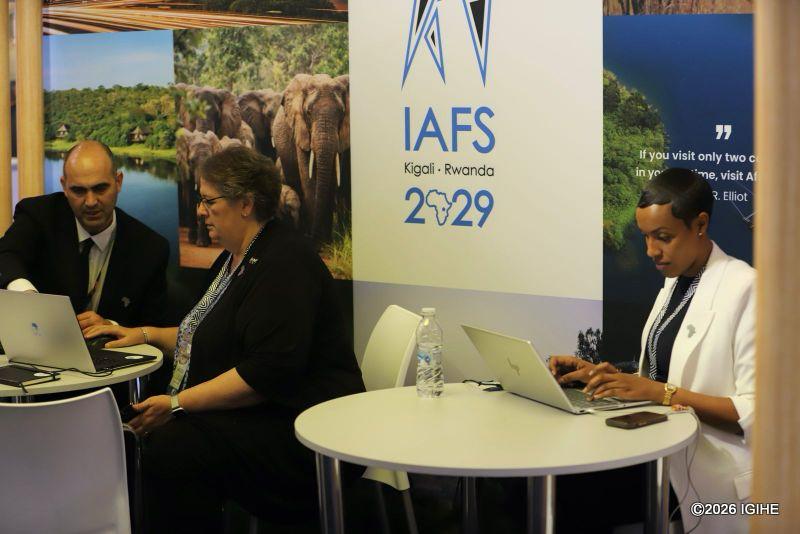
During the break, visitors and participants had the opportunity to tour exhibition stands from various countries and institutions participating in the congress.
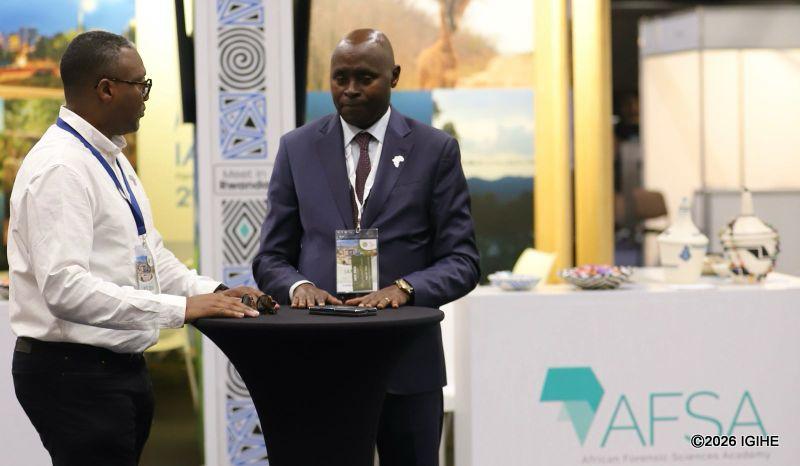
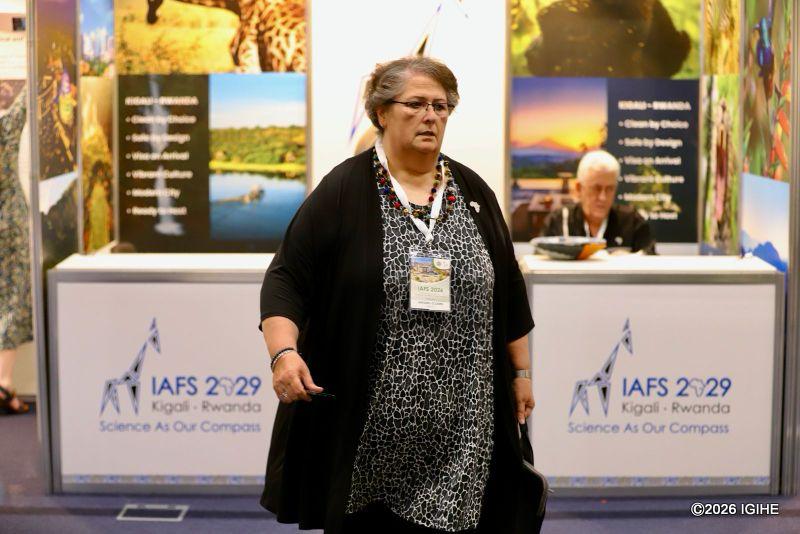
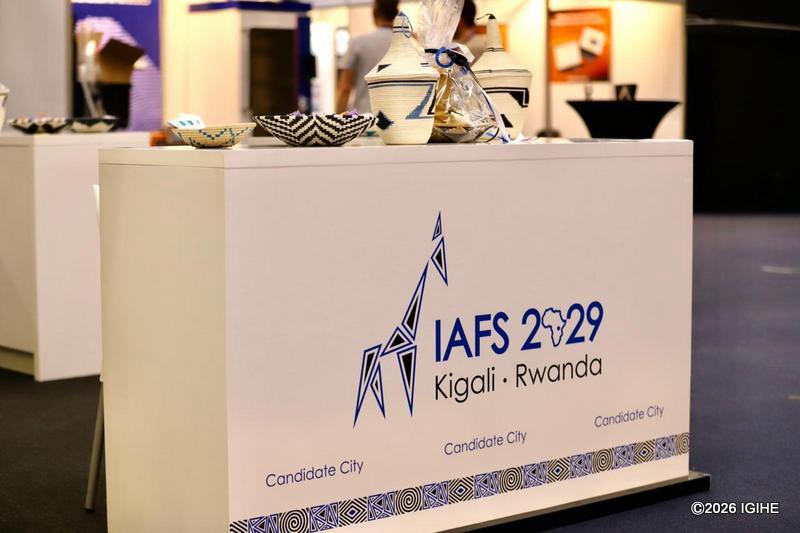
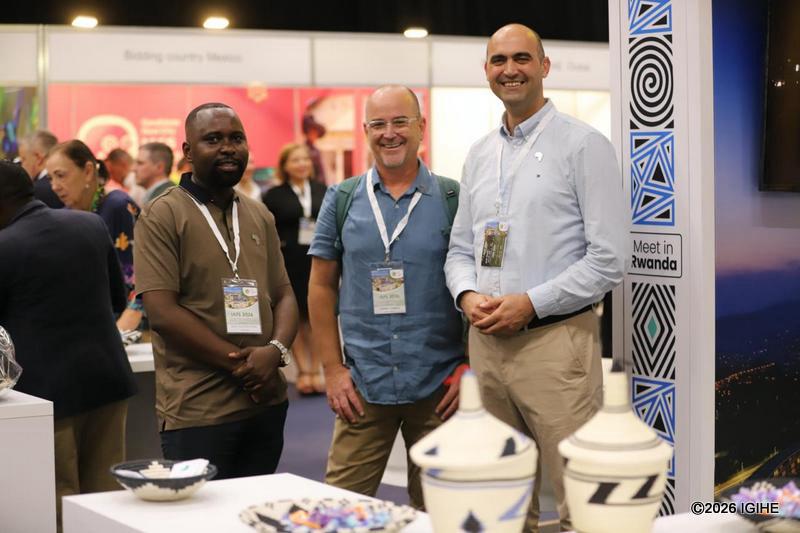
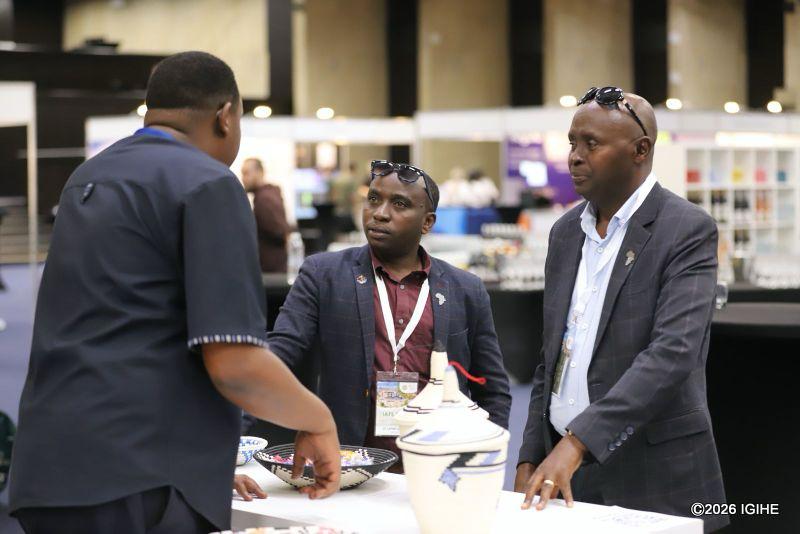
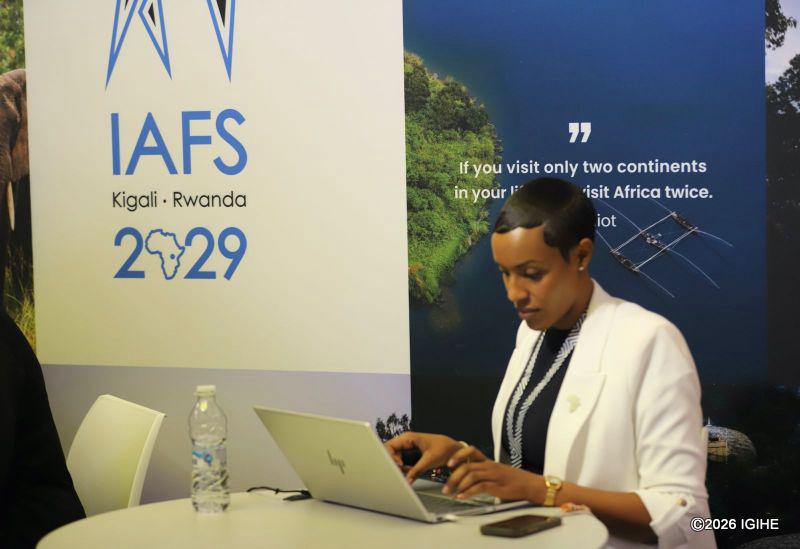
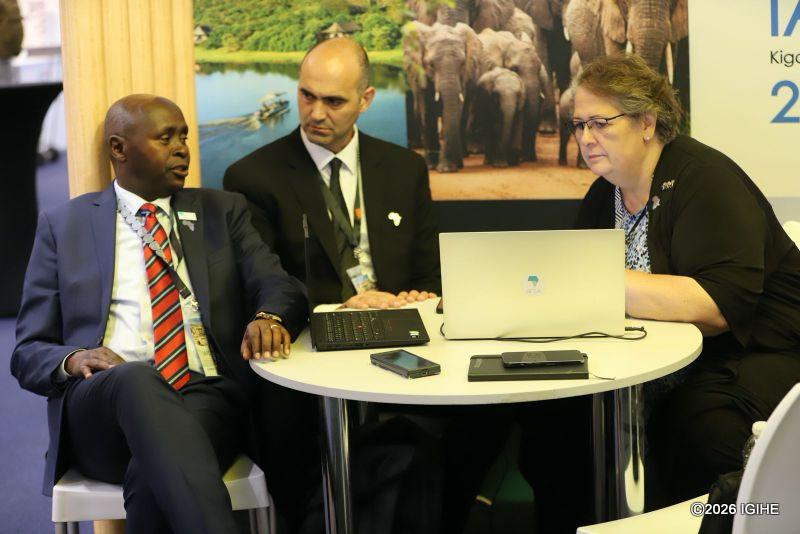
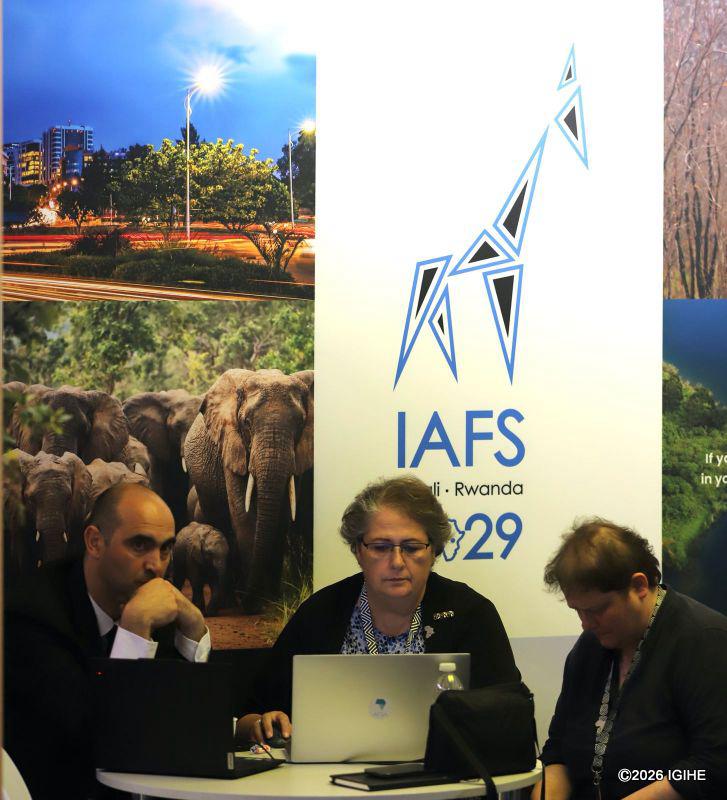
The Rwanda stand particularly attracted significant attention from visitors, alongside those of the United Kingdom, Mexico, Brazil, and the United Arab Emirates.
The Rwandan delegation, notably composed of Lieutenant Colonel (Rtd) Dr. Charles Karangwa, and Dr. Antonel Ocklers, showcased the country’s progress in forensic sciences, particularly in DNA analysis, laboratory management, and international scientific cooperation.
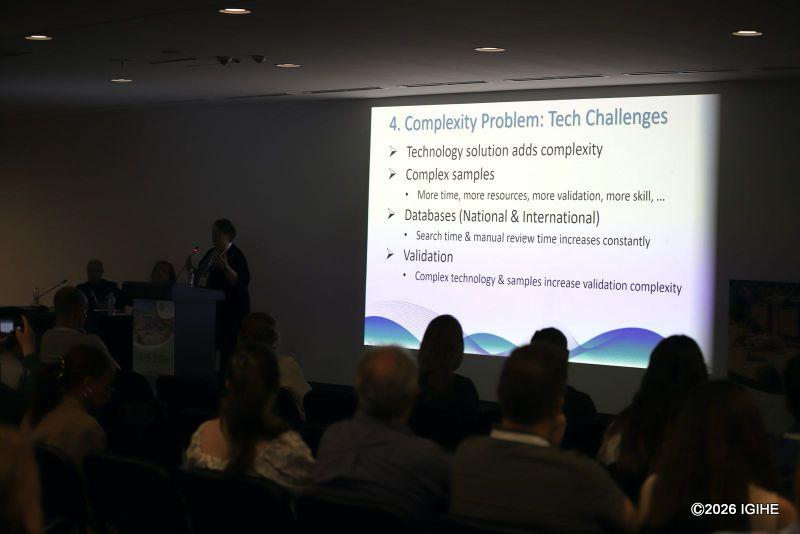
The afternoon marked the official beginning of parallel scientific sessions, transforming the conference halls into dynamic spaces for academic exchange and technical debate.
Researchers and experts presented studies on forensic genetics, digital forensic analysis, advanced identification techniques, and innovations in scientific investigations.
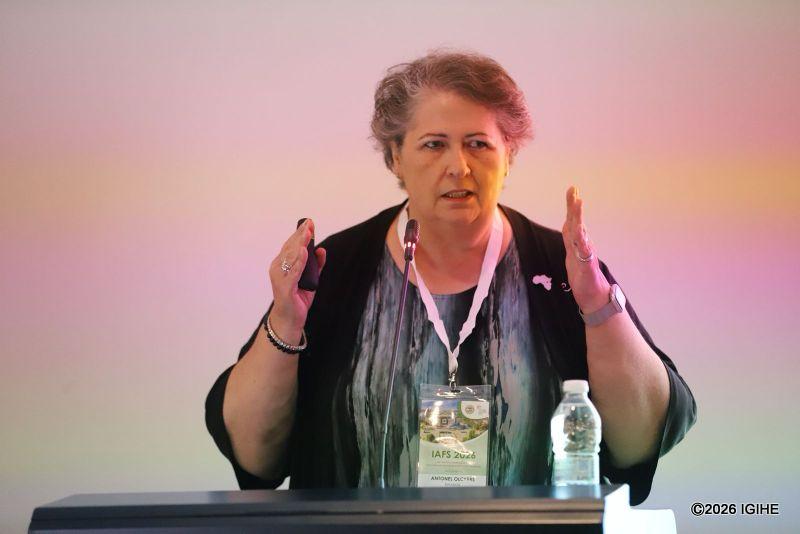
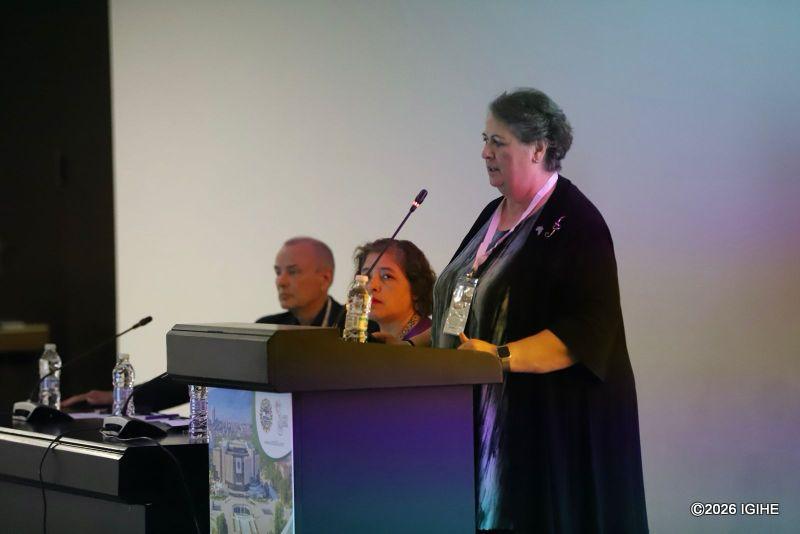
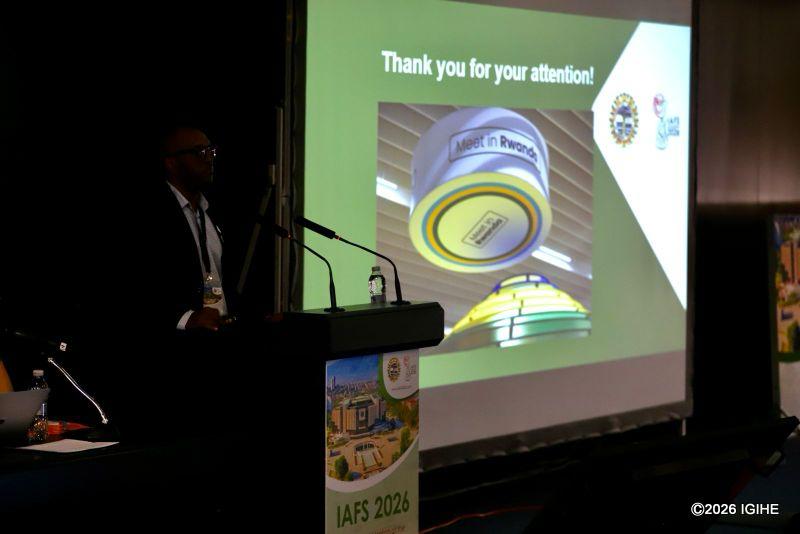
The Rwandan delegation stood out particularly during this first day. During the event, Dr. Antonel Ocklers delivered a scientific presentation entitled: “A Systems Engineering Approach to Managing DNA Production Backlogs.” Through this presentation, she proposed an innovative framework aimed at improving the efficiency of forensic laboratories through sustainable systemic solutions adapted to contemporary institutional realities.
Beyond her own presentation, Dr. Antonel Ocklers also chaired the session dedicated to “DNA and Forensic Genetics.” In this role, she skillfully moderated scientific discussions among international experts and guided conversations surrounding various technical presentations, further confirming Rwanda’s growing place in major global forensic science discussions.
From the international recognition granted to African experts to the active participation of Rwandan researchers in high-level scientific debates, the first day of IAFS 2026 in Sofia was marked by a strong spirit of collaboration, innovation, and scientific excellence.
Congress activities will continue until Thursday, featuring several panels, workshops, and scientific presentations bringing together specialists from around the world.
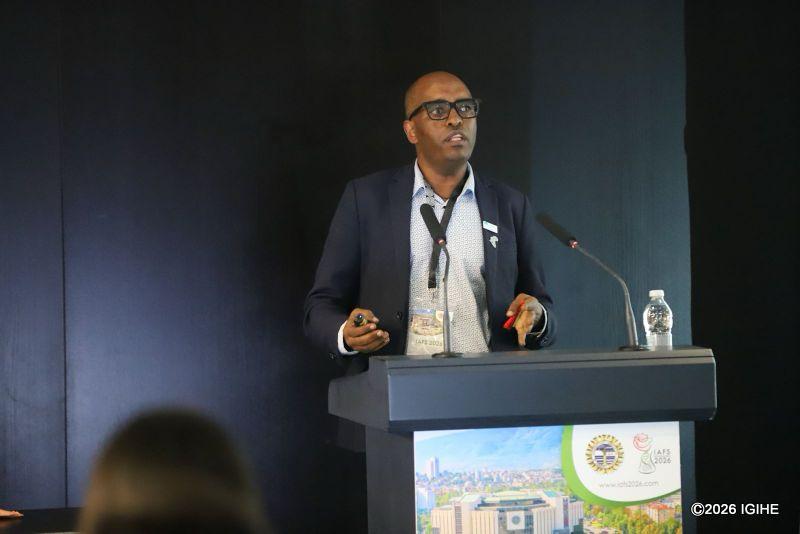
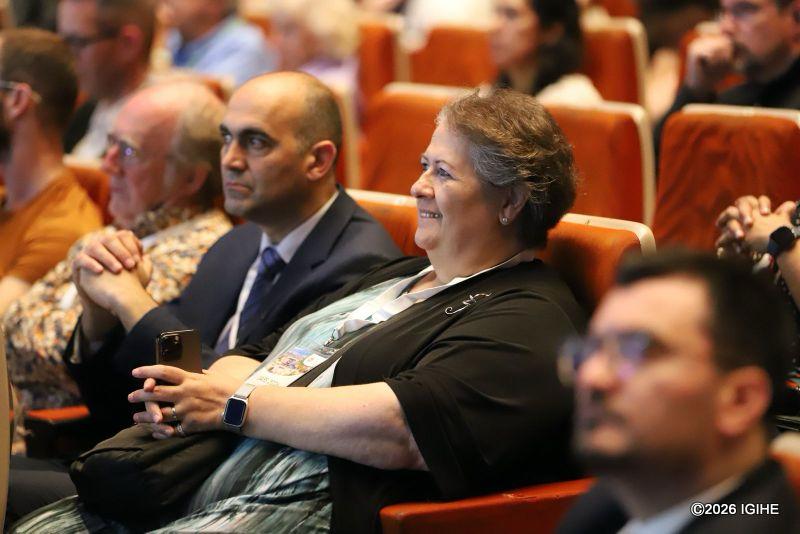
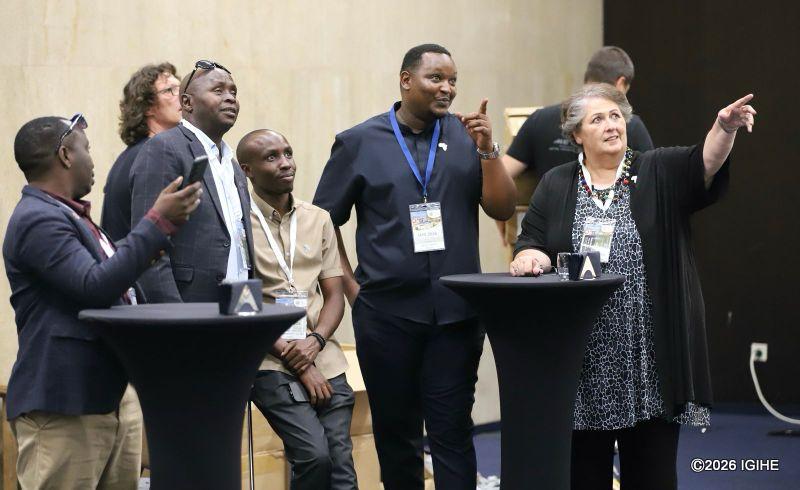
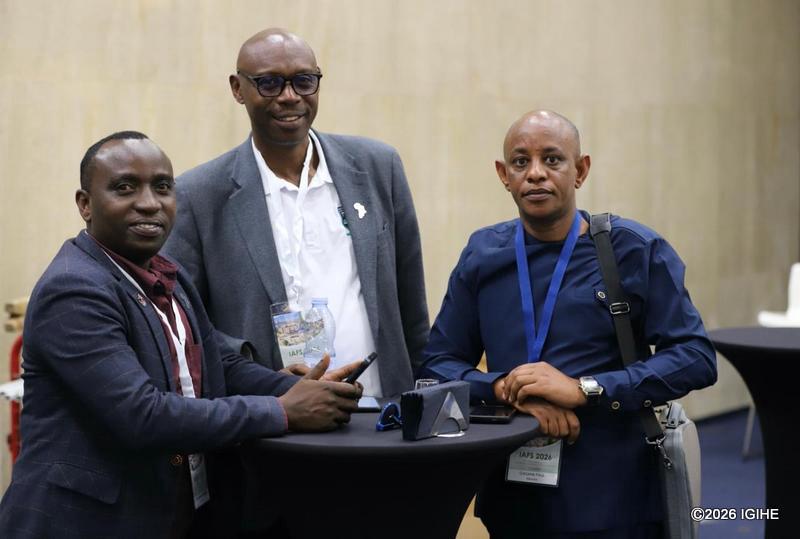
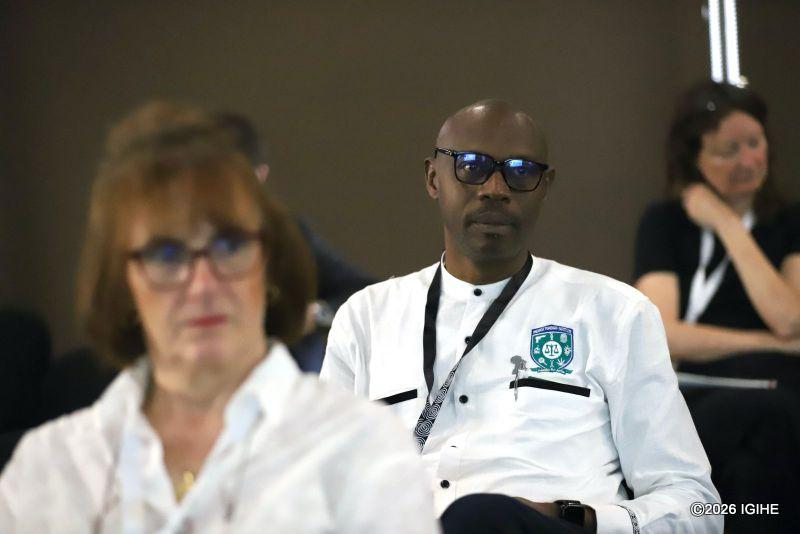
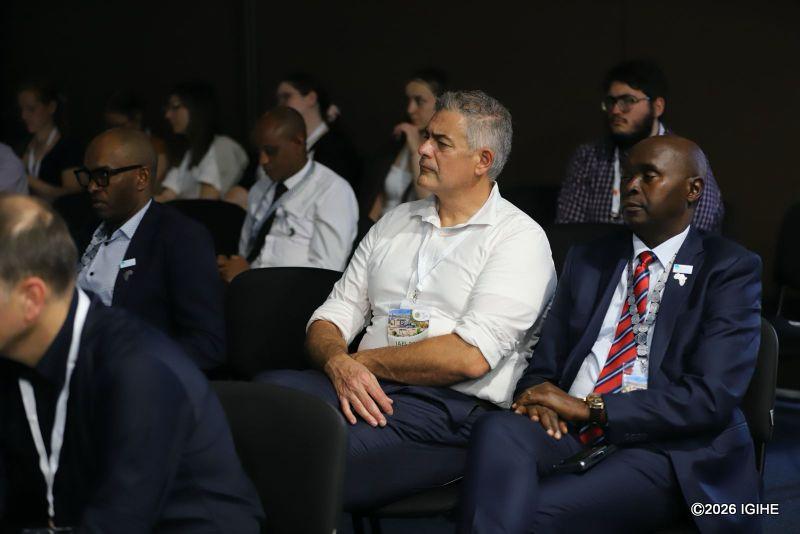
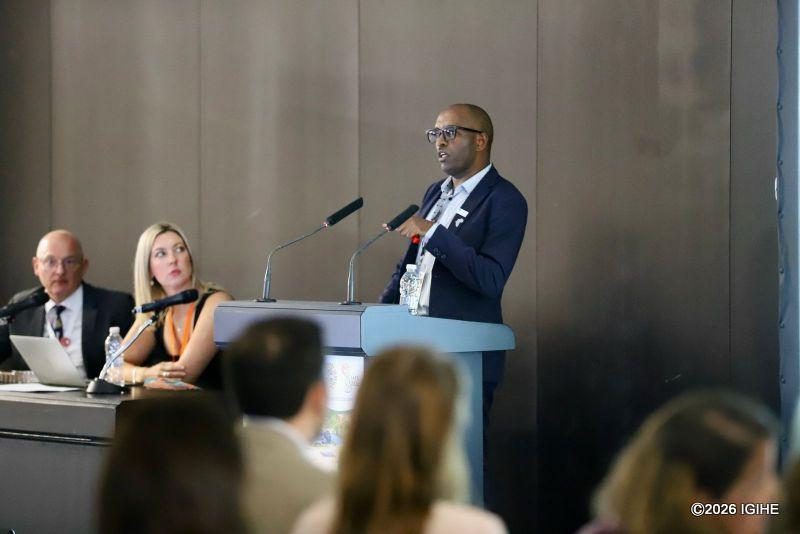
Dr. Antonnel Olckers, head of AFSA, delivers a panel presentation on advancing forensic science in the justice sector.Each day, one of the competition winners receives a prize featuring gifts from Rwanda.Dr. Charles Karangwa during an interview with IGIHE journalist in Sofia, Bulgaria.Dr. Charles Karangwa, Director General of the Rwanda Forensic Institute (RFI), speaks to participants during the IAFS 2026 conference.The opening ceremony was presided over by Prof. Yanko Kolev, who has served as President of the IAFS for the past three years, since 2023.Libargachew Mihretu of RFI delivering a presentation.Mehdi Ben Khalil and AFSA President, Dr. Antonel Olckers.Lt Col (Rtd) Dr Charles Karangwa, who led the delegation from Rwanda, follows the opening discussions of the conference.
The Amavubi will face Comoros and Tanzania in early June as part of preparations for the group stage of the 2027 Africa Cup of Nations qualifiers, which are set to begin in September.
Several notable players are absent from the squad, including defender Manzi Thierry and the Mickels brothers, Joy Slayd Mickels and Leroy Jacques Mickels, who have all been ruled out due to injury. Also missing is midfielder Hakim Sahabo of AEK Athens, reportedly due to limited playing time at the club level.
A major highlight of the squad is the inclusion of Noam Emeran, an attacking forward currently signed with FC Groningen in the Netherlands. The winger, who previously featured for Manchester United’s youth system, earns his first senior call-up for Rwanda. He is the son of former Amavubi player Fritz Emeran Nkusi.
Of the 24 players selected, 11 ply their trade in Rwanda’s domestic league. This group includes six players from league champions APR FC, as well as representatives from Rayon Sports, Police FC, Marine FC, and Kiyovu Sports.
Kiyovu Sports striker Uwiyaremye Fidali is among those receiving a maiden national team call-up following an impressive domestic campaign in which he scored 11 goals.
Rwanda will open its tour with a match against Comoros on June 6, before facing Tanzania on June 9. Both fixtures will be played in Marrakech, Morocco.
Full Squad List
Goalkeepers
• Niyongira Patience (Police FC)
• Hakizimana Adolphe (APR FC)
• Kwizera Olivier (Rayon Sports)
Defenders
• Mutsinzi Ange (Zira FK)
• Niyigena Clément (APR FC)
• Kavita Phanuel Mabaya (Birmingham Legion)
• Nshimiyimana Yunus (APR FC)
• Byiringiro Jean Gilbert (APR FC)
• Emmanuel Imanishimwe (AEL Limassol)
• Niyomugabo Claude (APR FC)
Midfielders
• Noam Fritz Emeran (FC Groningen)
• Kwizera Jojea (Rhode Island)
• Kury Johan Marvin (AC Bellinzona)
• Mugisha Bonheur (Al Masry)
• Bizimana Djihad (CS Constantine)
• Samuel Marie Gueulette (RAAL La Louvière)
• Ruboneka Jean Bosco (APR FC)
• Muhire Kevin (Jamus SC)
Forwards
• Nshuti Innocent (Al Wafaq)
• René Uwineza (Kiyovu Sports)
• Biramahire Abeddy (Assabah)
• Uwiyaremye Fidali (Kiyovu Sports)
• Mbonyumwami Taiba (Marine FC)
Noam Fritz Emeran has received his first call-up to the national team, the Amavubi.Kiyovu Sports striker Uwiyaremye Fidali has also received his first national team call-up.Joy-Lance Mickels, who has been one of the top scorers in the Azerbaijan Premier League, was not called up due to injury.Leroy Jacques Mickels, who impressed during the FIFA Series 2026, has also been left out of the squad due to injury. Hakim Sahabo, pictured holding a jersey in his hand, has once again been left out of the squad after failing to secure sufficient playing time in Greece.
The discussions took place on May 26, 2026, when the Chief Executive Officer of the Rwanda Development Board, Jean Guy Afrika, met with a Boeing delegation led by Amine Benkirane, Marketing Director for Commercial Airplanes in Africa and the Middle East.
According to details shared after the meeting, the talks focused on aviation, logistics, and opportunities for Boeing to support Rwanda’s ambitions of expanding regional connectivity and strengthening its position as an emerging regional hub.
The engagement also explored developments in aircraft financing, cargo operations, export market connectivity, and opportunities to further position Rwanda as a regional aviation and tourism hub.
The discussions come as Rwanda continues efforts to expand its aviation sector and strengthen its role in regional and international transport networks.
Boeing is among the world’s leading aircraft manufacturers in both production scale and global market influence. In 2025, the company sold 600 aircraft, up from 348 in 2024, while it recorded 528 commercial aircraft sales in 2023.
Founded in 1916 by William E. Boeing, the company has sold more than 19,000 aircraft worldwide since its establishment.
The discussions took place on May 26, 2026, when the Chief Executive Officer of the Rwanda Development Board, Jean Guy Afrika, met with a Boeing delegation led by Amine Benkirane, Marketing Director for Commercial Airplanes in Africa and the Middle East.