Speaking at the opening session, Monica Juma, executive director of the United Nations Office on Drugs and Crime (UNODC), said that the foundations of multilateralism are being tested while criminal networks continue to adapt and evolve.
She stressed that the CCPCJ remains an essential platform for governments, practitioners and civil society to work together in tackling shared challenges in crime prevention and criminal justice.
In a video message, President of the UN Economic and Social Council Lok Bahadur Thapa underscored the importance of combating organized crime, corruption, cybercrime and terrorism, saying such efforts are critical to advancing sustainable development and achieving the UN Sustainable Development Goals.
During the five-day session, delegates are expected to consider three draft resolutions addressing emerging criminal justice challenges: preventing and combating the transnational sextortion of children, countering trafficking in persons for the purpose of forced criminality, and strengthening crime prevention and criminal justice responses to combat fraud.
The proposed measures reflect growing concern over the increasingly digital, transnational and interconnected nature of crime, as well as the need for innovative, coordinated and victim-centred approaches to law enforcement and justice.
As the United Nations’ principal policymaking body on crime prevention and criminal justice, the CCPCJ brings together member states and experts to shape international responses to evolving criminal threats.
The session runs through June 5 and will feature plenary discussions, more than 100 side events and 16 exhibitions.
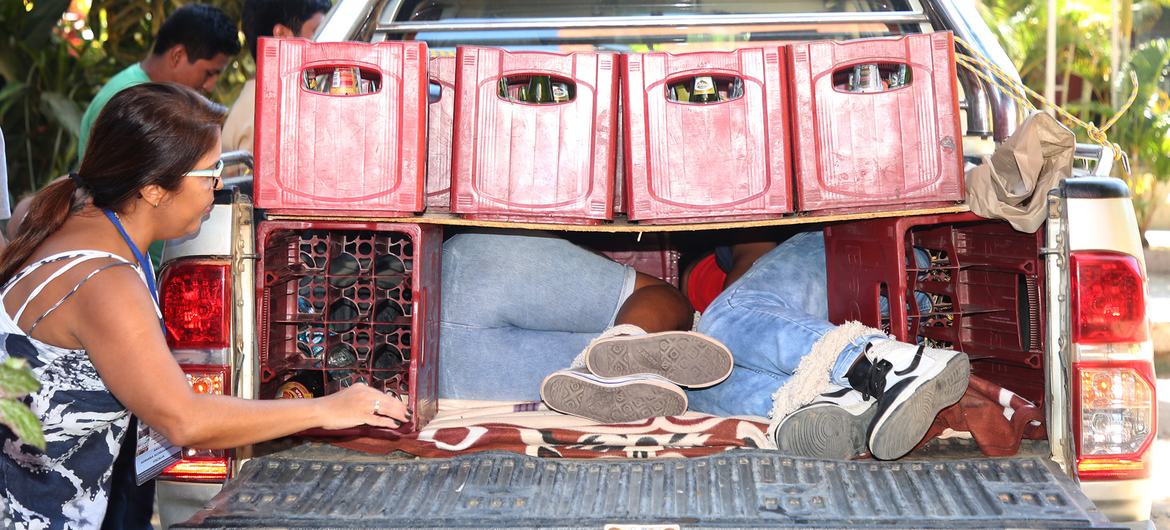
UNODC Perú/Coral Estudio Adriana Scordamaglia, a labour prosecutor from Brazil, during a simulated rescue exercise of the STARSOM project in Peru, an initiative to fight organized crime groups involved in migrant smuggling (file).
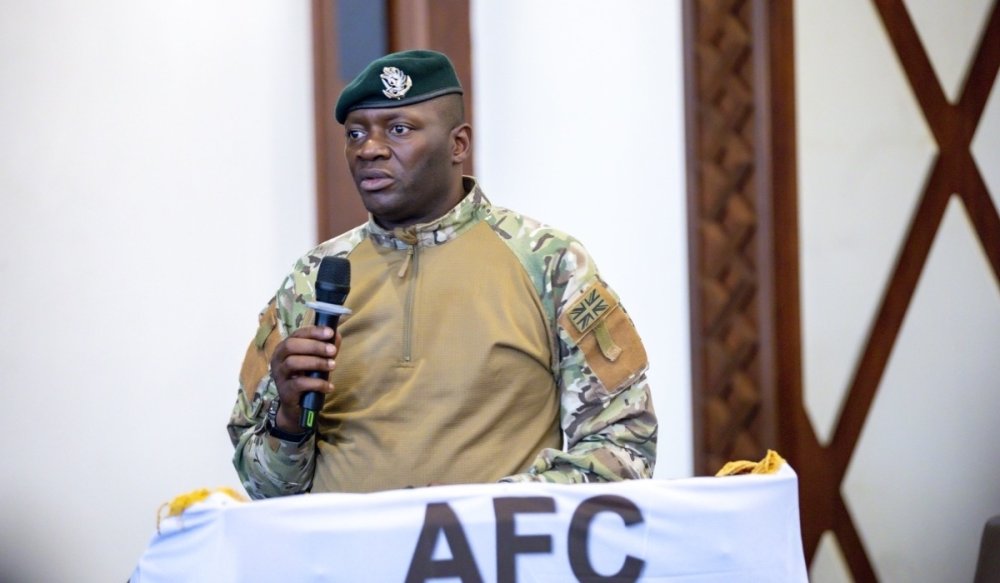
In a statement released on June 1, AFC/M23 spokesperson Lawrence Kanyuka accused the Congolese army and allied armed groups of carrying out repeated attacks throughout May in several areas, including Masisi, Minembwe, Numbi and Walikale.
Kanyuka claimed that the DRC government is continuing to deploy troops, weapons and military equipment, particularly in South Kivu Province, in what he described as preparations for large-scale operations targeting both civilian-populated areas and AFC/M23-controlled territory.
He said any new offensive against the group’s positions would be met with a strong response.
According to Kanyuka, AFC/M23 would not only defend areas under its control but would also seek to push back government forces from locations used to launch attacks. He argued that such a move would help create a buffer zone aimed at protecting civilians and their property from future hostilities.
The warning comes days after AFC/M23 reported clashes with Congolese army troops and Wazalendo militia fighters in Masisi Territory.
The group said it had repelled advancing forces and pushed them away from the strategic mining hub of Rubaya after attempts to move closer to the area.
AFC/M23 also sought to reassure residents of Rubaya and neighbouring localities, including Kinigi, saying it remained prepared to protect communities under its control. The group urged residents to continue their daily activities despite the security concerns.
Kanyuka said AFC/M23 would not only defend areas under its control but would also seek to push back government forces from locations used to launch attacks. AFC/M23 has reassured residents , saying it remained prepared to protect communities under its control.
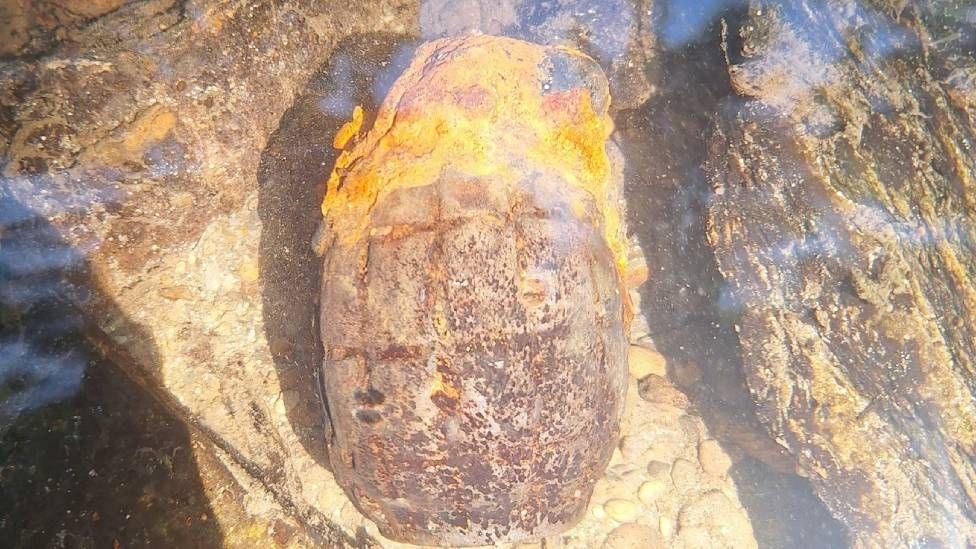
Biak Numfor Police Chief Ari Trestiawan said the grenade was found at the blast site and safely detonated by a bomb disposal unit at around 6:00 p.m. local time.
Residents have been warned to stay away from the area until it is declared free of explosive materials.
Police have not yet begun a formal crime scene investigation pending the completion of site sterilization efforts.
The explosion occurred at a fishery complex in Biak Kota district on Sunday afternoon, killing five people, including two children. Three others remain missing, and 19 people were injured.
The blast also damaged nine houses occupied by 10 families, displacing 55 residents who are currently being sheltered by local authorities.
The Mills bomb was first developed during World War One
The crisis severely impacted international transport routes, particularly flights to and from the Middle East. As security concerns escalated following U.S. military strikes on Iran late February 2026, airlines suspended numerous routes to destinations such as Qatar and the United Arab Emirates (UAE).
Early March, more than 21,000 flights to and from the Middle East were reportedly canceled. Major hubs, including Dubai International Airport, reduced operations significantly, while Rwanda’s national carrier, RwandAir, also suspended flights to the region.
The disruptions hit Rwanda’s horticulture sector hard. According to the Horticultural Exporters Association of Rwanda (HEAR), around 80 percent of exporters temporarily halted their activities as access to major markets such as Dubai and Abu Dhabi became difficult.
Association president Robert Rukundo said the suspension of flights created major challenges for exporters who depend on air transport, particularly RwandAir, to move fresh produce.
“The situation became very difficult. Air travel was suspended, maritime trade was also affected because the Strait of Hormuz was closed. Trade became complicated, and transportation costs increased as businesses searched for alternatives,” he explained.
Rukundo noted that some exporters attempted to redirect produce to neighboring countries or local processing industries, but many were unable to find viable alternatives.
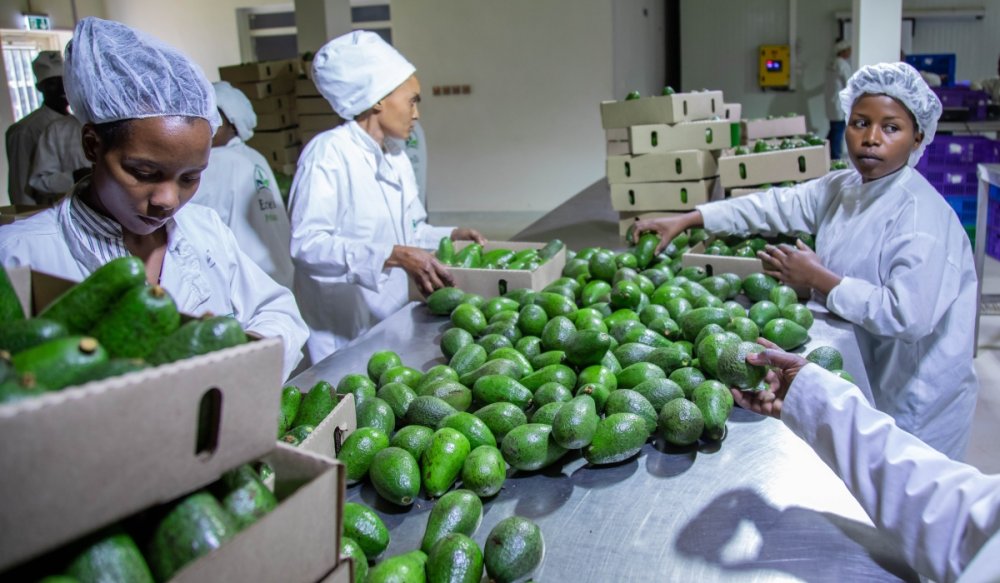
The impact extended throughout the value chain, from exporters to farmers. Products such as avocados, one of Rwanda’s most important agricultural exports, were particularly affected.
Data from the sector shows that before the conflict, Rwanda regularly exported between 20 and 25 tonnes of fresh produce per flight, with exports taking place several times a week. However, volumes declined sharply once transport links were disrupted.
Between March 24 and 28, 2026, Rwanda exported 173 tonnes of fruits worth Rwf 235 million and 290 tonnes of vegetables worth Rwf 853 million. Some of these exports were destined for the UAE.
By comparison, during the week of February 16–20, before the conflict began, Rwanda exported 376 tonnes of fruits worth Rwf 471.7 million and 437 tonnes of vegetables valued at Rwf 569 million.
Rukundo said the crisis highlighted the country’s limited capacity to process and preserve agricultural products when export markets become inaccessible.
“When produce cannot reach the market, it becomes a major problem. We still lack sufficient facilities to add value, process products, and store them until market conditions improve,” he said.
Although Rwanda has some processing facilities capable of producing avocado oil, guacamole, soap, and other products, Rukundo said their capacity remains limited.
He added that, just as the COVID-19 pandemic exposed vulnerabilities in supply chains, the Iran conflict has shown the need for greater investment in value-addition industries.
RwandAir flights resume
In a positive development for exporters, RwandAir announced on May 29, 2026, that it would resume flights to Qatar and the UAE from June 1.
Rukundo welcomed the decision, saying it would help restore trade links, even though the peak avocado harvest season is nearing its end.
“We are very happy that the flights have resumed. This will help reconnect us with our markets and bring back customers. We hope it will also contribute to better prices,” he said.
However, he cautioned that higher fuel prices and increased transport costs could continue to affect profitability.
Avocados: Rwanda’s “green gold”
Avocados have emerged as one of Rwanda’s most promising export crops, driven by growing demand in the Middle East, Europe, and other international markets.
Rukundo described avocados as “green gold,” saying the crop creates opportunities across the entire value chain—from farmers and transporters to cold-storage operators, processors, and exporters.
“It is a crop that can transform livelihoods and create jobs at every stage of production and distribution,” he said.
The crop’s export potential continues to grow. Rwanda exported fewer than 1,000 tonnes of avocados in the 2018/19 season, earning just over $400,000. By 2024, exports had risen to 4,200 tonnes, generating more than $8 million in revenue.
Rwanda currently sells around 80 percent of its avocado exports to Arab countries, while also supplying European and regional markets.
The country recently signed agreements that will allow avocado exports to enter the Chinese market as well.
Figures released in November 2025 showed that Rwanda had more than 550,000 avocado trees.
Since most of these trees are still relatively young, production is expected to increase significantly in the coming years, strengthening the crop’s role in the country’s export sector.
Rwanda currently sells around 80 percent of its avocado exports to Arab countries, while also supplying European and regional markets. Middle East conflict has disrupted Rwanda’s horticulture export trade.
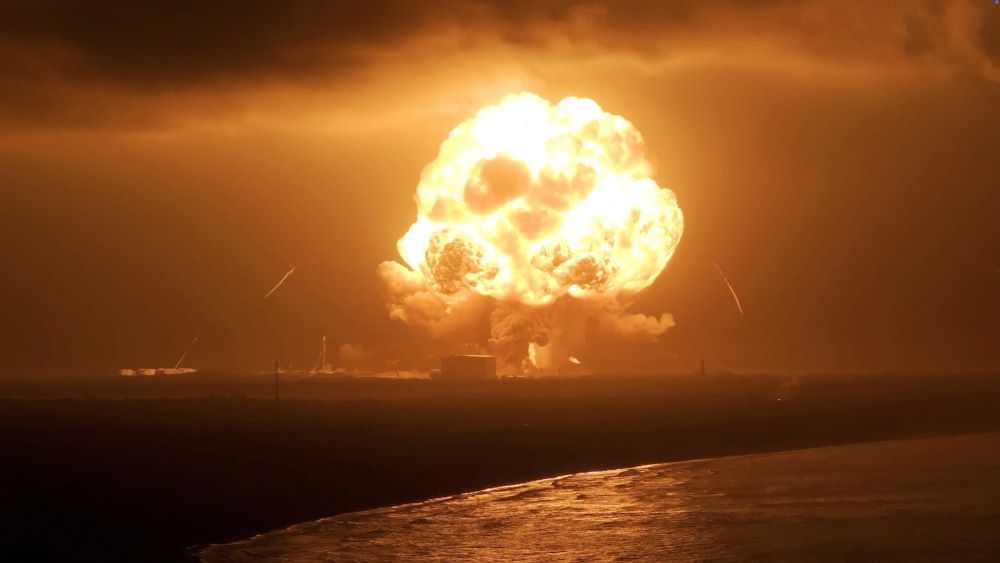
The explosion occurred at about 9 p.m. Eastern Time on Thursday (0100 GMT on Friday) at Launch Complex 36, located at the Cape Canaveral Space Force Station in Florida. The facility is currently the only operational launchpad capable of supporting Blue Origin’s New Glenn rocket.
In an interview with CNBC, Isaacman said a 2028 timeframe was “within the realm” of a possible recovery for the damaged launchpad.
“We’re all getting organized generally around the idea that we certainly want to see Blue Origin be very successful,” Isaacman said. “So recovering, getting the pad recovered, providing subject matter expertise, root cause analysis for sure. Let’s figure out what’s broken, and then we got to keep moving forward.”
Blue Origin CEO Dave Limp said on social media platform X that the company has regained limited access to Launch Complex 36 and is actively investigating the anomaly that occurred during the hot-fire test.
“We will start clearing the pad soon and have a good rebuild plan in place,” Limp said.
The explosion could delay future New Glenn missions and may affect the schedule of some NASA lunar exploration missions, as Blue Origin is a key commercial partner in the agency’s Artemis moon program.
Fire during an explosion of the uncrewed Blue Origin’s New Glenn rocket during a test on a launchpad in Cape Canaveral, Florida, U.S., May 28, 2026, in this screengrab obtained from a handout video.
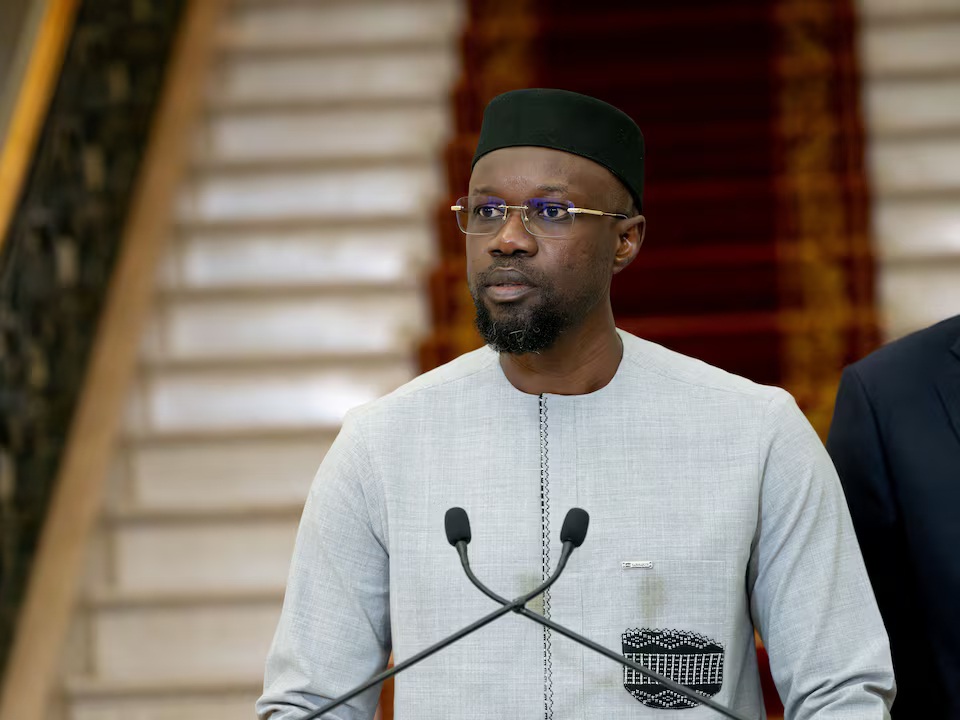
In a statement posted on social media, Sonko said he met President Faye earlier in the day to discuss the formation of the new administration. While the two leaders confirmed areas of agreement, “points of disagreement” emerged, particularly over the role of the parliamentary majority within the executive framework.
“As a result, PASTEF will not participate in the next government and will not be represented by any ministers,” Sonko said, adding that the party wished the new administration “full success.”
The announcement came shortly before new Prime Minister Ahmadou Al Aminou Lo unveiled a 30-member cabinet. The new lineup retained Cheikh Diba as finance minister, with his portfolio expanded to include the economy ministry in a bid to improve policy “coherence,” according to the government.
However, the roster of ministers appointed by Lo included at least three prominent members of PASTEF, revealing a direct political challenge to Sonko’s attempt to pull the party completely out of the executive branch. The inclusion of these figures, despite the party leader’s public directive, highlights a growing internal division between Faye’s administration and Sonko’s legislative bloc.
The political rift unfolds against the backdrop of mounting economic pressure in Senegal, which is grappling with a debt crisis triggered by the revelation in 2024 of previously misreported liabilities by the former administration. The International Monetary Fund subsequently froze a $1.8 billion lending programme, pushing Senegal’s debt burden to around 132% of GDP.
Finance Minister Cheikh Diba told parliament in May that talks with the IMF were expected to resume in June, with hopes of reaching agreement on key issues by the end of the month.
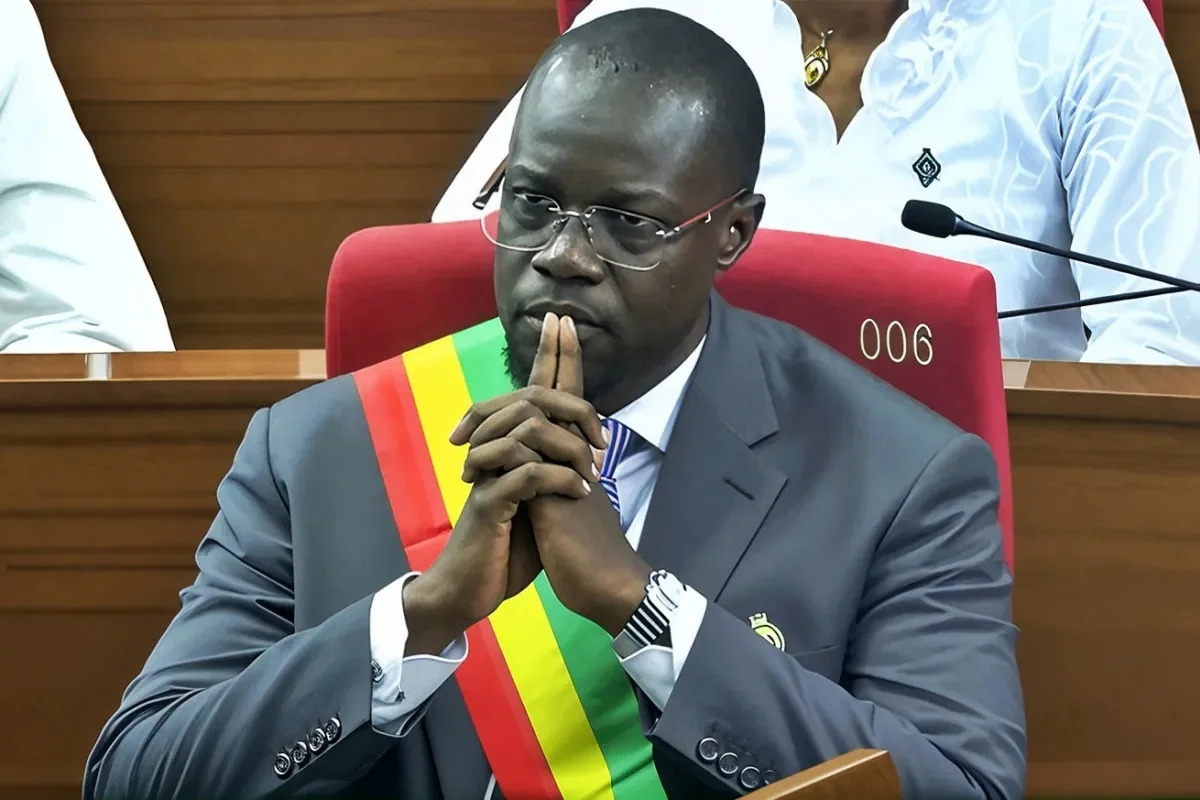
The latest tensions also follow a broader political reshuffle. President Faye recently dissolved the government and dismissed Sonko from his post, prompting the formation of the new cabinet under Prime Minister Lo. Despite this, lawmakers later reinstated Sonko to parliament and backed him as speaker, reinforcing his continued political influence.
Analysts say Sonko’s position could still shape the political landscape, given PASTEF’s large parliamentary majority and his strong opposition to IMF-backed reforms, including debt restructuring proposals.
President Faye recently dissolved the government and dismissed Sonko from his post, prompting the formation of the new cabinet under Prime Minister Lo. Despite this, lawmakers later reinstated Sonko to parliament and backed him as speaker, reinforcing his continued political influence.
“The Russian Embassy in France has demanded that Paris provide full details of the circumstances surrounding the detention and is taking comprehensive steps to protect the Russian nationals among the crew,” she said, calling the detention another example of European legal nihilism and the rewriting of international legal norms to suit themselves.
The French authorities misinterpreted Article 110 of the 1982 United Nations Convention on the Law of the Sea, which allows a warship to inspect a foreign ship in international waters if it is stateless, but does not authorize its escort to the port of the warship’s state, she said.
On May 31, a French warship stopped Tagor 400 km from the French coastline in international waters, alleging that the vessel was sailing from Russia’s Murmansk under a false flag.
France’s actions in detaining the Russian vessel Tagor violate international law, and Moscow demands that Paris provide full information about its move, Russian Foreign Ministry spokeswoman Maria Zakharova said on Tuesday.
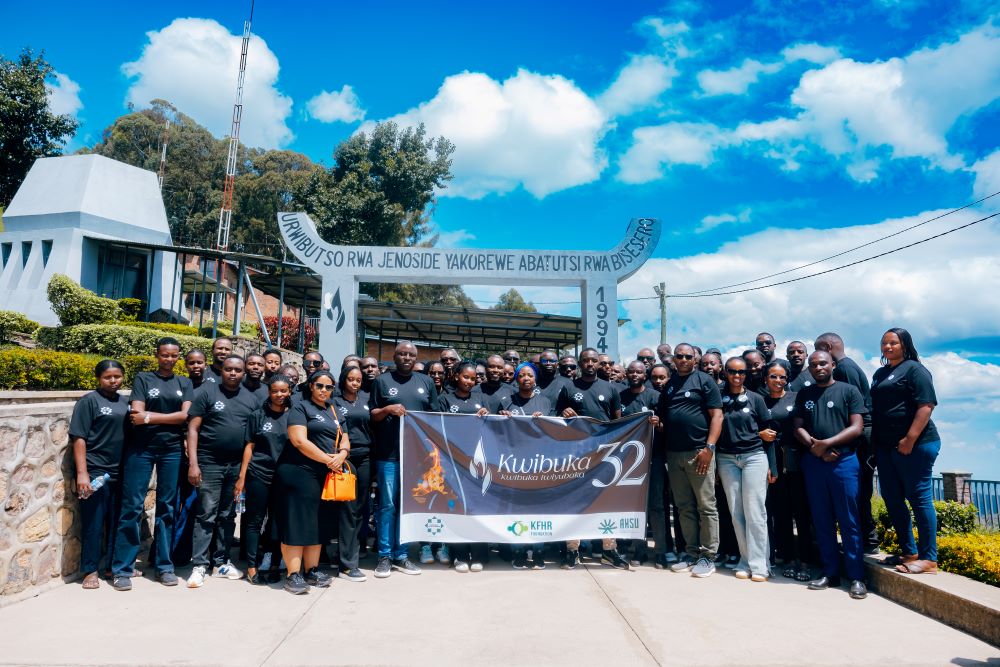
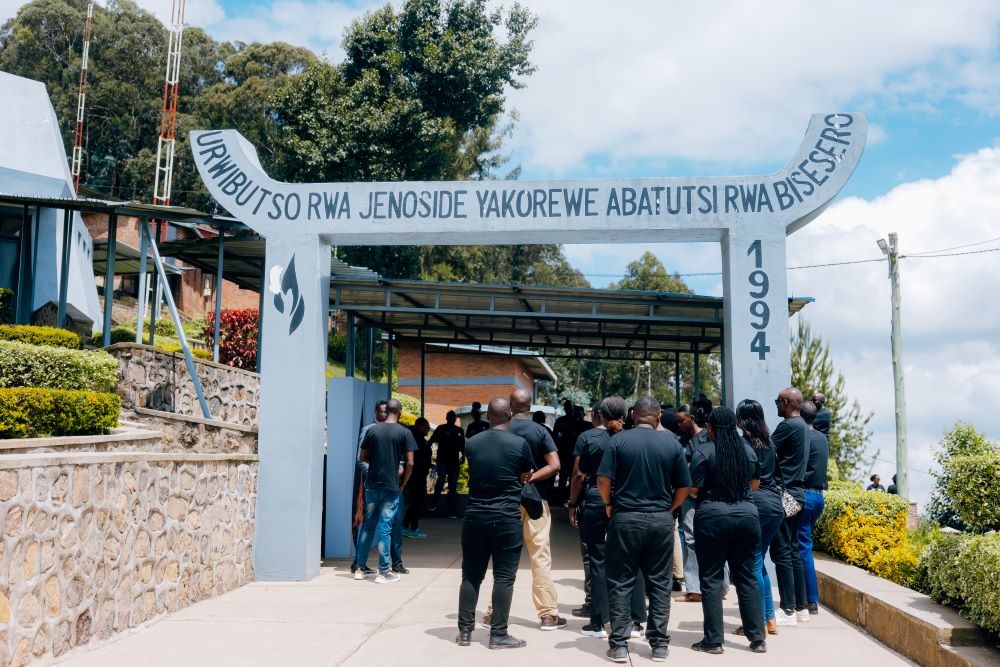
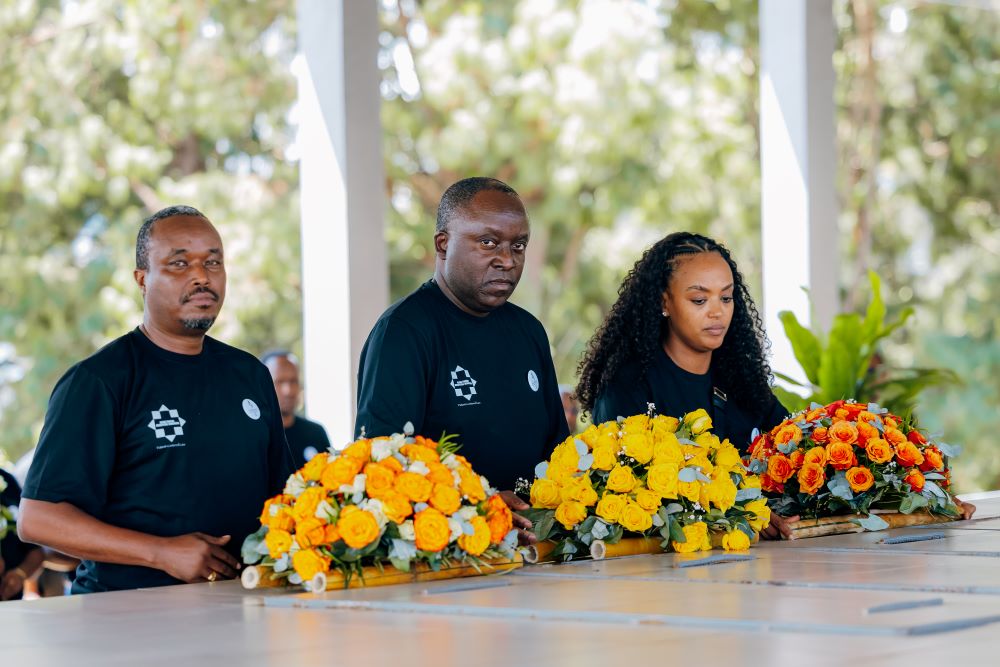
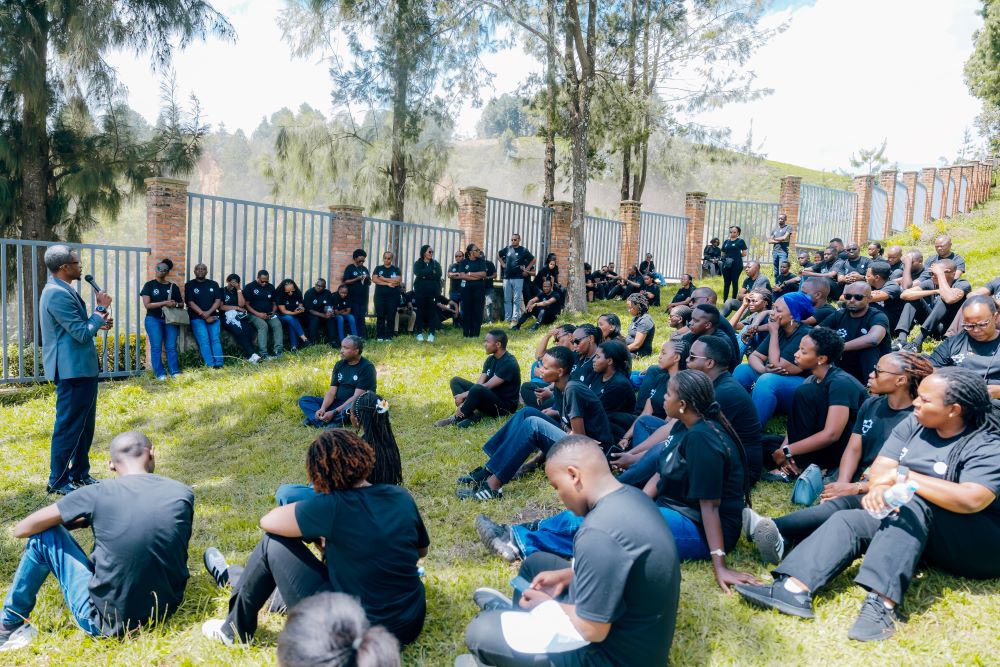
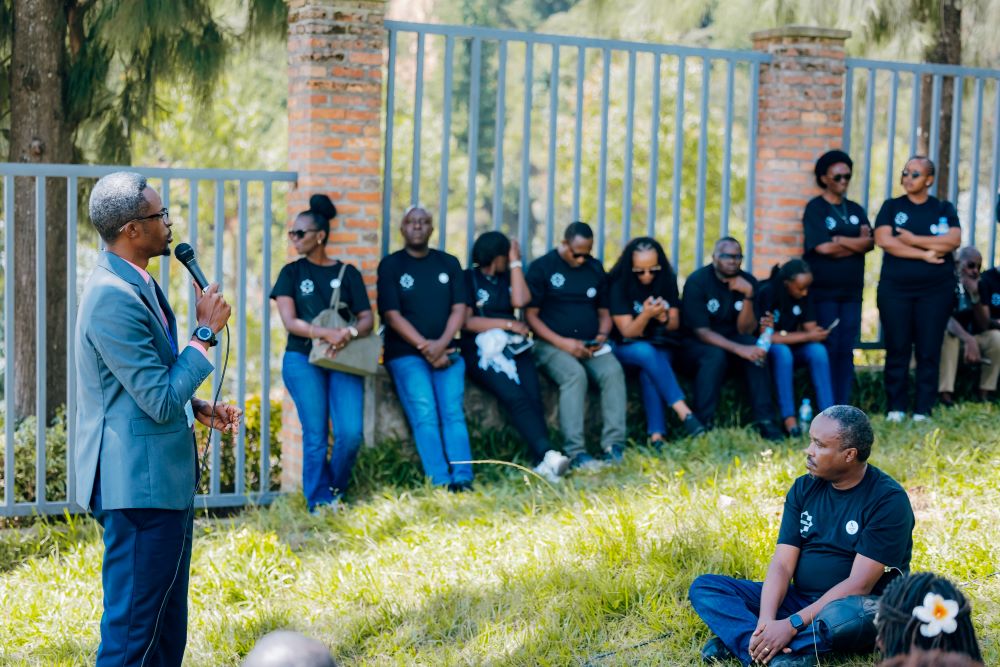
The visit brought together members of the broader King Faisal family of institutions, reflecting a shared commitment to remembrance, unity, and the preservation of Rwanda’s history for future generations.
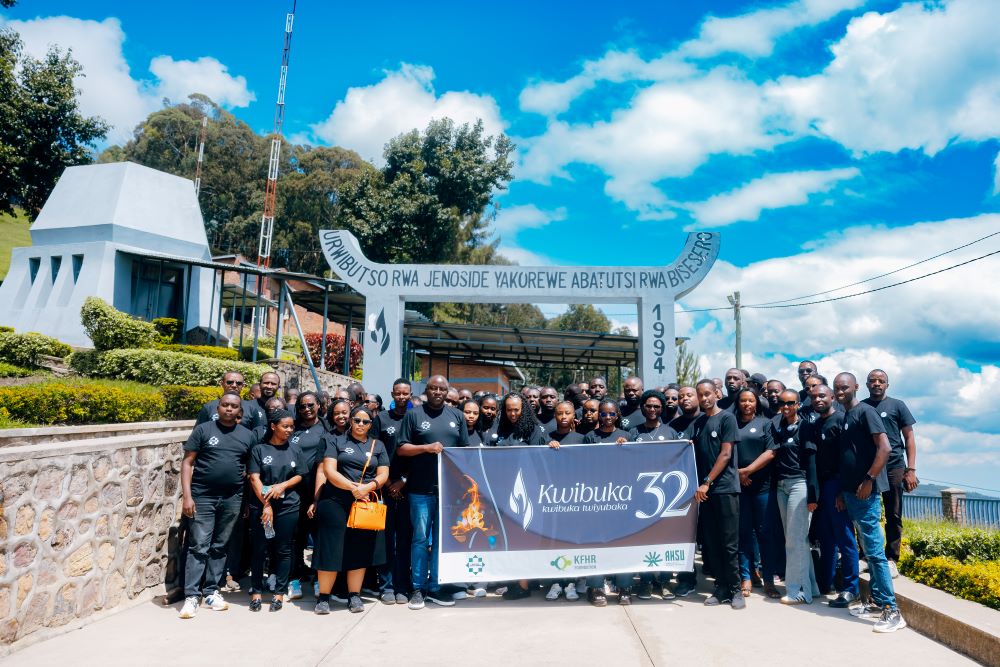
The visit, organized as part of the ongoing Kwibuka 32 commemoration activities, marked a significant milestone, as employees from the three institutions had jointly participated in a memorial activity of this nature.
The initiative brought together staff members from different generations and professional backgrounds, reinforcing a shared commitment to remembrance, unity, and the prevention of genocide.
While King Faisal Hospital Rwanda has consistently participated in genocide commemoration activities over the years, this year’s visit marked a significant milestone as it brought together staff from KFH, the KFH Foundation, and AHSU, reflecting the shared values that unite the King Faisal family of institutions.
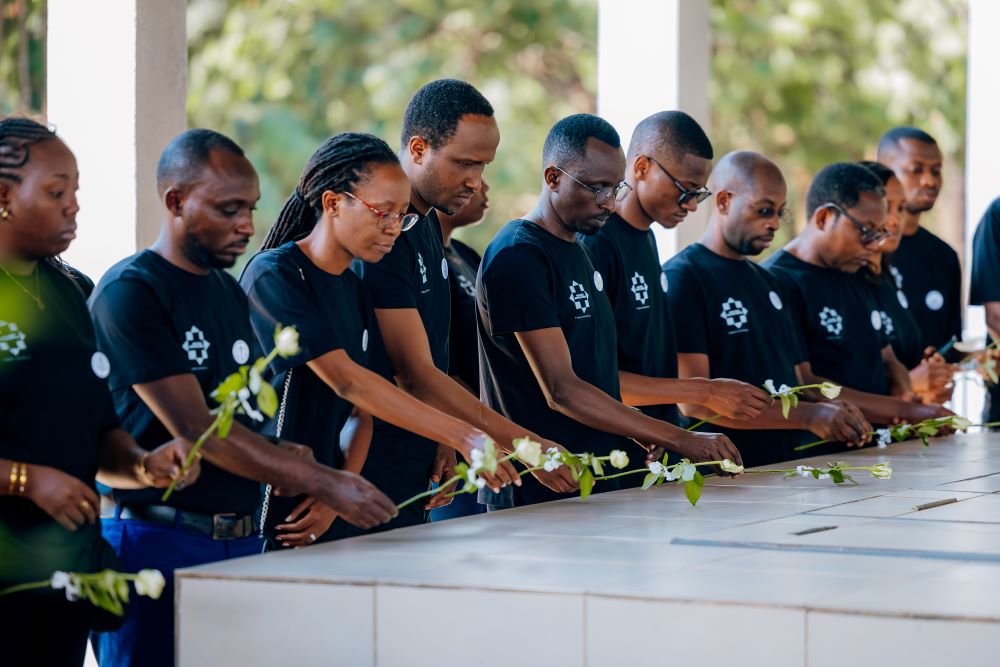
Their participation underscored a collective commitment to remembrance, education, healing, and nation-building while honoring the victims of the 1994 Genocide Against the Tutsi.
Why the visit matters
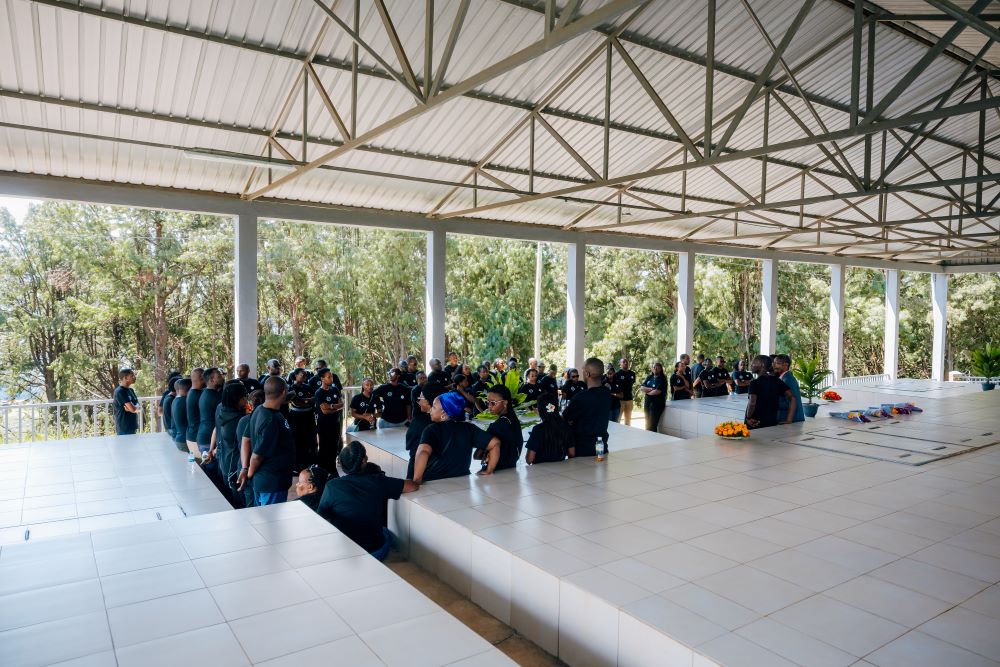
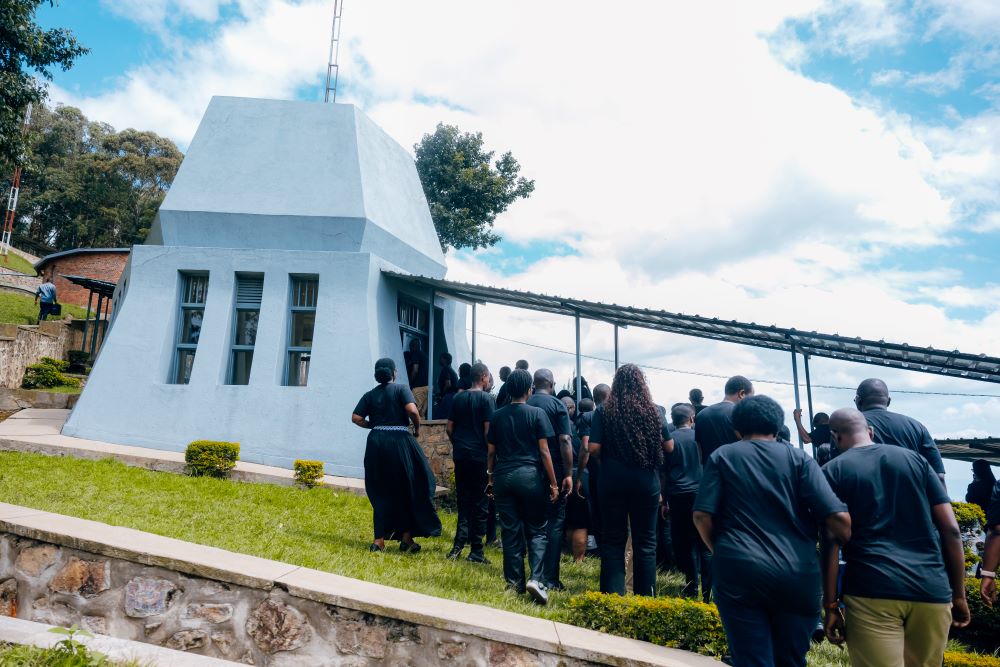
The Bisesero Genocide Memorial Site stands as one of Rwanda’s most important historical landmarks, preserving the memory of thousands of victims who were killed during the 1994 Genocide Against the Tutsi.
It serves not only as a place of mourning and remembrance but also as a center for education and reflection on the devastating consequences of hatred, division, and poor leadership.
During the visit, participants toured various sections of the memorial and historical accounts and engaged in discussions about the importance of preserving collective memory and promoting peace.
Honoring victims and learning from history
Speaking during the visit, King Faisal Hospital Rwanda’s Deputy Chief Executive Officer, Mr. Frederic Ngirabacu, paid tribute to all Rwandans affected by the Genocide Against the Tutsi and expressed appreciation to the Government of Rwanda for preserving memorial sites that safeguard the country’s history for current and future generations.
He emphasized that memorials are more than historical landmarks; they are living testimonies and tangible evidence of what occurred during one of the darkest periods in Rwanda’s history.
“It is important that history is never forgotten,” he said. “Our purpose for coming here is not only to honor the victims but also to ensure that such atrocities never happen again. We have a responsibility to ourselves and to future generations to continue learning, healing, and transmitting these lessons.”
Mr. Ngirabacu also recognized the courage and sacrifice of those who stopped the genocide, noting that the tragedy ended because Rwandans took responsibility and stood against the perpetrators.
“We must not only remember the victims, but also appreciate those who stopped the genocide. We honor both those who are still living and those who have passed away. Peace and freedom do not come by chance or by miracle; they are achieved through courage, sacrifice, and responsible leadership,” he stated.
Lessons on leadership and responsibility
A key message highlighted during the visit was the role leadership plays in shaping society. Participants reflected on how destructive leadership and extremist ideologies contributed to the genocide, while responsible and courageous leadership helped restore peace and rebuild the nation.
The visit served as a reminder that understanding history is essential to preventing future atrocities and fostering values of unity, inclusion, accountability, and respect for human dignity.
The role of youth in preserving memory
Mr. Ngirabacu further stressed the critical role of young people in ensuring that the history and lessons of the Genocide Against the Tutsi remain alive.
He noted that many of the perpetrators and organizers of the genocide were young people who had been influenced by divisive ideologies, while many young people also played a vital role in stopping the killings and rebuilding the country.
“Young people are at the center of both the present and the future of every nation,” he said. “Many of today’s youth were born after the genocide and did not experience it firsthand. It is therefore our responsibility to educate them, share these lessons, and ensure they understand the consequences of hatred and the importance of protecting humanity.”
A shared commitment to ‘Never Again’
The joint visit by KFH, the KFH Foundation, and AHSU demonstrated the institutions’ collective commitment to remembrance, healing, and education.
By coming together at Bisesero, participants reaffirmed their dedication to preserving the memory of the victims, honoring the heroes who stopped the genocide, and promoting a future founded on unity, peace, and responsible citizenship.
As Rwanda continues its journey of remembrance and resilience, such initiatives remain vital in ensuring that the lessons of the past are passed on to future generations and that the pledge of “Never Again” remains a living commitment for all.
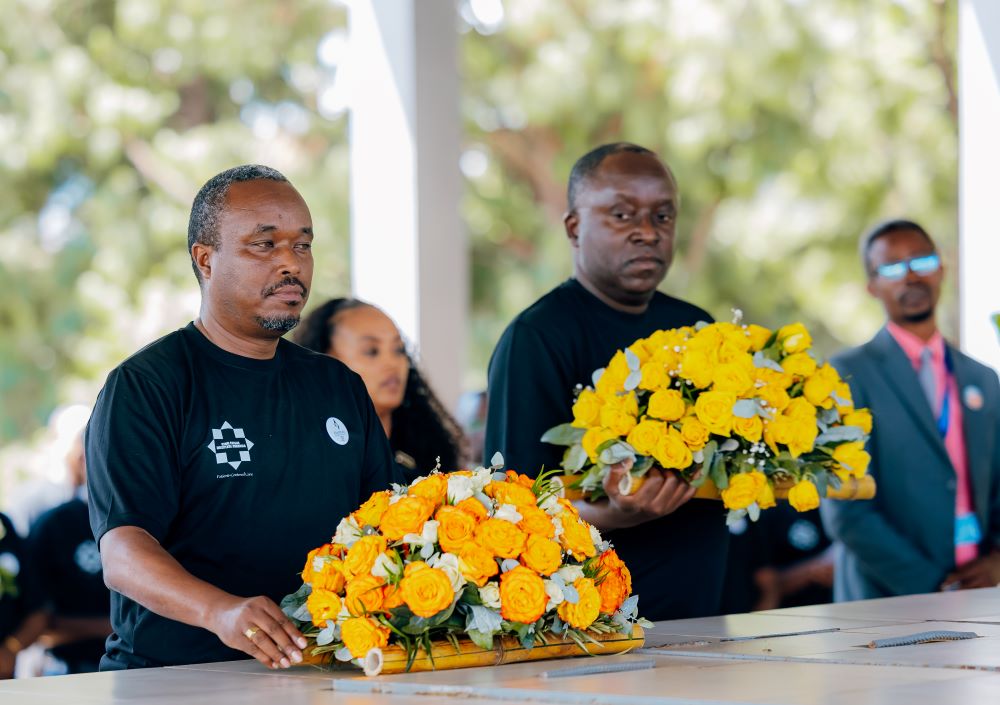
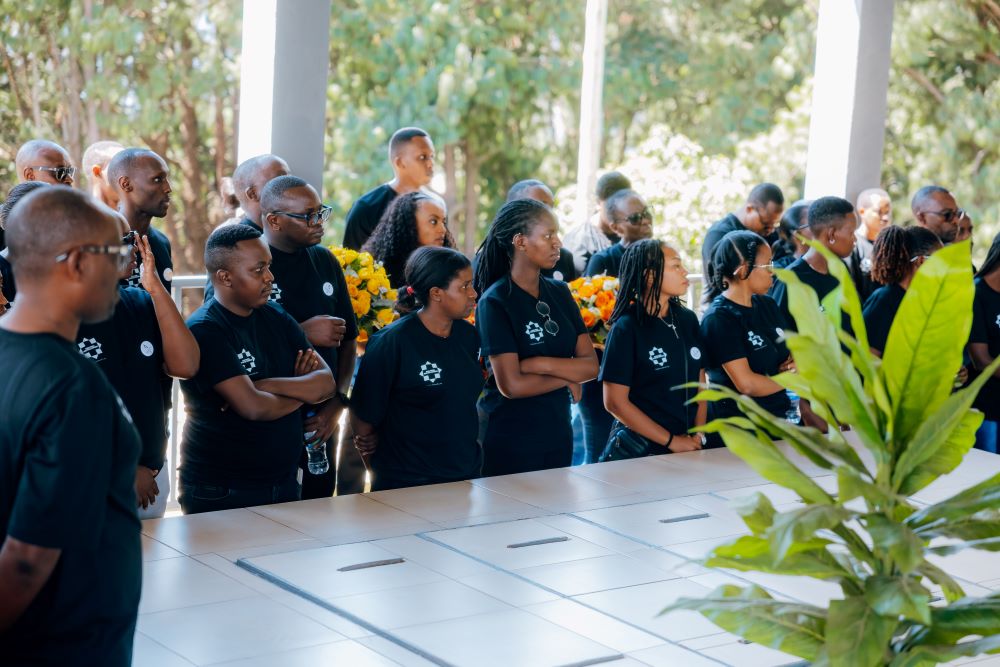
Participants toured the Bisesero Genocide Memorial and reflected on lessons from Rwanda’s history. Employees from the King Faisal family of institutions paid tribute to victims of Genocide against the Tutsi during a commemorative visit to Bisesero.The delegation reflected on the importance of preserving collective memory for future generations.The visit served as a reminder of the devastating consequences of hatred and division. The Bisesero memorial visit brought together professionals from different generations and backgrounds.The visit to Bisesero brought together staff from three institutions in a shared act of remembrance and reflection.Staff from King Faisal Hospital Rwanda (KFHR), the King Faisal Hospital Rwanda Foundation (KFHRF), and the African Health Sciences University (AHSU) also laid wreaths at mass graves of the memorial. The joint visit highlighted the King Faisal institutions’ collective pledge of ‘Never Again’.Staff from King Faisal Hospital Rwanda, the KFH Foundation and AHSU have visited Bisesero Genocide Memorial to honor victims of the 1994 Genocide against the Tutsi. Bisesero Genocide Memorial is located in Karongi District. Staff members gathered at Bisesero to reaffirm their commitment to unity, remembrance and peace.The memorial visit formed part of Kwibuka 32 activities aimed at preserving the memory of genocide victims.
In a statement following the publication of the award by the Permanent Court of Arbitration (PCA) on June 1, Government Spokesperson Yolande Makolo said Rwanda respects the tribunal’s decision and considers the matter closed.
“While Rwanda respects the Tribunal’s award and considers the matter concluded, we note that the dissenting and separate opinion by Professor Mohamed Abdel Wahab shows that the issues before the Tribunal were complex and open to different legal conclusions, including that the November 2024 exchanges relied on by the UK did not validly change the financial arrangements between the two countries,” Makolo said.
She added that Rwanda would continue to engage constructively with international partners in accordance with international norms and the principles of mutually beneficial cooperation.
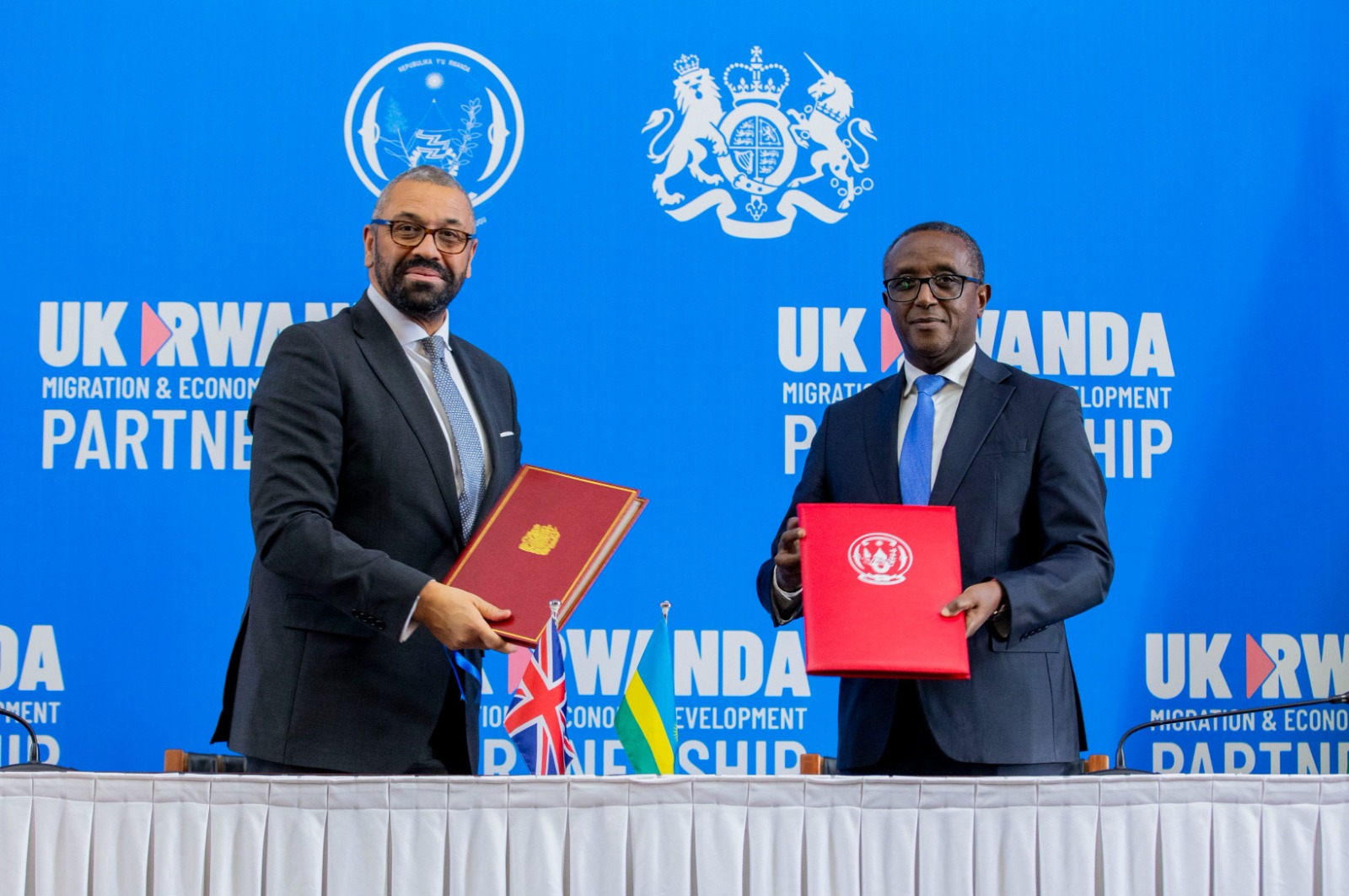
The arbitration stemmed from a dispute over the Asylum Partnership Agreement signed between Rwanda and the United Kingdom. Rwanda argued that the UK had failed to honour financial and other obligations after the new British government abandoned the migration partnership in 2024.
At the heart of the dispute was Rwanda’s position that it remained entitled to a £50 million payment due in April 2025 under financial arrangements agreed between the two countries in June 2024. Rwanda also sought compensation related to other obligations under the agreement.
However, in an award issued on May 15, 2026, the three-member tribunal rejected Rwanda’s claims. By majority, the tribunal dismissed Rwanda’s request for the £50 million Year 2 payment, while unanimously rejecting claims relating to Year 3 funding, alleged breaches of Articles 18 and 19 of the agreement, and requests for compensation. The tribunal also ruled that each party should bear its own legal costs and share arbitration expenses equally.
Yet the decision was not unanimous on every point.
Professor Mohamed Abdel Wahab, one of the tribunal’s members, issued a
dissenting and separate opinion arguing that Rwanda’s central claim regarding the Year 2 payment should have succeeded.
According to Abdel Wahab, the November 2024 diplomatic exchanges cited by the UK did not constitute a legally binding amendment to the financial arrangements because the mutual consent required under international treaty law was absent. He concluded that the £50 million payment for Year 2 “remains due and payable to Rwanda.”
The dissent has attracted attention because it underscores that the dispute involved contested legal interpretations rather than a straightforward rejection of Rwanda’s position.
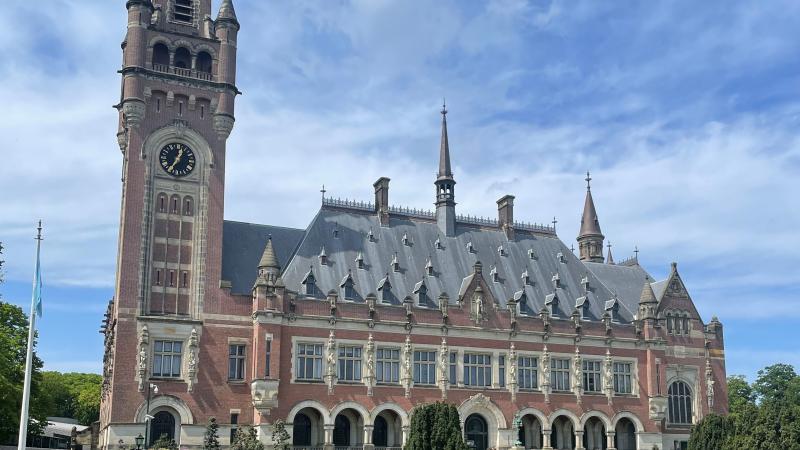
The tribunal’s findings contrast with arguments presented by Rwanda during hearings held at the Peace Palace in The Hague in March.
Appearing before the tribunal, Minister of Justice and Attorney General Dr. Emmanuel Ugirashebuja argued that Rwanda had fulfilled its obligations under the Migration and Economic Development Partnership (MEDP) and had acted in good faith throughout the process.
Rwanda maintained that it undertook significant legal and institutional reforms to implement the agreement, including constitutional amendments, new legislation, the establishment of an appeals mechanism, and the development of reception facilities for migrants and asylum seekers.
The government also stressed Rwanda’s broader record on refugee protection. During the hearings, Dr. Ugirashebuja highlighted that Rwanda hosts more than 130,000 refugees and asylum seekers and has welcomed displaced people from countries including the Democratic Republic of Congo, Burundi, Afghanistan, Libya and Sudan.
He argued that Rwanda’s approach is rooted in its own history of displacement and a belief that refugees can contribute economically and socially when given opportunities for integration.
Rwanda further contended that the UK failed to properly honour commitments made under the partnership after the election of Prime Minister Keir Starmer’s government, which quickly moved to abandon the controversial “Rwanda scheme.”
Rwanda has acknowledged an international arbitration ruling that rejected its claims against the United Kingdom over their abandoned asylum partnership, while emphasising that a dissenting opinion from one of the tribunal’s arbitrators demonstrates that Kigali’s position rested on credible legal foundations.The Migration and Economic Development Partnership between Rwanda and UK had been signed in April 2022, before unilateral cancellation.
Building on the support of long- standing institutional partners such as FEDA, Spiro’s latest equity round draws global capital from Europe and Africa, confirming growing global confidence in scalable infrastructure-led business models across emerging markets.
Following years of optimization across its product portfolio, technology and energy ecosystem, Spiro has moved past the proof-of-concept phase and stands ready to execute its next chapter of pan-African expansion.
This investment will support the expansion of Spiro’s battery- swapping network, strengthen its industrial and assembly footprint, accelerate technology development and support the company’s entry into new high-growth African markets.
Global investors back Africa’s fast-growing mobility and energy transition
As Africa’s urban population and mobility needs continue to surge, electric vehicles and battery-swapping ecosystems are rapidly emerging as one of the continent’s most promising infrastructure and energy investment opportunities.
Reducing dependence on imported fuel, strengthening energy and industrial sovereignty and modernizing urban transport systems are becoming strategic priorities across the continent, positioning EV infrastructure as a key pillar of Africa’s economic resilience and industrial development.
Driven by rising fuel costs, increasing demand for affordable transportation and growing policy support for clean energy solutions, investors are increasingly backing scalable EV platforms capable of supporting Africa’s next phase of urban and industrial growth.
For riders, the economic impact is immediate as operating a Spiro electric vehicle can reduce daily mobility costs by up to 40%, generating savings of up to $2 per day compared to fossil- fuel motorcycles.
A recent third-party verified lifecycle assessment of Spiro’s operations in Kenya found that the company’s electric motorcycles reduce climate impact by 72% compared to fossil-fuel bikes, preventing an estimated 19 tonnes of CO₂ emissions over a vehicle’s lifetime.
The study also recorded an 80% reduction in ozone depletion potential and a 20% decrease in particulate matter emissions, highlighting the potential of electric mobility to improve air quality and reduce public health risks in rapidly growing African cities.
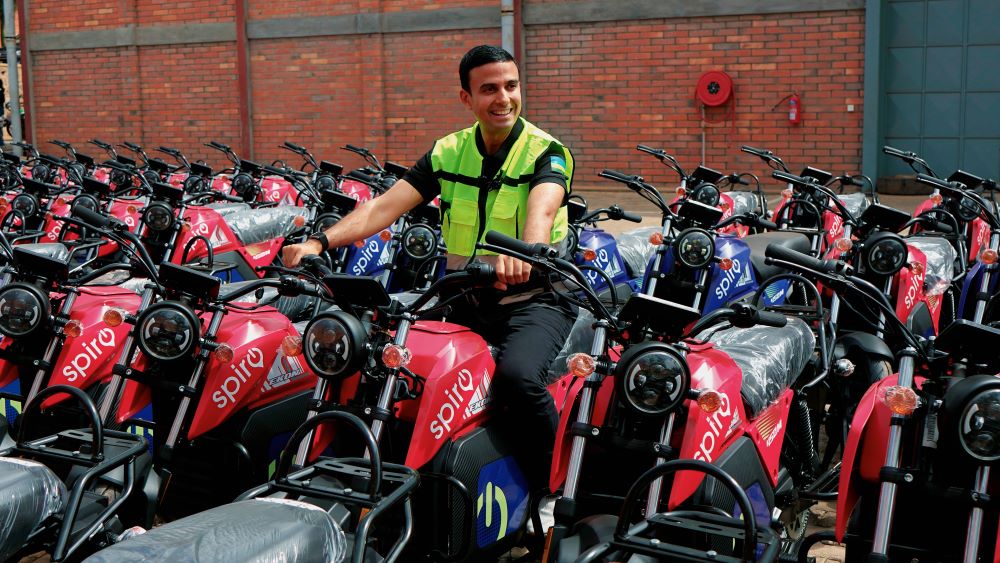
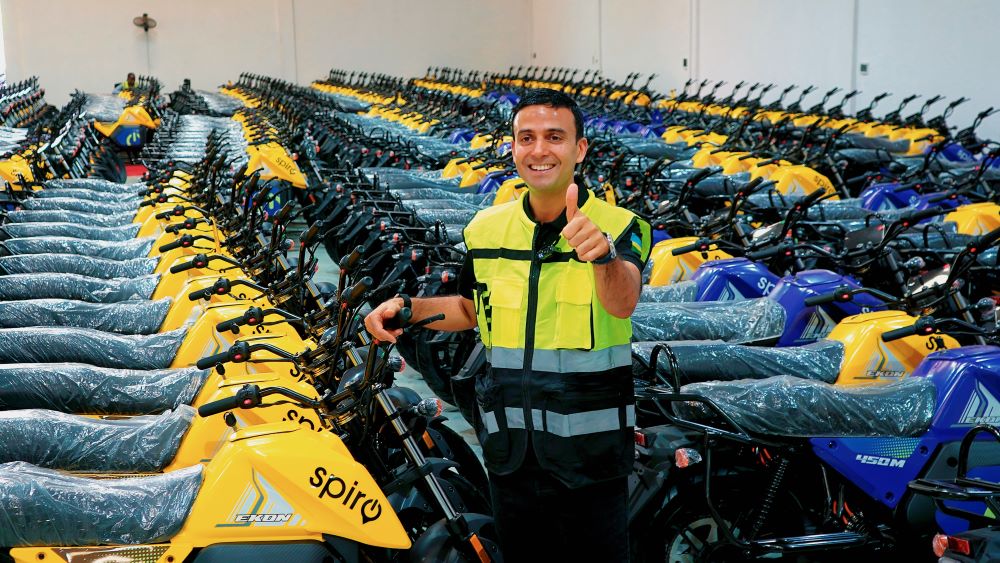
Spiro’s industrial footprint includes flagship manufacturing plants in countries including Kenya, Rwanda and Uganda.
Powering Africa’s mobility revolution at scale
With operations across 7 African markets (Kenya, Rwanda, Uganda, Togo, Benin, Nigeria, Cameroon) and further plans to expand local production and enter new markets such as DRC and Ethiopia, Spiro is building one of Africa’s most advanced EV and battery-swapping ecosystems.
Spiro’s industrial footprint includes flagship manufacturing plants in Kenya, Rwanda and Uganda, alongside a state-of-the-art battery recycling facility in Nigeria.
Combining locally adapted vehicle design, affordable battery-swapping infrastructure and integrated maintenance ecosystems, Spiro is making electric mobility commercially viable at scale for African riders.
Spiro’s technology platform is supported by its R&D center, 150+ engineers and 30+ proprietary patents.
The company is actively expanding beyond urban transport into a distributed clean-energy utility network that supports national renewable energy goals while reducing dependence on imported fossil fuels.
Its innovations include IoT-enabled, solar- powered swap stations, alongside secondary-life battery applications designed for stationary renewable energy storage.
“This past year marked a defining strategic milestone for Spiro. Across seven active markets, our deployment of 100,000 electric vehicles and 2,500 smart-swap stations has turned sustainable mobility into an affordable, everyday reality.
“Spiro has become a major driver of local industrialization, value creation and manufacturing across African markets with 6,000 sustainable direct and indirect jobs. Supported by our global pool of investors, we are entering our next growth chapter to deliver clean, cost-effective energy and transport alternatives to millions of riders across the continent”, stated Gagan Gupta, Founder of Spiro and Chairman of Equitane.
“We are investing in Spiro and bringing Danish pension capital into one of Africa’s most promising growth markets because we see potential for significant commercial growth in Spiro and electric mobility across Africa, as well as measurable climate impact. That is exactly the type of investment we want to make,” said Lars Bo Bertram, CEO of Impact Fund Denmark.
Spiro has announced a $215M investment round to accelerate the deployment of its electric mobility and battery-swapping infrastructure across Africa.