Additionally, some 117,000 people have sought refuge in another country, Stephane Dujarric, chief spokesman for the UN secretary-general, told a daily briefing, citing the UN Refugee Agency.
Dujarric said that, according to UN humanitarians, the Middle East region is home to some of the largest numbers of people in need of humanitarian assistance globally. “The recent escalation risks deepening civilian suffering and causing further damage to already fragile civilian infrastructure.”
The United Nations and its humanitarian partners are continuing to provide humanitarian aid to people impacted across several countries and remain ready to ramp up response in support of national authorities where needed, he said.
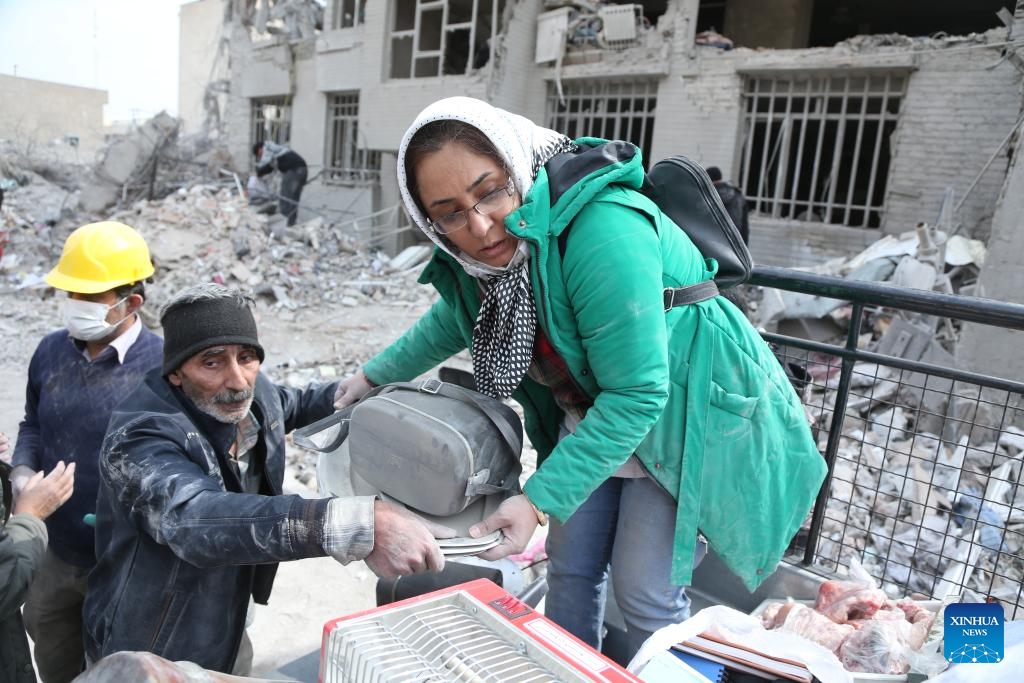
People search for daily necessities from damaged buildings in Tehran, Iran, March 12, 2026.
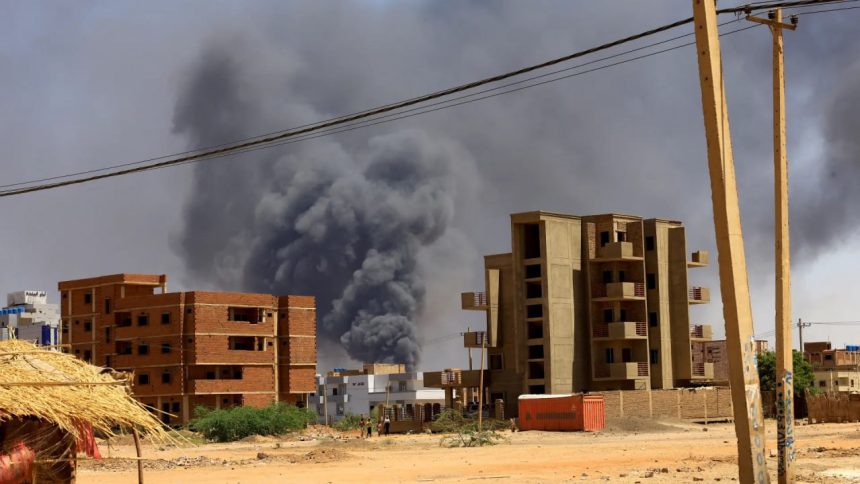
The Coordination Council of El Geneina Emergency Rooms, a voluntary civilian group, said in a statement that a drone fired four missiles at the crossing, killing 13 people involved in the fuel trade, including five women, and injuring five others.
The strike destroyed the fuel market at the crossing, damaged several civilian vehicles, and burned large quantities of food supplies, the group said.
According to the council, all the victims were small-scale traders who transported fuel and goods from the Chadian city of Adre to the crossing using traditional animal-drawn carts as part of their daily livelihood activities.
The group added that the crossing is also used for humanitarian operations, including the delivery of relief supplies, medicines, and shelter materials, as well as the movement of international humanitarian workers.
Meanwhile, an eyewitness, Adam Abdalla, a local fuel trader, told Xinhua that the attack occurred early in the morning while traders were preparing to begin their daily work.
“Several successive explosions hit the fuel market, and the fuel tanks and vehicles caught fire,” he said.
Abdalla added that the fuel market at the crossing had been a primary source of livelihood for dozens of families, noting that the strike caused heavy losses for traders and left the site almost completely destroyed.
The paramilitary Rapid Support Forces (RSF) accused the Sudanese Armed Forces (SAF) of carrying out the attack, claiming it was intended to disrupt the delivery of humanitarian aid to the Darfur region.
The RSF called on the UN Security Council and international organizations to take urgent measures to halt what it described as “attacks” and to hold those responsible accountable.
Border crossings between Sudan and Chad, particularly the Adre crossing, are among the most important commercial routes for residents of Darfur, serving as a key artery for the movement of goods and people.
On February 23, Chad announced the closure of its border with Sudan after armed groups involved in the conflict crossed into its territory, while stating that humanitarian exceptions would still be granted subject to prior authorization.
Fighting between the SAF and the RSF erupted in April 2023 and has killed tens of thousands of people and displaced millions inside Sudan and across its borders.
The paramilitary Rapid Support Forces (RSF) accused the Sudanese Armed Forces (SAF) of carrying out the attack, claiming it was intended to disrupt the delivery of humanitarian aid to the Darfur region.
European Commission Deputy Chief Spokesperson Olof Gill told a press briefing that the Commission would carefully review the details of the U.S. investigation and continue to ensure that the EU’s interests are fully protected.
Gill added that the Commission would seek further clarification from Washington on how the Section 301 investigation would interact with the framework agreed under the EU-U.S. joint statement.
“The Commission will respond firmly and proportionately to any breach of the joint statement commitments,” Gill said.
Under the EU-U.S. trade deal reached in July last year, the EU agreed to eliminate tariffs on all U.S. industrial products and introduce tariff-rate quotas for a wide range of U.S. agri-food products entering the EU market. In return, Washington would set a 15-percent tariff ceiling on most EU goods exported to the United States.
Under the EU-U.S. trade deal reached in July last year, the EU agreed to eliminate tariffs on all U.S. industrial products and introduce tariff-rate quotas for a wide range of U.S. agri-food products entering the EU market.
Under the new legislation, any driver found with a blood alcohol content above the legal limit commits an offence. Convicted drivers face a fine ranging from Rwf 100,000 to Rwf 400,000 and imprisonment of three to six months.
The law specifically targets drivers of public transport, school buses, employee shuttles, tourist vehicles, and cargo trucks over 3.5 tons. Drivers whose blood alcohol level is at least twice the legal limit may face fines between Rwf 200,000 and Rwf 500,000 and imprisonment of three to six months, or one of these penalties.
Refusing a blood alcohol test is also criminalised. Drivers convicted of this offence face fines of Rwf 300,000 to Rwf 600,000 and imprisonment of three to six months if they operate public transport, school, or tourist vehicles, or cargo trucks over 3.5 tons. Drivers of other vehicles may face fines of Rwf 400,000 to Rwf 600,000 and imprisonment of up to 10 days.
The law sets the maximum permissible blood alcohol content at 0.80 grams per litre of blood. It also prohibits driving without a valid license, punishable by fines of Rwf 100,000–200,000 and 15–30 days in jail. Additionally, refusing to stop when signalled by a traffic officer is punishable by fines of Rwf 400,000–700,000 and imprisonment of three to six months.
The revision incorporates modern technology to enhance transparency and accountability in law enforcement, aiming to improve road safety and reduce accidents and fatalities. Traffic officers will prepare case files for prosecution in accordance with criminal procedure law.
Under the new legislation, any driver found with a blood alcohol content above the legal limit commits an offence. Convicted drivers face a fine ranging from Rwf 100,000 to Rwf 400,000 and imprisonment of three to six months.
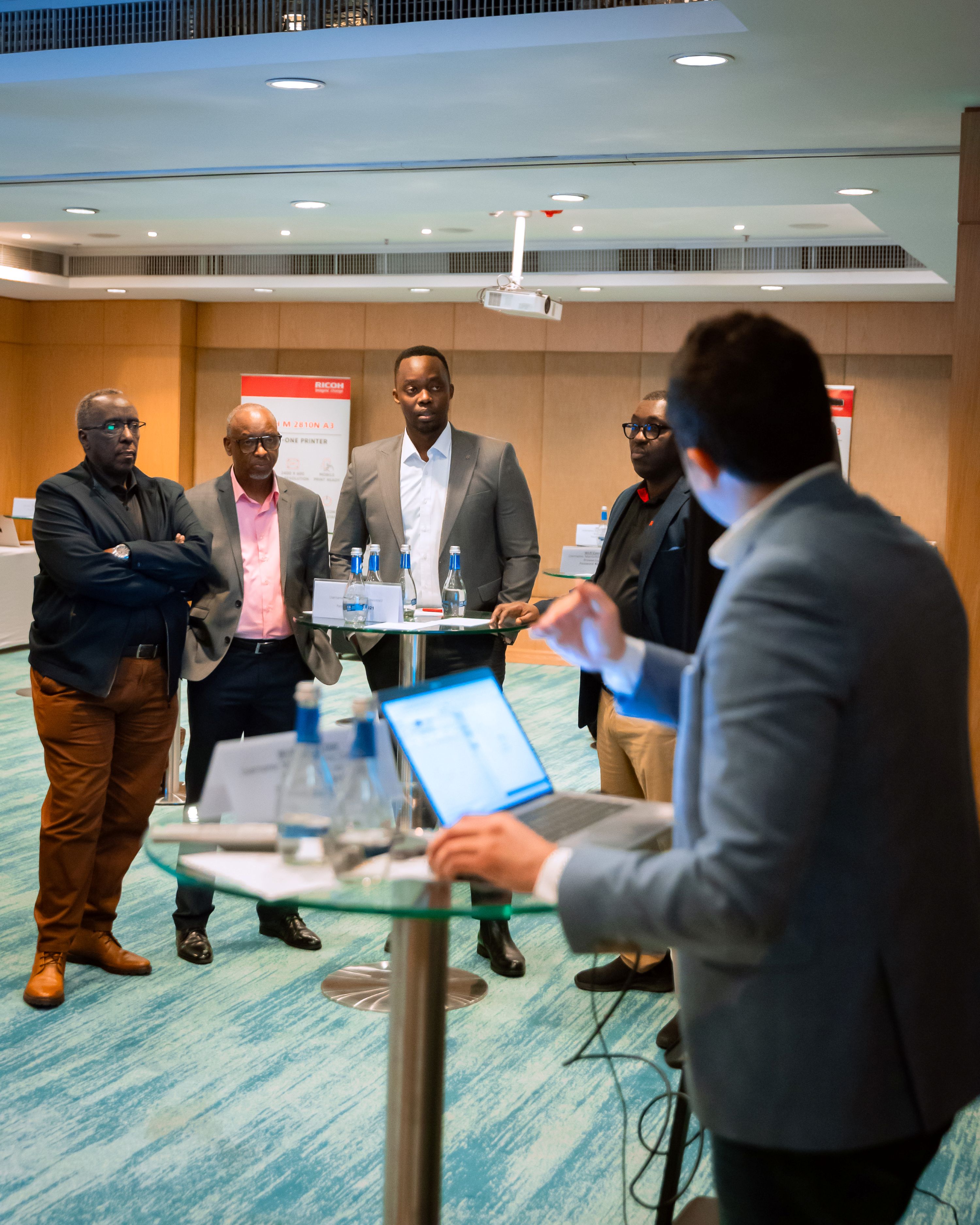
The company hosted a business solutions event at the Kigali Marriott Hotel, bringing together representatives from government institutions, banks, insurance firms, and private companies to explore technologies designed to improve document management and workplace efficiency.
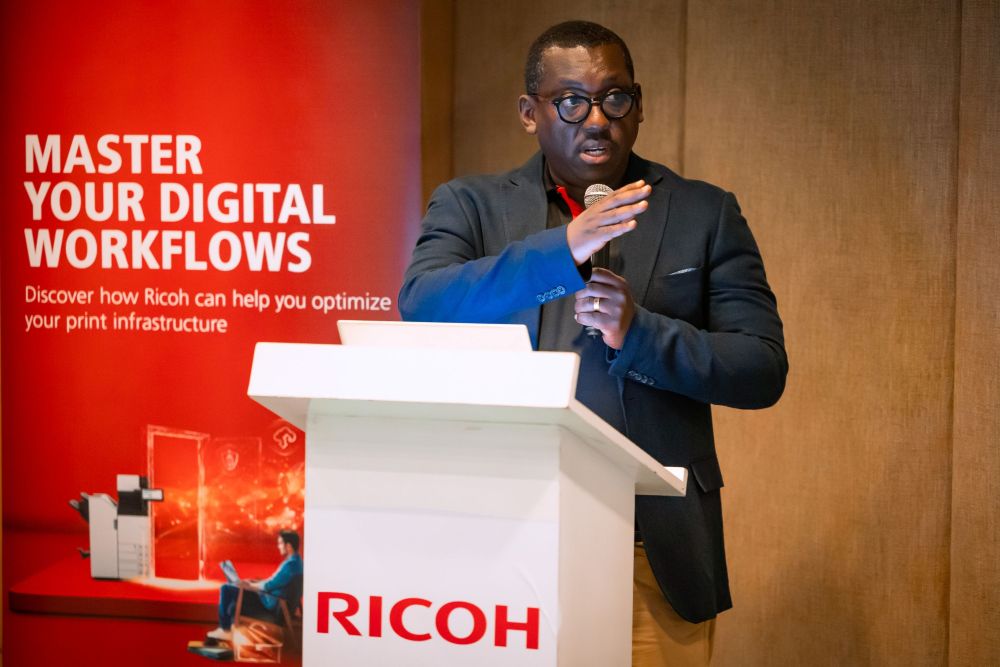
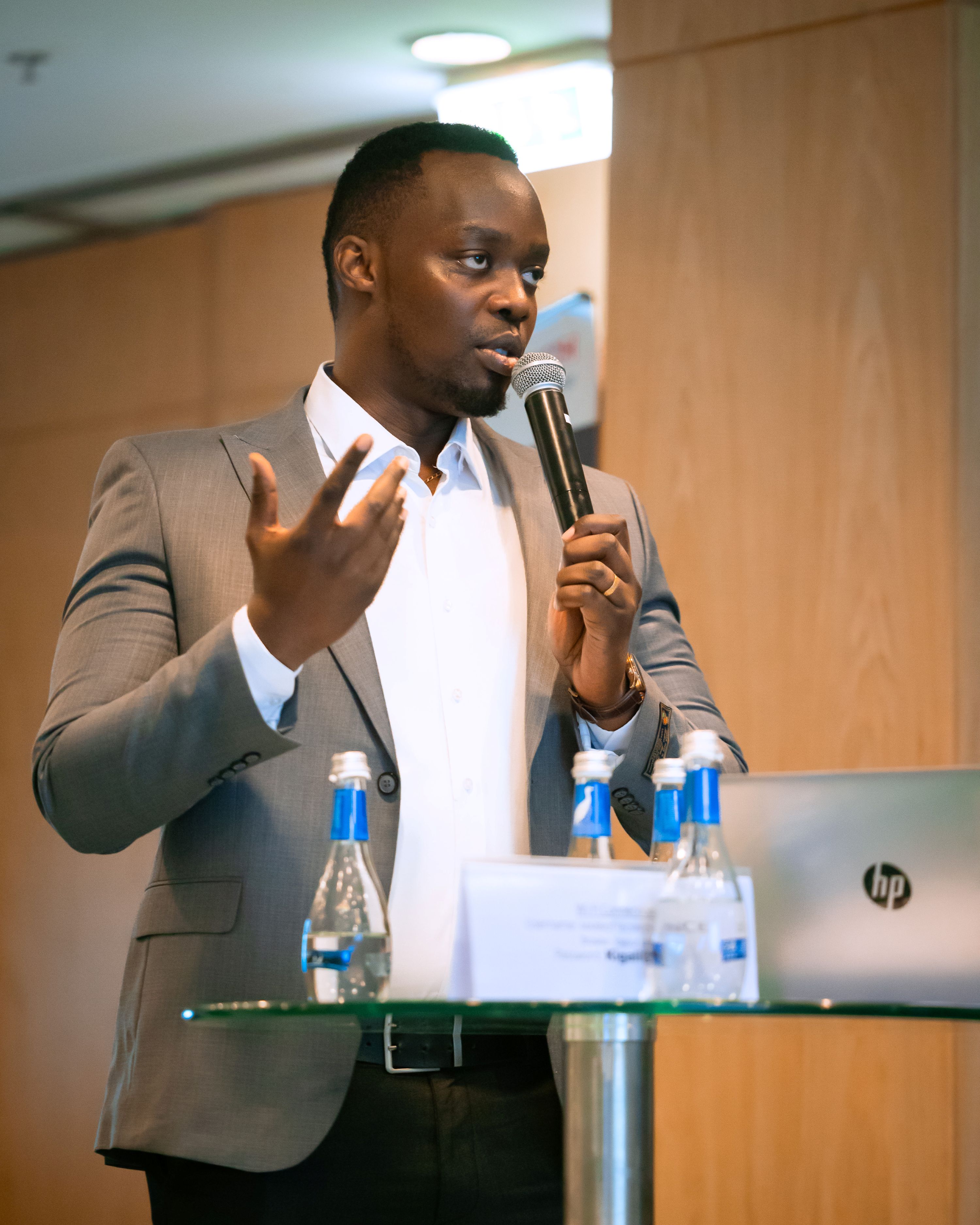
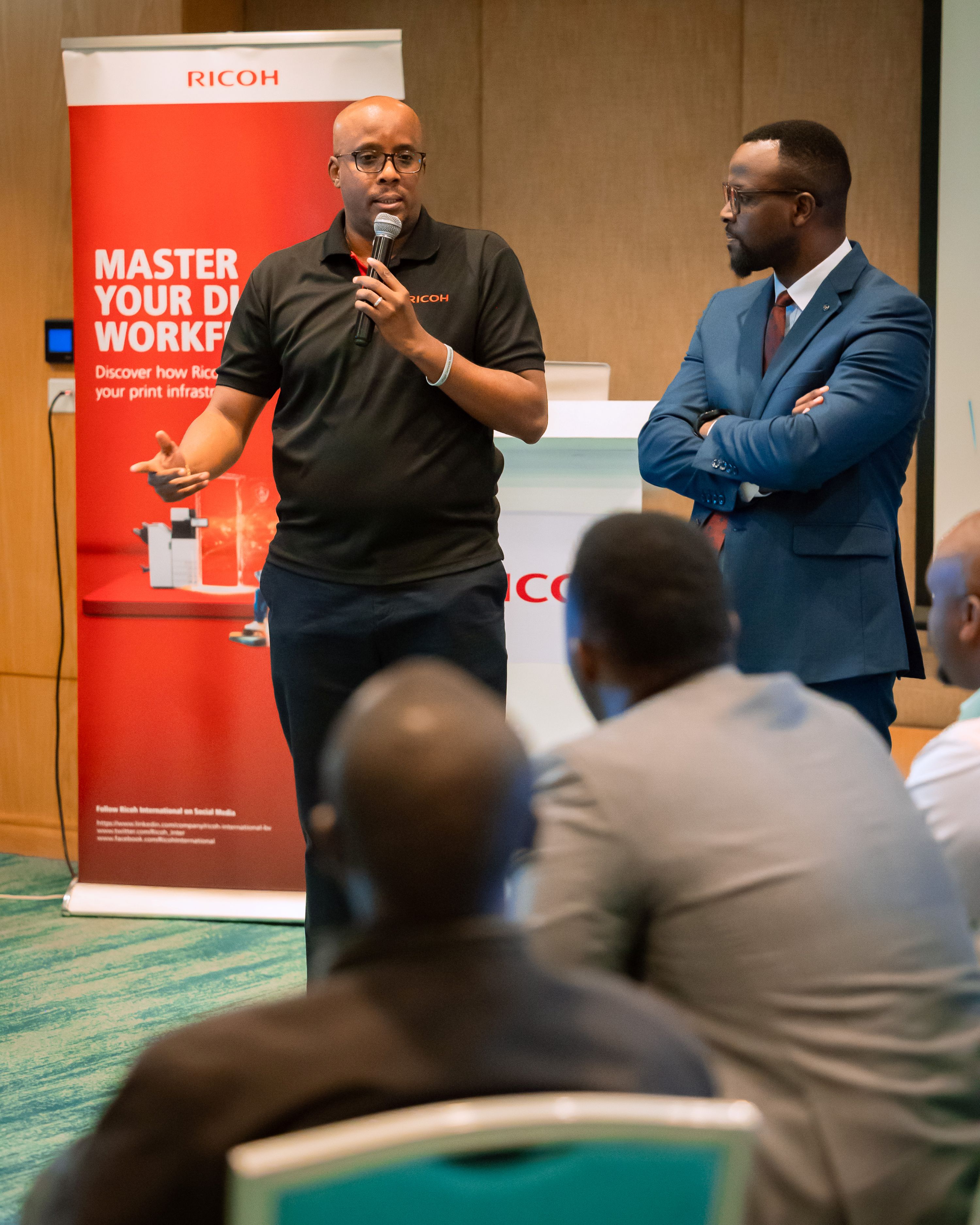
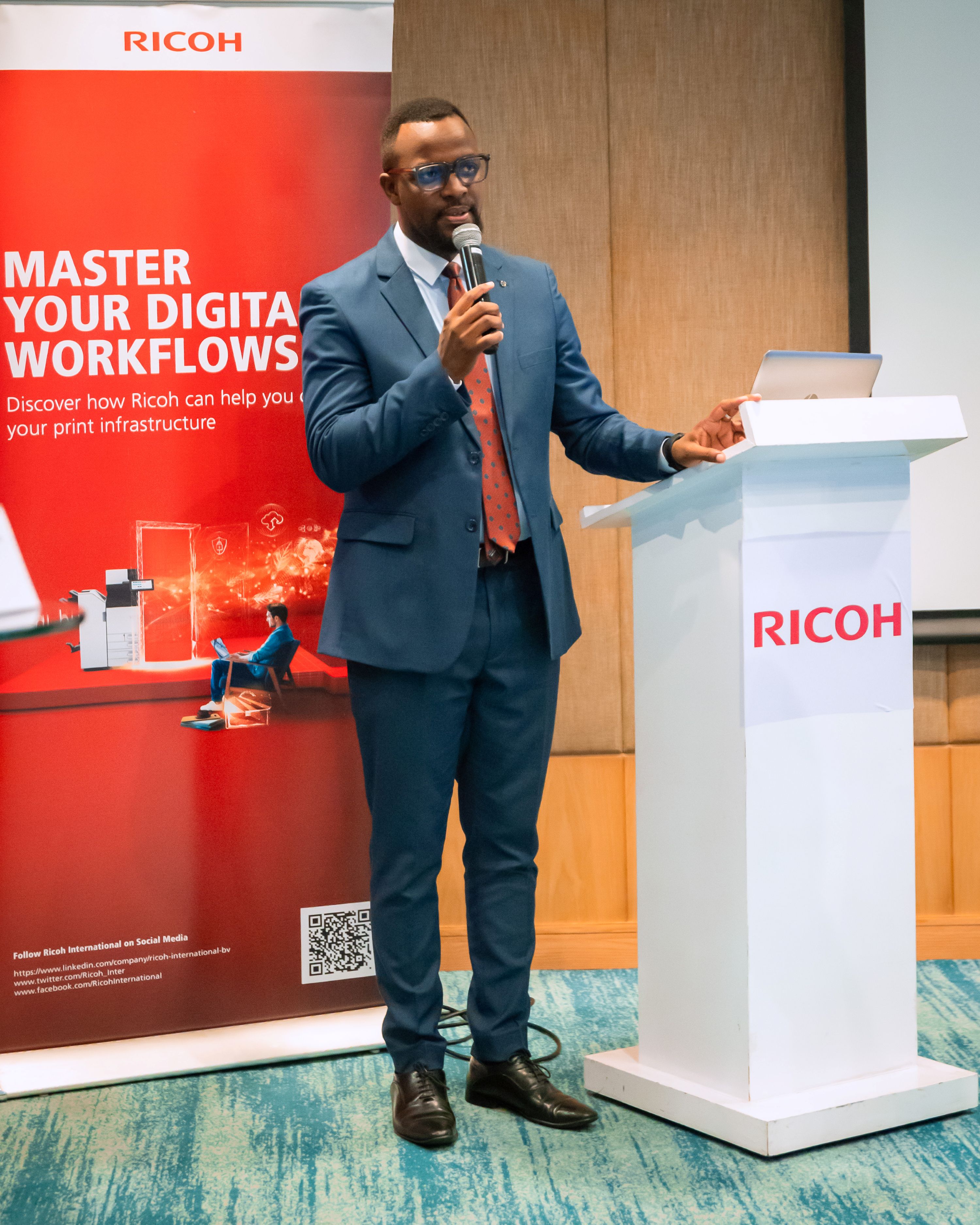
Speaking at the event, RD Tech CEO Jules Munyempeta said the gathering aimed to demonstrate how organisations can adopt practical solutions to support their digital transformation journey.
“We organised this event to showcase the kind of solutions we provide,” he said. “There is a clear trend toward digital transformation, but people also need to understand what it really means and what solutions address it.”
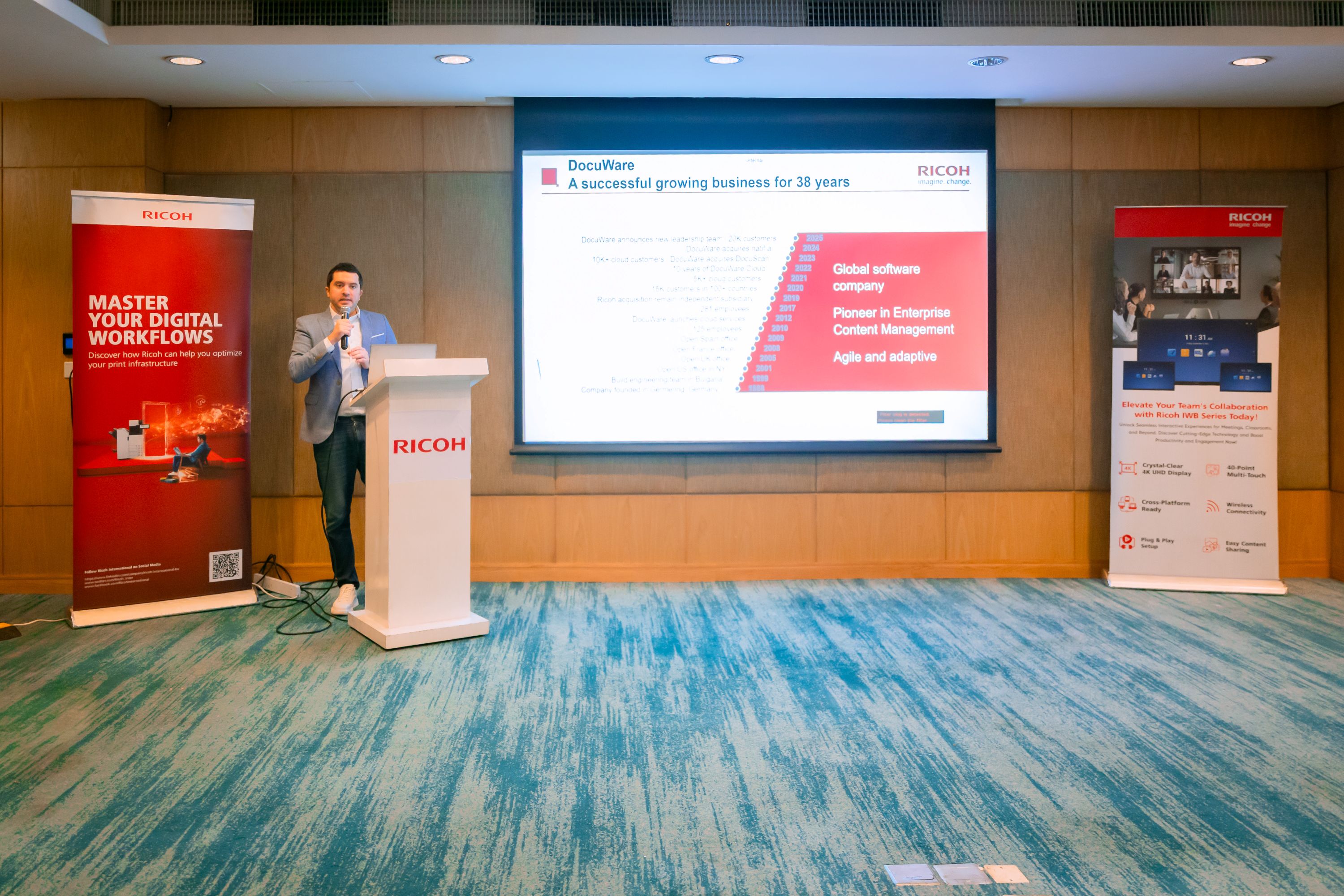
RD Tech CEO Jules Munyempeta showcased a range of digital workplace innovations powered by Ricoh.
The event also marked a milestone for RD Tech, which is celebrating two decades of delivering technology solutions to organisations across Rwanda.
“For us, it is a very important milestone that we do not take for granted,” Munyempeta said. “We would not have reached 20 years without the support and trust of our customers.”
Partnership driving digital solutions
RD Tech has been working with Ricoh for the past three years, a partnership the company says has expanded its ability to offer advanced digital workplace technologies.
From photocopiers to digital innovation, Ricoh is transforming how businesses operate.
Munyempeta noted that Ricoh, historically known for photocopiers and printers, has evolved into a provider of broader digital solutions as organisations increasingly move toward paperless operations.
“They have expanded their business into solutions,” he said. “Ricoh also acquired one of the world’s most experienced document management companies, DocuWare, which allows us to provide a wide range of technologies that support our customers’ digital transformation.”
During the event, RD Tech demonstrated several technologies aimed at helping organisations digitise workflows, manage information more efficiently, and improve data security.
From printing to intelligent workplaces
Participants were introduced to Ricoh’s intelligent multifunction printers, which function not only as printing devices but also as digital hubs capable of scanning, cloud integration, and connectivity with enterprise systems.
DocuWare platform allows organisations to securely archive files, automate document workflows, and retrieve information quickly through digital repositories.
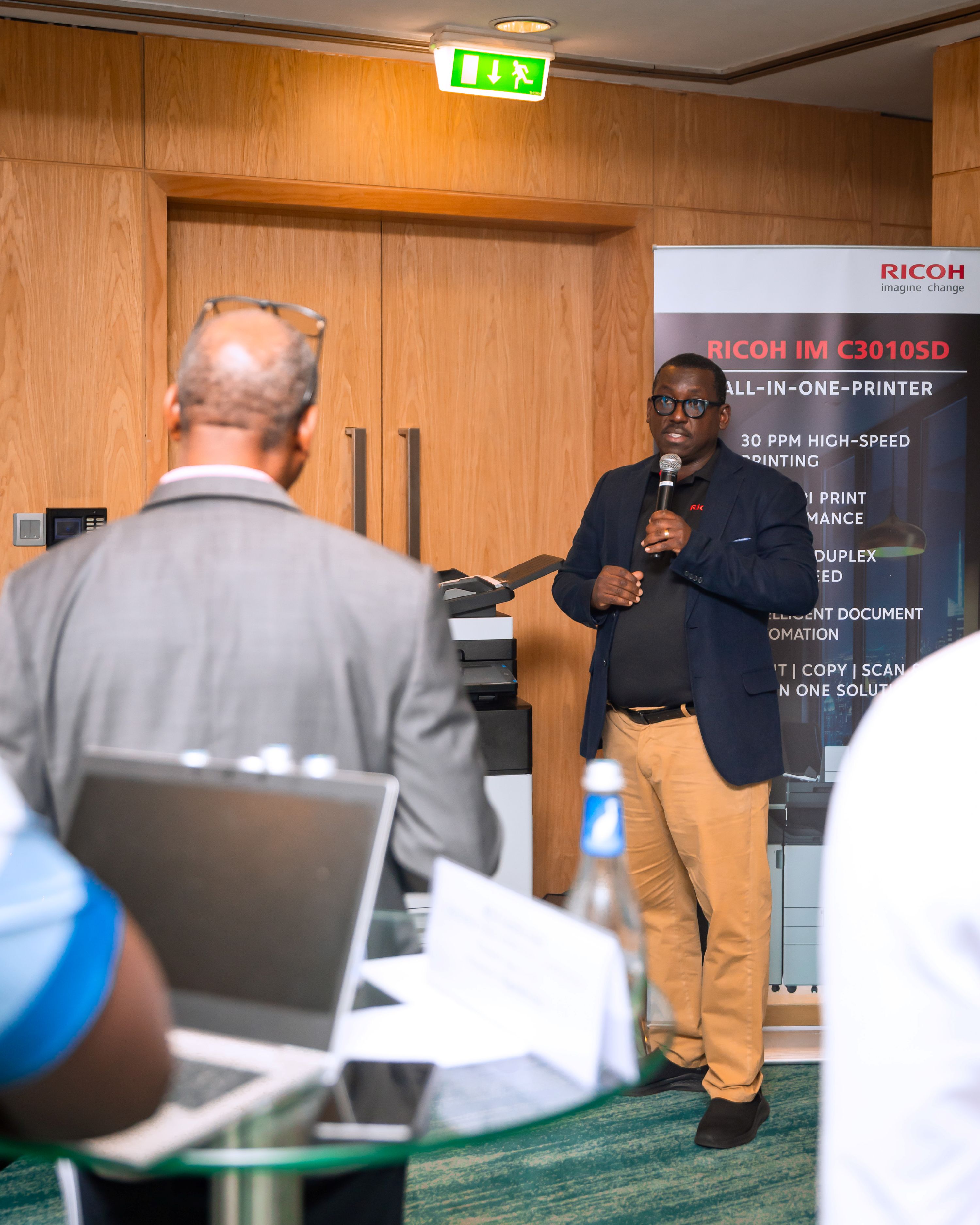
Among the technologies showcased was the Ricoh IM C3010SD multifunction printer, which integrates document automation, high-speed duplex scanning, and cloud-based workflow integration.
Other devices on display included the Ricoh IMC320, Ricoh IM 370, and Ricoh M 2310N printers, designed to support office productivity while reducing energy consumption and operational costs.
The company also demonstrated Ricoh’s managed print services (MPS), a model that allows organisations to lease and centrally manage their printing infrastructure.
Some of the smart printers the two partners have brought to the Rwandan market.
Through this system, companies can track printing usage, optimise device deployment, and reduce overall printing costs while maintaining secure document workflows.
Digitising document management
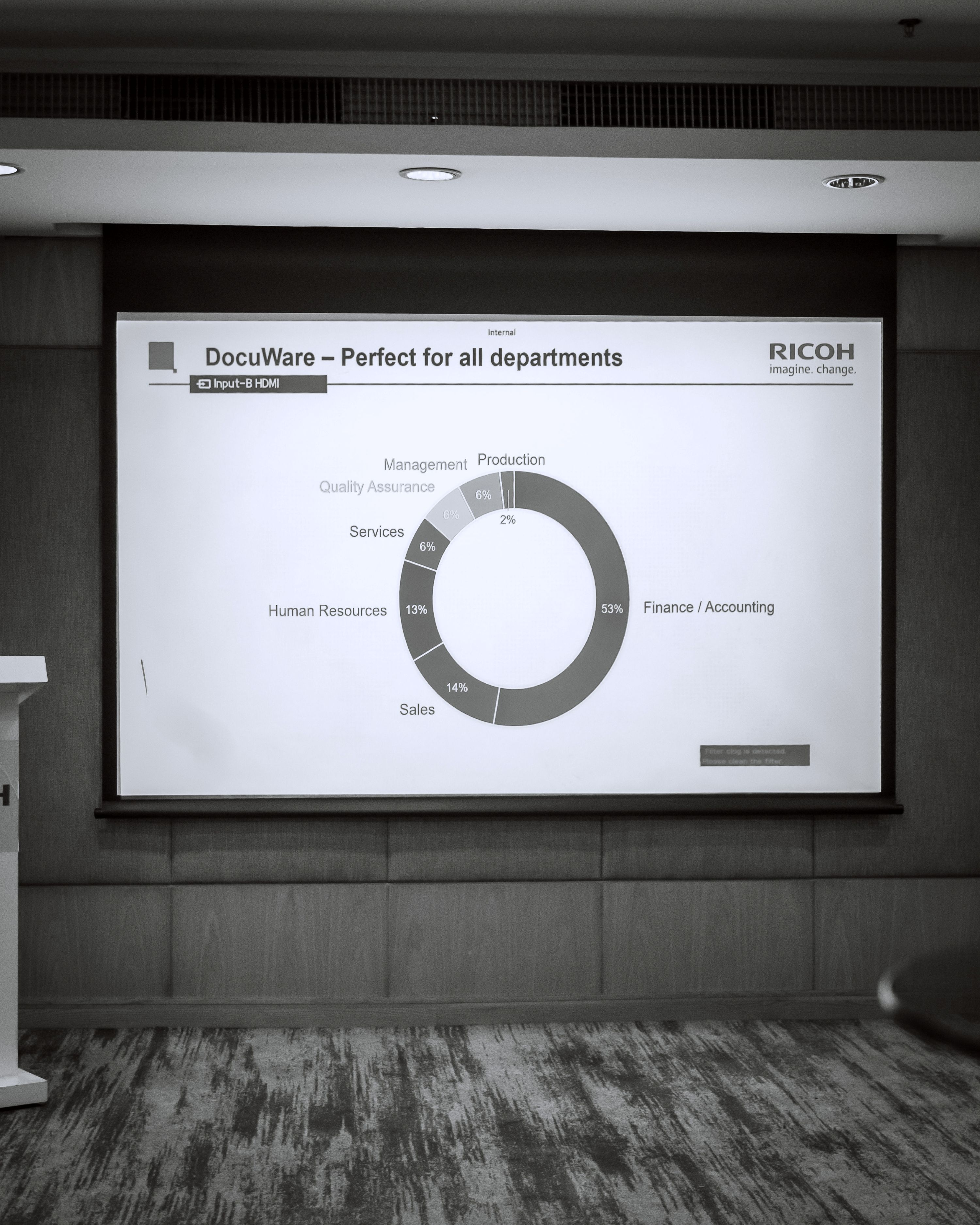
Another major focus of the event was document digitisation through the DocuWare platform, which allows organisations to securely archive files, automate document workflows, and retrieve information quickly through digital repositories.
The platform helps companies reduce paper dependency while improving compliance and operational efficiency.
According to RD Tech, these solutions enable businesses to automate approvals, centralise document storage, and access files remotely through secure online systems.
Ricoh and RD Tech led an engaging, hands-on session to help representatives from various sectors understand how the modern and intelligent printers work.
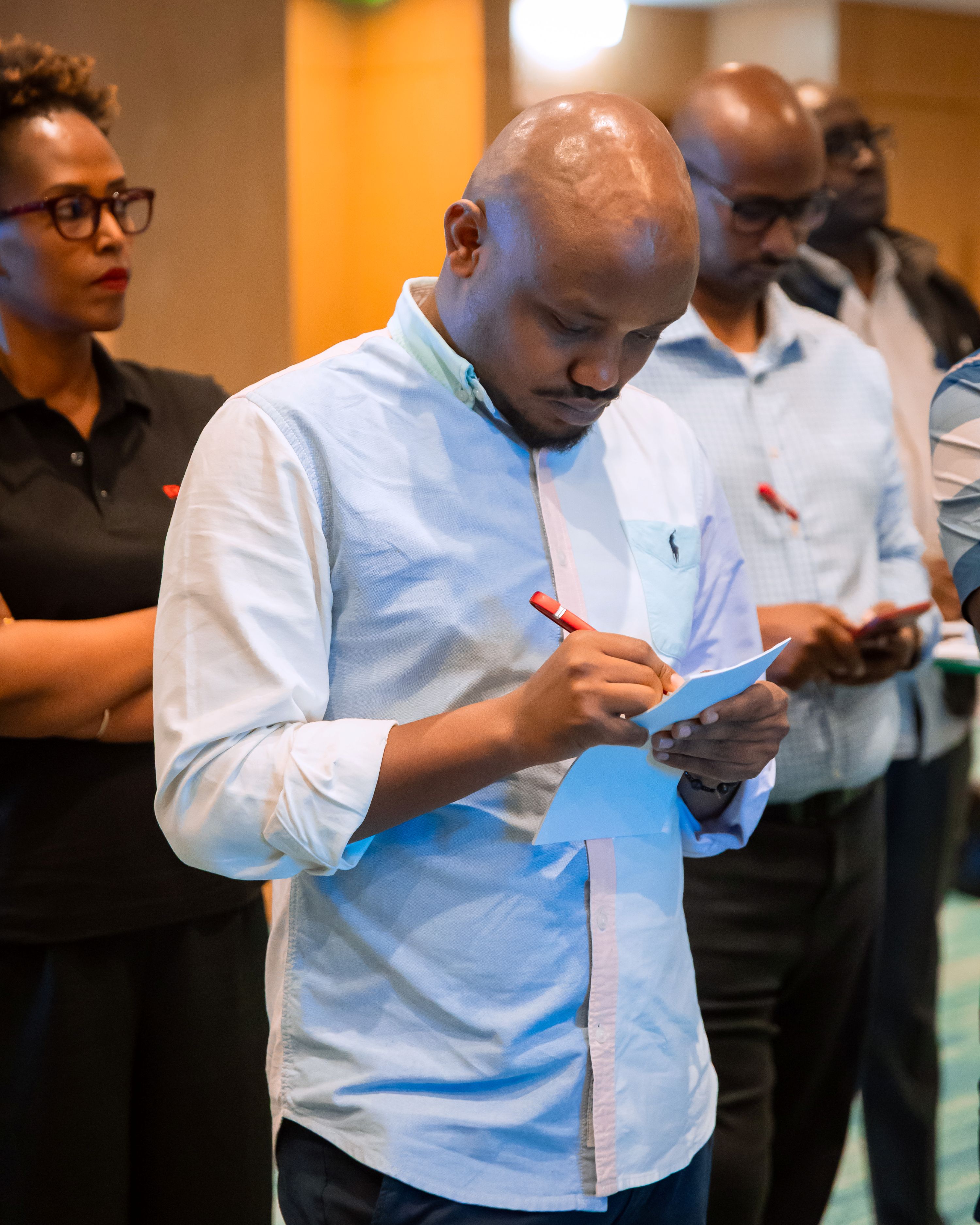
The event was designed to be interactive, with demonstration stands allowing attendees to experience the solutions firsthand.
“We designed today’s event to be interactive and hands-on, so attendees could experience firsthand how RD tech and Ricoh solutions can transform their workplaces,” said Benjamin Cyusa, RD Tech Event Organiser.
Businesses see practical benefits
Participants who spoke to IGIHE said the technologies could significantly improve internal processes and reduce operational inefficiencies.
Rene Sebera, Managing Director of Sky Global Events Management, said the document management systems demonstrated during the event could help organisations avoid duplication of work and improve record management.
“This system helps you save files in a way that makes them easy to retrieve even years later,” he said. “It can also prevent issues like paying the same invoice twice because the system can track previously processed documents.”
Rene Sebera of Sky Global Events noted that the document management systems can boost efficiency and improve record management.
Similarly, Serge Kajabo, HR and Procurement Manager at Ngali Holdings, said digital document systems could solve several challenges related to printing and file management.
“If we can index documents and manage them digitally instead of printing everything, it will make things much easier,” he said. “AI can help retrieve documents instantly, which saves time and reduces costs.”
Looking ahead, CEO Munyempeta said businesses must embrace emerging technologies such as automation and artificial intelligence to remain competitive.
“Everyone is moving toward digital transformation,” he said. “The faster organisations adapt, the better they will be able to serve their customers.”
He added that companies should adopt solutions that can evolve alongside their digital transformation journey.
As RD Tech marks 20 years in the technology sector, the company says it will continue investing in innovation, skills development, and partnerships that help organisations build smarter and more secure digital workplaces.
The event was designed to be interactive, with demonstration stands allowing attendees to experience the solutions firsthand.Teams showcased how modern printers can reduce costs and boost efficiency.Printers such as the Ricoh M 2310N are designed to support office productivity while reducing energy consumption and operational costs.Participants engaged experts and documented insights on how the digital solutions enhance workflows.Experts demonstrated how various technologies work.Benjamin Cyusa, RD Tech Event Organiser, said the interactive event let attendees experience solutions firsthand.According to Serge Kajabo of Ngali Holdings, digital document systems help tackle issues with printing and records management.The highly interactive event was held at the Marriott Hotel.
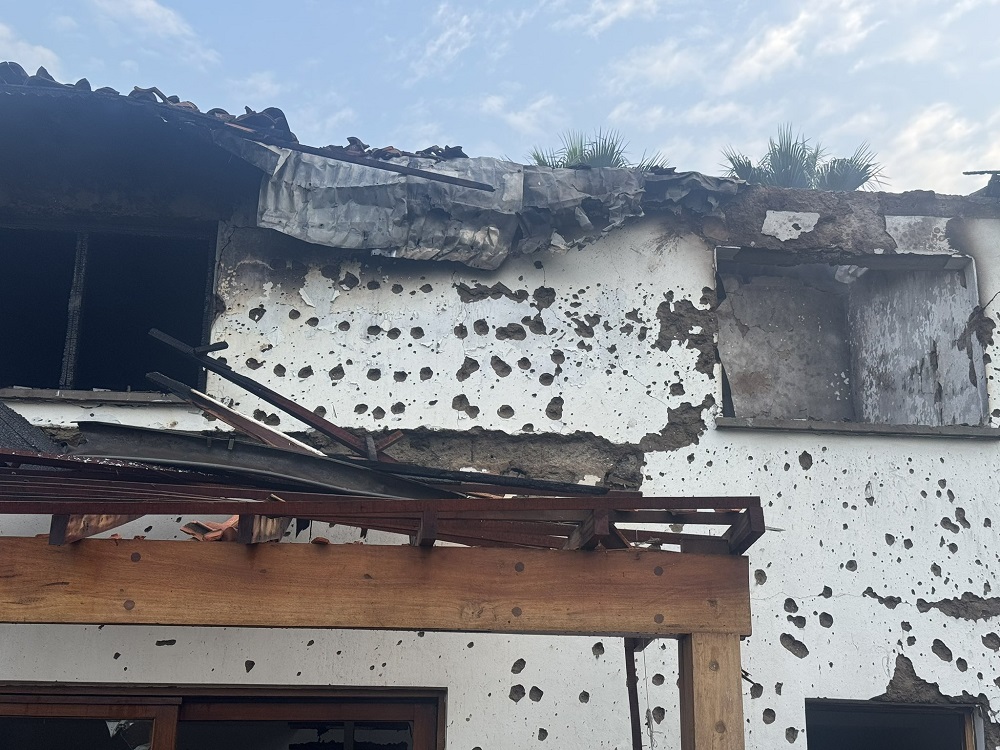
In the early hours of March 11, drones from the DRC military targeted civilian homes in the Himbi area, resulting in the deaths of three civilians, including Karine Buisset, a French national working for the United Nations Children’s Fund (UNICEF).
The AFC/M23 condemned the attack, criticizing the international community for remaining silent while the DRC government violated the peace agreements signed in Doha, Qatar.
Responding to an invitation from civil society organizations, the residents of Goma paused their daily activities on March 12 and took to the streets in protest against the violence perpetrated by the DRC government.
Some of the protesters expressed their condolences to the families of the civilians killed in the drone strike and condemned the continued use of drones by the DRC military, which continues to target civilian-populated areas in North Kivu and South Kivu provinces.
The protesters expressed their belief that the ongoing drone attacks, which show complete disregard for civilian lives, serve as a sign that President Félix Tshisekedi is willing to do whatever it takes to retain power.
Lawrence Kanyuka, spokesperson for the AFC/M23, revealed that the protesters have demanded that AFC/M23 take control of the entire DRC, as the areas under government control have become centers of violence, insecurity, and the suffering of civilians.
Goma has been under the control of AFC/M23 since January 2025. This is the first time the city has been attacked by drones since it was taken from the DRC government’s control more than a year ago.
A house was severely damaged by drones from the DRC government forces.Senior officials arrived at the building and listened to testimonies from the residents. On the morning of March 12, the residents of Goma staged a protest condemning the attack.
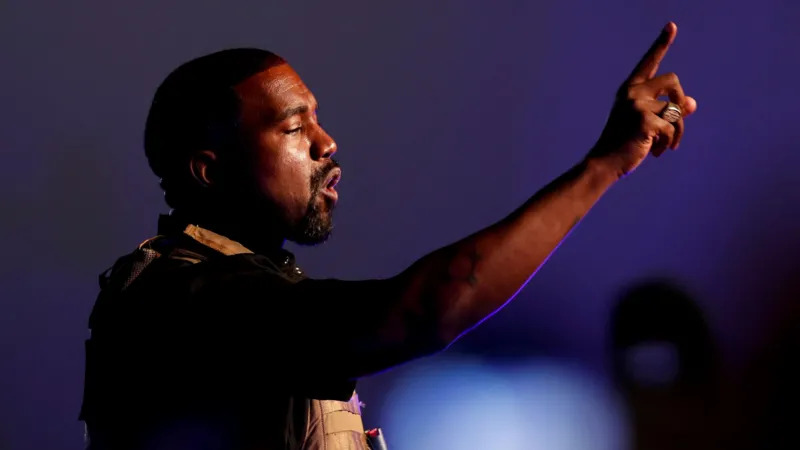
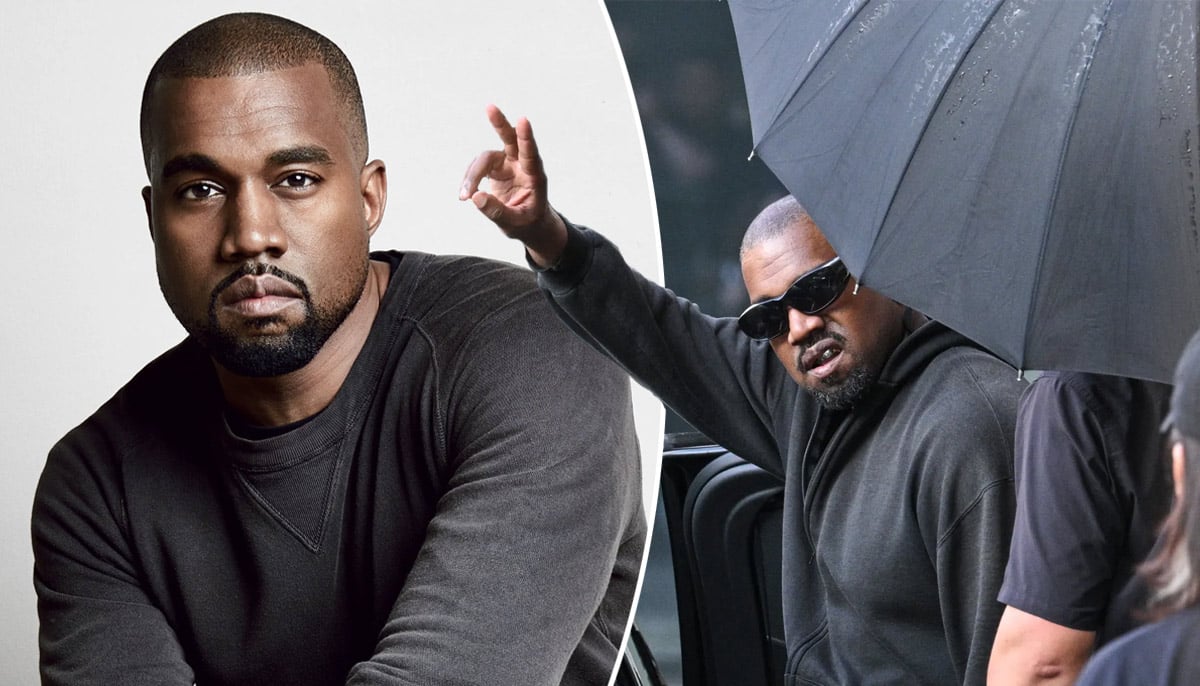
The verdict was delivered on March 11, 2026, in the Los Angeles Superior Court, following a civil trial in which Tony Saxon, the plaintiff, claimed that West did not pay him the agreed‑upon compensation and unjustly fired him during the renovation of the $57 million property. Saxon had originally sought $1.7 million in damages for unpaid wages, medical costs, and other claims, but the jury awarded a much smaller amount.
According to court testimony, Saxon was hired in 2021 to act as a project manager and handyman for the extensive remodel of the Malibu house. He alleged that he was promised $20,000 per week for his work but received only one weekly payment and approximately $100,000 for construction costs despite continuing to work on the project for several weeks. Saxon also claimed he endured unsafe working conditions, was forced to sleep on the floor of the home, and sustained neck and back injuries while on the job.
During the trial, Saxon’s lawyers argued that he was not fully compensated for his work, was fired after raising safety concerns, and suffered injury without proper protection. They described challenging conditions at the job site and maintained that Saxon was unjustly terminated.
West’s legal team, however, contested many of Saxon’s claims. They argued that Saxon was an unlicensed contractor and not a full employee and that financial records showed he had received about $240,000 for his work. West’s attorneys also denied that the conditions described by Saxon warranted the larger damages sought.
In delivering a mixed verdict, the jury found West liable for certain claims related to injury but rejected most of the more serious allegations, such as wrongful termination and unpaid wages. As a result, Saxon was awarded $140,000 specifically for medical expenses and injury‑related compensation, significantly less than the amount he had originally requested.
In addition to the $140,000 award, West may also be required to pay Saxon’s attorney fees and court costs, which could push the total financial responsibility above $1 million, according to statements from Saxon’s legal team.
Kanye West ordered to pay $140,000 in Malibu mansion renovation lawsuit.
Seventy-four Burundians, who had sought refuge in Rwanda over the years, have voluntarily returned to their home country, expressing gratitude for the safety and support they received while in Rwanda.
The group crossed the Rwanda-Burundi border at Nemba One Stop Border Post in Bugesera District on Thursday, March 12. The group included 44 men and 30 women from 47 families. Among them, 62 had lived in Mahama Refugee Camp in Kirehe District, while 12 had been residing in Kigali City.
They were received by officials from Burundi following their transfer, with representatives from Rwanda’s Ministry of Emergency Management (MINEMA) and the United Nations High Commissioner for Refugees (UNHCR) accompanying them.
The group crossed the Rwanda-Burundi border at Nemba One Stop Border Post in Bugesera District on Thursday, March 12.
Jérémie Havugiyaremye, who spent 25 years in Rwanda, said he lived a normal life during his stay and had four children there, adding to three he had brought with him, making seven in total.
“Life in the camp was not easy, but we did not face any problems while in Rwanda,” Havugiyaremye said. “However, a camp is not a place to stay permanently. I miss my country, and I have decided to return to rebuild my life there.”
He added that his decision was influenced by friends who had returned earlier and reported that peace had been restored in Burundi.
The voluntary repatriation was facilitated by the United Nations High Commissioner for Refugees (UNHCR) in coordination with officials from Rwanda and Burundi.
Oda Mariya, who had lived in Rwanda for 11 years after fleeing the unrest in Burundi in 2015, said she returned after learning that peace had returned.
“I fled alone, leaving my family behind,” she said. “Friends who returned earlier told us it was peaceful. I decided to go back and live normally with others, as we had no issues here in Rwanda.”
Karagire Gonzague, Refugee Programme Manager at MINEMA, said that since 2020, more than 31,000 Burundians have voluntarily returned home, with Burundi actively encouraging returns.
“In 2022, Burundi officials visited Mahama Camp and Kigali to speak with refugees and encourage them to return,” he said. “Last year, online discussions were held to explain to refugees the reasons for going back home.”
The 74 returnees join 115 others who returned in November 2025 from Mahama Camp and Kigali. MINEMA reports that since 2020, more than 30,000 Burundian refugees have returned home, while Rwanda continues to host over 50,000 others.
The Burundian nationals expressed gratitude for the safety and support they received while in Rwanda.
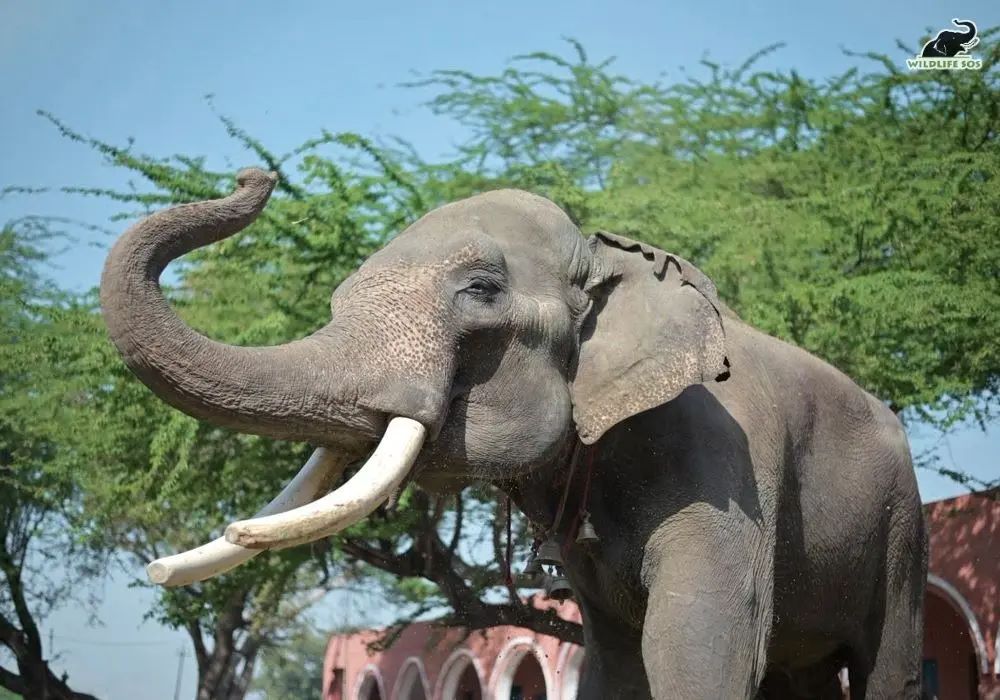
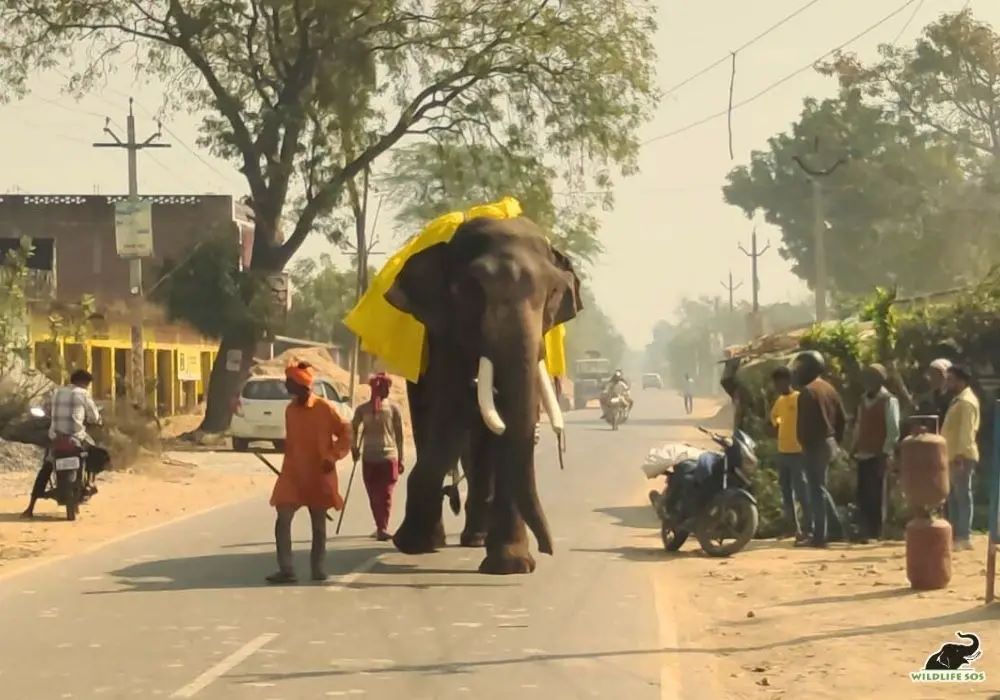
According to Wildlife SOS, the elephant, named Veer, had reportedly endured years of exploitation, including being used as a “begging” elephant on the streets, a practice that often exposes animals to harsh conditions, overwork and inadequate medical care.
Responding to the urgent situation, Wildlife SOS mobilized a specialized veterinary team late last month to rescue the injured animal and transport him to safety.
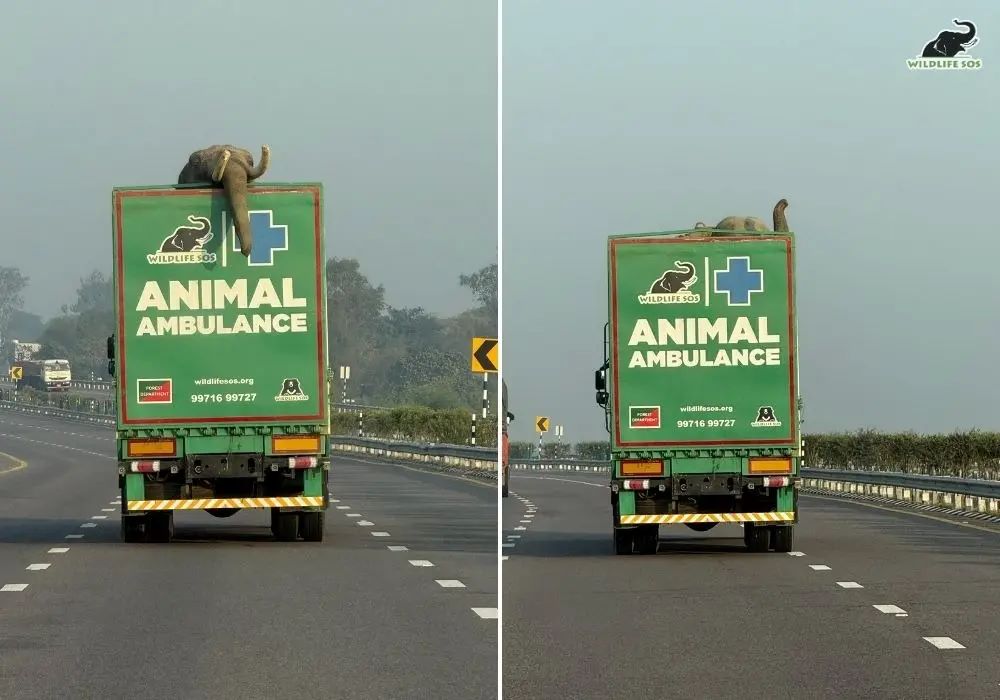
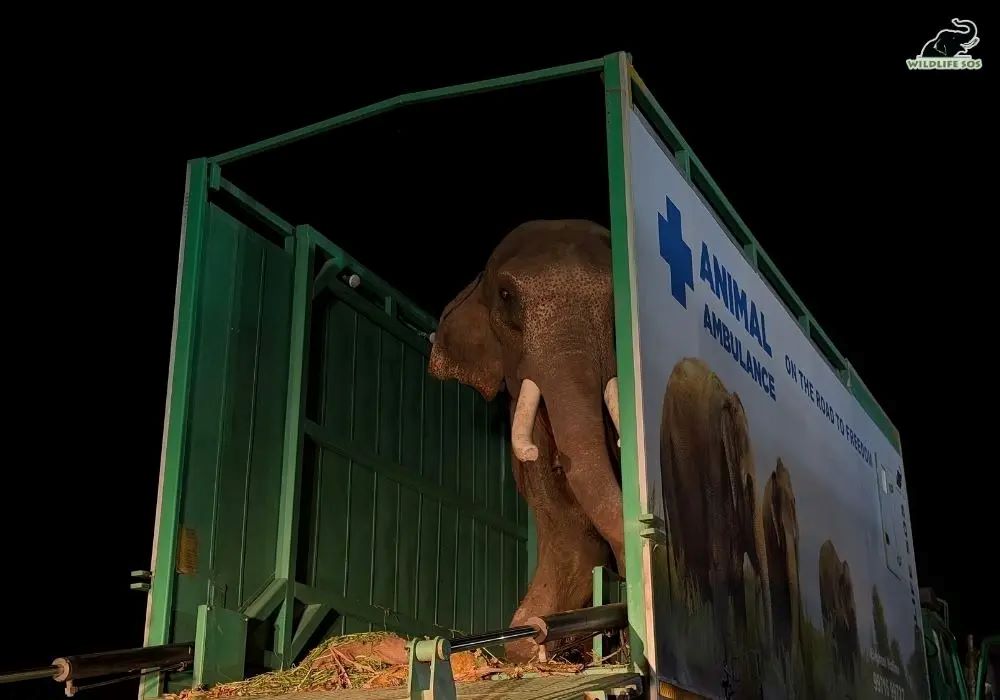
The remarkably tall, exceptionally calm and endearingly curious Veer would keep peeping and popping out his trunk over the ambulance every few minutes. Photo by Wildlife SOS
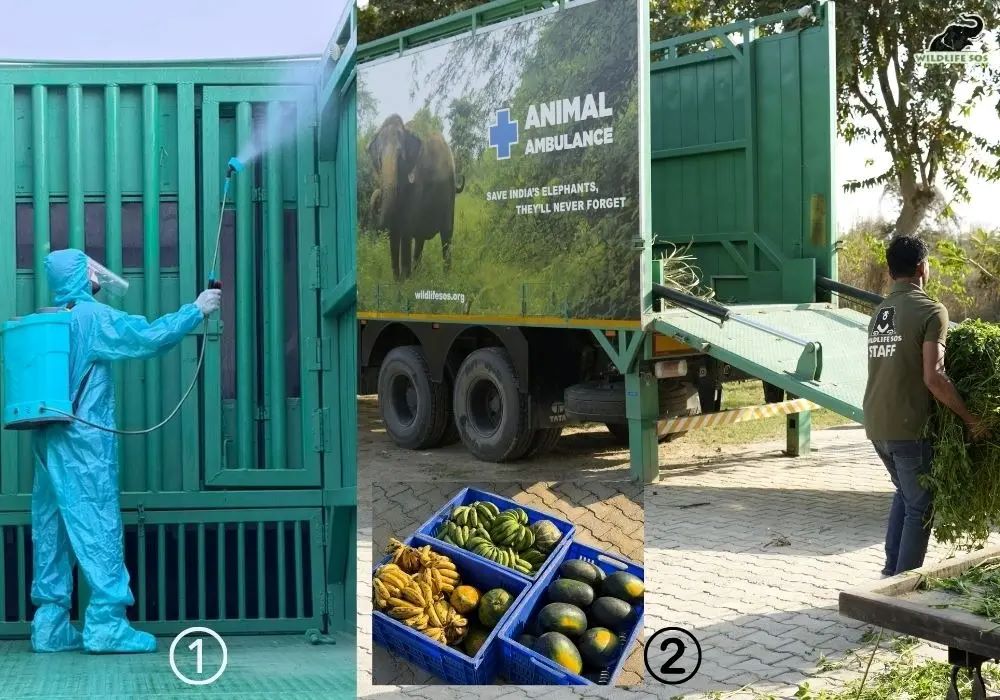
For the mission, the organization deployed its newly commissioned elephant ambulance, marking the vehicle’s first field rescue. Designed specifically for long-distance elephant transfers, the ambulance is equipped with advanced safety and stabilization systems to ensure the safe transport of injured elephants.
The vehicle includes specially designed access points that allow veterinary technicians to administer medication and monitor vital signs while maintaining a safe distance. Inside, the ambulance is structured to provide stability and reduce stress for the animal during travel. Since elephants must remain standing during transport, supportive straps and harnesses allow them to shift weight away from injured limbs.
“This rescue represents both urgency and hope,” said Nikki Sharp, Executive Director of Wildlife SOS USA. “For decades, ‘begging’ elephants have endured unthinkable physical and psychological trauma. With our new elephant ambulance and expert veterinary team, we are able to respond faster and more safely than ever before.”
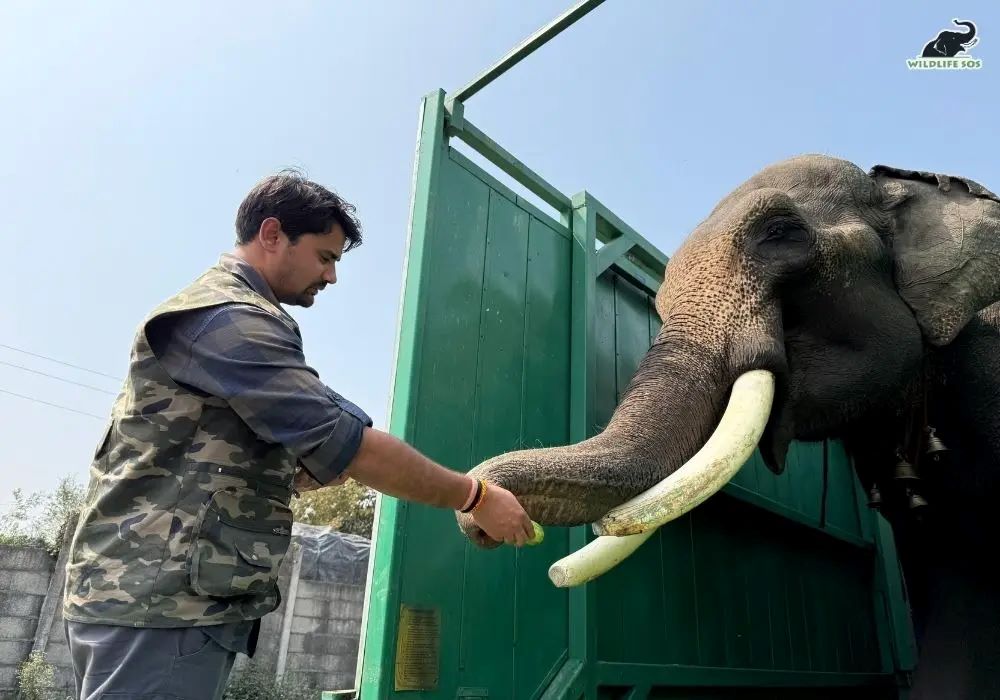
Veer displayed no unrest around the Wildlife SOS team, and remained engrossed with the abundance of food offered to him. Photo by Wildlife SOS
Upon reaching Veer, the medical team conducted an examination and provided immediate treatment before beginning the transport. Because elephants must stand while the vehicle is moving, the team made regular stops during the multi-day journey so the animal could rest and lie down.
Veer was eventually transported to the Wildlife SOS Elephant Hospital, located at the Elephant Conservation and Care Centre in Mathura, Uttar Pradesh, where he will receive specialized treatment and long-term care.
Wildlife SOS is also spearheading an international campaign to end the exploitation of elephants used for street begging in India. The initiative aims to rescue and rehabilitate all such elephants by 2030, many of whom suffer from chronic injuries, malnutrition and untreated illnesses.
The organization currently cares for more than 30 rescued elephants at its conservation facility.
“Veer’s rescue is a powerful reminder of why this work matters,” Sharp said. “Because of our supporters, he now has access to the specialized treatment and long-term care he urgently needs.”
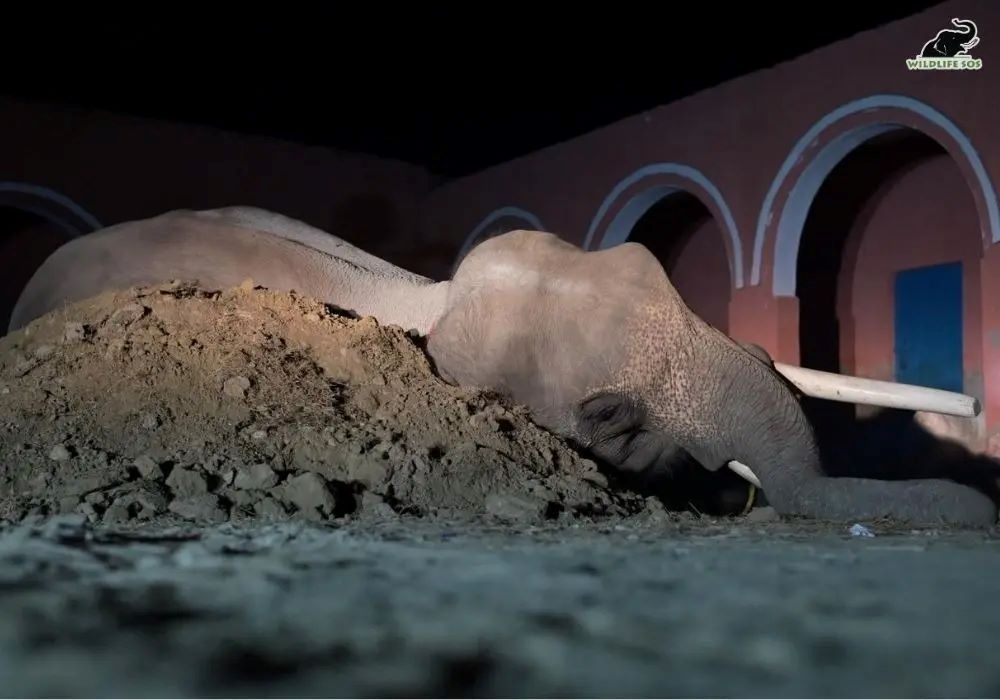
A brighter chapter has opened up in Veer’s life, filled with nourishing care and affection. Photo by Wildlife SOSVeer was offered a lot of cucumbers to keep up his hydration levels. Photo by Wildlife SOSWhile the team faced an unexpected turn of events when the ambulance tyres sunk into the mud, caregivers made the best of the situation by creating a mud bed for Veer to aid his sleep. Photo by Wildlife SOSThe remarkably tall, exceptionally calm and endearingly curious Veer would keep peeping and popping out his trunk over the ambulance every few minutes. Photo by Wildlife SOSWildlife SOS rushed to prepare the animal ambulance by sanitising it thoroughly and stocking it with fresh edibles for the elephant thereafter. Photo by Wildlife SOSThe gentle giant was forced to walk on concrete roads, bearing goods on his back under the scorching sun. Photo by Wildlife SOS
In a statement released on Thursday, the federation highlighted that the appointment ‘reflects Rwanda’s continued commitment to strengthening football structures and achieving excellence on the continental and global stage’.
Coach Constantine is set to take charge of the Amavubi squad on Monday, March 16, 2026, and will immediately begin preparations with the existing team ahead of the FIFA Series Tournament scheduled later this month in Kigali City.
FERWAFA announced that further details regarding technical plans, strategic objectives, and the roadmap for the teams will be shared during an official press conference planned for next week.
Stephen Constantine previously served as the team’s head coach between 2014 and 2015 before leaving to take charge of the India national football team.
During his earlier stint with Amavubi, Constantine had been tasked with preparing the team for the 2016 African Nations Championship (CHAN), which was hosted in Rwanda. After his departure, Rwanda went on to reach the quarter-finals of the tournament.
He returns to Rwanda at a time when the country is ranked 131st in the FIFA rankings, compared with 68th when he left the role, the highest position Rwanda has ever achieved in its history. During his tenure, Amavubi remained unbeaten at home.
In the seven matches played during that period, the team lost only one, against Congo national football team, while drawing two games against Burundi national football team and Morocco national football team.
In 2025, Constantine expressed his continued appreciation for Rwanda after defeating Nigeria national football team on their home ground. He described Rwanda as a country that has made progress in football with talented players.
Stephen Constantine has been confirmed as new Amavubi head coach.