Residents in Tel Aviv reported loud blasts as Israel’s state-owned Kan TV news said debris hit several locations in the area. The country’s rescue service, Magen David Adom, said its teams were on their way to search for possible injuries at sites where missile hits or fragments had been reported.
The attacks followed large-scale Israeli airstrikes on Beirut’s southern suburbs on Wednesday night, while Hezbollah targeted northern Israel for hours with rocket barrages.
According to Israeli military officials, Hezbollah militants fired about 100 rockets and several drones at northern Israel, while Iran simultaneously launched several missiles at the north as well as other areas.
Impacts were reported and at least two civilians were lightly injured, Magen David Adom said.
The fights came as the regional conflict, triggered by the U.S.-Israeli joint military strikes on Iran, stretched into its 13th day.
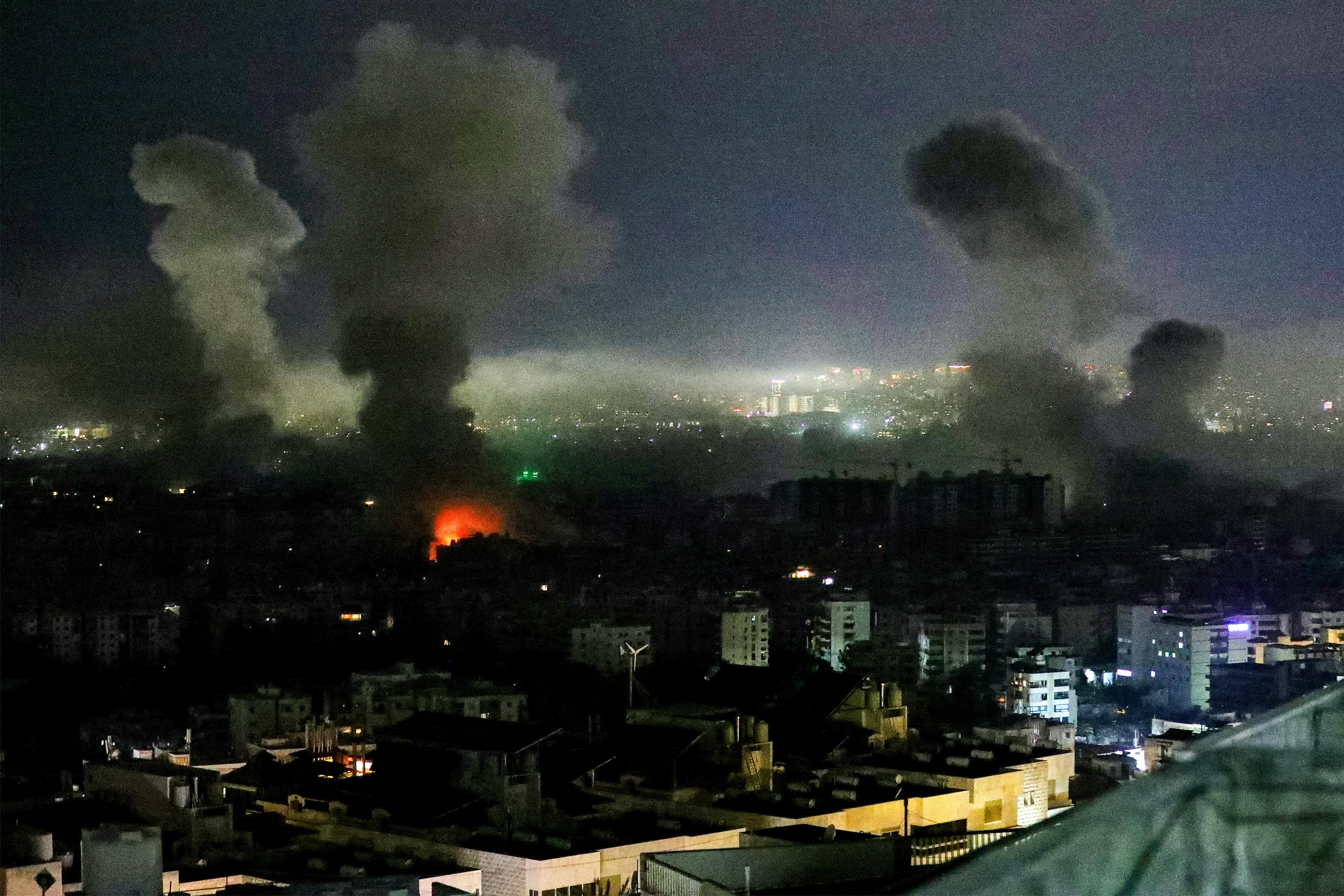
Smoke rises from the site of an Israeli airstrike that targeted an area in Beiruts southern suburbs on March 11, 2026. Lebanon was drawn into the Middle East war last week when Hezbollah attacked Israel in response to the killing of the Iranian supreme leader in US-Israeli strikes. Israel, which kept up strikes targeting Hezbollah despite a 2024 ceasefire, has since launched attacks across Lebanon and sent ground troops into border areas. (Photo by AFP) /
“You just said it is a little excursion and you said it is a war. So, which one is it?” Trump was asked by one of the reporters traveling with him in the U.S. state of Ohio.
“Well, it’s both,” Trump answered. “It’s an excursion that will keep us out of a war, and the war is going to be, I mean for them it’s a war.”
Addressing House Republicans on Monday, Trump described the military operation against Iran as a “short-term excursion” while later vowing to “go forward more determined than ever to achieve ultimate victory.” He has also demanded Iran’s “unconditional surrender.”
Though Trump said earlier on Wednesday that the U.S.-Israeli war with Iran will end “soon” because there is “practically nothing left to target,” Axios reported.
U.S. and Israeli officials said that they are preparing for at least two more weeks of strikes in Iran, and that there has been no internal directive on when such strikes might stop, according to the report.
More than 1,300 civilians have been killed and 9,669 civilian sites destroyed in Iran in U.S.-Israeli strikes since Feb. 28, Amir Saeid Iravani, Iran’s ambassador and permanent representative to the United Nations, said Tuesday.
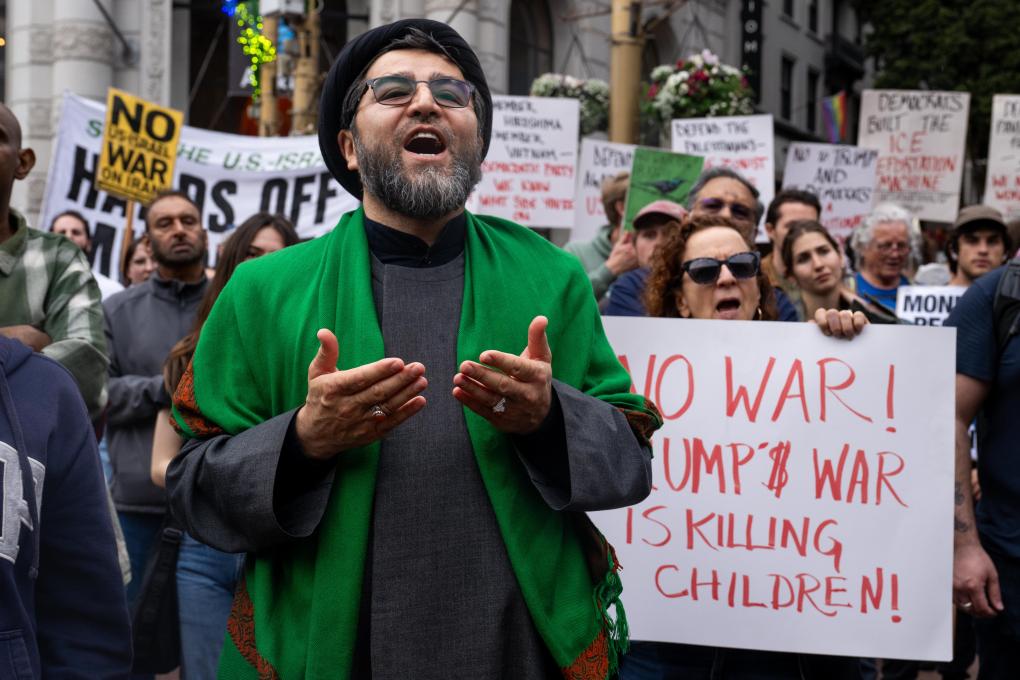
People attend a protest against U.S.-Israeli strikes on Iran in San Francisco, the United States, Feb. 28, 2026.
The match was played at PSG’s home stadium, Parc des Princes.
“This evening in Paris, President Kagame attended the UEFA Champions League match at Parc des Princes, where Visit Rwanda partner Paris Saint-Germain secured a 5–2 victory over Chelsea FC,” the Office of the President said in a post on X.
The partnership between Visit Rwanda and Paris Saint-Germain was first signed in 2019 and renewed in 2025, extending the agreement until 2028.
Under the deal, PSG promotes the Visit Rwanda brand at its home ground, Parc des Princes, and on the club’s training kits.
Since the partnership began, millions of football fans around the world have gained greater awareness of Rwanda through media coverage and the visibility of the Visit Rwanda brand.
Through the collaboration, more than 400 children have also received football training through PSG Academy Rwanda, established by the French club in Rwanda.
Each year, the club sends players and legends to Rwanda to visit the country’s tourist attractions and share their experiences with global audiences.
The latest visitors were Océane Nathalie Toussaint Dit Marseille, Baby Jordy Benera, and Jade Le Guilly, members of the Paris Saint-Germain Féminine, who visited Rwanda in late February this year.
According to the Rwanda Development Board, the continued partnership helps position Rwanda as a global tourism destination, with further exposure expected as the Visit Rwanda brand appears on training kits worn by PSG youth teams in the United States.
President Kagame was welcomed by senior officials from Paris Saint-Germain.The match ended with PSG defeating Chelsea 5–2.
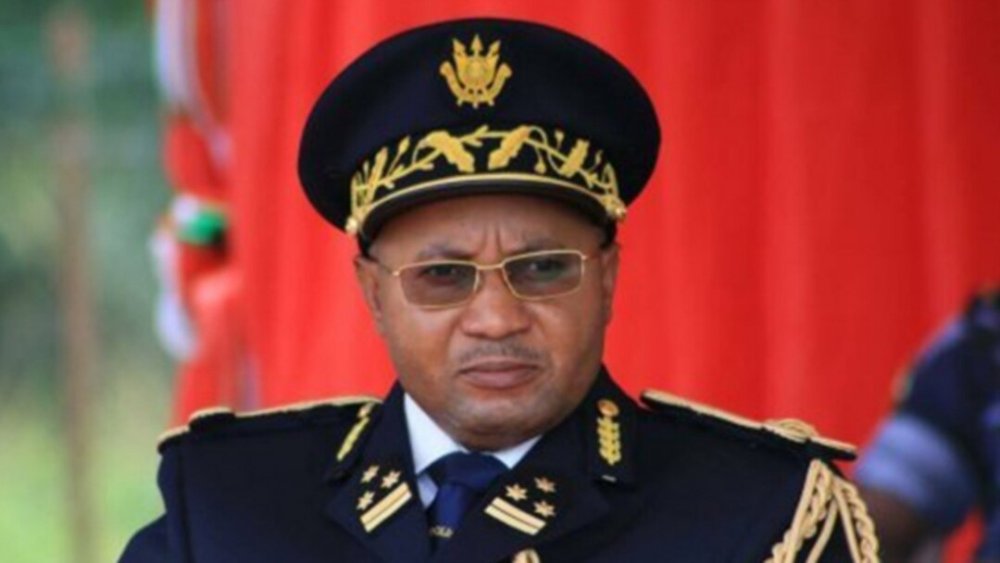
Bunyoni, who served as Prime Minister of Burundi from June 2020 to September 2022, was freed alongside ten other detainees on health grounds. The release was confirmed by security officials in Burundi as well as his lawyer Placide Gatoto.
One of the most influential figures in Burundi’s political and security establishment, Bunyoni held several senior positions during his career, particularly within the security sector. He was also the first person to receive the rank of General in the country’s national police.
He was arrested in April 2023 and accused of crimes linked to an alleged plot to harm President Évariste Ndayishimiye as well as charges related to undermining the country’s economy.
Following his trial, Bunyoni was convicted and sentenced to life imprisonment. He was subsequently transferred to Gitega Central Prison, where he had been serving his sentence.
At the time of his conviction, the court also ordered the seizure and sale of his assets, which reportedly included numerous buildings and vehicles. The proceeds were intended to compensate the Burundian state for funds he was accused of embezzling.
Bunyoni’s health had deteriorated significantly during his detention. On October 9, 2025, he was admitted to a hospital in Gitega after human rights activists who visited him in the special cell where he was being held warned that his condition could be life-threatening.
According to Pierre Claver Mbonimpa, chairperson of the human rights organization APRODH, Bunyoni was suffering from severe diabetes and serious mental health issues. Mbonimpa said the former prime minister sometimes became extremely frightened, even hiding under his bed when people visited him.
Medical treatment at the Gitega hospital reportedly failed to improve his condition. He was later transferred to the private Kira Hospital in Bujumbura, but he was discharged shortly afterward when no significant improvement was observed.
The Burundian government’s decision to release Bunyoni has fueled speculation that he may be allowed to seek specialized medical treatment abroad, where doctors may be better equipped to handle his condition than facilities in Bujumbura or Gitega.
Bunyoni served as Prime Minister of Burundi from June 2020 to September 2022.
The research, published in Proceedings of the National Academy of Sciences, focuses on the microbe Nitrosopumilus maritimus, a type of ammonia-oxidizing archaea that plays a crucial role in ocean nutrient cycles. Scientists say these microbes make up roughly 30 percent of marine microbial plankton and are essential for the chemical processes that sustain marine life.
As ocean temperatures rise due to climate change and marine heatwaves, scientists have been concerned about how warming waters, sometimes reaching depths of more than 1,000 meters, could disrupt delicate biological and chemical systems in the deep sea.
The study was led by Wei Qin, a microbiology professor at the University of Illinois Urbana‑Champaign, and David Hutchins of the University of Southern California. Using controlled laboratory experiments, the team exposed cultures of Nitrosopumilus maritimus to different temperatures and iron levels.
They discovered that warmer conditions combined with limited iron actually improved the microbes’ efficiency in using the metal, which is vital for their metabolism. This suggests the organisms can adapt to the stress of higher temperatures and reduced nutrient availability.
According to the researchers, global ocean models indicate that these microbes could continue, and possibly strengthen, their role in nitrogen cycling and supporting marine productivity in a warming ocean.
Later this year, the scientists plan to test their findings during a research expedition aboard the RV Sikuliaq, traveling from Seattle to the Gulf of Alaska and toward Honolulu to study natural microbial populations in real ocean conditions.
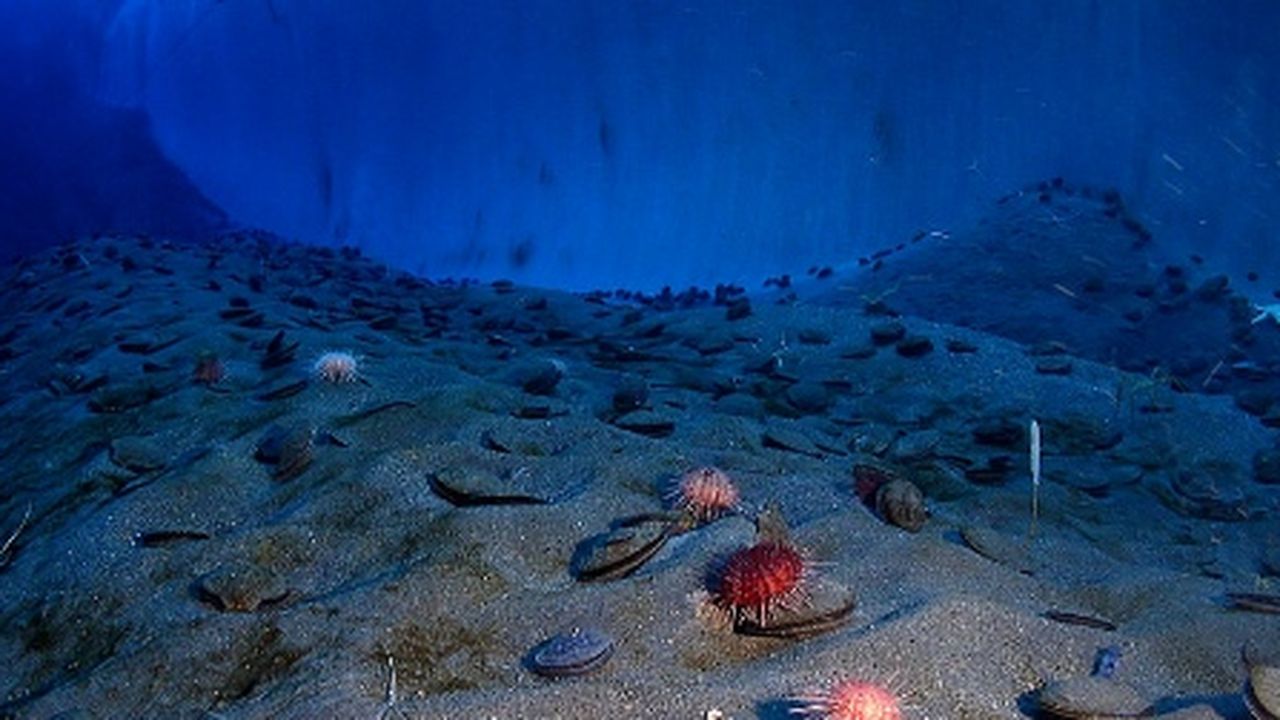
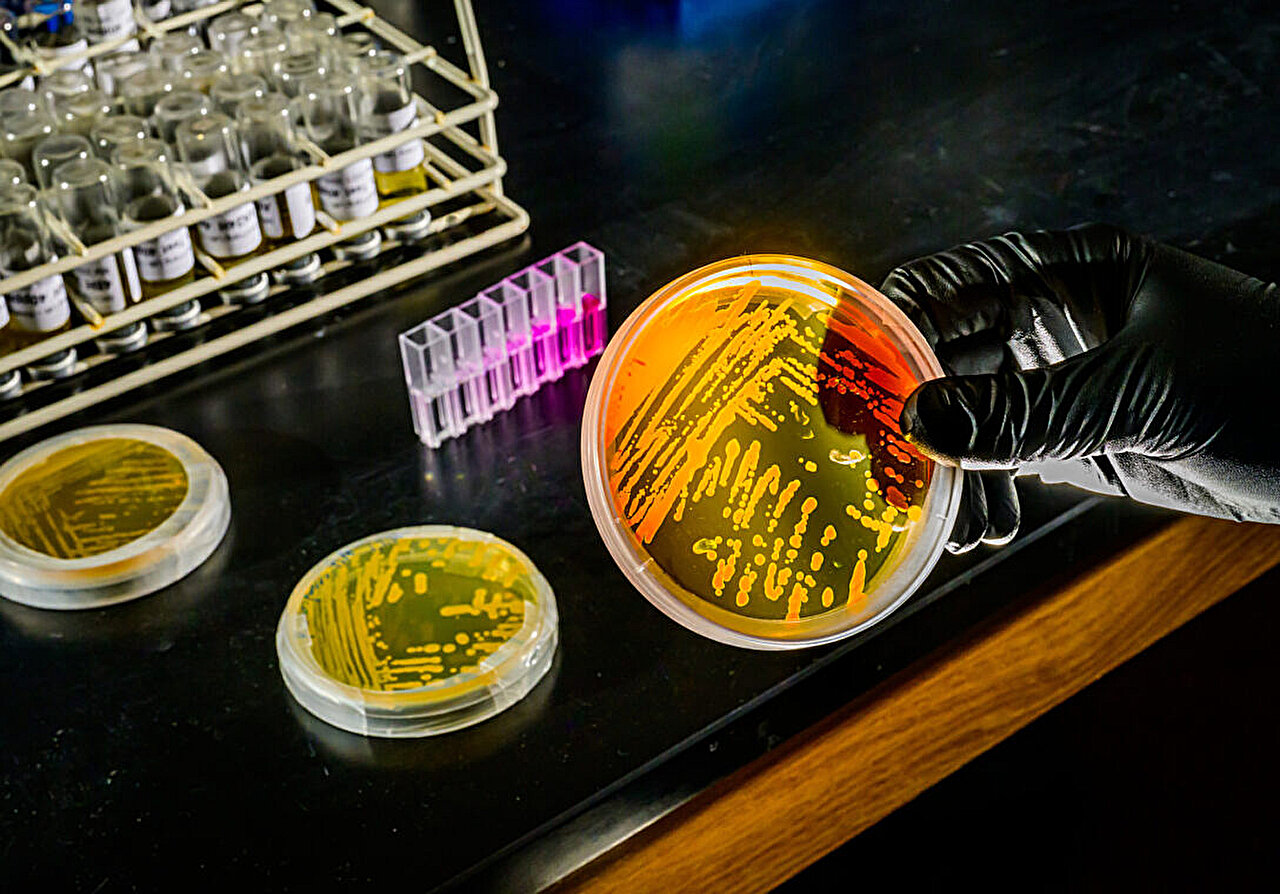
A research group co-led by the University of Illinois Urbana-Champaign predicts that a surprisingly adaptable species of marine archaea will play an important role in reshaping biodiversity in the planet’s oceans as the climate changes. Credit: Photo by Fred Zwicky
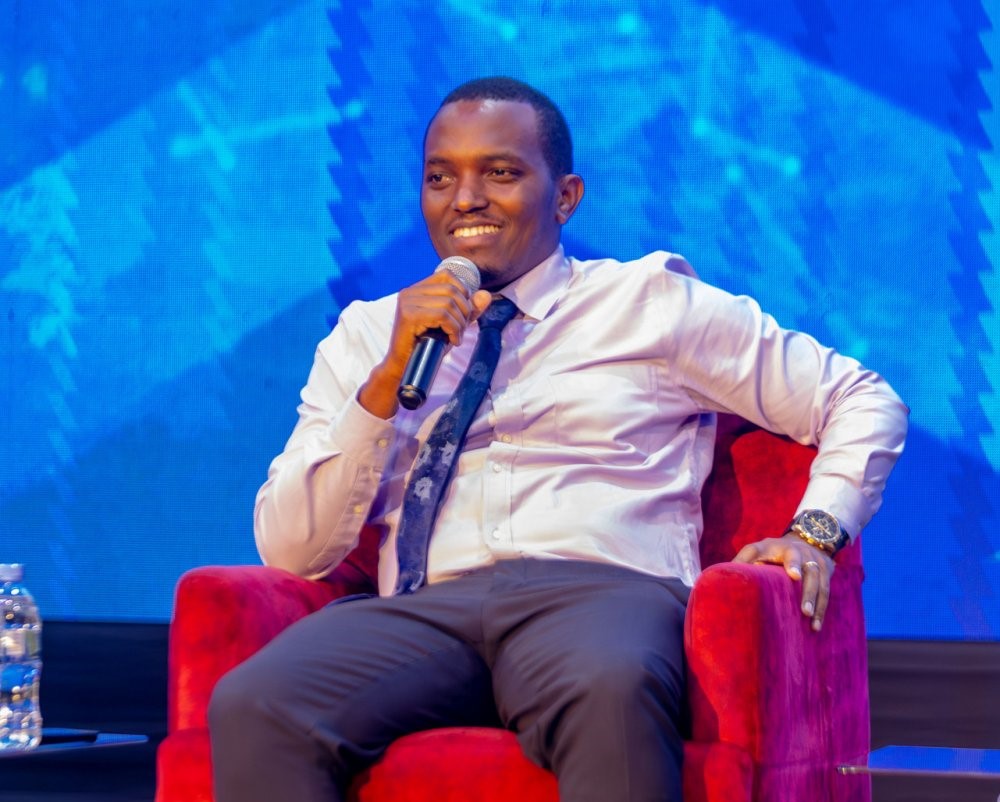
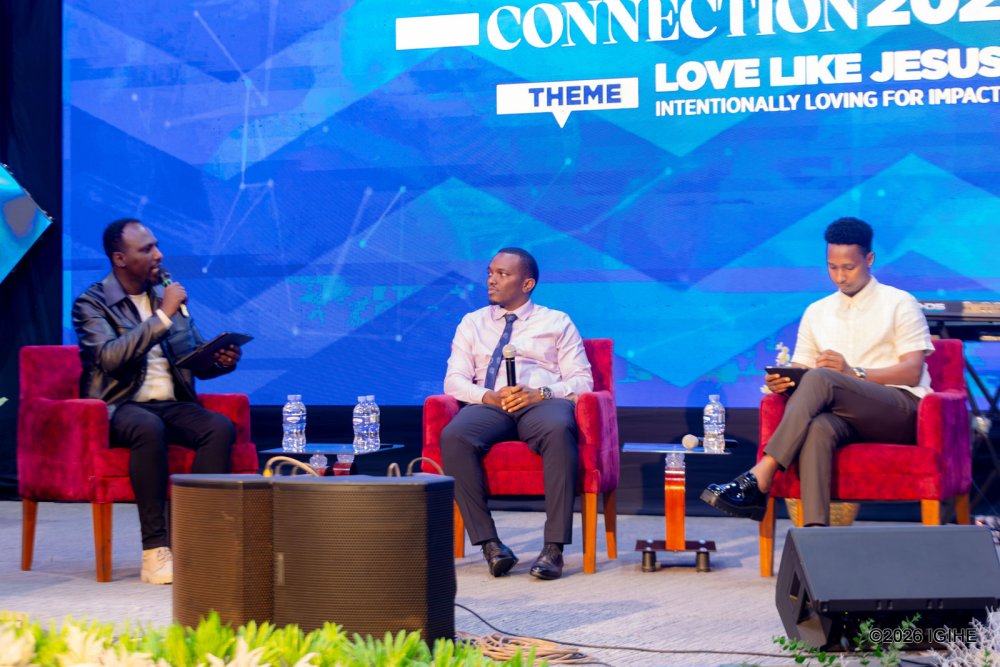
Tom Close shared the story during a talk he gave at ‘Citylight Foursquare Church’ on March 10, 2026. The session was held under the theme “Balancing fame and Christianity,” and he appeared alongside gospel singer Israel Mbonyi.
Speaking during the event, Tom Close recalled that while he was still in primary school he admired President Kagame deeply and often played his role in school drama performances.
He noted that although many children today look up to fictional characters such as Spider-Man and Superman as their heroes, things were different when he was growing up.
“For children today, Spider-Man and Superman are their superheroes,” he said. “But when we were young, the Inkotanyi were our superheroes. I often say this jokingly: when I was still in primary school, I liked acting in plays where I played the role of the Vice President and Minister of Defence, Paul Kagame.”
He added that at one point, when he was still very young, he wrote a letter addressed to Kagame and asked his mother to pass it on to him.
“I remember going to where my mother worked and giving her the letter so she could deliver it,” he said.
Tom Close did not disclose what he had written in the letter, nor whether it ever reached the president.
The artist also shared that while many musicians chase fame and wealth, his childhood dream was much simpler: to make music until President Kagame knew who he was.
“Growing up, I always felt that if one day I learned that he knew me and considered me a good artist, that alone would be enough, even if I stopped there,” he said.
According to Tom Close, this dream influenced the way he approached his music career. He said it pushed him to produce songs that would protect his reputation, believing that one day President Kagame might hear and appreciate his work.
Tom Close appeared alongside gospel singer Israel Mbonyi during the talk delivered on March 10, 2026.Rwandan singer and medical doctor Muyombo Thomas, popularly known as Tom Close has recalled writing a letter to President Kagame during his childhood.
Using 3D facial analysis, researchers are able to detect three major causes of road accidents simultaneously: blood alcohol concentration, fatigue, and expressions such as anger, said a statement from Australia’s Edith Cowan University (ECU) on Wednesday.
The system, developed by ECU researchers, uses a single deep learning model to identify blood alcohol concentration with nearly 90 percent accuracy and drowsiness with 95 percent accuracy, the statement said.
The technology can also determine the level of intoxication, classifying alcohol impairment into three categories — sober, moderate and severe, it said.
Lead researcher, ECU PhD candidate Abdullah Tariq, said the system automatically captures diverse facial dynamics, including eye blinking, subtle facial movements, and progressive facial feature changes that are critical for distinguishing between different states.
Unlike breathalysers, the method allows continuous, real-time monitoring without driver cooperation, the researchers said.
A companion study demonstrated that combining infrared and color video improves detection in low-light conditions, they said, adding the research could lead to an innovative, non-invasive way to help combat drink driving.
Using 3D facial analysis, researchers are able to detect three major causes of road accidents simultaneously:
Globally, over 4.6 million robots are currently in use across industries, illustrating how automation is increasingly shaping productivity. In many cases, a robot can perform tasks up to ten times more efficiently than a human worker.
China, for instance, has long recognized the potential of these machines. By 2024, it had deployed around 300,000 robots, and today more than two million are in active use across industries. Nearly 90% of Chinese companies view artificial intelligence (AI) and robotics as key drivers of business transformation. The global robotics market was valued at $20.8 billion in 2025 and is expected to grow sevenfold by 2032.
From autonomous vehicles and service robots to surgical-assisting machines and agricultural automation for planting, pruning, and harvesting, robotics technology is increasingly integrated into daily life. Notable examples include the Spot robot, widely used in military operations for surveillance and explosive detection, Apis Cor’s Russian-built robot that can construct a house in under 24 hours, and Israel’s ReWalk, which assists people with spinal injuries to walk.
Rwanda embraces robotics
Rwanda has not been left behind. Following the Cabinet’s approval of the five-year National AI Policy in April 2023, a study identified a need for $76.5 million in investment to scale AI across sectors and boost its contribution to the national economy.
The country continues to promote AI and robotics projects expected to add $589 million (about 6%) to Rwanda’s GDP. Efforts are supported by investments in internet infrastructure, including high-speed networks like 5G, which are essential for operating these advanced machines.
During the COVID-19 pandemic, robots helped monitor temperatures and reduce human contact, demonstrating their potential in public health and service delivery. Rwanda is now extending these innovations to sectors such as hospitality, where robots are still relatively rare compared to developed countries.
Robots serve customers at One Love Café
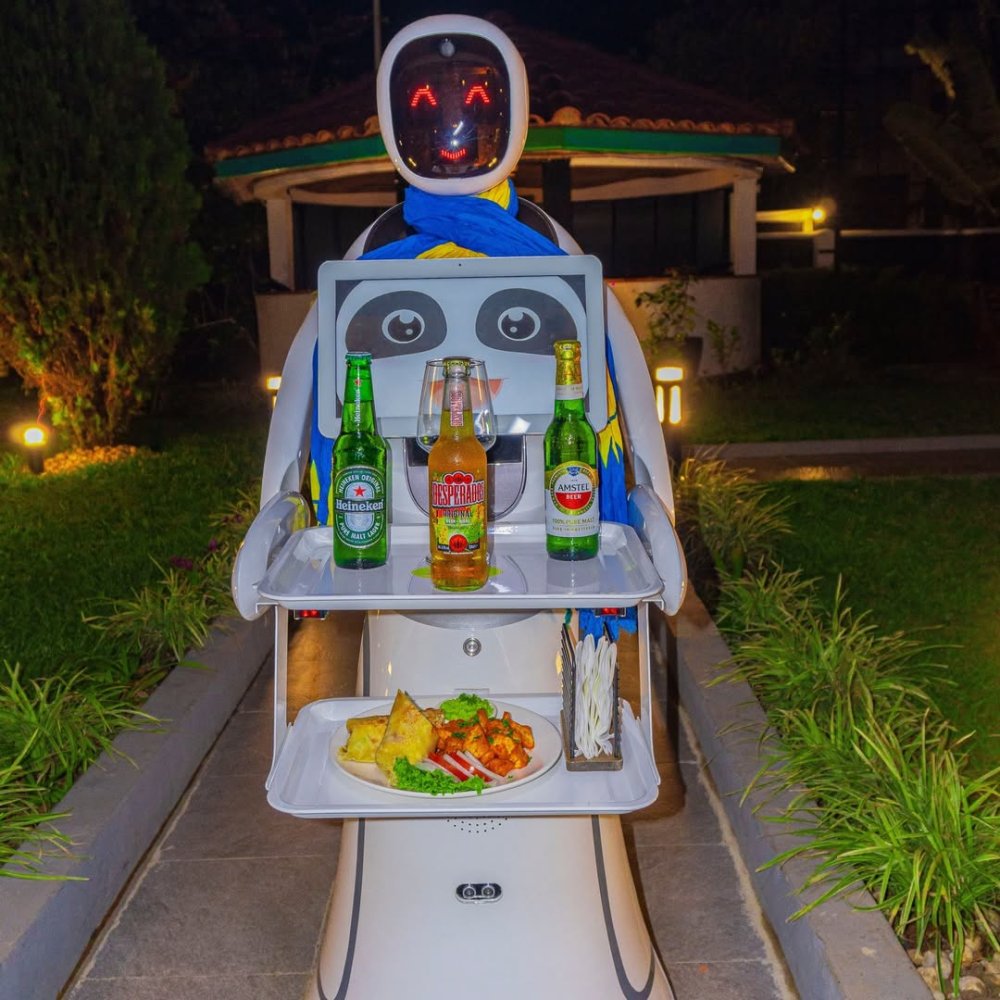
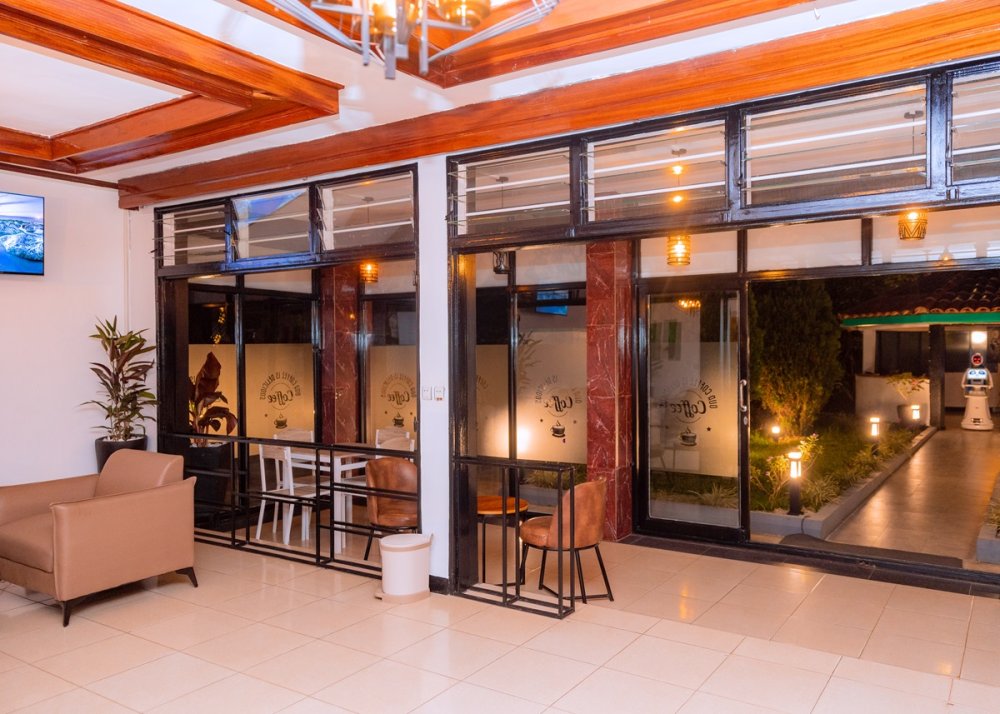
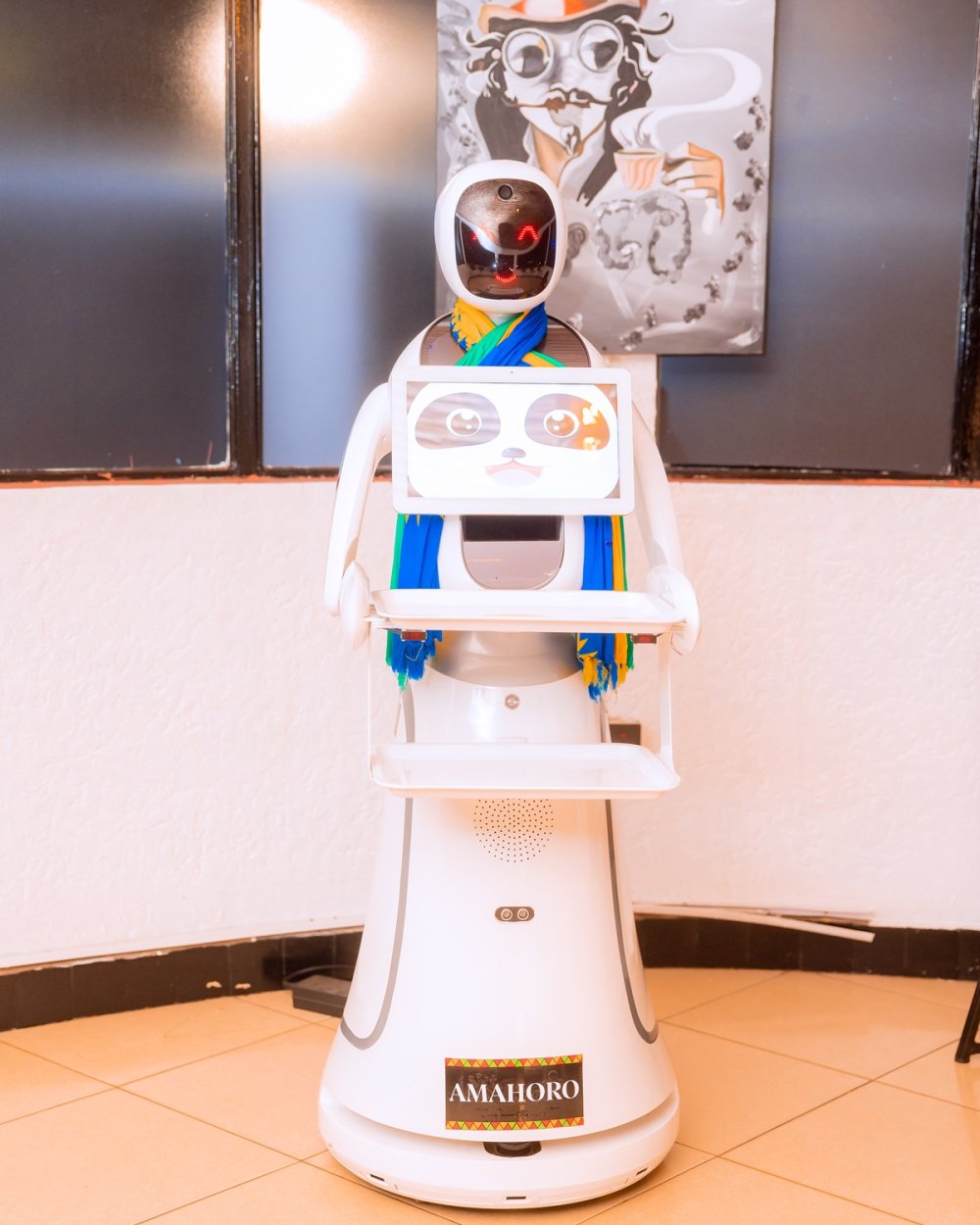
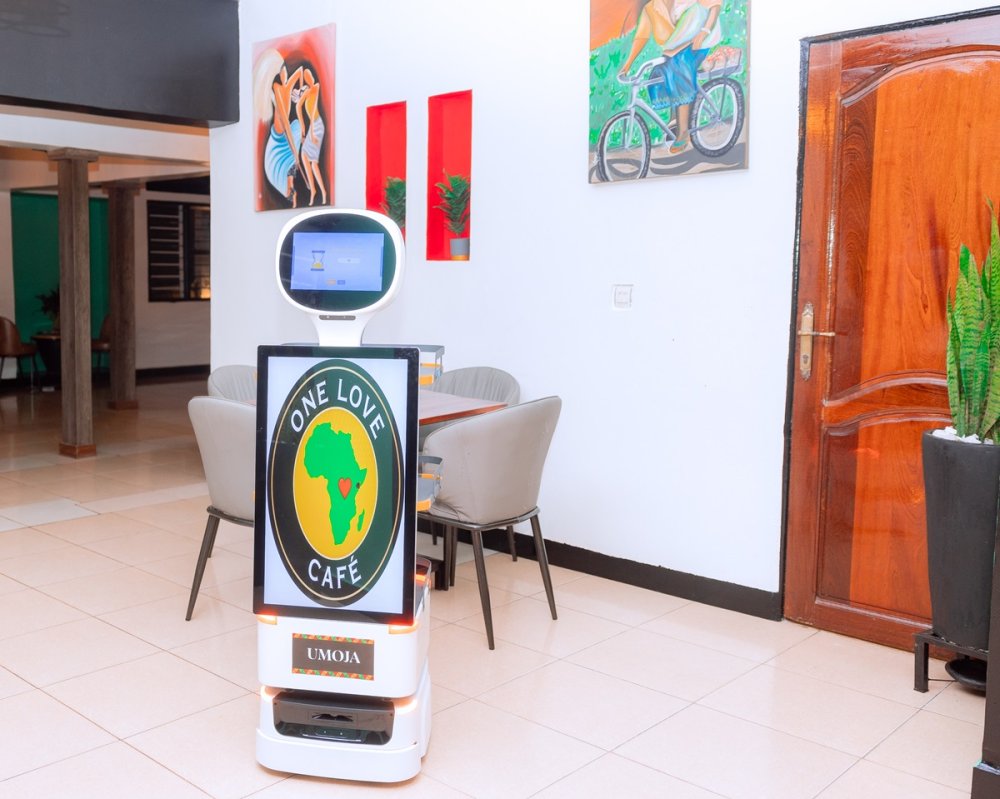
One Love Café, located in Kimihurura, Gasabo District, has introduced robots into its operations. Two of these robots, named Amahoro and Umoja (meaning “peace” and “unity”), greet and serve customers, delivering orders directly to tables and notifying customers when their meals arrive.
The robots also feature interactive capabilities, such as promoting tourism in Rwanda, highlighting Kigali’s cleanliness, singing birthday songs, and performing other entertainment tasks.
Umutoni Cynthia, manager at One Love Café, explained the decision to integrate robots: “We decided to introduce robots from the start, just as you would plan for any new project. Our goal was to align the restaurant with technological advancement and offer customers a modern experience.”
While some worry that robotics may reduce employment opportunities, technology experts stress that AI and robotics create new types of work. For instance, jobs emerge in robot maintenance, regulation, and operation, rather than simply replacing human labor. One Love Café, for example, still employs 20 staff members alongside the robots.
Engineer Misgun Abraha Berne, owner of One Love Café, emphasized that the goal is not to eliminate jobs but to enhance service delivery, attract customers, and introduce innovation in Rwanda’s hospitality sector: “Kigali is one of Africa’s fastest-growing tourist cities. We wanted to add something unique to our service offering and create a modern, enjoyable experience for visitors.”
The robots used at One Love Café are high-end and come at a significant cost. Engineer Misgun explained that, depending on the model, the robots’ prices range from 10 million to 50 million Rwandan francs, including shipping, taxes, and other fees.
He added: “If these robots prove popular and improve customer service, we plan to bring in more in the future.”
Innovation and economic impact
Technological innovation, particularly in services, plays a crucial role in Rwanda’s economic growth. In the third quarter of 2025, Rwanda’s GDP reached 5.525 trillion Rwandan francs, an 11.8% increase compared to the same period in the previous year. Services contributed 57% of this growth, agriculture 15%, and industry 22%.
Robots can deliver meals and entertain customers with songs, including birthday celebrations.Service robots at the restaurant assist staff in streamlining operations without replacing human workers.Amahoro delivers meals directly to customers’ tables, ensuring efficient service.Umoja greets guests and notifies them when their orders are ready.
Infantino said on social media that he met Trump on Tuesday evening to discuss preparations for the upcoming World Cup, which will be co-hosted by the United States, Canada and Mexico from June to July.
“This evening, I met with the President of the United States, Donald Trump to discuss the status of preparations for the upcoming FIFA World Cup, and the growing excitement as we are set to kick off in just 93 days,” Infantino wrote.
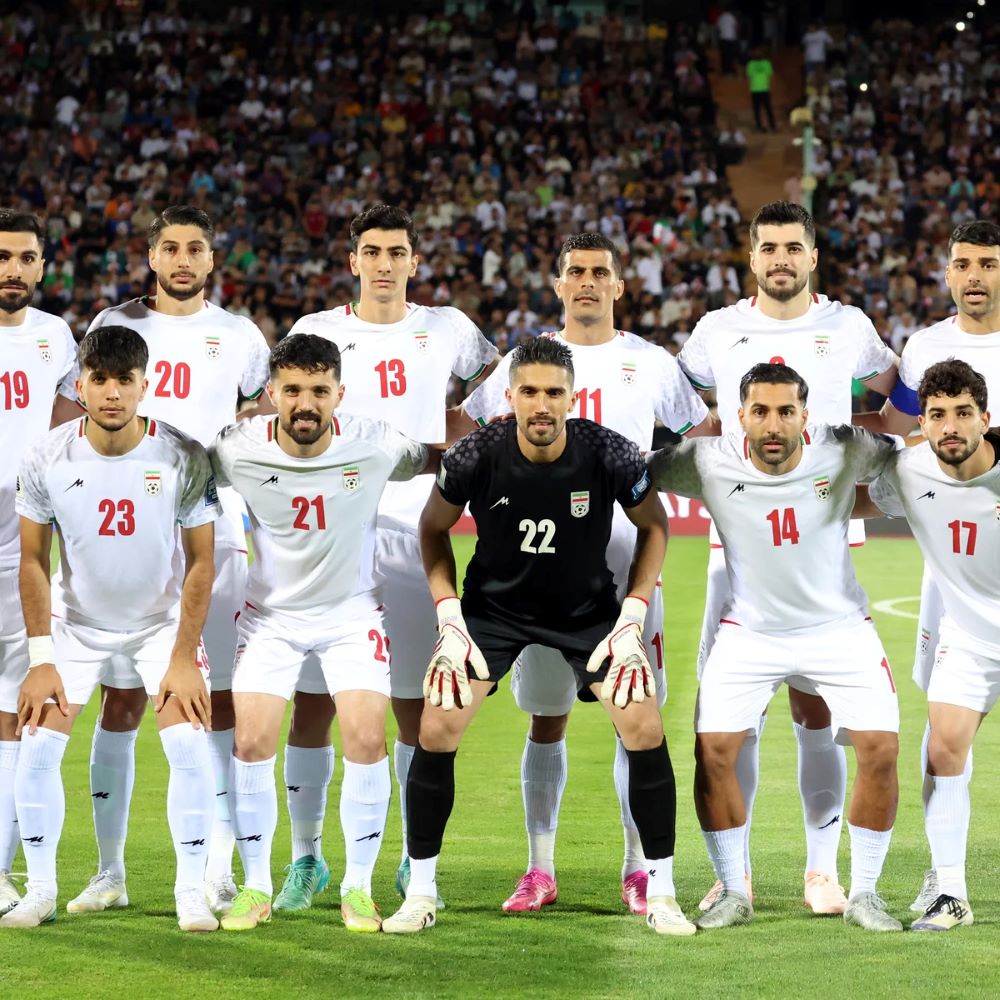
He added that the two also discussed the current situation in Iran and the fact that the Iranian team has already qualified for the tournament.
“During the discussions, President Trump reiterated that the Iranian team is, of course, welcome to compete in the tournament in the United States,” Infantino said. “We all need an event like FIFA World Cup to bring people together now more than ever.”
Tensions in the Middle East have escalated after military strikes by the United States and Israel on Iran, raising uncertainty over Iran’s participation in the tournament.
Mehdi Taj, president of Iran’s Football Federation, had said last week that Iran could not be optimistic about participating in the World Cup under the current circumstances.
According to the draw, Iran is placed in Group G alongside Belgium, New Zealand and Egypt, with all three of its group-stage matches scheduled to be played in the United States.
Iran have qualified for their fourth consecutive World Cup
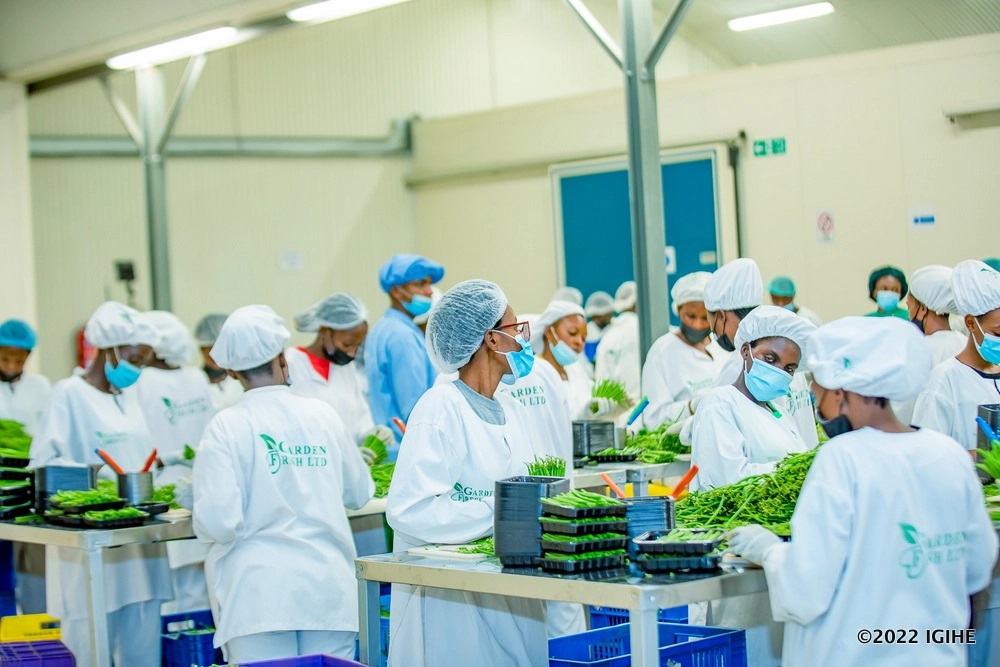
During these five days, the country shipped a variety of products including coffee, tea, vegetables, fruits, flowers, livestock products, and more.
Coffee exports totaled 508 tonnes, earning over $2.7 million, while 846 tonnes of tea brought in more than $2.3 million. Vegetables, shipped at 440 tonnes, generated approximately $479,450. Fruit exports reached 462 tonnes, earning over $311,000, and 42 tonnes of flowers brought in more than $282,000.
The main destinations for these exports included the United Kingdom, the Netherlands, the United Arab Emirates, France, Germany, and other African countries.
Other agricultural products totaling 7,078 tonnes earned over $3.7 million, while 273 tonnes of livestock products generated more than $437,000. These were primarily exported to Oman, Nigeria, and other African countries.
Rwanda earned over Rwf14 billion from agricultural exports in five days.