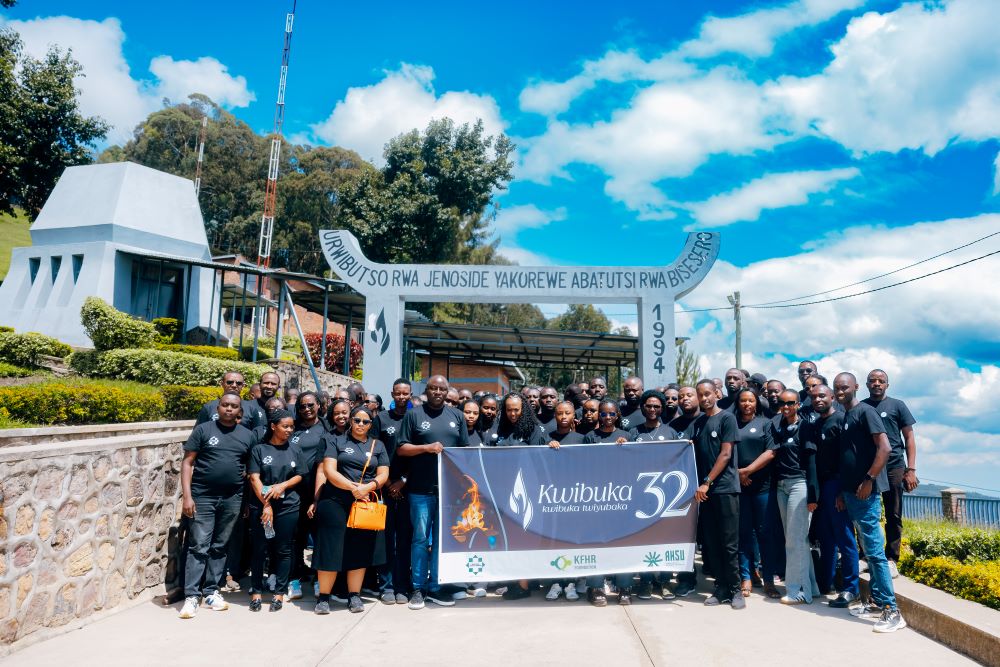
The visit brought together members of the broader King Faisal family of institutions, reflecting a shared commitment to remembrance, unity, and the preservation of Rwanda’s history for future generations.
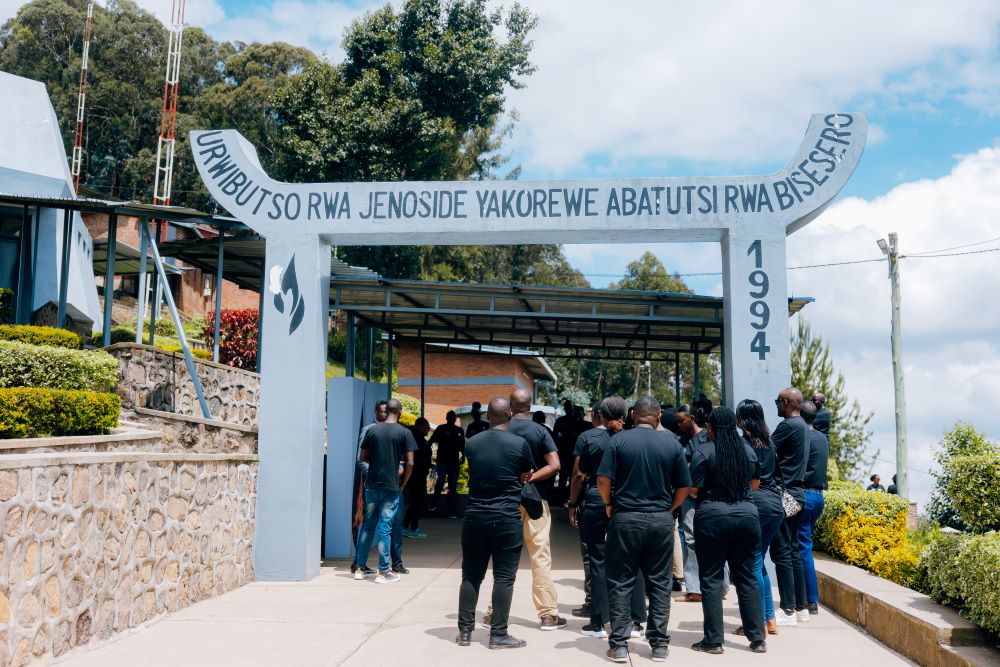
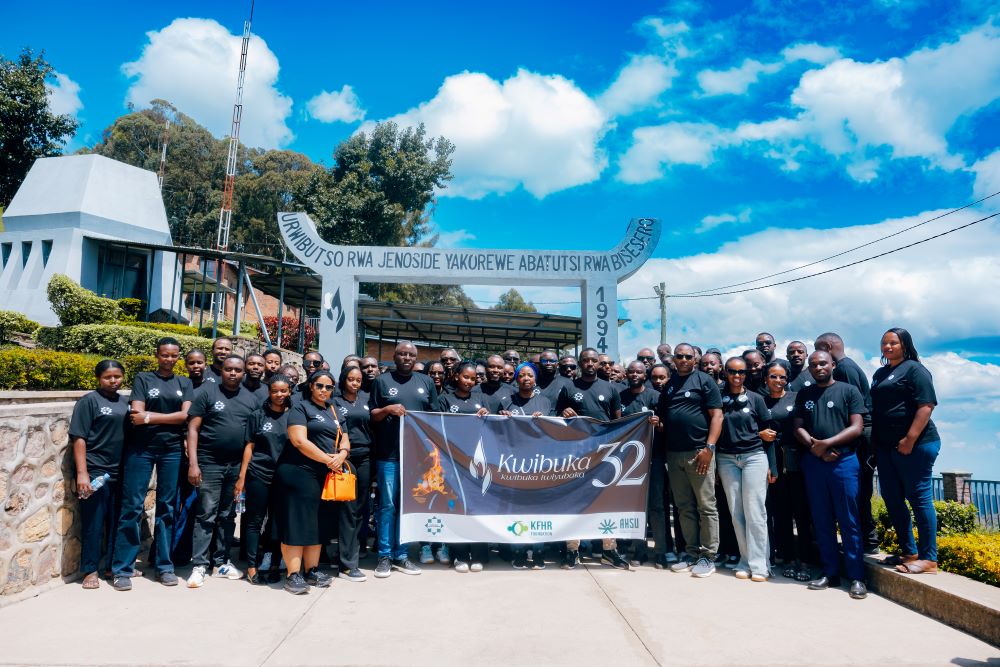
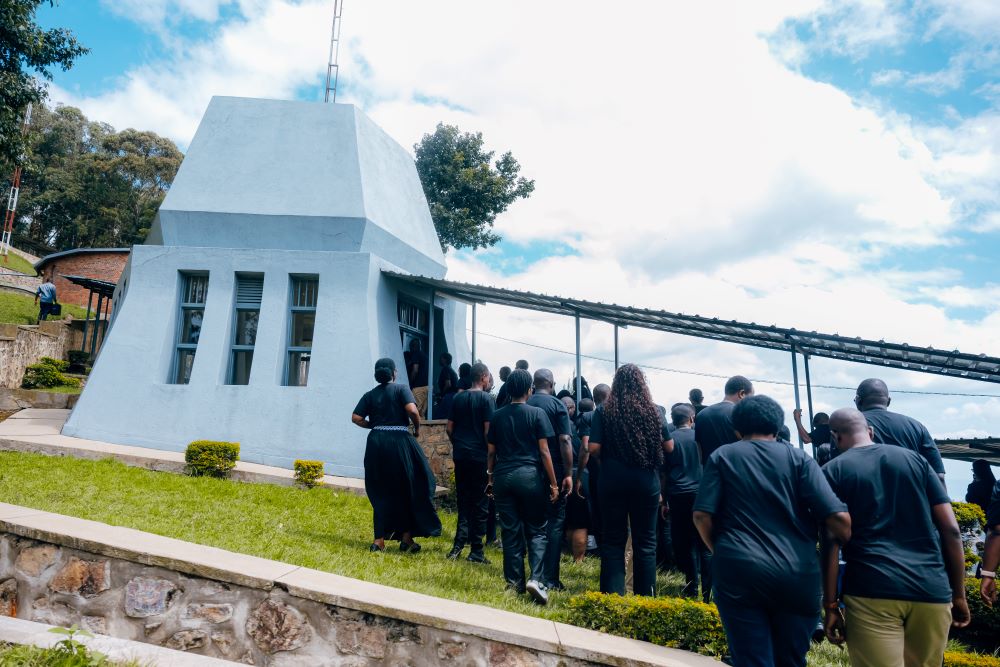
The visit, organized as part of the ongoing Kwibuka 32 commemoration activities, marked a significant milestone, as employees from the three institutions had jointly participated in a memorial activity of this nature.
The initiative brought together staff members from different generations and professional backgrounds, reinforcing a shared commitment to remembrance, unity, and the prevention of genocide.
While King Faisal Hospital Rwanda has consistently participated in genocide commemoration activities over the years, this year’s visit marked a significant milestone as it brought together staff from KFH, the KFH Foundation, and AHSU, reflecting the shared values that unite the King Faisal family of institutions.
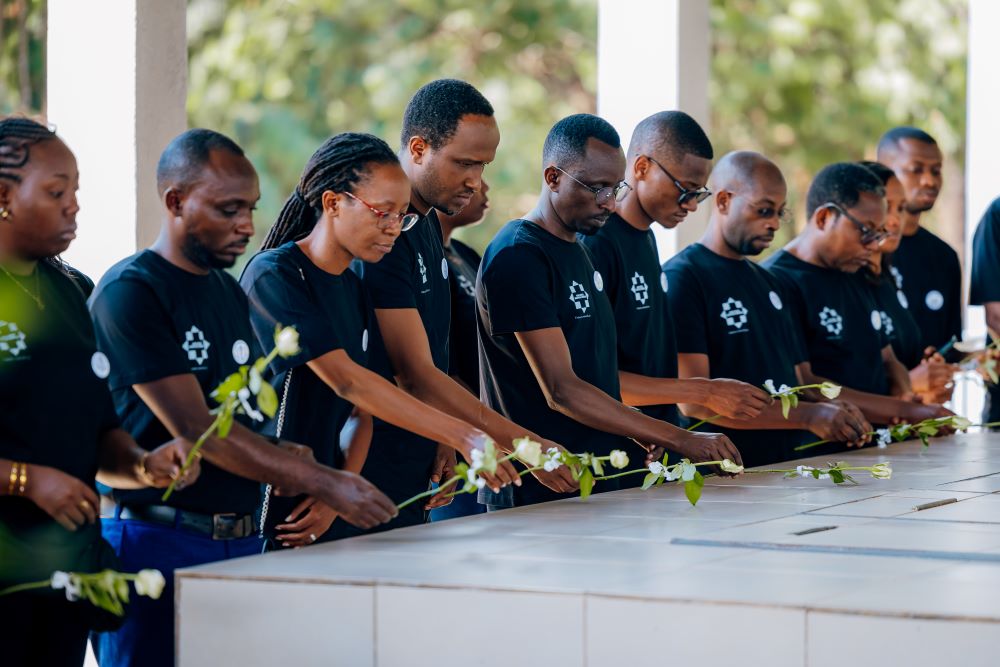
Their participation underscored a collective commitment to remembrance, education, healing, and nation-building while honoring the victims of the 1994 Genocide Against the Tutsi.
Why the visit matters
The Bisesero Genocide Memorial Site stands as one of Rwanda’s most important historical landmarks, preserving the memory of thousands of victims who were killed during the 1994 Genocide Against the Tutsi.
It serves not only as a place of mourning and remembrance but also as a center for education and reflection on the devastating consequences of hatred, division, and poor leadership.
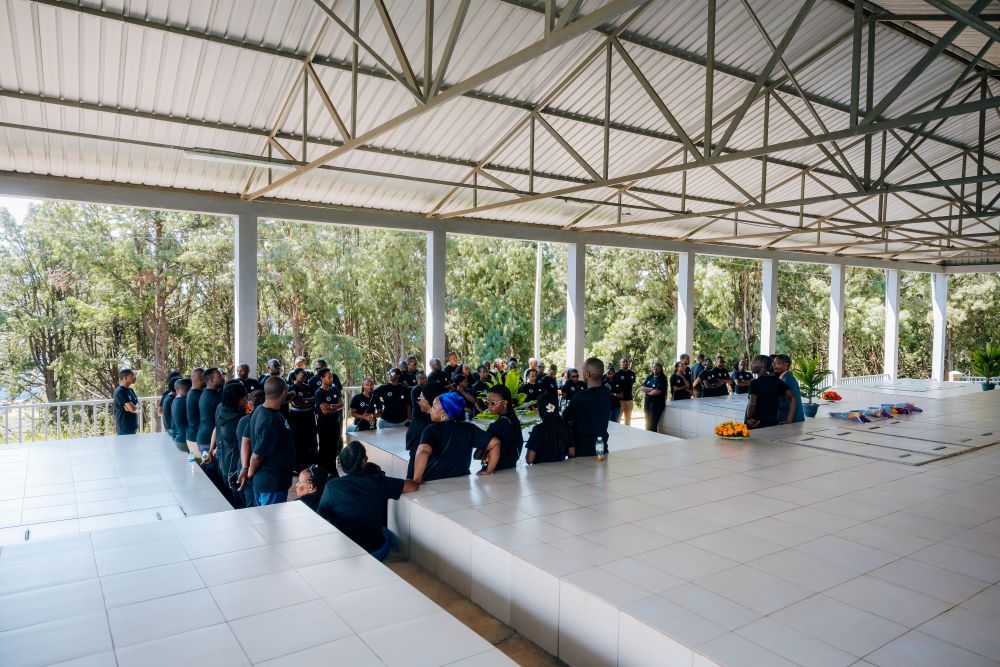
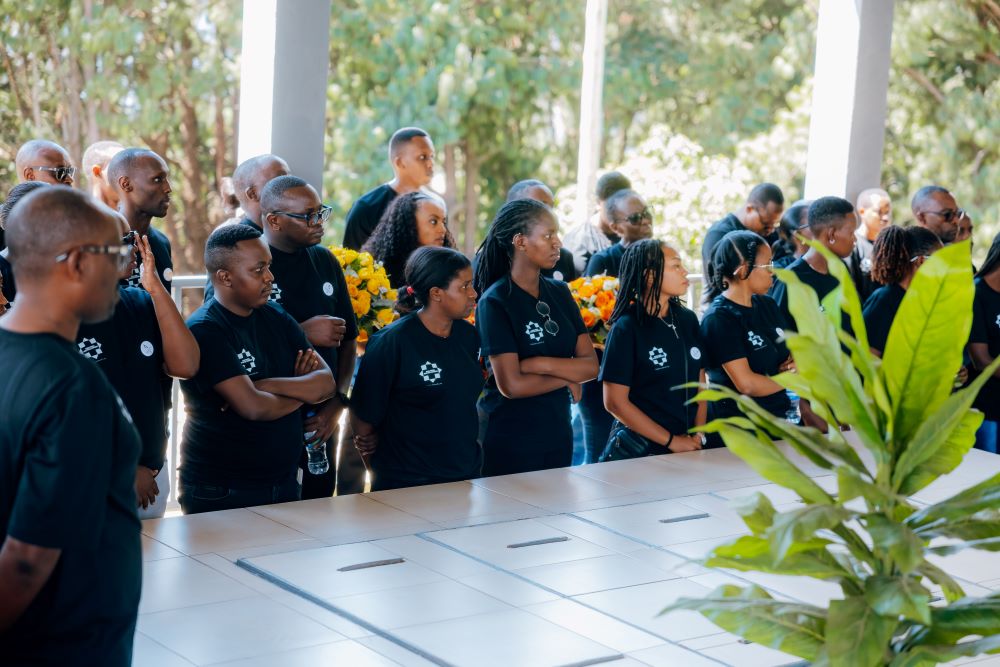
During the visit, participants toured various sections of the memorial and historical accounts and engaged in discussions about the importance of preserving collective memory and promoting peace.
Honoring victims and learning from history
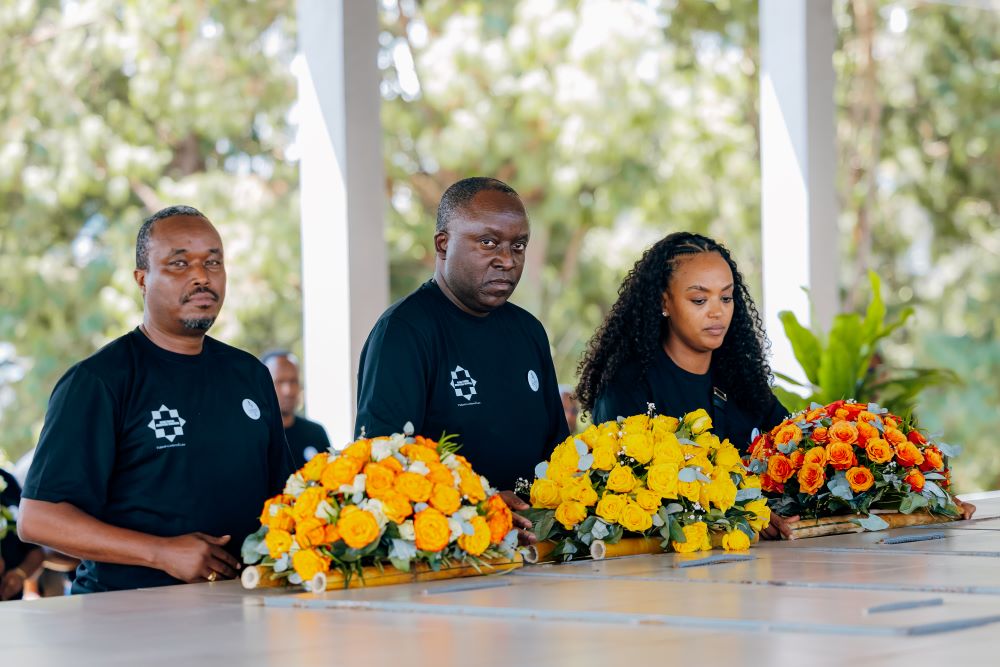
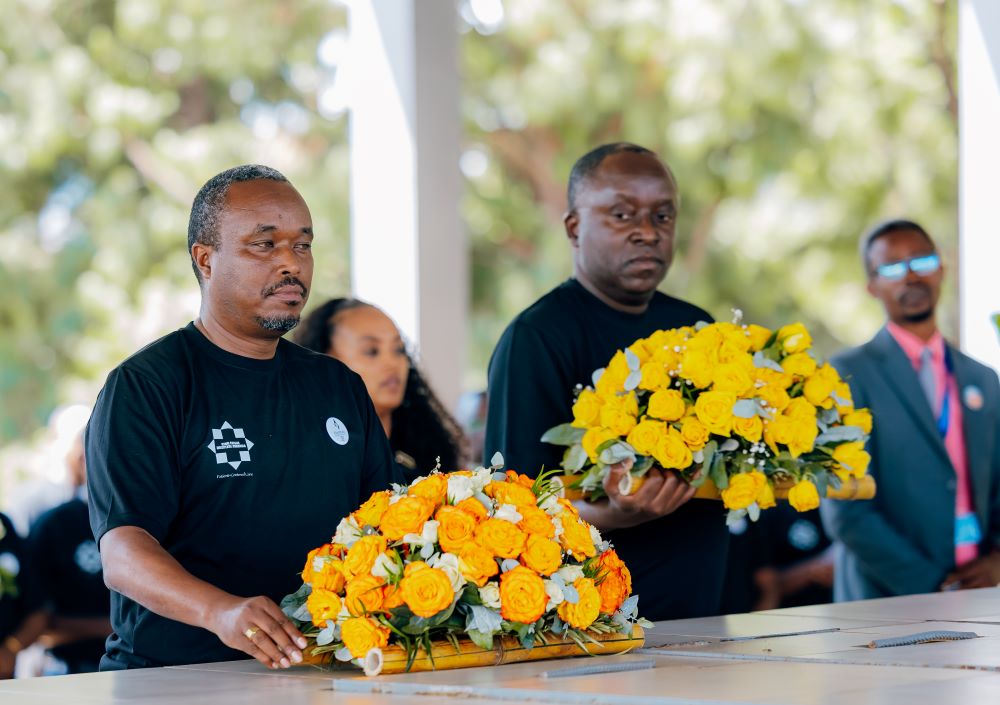
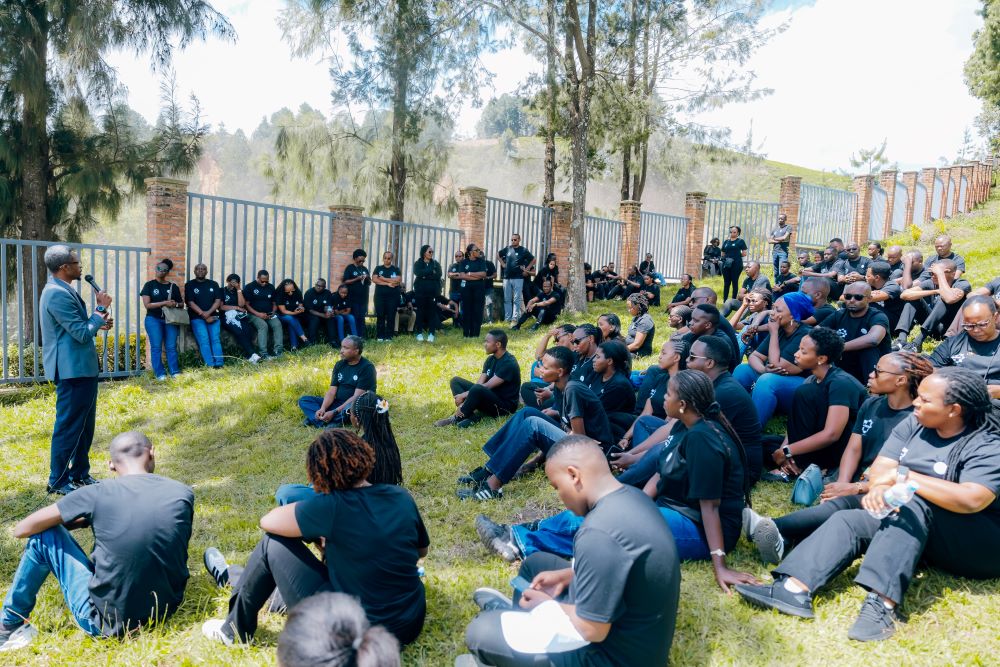
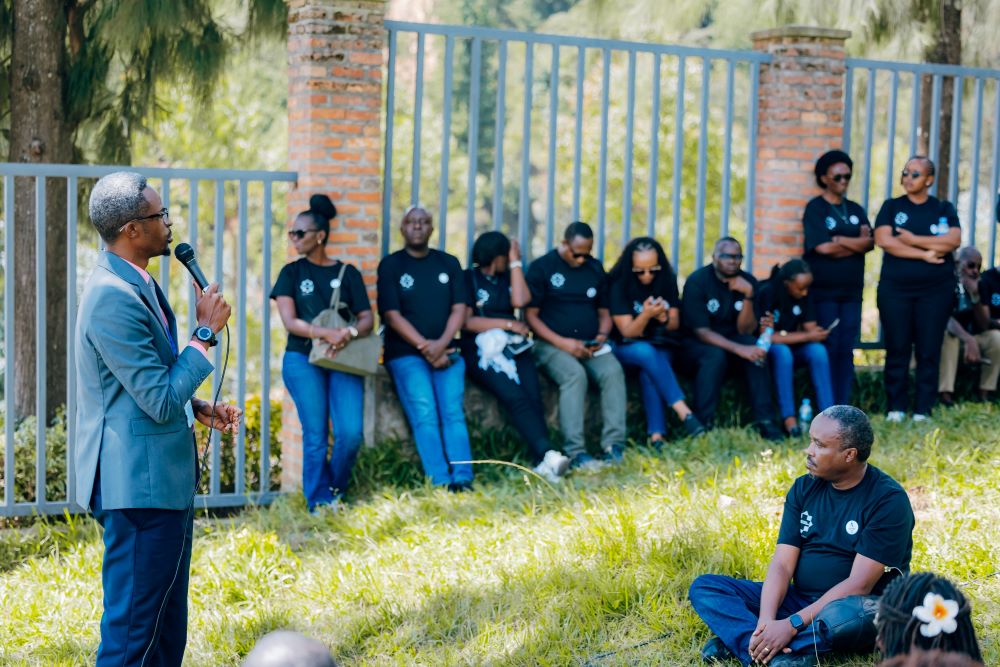
Speaking during the visit, King Faisal Hospital Rwanda’s Deputy Chief Executive Officer, Mr. Frederic Ngirabacu, paid tribute to all Rwandans affected by the Genocide Against the Tutsi and expressed appreciation to the Government of Rwanda for preserving memorial sites that safeguard the country’s history for current and future generations.
He emphasized that memorials are more than historical landmarks; they are living testimonies and tangible evidence of what occurred during one of the darkest periods in Rwanda’s history.
“It is important that history is never forgotten,” he said. “Our purpose for coming here is not only to honor the victims but also to ensure that such atrocities never happen again. We have a responsibility to ourselves and to future generations to continue learning, healing, and transmitting these lessons.”
Mr. Ngirabacu also recognized the courage and sacrifice of those who stopped the genocide, noting that the tragedy ended because Rwandans took responsibility and stood against the perpetrators.
“We must not only remember the victims, but also appreciate those who stopped the genocide. We honor both those who are still living and those who have passed away. Peace and freedom do not come by chance or by miracle; they are achieved through courage, sacrifice, and responsible leadership,” he stated.
Lessons on leadership and responsibility
A key message highlighted during the visit was the role leadership plays in shaping society. Participants reflected on how destructive leadership and extremist ideologies contributed to the genocide, while responsible and courageous leadership helped restore peace and rebuild the nation.
The visit served as a reminder that understanding history is essential to preventing future atrocities and fostering values of unity, inclusion, accountability, and respect for human dignity.
The role of youth in preserving memory
Mr. Ngirabacu further stressed the critical role of young people in ensuring that the history and lessons of the Genocide Against the Tutsi remain alive.
He noted that many of the perpetrators and organizers of the genocide were young people who had been influenced by divisive ideologies, while many young people also played a vital role in stopping the killings and rebuilding the country.
“Young people are at the center of both the present and the future of every nation,” he said. “Many of today’s youth were born after the genocide and did not experience it firsthand. It is therefore our responsibility to educate them, share these lessons, and ensure they understand the consequences of hatred and the importance of protecting humanity.”
A shared commitment to ‘Never Again’
The joint visit by KFH, the KFH Foundation, and AHSU demonstrated the institutions’ collective commitment to remembrance, healing, and education.
By coming together at Bisesero, participants reaffirmed their dedication to preserving the memory of the victims, honoring the heroes who stopped the genocide, and promoting a future founded on unity, peace, and responsible citizenship.
As Rwanda continues its journey of remembrance and resilience, such initiatives remain vital in ensuring that the lessons of the past are passed on to future generations and that the pledge of “Never Again” remains a living commitment for all.



Leave a Reply