Preliminary investigations revealed that the victims were working at night when the landslide occurred, which made rescue efforts harder, Gabin Razafindrakoto, commander of Vatomandry gendarmerie brigade, told Xinhua.
The mayor of the city has ordered the immediate closure of the site to prevent any further mining activities and reduce the risk of additional incidents, he said.
Authorities are trying to determine the exact circumstances of the landslide.
Event attendees toured the development projects, each of which was designed and implemented by residents of Gatovu IDP model village and Gataraga Sector.
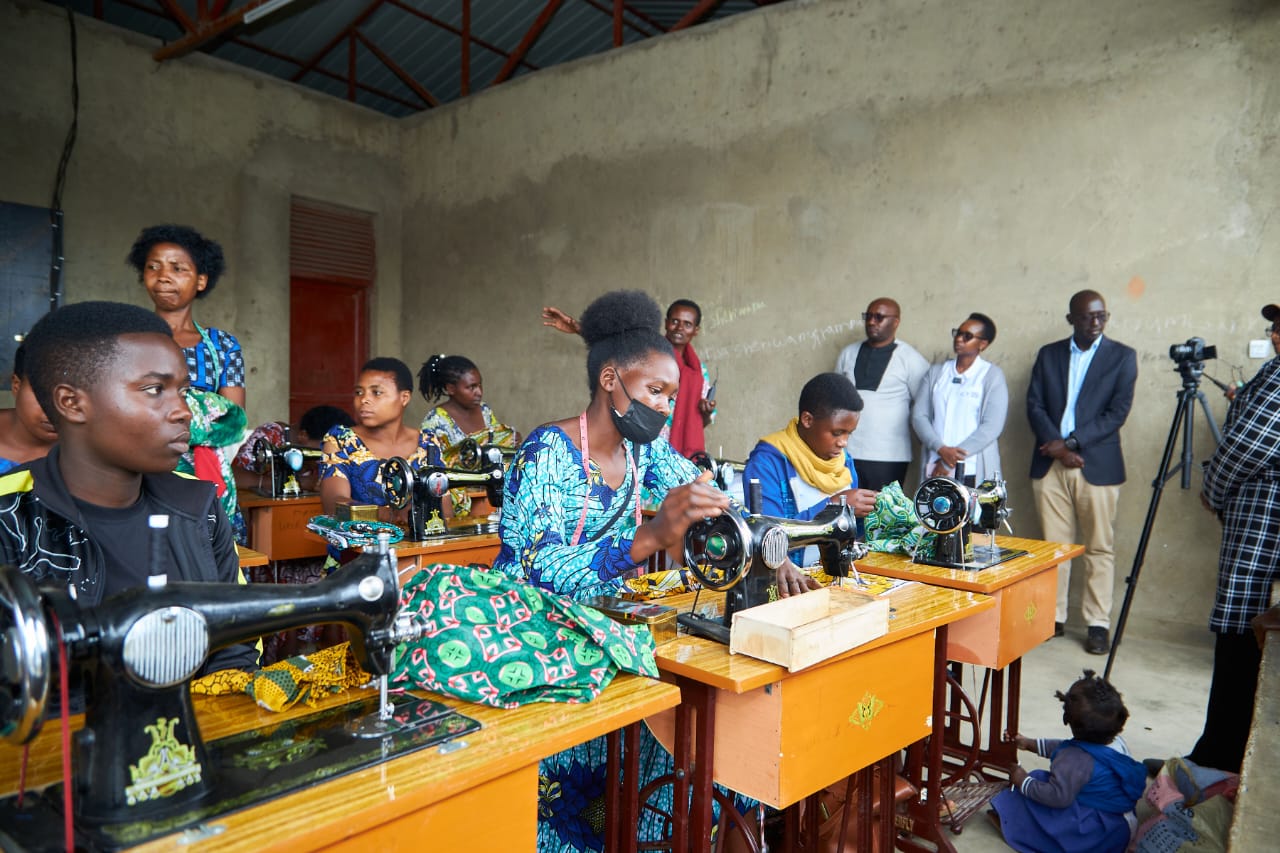
The projects included a computer laboratory, a girls’ hygiene room and a nursing teachers’ room for Groupe Scolaire Gatovu, a volleyball and basketball court at Group Scolaire Ruhehe, latrines for 50 households, businesses in furniture-making, handicraft-making, soap-making, and tailoring, a savings and lending group, a sheep farming project, Irish potato farming, and new market infrastructure for vendors and customers.
Provincial Executive Secretary for the Northern Province, Pascal Ngendahimana, who presided over the ceremony together with representatives of Musanze District and Gataraga Sector noted that many of these development projects provide ongoing benefits to the whole community.
He said, “For example, when a community group makes furniture to sell, they not only earn themselves income, they also make those products available locally – so residents here do not have to travel far to obtain them.”
Following a memorandum of understanding signed with the Ministry of Local Government (MINALOC), World Connect Rwanda invested Rwf 135,980,665 to launch the 12 projects. Residents of Gatovu IDP model and Gataraga Sector contributed Rwf 88,254,900 in their own cash, labour and other resources as a co-investment into these initiatives.
Executive Director of World Connect Rwanda, Rhoda Kanyesigye, told the attendees, “We do not see communities as beneficiaries of development aid, but as investment partners. This is because our partner communities co-invest with us. And we value their investment enormously; without it, success is not durable.”
In a unique partnership, University of Rwanda students studying rural development and agribusiness were paired with community members in Gataraga Sector and Gatovu IDP model village. The students are supporting the implementation of these development projects with technical guidance, monitoring, and evaluation.
“World Connect Rwanda helped us apply what we learned in class to real life situations, showing us that community work teaches lessons that cannot be fully learned from textbooks,” explained University of Rwanda student Winny Abera.
Since 2012, World Connect Rwanda has invested grant funding in nearly 200 projects that have been designed and led by Rwandan communities, improving health, education, and economic opportunity for over 256,000 Rwandans.
A major focus of World Connect Rwanda for the next 5 years (2026-2030) is to scale up and support 10 IDP model villages, reaching and impacting an additional 100,000 Rwandans. Key partnerships with local government, the private sector, and funding partners will play a great role in this aspiration.
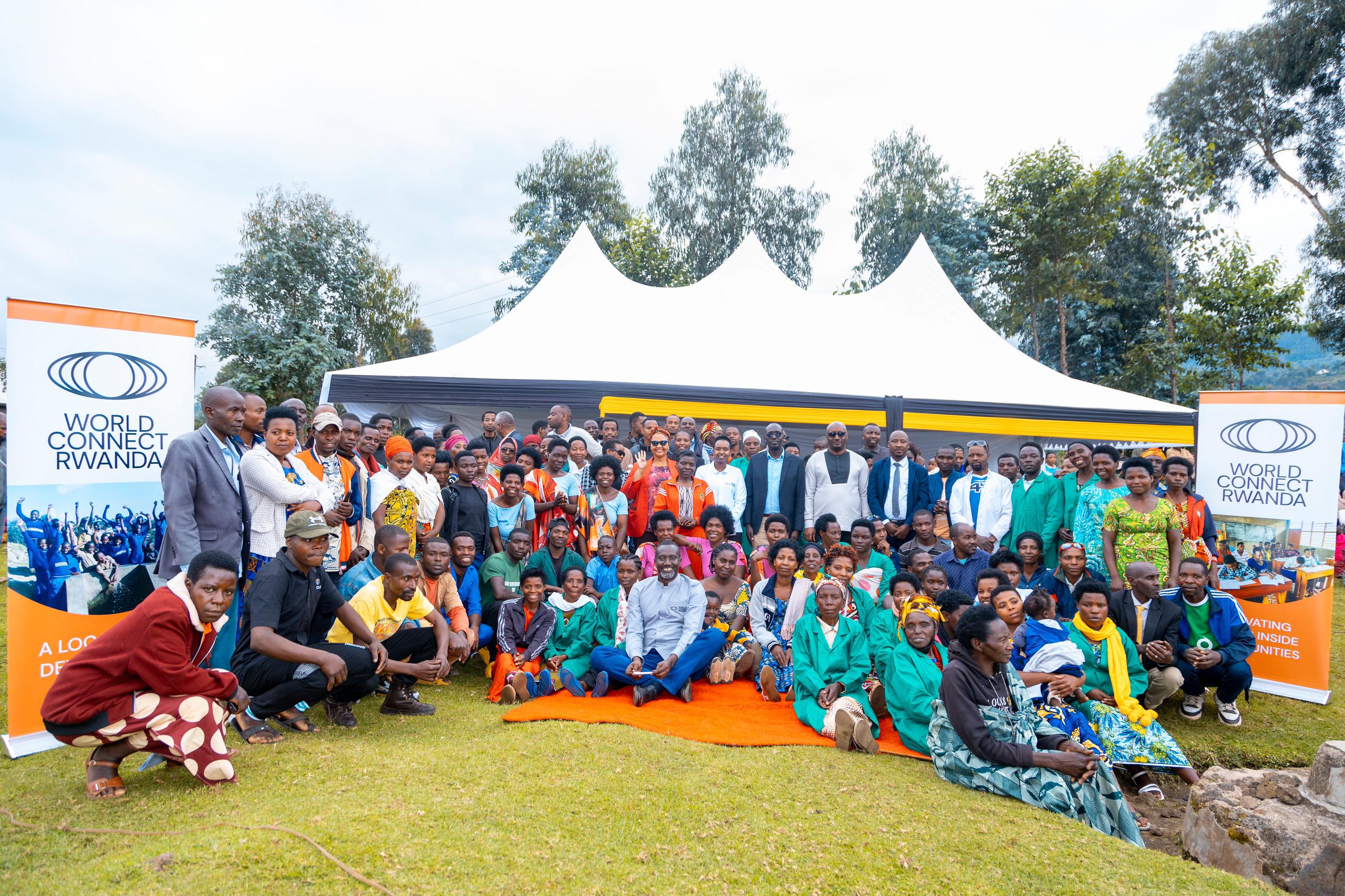
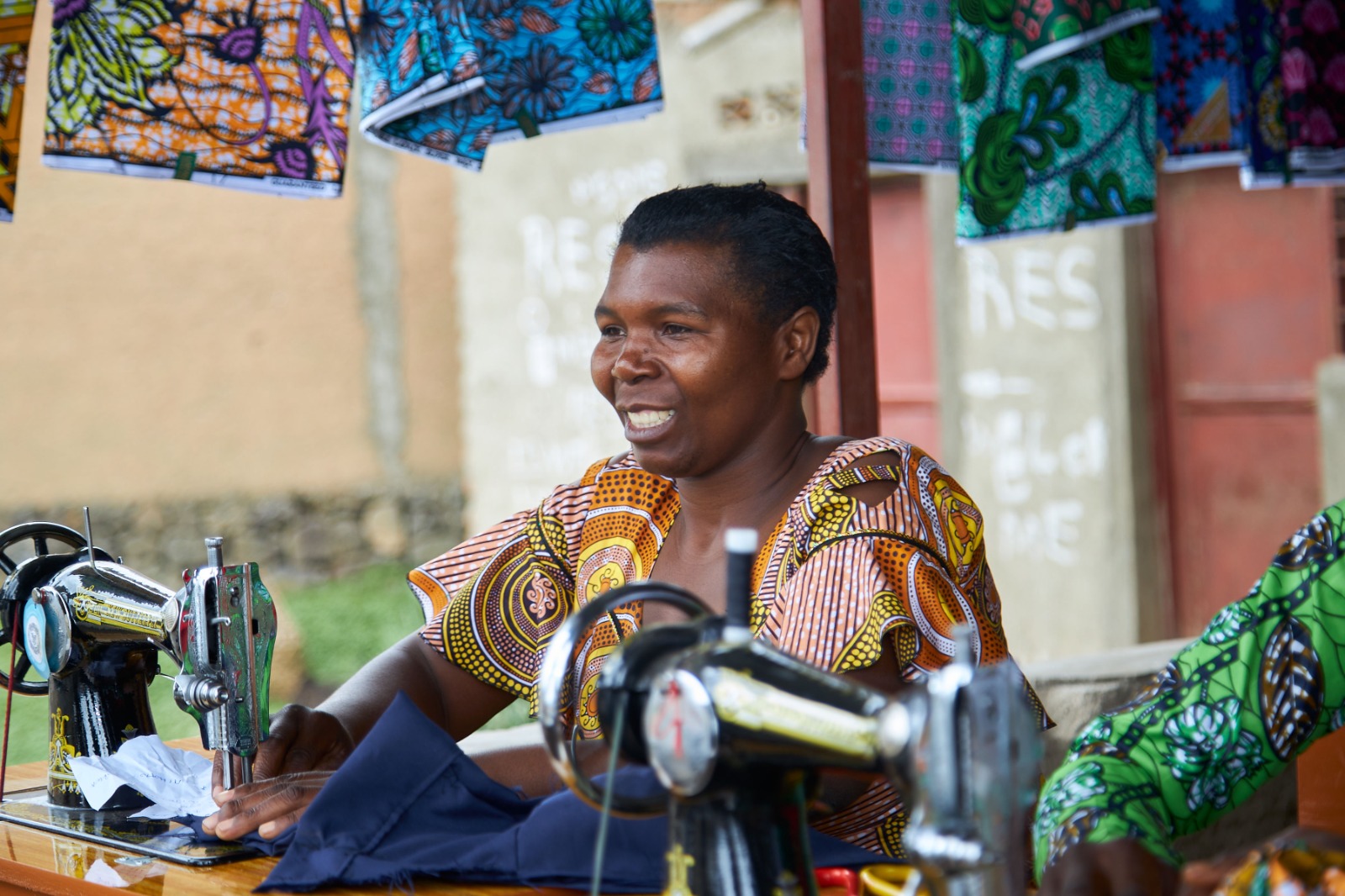
Attendees pose for a group photo with the Northern Province Executive Secretary. Pascaline Nirere, a resident of Gatovu IDP model village, is earning income through the tailoring and fashion design workshop established with funding from World Connect Rwanda. This tailoring and fashion design project at Gatovu IDP model village, was funded by World Connect Rwanda. Provincial Executive Secretary for the Northern Province, Mr. Ngendahimana Pascal, gave keynote remarks at the inauguration, congratulating the work of the communities in Gatovu IDP model village and Gataraga Sector, World Connect Rwanda, and the University of Rwanda.
The decision comes as Rwanda’s national team, Amavubi, is already in Morocco, having arrived in Marrakech on Tuesday evening to begin preparations for two friendlies against Comoros and Tanzania on June 6 and June 9, 2026.
Several media outlets report that Moroccan authorities have introduced precautionary health measures that have disrupted a series of fixtures involving African national teams.
The FRMF said the move is aimed at safeguarding players, coaching staff, officials, and supporters as fears over the spread of Ebola continue to grow across the continent.
Reports from Africasoccer and Africatopsports indicate that among the affected fixtures are Tanzania vs Uganda scheduled for June 5, Rwanda vs Comoros on June 6, Uganda vs Madagascar on June 8, and Tanzania vs Rwanda on June 9.
The Rwanda Football Federation (FERWAFA) had not yet issued an official response by press time.
Some matches are still under review, with organizers expected to take final decisions in the coming days.
These include Burundi vs Equatorial Guinea on June 4 and Comoros vs Guinea on June 9.
Despite the uncertainty, Amavubi’s full squad of 24 players is already in camp in Marrakech. The group includes Noam Fritz Emeran, the Netherlands-based player who has earned his first call-up to the national team.
The Royal Moroccan Football Federation (FRMF) has called off a number of international friendly matches scheduled to be played in the country in June.
Officials say the city requires about 210,000 cubic metres of water daily, while current production stands at around 145,000 cubic metres. The resulting shortfall has sustained intermittent water distribution in several parts of the capital.
Residents in areas including Kanombe, Busanza and Karembure say water shortages have recently become more noticeable, even before the onset of the dry season.
In some neighbourhoods, water sold at public standpipes has become increasingly expensive, with vendors reportedly purchasing a jerrycan at the regulated price of 20 Rwandan francs and reselling it for between 300 francs and above, depending on demand.
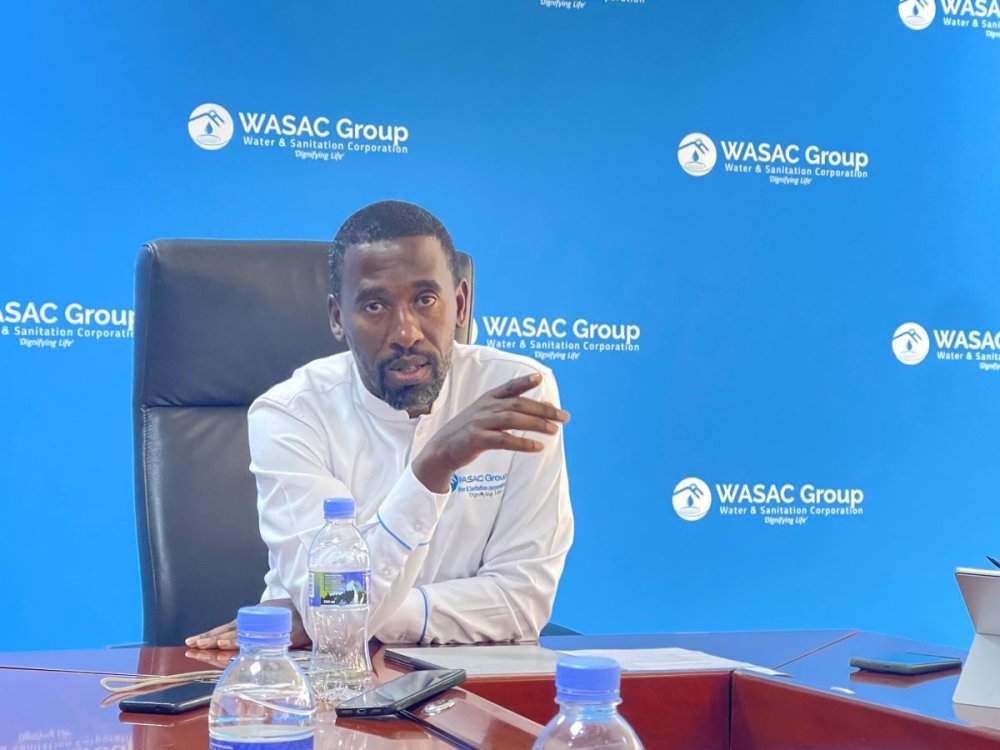
WASAC Group CEO Dr Asaph Kabaasha told IGIHE that the price increases by some vendors are linked to ongoing rationing caused by insufficient supply across the city.
He said several short-term and long-term infrastructure projects are underway to eliminate the shortages and ensure uninterrupted water supply.
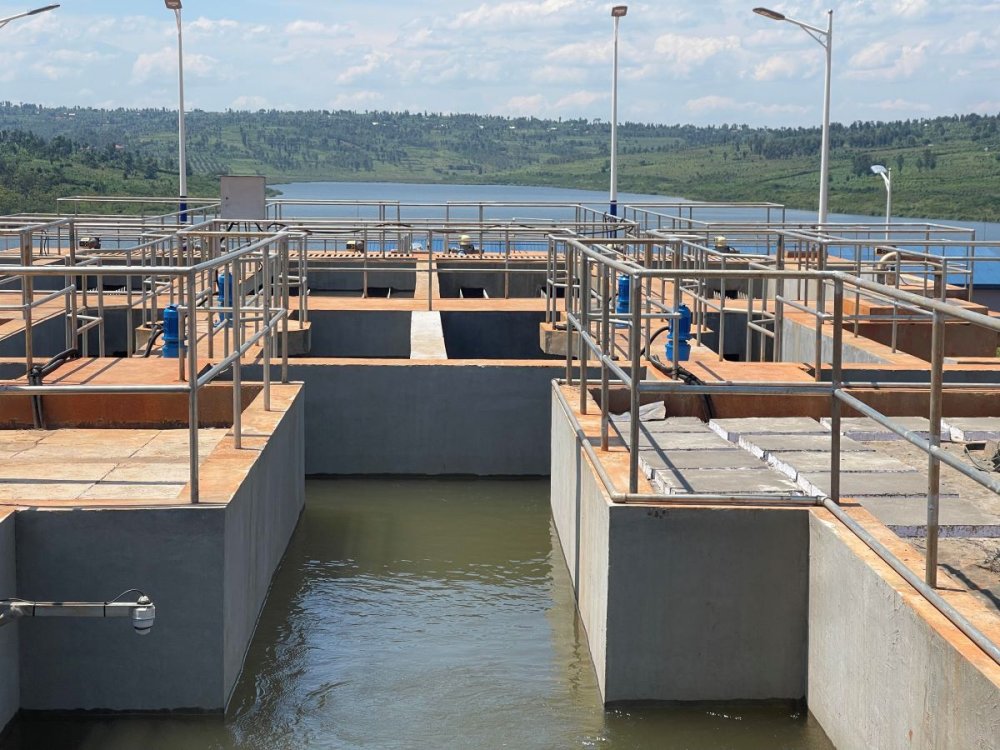
“There are very short-term projects in Kigali that we aim to complete by September. For example, we are upgrading the Nzove water treatment plant, and we plan to add 20,000 cubic metres by September. The preparations are at an advanced stage, and we have already signed agreements with the contractor,” he said.
Dr Kabaasha also pointed to a major long-term expansion plan expected to add 400,000 cubic metres of water per day, aimed at meeting demand up to 2035. The project will draw water from the Nyabarongo II dam, which will also generate electricity alongside water supply.
In addition, he said the Karenge water treatment plant is being expanded from its current capacity of 12,000 cubic metres to 48,000 cubic metres, with 36,000 cubic metres expected to be supplied to Kigali.
“These developments mean that in the near future, water rationing will be a thing of the past in Kigali City,” he said.
Dr Kabaasha urged residents to use water responsibly, avoid wastage, protect water infrastructure, and report theft or vandalism, while assuring the public that efforts are ongoing to ensure universal access to clean water.
The Water and Sanitation Corporation (WASAC Group) has said it is implementing a range of ongoing projects aimed at resolving water rationing in the City of Kigali, as demand continues to outstrip supply by an estimated 65,000 cubic metres per day.WASAC Group CEO Dr Asaph Kabaasha told IGIHE that the price increases by some vendors are linked to ongoing rationing caused by insufficient supply across the city.
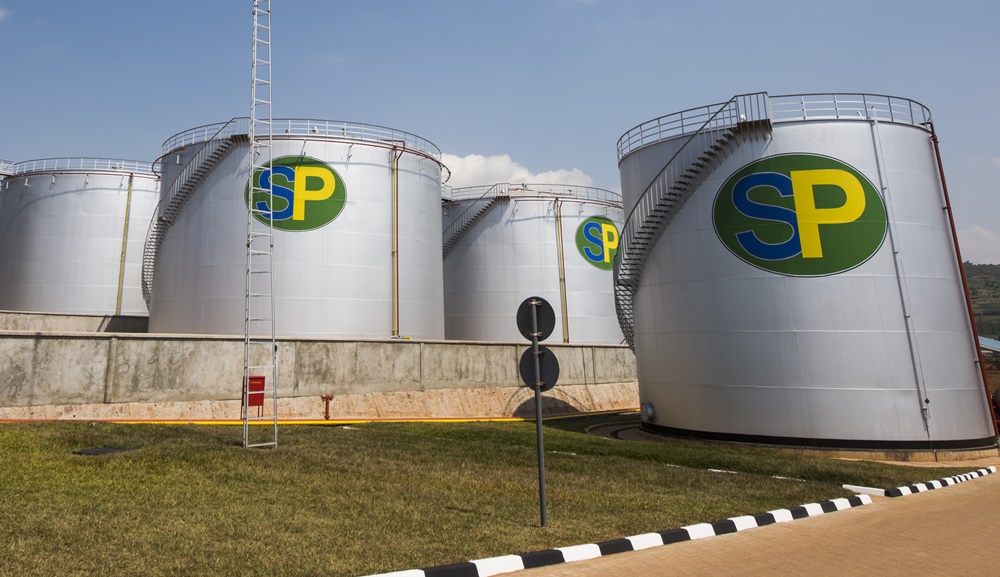
According to a notice issued by RRA, the products in question include 1,993,750 litres of fuel currently stored in bonded facilities operated by Yussa in Kabuye, Rubis Energy in Gatsata, and Oilcom in Jabana.
Diesel accounts for the largest share of the stock, with approximately 1.35 million litres. The remaining volume includes 641,055 litres of petrol and 5,065 litres of kerosene.
RRA said the fuel has exceeded the maximum storage period permitted under customs regulations and must therefore be processed and released onto the market.
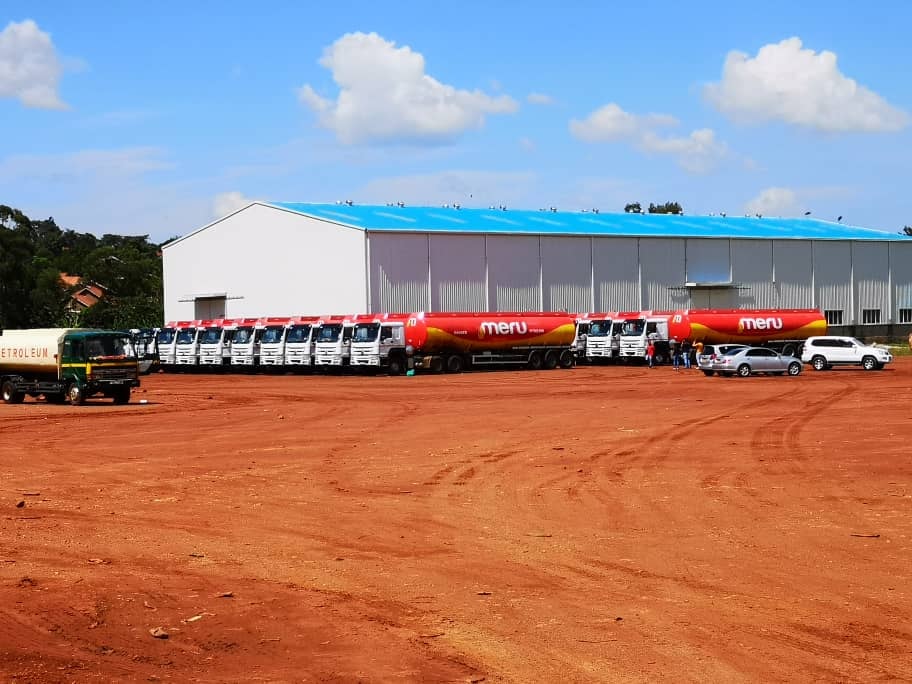
The published list shows that the ownership of 791,832 litres of the fuel has not been identified. Among the companies holding the largest volumes are Mount Meru Petroleum with 368,998 litres, Kivu Energy Ltd with 120,361 litres, and Socit Sarl with 65,404 litres.
Other firms on the list include Ukod Oil Rwanda Ltd, Hashi Energy, China Road, Gulf Energy, Hunan Road and Job Petroleum, each holding varying quantities of fuel and diesel.
Bonded warehouses are used to store imported goods before taxes and duties are paid or before customs clearance is completed.
A source familiar with petroleum storage operations explained that fuel sometimes remains in storage after smaller companies cease operations.
Because warehouse operators do not own the products, they cannot place them on the market without authorization. In such situations, government intervention is required to facilitate their release.
RRA’s notice also lists several individual owners with fuel products in storage. The smallest quantity recorded belongs to an owner holding just three litres.
A source familiar with petroleum storage operations explained that fuel sometimes remains in storage after smaller companies cease operations.
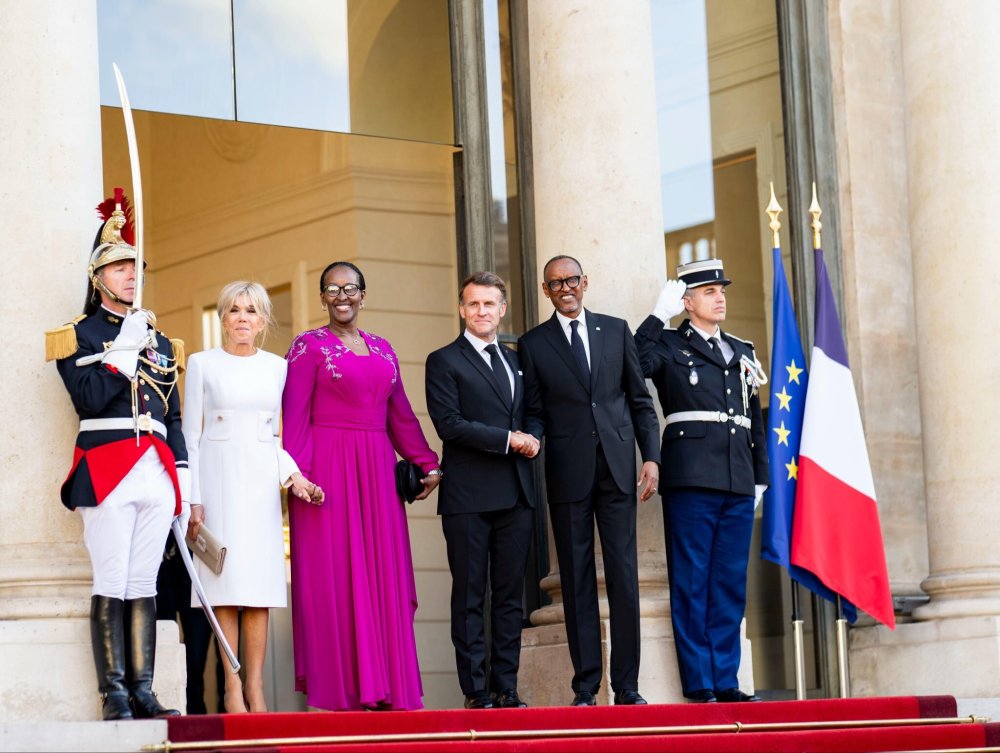
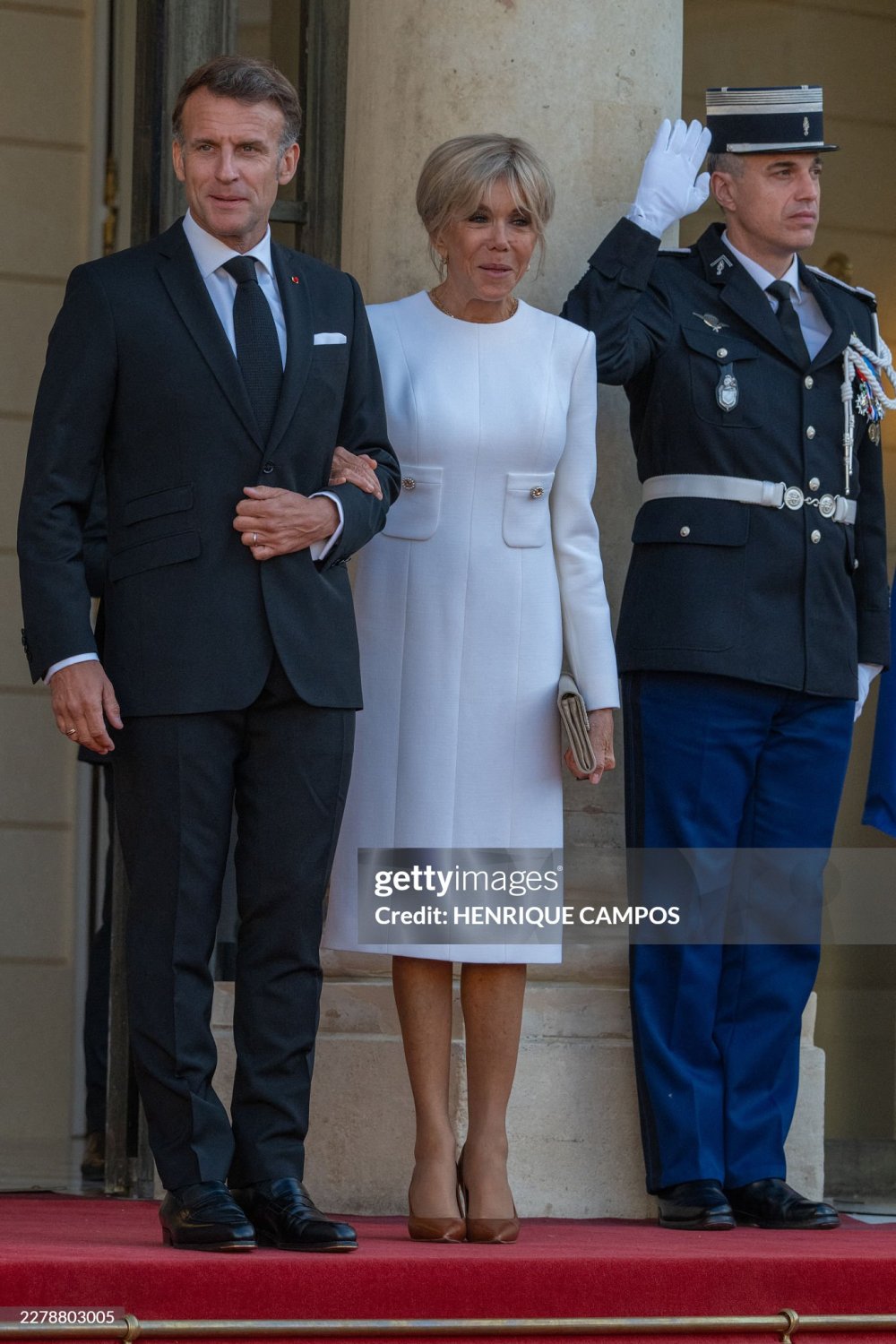
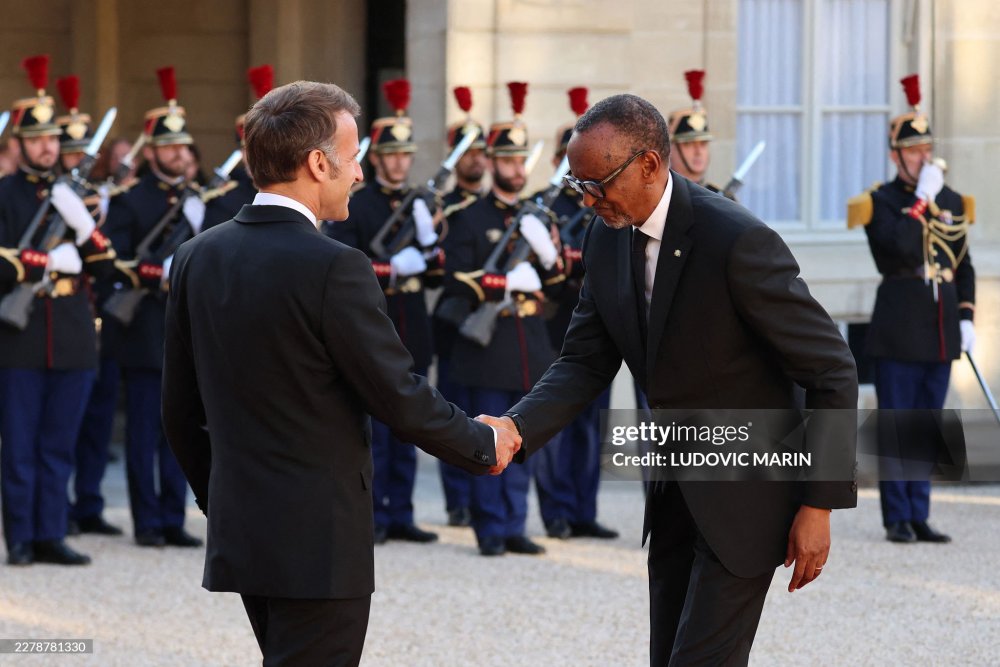
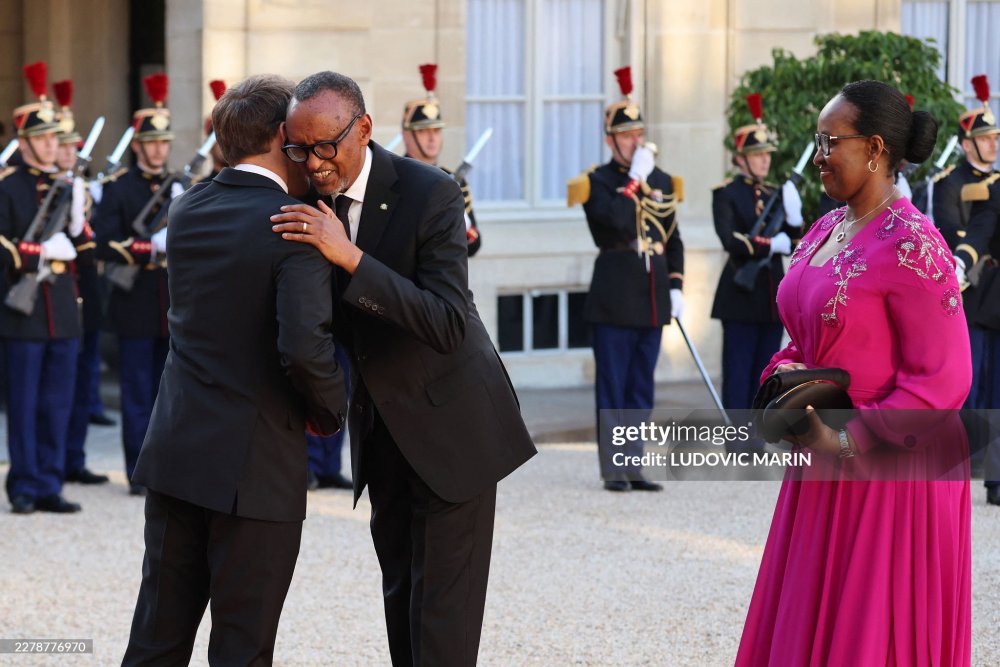
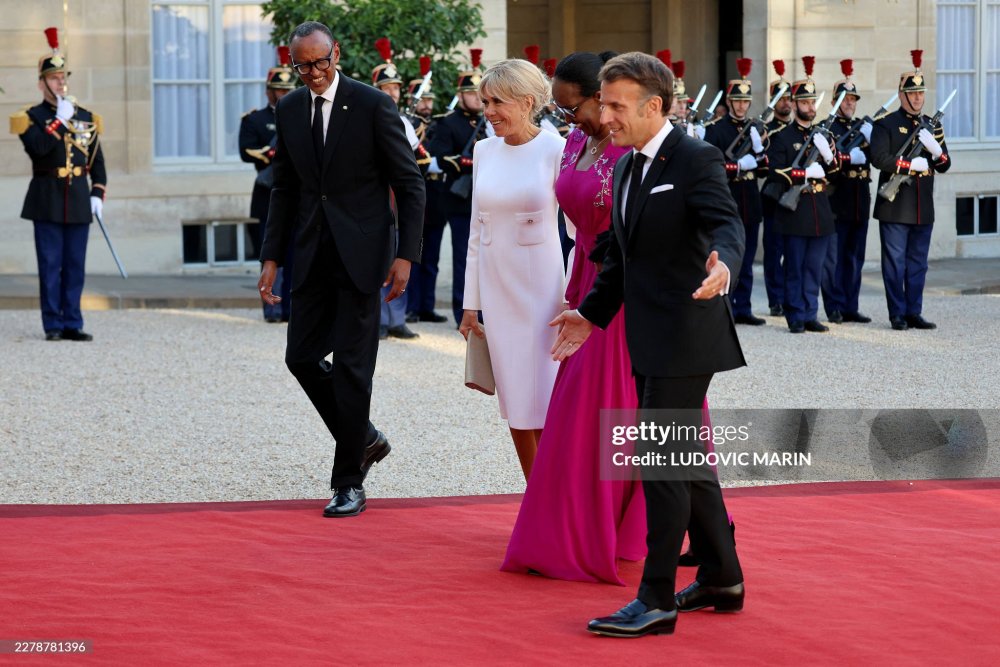
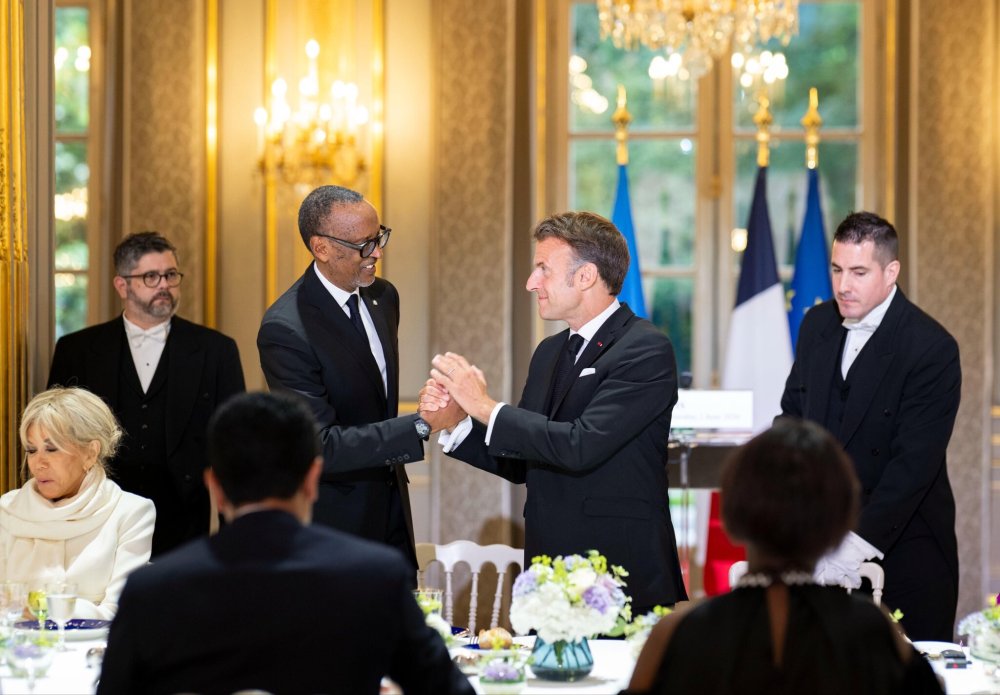
The dinner followed the inauguration of the memorial dedicated to the 1994 Genocide against the Tutsi, known as “Les Archives.”
The event forms part of President Macron’s broader efforts since taking office to rebuild and strengthen bilateral relations between Rwanda and France. In 2021, he visited Rwanda, where he joined Rwandans in commemorating the Genocide against the Tutsi and acknowledged France’s role in the events that led to the genocide, issuing an apology for the country’s past failures.
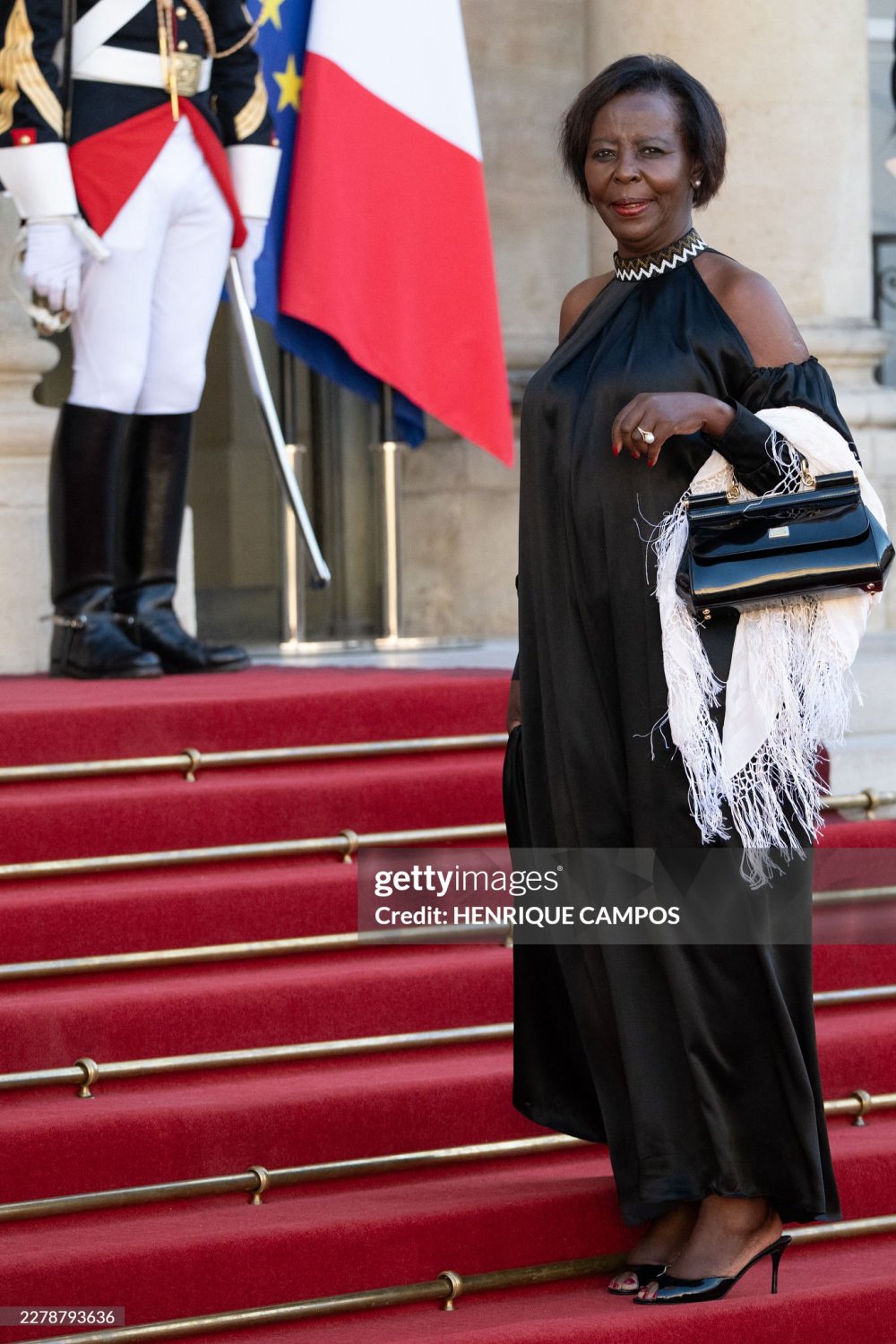
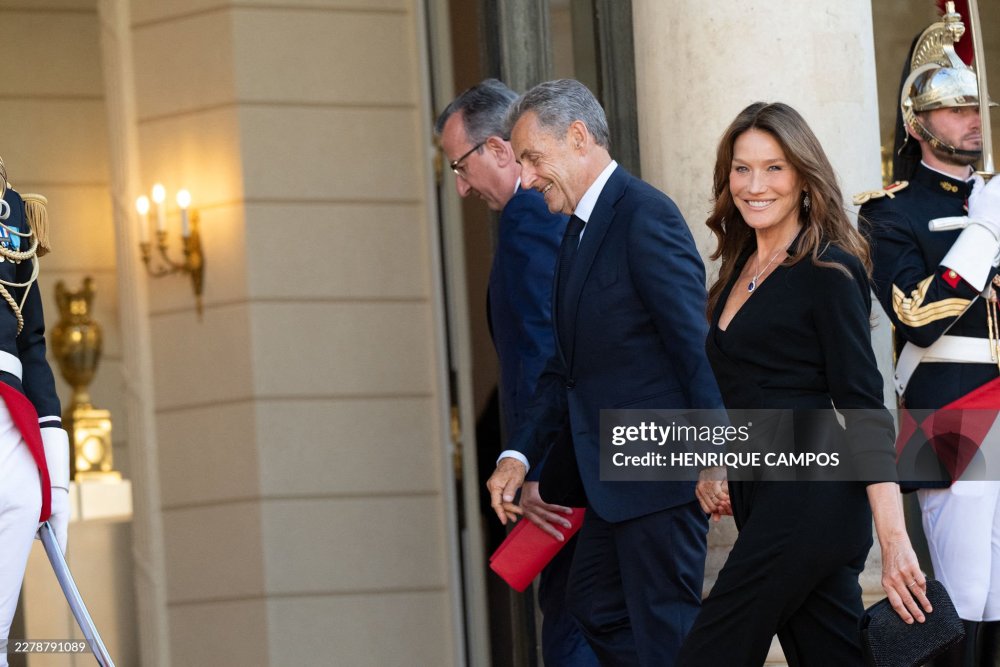
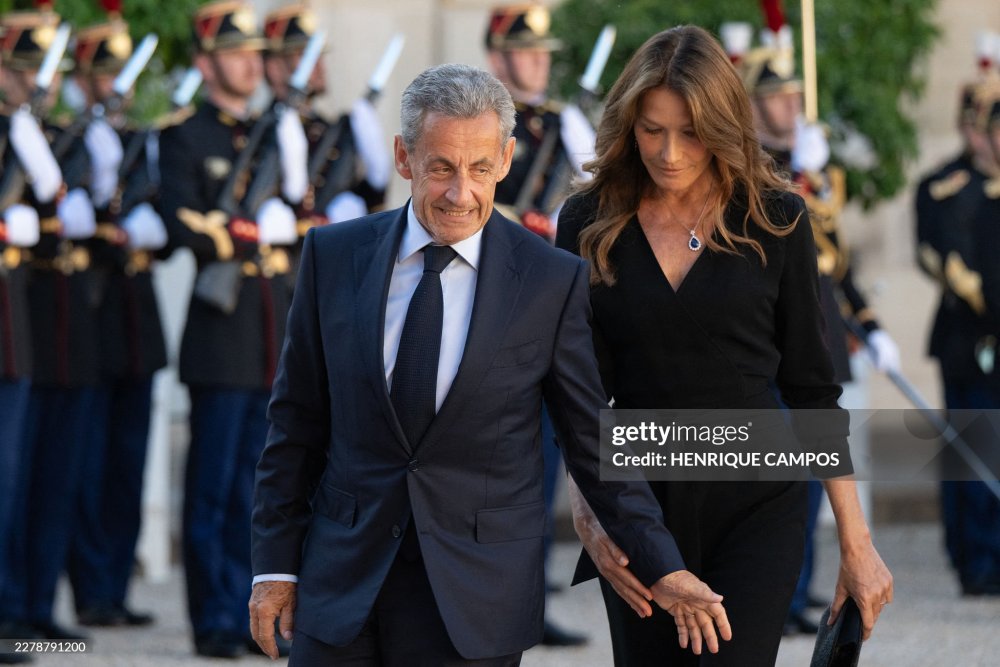
The dinner was attended by several high-profile figures, including Louise Mushikiwabo, Secretary General of the Organisation internationale de la Francophonie (OIF), and former French President Nicolas Sarkozy. Also present was Yonathan Arfi, President of the Representative Council of Jewish Institutions of France.
The dinner followed the inauguration of the memorial dedicated to the 1994 Genocide against the Tutsi, known as “Les Archives.”President Kagame as he was received by his French counterpart, Emmanuel Macron.The dinner was attended by several high-profile figures.Louise Mushikiwabo, Secretary General of the Organisation internationale de la Francophonie (OIF, attended the dinner.Yonathan Arfi, President of the Representative Council of Jewish Institutions of France, as he arrived at the Élysée Palace to attend the ceremony.
The decision comes as governments across the region tighten health screening and entry requirements for travellers arriving from affected areas, in efforts to contain the spread of the disease.
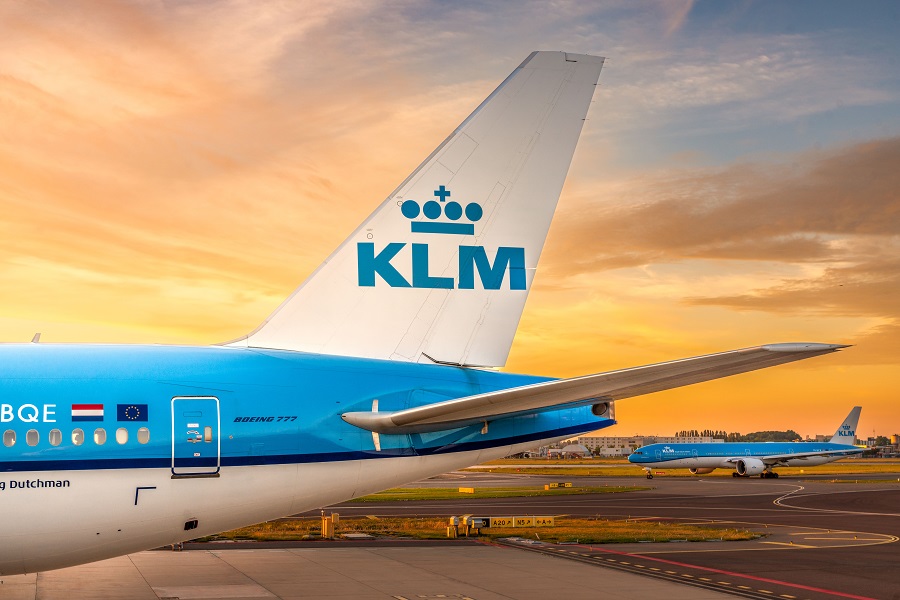
KLM Country Manager Rukia Otema said the carrier had suspended flights to Entebbe for two weeks due to Ebola-related restrictions affecting airline crew movements. She explained that the rules could lead to extended isolation periods for pilots and other staff.
“We are suspending flights for two weeks to Entebbe because it’s mentioned among the countries with Ebola cases. If our pilots happen to fly to Uganda, they will be isolated for 21 days,” she said.
In a statement issued on May 29, KLM confirmed it had cancelled flights scheduled for May 30 and June 1, 2026. Flight tracking data showed two Amsterdam–Entebbe services, which operate via Kigali, were among those affected.
The airline said passengers impacted by the cancellations would be contacted directly regarding rebooking or refunds and advised travellers to check their flight status before departure.
KLM noted that Entebbe is not currently classified as an active Ebola risk zone, but said entry restrictions introduced by some countries for travellers who have recently been in Uganda were also applying to airline crews.
The carrier added that it was monitoring developments and assessing how the evolving measures could affect future operations.
The suspension follows similar action by Uganda Airlines, which on May 23 halted flights between Entebbe and Kinshasa over Ebola-related containment measures.
Brussels Airlines has also warned that restrictions could affect crew deployment, while Emirates has advised passengers to check health requirements before travel.
KLM Country Manager Rukia Otema said the carrier had suspended flights to Entebbe for two weeks due to Ebola-related restrictions affecting airline crew movements.
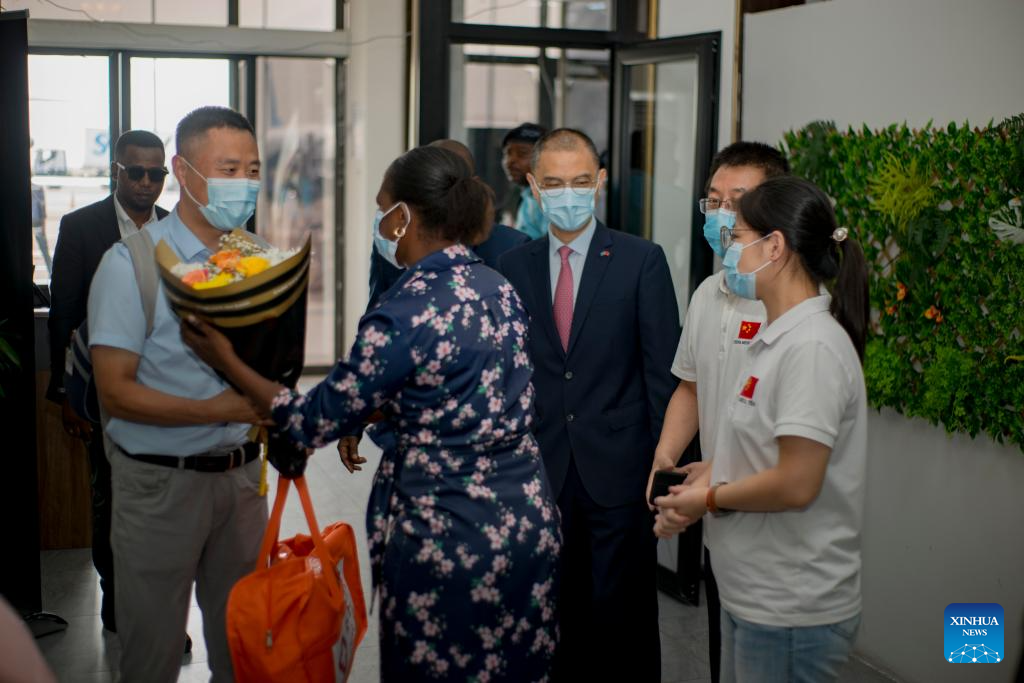
Luku Maleyo Marius, a representative of the DRC Ministry of Health, welcomed the team at the airport, saying that China’s dispatch of the medical experts represents timely and strong support for the Congolese government and people.
Whenever the DRC faces major public health challenges, China has consistently extended timely assistance, he said, adding that he looks forward to the mission further strengthening the country’s epidemic prevention, control and treatment capacities, and helping bring the outbreak under control as soon as possible.
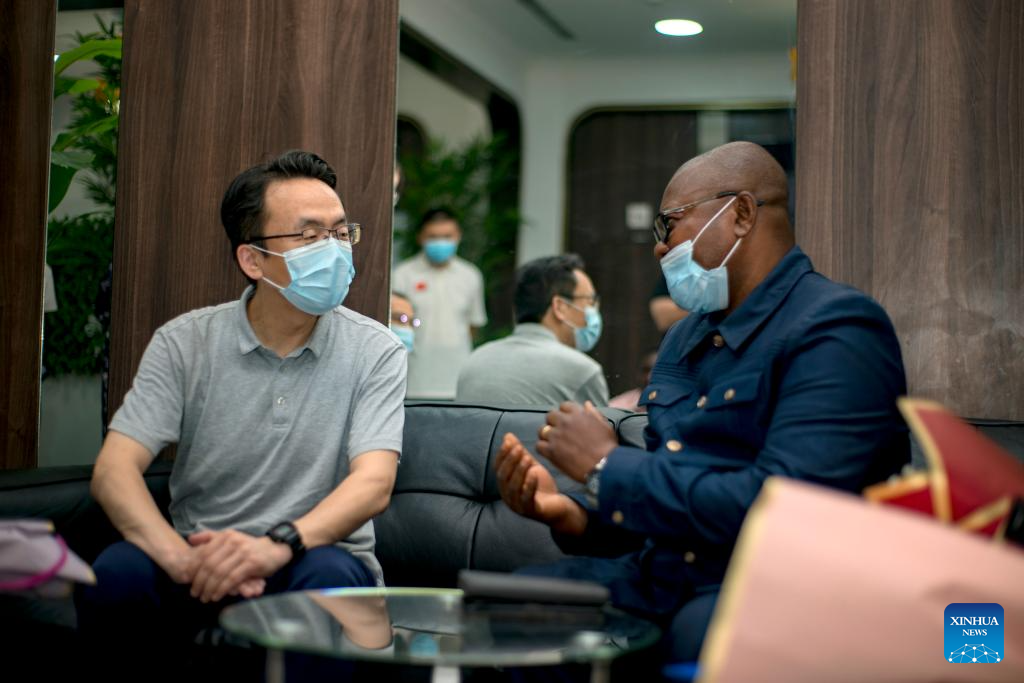
Lu Ming, head of the Chinese expert team, said the team would begin work promptly in line with the Congolese side’s needs and would cooperate with local medical and disease control institutions to provide support in epidemic assessment, case management, and other areas.
He added that the team would work closely with the Congolese side to safeguard people’s lives and health, contributing China’s expertise to helping the DRC control the outbreak at an early stage.
On May 15, the DRC officially confirmed its 17th Ebola outbreak since 1976. Two days later, the World Health Organization declared the outbreak a public health emergency of international concern.
China’s National Health Commission announced on Monday the decision to send a medical expert team to support the DRC’s Ebola control efforts.
According to the commission, the first group consists of five members with extensive experience in epidemic control. They will also share practical response experience tailored to local conditions and help enhance the DRC’s capacity for Ebola prevention, control and treatment.
Lu Ming (L), head of the Chinese expert team, talks with Luku Maleyo Marius, a representative of the Ministry of Health of Democratic Republic of the Congo (DRC), in Kinshasa, capital of the DRC, June 2, 2026.Members of a Chinese anti-epidemic medical expert team arrive in Kinshasa, capital of the Democratic Republic of the Congo (DRC), June 2, 2026. A Chinese anti-epidemic medical expert team arrived in Kinshasa on Tuesday for a three-month mission to support the Central African country’s response to the Ebola outbreak. (Xinhua)
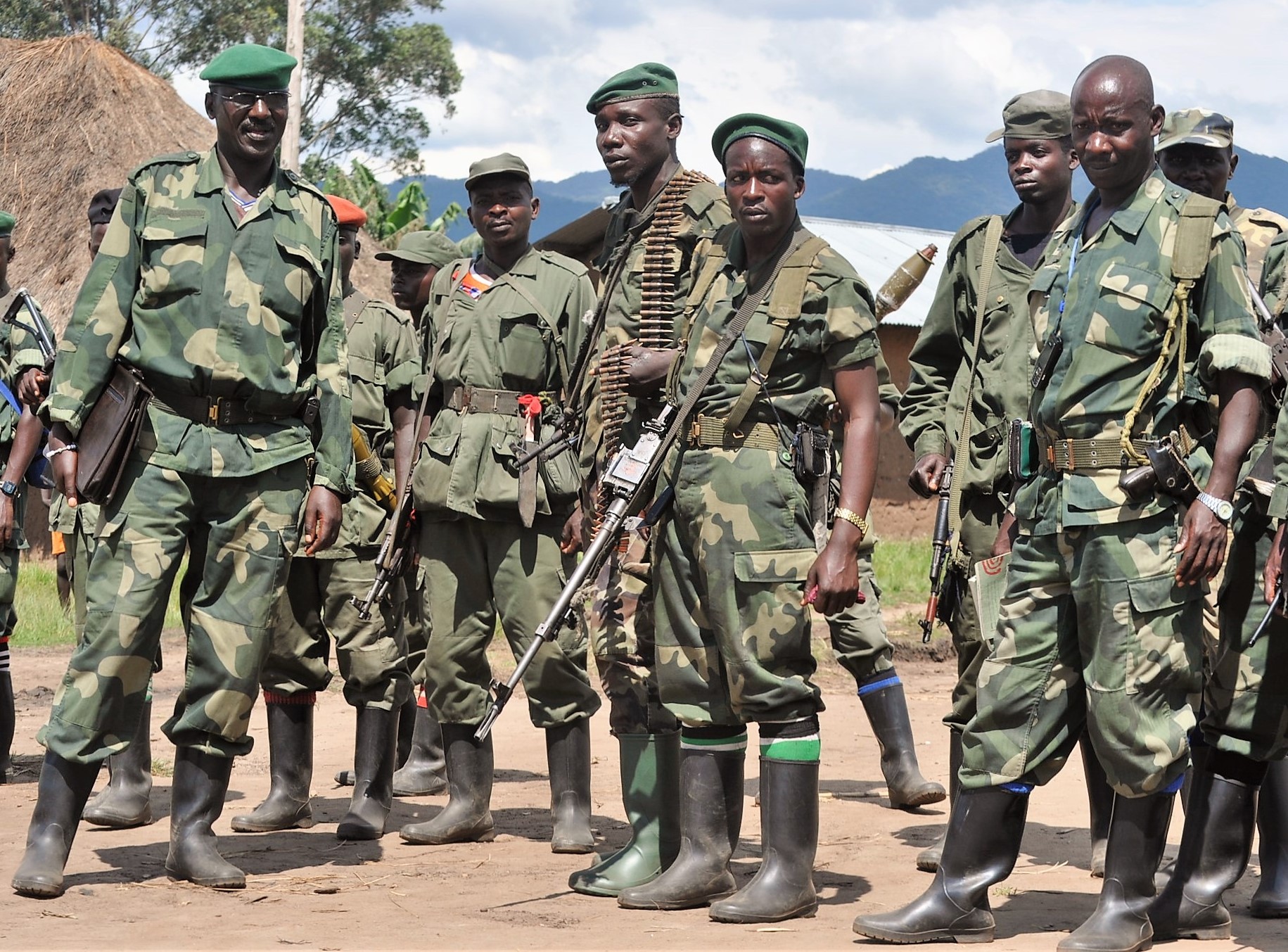
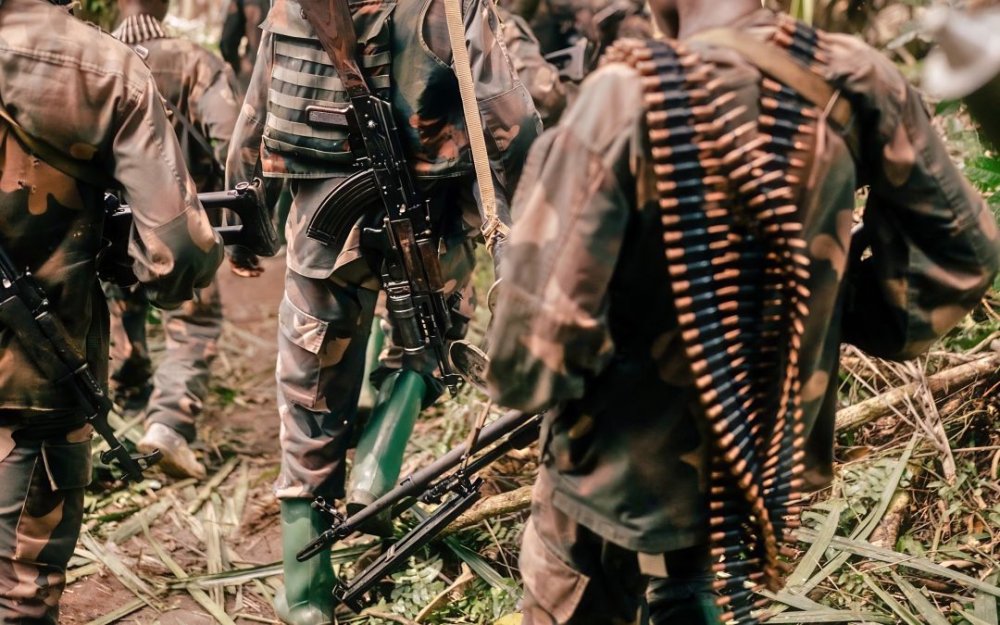
To sustain its activities, the FDLR, whose operations commander, Gustave Kubwayo, commonly known as Colonel Sirkoof, was on Tuesday sanctioned by the United States of America (USA), has relied on a network of revenue-generating activities in eastern DRC, including illegal mining, agriculture, cannabis cultivation and trafficking, and the charcoal trade. The proceeds have enabled the group to purchase weapons, maintain its operations, and recruit new fighters.
The FDLR armed group was formed by remnants of the former Rwandan Armed Forces and extremist militias that fled Rwanda after committing the 1994 Genocide against the Tutsi.
Over the years, FDLR has strengthened its presence by recruiting from Rwandan communities that have remained in the DRC and by establishing strongholds in territories such as Rutshuru and Walikale. Despite facing repeated military setbacks, the group has managed to adapt and survive.
The group’s anti-Tutsi ideology has not only targeted Rwandans but also Congolese Tutsis. In areas where it has operated, FDLR has been accused of killings, looting, and the displacement of local communities, forcing many residents to flee to neighbouring countries.
Rise of local resistance
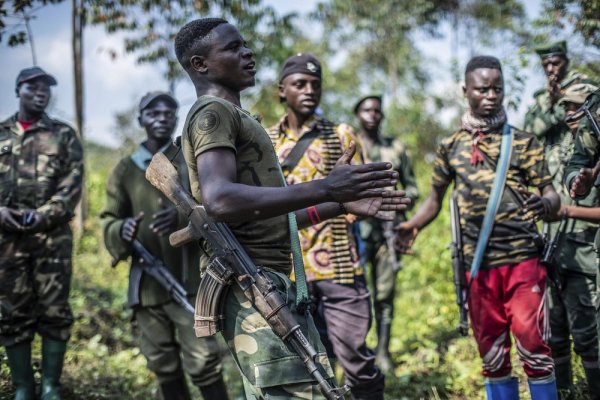
As FDLR expanded its influence, local communities increasingly organised armed groups to defend themselves.
In 2005, residents of South Kivu, including Pastor Jean Musumbu, established the Mai Mai Raia Mutomboki militia to resist FDLR attacks.
A year later, former Congolese army officers led by Gen. Laurent Nkunda formed the National Congress for the Defence of the People (CNDP), citing the need to protect Congolese Tutsis from persecution by FDLR, particularly in North Kivu.
The emergence of CNDP highlighted growing frustration among communities that felt abandoned by both the Congolese state and the international community.
In 2008, members of the Nyanga community in Walikale created Nduma Défense du Congo (NDC) under Ntabo Ntaberi Sheka to counter FDLR violence and protect local populations.
Although NDC initially weakened FDLR’s influence in parts of North Kivu, internal divisions later led to the creation of NDC-R under Guidon Shimiray Mwisa, reducing pressure on armed group.
To sustain its activities, the FDLR has relied on a network of revenue-generating activities in eastern DRC, including illegal mining, agriculture, cannabis cultivation and trafficking, and the charcoal trade.
Joint military operations
In December 2008, Rwanda and the DRC launched a joint military offensive against FDLR known as Operation Umoja Wetu, followed by Operation Kimia II.
The operations dealt significant blows to the group, killing senior commanders and hundreds of fighters while encouraging others to return voluntarily to Rwanda.
During the 35-day Umoja Wetu operation in early 2009, 153 FDLR combatants were killed, including Lt. Col. Anaclet Hitimana, commonly known as Gasasira Kabuyoya. Thirteen fighters were wounded, 37 captured, and 103 repatriated to Rwanda.
Creation of proxy forces
Facing increasing military pressure, FDLR adopted a new strategy aimed at ensuring its survival.
According to retired Col. Augustin Nshimiyimana, widely known as Bora Manassé and a former FDLR operations commander, the group began organising and training Congolese armed groups composed mainly of Kinyarwanda-speaking Congolese Hutu communities.
The militias, collectively known as Nyatura, were established as local allies that would share FDLR’s ideology and help shield the organisation from military offensives.
“I was sent to establish Nyatura on the orders of Gen. Omega, the commander of FOCA,” Bora said in testimony about the group’s strategy. He explained that FDLR sought to recruit young people from Masisi and Rutshuru after suffering losses during confrontations with Raia Mutomboki fighters.
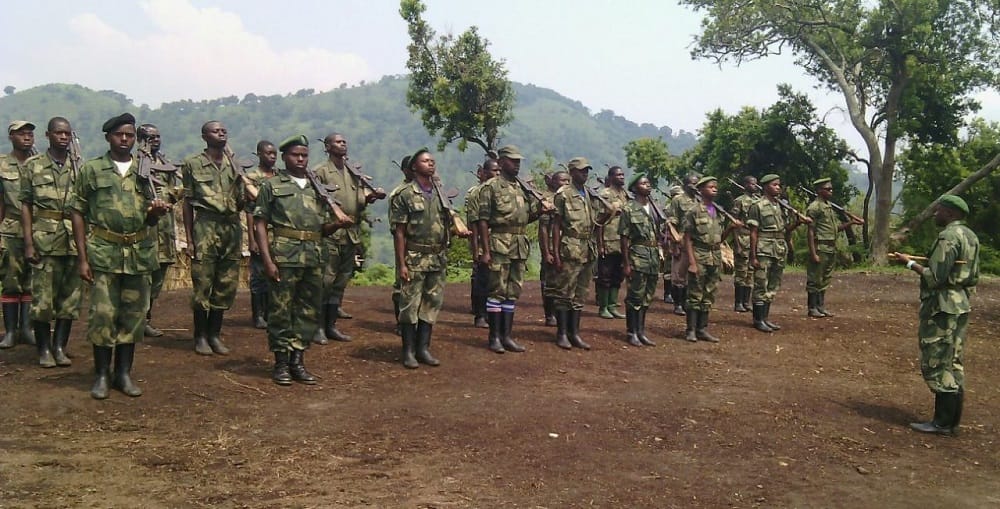
Training of the newly formed Nyatura groups reportedly began around 2010 and was conducted largely by FDLR’s elite CRAP unit under Guillaume Rurakabije.
Over time, multiple Nyatura factions emerged, including Nyatura-Domi, Nyatura John Love, Nyatura Kasongo, Nyatura Jean-Marie, Nyatura Kigingi, Nyatura Gatuza, Nyatura Abazungu, Nyatura Kalume, and Nyatura Karume.
According to former FDLR members, these groups operated in close coordination with FDLR and shared the same anti-Tutsi ideology.
Alliance with APCLS
FDLR also developed close ties with the Alliance of Patriots for a Free and Sovereign Congo (APCLS), a Hunde militia formed in 2010 under Janvier Karairi.
The two groups found common ground in their opposition to Congolese Tutsi communities and later cooperated in military operations.
APCLS traces its origins to PARECO-Hunde and previously fought alongside Congolese government forces against the M23 rebellion during earlier phases of the conflict in North Kivu.
Former fighters and regional analysts say FDLR, Nyatura factions, and APCLS often operate together, making it difficult to distinguish between members of the various groups on the battlefield.
FDLR fighters have also reportedly adopted tactics designed to avoid detection, including frequently changing names, rotating between units, and blending into local communities.
The Democratic Forces for the Liberation of Rwanda (FDLR) continues to pursue its long-standing objective of destabilising Rwanda.
Ongoing debate over FDLR’s future
The dismantling of FDLR has remained a key issue in regional diplomacy.
Since 2025, discussions involving Rwanda, the DRC, and the United States have increasingly focused on neutralising the group as part of broader efforts to restore stability in eastern DRC.
However, critics argue that progress remains limited.
According to Congolese researcher Dr. Alex Mvuka, FDLR has become deeply intertwined with armed groups operating under the Wazalendo umbrella, including some Nyatura factions and APCLS.
Mvuka argues that disarming FDLR without simultaneously addressing Wazalendo groups would be difficult because of their operational links and shared networks.
As of June 2026, estimates placed FDLR’s strength at between 7,000 and 10,000 fighters. The group’s military spokesperson, Lt. Col. Octavien Mutimura, has claimed that its actual numbers are higher.
Mvuka further argues that FDLR continues to draw recruits from segments of the Rwandan population that remain in the DRC, as well as from Congolese communities influenced by anti-Tutsi narratives, while cooperation with allied armed groups continues to bolster its capabilities.
The FDLR armed group was formed by remnants of the former Rwandan Armed Forces and extremist militias that fled Rwanda after committing the 1994 Genocide against the Tutsi.
The decline came after many previously listed suspected cases were tested and ruled out, World Health Organization (WHO) spokesperson Christian Lindmeier said Tuesday.
A DRC health ministry report released on May 27 said the country had recorded 1,077 suspected Ebola cases as of May 26.
Lindmeier told reporters that during the outbreak, anyone identified through surveillance or seeking treatment at a healthcare facility with Ebola-like symptoms is initially considered a suspected case until testing confirms otherwise. After laboratory tests, many of those cases were ruled out, with some found to be malaria, meningitis or other unrelated illnesses, he said.
According to the latest DRC health ministry update, as of Monday, the country had reported more than 340 confirmed Ebola cases, including 60 deaths. A total of six patients have recovered, up by one from the previous day, while 173 suspected cases are in isolation.
The WHO declared the Ebola outbreak in the DRC a public health emergency of international concern on May 17. The current outbreak is caused by the Bundibugyo strain of the Ebola virus, for which there is currently no approved vaccine or specific treatment.
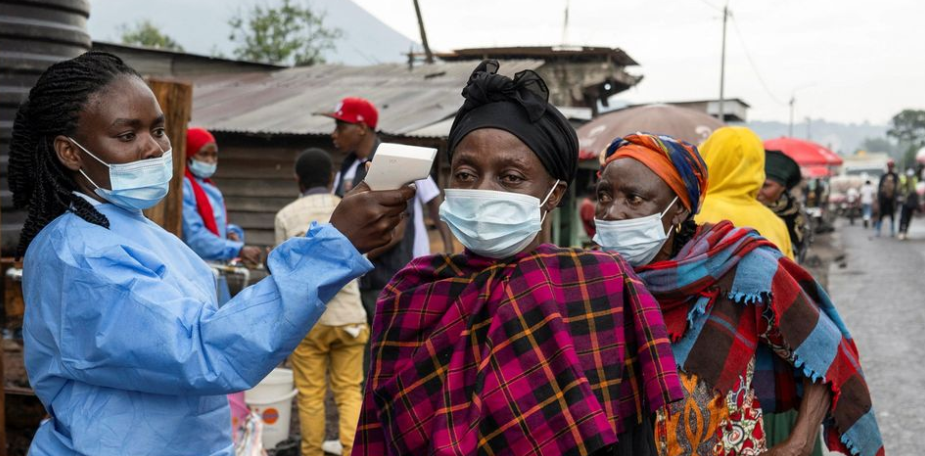
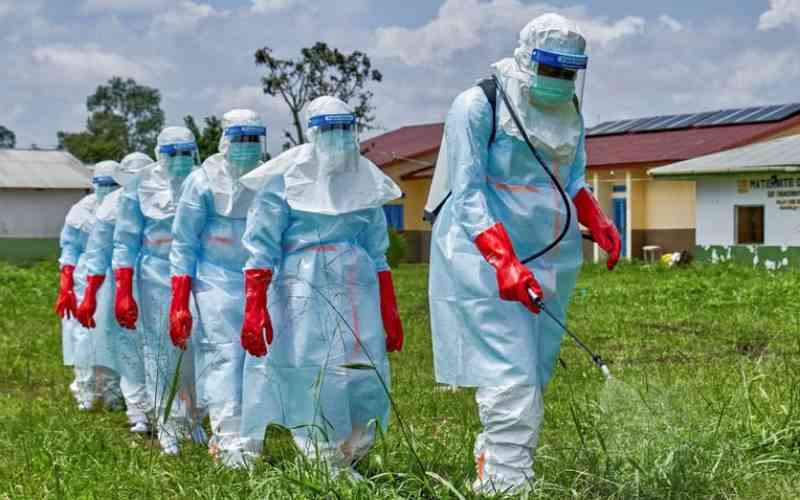
Medical officers sanitise areas in Ebola-prone areas in the DRC.