He made the appeal at a press conference during the 30th United Nations Climate Change Conference (COP30) being held in Brazil’s Amazon city of Belem. The conference runs on Nov. 10-21, with climate negotiations currently in the final stage.
Guterres noted that vulnerable communities can no longer wait for climate change mitigation, urging delegations to reach a consensus.
The progress made in the decade since the 2015 Paris Agreement is not enough, according to Guterres. “We must move much faster — with a drastic cut on emissions.”
It is essential that most countries reach peak emissions now, halve them this decade, achieve net-zero by 2050, and go net-negative thereafter, he said, while calling for “a just, orderly, and equitable transition away from fossil fuels — as agreed at COP28 in Dubai.”
The UN chief emphasized the urgency of protecting ecosystems and the importance of financing to achieve the goals.
It is imperative to halt and reverse deforestation by 2030, so that nature remains a shield and not a casualty, he said.
Developed countries must lead in securing at least 300 billion U.S. dollars annually through 2035 to climate action, with a clear route to reaching 1.3 trillion dollars per year by that time, said Guterres.
“We know that budgets are limited — but the financial system can unlock and multiply the available resources to achieve a much greater impact. Multilateral Development Banks must play a decisive role,” he said.
The UN chief also urged political will to take the necessary decisions. “What has been failing is the political will,” he said.
To be held at Green Hills Academy, the event is organised by Intercultural Bridge Group CBC, a Community Benefit Company specialising in cultural advocacy, research, and education. It aims to raise over US$100,000 (approximately Rwf 145 million).
Speaking at the pre-event press conference, Chief Organiser Edison Niyontegereje said the bazaar was born from years of working closely with cooperatives facing financial challenges and limited market access.
“We have spoken to artisans who create beautiful cultural products but often struggle to sell them or earn a sustainable income,” Niyontegereje said. “That is why we decided to organise this event, to bring the international community on board and help these youth- and women-led cooperatives continue their work and sustain their livelihoods.”
He added that while artisan work has traditionally been viewed as cultural heritage, there is a need to reposition it as a viable economic activity.
“In earlier years, many people did artisan work purely out of tradition, not as a business,” he said. “We want to show them that they can build a sustainable living through the artisan industry.”
Organising Committee Member Dr Saurabh Singhal described the bazaar as one of the biggest diplomatic charity initiatives Rwanda will see this year.
“Community and charity are in my blood, and that is why I am contributing my experience to this event,” the Indian businessman said, drawing on his philanthropy experience from Rotary Club events.
“This charity event is probably one of the biggest in Rwanda in 2025. Out of the ten BRICS countries, four are participating, and many of them are also members of the Global South. We expect a large gathering of Rwandans, foreign residents, and embassy representatives,” he stated.
He noted that the event has generated excitement, particularly among children preparing cultural performances representing different countries.
“We are expecting more than 2,000 visitors,” he said. “There will also be raffles and auctions worth around 10 million Rwandan francs, including a business-class airline ticket from a European airline.”
Operations Manager Karangwa Semwaga highlighted the event’s cultural depth, noting that each embassy will present its own traditions without local imitation.
“You won’t see a Rwandan imitating Indian culture,” he said. “It will be the Indian Embassy presenting India, the Ghana Embassy presenting Ghana, the Russian Embassy presenting Russia, and so on.”
He encouraged families to attend, saying, “If you love culture and good food, please come and have an amazing time.”
Other embassies expected to grace the event include Kenya, Uganda, Sudan, Nigeria, Angola, Pakistan, as well as representatives from Rwanda, among others.
The day will begin with a ribbon-cutting ceremony and continue with cultural showcases, live auctions, food stations and a dedicated children’s area.
“It’s for the public. It’s for all of us to enjoy multiple cultures and festivities all in the name of charity,” Semwaga remarked.
On the accountability of the funds to be raised, the organisers affirmed that they have established a clear fundraising target for the campaign. Niyontegereje clarified that no cash will be handed directly to the cooperatives.
“The money will be used to buy tools, materials, and training according to each cooperative’s needs,” he said. “Everything will be fully communicated. Payments will be cashless through SINC and via QR codes so we know exactly how much comes in.”
He added that the organisation is also developing an app to help artisans sell their products globally. “Giving cash is easy,” he said. “Building systems that help them grow is what truly matters.”
The organisers intend to make the bazaar an annual event. Dr Singhal emphasised that it will take place every year and noted that, beyond the main bazaar, additional cultural events will be held throughout the year to maintain and strengthen cultural connections.
Entrance to the event will cost Rwf 10,000 as a charity fee for adults. Children under 12 and seniors above 75 will enter free of charge, and families attending in groups will receive discounts. Tickets can be [purchased via SINC->https://interculturalbrigdegroup.sinc.events/rwanda-dip-2052] or at the gate.
With over 60 volunteers, numerous embassies, artisan groups and cultural performers involved, organisers say this first edition is only the beginning of a bigger vision.
The Rwanda Diplomatic Charity Bazaar will run from 9:00 a.m. to 6:00 p.m. at Green Hills Academy in Kigali.
Prévot and the Belgian delegation are in Rwanda for the 46th Ministerial Conference of La Francophonie.
The delegation received a detailed briefing on the history of the genocide, its origins, the scale of atrocities committed, and its enduring impact on survivors and the nation. They also learned about Rwanda’s 31-year journey of recovery, highlighting the country’s efforts in reconciliation, unity and reconstruction.
Following the visit, Prévot wrote in the memorial’s guestbook, delivering a solemn tribute on behalf of Belgium.
“On behalf of the Belgian government and the Belgian people, I bow once again before the memory of the victims of the genocide perpetrated against the Tutsi in 1994 in Rwanda,” he wrote.
“Visiting this memorial is a chilling reminder of those events that profoundly wounded our humanity. It is our collective duty to ensure that such atrocities never happen again, neither in this region nor anywhere else in the world.”
Prévot stressed Belgium’s determination to combat genocide denialism and ensure justice for crimes committed during the 1994 atrocities.
“Belgium will continue this commitment with determination. The fight against denialism is part of this, as is the prosecution in Belgium of those responsible for these abhorrent crimes, for whom no impunity is acceptable,” he added.
Prévot’s visit comes amid a serious diplomatic rupture. Earlier in 2025, Rwanda severed diplomatic ties with Belgium, accusing Brussels of clearly taking sides in a regional conflict over the situation in eastern DRC. Kigali also suspended its development aid cooperation with Belgium, accusing Belgium of politicising development and undermining regional mediation efforts.
Against this fraught backdrop, Prévot’s strong statements against genocide denial and impunity are widely seen as an attempt by Belgium to use his visit as a platform to mend ties with Rwanda.
During the visit, President Kagame gifted the Emir with Inyambo cows, an iconic and deeply revered symbol in Rwandan culture. The symbolic gesture is rooted in Rwandan tradition, signifying friendship, mutual respect, and the strong bond between the two leaders and their nations.
The two leaders also held a private tête-à-tête at the farm, marking another milestone in the steadily growing relations between Rwanda and Qatar. The meeting follows their recent engagement earlier in November in Doha, during the World Summit for Social Development, where they discussed strengthening bilateral relations and cooperation.
Sheikh Tamim’s visit comes at a pivotal moment, according to Ali bin Hamad Al Aida, the Charge d’Affaires at the Qatari Embassy in Rwanda. He noted that the visit signals Qatar’s commitment to expanding its partnerships across Africa, focusing on peace, security, and sustainable development. He emphasized that Rwanda is regarded as a trusted partner, with the visit expected to deepen cooperation based on shared interests and longstanding mutual respect.
Rwanda’s Ambassador to Qatar, Igor Marara Kayinamura, highlighted the extensive areas of collaboration already underway. These include major projects such as the construction of Bugesera International Airport, in which Qatar holds a 60% stake. Qatar Airways is also expected to acquire a 49% shareholding in RwandAir, further reinforcing aviation cooperation.
He added that new ventures are likely to emerge from the visit, including opportunities linked to Kigali Innovation City, a flagship initiative aimed at positioning Rwanda as a continental technology hub.
Rwanda and Qatar continue to strengthen ties across investment, tourism, transport, and infrastructure. The Emir’s visit is expected to culminate in the signing of new partnership agreements, expanding the scope of bilateral cooperation.
Sheikh Tamim last visited Kigali in July 2022 as a special guest at the Commonwealth Heads of Government Meeting (CHOGM). His return marks an ongoing commitment to deepening diplomatic and economic engagement between the two nations.
The group crossed into Rwanda on November 20, 2025, through the La Corniche border, which connects Rwanda to the DRC.
Among them were 127 women, 32 men, and 352 children. Upon arrival, they were taken to the Nyarushishi Transit Camp in Rusizi District.
These returnees had been living in a temporary camp in Goma after being freed from various regions in eastern DRC, where they had been held captive by the FDLR, a group formed by remnants of those responsible for the 1994 Genocide against the Tutsi in Rwanda.
The Vice Mayor of Rubavu in charge of Economic Development, Deogratias Nzabonimpa, assured the returnees that they would receive essential support to help them reintegrate into society.
“They will be given basic necessities to help them sustain themselves and contribute to the country, as this is the approach taken to bring them back into the Rwandan community. They will also be supported with various projects in their areas to help them provide for their families,” he stated.
Nzabonimpa also highlighted that the increasing number of returnees is a clear sign that the ongoing awareness campaigns are effective, with everyone playing a role.
To help them start their new lives, the returnees will receive basic financial assistance. Those over the age of 18 will receive $188, while those under 18 will receive $113.
Additionally, they will be provided with essential food supplies worth 45,000 Rwandan Francs.
Launched in 2024, the initiative supports organisations working to improve women’s mental and physical health globally and is funded by Pivotal, a group of impact organisations founded by Melinda French Gates, and managed by Lever for Change.
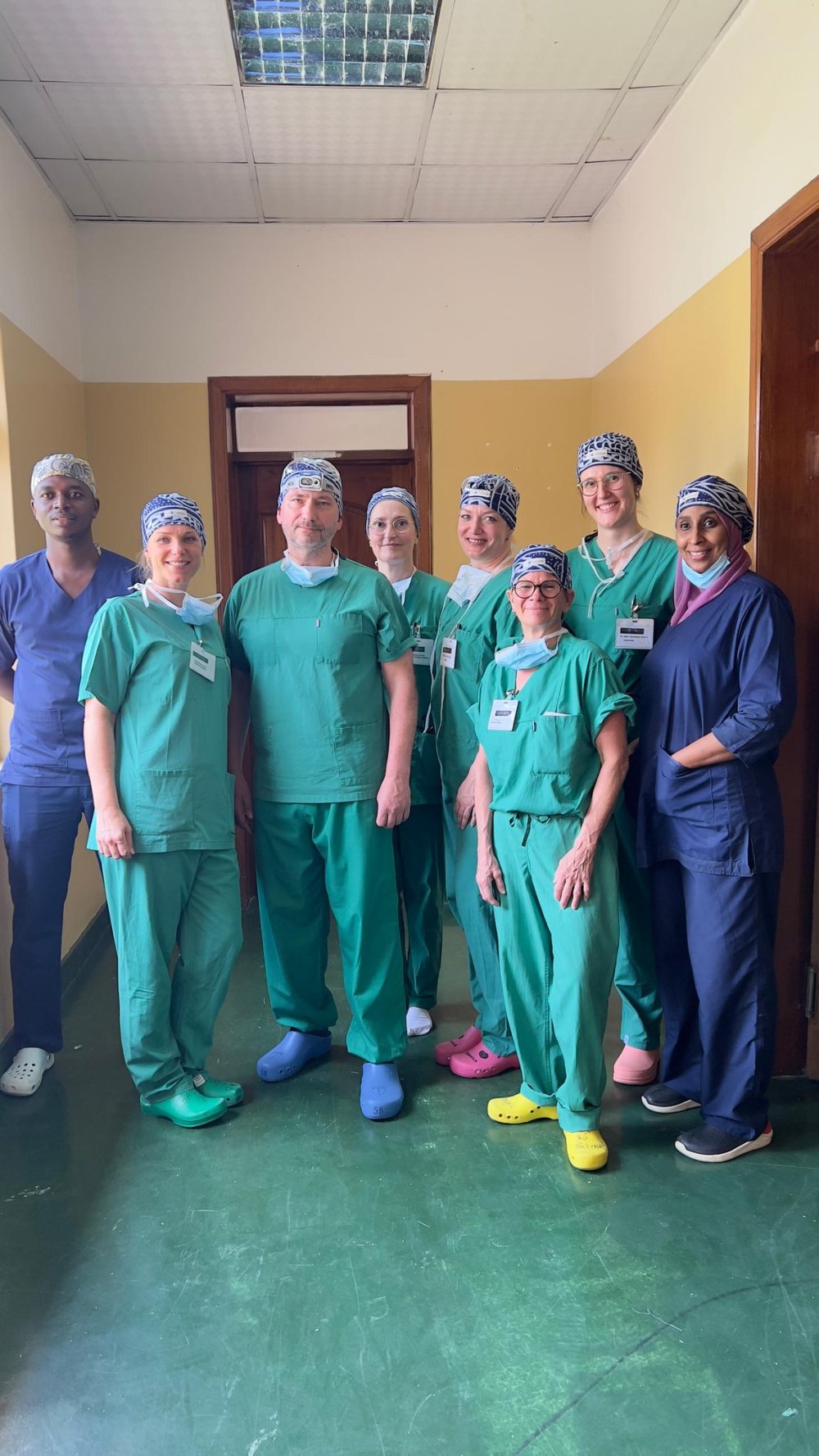
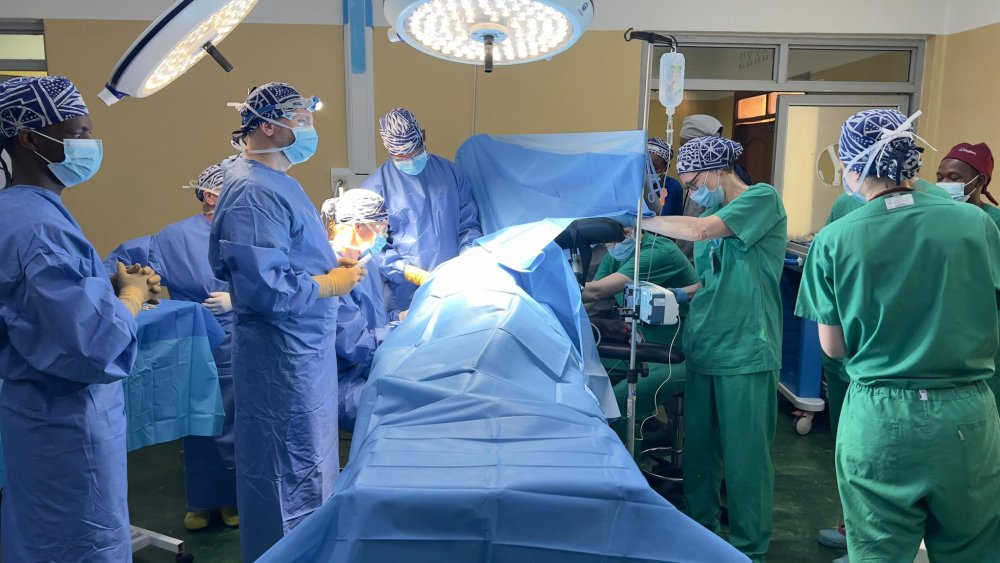
The grants, ranging from $1 million to $5 million, recognise Lifebox’s work in addressing one of the most critical yet under-resourced areas of women’s health: safe surgery. The funding will enable Lifebox and its partners to expand programs that improve the safety and quality of surgery and anaesthesia for women across Sub-Saharan Africa, Latin America, and the Asia-Pacific region.
“Support from Action for Women’s Health will enable Lifebox and our partners to strengthen safer surgical systems for women by empowering maternity and gynaecological surgical teams with practical, evidence-based tools to prevent surgical infection and improve outcomes,” said Kris Torgeson, Lifebox Global CEO.
“The grant will allow us to dramatically scale our work to strengthen the safety and quality of surgical systems for women’s health worldwide.”
Over 4,000 organisations from 119 countries applied to the Action for Women’s Health Open Call. After a rigorous review process, 83 organizations were selected, many of which have historically lacked access to major funding streams. The awards aim to deliver measurable impact for women across different geographies, life stages, and identities.
“Every year, more than four million people die following surgery. Unsafe surgery is one of the most urgent and solvable challenges in global health, especially for women,” said Dr. Tihitena Negussie Mammo, Lifebox Global Clinical Director and pediatric surgeon.
“At Lifebox, we’ve reduced postoperative complications and deaths, including those following cesarean section, by up to 40%. Strengthening surgical safety for women saves lives today and builds the foundation for healthier families and societies.”
Cesarean delivery, the most common surgery globally, accounts for nearly a third of all operations in low- and middle-income countries. Lifebox’s Clean Cut for Cesarean Section program reduces complications for mothers and newborns by strengthening compliance with six critical infection prevention standards.
Professor Salome Maswime, Vice Chair of the Lifebox Global Governance Council, added: “No woman should die while giving life. By strengthening surgical systems, we are transforming maternal health from survival to high-quality care, improving safety and dignity for every woman, everywhere.”
Lifebox was founded in 2011 by Dr. Atul Gawande, a renowned American surgeon, writer, and public health researcher. It has operated in more than 100 countries worldwide, including Rwanda.
Their work in Rwanda has included the implementation of the World Health Organisation (WHO) Surgical Safety Checklist, distribution of essential equipment like pulse oximeters, and running programs like Clean Cut, which aims to reduce surgical site infections.
Sheikh Theyab bin Mohamed bin Zayed toured the hospital’s facilities, which integrate medical innovation, sustainable design, and social impact, including solar energy, rainwater use, and eco-friendly materials, and reaffirmed the UAE’s commitment to global health, humanitarian action, and international cooperation.
The UAE-Indonesia Hospital for Cardiac Diseases is the first of ten specialist hospitals planned globally in the UAE Global Hospitals Programme, part of the Zayed Humanitarian Legacy Initiative.
According to Rwanda’s Office of the President, President Kagame also hosted the Emir at his farm in Kibugabuga, Bugesera District where the two leaders held a private tête-à-tête meeting.
The two leaders had last met early November 2025 in Doha, on the sidelines of the World Summit for Social Development.
During that meeting, they discussed ways of strengthening bilateral relations and cooperation between both countries.
Ali bin Hamad Al Aida, the Charge d’Affaires at the Qatari Embassy in Rwanda, has noted that the visit comes at a time of significant global changes, both regionally and internationally.
He also emphasized that the visit underscores Qatar’s vision of deepening its cooperation with the African continent, focusing on security, safety, and sustainable development.
Al Aida further remarked that Rwanda is a trusted partner of the Qatari government, highlighting that this visit would be an opportunity to further strengthen the existing cooperation between the two countries, based on mutual trust, respect, and shared interests.
New partnership agreements between Rwanda and Qatar are expected to be signed during the visit.
Rwanda’s Ambassador to Qatar, Igor Marara Kayinamura, said that there are numerous sectors in which the two countries are already collaborating, including a key project such as the construction of Bugesera International Airport.
He also mentioned new projects that could benefit from the cooperation, including the ‘Kigali Innovation City,’ which aims to make Rwanda a hub for technology in Africa.
Rwanda and Qatar enjoy strong bilateral relations across various sectors, including investment, tourism, and transport. The two countries also collaborate in the aviation sector, with Qatar Airways expected to acquire a 49% stake in RwandAir.
Beyond RwandAir, Qatar holds a 60% stake in the Bugesera Airport project.
The Emir of Qatar last visited Rwanda in July 2022, when he was a special guest at the Commonwealth Heads of Government Meeting (CHOGM), which was held in Kigali.
The agreement, signed in Kigali and witnessed by the Minister in Charge of Emergency Management on Wednesday, November 18, marks the official start of the “Refugee Socio-Economic Graduation & Livelihood Opportunities in Rwanda” project.
The three-year initiative will support 3,200 refugee families and 800 families from surrounding host communities, providing targeted solutions to enhance their economic autonomy and improve their ability to meet basic needs independently.
The project represents a major step in implementing Rwanda’s Refugee Sustainable Graduation Strategy (2025–2030), which seeks to enable half of all refugee households in the country to graduate from reliance on aid by the end of the decade.
Speaking at the ceremony, Maj. Gen. (Rtd) Albert Murasira, Minister in Charge of Emergency Management, said the partnership illustrates the effectiveness of collaboration in driving long-term change.
“This project marks an important milestone in creating meaningful pathways to self-reliance for refugees in Rwanda,” he said. “By supporting 4,000 refugee and host community households to graduate into sustainable livelihoods, we are demonstrating the power of strong partnerships to drive tangible, lasting change and strengthen the resilience of communities.”
European Union Deputy Director-General for International Partnerships, Martin Seychell, noted that the initiative reinforces EU support to Rwanda’s efforts to shift refugee assistance towards economic empowerment.
“The programme we sign today is a concrete demonstration of the European Union’s support to the ambitions of the Government of Rwanda to enable refugee households to move from aid dependence to self-reliance,” he said.
“Thanks to EU support through this and other projects, close to 20% of refugee households should advance towards economic inclusion. This new initiative further strengthens our longstanding engagement in the Great Lakes region and reflects our broader commitment
to the humanitarian–development–peace nexus, which is more essential than ever in a
context of increasing pressure on limited resources.”
The project will provide a sequenced package of interventions including targeted cash assistance, physical toolkits, and training programmes focused on entrepreneurship, climate-smart agriculture, and other livelihood skills.
Support will also be channelled into Village Savings and Loan Associations to strengthen long-term financial inclusion and resilience for participating households across five refugee camps and surrounding communities.
Andrea Bagnoli, WFP Country Director and Representative, said the initiative reflects a new era in how refugee support is approached in Rwanda.
“Today, we are starting a new chapter where refugees are seen not as beneficiaries but as entrepreneurs and active contributors to the community and Rwandan economy,” he said. “By working hand in hand with MINEMA and our partners, we are turning promise into practice.”
Rwanda currently hosts more than 136,000 refugees, largely from the Democratic Republic of Congo and Burundi, many of whom have depended on humanitarian support for years. By aligning this initiative with national development frameworks and facilitating access to markets and financial systems, partners hope to offer a sustainable and scalable model for future refugee assistance.
UNHCR Representative in Rwanda, Ritu Shroff, said the agreement reflects a shared belief in the potential of refugees and the communities that host them.
“We reaffirm something fundamental: that refugees and host communities alike deserve the opportunity to live dignified, productive, and independent lives and that with the right support, they absolutely can,” she said.
“UNHCR remains committed to working side by side with MINEMA, the European Union, WFP, and all partners to ensure that this project delivers meaningful, lasting impact.”
The decision was announced on Thursday during the November Monetary Policy Committee (MPC) and Financial Stability Committee (FSC) briefing by Governor Soraya Hakuziyaremye.
According to the MPC, the decision reflects the Bank’s assessment that current monetary conditions are sufficient to contain inflation within the target band. Headline inflation rose to 7.2% in the third quarter of 2025, up from 6.7% in the previous quarter, driven mainly by increases in core and energy inflation. However, fresh food prices eased, helping limit upward pressure on overall inflation.
The briefing also addressed recent concerns over fuel prices, which have added pressure to transport and consumer costs. On November 7, the Rwanda Utilities Regulatory Authority (RURA) announced new pump prices, setting petrol at Frw 1,989 per litre, an increase of Frw 127 from September, while diesel rose to Frw 1,900 per litre, up Frw 92.
Governor Hakuziyaremye noted that although global crude oil prices are projected to decline by nearly 16% in 2025, the recent domestic price adjustments were driven by higher transportation and logistics costs.
The Bank projects headline inflation to average 6.9% in 2025 before easing further to 5.8% in 2026, supported by improving agricultural output and moderating international commodity prices. Even so, the MPC warned that risks remain, including adverse weather conditions that could affect harvests and global geopolitical tensions that may disrupt supply chains and increase imported inflation.
{{Strong domestic economic performance
}}
Despite a challenging global environment, Rwanda’s economy continued to show strong momentum. GDP expanded by 7.8% in the second quarter, with positive growth recorded across all major sectors. In the third quarter, economic activity remained robust, with the Composite Index of Economic Activities rising 13.2%, signalling sustained demand and stronger output, particularly in services and industry.
Merchandise exports recorded a 15% expansion in the third quarter, supported by higher global prices and increased shipments of minerals and coffee. Non-traditional exports, including manufactured products such as wheat flour, cooking oil and animal feeds, grew by 50.5%, reflecting diversification in export earnings.
Imports also rose by 7.4%, mainly due to increased consumption goods including medicine and corn. The rise in imports contributed to a slight widening of the trade deficit, which expanded by 2.8% compared to the same period last year.
{{Exchange rate and financial market trends
}}
Pressure on the foreign exchange market continued to ease relative to last year. By the end of September, the Rwandan franc had depreciated by 4.03% against the US dollar year-to-date, a notable improvement from 6.49% over the same period in 2024. The central bank attributed this to tightening measures aimed at moderating speculative behaviour and a general weakening of the US dollar globally.
Money market conditions also shifted in line with recent adjustments in the policy stance. Interbank rates declined to 5.85% in the third quarter, down from 7.25% a year earlier, while average deposit rates fell by 165 basis points to 8.67%, reflecting ample liquidity in the banking system. Lending rates eased slightly to 15.78%, with reductions noted across all major loan maturities.
The MPC stated that maintaining the Central Bank Rate at 6.75% remains appropriate to support the country’s inflation objectives while sustaining economic growth.
“The MPC will continue monitoring economic developments and is ready to take further action to ensure price stability,” Governor Hakuziyaremye stated.