In a statement, the UN in South Africa expressed concern over reports of threats and violence affecting migrants, including deaths, assaults, property damage, intimidation, hate speech and other criminal acts.
“The UN expresses condolences for the lives lost and strongly condemns all forms of violence, vigilantism and incitement to hatred, as they are contrary to national and international human rights standards. These issues must be addressed through the de-escalation of tensions, protection, accountability, respect for the rule of law and effective law enforcement,” the statement said.
It welcomed remarks by South African President Cyril Ramaphosa calling on citizens to respect the rule of law and not take the law into their own hands.
While acknowledging the impact of socio-economic challenges on social cohesion, the UN stressed that such challenges should be addressed through lawful means and in a manner that respects human rights.
It added that it was engaging with government authorities, law enforcement agencies and other stakeholders to help address xenophobia and related tensions.
The statement also called for efforts to counter misinformation and prevent the spread of harmful narratives.
Recent weeks have seen a rise in anti-immigration incidents in parts of South Africa. Two Mozambican nationals were reportedly killed in Mossel Bay in the Western Cape Province, while some foreign-owned businesses have also been targeted during protests and unrest.
Protesters march through Johannesburg’s CBD calling for action against undocumented immigration during a demonstration at the Gauteng Provincial Legislature. Operation Dudula, whose name means “to be removed by force”, emerged directly from political rhetoric normalising the idea that foreigners have no right to be present. Responsible South African leaders have spoken against this. Image: Simon Majadibodu | IOL
A total of 17 new confirmed cases, including five deaths, were reported on Thursday, all in the eastern province of Ituri, the report said. The outbreak, caused by the Bundibugyo strain of the Ebola virus, has affected 29 health zones across three eastern provinces, namely Ituri, North Kivu and South Kivu.
A total of 168 suspected cases, including 64 deaths, had been reported as of Thursday.
The report also highlighted several operational challenges, including reluctance to undergo post-mortem swabbing, insufficient capacity in Ebola treatment centers, shortages of infection prevention and control materials in North Kivu, weak alert reporting across the three provinces, and a funding gap of 21.5 million U.S. dollars.
Two Ebola-related deaths have been reported in a camp for internally displaced people in Ituri, according to a report released on Thursday by the United Nations High Commissioner for Refugees.
The current outbreak, officially declared on May 15 by the DRC’s health ministry, is the country’s 17th Ebola outbreak since the virus was identified in 1976.
The number of confirmed Ebola cases in the Democratic Republic of the Congo (DRC) has risen to 689, including 139 deaths,
In an interview with state-run IRIB TV, Araghchi said that upon finalized, the MoU will be signed digitally by both sides in their respective countries and then announced.
He added that following the potential signing, both parties will commit not to initiate any other war, and will begin the second stage of negotiations, scheduled within a 60-day period, to reach a final agreement, focusing mainly on Iran’s nuclear program and sanctions removal.
He stressed that Tehran insists that the only acceptable way of dealing with its highly enriched uranium will be diluting it within Iranian territory.
Araghchi also said that the potential MoU would include provisions for ending the war on all fronts, including Lebanon, requiring Israel to withdraw from the occupied areas.
Other key issues in the MoU include the reopening of the Strait of Hormuz, the full lifting of the U.S. anti-Iran naval blockade, and the release of Iran’s frozen assets, he noted.
On the Strait of Hormuz, Araghchi said its management will definitely not to return the pre-war era. While Iran will retain sovereignty and a military presence, a legal system consistent with international law will be established, he said.
He ruled out tolls for passage but noted that charging service fees will be reasonable.
U.S. President Donald Trump said Thursday that the United States had “just made a great settlement of the war with Iran,” with an agreement expected “over the next few days.”
Over recent weeks, Iran and the United States have exchanged several peace proposals through Pakistan’s mediation, and have been working to finalize an MoU to end the war.
This photo taken with a mobile phone shows merchant vessels stranded in the waters of the Strait of Hormuz, near Khasab, a small town in northern Oman, May 29, 2026. (Xinhua/Wen Xinnian)Iran’s Foreign Minister Seyed Abbas Araghchi speaks at a weekly news conference in Tehran, Iran, on March 16, 2026. (Xinhua/Shadati)
The report shows that 1.6% of transaction attempts involving consumers in Rwanda were flagged as suspected digital fraud in 2025, down from 2.7% in 2024 and significantly below the global average of 3.8%.
While the decline suggests improved detection and stronger safeguards, analysts caution that fraud risk is shifting rather than disappearing.
“Despite recording lower digital fraud rates than global and regional averages, Rwanda is experiencing a structural change in fraud risk,” said Amritha Reddy, senior director of fraud product management at TransUnion Africa. She noted that criminals are increasingly targeting identity and trust at the earliest stages of digital interaction.
Money mule scams dominate reported losses
Among Rwandan consumers who reported losing money to digital fraud in the past year, nearly three in ten (29%) said the losses were linked to money mule scams — the highest single category of fraud impact in the country.
Other major fraud types reported include account takeover (24%), social engineering (22%), fraudulent credit card transactions (22%), and unemployment benefits-related fraud (22%). Third-party seller scams on e-commerce platforms accounted for 21%, while identity theft stood at 19%. Messaging-based scams such as smishing, phishing, and vishing each accounted for between 13% and 15% of reported cases.
Experts say money mule schemes are particularly concerning because victims are often unknowingly recruited to move stolen funds, making them a key link between consumer fraud and broader financial crime networks.
“Money mules often are the bridge between consumer fraud and broader financial crime,” Reddy said. “As these activities scale, isolated scams evolve into wider systemic risks.”
The report highlights a shift in when fraud is most likely to occur in the digital lifecycle. In 2025, Rwanda recorded its highest suspected fraud rate at the account creation stage, at 7.7%. This was followed by account login (1.6%) and financial transactions (0.5%).
This pattern suggests that fraudsters are increasingly targeting identity systems rather than attempting to breach transactions directly.
“Rather than attacking systems directly, fraudsters increasingly impersonate legitimate users, blending into digital ecosystems designed for speed and inclusion,” Reddy explained. “Once a compromised identity is onboarded, downstream fraud becomes significantly more complex and costly to prevent.”
Across sectors, retail recorded the highest suspected digital fraud rate involving Rwandan consumers in 2025 at 7.1%, followed by online communities such as forums and dating platforms (2.1%) and gaming or betting platforms (1.7%).
While retail remains the most exposed sector, the data also shows a sharp drop in attempted fraud volumes compared to 2024, including a 97% decline in retail-related attempts.
The findings also reveal that Rwandan consumers increasingly value digital safety when engaging online. Easy payment processes (73%), confidence in personal data security (70%), and simplified forms and applications (64%) were identified as the most important features influencing trust in digital services.
“Consumers are willing to accept friction when it clearly enhances protection,” Reddy said, noting that security is becoming a key factor in digital trust and brand choice.
Rwanda’s efforts to strengthen its digital ecosystem, including investments in digital public infrastructure under National Identification Agency (NIDA) and the country’s broader Vision 2050 development agenda, are expected to reinforce secure onboarding and electronic know-your-customer (eKYC) systems.
The introduction of a new digital identification number is seen as a key step toward improving identity verification and reducing vulnerabilities at the point of account creation.
Fraud evolving, not disappearing
Despite the decline in overall suspected fraud rates, experts caution that the threat is becoming more adaptive, subtle, and harder to detect. Fraudsters are increasingly relying on psychological manipulation and cross-channel scams that exploit trust rather than technical vulnerabilities.
“Fraud is becoming more automated, more targeted and more psychologically manipulative,” Reddy said. “The central challenge ahead is no longer simply preventing fraud but preserving trust in the digital economy.”
The report draws on a global survey of 12,730 consumers across 18 countries, including 308 respondents in Rwanda, conducted between November and December 2025, alongside TransUnion’s global fraud intelligence network.
While Rwanda continues to outperform global averages in controlling suspected digital fraud, the findings suggest that the next challenge will be addressing increasingly sophisticated identity-based scams at the earliest stages of digital engagement.
Analysts caution that fraud risk is shifting rather than disappearing.
The award was presented during the APEX Future Travel Experience (FTE) EMEA event in Dublin on June 12, and is based exclusively on independently verified passenger feedback from more than one million flights worldwide.
The recognition is therefore a direct reflection of the experience delivered to customers onboard RwandAir flights.
According to the airline, this recognition highlights RwandAir’s continued investment in service excellence, cabin crew training, and the delivery of a warm, attentive, and distinctly Rwandan onboard experience.
It also adds to the airline’s growing record of international recognition, including its Skytrax Best Regional Airline in Africa title in 2025 and its APEX Diamond Health Safety Status, which made RwandAir the first African airline to receive that designation.
Commenting on the development, Yvonne Manzi Makolo, CEO of RwandAir, said: “This award is a powerful recognition of the service our customers experience through the dedication of our cabin crew. As RwandAir positions itself as Africa’s gateway to the world, we are proud to showcase Rwanda’s warmth, professionalism, and hospitality across every journey. We remain committed to raising the standard of African aviation and delivering a world-class experience for our passengers.”
“RwandAir winning the 2026 APEX Best Cabin Service in Africa award based on the votes of verified passengers honors one of the most inspiring service ascents in aviation today, led by a national carrier that has elevated African hospitality with remarkable intention, discipline, and pride,” said Dr. Joe Leader, APEX Group CEO.
The APEX Awards, established by the Airline Passenger Experience Association, are among the aviation industry’s leading passenger experience benchmarks, assessing key areas including cabin service, entertainment, Wi-Fi, seat comfort, and food and beverage across airlines globally.
This recognition comes as RwandAir continues to strengthen its network, enhance its customer experience, and position itself as Africa’s gateway to the world, with service excellence remaining central to its brand promise.
RwandAir, Rwanda’s national carrier, connects Africa to the world from its Kigali hub, strategically located in the heart of Africa.
Founded in 2002, the airline operates a modern fleet of Airbus A330s, Boeing 737-800NGs, Bombardier Q400s and a dedicated freighter, serving 22 destinations across Africa, Europe, and the Middle East, with codeshare and interline partnerships extending connectivity to an additional 150 destinations worldwide.
Awarded Best Cabin Service in Africa at the 2026 APEX Awards and Best Regional Airline in Africa at the 2025 Skytrax World Airline Awards, RwandAir serves as a catalyst for trade, tourism and economic growth across Africa and beyond.
Meanwhile, the Airline Passenger Experience Association (APEX) is a global non-profit and one of the world’s largest international airline associations.
APEX accelerates the industry with the backing of nearly every major airline and valued supplier.
The award was presented during the APEX Future Travel Experience (FTE) EMEA event in Dublin on June 12, and is based exclusively on independently verified passenger feedback from more than one million flights worldwide. L–R: Simon Richman, Regional Commercial Manager (UK, Europe & North America), RwandAir and Dr. Joe Leader, APEX Group CEO during the APEX Awards ceremony in Dublin, June 2026.
Several attacks by U.S. forces on similar commercial vessels had been reported over the past three days.
The ministry once again conveyed its deep concern over the use of lethal and deadly force against civilian shipping.
Such actions are unacceptable and undermine the safety, security and stability of international maritime commerce in a sensitive region at a difficult time, said the official statement.
India’s Ministry of External Affairs on Friday summoned U.S. Chargé d’Affaires to India Jason Meeks to lodge a “strong protest” regarding the continued attacks by U.S. naval forces on commercial vessels carrying Indian mariners in the Gulf of Oman, said an official statement.
The listing of Space Exploration Technologies Corp. (SpaceX) on Friday marked one of the most significant moments in financial history, with the company pricing 555.6 million Class A shares at $135 each and raising about $75 billion in what is now the largest IPO ever recorded. The offering values SpaceX at approximately $1.77 trillion, positioning it among the most valuable publicly traded companies globally as it prepares to begin trading on the Nasdaq under the ticker “SPCX”.
Following the pricing, Musk’s wealth surged past $1 trillion on paper, driven largely by his dominant stake in the aerospace and satellite company.
Before the IPO, Musk was estimated to be worth about $813 billion, more than twice the fortune of Google co-founder Larry Page, who ranks as the world’s second-richest individual with an estimated net worth of $288 billion, according to Forbes.
At the IPO price, Musk’s SpaceX holdings alone are valued at about $866.5 billion, based on his expected post-offering stake of roughly 4.8 billion shares, or about 42 percent of the company, along with more than 350 million stock options exercisable at $8.39 per share. Those options add a further estimated $44.3 billion to his wealth.
When combined with his Tesla holdings, about 717.1 million shares worth roughly $286.2 billion at recent market prices, Musk’s total net worth is calculated at approximately $1.1 trillion on paper, according to filings and market estimates.
However, analysts stress that the figure remains largely theoretical, as it depends on post-listing share performance and the continued strength of Tesla’s stock. Any decline in either company’s valuation could push Musk back below the trillion-dollar mark, while gains could lift his wealth even further.
SpaceX’s filing also highlights the scale of Musk’s control over the company, with about 84.4 percent of combined voting power expected to remain under his influence after the listing. The IPO includes performance-based stock awards tied to ambitious milestones, including long-term targets such as establishing a permanent human settlement on Mars and developing off-Earth computing infrastructure.
Beyond Musk’s personal fortune, the listing is also expected to create significant wealth among employees and investors. Reports suggest that around 4,400 SpaceX employees could become millionaires as trading begins.
The IPO also underscores SpaceX’s transformation from a launch services company into a diversified space, satellite internet, and artificial intelligence group, with operations spanning rocket launches, Starlink broadband services, and advanced computing initiatives.
Despite its rapid expansion, SpaceX remains loss-making. The company reported revenue of $18.7 billion in 2025, up from $14 billion in 2024, while its net loss widened to $4.9 billion after posting a profit the previous year. The financial results also incorporate historical figures from related Musk-controlled entities, including xAI and X Holdings following internal restructuring.
The SpaceX listing surpasses Saudi Aramco’s 2019 IPO, previously the largest public offering in history, marking a new benchmark for global capital markets.
Elon Musk has become the world’s first trillionaire on paper after SpaceX priced its landmark initial public offering at $135 per share, a valuation that lifts the tech billionaire’s combined holdings above the trillion-dollar threshold for the first time.
Neoderma Clinica is among the healthcare facilities contributing to this shift. The clinic, based in Kibagabaga, Kigali, was founded with a focus on combining science, aesthetics, and patient care. Today, it offers services in aesthetic treatment, dermatology, plastic surgery, and dentistry.
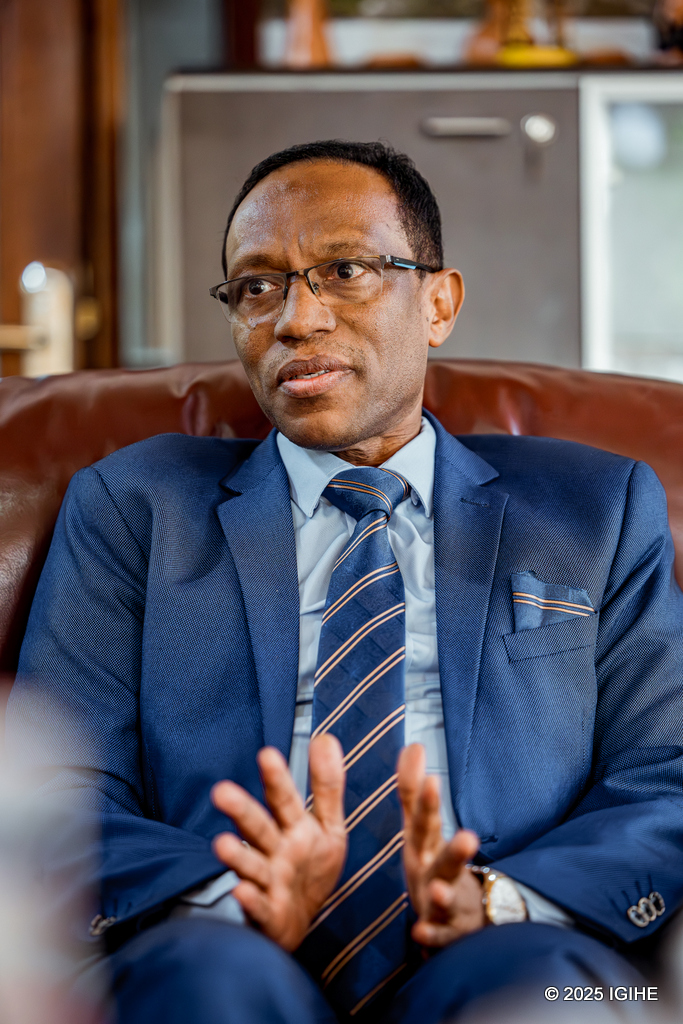
IGIHE spoke with Dr. Burhan Dini Hirwa, a dental surgeon at Neoderma Clinica, about oral health, patient behaviour, and the role modern dentistry plays in confidence and quality of life.
Neoderma Clinica was founded with a focus on combining science, aesthetics, and patient care. Today, it offers services in aesthetic treatment, dermatology, plastic surgery, and dentistry.
Wide range of dental services
The clinic, Dr. Hirwa noted, handles both basic and advanced dental care, including preventive care, restorative treatment, orthodontics, oral surgery, and cosmetic dentistry.
Preventive care includes cleaning, scaling, sealants for children, and oral hygiene education. Cosmetic services include teeth whitening and veneers, both direct and lab-made.
The clinic also treats misaligned teeth using braces and clear aligners, and carries out procedures such as tooth extractions and dental implants. Restorative work includes fillings, crowns, and bridges for damaged or missing teeth.
According to Dr. Hirwa, many patients only seek dental care when they are already in pain, an approach that often leads to more complex and expensive treatment.
“It is important to start dental visits early, even when the first teeth come in. Regular check-ups help us monitor development and prevent serious problems later,” he explained.
Early care, he added, leads to better outcomes and simpler treatment plans.
Dr. Hirwa notes that oral health problems can significantly affect confidence in everyday life. One common issue is bad breath, often linked to poor oral hygiene.
“It can affect people socially and psychologically,” he observed.
The clinic addresses this through education on proper brushing techniques and daily care. Patients also seek treatment for stained teeth caused by habits such as smoking or frequent coffee consumption, with whitening procedures offering visible improvement.
Orthodontic treatment, veneers, and implants are also used to restore both appearance and function in patients with crooked or missing teeth.
“These treatments help patients feel more comfortable with their smiles,” Dr. Hirwa stressed.
What sets the clinic apart
With more dental clinics opening in Kigali, Dr. Hirwa emphasises that Neoderma Clinica focuses on service quality and cosmetic dentistry.
“Our focus is patient care and specialised cosmetic treatment, especially whitening, veneers, and orthodontics,” he stated.
The clinic aims to ensure patients receive consistent care from the moment they arrive to the end of their treatment. First-time visitors can expect a structured and welcoming process.
“We aim to give patients the best possible service from reception to consultation and treatment. We want to meet their expectations and help them achieve what they came in for,” he affirmed.
Teaching proper oral hygiene
During the interview, Dr. Hirwa demonstrated brushing techniques using a dental model, stressing that technique matters more than force.
“A soft toothbrush is best. What matters most is how you brush,” he advised.
He recommends starting at the gum line and using gentle vertical strokes across all surfaces of the teeth, including inner, outer, and chewing areas, and also cleaning the tongue to reduce bacterial buildup.
Dr. Hirwa advises brushing twice a day: after breakfast and before bed.
“Brushing at night helps remove food particles accumulated during the day, while brushing in the morning clears out the bacteria and plaque that multiplied while you sleep,” he explained.
He recommends using a pea-sized amount of toothpaste for adults and a smaller amount for children, brushing for three to five minutes with gentle movements. He also cautions against rinsing immediately after brushing, as fluoride continues to protect the teeth.
“Spit out the toothpaste but do not rinse. It helps protect your teeth for longer,” he urged.
Dr. Hirwa encourages people not to wait for pain before visiting a dentist.
“One visit every six months is enough to prevent many problems. Early care is always easier than emergency treatment,” he concluded.
For Neoderma Clinica, oral health should be maintained regularly, not only treated when problems arise.
The clinic is located at Covenant Plaza in Kigali’s Kibagabaga neighbourhood.
Launched in 2005, the campaign was designed to address gender disparities in education by increasing girls’ enrolment, improving retention, and promoting academic excellence across the country.
Over the years, it has also sought to mobilise communities, schools, and other stakeholders to create an environment where girls can thrive academically.
As part of this year’s edition, the Best Performing Girls (BPGs), commonly known as Inkubito z’Icyeza, were recognised within their respective schools. The recognition aims not only to reward excellence but also to inspire other learners, especially girls, to pursue academic success.
Since its inception nearly two decades ago, the campaign has recorded notable achievements. A total of 8,605 girls have been recognised as Best Performing Girls. In addition, girls account for 60% of the 10,945 students supported through the Edified Generation Scholarships Programme, as well as 80% of the 25,960 students benefiting from remedial learning programmes. Many of these beneficiaries have since progressed into leadership positions across different sectors in Rwanda.
This year alone, 502 girls were awarded for their outstanding performance in the National Examinations, reflecting strong academic results across primary, ordinary, and advanced levels.
At primary level, 445 girls were recognised, each representing the best-performing girl in her sector. At ordinary level, 32 girls were honoured, each selected as the top performer in her district.
At advanced level, 25 outstanding students were selected based on performance in their respective learning areas, including 10 from general education, 10 from technical secondary schools (TSS), and 5 from professional education.
Best Performing Girls at FAWE Girls’ School were honoured as part of efforts to encourage excellence and support girls’ education across the country.The Girls’ Education Campaign was also marked at Saint Aloys Rwamagana, where outstanding girls were recognised for their academic performance under the national initiative promoting girls’ education and achievement.The Girls’ Education Campaign also reached Lycée Notre Dame de Cîteaux, where Best Performing Girls were recognised as part of the ongoing national effort to promote academic excellence and strengthen girls’ education.
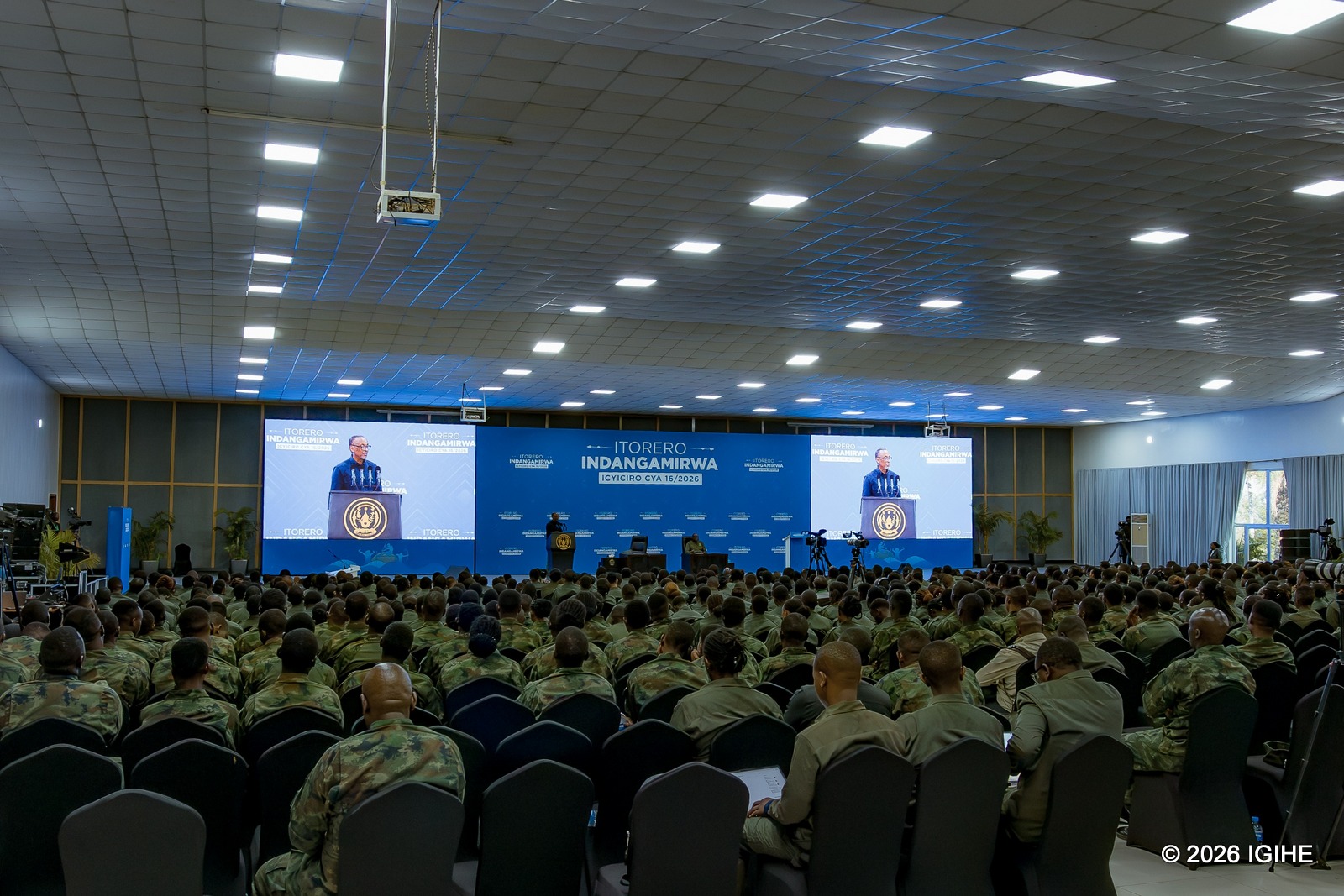
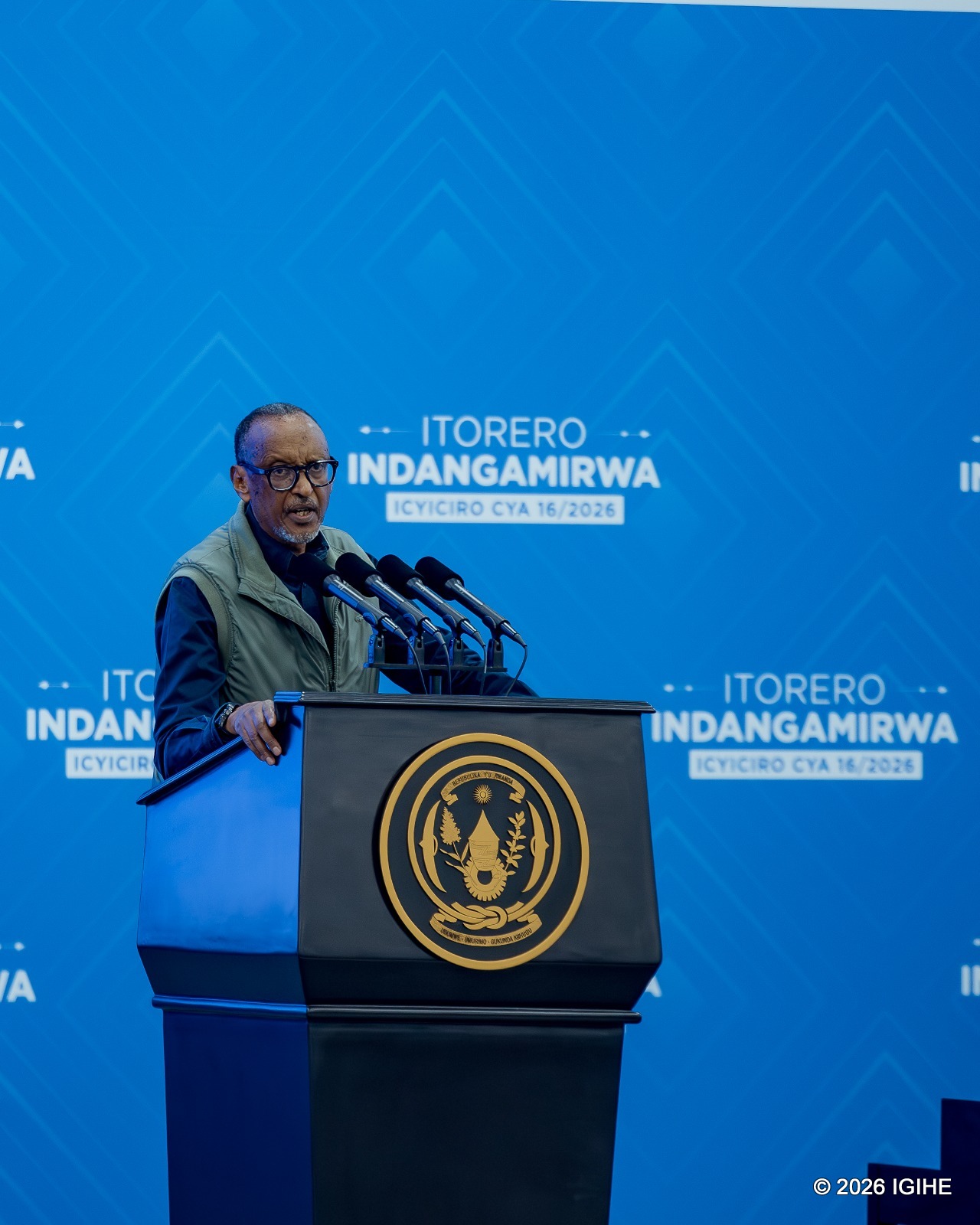
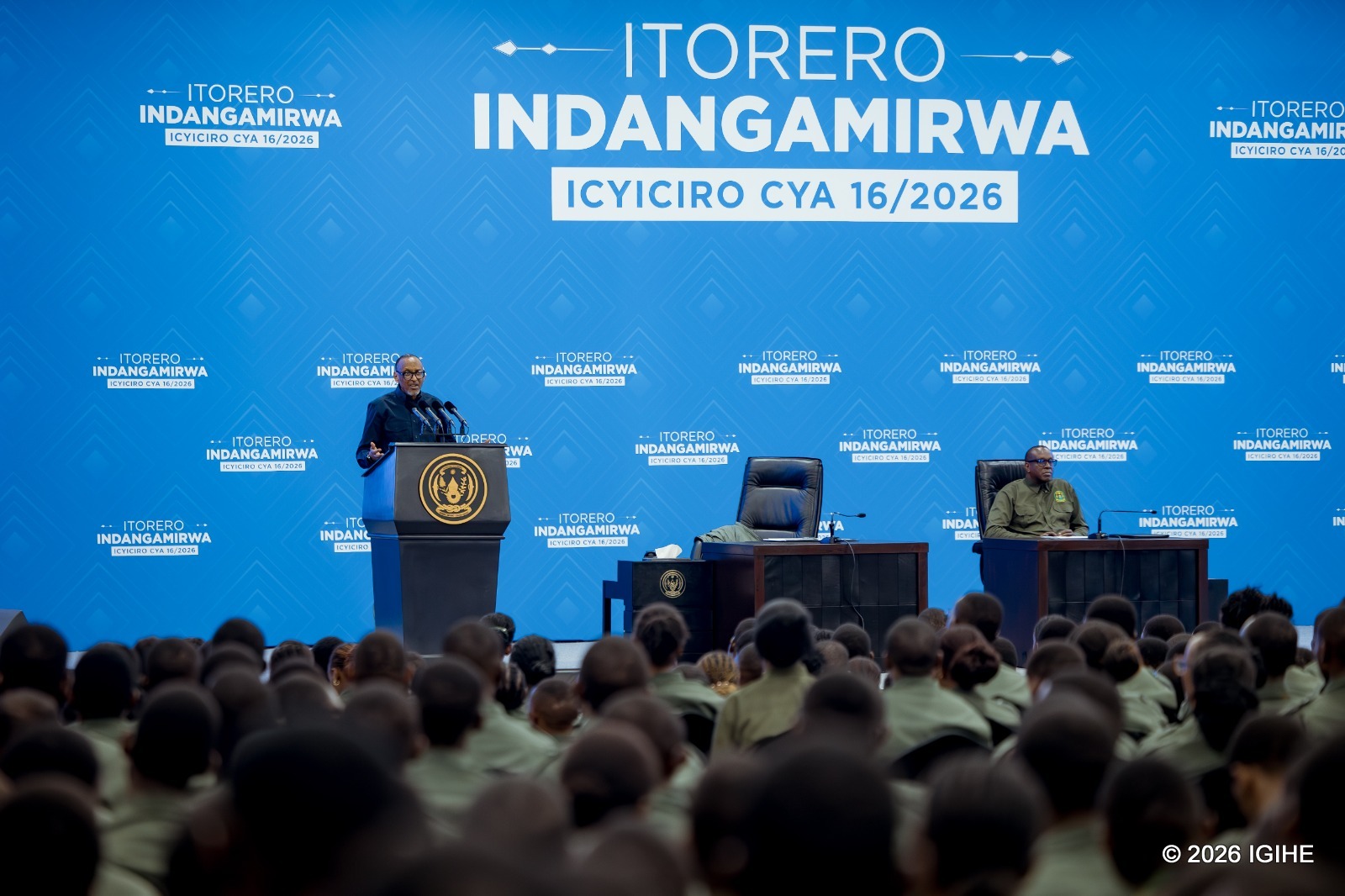
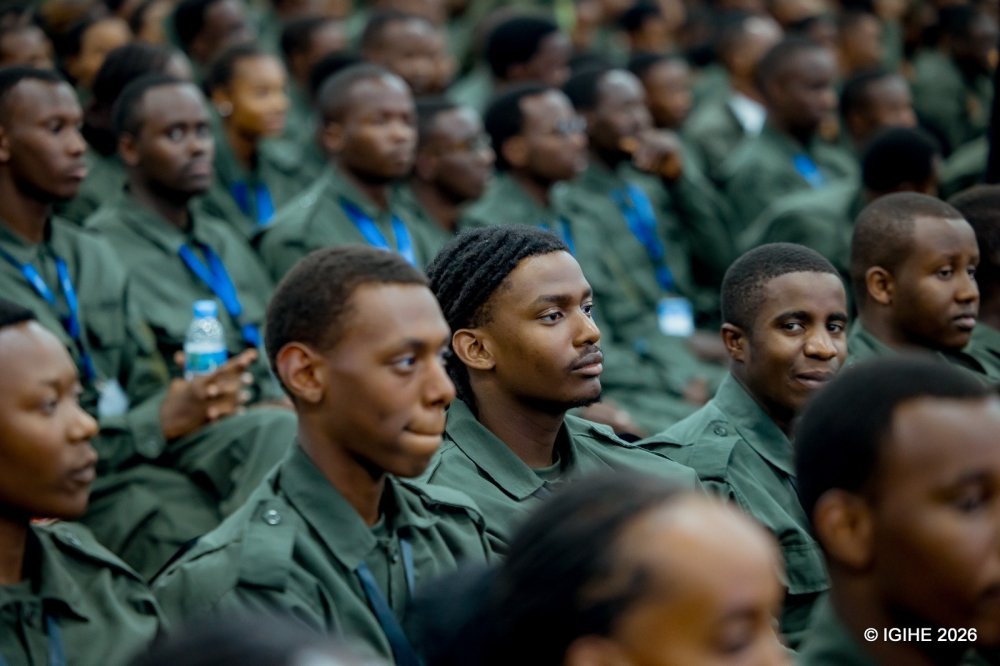
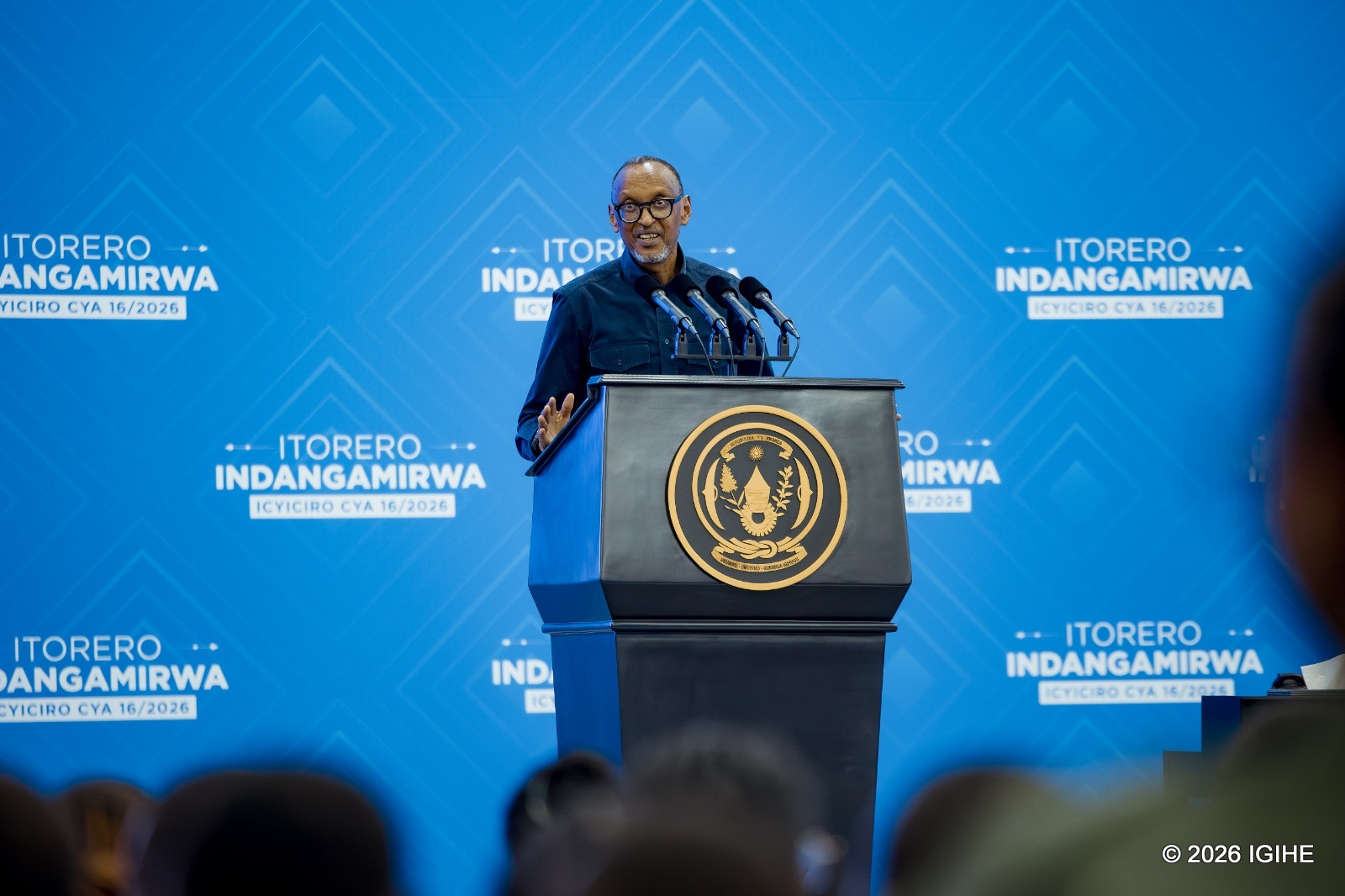
Addressing 108 senior officers from 20 countries during a graduation ceremony at the college’s Nyakinama campus in Musanze District on Friday, Kagame said while military education provides knowledge and strategic skills, the most important qualities of leadership must be developed personally.
“This course was designed to enhance your ability to navigate complex and sometimes seemingly impossible situations. However, there are certain qualities that no course can give you — these you must personally cultivate,” Kagame said.
He identified courage as the ability to act decisively amid uncertainty and risk, warning that complexity can often lead to paralysis.
President Kagame also stressed the importance of sound judgment, noting that the consequences of decisions become greater as officers rise through the ranks.
“You must always remember what you are fighting for. For us, that purpose is anchored in protecting our sovereignty while advancing the continued transformation of our country,” he said.
The Head of State congratulated the graduates on completing the programme, saying they were leaving with broader knowledge, sharper strategic awareness and a greater sense of responsibility. He also acknowledged the support and sacrifices made by their families.
Highlighting the value of the course’s international character, Kagame said the relationships forged among officers from different countries help strengthen cooperation during future operations and regional engagements.
“The value of the connections you have made here cannot be overstated,” he said.
Kagame said the Rwanda Defence Force’s reputation had been built through years of discipline, professionalism and dedicated service, and urged the graduates to uphold those standards. He also called on them to embrace integrity, continuous learning and adaptability as security challenges and technologies evolve.
The graduation marked the completion of a 46-week Senior Command and Staff Course attended by officers from Rwanda and partner countries including Nigeria, Senegal, Somalia, South Sudan, Tanzania, Uganda and Zambia.
RDFCSC Commandant Brigadier General Andrew Nyamvumba said the graduates had completed rigorous training in operational planning, combined joint task force operations, peace support operations, research and strategic leadership.
“These officers arrived 46 weeks ago as promising military professionals. Today, they depart as refined operational and strategic-level commanders and staff officers, ready to serve their nations and contribute to international peace and security,” he said.
Nyamvumba said the growing diversity of participants reflects expanding military partnerships across the region and beyond, while the college’s collaboration with the University of Uganda enables eligible officers to earn a Master of Arts in Security Studies.
He urged the graduates to apply their training with humility and selflessness in service of peace and security.
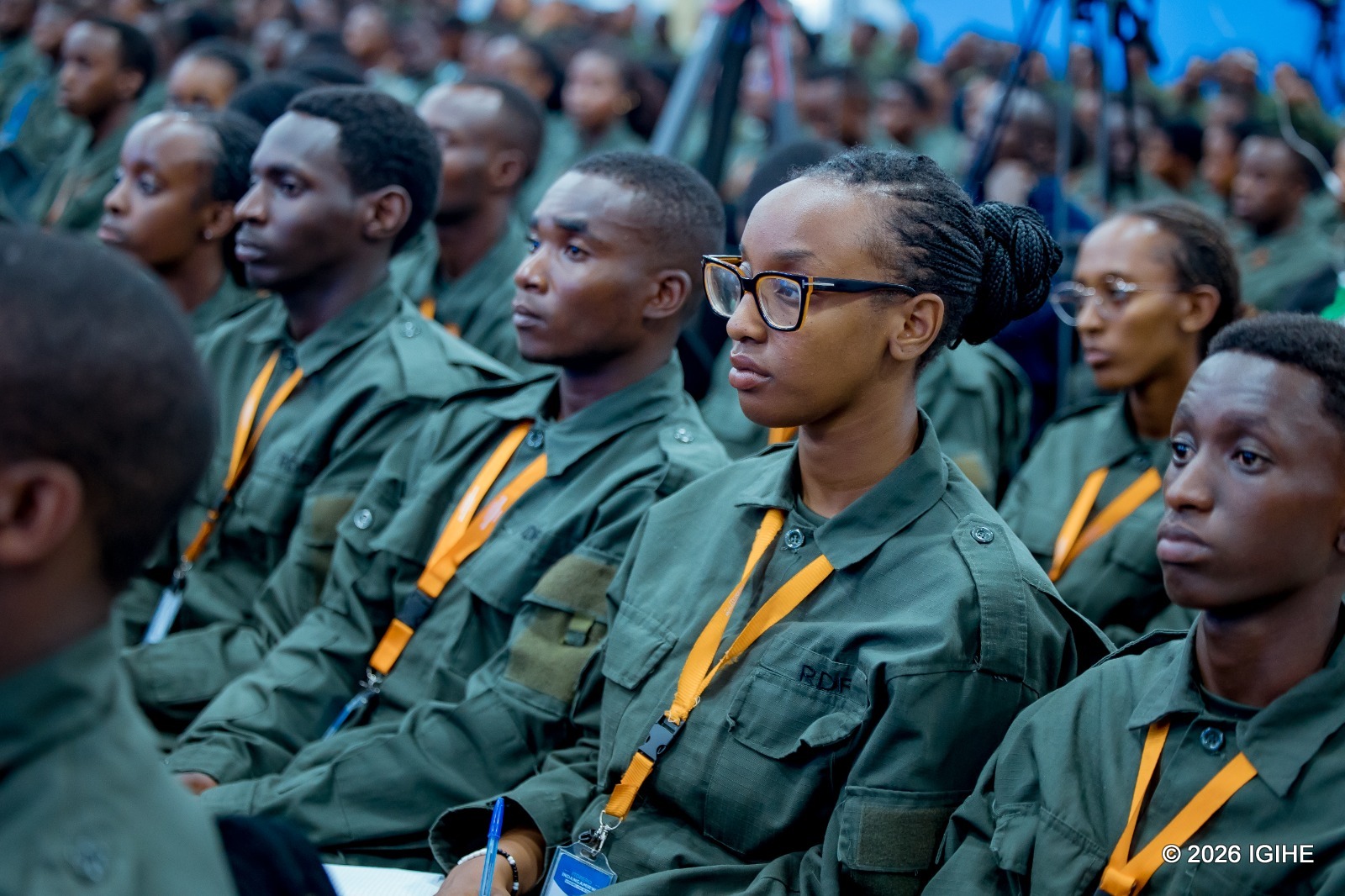
The ceremony was attended by senior government officials, defence and security leaders, military representatives from partner countries, academic institutions and families of the graduating officers.
The ceremony was attended by senior government officials, defence and security leaders, military representatives from partner countries, academic institutions and families of the graduating officers.Addressing 108 senior officers from 20 countries during a graduation ceremony at the college’s Nyakinama campus in Musanze District on Friday, Kagame said while military education provides knowledge and strategic skills, the most important qualities of leadership must be developed personally.The Head of State congratulated the graduates on completing the programme, saying they were leaving with broader knowledge, sharper strategic awareness and a greater sense of responsibility. He also acknowledged the support and sacrifices made by their families.