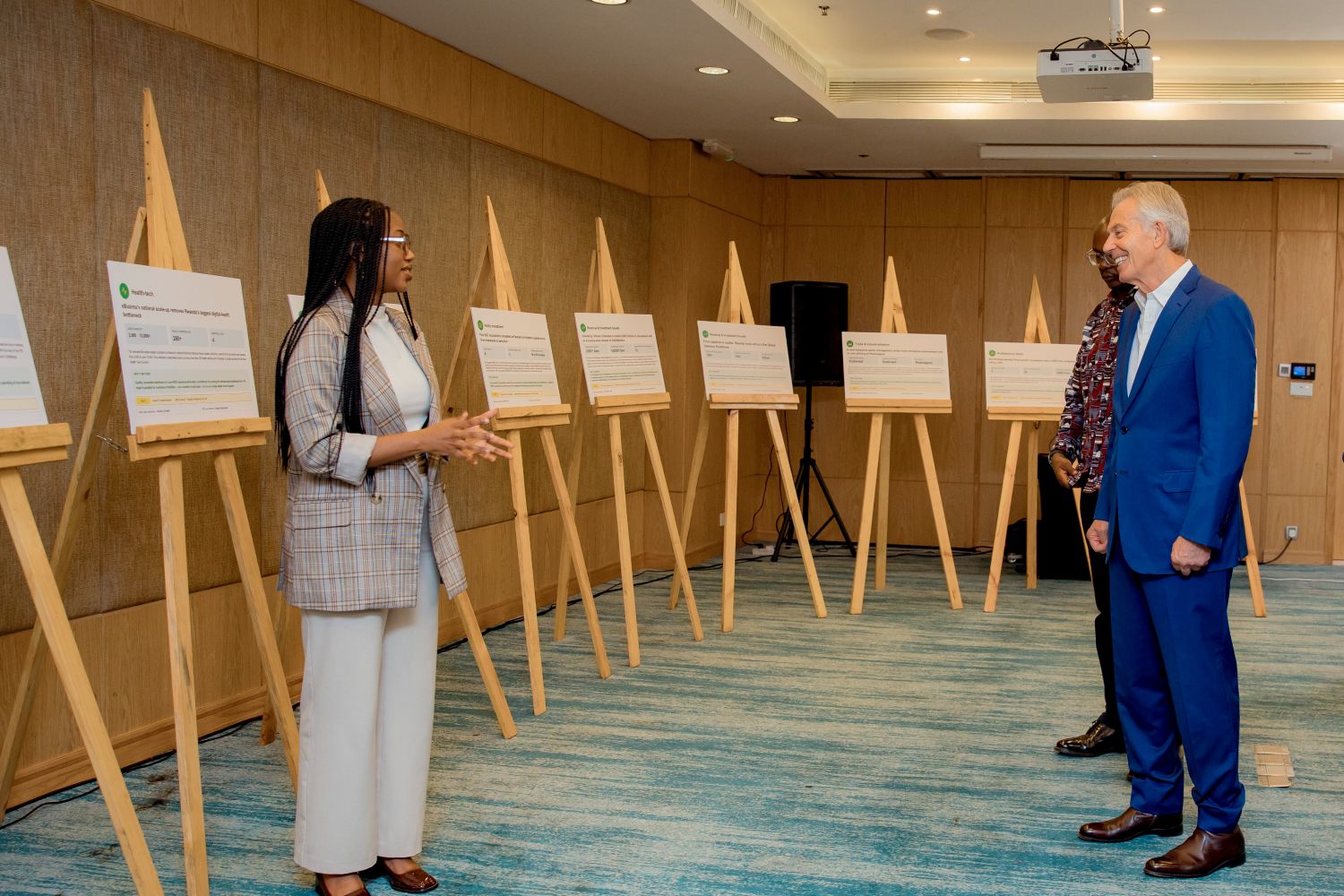
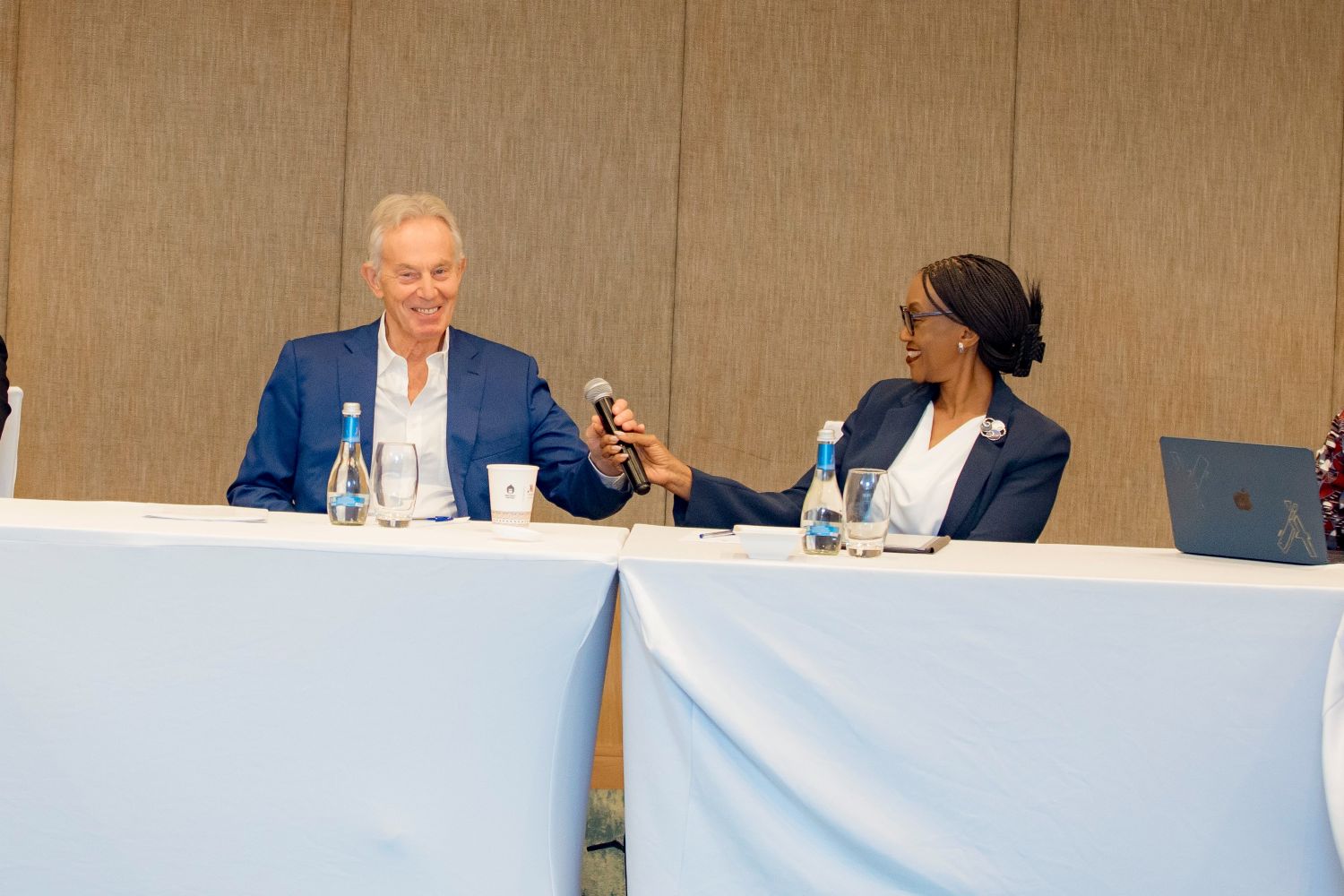
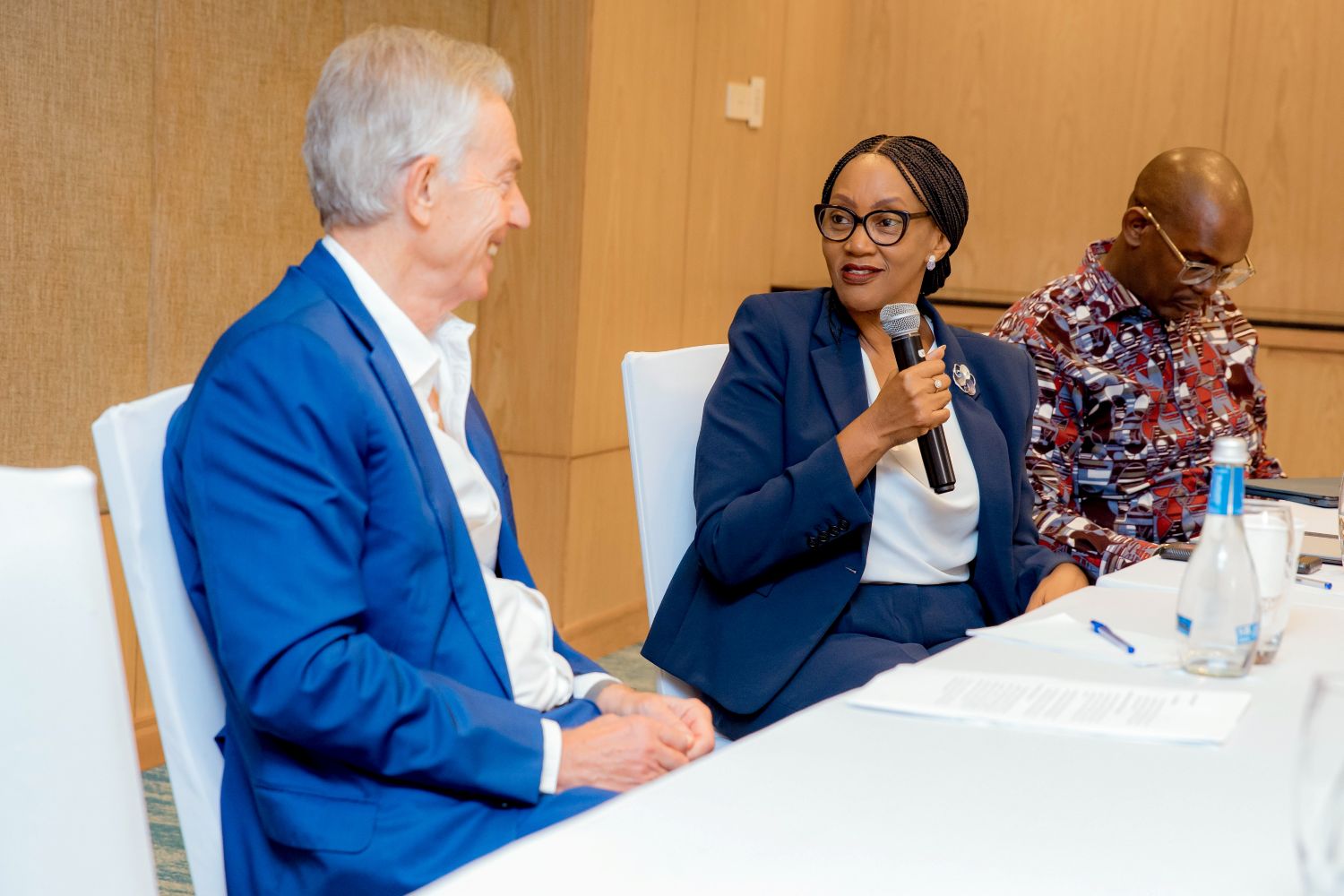
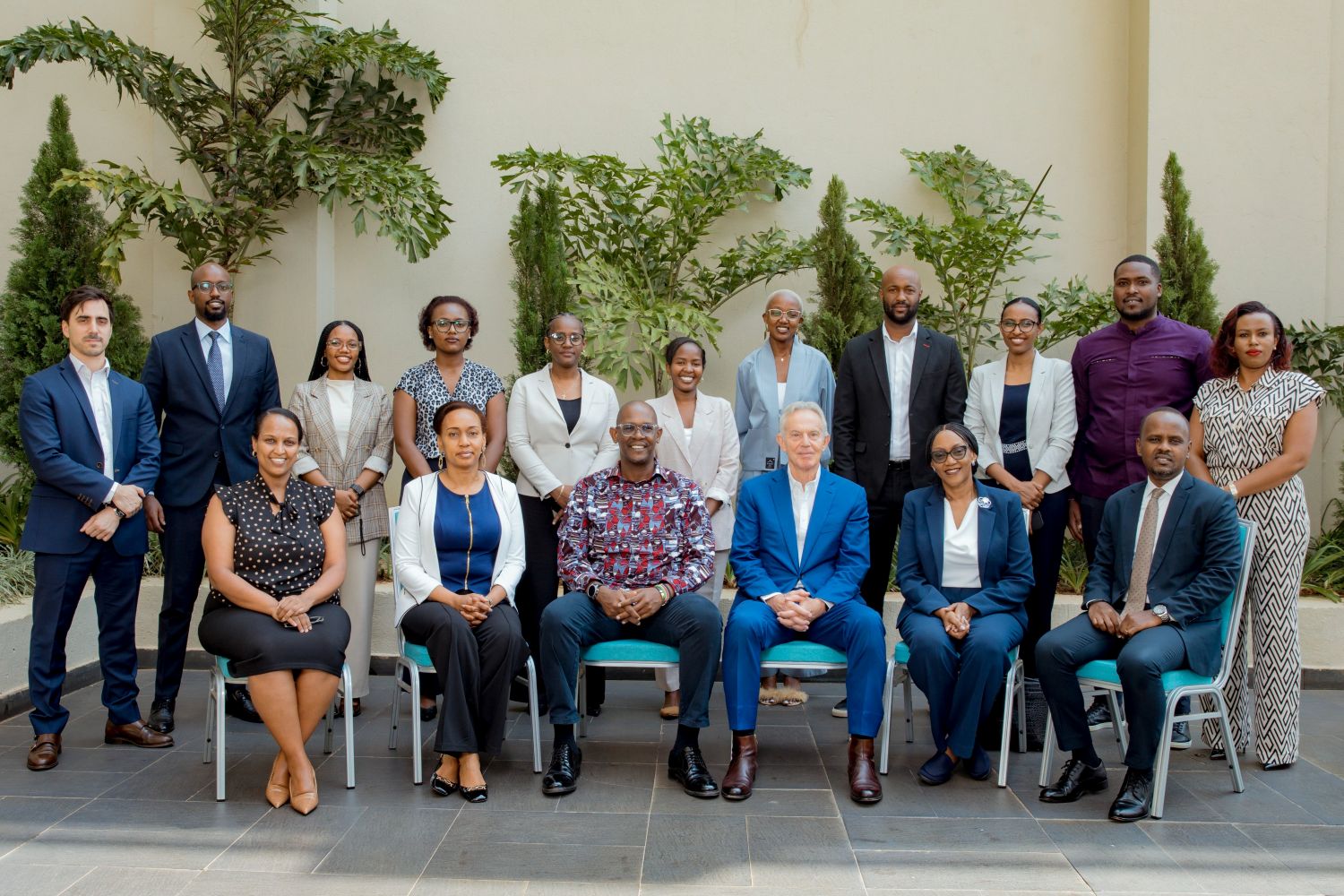
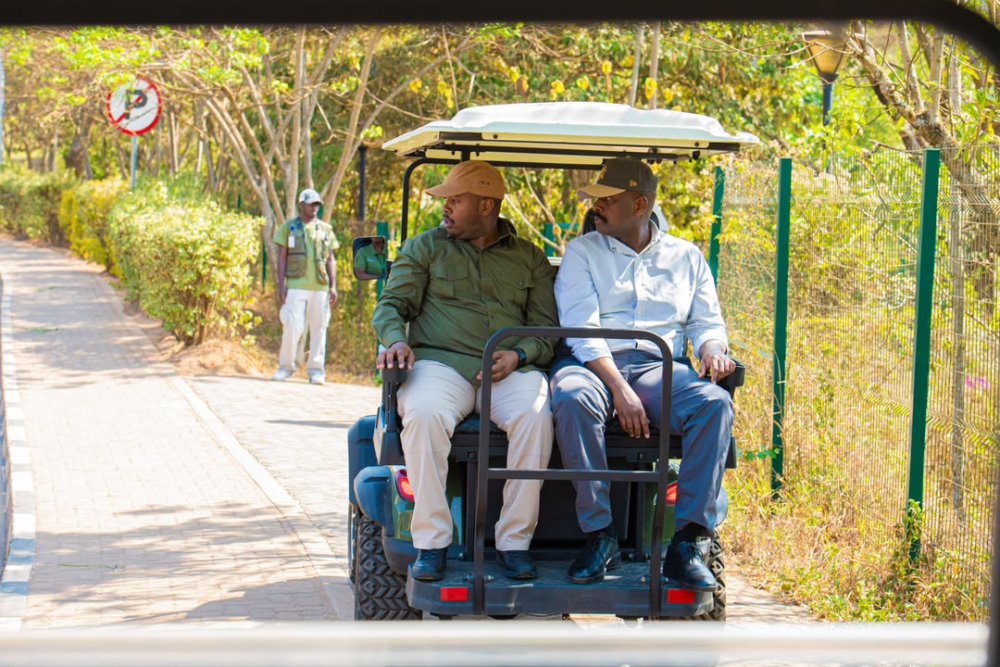
The Tony Blair Institute for Global Change (TBI) said the meeting reaffirmed its longstanding partnership with the Government of Rwanda and a shared commitment to accelerating priority reforms and supporting long-term, sustainable growth.
“Their discussions focused on the next phase of Rwanda’s transformation agenda and how TBI can continue supporting government priorities across digital transformation, investment, industrialisation, agriculture, health, professional skills and public-sector delivery,” the institute said in a statement on Monday.
Blair has maintained a close relationship with Rwanda for nearly two decades, having worked with President Kagame’s administration as an advisor and development partner.
Through TBI, Blair has supported Rwanda’s efforts to attract investment, strengthen governance systems and advance innovation-driven development. The institute has been involved in areas including digital transformation, green energy, foundational learning and initiatives linked to high-value industries.
TBI has also supported Rwanda’s efforts to build an ecosystem for advanced healthcare manufacturing, including work connected to the establishment of BioNTech’s mRNA vaccine manufacturing facility in Kigali.
Over the years, Blair has frequently highlighted Rwanda’s development progress since the 1994 Genocide against the Tutsi and has advocated for greater international investment and partnerships with the country.
The latest meeting comes as Rwanda continues implementing reforms focused on economic transformation, industrialisation, skills development, technology adoption and improving public service delivery.
The Tony Blair Institute for Global Change (TBI) said the meeting reaffirmed its longstanding partnership with the Government of Rwanda and a shared commitment to accelerating priority reforms and supporting long-term, sustainable growth.Blair has maintained a close relationship with Rwanda for nearly two decadesThrough TBI, Blair has supported Rwanda’s efforts to attract investment, strengthen governance systems and advance innovation-driven development.
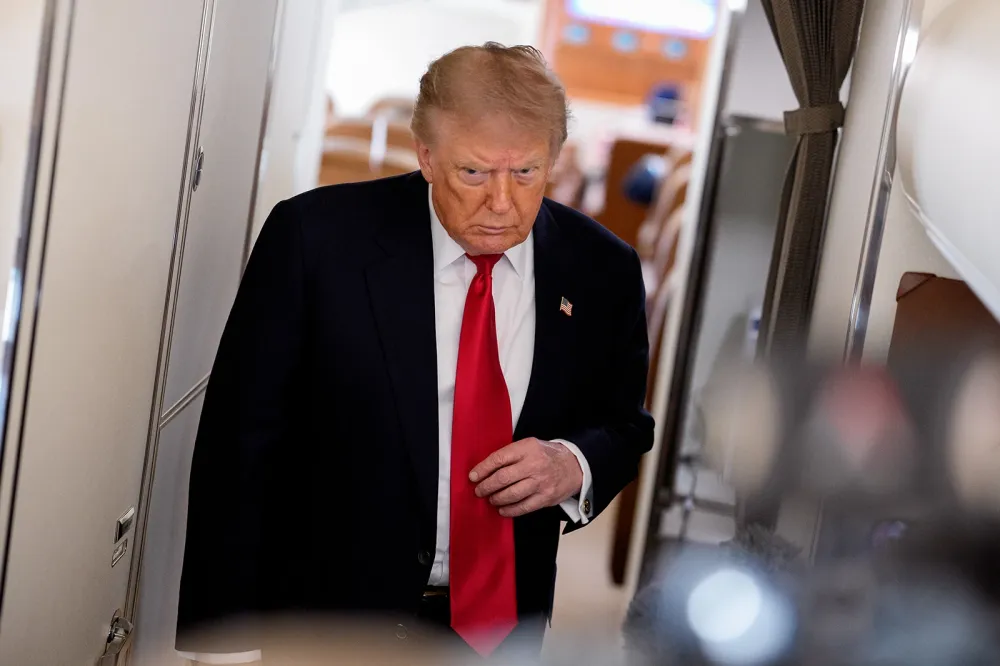
“We are in very deep talks with Iran. If they don’t work out, we will go back to very strong military action,” Trump said in an interview with U.S. online news outlet Axios.
Asked how long he was willing to give diplomacy, he said, “Not much time. Either it goes fast or not at all.”
Trump said he decided to pause strikes on Friday because the countries that are mediating as well as other countries in the region had asked him to give talks with Iran another chance.
Later, the president told reporters that Iran sought talks only after its military was battered by the U.S. military.
“I think there’s a good chance that something could happen,” Trump said aboard Air Force One en route to an event in Michigan. “And if it does, good, if it doesn’t, we go back to doing what we were doing two days ago.”
Trump said that his administration and the Israeli government are “pretty close” to being on the same page regarding Iran.
“We have a little difference, but pretty close,” he said of Israeli Prime Minister Benjamin Netanyahu, who is expected to visit the White House on Tuesday.
Trump also reiterated that Iranian assets controlled by the United States will be used to cover damage to ships attacked when transiting the Strait of Hormuz. “We’re going to use Iran’s money to pay for the damage they did,” he said.
Negotiations between Oman and Iran have made progress, though no deal has been reached, according to reports citing regional sources.
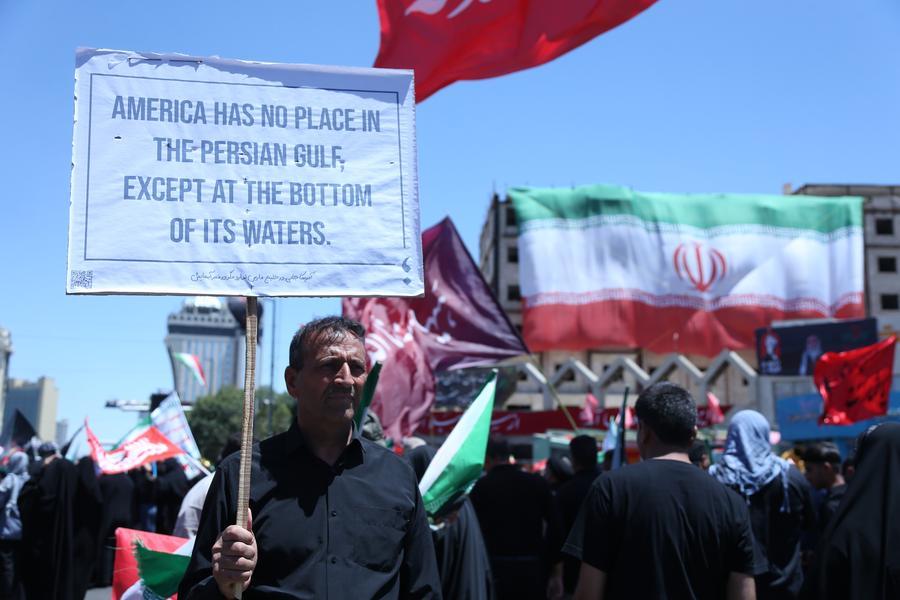
People attend the funeral procession of Iran’s late Supreme Leader Ali Khamenei in Mashhad, Iran, July 9, 2026. (Xinhua/Shadati)
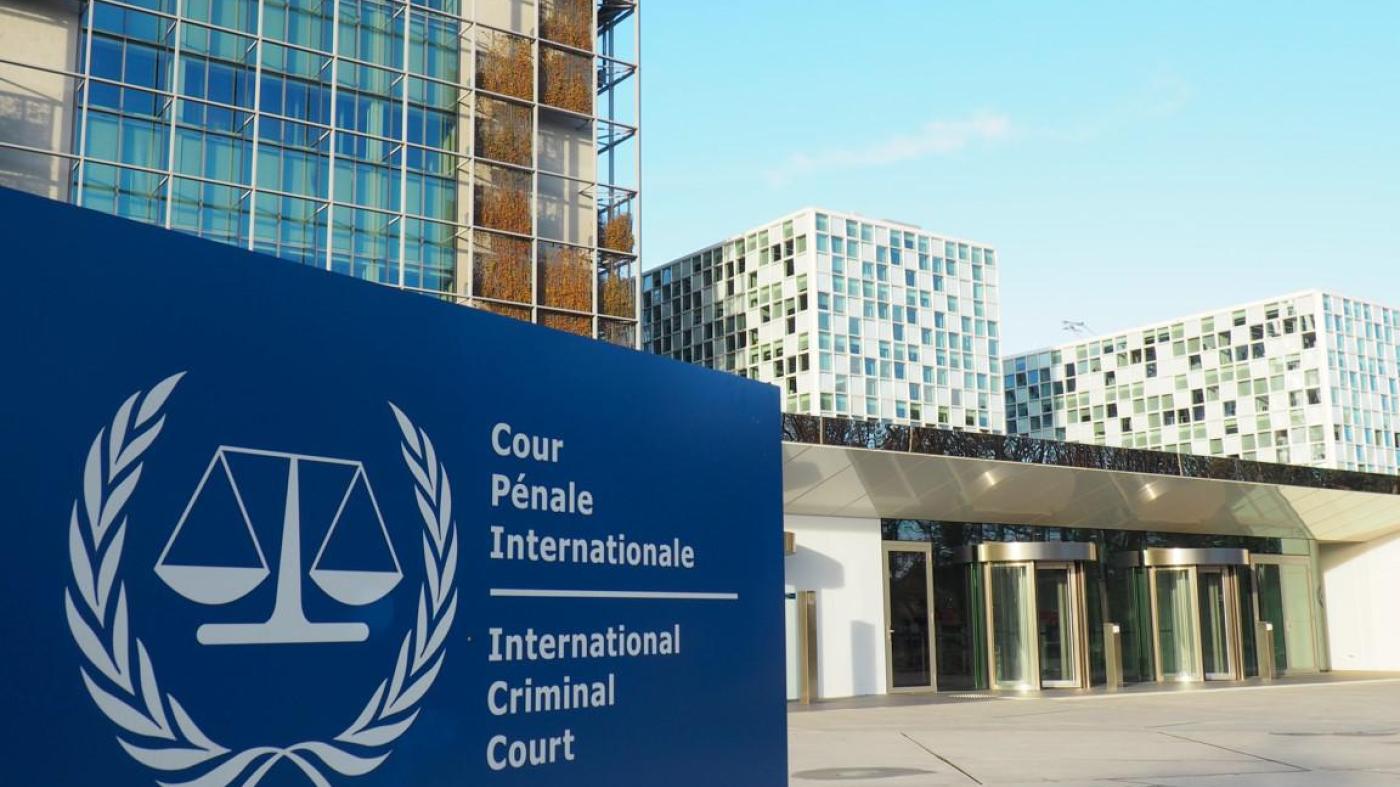
The Chadian government said on Monday that it had notified the United Nations Secretary-General of its intention to withdraw from the Rome Statute, the treaty that established the ICC, following what it described as an in-depth review of the court’s performance.
In a statement, the government argued that the ICC has concentrated its efforts on Africa, noting that nine of the court’s 13 investigations have involved African states, while only four have focused on other regions.
It also pointed out that six of the seven people currently in ICC custody are being prosecuted in cases linked to Africa, saying the figures demonstrate an “undeniable and egregious selectivity” in the court’s work.
The government insisted that its decision should not be interpreted as abandoning justice for victims, but rather as a vote of confidence in national and African judicial institutions.
“This irrevocable decision by Chad in no way constitutes a renunciation of the moral imperative to provide justice to victims; rather, it reflects the conviction that national judicial systems and African judicial mechanisms are fully capable of carrying out this mission with dignity,” the statement said.
Foreign Minister Abdoulaye Sabre Fadoul also urged other African countries to reconsider their membership of the ICC.
“What is happening at the ICC should give pause for thought to all African countries that are still members,” he said in a video posted on Facebook. “We must no longer accept being the willing victims of a two-tier system.”
Chad’s move comes after the United States intensified its campaign against the ICC earlier this month, threatening additional sanctions and accusing the court of posing “an intolerable threat to US sovereignty.”
Last week, Chad’s Foreign Ministry said US Assistant Secretary of State for African Affairs Frank Garcia Jr. had encouraged the country to review its commitment to the Rome Statute during talks with Chadian officials. However, Fadoul later said the decision to seek withdrawal was not made at Washington’s request.
If the withdrawal takes effect, Chad would join Venezuela and the military-led governments of Burkina Faso, Mali and Niger, which have also begun the process of leaving the Hague-based court. Burundi and the Philippines have already withdrawn from the ICC.
The ICC, which has 125 member states, was established to prosecute individuals accused of the world’s gravest crimes, including genocide, war crimes and crimes against humanity, when national courts are unwilling or unable to do so. However, the court has long faced criticism over its limited enforcement powers and the fact that several major powers, including China, Israel, Russia and the United States, do not recognize its jurisdiction.
The U.S. Bureau of African Affairs welcomed Chad’s announcement, describing the move as part of “the growing number of nations reclaiming their sovereignty from this flawed institution.”
The bureau said the United States would continue its “whole-of-government campaign” against what it called the ICC’s “illegitimate overreach,” reiterating Secretary of State Marco Rubio’s position that the United States would never surrender its sovereignty to “an unaccountable global tribunal.”
The statement also called on all remaining ICC member states to withdraw from the Rome Statute.
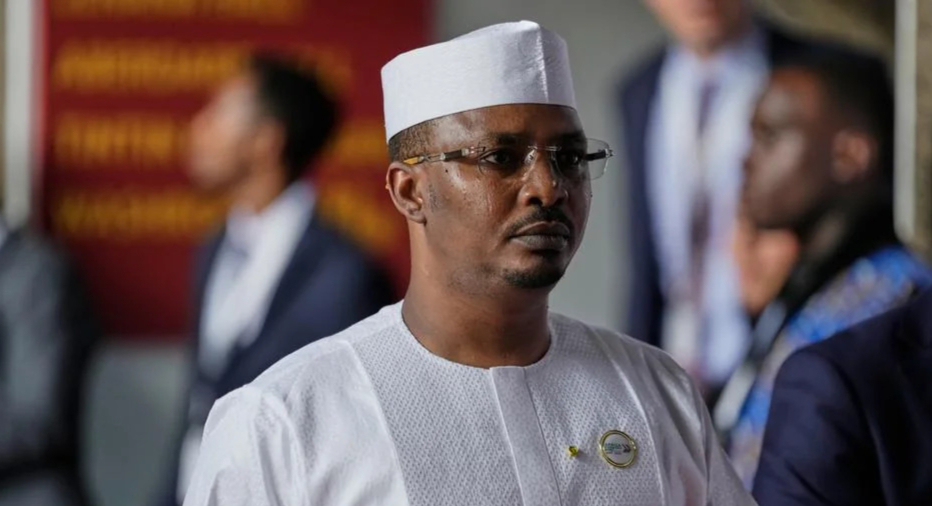
The Chadian government, led by Mahamat Idriss Déby Itno (pictured), said on Monday that it had notified the United Nations Secretary-General of its intention to withdraw from the Rome Statute, the treaty that established the ICC, following what it described as an in-depth review of the court’s performance.
Vivo Energy and Mount Meru Group have signed a sale and purchase agreement for Mount Meru’s acquisition of Vivo Energy’s shareholding in Vivo Energy Rwanda and Vivo Energy Malawi, in a combined transaction.
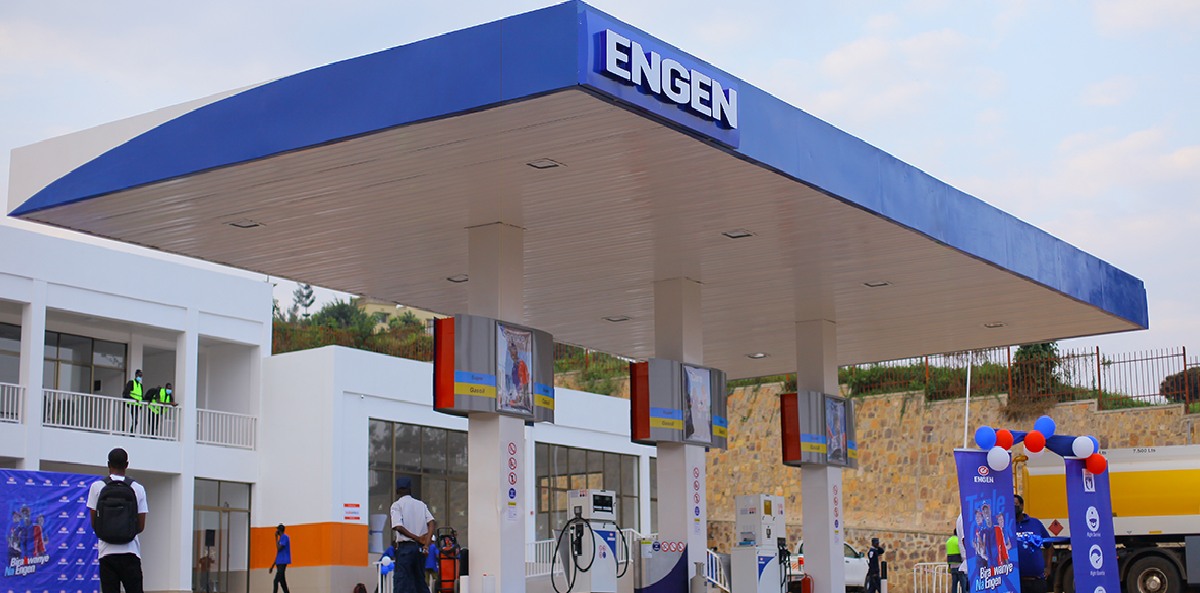
The transaction includes the network of Vivo Energy’s over 40 service stations in Rwanda and over 50 service stations in Malawi, together with the commercial fuel and lubricants operations.
Vivo Energy identified Mount Meru Group as a partner well placed to bring focused investment, local and regional expertise as well as long-term ambition to its businesses in Rwanda and Malawi.
Mount Meru Group, which first entered Rwanda in 2007 and Malawi in 2013, brings an established regional presence and a strong track record in downstream fuel distribution across Africa. The transaction will see the Group significantly deepen its footprint in both markets.
Commenting on the development; Atul Mittal, Director, Mount Meru Group, said: “We are proud to be growing our existing, long-standing presence in Rwanda and Malawi.
“We are committed to investing and growing these businesses and on completion of the transaction look forward to strengthening relationships with channel partners, customers and employees while expanding our reliable service, customer satisfaction, and environmental responsibility to more consumers.”
Stan Mittelman, CEO, Vivo Energy, said the decision reflects ongoing commitment to ensuring every part of their portfolio has the ownership best placed to take it forward.
“Mount Meru brings deep local and regional expertise and a genuine ambition to invest in these markets, and we are confident this transaction provides a strong opportunity for our employees, dealers and customers in both countries. We have valued working closely with the Mount Meru team throughout this process and look forward to a smooth transition,” he noted.
The transaction is subject to approval from the relevant authorities and the fulfilment of other conditions precedent, and we expect this process to take some months before it completes.
Until completion, Vivo Energy Rwanda and Vivo Energy Malawi will continue to operate as normal, maintaining their focus on the safe, reliable and high-quality service they provide to customers.
Mount Meru Group is a diversified African conglomerate operating in more than 15 countries across energy, consumer products, and logistics.
It runs over 330 fuel stations, supported by strong storage and distribution networks, and offers a wide energy portfolio including LPG, lubricants, jet fuel, and heavy fuel oil. The Group also operates in agro-processing and edible oil refining, backed by an integrated logistics fleet of more than 1,000 trucks.
Meanwhile, Vivo Energy operates across Africa, the Indian Ocean Islands, and Jordan, managing more than 4,200 service stations in 29 markets under the Engen and Shell brands. The company supplies fuels, lubricants, LPG, and chemicals to retail and industrial customers, supported by over 6,000 employees and more than 2.1 billion litres of fuel storage capacity.
Vivo Energy Rwanda was established in 2019, providing Engen products and services as a licensee of the Engen brand.
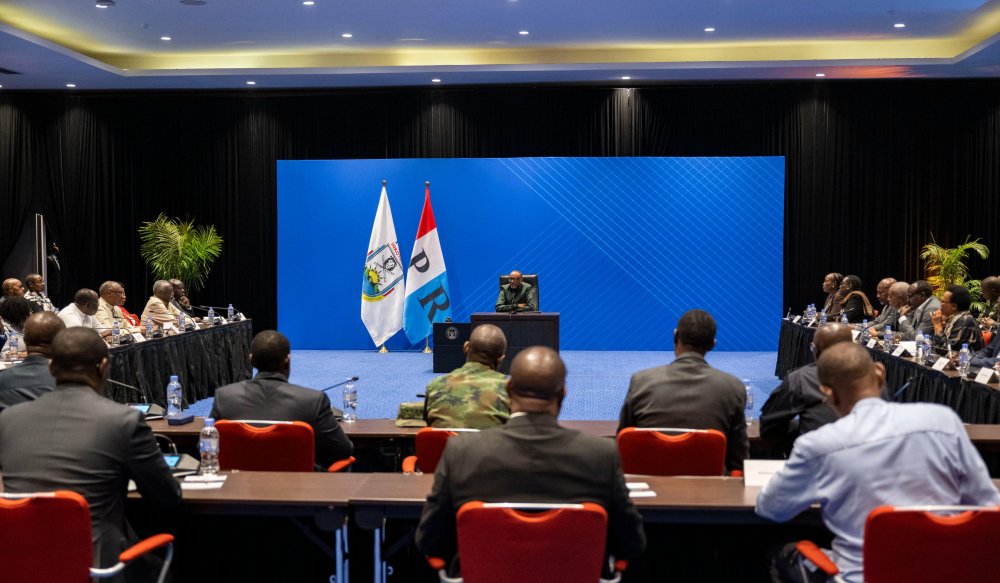
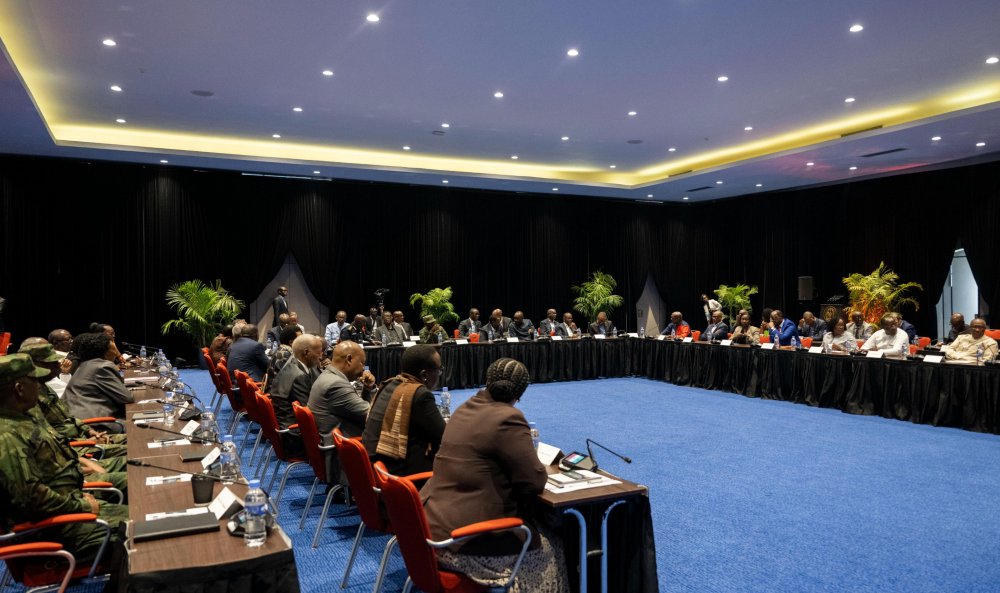
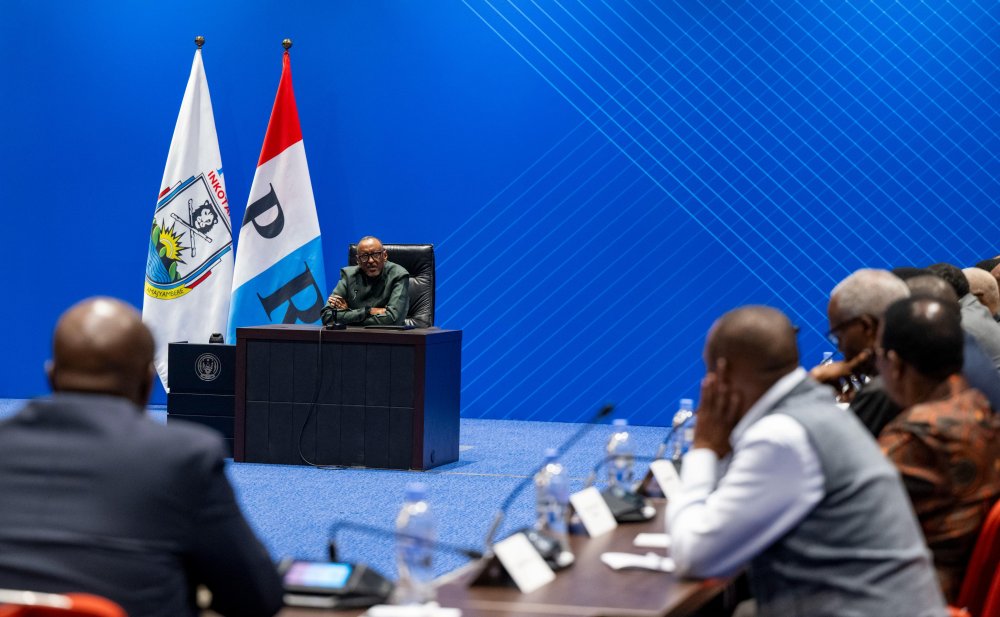
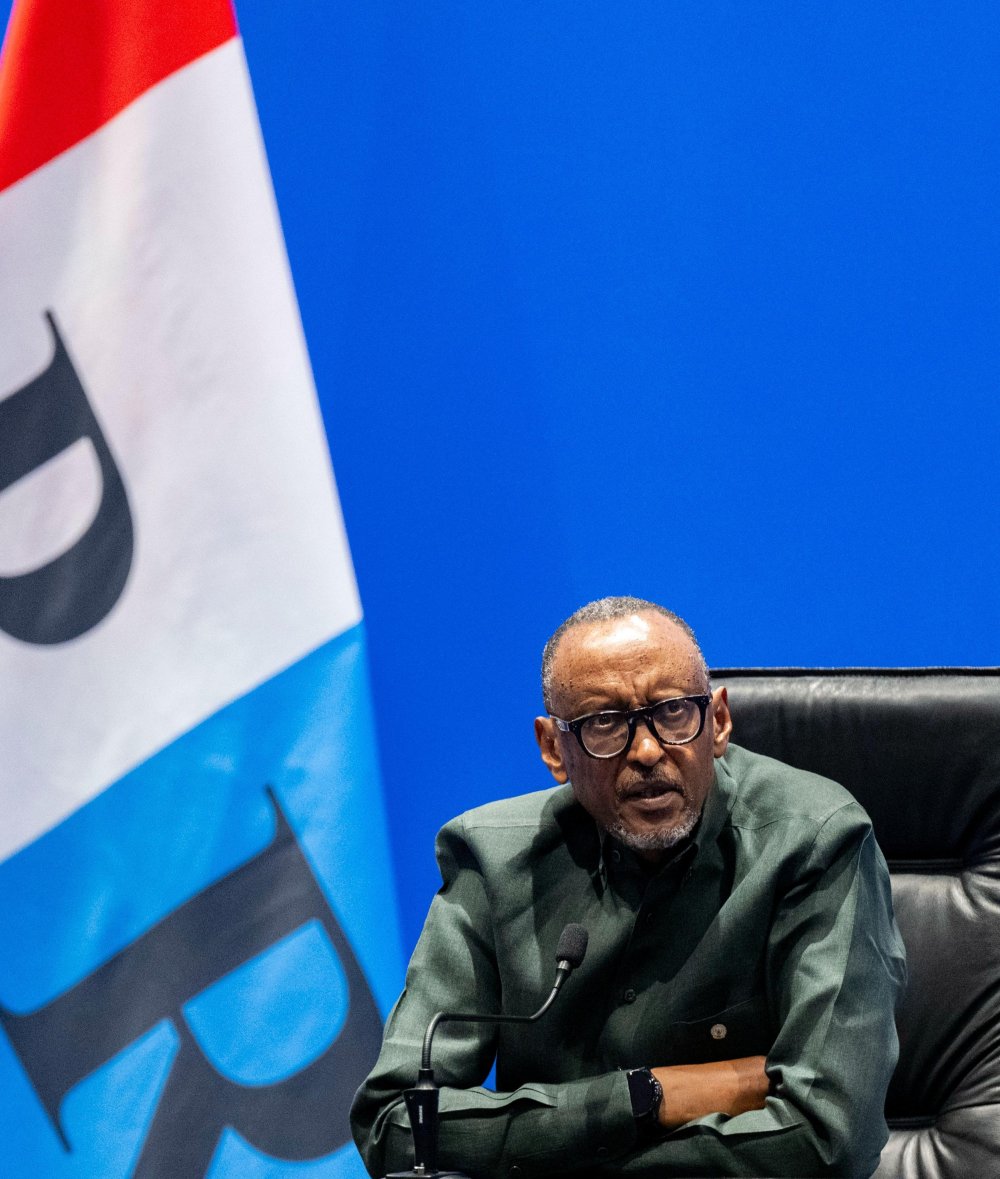
The meeting took place on July 27, 2026, at Intare Arena, according to Rwanda’s Office of the President, Urugwiro Village.
“The meeting emphasized the importance of members upholding the Party’s values, including people-centered governance and accountability, to advance the Party’s mission of Rwanda’s continued development,” reads a statement released by Urugwiro Village.
From refugee movement to political organisation
The FPR-Inkotanyi traces its roots to 1987, a pivotal year that marked a turning point for Rwandan refugees who had spent nearly three decades in exile.
The period followed remarks by then-President Juvénal Habyarimana, who, when asked about the return of Rwandan refugees, reportedly likened the country to “a glass already full of water,” suggesting there was no room for their repatriation.
The statement reinforced the belief among many refugees that returning home through dialogue was unlikely.
At the same time, the Rwandan Alliance for National Unity (RANU), an organisation established in 1980 to advocate for the return of refugees, began restructuring to pursue its objectives more effectively.
By 1987, many Rwandan refugees, particularly those living in Uganda, were enjoying greater stability following the rise to power of President Yoweri Museveni, whose liberation struggle had included the participation of many Rwandans.
RANU subsequently embarked on organisational reforms, introducing new leadership structures and strategies to strengthen its campaign.
Among those tasked with advancing the movement was Tito Rutaremara, now Chairperson of Rwanda Elders’ Advisory Forum. He helped establish a political training school in Uganda aimed at educating new members on the organisation’s ideology and long-term objectives.
The RPF Cadre School opened in June 1987, preparing members to mobilise support and recruit followers who clearly understood the movement’s mission.
University students were trained and encouraged to pass on the ideology to others, creating a network of mobilisation among Rwandan refugees across Uganda, Burundi, Tanzania, Kenya and what was then Zaire.
Birth of the RPF and armed struggle
Following the expansion of its support base, RANU convened a General Assembly in December 1987, bringing together members from across the diaspora.
One of the key resolutions adopted during the meeting was to rename the organisation the Front Patriotique Rwandais (RPF) Inkotanyi.
The following year, members met in Washington, D.C., where they reaffirmed their commitment to continue pursuing their objective of returning to their homeland.
As the movement evolved, its leaders concluded that achieving this goal would require an armed wing. They established the Rwanda Patriotic Army (RPA), which launched its first military offensive into Rwanda on October 1, 1990.
Many of the RPA’s senior officers had previously served in Uganda’s armed forces. Among them were Maj Gen Fred Gisa Rwigema, who led the campaign in its early stages, and Maj Gen Paul Kagame, who assumed command after Rwigema was killed shortly after the offensive began.
The RPA continued the liberation struggle, eventually ending the 1994 Genocide against the Tutsi and paving the way for national reconstruction under the leadership of the FPR-Inkotanyi.
Development gains since 1994
Following the Genocide against the Tutsi, Rwanda faced severe economic devastation. The country’s economy, already among the smallest in the region before 1994, contracted by about 50 percent in its aftermath.
In 1995, Rwanda’s national budget stood at just Rwf56 billion, with more than 90 percent financed through foreign aid. Per capita income was approximately $111.9, placing Rwanda among the world’s poorest nations.
Over the following decades, the country pursued reconstruction and economic reforms centred on accountability, citizen-focused governance and institutional development.
According to official figures, Rwanda’s Gross Domestic Product grew by 9.4 percent in 2025, increasing from Rwf19.918 trillion in 2024 to Rwf23.387 trillion.
The national budget for the 2026/27 fiscal year reached Rwf7.7963 trillion, representing a 12 percent increase from the revised Rwf6.9521 trillion budget for 2025/26. Foreign borrowing is projected at Rwf1.9741 trillion.
For many years after liberation, Rwanda sustained annual economic growth averaging between 7 and 8 percent. Life expectancy has also risen dramatically—from about 28 years immediately after the Genocide against the Tutsi to nearly 70 years today, reflecting improvements in healthcare, living standards and social protection.
President Kagame and senior RPF-Inkotanyi cadres convene at Intare Arena to discuss the party’s values, history and contribution to Rwanda’s transformation.President Paul Kagame addresses senior RPF-Inkotanyi cadres during a meeting on the party’s history, values and role in Rwanda’s transformation at Intare Arena.Senior RPF-Inkotanyi cadres listen as President Paul Kagame speaks during a meeting reflecting on the party’s journey and Rwanda’s transformation.
The U.S. Justice Department filed an emergency application with the Supreme Court on Monday, asking it to suspend lower court rulings that blocked the order. The Trump administration said the request was needed to ensure that the new policies could be implemented before the midterm elections.
Signed by Trump in March, the order directs federal agencies to compile lists of eligible U.S. citizens, requires the U.S. Postal Service to send mail-voting documents only to registered voters, and calls for stricter voter registration requirements.
The order was challenged by mostly Democratic-led states and the District of Columbia, which argued that Trump had exceeded his authority. A federal court in the U.S. state of Massachusetts blocked the order, and the decision was later upheld by the 1st U.S. Circuit Court of Appeals.
Trump said the measures were intended to protect election integrity and prevent noncitizens from voting. He has for years questioned the integrity of the 2020 presidential election that he lost. Critics argue that improper voting by noncitizens is rare and that stricter requirements could make it harder for some eligible voters to cast ballots.
According to a research paper by the States United Democracy Center, a nonpartisan organization, nearly one in three Americans voted by mail in the 2024 general election, accounting for more than 48 million votes.
The paper also said that it was a voting option used by about one in four Democrats, one in five Republicans, and one in five voters registered with other parties or with no party.
The Trump administration said the request was needed to ensure that the new policies could be implemented before the midterm elections.
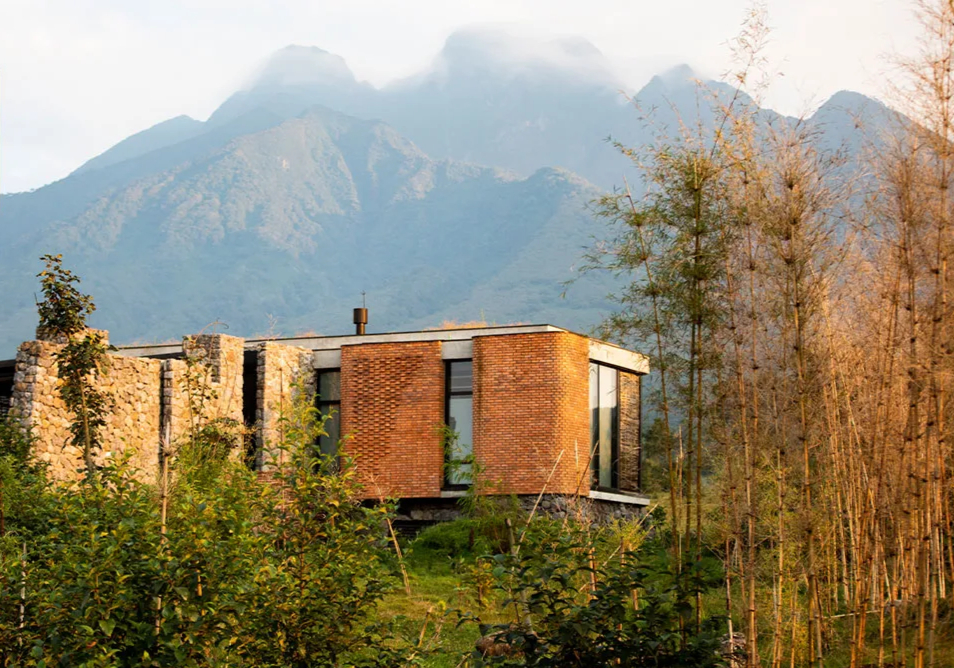
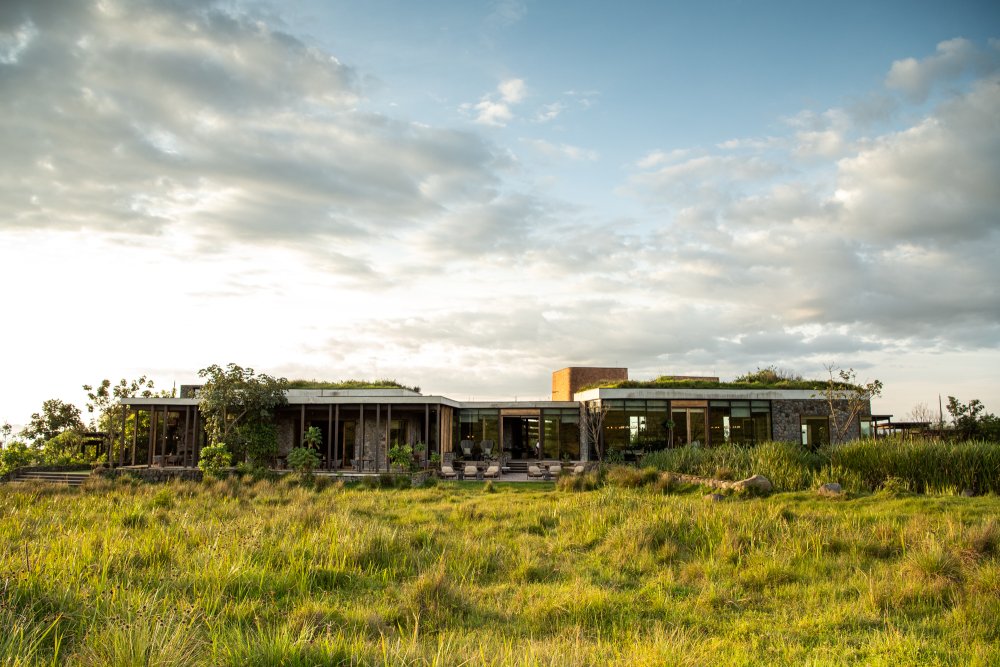
Rwanda’s Singita Kwitonda Lodge has been ranked the second-best luxury hotel in the world in the 2026 edition of Robb Report’s prestigious global index, “The 50 Greatest Luxury Hotels on Earth.”
The annual ranking by the US luxury lifestyle publication evaluates premier hospitality properties across six continents. Singita Kwitonda earned its spot at the top of the list for its blend of high-end design, environmental sustainability, and proximity to Volcanoes National Park, where guests can embark on private mountain gorilla treks.
Robb Report compiled the 2026 edition using an evaluation panel of 24 international luxury travel specialists, known as Travel Masters. The panelists vetted properties based on service quality, architectural vision, location, and guest experience.
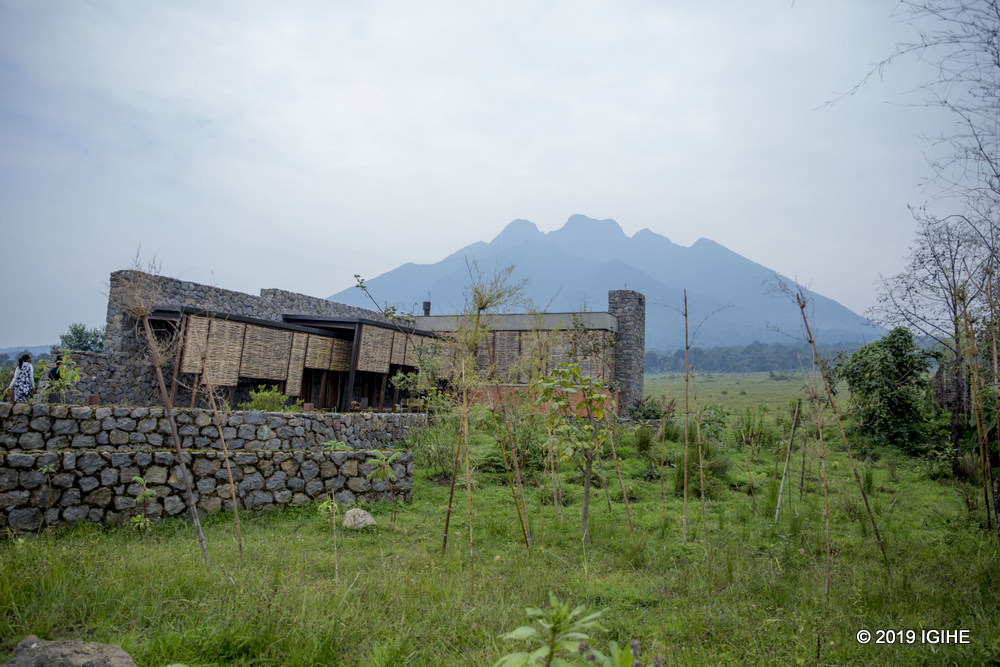
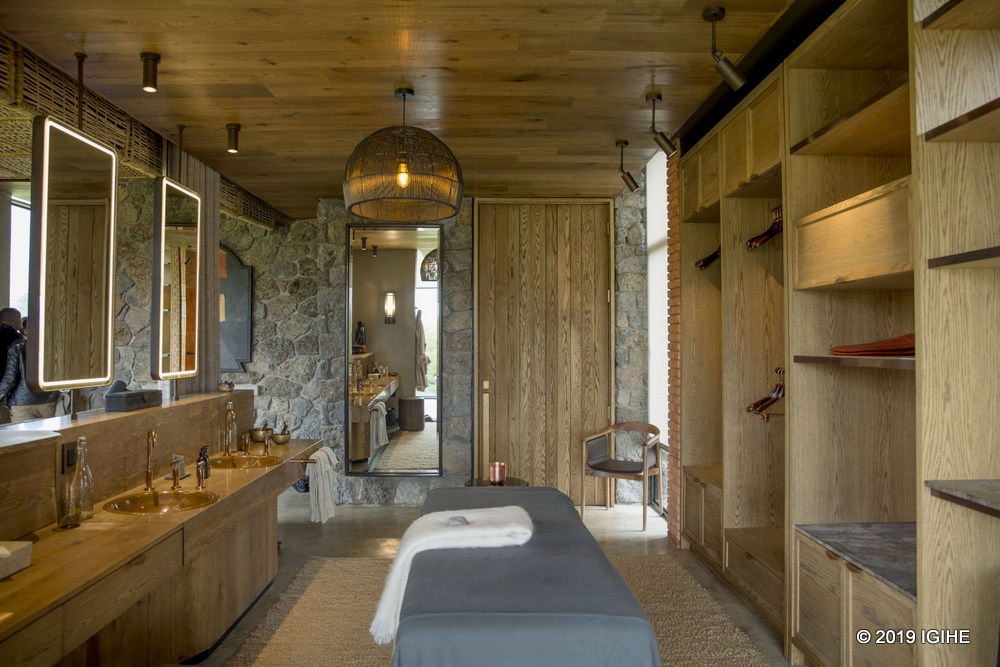
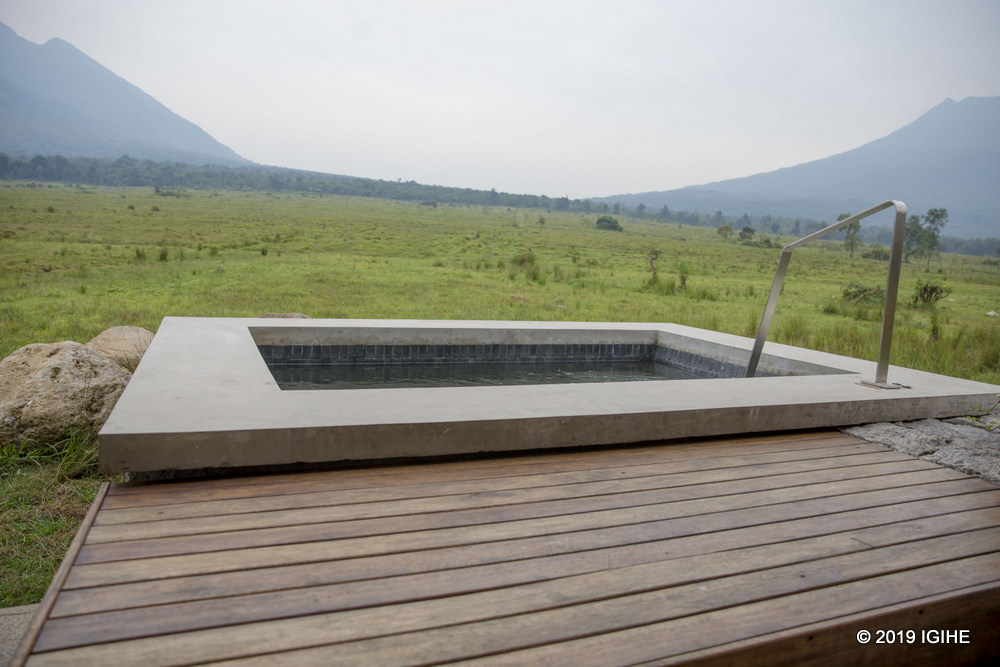
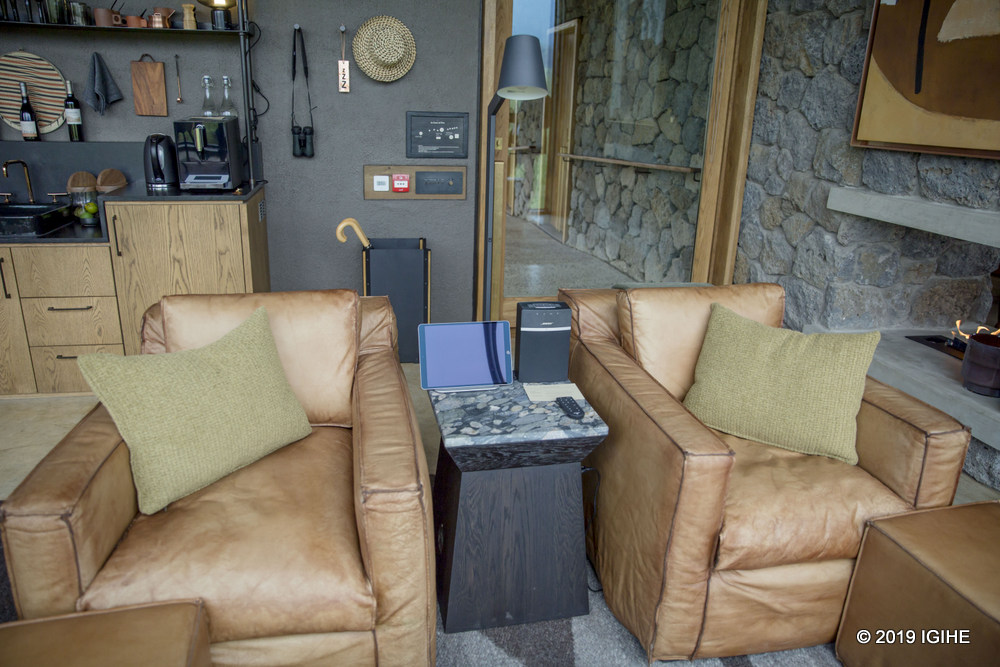
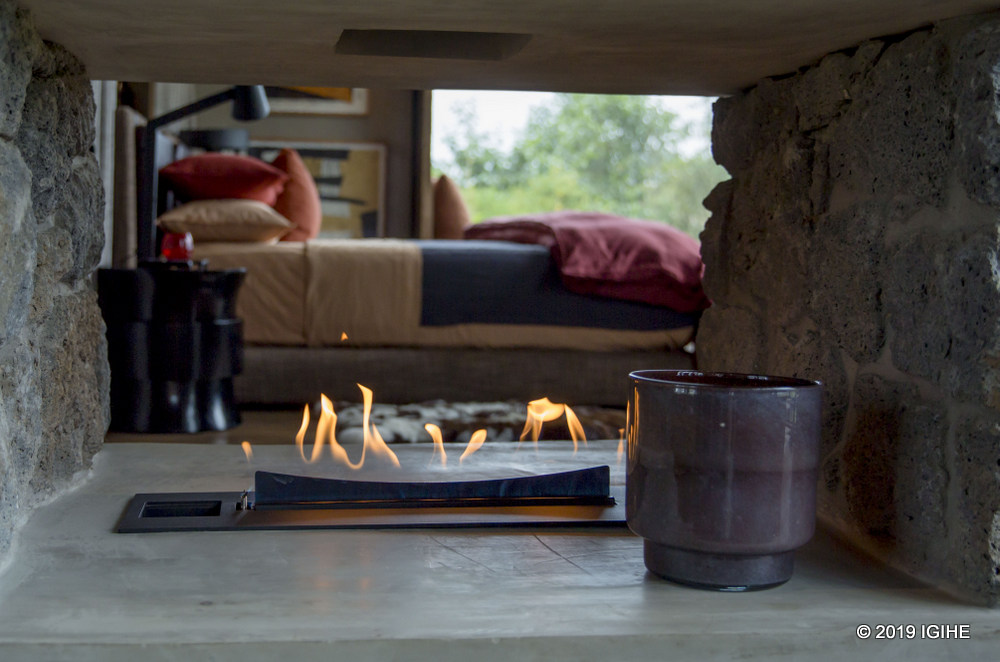
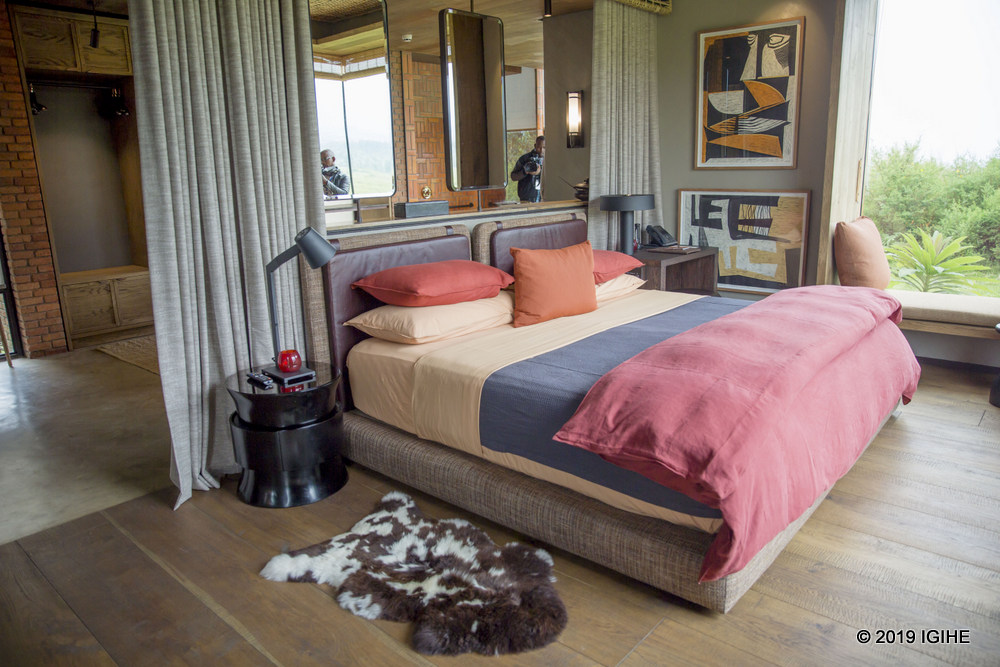
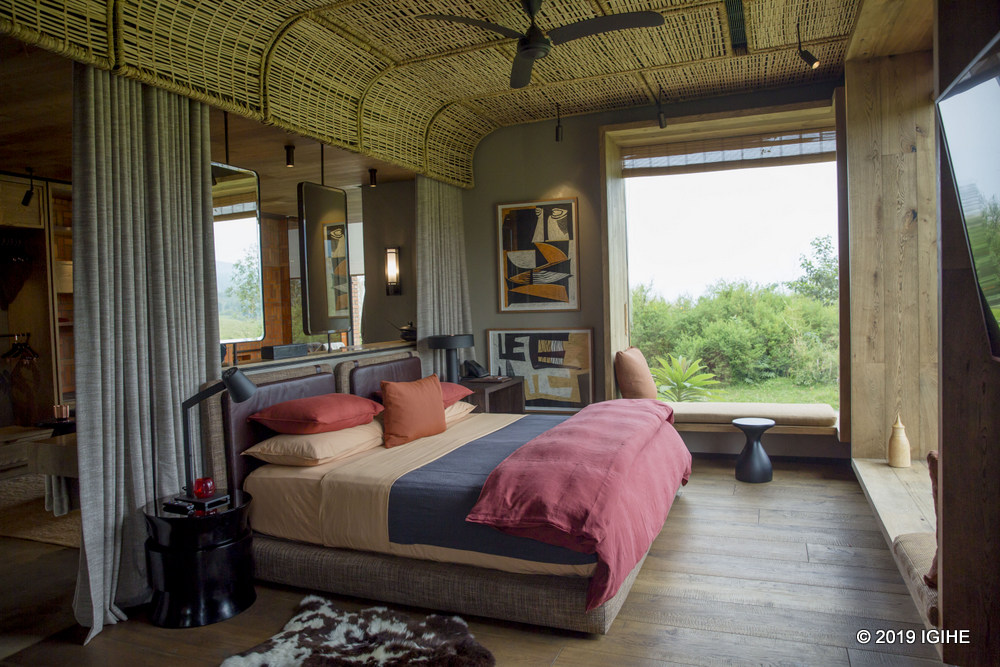
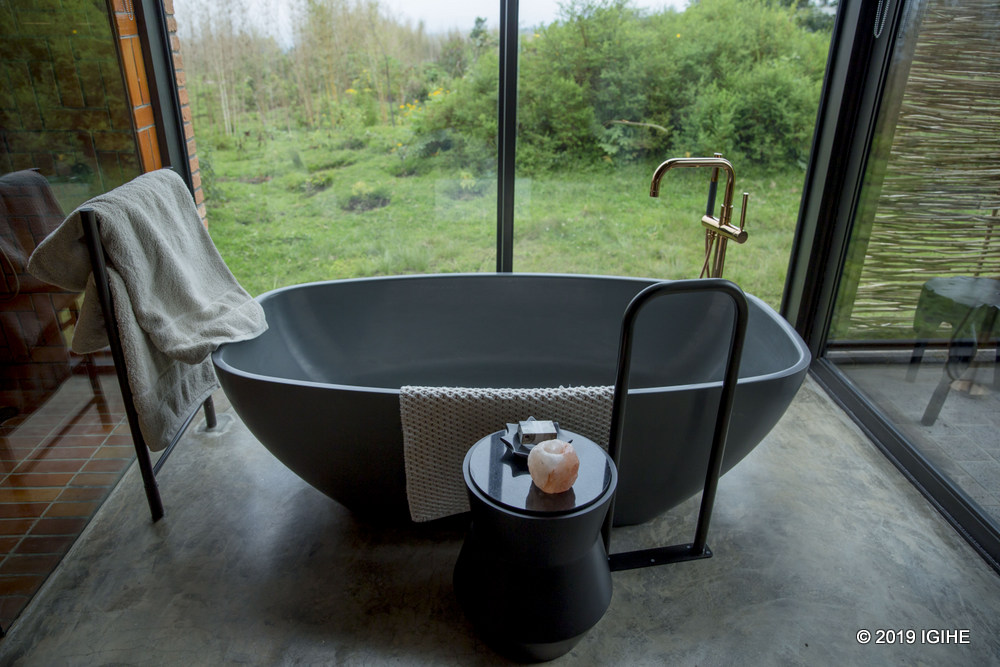
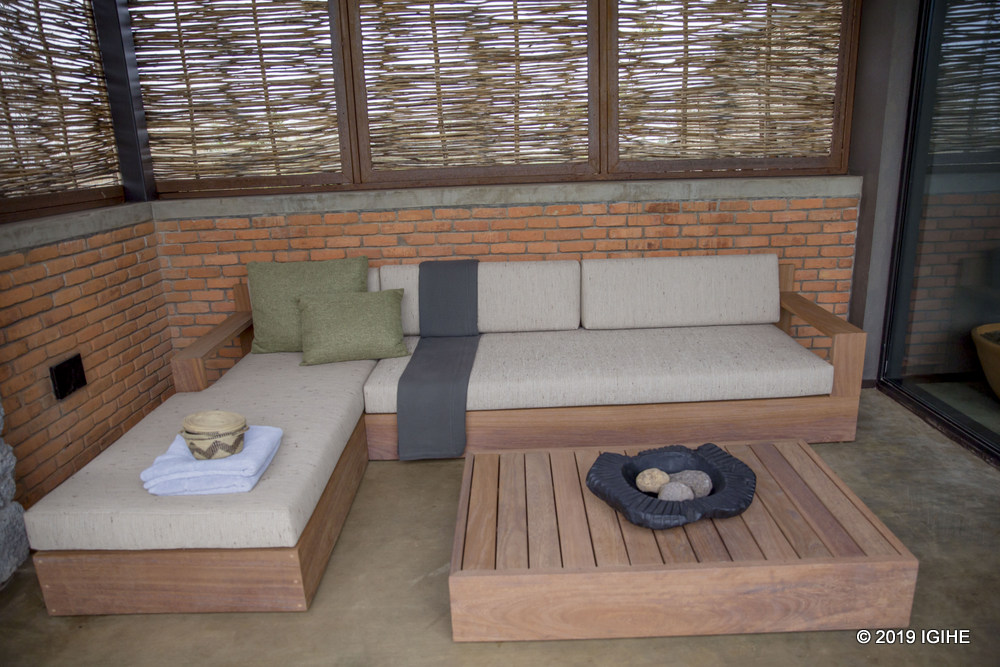
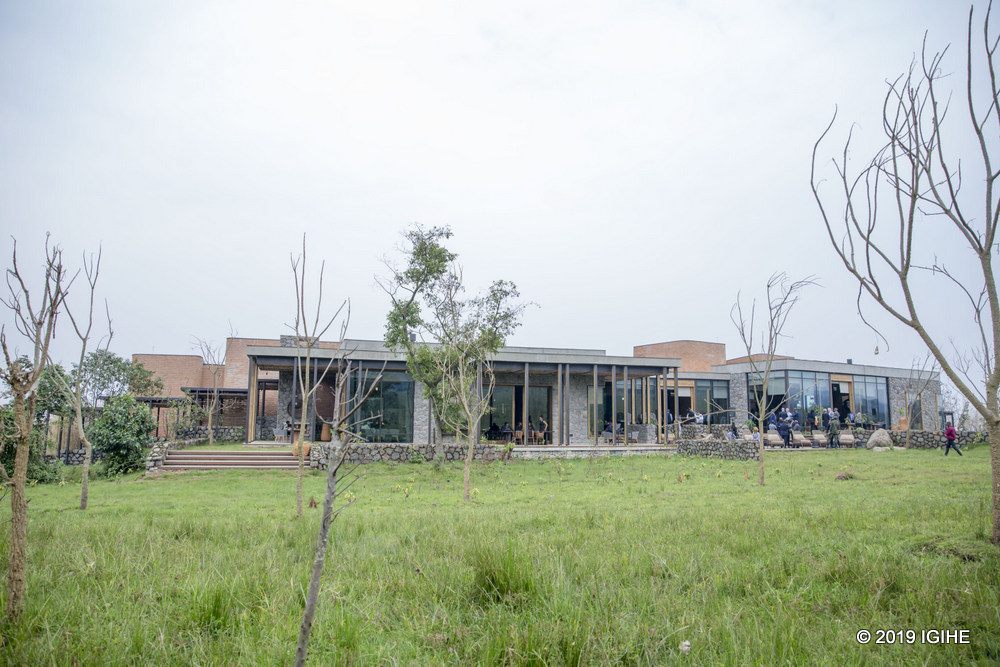
The lodge features indoor-outdoor fireplaces, heated plunge pools, and hand-fired brickwork constructed with the help of more than 500 local artisans. In addition to seven private suites, the property includes Kataza House, a four-bedroom villa designed to function as a self-contained safari lodge within the grounds.
Developed by luxury hospitality brand Singita, the lodge represents a $20 million investment in Rwanda’s high-end ecotourism sector. It was named in honor of Kwitonda, a silverback gorilla who led a prominent group in Volcanoes National Park before passing away in 2012.
A stay at Singita Kwitonda Lodge in Volcanoes National Park ranges from $2,720 to $3,780 per adult per night sharing a double suite, depending on the season.
In the 2026 rankings, Singita Kwitonda Lodge sat just behind Nepal’s Shinta Mani Mustang, outranking luxury properties across Europe, Asia, and the Americas.
Robb Report’s Top 10 Luxury Hotels in the World (2026)
Shinta Mani Mustang – Kali Gandaki River Valley, Nepal
Singita Kwitonda – Volcanoes National Park, Rwanda
Hope Lodge – Sutherland, Scotland
Park Hyatt Tokyo – Japan
Shakti Prana – Kumaon, India
Collegio alla Querce – Florence, Italy
Claridge’s – London, U.K.
Le Bristol Paris – France
Islas Secas – Gulf of Chiriqui, Panama
Casa Bonavita – Attard, Malta
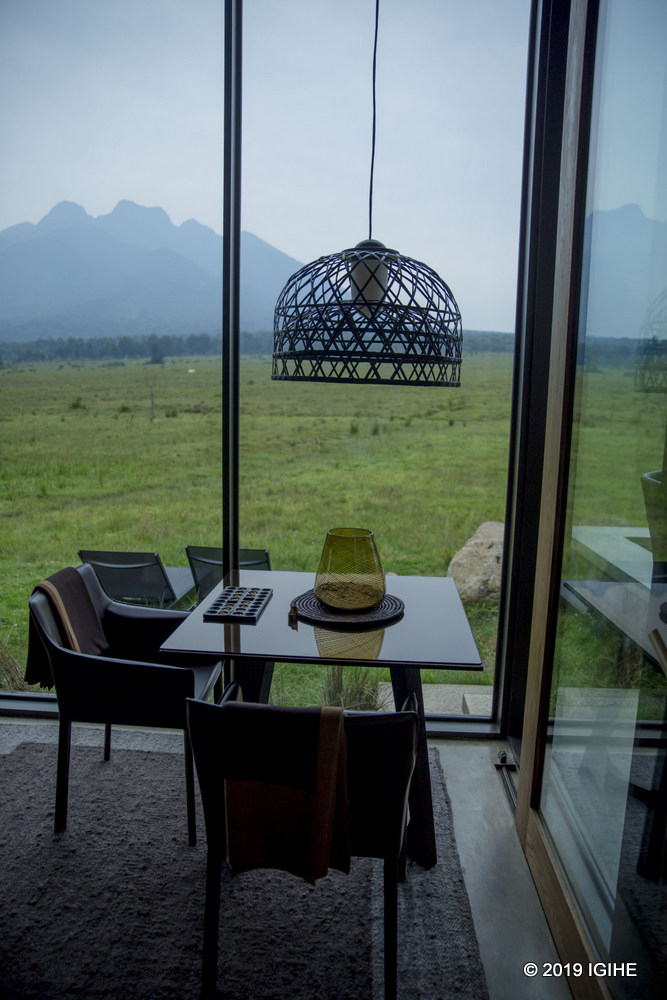
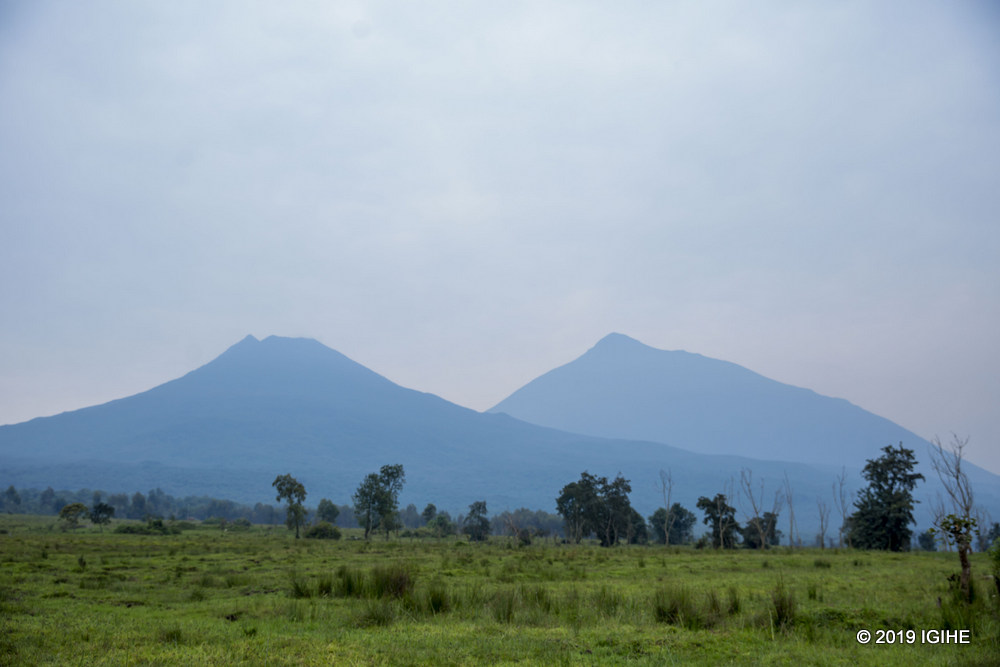
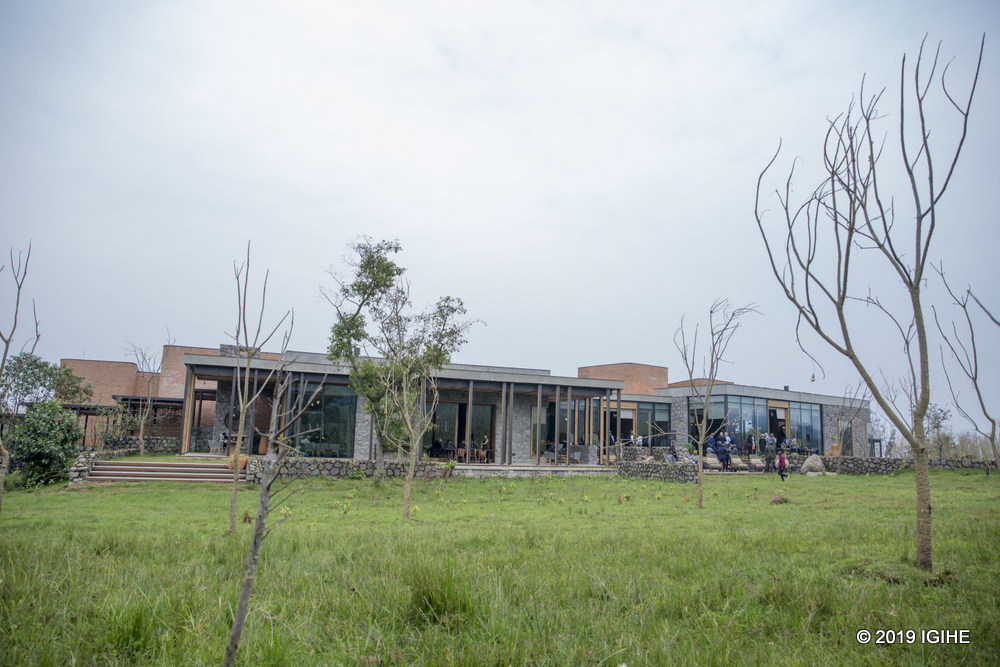
Signs showing directions to the rooms at Singita Kwitonda Lodge and Kataza House.Located in Musanze near Mount Sabyinyo, Singita Kwitonda Lodge and Kataza House features modern structures with breathtaking views of the Gahinga and Muhabura volcanoes.
The Guest Suites are elegantly designed. The property provides guests with spaces where they can enjoy a swim or bask in the sun.A stay at Singita Kwitonda Lodge in Volcanoes National Park ranges from $2,720 to $3,780 per adult per night sharing a double suite, depending on the season.Perched near the Virunga Mountains, Singita Kwitonda Lodge offers guests breathtaking views of Mount Gahinga and Mount Muhabura.
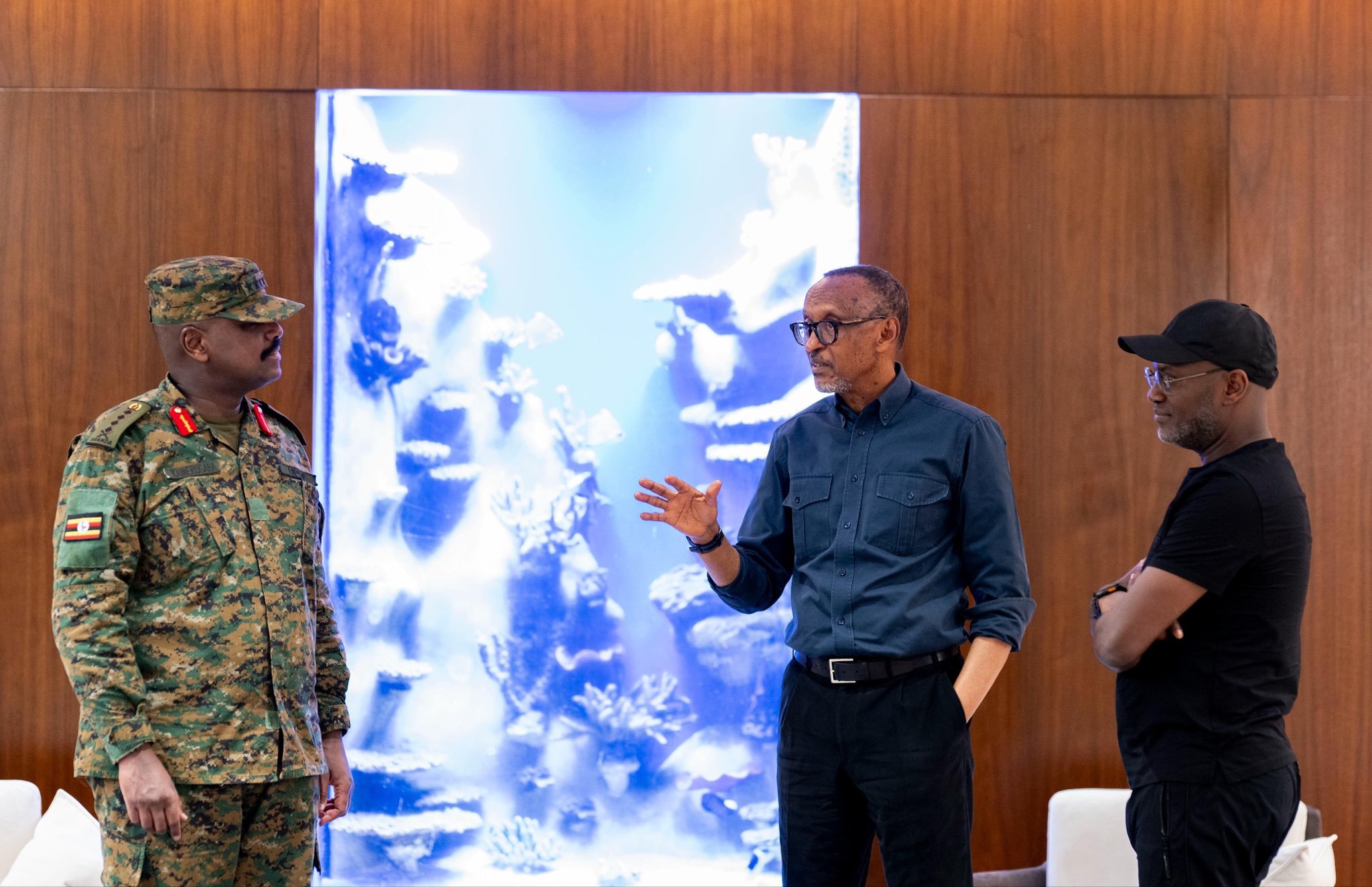
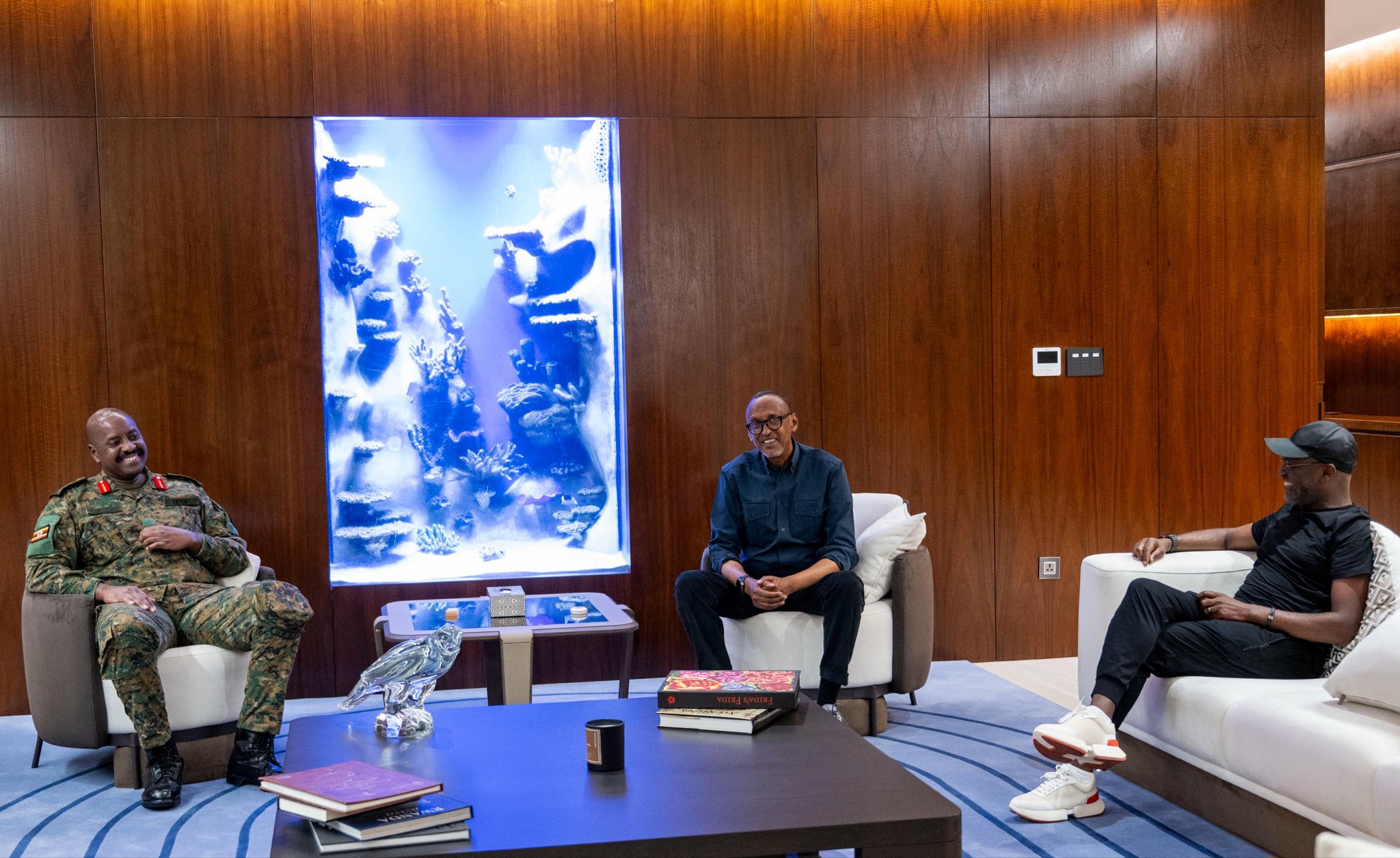
In a message shared after concluding his two-day visit, Gen. Muhoozi thanked President Paul Kagame, First Lady Jeannette Kagame and the leadership of the Rwanda Defence Force (RDF) for the warm reception accorded to the Ugandan delegation.
“We had excellent discussions about our bilateral relations. Uganda-Rwanda relations are stronger and warmer than ever. We thank our two Presidents, H.E. Yoweri Kaguta Museveni and H.E. Paul Kagame, for their enlightened leadership of our two brotherly countries,” Gen. Muhoozi wrote.
Gen. Muhoozi issued the message after concluding his two-day working visit to Rwanda.
Gen. Muhoozi’s remarks followed a series of high-level engagements in Rwanda aimed at strengthening defence cooperation and reinforcing bilateral ties.
On Saturday, President Kagame received the Ugandan military chief for talks focusing on the strong partnership between Rwanda and Uganda, as well as regional peace, security and stability.
The meeting with President Kagame formed part of Gen. Muhoozi’s two-day working trip.
According to the Office of the President, the discussions centred on enhancing bilateral cooperation and promoting lasting peace across the region.
The visit formed part of Gen. Muhoozi’s two-day working trip to Rwanda to further strengthen cooperation between the Rwanda Defence Force (RDF) and the Uganda People’s Defence Forces (UPDF).
Upon his arrival in Kigali, Gen. Muhoozi was welcomed by the Chief of Defence Staff of the RDF, Gen. Mubarakh Muganga, alongside Maj. Gen. Willy Rwagasana, Commander of the RDF Republican Guard, and Uganda’s Defence Attaché to Rwanda, Col. Ezekiel Matsiko.
During the visit, he also held discussions with senior RDF commanders on expanding military collaboration between the two armed forces.
Gen Muhoozi held discussions with senior RDF officials on strengthening military cooperation.
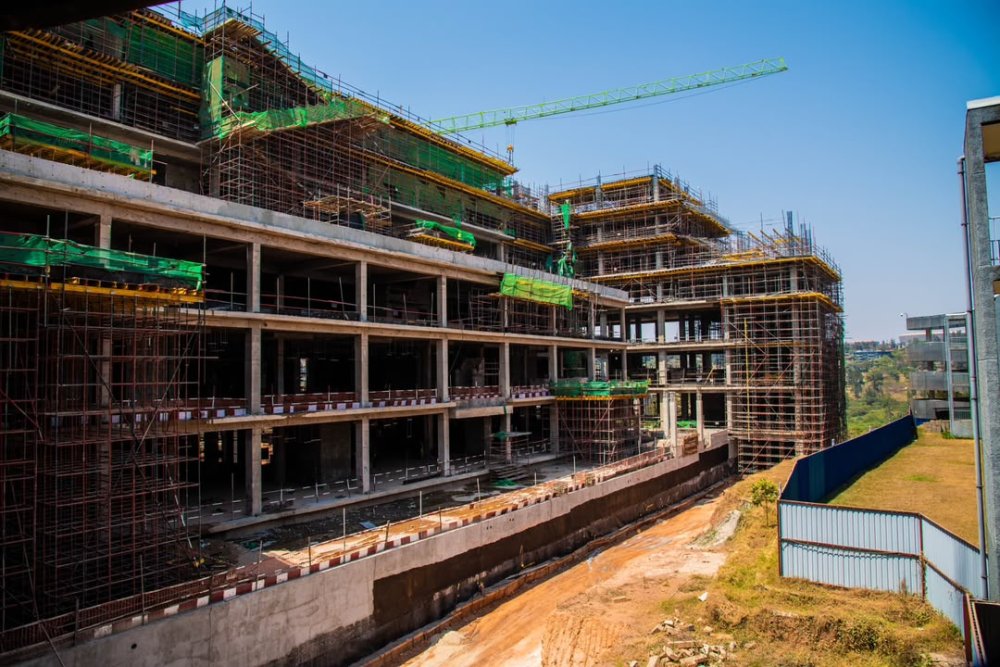
Beyond defence cooperation, Gen. Muhoozi toured several of Kigali’s flagship development projects, including the expansion of King Faisal Hospital, Nyandungu Eco-Park and the Gacuriro Housing Development Project.
The visit also featured a lighter diplomatic moment as President Kagame and Gen. Muhoozi played a friendly game of basketball after their meeting, reflecting the cordial relationship between the two leaders.
Gen. Muhoozi also met NBA Africa CEO Clare Akamanzi in Kigali to discuss expanding basketball development in Uganda. Their discussions focused on nurturing young talent and creating more opportunities for aspiring basketball players, building on earlier engagements held in Uganda in March this year on plans to establish a Junior NBA League.
The latest visit marked Gen. Muhoozi’s first trip to Rwanda since March 2025 and comes as Kigali and Kampala continue to deepen defence collaboration and maintain close engagement on issues affecting peace, security and regional cooperation.
Gen. Muhoozi toured several of Kigali’s flagship development projects.Gen. Muhoozi toured the King Faisal Hospital expansion project in Kigali.He was given a guided tour of the projects by Samuel Dusengiyumva, the Mayor of Kigali City.
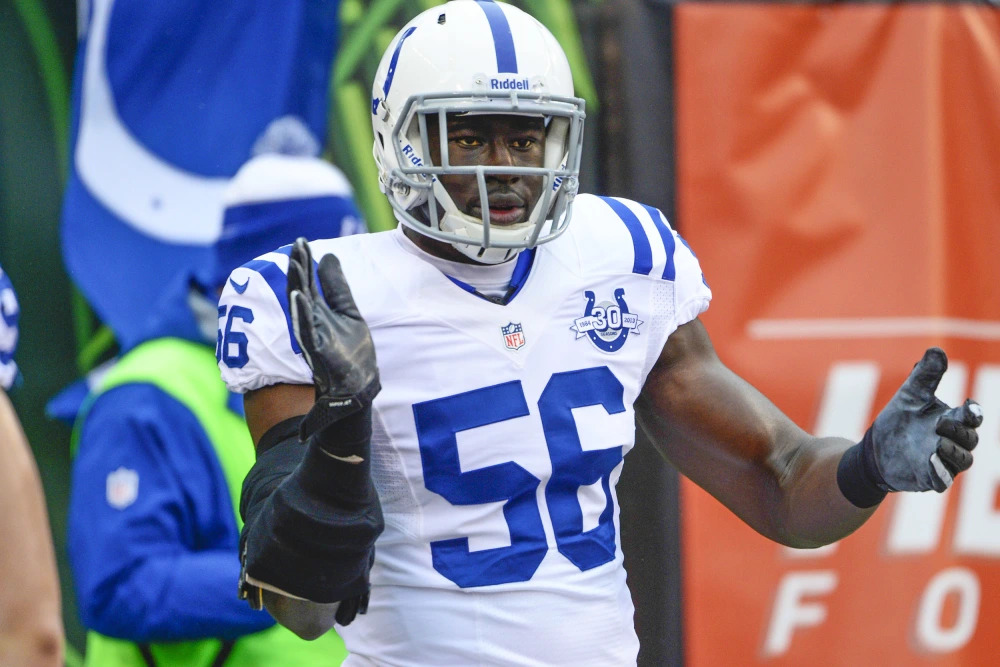
U.S. Immigration and Customs Enforcement (ICE) said the 37-year-old former Indianapolis Colts linebacker was removed from the country on June 20 following an immigration judge’s removal order issued in late March.
According to ICE, Adongo remained in the United States after his visa expired in 2016, a year after his NFL career came to an end.
The agency also cited his criminal record, saying he was convicted of misdemeanor criminal mischief involving property damage in 2020. He was sentenced to 364 days in jail but ultimately served about six months after receiving credit for time already spent in custody.
Adongo at the peak of his career, before his life began to spiral.
ICE further noted that Adongo had previously faced other charges, including felony intimidation, battery and disorderly conduct, although court records show those cases were dismissed without convictions.
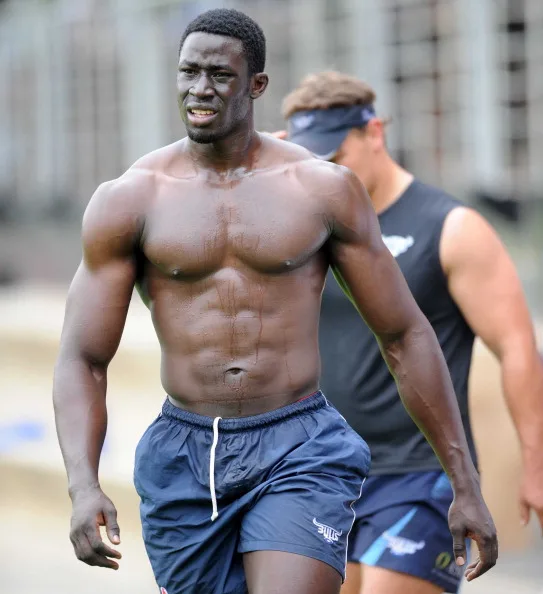
Adongo shot to international fame in 2013 when the Indianapolis Colts signed him despite having no previous experience playing American football. Having transitioned from rugby, he became the first Kenyan to reach the NFL, a milestone that inspired many aspiring athletes back home.
His NFL career, however, lasted just two seasons before he was released by the Colts in 2015.
The Indianapolis Star previously reported that Adongo had multiple encounters with law enforcement during and after his football career. The newspaper also said court records showed he had at times been found incompetent to stand trial, with his attorney raising concerns that he may have suffered a traumatic brain injury during his rugby and football career.
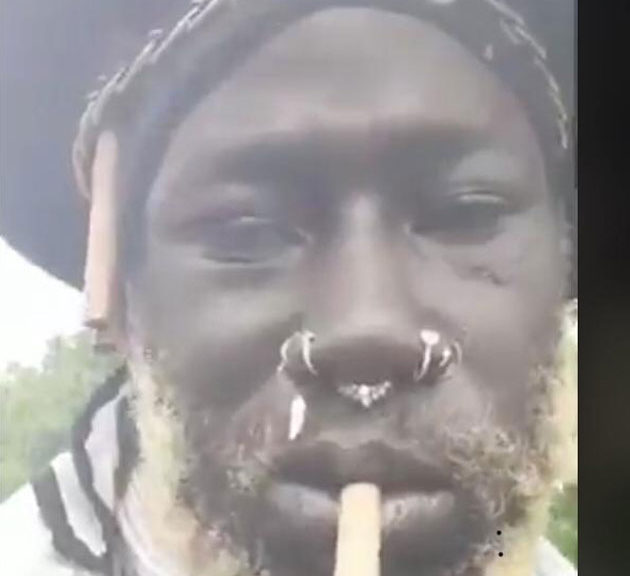
In August 2020, disturbing videos circulated showing a visibly unkempt and disheveled Daniel Adongo with nose piercings, smoking and talking to himself. The footage sparked widespread shock and concern in Kenya about his well-being.
A screen grab taken on August 14, 2020, from an online video shows Kenya’s history-making NFL player, Daniel Adongo, in a disturbing state.
Former Kenya 15s rugby international Ken Thimba described Adongo’s return as a dramatic turn for an athlete who once symbolized hope for Kenyan talent on the global stage.
“Adongo’s return to Kenya marks a dramatic change in the journey of an athlete who was once celebrated as a symbol of hope and opportunity for Kenyan talent on the global stage,” Thimba said.
He said moving from rugby to American football requires more than physical ability.
“Physically, rugby players have a strong foundation: tackling, spatial awareness, aggression and conditioning. That part translates. But the NFL is a system-heavy sport, highly specialised and highly technical. Every role is precise. In rugby, you read the game. In the NFL, you execute within a system, repeatedly, under pressure.”
“The real transition is not physical. It is mental discipline and technical adaptation. It is like learning a new language,” he added, suggesting Adongo may have struggled with the intense pressure and scrutiny that comes with competing in the NFL.
Adongo’s deportation comes as the Trump administration continues a broader crackdown on undocumented immigrants. ICE said his latest detention fell under the Laken Riley Act, legislation requiring authorities to detain undocumented immigrants arrested, charged or convicted of certain theft-related offenses. Critics of the law argue it weakens due process protections for immigrants accused, but not convicted, of crimes.
Adongo shot to international fame in 2013 when the Indianapolis Colts signed him despite having no previous experience playing American football.
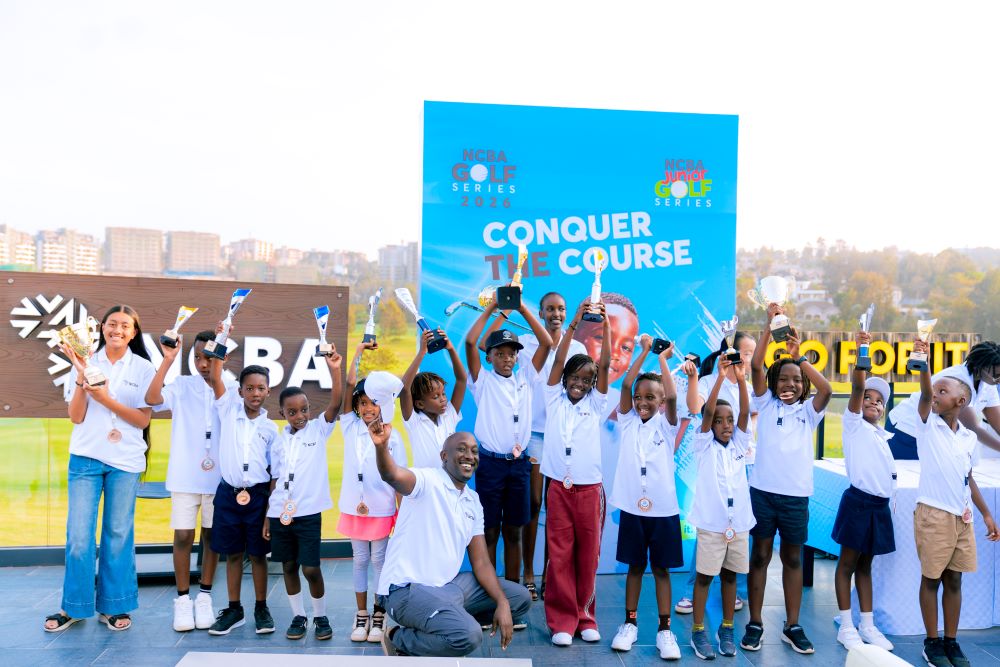
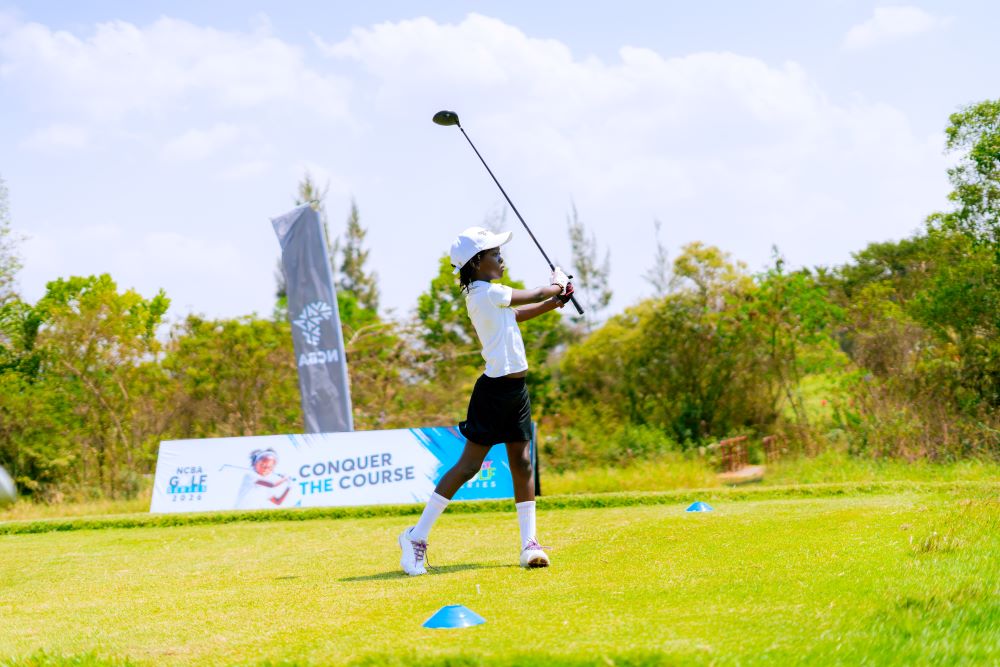
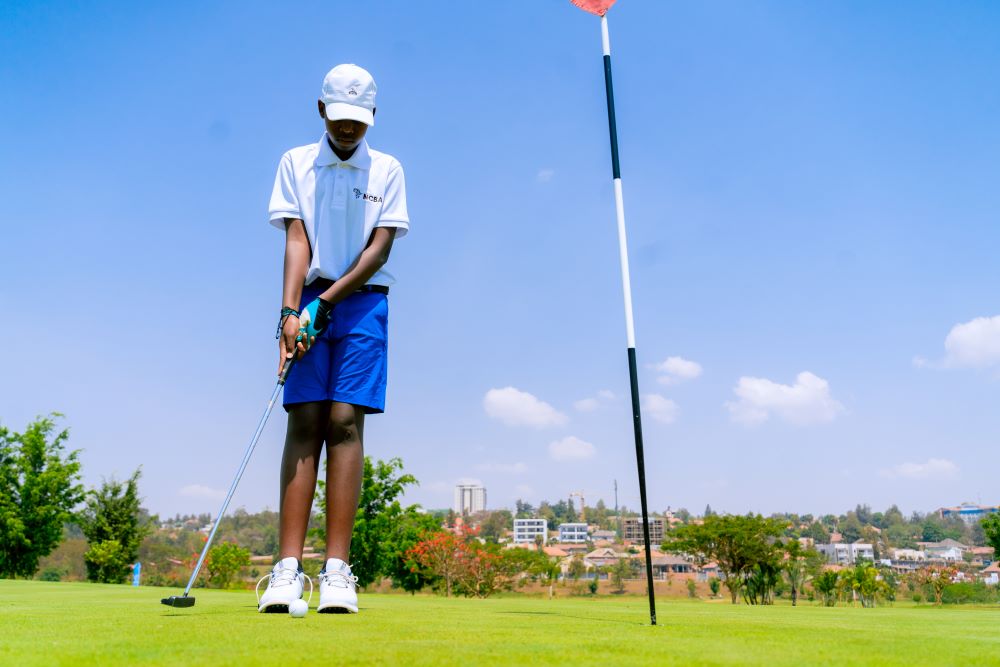
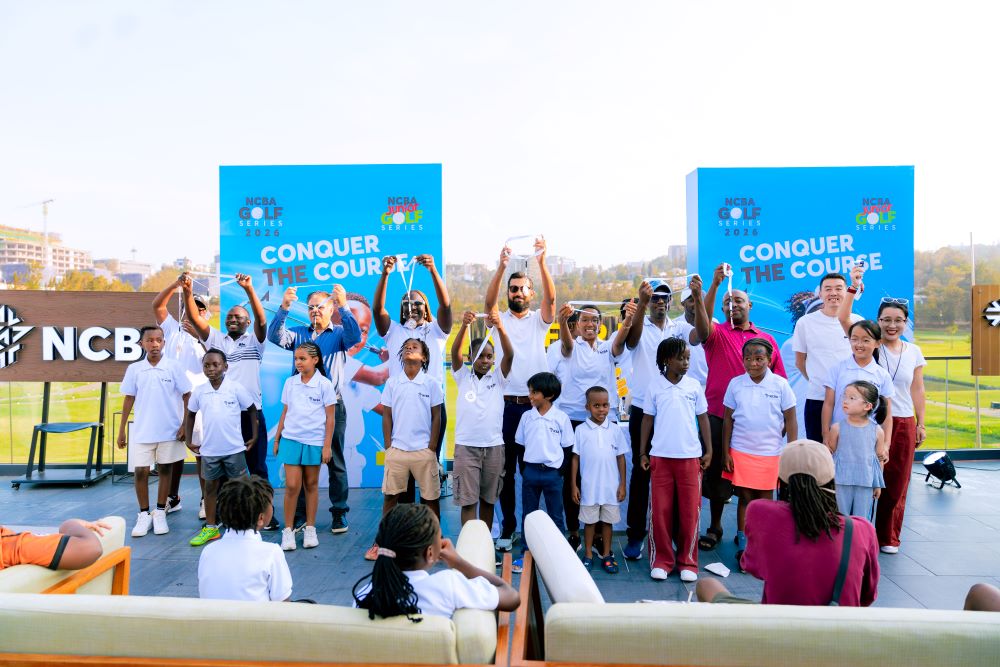
Held under the theme “Conquer the Course,” this year’s championship celebrated much more than competition. It reflected a growing movement to develop confidence, discipline, resilience and leadership among young people through golf while creating opportunities for children from diverse backgrounds to discover and excel in the sport.
The competition featured six age and skill categories, producing impressive performances across the field. Malaika Bwimba emerged as the overall champion in the prestigious 18 Holes category with a winning score of 100, ahead of Alifie Wafula (102) and Roshi Shah (103).
Other category winners included Joseph Zane Uwimfura Mutaboba in the 9 Holes – Red Tee Box, Kanyana in the 9 Holes – Second Category, Yosiah Kinuka in the 6 Holes – Category 1, Xu Xu in the 6 Holes – Category 2, and Gihan Nkera, who topped the 3 Holes division, underscoring the growing depth of Rwanda’s junior golf talent.
Investing in tomorrow’s champions
As Rwanda’s only bank with a dedicated and sustained investment in junior golf, NCBA Bank Rwanda views the tournament as part of a broader commitment to youth empowerment and long-term sporting excellence.
The Junior Golf Series is designed to provide consistent competitive opportunities for young golfers while supporting the development of a structured talent pathway that can produce future national and regional champions.
Speaking after the tournament, NCBA Bank Rwanda Head of Marketing, Communications and Citizenship, Babu Emile, said the competition demonstrates the Bank’s commitment to creating opportunities that extend well beyond financial services.
“The future of any sport depends on how intentionally we invest in young people today. Through the NCBA Junior Golf Series, we are creating an environment where talent can be discovered early, nurtured consistently and inspired to dream bigger. ‘Conquer the Course’ is a reminder that every obstacle—whether on the fairway or in life—can be overcome through preparation, resilience and determination. That philosophy reflects our broader purpose of helping young people change the story of their future.”
NCBA Bank Rwanda Managing Director Maurice Toroitich said junior sport plays a critical role in shaping future leaders.
“Golf develops character as much as it develops skill. It teaches integrity, patience, discipline and strategic thinking—qualities that prepare young people for success throughout life.
“At NCBA, we are proud to support a platform that is building Rwanda’s next generation of golfers while contributing to the broader development of youth sport. Every child who participated this weekend demonstrated courage, commitment and the willingness to learn, and those values will serve them well far beyond the golf course,” he noted.
Growing the game
Beyond identifying winners, the NCBA Junior Golf Series continues to expand participation in a sport that has historically had limited youth access. By providing structured competition, visibility and encouragement for young players, the tournament is helping establish a stronger pipeline of talent while inspiring more families to embrace golf.
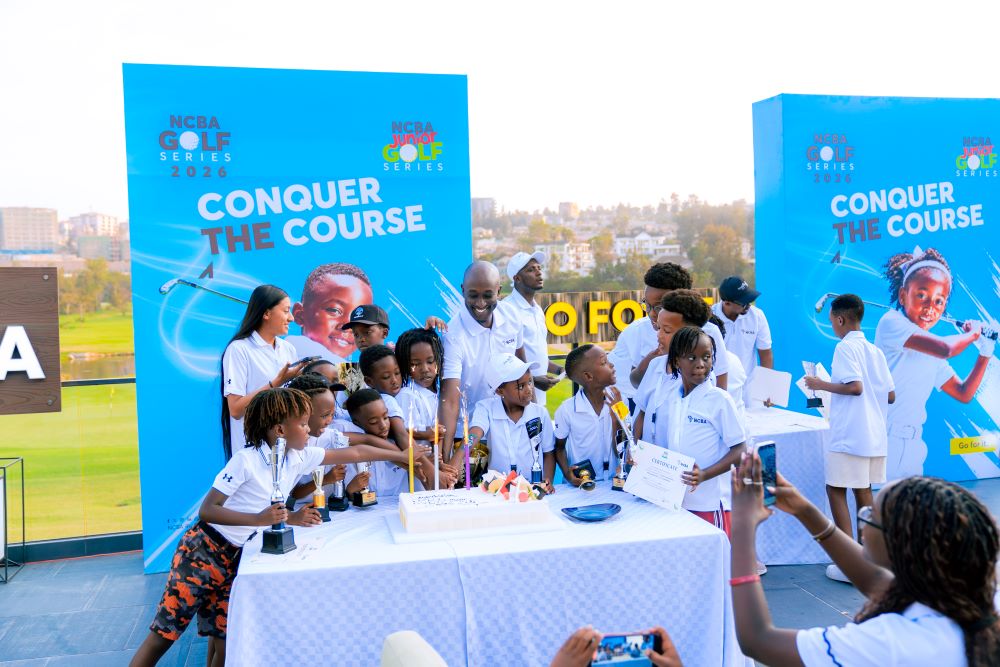
The event concluded with a vibrant prize-giving ceremony attended by parents, coaches and members of Rwanda’s golfing community, celebrating not only outstanding performances but also the continued growth of junior golf across the country.
As the NCBA Golf Series continues throughout the year, the Junior Golf Series remains a cornerstone of the Bank’s commitment to developing sport, empowering young people and creating opportunities for future champions.
NCBA Junior Golf Series participants displayed determination and skill as they competed across multiple age categories in Kigali.The NCBA Junior Golf Series provided a competitive platform for young players while promoting discipline, resilience and leadership through golf.Parents, coaches and members of Rwanda’s golfing community attended the closing ceremony of the NCBA Junior Golf Series at Kigali Golf Resort.The second edition of the NCBA Junior Golf Series concluded with celebrations of outstanding performances and the continued growth of junior golf in Rwanda.Junior golfers from across Rwanda competed for top honours during the second edition of the NCBA Junior Golf Series in Kigali.NCBA Bank Rwanda continues to support the development of junior golf by providing young players with opportunities to compete and grow.