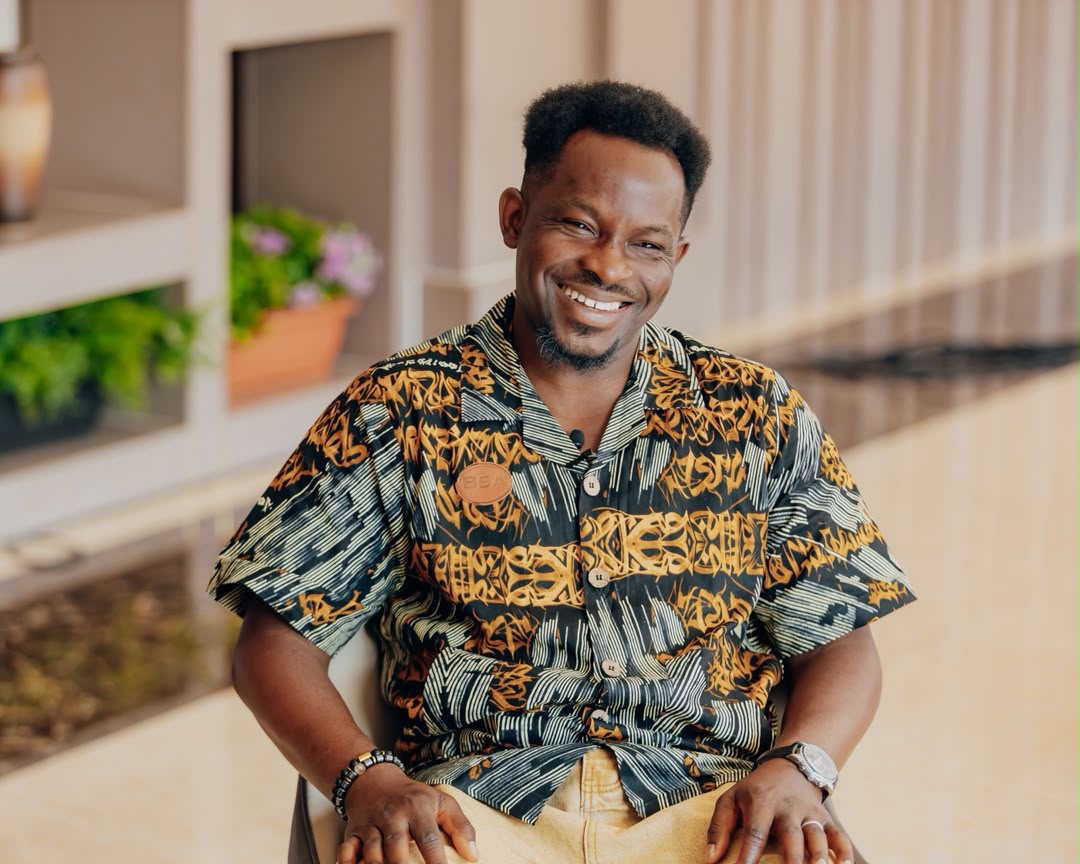
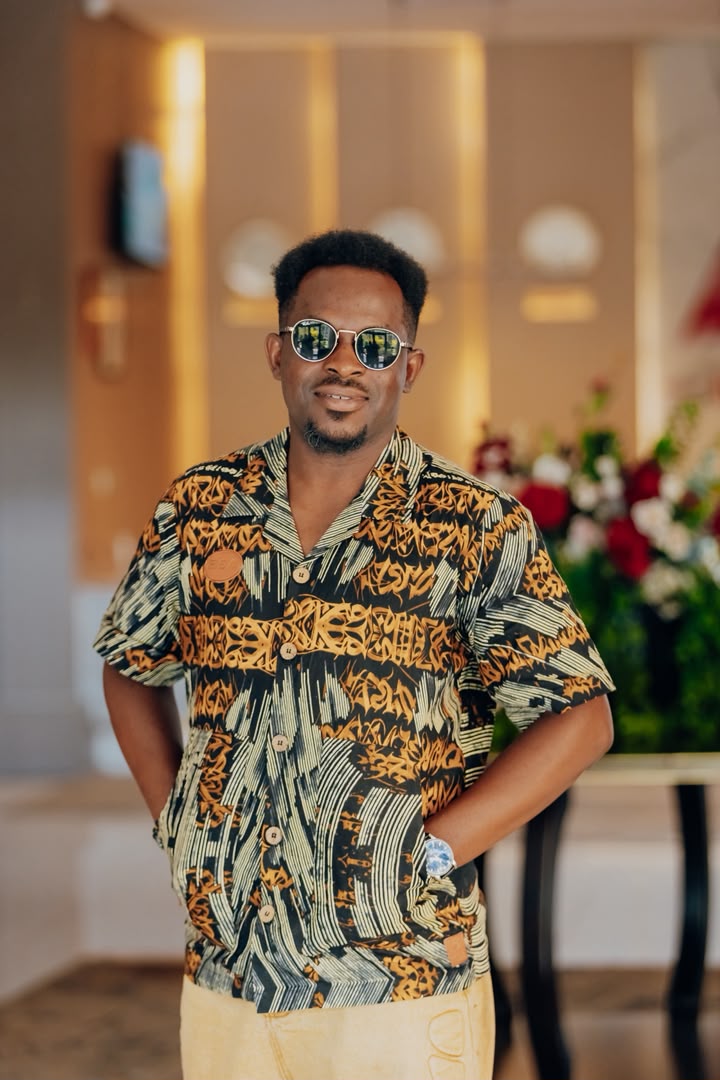
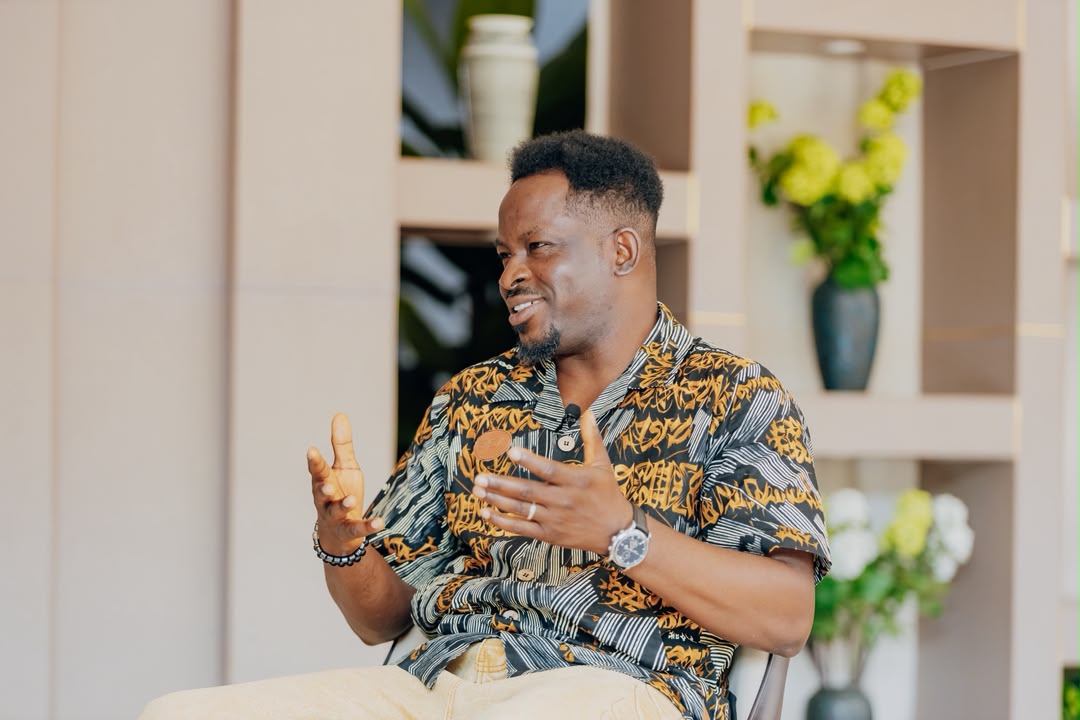
The comedian, actor, writer and entertainment consultant is in Rwanda to headline Friday’s Thank God It’s Funny Showcase at Kigali Universe alongside host Babu Joe.
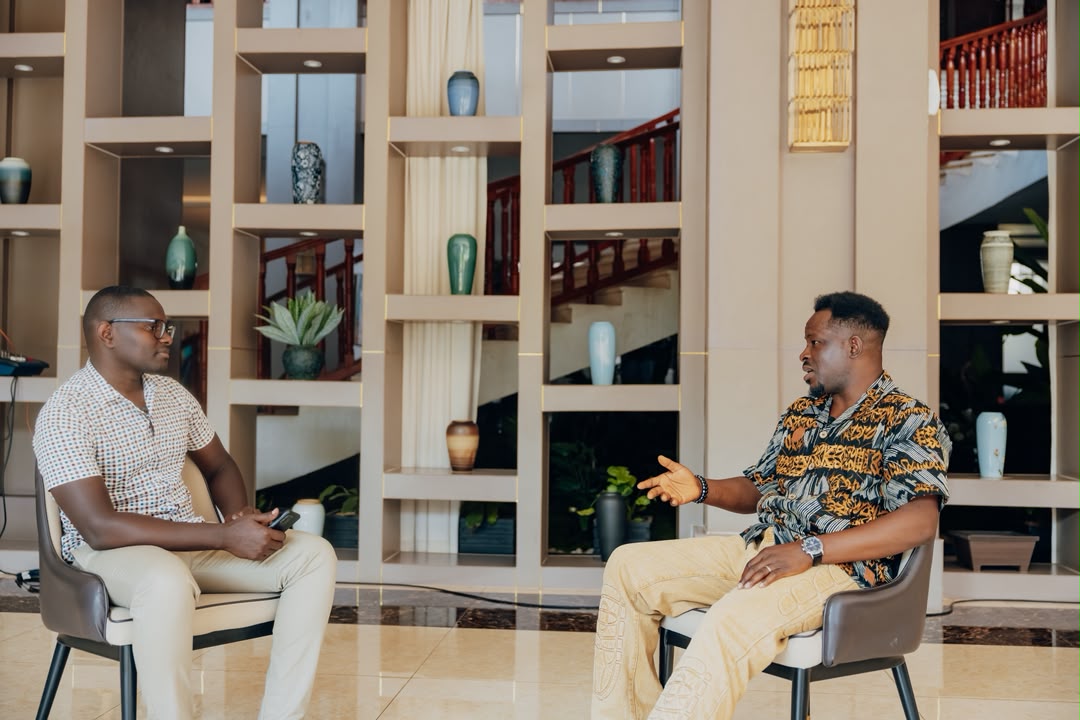
Speaking in an exclusive interview with IGIHE, Forever reflected on the unconventional career path that has taken him from engineering classrooms in Nigeria to comedy stages across 20 countries.
Despite graduating as a mechanical engineer and ranking among the best students in his class, Forever said he realised before completing university that his future lay elsewhere.
“I’ve always written funny stories and plays since I was a kid,” he said.
The comedian, actor, writer and entertainment consultant is in Rwanda to headline Friday’s Thank God It’s Funny Showcase at Kigali Universe alongside host Babu Joe.
He recalled watching Night of a Thousand Laughs in 2005 and discovering that stand-up comedians were essentially doing what he had always loved: telling funny stories.
“I tried it, it worked, and I kept going. By my final year, I already knew I wasn’t going to practise engineering. I was happier making people laugh.”
For Forever, the satisfaction of hearing from people whose lives had been brightened by his jokes outweighed the appeal of pursuing a conventional engineering career.
“People would call me randomly, saying they remembered a joke and were laughing at home. That joy kept me going,” he said.
Family initially resisted
Like many African parents who view professions such as engineering, medicine and law as the safest paths to success, Forever’s family initially struggled to accept his decision.
“It wasn’t easy, especially with my mum. It took about three to four years for her to accept it,” he revealed.
“Parents invest so much, and they expect you to follow the doctor-engineer-lawyer path. But when they saw I was making progress and getting results, they became supportive.”
Today, he says, his family fully embraces his career.
Like many African parents who view professions such as engineering, medicine and law as the safest paths to success, Forever’s family initially struggled to accept his decision.
Why Kigali stood out
While in Rwanda primarily for Friday’s performance, Forever said Kigali exceeded every expectation he had before arriving.
He described stepping out of the airport and immediately noticing the calm atmosphere.
“It was a shock. I came out of the airport, and it was so quiet. In Lagos, the moment you land, there’s chaos and activity everywhere. Here it was calm,” he said.
“The city is easygoing, smooth sailing. It actually reminds me of Abuja — quiet, calm, cool and collected.”
The comedian also praised Kigali’s organisation, cleanliness and sense of security, saying experiencing them firsthand was very different from simply reading about them.
“I read that Rwanda is Africa’s cleanest city with top-notch security, but seeing it is different,” he said.
“The city is very neat. People are walking freely at 11 p.m. or midnight. Boda bodas are still moving at one or two in the morning. That level of order, cleanliness and security in Africa is impressive.”
Forever believes Nigerians could learn from Rwanda’s coordination and orderliness.
“Nigerians can learn to mind their business,” he joked.
“In Rwanda, people mind their business. In Nigeria, minding your business is everybody’s business.”
He added that combining Rwanda’s coordination with Nigeria’s entrepreneurial spirit would be a powerful combination.
“What Rwanda can learn from us is our spirit — that always-on-the-move, always-pushing energy.”
Nigerian comedian Forever during an exclusive interview with IGIHE.
Lessons from comedy
Having shared stages with some of Africa’s biggest comedians, including Basketmouth, Forever said the greatest lesson he has learned is never to lose the drive to improve.
“Hunger. The hunger must never die,” he said.
“Basketmouth has been at the top for almost three decades, and he’s still writing new material, still touring, still hungry. That’s what keeps you at the top.”
Although he once joked that “nobody gets into comedy by passion,” Forever explained that passion developed after discovering his natural talent.
“I got in because of talent. I was already good at it, and the more I did it, the better I became. Then passion grew.”
He added that seeing audiences light up when they recognise him remains the biggest reward.
“When someone sees me on the street, and their face just lights up — that’s priceless. I don’t want to trade that.”
Looking beyond Friday’s show
Forever said he is looking forward to meeting more of Rwanda’s comedy community and expects Friday’s audience to bring as much energy as he plans to deliver.
“The comedian brings energy but also feeds off the audience. I can’t wait,” he said.
He also revealed that he hopes this will not be his last performance in Rwanda.
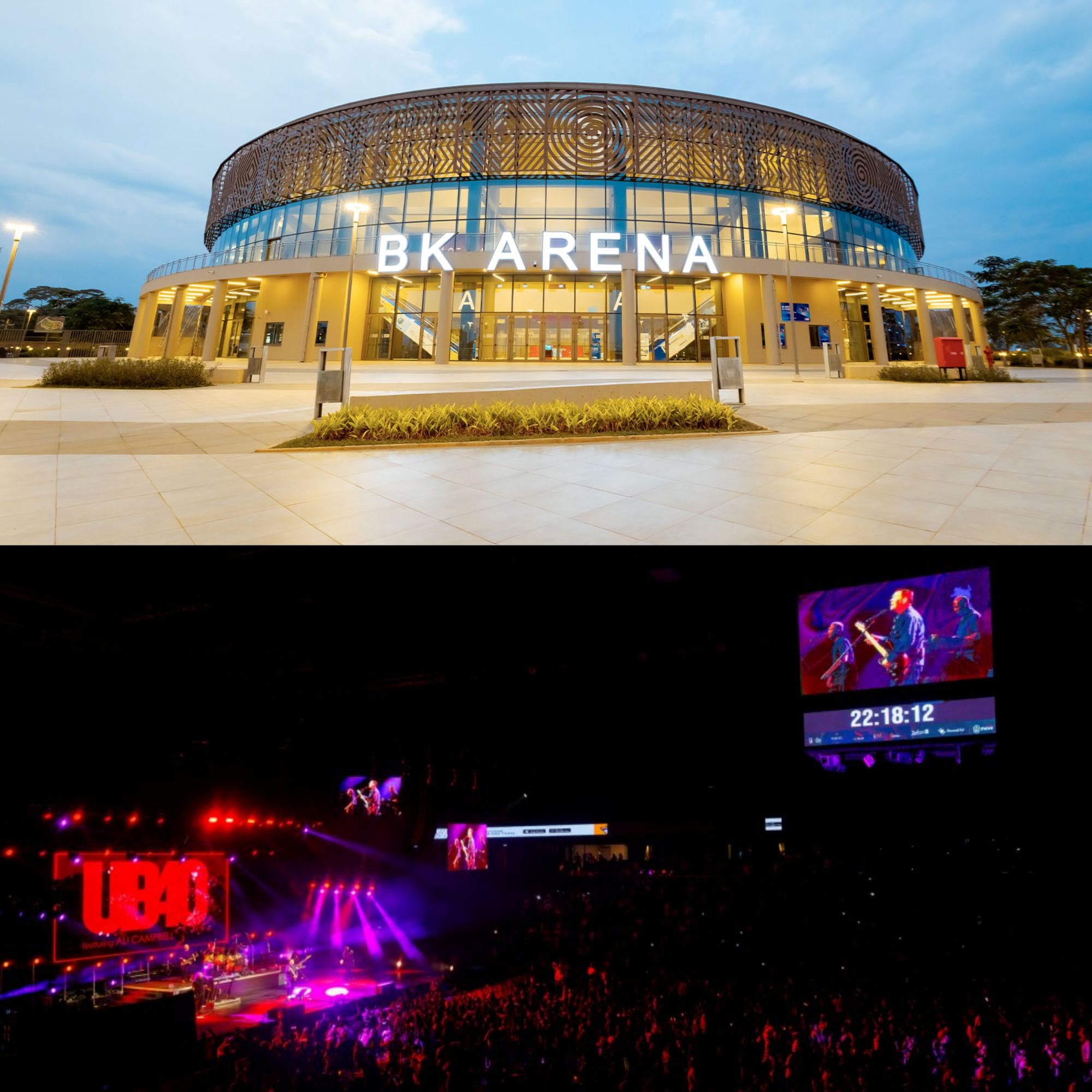
Forever dreams of one day filling the 10,000-seat BK Arena.
Calling Kigali “like my second home,” Forever said he plans to return as part of his African tour and dreams of one day filling the 10,000-seat BK Arena.
“First impressions matter, and I love it here,” he said.
“One day Forever will fill BK Arena. I’ll be back next year with my African tour. Kigali is like my second home now.”
Watch the full interview below as Forever reflects on choosing comedy over engineering, his admiration for Kigali, and his plans to return to Rwanda.
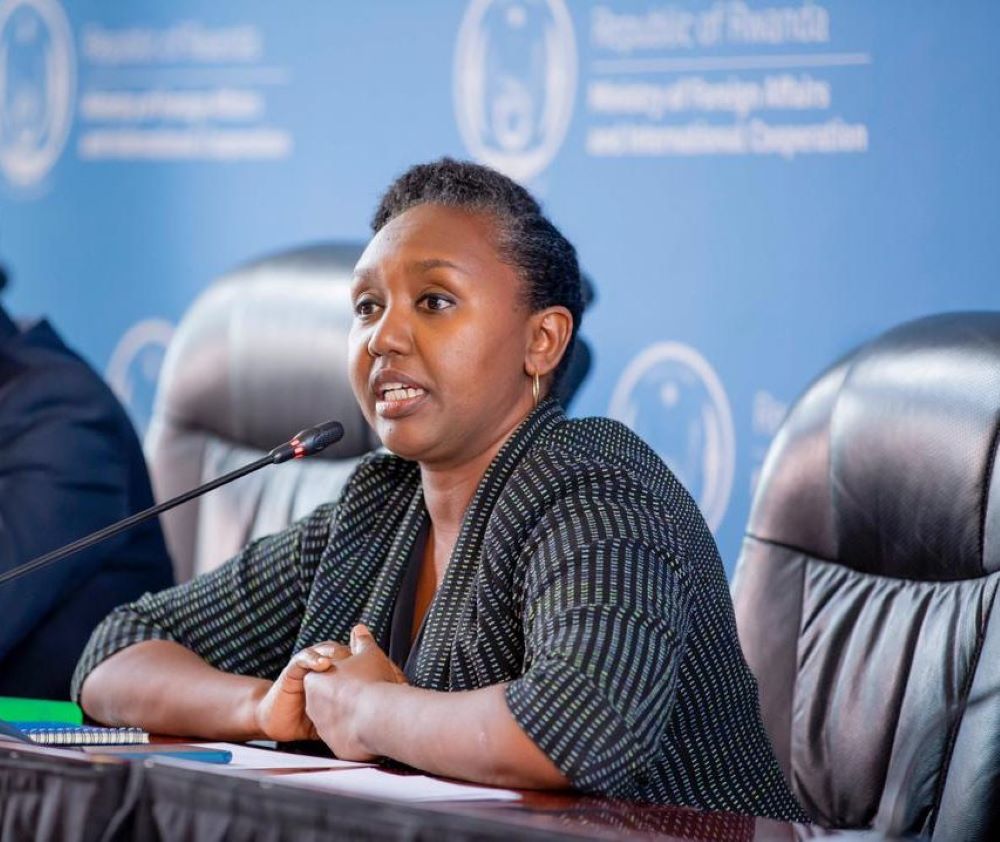
Makolo made the remarks on July 30, 2026, in response to comments by the Democratic Republic of the Congo’s (DRC) Minister of Communication and Media and Government Spokesperson, Patrick Muyaya.
Muyaya had announced that, as part of implementing the Washington Agreement, the FDLR had signed an agreement on disarmament, demobilisation, reintegration and relocation to a secure, monitored site.
In a post on X, Muyaya described the move as a major breakthrough in resolving the FDLR issue, despite the Washington Agreement making no provision for such a process.
Responding to the remarks, Makolo wrote: “The Washington Agreement calls for the neutralisation of the FDLR—not a negotiated protocol with a genocidal militia that the DRC government continues to arm and collaborate with.”
She added that declarations of voluntary disarmament are meaningless while the group remains integrated into the Congolese army and continues to fight on the frontlines.
“Voluntary ‘disarmament’ announcements while the FDLR remains embedded in the Congolese army & active on the frontlines change nothing. Implementation means verifiable dismantlement, not theatre.”
Makolo reiterated that Rwanda remains committed to implementing the agreement.
“Rwanda remains focused on implementation of the agreement. Our region deserves real security & stability, not paper exercises.”
On the evening of July 28, 2026, DRC’s Minister for Regional Integration, Floribert Anzuluni, accompanied by Patrick Muyaya, announced that the FDLR had agreed to lay down its arms, arguing that the remaining step was for Rwanda to lift its defensive measures.
The announcement came after Anzuluni had spent several days touring African and European countries, discreetly promoting a proposal prepared by the FDLR and signed by its president, Victor Byiringiro.
The document, described as the FDLR’s “self-dissolution” plan, was submitted to DRC President Félix Tshisekedi on May 30, 2026.
Government Spokesperson Yolande Makolo has reiterated that implementing the Washington Agreement requires the FDLR’s verifiable dismantlement, not what she describes as “theatre.”
The U.S. Central Command (CENTCOM) said on social media that its forces completed “a heavy wave of strikes” at 10 p.m. Eastern Time on Wednesday (0200 GMT Thursday) in response to Iran’s attempted missile attacks a day earlier.
According to CENTCOM, U.S. forces struck dozens of targets belonging to Iran’s Islamic Revolution Guard Corps, including military command centers, missile and drone facilities, coastal surveillance and defense sites, and maritime capabilities.
More than 50,000 U.S. service members are currently deployed to the Middle East and remain “highly vigilant, focused, lethal, and ready,” CENTCOM said.
Earlier on Wednesday, U.S. President Donald Trump vowed twice that Washington would retaliate forcefully against Iran. He also said he had been briefed that an American-owned liquefied natural gas carrier at an Egyptian port was set on fire in an apparent drone attack earlier in the day.
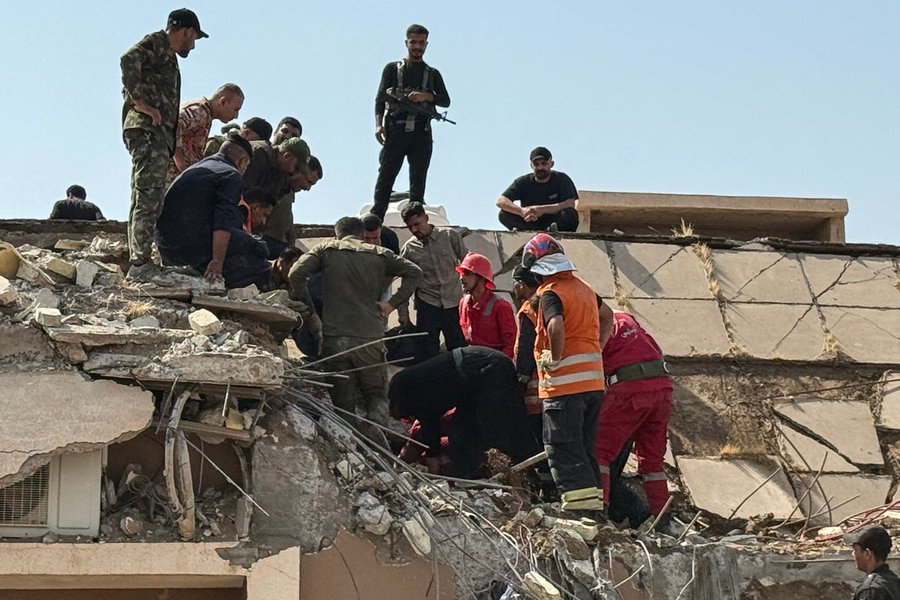
Iranian media earlier reported explosions in the country’s southern regions. Iran’s semi-official Tasnim news agency said that Qeshm Island in the Strait of Hormuz and locations in Bushehr province had come under attack.
The Wall Street Journal reported that the latest U.S. operation was expected to be broader in scope than previous exchanges between the two sides in recent weeks, targeting more sites across a wider geographic area, citing a U.S. official.
Trump also met with Saudi Defense Minister Prince Khalid bin Salman at the White House on Wednesday, Axios reported, citing a U.S. official and another source familiar with the meeting.
According to the report, the Saudi defense minister told U.S. Vice President JD Vance that the kingdom was capable of handling the situation with the Houthis and did not need U.S. military involvement at this stage.
The Saudis are negotiating with the Houthis, which have threatened to impose a naval blockade on Saudi ports and even conducted several attacks on Saudi ships in the Red Sea, said the report, citing anonymous sources.
The latest developments came after the United States said it had intercepted an attempted Iranian missile attack targeting U.S. forces on Tuesday and later carried out joint strikes with Saudi Arabia against Iran-backed militias in neighboring Iraq.
Iranian media earlier reported explosions in the country’s southern regions. Iran’s semi-official Tasnim news agency said that Qeshm Island in the Strait of Hormuz and locations in Bushehr province had come under attack.
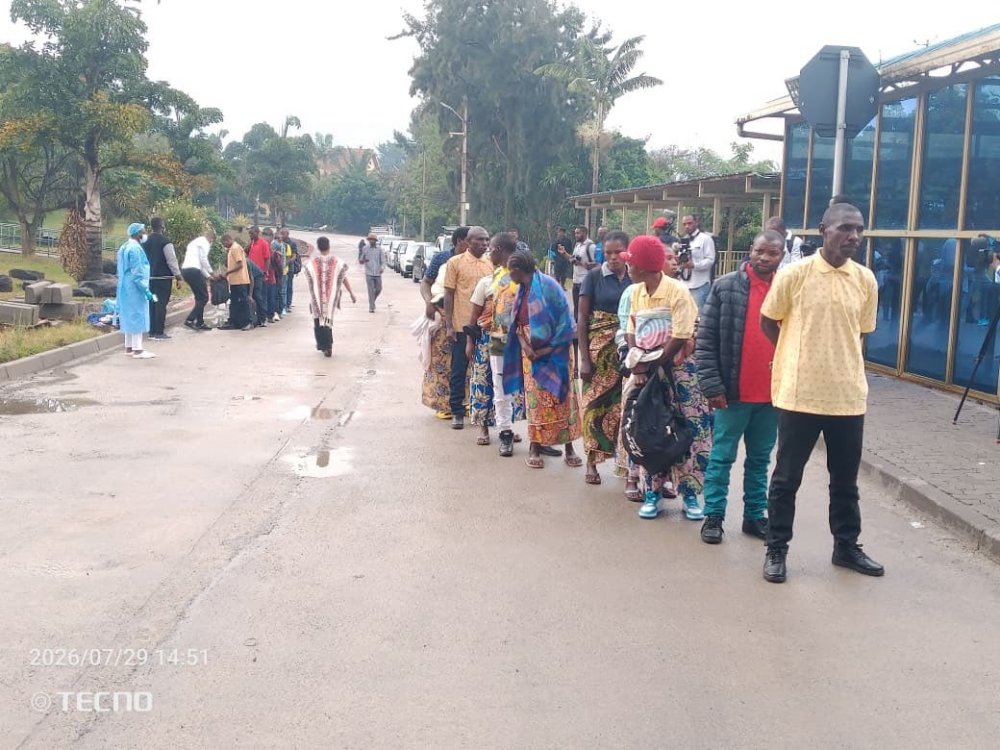
In a statement issued on July 29, 2026, RDRC said the repatriation ‘took place in the presence of media and MONUSCO officials following a comprehensive verification process which established that the individuals did not meet the eligibility requirements for Rwanda’s demobilisation and reintegration programme’.
The commission further reaffirmed its commitment to a rigorous verification process in line with established procedures, regional frameworks, as well as collaboration with regional and international partners to promote accountability, regional cooperation, and lasting peace.
Also on July 29, 2026, AFC/M23 spokesperson Lawrence Kanyuka alleged that the DRC government is recruiting civilians and encouraging them to falsely present themselves as former FDLR combatants in exchange for money.
Kanyuka claimed that after being promised payment, the Congolese nationals are enrolled in the Disarmament, Demobilisation and Reintegration (DDR) programme, which is overseen and implemented by the United Nations Organization Stabilization Mission in the DRC (MONUSCO).
According to AFC/M23, the alleged scheme is intended to conceal the presence of genuine FDLR fighters, a terrorist group that the DRC committed to dismantling under the peace agreement signed with Rwanda last year through mediation by the United States.
Kanyuka further accused the DRC government of continuing to integrate FDLR members into the country’s security institutions, alleging that some have been incorporated into the Armed Forces of the Democratic Republic of the Congo (FARDC) and the Wazalendo militia.
“Kinshasa uses the FDLR as a central component of its security apparatus. Members of this group have been integrated into FARDC, the Wazalendo militia and other state security institutions,” Kanyuka alleged.
He further claimed that some FDLR members are serving in the Republican Guard (GR), the elite unit responsible for protecting senior government officials and other high-profile figures.
AFC/M23 called for an end to what it described as the recruitment of civilians to falsely identify themselves as former FDLR combatants, arguing that the practice is intended to mislead the Congolese public and the international community.
The Rwanda Demobilisation and Reintegration Commission (RDRC) has repatriated 39 Congolese nationals to the DRC after they falsely claimed to be former FDLR combatants.
She died at King Faisal Hospital Rwanda, where she had been receiving treatment for some time.
News of her passing emerged on Thursday morning. A fellow senator who worked with her told IGIHE that he had recently visited her at the hospital.
Mukabalisa was born in Nyamata, Bugesera District, in July 1960 and later worked as a law lecturer at the Independent University of Kigali (ULK).
She also worked for the World Health Organization (WHO) and the United Nations Development Programme (UNDP), where she served for 16 years.
In October 2003, Mukabalisa was elected to the Chamber of Deputies, where she served until 2008. She later became a senator, serving from 2011 to 2013.
In 2013, she returned to the Chamber of Deputies and was elected Speaker, a position she held until 2024. She did not seek re-election after completing the two-term limit.
Mukabalisa also served as President of the Liberal Party (PL), a political party founded on July 14, 1991.
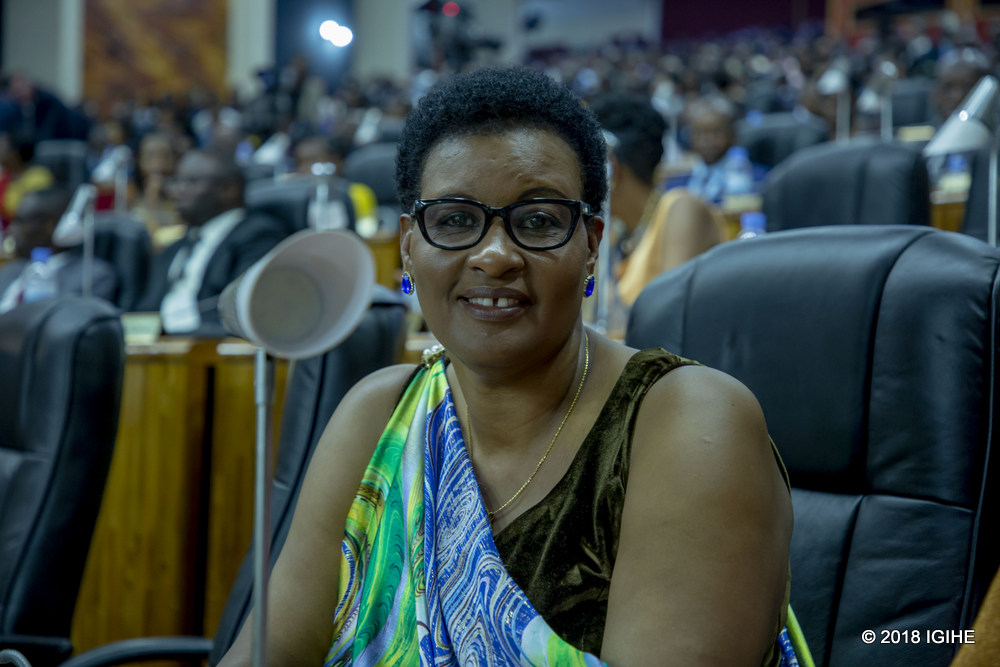
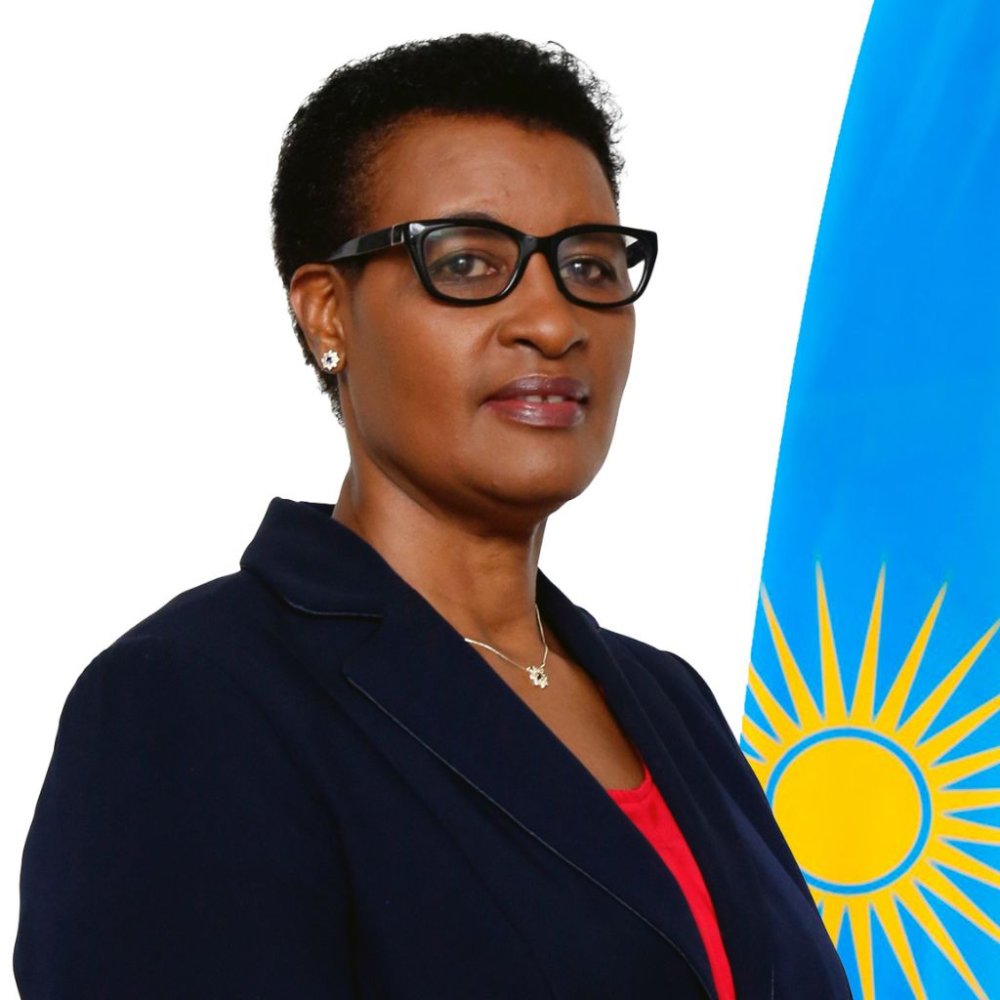
Senator Donatille Mukabalisa, who previously served as Speaker of Rwanda’s Chamber of Deputies, has died.
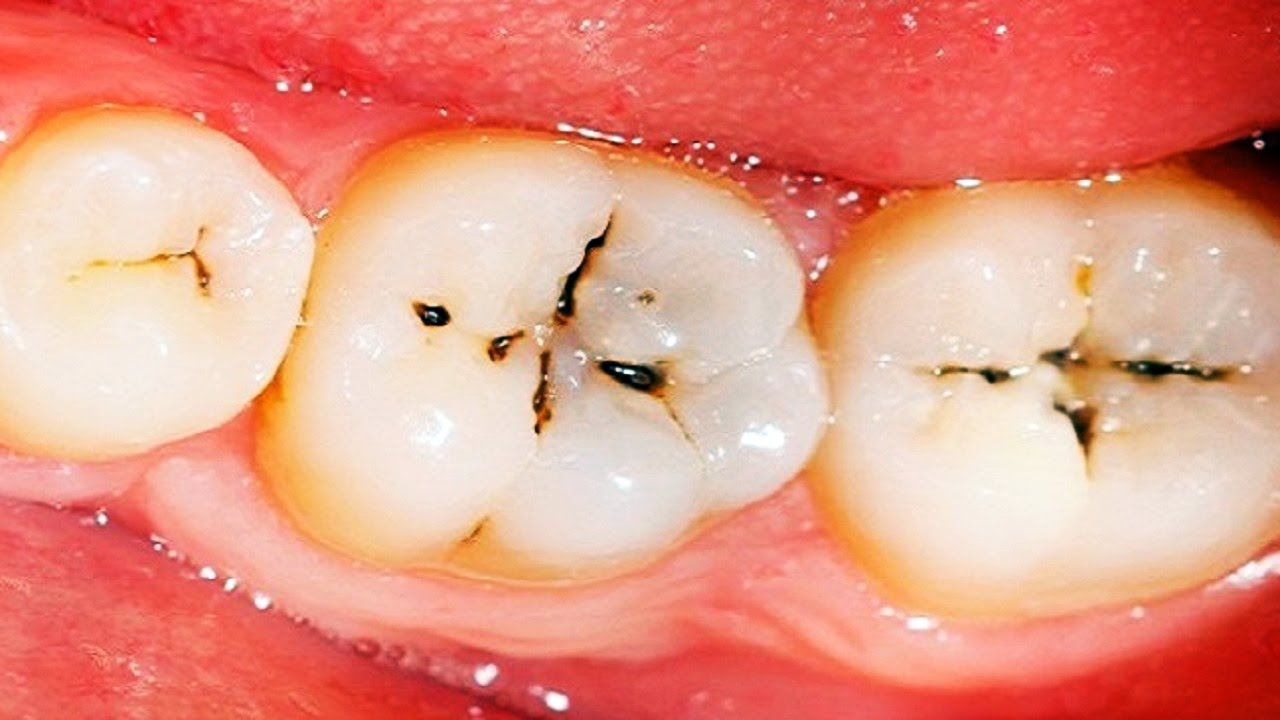
The treatment, known as silver diamine fluoride (SDF), was found to successfully slow down cavities in many young children, offering a less painful alternative to traditional dental procedures.
Researchers from the University of Michigan led a major clinical trial involving 830 children under the age of six to test the effectiveness and safety of the treatment. The findings were published in JAMA Pediatrics.
Unlike traditional cavity treatment, which usually requires dentists to remove damaged tooth material before placing a filling, SDF is simply painted directly onto the affected area using a small applicator.
The process takes only a few seconds per tooth and does not require drilling, injections or sedation, making it especially useful for young children who may struggle with conventional dental procedures.
The study found that applying a 38% SDF solution every six months stopped tooth decay from progressing in more than half of affected baby teeth among many children who received the treatment.
Margherita Fontana, a professor at the University of Michigan School of Dentistry and the study’s lead investigator, said the treatment was shown to be effective and safe even among children as young as one year old.
Tooth decay remains one of the most common chronic diseases affecting children. Untreated cavities can cause severe pain, infections, sleeping difficulties, eating problems and missed school days.
Researchers believe SDF could be particularly helpful for young children, older adults, people with disabilities, patients with dental anxiety and communities with limited access to dental care.
However, the treatment has one noticeable drawback. The silver in the solution permanently darkens the decayed part of the tooth, which may affect its appearance.
Scientists say the new findings could support efforts to gain wider approval and use of SDF as a treatment for tooth decay. The clinical evidence from the trial may help support a future application to the United States Food and Drug Administration for broader approval.
Researchers hope the treatment will allow more children to receive early care before cavities become painful or require complex procedures.
The discovery could represent a major step toward making dental treatment more accessible, affordable and less stressful, especially for children who fear traditional dental visits.
Researchers find faster, pain-free method to fight childhood tooth decay
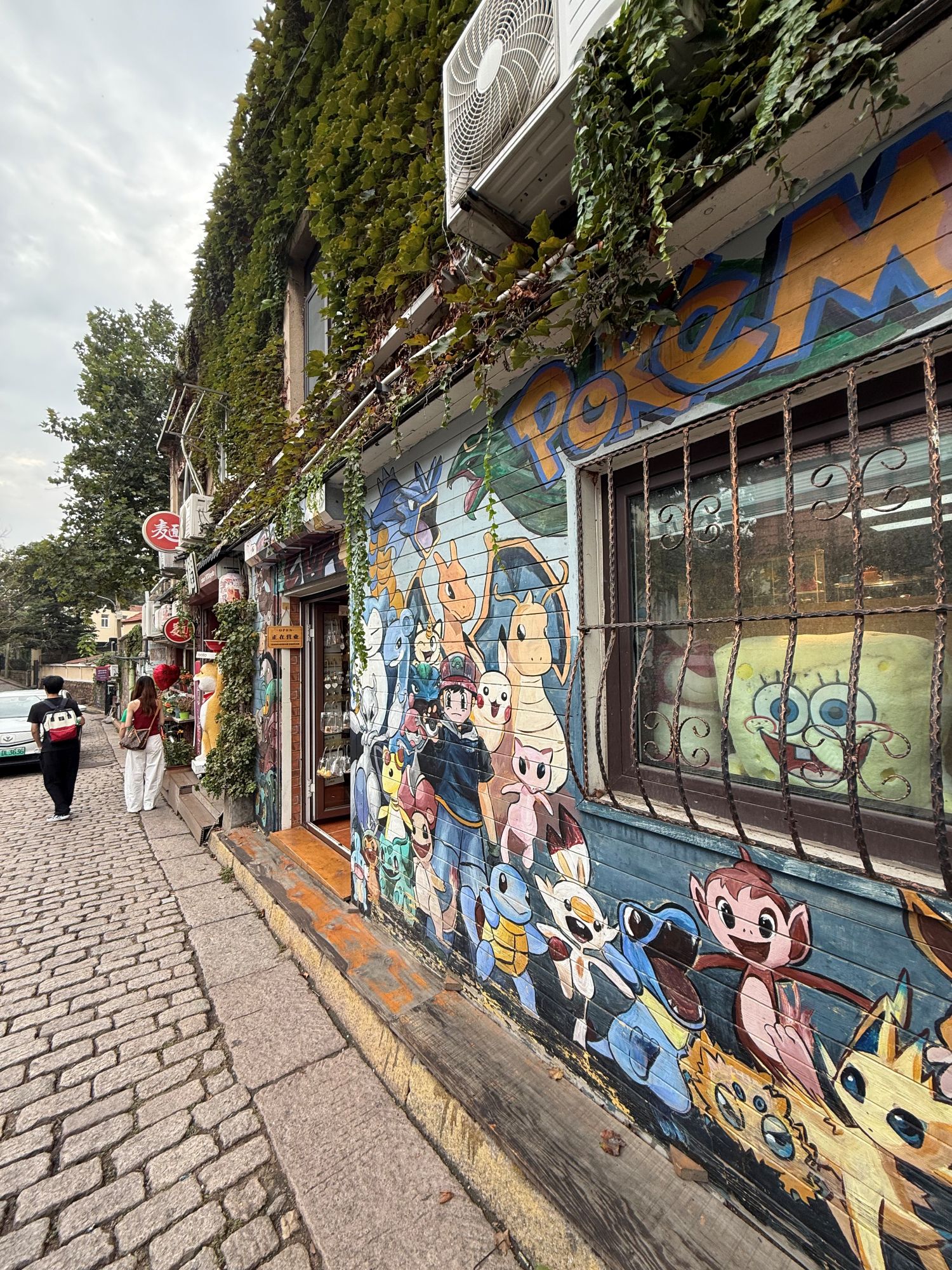
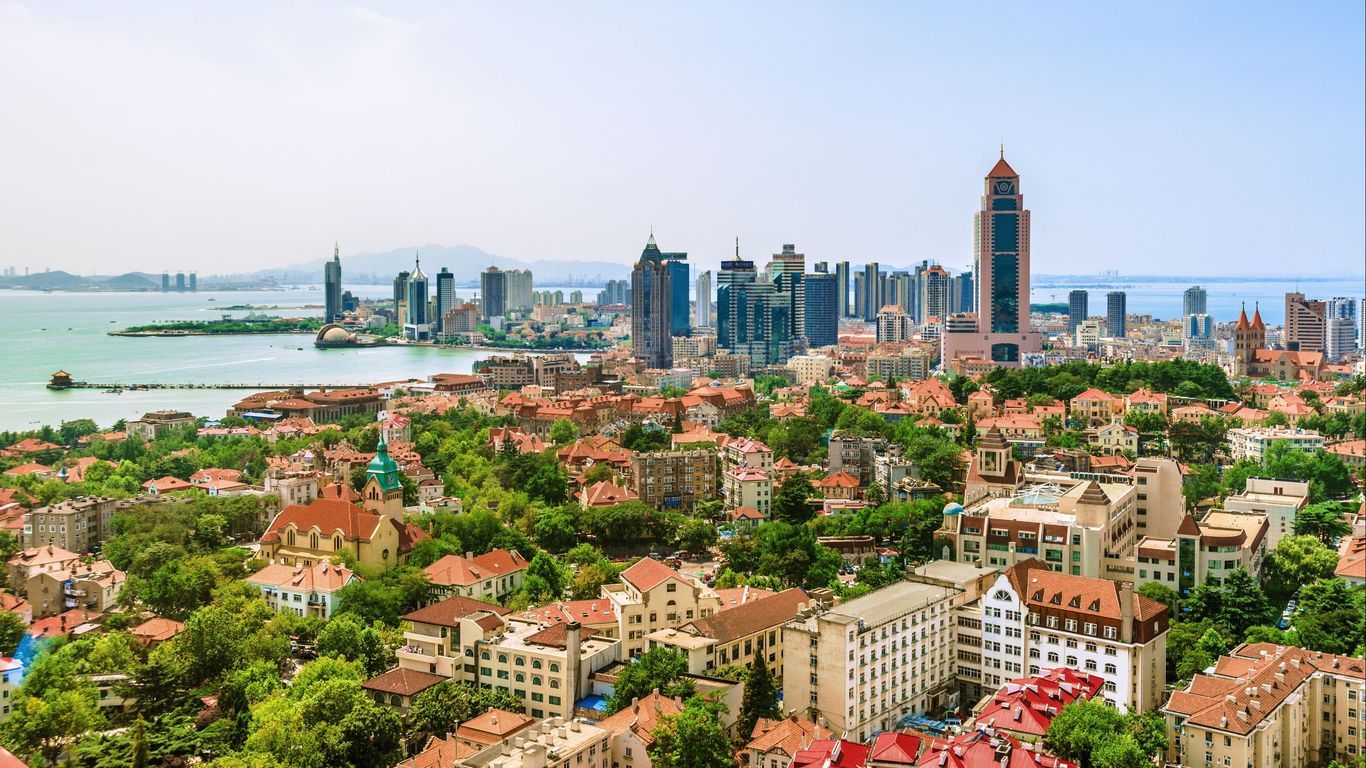
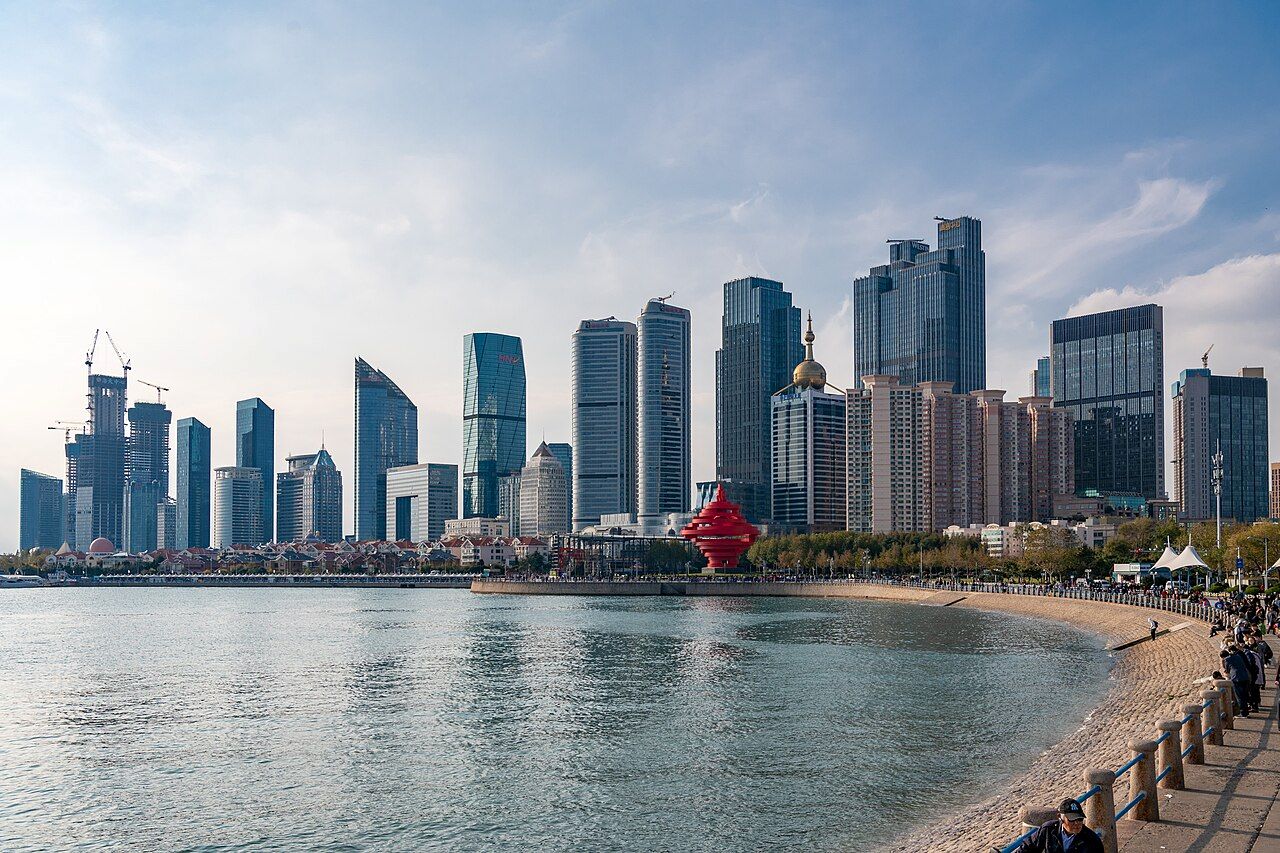
Instead, it greets you with the crisp, briny breath of the Yellow Sea, an omnipresent maritime horizon, and an urban landscape that feels simultaneously ancient, avant-garde, and deeply international. Walking through its streets, one is immediately struck by its unique, multi-layered identity.
It is a vibrant, fun, and extraordinary city, serving as a clean and green coastal destination that has systematically integrated ecological preservation with aggressive urban development.
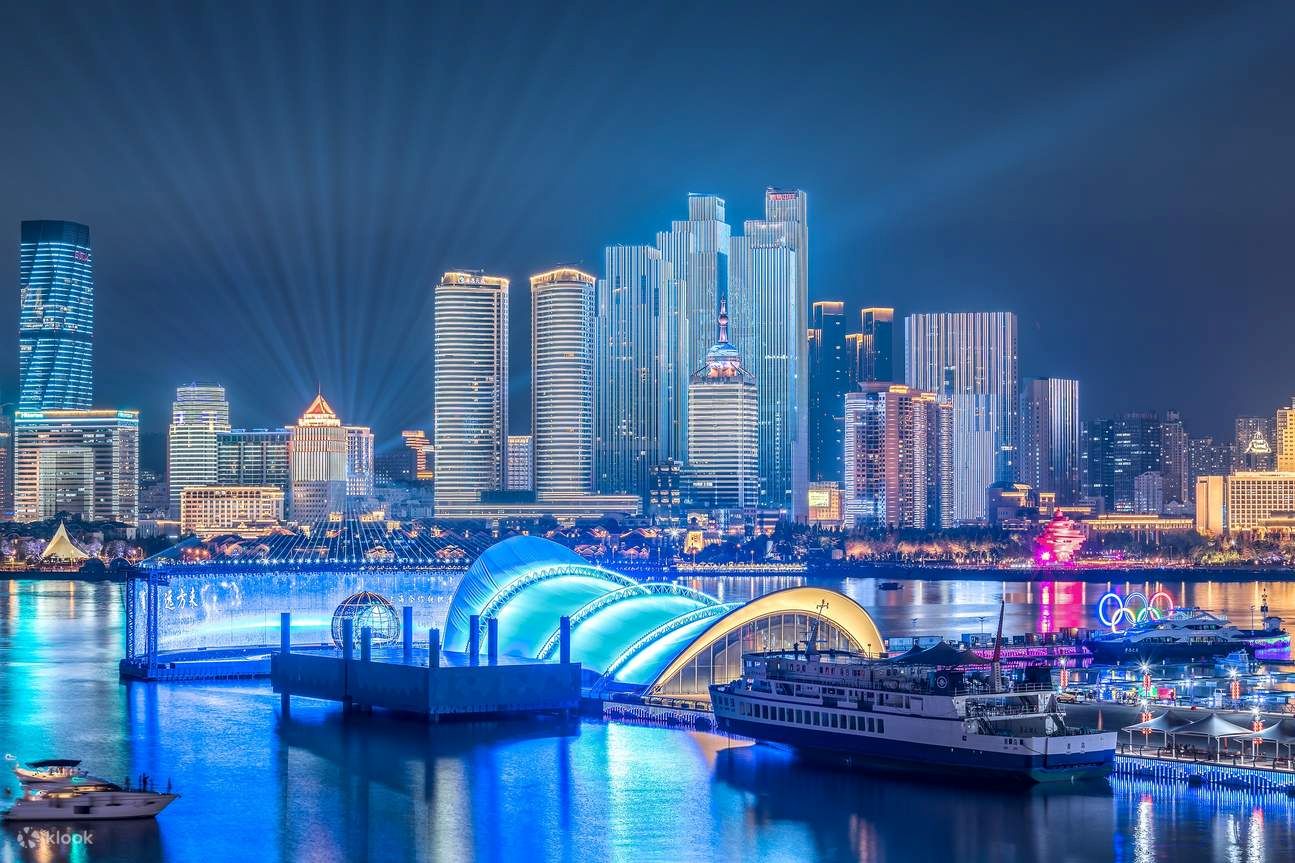
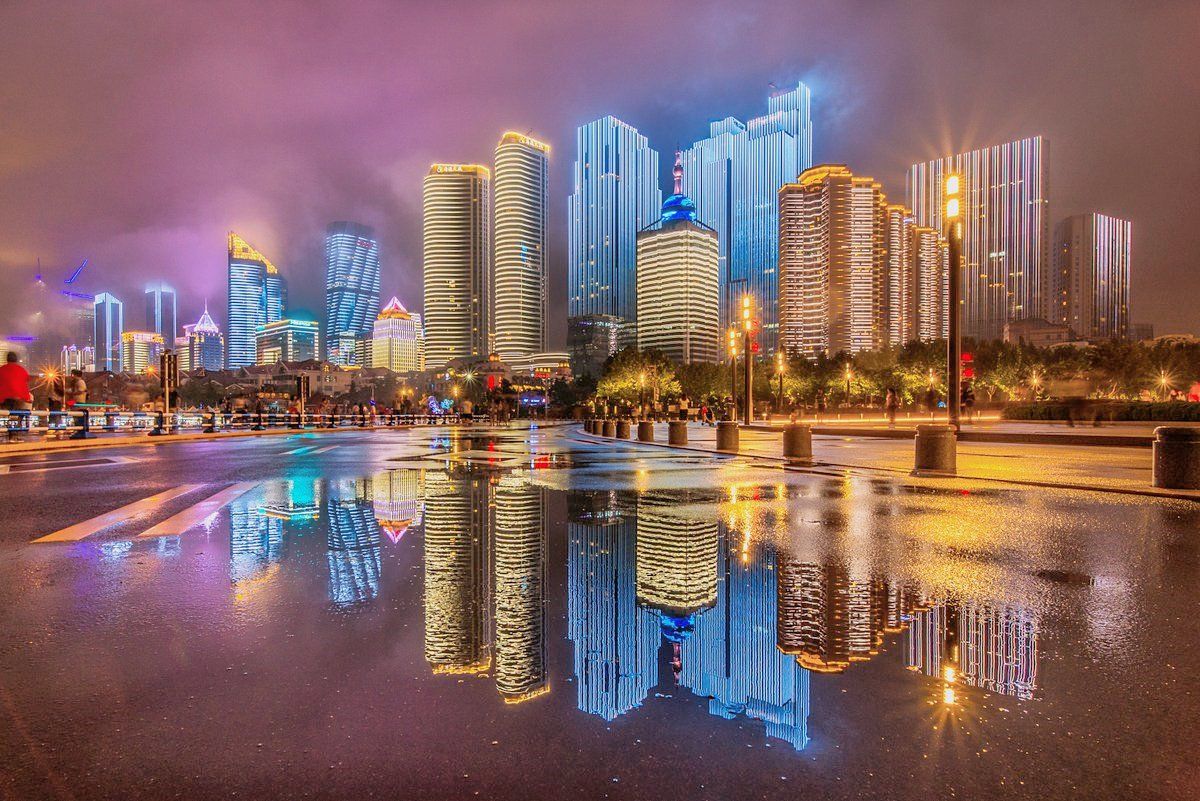
As evening falls, the vibrant streetscapes come alive with a distinct maritime energy, echoing the dynamic rhythm of a city that has spent decades keeping its doors open to the world.
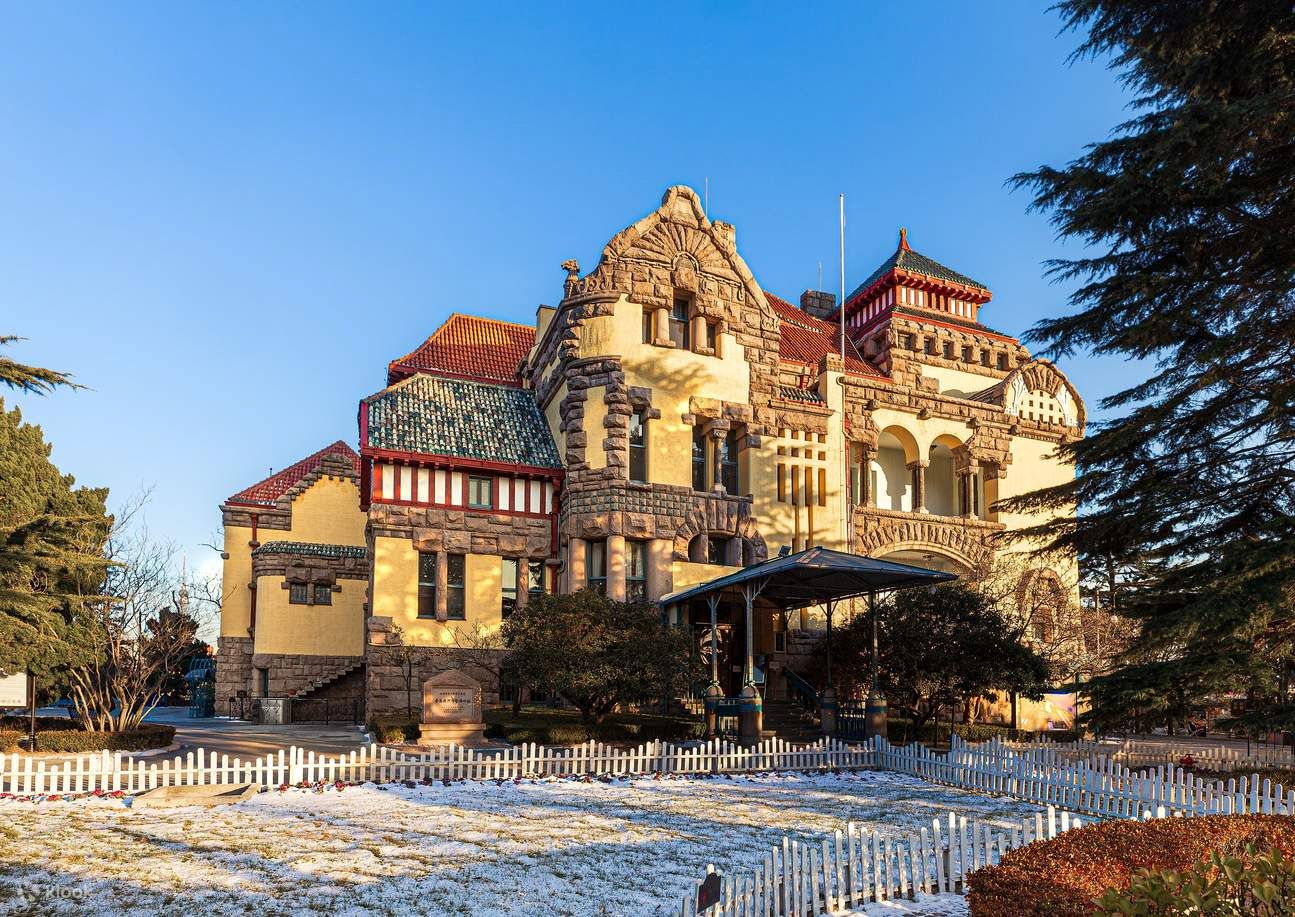
Returning this summer for the 2026 Qingdao International Beer Festival, my journey began in the historic core of the Old Town, standing before the red-roofed, granite-walled structures of the former German Governor’s Residence. The architectural relic stands as a quiet witness to a complex past.
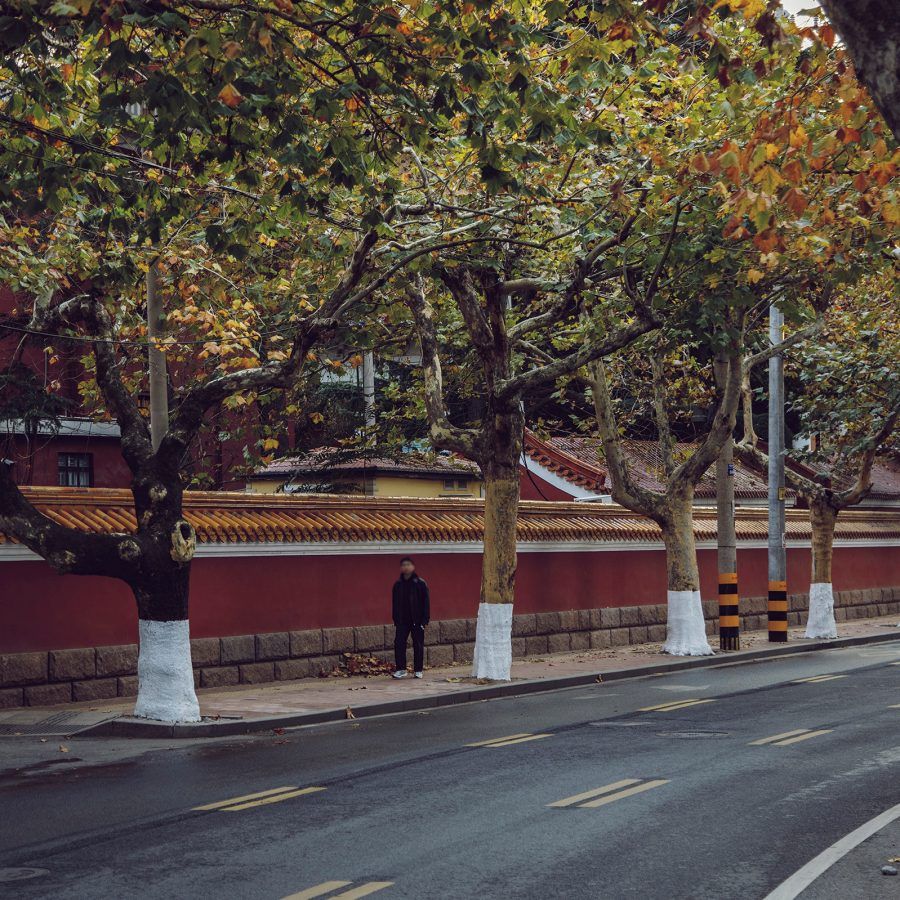
A short walk away lies Daxue Road, where the iconic red walls of the old university campus are flanked by towering plane trees and an eclectic array of independent coffee shops. Transitioning to the contemporary, I found myself at the Qingdao Sailing Olympic Center. Built for the 2008 Olympics, the marina remains a bustling hub of international yachting events.
Yet, the city’s international openness is not confined to its coastline. Venturing into the suburban valleys nestled beneath the sacred peaks of Mount Lao, I explored Qingdao’s burgeoning boutique wineries. It was during these visits that the true mechanism of Qingdao’s global identity became crystal clear.
The red-roofed, granite-walled facade of the former German Governor’s Residence in Qingdao’s Old Town stands as a quiet witness to the city’s complex historical past.
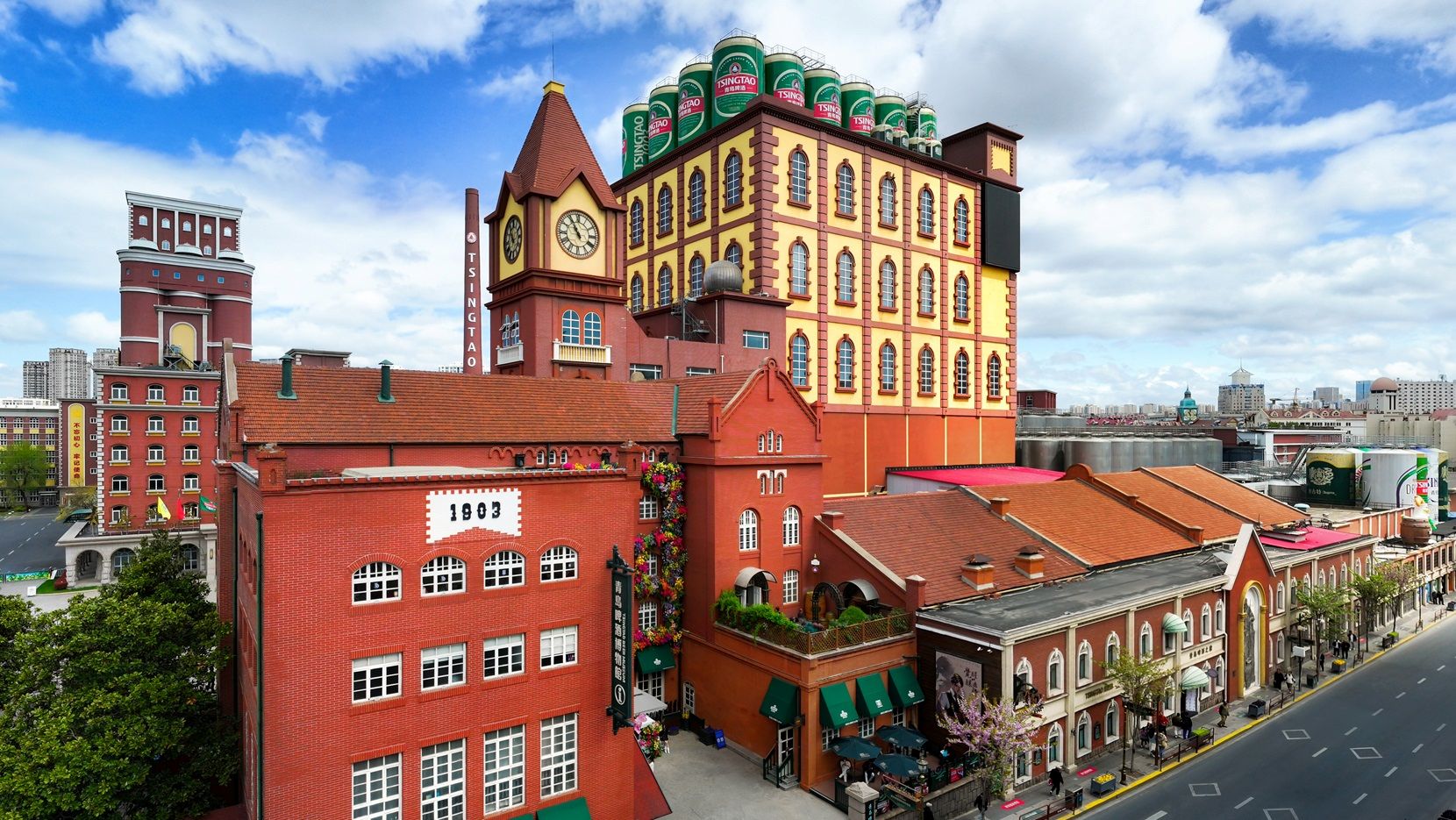
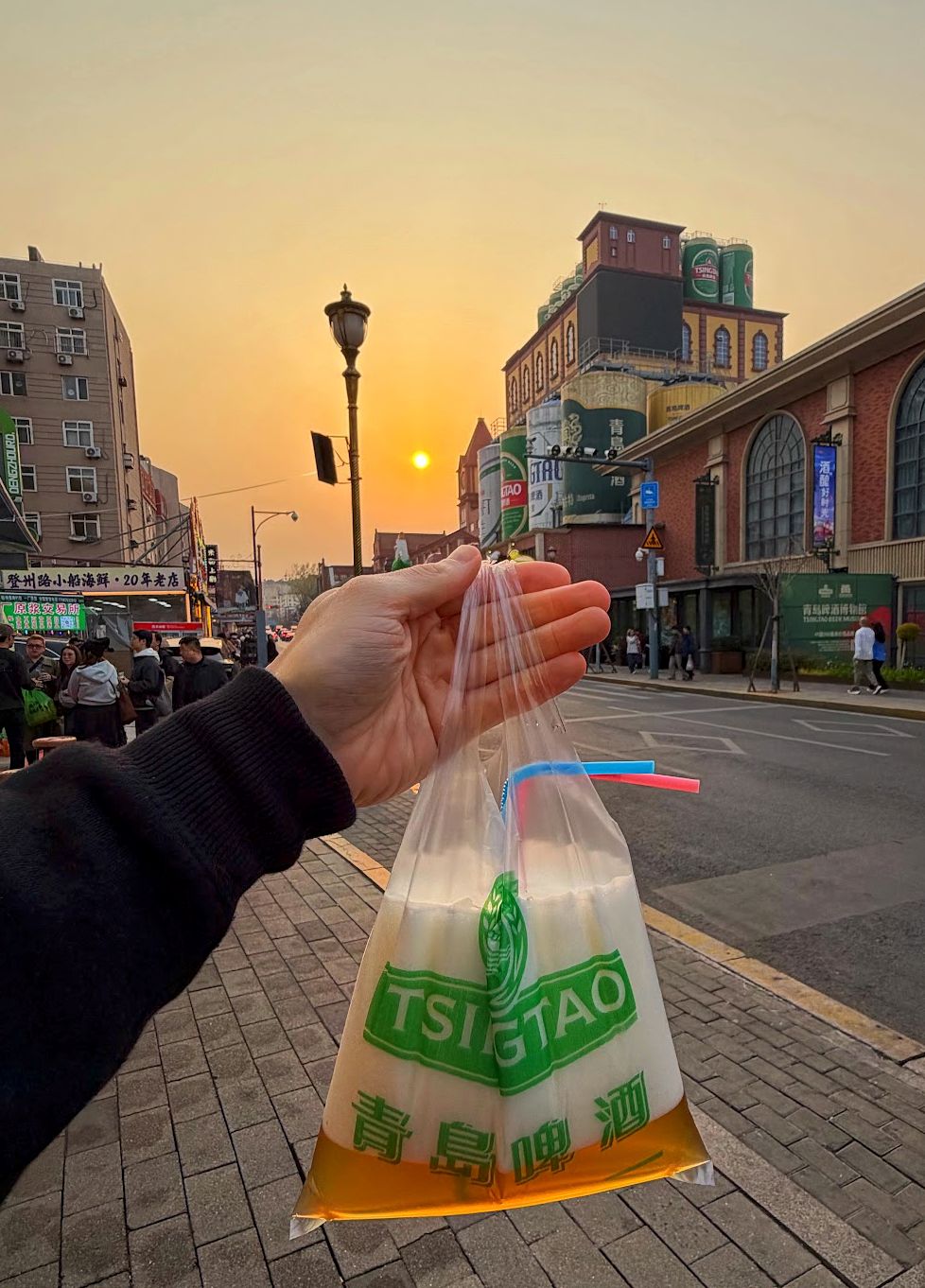
Among all of Qingdao’s diverse symbols, the iconic green bottle of Tsingtao Beer has become the strongest vehicle carrying the city’s image to the world. The festival is not merely a celebration of beer; it is a strategic cultural and economic platform through which Qingdao has expanded its openness, strengthened its international identity, and created opportunities for global engagement, including emerging connections with Africa.
The timeless green bottle of Tsingtao Beer remains one of the world’s most recognizable cultural symbols, acting as a direct link between the coastal city and international consumers.
To understand the scale of the festival today, one must travel back to the late 1980s and early 1990s. China was deep in the throes of its transformative Reform and Opening-Up period. Across the country, local municipal governments were fiercely competing to attract foreign direct investment and boost tourism.
Qingdao found its signature urban celebration hiding in plain sight within the amber depths of Tsingtao Beer. On January 17, 1991, the Qingdao Municipal Government officially issued the notice to hold the event, and on June 23, 1991, the inaugural festival opened its gates at Zhongshan Park.
The decision-makers of the era explicitly laid out a two-pronged founding vision, stating that the goals were to further enhance the global reputation of Tsingtao Beer and to use the beverage as a medium to rapidly expand Qingdao’s openness to the outside world. Internationalization was deliberately embedded into the festival’s genetic code from day one.
Over the course of more than thirty-five years, the festival has evolved into a national-level mega-event. From an economic perspective, the growth trajectory is staggering. In its inaugural 1991 edition, the festival welcomed 300,000 visitors.
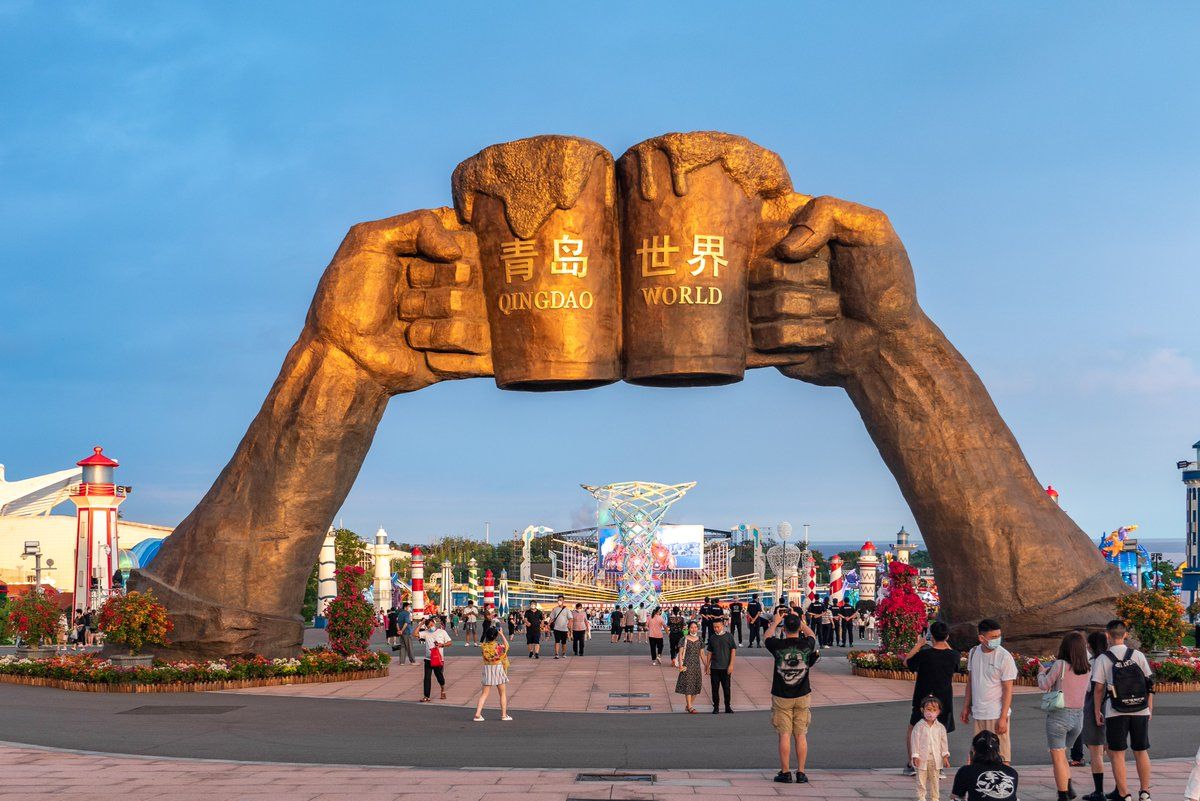
The sprawling West Coast venue of the 2026 Qingdao International Beer Festival, a mega-event drawing millions of visitors to celebrate global openness.
By the 35th edition held in 2025, the city received 22.48 million tourists over the course of the festival, generating 18.03 billion RMB in direct urban consumer spending. This economic engine drives the entire region, boosting hospitality, transit, restaurants, retail, and local industrial supply chains.
Beyond hard currency, the festival has fundamentally reshaped Qingdao’s international reputation. In 2005, the International Festivals and Events Association ranked the event first among China’s Top Ten Most Internationally Influential Festivals.
In 2021, Qingdao was formally awarded the prestigious title of China’s Beer Capital, standing shoulder-to-shoulder with world-renowned celebrations like Munich’s Oktoberfest as a tool for city diplomacy. At the same time, the festival has maintained a democratic, people-first ethos.
From the 11th to the 28th editions, ticket prices did not increase for 18 consecutive years, and since the 29th edition, admission has been completely free, ensuring the celebration belongs to ordinary citizens and visitors alike.
The summer of 2026 marks the historic 36th edition of the Qingdao International Beer Festival. The festival opened on July 17, 2026, and will run for 30 days until August 15, 2026, under the theme “Qingdao Cheers with the World.” To accommodate millions of visitors, this year’s edition is adopting a city-wide synergy model, featuring three main venues across the West Coast, Laoshan District, and Qingdao Old Town.
The scale is historic, bringing together over 2,300 domestic and international beer brands alongside more than 2,000 special events. The West Coast venue alone expects 7 million visitors, 3,000 tons of beer consumption, and an estimated 7.8 billion RMB in regional tourism revenue.
Guiding visitors through this massive footprint is the official zodiac mascot, Maxia, a playful horse design representing energy and the swift expansion of international friendship.
Built for the 2008 Summer Games, the Qingdao Sailing Olympic Center remains a premier marina and a physical manifestation of the city’s modern global ambitions.
Why does Qingdao continue to pursue the world, and why should the world pay attention? The festival creates a global cultural agora, an international space for brand participation, foreign tourists, and cross-cultural exchange. As early as the 5th edition in 1995, beer brands from every single continent except Africa were participating.
In 2019, Qingdao elevated its institutional diplomacy by establishing the International Beer Festival Alliance Cooperation Mechanism with representatives from the Munich, Denver, and Toronto beer festivals, turning the event into a global conversation.
In 2026, this openness has translated into highly practical, friction-free services. The festival executed a targeted campaign to bring 10,000 Korean tourists to the event, integrated 7 international e-wallet payment systems for foreign visitors, and provided comprehensive multilingual signage and tax refund services for departing international guests.
The most compelling dimension of the festival’s contemporary trajectory is its expanding connection with the African continent. In December 2019, the Tsingtao Beer Group launched the first stop of its Tsingtao Beer Festival Along the Silk Road initiative in Monrovia, Liberia.
The event attracted thousands of local participants, fostering people-to-people connectivity. Liberian officials expressed high hopes that it would serve as a permanent platform for future cultural and commercial cooperation between Liberia and China.
Conversely, the domestic festival grounds have long welcomed African participation. As early as the 20th edition in 2010, African Golden Antelope Beer was exhibited, and the festival has previously set up dedicated African zones to highlight continental brands.
In the current 2026 festival, international guests include an Ethiopian traveler named El, who joined visitors from Russia, Germany, and New Zealand on the festival floor. Looking ahead, Africa represents an emerging opportunity and growing connection for Qingdao.
Future cooperation can be strategically expanded through agricultural trade, food and beverage industries, tourism, youth exchange, and business partnerships within the Belt and Road framework.
The festival represents how a city can use culture, business, and shared experiences to expand its openness and build stronger connections with the world. Ultimately, the Qingdao International Beer Festival is not about beer alone. It is about openness, friendship, cooperation, and the profound belief that a city can communicate beautifully with the global community through culture.
Beyond its bustling international port, the city is celebrated as a clean, green coastal destination that balances rapid urban development with dedicated ecological preservation.Sleek boardwalks and luxury catamarans at the Olympic Sailing Center anchor Qingdao as a vibrant hub for international maritime events and contemporary trade.The crisp, briny breeze of the Yellow Sea sweeps across Qingdao’s coastline, offering a daily reminder of the city’s deep maritime roots and open horizons.Towering plane trees cast shade over the iconic red walls of Daxue Road, a bustling hub for Qingdao’s intellectual and creative youth.
His remarks come amid heightened public attention over misconduct involving students from the larger Sudanese community. While the majority of the recent cases have involved South Sudanese students, including criminal prosecutions and deportations, Sudanese students have also been implicated in some incidents, prompting the Sudanese Embassy to step up engagement with its community.
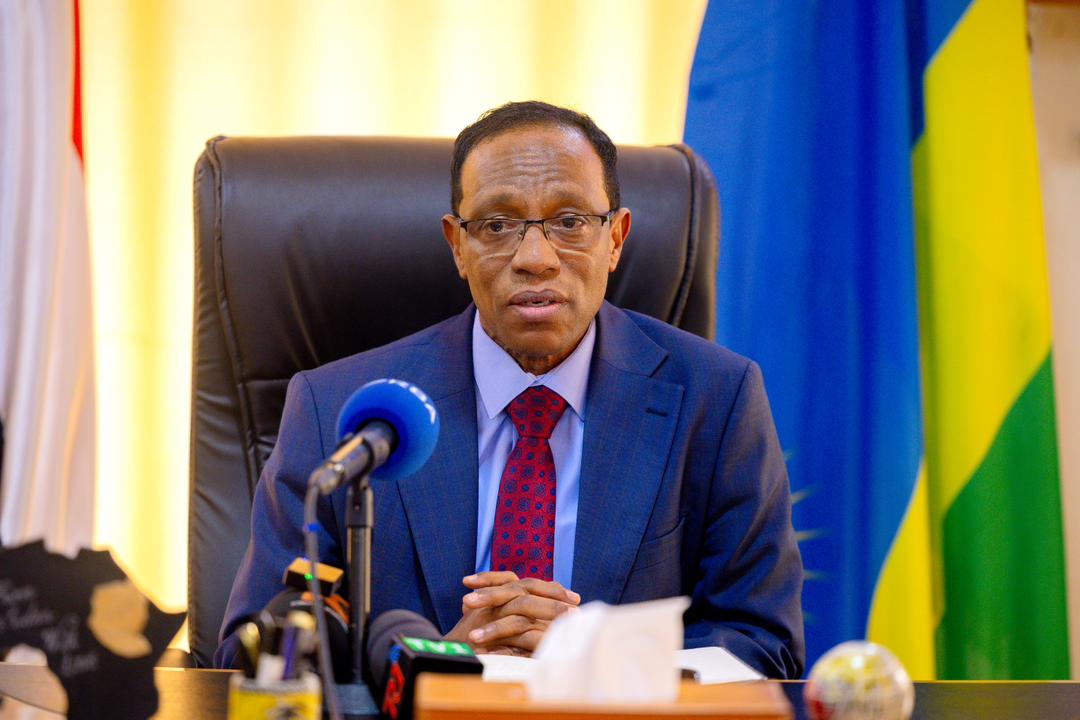
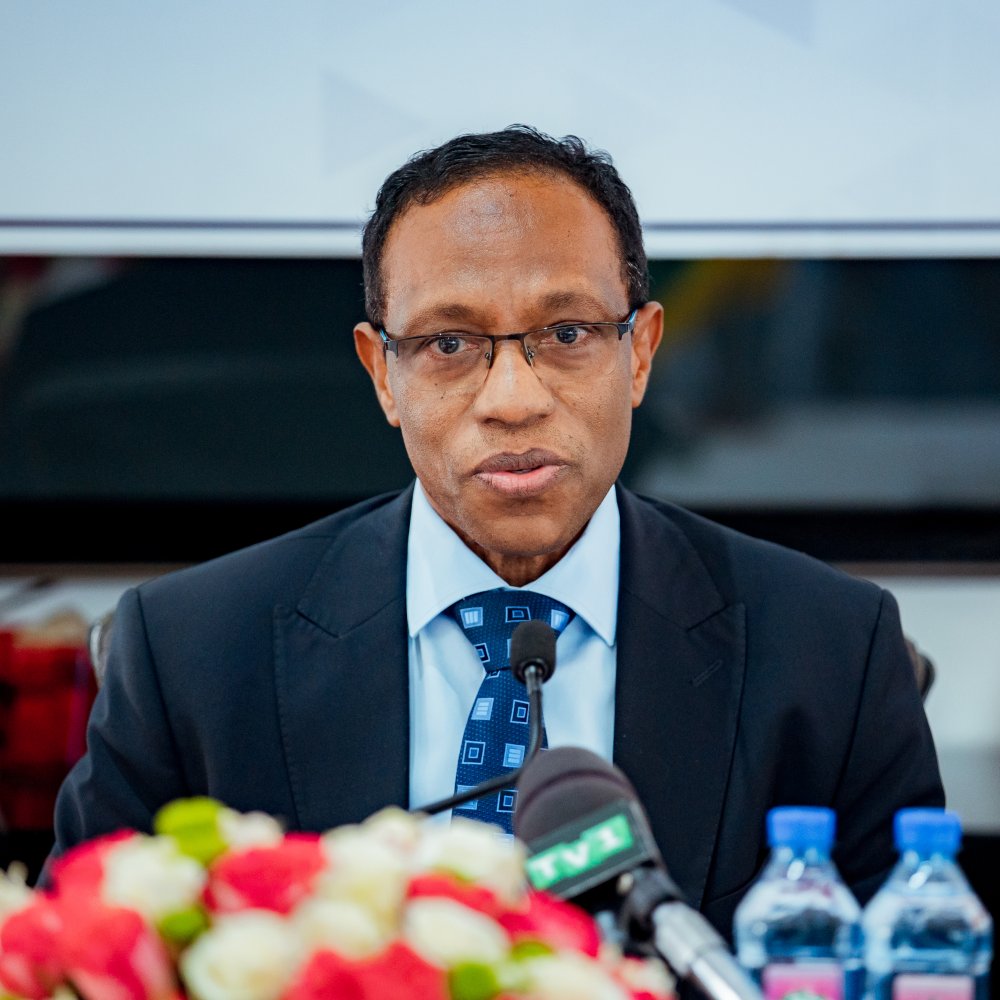
Speaking to IGIHE on the sidelines of Umuganda in Jabana Sector, Gasabo District, where more than 150 members of the Sudanese community joined local residents for Rwanda’s monthly community service, the ambassador said the embassy was taking the reported incidents seriously and had intensified outreach to students across the country.
“We are aware, and we are following the matter,” the ambassador said when asked about recent reports of violence involving Sudanese students.
“When you have 4,000 students, and there are five or six cases, the proportion is not alarming. But we are concerned about any kind of violence. We encourage and teach our community to abide by the law, respect local law enforcement, and respect the rules.”
The ambassador said the Sudanese community in Rwanda comprises about 5,000 people, around 4,000 of whom are students enrolled in six universities across the country.
He emphasised that the “isolated” incidents should not be viewed as representative of the wider Sudanese community, noting that most Sudanese nationals in Rwanda are contributing to the country’s development through business and investment. The envoy said the community has invested more than $25 million in sectors including real estate, education, agriculture, and oil and gas, underscoring its positive contribution to the country’s economy.
“We are visiting our students on campuses, meeting with vice chancellors of the universities, and working with our student association to provide guidance, instruction, education, and training on respecting the law and cooperating with local law enforcement,” he remarked.
“These are absolutely isolated cases. They do not reflect the true values and ethics of the Sudanese community. We are taking care of it and are confident it will not be repeated.”
The ambassador also appealed directly to Sudanese nationals living in Rwanda to show their appreciation for the opportunities they have been given by respecting the country’s laws, particularly at a time when the war in Sudan has displaced many people and forced them to seek refuge abroad.
“Rwanda, under the leadership of His Excellency President Paul Kagame, opened its doors for all Africans, including Sudanese. We are here to learn through education and from the community,” he said.
“My message to my fellow citizens and students is that we should pay back to the community by respecting the law, abiding by the law, cooperating with law enforcement agencies, and reflecting the best values of Sudanese culture while here.”
He encouraged students to take the positive lessons they acquire in Rwanda back to Sudan after completing their studies.
Among the recent cases attracting public attention is that of a South Sudanese student accused of assaulting a university lecturer following a dispute over examination marks. Prosecutors are seeking a three-year prison sentence, while the court is expected to deliver its verdict on July 31. Rwanda also deported eight South Sudanese students from INES Ruhengeri after they were accused of offences including theft, assaulting motorcycle taxi operators, intimidating residents and carrying bladed weapons.
Ahmed Soufiane Abdalla, a second-year data science student at Kigali Independent University, apologised to Rwandans over the recent incidents involving members of the Sudanese community.
“We sincerely apologise to the Rwandan people and the Rwandan government for what has been happening recently,” he said.
He attributed some of the challenges facing Sudanese students to the psychological effects of the ongoing war in Sudan and inadequate awareness of Rwandan laws among newly arrived students. He suggested that universities, student associations and the embassy provide legal orientation to students during their first days in Rwanda to help prevent future incidents.
During the Umuganda event, the ambassador said participation by the Sudanese community was intended to strengthen ties with Rwandans, learn from the country’s homegrown development initiatives and reaffirm that Sudanese nationals are committed to making a positive contribution to their host country.
“We are not aliens. We are African brothers and sisters. We are here to participate, to contribute positively, and to learn from Rwanda’s good practices,” he stated.
The Ambassador of Sudan to Rwanda, Khalid Musa Dafalla Musa, has spoken out on recent incidents involving Sudanese students in Rwanda, stressing the importance of lawful conduct and calling on all Sudanese nationals to respect Rwandan laws and maintain positive relations with their host communities.
The country is the world’s largest producer of cocoa, the essential raw material used in making chocolate and other related products.
Covering an area of 322,463 square kilometres, Côte d’Ivoire is home to more than 33 million people. It shares borders with five countries: Ghana to the east, Liberia and Guinea to the west, Mali to the north, and Burkina Faso to the north-east.
French is the official language and the most widely spoken language in Côte d’Ivoire.
The country is also home to numerous local languages, including Baoulé, Dioula, Dan, and Yacouba, among others. These indigenous languages are mostly spoken within specific communities and regions, while French serves as the main language of communication across the country.
For foreigners who do not speak French, adapting to life in Côte d’Ivoire can be challenging, as English is not commonly spoken by a large part of the population.
Economically, Côte d’Ivoire is one of the strongest economies in West Africa, with a gross domestic product (GDP) exceeding $95.4 billion. The average income per person is estimated at more than $2,900 annually.
The services sector remains the largest contributor to the country’s economy, accounting for about 51 per cent of GDP. It is followed by industry, which contributes nearly 24 per cent, while agriculture accounts for approximately 17 per cent.
Agriculture remains a key pillar of Côte d’Ivoire’s economy, with the country producing a wide range of agricultural products, including palm oil, cashew nuts, cotton, coffee, and other crops. However, cocoa remains its most important agricultural export.
Côte d’Ivoire produces approximately 40 per cent of the world’s cocoa supply, making it the largest cocoa-producing country globally. The cocoa beans grown across the country are mainly used in the production of chocolate, making Côte d’Ivoire a crucial player in the international chocolate industry.
The official currency used in Côte d’Ivoire is the West African CFA franc (XOF). One US dollar is equivalent to approximately 576 CFA francs.
Beyond its economic importance, Côte d’Ivoire is also known for its unique cuisine. One of the country’s most popular traditional dishes is Attiéké, a meal prepared from cassava. The cassava is first soaked in salty water and mixed with previously prepared Attiéké, which helps with fermentation. It is then pressed, dried, packed, and cooked through steaming in hot water.
Attiéké is commonly served with fish and vegetables. Other popular Ivorian dishes include Alloco, made from fried plantains cooked in palm oil; Foutou (Fufu), a cassava-based staple; Kedjenou, Garba, and many other traditional meals.
Fish is the most widely consumed animal-based food in Côte d’Ivoire. However, around 70 per cent of the fish consumed in the country is imported because local fishing activities have not yet developed enough to meet domestic demand.
Religiously, Côte d’Ivoire is a diverse nation, with Islam being the largest faith practiced by about 42.5 per cent of the population. Christians represent around 39.8 per cent, including Catholics who account for approximately 17 per cent, while the remaining population follows other religions.
The spread of Islam in Côte d’Ivoire is largely linked to Arab traders who travelled from North Africa to West Africa between the 14th and 15th centuries through trans-Saharan trade routes. Their movement contributed significantly to the expansion of Islamic influence across the region.
Today, Côte d’Ivoire stands as one of Africa’s most influential economies, combining agricultural strength, cultural diversity, and natural resources that continue to shape its role on the global stage.
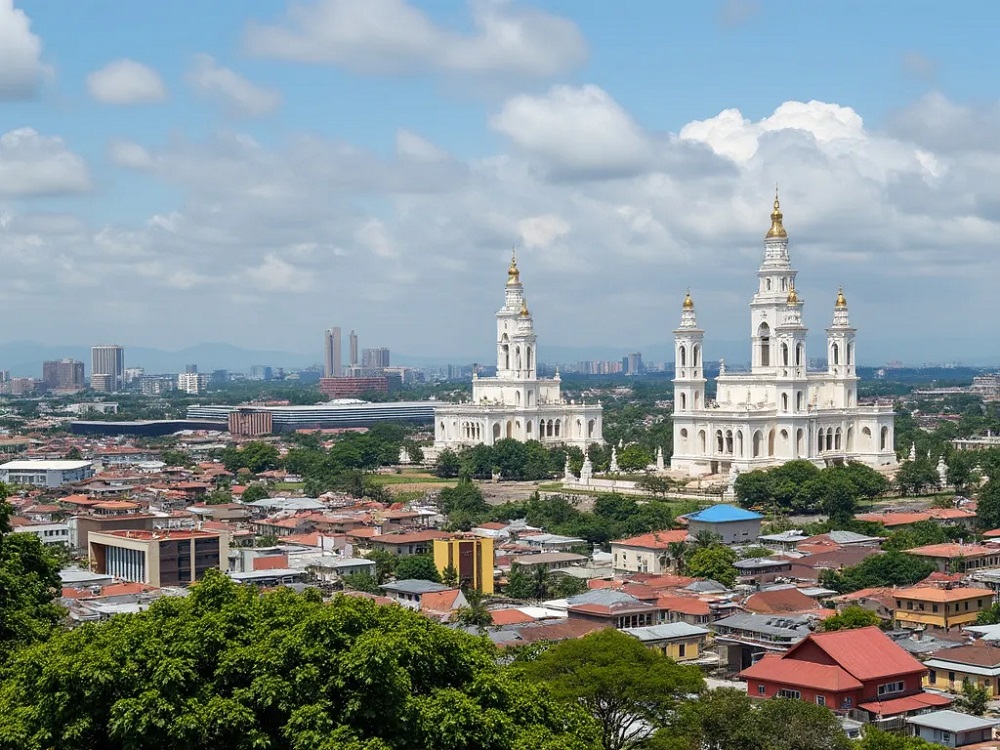
The Notre-Dame de la Paix Cathedral is one of the most important landmarks and tourist attractions in Yamoussoukro.
Following the decline of the Mali and Songhai Empires, Arab traders known as Dyula or Jula migrated to northern Côte d’Ivoire, where they introduced trade practices and promoted the teachings of Islam. Their influence contributed to the development of important Islamic cultural centres, including Bondoukou and Bouna, which remain significant areas of Islamic heritage in the country.
Côte d’Ivoire gained independence in 1960 after decades of French colonial rule that began in 1893. However, French traders had already arrived in the region as early as the 15th century, initially engaging in commercial activities before colonial administration was established.
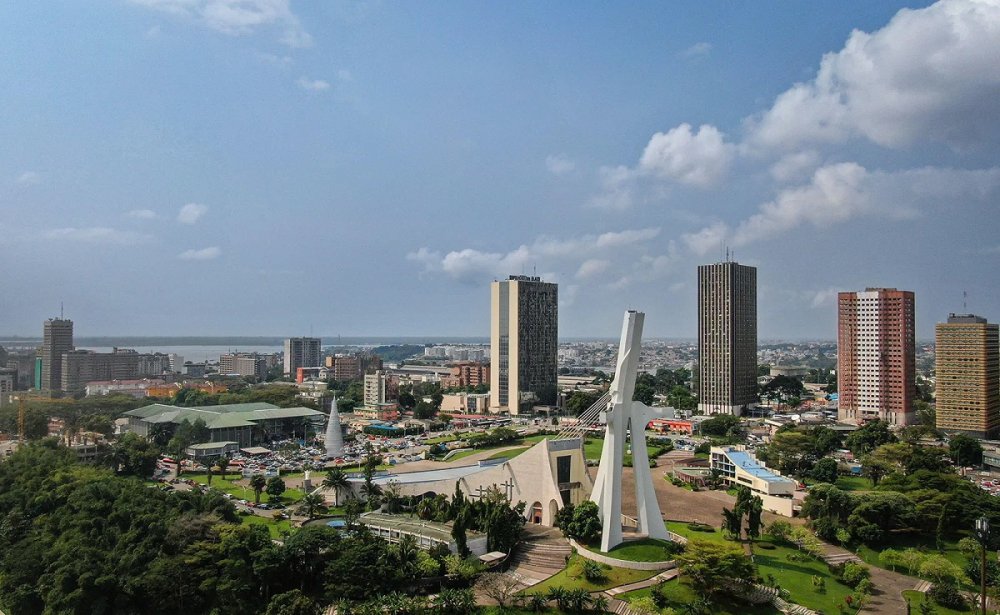
Today, Côte d’Ivoire has two major cities that play different roles: Abidjan, which serves as the country’s economic and commercial hub, and Yamoussoukro, the political capital.
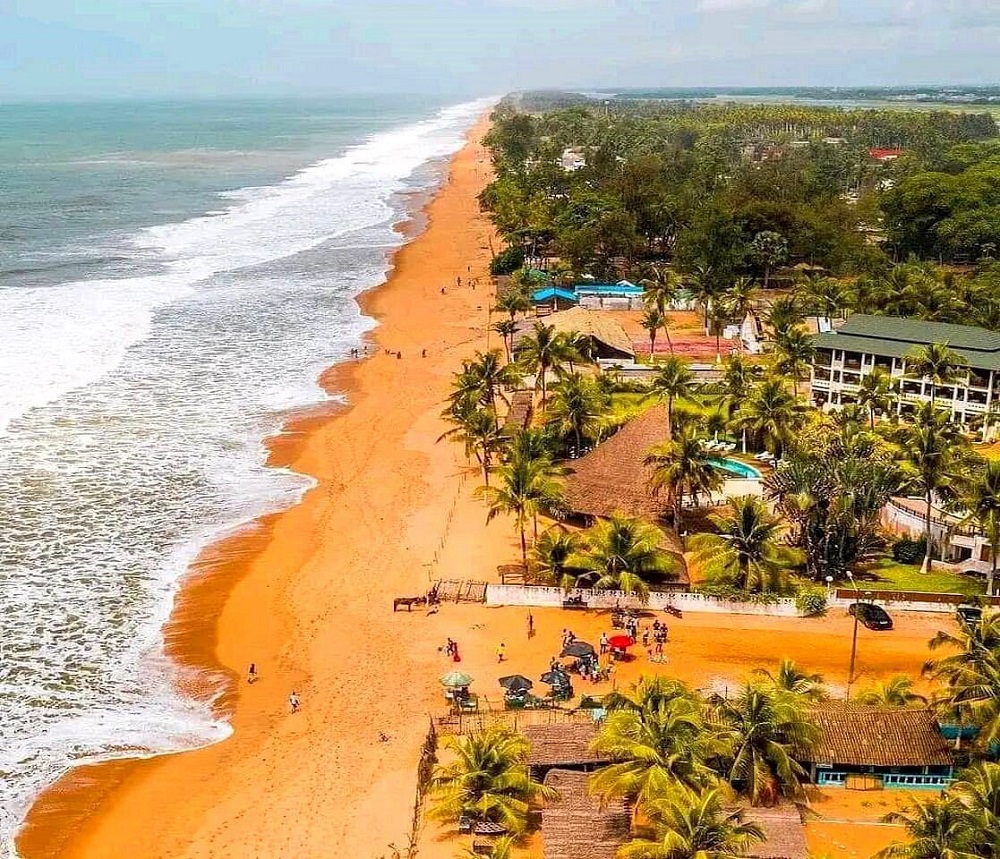
Abidjan is a coastal city located along the Atlantic Ocean and is also home to the Ébrié Lagoon, a large water body that runs through the city. Its unique location has contributed to the development of beautiful beaches and coastal attractions, including Assinie Beach, Grand-Bassam, Jacqueville Beach, and other popular destinations.
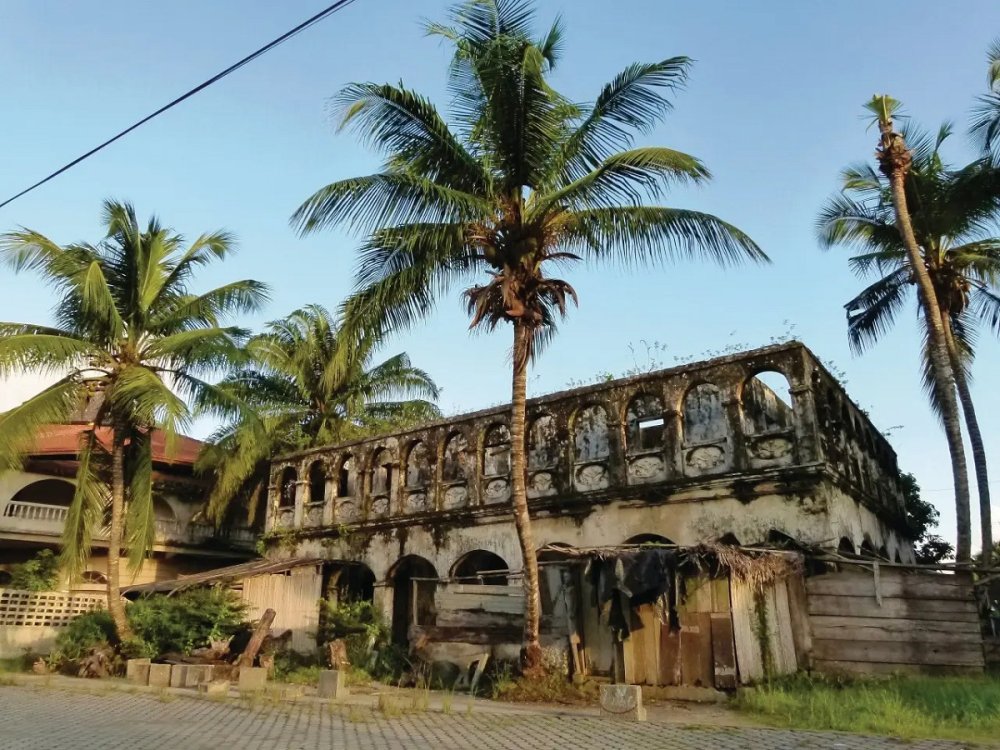
The city’s growth was largely influenced by its historical role as a major port through which goods from Africa were transported to France. The French developed Abidjan extensively and also established Grand-Bassam, which was later designated as the capital of French colonial territories in the region.
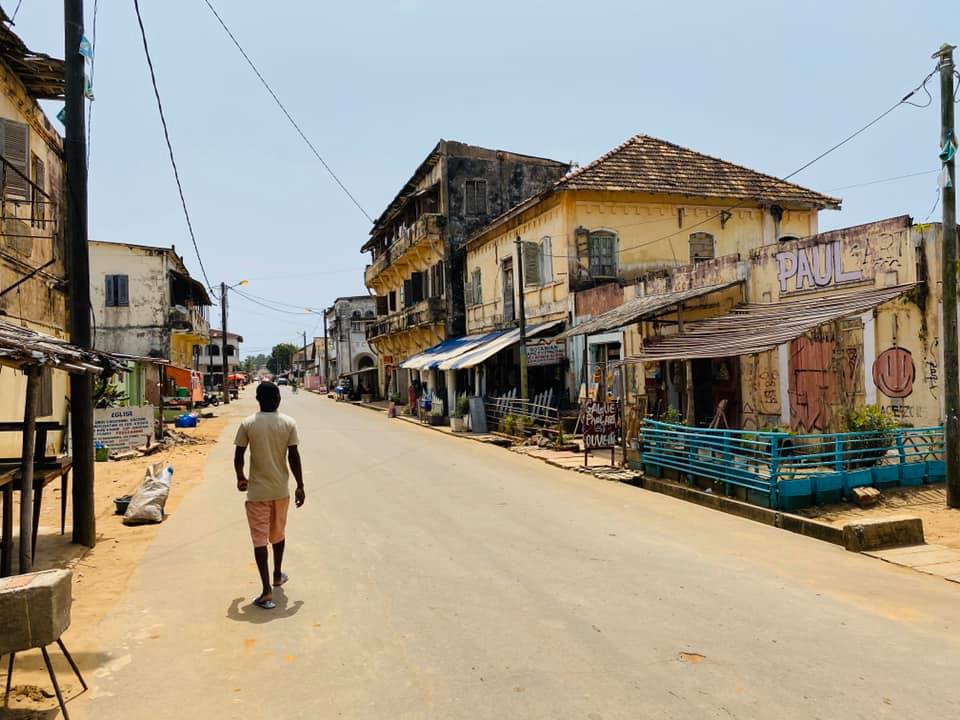
Today, Grand-Bassam has been recognised by UNESCO as a World Heritage Site and remains one of Côte d’Ivoire’s most visited tourist destinations. The city still preserves colonial-era buildings that reflect French architecture, lifestyle, and the history of the colonial period.
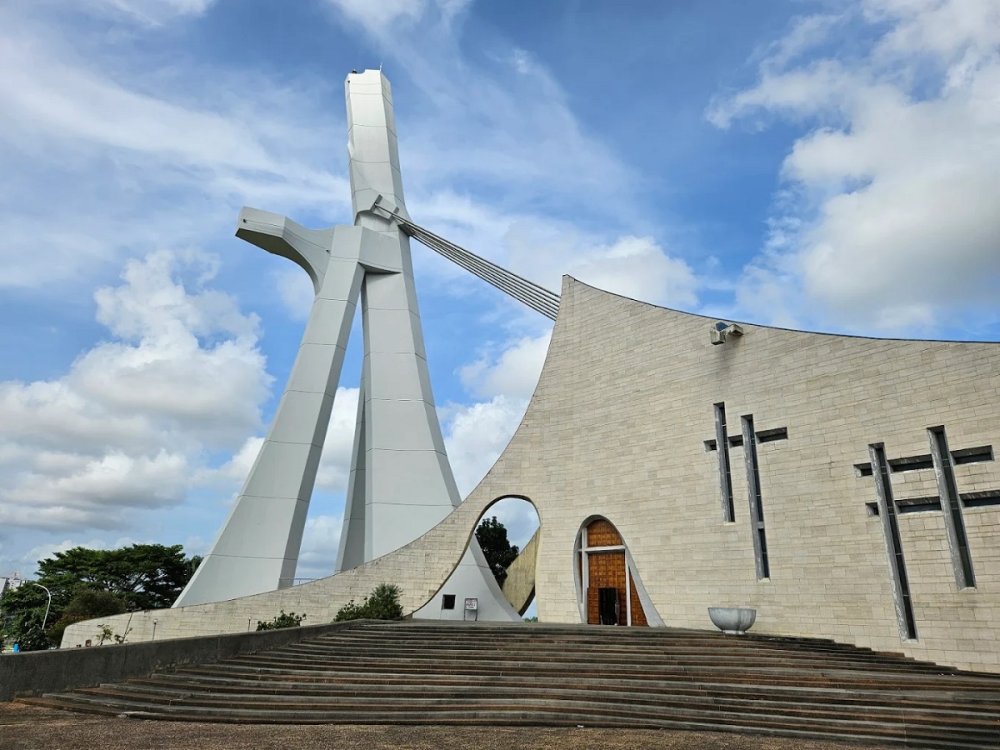
Abidjan is also home to the St Paul’s Cathedral, built in 1985, which is considered one of the most modern architectural cathedrals in Africa. Its unique design attracts many visitors, including religious pilgrims and architecture enthusiasts.
For history and culture lovers, Abidjan offers the Musée des Civilisations de Côte d’Ivoire, a national museum established in 1942 that houses more than 15,000 artefacts. The museum showcases the country’s diverse cultures, traditional lifestyles, colonial history, and heritage.
Another important cultural site is the Musée Charles Combes de Bingerville. Originally an art studio belonging to Charles Alphonse Combes, which operated between 1891 and 1968, it was later transformed into a museum displaying paintings and sculptures created by Combes and his students.
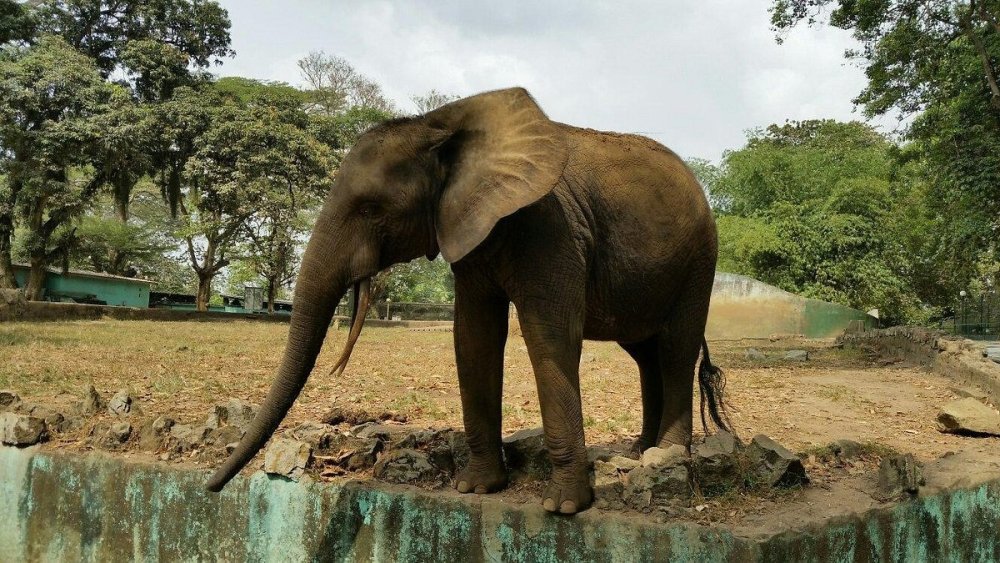
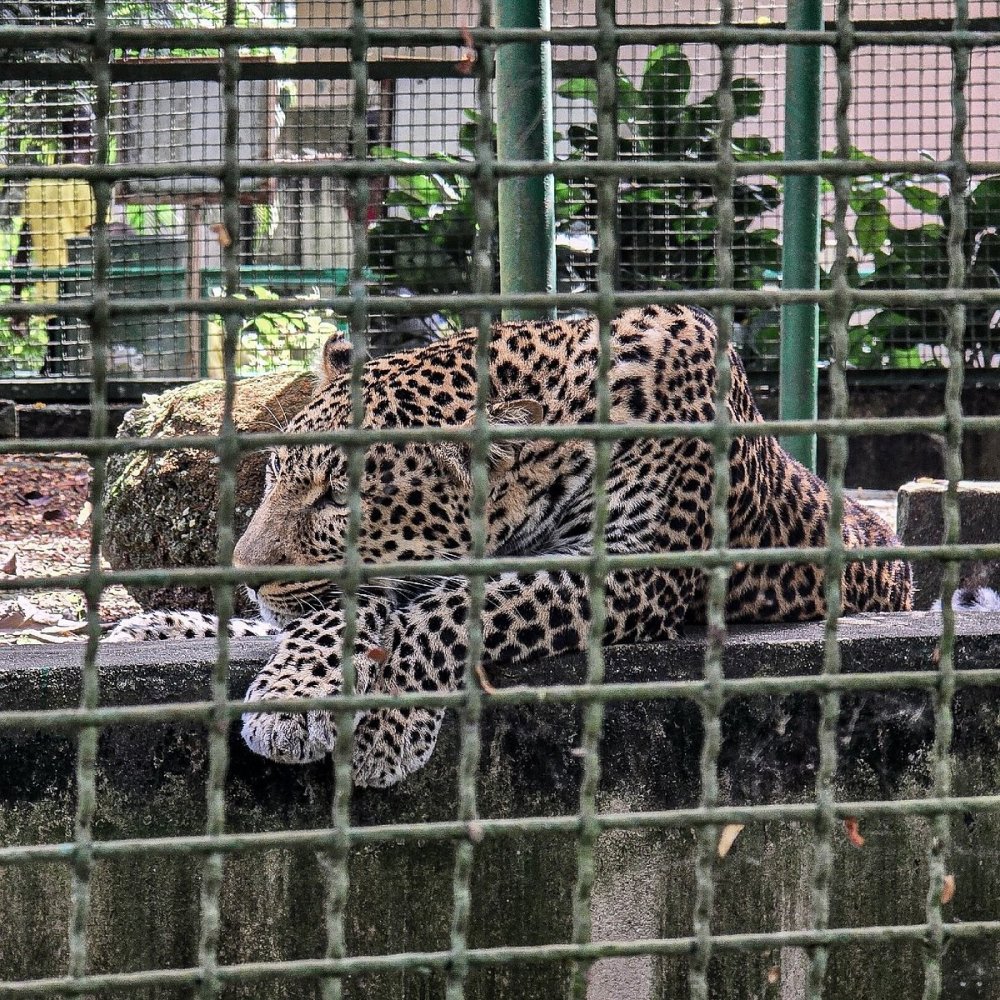
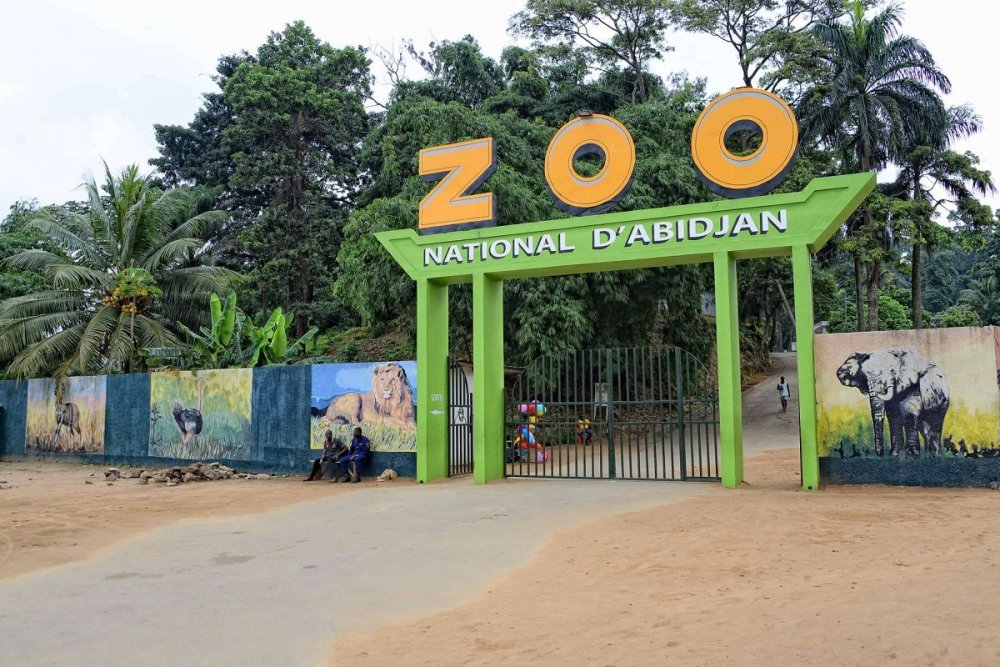
Visitors interested in wildlife can explore the Zoo National d’Abidjan, which hosts various animal species, including elephants, lions, monkeys, crocodiles, snakes, birds, and many others.
Abidjan is also home to Banco National Park, one of the largest natural forests located within an urban area. The forest is inhabited by various wildlife species, particularly different types of monkeys, and serves as an important green space within the city.
On the other hand, Yamoussoukro serves as Côte d’Ivoire’s political capital. The city has fewer tourist attractions and economic activities compared to Abidjan because it is still developing after being declared the capital in 1983 by then-President Félix Houphouët-Boigny, who chose the city because it was his birthplace.
The city currently hosts the presidential palace, the country’s Parliament, various government ministries, and other political institutions.
However, Yamoussoukro is famous for housing the Basilica of Our Lady of Peace (Notre-Dame de la Paix), the second-largest basilica in the world after St Peter’s Basilica in Vatican City. The basilica is also recognised as the world’s largest church by surface area, covering approximately 30,000 square metres and having the capacity to accommodate more than 18,000 worshippers.
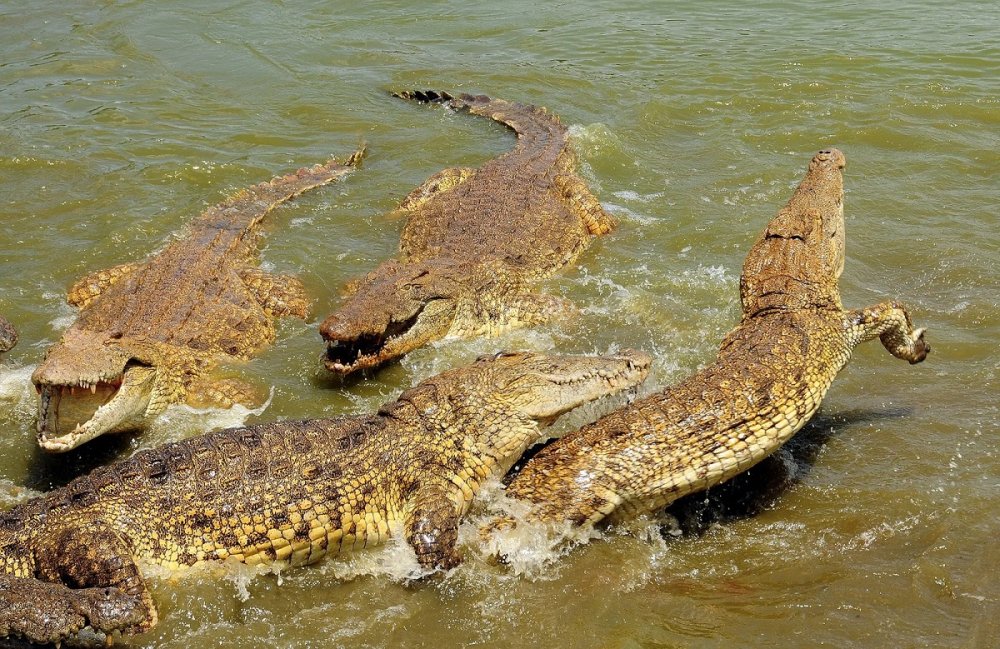
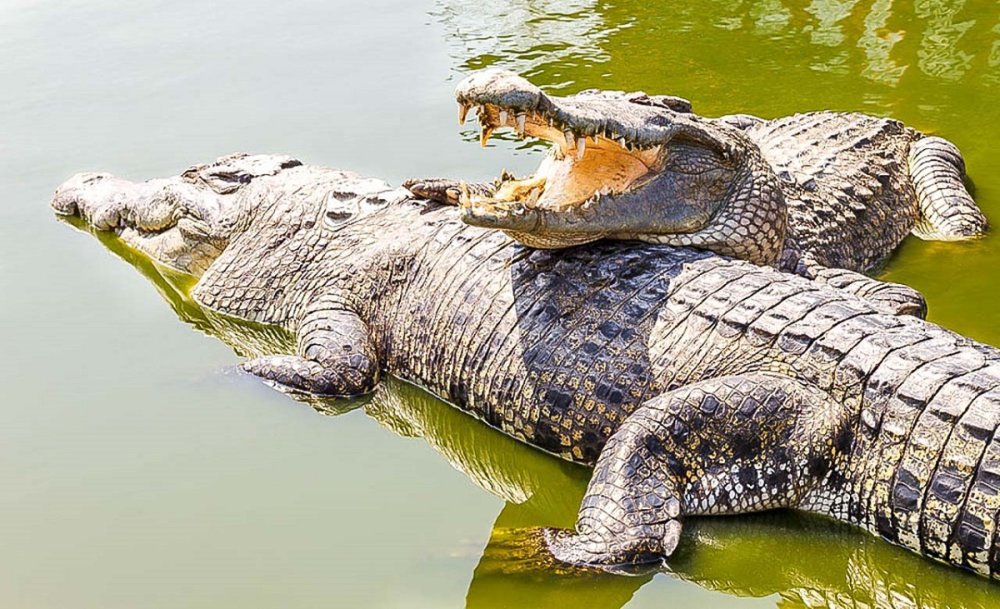
Another attraction in Yamoussoukro is Lac aux Caïmans, a crocodile lake created by President Félix Houphouët-Boigny, who introduced crocodile breeding at the site. The lake is currently home to more than 200 crocodiles.
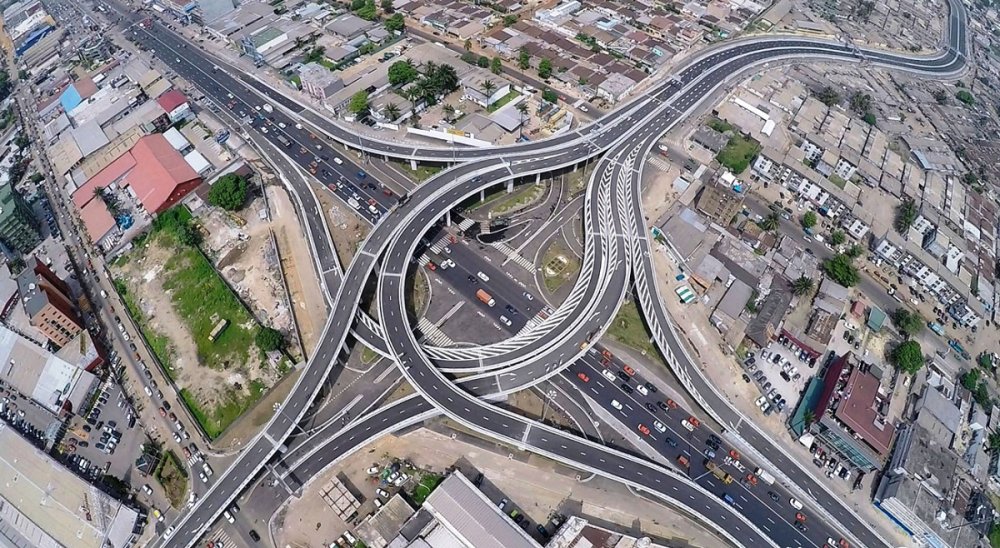
Overall, many developments in Côte d’Ivoire reflect those of other emerging economies, with numerous construction projects underway alongside older infrastructure that still remains in use.
For Rwandans wishing to visit Côte d’Ivoire, a visa is not required. However, there are currently no direct flights from Kigali to Côte d’Ivoire. Most travellers connect through Addis Ababa before continuing their journey to Abidjan.
Despite its economic progress and tourism potential, Côte d’Ivoire still faces challenges related to cleanliness and urban management. In some areas, visitors may encounter overgrown roadside vegetation, litter, stagnant water, and cases of people urinating in public spaces.
Some hotels also have practices that may differ from international standards, with guests sometimes being informed that bed sheets will only be changed after checkout unless they specifically request a replacement.
Visitors travelling to Côte d’Ivoire are also advised to remain cautious and avoid walking alone, especially in unfamiliar areas, due to security concerns such as theft and robbery.
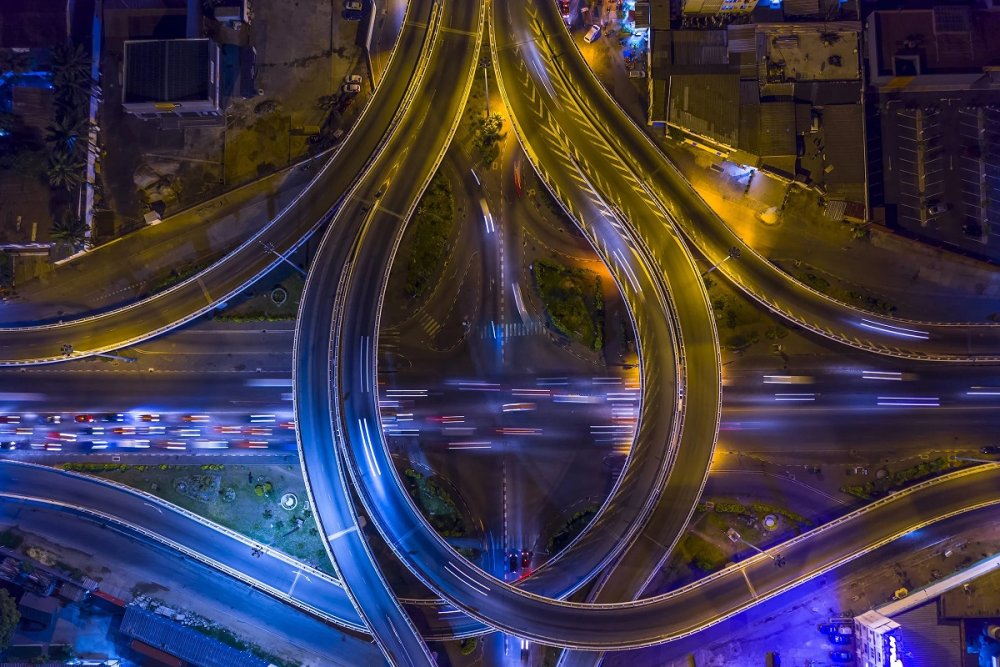
Abidjan is a coastal city shaped by its waterways, and its skyline becomes especially stunning when illuminated at night.Assinie Beach is among the most visited coastal attractions in the Abidjan area, known for its beautiful scenery and relaxing atmosphere.The Basilica of Notre-Dame de la Paix holds the record as the world’s largest basilica in terms of surface area.Saint Paul’s Cathedral is a remarkable architectural masterpiece whose unique design attracts visitors and tourists from around the world.The Basilica of Notre-Dame de la Paix is among the largest religious buildings in the world.Grand-Bassam is home to numerous colonial-era buildings that preserve the architectural heritage and history of the period.The Saint Paul’s Cathedral, one of Abidjan’s most iconic landmarks, was constructed in 1985.Grand-Bassam is a historic town that once served as a French colonial city during the colonial era.Grand-Bassam’s location along the Atlantic Ocean gives it a stunning coastline with beautiful beaches that attract visitors.Côte d’Ivoire continues to strengthen its infrastructure development efforts, with significant investments being made in the construction of modern road networks.This is the view of Abidjan’s streets at night.Lac aux Caïmans was originally created as a site for breeding crocodiles.Today, Lac aux Caïmans serves as a habitat for more than 200 crocodiles.The Musée des Civilisations de Côte d’Ivoire houses a wide range of exhibits that showcase different aspects of the country’s history, culture, and important events that have shaped its identity.The Musée des Civilisations de Côte d’Ivoire contains more than 15,000 artefacts that highlight the country’s rich cultural heritage, traditions, and history.The city of Abidjan is a major commercial hub with a wide range of business activities.Yamoussoukro is a developing city that continues to expand, with ongoing construction and infrastructure projects shaping its growth.Zoo National d’Abidjan houses elephants alongside a variety of other wildlife species.Zoo National d’Abidjan houses a wide range of animal species from different categories.Zoo National d’Abidjan is a dedicated wildlife sanctuary that houses and protects a variety of animal species.
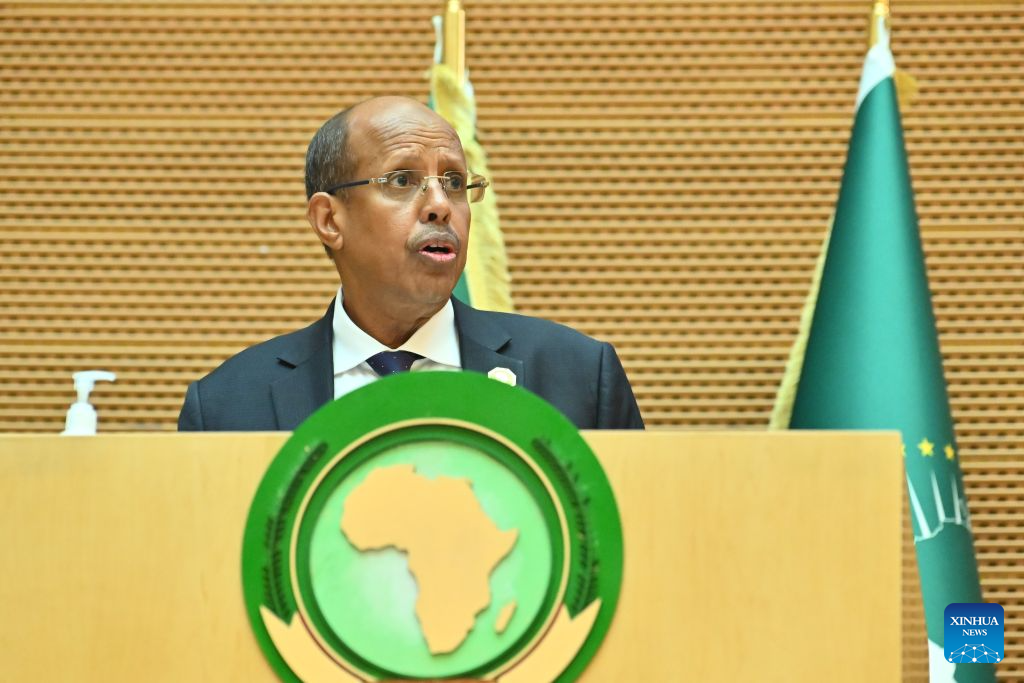
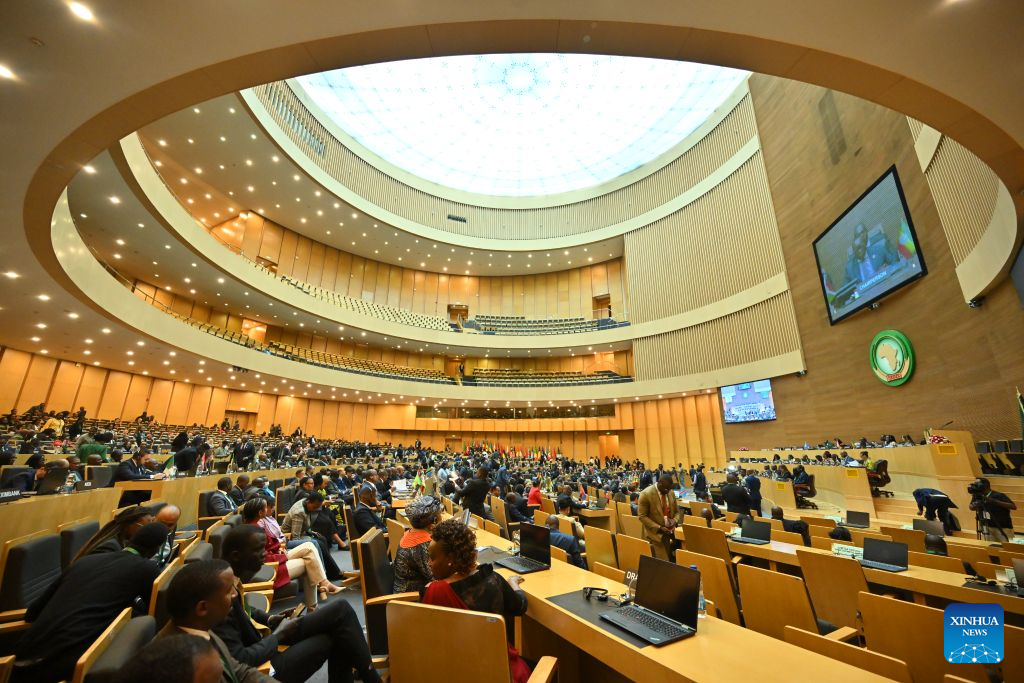
The remark was made during the 49th Ordinary Session of the Executive Council of the African Union (AU) on Tuesday in Addis Ababa, the capital of Ethiopia.
Speaking at the event, Mahmoud Ali Youssouf, chairperson of the AU Commission, said Africa is bearing the brunt of the crisis in the Middle East, with multiple countries on the continent facing a high cost of living driven by soaring energy prices.
“The resumption of the conflict between Iran and the United States is causing runaway inflation. The supply chain is disrupted due to the closure of the Strait of Hormuz. The Bab el-Mandeb Strait is also threatened. Energy, grain and fertilizer prices are soaring,” Youssouf told the session.
He said the fallout is likely to last for months based on assessments made by the United Nations Economic Commission for Africa (UNECA) and the United Nations Development Program.
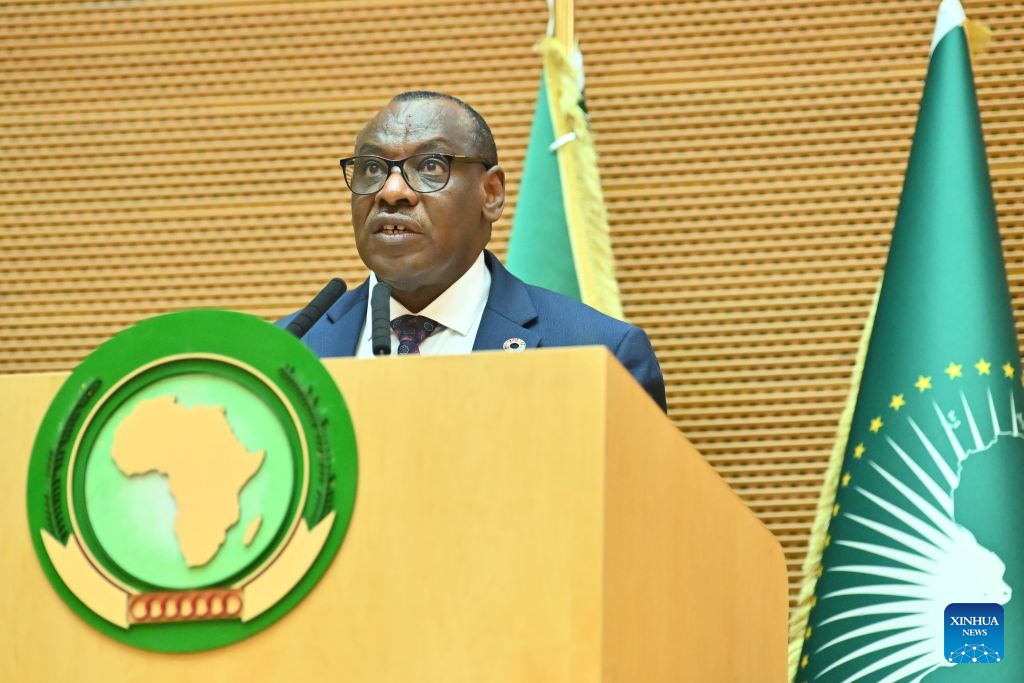
Claver Gatete, executive secretary of UNECA, said the global environment has become increasingly uncertain amid spikes in energy, food, and fertilizer prices due to the ongoing conflict in the Middle East.
“Trade tensions, geopolitical fragmentation, conflicts including the conflict in the Middle East, climate shocks, declining development finance and high debt-servicing costs continue to impact investment and development prospects in Africa,” Gatete said.
Given the present realities, Africa cannot rely indefinitely on external financing to transform its economy, he said, adding that the continent must finance more of its development from domestic resources.
Foreign Minister of Ethiopia Gedion Timothewos said the foundations of the global order are undergoing profound transformation, while Africa is bearing the brunt of geopolitical tensions, including the conflict in the Middle East, technological disruption, climate pressures and growing competition over strategic resources.
“We need to seize the moment to actively shape the contours of the new reality. We must become a strategic actor capable of providing African solutions to global challenges,” said Timothewos, adding that despite the challenges, Africa is destined to be the engine of global growth in the second half of the 21st century.
Held under the AU’s 2026 theme, “Assuring Sustainable Water Availability and Safe Sanitation Systems to Achieve the Goals of Agenda 2063,” the two-day session, which brought African foreign ministers together, is expected to come up with new strategies to address Africa’s pressing challenges, including ensuring universal access to safe hygiene, water and sanitation across Africa.
This photo taken on July 28, 2026 shows the 49th Ordinary Session of the Executive Council of the African Union (AU) held in Addis Ababa, the capital of Ethiopia. African leaders have raised alarm over the resumption of the Middle East conflict, which they said is driving a severe economic and security crisis in Africa through energy shocks, supply disruptions, and soaring prices.Claver Gatete, executive secretary of the United Nations Economic Commission for Africa (UNECA), addresses the 49th Ordinary Session of the Executive Council of the African Union (AU) in Addis Ababa, the capital of Ethiopia, July 28, 2026.