Speaking in a recent interview with BBC Gahuza, Ndayishimiye said discussions between Rwanda and Burundi had been concluded and that he was now waiting for Rwanda to implement what had been agreed.
The Burundian president said the dispute was not between the people of the two countries but rather their leadership. He explained that whenever he meets Rwandan officials, he asks why the agreements reached have not yet been implemented, suggesting that the delay raises questions about Rwanda’s intentions.
Ndayishimiye further stated that all outstanding issues had already been discussed and agreed upon, leaving only implementation. He added that if Rwanda believes additional matters should be addressed before those agreements are carried out, it should say so openly.
He also said representatives of the two countries held their latest round of talks less than five months ago and indicated that Burundi’s main expectation is for Rwanda to hand over individuals accused of participating in the failed 2015 coup against Nkurunziza.
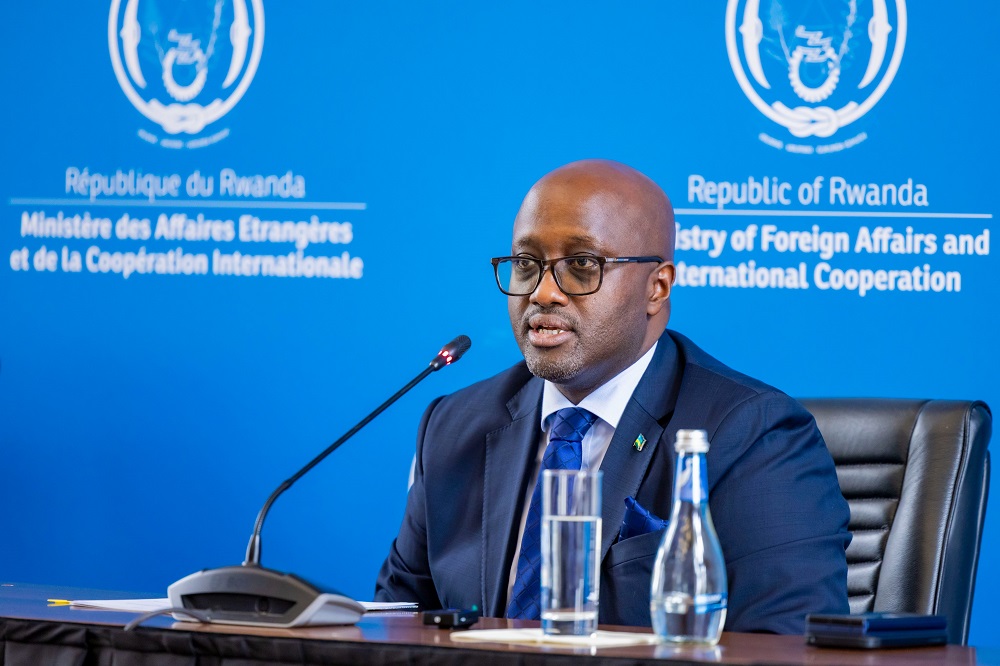
However, in an interview with IGIHE on July 31, 2026, Amb. Nduhungirehe rejected that claim.
“That is not true. It never happened.”
The minister said the latest meeting between Rwandan and Burundian delegations, involving military and intelligence officials, took place at the common border in December 2025 and that the issue of the 2015 coup suspects was never discussed.
Instead, he explained, the talks focused on addressing the security implications that emerged after the AFC/M23 coalition captured the city of Uvira in the eastern Democratic Republic of Congo.
Burundi experienced an attempted coup in May 2015 amid a political crisis triggered by Nkurunziza’s decision to seek a third presidential term, a move that was strongly opposed by sections of the population.
The failed coup was led by Major General Godefroid Niyombare. After it collapsed, some of those involved fled to countries, including Rwanda.
Burundi requested their extradition, but Rwanda maintained that it could not hand them over because doing so would violate international obligations protecting them as refugees.
Burundian authorities continue to seek the extradition of 34 people accused of participating in the attempted coup, some of whom are living in European countries, including Belgium. In 2020, Burundi’s Supreme Court sentenced them in absentia to life imprisonment.
Apart from repeatedly accusing Rwanda of sheltering the suspects, Burundi has not publicly exerted similar pressure on other countries hosting individuals linked to the failed coup, and its relations with those countries have remained unaffected.
Burundian President Ndayishimiye recently alleged that all outstanding issues had already been discussed and agreed upon, leaving only implementation.Minister Nduhungirehe has rejected Ndayishimiye’s claim over the alleged agreement on sending coup suspects to Burundi.
Spanish Prime Minister Pedro Sanchez described the incident as “a violation of Spain’s territorial integrity.”
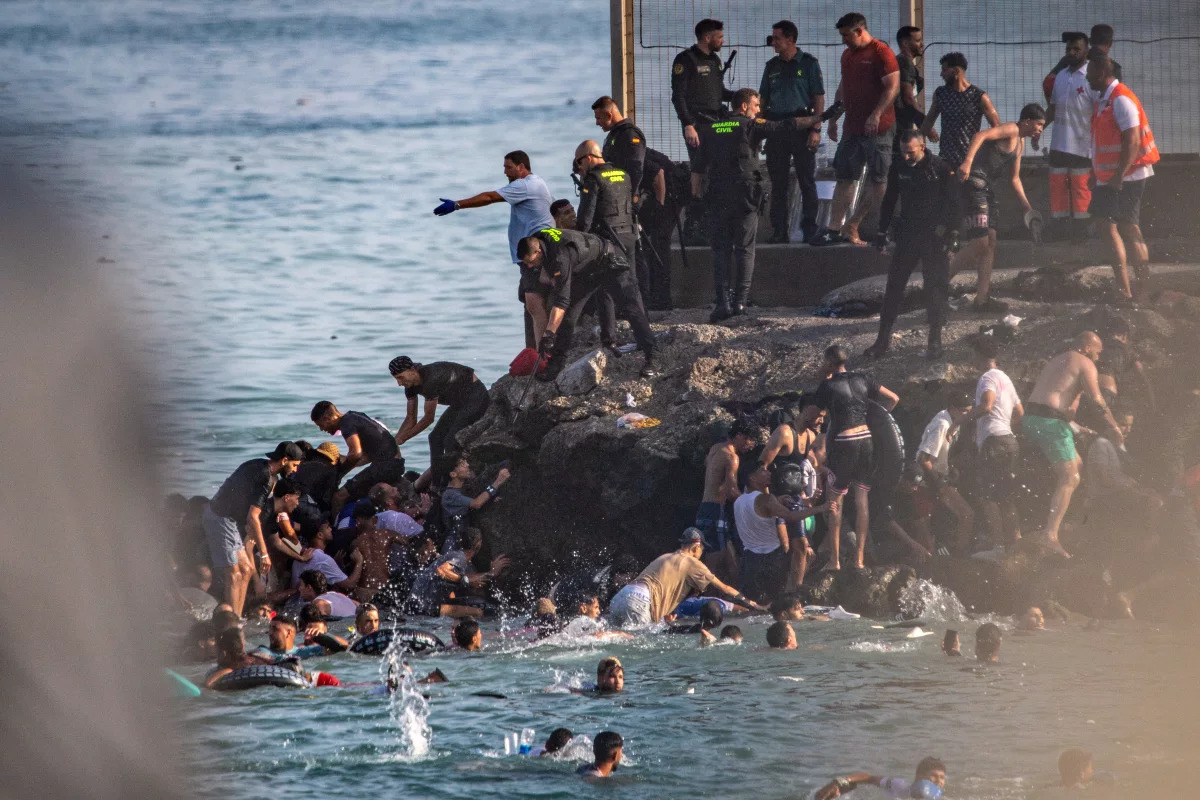
Most of the victims drowned while attempting to swim around the El Tarajal border breakwater separating Morocco and Ceuta, according to the Spanish authorities.
Sanchez traveled to Ceuta on Friday together with Spanish Interior Minister Fernando Grande-Marlaska to inspect the situation. During the visit, he announced new measures to strengthen border security, including the installation of floating barriers near the El Tarajal breakwater to prevent further sea crossings.
He also pledged to accelerate the identification and return of irregular migrants, thanked Morocco for its cooperation in border management and repatriation, and vowed to intensify efforts against human trafficking networks.
Migrants try to cross from Morocco into the Spanish enclave of Ceuta, Friday, July 31, 2026.
The Spanish government has reinforced security in Ceuta by deploying additional National Police officers, Civil Guard personnel and military units, while emergency reception facilities remain under heavy pressure.
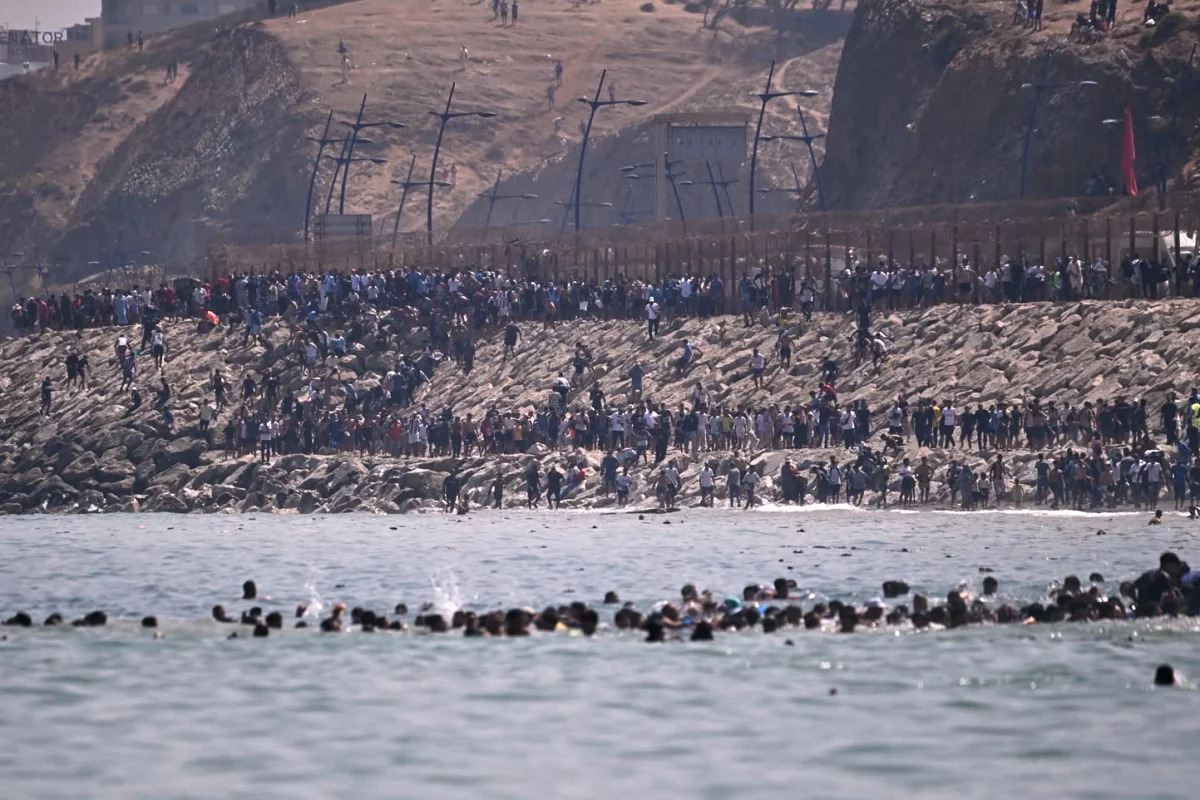
The Spanish authorities estimate that around 50,000 migrants have entered Ceuta over the past two days, making it one of the largest irregular migration crises ever recorded on the enclave’s border.
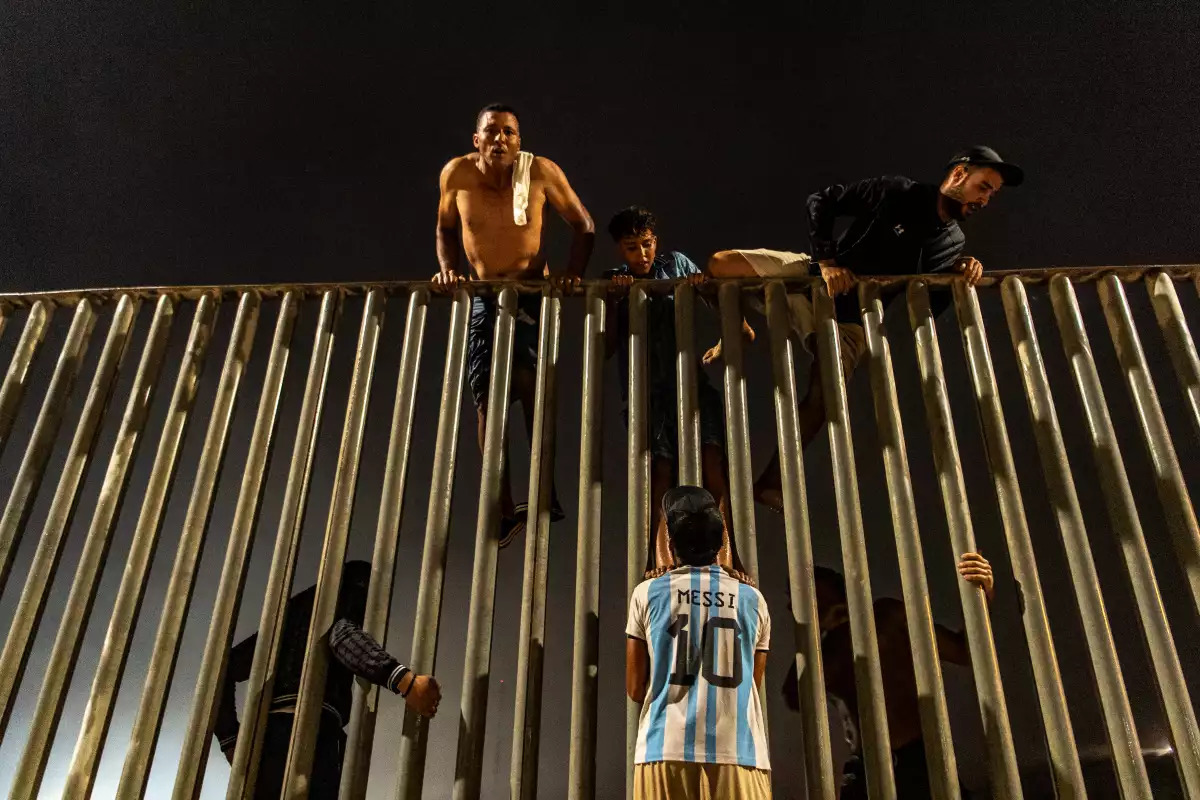
Migrants cross from Morocco into the Spanish enclave of Ceuta, Thursday, July 30, 2026.
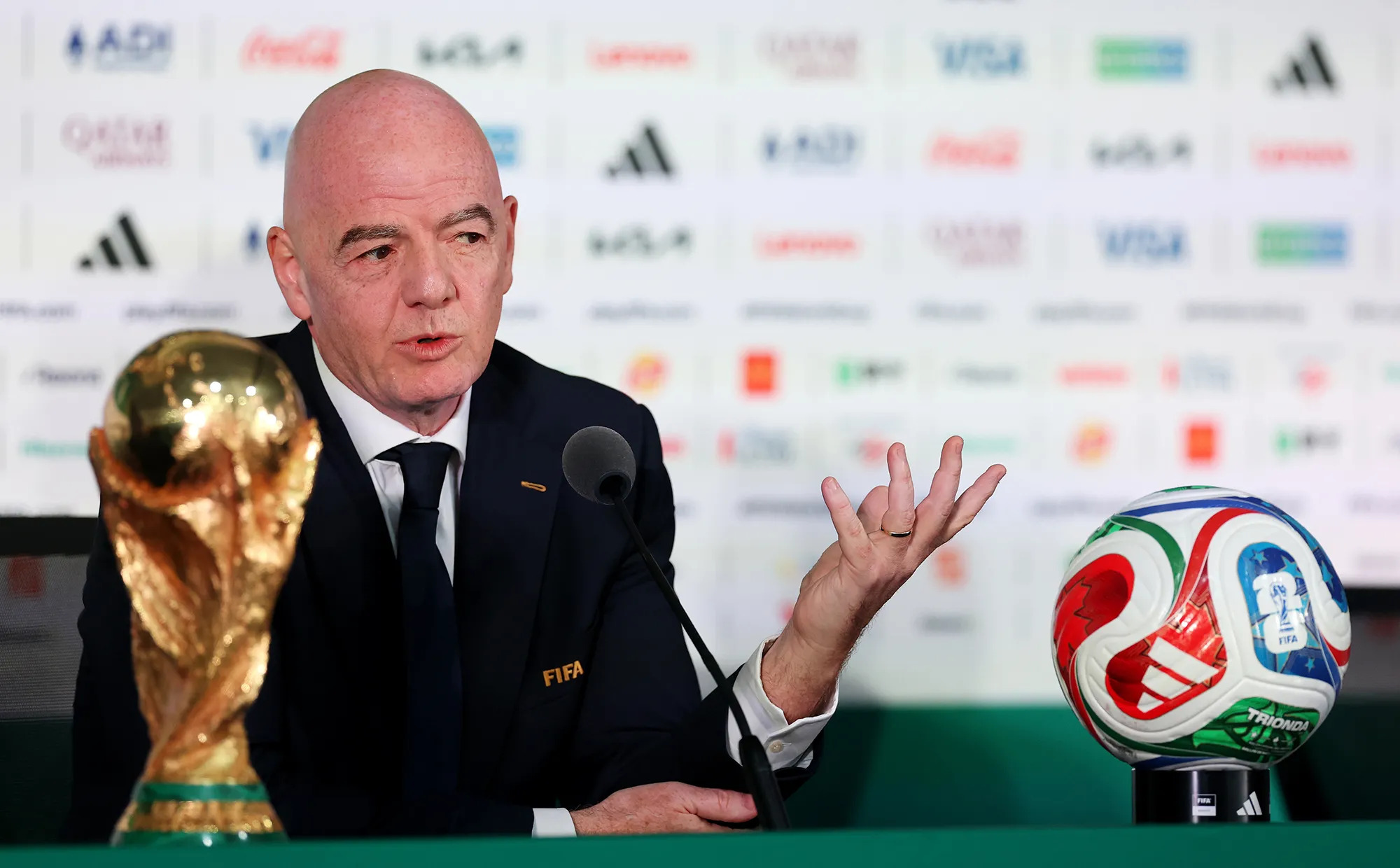
The global football governing body issued the statement on Friday after the Union of European Football Associations (UEFA), the Asian Football Confederation (AFC) and CONCACAF rejected plans that could allow private investors to acquire a minority stake in a new commercial venture known as FIFA Forward Enterprise (FFE).
The backlash has intensified into one of the biggest governance disputes in recent FIFA history, with confederations representing 143 of FIFA’s 211 member associations now opposing the proposal.
UEFA, which represents 55 national associations, warned that none of its member nations would take part in FIFA competitions if the proposal proceeds.
In a strongly worded statement, European football’s governing body said the World Cup “cannot be treated as an investment product” and accused FIFA of developing the proposal without meaningful consultation.
“No UEFA national teams will participate in any FIFA competition for so long as these proposals remain alive, unless this proposal has been abandoned in its entirety,” UEFA said.
CONCACAF, which represents 41 member associations across North America, Central America and the Caribbean, also rejected the proposal, while the AFC, representing 47 associations, called for an urgent review of FIFA’s governance and decision-making processes.
The AFC said proposals of such global significance should be developed through “transparent governance, timely consultation, informed deliberation and genuine participation.”
FIFA, however, insisted the proposal has been misunderstood and denied suggestions that it was seeking to sell ownership of football’s flagship tournaments.
“We have heard the feedback provided by the respective confederations in relation to the proposed establishment of FIFA Forward Enterprise and would like to address the issues that have surfaced,” FIFA said.
The organisation maintained that FFE is intended to give member associations greater opportunities to benefit from football’s commercial growth.
“FFE has been proposed solely to ensure that all FIFA Member Associations have the opportunity to take meaningful ownership of the commercial opportunity of football in their respective countries,” the statement said.
“Nobody is selling football. This is not something FIFA would ever entertain.”
Despite the widespread criticism, FIFA said it would proceed with a consultation process, arguing that all member associations should have the opportunity to examine the proposal before making a decision.
The controversy deepened further after Carlos Cordeiro, a senior adviser to FIFA president Gianni Infantino and a former president of the United States Soccer Federation, resigned in protest.
“As a senior advisor to the FIFA president, a former banker, and a lifelong football fan, I cannot stand by while FIFA considers selling a stake in the World Cup,” Cordeiro said.
“I oppose it unequivocally. It is a bad deal for FIFA’s Member Associations, a bad deal for football, and a bad deal for the long-term future of the game.”
The proposed commercial venture has reportedly attracted interest from an investor group led by Thrive Eternal, founded by Joshua Kushner, with plans to acquire a minority stake should the project receive approval.
Critics argue that bringing private investors into FIFA competitions would fundamentally change the governance of world football by placing commercial returns ahead of sporting interests. They also fear investor pressure could encourage FIFA to stage larger and more frequent international tournaments, placing additional strain on domestic leagues and players.
With Europe’s governing body threatening to boycott FIFA competitions and support for the proposal weakening across multiple confederations, the governing body’s plans now face their most significant challenge since they were first revealed.
For now, FIFA insists the consultation process will continue, but the growing resistance suggests any attempt to reshape the commercial future of the World Cup is likely to face a difficult path.
FIFA has defended its controversial proposal to create a commercial entity linked to the FIFA World Cup, insisting that “nobody is selling football” despite mounting opposition from some of the sport’s most powerful governing bodies.
The message was shared through a statement issued on July 31, 2026, by RPF-Inkotanyi Secretary General Ambassador Christophe Bazivamo.
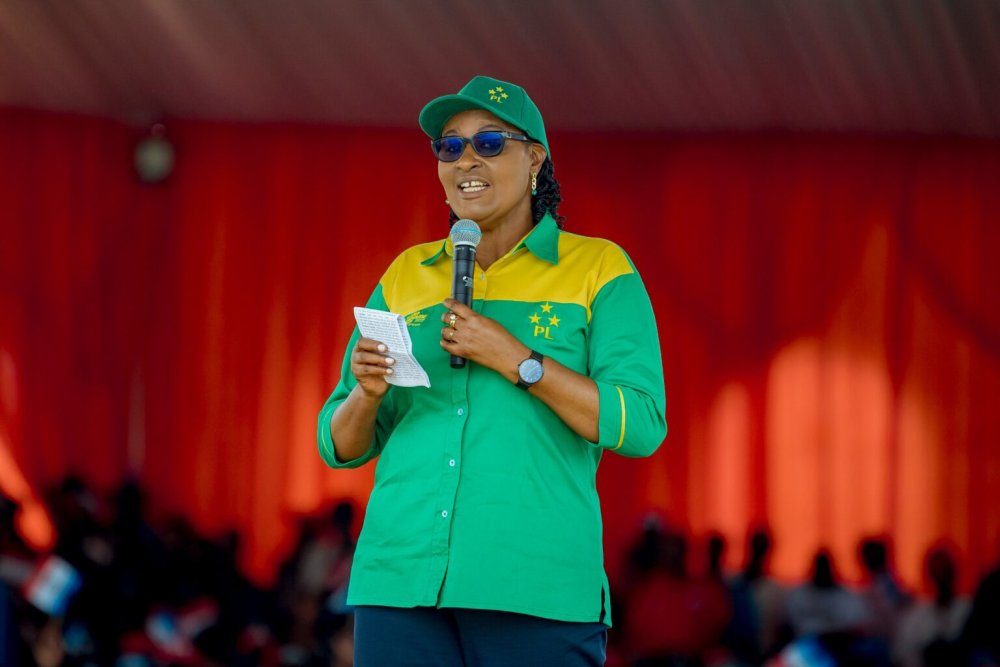
The statement said: “The RPF-Inkotanyi family joins in mourning with the Liberal Party [PL] following the death of Honourable Senator Mukabalisa Donatille, who was the president of the party.”
RPF-Inkotanyi said Senator Mukabalisa will be remembered for her dedicated service to the country and her contribution to Rwanda’s development journey.
“Honourable Senator Mukabalisa Donatille will always be remembered for the good work she did for the country and her contribution to the development journey, especially during her tenure as President of the Chamber of Deputies and during her time as a Senator,” the statement read.
The ruling party also extended condolences to Mukabalisa’s family, friends, and colleagues she worked with at different levels, encouraging them to remain strong during this difficult period.
Senator Mukabalisa died on July 30, 2026, after an illness. She served as President of the Chamber of Deputies from 2013 to 2024 before joining the Senate.
Throughout her political career, Mukabalisa was among the women who played a significant role in Rwanda’s leadership, particularly through her decade-long tenure at the helm of the Chamber of Deputies.
Senator Mukabalisa Donatille served as a Senator and President of PL before her demise.
Uwimana, who was born in the Democratic Republic of Congo, said he spent three years with the FDLR, an armed group formed by perpetrators of the 1994 Genocide against the Tutsi who fled to eastern DR Congo following the genocide.
He shared his experience after being reunited with his family on Wednesday, July 29, 2026, following a rehabilitation programme by the Rwanda Demobilisation and Reintegration Commission (RDRC). He was among 22 children who were reunited with their families.
Uwimana told IGIHE that he was abducted in Masisi Territory, in the Ironga area where his family lived.
“I had gone to visit relatives when FDLR soldiers who were heading to Pinga airfield to collect ammunition captured me. They forced me to carry the ammunition. After we delivered it, we arrived at their military camp, but they refused to allow us to return home,” he said.
He said they were later taken to the battlefield after spending three days at the camp, where they were forced to support the group’s operations.
“Whenever we asked why we could not go home, they told us we would only leave after the ammunition we had carried had been used up,” he said.
Uwimana said that once they reached the battlefield, they were given weapons and forced to participate in fighting.
The experience separated him from his family, who later fled and eventually settled in Rwanda’s Nyabihu District.
He revealed that he was unable to continue his education beyond Primary Three because of the conflict, adding that during his time with FDLR, he was subjected to training aimed at carrying out violent acts.
“We would go to the battlefield like other fighters. We were also sent to steal food, including cassava and beans, from civilians. They trained us to attack people, destroy property, rape and kill,” he said.
Uwimana said that at one point, as hunger worsened, FDLR members directed them to steal livestock from communities near Goma. However, they were attacked upon arrival, forcing them to flee, and he eventually found himself inside a national park.
He later decided to surrender after communicating with a former FDLR member who had already left the group and completed rehabilitation at the Mutobo Demobilisation Centre.
The former colleague encouraged him to surrender, after which Uwimana was taken through the La Corniche border crossing and transferred to Mutobo, where he underwent a three-month reintegration programme before being reunited with his family.
Uwimana said FDLR leaders had repeatedly warned them against returning to Rwanda, claiming they would either be killed or imprisoned if they did so.
“We were given false information by our leaders, and at times we believed what they said. But I was surprised by the way I was received in Rwanda. We were given clothes, food, and lessons that helped us return to normal life,” he said.
Now reunited with his family, Uwimana said he hopes to return to school and build a better future, noting that education provides opportunities that are difficult to access for those who cannot read and write.
He also called on other young people still in armed groups in the forests of DR Congo to surrender, saying many of the messages they receive from their leaders are based on falsehoods.
Valerie Nyirahabineza, Chairperson of the Rwanda Demobilisation and Reintegration Commission (RDRC), said 22 of the 24 children who completed the rehabilitation programme had been reunited with their families, while efforts were ongoing to trace the families of the remaining two.
The children reunited with their families are aged between 16 and 18 years.
Since its establishment, the commission has helped reintegrate 1,029 children who were previously associated with armed groups.
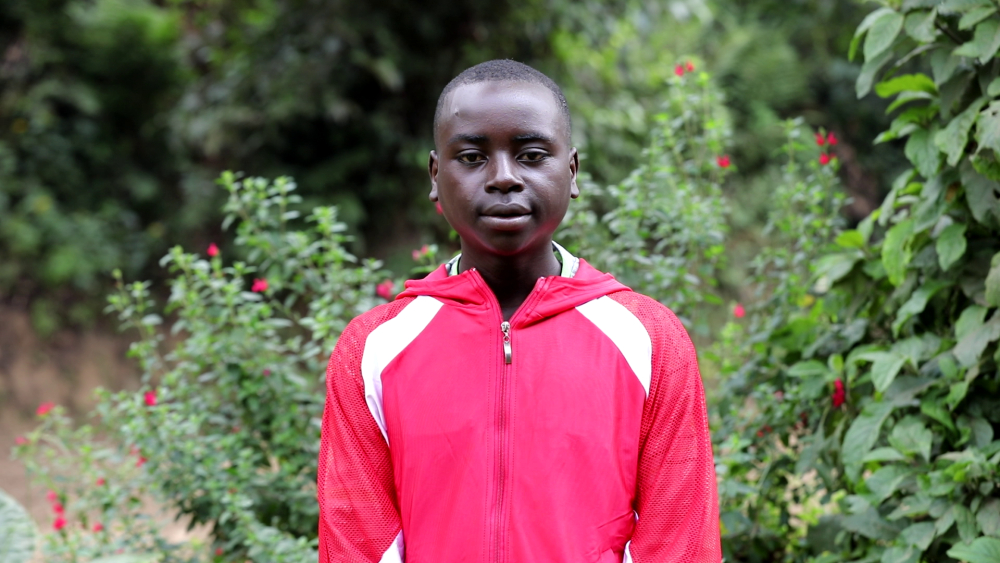
David Uwimana, who spent three years with the FDLR, said he hopes to return to school and build a better future for himself.Valerie Nyirahabineza, Chairperson of the Rwanda Demobilisation and Reintegration Commission (RDRC), said 22 of the 24 children who completed the rehabilitation programme had been reunited with their families.
For HarakaPlus, a transit-tech startup born in Rwanda, that everyday experience sparked a bigger question about how technology can help people move through cities with greater confidence.
Founded by Millicent Kariuki, CEO and co-founder, alongside Bilen Gebremariam and Germain Rwibutso, HarakaPlus uses real-time bus tracking and passenger-demand data to help commuters plan journeys while giving transport operators insights to improve efficiency.
Since launching its minimum viable product in 2025, the platform has been accessed by nearly 2,000 users, with close to 500 people using it repeatedly each day.
The company’s journey from a local idea to being selected among the innovators shortlisted for the Royal Academy of Engineering’s Africa Prize for Engineering Innovation in 2026 offers lessons for entrepreneurs seeking to turn practical challenges into solutions with wider potential.
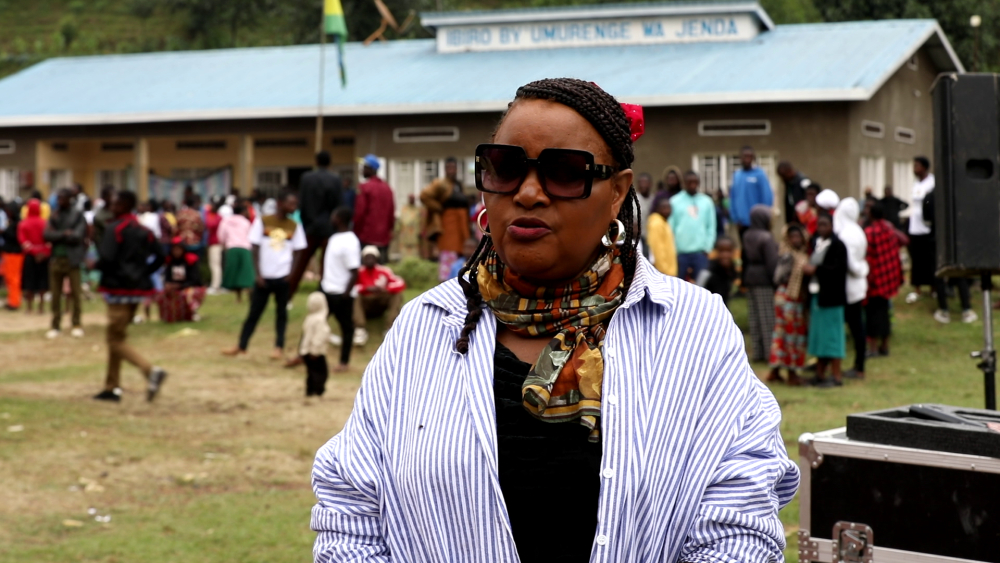
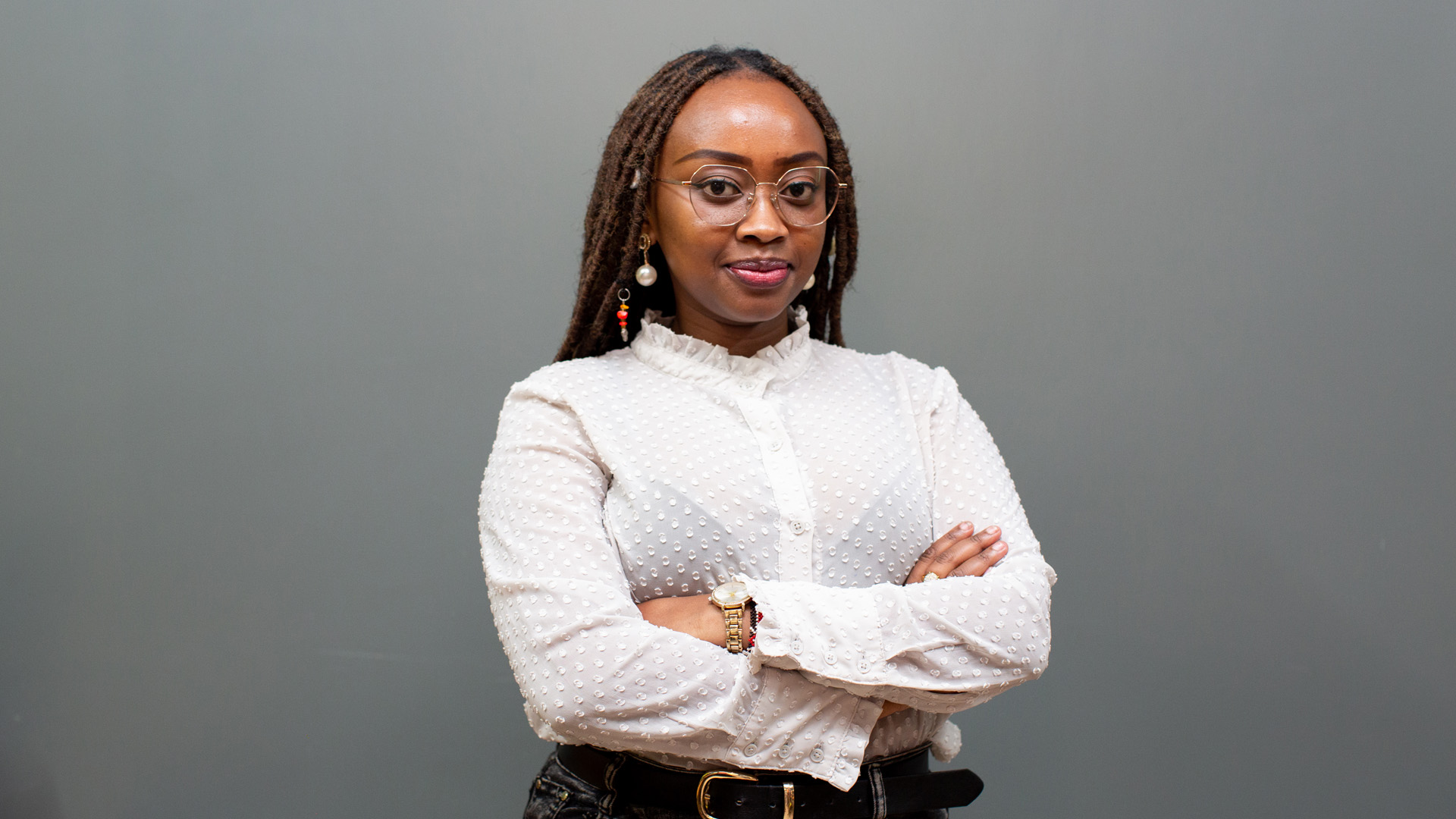
HarakaPlus was co-founded by Millicent Ruguru Kariuki (pictured), Chief Executive Officer, alongside Bilen Gebremariam, Chief Operating Officer, and Germain Rwibutso, Chief Technology Officer.
Building on Kigali’s mobility progress
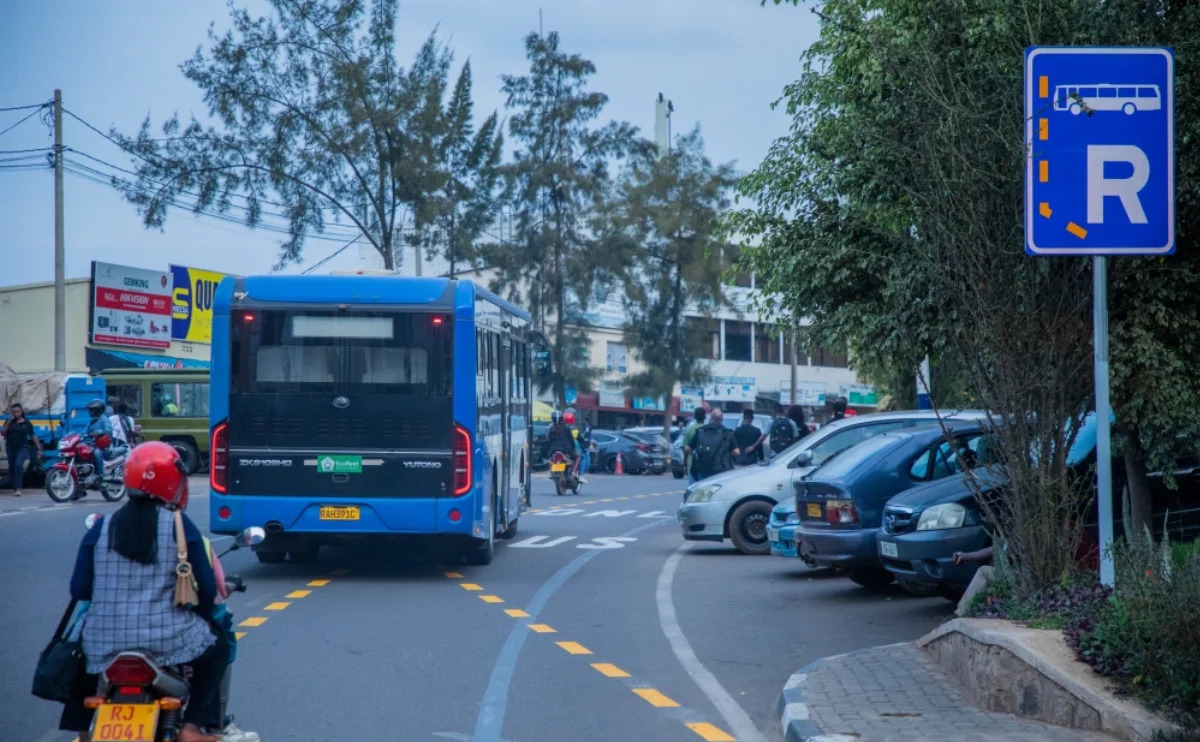
HarakaPlus emerged in a city that has already invested heavily in improving public transport and advancing its smart city ambitions.
The founders were not seeking to replace existing systems, but to complement them by using data to strengthen the connection between commuters, operators and the services they rely on.
“HarakaPlus was born from a problem that all three of us co-founders have experienced personally. Although we come from different backgrounds and grew up in three different African cities, we all shared one common experience: spending too much time waiting for public transport without knowing when it would arrive,” Kariuki told IGIHE.
“When we moved to Kigali, we saw many of the same challenges. While Rwanda has made tremendous investments in modernising public transport and building one of Africa’s leading smart cities, there was still an information gap between commuters and transport operators,” she added.
The gap was not necessarily about the availability of transport, but about access to information. Passengers wanted to know when buses would arrive, while operators needed better insights into passenger demand and route performance.
“We discovered that this wasn’t simply a transport problem; it was a time problem. Every unnecessary minute spent waiting is time taken away from work, school, family or running a business,” she said.
That understanding shaped HarakaPlus’ mission of using data to make public transport more predictable.
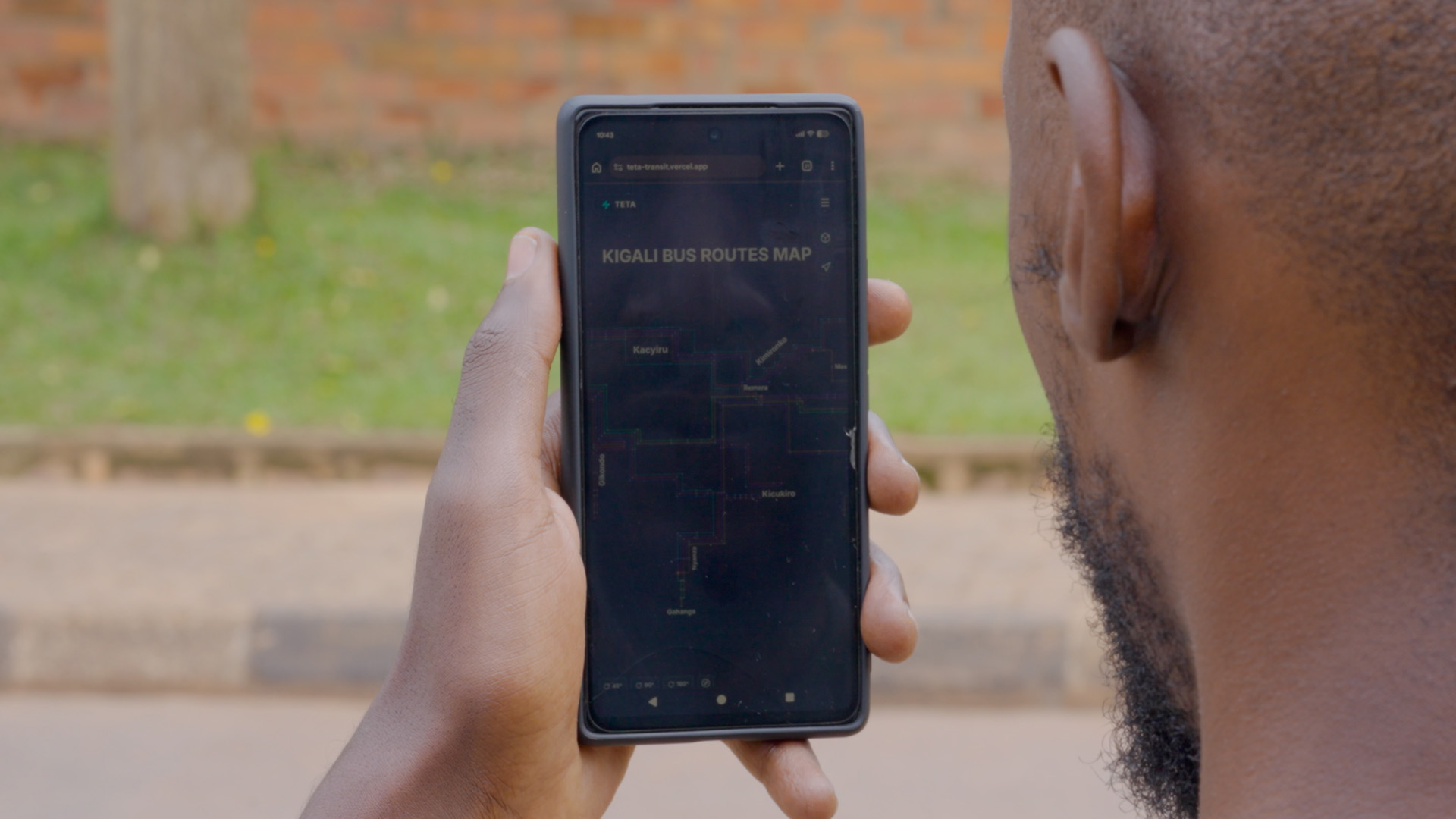
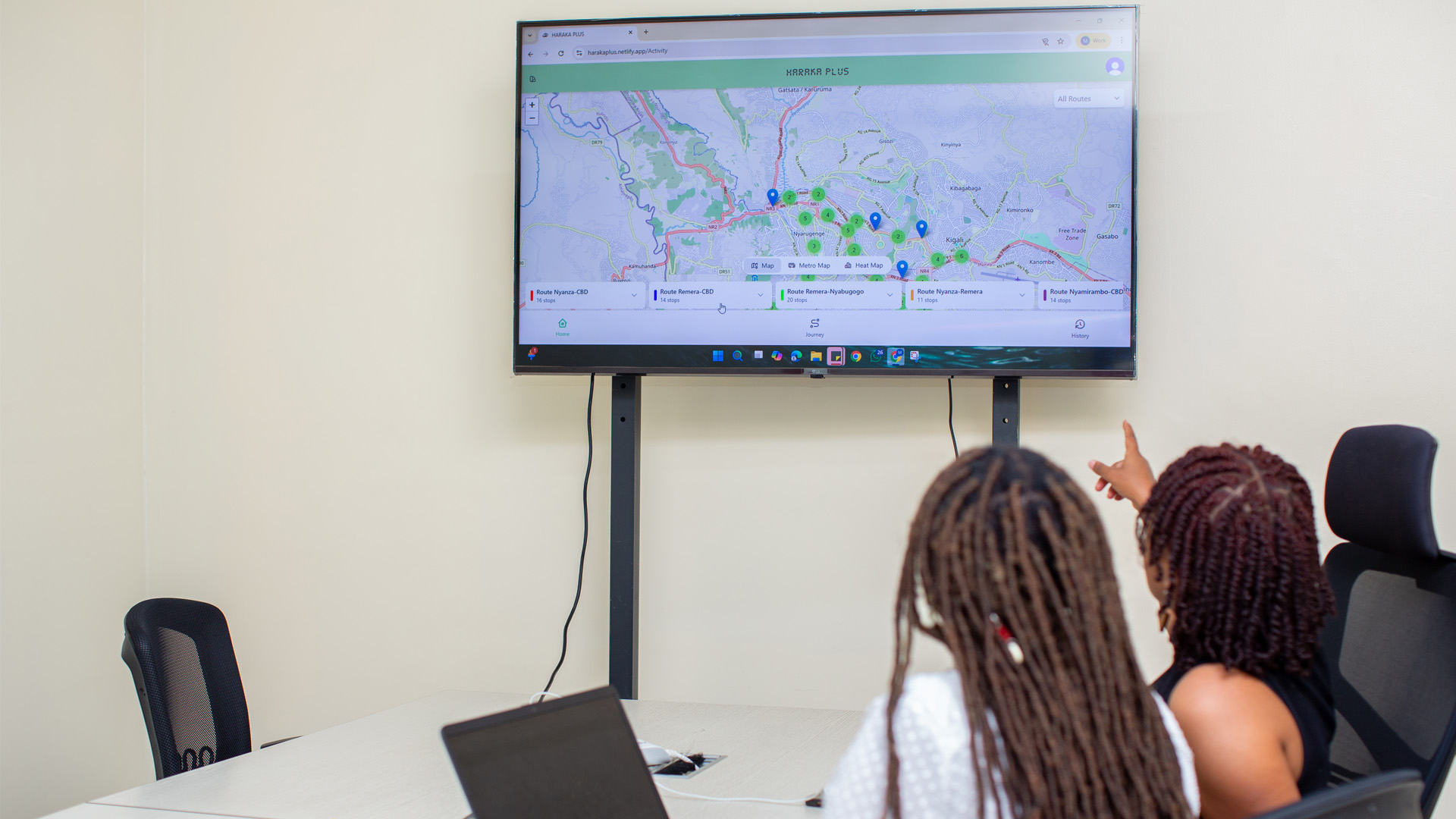
The startup uses real-time bus tracking and passenger-demand data to help commuters plan journeys while giving transport operators insights to improve efficiency.
From an idea to the Africa Prize stage
The platform allows commuters to track buses in real time and estimate arrival times, while transport operators receive data that can support better planning and service delivery.
The approach earned HarakaPlus a place among 16 innovators shortlisted for the Africa Prize for Engineering Innovation, making it the only startup from
Rwanda in the 2026 cohort
The shortlist features innovators working on solutions across sectors including healthcare, renewable energy, agriculture, education and mobility.
For Kariuki, the programme came at a critical stage as HarakaPlus worked to grow from a promising idea into a sustainable company.
“We applied to the Africa Prize because we recognised that building a transformative mobility company requires much more than funding. We were looking for world-class mentorship, investor readiness support, engineering expertise and access to a network of people who have successfully scaled impactful businesses,” Kariuki explained.
Through the eight-month programme, HarakaPlus has received training, mentorship and exposure to experts across Africa and the United Kingdom.
A major highlight was learning from transport systems abroad, including the UK, where the team observed how technology, operators and public institutions collaborate to improve mobility.
Since launching its minimum viable product in 2025, the platform has been accessed by nearly 2,000 users, with close to 500 people using it repeatedly each day.
A journey still underway
Although HarakaPlus has already reached the shortlist stage, the Africa Prize journey is not over.
The company remains in contention for the final stage, where the overall winner will receive £50,000, while three finalists will each receive £10,000 and another innovator will receive £5,000 under the One-to-Watch category.
Kariuki said winning the top prize would help accelerate HarakaPlus’ growth by supporting product development, expanding the engineering team, strengthening partnerships with transport operators and supporting expansion into other East African markets.
However, she stressed that the programme’s value extends beyond the competition itself.
“Beyond the formal programme, becoming part of a community of innovators solving real challenges across Africa has been incredibly inspiring,” she remarked.
Opening doors for Rwanda’s innovators
The Africa Prize is now accepting applications for its 2027 edition, inviting engineers and innovators across sub-Saharan Africa to submit solutions with the potential to create social or environmental impact.
Applicants must be developing scalable solutions with a clear path towards commercialisation. Software-based innovations must demonstrate a functional minimum viable product and user traction, while hardware solutions require working prototypes.
For Kariuki, innovators should not wait until they believe their ideas are fully developed before seeking opportunities to grow.
“You don’t need to have everything figured out before applying. The Africa Prize exists to help innovators grow,” she said.
Applications for the 2027 Africa Prize for Engineering Innovation opened on July 13 and will close on September 8, 2026.
“The Africa Prize community continues to grow and each year we’re seeing increased engagement from innovators across the continent, reflecting the depth and diversity of engineering talent in sub-Saharan Africa. This year, we’re focused on building new connections in regions where awareness of the Prize is still growing, to broaden our reach and support even more innovations with the potential to scale and make a lasting difference,” Meredith Ettridge, Associate Director, International, at the Royal Academy of Engineering.
The Africa Prize programme, now in its 13th cycle, has supported more than 180 businesses from 24 countries.
Interested applicants can find more information and submit their applications at africaprize.raeng.org.uk.
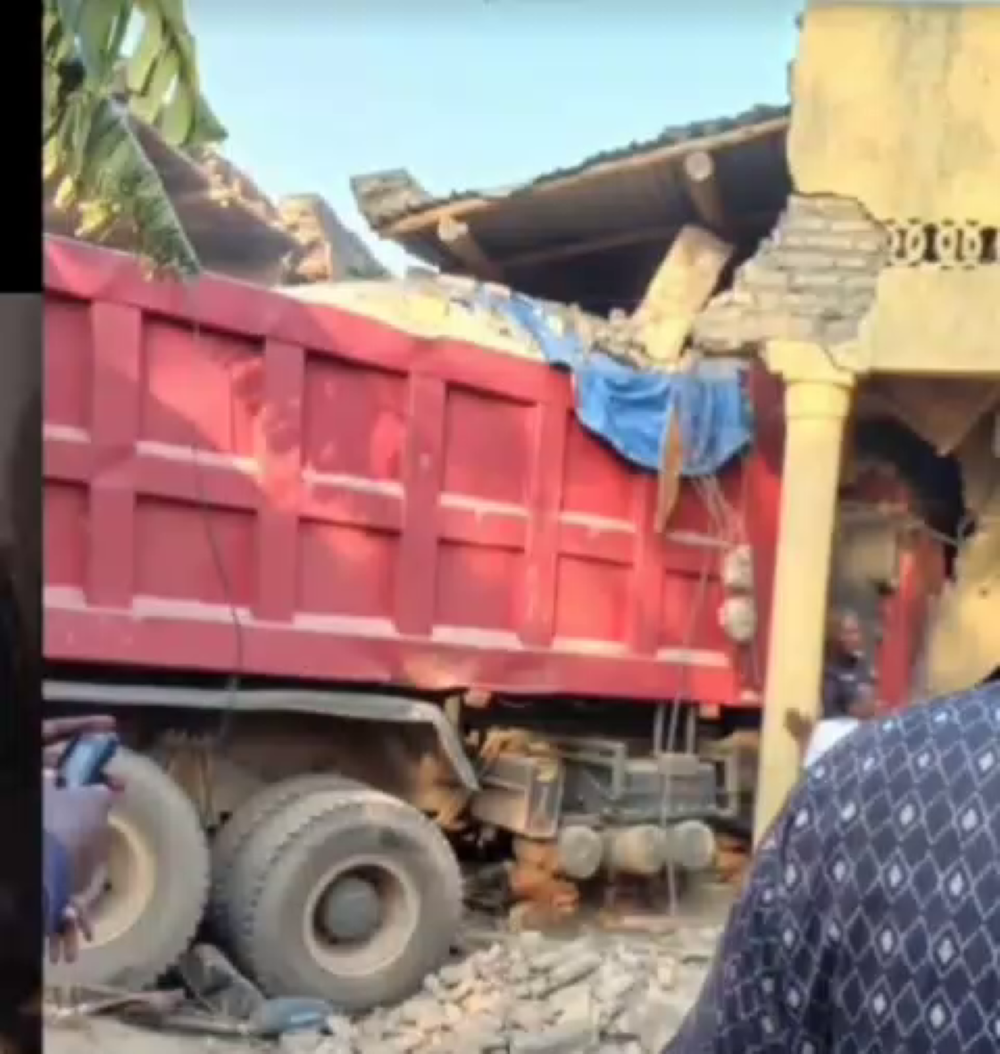
The accident occurred on July 30, 2026, at around 5:00pm in Nyakabungo Village, Gasoro Cell, Kigoma Sector.
The truck, which was carrying sand, reportedly veered off the road due to its heavy load before crashing into the nearby commercial building, where it struck people inside.
Nyanza District Acting Mayor Patrick Kajyambere told IGIHE that one person died in the accident, while five others, including the truck driver, sustained injuries.
“A woman died on the spot while five others were injured, including the driver. We have not yet confirmed the exact number of people affected because one person is still missing,” Kajyambere said by press time.
He added that the deceased and the injured were taken to Nyanza Hospital for medical attention, while expressing condolences to the families affected by the accident.
Kajyambere said the cause of the accident has not yet been established, adding that investigations by the Rwanda National Police traffic unit will determine what led to the crash.
A Howo truck was involved in an accident in Kigoma Sector, Nyanza District on July 30.
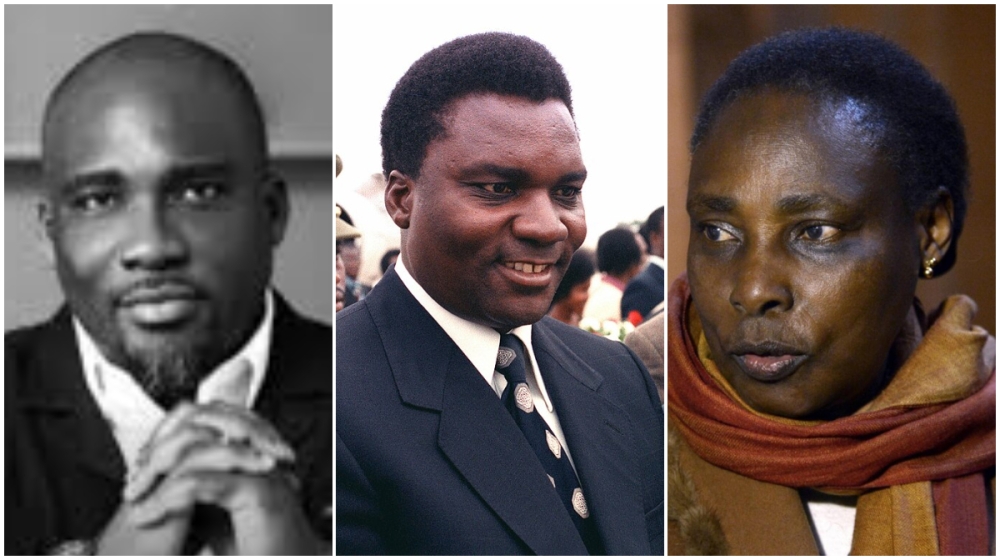
According to a report published on July 30, 2026, by African Facts, one of the key figures linked to the Habyarimana family is Kaumbu Mandungu Bula, commonly known as “Kao,” an adviser to DRC President Félix Tshisekedi.
Kao is the son of Antoine Mandungu Bula Nyati, who served as a minister under former President Mobutu Sese Seko and died in Benin in 2002.
The investigation states that Kao’s relationship with the Habyarimana family dates back many years, beginning when they met in Belgium.
According to the report, in November 2007, Kao prepared documents for the registration of what was presented as a charitable organization in Kinshasa. The organization was registered in 2008 as a branch of a UK-based charity established in London.
Although the organization was officially described as charitable, the investigation alleges that it primarily served financial interests and had close links to the Habyarimana family.
Jean-Luc Habyarimana, the youngest son of the former president, is identified as one of the central figures behind the establishment of the Kinshasa branch and several other organizations presented as charities. The report also suggests that other members of the Habyarimana family were connected to these entities.
The investigation alleges that between 2008 and 2009, money was transferred through various organizations before ending up in the hands of members of the Habyarimana family and their close associates. It claims that on May 20, 2008, Jean-Luc Habyarimana signed an investment agreement worth €125,000 with the UK-based organization.
Under the agreement, the organization was expected to repay him €250,000 between December 2008 and December 2009, representing what the report describes as a 100 percent return.
The investigation further alleges that from late 2007, Kao and individuals linked to the Habyarimana family received at least €382,000. According to the report, the funds originated from a Swiss bank account that had itself received money from a company registered in Panama.
It also claims that between 2008 and 2009, Jean-Luc Habyarimana received €325,000 through UK-registered organizations established between 2007 and 2009.
However, African Facts states that it found no evidence that organizations registered in the DRC, the Central African Republic, and Gabon carried out genuine charitable activities.
Emails referencing Agathe Kanziga
The investigation also cites emails allegedly exchanged between Kao and Jean-Luc Habyarimana.
One email, dated May 17, 2009, reportedly asks whether Jean-Luc’s elder brother, Léon Habyarimana, had received funds and requests that the family promptly notify Kao whenever their mother, Agathe Kanziga, received money.
According to the report, Kao wrote: “Hello everyone. I’m writing because Léon has not told me anything since yesterday. I think he has received the money. Please keep me informed because when Mama Agathe calls me, she doesn’t know what is happening. Communication is very important.”
Another email reportedly referred to a €15,000 transfer to Kanziga through Léon, with Kao allegedly expressing concern that her sons had not informed her about the transaction.
The report also refers to a September 6, 2016, search conducted by French gendarmes at the Habyarimana family’s home in Courcouronnes, Essonne, during an investigation into Agathe Kanziga’s suspected role in the 1994 Genocide against the Tutsi.
According to the investigation, documents and computers seized during the search included an address book containing telephone numbers for family associates, including three numbers belonging to Fabien Singaye, described as a former intelligence operative under Habyarimana’s government in Switzerland, and two Belgian telephone numbers linked to Kao.
Adviser to President Tshisekedi
In January 2023, President Tshisekedi appointed Kao as his special adviser, placing him among the president’s closest aides involved in major political and security matters.
According to the investigation, Kao has participated in discussions involving mining agreements, arms procurement, military operations and the use of foreign mercenaries.
Kao’s close relationship with the Habyarimana family is particularly significant as fighting continues in eastern DRC between government forces and the AFC/M23 coalition.
Both the DRC government and members of the Habyarimana family, particularly Jean-Luc Habyarimana, have repeatedly accused Rwanda of supporting AFC/M23 fighters and deploying troops in eastern DRC. Rwanda has consistently rejected the allegations, describing them as baseless.
Jean-Luc Habyarimana made a discreet visit to Kinshasa in June 2024 before returning publicly in November 2025, when he was photographed during the visit. Reports indicate that he met senior DRC officials. Rwanda has previously maintained that such visits form part of a broader effort to destabilize the country.
On April 8, 2026, DRC government spokesperson Patrick Muyaya publicly praised Jean-Luc Habyarimana, describing him as someone committed to peace in the region and stating that the Congolese government would continue engaging with ‘Rwandan friends’.
The investigation also alleges that on April 16, 2024, Kao attended a meeting in Kinshasa with representatives of the Wazalendo militia, where he encouraged continued recruitment of young people into the militias.
According to reports by United Nations experts, meetings bringing together representatives of Wazalendo militia have also been attended by representatives of the FDLR, a terrorist group that has long operated in eastern DRC and has been reported to cooperate with Wazalendo factions.
The investigation concludes that the presence of individuals with longstanding ties to the Habyarimana family in positions close to the DRC’s political and military leadership could have implications for the country’s security-related decision-making.
Investigation has uncovered new details on Habyarimana family’s ties to the DRC leadership.
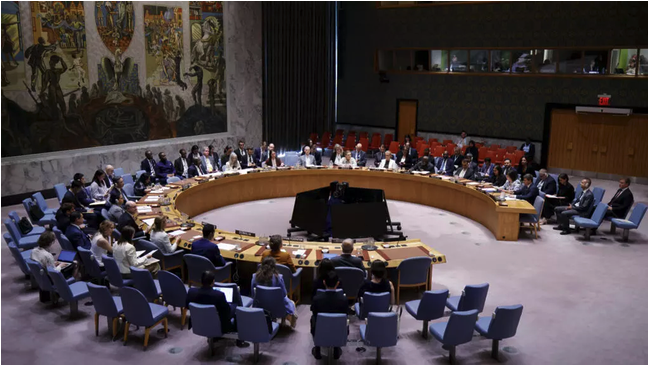
The closed-door vote marked the first formal test of support for the candidates within the 15-member Security Council, which is responsible for recommending a nominee to the UN General Assembly for appointment.
“The first round of straw poll has taken place,” Zenon Mukongo Ngay, the Permanent Representative of the Democratic Republic of the Congo to the United Nations and president of the Security Council for July, told reporters after the vote.
He said the candidates would be informed of the results through the permanent representatives of the member states that nominated them, while the President of the UN General Assembly would also be notified that the poll had been conducted.
As is customary, the results of the informal ballot were not made public.
Straw polls are confidential, non-binding ballots used by the Security Council to gauge the level of support for candidates. The process typically involves several rounds of voting until a candidate secures the backing of at least nine of the council’s 15 members without a veto from any of the five permanent members: the United States, the United Kingdom, China, France and Russia.
Under Article 97 of the UN Charter, the Secretary-General is appointed by the General Assembly upon the recommendation of the Security Council.
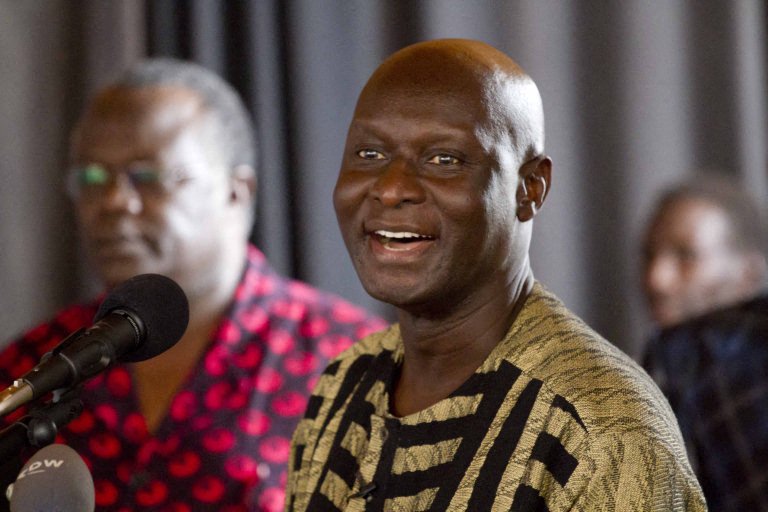
Otunnu, 75, was formally nominated by the Ugandan government earlier this month, becoming the seventh candidate in the race.
A veteran diplomat with more than four decades of international experience, Otunnu served as the UN Under-Secretary-General and Special Representative for Children and Armed Conflict from 1997 to 2005 under former Secretary-General Kofi Annan.
He also represented Uganda at the United Nations from 1980 to 1985 and served as President of the UN Security Council in December 1981. During that period, he helped break a deadlock over the selection of a UN Secretary-General by introducing the straw-balloting procedure that ultimately produced Javier Pérez de Cuéllar as a consensus candidate.
Before joining the UN leadership, Otunnu briefly served as Uganda’s Minister of Foreign Affairs and later led the opposition Uganda People’s Congress (UPC), contesting the country’s 2011 presidential election.
His candidacy places East Africa in contention for one of the world’s most influential diplomatic positions.
The other candidates are former Chilean President Michelle Bachelet, former Ecuadorian Foreign Minister and former President of the UN General Assembly Maria Fernanda Espinosa, International Atomic Energy Agency Director General Rafael Mariano Grossi of Argentina, UN Conference on Trade and Development Secretary-General Rebeca Grynspan of Costa Rica, Guyana’s Permanent Representative to the United Nations Carolyn Rodrigues-Birkett, and former Senegalese President Macky Sall.
The seven contenders recently presented their visions for the future of the United Nations during a televised dialogue ahead of the Security Council’s voting process.
Once the Security Council reaches consensus on a candidate, it will forward its recommendation to the UN General Assembly for formal appointment. The successful candidate will begin a five-year term on January 1, 2027, succeeding Guterres, who is completing his second term as Secretary-General.
Uganda’s Olara Otunnu is among seven contenders seeking to succeed António Guterres as United Nations Secretary-General.
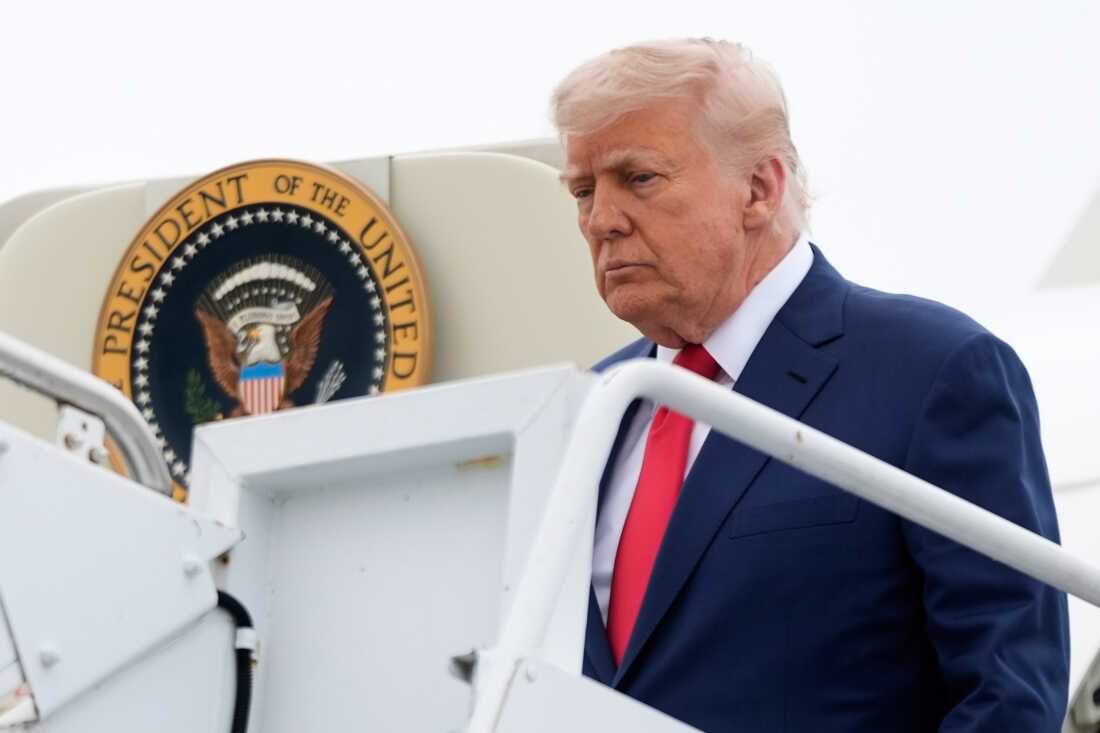
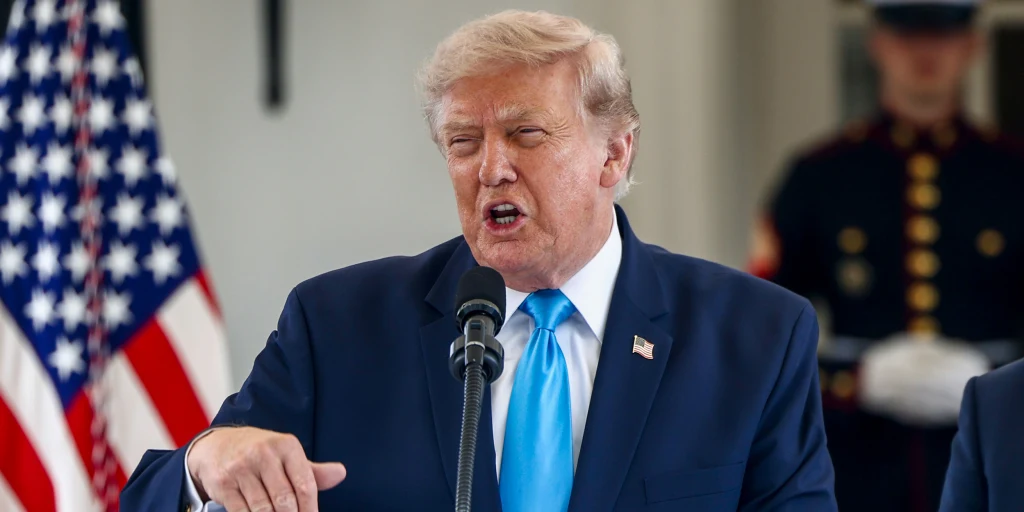
“This agreement is a critical step towards Gaza finally being governed by a new Palestinian government that will work closely with the Board of Peace to help the Palestinian people,” Trump wrote on Truth Social.
“At the same time, Israel will have the security it deserves, with Gaza no longer used as a base for terror attacks,” he added.
The agreement will be carried out in structured phases, according to Trump, who noted that as disarmament is completed, Israeli forces will withdraw, and the International Stabilization Force will work with a new Palestinian police force to take responsibility for Gaza’s security.
He said Egypt, Qatar and Türkiye helped broker the agreement as mediators.
As of now, Hamas has yet to confirm the agreement.
Trump said that the agreement is a critical step towards Gaza finally being governed by a new Palestinian government that will work closely with the Board of Peace