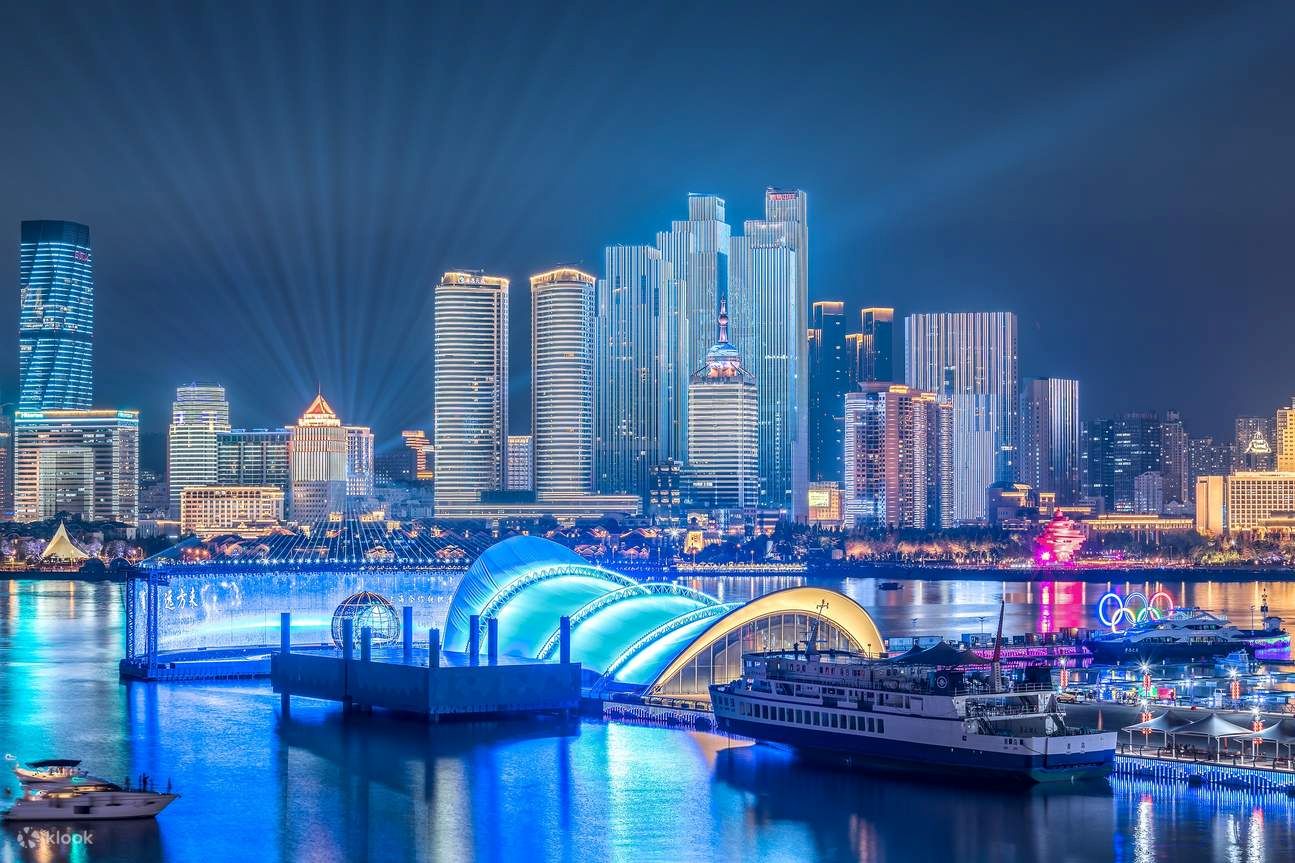
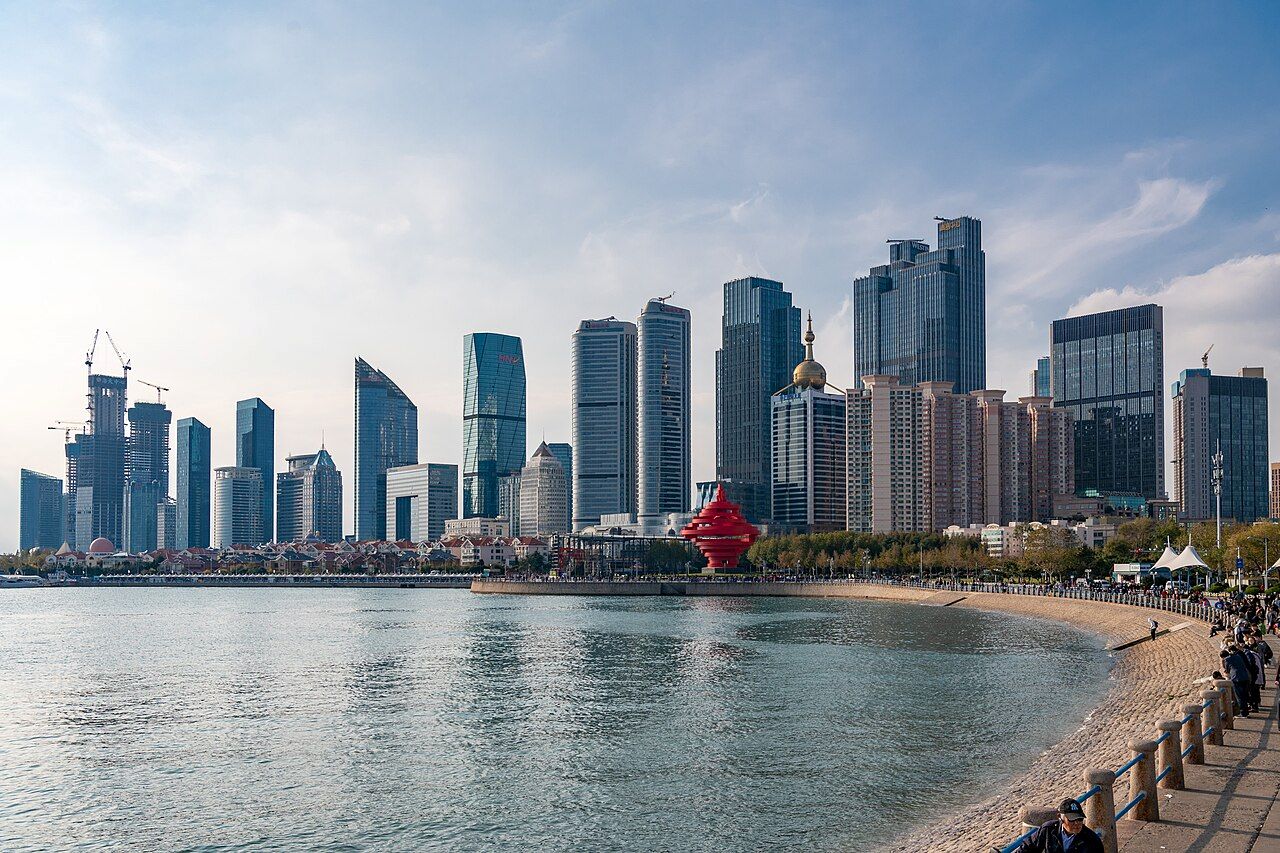
Instead, it greets you with the crisp, briny breath of the Yellow Sea, an omnipresent maritime horizon, and an urban landscape that feels simultaneously ancient, avant-garde, and deeply international. Walking through its streets, one is immediately struck by its unique, multi-layered identity.
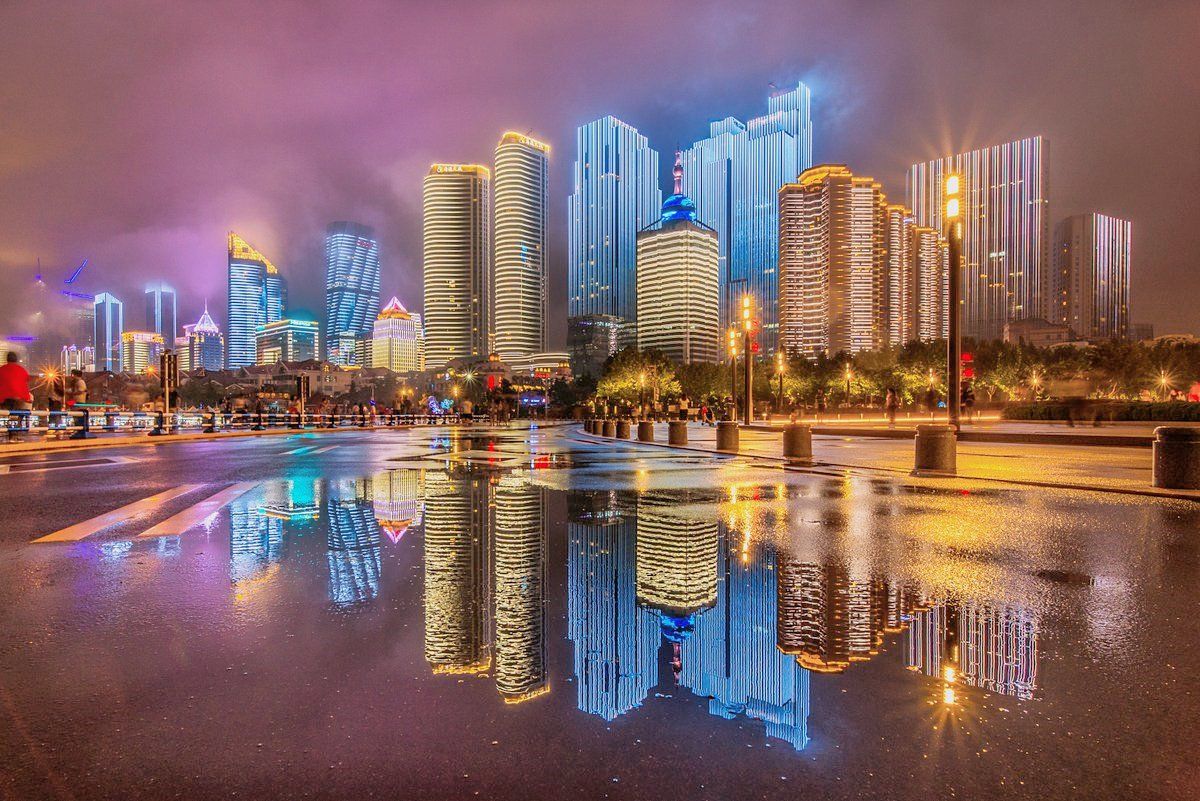
It is a vibrant, fun, and extraordinary city, serving as a clean and green coastal destination that has systematically integrated ecological preservation with aggressive urban development.
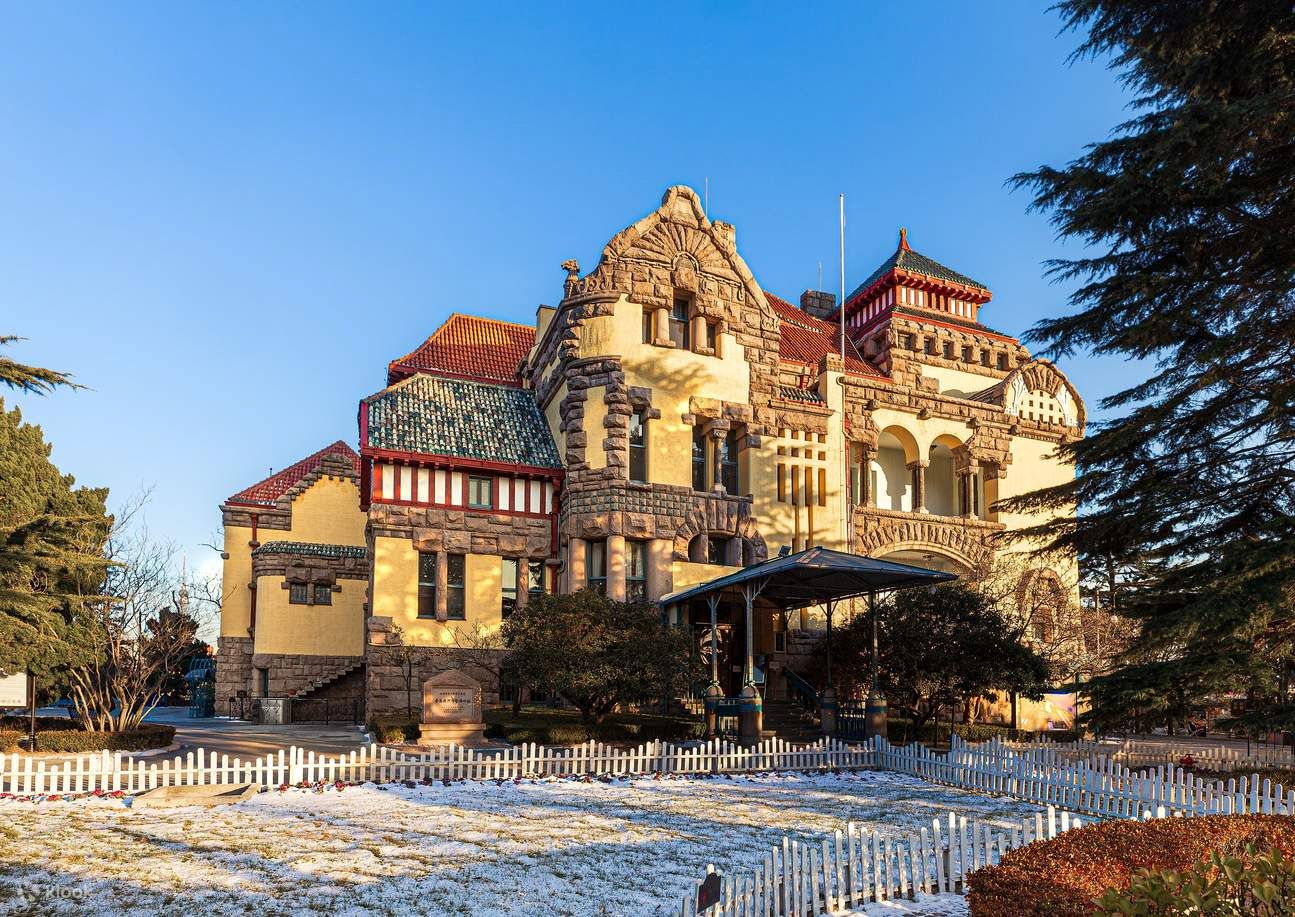
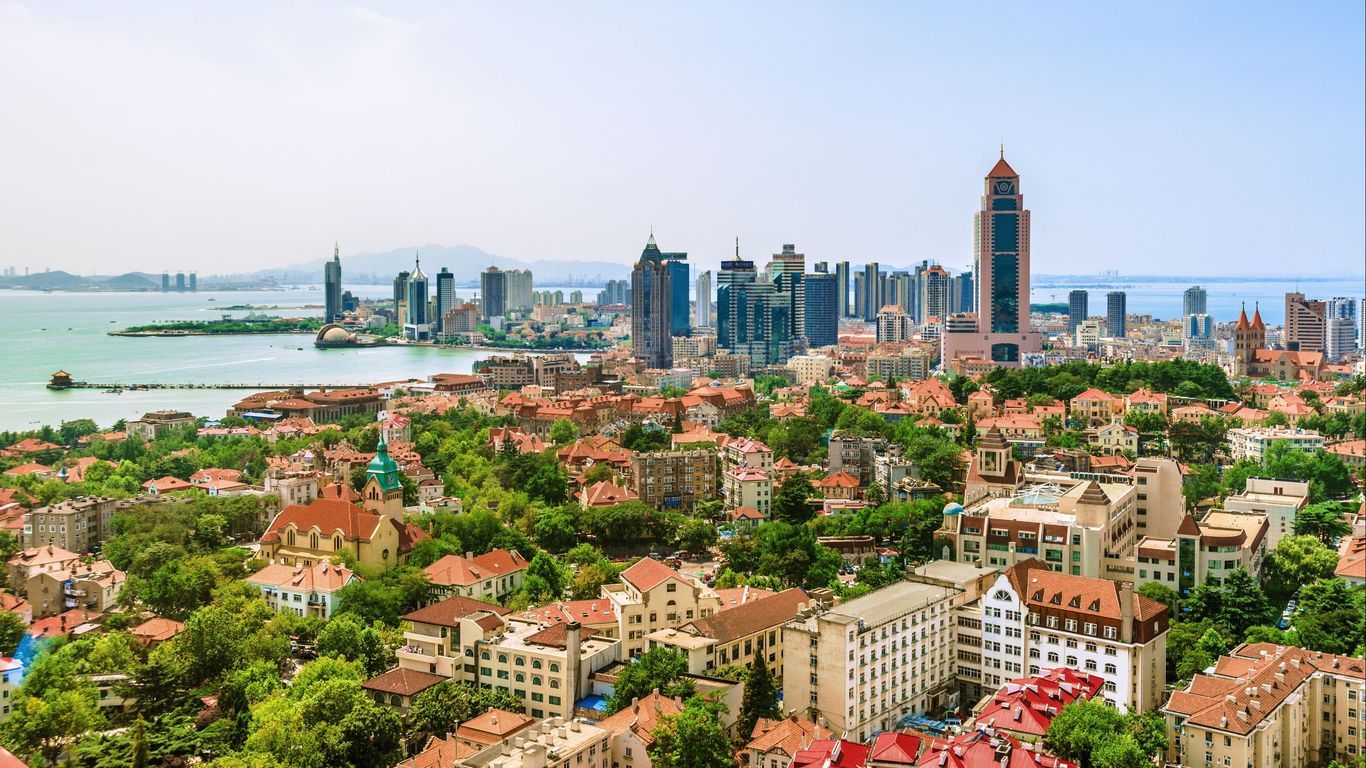
Returning this summer for the 2026 Qingdao International Beer Festival, my journey began in the historic core of the Old Town, standing before the red-roofed, granite-walled structures of the former German Governor’s Residence. The architectural relic stands as a quiet witness to a complex past.
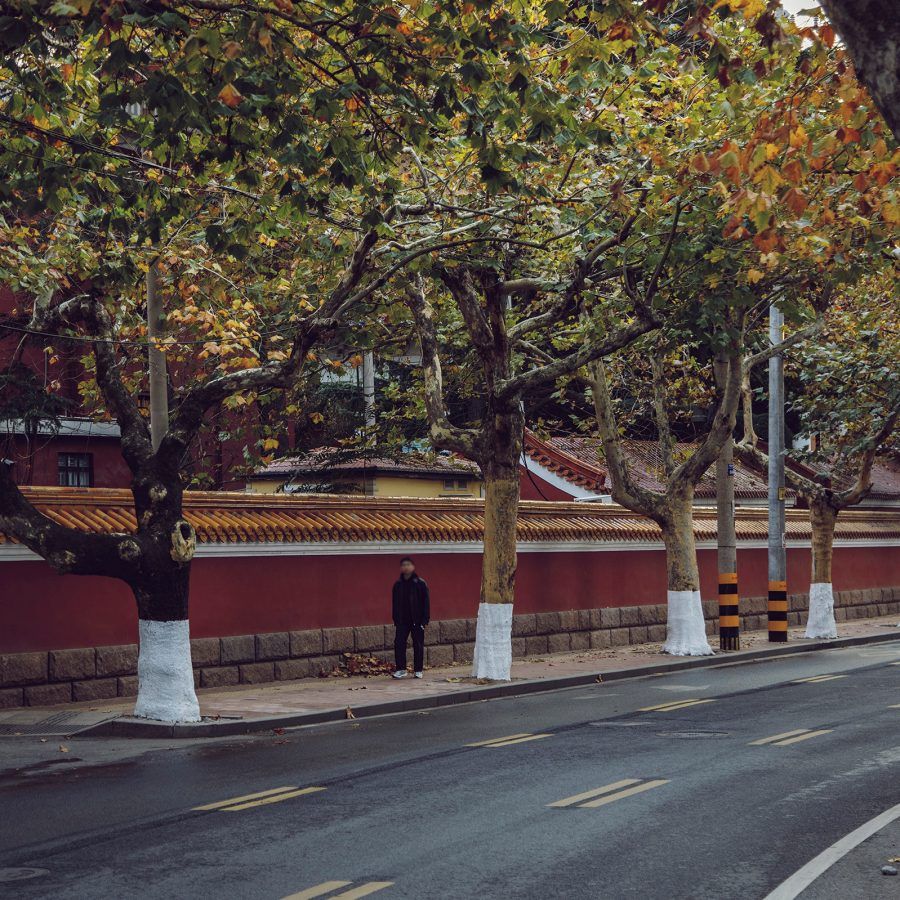
A short walk away lies Daxue Road, where the iconic red walls of the old university campus are flanked by towering plane trees and an eclectic array of independent coffee shops. Transitioning to the contemporary, I found myself at the Qingdao Sailing Olympic Center. Built for the 2008 Olympics, the marina remains a bustling hub of international yachting events.
Yet, the city’s international openness is not confined to its coastline. Venturing into the suburban valleys nestled beneath the sacred peaks of Mount Lao, I explored Qingdao’s burgeoning boutique wineries. It was during these visits that the true mechanism of Qingdao’s global identity became crystal clear.
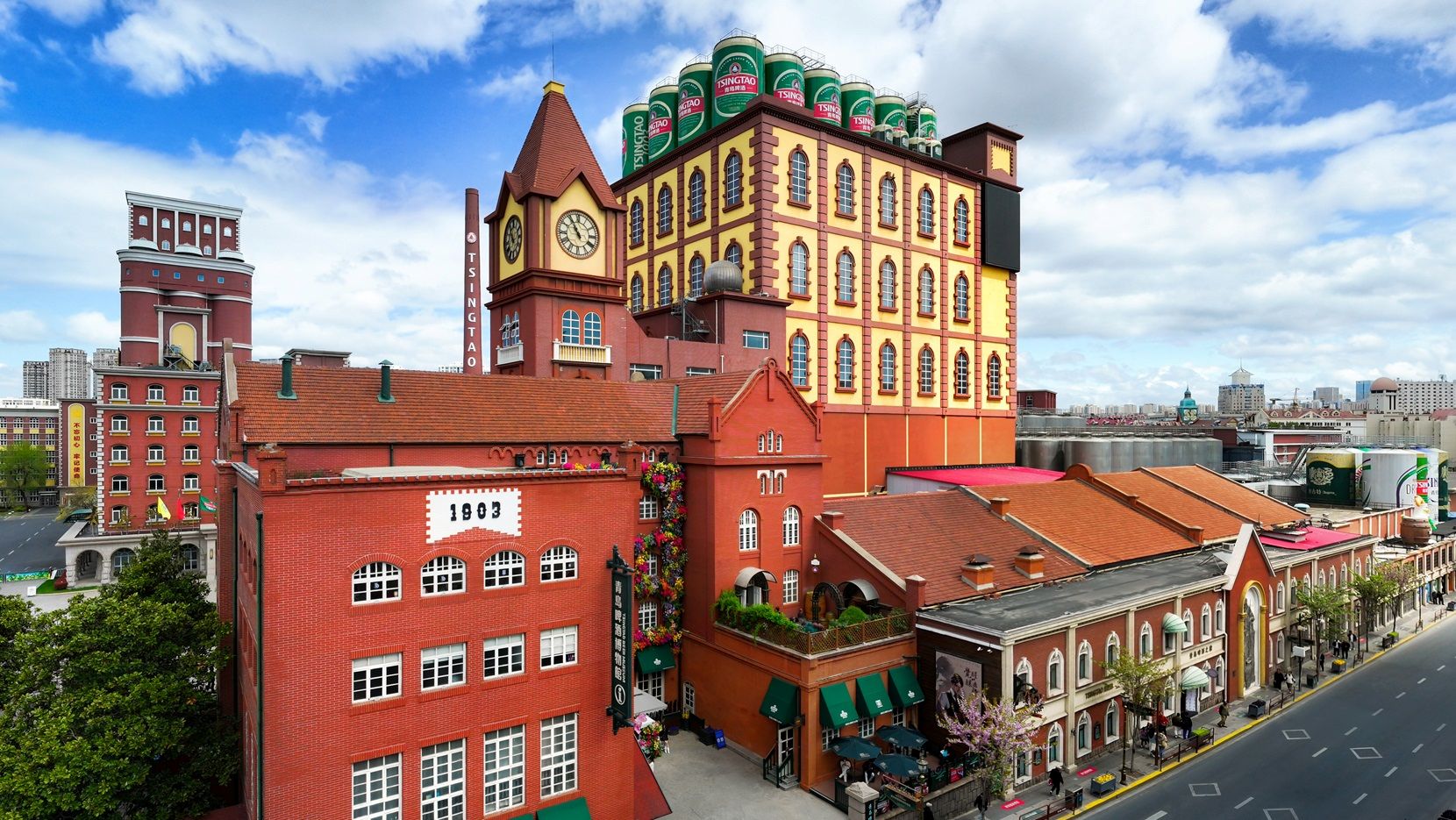
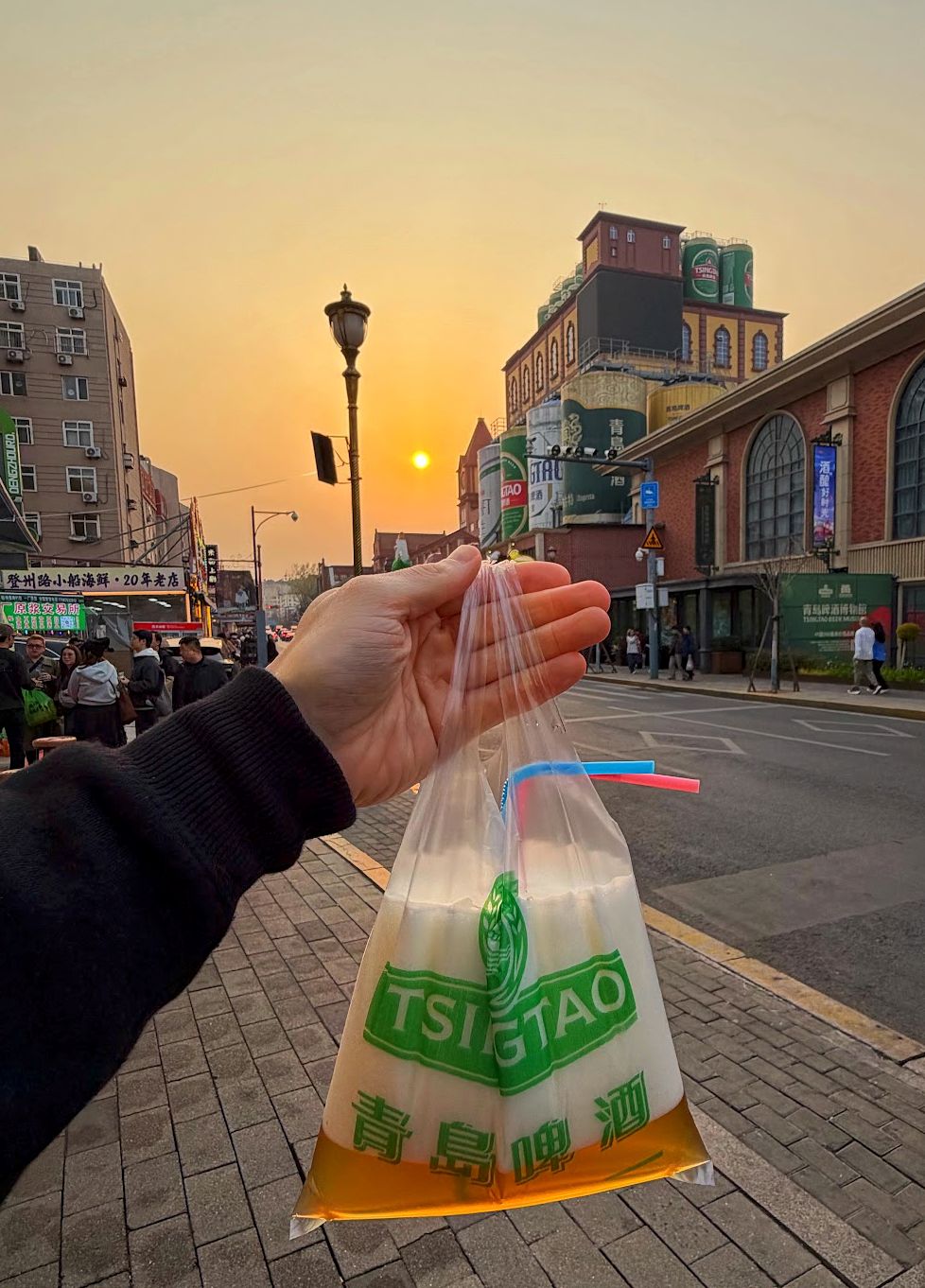
Among all of Qingdao’s diverse symbols, the iconic green bottle of Tsingtao Beer has become the strongest vehicle carrying the city’s image to the world. The festival is not merely a celebration of beer; it is a strategic cultural and economic platform through which Qingdao has expanded its openness, strengthened its international identity, and created opportunities for global engagement, including emerging connections with Africa.
To understand the scale of the festival today, one must travel back to the late 1980s and early 1990s. China was deep in the throes of its transformative Reform and Opening-Up period. Across the country, local municipal governments were fiercely competing to attract foreign direct investment and boost tourism.
Qingdao found its signature urban celebration hiding in plain sight within the amber depths of Tsingtao Beer. On January 17, 1991, the Qingdao Municipal Government officially issued the notice to hold the event, and on June 23, 1991, the inaugural festival opened its gates at Zhongshan Park.
The decision-makers of the era explicitly laid out a two-pronged founding vision, stating that the goals were to further enhance the global reputation of Tsingtao Beer and to use the beverage as a medium to rapidly expand Qingdao’s openness to the outside world. Internationalization was deliberately embedded into the festival’s genetic code from day one.
Over the course of more than thirty-five years, the festival has evolved into a national-level mega-event. From an economic perspective, the growth trajectory is staggering. In its inaugural 1991 edition, the festival welcomed 300,000 visitors.
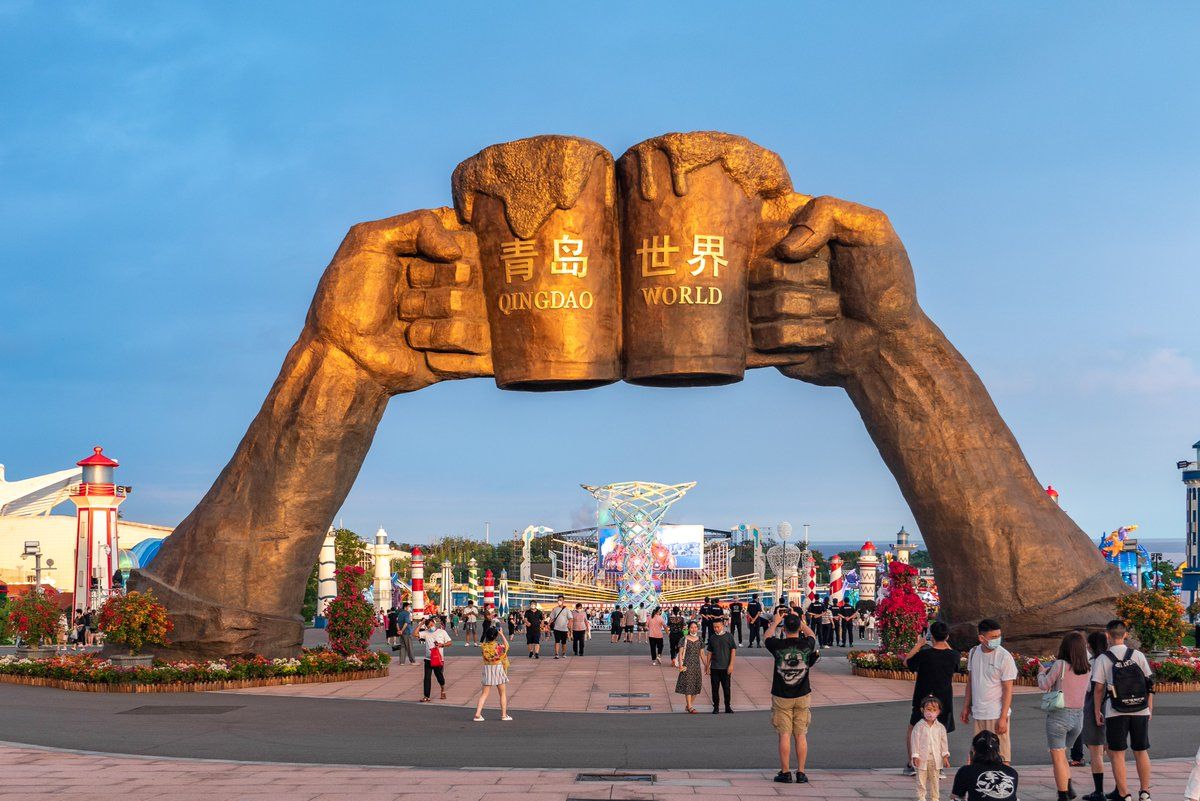
By the 35th edition held in 2025, the city received 22.48 million tourists over the course of the festival, generating 18.03 billion RMB in direct urban consumer spending. This economic engine drives the entire region, boosting hospitality, transit, restaurants, retail, and local industrial supply chains.
Beyond hard currency, the festival has fundamentally reshaped Qingdao’s international reputation. In 2005, the International Festivals and Events Association ranked the event first among China’s Top Ten Most Internationally Influential Festivals.
In 2021, Qingdao was formally awarded the prestigious title of China’s Beer Capital, standing shoulder-to-shoulder with world-renowned celebrations like Munich’s Oktoberfest as a tool for city diplomacy. At the same time, the festival has maintained a democratic, people-first ethos.
From the 11th to the 28th editions, ticket prices did not increase for 18 consecutive years, and since the 29th edition, admission has been completely free, ensuring the celebration belongs to ordinary citizens and visitors alike.
The summer of 2026 marks the historic 36th edition of the Qingdao International Beer Festival. The festival opened on July 17, 2026, and will run for 30 days until August 15, 2026, under the theme “Qingdao Cheers with the World.” To accommodate millions of visitors, this year’s edition is adopting a city-wide synergy model, featuring three main venues across the West Coast, Laoshan District, and Qingdao Old Town.
The scale is historic, bringing together over 2,300 domestic and international beer brands alongside more than 2,000 special events. The West Coast venue alone expects 7 million visitors, 3,000 tons of beer consumption, and an estimated 7.8 billion RMB in regional tourism revenue.
Guiding visitors through this massive footprint is the official zodiac mascot, Maxia, a playful horse design representing energy and the swift expansion of international friendship.
Why does Qingdao continue to pursue the world, and why should the world pay attention? The festival creates a global cultural agora, an international space for brand participation, foreign tourists, and cross-cultural exchange. As early as the 5th edition in 1995, beer brands from every single continent except Africa were participating.
In 2019, Qingdao elevated its institutional diplomacy by establishing the International Beer Festival Alliance Cooperation Mechanism with representatives from the Munich, Denver, and Toronto beer festivals, turning the event into a global conversation.
In 2026, this openness has translated into highly practical, friction-free services. The festival executed a targeted campaign to bring 10,000 Korean tourists to the event, integrated 7 international e-wallet payment systems for foreign visitors, and provided comprehensive multilingual signage and tax refund services for departing international guests.
The most compelling dimension of the festival’s contemporary trajectory is its expanding connection with the African continent. In December 2019, the Tsingtao Beer Group launched the first stop of its Tsingtao Beer Festival Along the Silk Road initiative in Monrovia, Liberia.
The event attracted thousands of local participants, fostering people-to-people connectivity. Liberian officials expressed high hopes that it would serve as a permanent platform for future cultural and commercial cooperation between Liberia and China.
Conversely, the domestic festival grounds have long welcomed African participation. As early as the 20th edition in 2010, African Golden Antelope Beer was exhibited, and the festival has previously set up dedicated African zones to highlight continental brands.
In the current 2026 festival, international guests include an Ethiopian traveler named El, who joined visitors from Russia, Germany, and New Zealand on the festival floor. Looking ahead, Africa represents an emerging opportunity and growing connection for Qingdao.
Future cooperation can be strategically expanded through agricultural trade, food and beverage industries, tourism, youth exchange, and business partnerships within the Belt and Road framework.
The festival represents how a city can use culture, business, and shared experiences to expand its openness and build stronger connections with the world. Ultimately, the Qingdao International Beer Festival is not about beer alone. It is about openness, friendship, cooperation, and the profound belief that a city can communicate beautifully with the global community through culture.
Leave a Reply