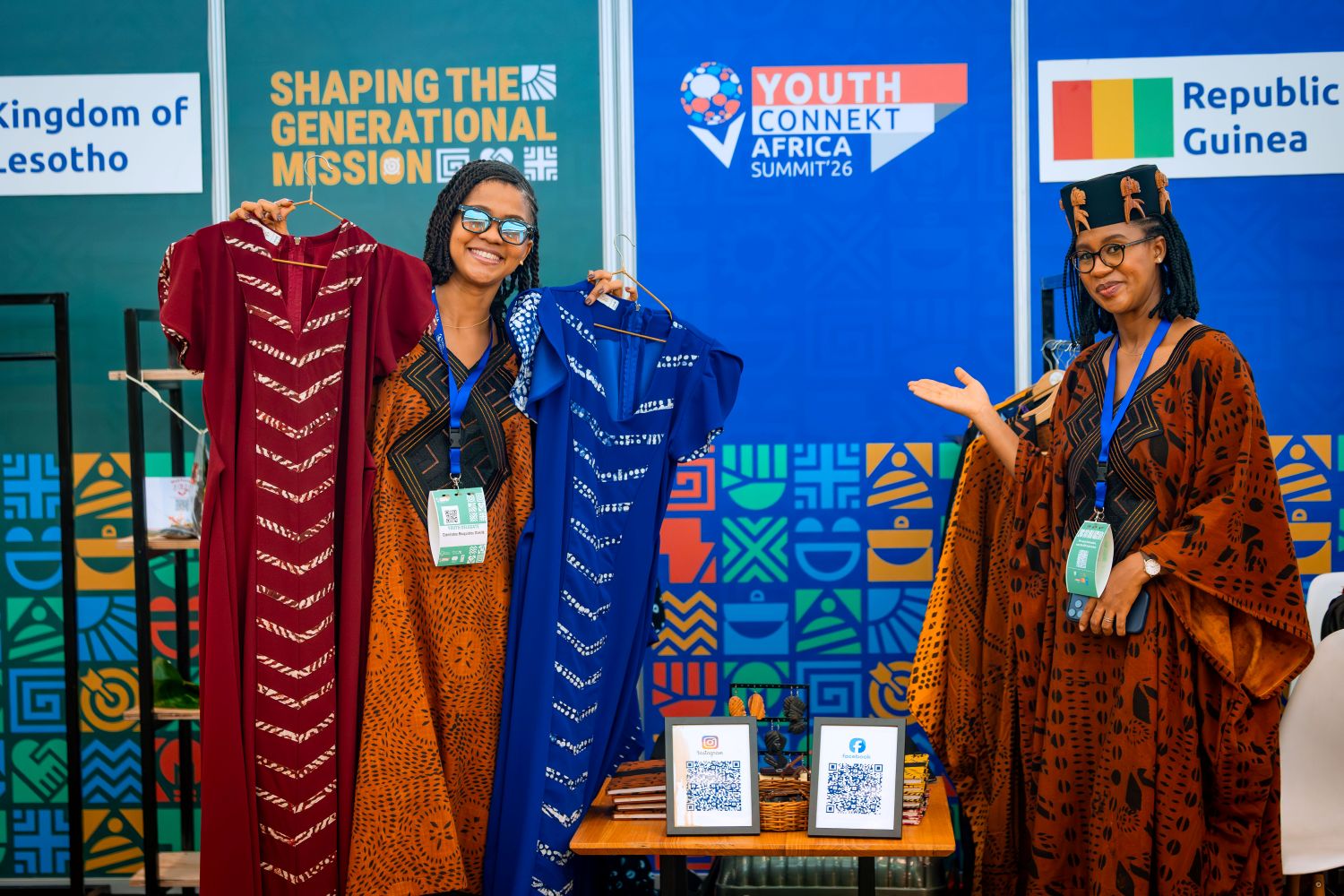
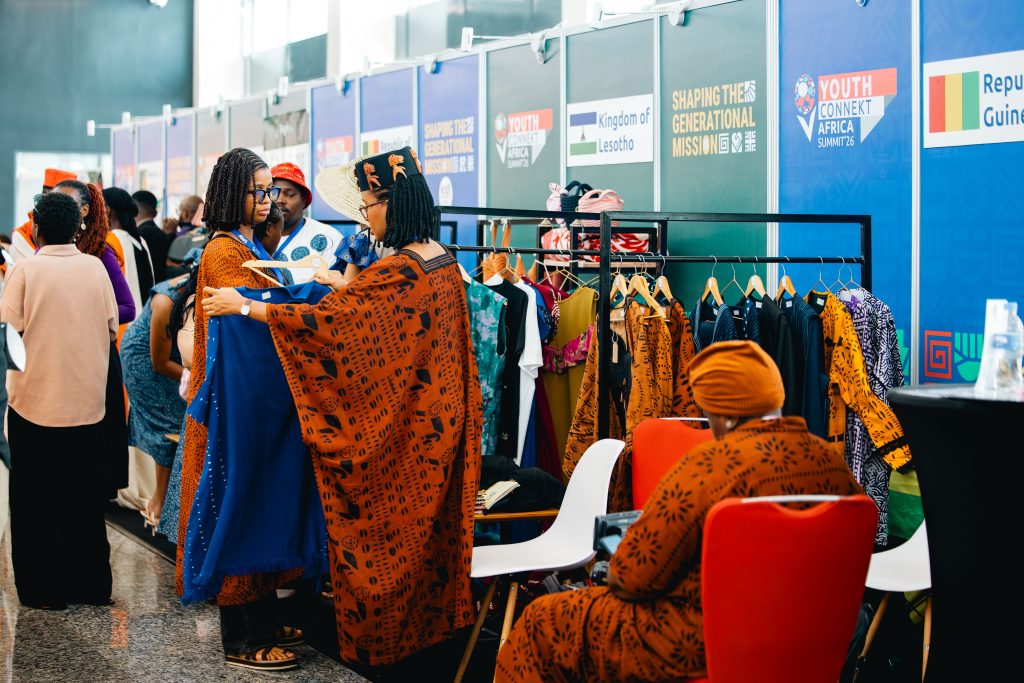
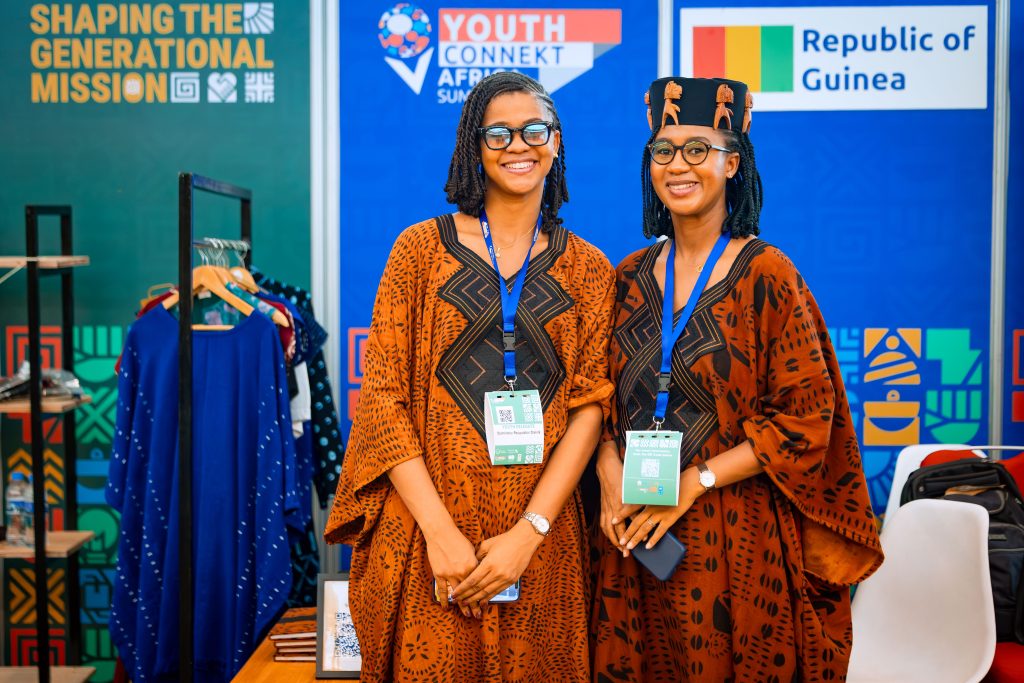
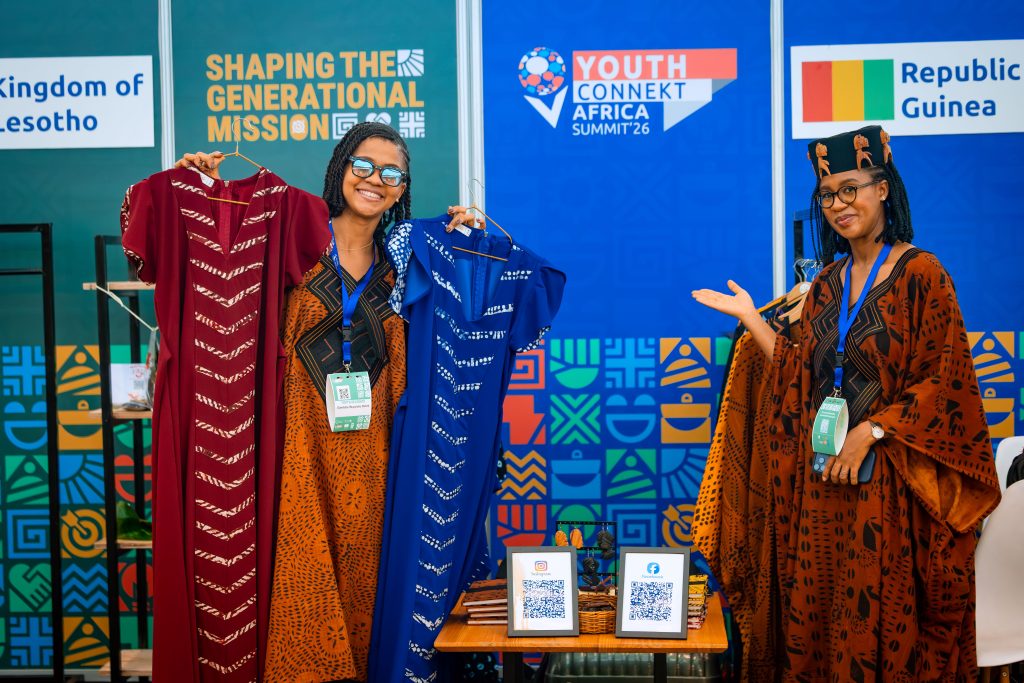
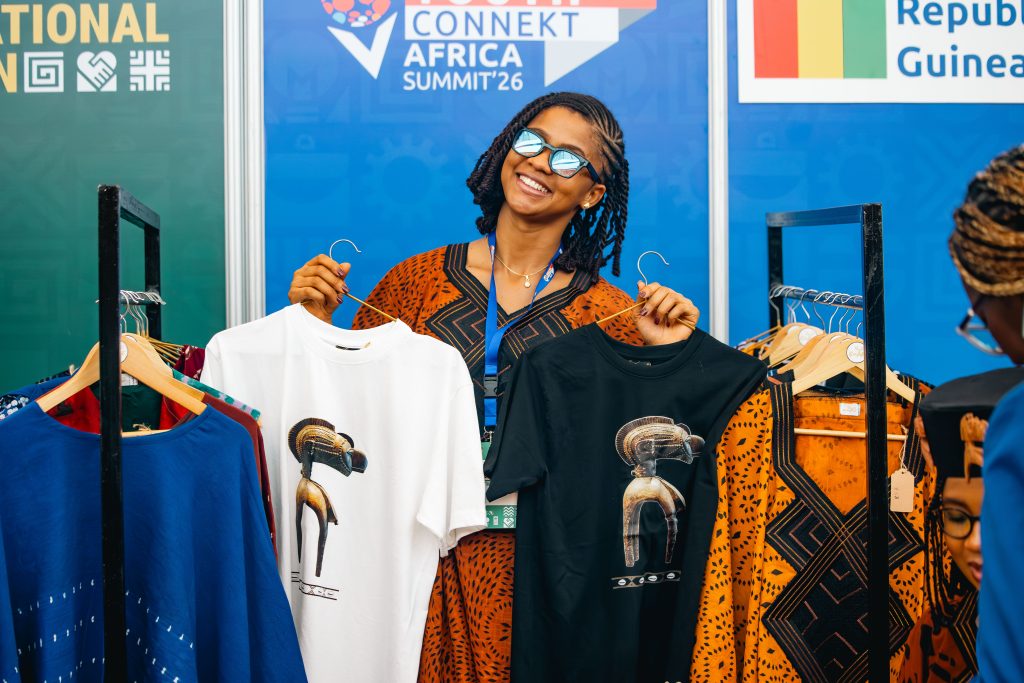
The founder of Emma Afro Fashion, a fashion, art and décor brand known as EMAF, says shipping products to East and Southern Africa is a major challenge because of limited direct transport connections. In some cases, the cost of transporting goods can exceed the value of the products themselves.
The problem, she argues, is that African entrepreneurs can make products with the potential to sell across the continent but still struggle to reach customers because moving goods between countries remains costly and complicated.
“We have beautiful products in Guinea, but transporting them to other African countries, particularly those further away in East Africa and Southern Africa, is a major challenge. There are no direct shipping routes, and in many cases, the shipping costs more than the product itself,” she told IGIHE.
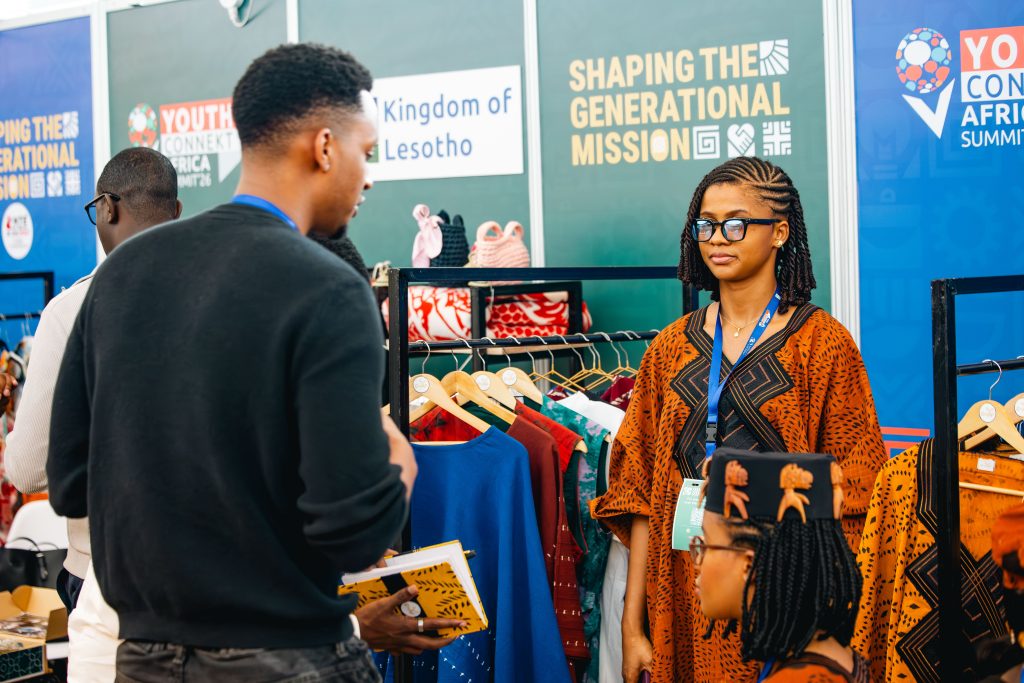
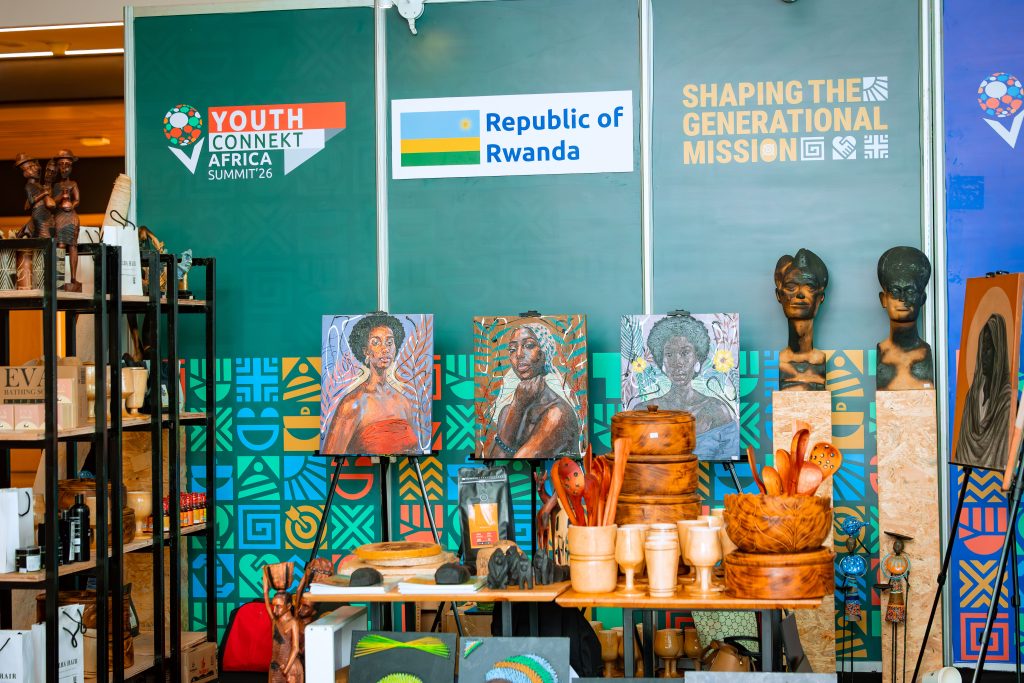
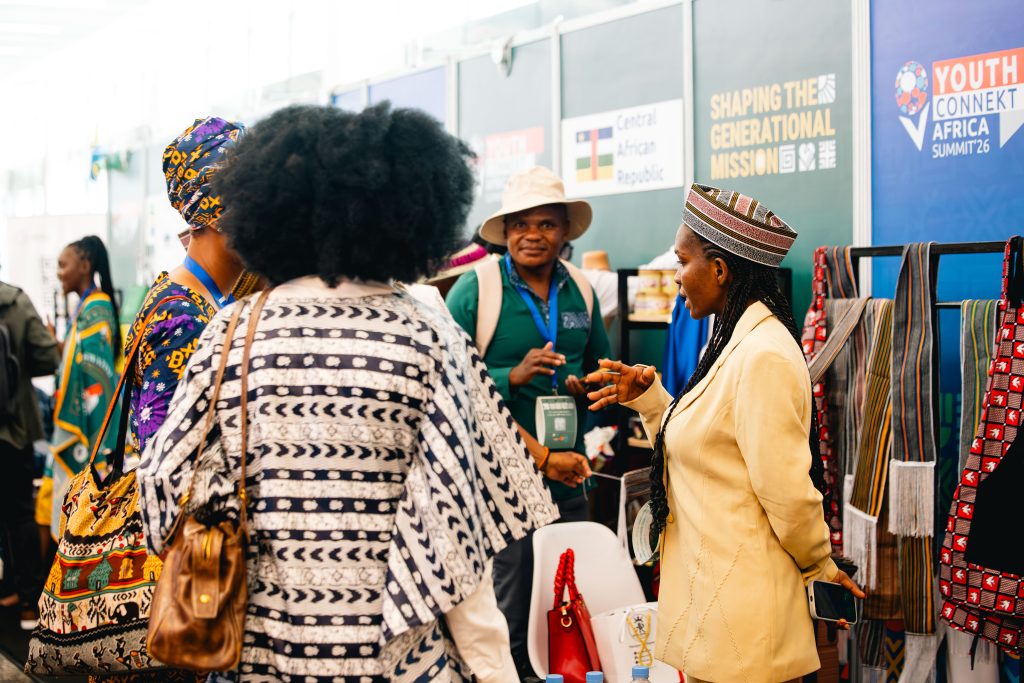
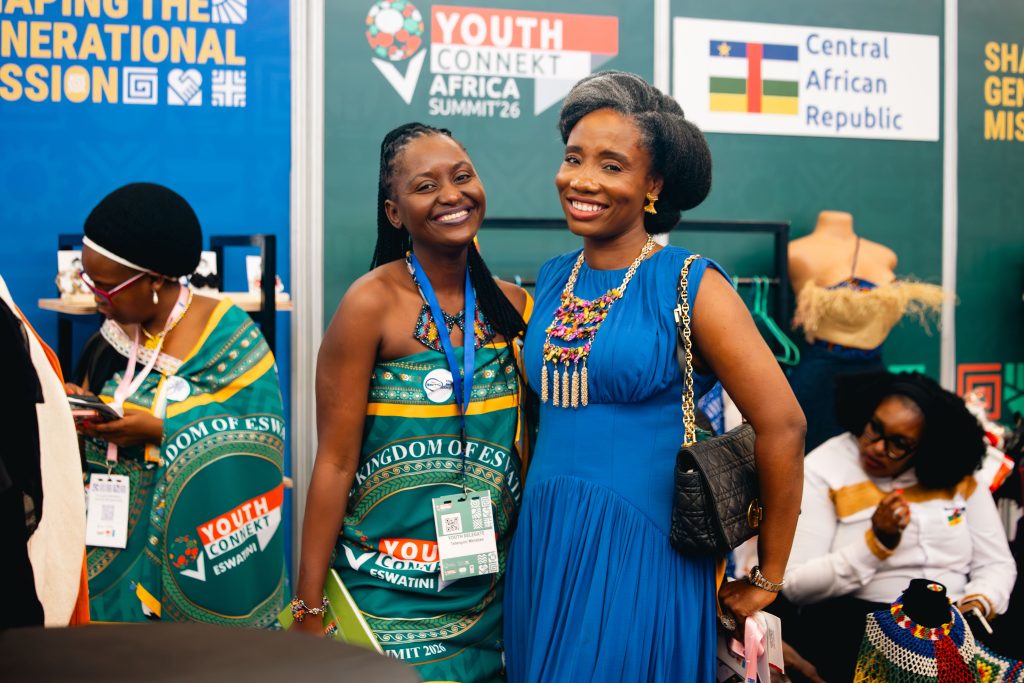
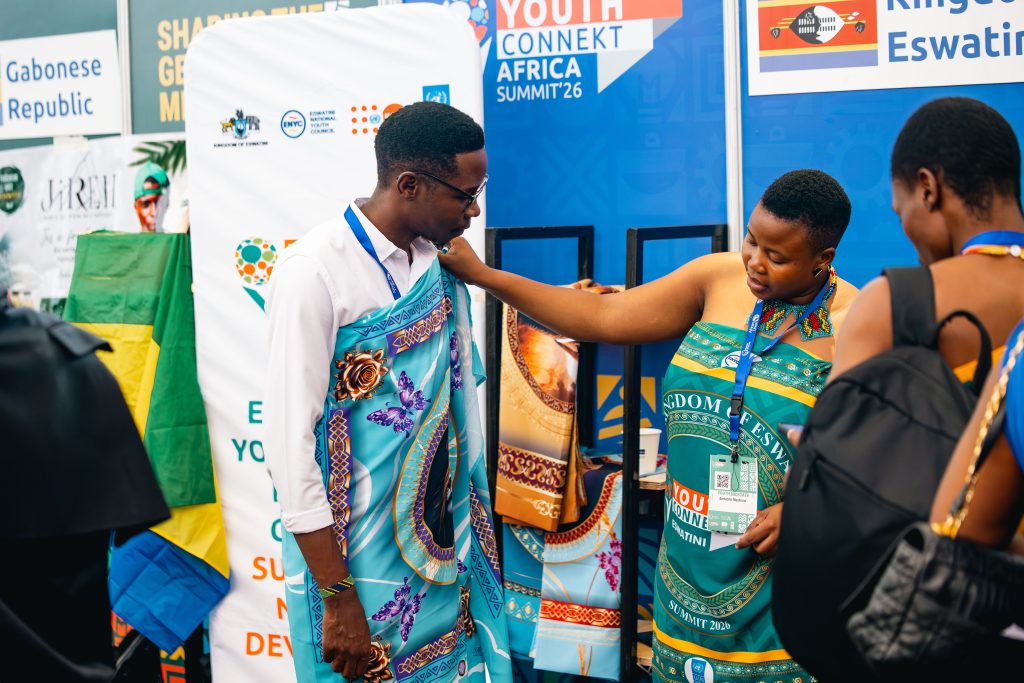
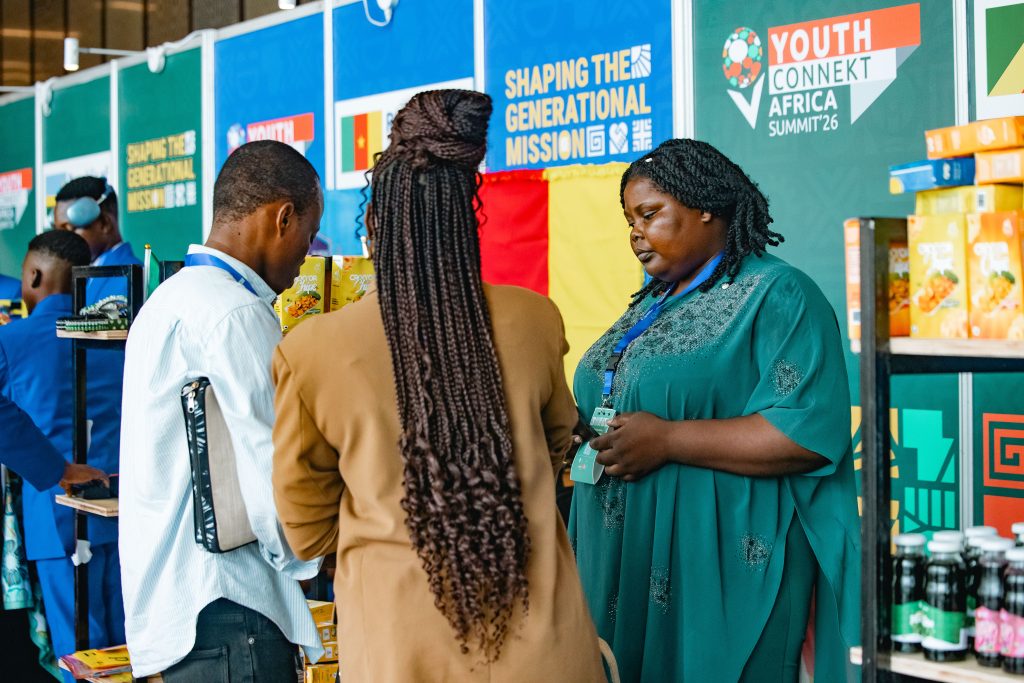
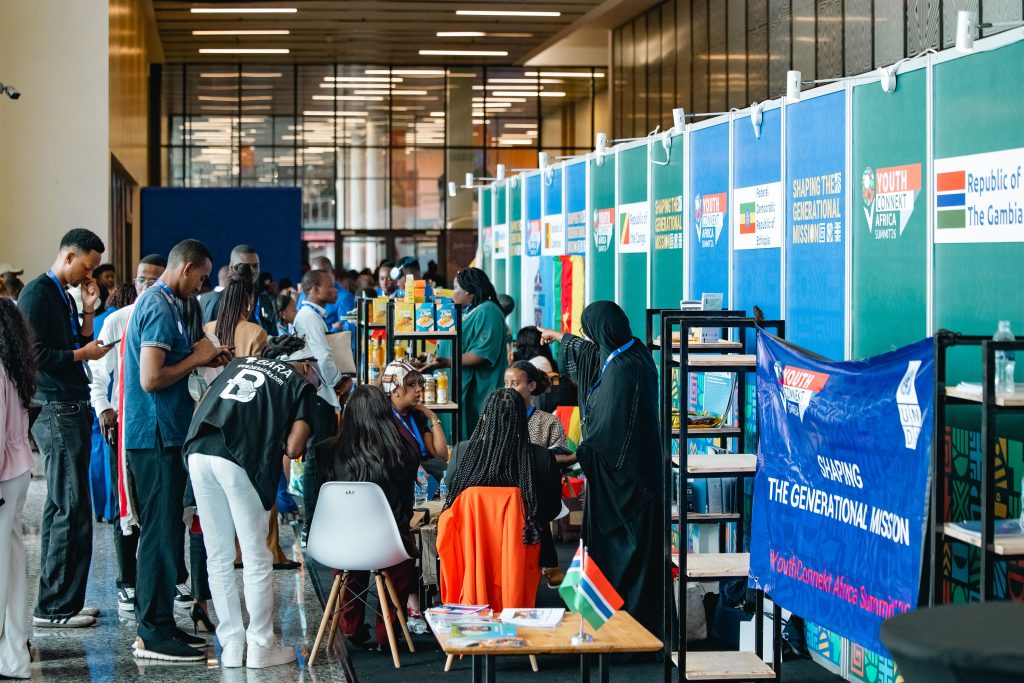
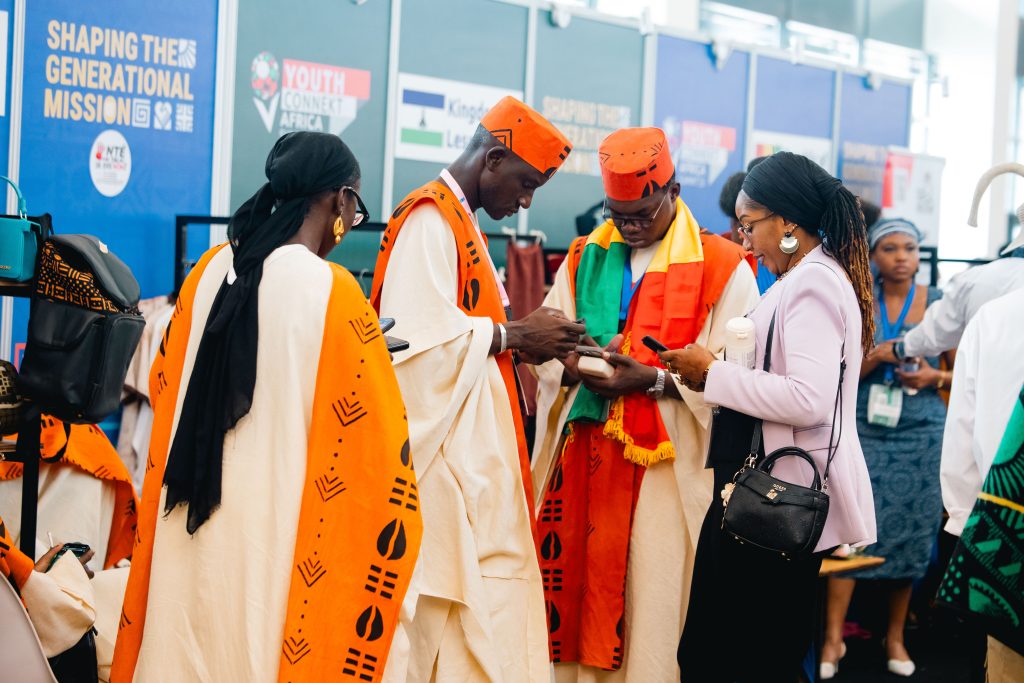
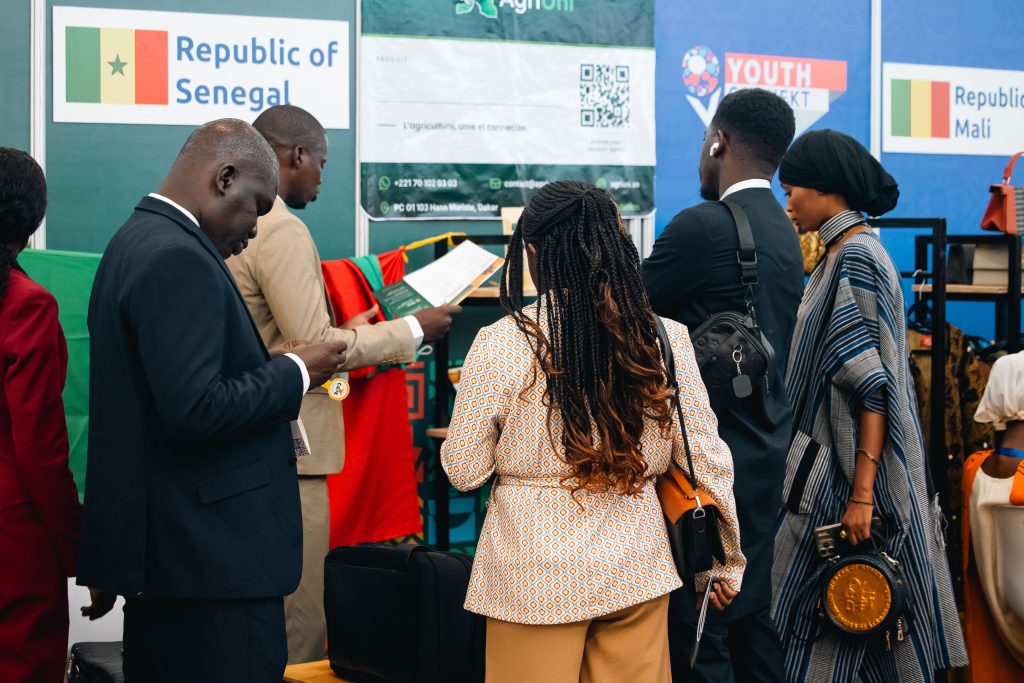
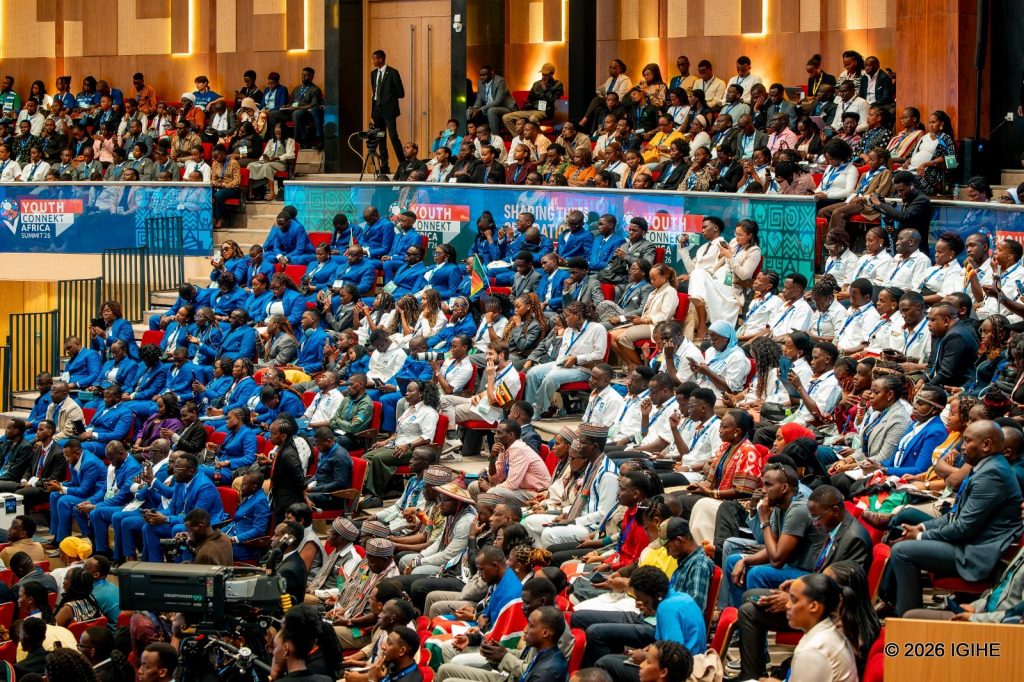
Diakité was among entrepreneurs and creatives exhibiting at the 8th YouthConnekt Africa Summit in Kigali on Wednesday, November 25, where young business owners from different countries showcased products ranging from fashion and art to processed agricultural goods.
Their experiences pointed to a recurring problem facing small businesses across Africa: the difficulty of turning production into regional trade.
For many, the challenge is no longer simply making products or finding customers. It is getting goods to those customers at a price that allows the business to remain competitive.
Rama Bah Chileshe, CEO and co-founder of CAPAMO Agribusiness, a horticulture business based in Livingstone, Zambia, knows the problem from the agricultural sector.
Her company produces tomatoes and chillies, working with smallholder farmers and processing some of the harvest into tomato paste and chilli sauces to reduce losses after harvesting.
But expanding beyond Zambia comes with several obstacles, including poor roads, inadequate storage infrastructure and expensive cross-border transport.
Chileshe also points to a shortage of technical knowledge among small businesses on how to navigate cross-border trade, making it harder for entrepreneurs to identify and access opportunities in neighbouring markets.
She wants to bring CAPAMO products to Rwanda, having previously visited the country for the Africa Food Systems Forum and received feedback on how the products could be adapted to local consumers.
However, finding a market is only one part of the equation. Businesses also need reliable logistics, distribution networks and the ability to move products without costs eating into their earnings.
The same difficulties affect Rwanda’s creative sector.
Grace Ishimwe, a 26-year-old fashion designer behind the brand IG Wear Rwandan, says insecurity and strained relations between countries can disrupt access to customers in regional markets, including the Democratic Republic of Congo and Burundi.
Even when demand exists, instability can make exporting difficult.
Her business also faces the high cost of importing quality raw materials. The expense pushes up the price of finished garments, making them less affordable for customers.
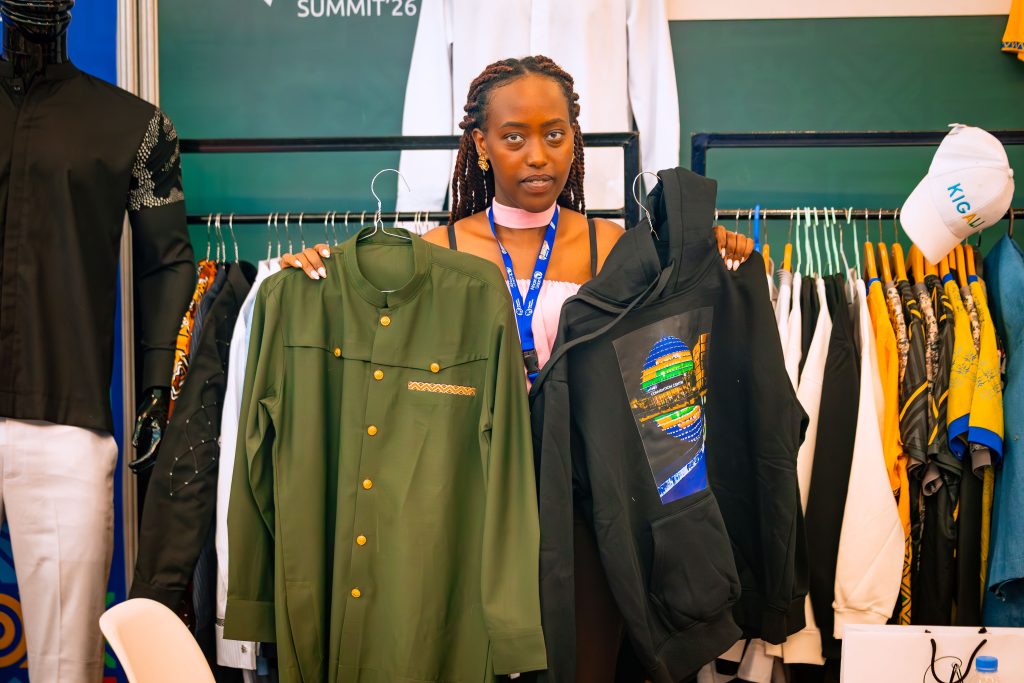
For a small fashion business, this creates a difficult balance: using affordable materials may compromise quality, while importing better materials can make products too expensive for the local market.
A continental market that remains difficult to reach
The challenges raised by the entrepreneurs come as African governments seek to deepen regional trade through the African Continental Free Trade Area (AfCFTA), which aims to create a single market for goods and services across the continent.
The agreement offers businesses the prospect of reaching a much larger customer base beyond their home countries. But entrepreneurs say the benefits of market access remain limited when transport is expensive, infrastructure is weak and trade procedures are difficult to navigate.
The issue featured prominently in discussions at the YouthConnekt Africa Summit, where young entrepreneurs challenged leaders to address the practical barriers preventing businesses from trading across borders.
Linda Shachinda, a Zambian entrepreneur and founder of PV Beet Farms, told leaders that transporting goods to markets such as Botswana and the Democratic Republic of Congo remains expensive and unpredictable.
She pointed out that preferential tariffs do not necessarily make trade affordable when the cost of moving products remains high.
“We may have access to preferential tariffs, but that doesn’t necessarily mean we can afford to get our products to those markets,” she told the forum.
Shachinda cited a Nigeria-Rwanda air cargo initiative that allows eligible exporters to access freight services at less than $2 per kilogram to selected African destinations, asking how similar arrangements could be expanded.
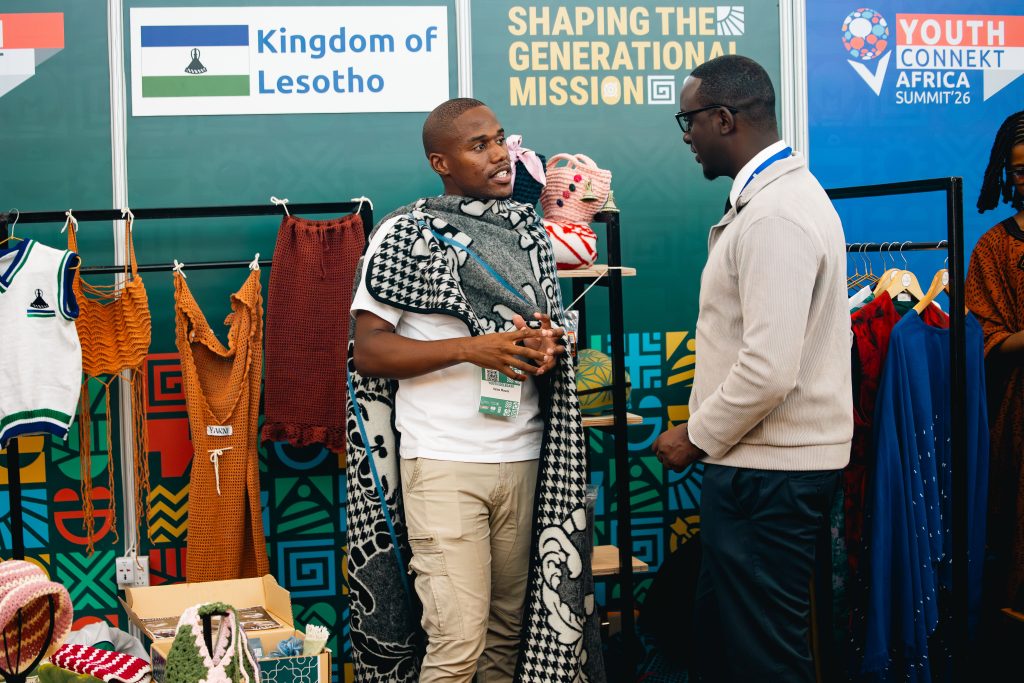
Lesotho Prime Minister Ntsokoane Samuel Matekane acknowledged the need to remove barriers that prevent businesses from trading across African countries.
Drawing on his experience as an entrepreneur before entering public service, Matekane argued that businesses should be able to move goods from Lesotho to Rwanda, Gabon and other markets without unnecessary obstacles.
He described the AfCFTA as an important vehicle for continental trade but warned that it was not yet delivering its full potential, describing it as “idling” without the laws, policies and practical arrangements needed to make cross-border business easier.
For entrepreneurs, that means more than signing trade agreements. It requires roads that connect production areas to markets, affordable transport, efficient border processes, reliable storage facilities and stronger distribution networks.
Beyond agriculture and manufacturing
The barriers are not limited to food and manufactured goods. They also affect artists and other businesses in the creative economy, where access to exhibitions, buyers and international networks can determine whether a small enterprise grows.
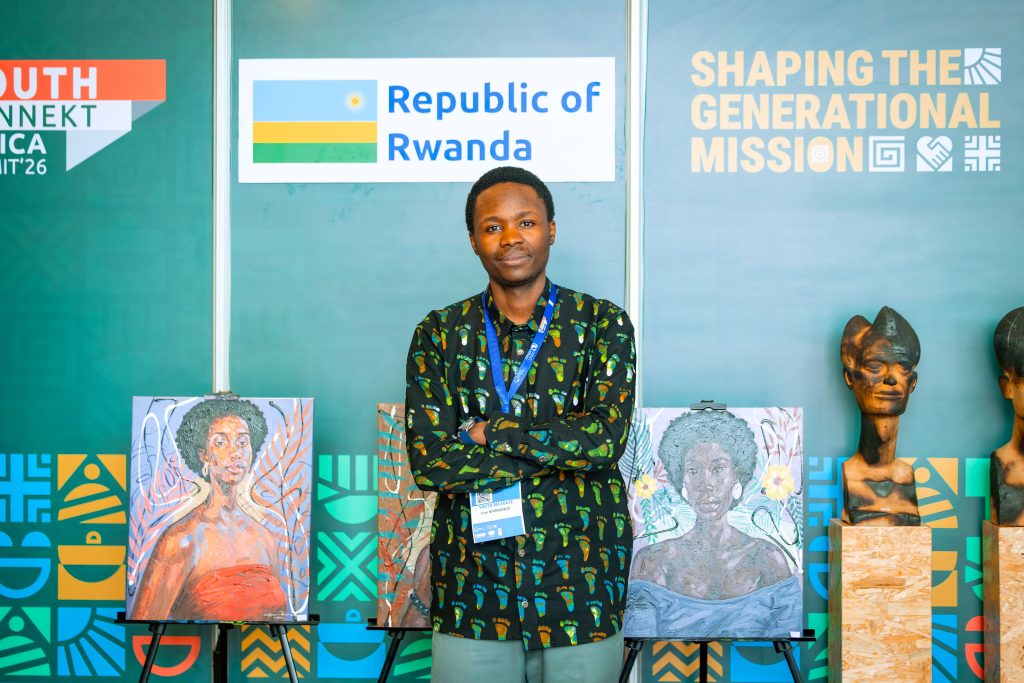
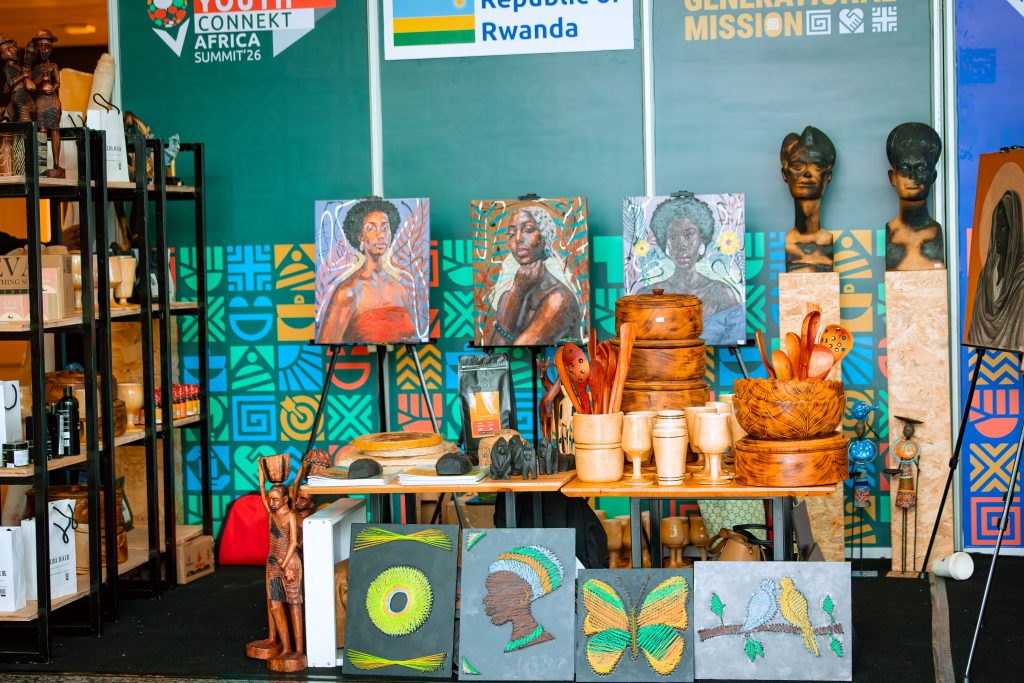
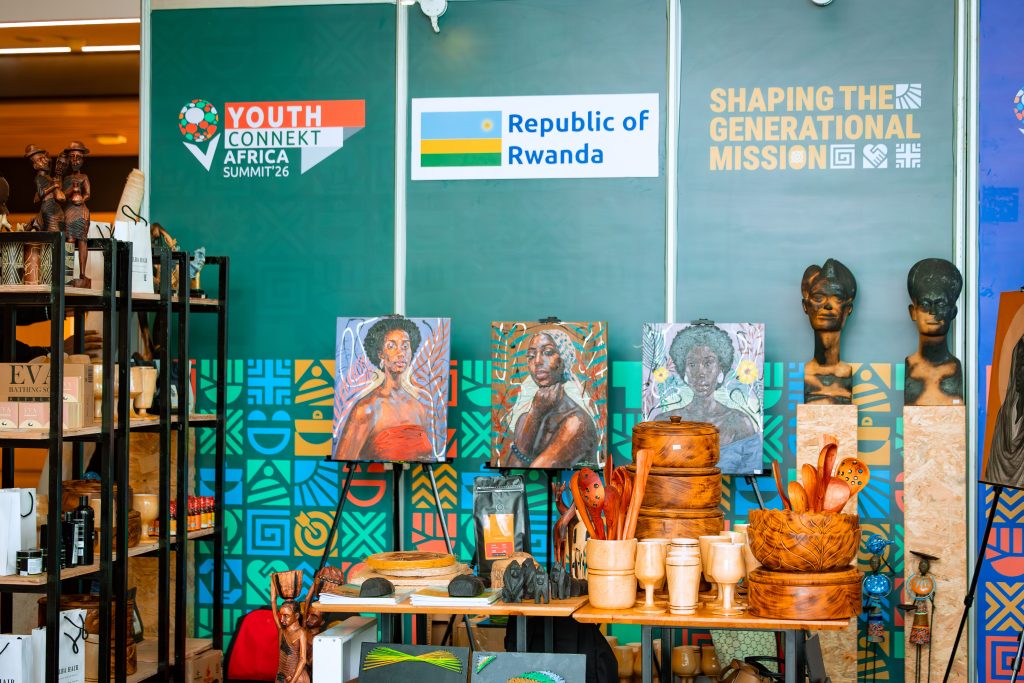
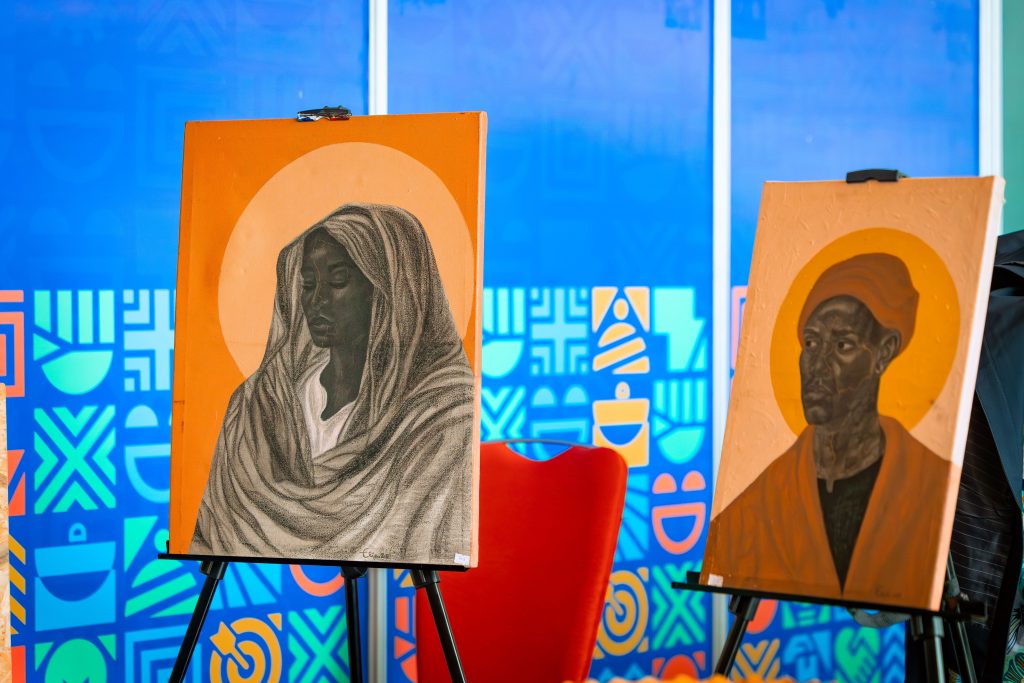
Elisa Niyogisubizo, founder and gallery director of Sunday’s Art Hub and New Guti Art Hub in Kigali, says limited market access remains a major challenge for young artists.
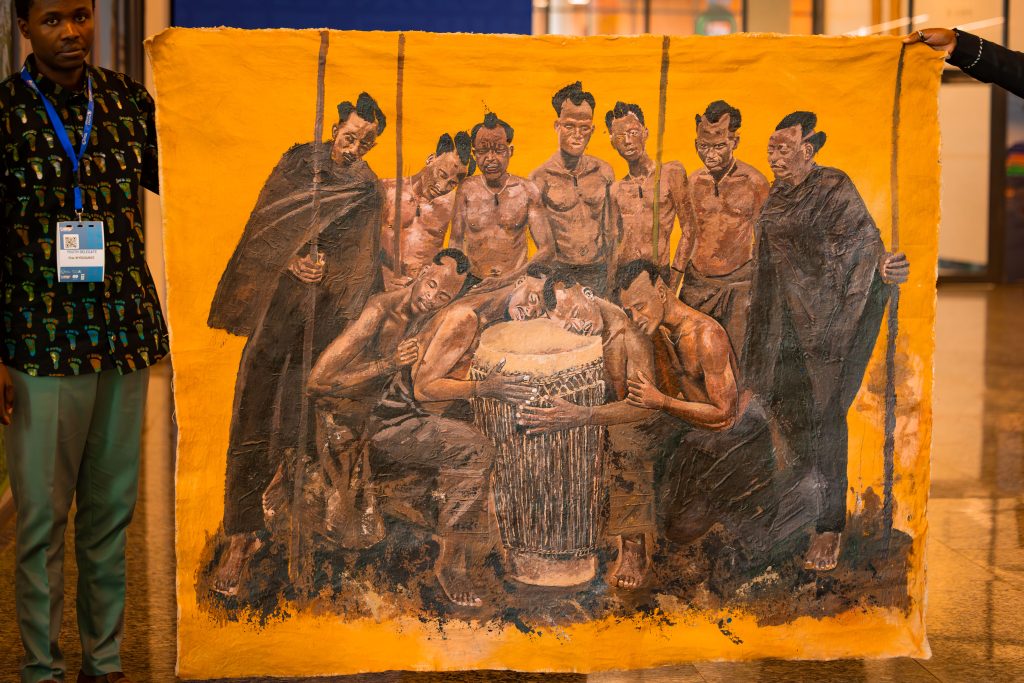
His business works with paintings, sculptures, ceramics and wood-based crafts, including souvenirs made through pyrography, a technique that uses heat to create designs on wood.
Niyogisubizo, who won the Arts Connect award at the YouthConnekt programme, says partnerships and networks are important in helping artists find buyers beyond Rwanda.
He has secured an exhibition in Qatar, an opportunity he says has taken time to develop through partnerships and support from Rwanda’s Ministry of Foreign Affairs and the country’s embassy.
At home, he is also working to make art more accessible to younger consumers. Original paintings can be expensive, so the business offers prints at lower prices. He also organises art classes and paint-and-sip sessions, creating additional ways to earn revenue while introducing more people to local art.
For him, the challenge is not a shortage of creative talent but building the connections and market opportunities that allow artists to make a sustainable living.
From a Rwandan initiative to a continental platform
The entrepreneurs’ concerns reflect some of the issues YouthConnekt was established to help address: limited opportunities for young people, barriers to entrepreneurship, unemployment and the difficulty of connecting youth-led businesses to markets, finance and networks.
Launched in Rwanda in 2017, YouthConnekt has grown into a continental platform involving 39 African countries. Organisers say it has engaged more than 16 million young people, supported over 50,000 youth-led businesses and contributed to the creation of 250,000 jobs.
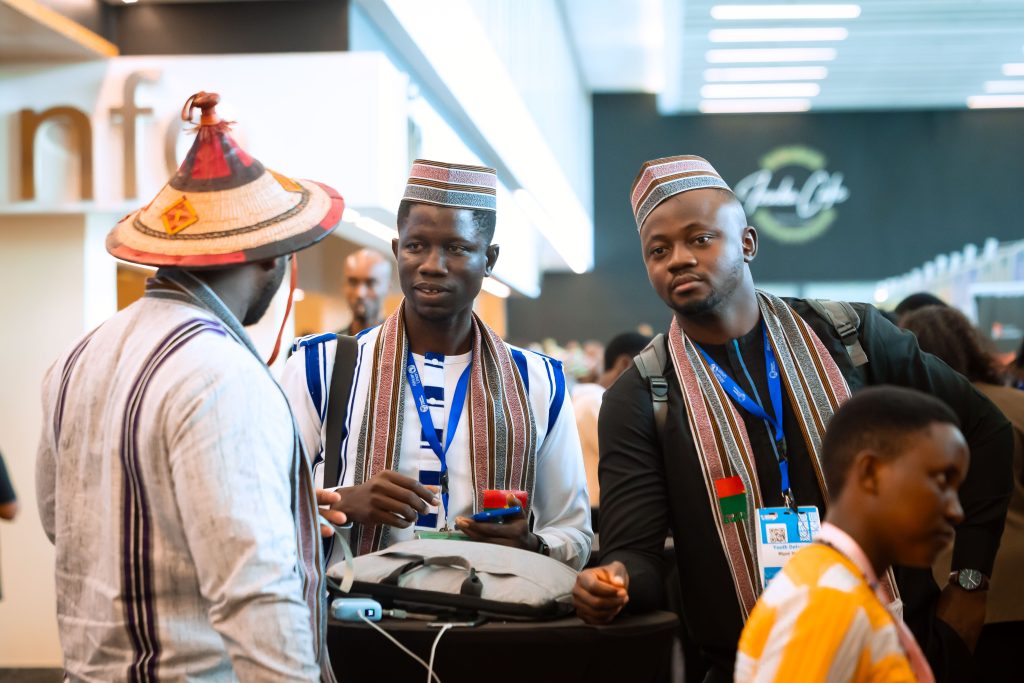
The annual summit brings together young entrepreneurs, policymakers, investors, development partners and other stakeholders to discuss ways of expanding opportunities for Africa’s young population.
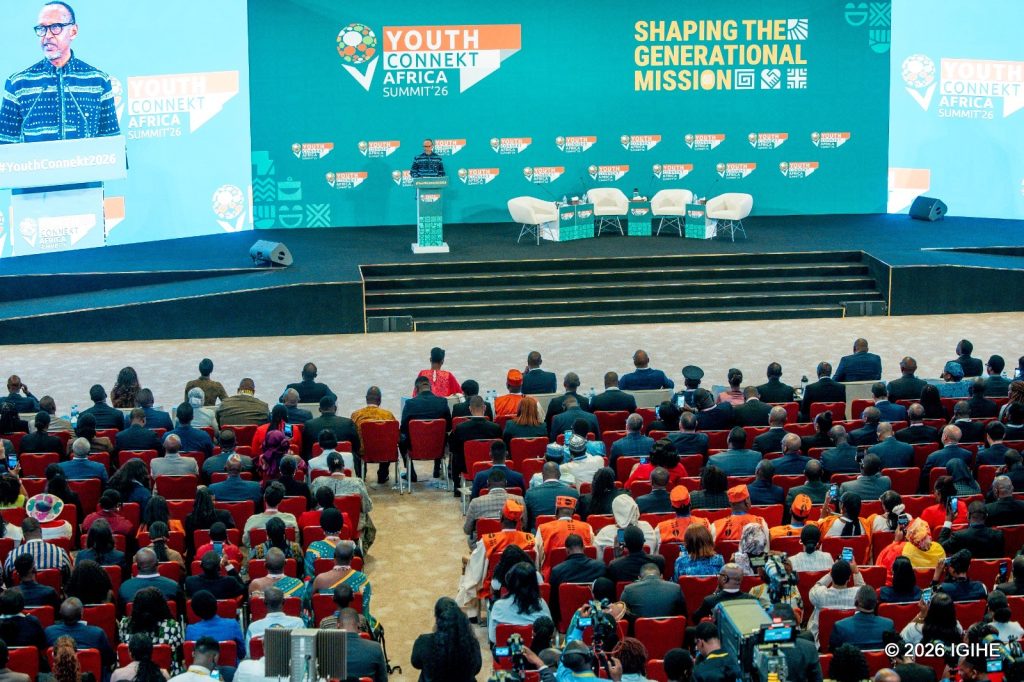
This year’s edition, held under the theme “Shaping the Generational Mission”, focuses on the role of the current generation in shaping Africa’s future and translating its ambitions into practical action.
Speaking during the summit, President Paul Kagame said young Africans must take ownership of the continent’s future rather than wait for others to create opportunities for them.
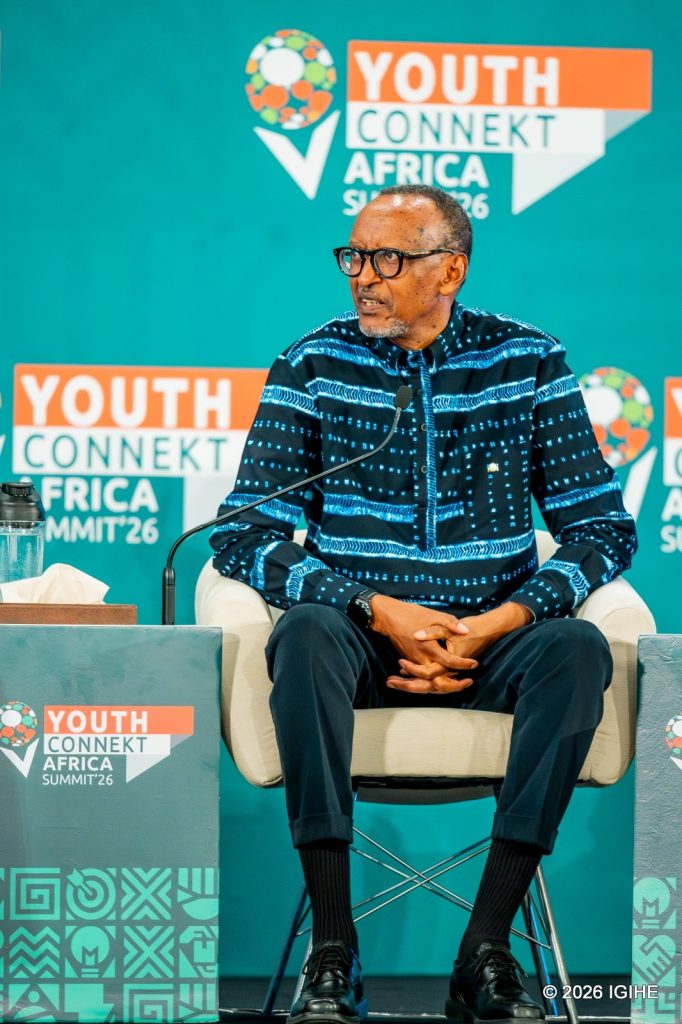
He challenged them to work together with their leaders, build businesses and overcome the barriers that prevent ideas from growing into successful enterprises.
“Leaders must eliminate barriers with good policies, and young people must take advantage of the opportunities created for them. Surveys across the continent show that young Africans are increasingly optimistic about the future and want to take charge,” President Kagame stated.

Leave a Reply