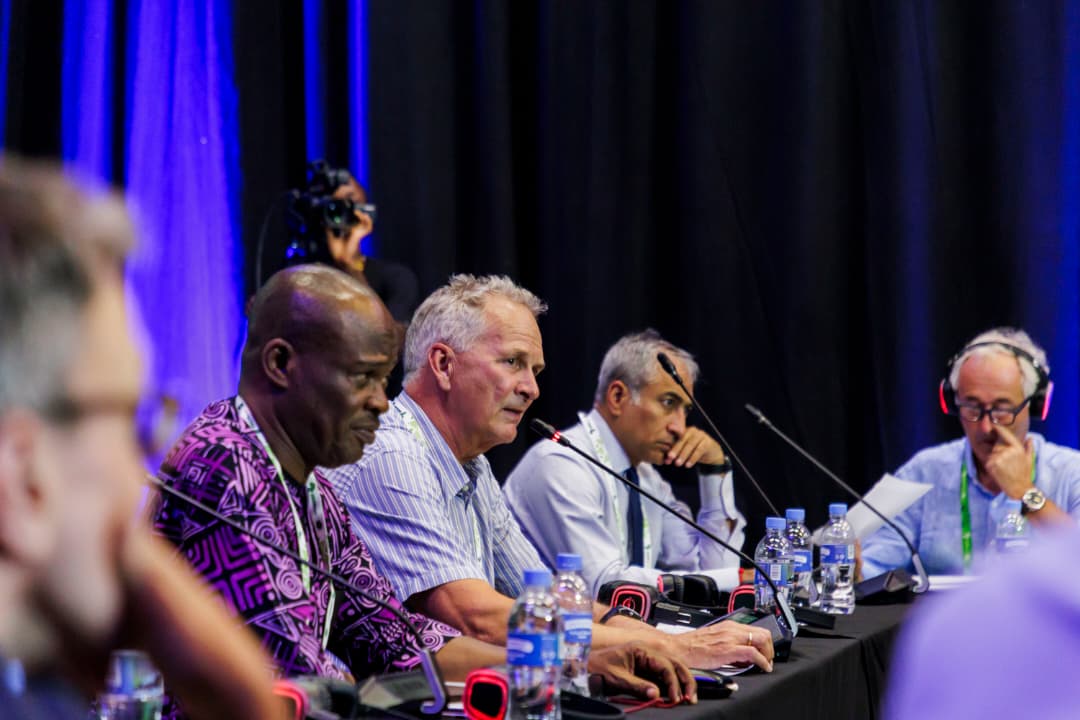
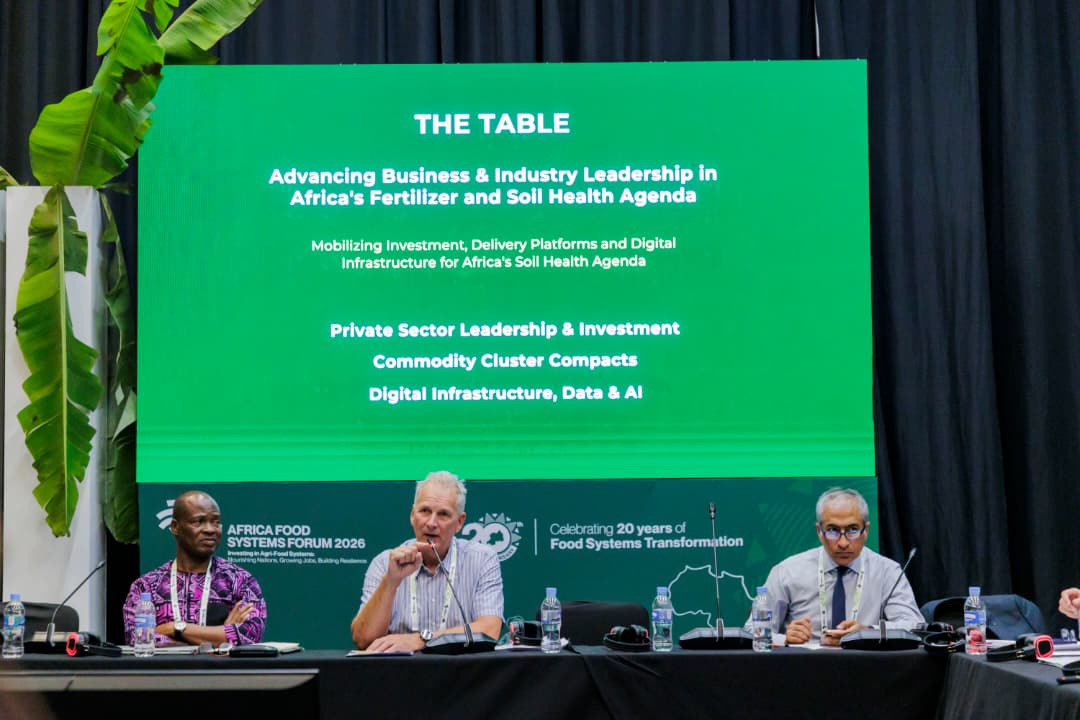
The concerns were raised during the Africa Food Systems Forum 2026 in Kigali, where industry representatives discussed the role of the private sector in improving soil health and building more resilient food systems.
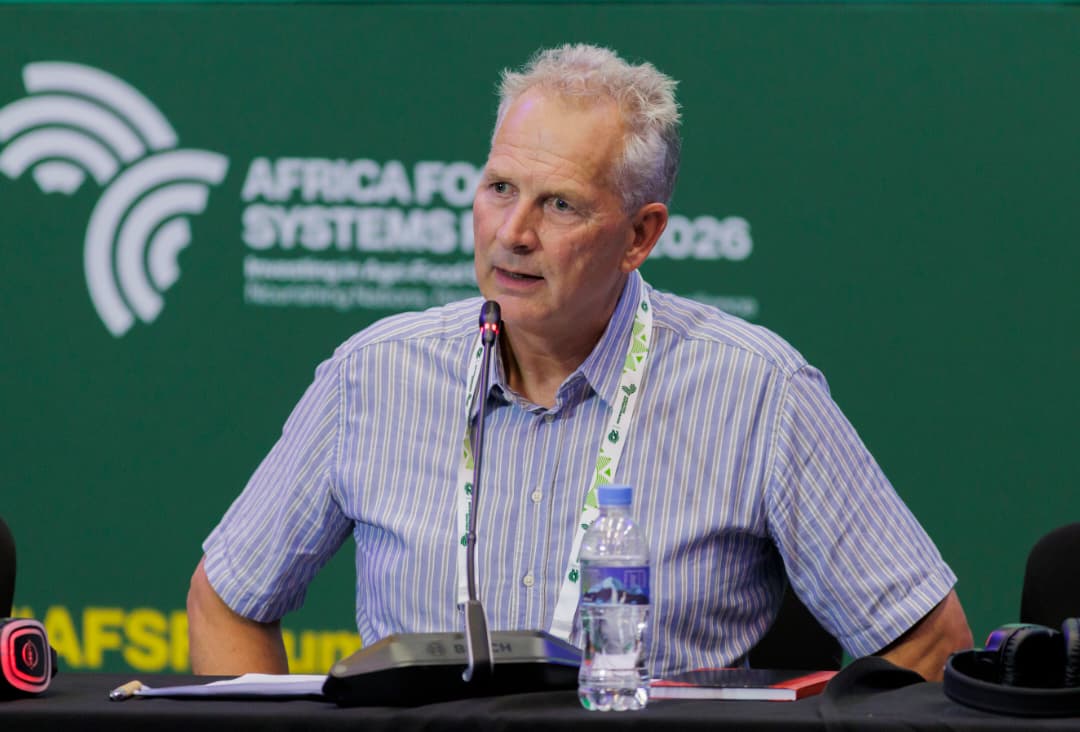
Dr. Innocent Okuku, Director General and CEO of the Africa Fertiliser Industry Development Association (AFIDA), said about 60% of Africa’s cropland is estimated to have degraded soils, largely due to poor soil management.
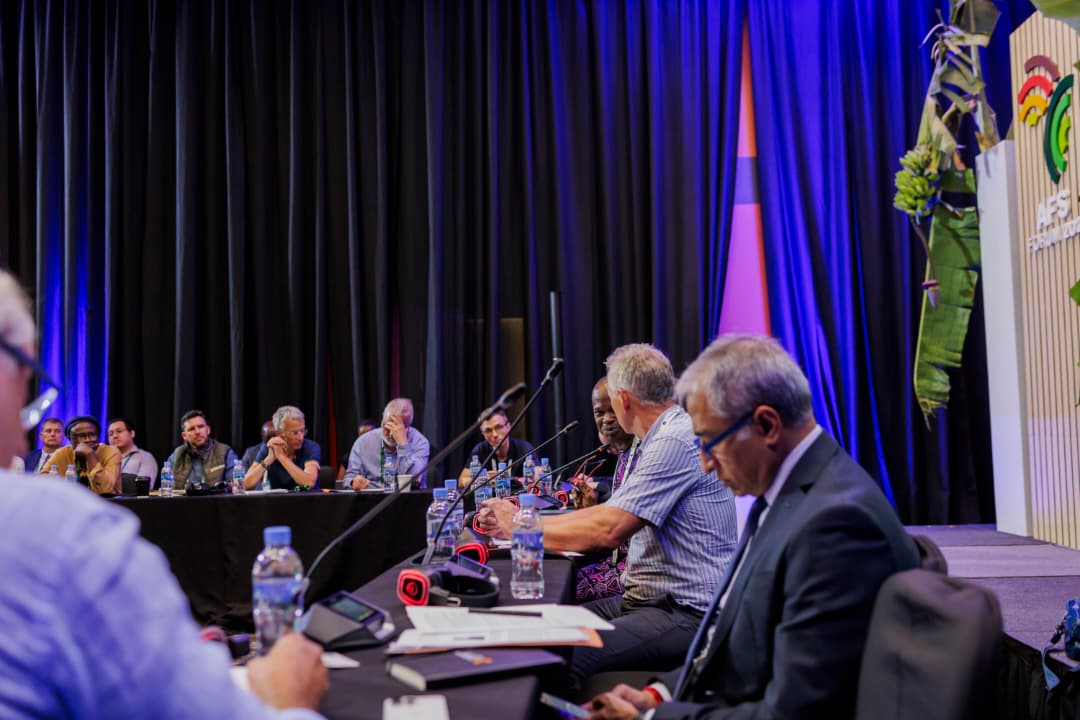
“Fertiliser is neither good nor bad. You can make it good if you use it correctly, and you can make it bad if you don’t use it correctly,” Okuku said on Tuesday during a discussion on soil health held on the sidelines of the forum, which brought together experts from various countries and was moderated by Øystein Botillen, Director of Strategic Partnerships at Yara International.
He said improving soil health requires a broader approach that goes beyond simply increasing fertiliser use.
AFIDA, which brings together private-sector companies involved in fertiliser manufacturing, importing, distribution and retailing, is promoting the use of different soil-health products depending on farmers’ needs.
These include mineral and organic fertilisers, as well as soil amendments such as lime for acidic soils and soil binders aimed at improving soil properties.
Okuku said the association is also investing in farmer education to ensure fertilisers are used appropriately and sustainably.
Last month, AFIDA trained final-year agriculture students at the Rwanda Institute for Conservation Agriculture (RICA) on sustainable fertiliser use. The aim was to equip future agricultural professionals with knowledge they can use to advise farmers and improve productivity without damaging soils.
The association is also planning a youth programme focused on soil health, which is expected to be launched in early 2027. The programme will seek to train young people to support smallholder farmers in improving soil health and agricultural production.
Calls for changes in fertiliser subsidies
The private sector also called for reforms to fertiliser subsidy programmes, arguing that poorly designed systems can discourage companies from investing in agricultural input markets.
Okuku said some suppliers in Africa have participated in government subsidy programmes only to wait one or two years to be paid, putting their businesses under financial pressure.
“When you supply and you don’t get paid for one or two years, your business will collapse,” he remarked.
He added that subsidy programmes can sometimes create incentives for farmers or traders to resell subsidised fertiliser rather than use it on their farms.
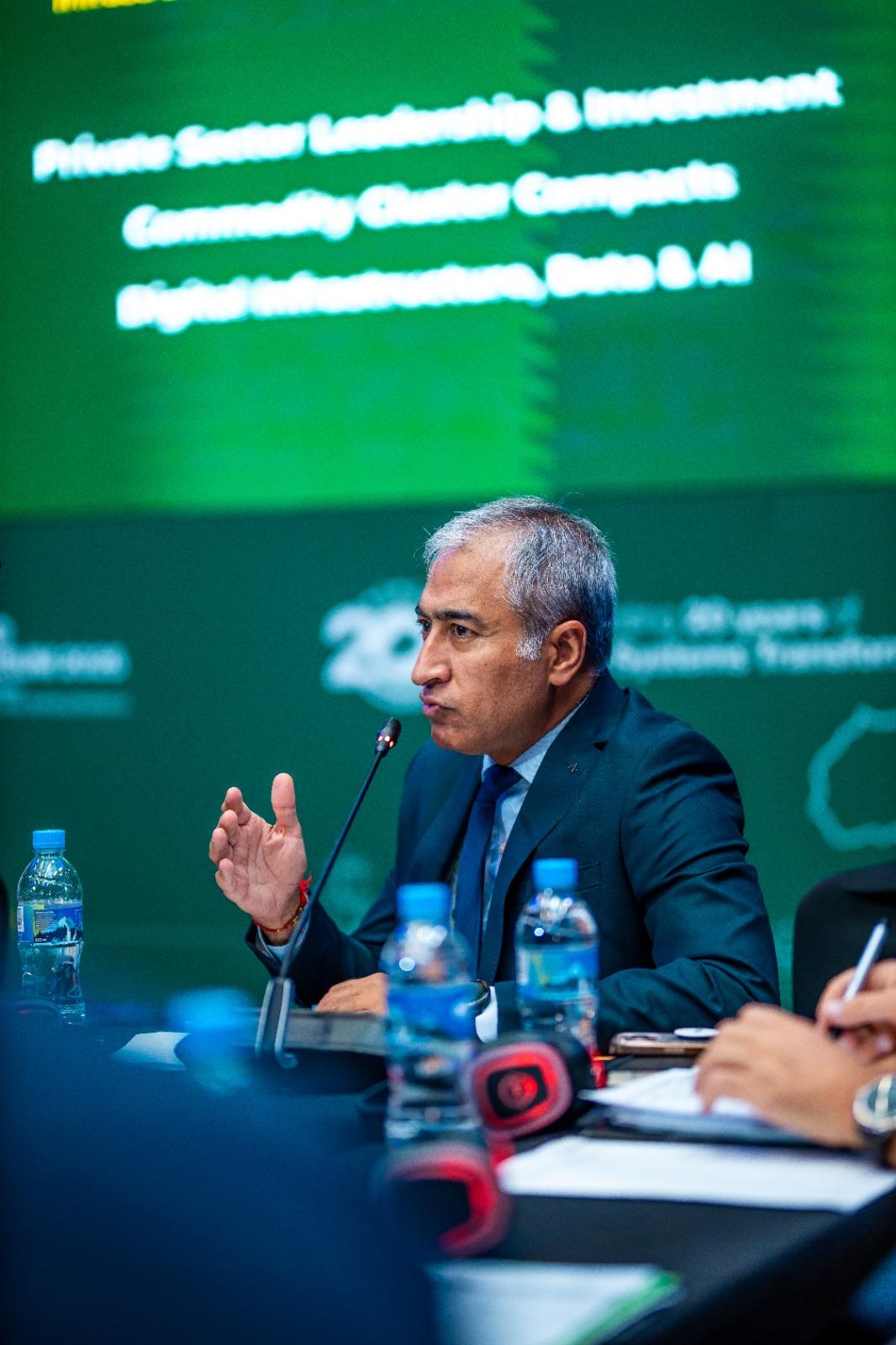
Anup Jagwani, the World Bank Group’s Global Director for Farming and Agribusiness, similarly called for governments to rethink how fertiliser subsidies are delivered, arguing that the private sector is better placed to handle the purchase, storage and distribution of inputs.
“We don’t think that government should be in the business of buying fertiliser, storing fertiliser or distributing fertiliser. That’s not the role. That’s not the most effective role for governments. It takes up capital and resources. The private sector is better placed to do that,” he said.
One option discussed was the use of electronic vouchers, which could allow farmers to access subsidised inputs while enabling private companies to participate more effectively in the market.
The discussions came as African countries seek to increase agricultural productivity while dealing with declining external development financing and growing pressure on food systems.
Okuku said donor funding for African agriculture has fallen by more than 70%, making greater private-sector investment necessary to expand production and strengthen food systems.
Yara backs soil testing in Rwanda
In Rwanda, fertiliser manufacturer Yara is prioritising soil testing and customised crop nutrition solutions to boost farm productivity.
Winnie Nganga, Director at Yara International, said the Norwegian company has been operating in Rwanda for 10 years and provides farmers with fertiliser as well as education on crop nutrition.
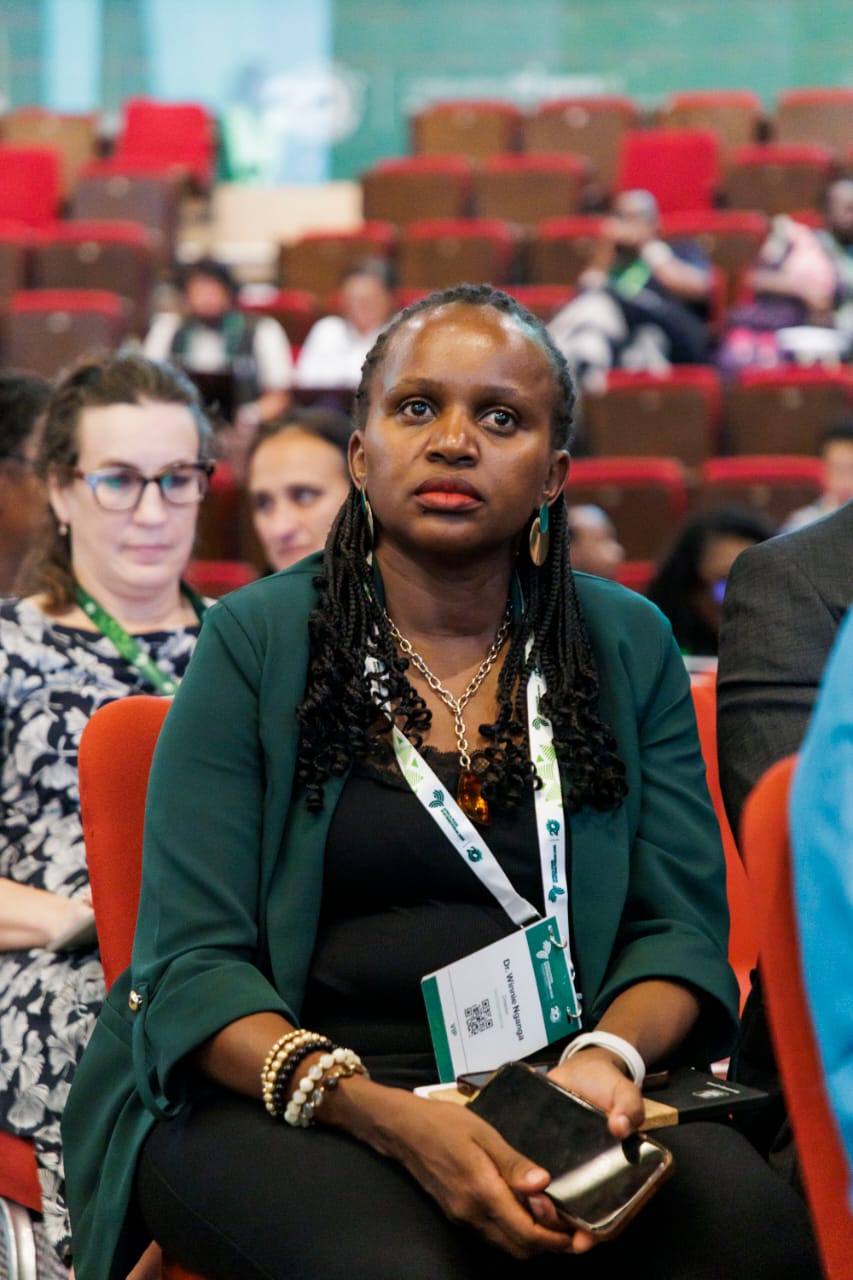
Yara is working with the government under the Rwanda Food Basket initiative, providing fertiliser recommendations aimed at improving soil health and increasing farm yields.
Nganga said Yara uses soil testing to determine nutrient deficiencies and develop fertiliser solutions suited to particular soils and crops.
She said the company sees mineral fertilisers as working alongside organic fertilisers rather than as alternatives to them.
“You cannot work alone,” Nganga noted, stressing the importance of combining approaches to improve soil health.
Yara currently supplies Rwanda from its blending plant in Tanzania but says it has “bigger growth plans” for the Rwandan market.
The company is also engaging the government on areas where it can contribute to national agricultural priorities, including the country’s long-term development ambitions under Vision 2050.
Harmonising fertiliser rules
AFIDA is also pushing for greater harmonisation of fertiliser registration and quality-control systems across African markets.
Okuku said fragmented regulations can make it difficult for companies to operate across borders and slow farmers’ access to suitable agricultural inputs.
The association is working with regional bodies, including the Common Market for Eastern and Southern Africa (COMESA), on efforts to harmonise fertiliser registration and quality standards.
COMESA is seeking harmonisation among its 21 member states, a move that could make it easier for fertiliser companies to operate across markets while maintaining quality standards.
AFIDA, which was established about a year ago, currently has activities in around 12 African countries and plans to expand its work across the continent.
Okuku said the association was formed partly to give private-sector players a stronger collective voice in discussions with governments and policymakers.
He argued that the private sector needs an enabling policy environment if it is to invest more in agriculture, particularly at a time when governments face limited resources and Africa’s food systems are under growing pressure.
The Kigali discussions placed soil health at the centre of efforts to raise agricultural productivity, with participants arguing that higher yields cannot be sustained without restoring the health and productivity of Africa’s soils.
Leave a Reply