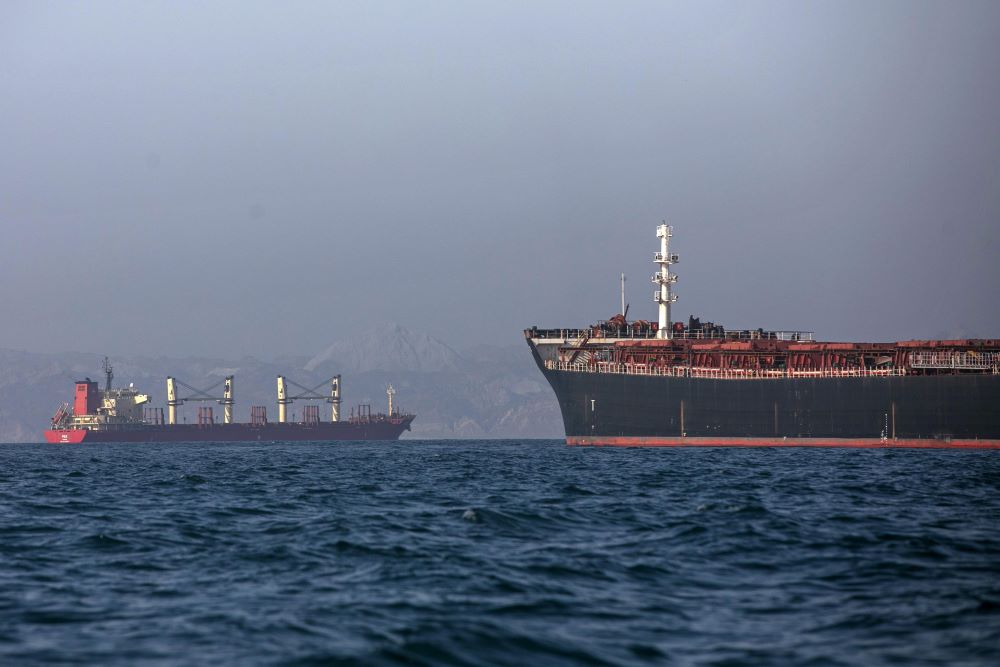
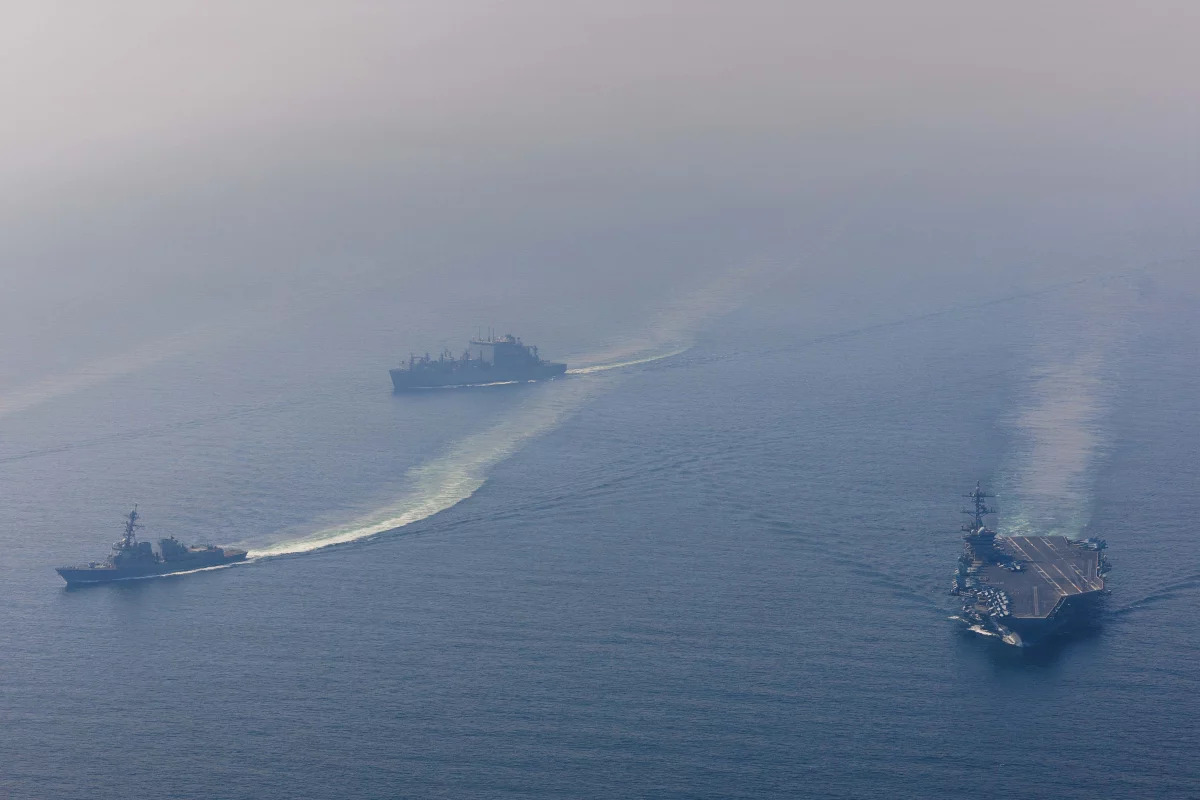
CENTCOM said on X that U.S. forces redirected the three vessels, disabled one that failed to comply, and boarded another “to ensure full compliance with the ongoing U.S. naval blockade against Iran.”
U.S. forces resumed blocking maritime traffic entering and leaving Iranian ports on Tuesday.
“The Strait of Hormuz and the surrounding waters remain free and open, except for vessels attempting to violate America’s steel wall blockade,” CENTCOM said.
U.S. forces have carried out strikes on Iranian targets for six consecutive days after U.S. President Donald Trump last week declared the ceasefire reached in April “over.”
U.S. forces resumed blocking maritime traffic entering and leaving Iranian ports on Tuesday.
The discussions took place during the fifth meeting of the Joint Security Coordination Mechanism (JSCM), held on July 15-16, 2026, at the U.S. Mission in Geneva, Switzerland.
According to a joint statement released after the meeting, the parties “assessed the security environment in eastern DRC and worked toward a shared understanding of conditions on the ground.”
Rwanda and the DRC also “reaffirmed their commitment to rapidly implement the Washington Accords,” including accelerating efforts on the neutralization of the FDLR and lifting of defensive measures.”
A report by the United Nations Group of Experts on the Democratic Republic of the Congo identifies the Democratic Forces for the Liberation of Rwanda (FDLR) as a terrorist group that continues to play a significant role in destabilizing eastern DRC and posing a security threat to Rwanda.
The report describes the FDLR as comprising three main factions and at least four senior leaders.
While the group claims to have more than 10,000 fighters and its armed wing, CRAP (Commando de Recherche et d’Action en Profondeur), claims to have over 20,000 members, the UN and intelligence agencies estimate its actual strength at between 3,500 and 4,500 combatants.
According to the report, the FDLR is divided into three principal factions: FDLR-FOCA, FDLR-RUD, and FDLR-FPP.
The report further notes that these factions have adopted different names to conceal their affiliation with the FDLR.
FDLR-FOCA operates under the name “Bataillon Jungle,” FDLR-RUD uses “FDP-R,” while FDLR-FPP continues to operate as “FPP.” The report says these name changes are intended to disguise their links while continuing the same activities.
In late March 2026, the Armed Forces of the Democratic Republic of the Congo (FARDC) announced plans to eliminate the FDLR.
However, analysts familiar with the Congolese military argued that such an objective would be difficult to achieve, contending that any genuine effort to dismantle the group would first have to address FDLR elements integrated within state security forces.
Subsequently, FDLR fighters were redistributed among the Wazalendo militia groups.
To reinforce transparency and accountability, the parties agreed to explore possible verification mechanisms to support implementation of the Washington Accords.
The meeting also received a briefing from the United Nations Organization Stabilization Mission in the DRC (MONUSCO) on its Disarmament, Demobilization and Reintegration programme.
The discussions focused on how the programme contributes to the objectives of the Washington Accords through the repatriation of FDLR members, while the parties also identified steps to strengthen coordination going forward.
In another commitment aimed at supporting the peace process, Rwanda and the DRC agreed to maintain regular information sharing to ensure “an accurate picture of developments on the ground in eastern DRC.”
The two countries also thanked the United States, Qatar, the African Union and Togo for their continued support throughout the peace process.
Describing the agreement as “an historic opportunity to unlock security and prosperity for people in the Great Lakes region,” the parties reaffirmed their determination “to see this process through” and agreed to reconvene in the coming weeks to review progress on implementing the Washington Accords.
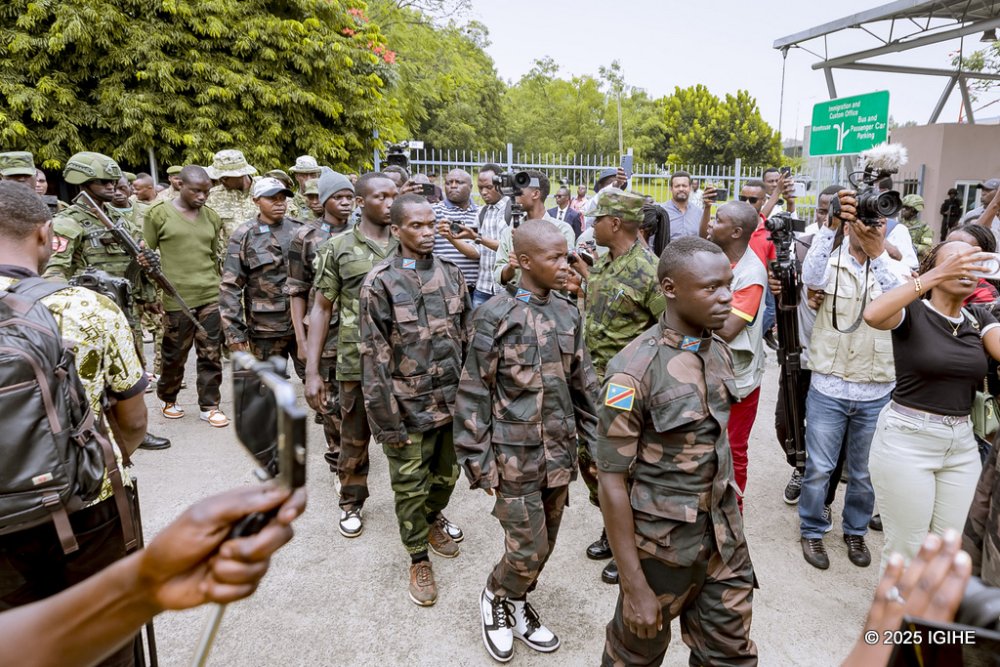
This photo shows some members of the FDLR including those captured during the fighting in Goma early 2025, repatriated to Rwanda.
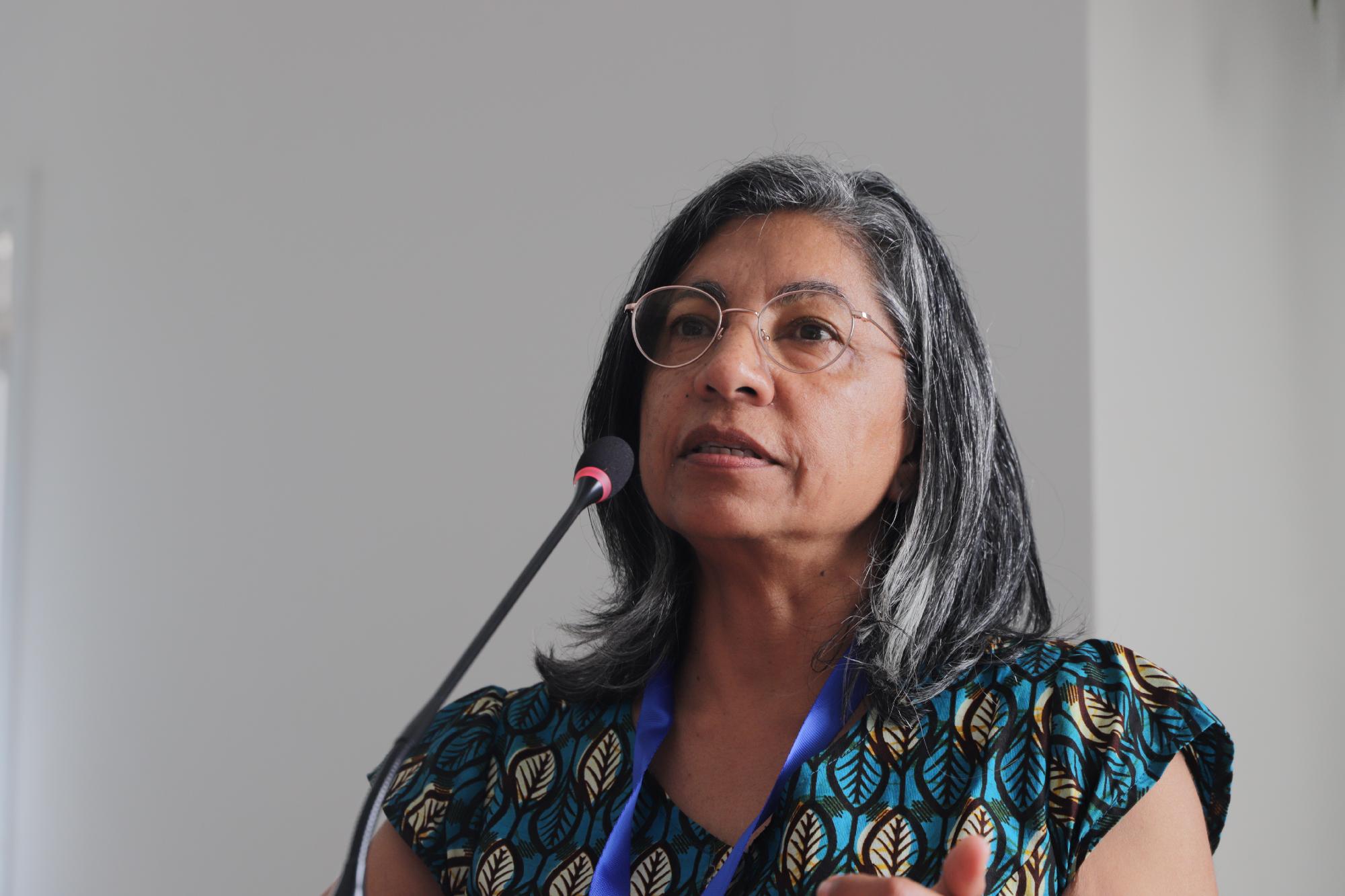
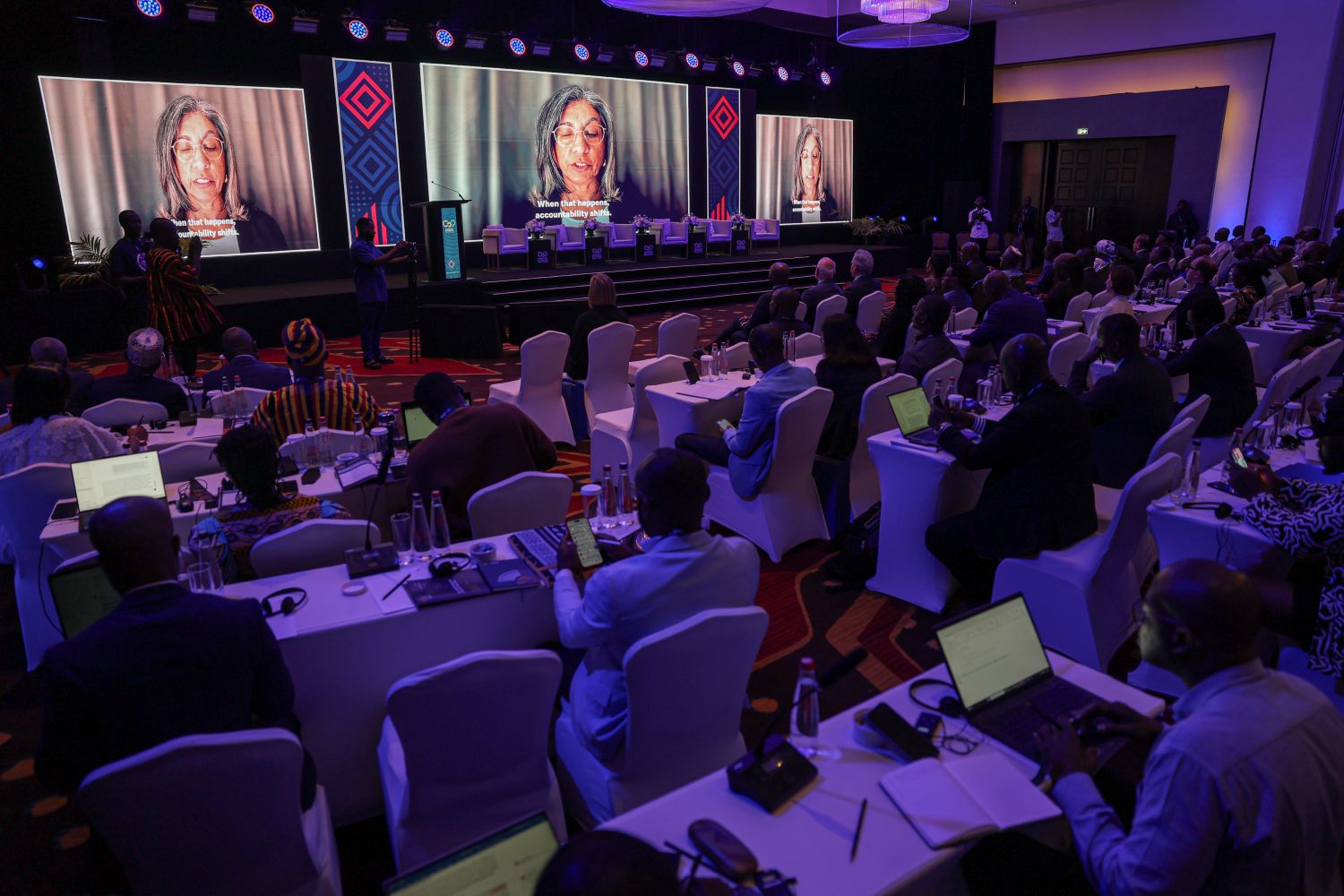
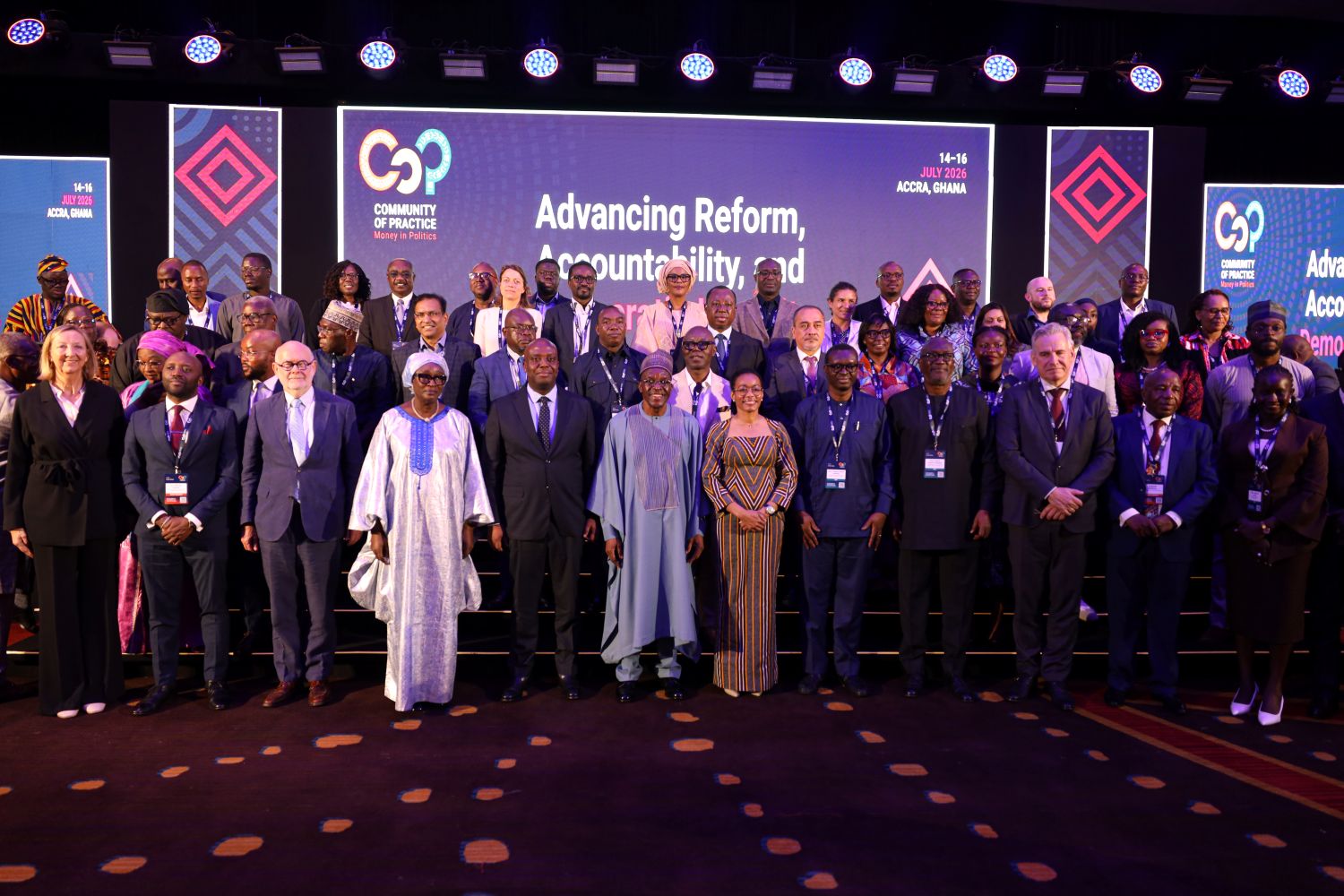
Speaking at a convening on the Financialization of Politics in Africa which opened in Accra, Ghana on Tuesday under the theme Advancing Reform, Transparency, Accountability, and Democratic Integrity, Nowrojee argued that rising political costs and opaque financing systems are making political competition less inclusive.
“For decades, the struggle to strengthen democracy across Africa has focused on constitutions, multiparty elections, and expanding political space,” Nowrojee, the President of the American grantmaking network founded by billionaire business magnate George Soros, said. “But today, we face a challenge that cuts across them all: the growing influence of money in politics.”
She warned that when political funding is hidden, unregulated, or concentrated among a few wealthy actors, democratic competition risks shifting away from ideas and public service toward financial power.
“Political competition becomes less about ideas and public service and more about access to financial resources,” she noted, adding that leaders may become more responsive to financiers than citizens when accountability systems are weakened.
Nowrojee warned that when political funding is hidden, unregulated, or concentrated among a few wealthy actors, democratic competition risks shifting away from ideas and public service toward financial power.
Nowrojee argued that the rising cost of politics across the continent is creating barriers for many citizens, particularly women, young people, rural communities, and those without strong financial networks.
“Democracy becomes less inclusive, less competitive, and less trusted,” she said.
She observed that the influence of money extends beyond elections, shaping public debate, determining who can compete for office, and affecting whose interests are reflected in policymaking.
“Even the strongest constitutions and the most credible elections cannot fully protect democracy if financial power is allowed to capture its institutions,” she added.
The OSF president pointed to countries including Nigeria, Kenya, South Africa, Ghana, and Zimbabwe, where increasingly expensive election campaigns are strengthening the advantage of those with greater wealth and influence.
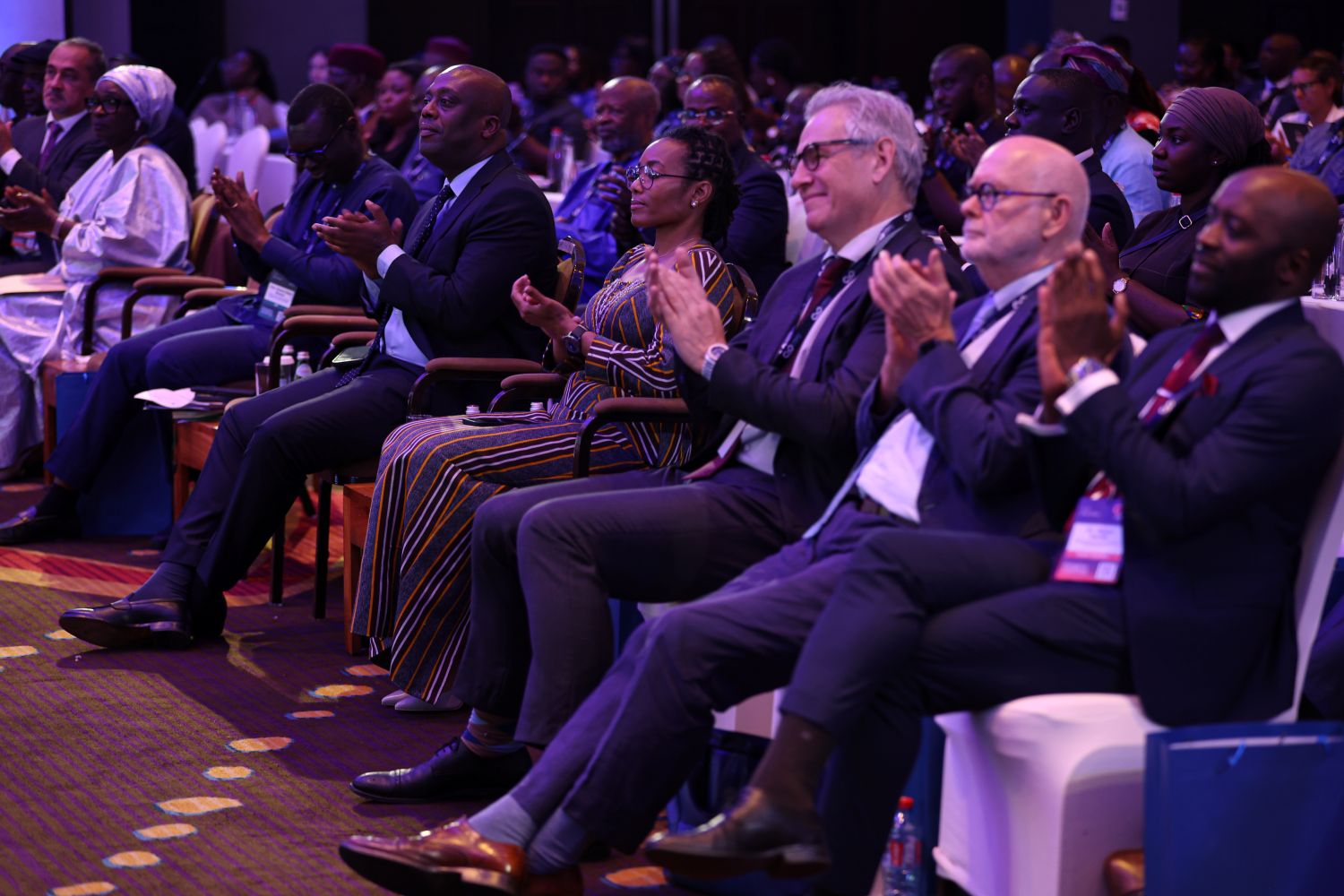
The summit brought together governance experts, parliamentarians, and civil society leaders to address the growing, toxic influence of campaign money and unchecked political financing across the continent
Despite the challenges, Nowrojee highlighted growing momentum for reforms aimed at improving transparency and accountability in political financing.
She pointed to efforts at both the global and continental levels, including the adoption in 2025 of internationally agreed standards for openness in the financing of political parties, candidates, and election campaigns by countries that are party to the UN Convention against Corruption.
She also highlighted ongoing work by the African Union Advisory Board Against Corruption and the Pan-African Parliament to develop a Model Law on Political Financing to help countries strengthen oversight of political funding.
According to Nowrojee, effective reforms should include meaningful disclosure of political funding, fair and transparent public financing systems, stronger oversight mechanisms, independent enforcement, and safeguards against illicit and foreign influence.
“Our goal is not simply to regulate money,” she said. “Our goal is to strengthen the social contract between government and citizens.”
She stressed that political leadership should be earned through public trust rather than financial power, while elections should remain contests of ideas rather than resources.
The OSF president called for greater collaboration among governments, political parties, electoral bodies, anti-corruption agencies, civil society, researchers, the media, and the private sector to address political financing challenges.
She described the Accra meeting as an opportunity to strengthen the Community of Practice on Money in Politics in Africa, advance implementation of the African Union’s Model Law on Political Financing, and deepen regional cooperation on democratic reforms.
“Ultimately, our success will not be measured by the number of laws passed or policies adopted,” Nowrojee said. “Our success will be measured by whether people across Africa believe that their voices matter.”
She concluded by emphasizing that the future of African democracy depends on ensuring public institutions remain accountable to citizens and that opportunities for political leadership are determined not by wealth, but by ideas and commitment to public service.
The High-Level Regional Convening on the Financialization of Politics in Africa is scheduled to close on Thursday, July 16, 2026. Hosted by the African Union Advisory Board Against Corruption (AUABC) and CDD-Ghana, the summit brings together governance experts, parliamentarians, and civil society leaders to address the growing, toxic influence of campaign money and unchecked political financing across the continent.
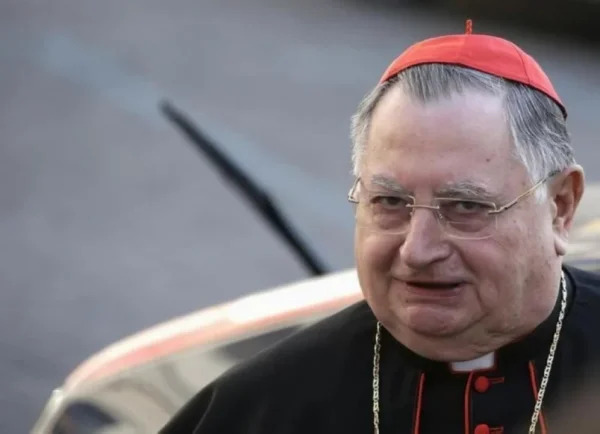
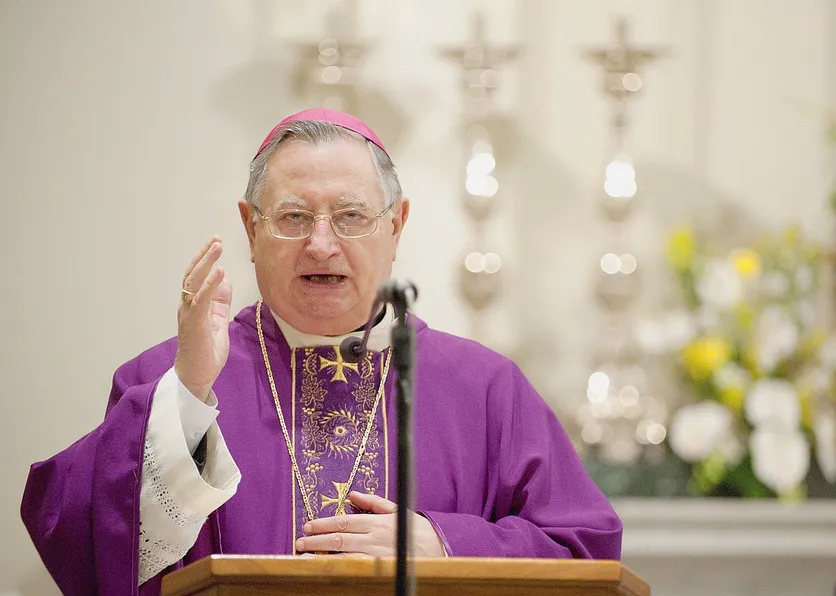
Giuseppe Bertello, who served as the Pope’s envoy to Rwanda from 1991 to 1995, wrote to André Louis, then Secretary General of the Christian Democratic International (IDC) in Belgium, asking the organization to cooperate with the MRND and help it promote what he described as genuine democracy.
In his February 17, 1992 letter, Bertello argued that the MRND was undergoing change and that its younger members deserved support to prepare them for public service.
“As a priest from a family with many members involved in the Christian Democratic International, I would be pleased to see the IDC cooperate with the new MRND in helping it establish genuine democracy and distance itself from the outdated mentality and practices of the former single-party system,” he wrote.
“Otherwise, it risks losing all credibility, which would be deeply regrettable because there are young leaders within the party who deserve support so they can use their talents in the service of the nation. They would benefit from such support.”
Bertello’s appeal came during a defining period in Rwanda’s history. In 1991, President Juvénal Habyarimana accepted the introduction of multiparty politics after growing domestic and international pressure. The move ended the MRND’s status as the country’s only legal political party.
However, the political transition unfolded alongside a war that had begun in October 1990, when the Rwanda Patriotic Army (RPA) launched an armed struggle against Habyarimana’s government. At the same time, peace negotiations were taking place in Arusha, Tanzania, eventually leading to the signing of the Arusha Peace Accords on August 4, 1993.
As new parties emerged, Rwanda’s political landscape became increasingly complex. The MDR, originally founded by Grégoire Kayibanda in 1959, was revived, while parties including the CDR, PL and PSD were also established. The period was marked by intense political competition, but also by the persistence of ethnic divisions that had shaped Rwanda’s politics for decades.
The MRND and CDR, in particular, promoted political positions that were associated with ethnic and regional identity, while extremist elements within the political establishment intensified anti-Tutsi propaganda as the war continued.
During the same period, many young people were recruited into the military to support Habyarimana’s government in its fight against the RPA. The political environment became increasingly polarized, with discrimination and exclusion influencing state institutions and public life.
An IDC document published on February 2, 1992, examining the situation in Rwanda, discussed a statement issued by the Catholic Bishops’ Conference on December 1, 1991, which criticized the government’s handling of the political crisis.
The document argued that the bishops’ criticism was misplaced and pointed to another statement that it said reflected support for the government’s reform process.
“It is only natural that the major reforms being undertaken by the government should receive the support of both the Catholic and Protestant churches. Few expected this to happen,” it stated.
The IDC, which had maintained close ties with Habyarimana’s government, believed that peace could only be achieved if those who had launched the war were defeated. It also expected the MRND to maintain a dominant position in future elections, projecting that the party could win at least 70 percent of parliamentary seats, while opposition parties would secure between 20 and 30 percent.
Bertello’s tenure in Rwanda ended in 1995, after the genocide against the Tutsi in which more than one million people were killed and the collapse of the political order that had existed during his diplomatic mission.
His 1992 letter remains a reflection of how some international actors viewed Rwanda’s political transformation in the years before the genocide and the challenges of interpreting the country’s rapidly changing political landscape at the time.
Giuseppe Bertello, who served as the Pope’s envoy to Rwanda from 1991 to 1995, wrote to André Louis, then Secretary General of the Christian Democratic International (IDC) in Belgium, asking the organization to cooperate with the MRND and help it promote what he described as genuine democracy.
“U.S. forces resumed the naval blockade against vessels transiting to and from Iranian ports and coastal areas today at 4 p.m. Eastern Time,” the U.S. Central Command said in a statement posted on social media platform X.
“There are currently more than 20 U.S. Navy warships and hundreds of military aircraft operating across the Middle East. American forces remain vigilant, lethal, and ready,” it said.
The U.S. forces carried out an additional round of strikes against Iranian targets, an hour before resuming the blockade in the strait, according to the U.S. Central Command.
Earlier on Tuesday, U.S. President Donald Trump said the Strait of Hormuz was open to all ship traffic except for Iran, while the naval blockade will continue.
“We will therefore have a FULL Blockade, but only on Ships coming to and from Iranian ports, or carrying anything have to do with Iranian cargo,” he said in a post on Truth Social.
Fresh U.S. airstrikes and Iranian retaliation have in recent days plunged Washington and Tehran back into open conflict less than a month after they signed a 14-point memorandum of understanding (MoU) aimed at ending the war and paving the way for broader negotiations.
Both sides now accuse the other of violating the agreement first. While neither has formally declared the MoU void, the latest escalation has cast doubt over whether diplomacy can survive another round of fighting.
The U.S. military on Tuesday announced the resumption of the blockade in the Strait of Hormuz.
Both sides now accuse the other of violating the agreement first. While neither has formally declared the MoU void, the latest escalation has cast doubt over whether diplomacy can survive another round of fighting.
Has the MoU collapsed?
The clearest signal yet came from U.S. President Donald Trump, who formally notified Congress in a letter dated Friday that military operations against Iran had resumed under his direction.
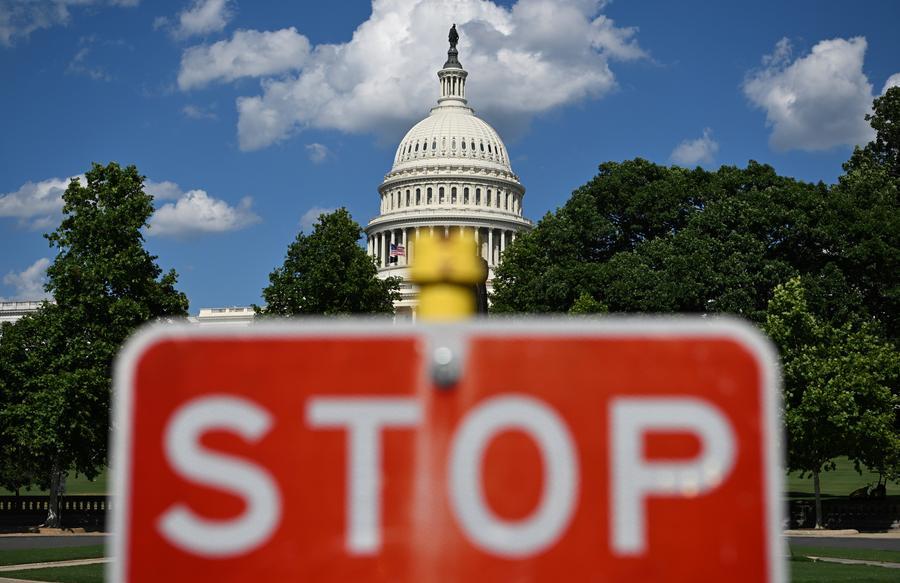
In a letter to lawmakers, Trump described the strikes on Iran that began on July 7 as “military action consistent with my responsibility to protect Americans and United States’ interests both at home and abroad.” This notification starts a new 60-day period during which the Trump administration can conduct military operations in the region without congressional approval.
On Monday, Trump said on Truth Social that the United States was “reinstating the Iranian blockade, so named because it is only stopping Iran’s ships or customers from entering or leaving,” and proposed charging a 20 percent fee on cargo transiting the Strait of Hormuz.
However, Tehran insists it is not the side that abandoned the agreement.
Iranian Foreign Ministry spokesman Esmaeil Baghaei said on Monday that the MoU had entered a “crisis phase” because Washington had continuously violated its obligations. He said Iran would follow a principle of “commitment for commitment” and warned that if the United States continues breaching the deal, Iran would no longer see any reason to fulfill its own obligations.
Can diplomacy revive?
Before the latest escalation, the two sides had been using regional mediators to preserve the fragile agreement.
According to Axios, Washington demanded that Iran publicly reaffirm that the Strait of Hormuz remained open and “stop firing on commercial ships,” arguing that Tehran had violated the MoU.
Trump also said last week that the United States had agreed to continue talks with Iran, although he simultaneously declared that the ceasefire was “over.”
Iran denied requesting new negotiations but indicated it remained willing to engage through regional intermediaries, including Qatar, according to Qatar’s Al Jazeera television.
The fighting has nevertheless intensified. The U.S. Central Command (CENTCOM) said its latest wave of strikes against Iran concluded late Monday after strikes on military targets across Iran, including Bushehr, Chah Bahar, Jask, Konarak, Abu Musa, and Bandar Abbas, to “further degrade Iran’s ability to attack commercial shipping.”
Iran has continued missile and drone attacks on U.S. positions and regional targets, including Oman, Bahrain, Jordan and Kuwait.
The Islamic Revolution Guard Corps (IRGC) said Tuesday that it has launched missile and drone attacks on the U.S. Fifth Fleet based in Bahrain. “The retaliatory operation continues,” the statement said.
Who controls Hormuz?
The Strait of Hormuz has once again become the main flashpoint.
Early Sunday, Iran’s IRGC announced that the Strait of Hormuz would remain closed “until further notice” and until “the end of U.S. interference in this region.”
The U.S.-led Joint Maritime Information Center and the U.S. Naval Forces Central Command said Sunday that the southern route remains operational despite Iranian claims, adding that “U.S. forces are prepared to maintain freedom of navigation and safeguard lawful commerce.”
On Monday, CENTCOM announced that it would resume blockading maritime traffic entering and leaving Iranian ports beginning at 4 p.m. ET (2000 GMT) Tuesday.
Baghaei said Sunday that arrangements for the future administration of maritime traffic in the Strait of Hormuz must be made through consultations with Oman.
Those competing visions directly contradict one of the MoU’s central provisions, which envisioned the lifting of the U.S. naval blockade while Iran ensured safe passage for international shipping.
For now, the memorandum has not been formally abandoned. But with military operations expanding, the agreement appears to be surviving more on paper than in practice.
Fresh U.S. airstrikes and Iranian retaliation have plunged Washington and Tehran back into open conflict less than a month after they signed a 14-point memorandum of understanding (MoU) aimed at ending the war and paving the way for broader negotiations.
The summit, which began on July 10, 2016, brought together African leaders in Kigali, with high-level meetings scheduled for July 17 and 18. About 35 presidents had confirmed their participation.
However, as Rwanda prepared to welcome the continent’s leaders, it found itself at the centre of a diplomatic storm involving debates from The Hague in the Netherlands, Khartoum in Sudan and Kigali.
At the heart of the controversy was one question: Would Rwanda arrest Sudanese President Omar al-Bashir and hand him over to the International Criminal Court (ICC)?
Bashir had been invited to the AU Summit as the leader of a member state.
At the same time, he had been wanted by the ICC for seven years over allegations of war crimes, crimes against humanity and genocide-related charges linked to the conflict in Sudan’s Darfur region.
On July 14, 2016, just days before the summit, the Rwandan government confirmed that it had received a request from the ICC asking it to arrest Bashir if he entered the country.
Bashir’s international legal troubles
Omar Hassan Ahmad al-Bashir, a former military officer, seized power in Sudan in 1989 after overthrowing Prime Minister Sadiq al-Mahdi’s government. He became president in 1993 and remained in power until he was removed in 2019.
His name became widely associated with international justice proceedings following the outbreak of conflict in Darfur in 2003.
On July 14, 2008, ICC prosecutors accused Bashir of playing a role in a campaign targeting the Fur, Masalit and Zaghawa communities through killings, sexual violence and forced displacement.
The ICC issued its first arrest warrant against him on March 4, 2009, containing charges of crimes against humanity, including murder, extermination, forcible transfer, torture and rape. He was also accused of war crimes, including attacks against civilians and pillaging.
At the time, judges said there was insufficient evidence to charge him with genocide.
A second arrest warrant was issued on July 12, 2010, adding three genocide charges. Bashir became the first sitting head of state to be wanted by the ICC.
Although Sudan was not a signatory to the Rome Statute that established the ICC and did not recognize the court’s jurisdiction, the UN Security Council had referred the Darfur situation to the ICC.
From then on, every foreign trip by Bashir became a potential diplomatic challenge for the countries he visited.
South Africa’s failed attempt to detain Bashir
The pressure on Rwanda was intensified by events in South Africa a year earlier.
In June 2015, Bashir travelled to South Africa to attend an AU summit. South Africa was a signatory to the Rome Statute, meaning it had an obligation to arrest individuals wanted by the ICC who entered its territory.
A South African court ordered that Bashir should not leave the country while it considered whether he should be arrested and transferred to The Hague.
However, Bashir’s aircraft later departed and returned him to Khartoum after the South African government allowed him to leave, despite the court order.
The incident triggered international criticism. The ICC and human rights groups accused South Africa of failing to meet its obligations, while some African leaders argued that Bashir enjoyed immunity as a sitting head of state attending an AU meeting.
This raised concerns over whether Rwanda would face a similar situation when hosting the 2016 AU Summit.
Kagame sets Rwanda’s position
Before the ICC sent its request, President Paul Kagame had already indicated that Bashir would be welcomed if invited by the AU.
Speaking to journalists on May 13, 2016, Kagame said Rwanda would receive any leader invited by the continental organisation.
He stressed that Rwanda, as the host country, had a responsibility to welcome AU invitees and noted that Rwanda was not party to the Rome Statute.
Rwanda rejects ICC request
On July 14, 2016, then Foreign Affairs Minister Louise Mushikiwabo revealed that the ICC had formally requested Rwanda to arrest Bashir two days earlier.
She said Rwanda did not have the legal authority to detain him and that all leaders invited by the AU would be welcomed and protected.
Mushikiwabo added that Rwanda was not bound by the ICC request because it had not signed the Rome Statute.
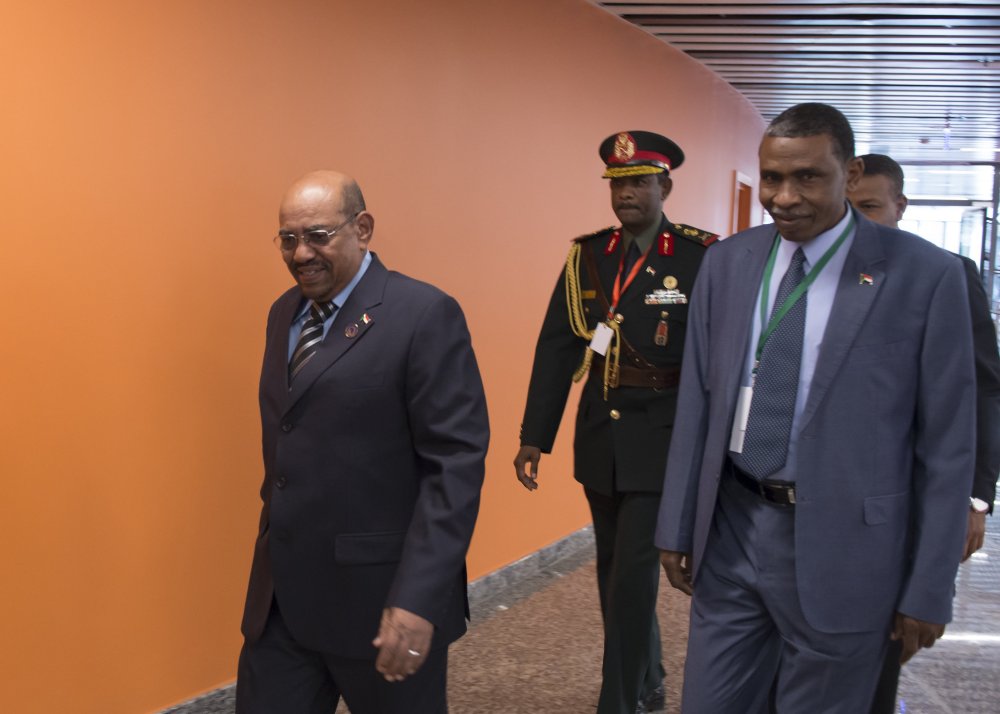
Following Rwanda’s position, Bashir arrived in Kigali on Saturday, July 16, 2016, where he was received by then Minister of Internal Security Sheikh Musa Fazil Harerimana.
Mushikiwabo said Rwanda did not support impunity but believed that the ICC’s operations had become influenced by politics.
She argued that African leaders attending AU activities should be granted immunity while serving in office, citing AU positions submitted to the UN Security Council.
She also questioned why, after years of ICC operations, most individuals prosecuted by the court were Africans.
Bashir was eventually removed from power on April 11, 2019, following months of protests that began in December 2018 over rising living costs, poverty and his three-decade rule.
The military overthrew him, detained him and later placed him in Kober Prison in Khartoum.
His removal ended one of Africa’s longest presidential tenures and marked a new chapter in Sudan’s turbulent political history.
Sudanese President Omar al-Bashir during his visit to Kigali to attend the African Union Summit.
The complaint, submitted on July 10, 2026, details a series of actions by state authorities and individuals linked to the ruling establishment that the legal team avers amount to crimes against humanity in different parts of the country. The ICC prosecutor’s office is expected to assess the submission before deciding whether any further action, including a possible preliminary examination, is warranted.
The lawyers cited 11 incidents, including deaths and injuries at Kinshasa’s Makala prison during a 2024 attempted prison break, as well as killings in Lubumbashi, Kolwezi and other parts of the former Katanga region.
Hervé Diakiese, one of the lawyers involved in the case, accused the youth movement Force du Progrès, which has been associated by critics with President Félix Tshisekedi’s ruling UDPS party, of involvement in some of the cited abuses. Human Rights Watch has previously raised concerns over violence involving members of the group during political unrest, while the UDPS has rejected accusations linking the party to such acts and said individuals may have been misusing the group’s name.
Diakiese also accused some political actors of promoting ethnic-based rhetoric favouring members of the Luba community, President Tshisekedi’s ethnic group.
“There are statements showing a sense of superiority among some people from the President’s community,” he said, alleging that some officials and individuals close to power have used language suggesting that the Luba are not simply holders of political power but represent power itself.
Another lawyer involved in the complaint, Bernard Maingain, said the decision to seek international justice was motivated by Congolese institutions’ to address the said abuses.
“Article 15 of the Rome Statute has been respected,” Maingain said, referring to the provision that allows individuals or groups to submit information to the ICC prosecutor. He argued that the complaint had been properly filed and should be examined according to ICC procedures.
The complaint was also submitted in Belgium because some of the individuals mentioned in the case are said to hold Belgian nationality.
Following the filing of the complaint, the next stage will involve reviewing the
allegations and determining whether they fall within the court’s jurisdiction and meet the criteria for further action.
Bernard Maingain, one of the lawyers involved in the complaint, said the decision to seek international justice was motivated by Congolese institutions’ failure to address the abuses in question.The complaint, submitted on July 10, 2026, details a series of actions by state authorities and individuals linked to the ruling establishment that the legal team avers amount to crimes against humanity in different parts of the country.
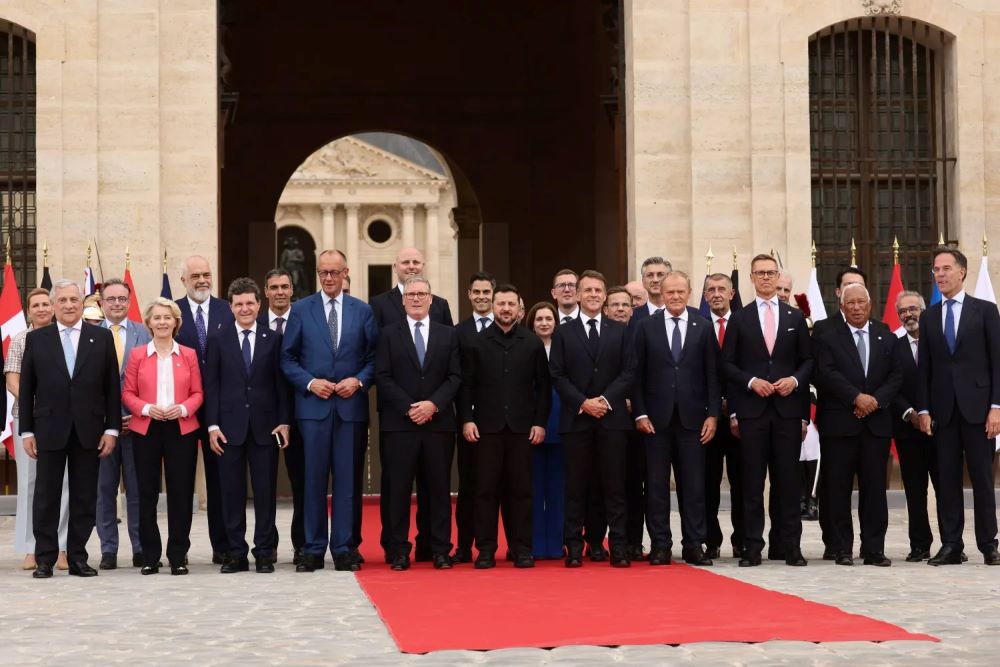
Announced on Monday at a Paris summit hosted by French President Emmanuel Macron, the landmark alliance, which includes defence heavyweights Britain, France, Germany, Italy, and Spain, aims to build an integrated, sovereign missile defence architecture to deter escalating Russian aerial threats.
A new role for Ukraine and the “Freyja” initiative
Significantly, this agreement marks a paradigm shift in how the West interacts with Kyiv. Rather than treating Ukraine as a passive recipient of military aid, the coalition positions Ukraine as a founding co-developer. The alliance’s immediate flagship initiative is the Freyja project, designed to break Europe’s reliance on prohibitively expensive U.S. Patriot interceptors, which cost upwards of $4 million per shot.
Instead, the coalition will focus on manufacturing a low-cost, mass-producible European alternative. By leveraging Ukraine’s active combat experience and cutting-edge domestic defence firms, such as Fire Point, which recently prototyped a $700,000 interceptor, the coalition plans to fuse Western aerospace engineering with Ukrainian wartime innovation.
The reality check: No cash, no timeline
Yet, behind the grand rhetoric of the joint declaration lies a stark industrial reality: the initiative currently exists only on paper. The charter commits member states merely to “exploring appropriate opportunities for funding,” leaving the project without a designated budget, a lead nation, or a centralised administrative secretariat.
Developing, testing, and integrating a brand-new anti-ballistic missile system from scratch is an incredibly complex engineering feat. Defence analysts warn that delivering an operational Freyja system will take several years, meaning it will offer zero protection for Ukraine’s vulnerable power grid during the immediate, impending winter bombardment campaign.
Furthermore, the coalition must navigate deep-seated European rivalries. While Macron used the Paris summit to urge European states to abandon “go-it-alone” national procurement, getting European capitals to collaborate remains notoriously difficult, a reality recently highlighted by the near-collapse of joint Franco-German defence programs.
Predictably, the initiative drew immediate fire from the Kremlin. Moscow spokesman Dmitry Peskov swiftly dismissed the alliance, branding it a “coalition of the deluded” and warning that such steps would only further destabilise the region.
Ultimately, the Paris declaration is a major political victory for Ukraine’s long-term integration into European defence infrastructure. However, until member nations back their signatures with hard currency, the Freyja project remains a promising blueprint rather than an active shield. For now, Europe’s skies will continue to rely on dwindling legacy stockpiles while this new coalition attempts to turn political promises into physical defences.
French President Emmanuel Macron (C-L) and Ukrainian President Volodymyr Zelensky (C) pose for a group photo with heads of states and governments ahead of the Coalition of the Willing summit on security guarantees for Ukraine at the Hotel des Invalides in Paris, France, 13 July 2026. (EPA)
The question is no longer distant. France has officially set the first round of its next presidential election for April 18, 2027, with a possible run-off on May 2, 2027. Macron, who has served two consecutive terms, cannot run again. This means that in less than a year, France will have a new president, and Rwanda will be dealing with a new political personality at the Élysée.
For Rwanda, this transition is important because the Macron years marked one of the most significant diplomatic resets between Kigali and Paris since the 1994 Genocide against the Tutsi. Relations that had for decades been shaped by suspicion, accusations and unresolved historical grievances were gradually reopened through a more direct political conversation.
Macron’s approach to Rwanda was unusually personal and symbolic. In May 2021, during his visit to Kigali, he stood at the Kigali Genocide Memorial and recognised France’s heavy historical and political responsibility in Rwanda. He said that only survivors could grant forgiveness to France.
“Standing here today, with humility and respect, by your side, I have come to recognize our responsibilities,” said Macron.
That moment did not erase the past, but it changed the diplomatic atmosphere. It allowed both countries to move from confrontation toward cooperation. In June 2026, Macron and President Paul Kagame jointly inaugurated a memorial in Paris in honour of the victims of the 1994 Genocide against the Tutsi. Macron described the memorial as placing the genocide “at the heart” of France’s capital and history, and as the result of a long search for truth.
This is why the end of the Macron era raises a serious question. Will the next French president preserve this relationship, deepen it, cool it down or reverse its symbolism?
The answer depends on who wins.
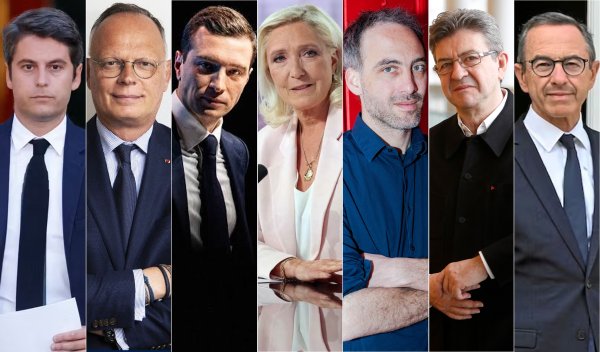
At this stage, the race appears fragmented. The far-right National Rally is in a strong position, while the centre is divided between former prime ministers Édouard Philippe and Gabriel Attal. Reuters has reported that Philippe and Attal are seen as the favoured figures to lead the centrist challenge, while polls have placed the National Rally in a leading position.
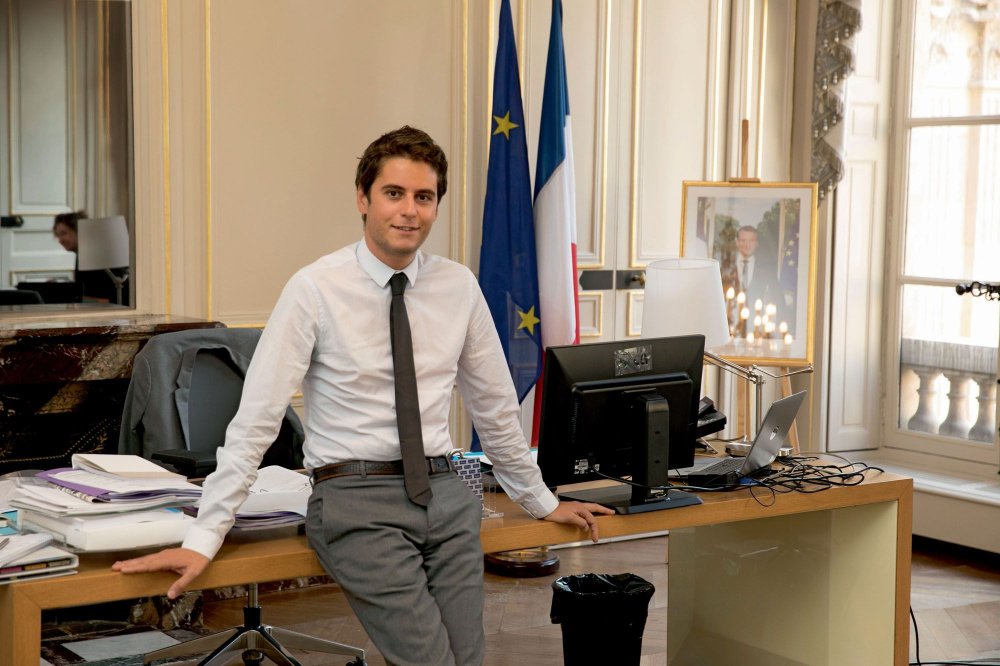
Gabriel Attal, the candidate of continuity
Gabriel Attal may represent the clearest continuation of the Macron line. He formally launched his presidential bid in May 2026, joining a crowded centrist race. He is young, ambitious and closely associated with Macron’s political family, even though he is trying to show that he has his own identity.
For Rwanda, an Attal presidency would likely mean continuity. There is no strong public record suggesting hostility toward Kigali. Having been part of the Macron era, he would probably preserve the main pillars of the reset: recognition of historical responsibility, diplomatic cooperation, cultural ties and pragmatic engagement with Africa.
However, Attal would also inherit France’s broader position on the conflict in eastern Democratic Republic of Congo. France has condemned the M23 offensive as being made possible by Rwanda’s active support, while also supporting diplomatic solutions.Rwanda has repeatedly refuted backing AFC/M23, arguing that the movement is made up of Congolese citizens with longstanding grievances against the Congolese state.
Therefore, under Attal, Rwanda-France relations would likely remain warm, but not without pressure on the DRC issue.
Gabriel Attal, who formally launched his presidential bid in May 2026, may represent the clearest continuation of the Macron line.
Édouard Philippe, the pragmatic centre-right option
Édouard Philippe is another major figure to watch. Macron’s former prime minister has spent years positioning himself as a credible successor, especially for voters of the centre and centre-right. Le Monde has described him as trying to establish himself as the natural successor to Macron, while also distancing himself from the current president.
For Rwanda, Philippe would probably mean continuity, but with less emotion and symbolism than Macron. He is likely to approach Rwanda through a pragmatic lens: diplomacy, economic interests, security, Europe-Africa relations and regional stability.
A Philippe presidency would probably not dismantle the reconciliation work achieved under Macron. But it might make the relationship less personal. Kigali could still count on serious engagement from Paris, but perhaps not the same level of symbolic investment that Macron brought to genocide memory and bilateral repair.
Macron’s former prime minister, Édouard Philippe, has spent years positioning himself as a credible successor, especially for voters of the centre and centre-right.
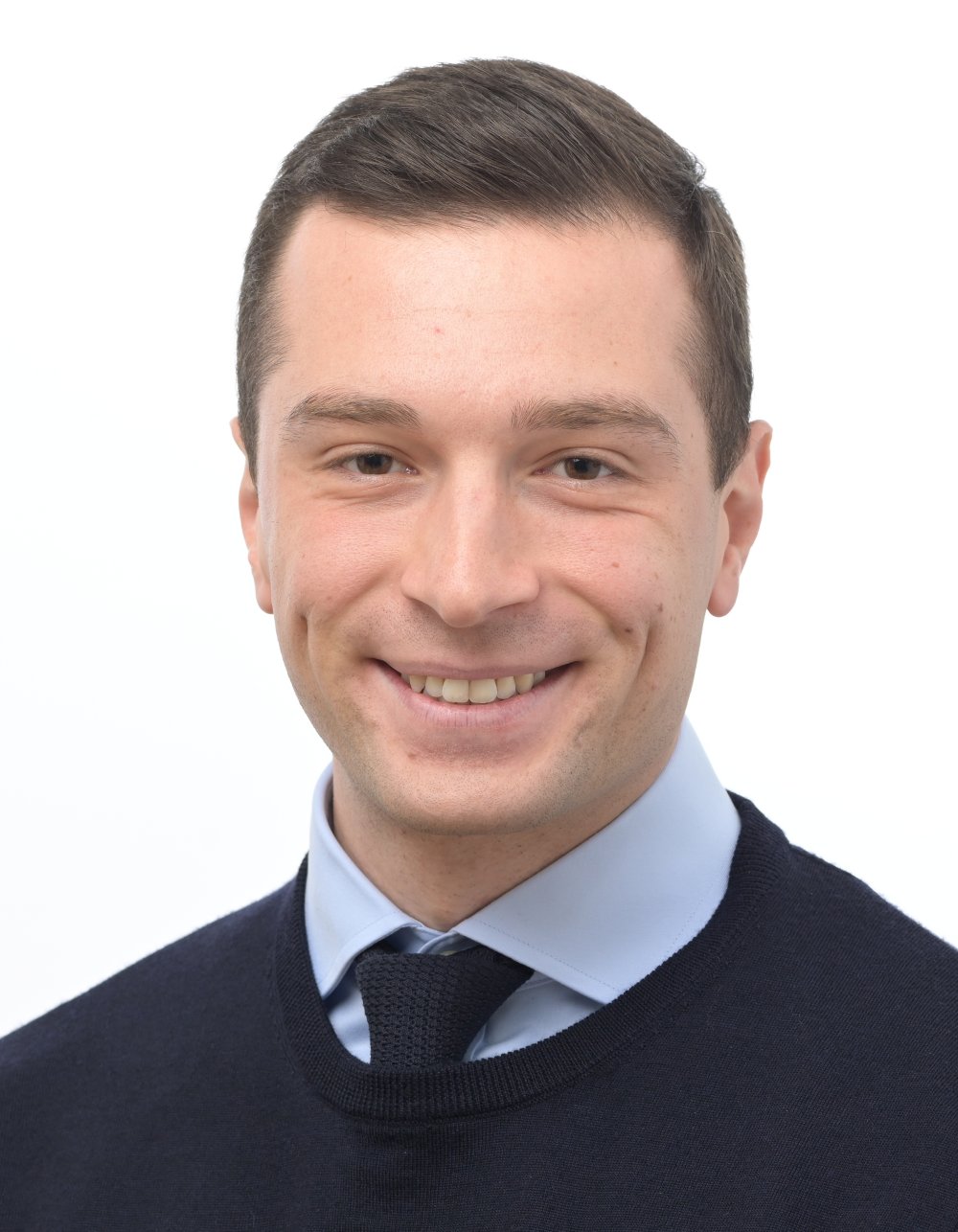
Jordan Bardella, the uncertain far-right alternative
Jordan Bardella may be the most important unknown. The president of the National Rally has emerged as one of the most serious contenders for 2027. A Reuters report in November 2025 said an Odoxa poll predicted that Bardella could win the next presidential election against any opponent tested at that time.
Bardella’s Rwanda policy is not clearly defined. He has not built his political identity around the Rwanda question. But he comes from a political family whose historic instinct has been sceptical, sometimes hostile, toward President Paul Kagame’s government and toward France’s language of historical responsibility.
This matters because the National Rally has traditionally defended the honour of the French army and rejected what it sees as excessive “repentance” in foreign policy. If Bardella becomes president, he may choose pragmatism, especially if he wants to appear presidential and internationally credible. But Rwanda should expect a colder, more cautious and less emotionally invested France.
The relationship would probably not collapse automatically under Bardella. France has interests in the Great Lakes region, and Rwanda has become too important diplomatically, economically and strategically to be ignored. But the warmth of the Macron-Kagame chapter would likely fade.
Jordan Bardella, the president of the National Rally, has emerged as one of the most serious contenders for 2027.
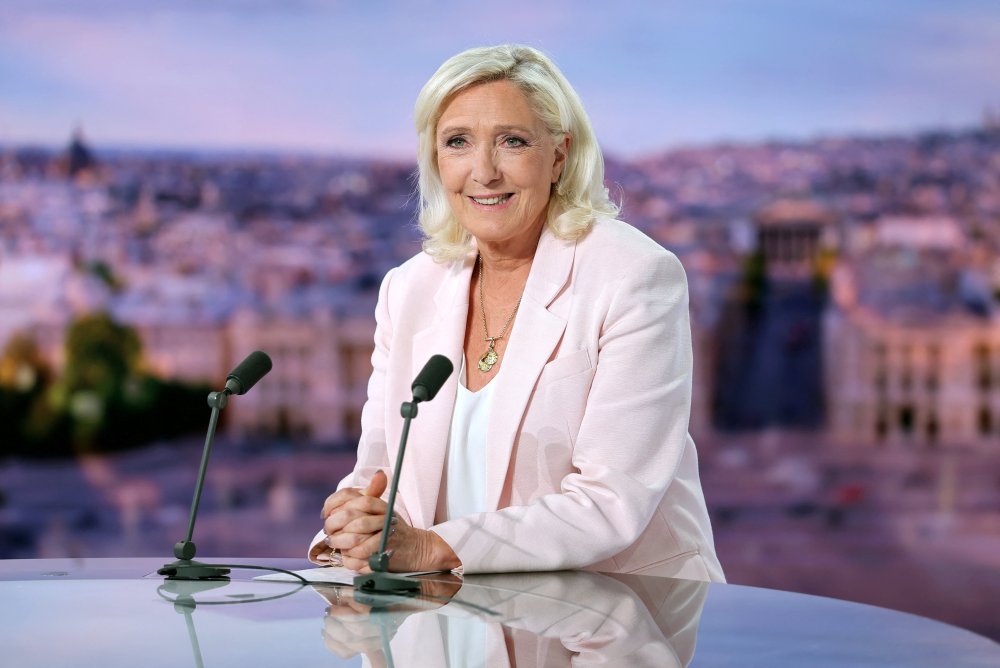
Marine Le Pen, the most difficult scenario for Kigali
Marine Le Pen would likely represent the most complicated scenario for Rwanda. Her record is far clearer than Bardella’s. In 2011, she strongly criticised Nicolas Sarkozy for receiving President Kagame in Paris. In that statement, she described Kagame as a dictator, defended the French army and Operation Turquoise, and accused Kigali of dishonouring the French army by accusing France of involvement in the genocide.
That language is not a small detail. It reflects a political view of Rwanda that is fundamentally different from Macron’s. Where Macron chose recognition, Le Pen has historically chosen defence of France’s military record and confrontation with Kigali’s accusations.
Her candidacy is also legally uncertain. Reuters reported in January 2026 that Le Pen had been barred from public office for five years over a conviction for misusing EU funds, and that her appeal would determine whether she could run in 2027. If she cannot run, Bardella is expected to stand for the National Rally.
If Le Pen were elected, Rwanda-France relations would likely cool sharply. The risk would not only be diplomatic distance, but also a symbolic reversal of Macron’s reconciliation work.
Marine Le Pen would likely represent the most complicated scenario for Rwanda.
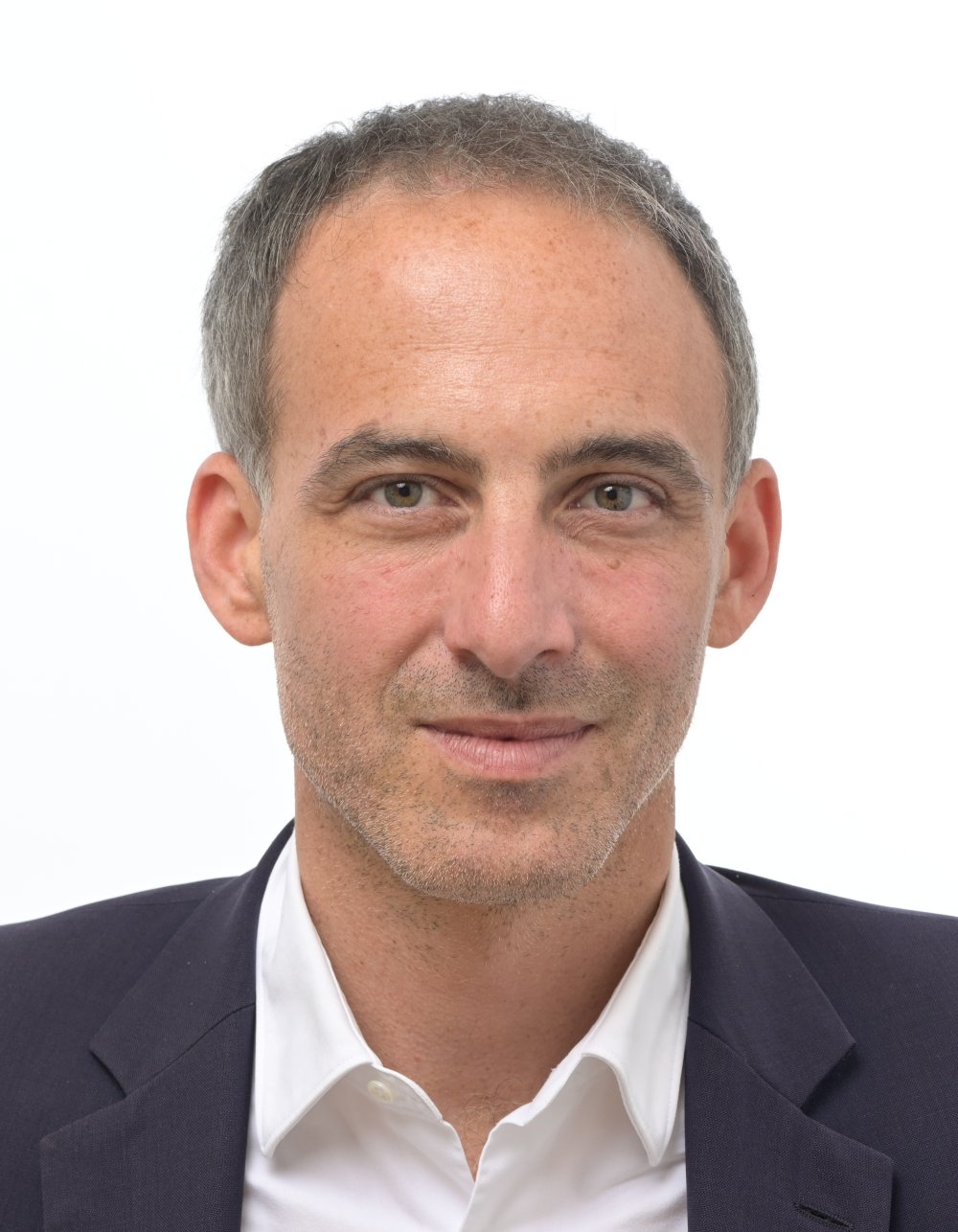
Raphaël Glucksmann, sympathetic on memory but demanding on politics
Raphaël Glucksmann presents a different kind of complexity. On the history of the Genocide against the Tutsi, he may be among the French political figures most aware of the depth of the issue. He co-directed Tuez-les tous !, a documentary on the genocide and the role of France, which examined the international failure to stop the killings and the controversy surrounding French policy at the time.
This background could make him sympathetic to Rwanda’s long-standing position on historical truth. A Glucksmann presidency would probably not reverse Macron’s recognition of France’s responsibility. On memory, he could even go further than some centrist politicians.
But Glucksmann is also a strong human-rights advocate. His relationship with Kigali would likely remain respectful on historical issues while placing greater emphasis on governance, human rights and regional security, including the conflict in eastern DRC. These issues would likely feature more prominently in bilateral engagement.
Raphaël Glucksmann brings a nuanced understanding of the Genocide against the Tutsi’s history and legacy.
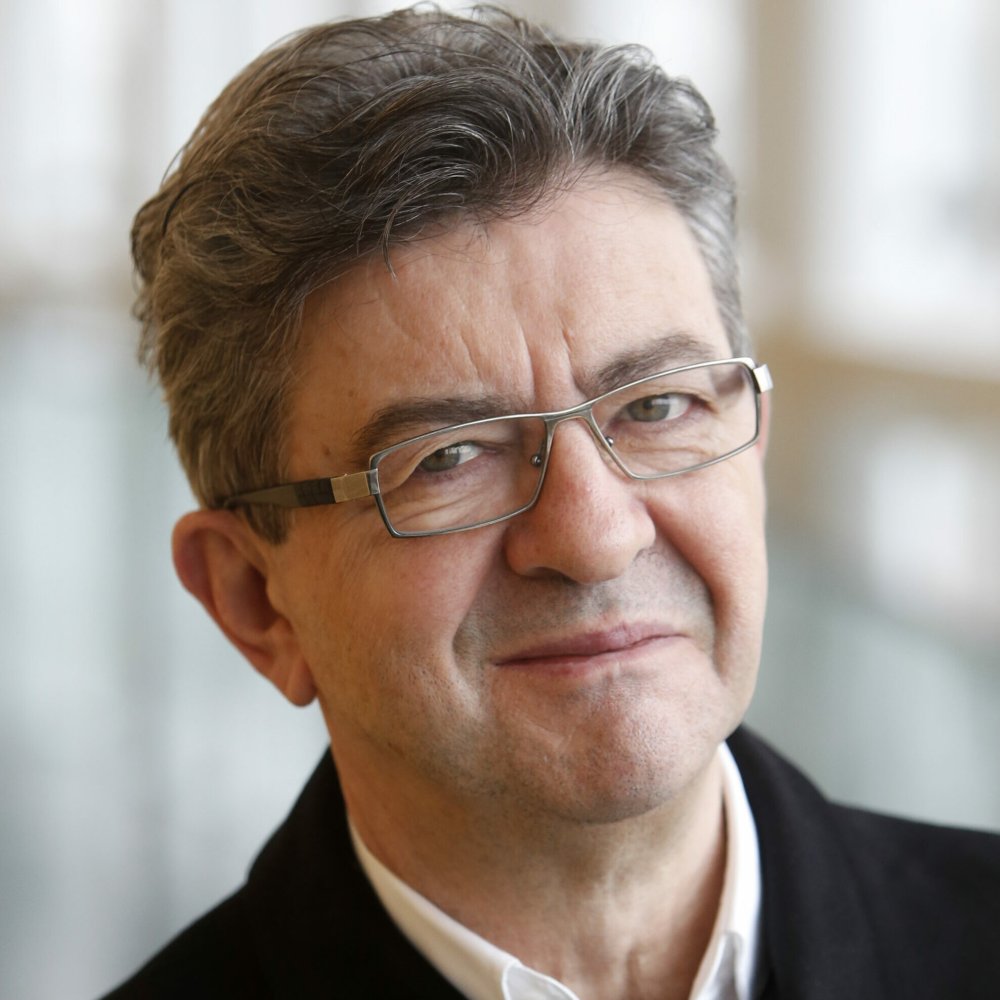
Jean-Luc Mélenchon, recognition of France’s responsibility but strong criticism of Kagame
Jean-Luc Mélenchon would also bring a mixed approach. He supports France recognising its responsibility in Rwanda, and has criticised those who dismiss that process as repentance. But he has also described Paul Kagame’s government as authoritarian and has linked Rwanda to mass violence in the DRC.
His political movement, La France Insoumise, has taken an even harder line on the DRC conflict. In January 2025, it called for strong sanctions against Rwandan political and military leaders and a total embargo on Rwandan mineral exports.
A Mélenchon presidency would therefore be difficult for Kigali. It would not be hostile to Rwanda because of genocide memory. On that point, Mélenchon is closer to historical recognition. But it would probably be very confrontational on the DRC, human rights and Kagame’s rule.
Jean-Luc Mélenchon takes a mixed position: supporting France’s responsibility over Rwanda while criticising Kagame’s government.
Bruno Retailleau, cautious conservatism
Bruno Retailleau, the candidate of the traditional right, is harder to assess on Rwanda specifically. He does not have the same visible Rwanda record as Le Pen, Macron or Mélenchon. His approach would likely be conservative, state-oriented and security-focused.
For Kigali, this would probably mean a cooler but manageable relationship. Retailleau would not necessarily seek confrontation with Rwanda, but he would be unlikely to invest heavily in the symbolic dimension of reconciliation. The relationship could become more administrative, less presidential and more dependent on regional developments in the Great Lakes.
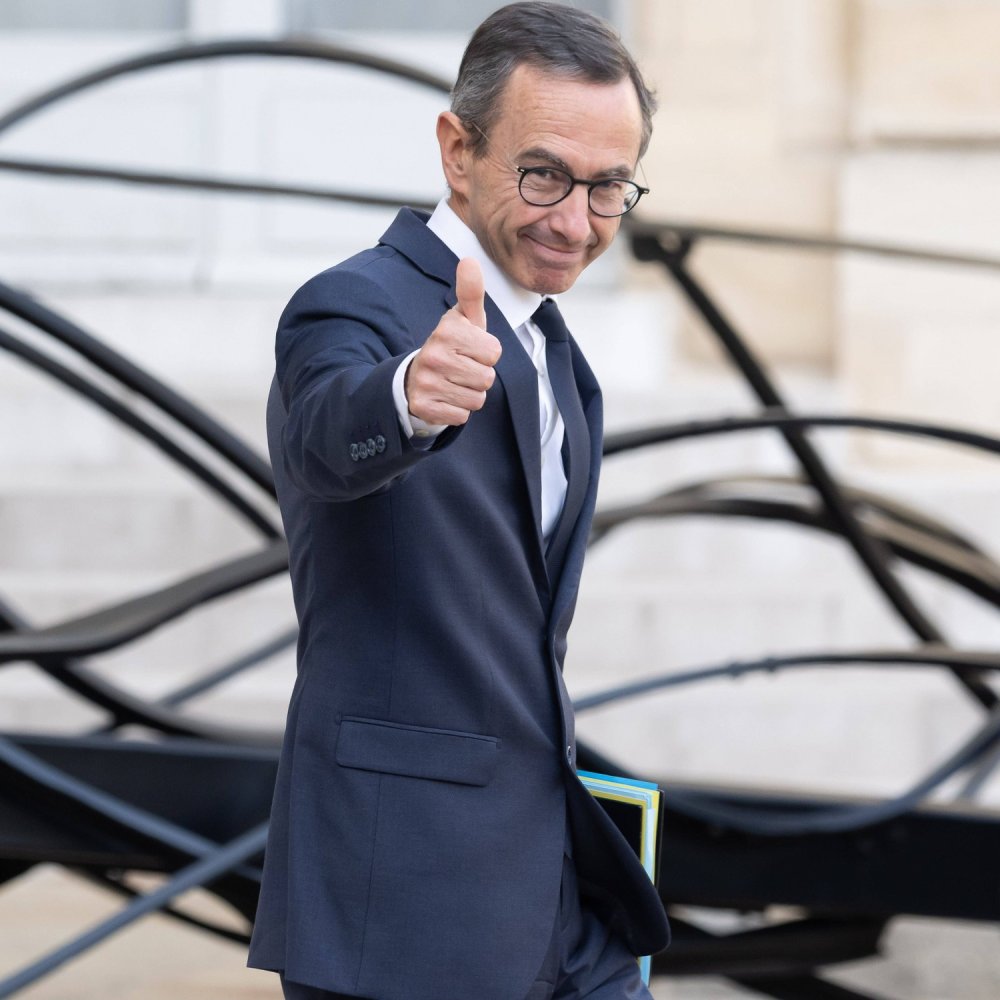
Bruno Retailleau, the candidate of the traditional right, is harder to assess on Rwanda specifically.
The DRC question could shape everything
Whoever replaces Macron will inherit one sensitive file: the conflict in eastern DRC. This issue now sits at the centre of how many Western capitals view Rwanda. France has taken a firm position at the United Nations, including condemning the M23 offensive as supported by Rwanda. At the same time, Macron has also warned against isolating Rwanda and has argued for continued dialogue rather than purely punitive measures.
This balance may not survive intact under Macron’s successor. A centrist president may keep the same careful line: pressure on security issues, but continued engagement with Kigali. A far-right president may cool the historical reconciliation agenda. A left-wing president may maintain recognition of France’s responsibility in 1994 while becoming tougher on Rwanda’s current regional policy.
For Rwanda, the lesson is clear. The relationship with France has improved significantly, but it should not be taken for granted. Much of its current warmth was built around Macron’s personal political choice to confront France’s past and rebuild trust with Kigali. Institutions, trade, culture and diplomacy may preserve the relationship, but personalities will shape its temperature.
The most favourable scenarios for Rwanda would likely be Attal or Philippe. Both would probably maintain continuity, although with different levels of enthusiasm. Glucksmann would be constructive on genocide memory but more demanding politically. Bardella would be uncertain and colder. Le Pen would be the most difficult. Mélenchon would be confrontational, especially in the DRC.
After Macron, Rwanda-France relations are unlikely to return to the deep hostility of the past. Too much has changed. But the exceptional warmth of the Macron-Kagame years may not be automatic. The next phase will depend on whether France’s new president sees Rwanda as a strategic African partner, a historical responsibility, a regional problem or all three at once.